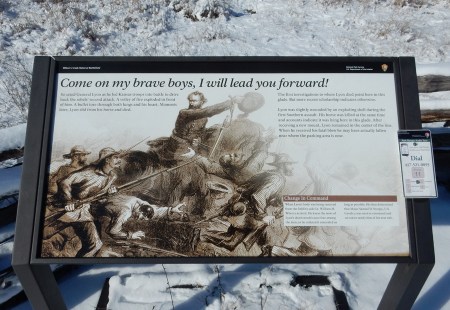
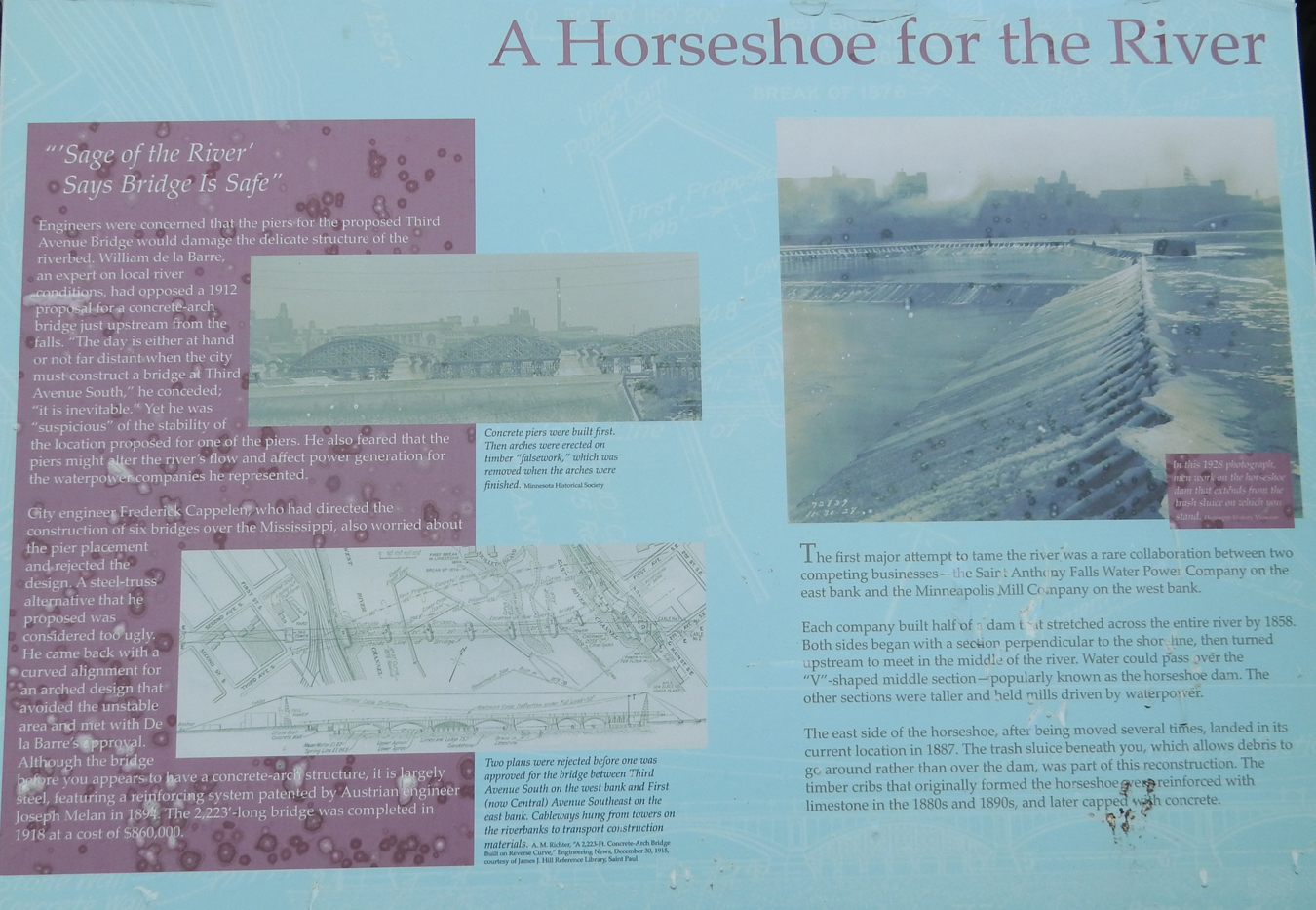
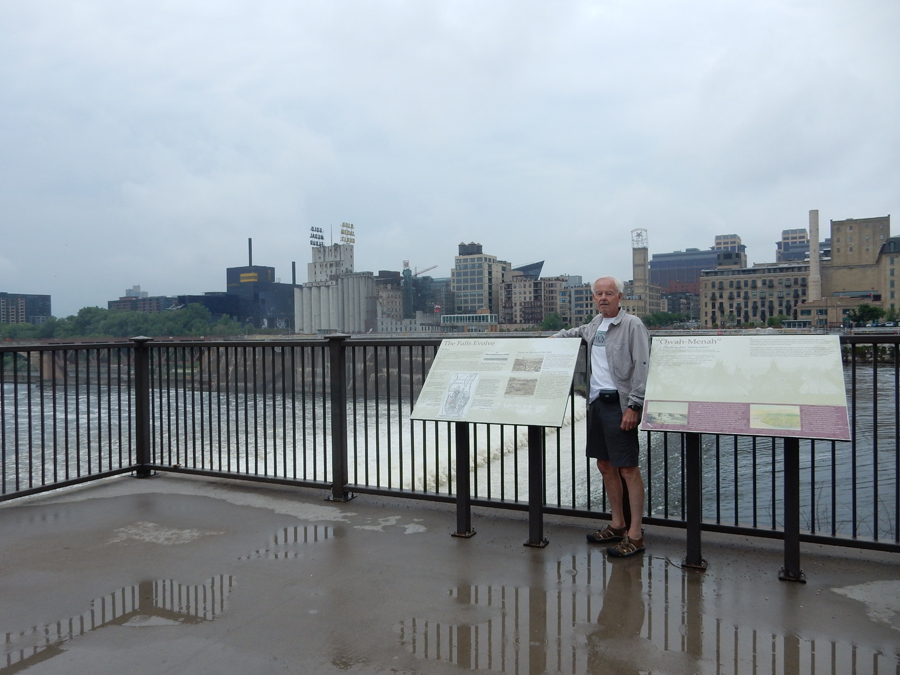
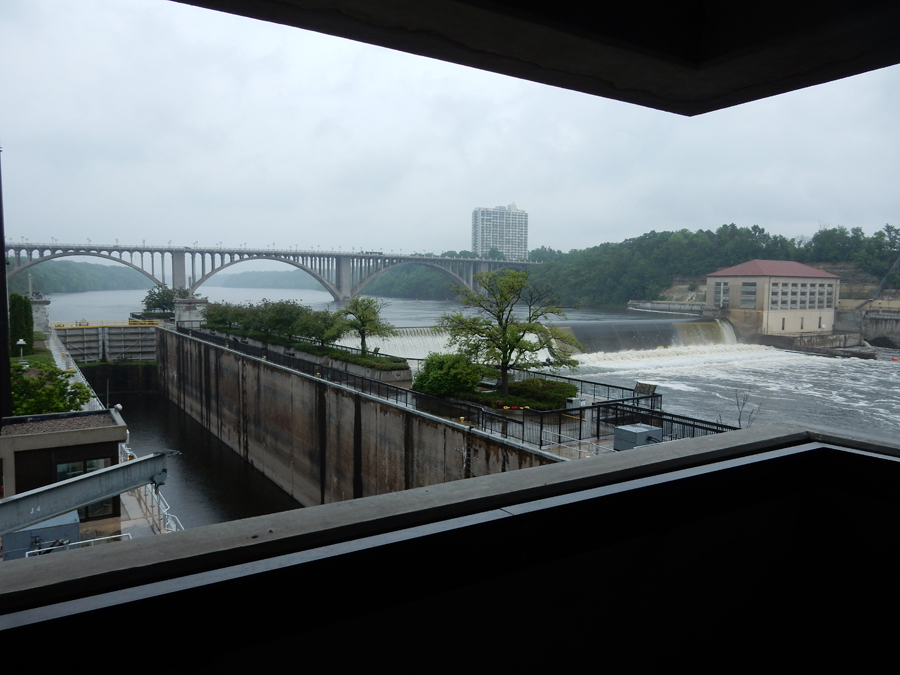
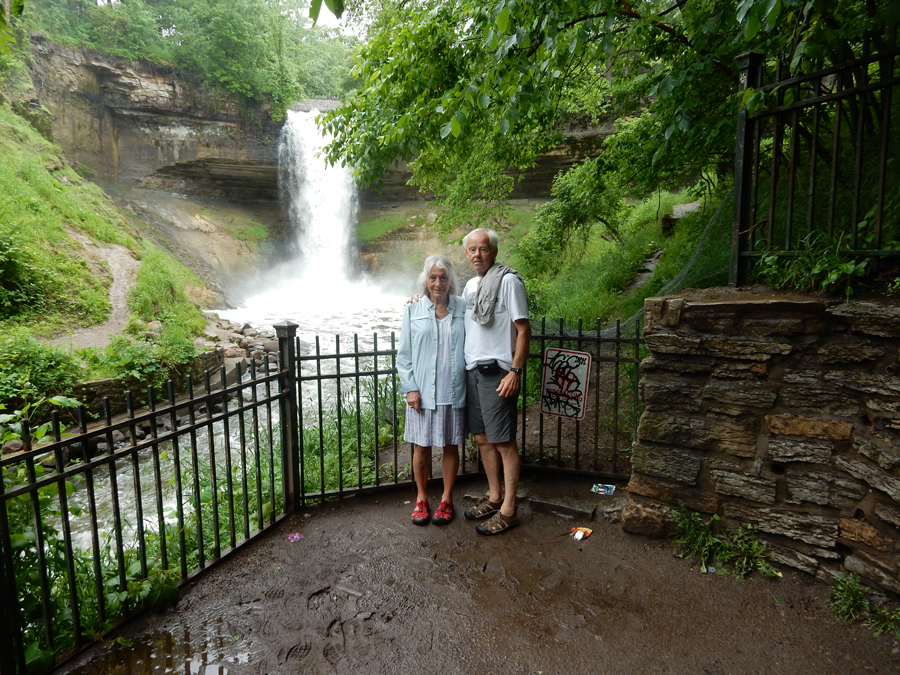
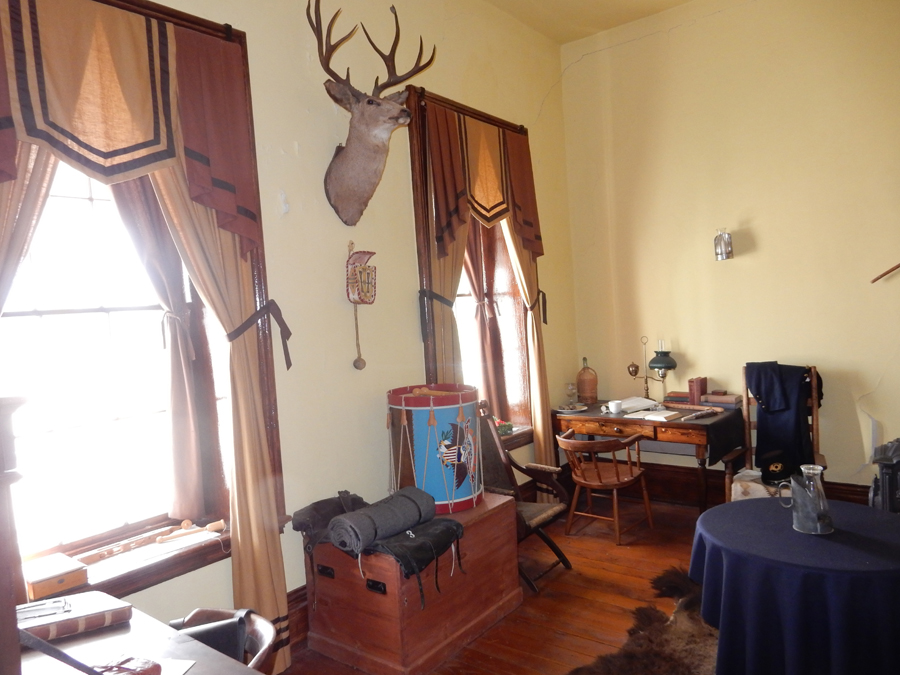
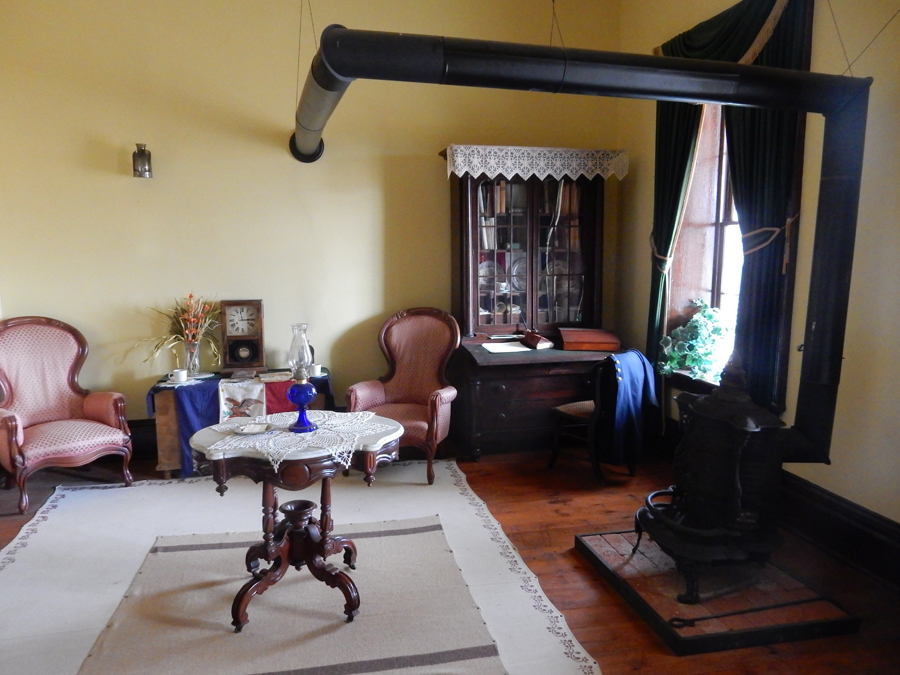
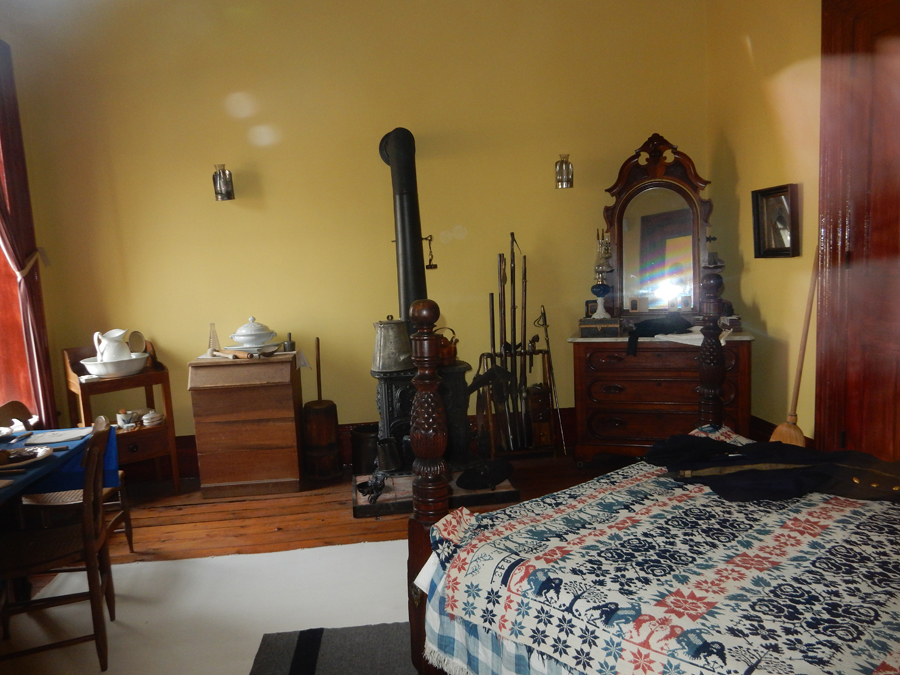
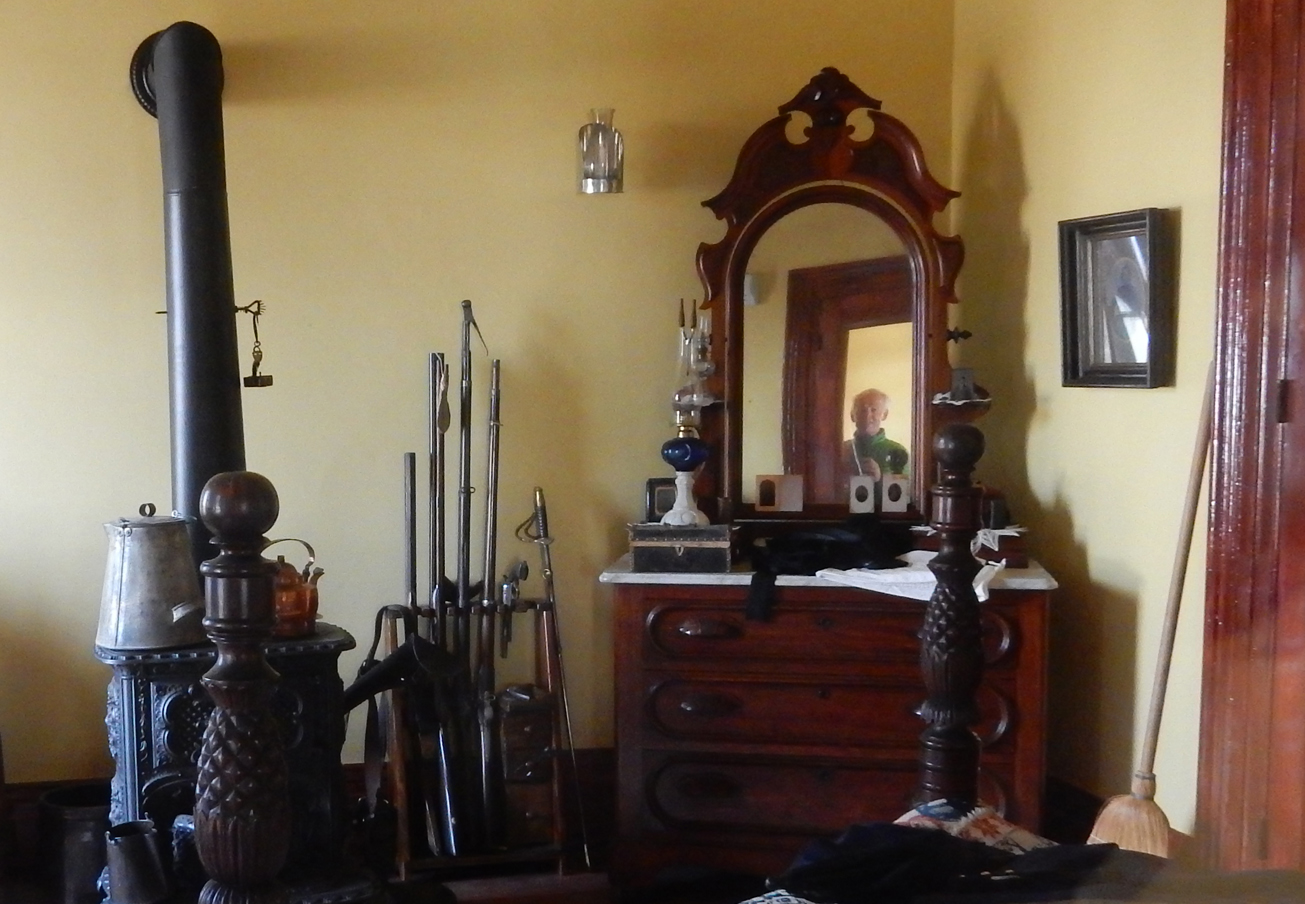
Archive for the ‘Tom’ Category

h1

Northern CA and Southern ID National Park Units

May 15, 2018

5/1 Tu – left Dayton 6:20a, left Chicago 8:20a, left San Francisco, 11:40a, and arrived Salt Lake City at 2:41p. That’s what you get for using frequent flyer miles! It took 5.5hrs to drive to Winnemucca NV, a long day.

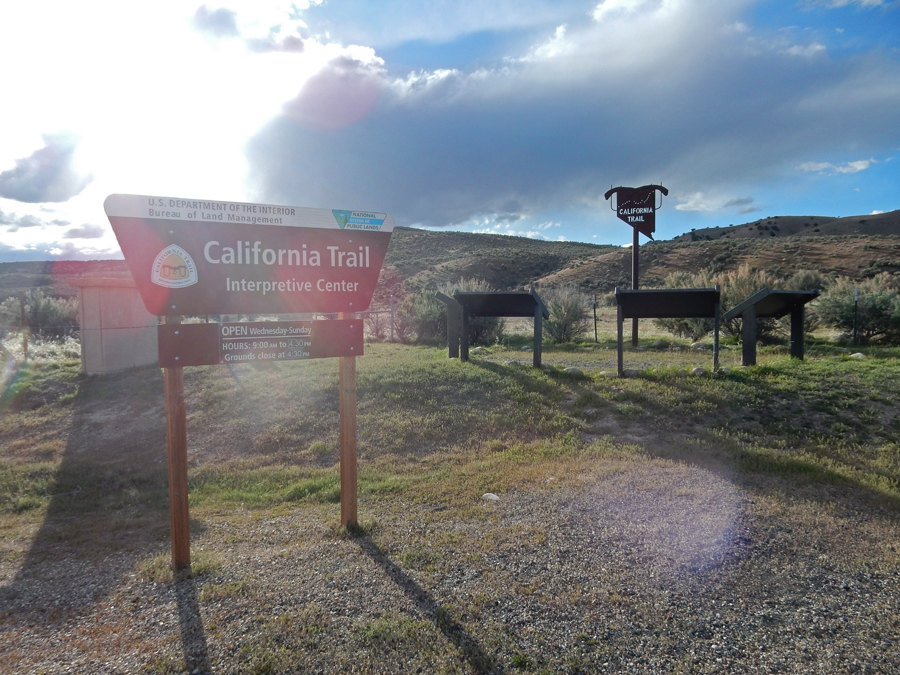
I stopped at the California Trail Interpretive Center (BLM) on I80 outside of Elko NV

5/2 W – it took 7hrs to drive to Berryessa Snow Mountain National Monument (BLM and USFS), which is in Mendocino National Forest NW of Sacramento CA. I took Hwy 20 W through Grizzly Canyon and into the NM.

The Cache Creek Wilderness is in the new (2015) National Monument

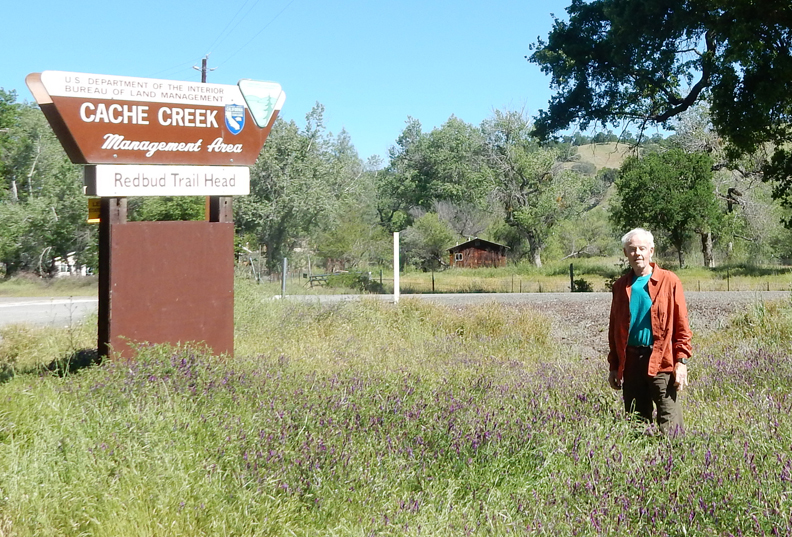
Starting the Red Bud Trail to Baton Flat and Cache Creek, 5 miles round trip, 1000-foot total gain

The spirts were with me –

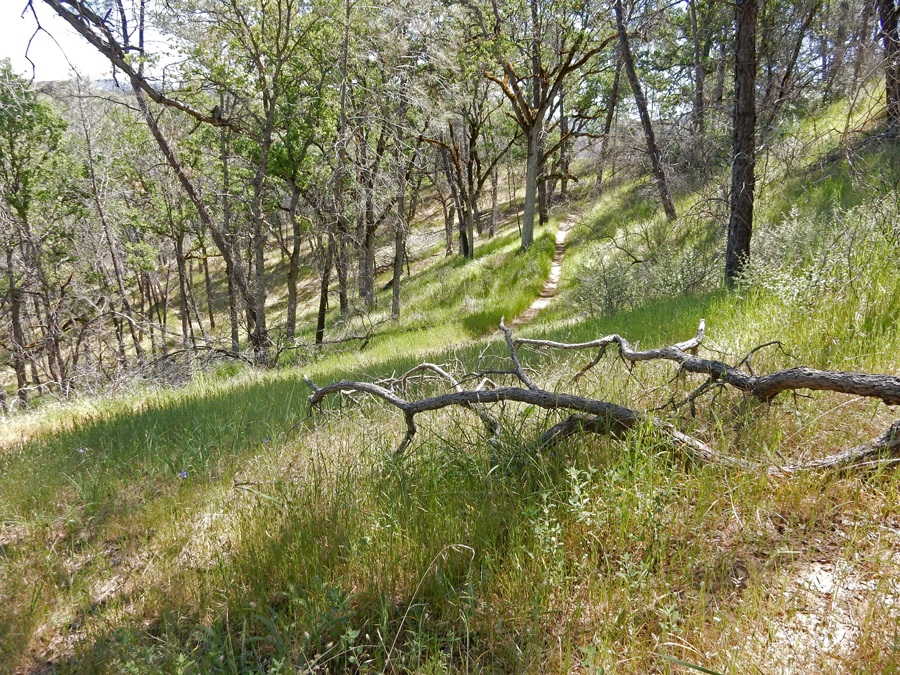
Hiked through a beautiful meadow before the trail ascended to a ridge

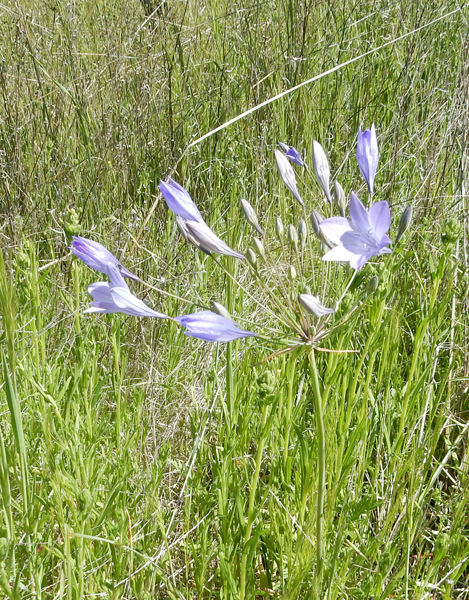
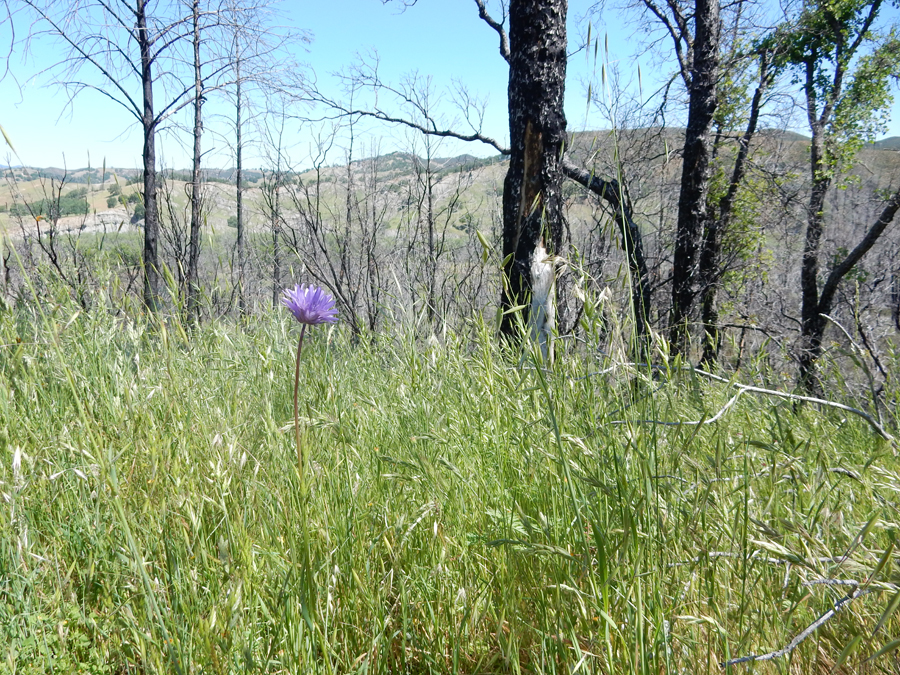
I was surprised by the number and variety of wild flowers at this time of year

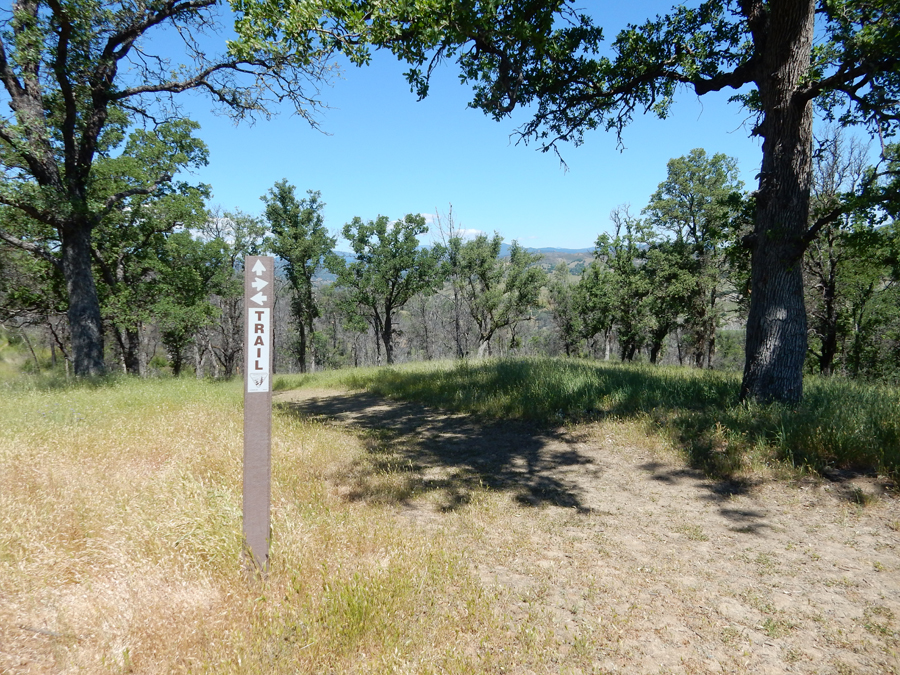
Top of ridge, which way?

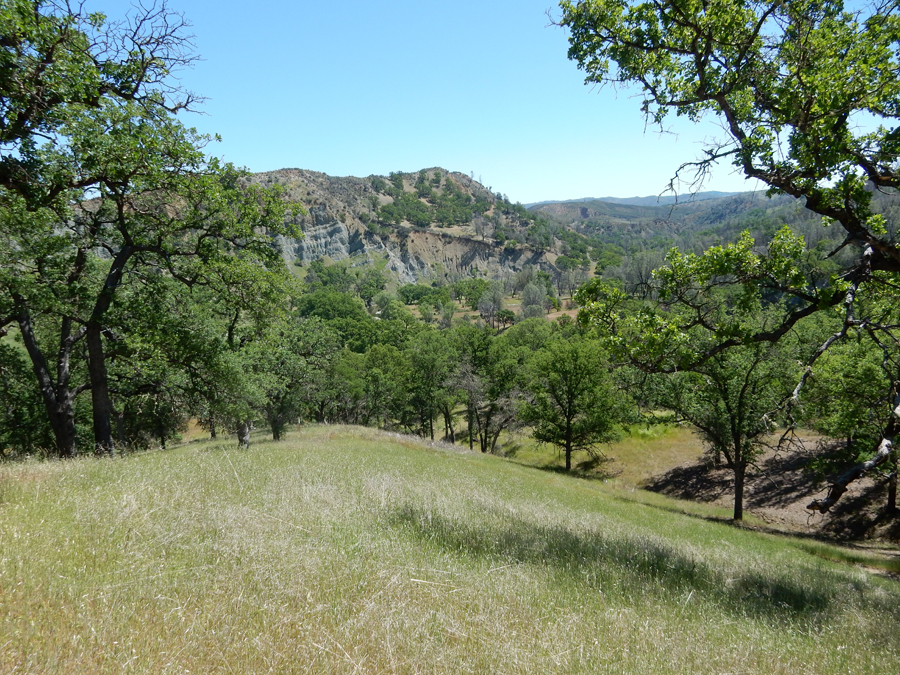
View down to Cache Creek

Hiking down to Cache Creek

Baton Flat on Cache Creek

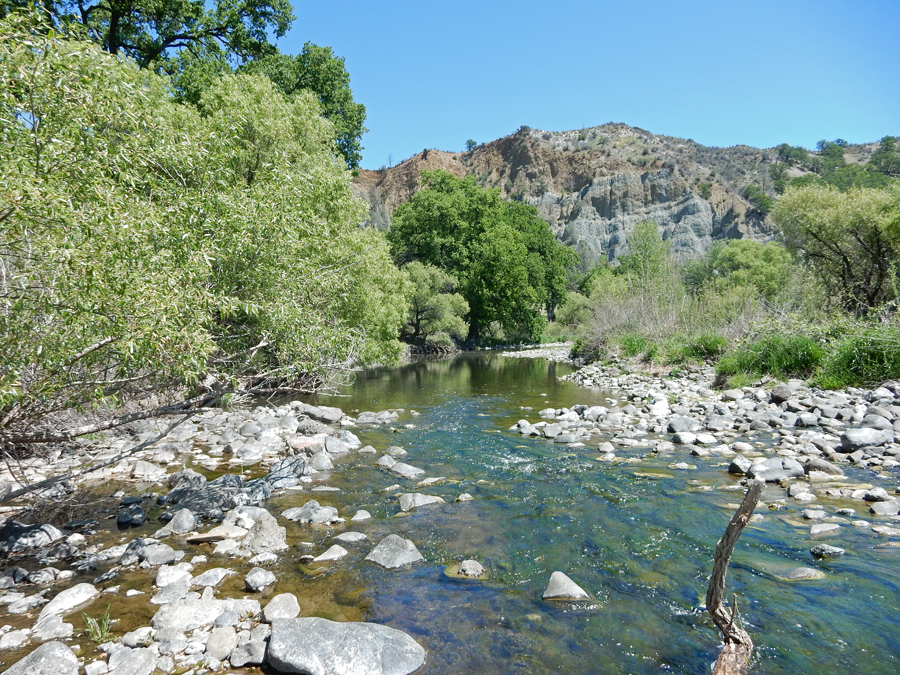
Cache Creek

It’s OK, the little guy can regrow it –

Stayed in an Airbnb in Redding CA


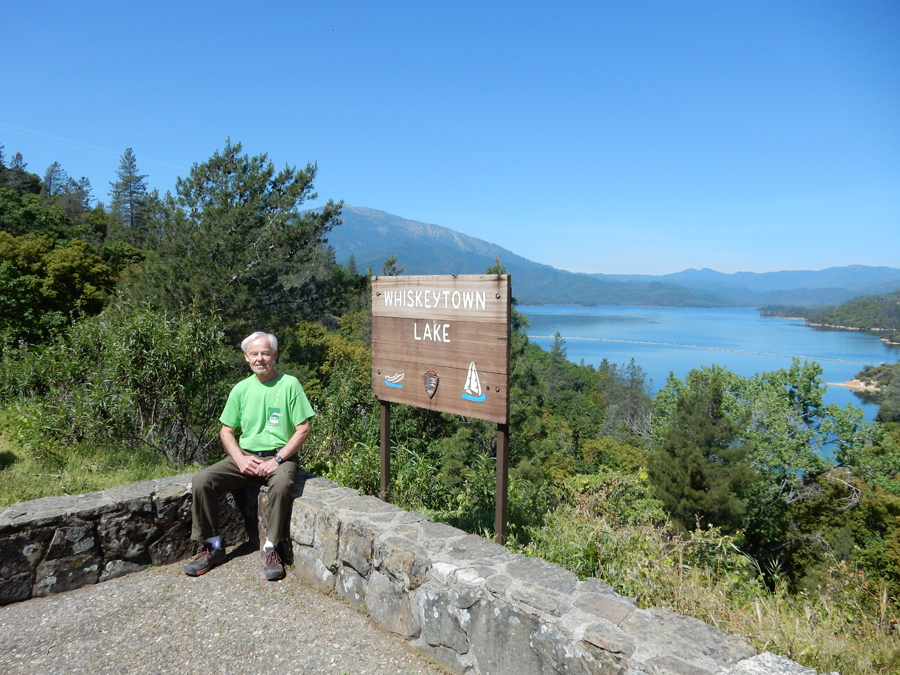
5/3 Th – just W of Redding, I entered the Whiskeytown Unit of the Whiskeytown-Shasta-Trinity National Recreation Area

I started by driving on the east side of the lake to the Camden Water Ditch Trail

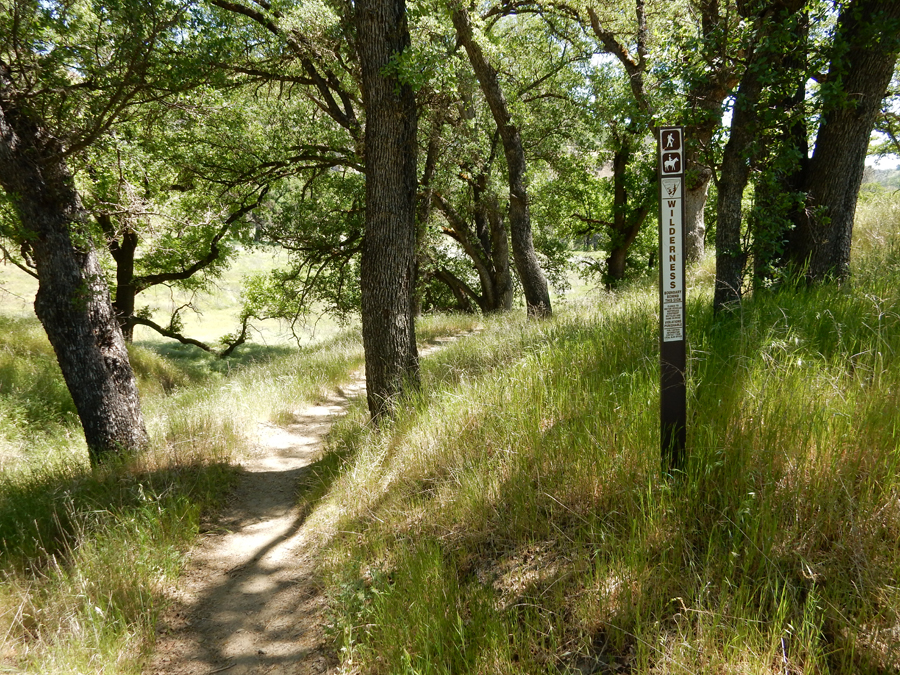
I did the 1.1mi loop trail

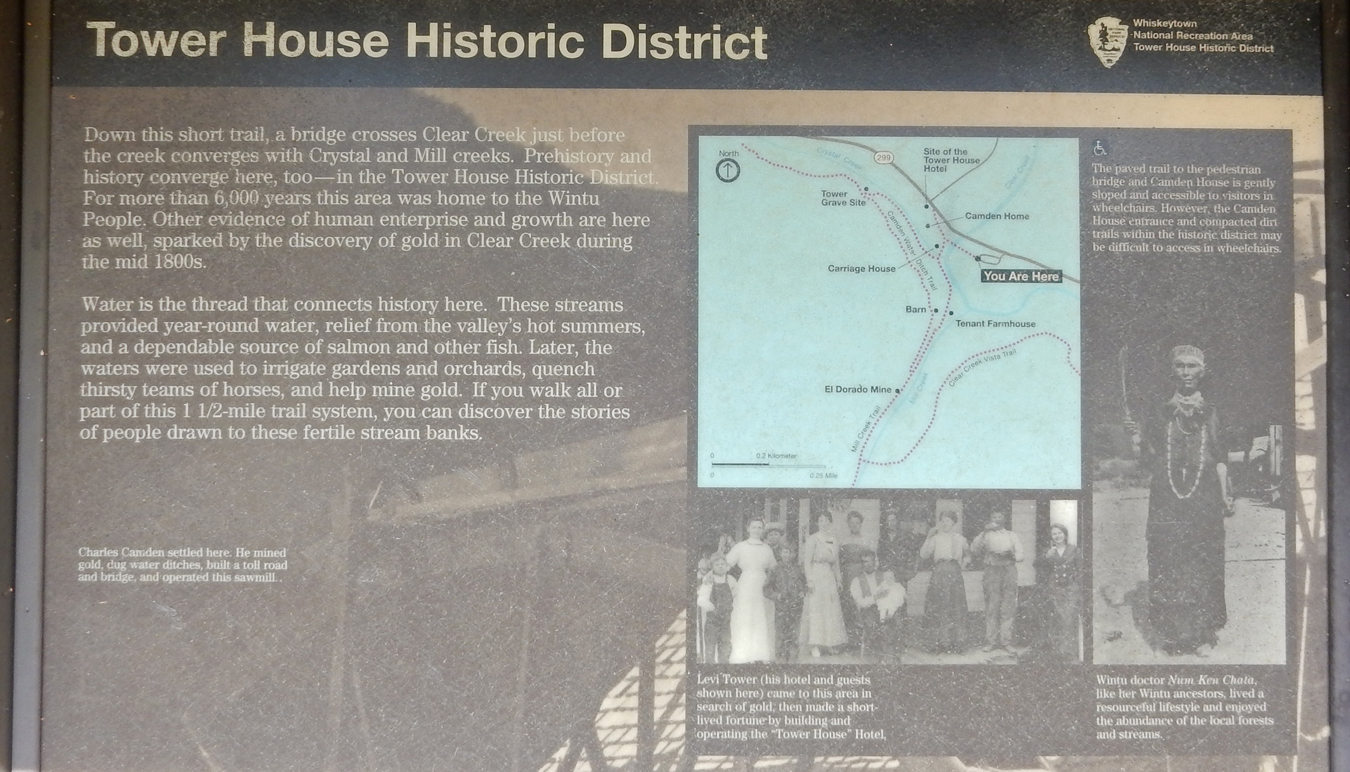
Camden House

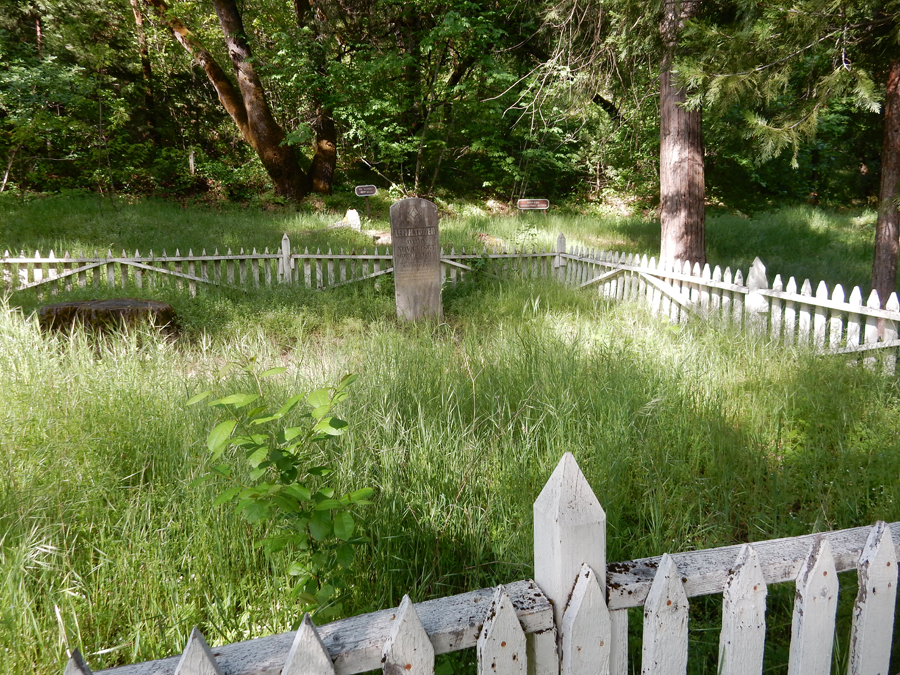
Tower grave site in the Tower House Historic District

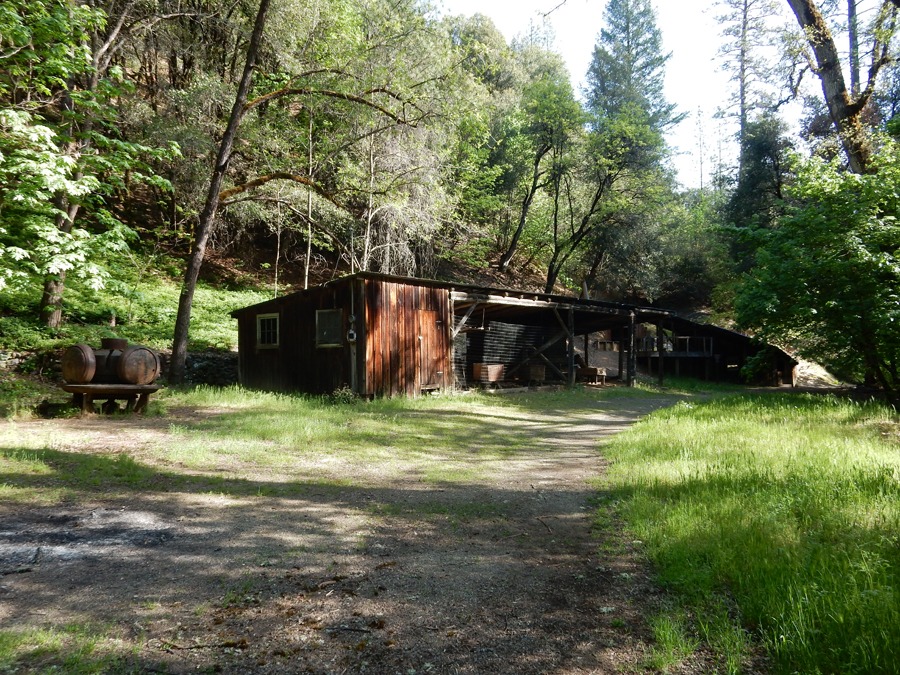
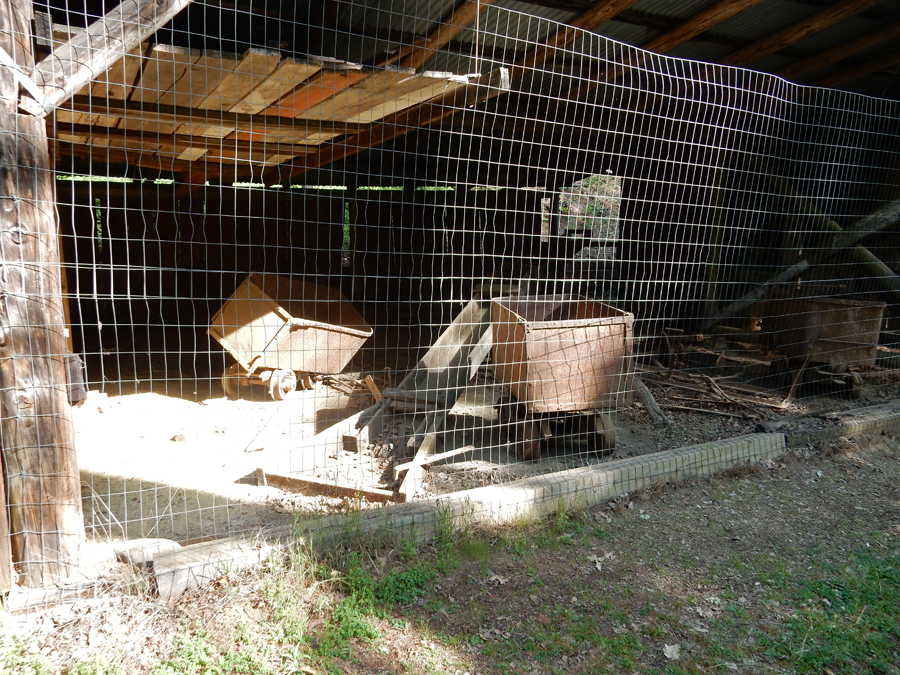
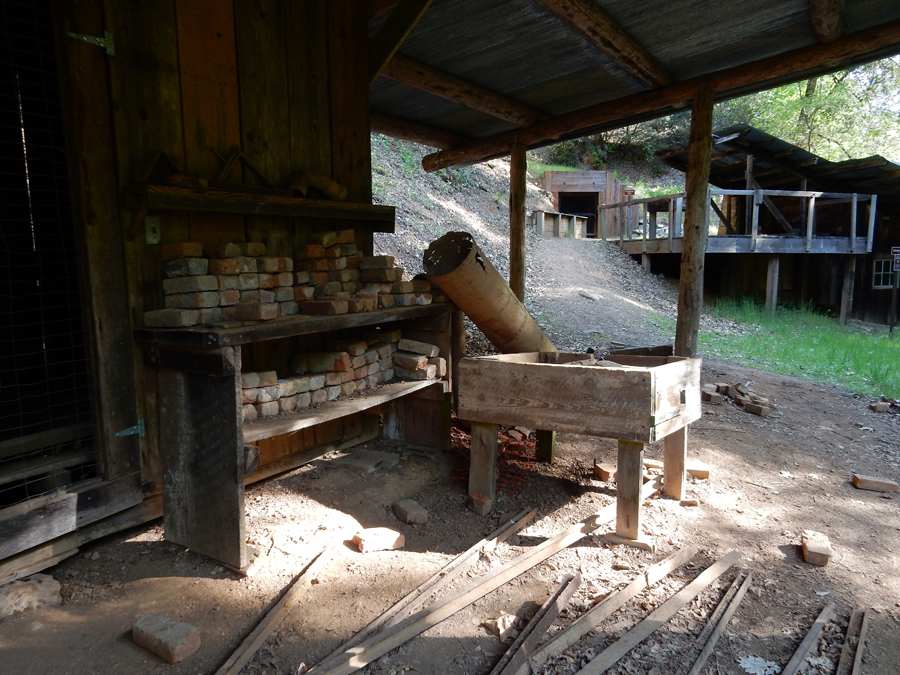
El Dorado Mine

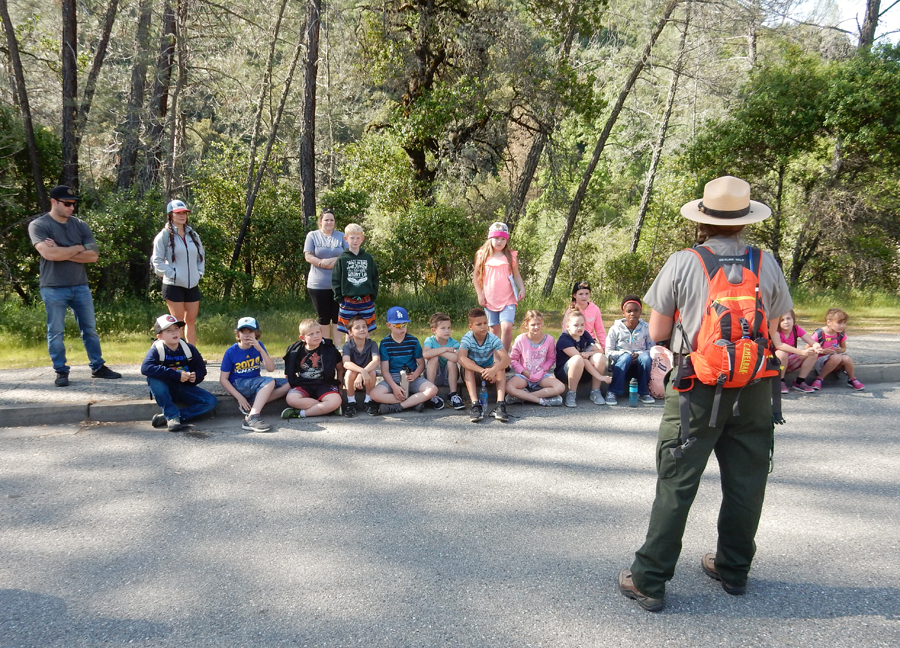
Early national park education, the children were really excited – we need more of this!

I next did the short drive and hike to Crystal Creek Falls, it was worth it

Afterward I drove back to the Visitor Center at the SE corner of Whiskeytown Lake

I hiked the Shasta Divide Nature Trail to the lake, 0.5-mile loop

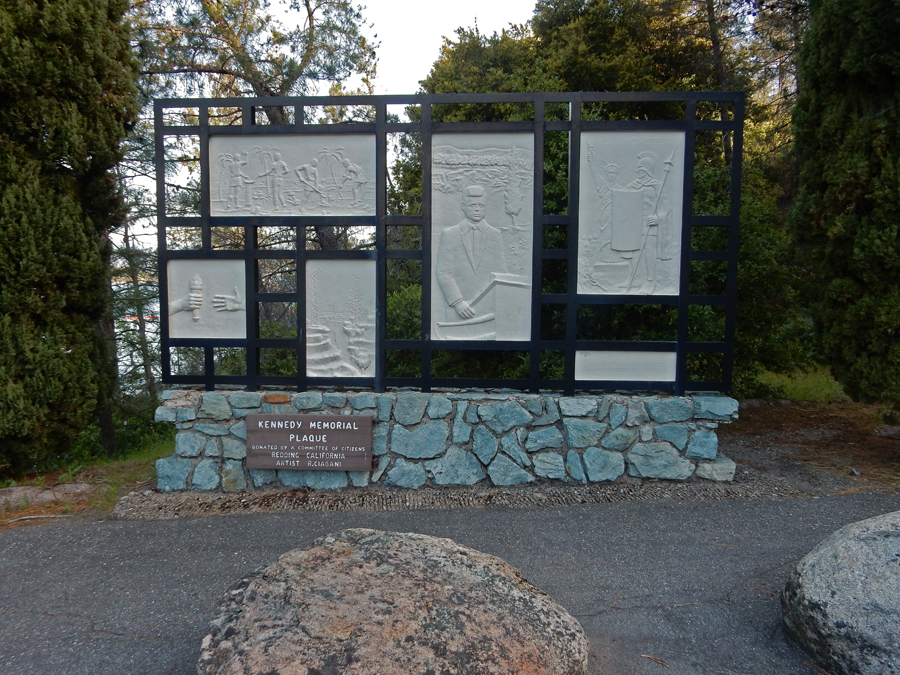
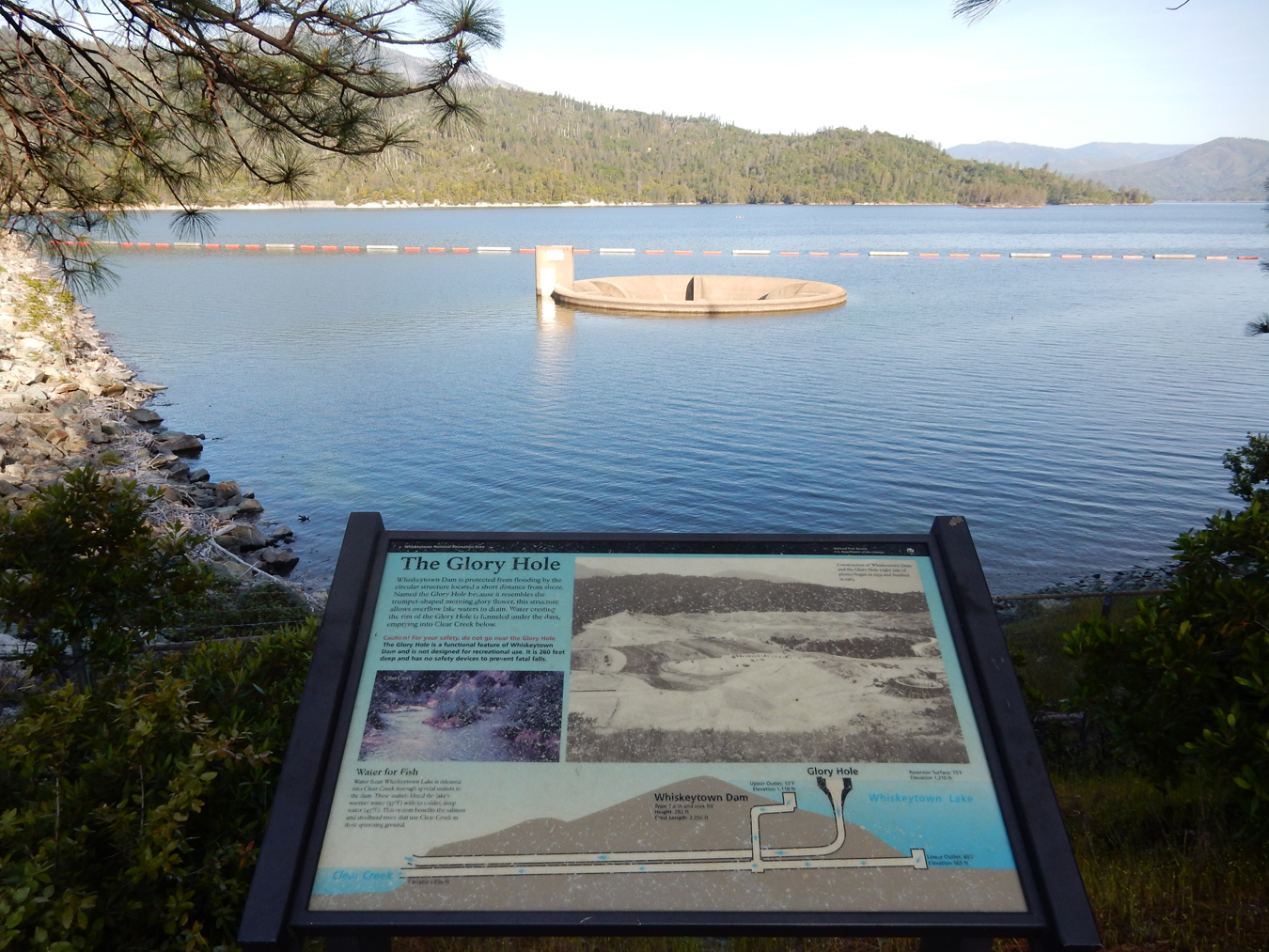
President John F. Kennedy dedicated the Whiskeytown Dam in 1963

It is one of a series of dams and canals that harness the waters of the Sacramento River and its tributaries

However, this development came at a cost

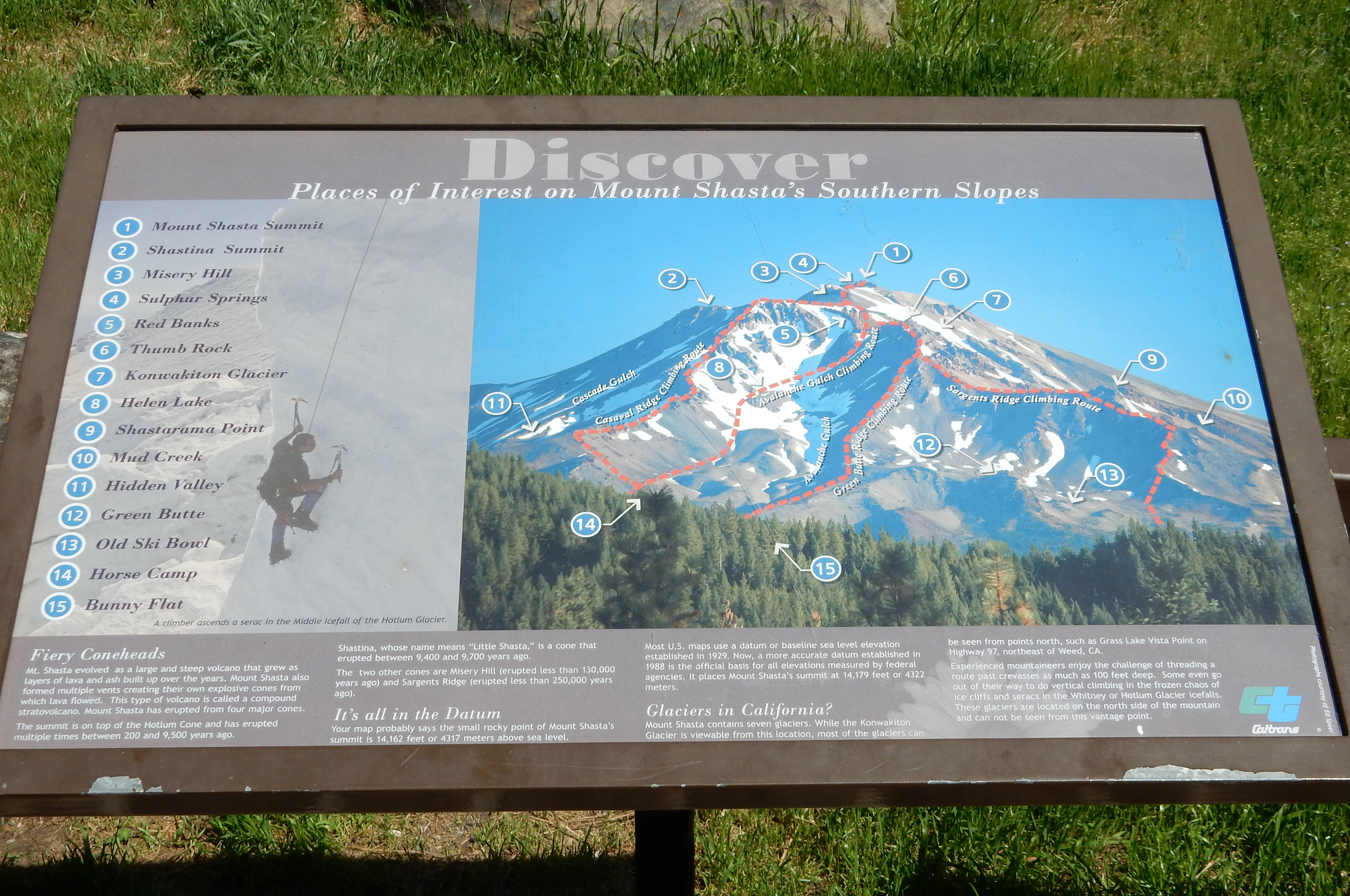
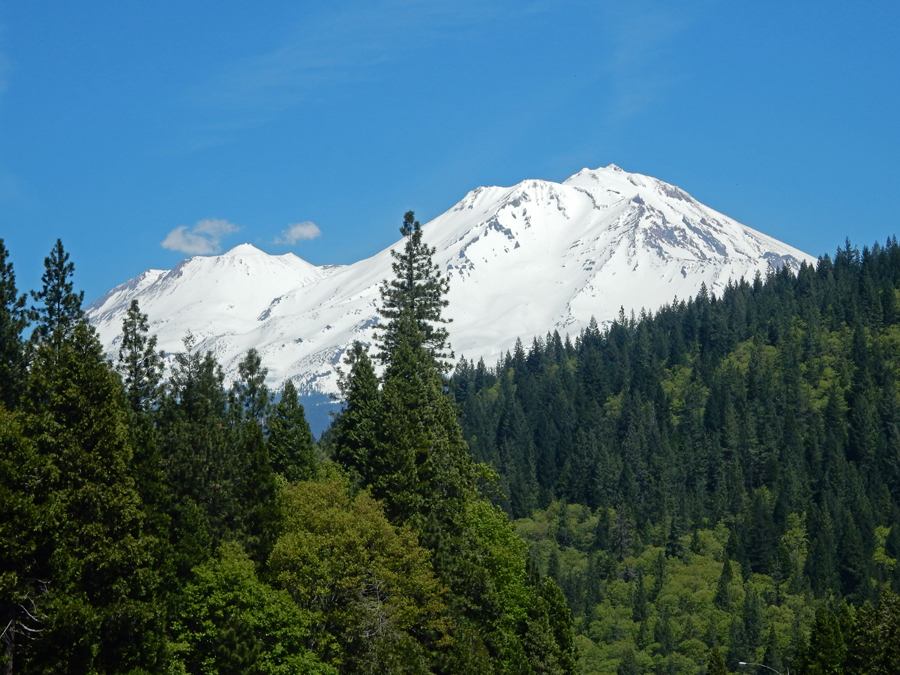
Mt Shasta from an I5 overlook

At one time, this mountain was on my to do list

Mt Shasta from the west

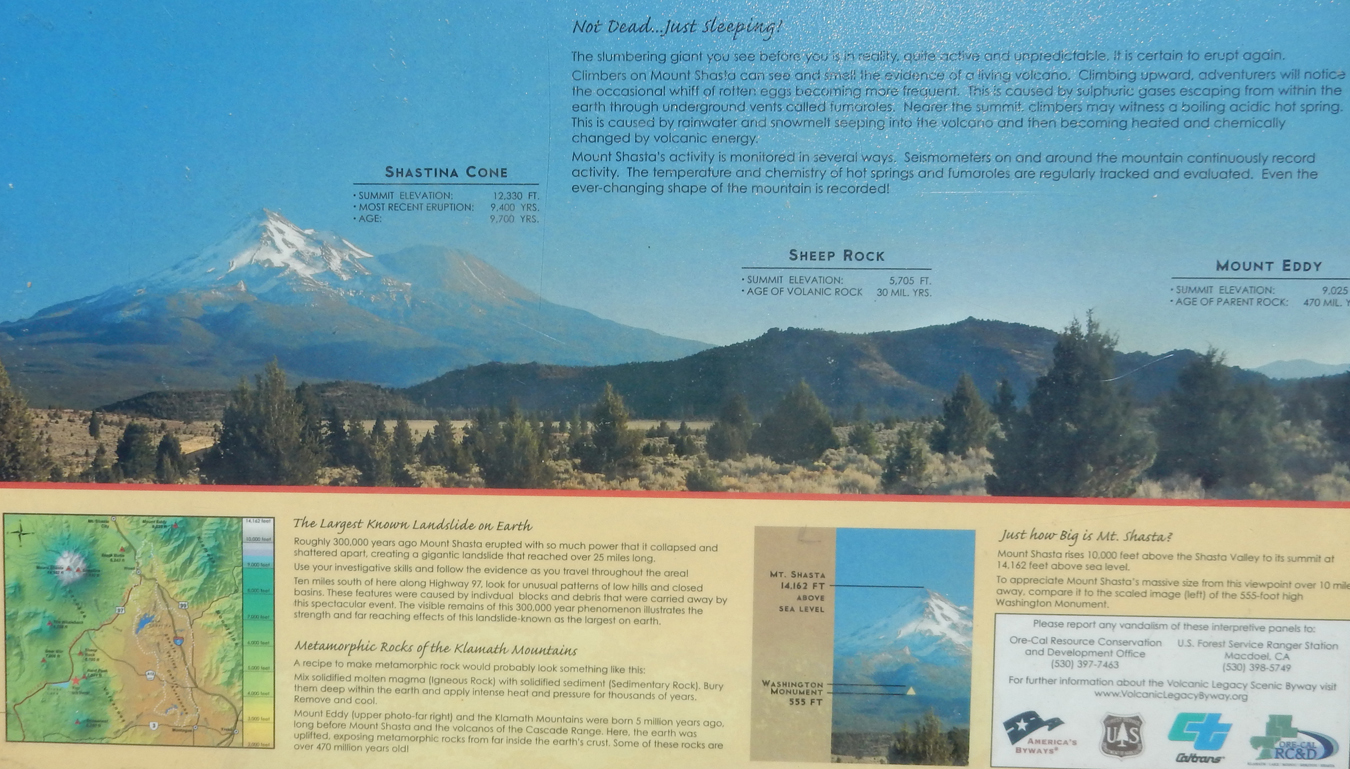
View of Mt Shasta from the North, off US 97, the second pic (sign) shows the location

Read the signs for more information – you can tell I like mountains!

Lower Klamath National Wildlife Refuge, just south of the OR border, lots of birds

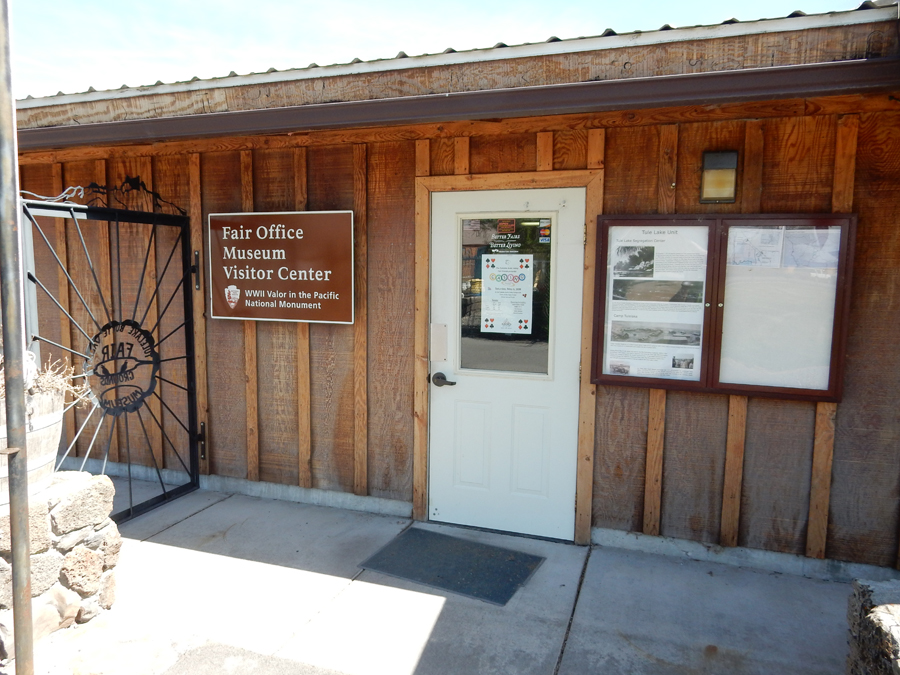
Arrived at the Butte Valley Fairgrounds Visitor Center and Museum in Tulelake CA at 2:30. The NM Visitor Center here is only open from Memorial Day to Labor Day but this museum is open year round.

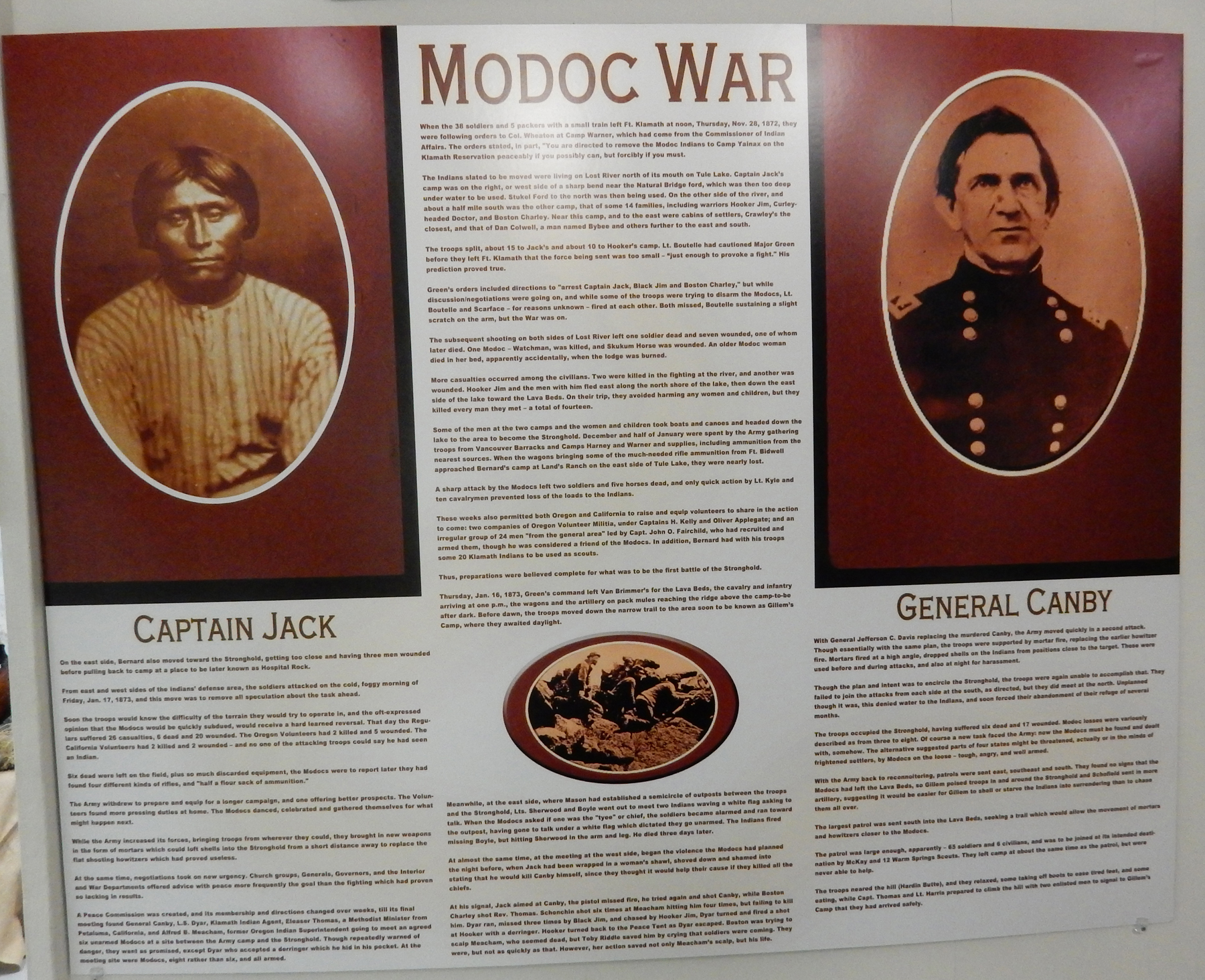
Some displays in the Museum

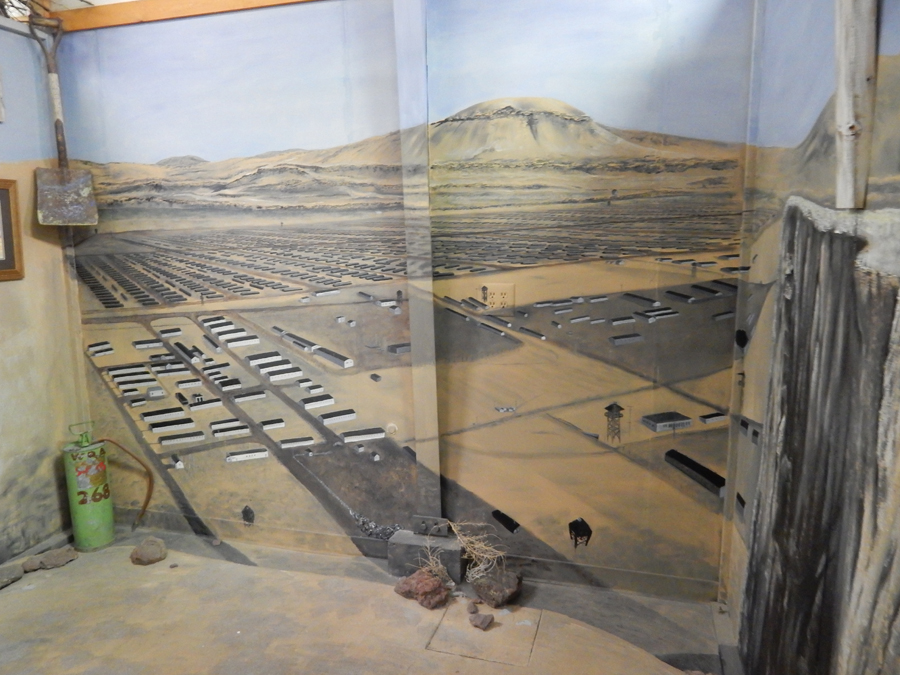
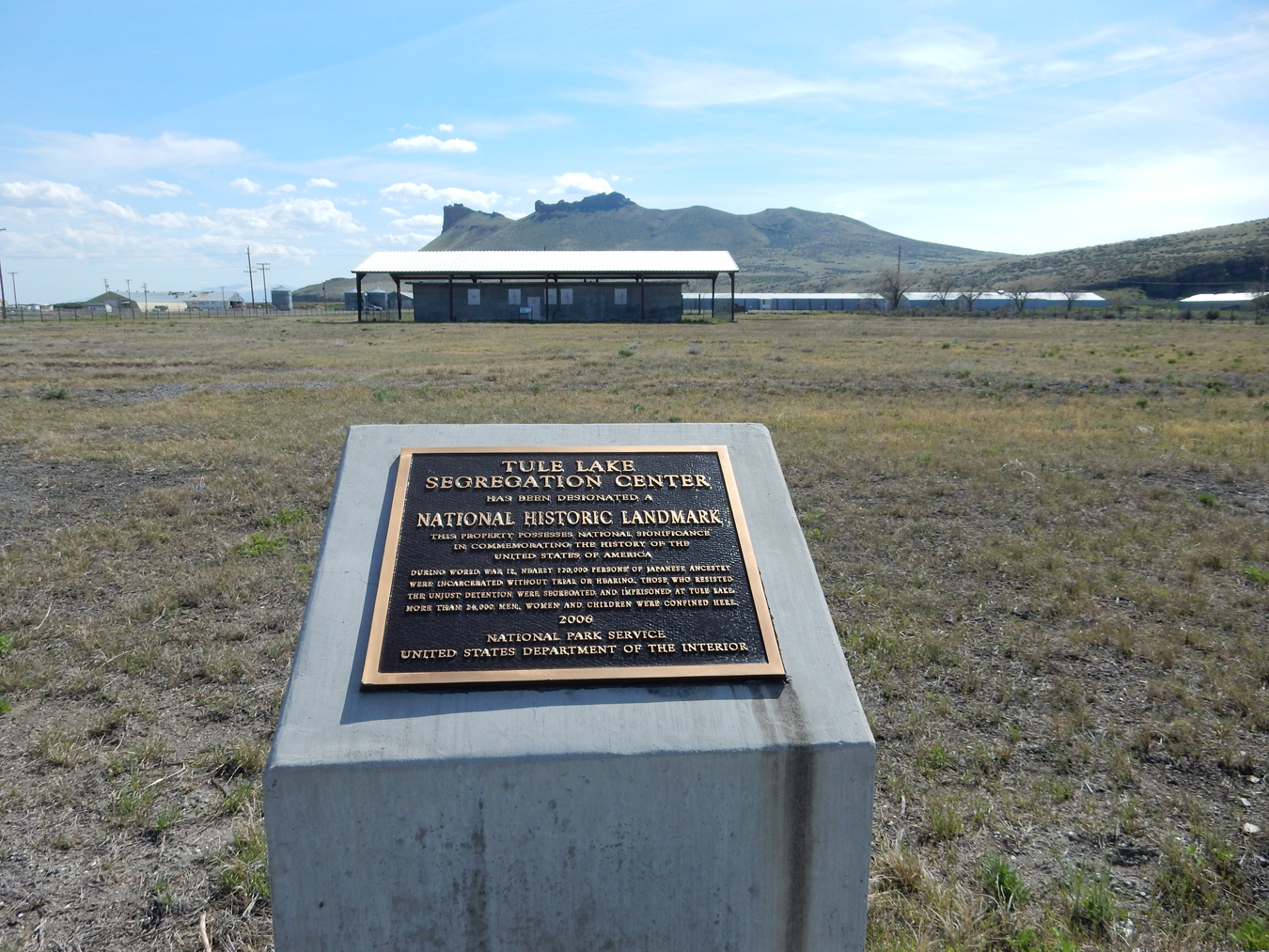
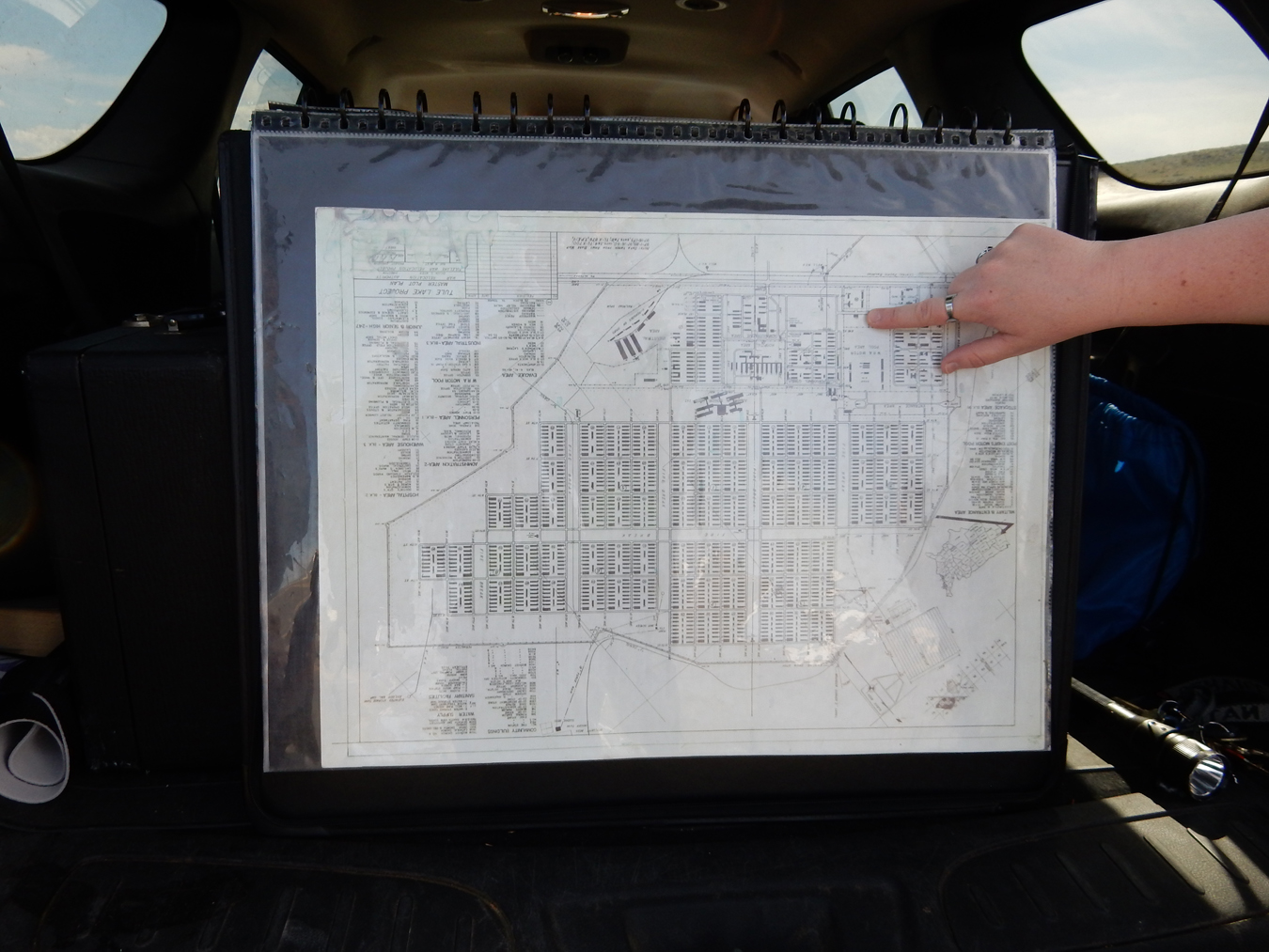
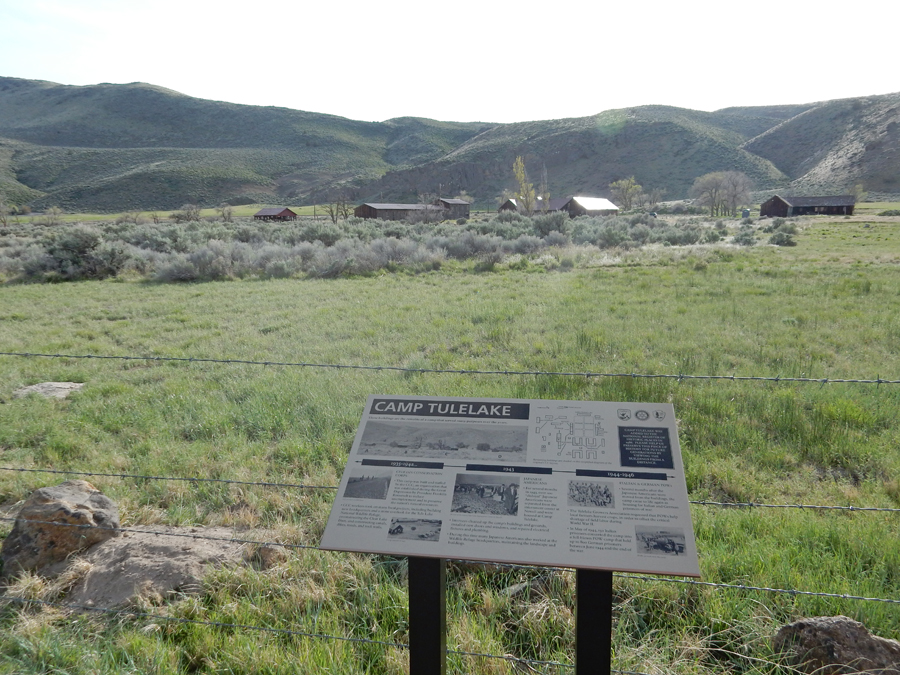
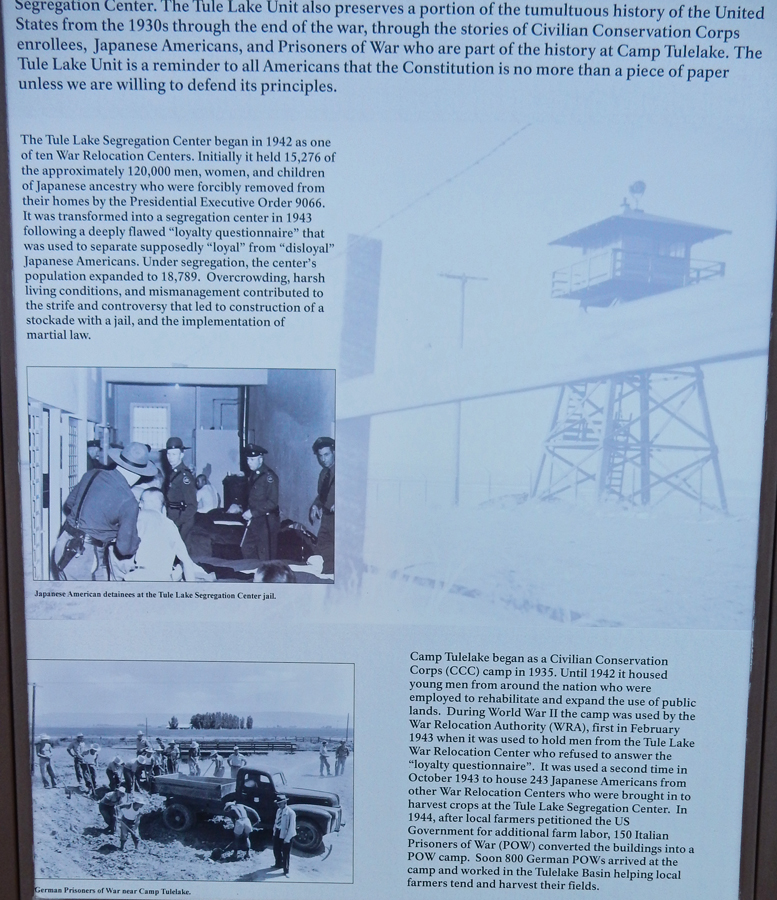
I met National Park Ranger Angela here at the museum. Her normal post at this time of year is at Lava Beds National Monument nearby. I had arranged for her to give me a tour of the Tule Lake Unit of the World War II Valor in the Pacific National Monument. We examined this display of the Tule Lake Japanese Segregation camp at the museum and then drove to the location of the Segregation Center.

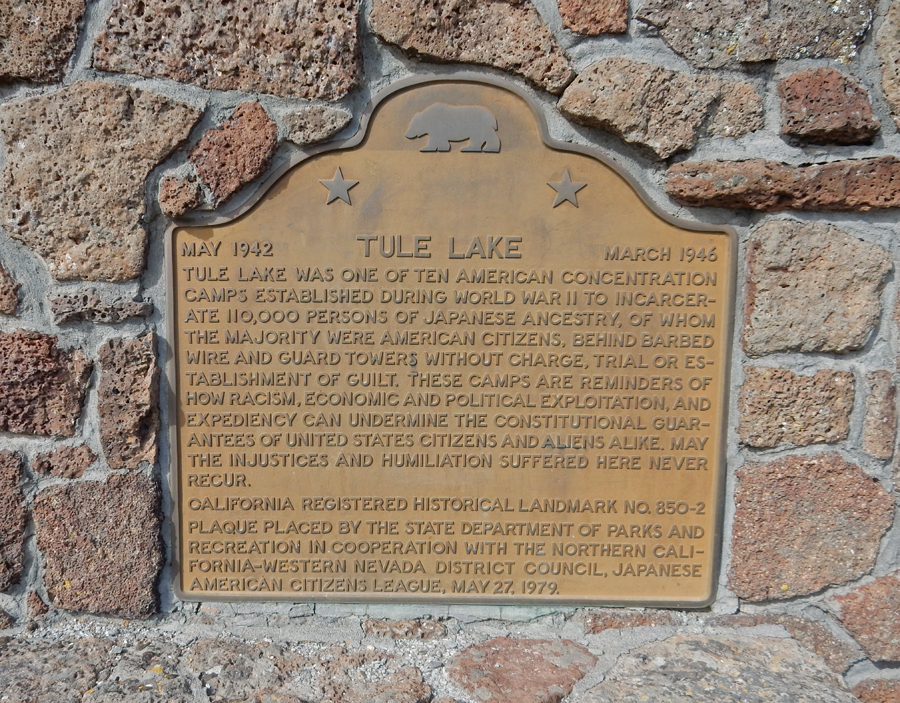
There were 10 Japanese Relocation Centers, “Concentration Camps,” spread mainly across the western U.S. They were in operation during World War II, from 1942 to 1945. I have already visited one of them – Manzanar National Monument, outside of Lone Pine CA (see this blog for May 2016). I will be visiting another on this trip – Minidoka National Monument in ID. There is also a new (not yet open) National Monument in Hawaii – Honouliuli National Monument, that will tell the history of internment, martial law, and the experience of prisoners of war in Hawaii during World War II. These camps were a black mark against the U.S. during this period and it is important that their story be told.

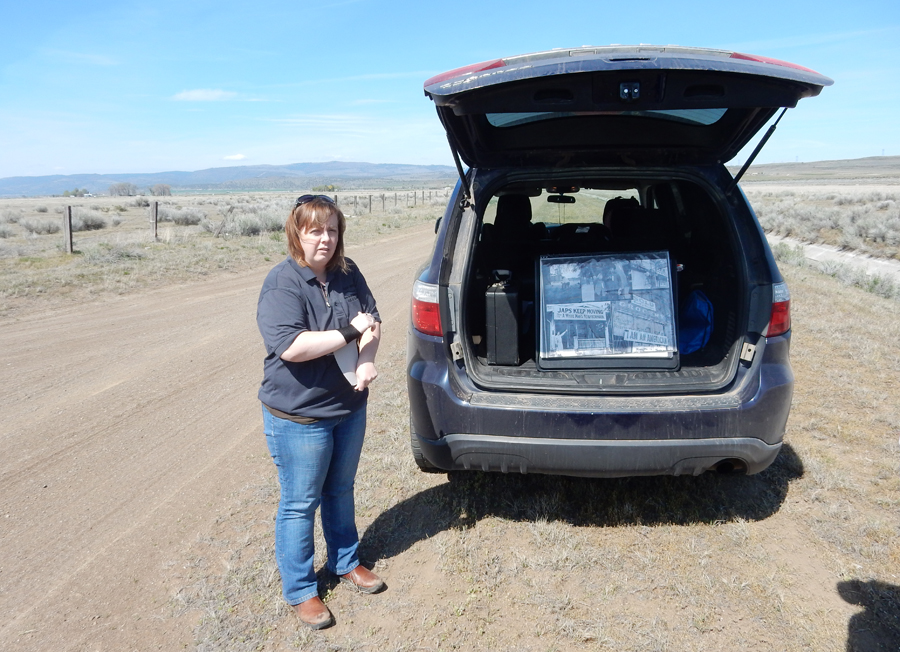
Ranger Angela giving an over view of the Relocation Story from the back of her SUV

The Japanese population at this camp was 18,789 in 1944

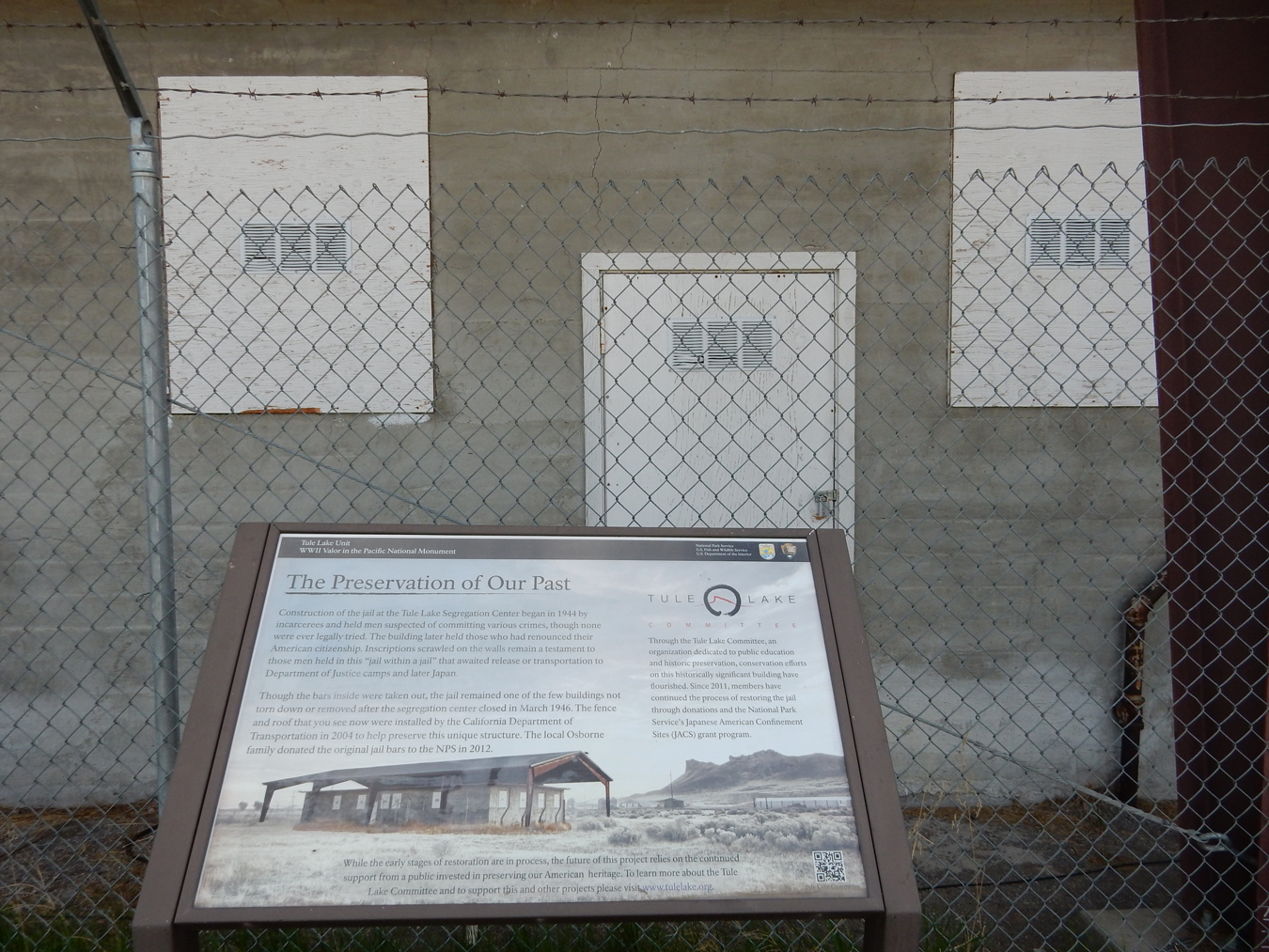
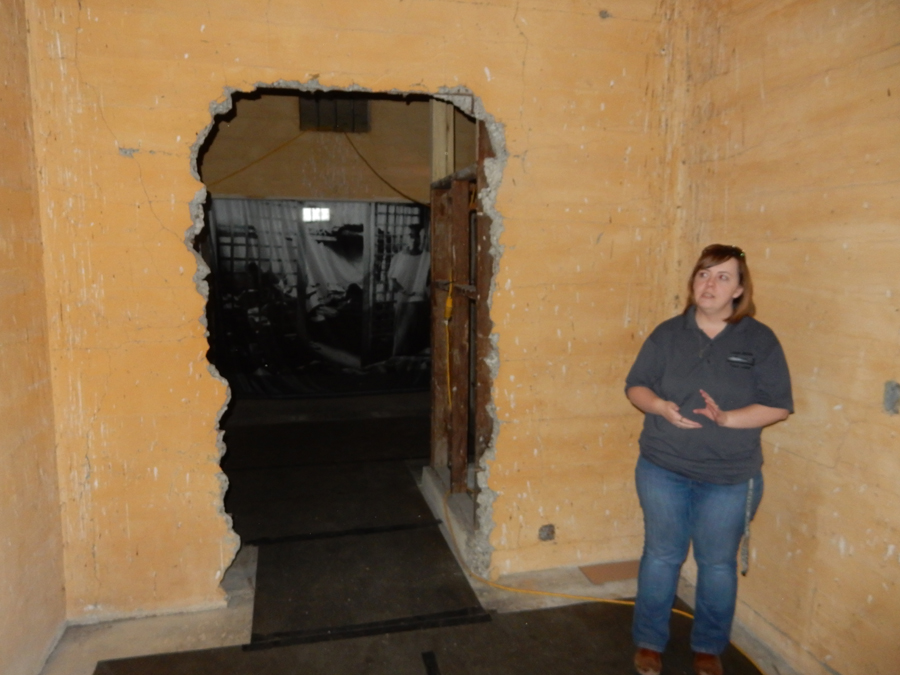
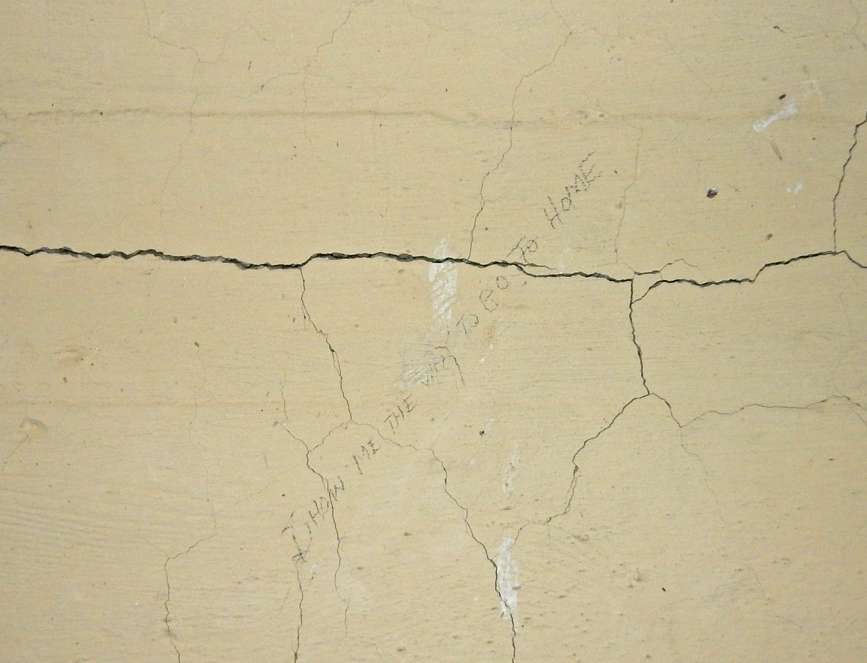
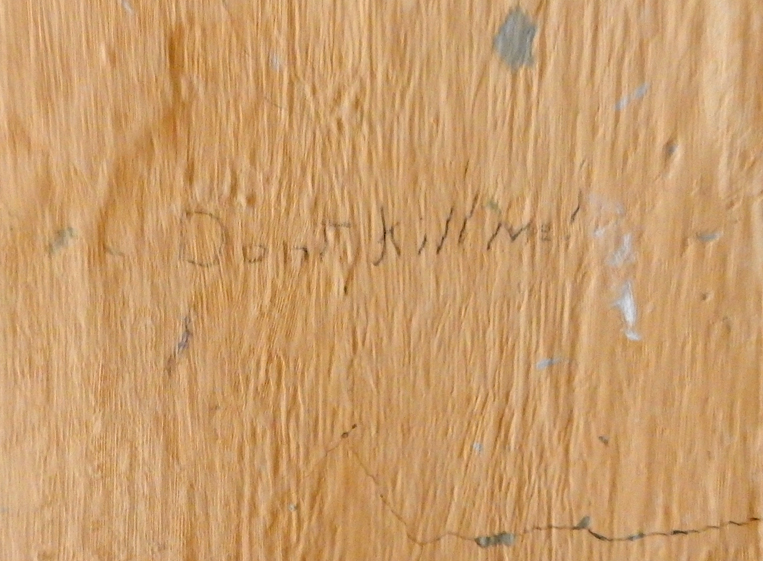
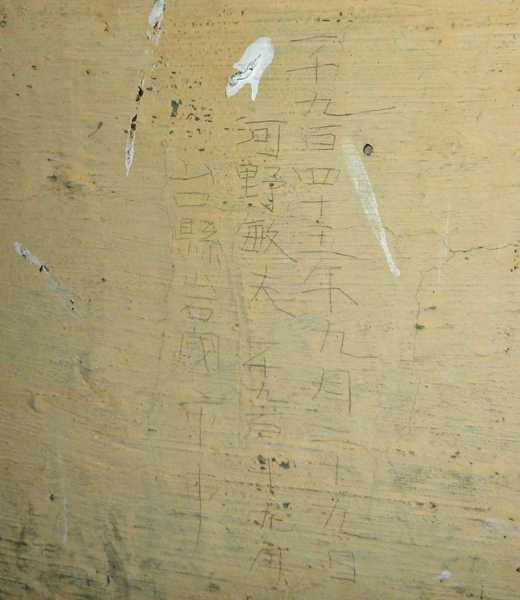
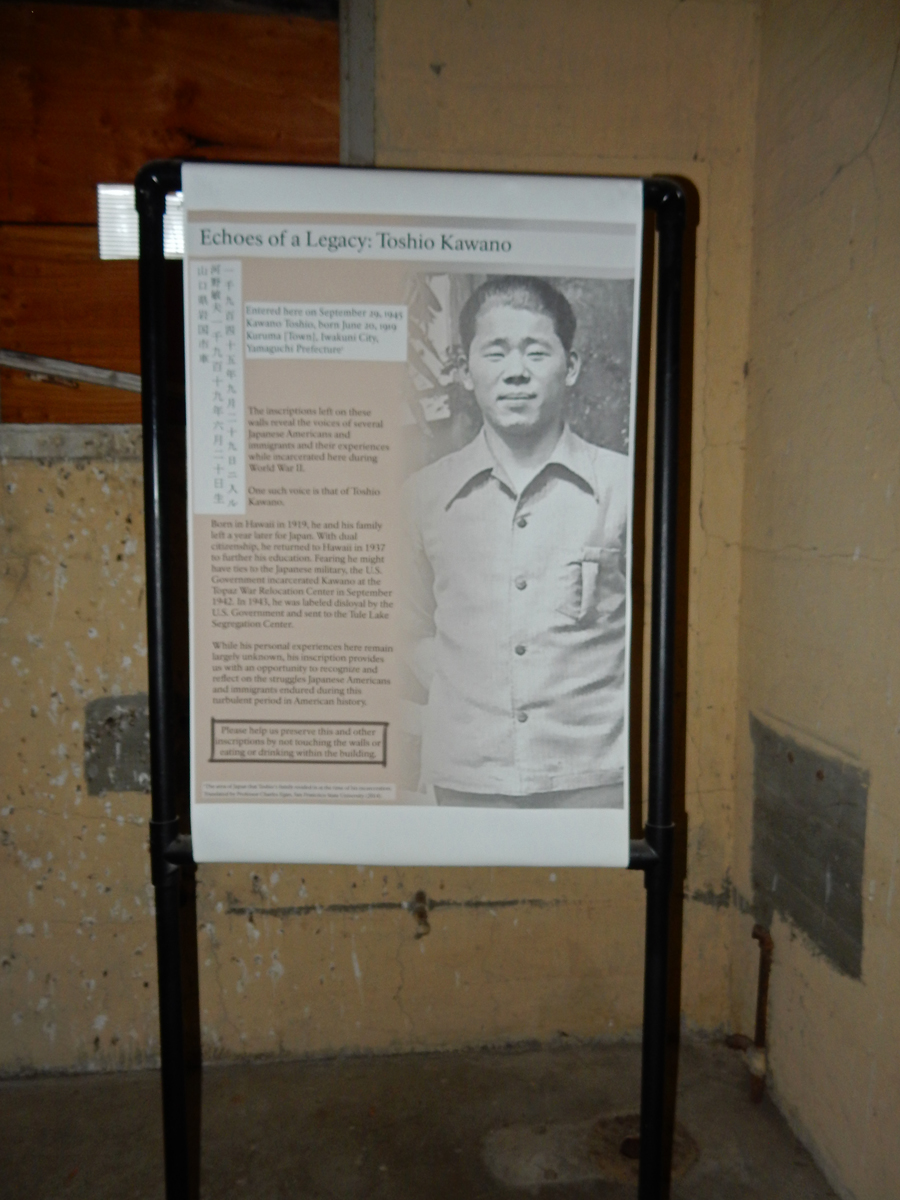
The tour here centered around the jail, which was very well constructed by the inmates. As a result, it is still here to help tell the story of this camp.

Legacy of Toshio Kawano

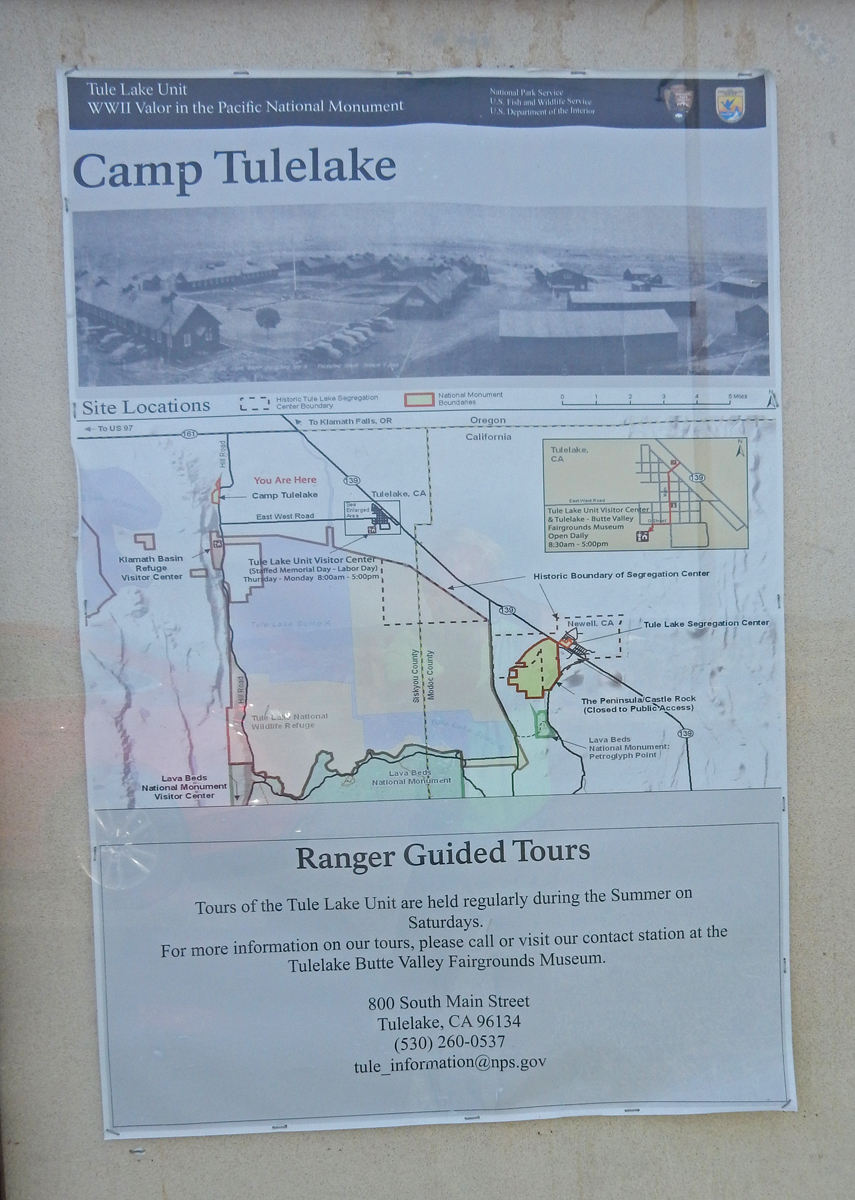
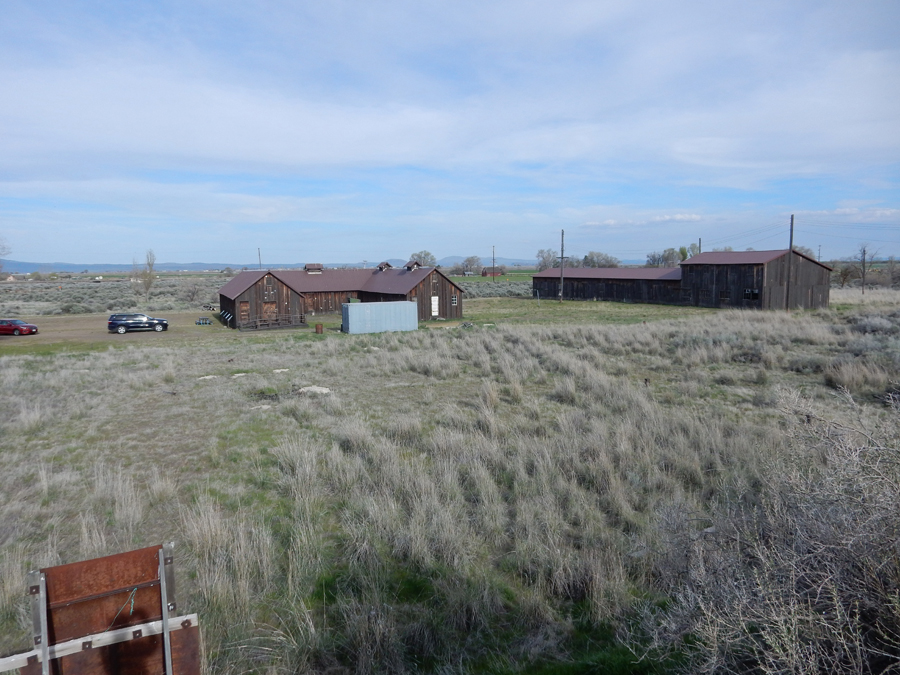
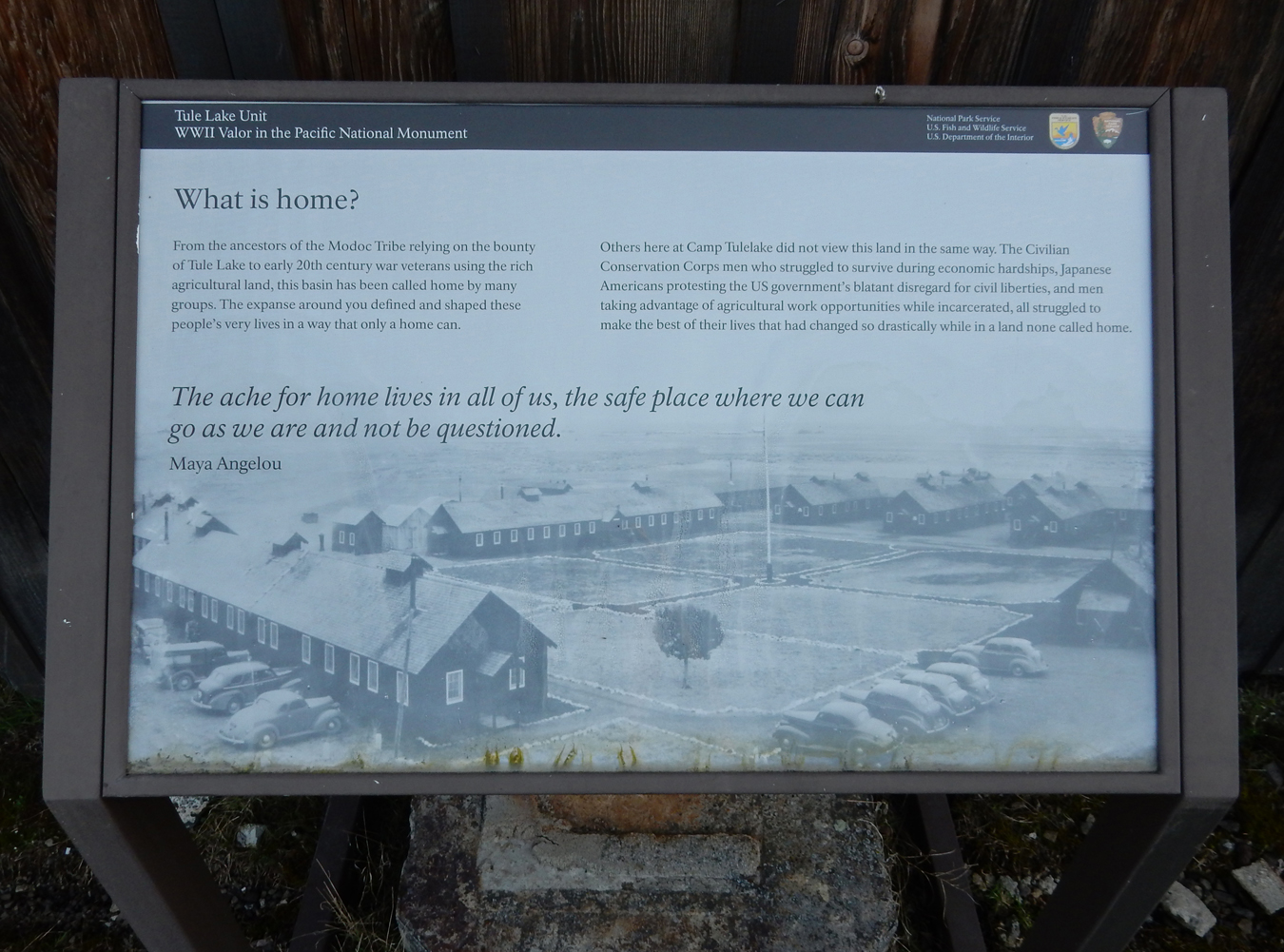
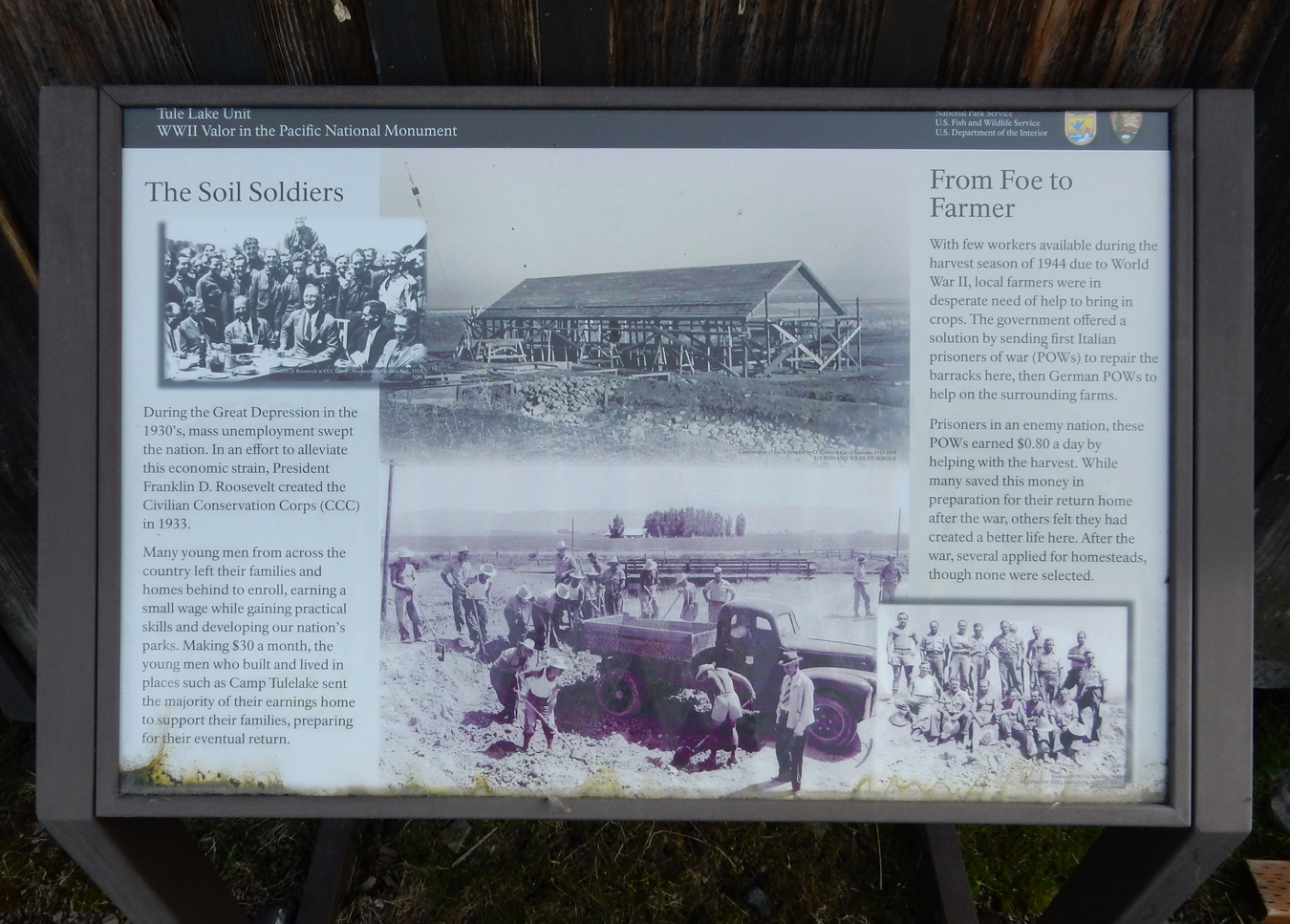
After two hours at the Tule Lake Segregation Center, Ranger Angela agreed to give me an additional tour of Camp Tulelake on the other side of town


Note – Italian and German Prisoners of War were held here from 1944-46

Some of the buildings that are undergoing restoration

It was a 4.5hr drive up US 395 in southern OR to my Airbnb in Hines OR. After 2hrs it turned dark. There is next to nothing on the section of this road from the tiny town of Valley Falls to Riley, 90 miles.  Though traveling at a good clip, I did not pass anyone for an hour and there were fewer than 10 vehicles going the other way.


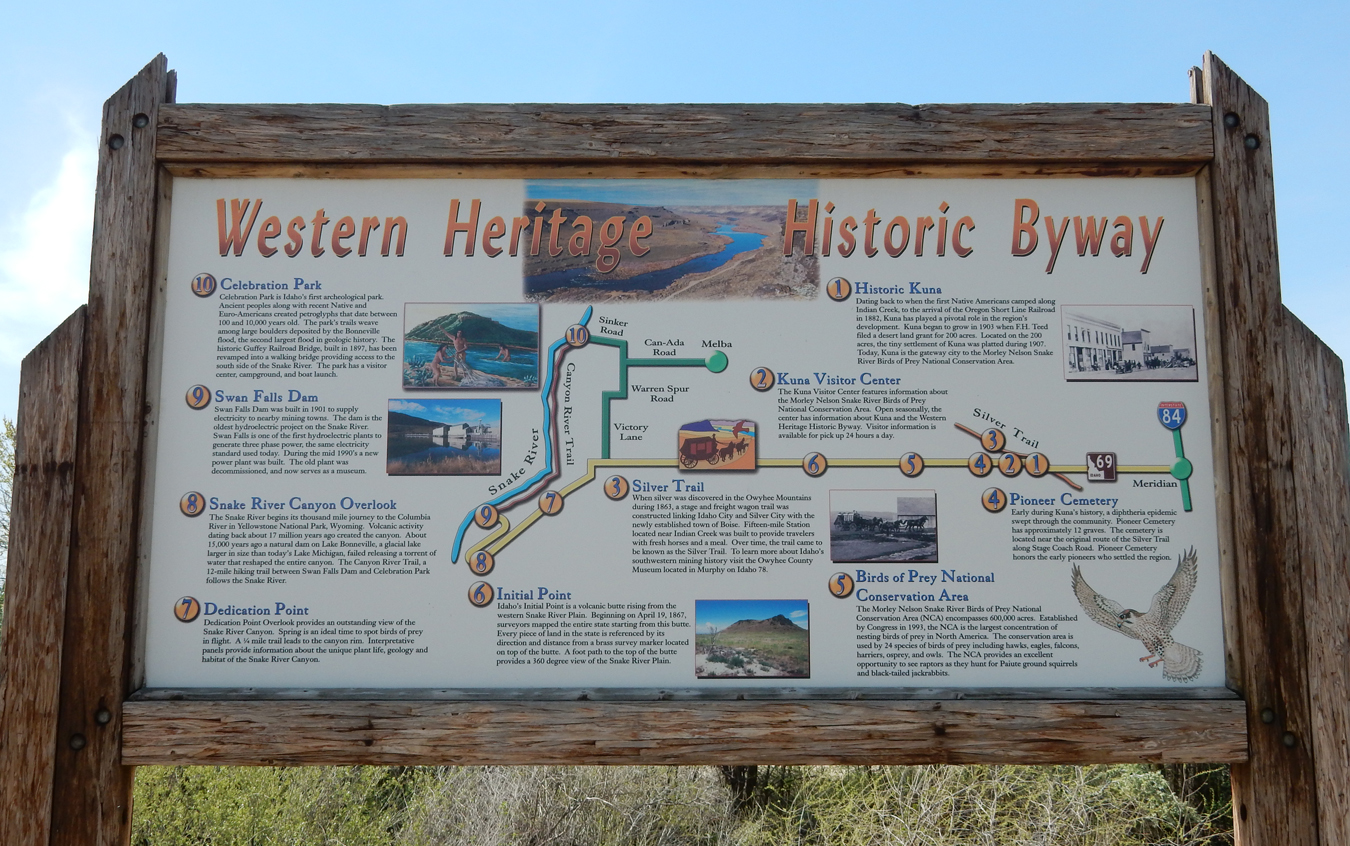
5/4 F – it took 3hrs to drive to Meridian ID, which is on I84 20 miles S of Boise. From there I turned South to some interesting sites. This sign gives a snapshot of some of the sites – however, be careful, South is to the left on the sign.

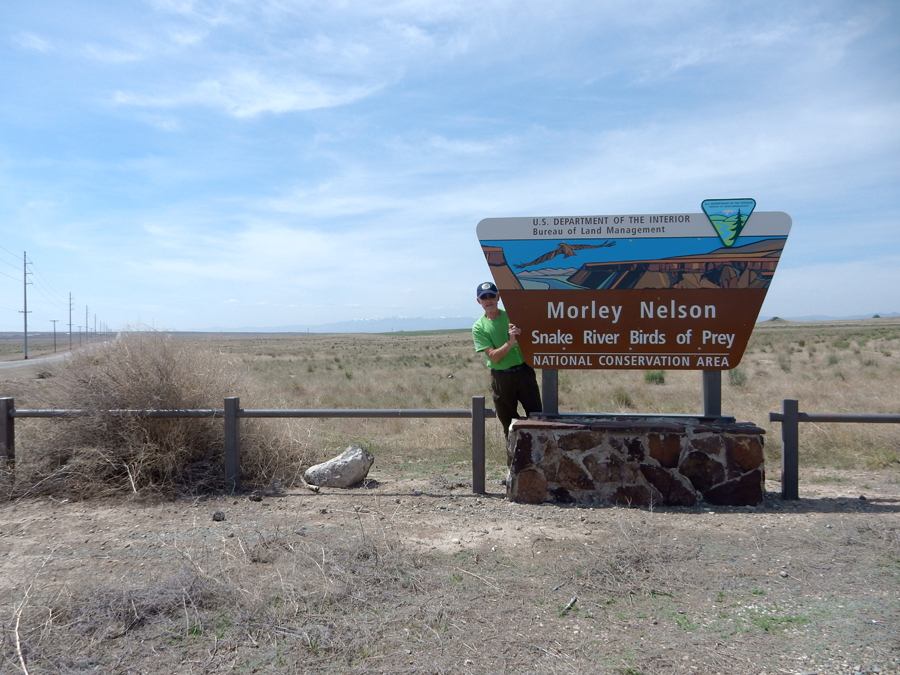
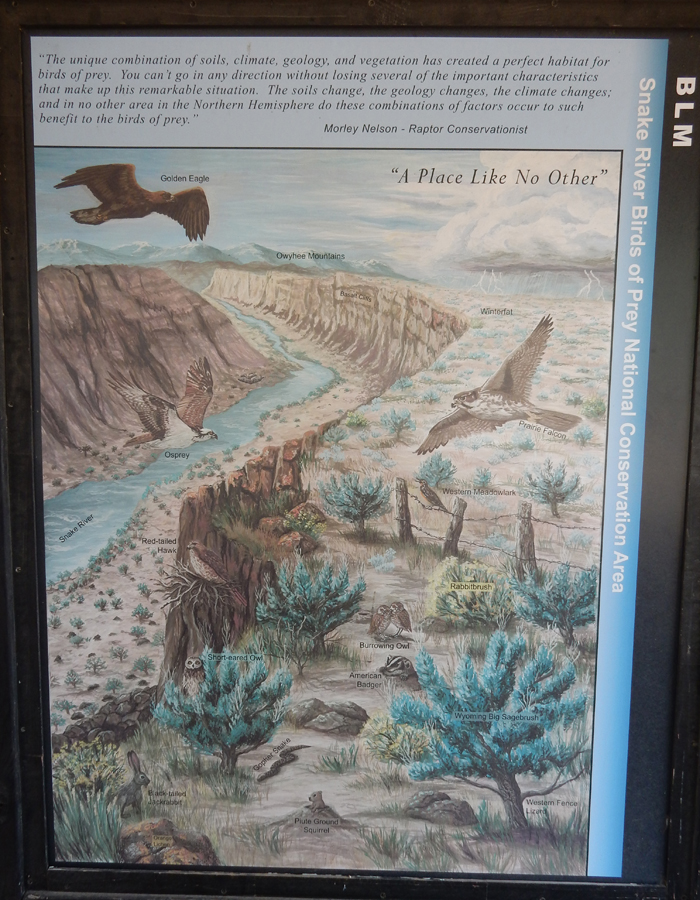
My main objective was the Morley Nelson Snake River Birds of Prey National Conservation Area (NCA), which is managed by the BLM

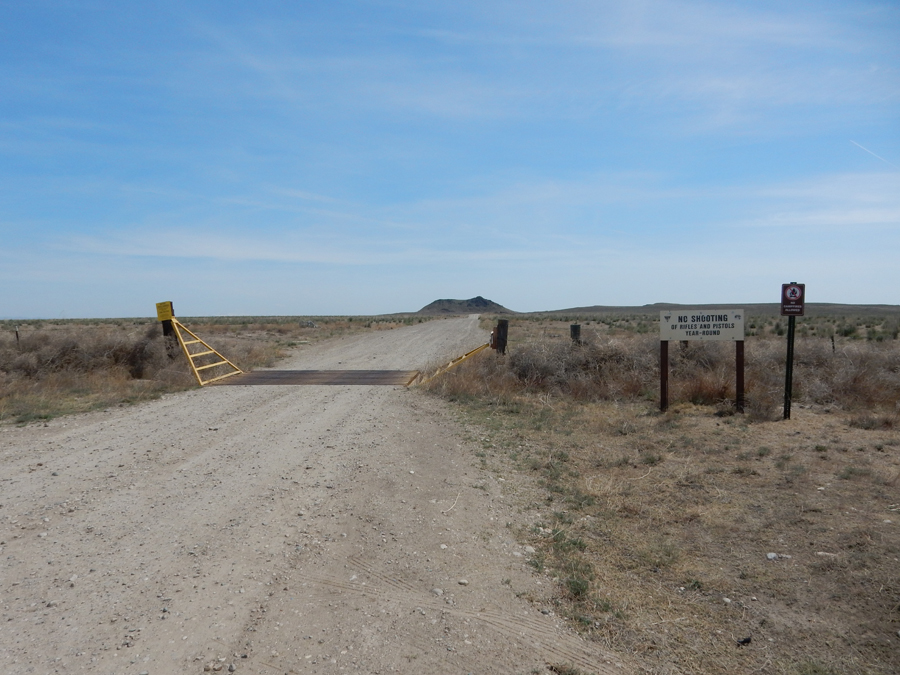
The Kuna Visitor Center was my starting point for a 56-mile drive through the NCA. My first stop is called the Initial Point, because it is the geographic reference point from which the entire state of ID was surveyed (1867). It is a prominent lava butte a mile east of the Swan Falls Road.

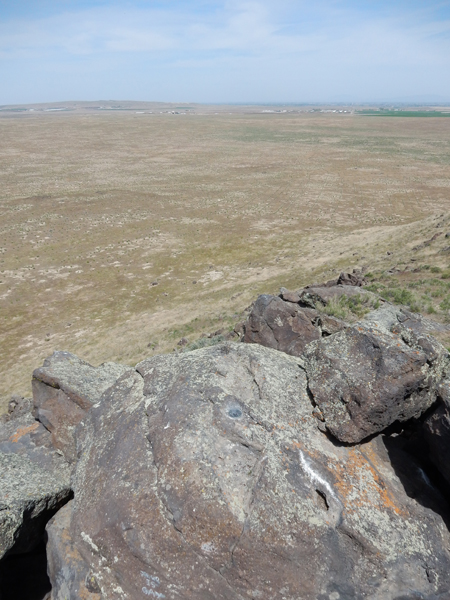
It is a short hike up to a small concrete observation platform

New USGS benchmark

Old USGS benchmark on a rock nearby

These guys, prairie dogs, are all over the place

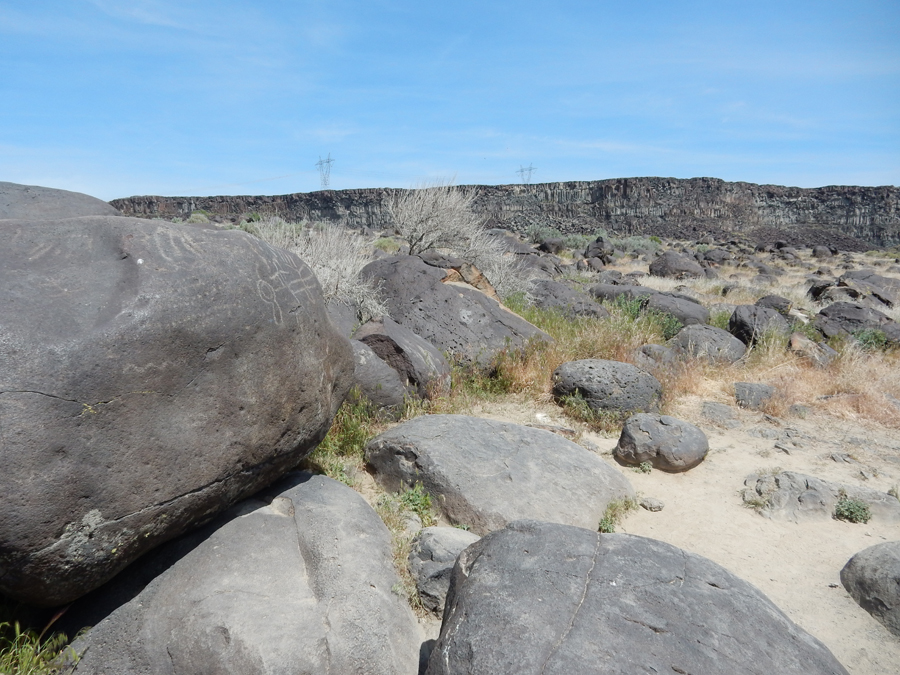
My next stop was Celebration Park on the Snake River, “Idaho’s Only Archaeological Park.” Note the Petroglyphs on the rock on the left –

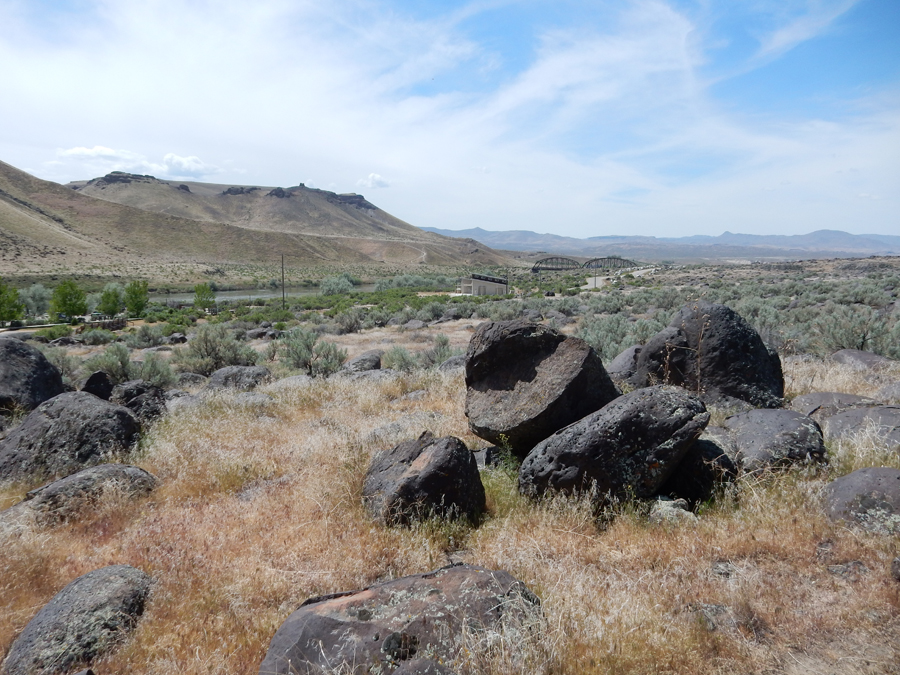
I did a short hike on the Petroglyphs Trail and then headed for the Guffey Railroad Bridge

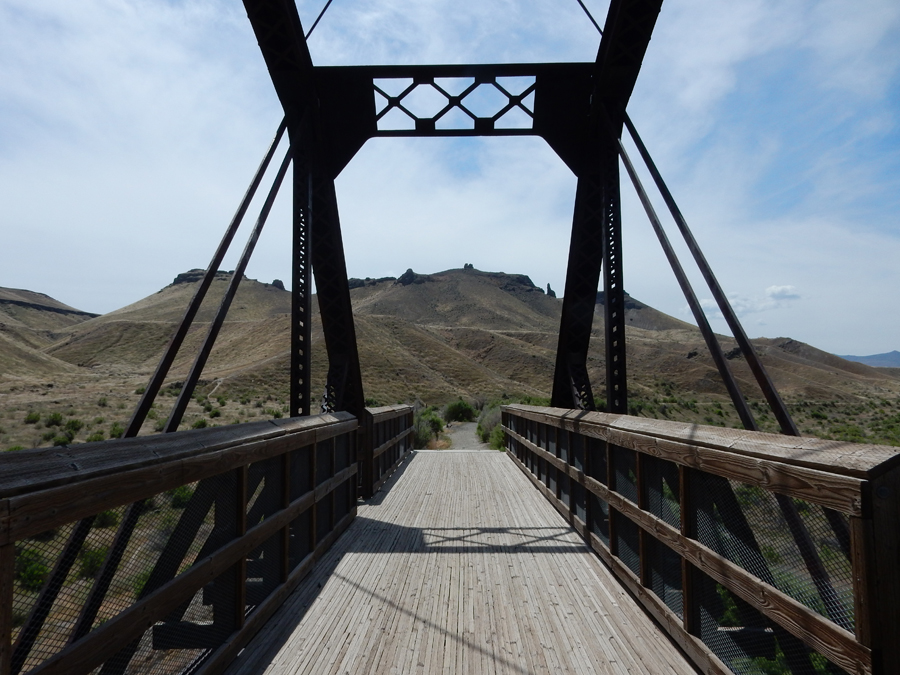
It was built in 1897 to carry trains loaded with gold and silver ore from Silver City. However, by the time it was completed the mines had played out and the RR ended up carrying sheep and cattle.

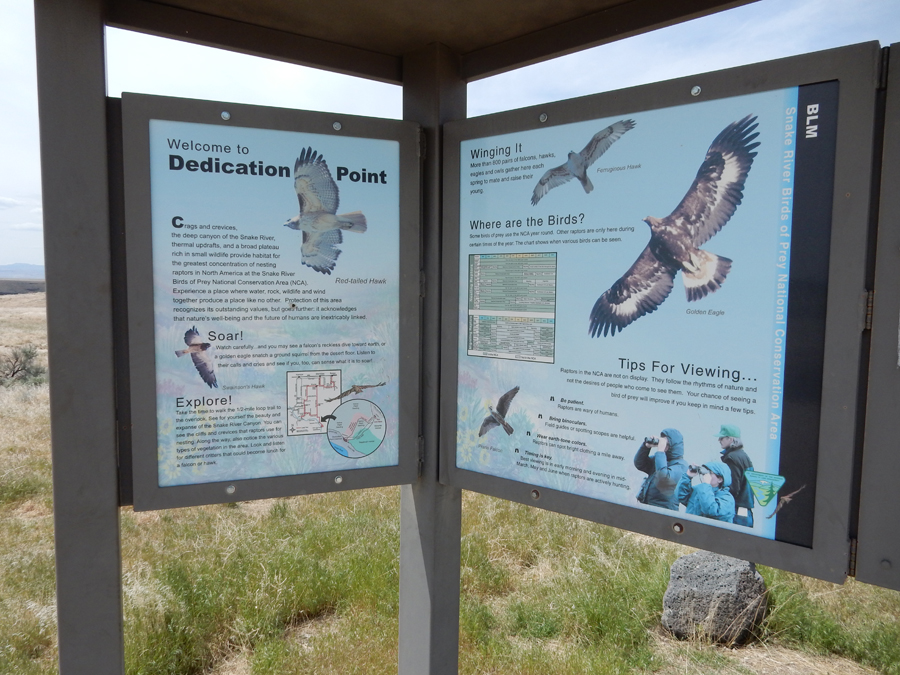
My next stop was the Dedication Point (1971) overlook on the Snake River. I only saw a few birds today and was unable to get any good photos.

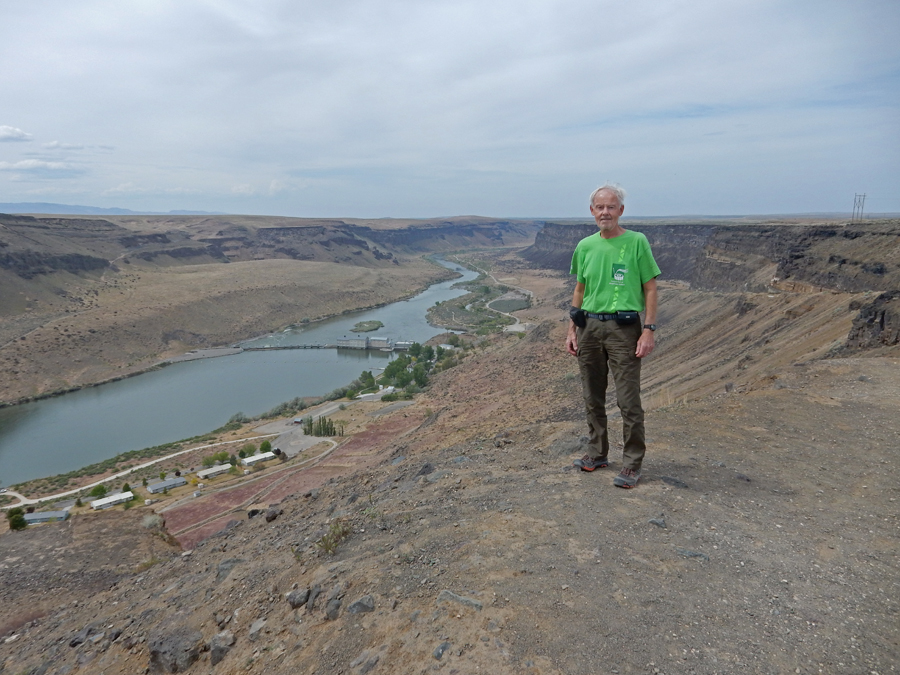
View looking West down the Snake River Canyon

View looking East up the Snake River Canyon

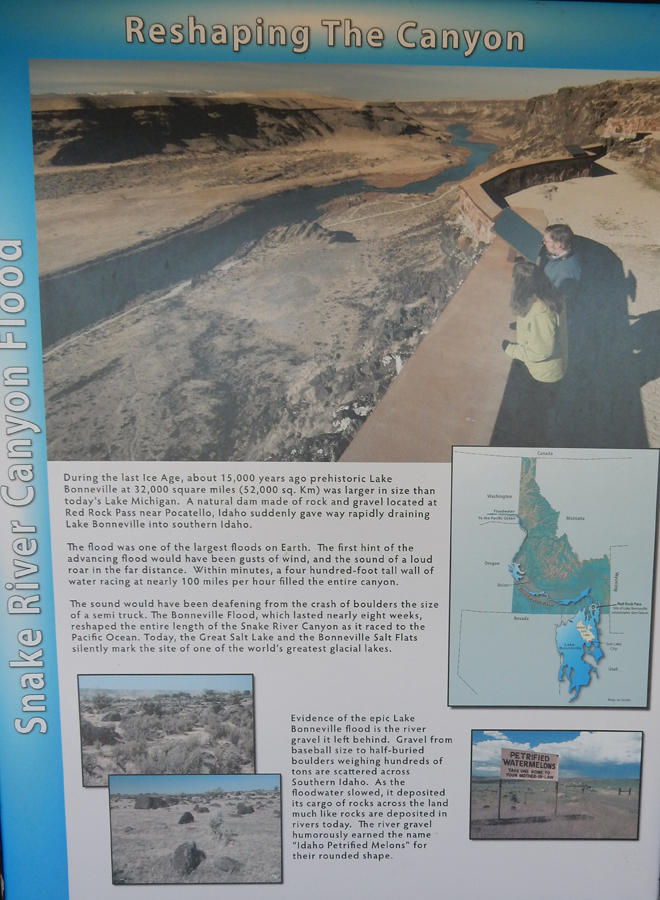
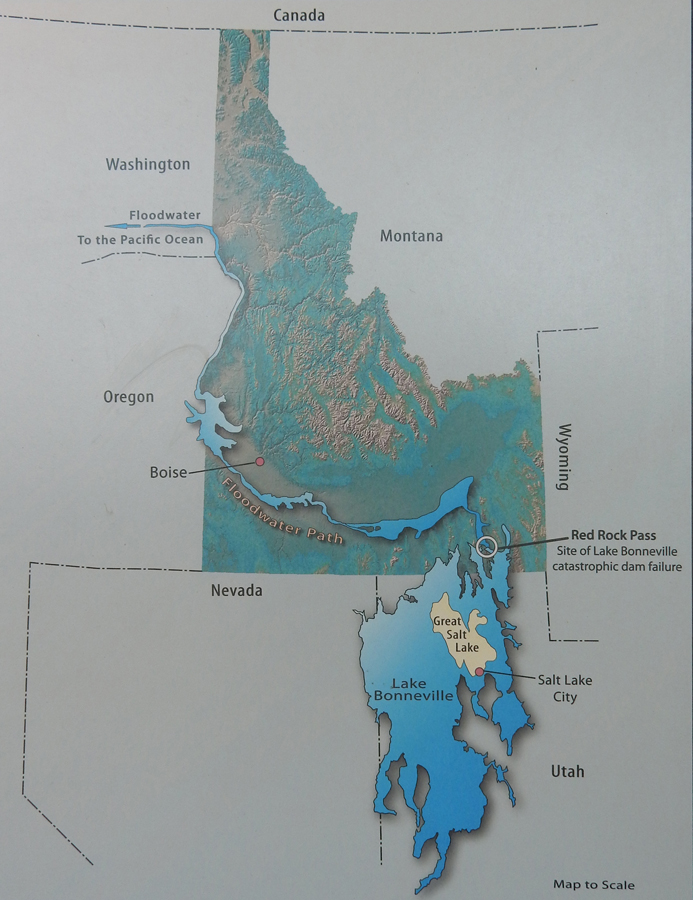
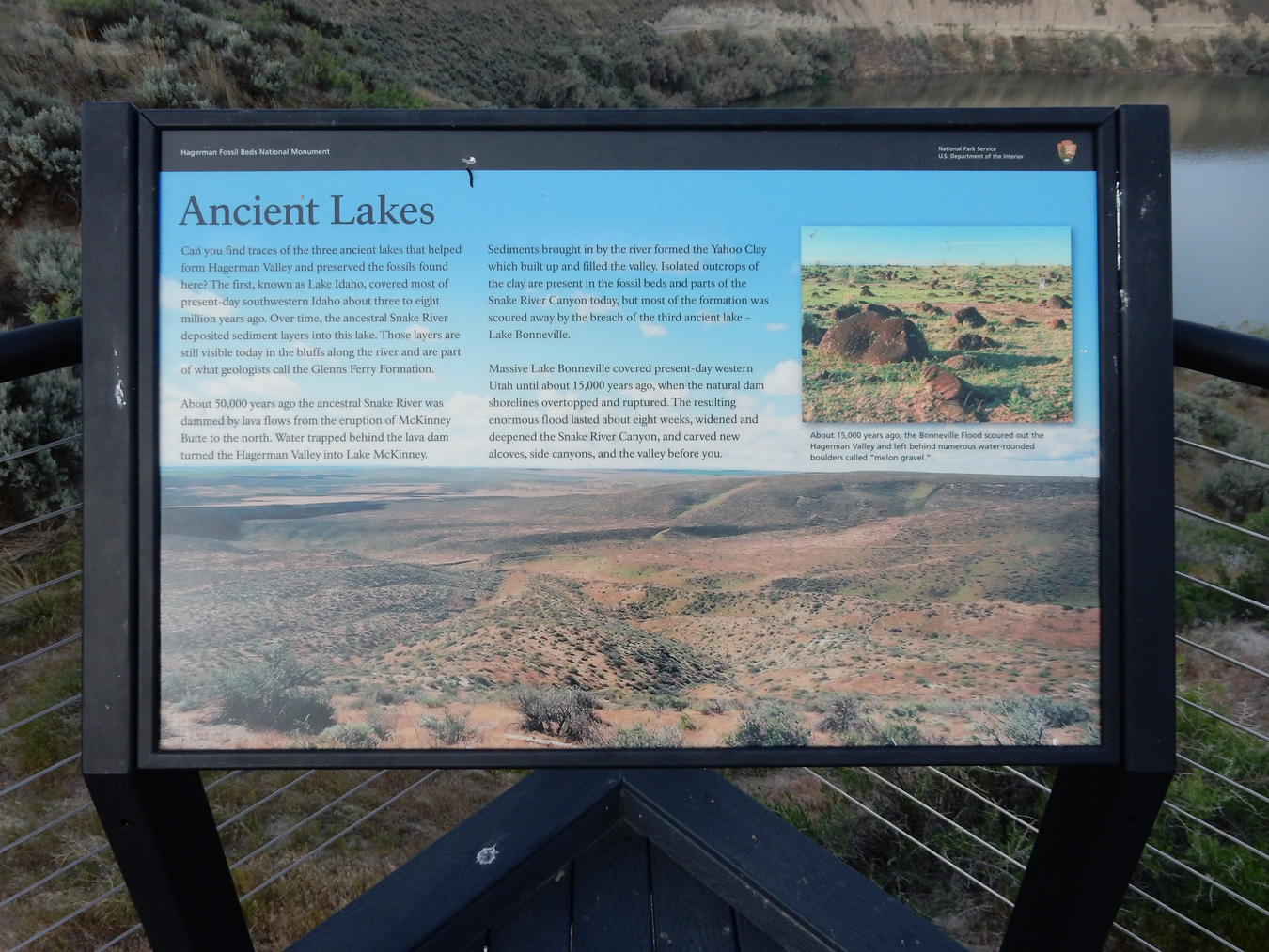
These signs describe the formation of the Snake River Canyon – it was formed by the “Bonneville Flood” some 15,000 year ago. It has been categorized as one of the largest floods on Earth and lasted 8 weeks! It is estimated that the wall of water was up to 300 feet high and traveled at 70-100mph! It deposited large rounded boulders on the rim, now called “melon gravel.” Many of the petroglyphs in this area were made on these boulders.

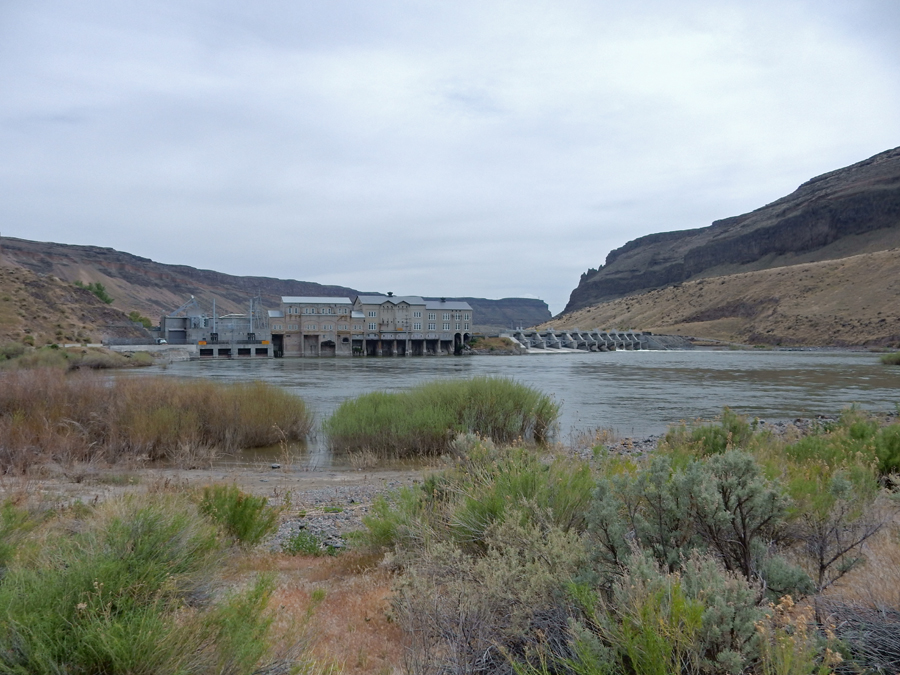
My last stop was at the Swan Falls Dam and Historic District

The dam was completed in 1901 and was the first dam on the Snake River. This sign describes the four phases of construction from 1901 to 1913.

Boarding House and Village, far removed from “civilization”

Dam from downstream

I attempted to drive the 4WD road from the dam South, however, I almost got stuck “in the middle of no-where” with my rental car. So, I turned around, went back to I84 and stayed the night in the Mountain Home Inn.


5/5 Sat – 1hr to Hagerman Fossil Beds National Monument

On Bell Rapids Road (Oregon Trail) headed for the Snake River Overlook

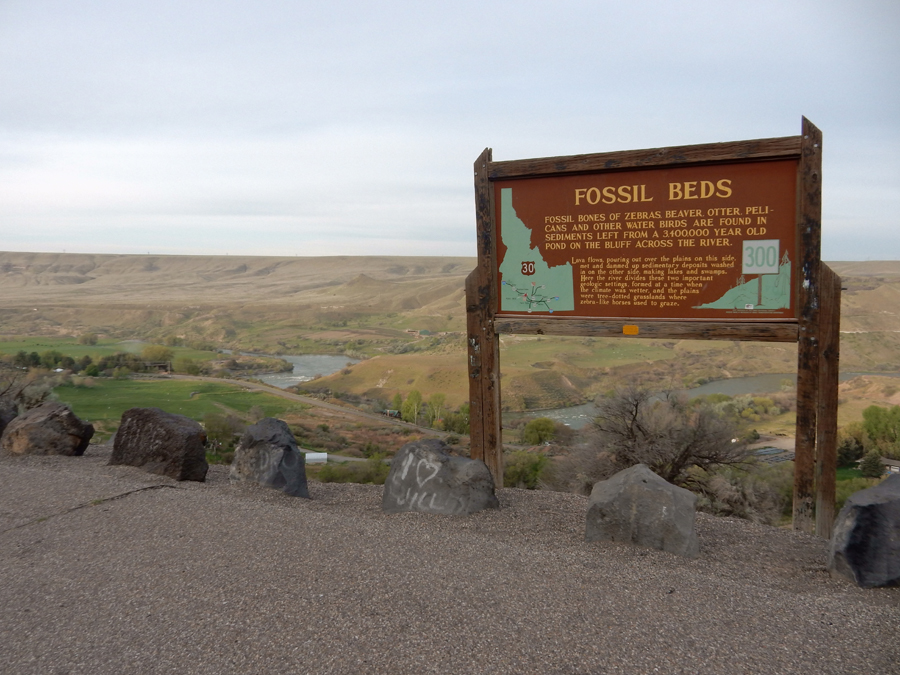
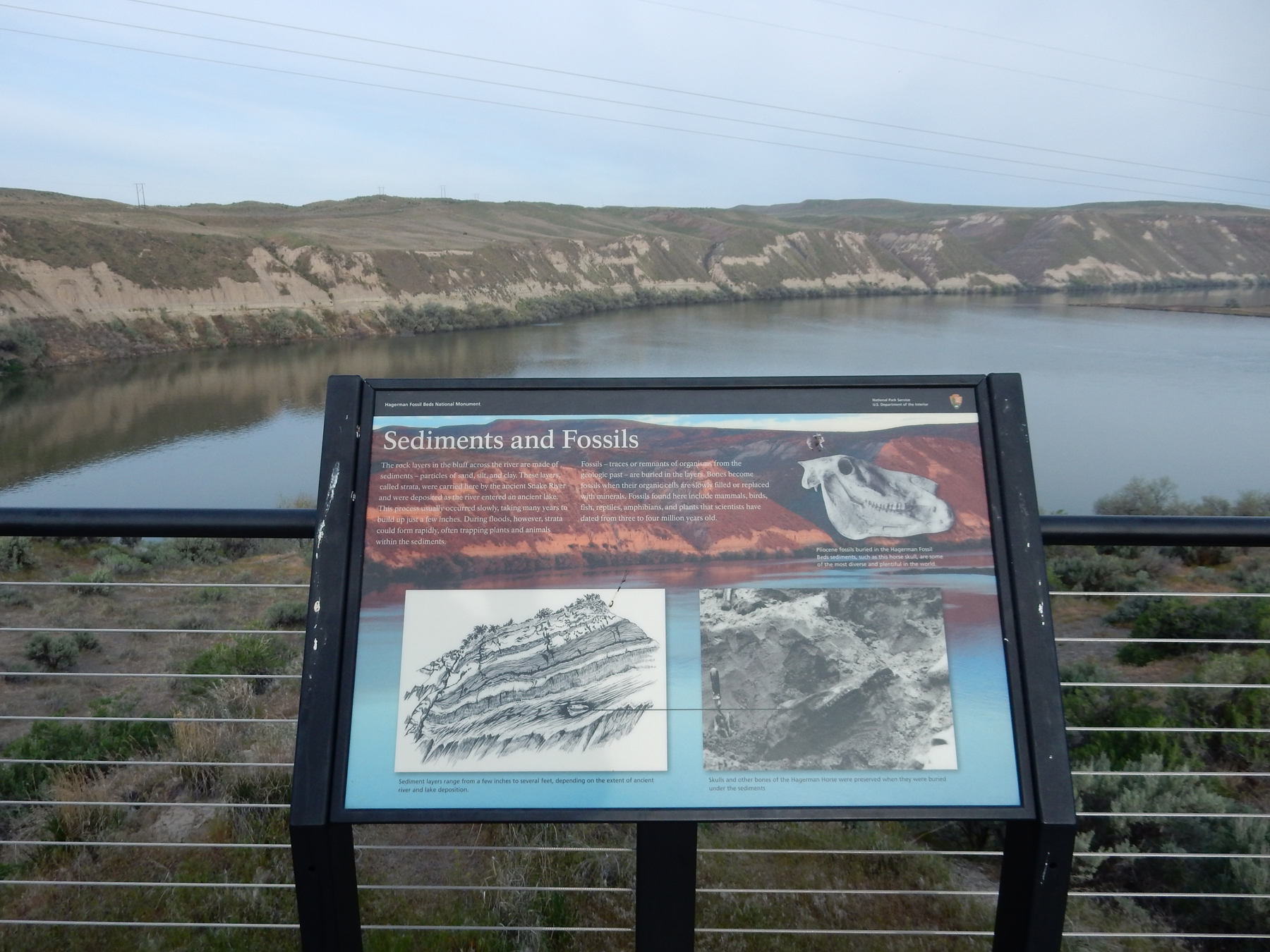
Signs at Snake River Overlook

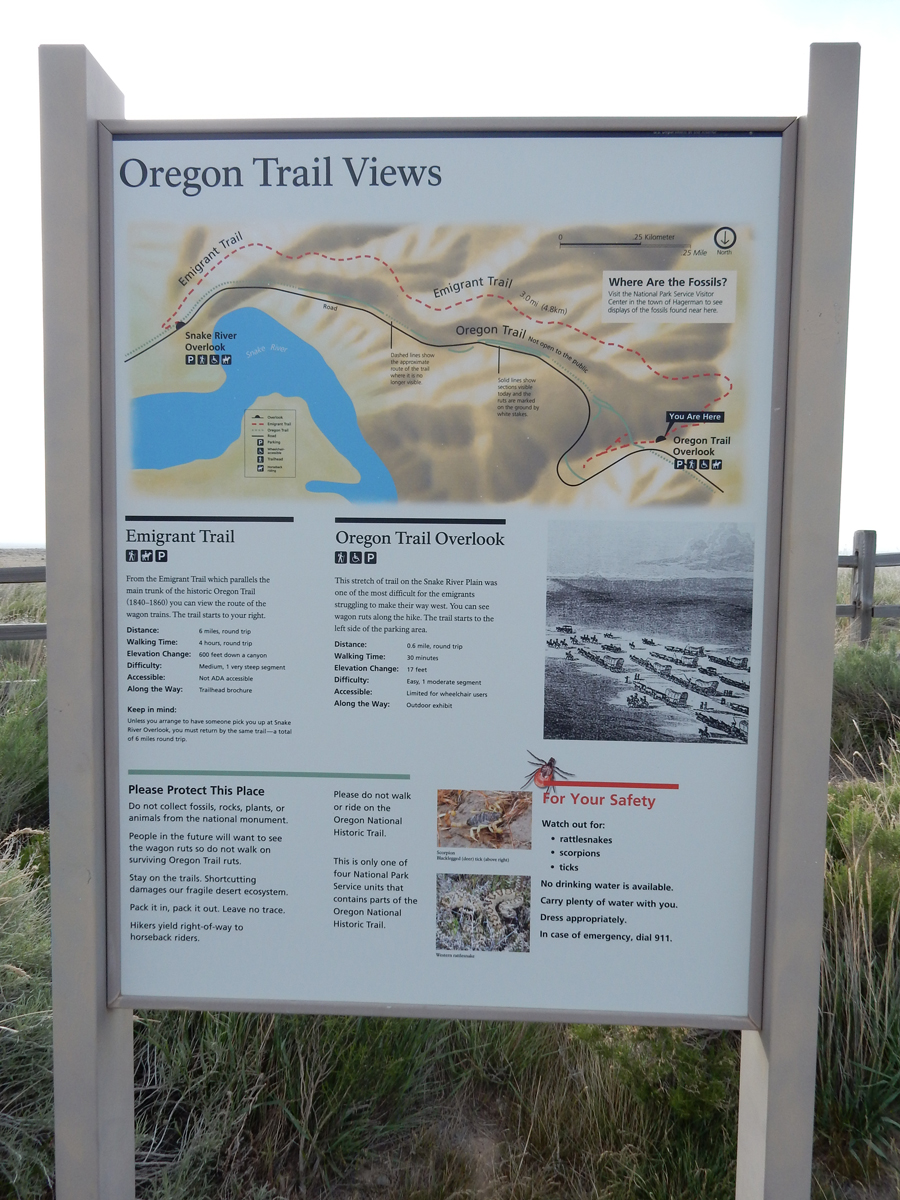
The park road follows the Oregon Trail route from the Snake River Overlook to the Oregon Trail Overlook. The Emigrant Trail was a three-mile parallel trail that permitted more traffic going up (600 feet) the difficult stretch from the Snake River to the Desert Plateau. This was one of the most difficult segments of the Oregon Trail.

View east down to the Snake River from the Oregon Trail Overlook. The Oregon Trail came up the same way the road does. The Emigrant Trail can be seen on the right.

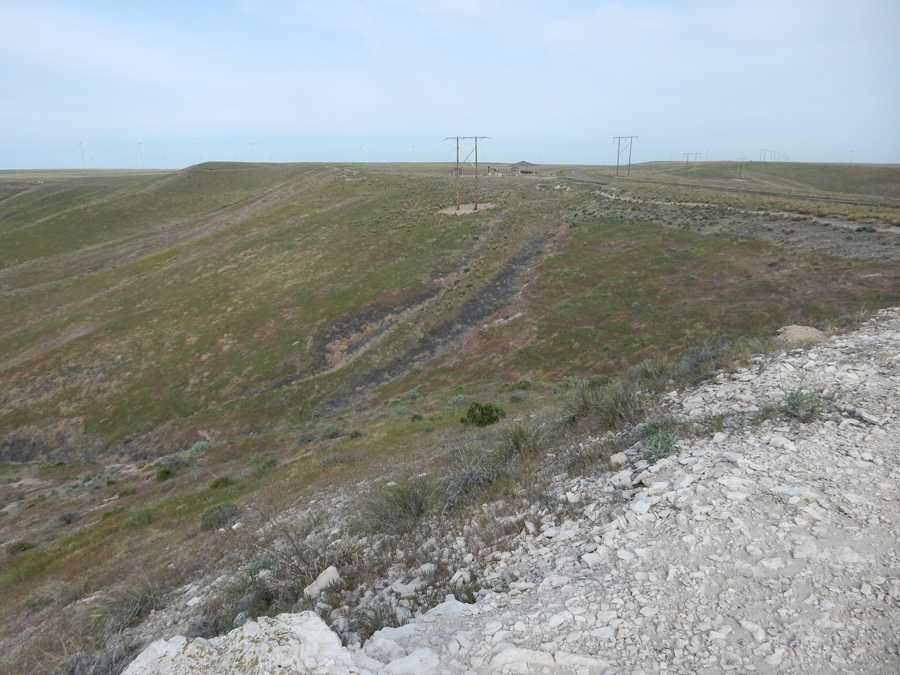
This photo is looking west to the Oregon Trail Overlook. You can see the final steep stretch of the Oregon Trail in the middle of the picture going up to the Overlook. You can see the wheel ruts.

Magnify to read about The Great Westward Migration

I hiked the 0.5-mile trail to a prominent overlook and then hiked about 1.5 miles on the Emigrant Trail. Afterward, I headed back to the town of Hagerman to see the Hagerman Fossil Beds NM Visitor Center.

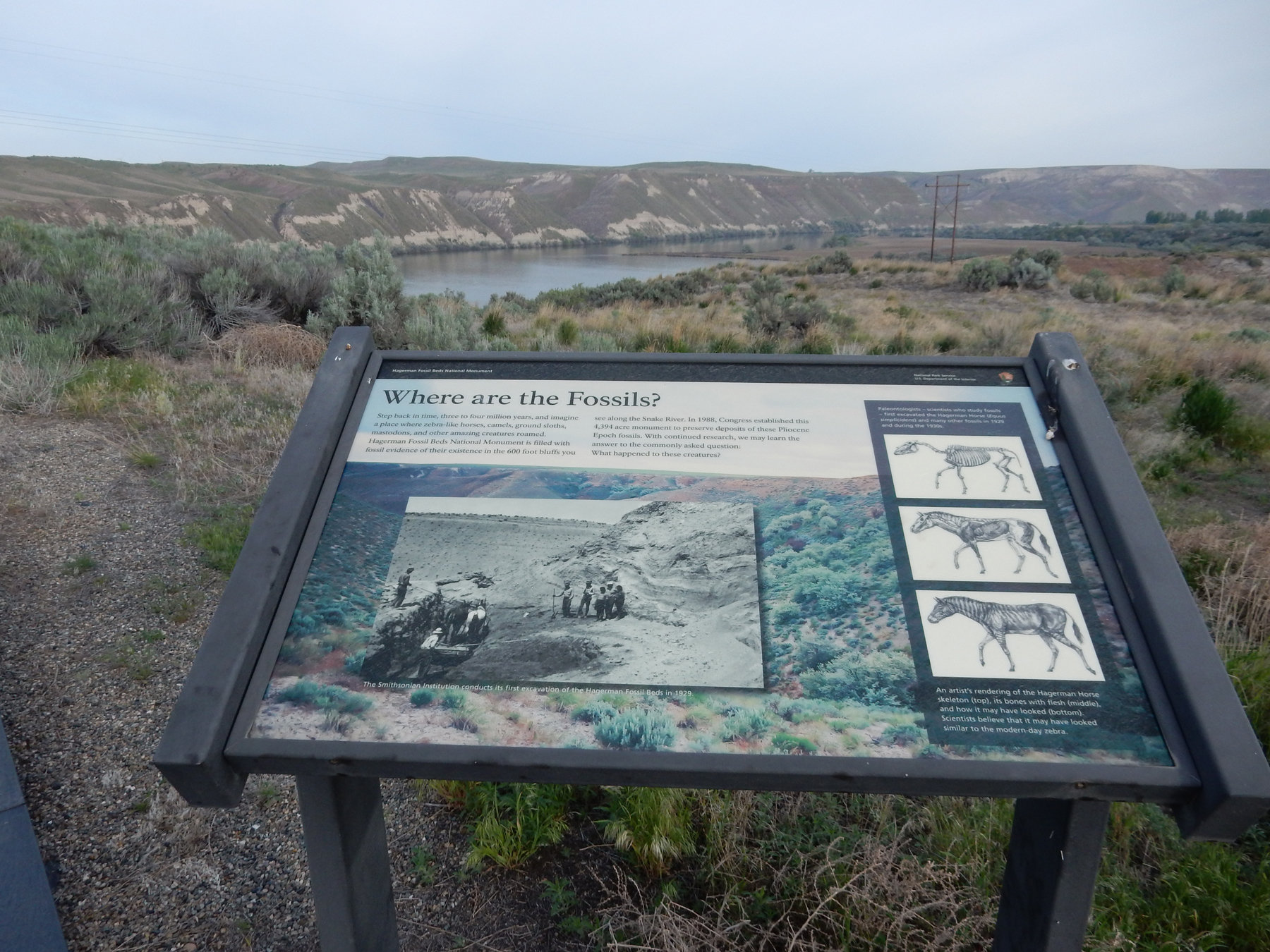
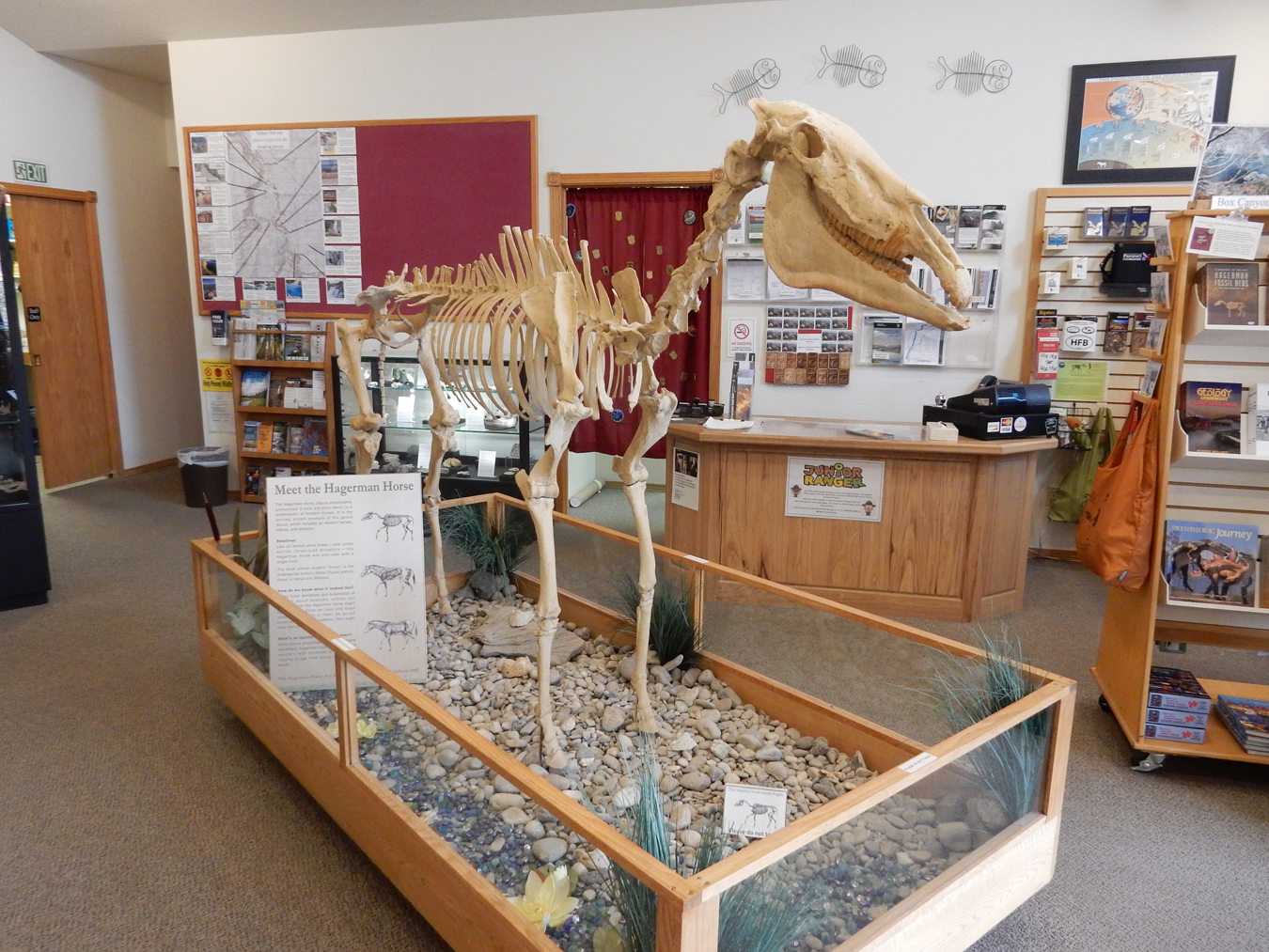
Horses here BEFORE the Spanish

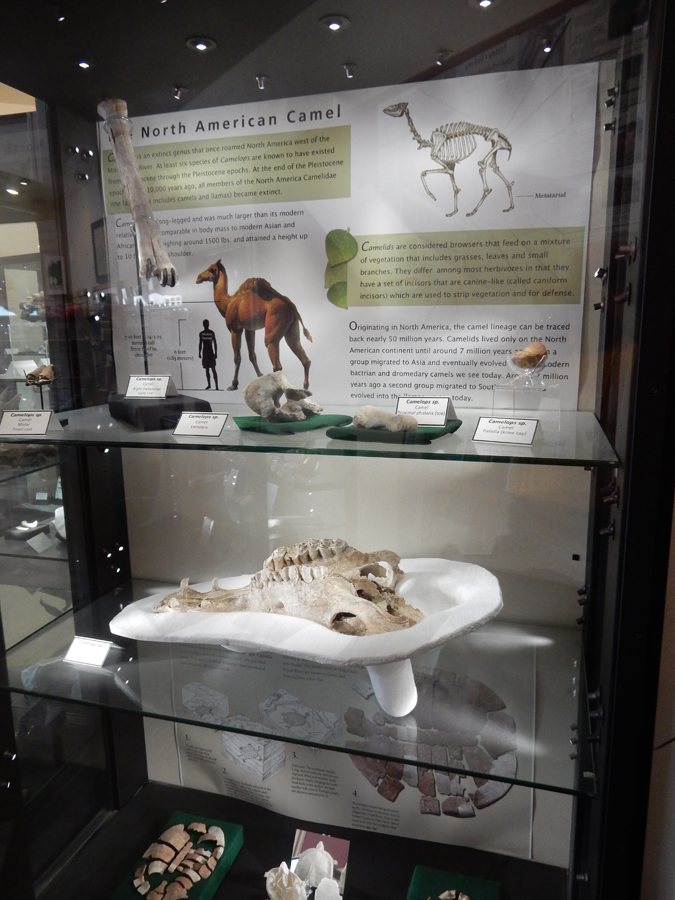
How about Camels –

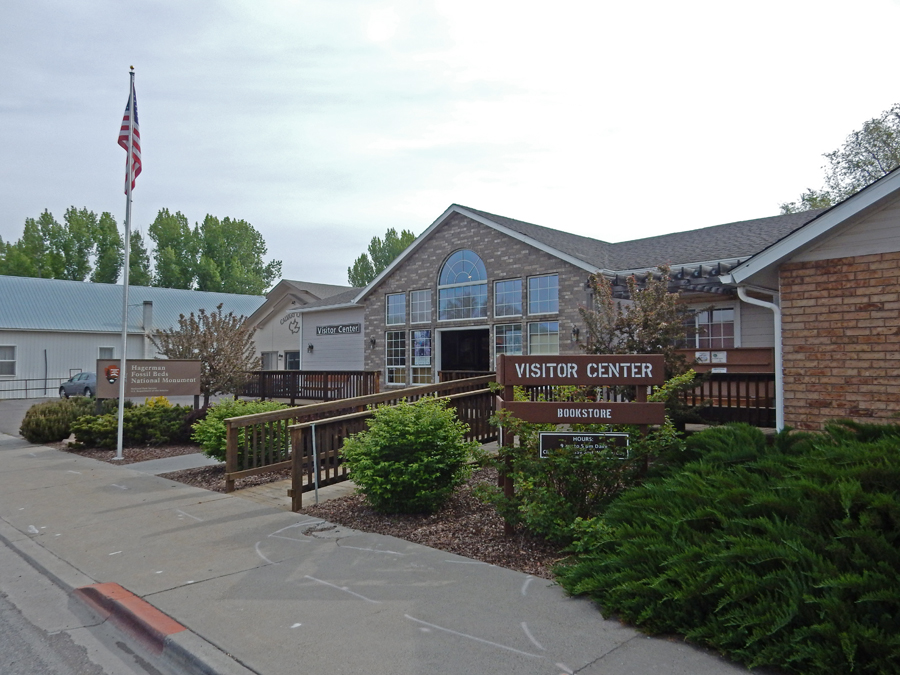
Small but nice Visitor Center, watched an interesting video

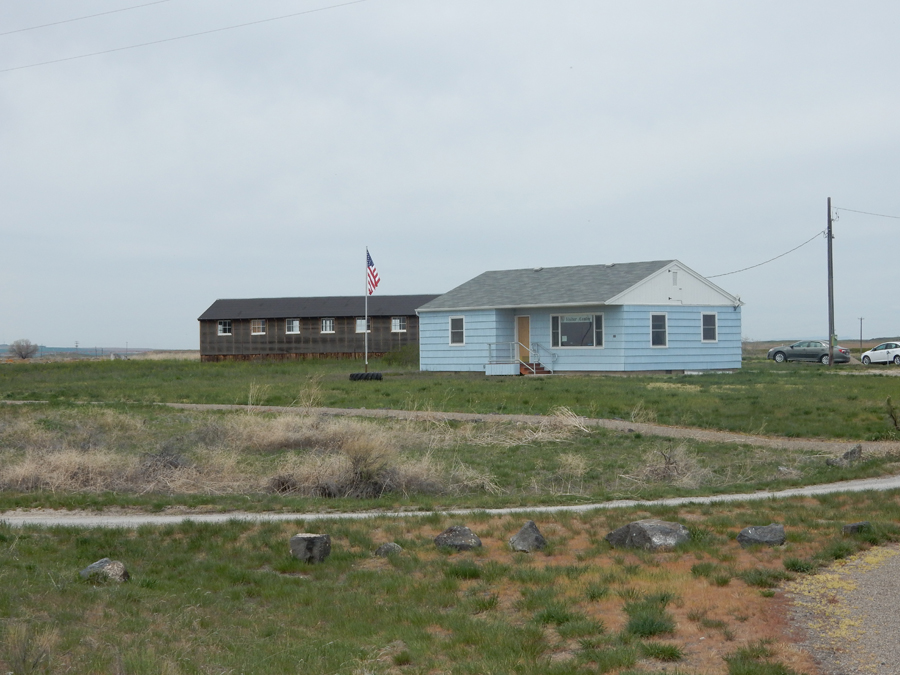
It was only an hour drive to get to Minidoka National Historic Site, it was also known as Hunt Camp ID

Camp Entrance

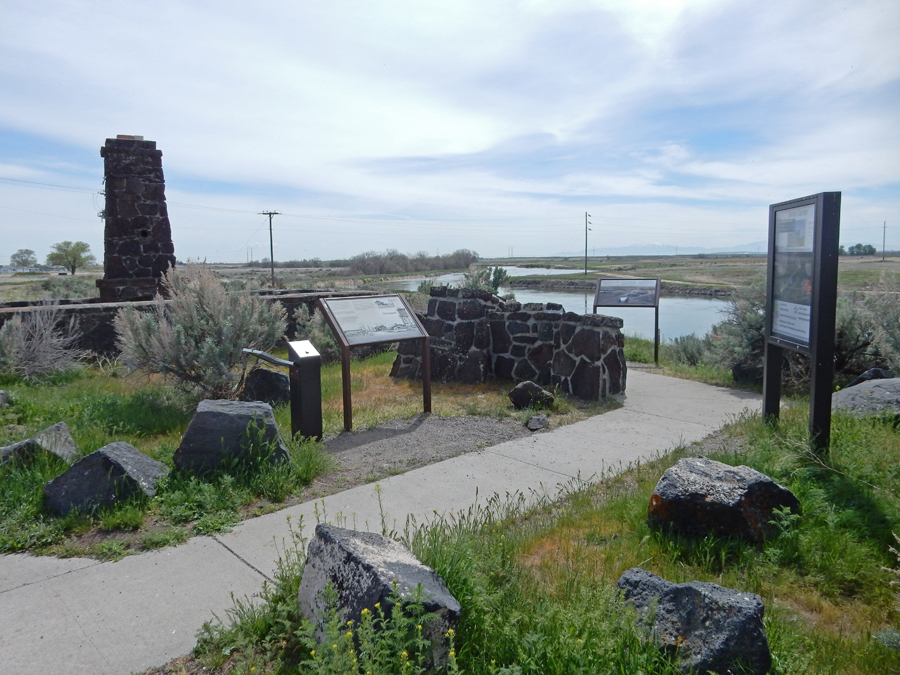
Remains of Reception Building on the Twin Falls North Side Canal of Clover Creek

I had planned my trip so that I would get there for a two-hour ranger tour at 12:30. I arrived a bit early, so was able to complete my own tour in less time, therefore making it possible for me to visit Craters of the Moon before it got dark. I did this 1.6-mile trail.

Visitor Center

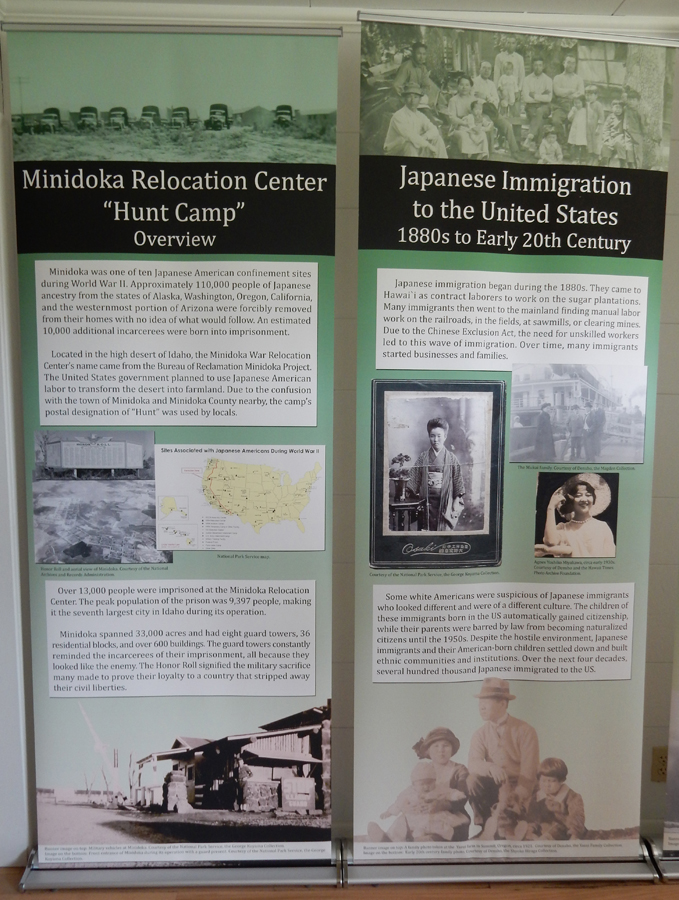
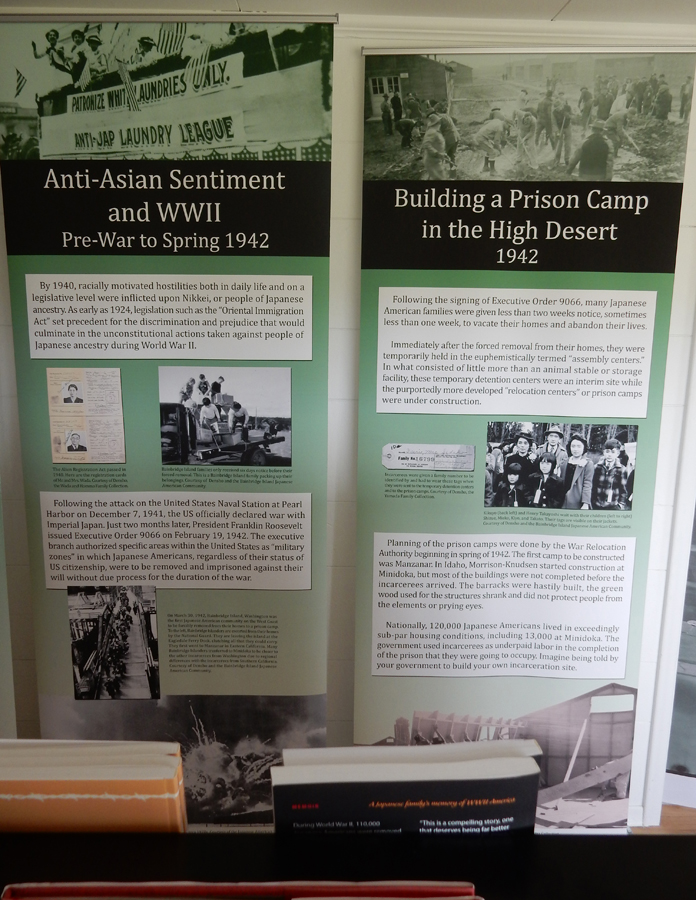
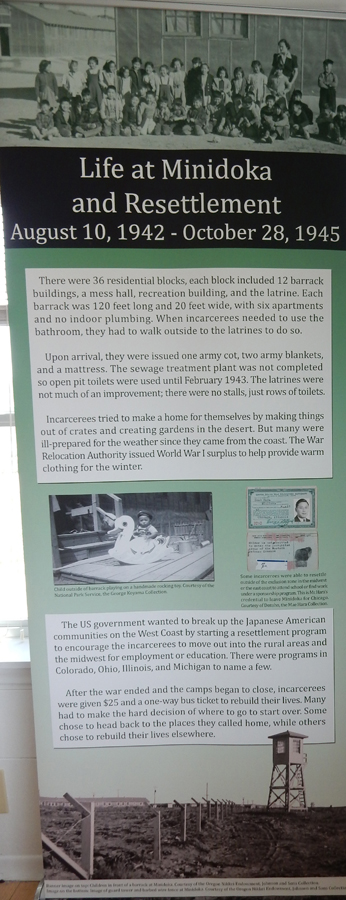
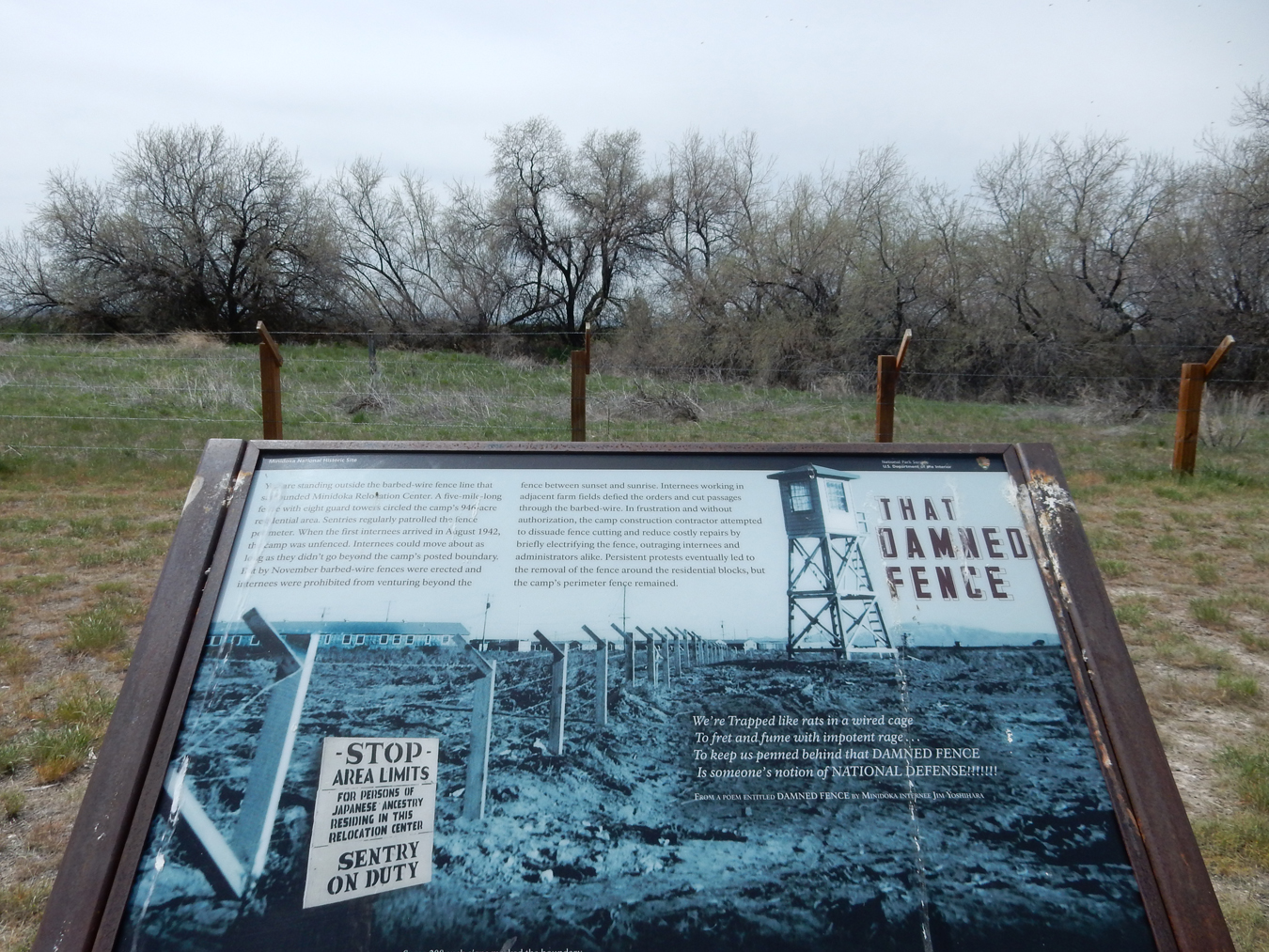
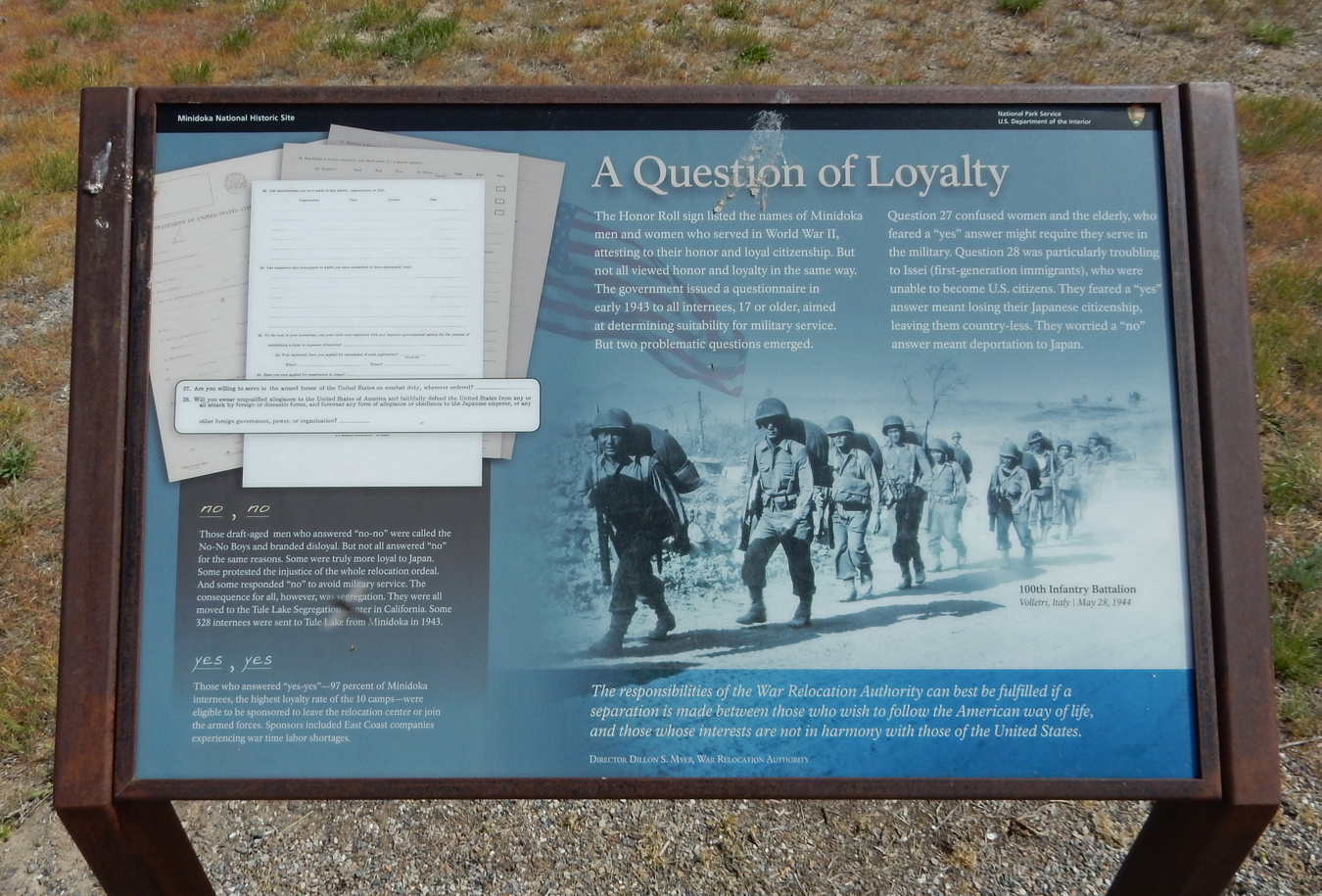
To understand the story, read the next four displays

Map Describing Camp

Housing

Minidoka NHS became a member of the International Coalition of Sites of Conscience in 2015

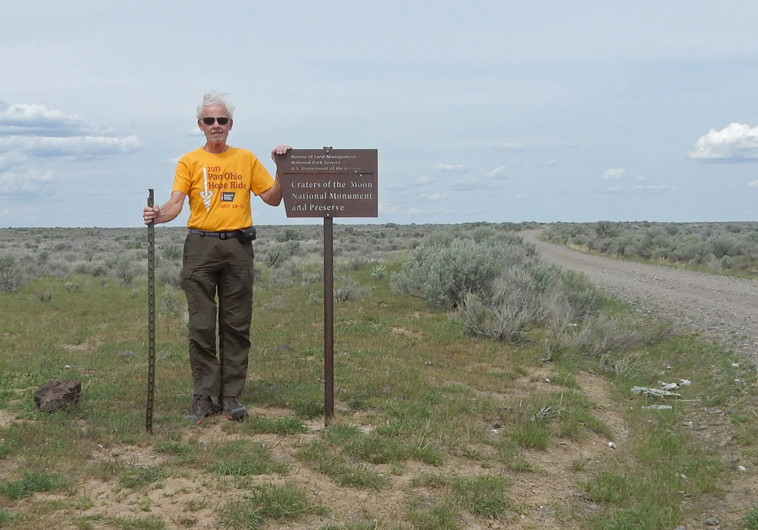
I averaged under 18mph driving the 21-mile gravel road to Bear Trap Cave in Craters of the Moon National Monument. I visited the original NPS monument in 1966 and this time was going into the newer (2000) National Preserve part of the monument that is managed by the BLM. The area is called the Great Rift. With limited information, I didn’t know if I could get to or find Bear Trap Cave, or what I would do when I got there.  Whiskey Butte –

Entering the National Preserve, from the map I have, it looks like the NPS manages the lava flows and the BLM manages everything around the lava flows.

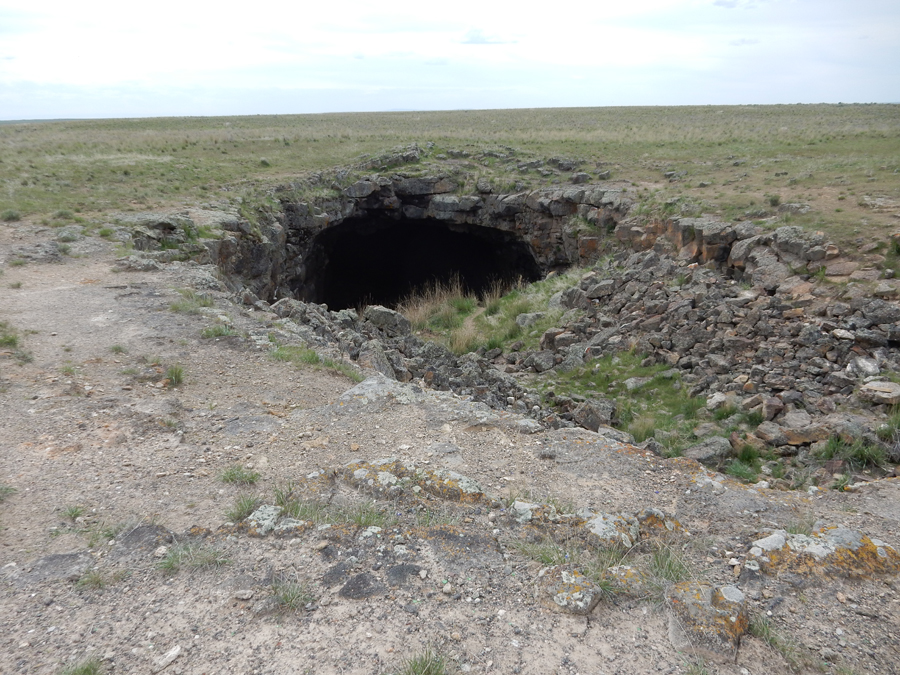
I found it – Bear Trap Cave!

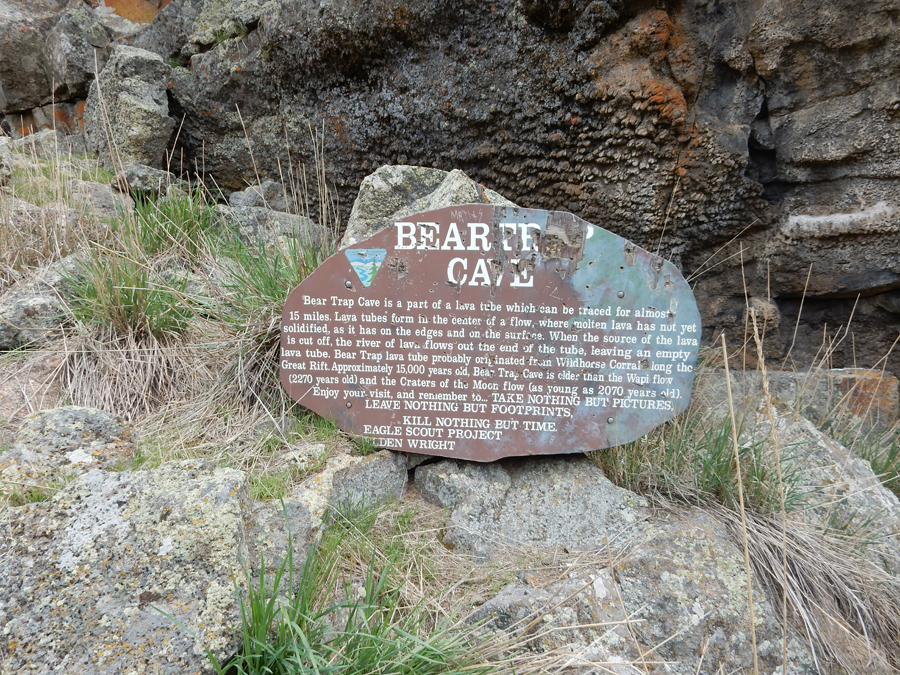
It is an opening into a Lave Tube. The ceiling fell in creating this opening.  It has been traced for 15 miles.

It was a rock scramble getting down to the “cave” entrance – watch out for snakes! The sign was an Eagle Scout project of Sheldon Wright. Being alone, I felt I was on a real adventure. At the same time it impressed on me that I had to be careful

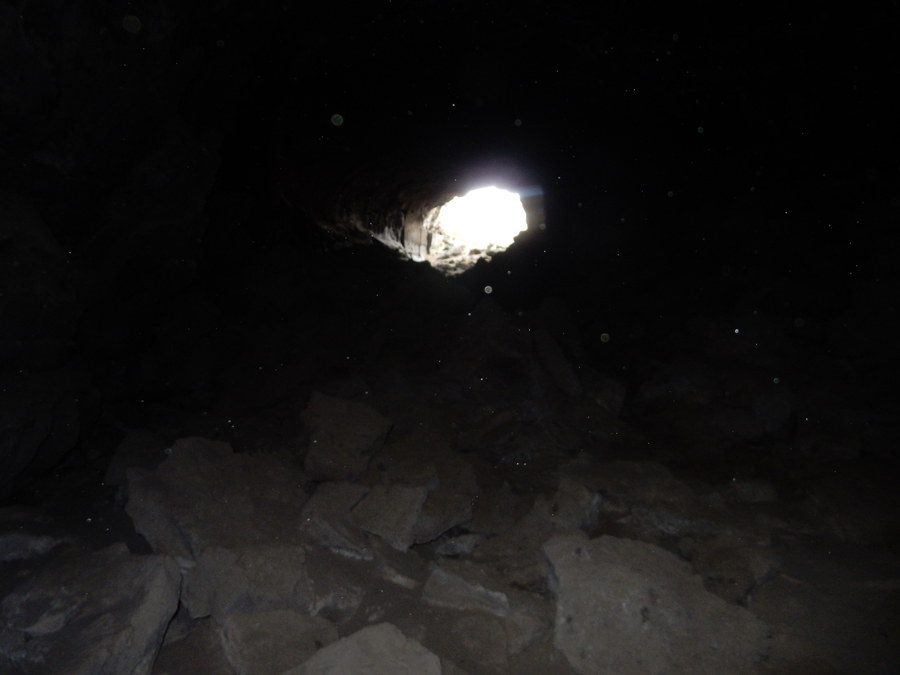
I put on my head lamp and was able to carefully work my way a quarter mile into the tube  There was graffiti in there – If I remember right, a boy had spray painted in big letters “Angel, will you go to the prom with me?” A real “downer” when I saw it in the light of my head lamp.

Working my way back out of the cave


Desert marker

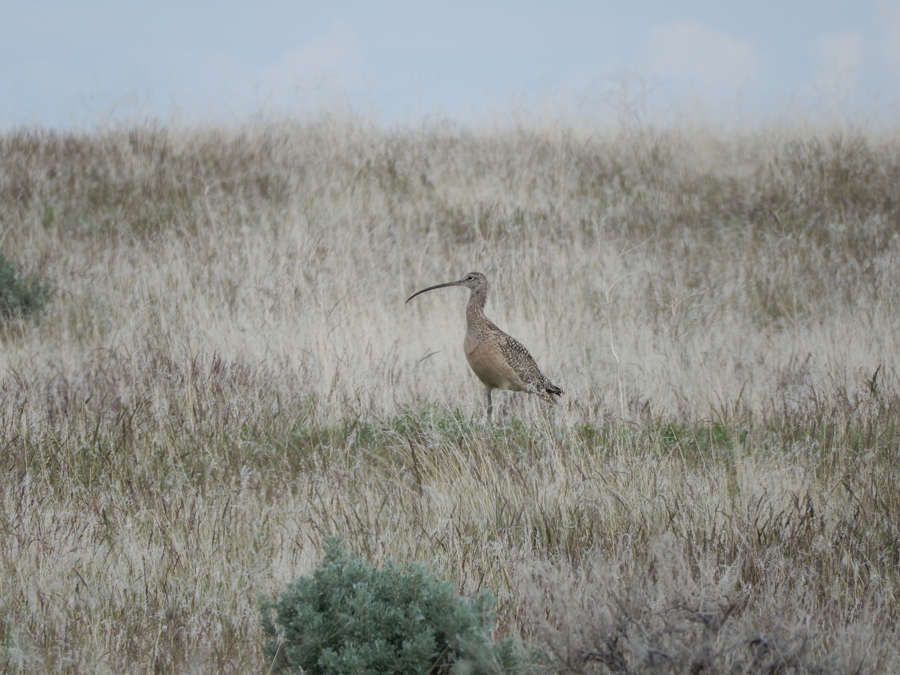
I believe this is a Long-billed Curlew. I also saw a large elk but was unable to get a photo

I stayed off the beaten path in an Airbnb in Burley ID (2 nights)


5/6 Sun – I started at the City of Rocks National Reserve Visitor Center in Almo ID at 8am when they opened

Excellent reference for my day’s activities. This was the most enjoyable day of my trip – this place is amazing! With all my stops and hikes, it took me all day to cover the 25-mile loop road.

My first stop was the Circle Creek Overlook, where I did the 1.2-mile Geological Interpretive Trail

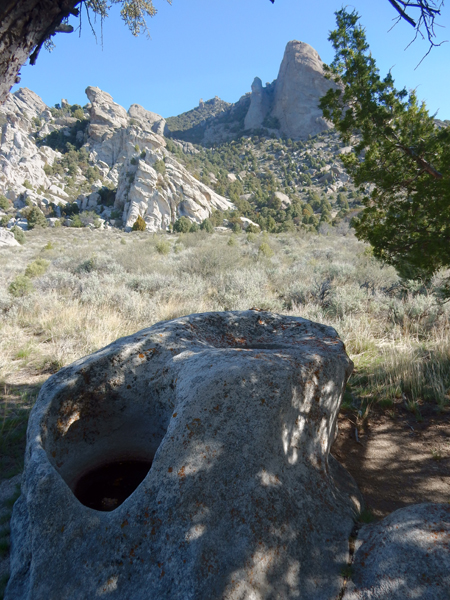
Panholes

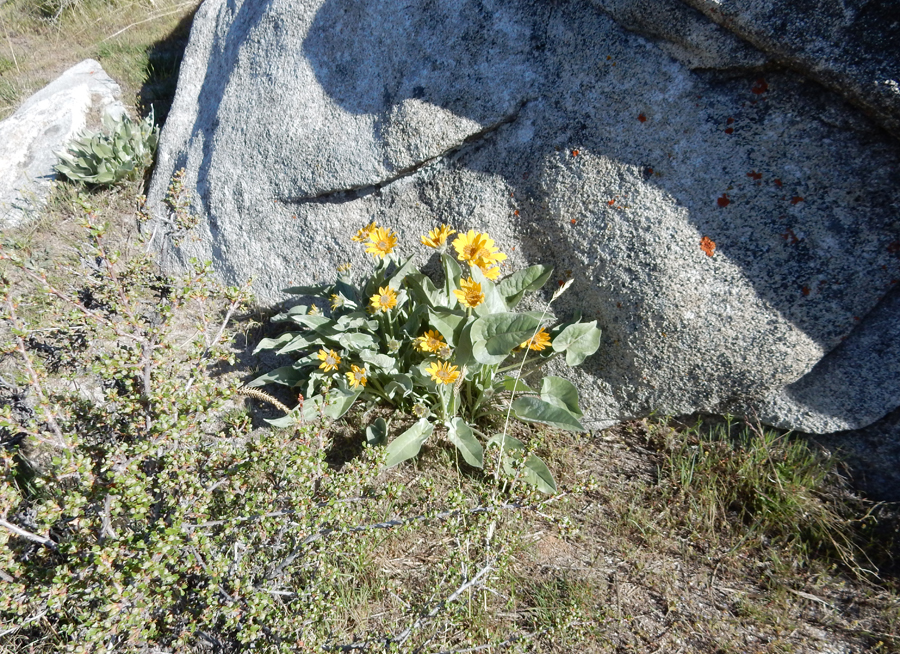
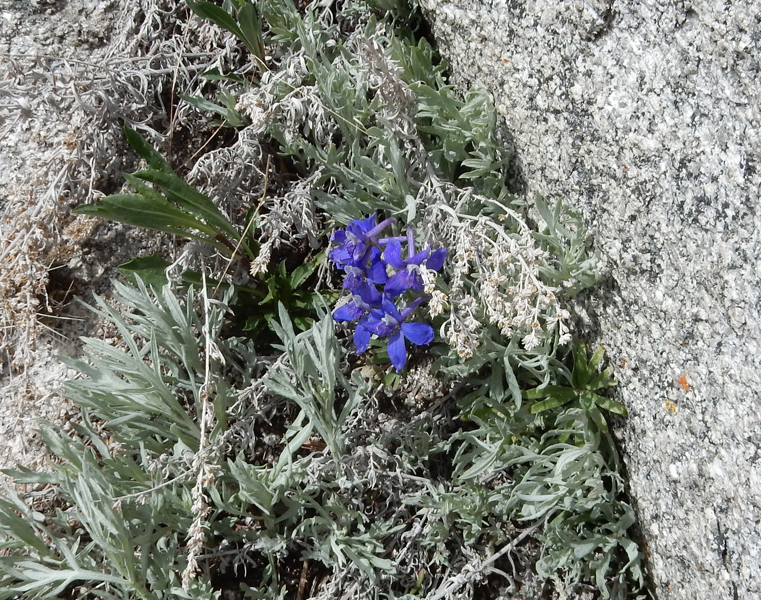
All kinds of interesting geological features and flowers as well!

The near vertical cracks are called “Joints” and are great for climbing

Climbed a rock to get a photo of the Circle Creek Basin

“Veins” – in this case, quartz intrusions into cracks

Yes, it’s called a Window

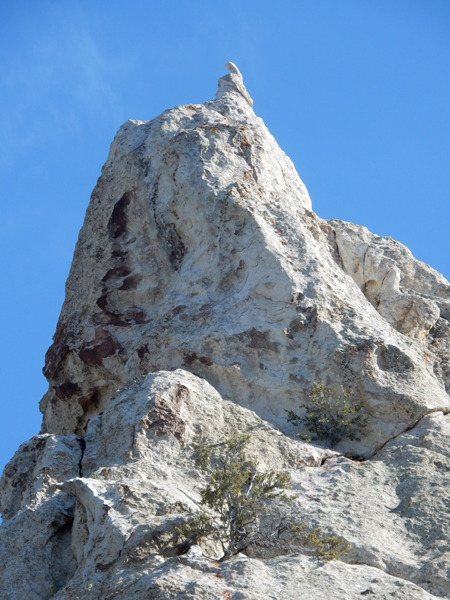
A Pickelhaube

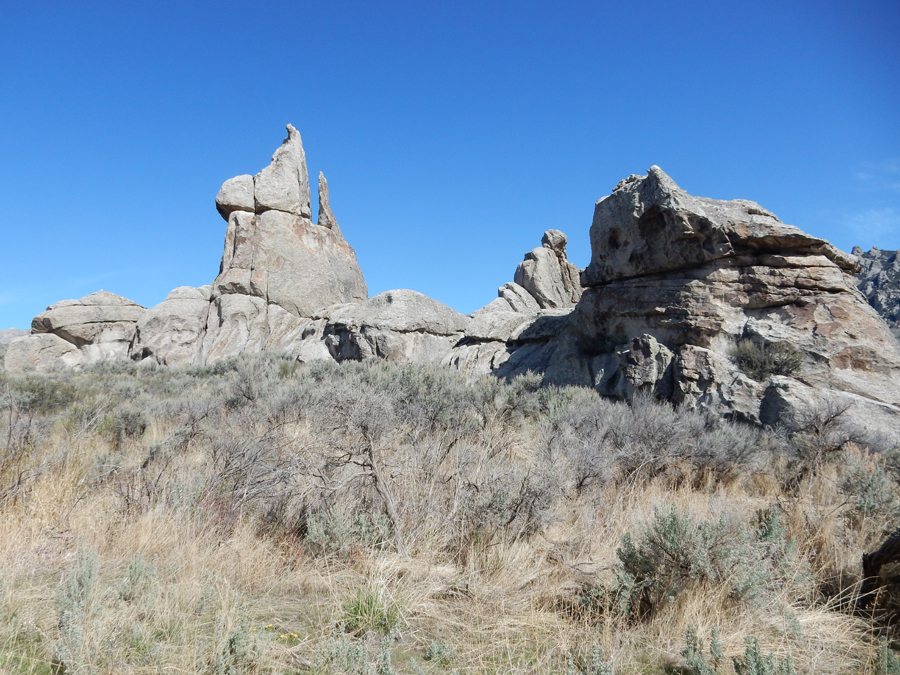
Pinnacles

Circle Creek Ranch

Chicken Rock on the north side of the road

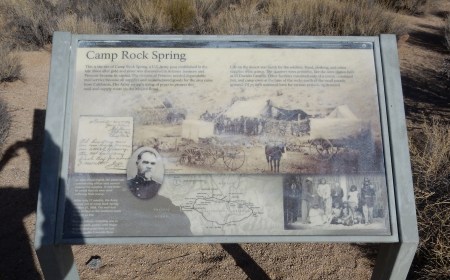
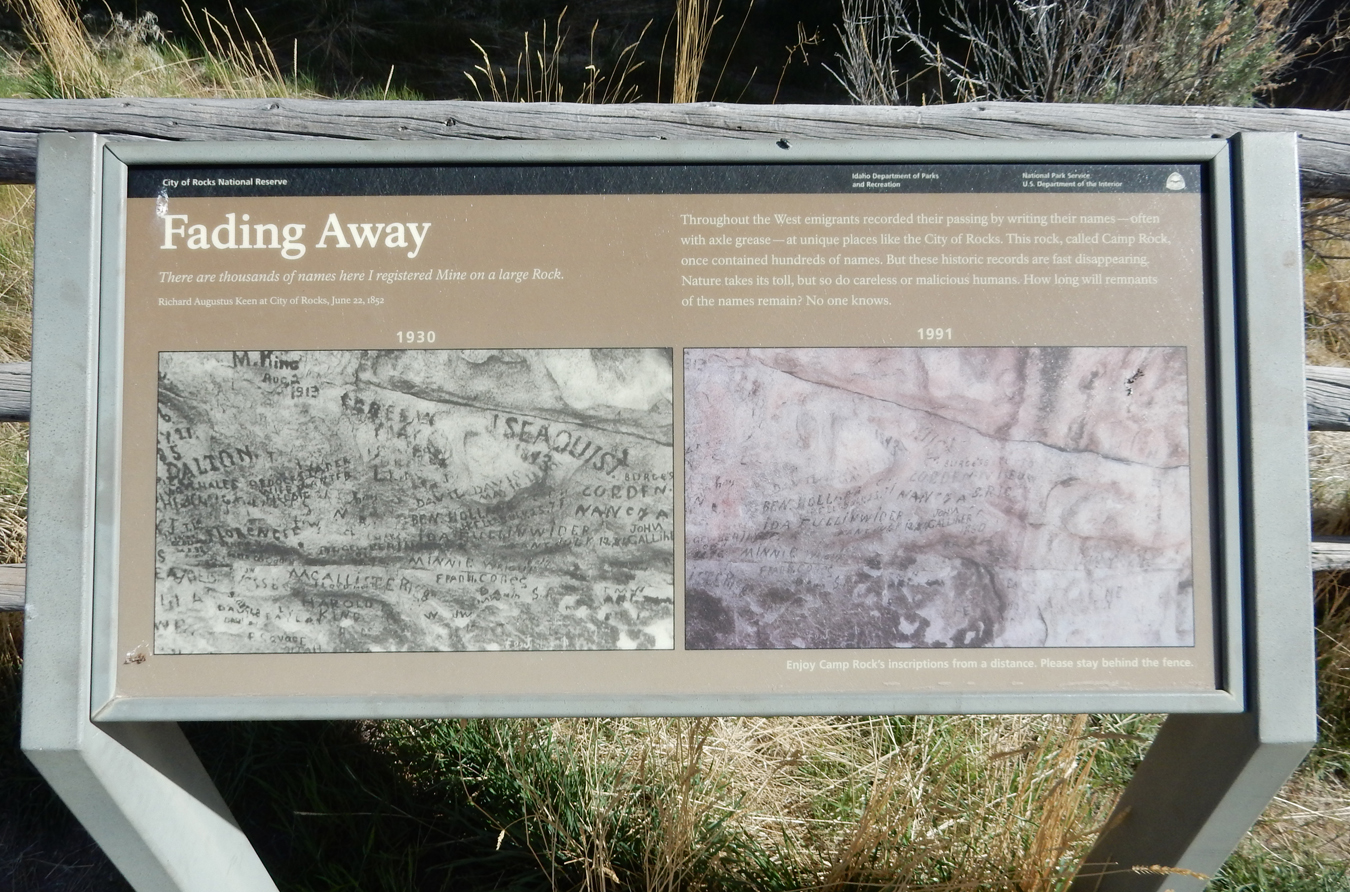
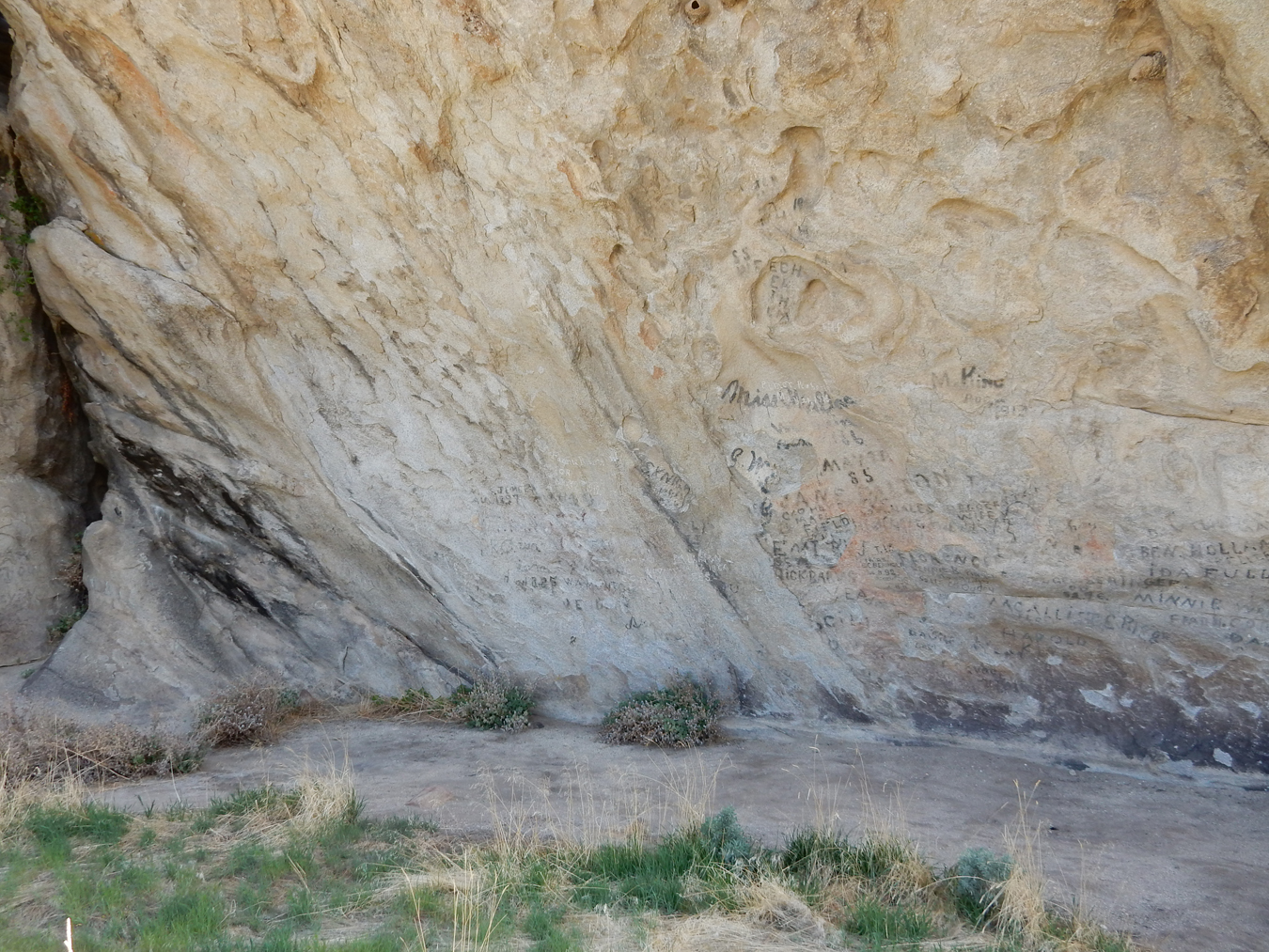
Camp Rock on the south side of the road – emigrants wrote their names and dates using axle grease

Profile of man’s face with the words “wife wanted”

Nests on Camp Rock

View west from Camp Rock on the California Trail, a 2,000-mile trail from Kansas City to Sacramento. “Ho for California” Free Land/Gold – many routes, cut-offs and branches, a major route was through the City of Rocks. It is estimated that 250,000 migrants followed this route. At first, 1843-1882, they were after land. Then, in 1849, the motivation was GOLD. There were few wagon trains on the trail after 1869 (transcontinental railroad).

Kaiser’s Helmet – Picklehaube on top

Treasure Rock – stage coach robbery loot buried here in 1878, I didn’t find any

Looking north into Circle Creek Basin, many emigrants camped here

Devil’s Bedstead

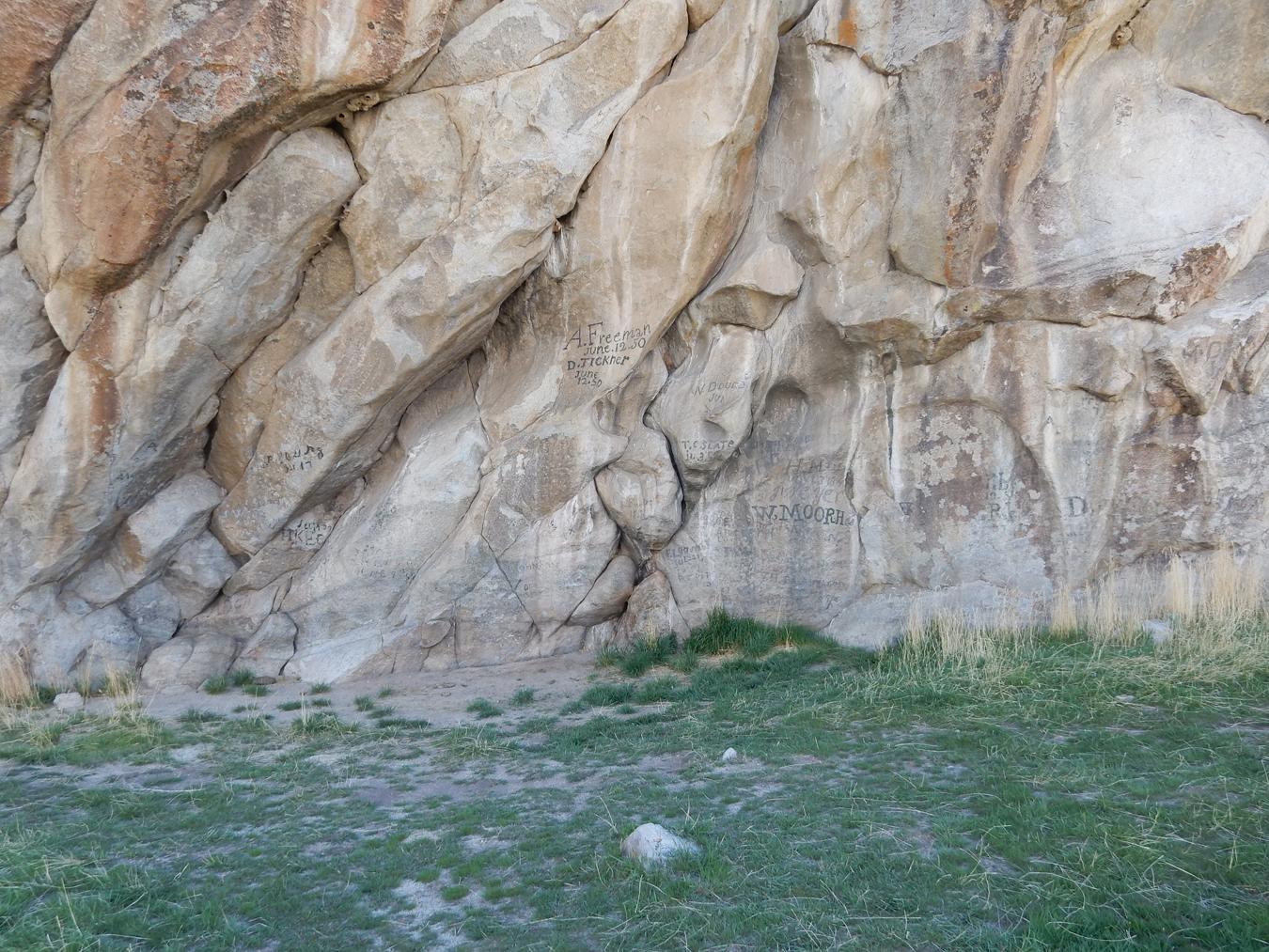
Register Rock, more emigrant signatures

Nice profile

Pinnacle Pass

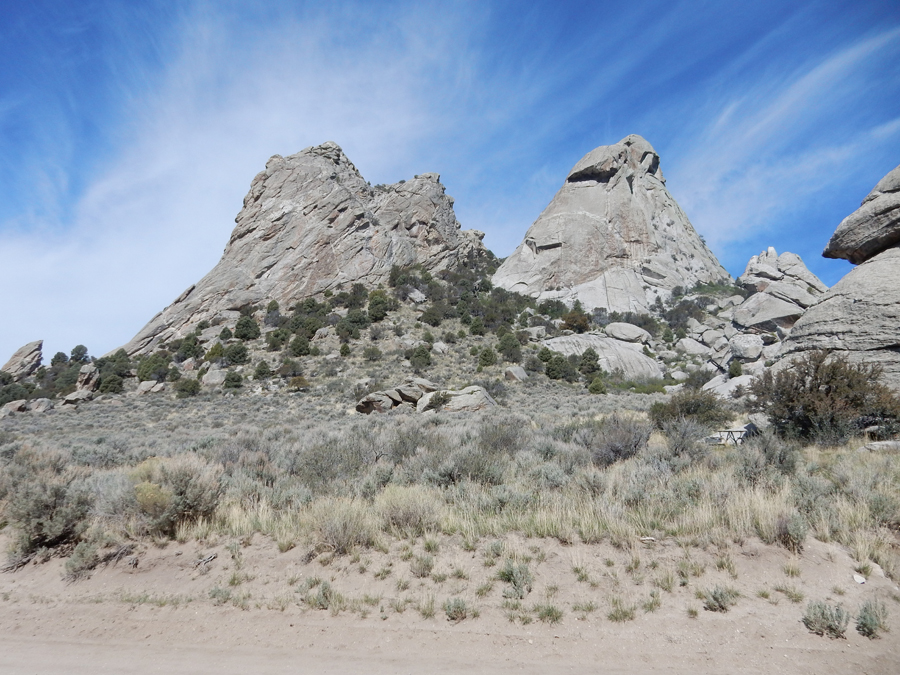
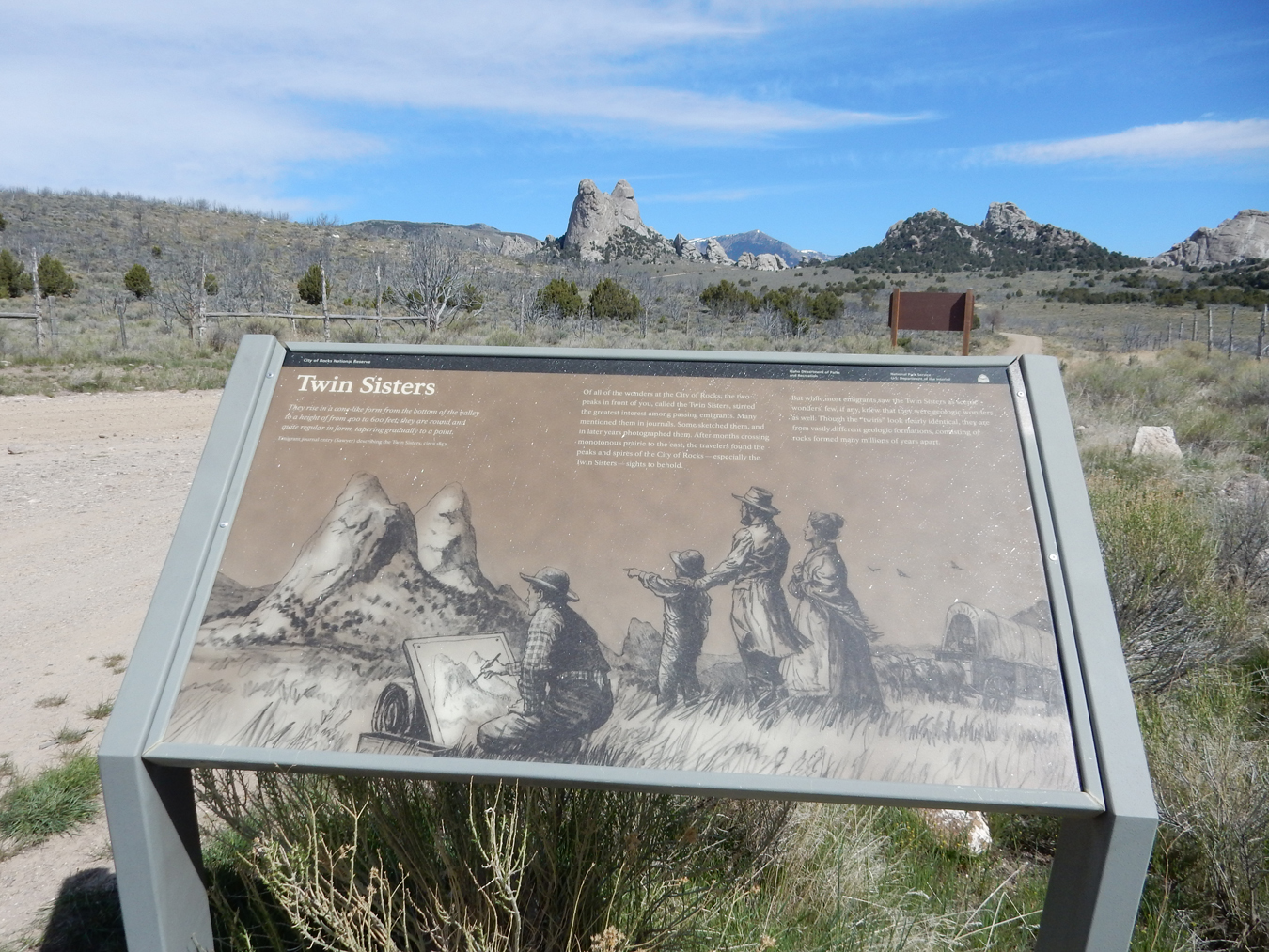
Twin Sisters in center, left sister made up of rock from the Green Creek Complex, right sister made up of Almo Pluton, at 638 feet, they are the most prominent features in the reserve.

View of Twin Sisters from the south

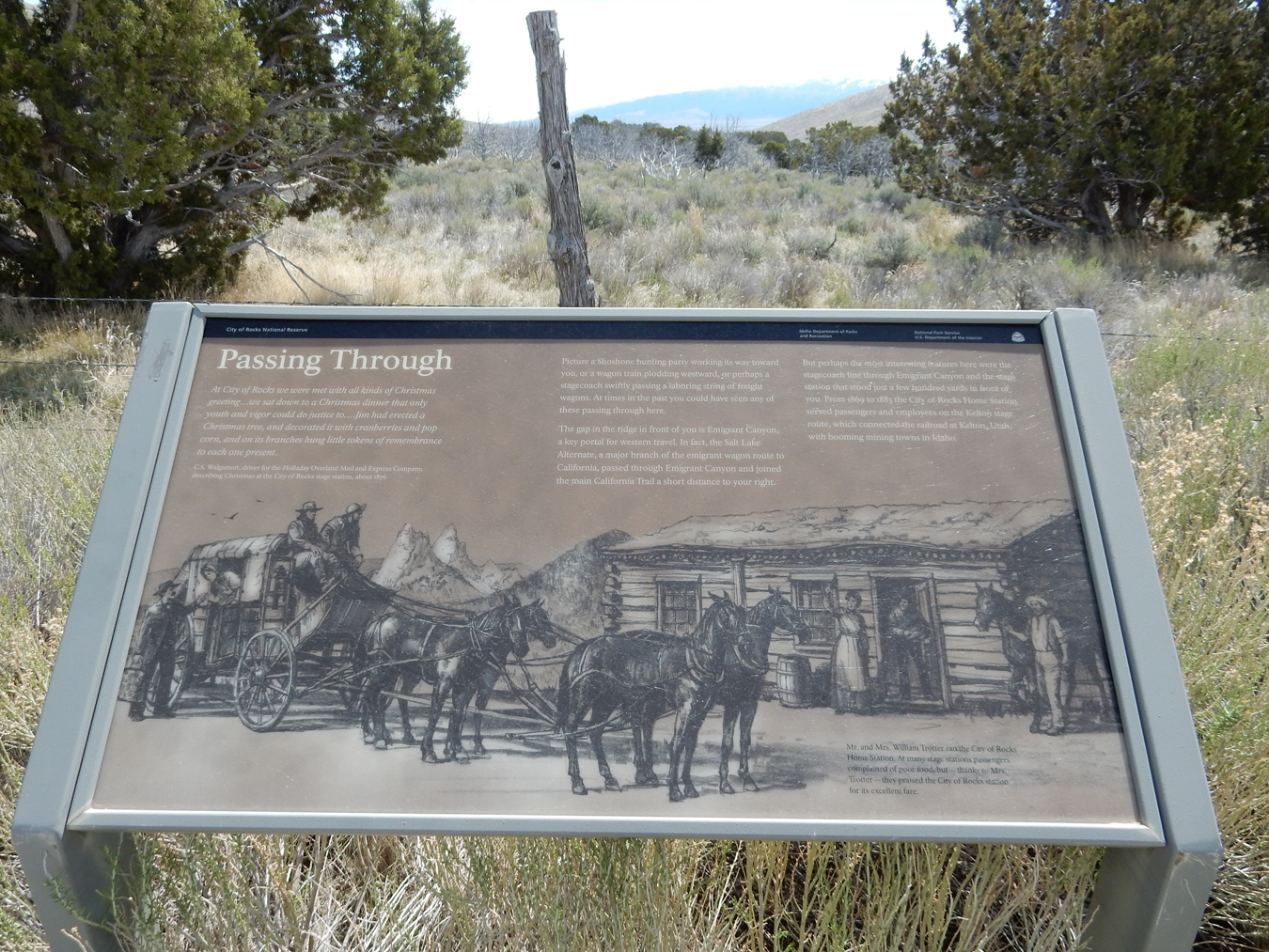
Holladay Overland Mail and Express Company stagecoach line on the Kelton Road, which was on the Salt Lake Alternate Trail to the City of Rocks

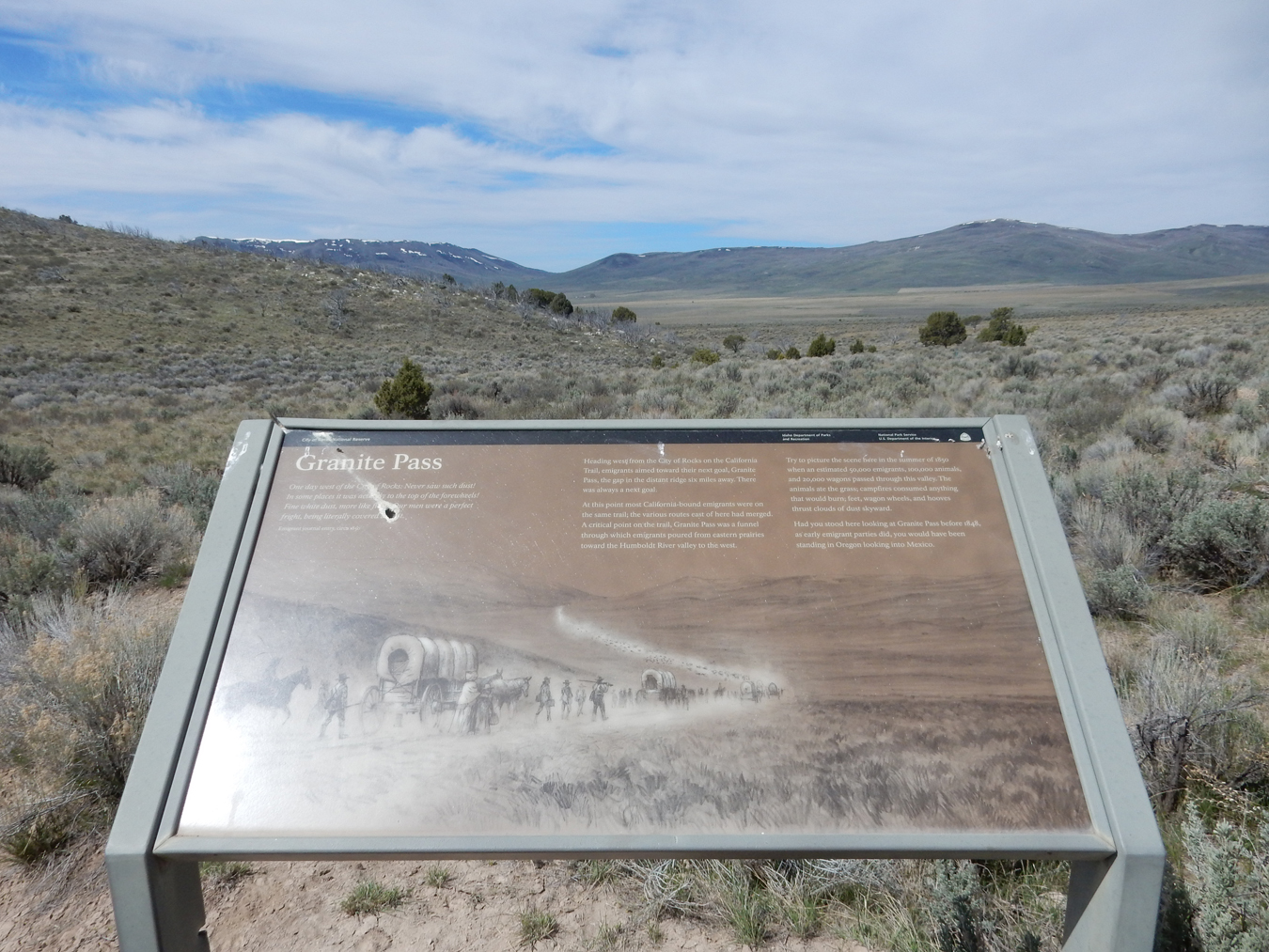
Granite Pass, 6 miles away, was the next obstacle on the California Trail. If you were standing here in 1848, you would be standing in Oregon looking into Mexico!

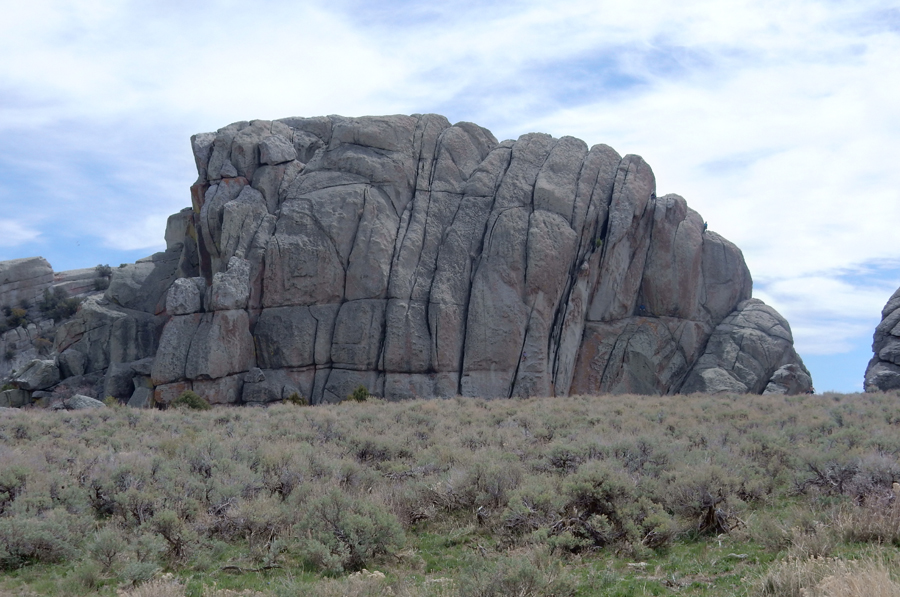
Breadloaves

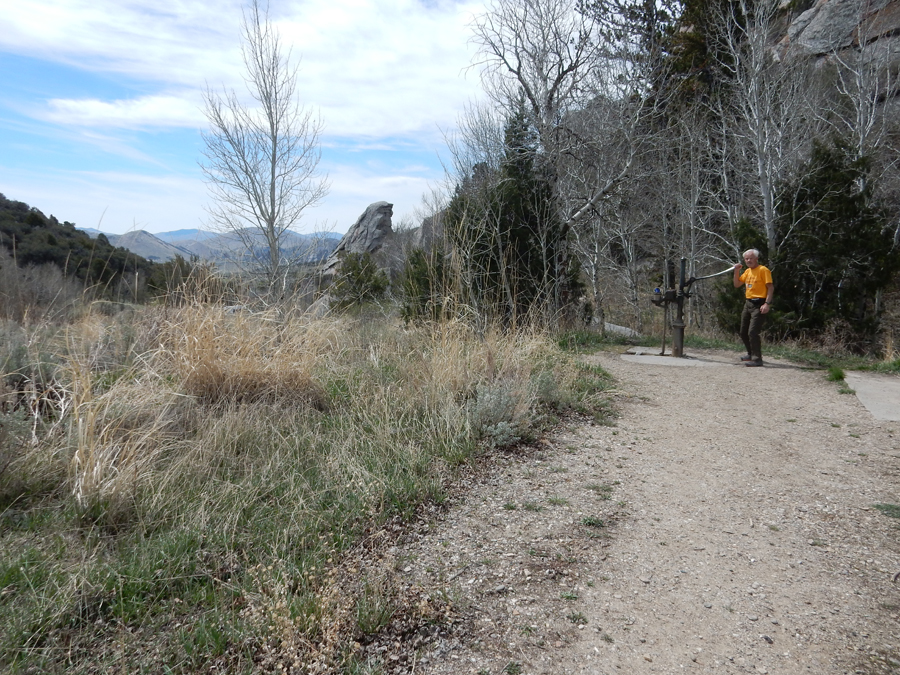
Quenched my thirst at the Emery Pass Picnic Area

This is an amazing rock-climbing area

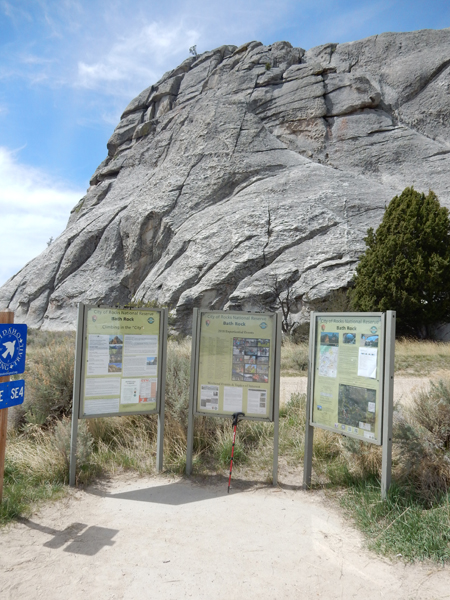
Bath Rock Climbing Area – there are panholes full of water on top

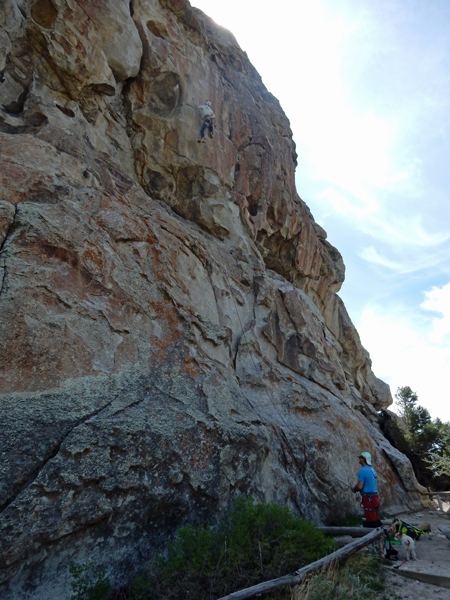
Climbers on the west side of Bath Rock

Climbers on Creekside Towers

On the extended 1.7-mile Creekside Towers Trail

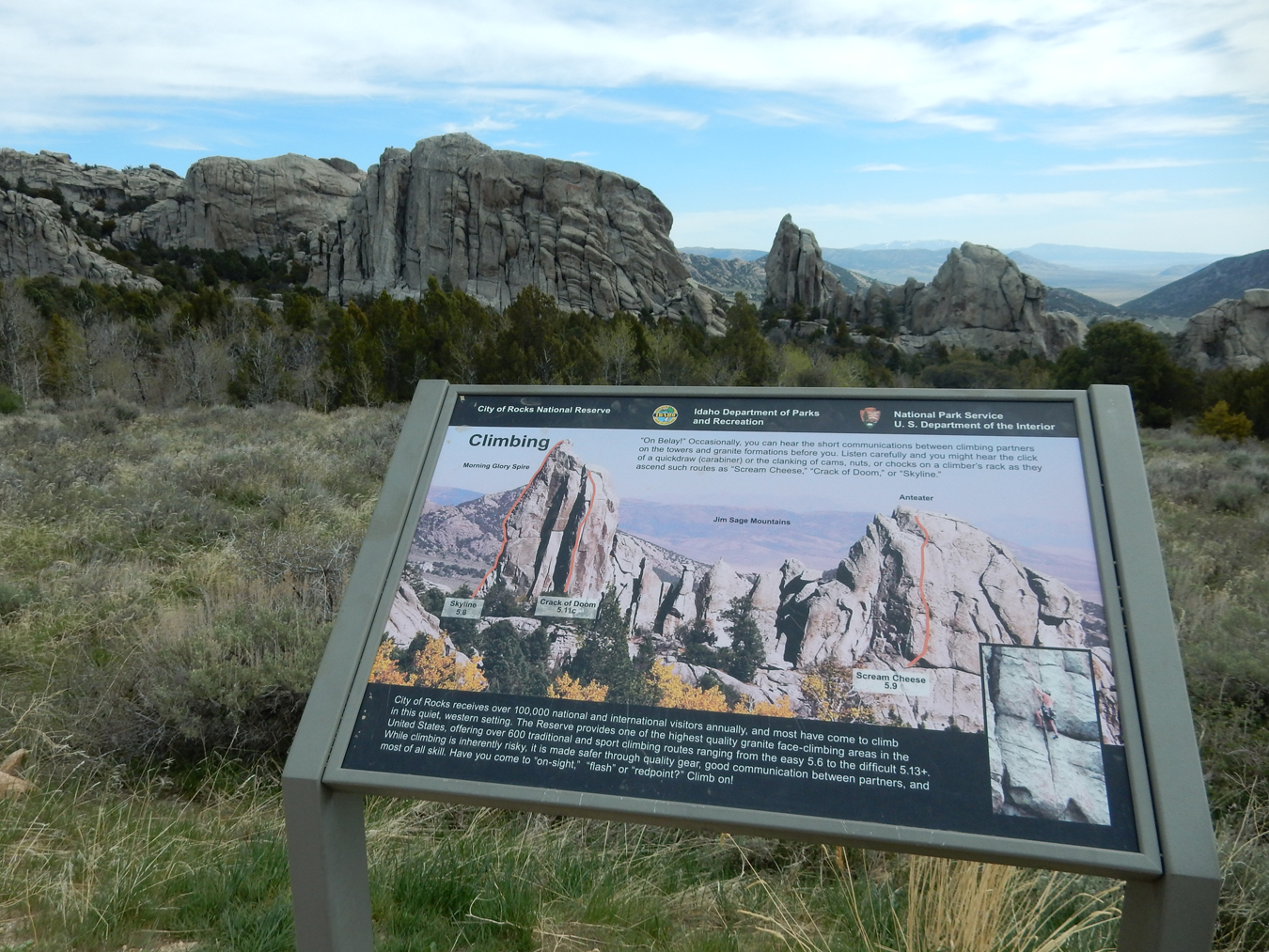
Climber topping out on the Anteater

Everywhere you look, excellent rock climbing

The Incisor, also known as Morning Glory Spire

I love ravens, “Once upon a midnight dreary . . . “

Backside (eastside) of Creekside Towers

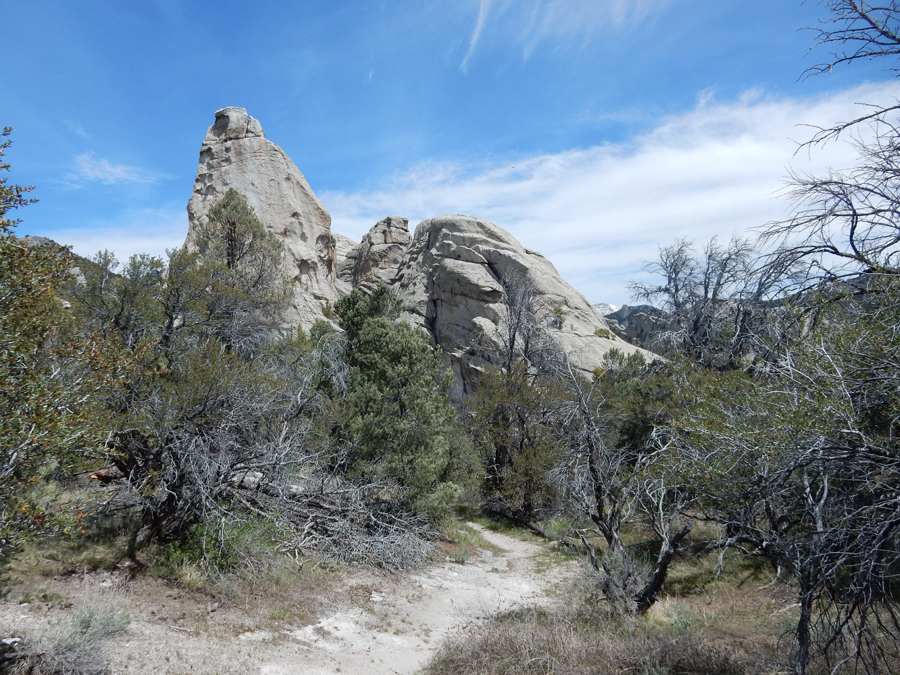
What a wonderful hike this was –

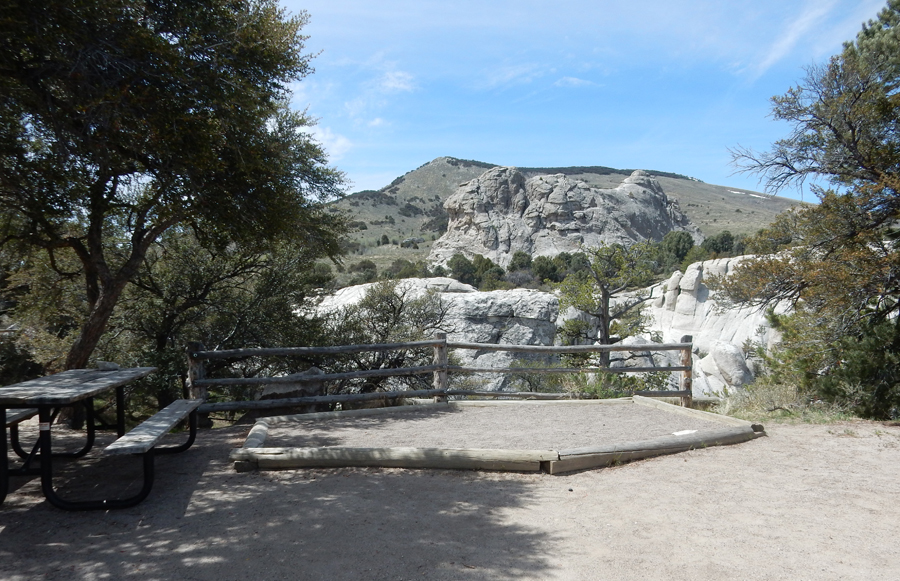
I would reserve campsite, #37 or #38 near Window Arch

Window Arch is one of the most popular features of the Reserve

Alright, I’m not done yet. I still have to hike around Elephant Rock

Base of Elephant Rock – these are called a Tafoni, weathering creates small hollows on joint surfaces.  The hollows gradually enlarge through the creation of a sheltered micro-climate that facilitates the accumulation of salt.  Salt is a corrosive agent that expands when dry and breaks apart the granitic minerals.  The salt is transported by wind and rain from the Great Salt Lake basin 30 miles away.

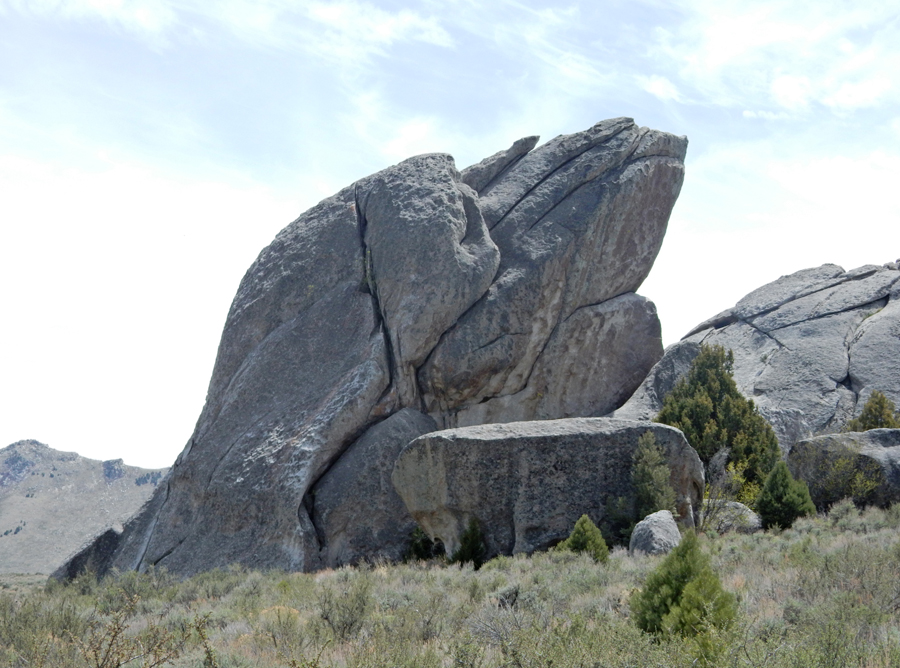
I call this Frog (or Toad) Rock

Here are a couple of colorful pictures, before I head back to my Airbnb (but NO breakfast) in Burley ID


5/7 M – 3hrs to Salt Lake City airport, left at 11:58am, left Denver at 5:50pm, arrived home at midnight


h1

Paul Laurence Dunbar State Memorial, Dayton OH

April 29, 2018

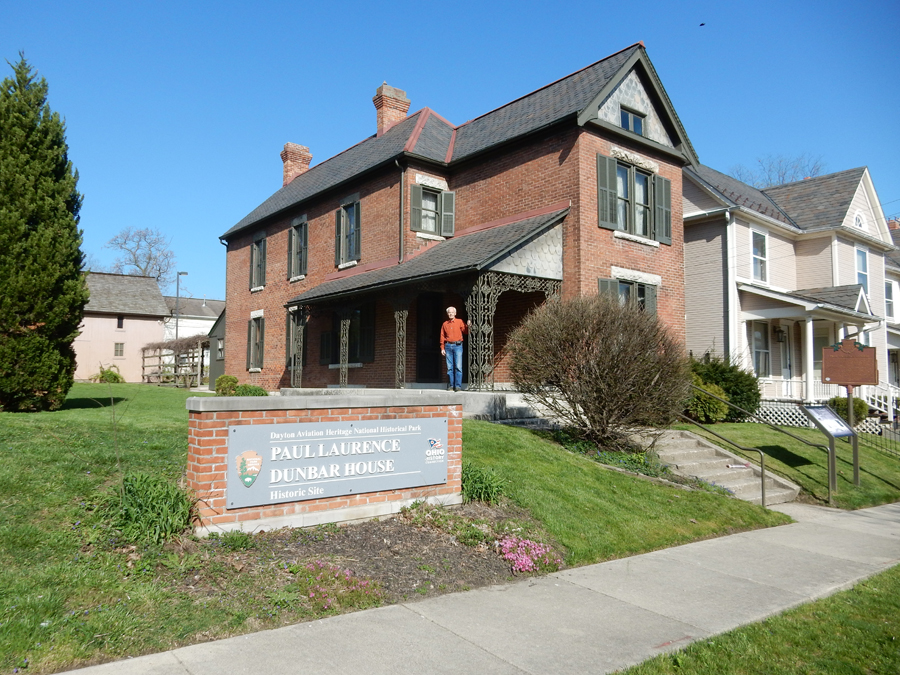
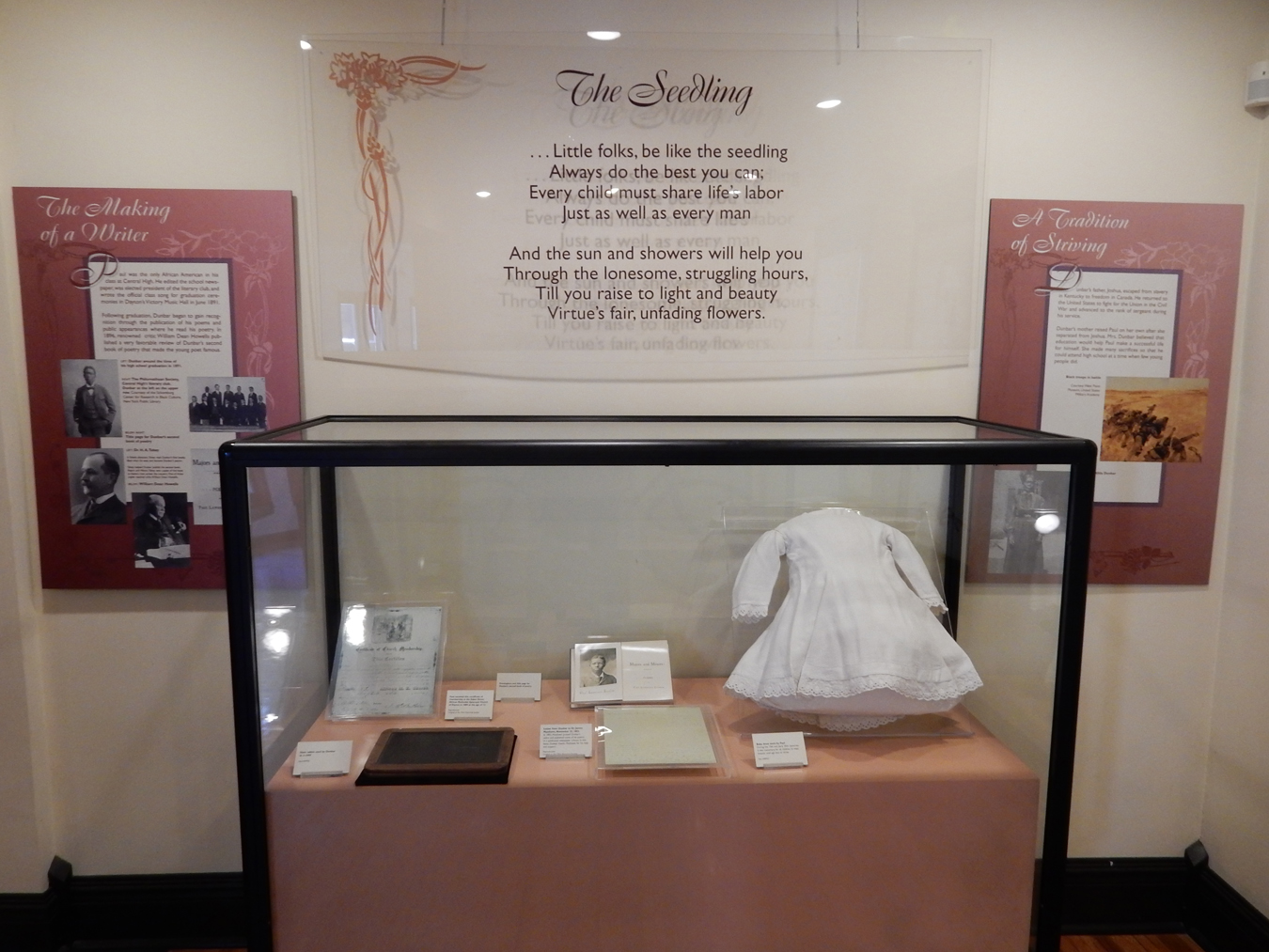
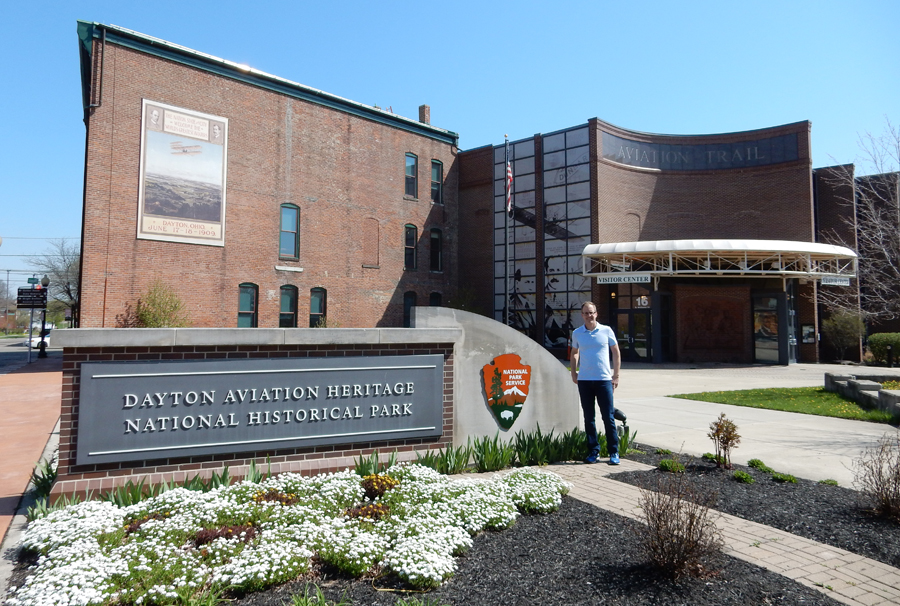
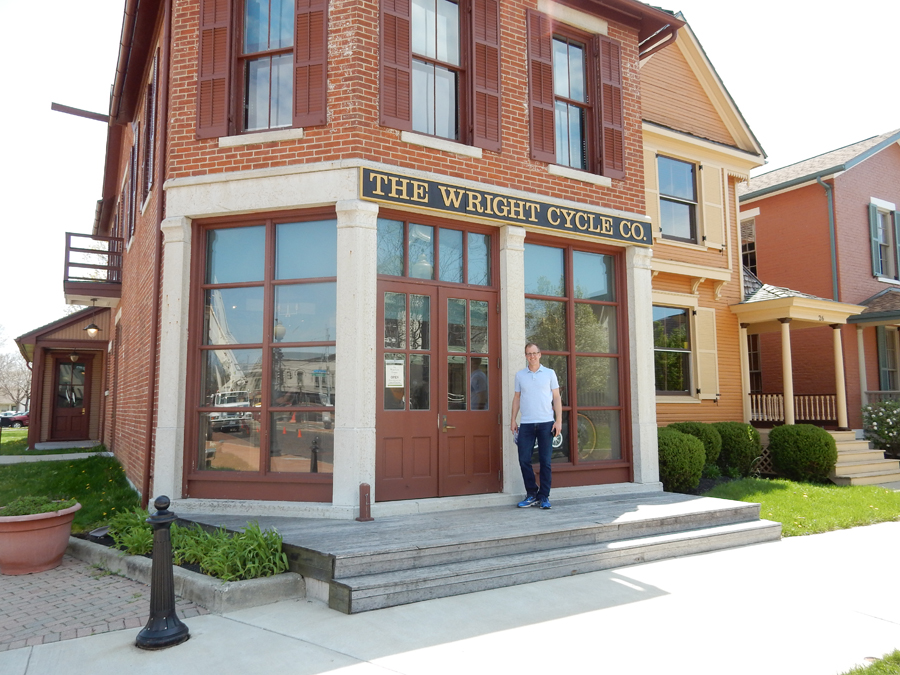
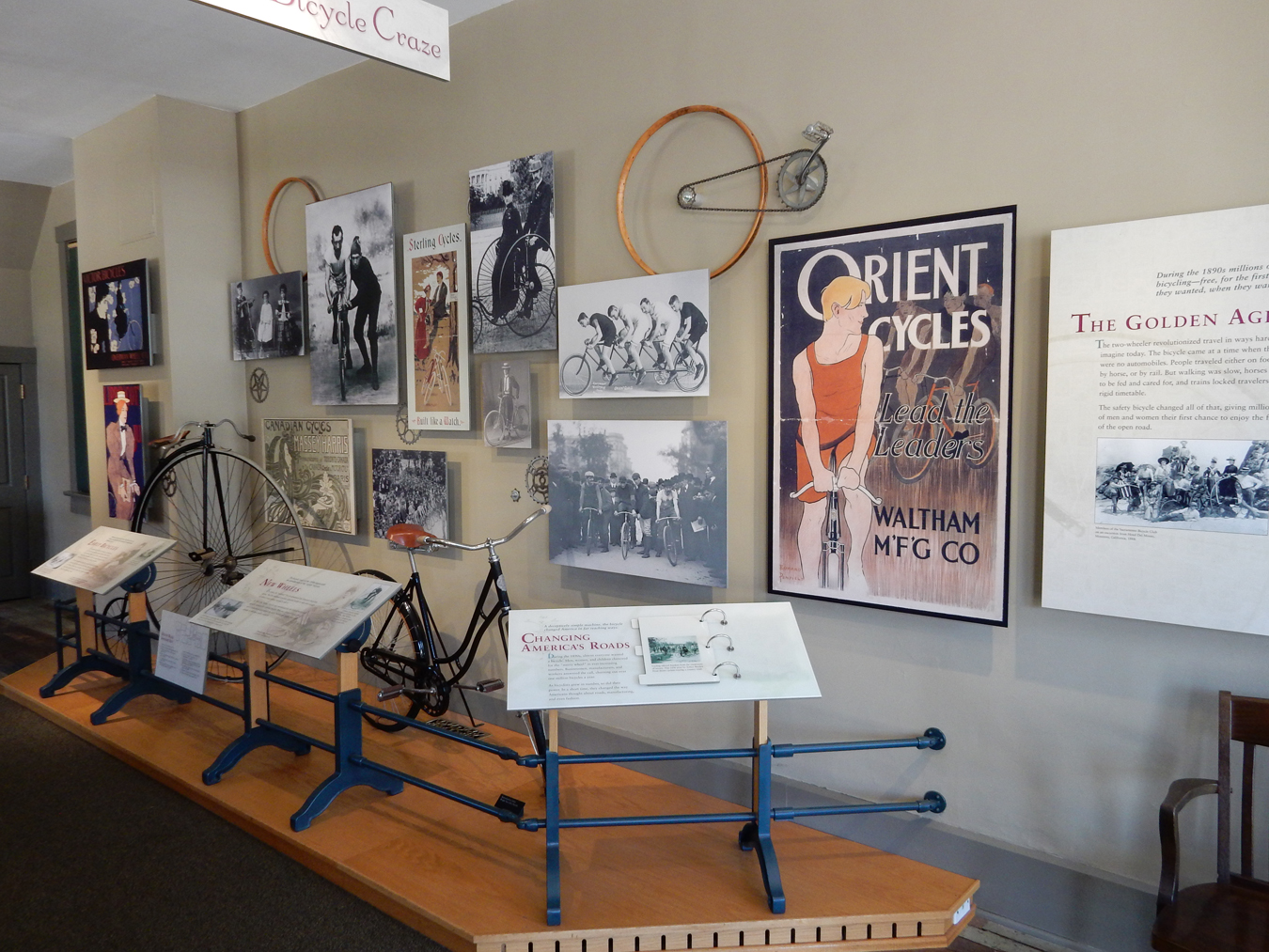
4/27 FPaul Laurence Dunbar State Memorial, part of Dayton Aviation Heritage National Historical Park. Brad joined me this morning and we arrived a half hour before the home opened for tours. I had previously visited all of the other areas of the park in and around Dayton – Wright Cycle Company, Wright Company Factory, Wright Brothers Aviation Center, Hawthorn Hill, and Huffman Prairie Flying Field and Interpretive Center. So, now I’ve completed the whole enchilada. Of course, if you are in the area, you should visit the U.S. Air Force Museum as well.

Increase the size of this pic to read

Some information from the Visitor Center

Dunbar went to Central HS with Orville and was friends with the Wright Brothers

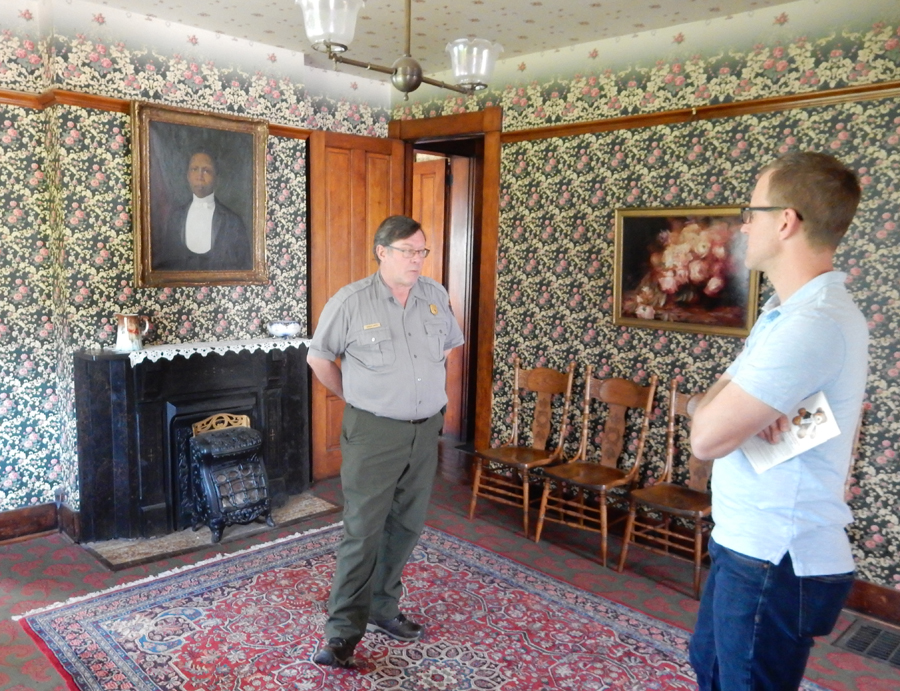
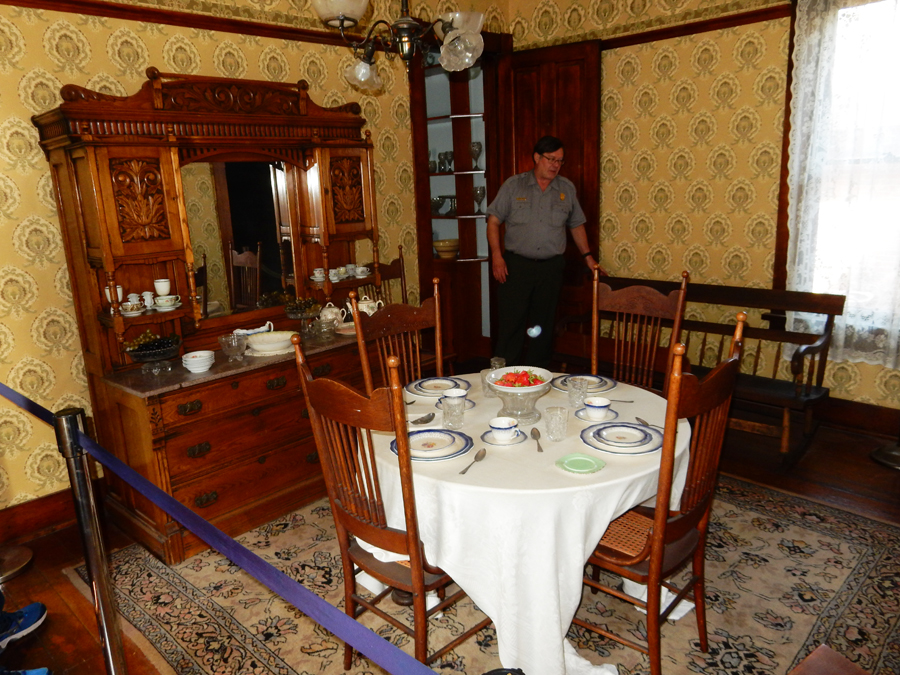
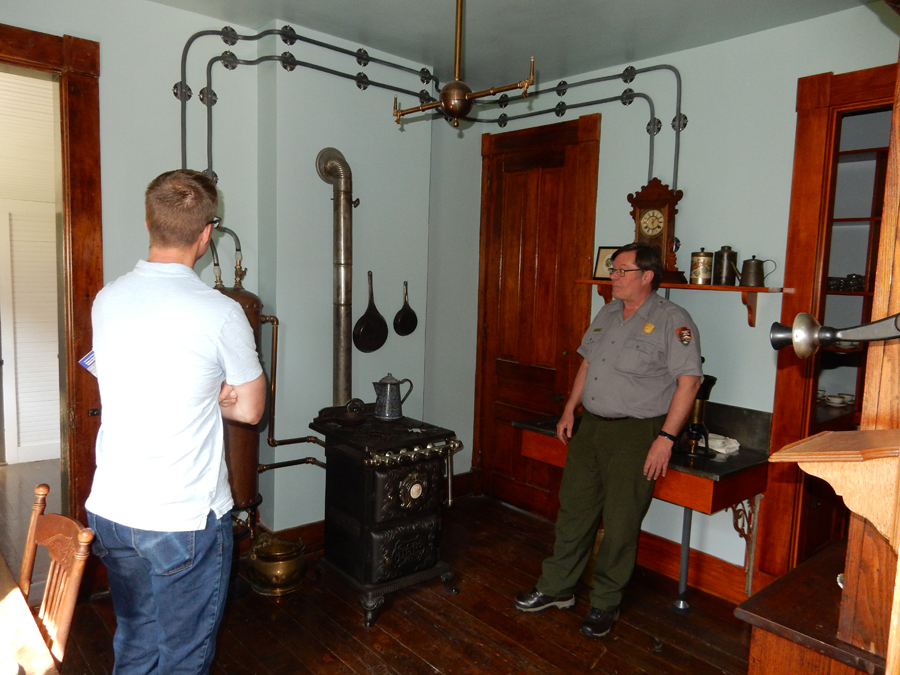
We had an interesting tour of the Dunbar home. Unfortunately for us, Dunbar died of TB at age 34.

It was a short drive over to the Wright-Dunbar Interpretive Center and Aviation Trail Visitor Center

The Aviation Trail Parachute Museum is located on the second floor of the Aviation Trail Visitor Center

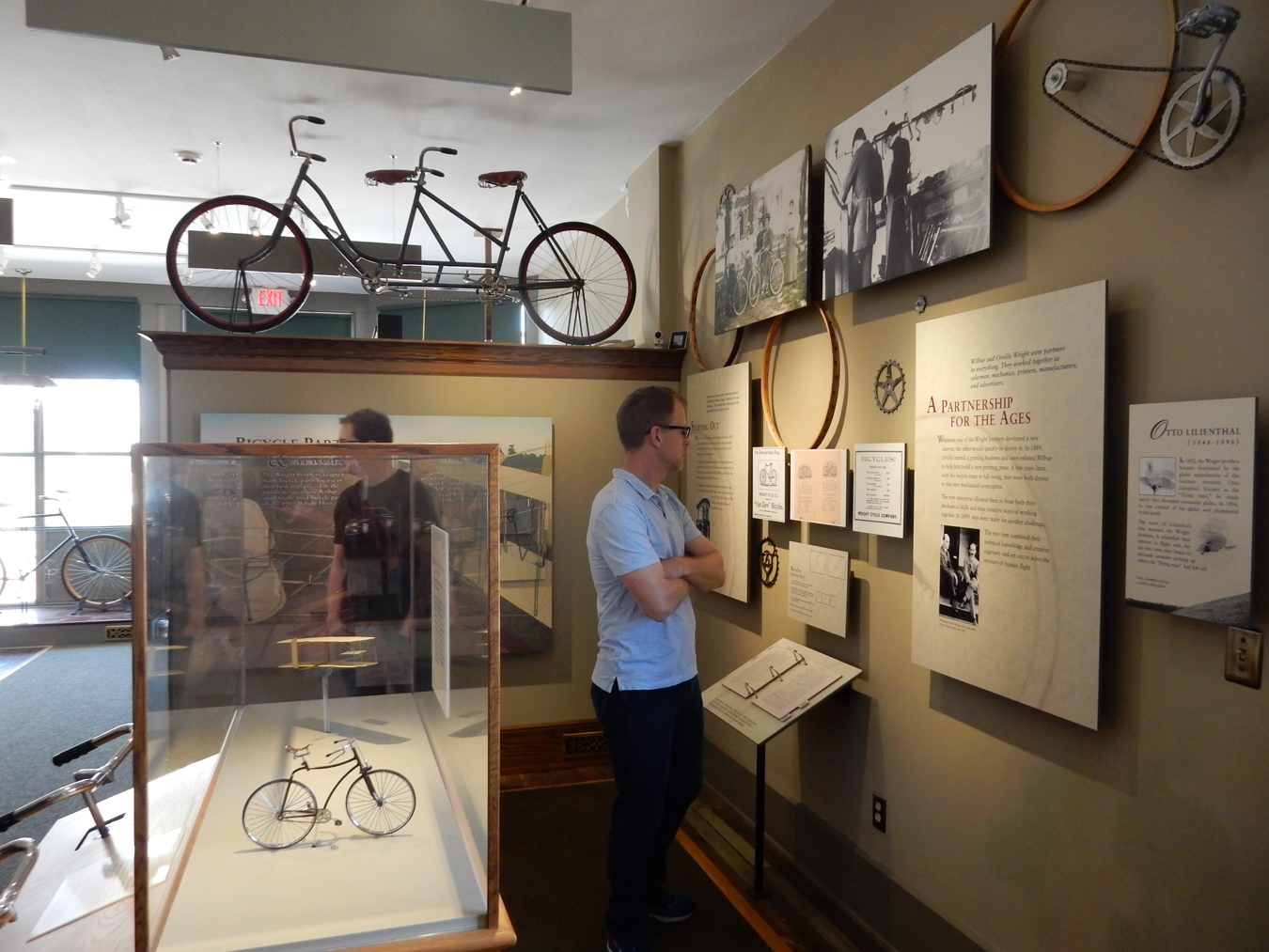
Right next door is the Wright Cycle Company – part of Dayton Aviation Heritage National Historical Park


h1

Belize – Sun/Sand/Dive/Snorkel/Kayak

March 16, 2018

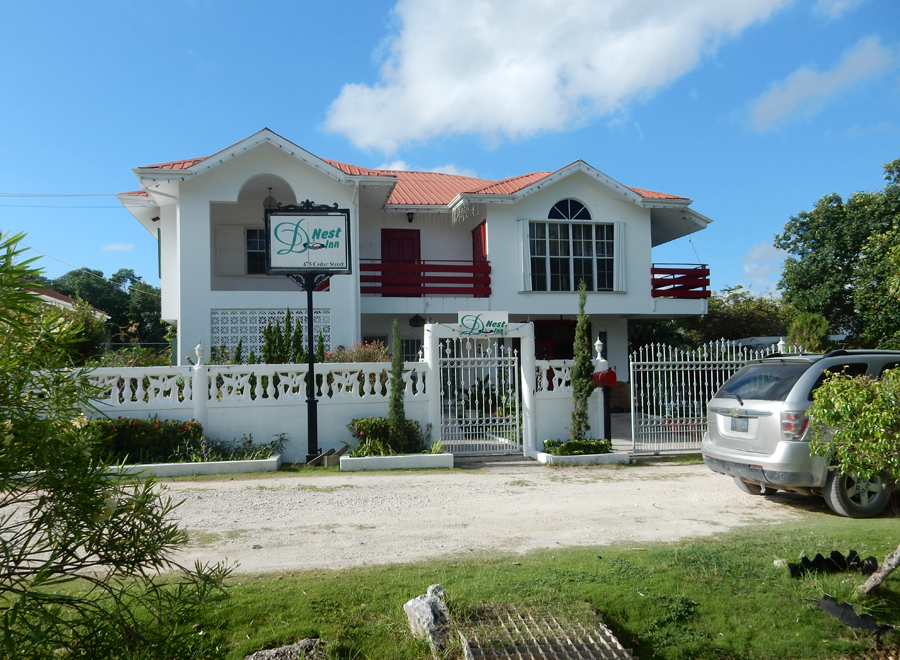
2/27 Tu – Delta to Belize City stayed at the D’Nest Inn B&B

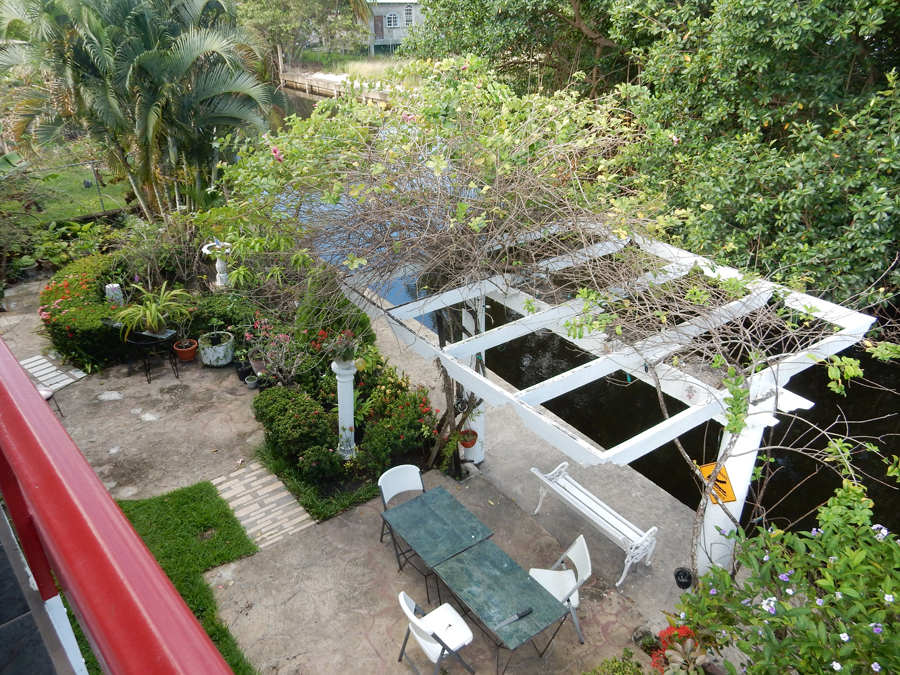
Manatee in canal


2/28 W – Taxi to downtown dock by Ramada Princess Casino

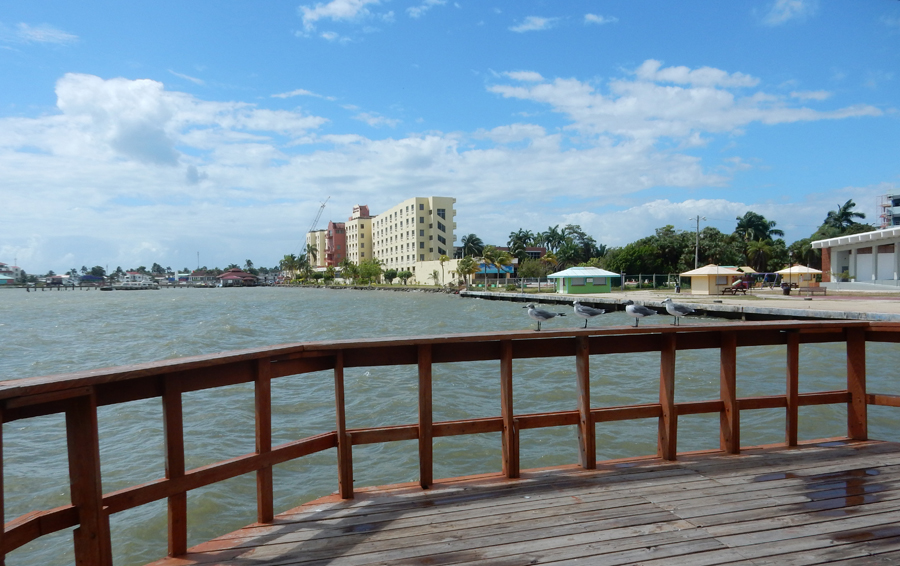
Walked a couple of miles along the waterfront and then returned to the dock. We were told we would be leaving at 1pm, however, not surprisingly, we didn’t leave until 2:30.

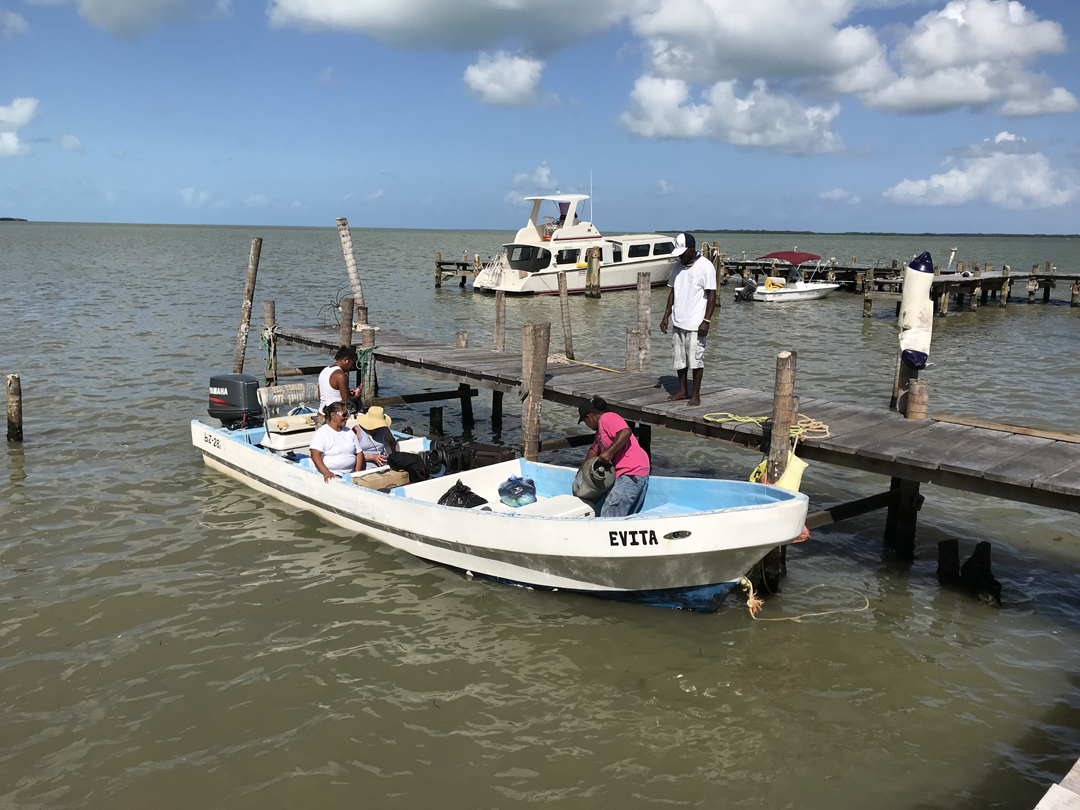
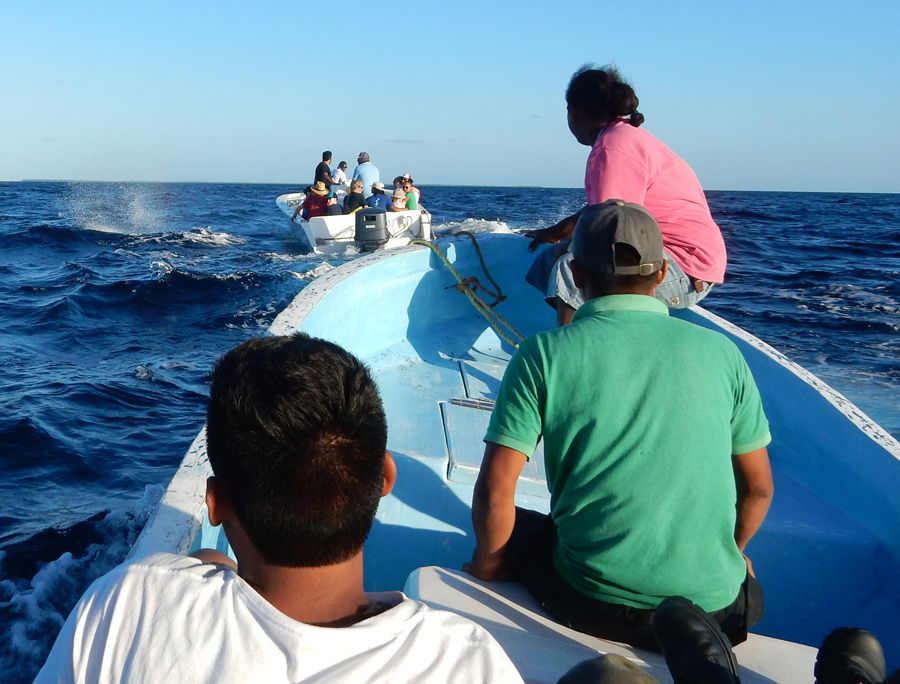
Boarding “Evita” Captain Reves boat that took us to Long Caye. Reves in stern, Nidia (cook) on left, Helen in hat, and LeRoy (worker) in bow. Reves added 4 people to our boat who were workers at another resort on the island. It was a rough ride as we bounced across the open “Blues.”

After 1.5hrs our outboard motor went kaput and we were stranded about 20min from Long Caye. Luckily, there was one more boat going to Long Caye and it was a half hour behind us. They towed us in to the dock.

Arrival

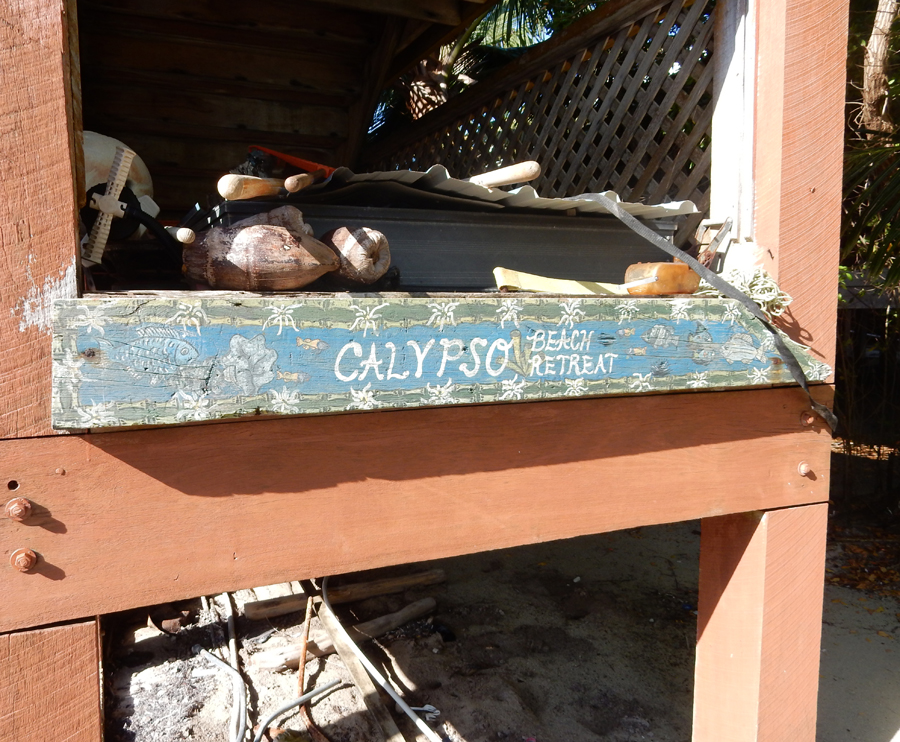
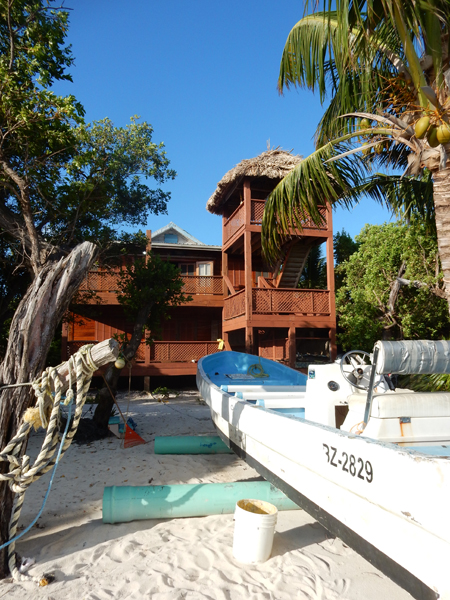
Calypso Beach Retreat

Our room, we were the only guests for the week, Wednesday to Wednesday

Helen cleaning the kitchen – it was a mess!

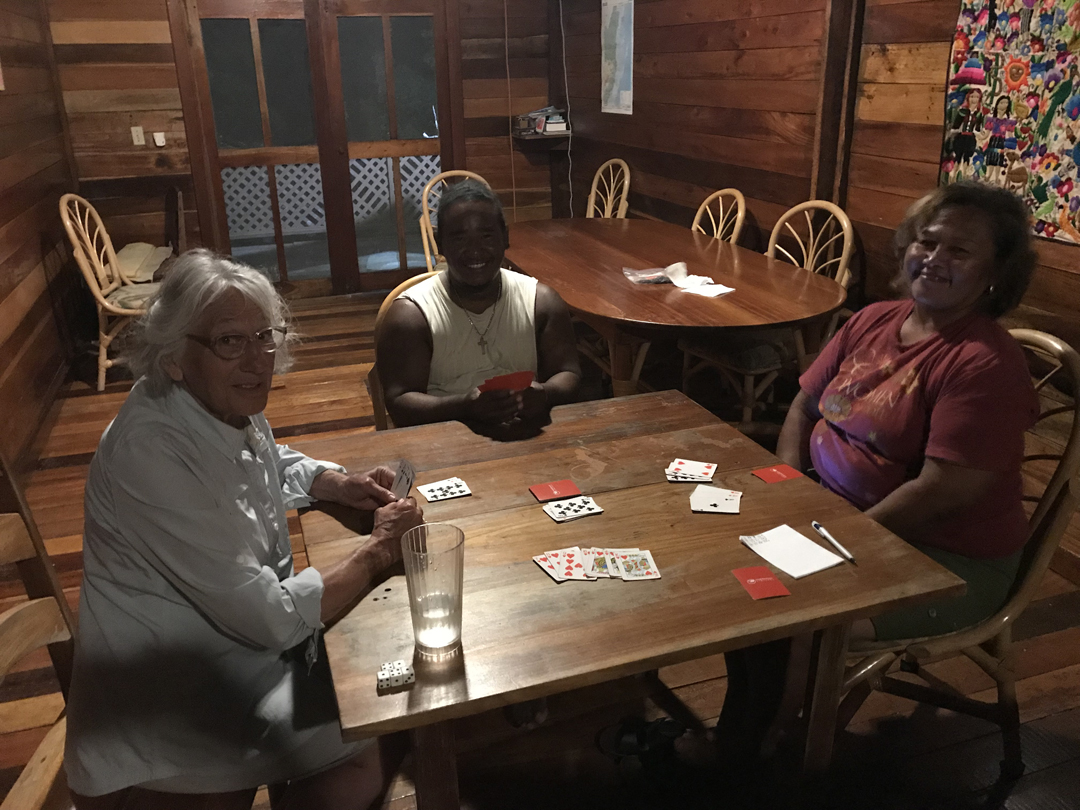
Getting to know LeRoy and Nidia, a game of Aces to Kings. Rum and Coke, cards, and Farkle every night.

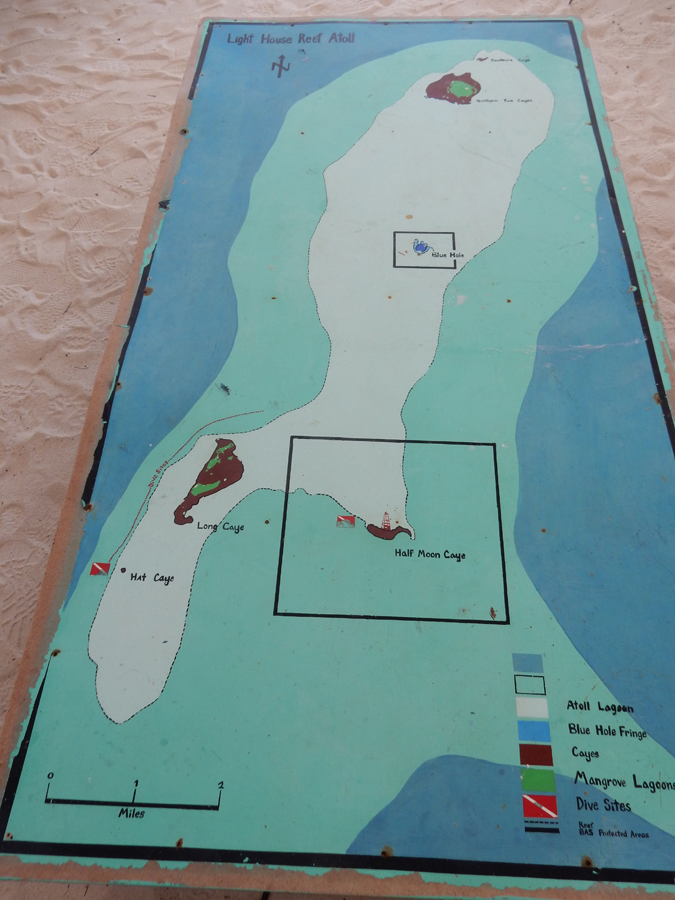
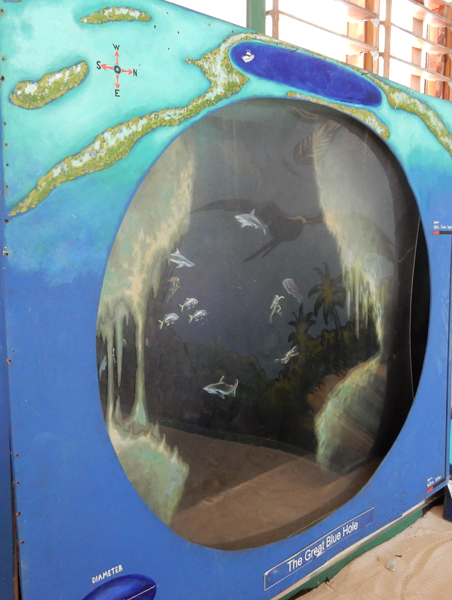
Our Island, Long Caye, is on Lighthouse Reef Atoll, which is on the most Eastern (outer) section of the Belize Reef System. Note on the map the nearby location of Half Moon Caye and the “Blue Hole”

3/1 Th – Breakfast, first morning, Nidia prepared three excellent Belizian meals a day

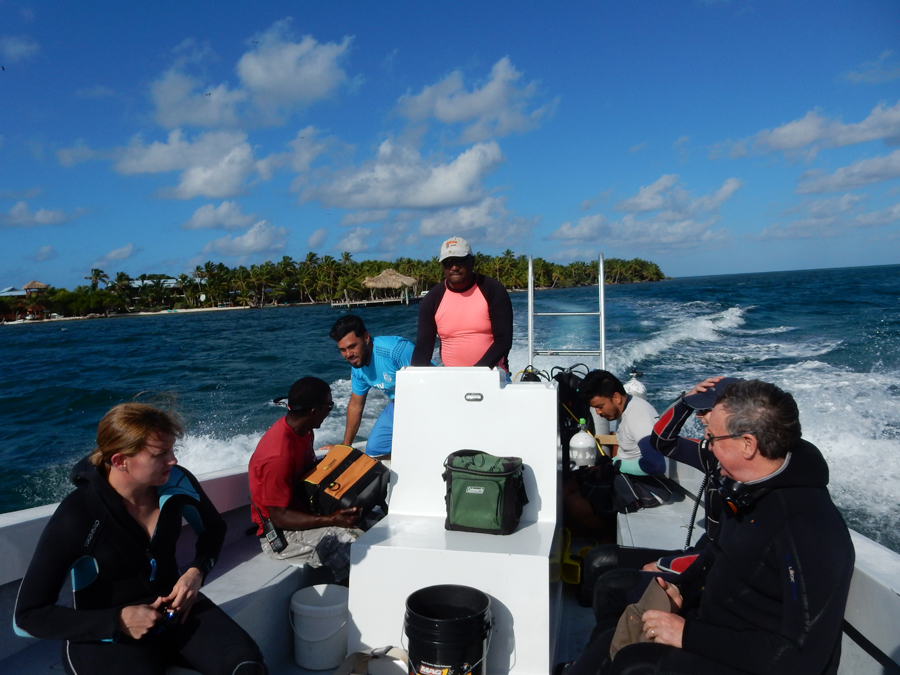
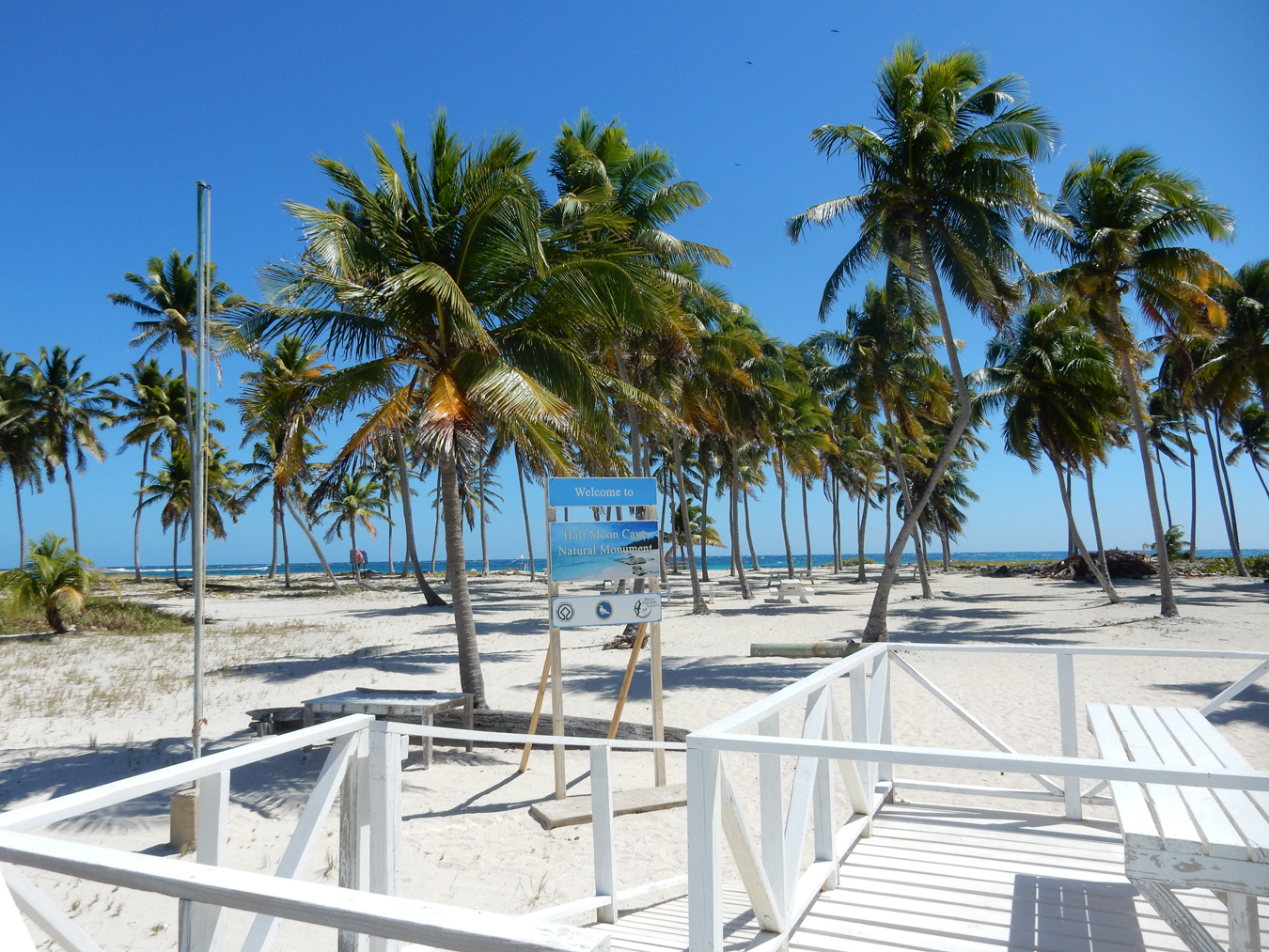
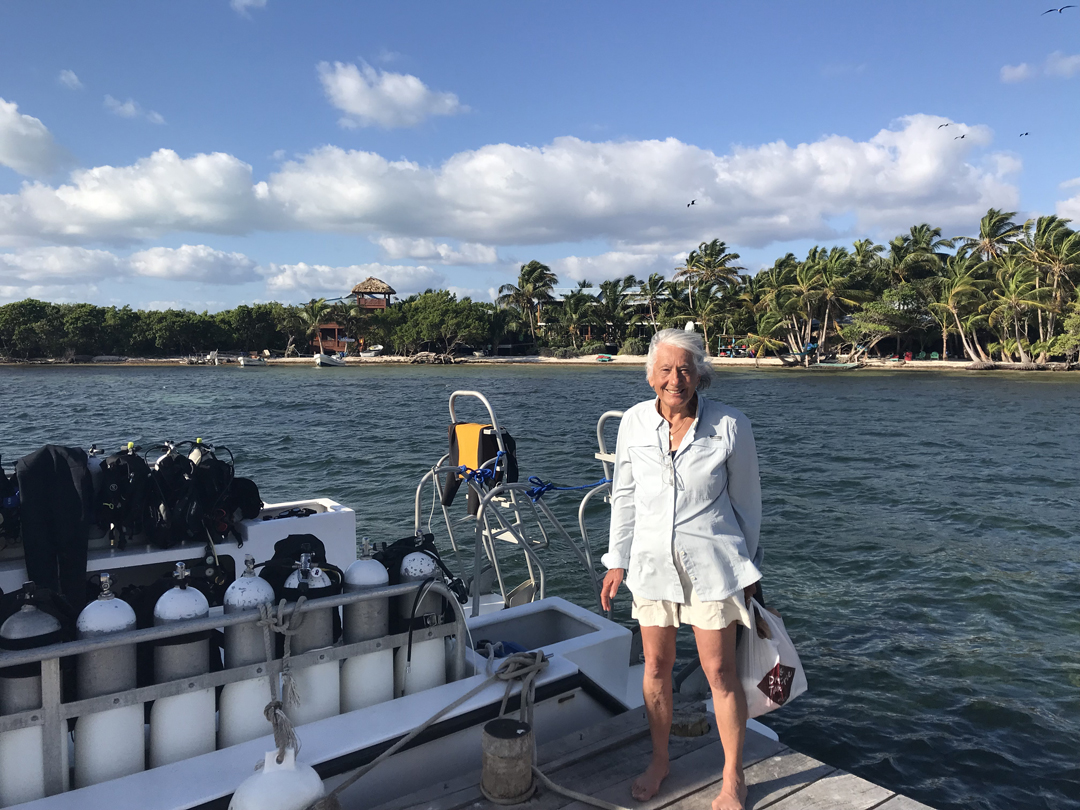
Since our boat broke down, we joined an Itza dive trip to Half Moon Caye Natural Monument ($20 fee) with Captain Elvis

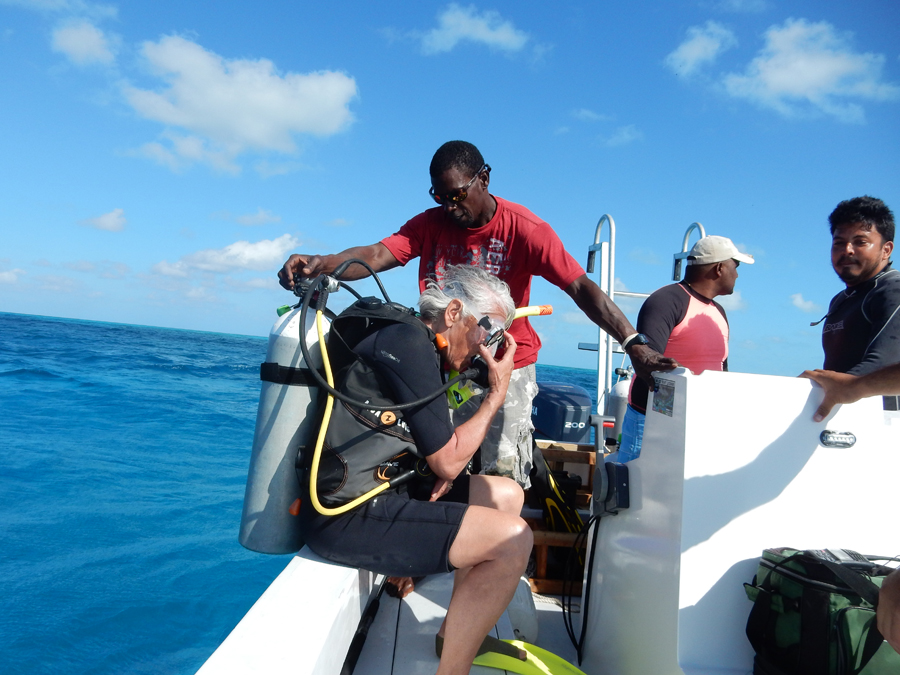
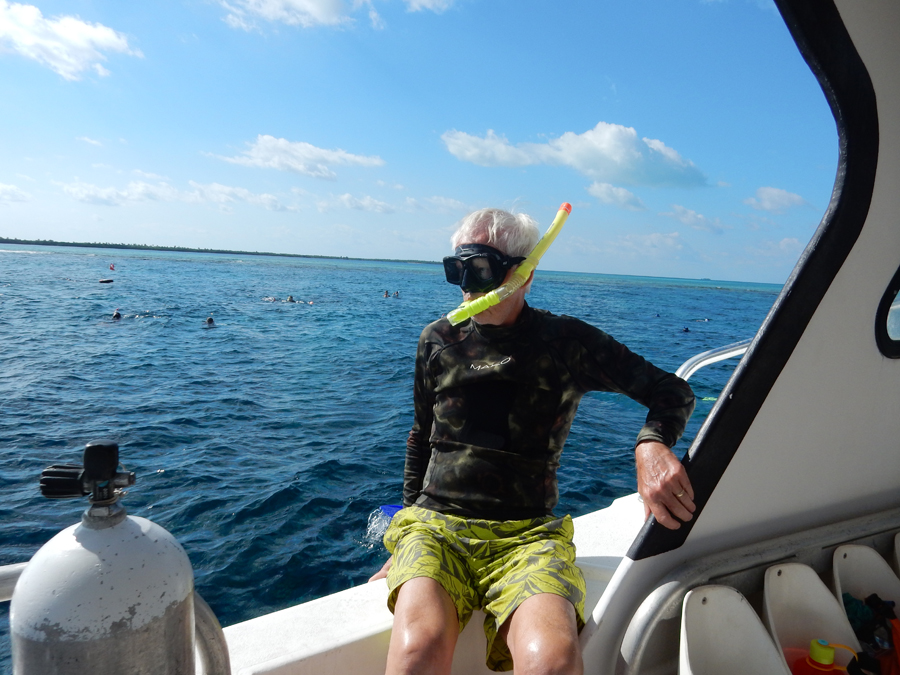
Helen dove while I snorkeled

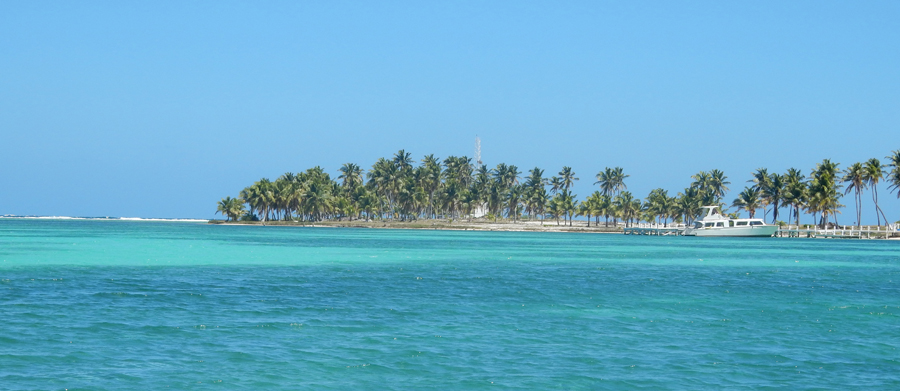
We then stopped on Half Moon Caye for a picnic lunch

While others went on an afternoon dive, Maurio from Itza diving, walked with us to the rookery on the west side of the island

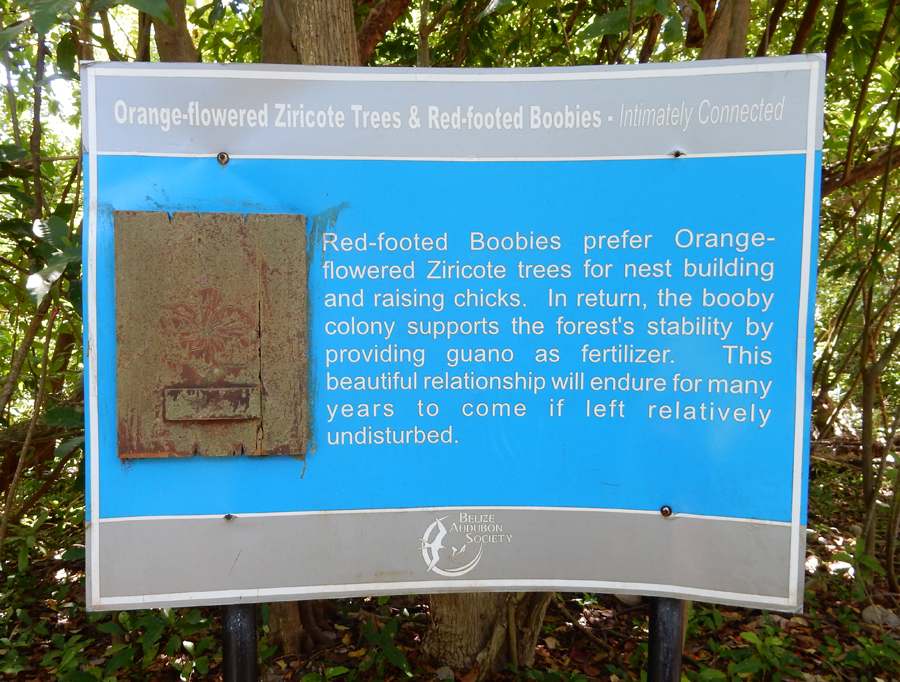
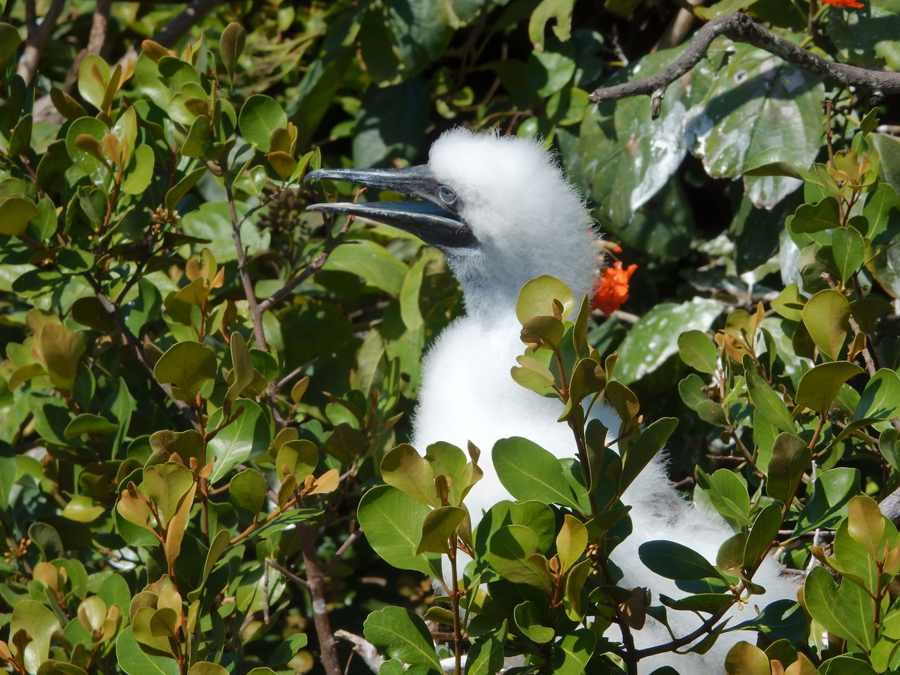
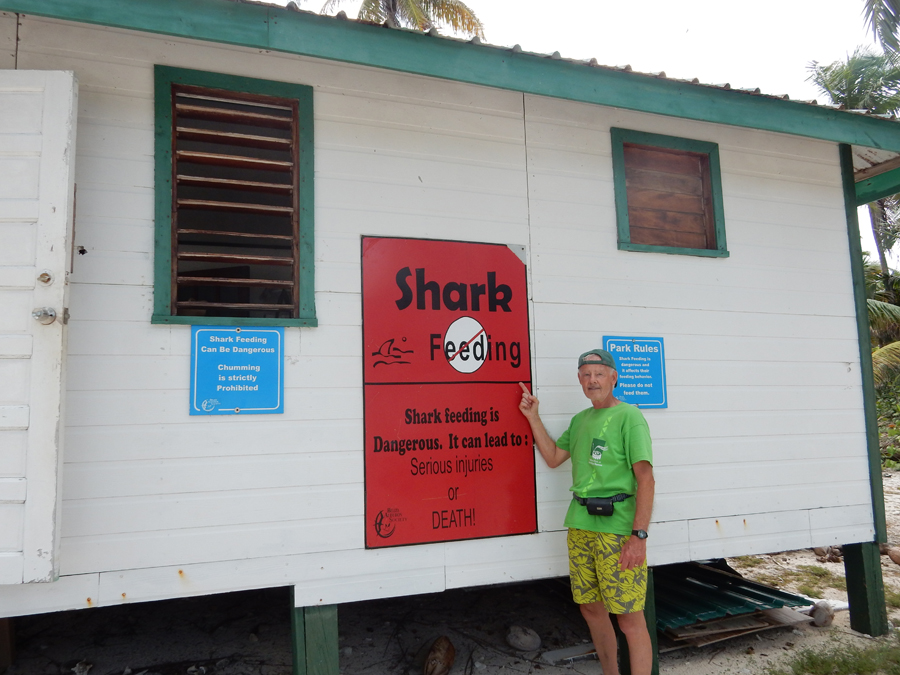
This is the nesting ground for the rare red-footed booby bird – there are about 4,000 on the island!

Red-footed Booby chicks

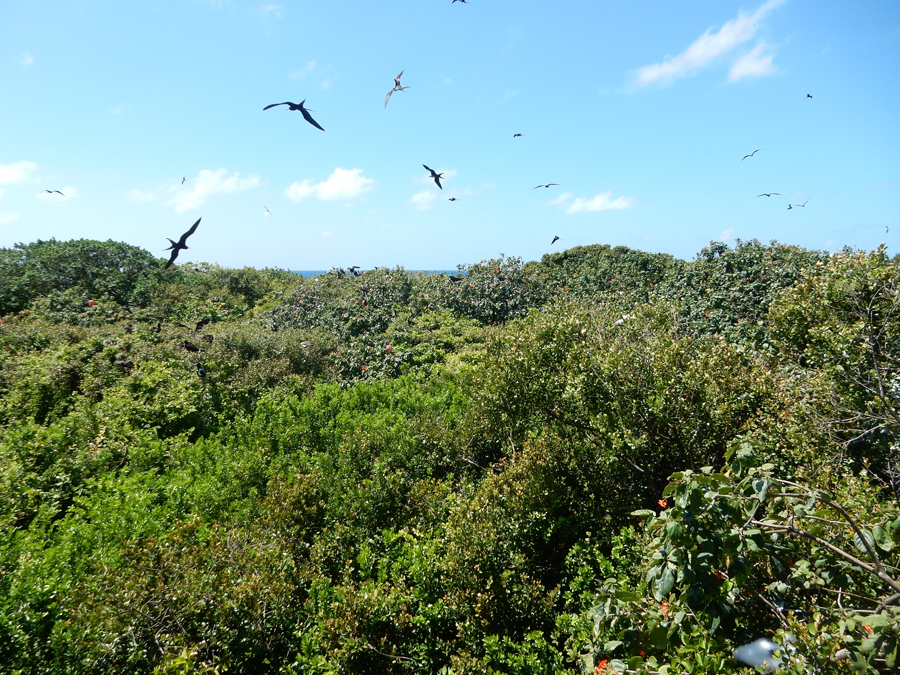
View from the top of a viewing tower

Frigate birds have a characteristic split tail

Male Frigate, about half way into blowing up it’s gular sac – hey girls, here I am

Close to full gular sac – takes almost 2 minutes

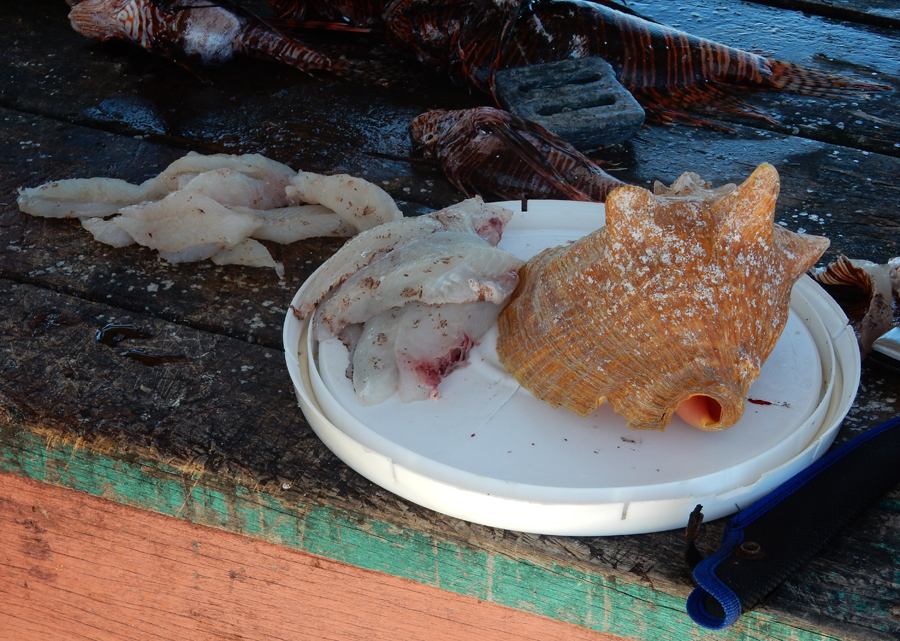
When we returned to our dock on Long Caye, we found some local fishermen cleaning their fish and conch


3/2 F – We went out with Elvis from Itza for a morning dive at the famous Blue Hole Natural Monument ($80 fee), it was only 20 minutes away.

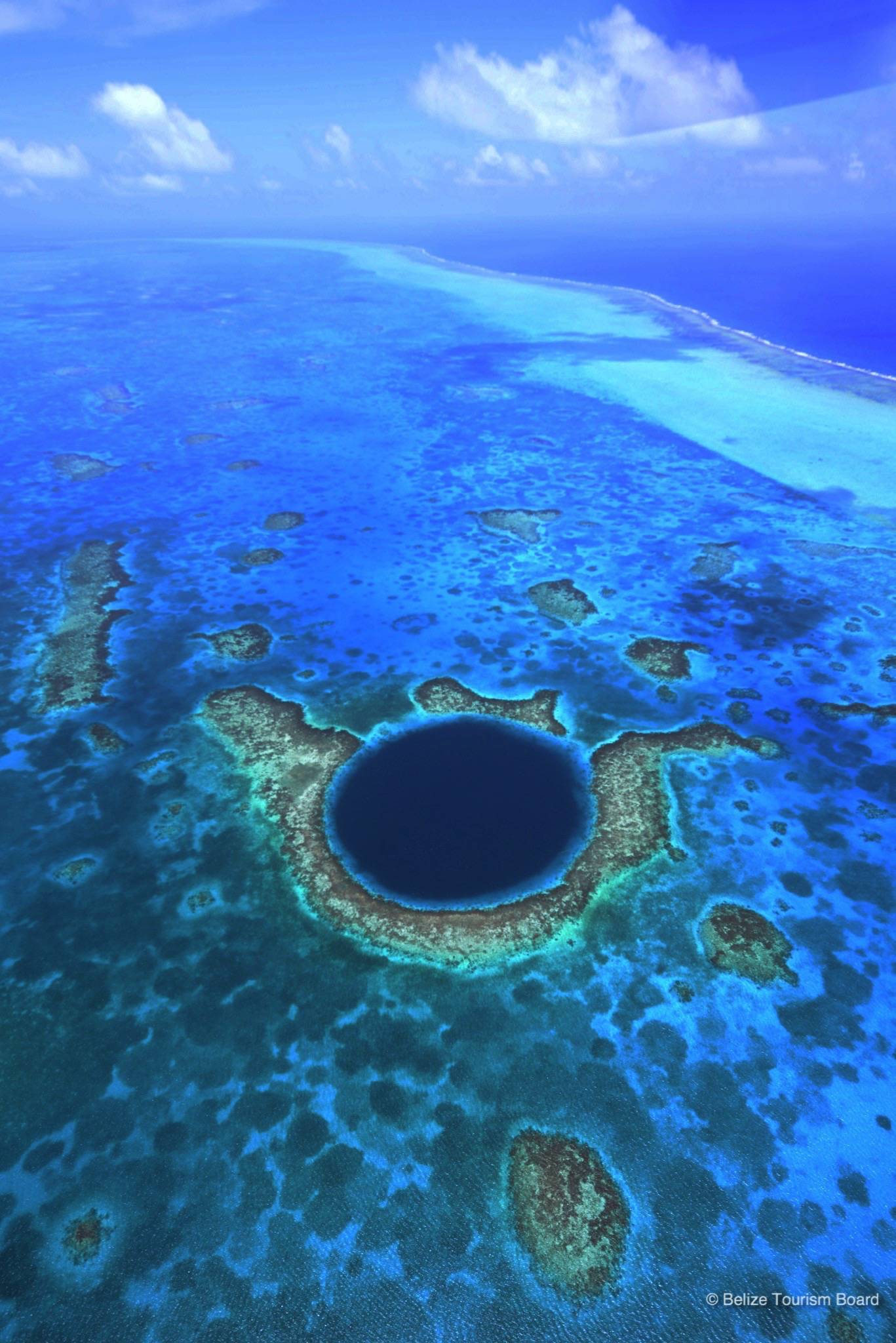
I had seen pictures from the air and thought that the rim of the Hole was above water (Belize Tourism photo). It was not, the rim (1000 feet diameter) was about 3 feet underwater.  Was it high tide?  Have sea levels increased due to Global Warming?

Jacques Cousteau brought his ship the Calypso here in 1971 to chart its depths. He used dynamite to increase the size of the natural entrance so his ship could get in – can you imagine doing that today?! Cousteau rated the Blue Hole as one of the top five SCUBA diving sites in the world.

Helen had trouble descending yesterday, so she asked for more weight today. The divers left the boat first and started on what was to be a deep (~132 feet) dive to the stalactites. Shortly afterward, I began to snorkel. When I looked back at the boat twenty minutes later, I was surprised that Helen was back on board. I went back to see what had happened. I found that she had not filled her BC with air before she started to descend (too rapidly). She thought one of the crew had done it like they had the previous day. As she quickly descended (recall she had also asked for more weight!), she could not clear her ears and started to go into panic mode. Maurio noticed what was happening and brought her back up to the surface. She then joined us on our snorkel. On the way back to the dock she mentioned that her ear was really bothering her.

After lunch, LeRoy, Nidia, Helen and I went line fishing off a small dock on the west side of the island. LeRoy caught a small Grout but that was it –

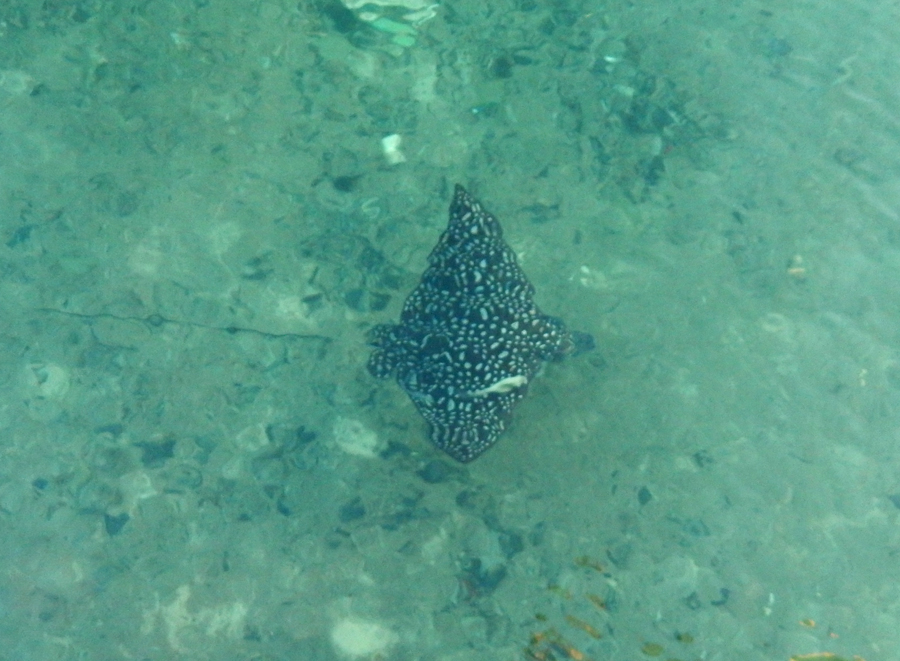
But we did see several “rays” off the dock

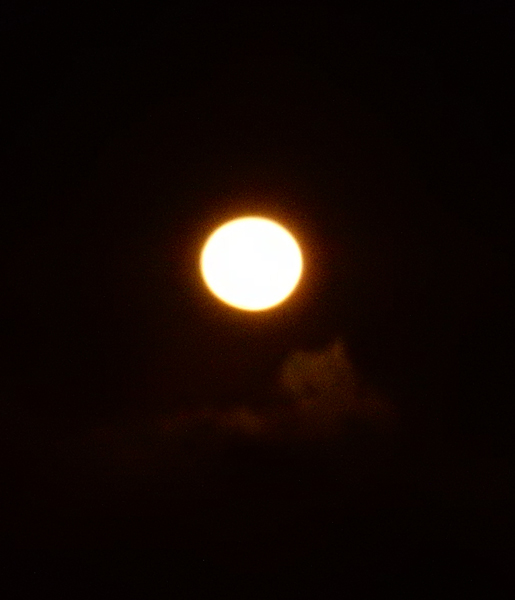
We had to leave because Helen’s ear was bothering her. She took a nap, but it didn’t help. After dinner (pork chops), I gave her an Aleve and we taught LeRoy and Nidia how to play Farkle. There was a beautiful full moon that evening.


3/3 Sa – discovered blood on Helen’s pillow this morning. So, there is some damage to her ear. We canceled her dive to the “Aquarium” for today. After breakfast, LeRoy walked us to the empty “Crocodile House,” so named because one lives there!

There was a kayak there; which I was able to take out and paddle to the south end of the island. Helen returned to the Calypso to rest. We had taco salad for lunch and then walked the beach areas nearby. We decided that Helen would not do any more diving/snorkeling on this trip; she had damaged her inner ear. It was a big disappointment since this trip was specifically planned so she could do those activities.

We walked to the west side of the island for sunset and then returned for a Belizian fried chicken dinner. We met Miles and Alyssa and their 3 children from Winston Salem NC (Wake Forest U) at Itza this evening. Helen taught the kids how to play solitaire and Farkle.


3/4 Su – A student/faculty group from Wake Forest came in last night and this morning we learned that Miles had organized a Spring Break course for the students. He invited us to join them on their large boat as they dove and explored Light House Reef Atoll. We said, perhaps tomorrow. Note their boat at the end of the dock.

Reves motor was now fixed, so we decided to request a short fishing trip to give him some business. We were asked if Nidia and LeRoy could come along, of course, we said yes.

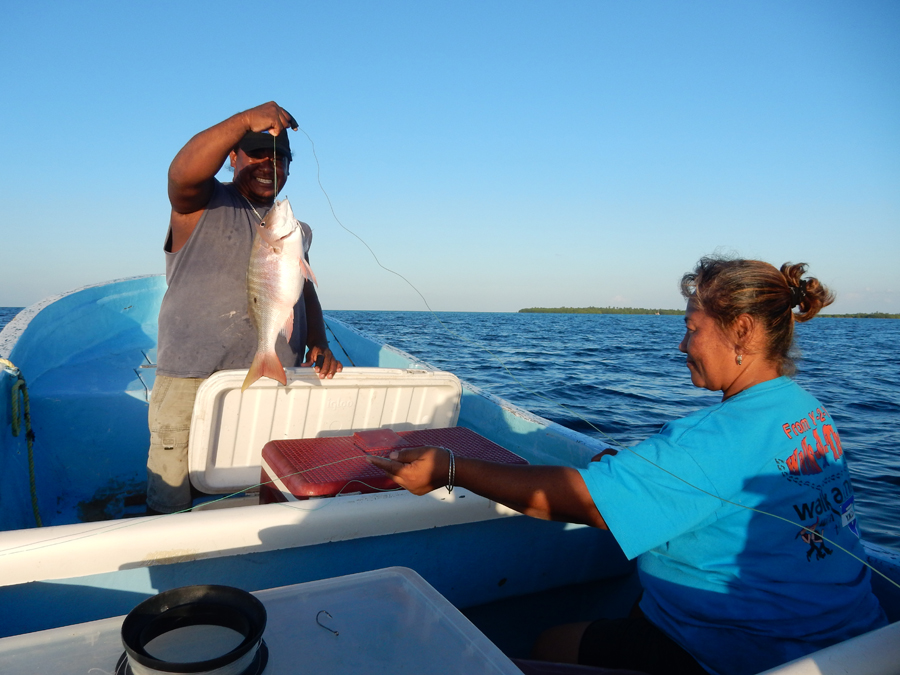
We went out to the “Aquarium” about a half mile from the dock.  Everyone caught lots of fish

We felt guilty catching many of these beautiful reef fish and Helen insisted that they throw back three large Queen Trigger fish. After about an hour, we were ready to come in.  Reves, LeRoy, and Nidia wanted to continue fishing.  Being agreeable people, that is what we did and continued fishing for another three hours!  Though I must admit that after the first three hours it was quite uncomfortable, we were out four!  I caught 9 fish, Helen caught 7 and the five of us combined caught about 50!  That evening, we each ate one of the Dogfish and the rest of our fish were given to Reves. He gives them to family and sells them for additional income.


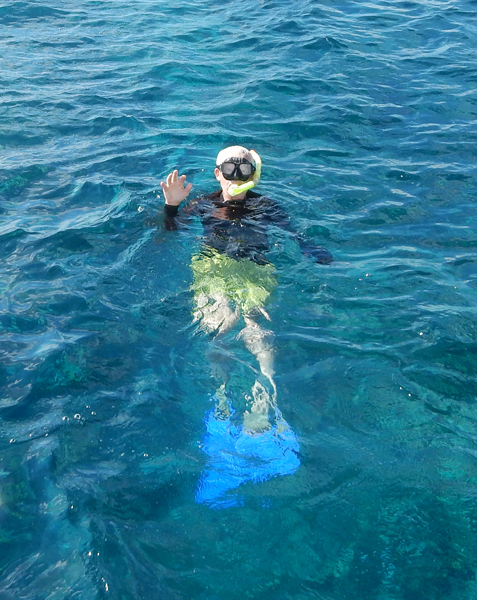
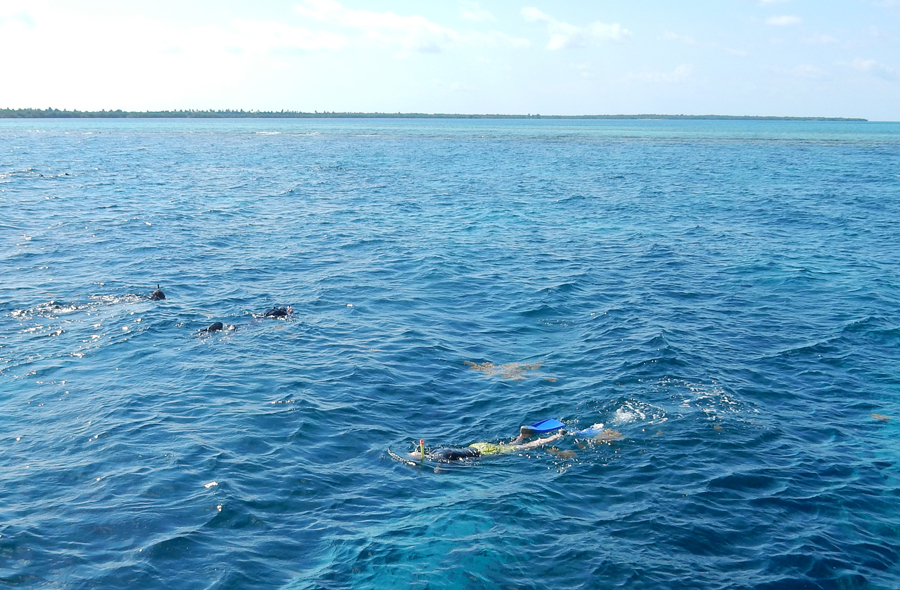
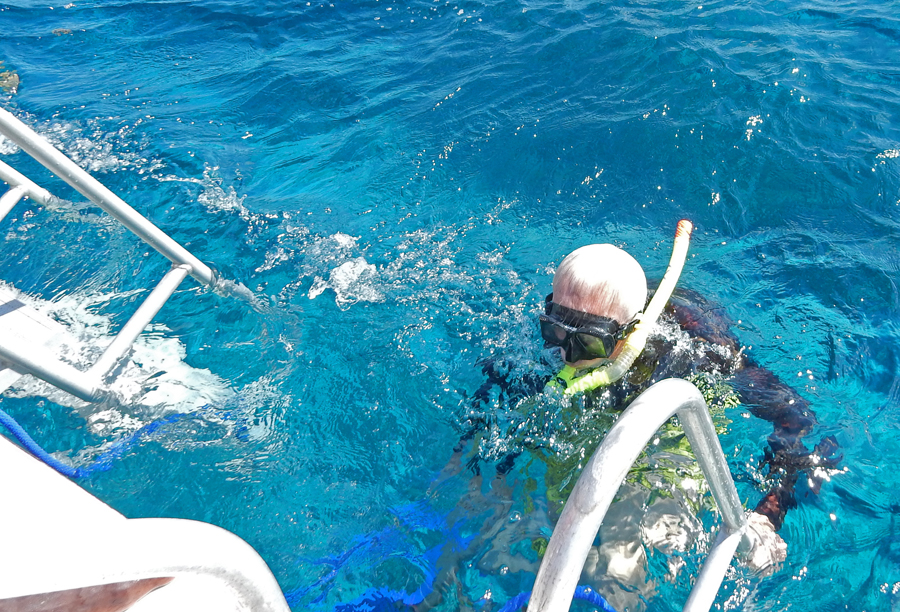
3/5 M – Went out to the “Aquarium” with the Wake Forest group this morning. I was able to snorkel for about an hour. Usually, I’m the one who is taking the pictures!

Meanwhile, Helen hob-knobbed on the boat

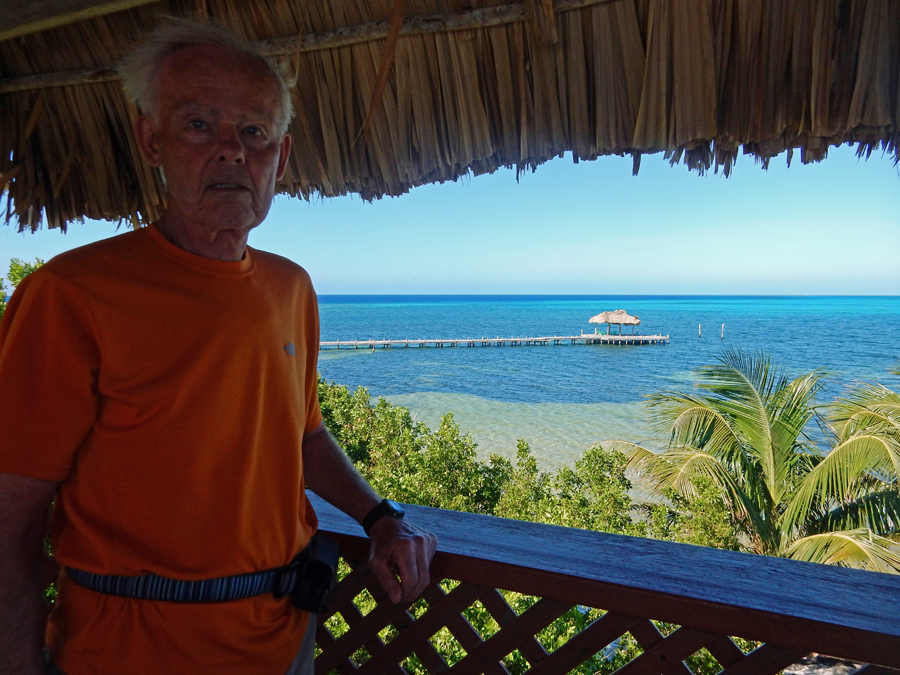
After Barracuda tacos for lunch, we had a lazy afternoon. I enjoyed sitting on the top of the tower in front of our building, writing notes, reading from the New Age of Adventure book by National Geographic that I had recently purchased on Amazon, and sipping a cold beer. The Calypso Beach Retreat tower is the highest point on the island.

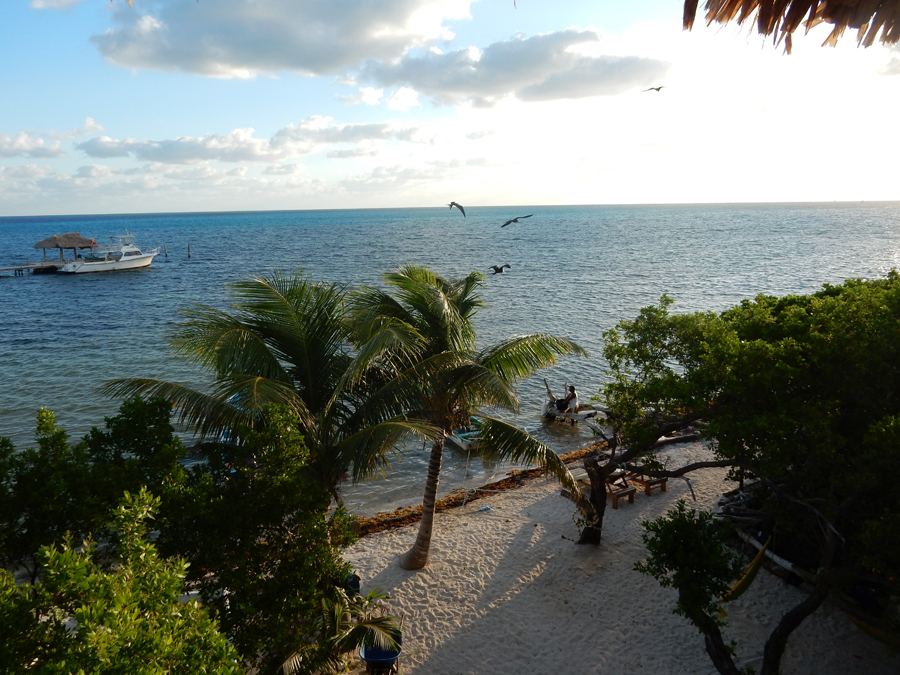
I sat on my thatch covered perch reading or looking out at the activity on the dock or out on the water. It was fascinating to watch the frigates, pelicans, and osprey soar on the air currents and then drop almost vertically into the Ocean, often coming up with a fish. When we walked the beach in the evening, we discovered some large pieces of bamboo which we brought back and asked LeRoy to cut into nine-foot lengths.


3/6 Tu – Went out with the Wake Forest group again today. We returned to Half Moon Caye Natural Monument

While the students toured the island and snorkeled, we expanded on the exploration we did on our first visit

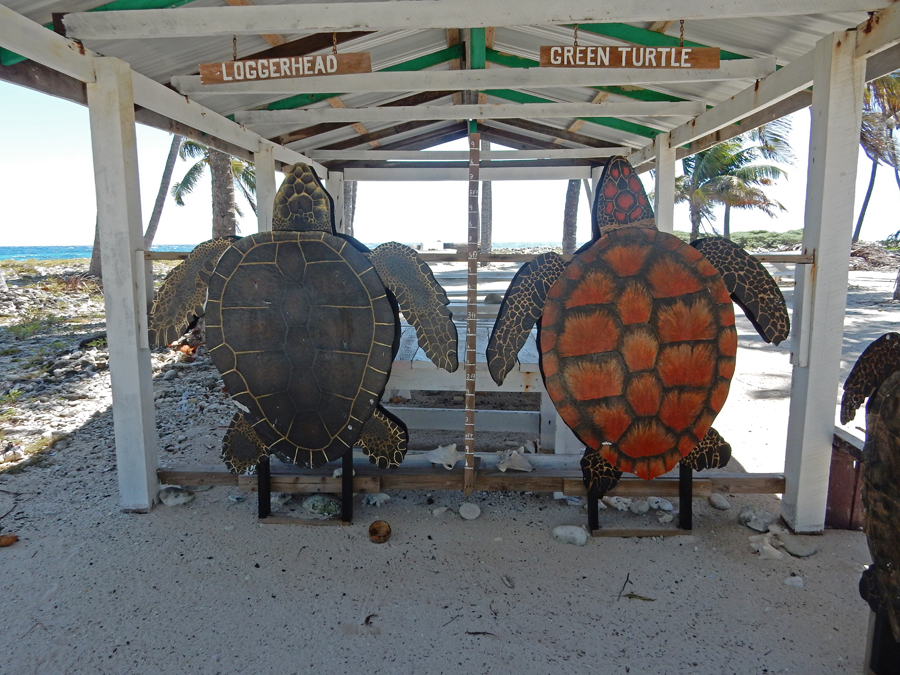
We did join the class lecture on the Loggerhead, Green, and Hawksbill Turtles, all endangered species, that nest on the south side of the island.

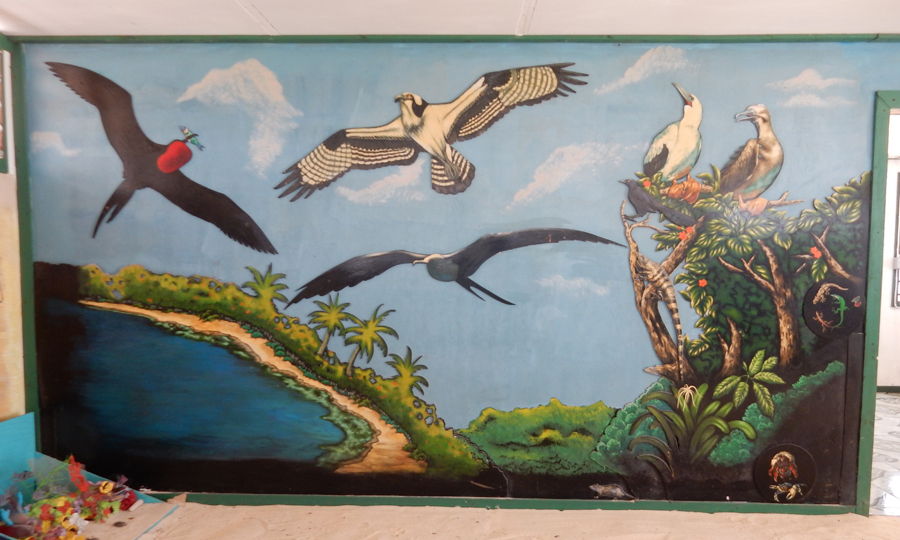
After a BBQ chicken lunch, we toured the Belize Audubon Visitor Center

The island is a UNESCO World Heritage Site

The one on the right is the Red-footed Booby, note the sand floor

Local aquatic life

Blue Hole

In the afternoon, we walked the north side of the island

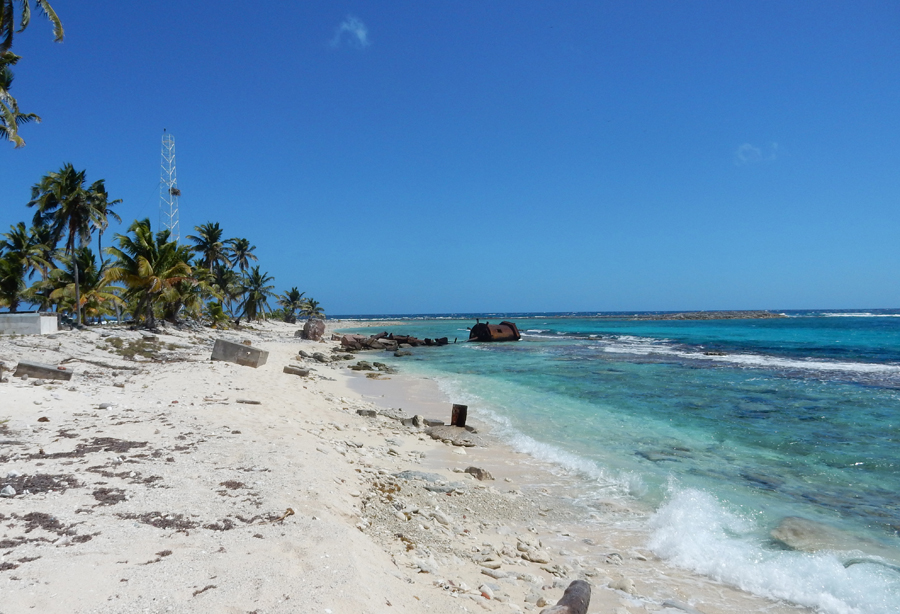
Then examined the remains of a lighthouse that Tropical Storm Matthew toppled into the sea in 2010. The steel tower on the left now has the operational beacon.

I then snorkeled around the dock and Helen searched for shells until the students returned from their afternoon dive

After we returned to Long Caye, I went to see Jim (owner of Itza) and Elvis to discuss the problem that occurred during Helen’s Blue Hole dive. It was agreed that there were some irregularities on their part but in the last analysis it was Helen’s responsibility as a certified diver to check all her equipment and follow all safety procedures. They did not charge us for her dive that day.

LeRoy did a nice job cutting and smoothing the bamboo poles we gave him. We took them down to the sand area in front of the Itza resort to teach Miles and Alyssa’s children – Nora, Wren and John how to do Tinikling. Tinikling is a traditional Philippine stick dance. After awhile the college students joined in and it was a fun time.


3/7 W – Our last morning on Long Caye

We had Helen’s scones and coffee for breakfast, packed, tipped all the helpers, and were in Reves boat at 7am. The ocean was calm this morning, so the two-hour boat ride to Belize City went smoothly. LeRoy, Reves, and Nidia with the fish they caught. They will sell the bigger ones and share the rest with family.

Mark from D’Nest picked us up for the trip to the airport. Our Delta flight left at 1pm, we had a 4hr lay-over in Atlanta, and were home at midnight.

h1

Winter Trip, CA to Home – Part 2

February 28, 2018

2/1 Th – Breakfast at the Waterfront Restaurant – San Diego’s Oldest Tavern.

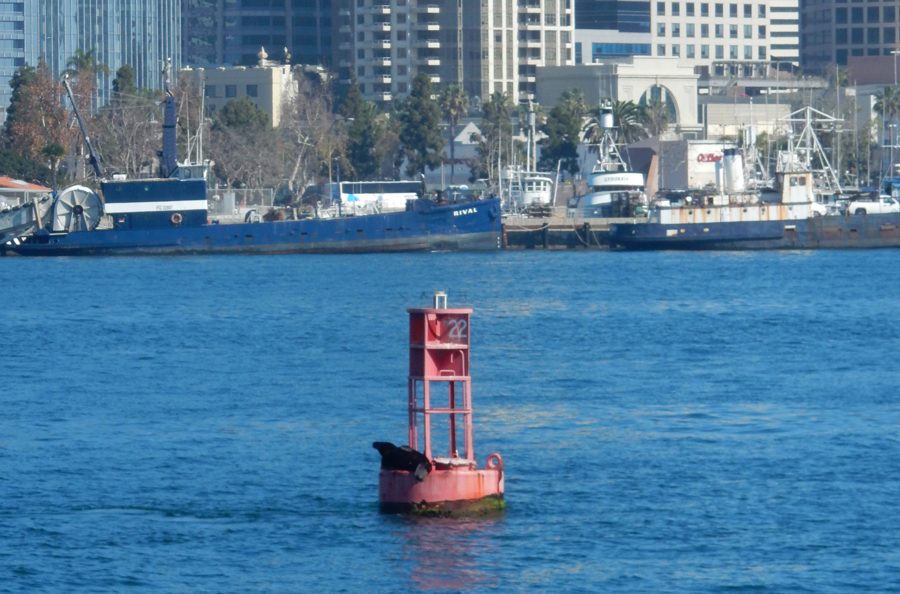
Ferry to Coronado Island, note the seal on the buoy

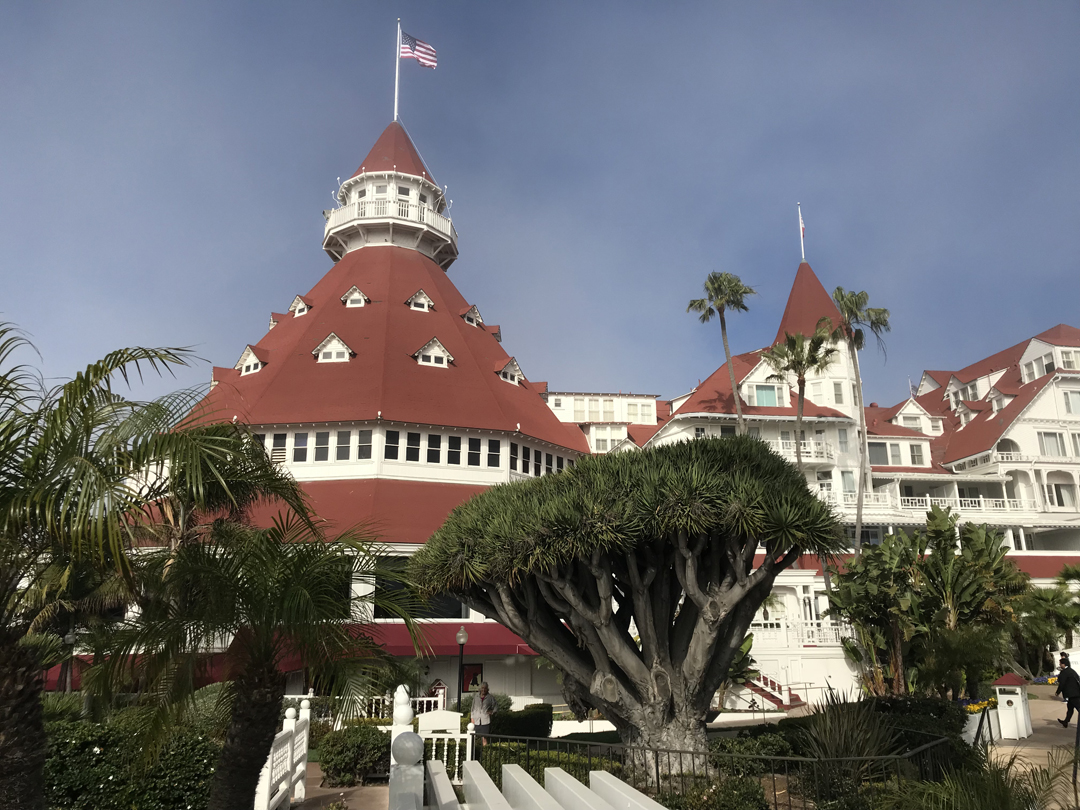
We rented bikes and rode to the Hotel del Coronado

Returning to San Diego, aircraft carrier USS Midway, now a Museum

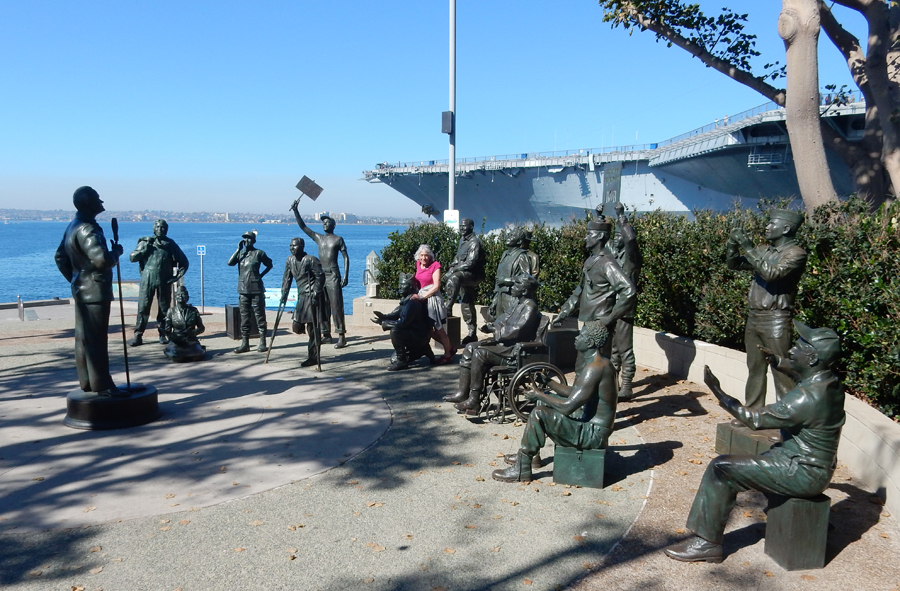
Helen at National Salute to Bob Hope and Military

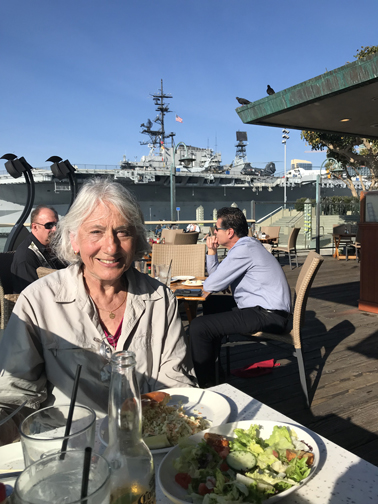
Lunch at Fish Market Restaurant across from USS Midway

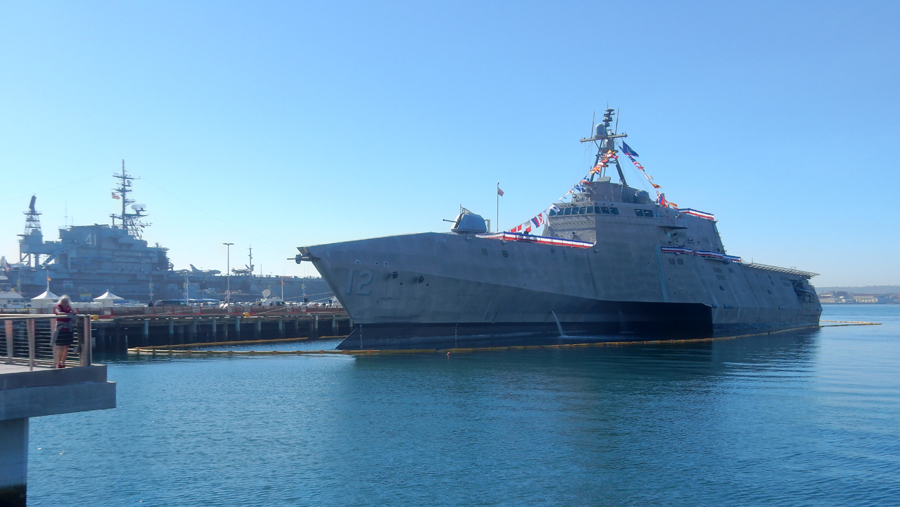
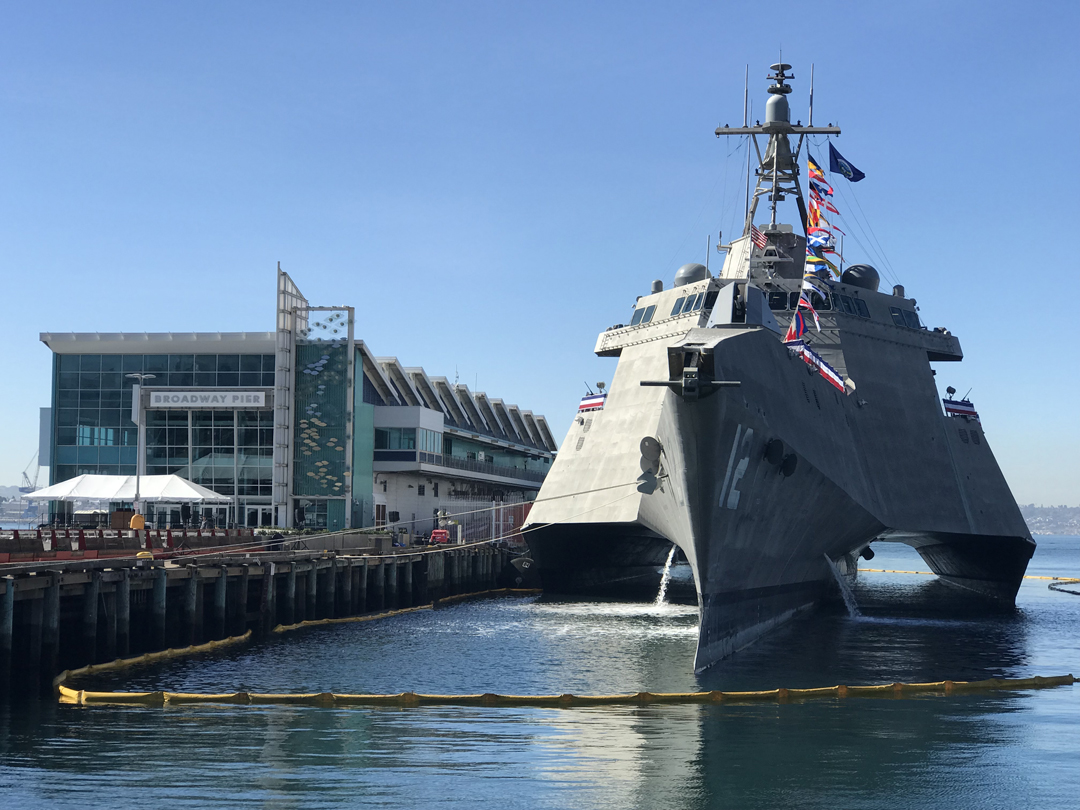
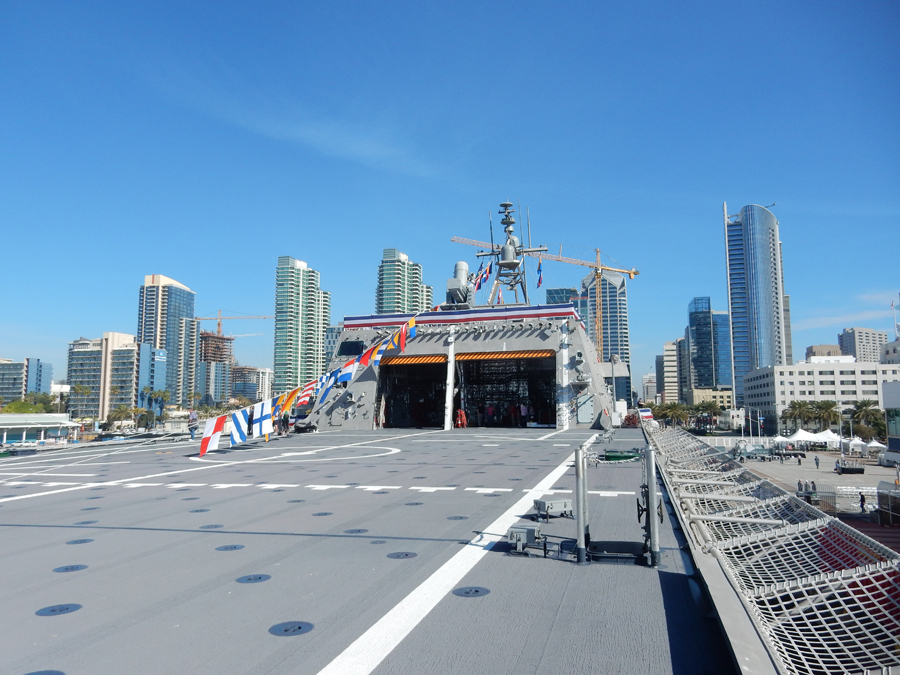
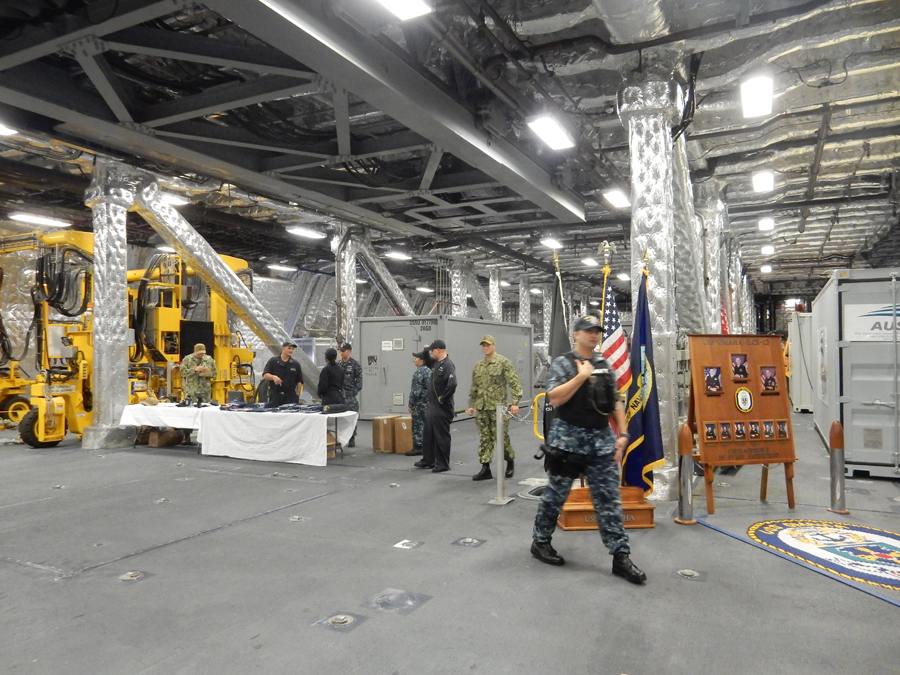
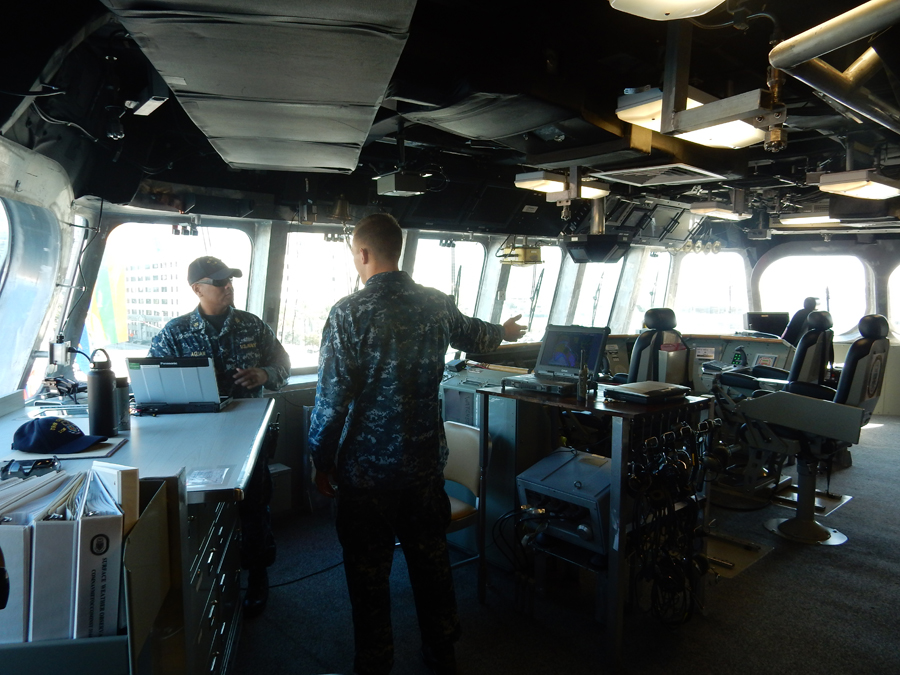
I was able to tour the new USS Omaha, two days before it was officially commissioned

It is a Littoral Combat Ship (LCS), #12

It is a multi-purpose, fast (40 knots), shallow water, trimaran

Possible uses – interdiction of pirates and drug smugglers in addition to transport of special forces

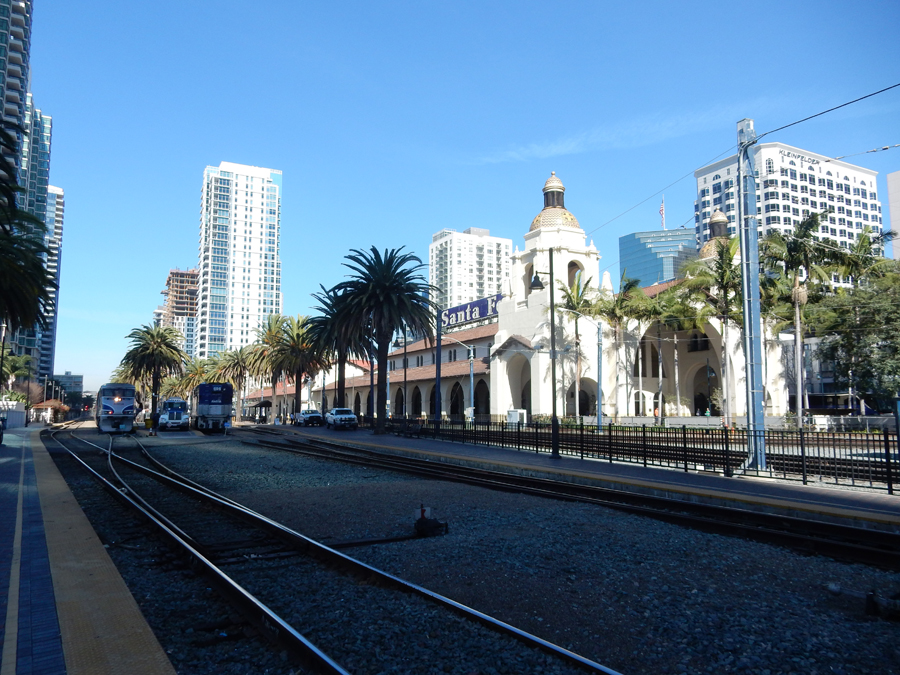
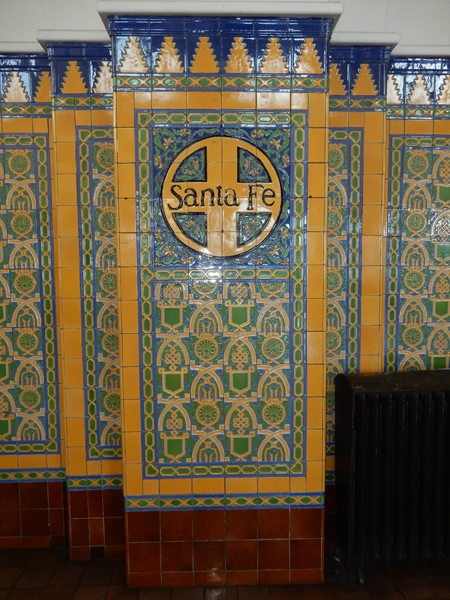
Santa Fe Railroad Station

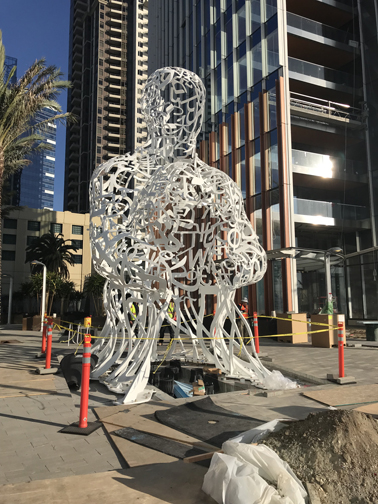
Statue made up of letters/figures from different languages

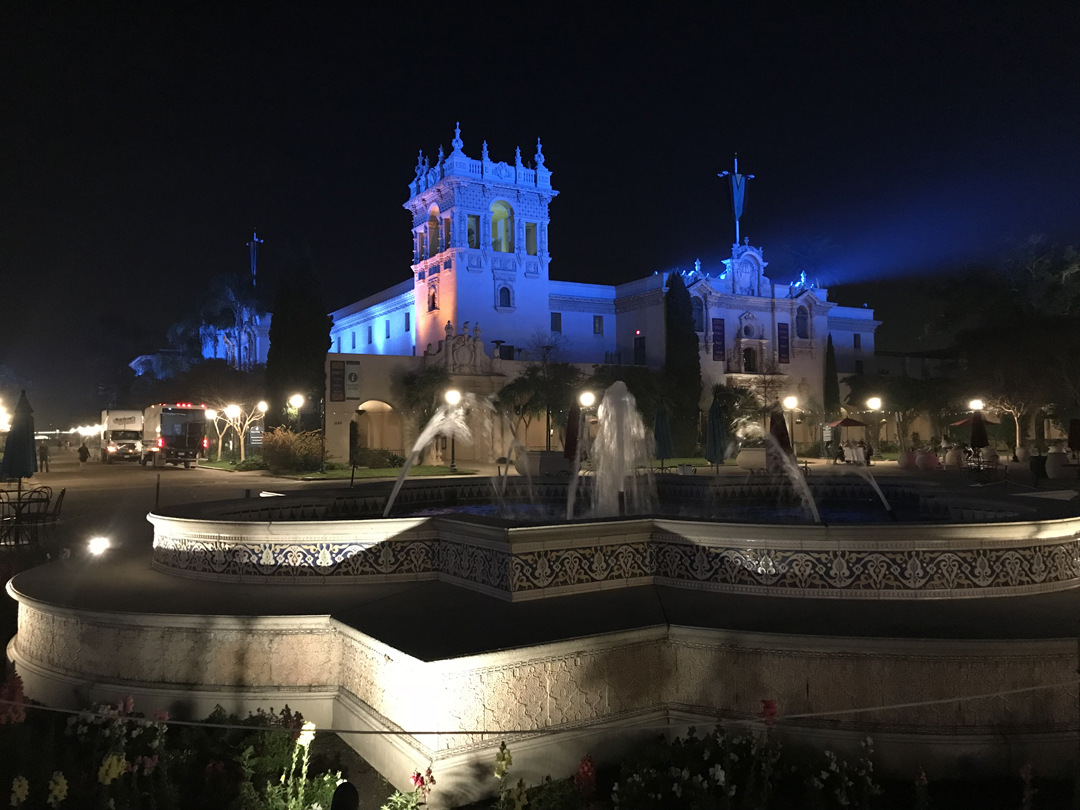
Went back to Balboa Park for the evening, started with drinks at Panama 66, toured the Sculpture Garden and then walked the El Prado – Plaza de Panama

“Supermoon” (also a Blue Moon) above Helen’s head!

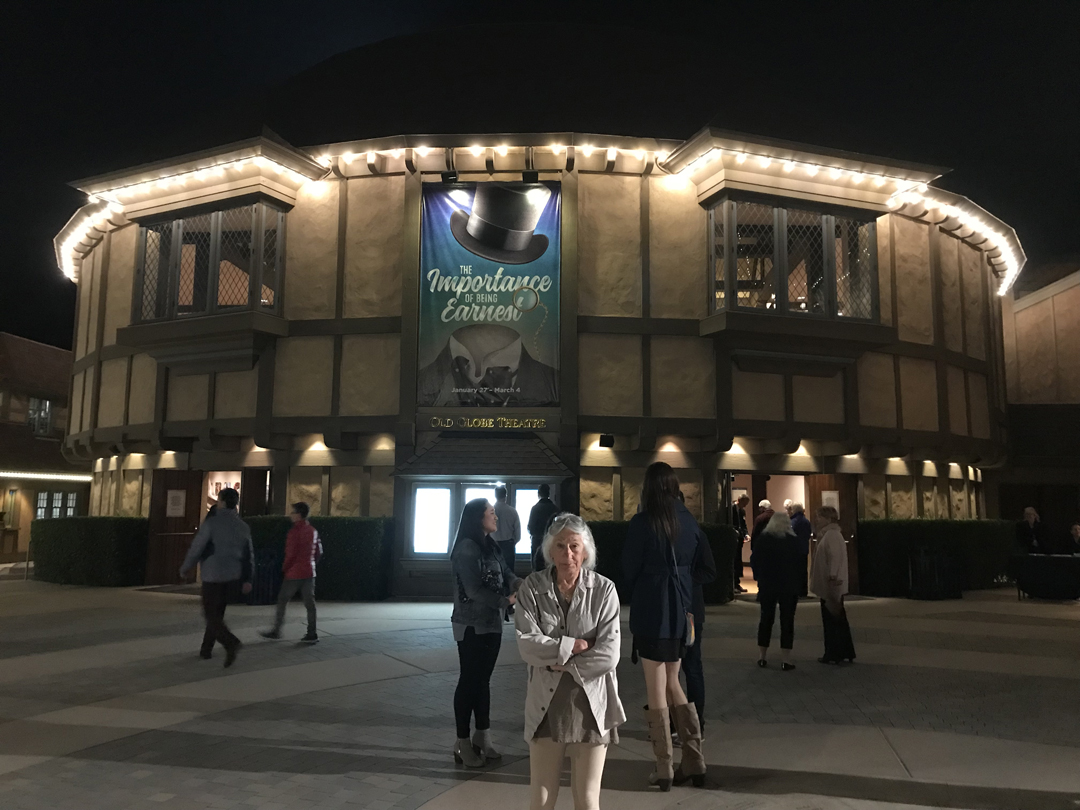
Saw the “Importance of Being Earnest” by Oscar Wilde at the Old Globe Theater


2/2 F – Again, had breakfast at the Waterfront, bought one for a homeless woman as well, and then drove to the Cabrillo National Monument – see other pics from May 2015

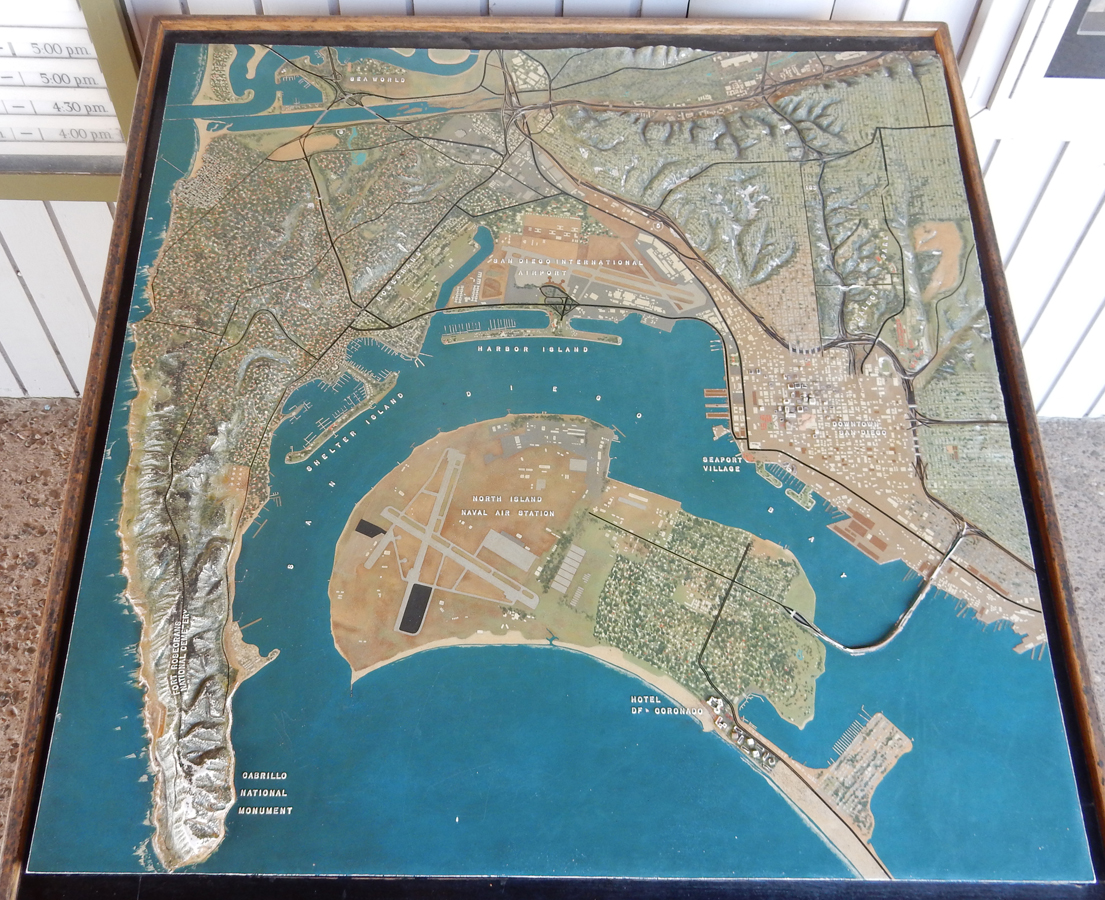
Nice model of San Diego area showing location of monument

Monument with Old Point Loma Lighthouse in background

Model of lighthouse and pics from inside

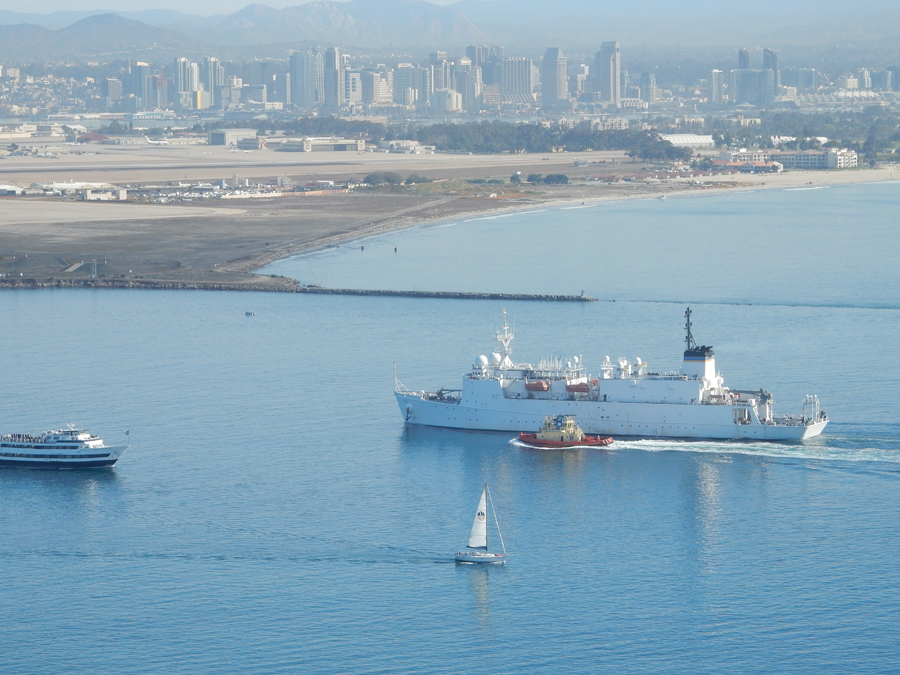
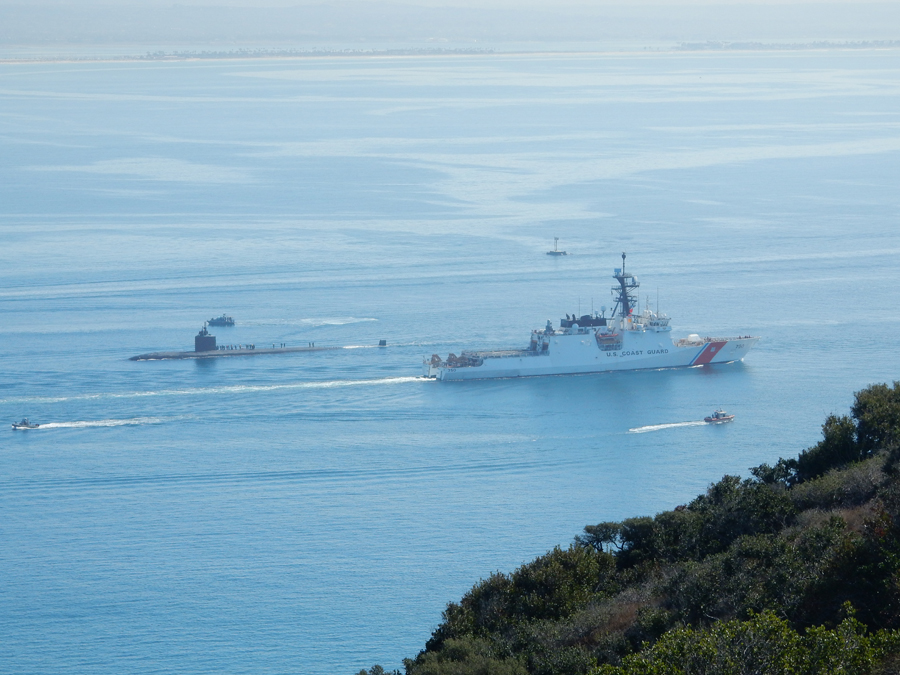
Ships, Boats, Submarine passing Point Loma

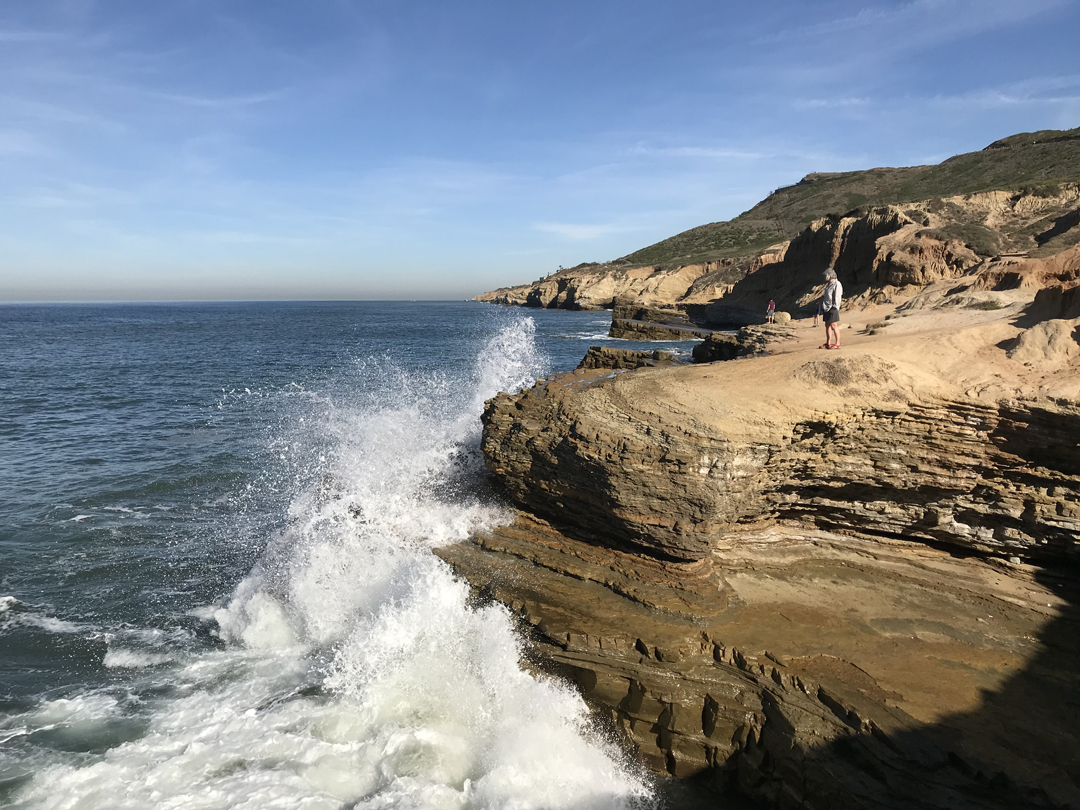
Crashing waves at Tidepool Access area – did enjoyable hike here

After lunch, drove to Kate’s house in LA; walked to Casita del Campo for dinner, then Kate treated us to a performance of the Musical “Aladdin” at the Hollywood Pantages Theatre


2/3 Sa – thrift store shopping, lunch (tacos) on Sunset Blvd, put base on front porch bench, walked Bennett and dinner at home


2/4 Su – church, breakfast at Millie’s, SuperBowl Party at Kate’s friends in Santa Monica

2/5 M – 4hrs to Tule Springs Fossil Beds National Monument 20 miles north of the Las Vegas strip. This is a new (2014) BLM NM.

Archaeologists have removed mammoth, lion and camel fossils from this area.

We like Tootsie Pops – always take water!

To be honest, there is not much there.

I would not recommend going until they have a Visitor Center.

Stayed in a Holiday Inn Express in Mesquite NV, prime rib dinner for two at Virgin River Casino ($18.13)


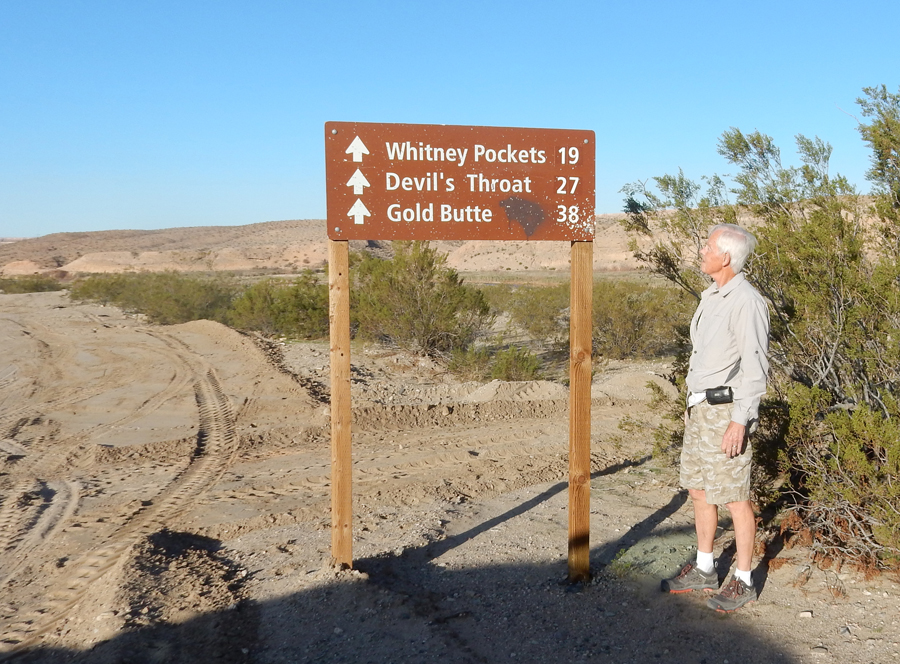
2/6 Tu – Approaching Gold Butte National Monument

4WD needed on all side roads

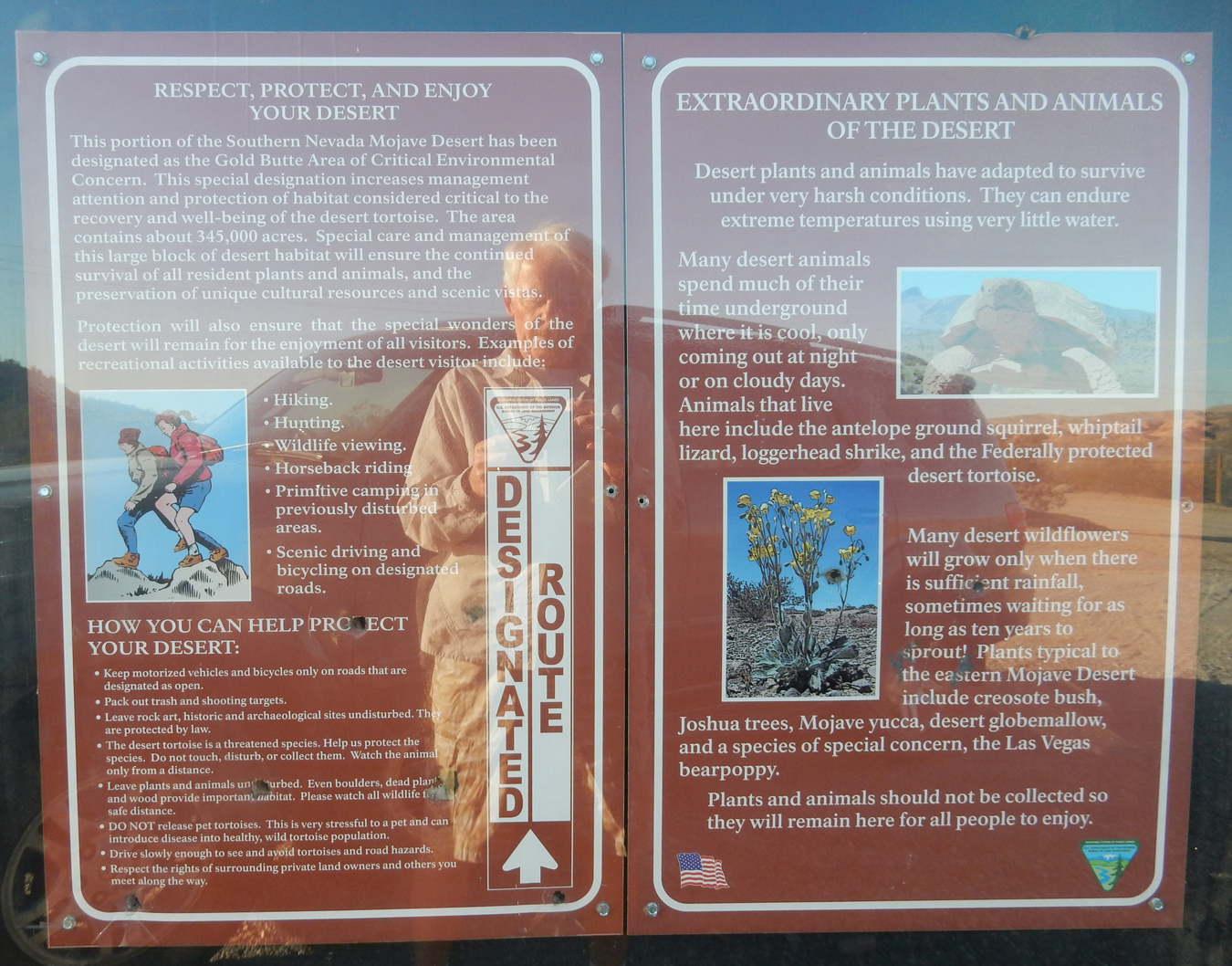
Gold Butte was designated a BLM National Monument in December 2016 by President Obama. The Trump administration is currently attempting to reduce its size, like it did for Bears Ears and Grand Staircase Escalante NMs in Utah in 2017.

Cliven Bundy has a ranch just north of the NM. He grazed his cattle on the BLM land long before it was a NM without paying grazing fees. This led to the “Bundy Standoff” in 2014. He refused to pay over one million in back fees for grazing on federal land, so the BLM started rounding up his cattle. Protestors, some armed, blocked the removal. The Sheriff and BLM Director agreed to release the cattle to de-escalate the standoff. This issue has still not been resolved. Bundy and his sons were also involved in the Malheur National Wildlife Refuge standoff in OR in 2016, where they were arrested.

According to Wikipedia – “On January 8, 2018, U.S. District Judge Gloria Navarro in Las Vegas dismissed with prejudice the criminal charges against Cliven Bundy, his sons Ammon and Ryan, and co-defendant Ryan Payne regarding the standoff. Cliven and Ammon Bundy, and their supporters, have claimed that the federal government lacks the authority to manage public lands. These arguments have been repeatedly rejected by legal scholars and federal courts, including the U.S. Supreme Court; the property clause of the United States Constitution grants plenary authority to Congress to manage federal property, including land.”

This is the entrance to the Bundy Ranch

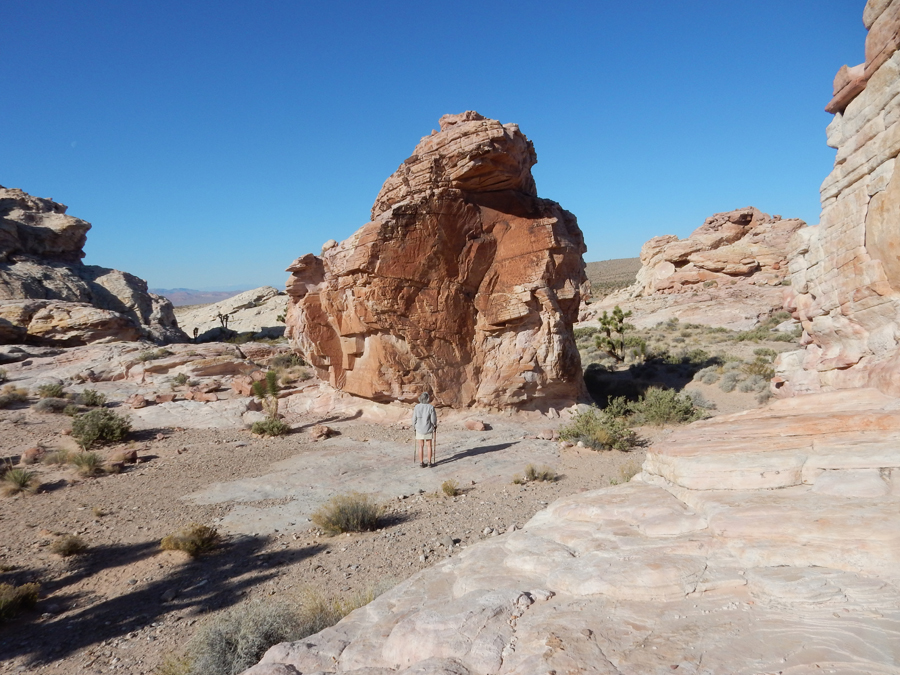
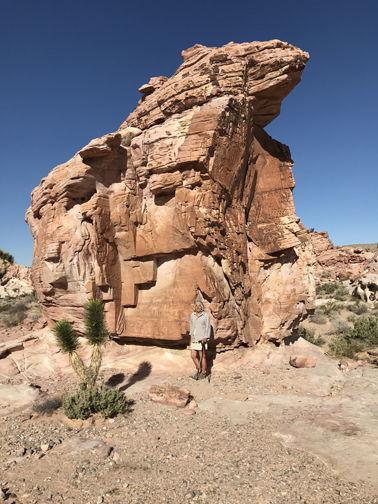
Gold Butte was the highlight of our five-week road trip. The rugged desert landscape, mountains, sandstone formations, historic sites, “rock art” petroglyphs, etc. were wonderful! This area needs to be preserved and protected!

Entering the Monument

Approaching the “Falling Man Rock Art Site”

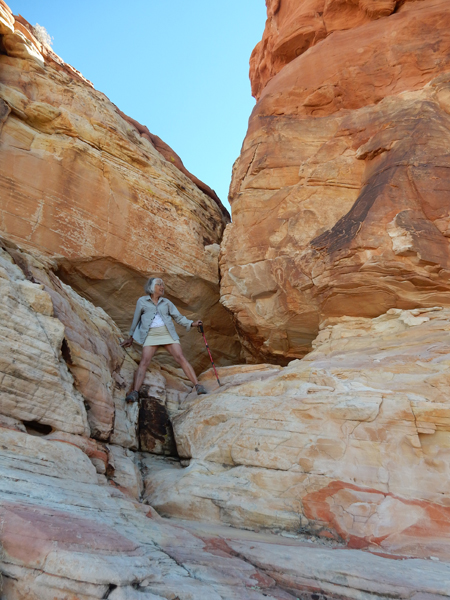
We hiked/climbed about 2 miles through and around this site. I wonder why this formation is called “Rabbit Ears?”

Calvin’s Rock


Arch and Pillar

Climbing up to the “Tunnel”

Crawling through

Coming out the other side

Hiking along cliff

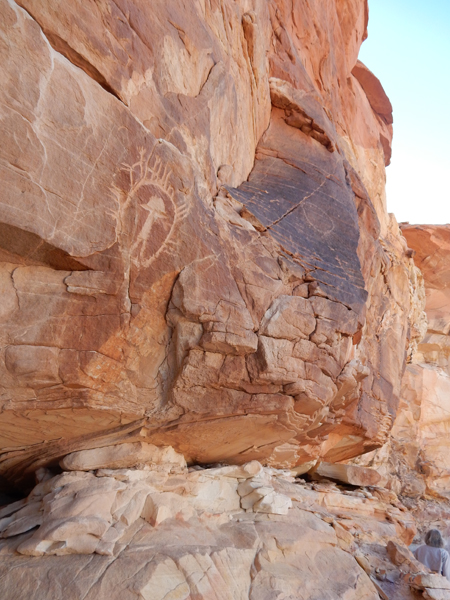
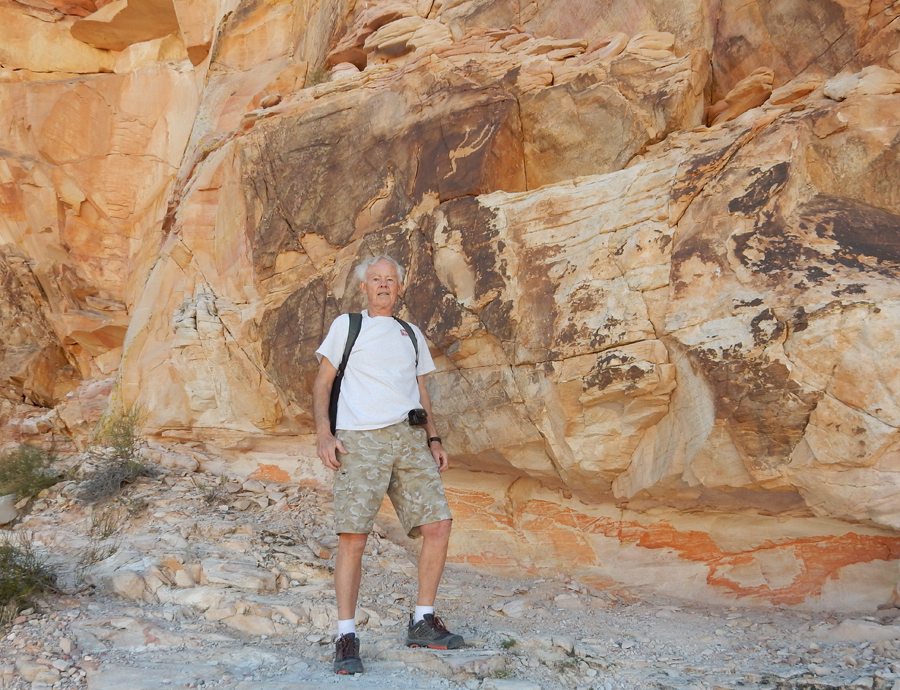
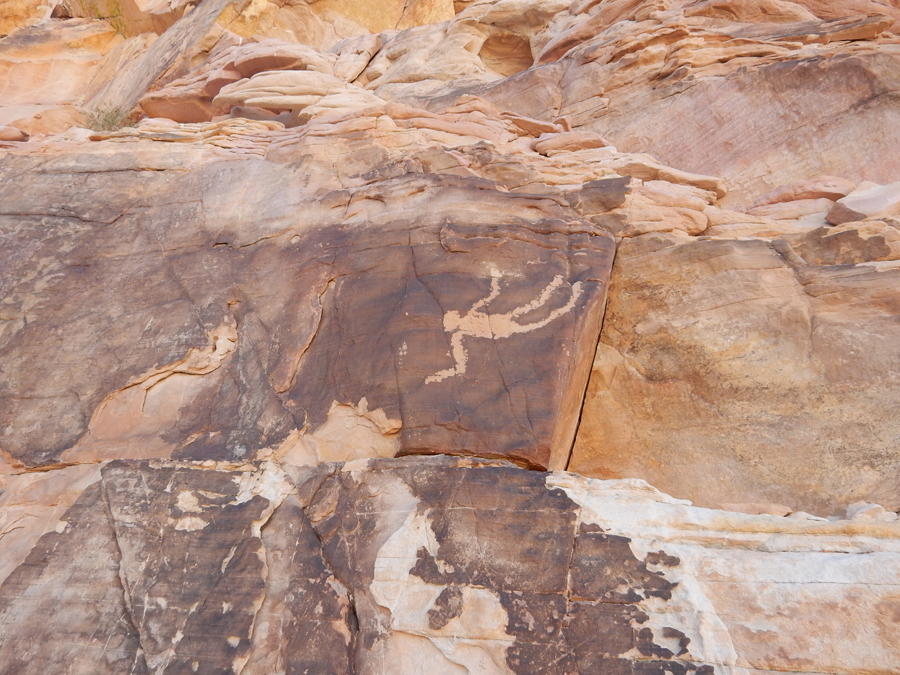
“Falling Man”

Lots of climbing around

The term “Tank” refers to a depression in the rock that collects water

Interesting striations

“Flowing Stone”

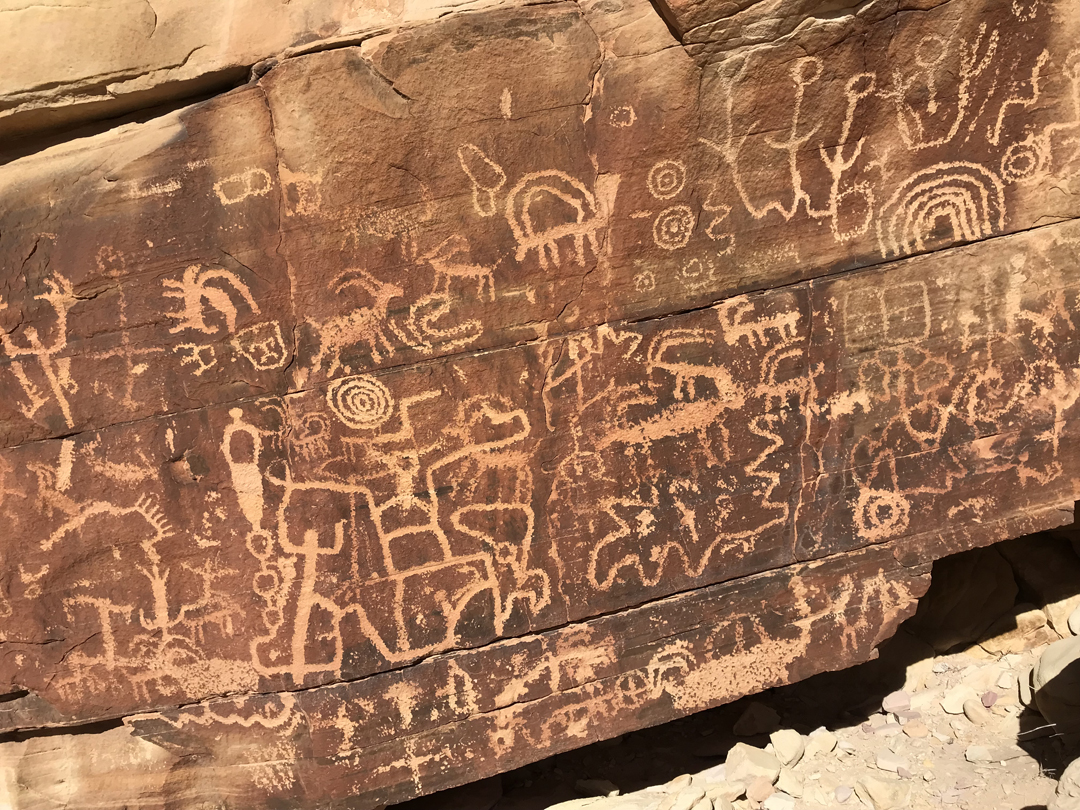
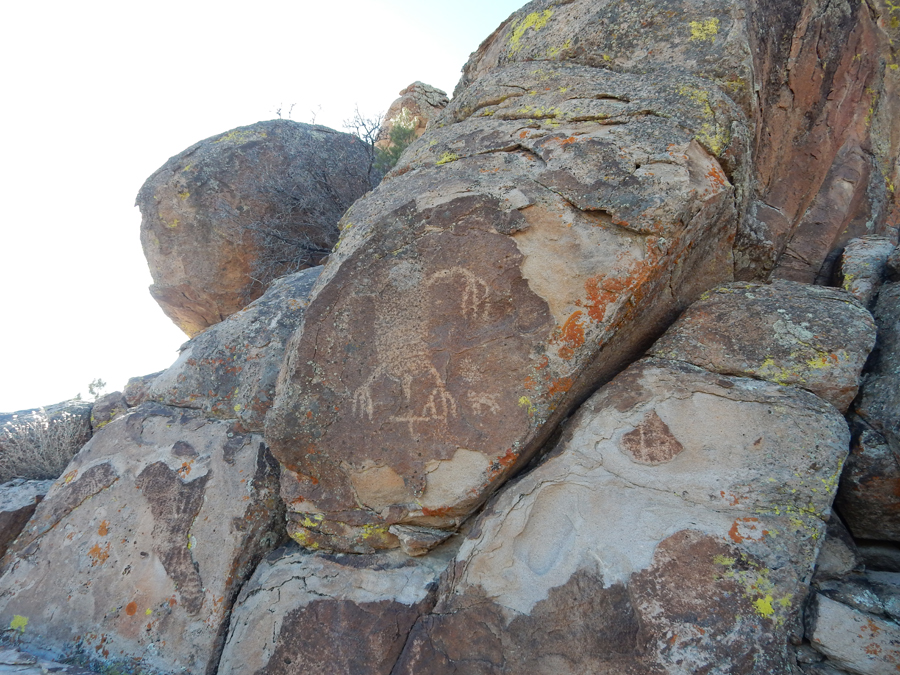
Wall – rock art, petroglyphs

Newspaper Rock from above

Newspaper Rock from below

Ancient Sand Painting

Shaded lunch stop

Took a very rough “short-cut” track over to Whitney Pocket

Greyish-Brown sandstone

Original dam was built by Whitney himself

Monkey?

8 more miles of 4WDriving got us to Mud Wash Dunes, Helen cross-stitched in the SUV as I hike out to and through the dunes


I then did a short hike in “Little Finland”

Decided to take the main dirt track another 8 miles round-trip to “Devil’s Throat,” it wasn’t worth it

The roof of a large cave collapsed producing this large hole. It was entirely fenced off for safety because the edge is unstable. Therefore, you could not get close enough to look inside.


One of Cliven Bundy’s cattle?


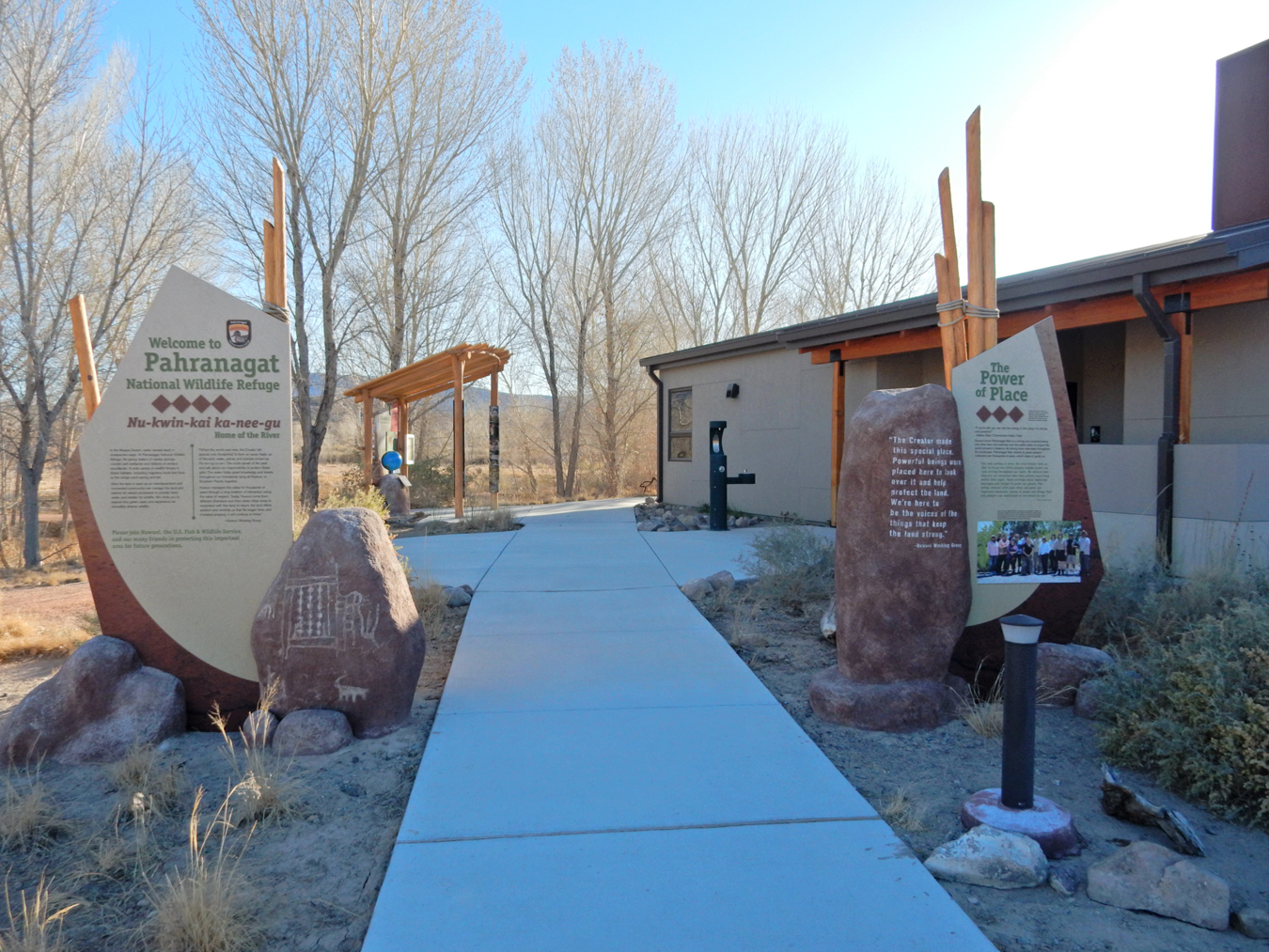
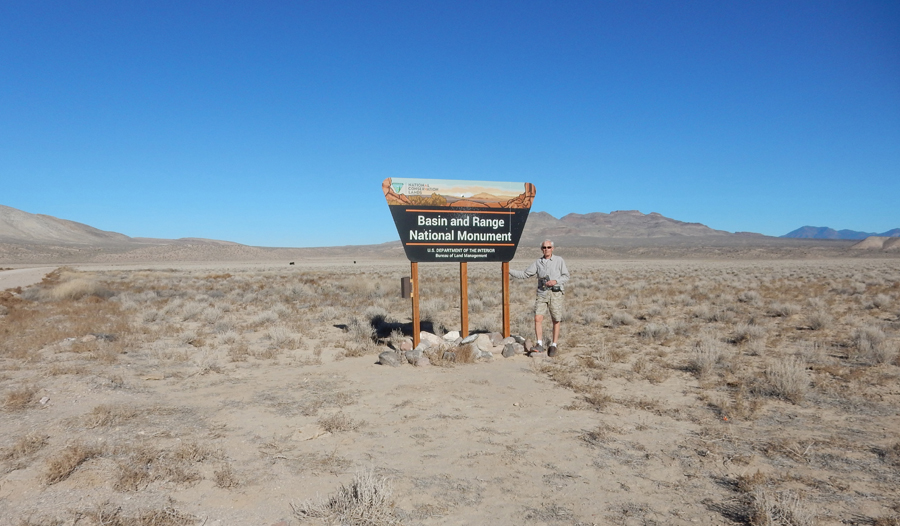
2/7 W – Stopped at the Pahranagat National Wildlife Refuge along US 93 on our way to Basin and Range National Monument (2hrs) north of Vegas.  Unfortunately, the Visitor Center was closed.

Most of this new (2015) NM looks like this. However, the monument is huge (708,000 acres) and has many areas that are unique and interesting. This is another NM that the Trump administration is reviewing with the objective of reducing its size.

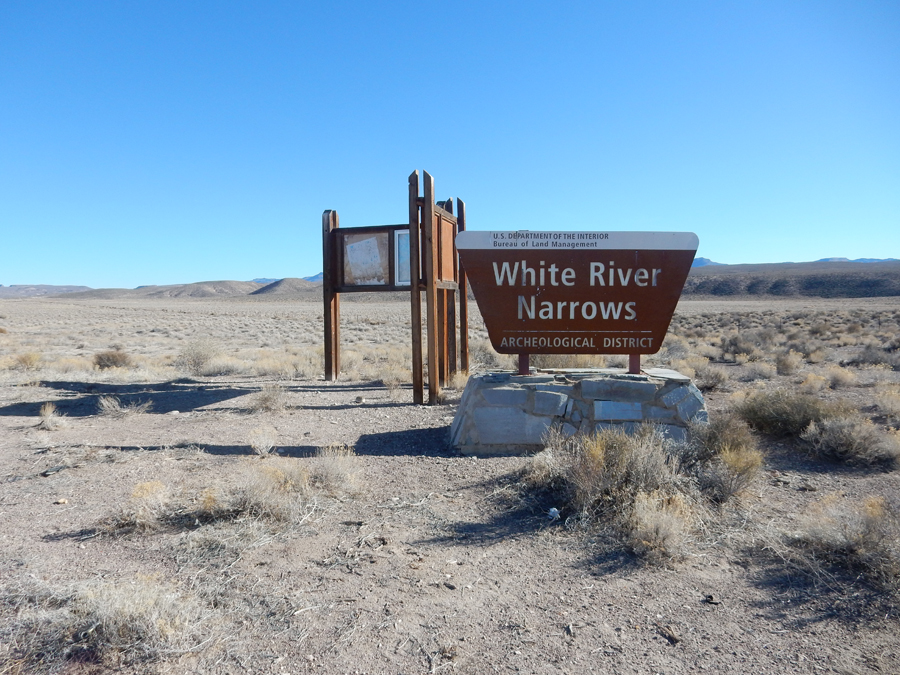
Our first stop was in the White River Narrows Archeological District.

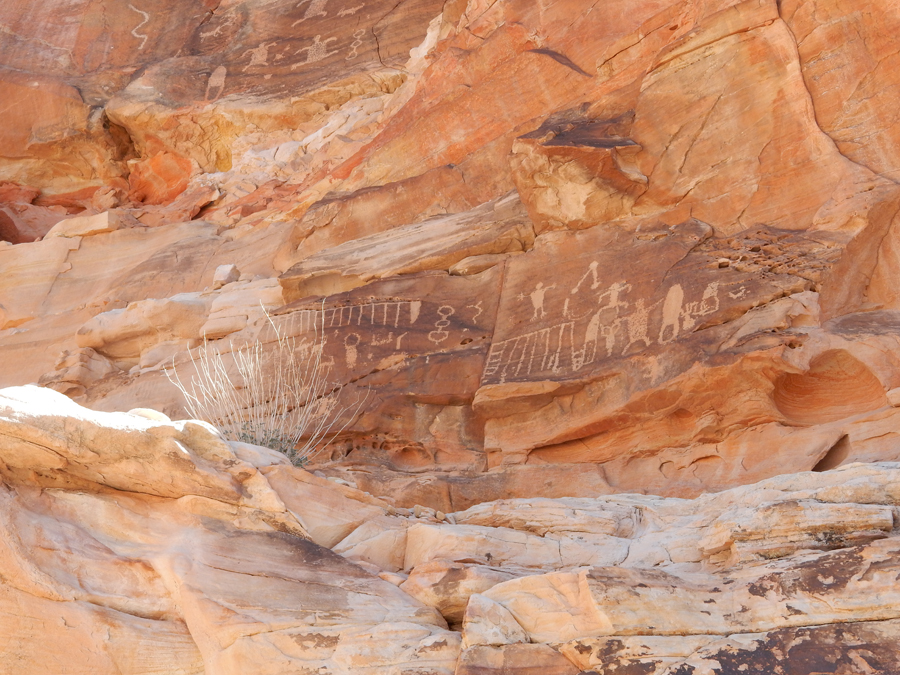
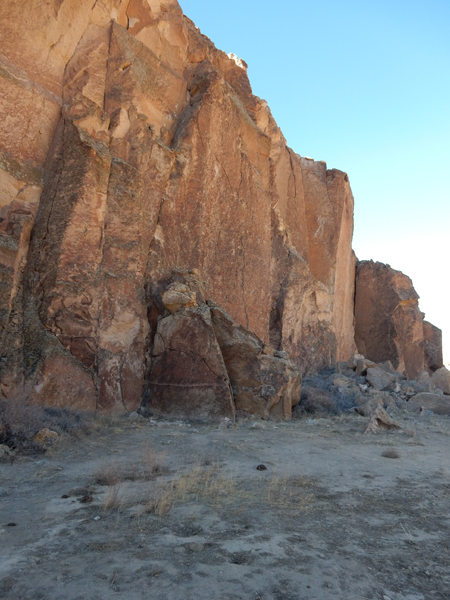
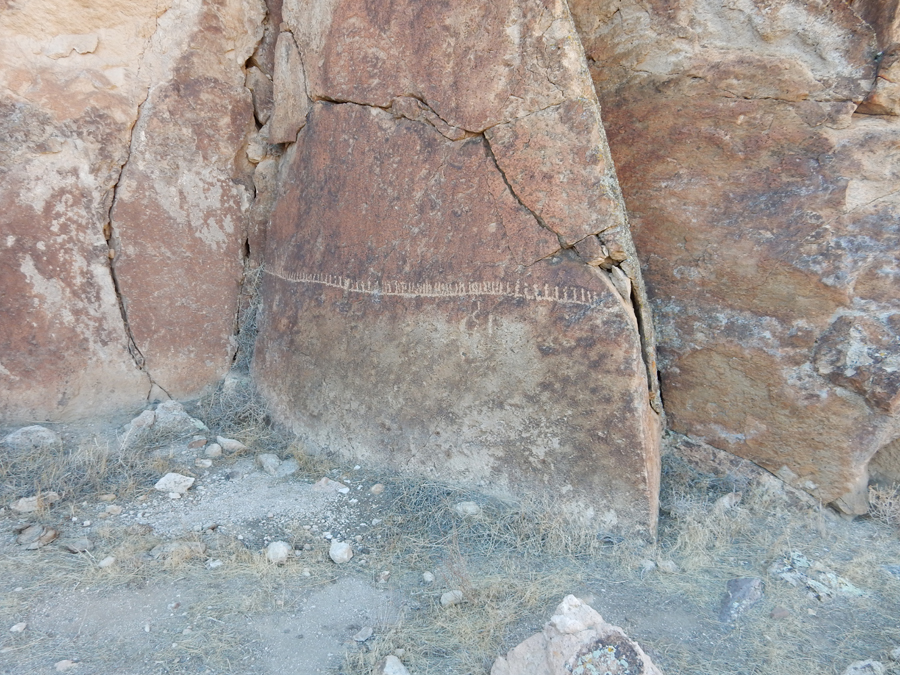
We did several short hikes to rock art locations. The first one was a rake-like design with serpentine and vertical lines below. Archeologists believe this represents a game drive fence used in the canyon narrows.

We followed a very nice BLM pamphlet describing the rock art in this area

Carl Williams, 1926, added his name

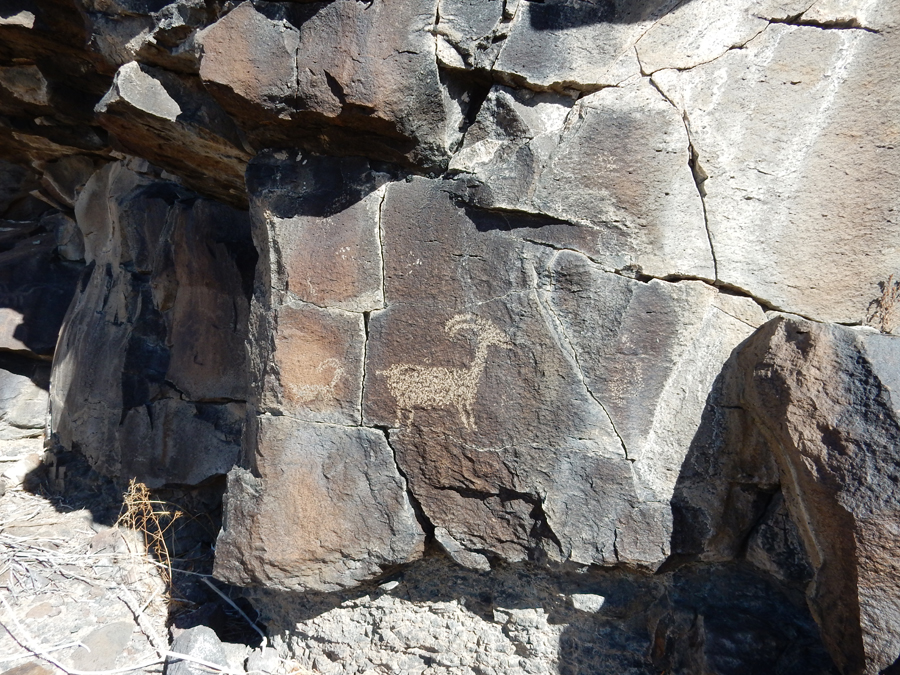
Ancient Art of Native Americans going back 4,000 years

Mountains just west of the Narrows in the Weepah Spring Wilderness

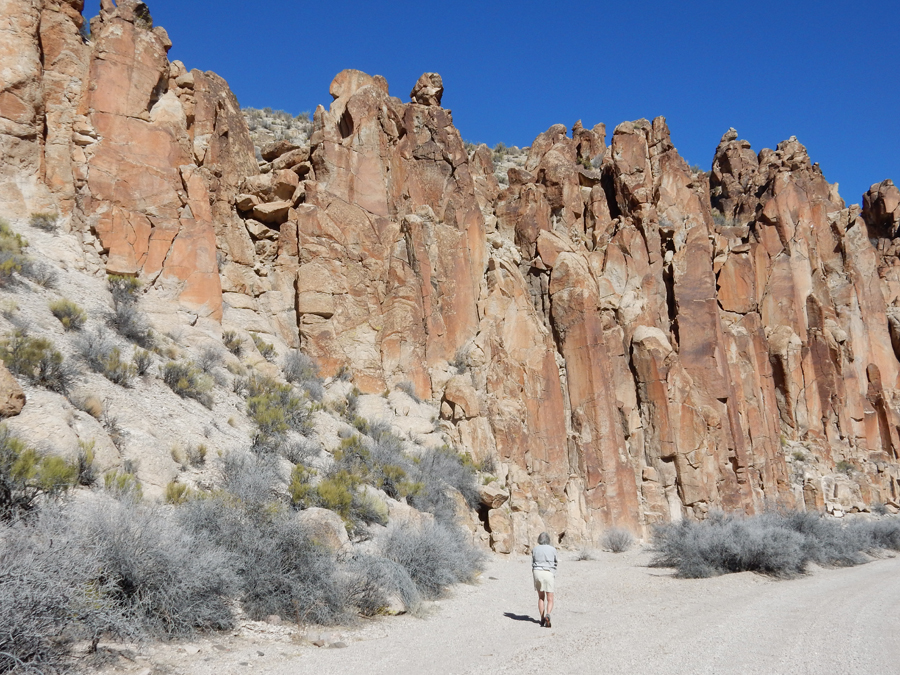
Entering the “Valley of Faces” Canyon, parked the SUV and hiked about 1.5 miles through the canyon on a cool but comfortable morning. This is a two-way track!

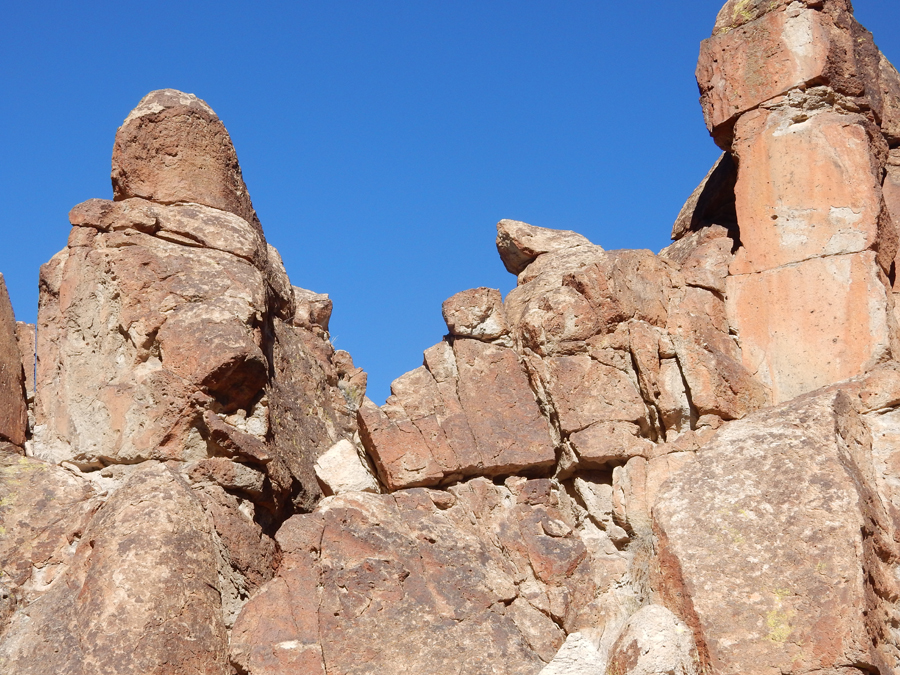
Every where you looked you could find fanciful character on or in the rock – Stegosaurus

Stone Finger or ?

Stone Cathedral


Cool rock formation and balanced rocks

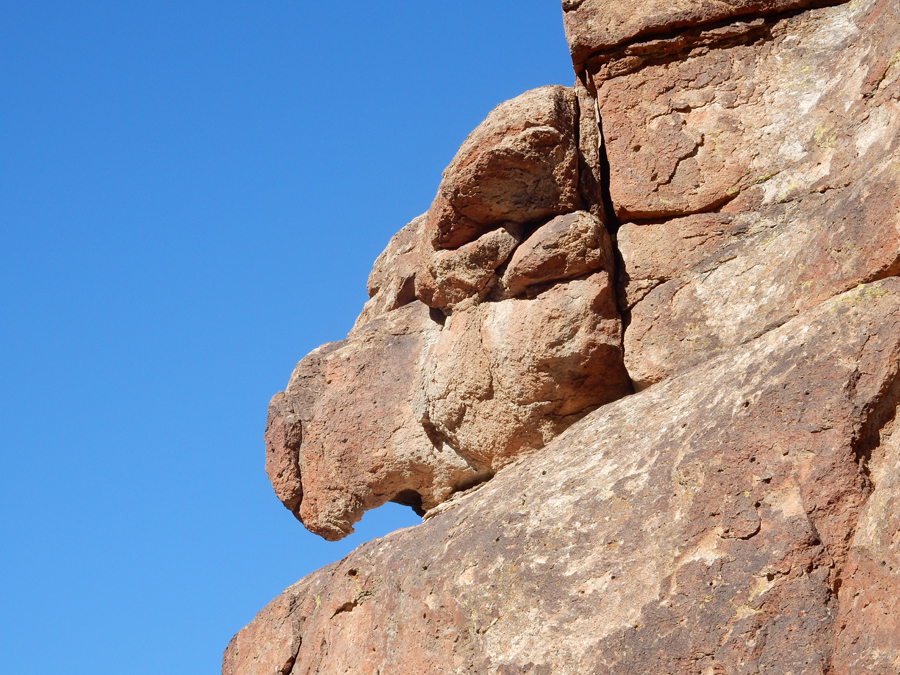
Do you see any faces?

Rams Head

Baby on a rock

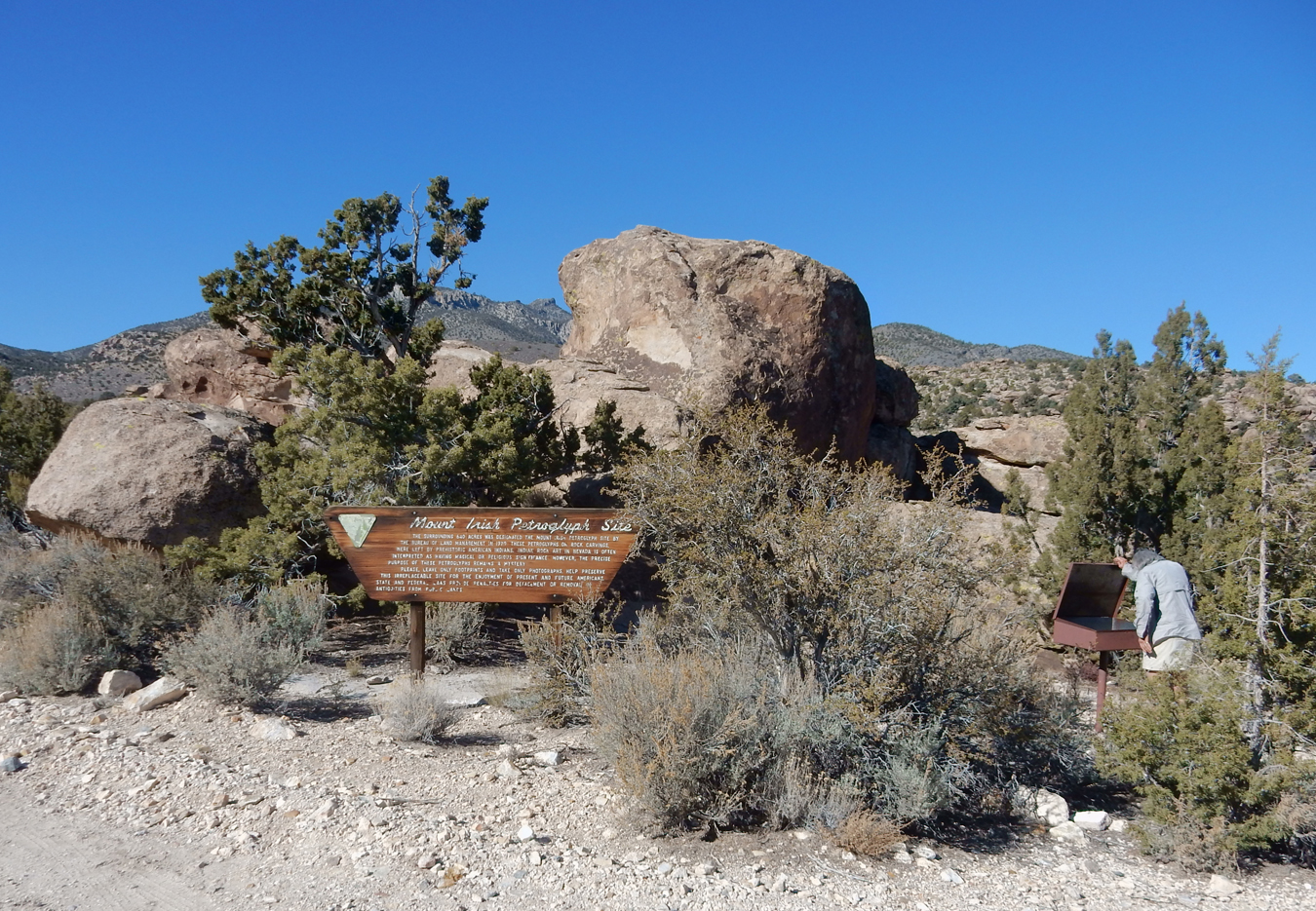
We then drove to the Mt Irish Archaeological Area in the NM

A Mt. Irish BLM Rock Art Guide helped us locate petroglyphs. There were about 80 rock art panels at this site (IV) alone.

This site (V) had 68 rock panels

Site VI had 129 panels!

Alien?

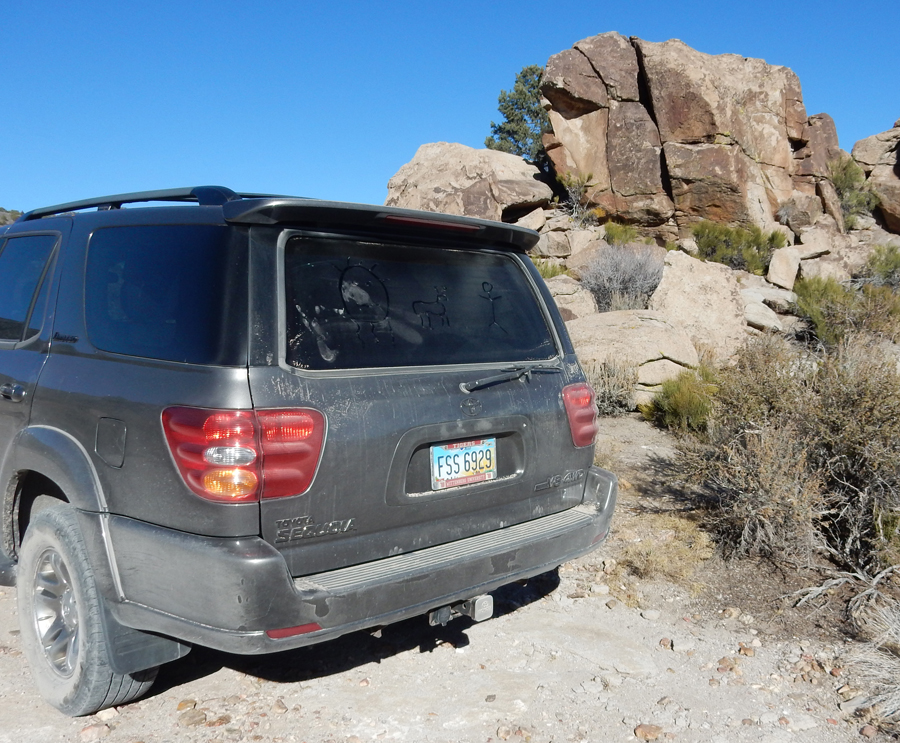
“Back Window Art”

NV SR375 is known as the Extraterrestrial Highway. The top-secret Area 51 base is near the highway. Many travelers have reported UFO observations and other strange alien activity along this road.

Returned to Las Vegas and got half-price tickets for the “Legends in Concert” show at the Flamingo

There were tributes to Michael Jackson, Aretha Franklin, Sting, and Elvis

We learned from Kate that Tami and Bill were in Las Vegas the same evening and were able to meet them in front of the Paris Casino across from the Bellagio

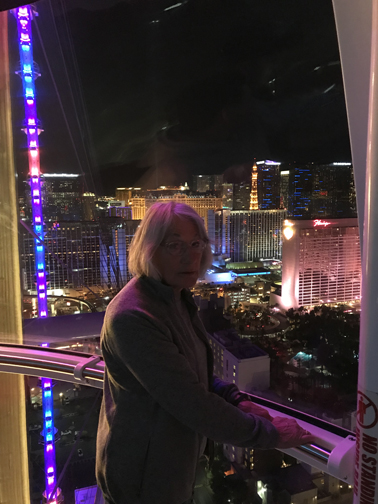
After the concert we rode the world’s largest observation wheel – the “High Roller”

It is 520 feet in diameter and takes one hour for one time around

Each of the 28 cars (pods) can carry 40 passengers – we only had four on ours

Great 360-degree views


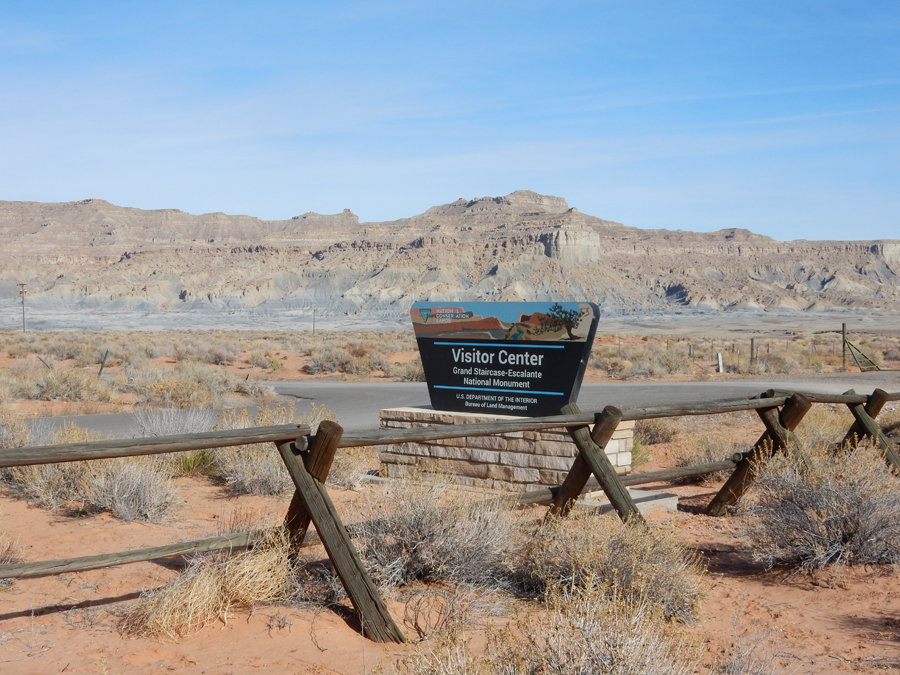
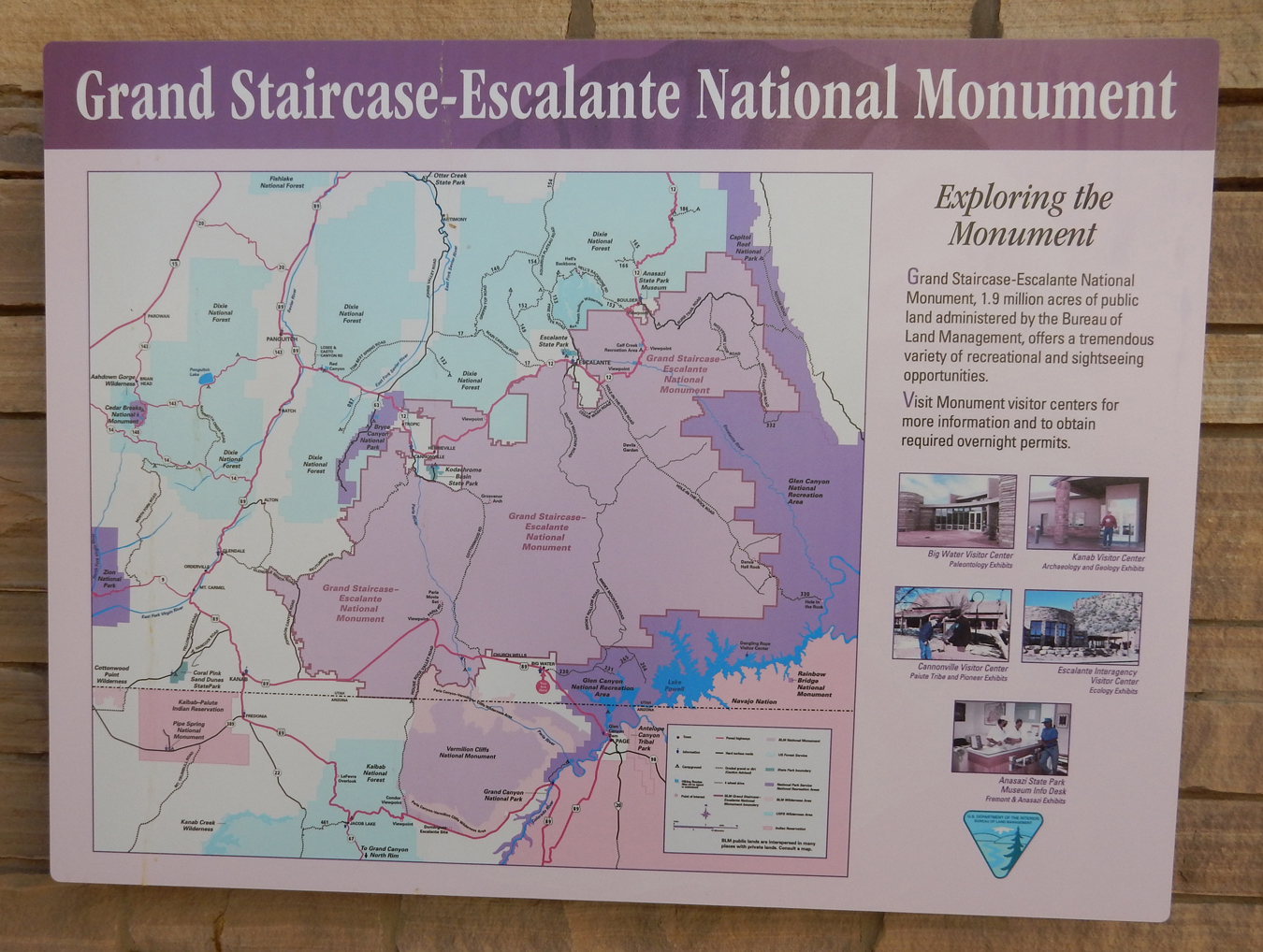
2/8 Th – We had to return to Mesquite NV to retrieve our pillows and Helen’s stitching scissors from the Holiday Inn where we stayed two days earlier. As a result, we drove through southern Utah on our way to Flagstaff AZ. Stopped briefly at the Grand Staircase Escalante National Monument Visitor Center on US 89, it was closed. Trump reduced this NM to about half its original size in February of 2018. I hope our legal system rejects this unprecedented move.

Made a couple of stops in the Glen Canyon National Recreation Area

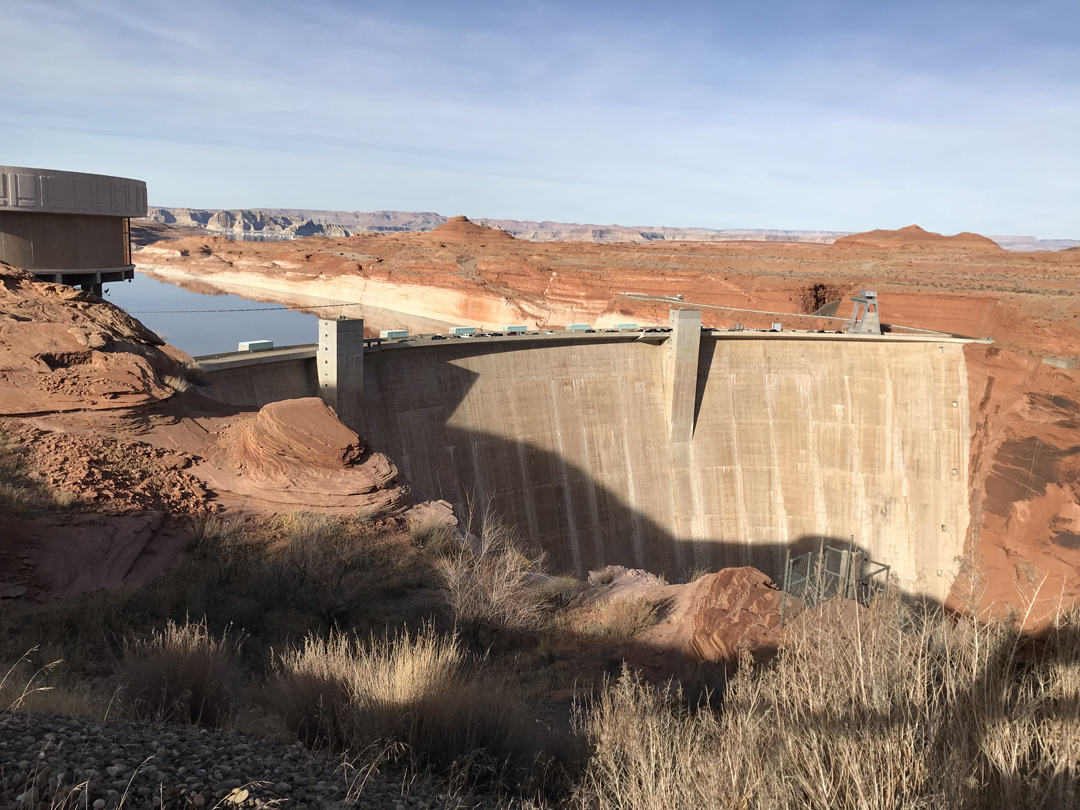
Glenn Canyon Dam forms Lake Powell

We walked across the dam where I took this picture of the Colorado River proceeding down stream

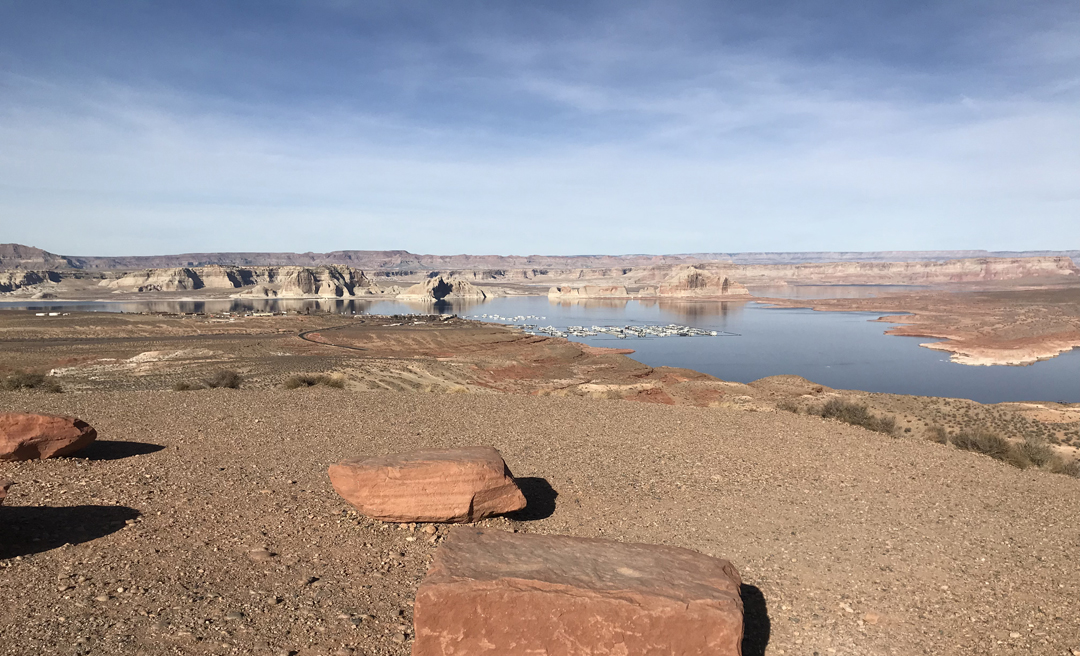
View of Wahweap Marina where Stacy and I rented a boat for our exploration of Glen Canyon and cruise to Rainbow Bridge NM in 1987

Dinosaur Tracks at the Carl Hayden Visitor Center

Continued South on US 89 toward Flagstaff. Helen bought a nickel silver Navajo bracelet from an old Navajo woman sitting along the road. We arrived at our Airbnb about 6pm.


2/9 F – Flagstaff – Met with a realtor and toured 3 houses. Decided that this was not the right place for us, at least right now. I did a nice hike in the foothills just north of the city while Helen was baking scones with Kyrie. We had a fun game of Farkle with our hosts Chris and Kyrie that evening.


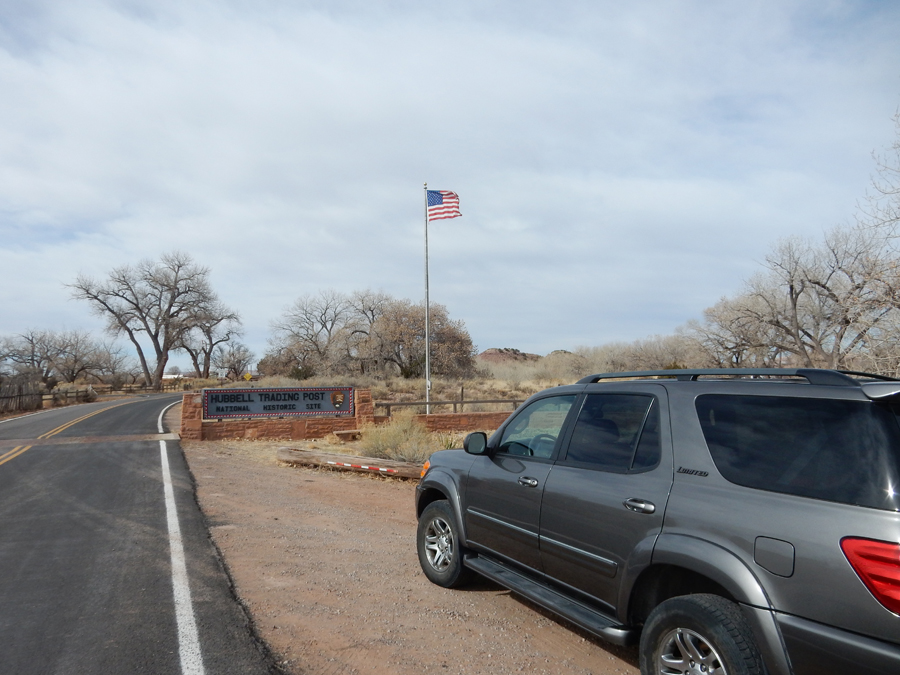
2/10 Sa – 2.5hr to Hubbell Trading Post National Historic Site,

Stacy and I visited here in 1987 on her 15-year-old Road Trip

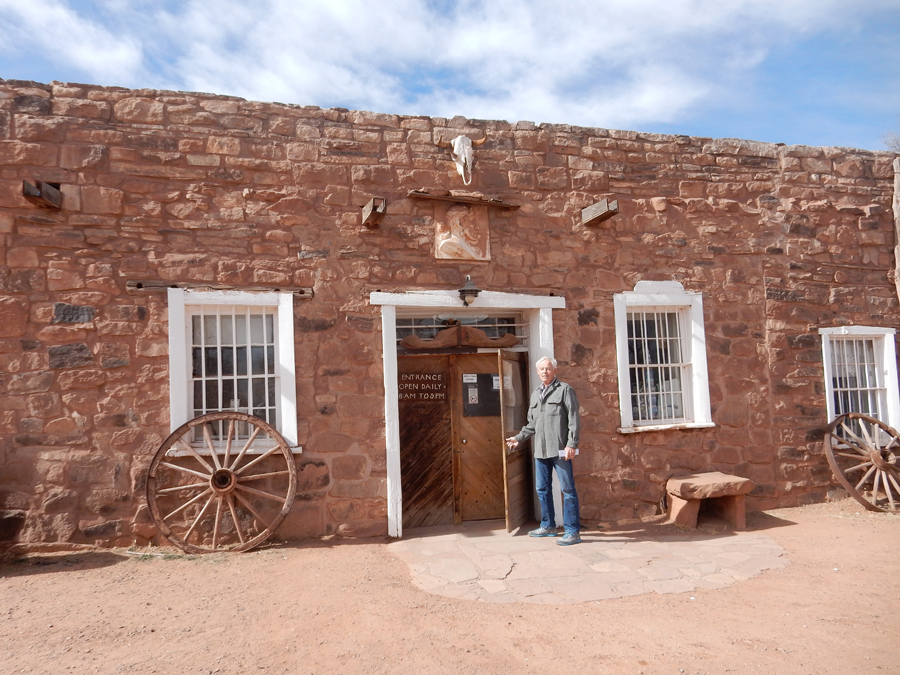
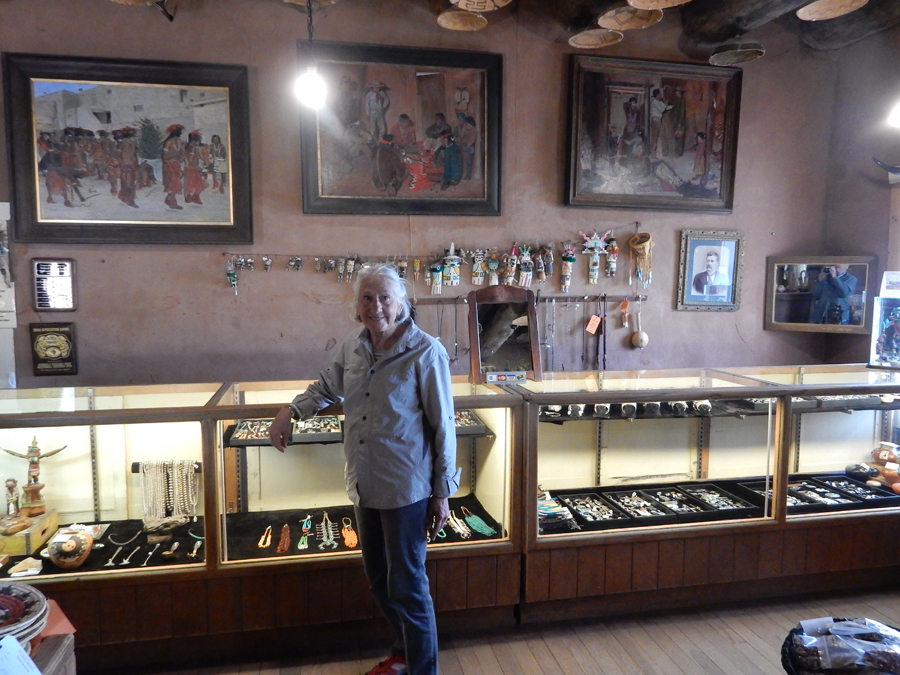
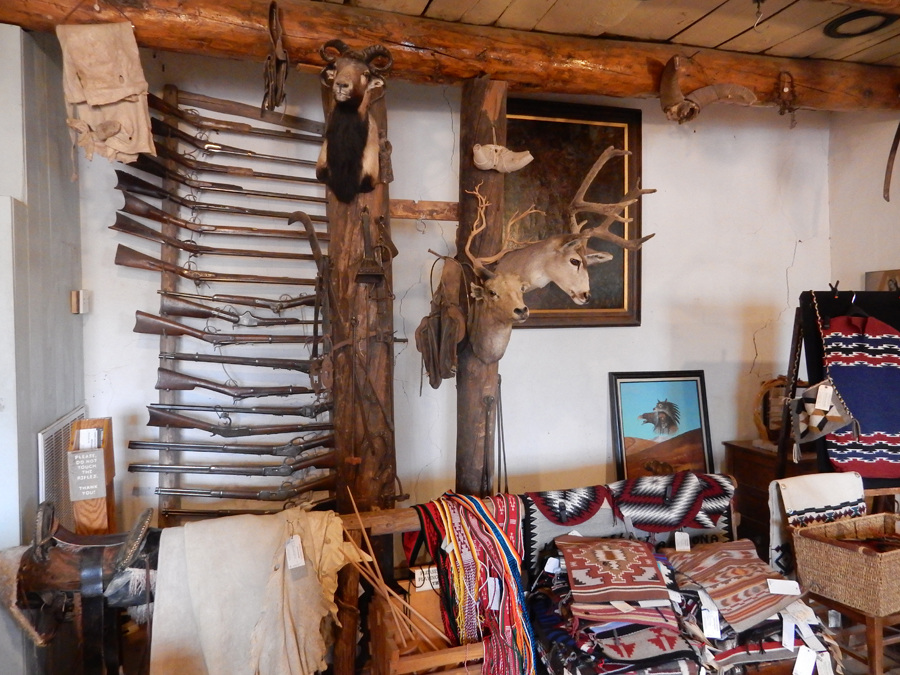
It still serves as a Trading Post in that Navajo sell their crafts here

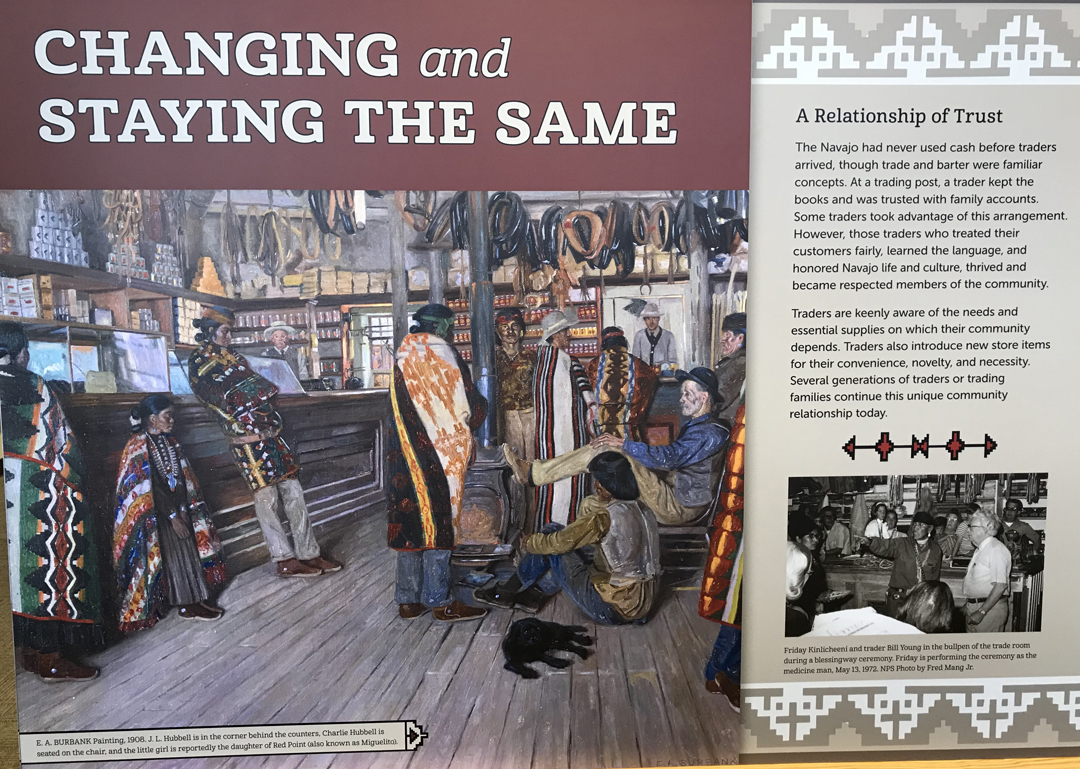
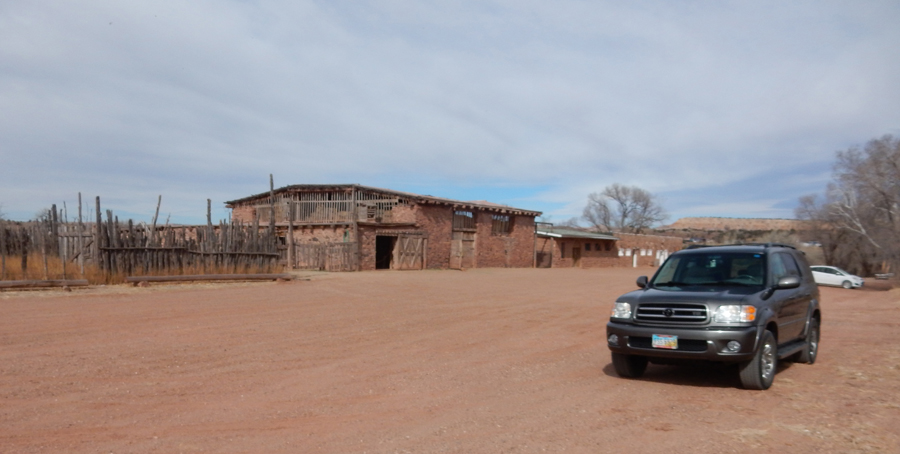
Hubbell – Don Lorenzo to local Hispanics and Naakaii Sani (Old Mexican) or Nak’ee sinili (Eyeglasses) to Navajo started trading here in 1876. He married Lena Rubi three years later and they had four children. In 1967 the wife of their youngest son sold the Trading Post and ranch to the National Park Service.

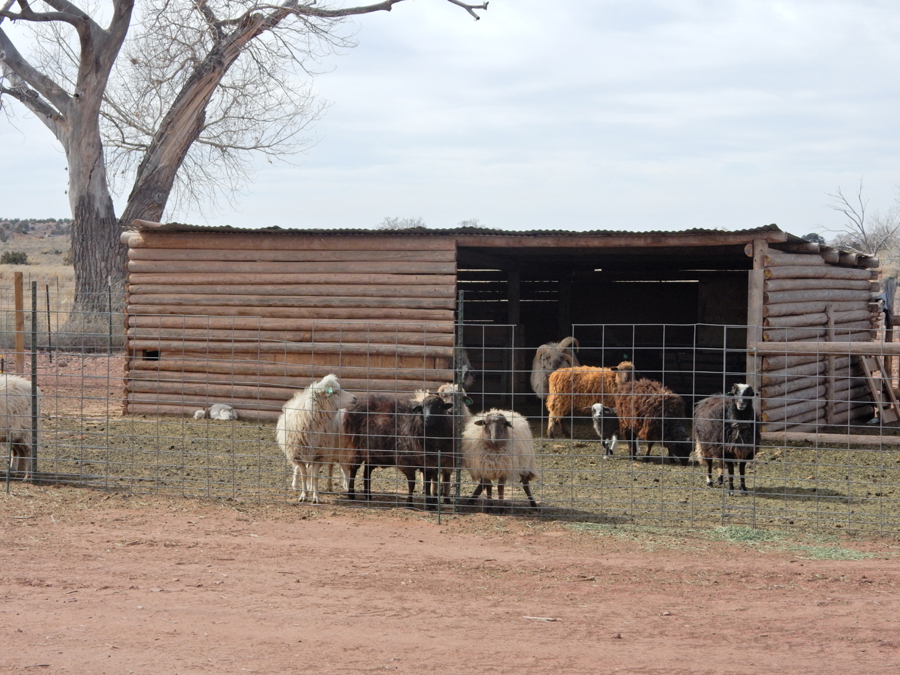
Navajo Churro Sheep

Visitor Center tells the Hubbell story

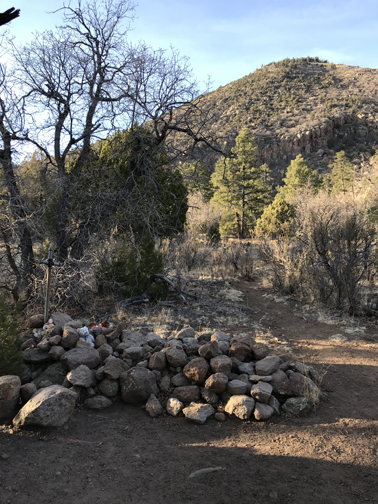
Guest Hogan, Hubbell Hill (in the background) is on the Navajo reservation. Hubbell, his wife, and his best friend Bi’lii Lani (Chief Many Horses) are buried on top.

View of the Trading Post and ranch from the top of Hubbell Hill. I am currently exploring the possibility of a coordinated effort between the park and the Navajo Nation to put a trail in from the Visitor Center to the top of the hill. I believe this would be a wonderful addition to the park. It would add a physical activity opportunity for visitors as well as providing a panoramic view of the surrounding landscape.

Fry bread lunch in Ganado, ate in the SUV because of a wind/dust storm

Gave and Indian hitch-hiker a ride on our way to the Fairfield Inn & Suites in Albuquerque NM


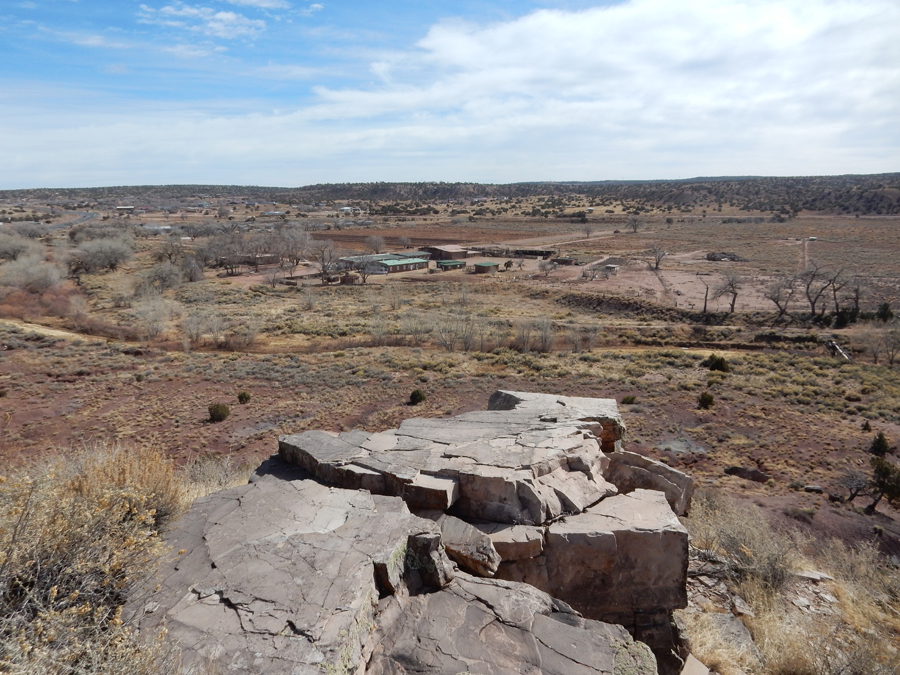
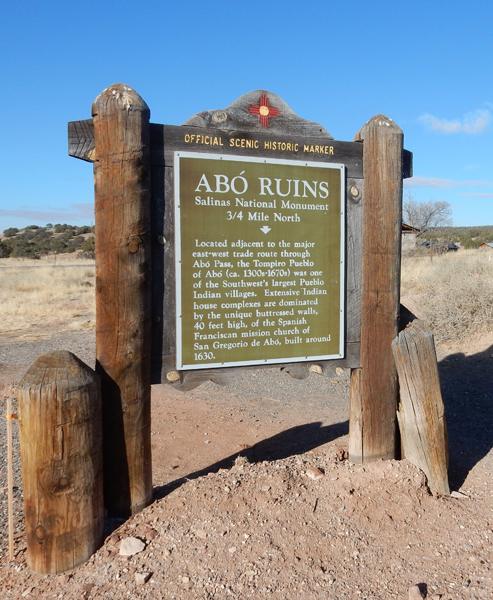
2/11 Su – It took 1.5hrs to get to Abo – the first mission we visited in Salinas Pueblo Missions National Monument

We arrived at 8:30am, so were able to do the 1-mile trail before the Visitor Contact Station opened

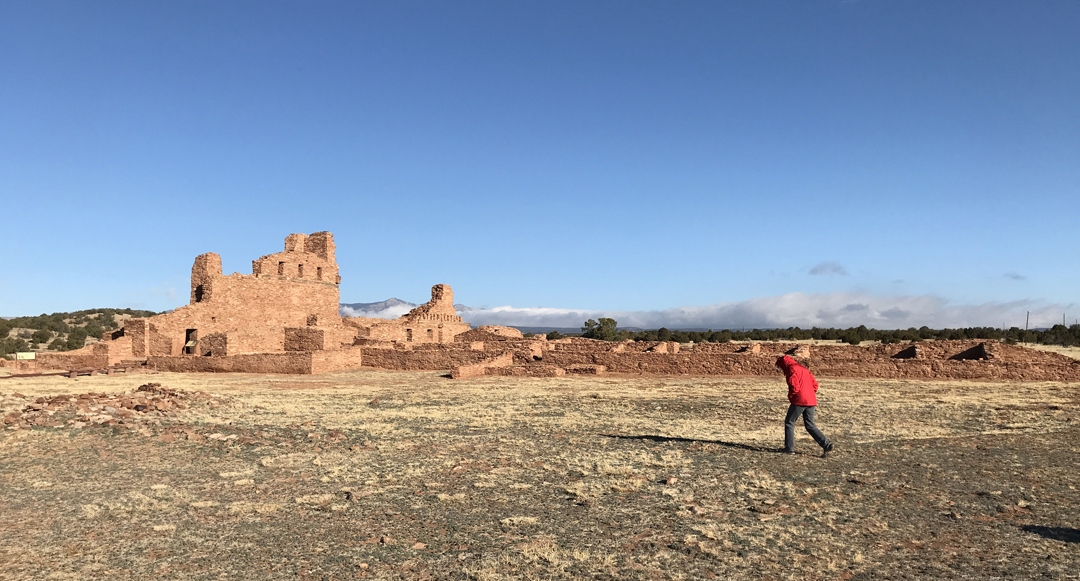
This was the coldest morning of our trip since we left MO – 32 degrees

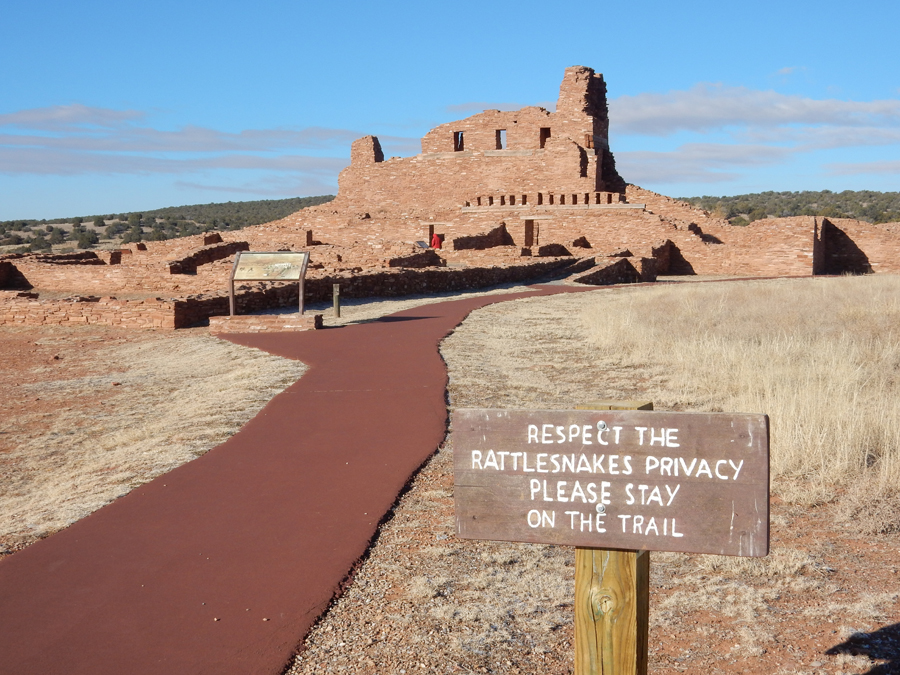
Mission San Gregorio de Abo (1622 – 1628)

Kiva – note the snow on the sign

Stopped in the monument Visitor Center in Mountainair, where Helen bought some nice earrings

Then turned south for 25 miles to the Gran Quivira Pueblo

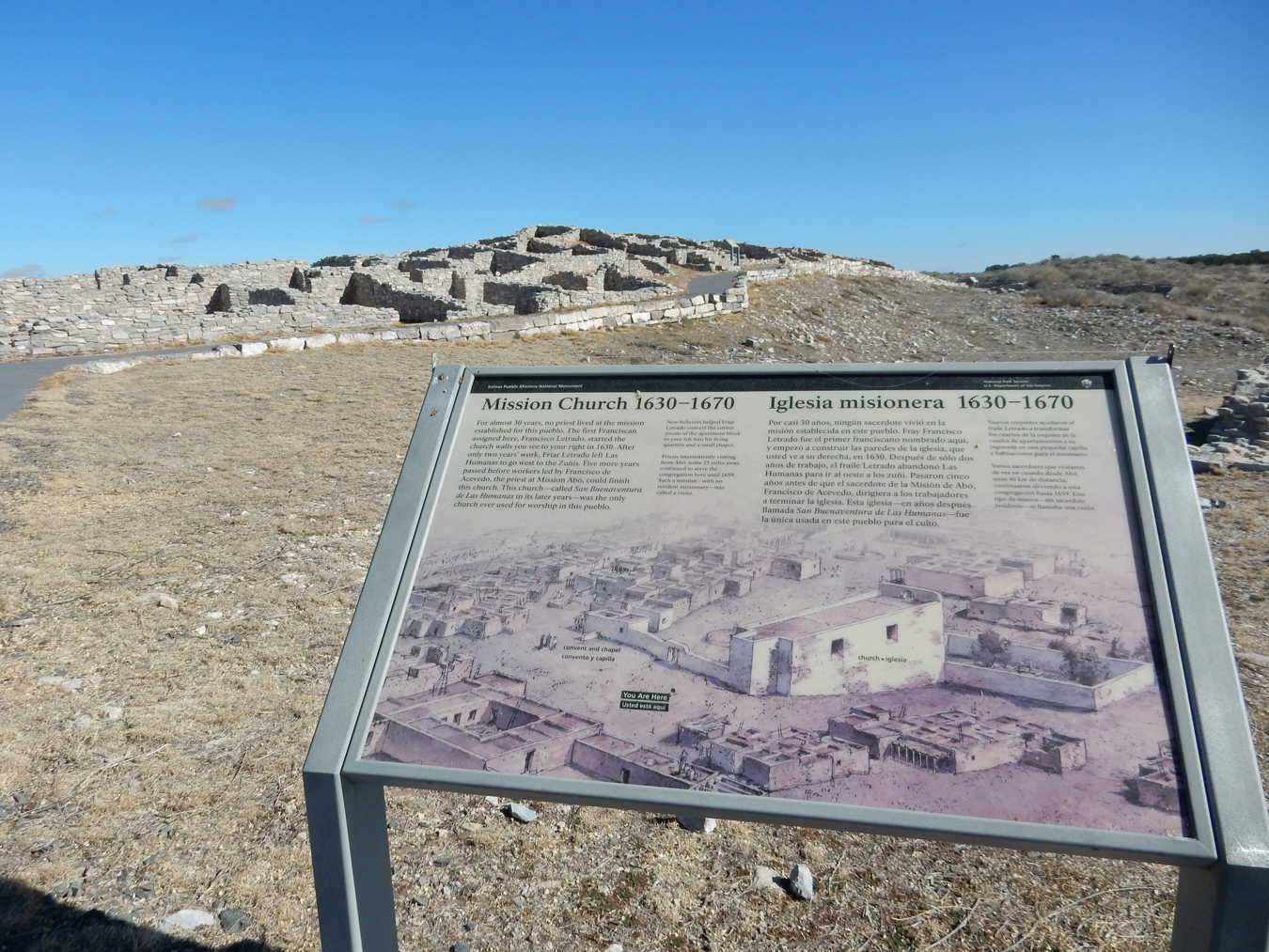
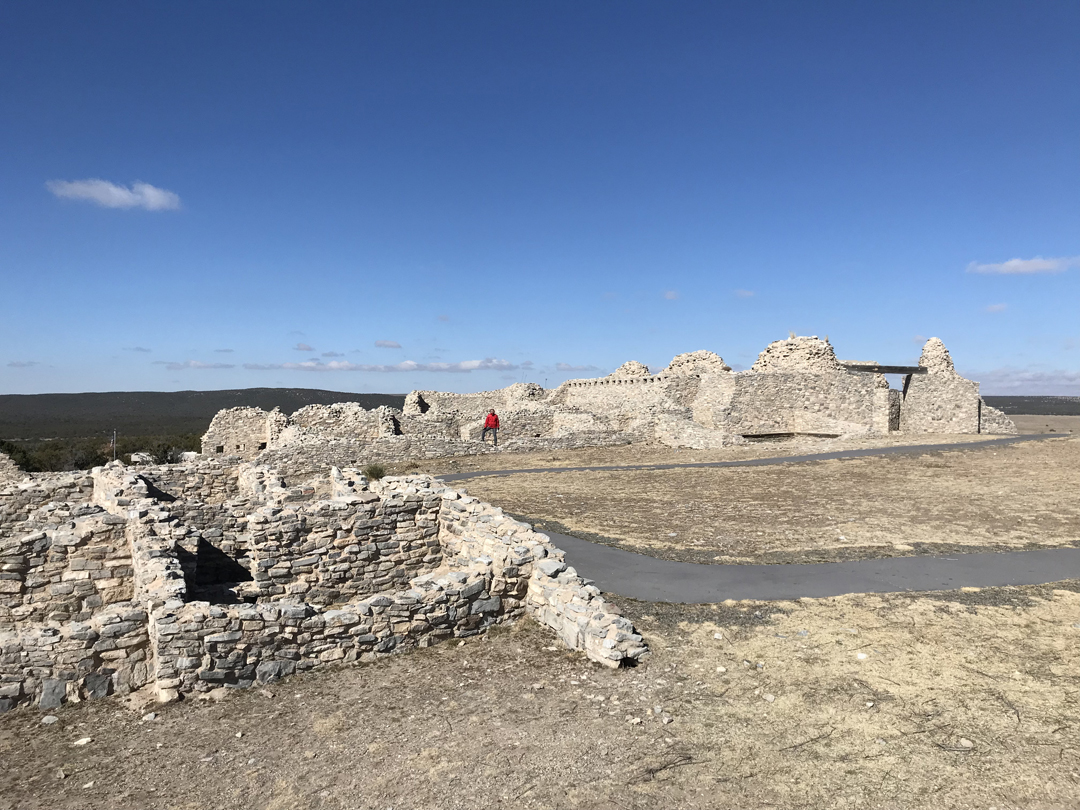
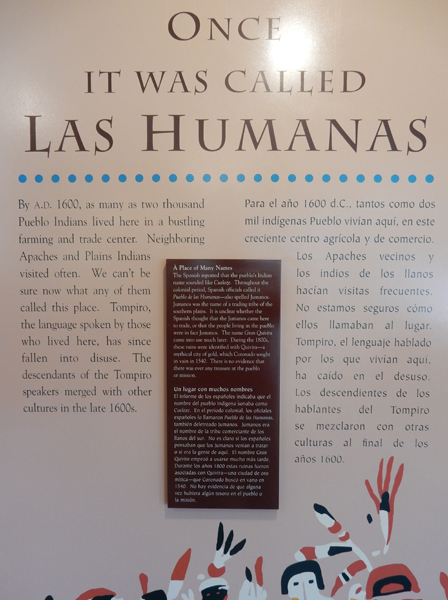
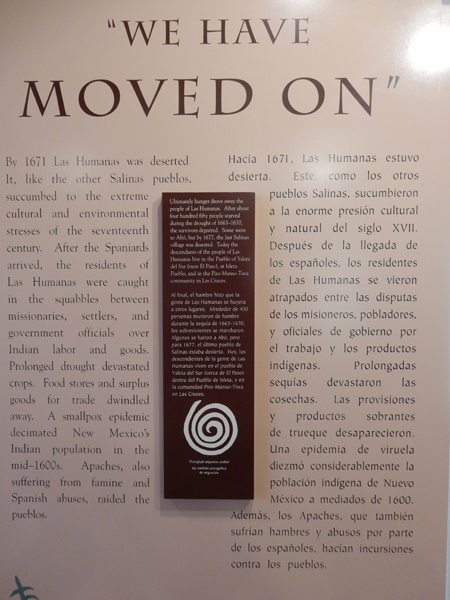
Gran Quivira was once called Las Humanas

We walked the 1-mile loop through the ruins

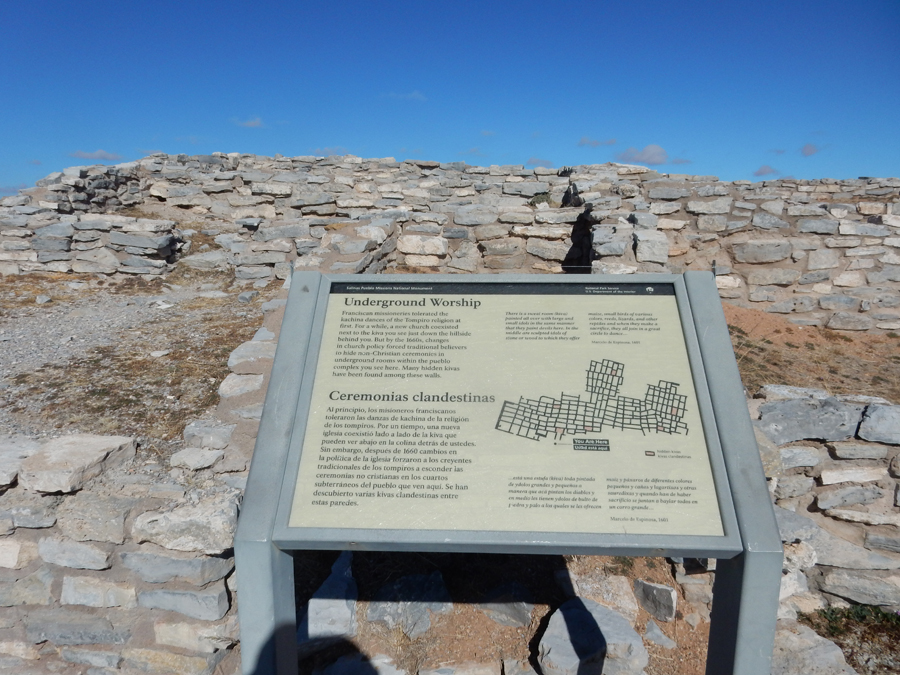
Kiva on left was used for “Underground Worship”

Remnants of Indian Pueblo (1100-1600) in foreground, last church and convent in distance

Info –

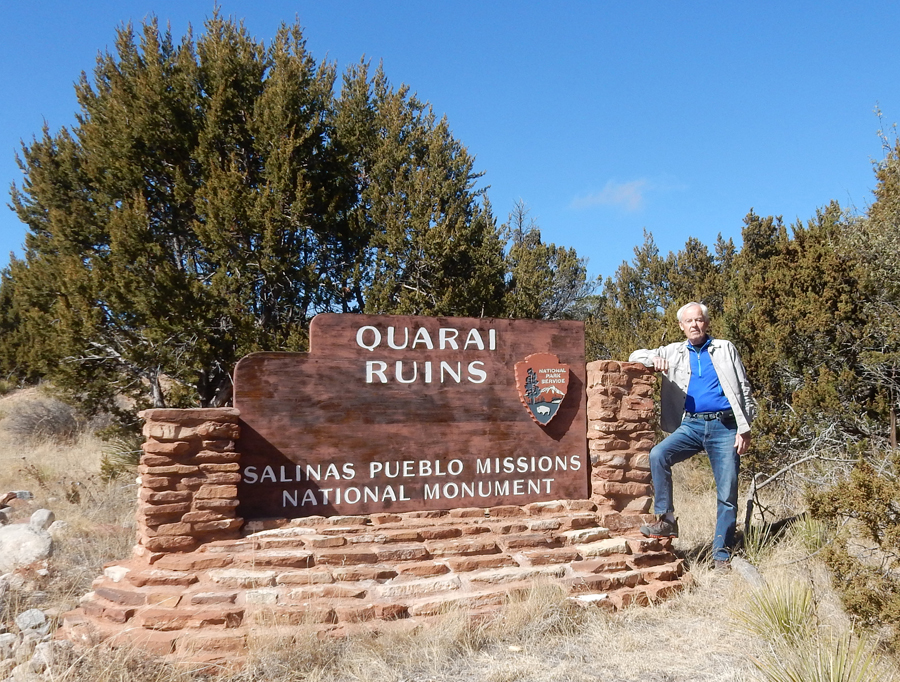
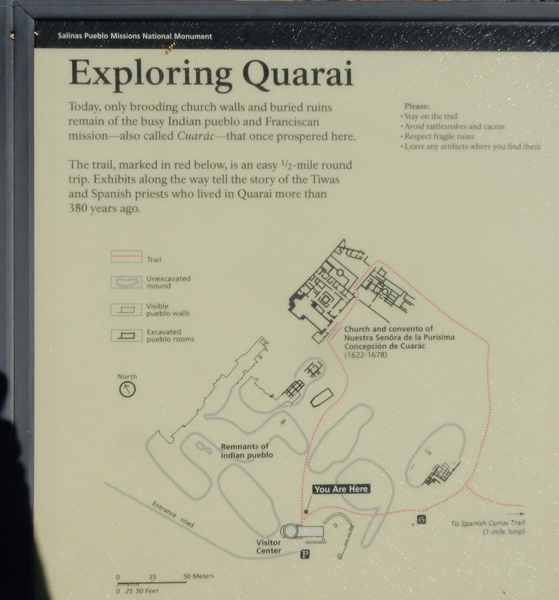
Headed north to the Quarai Pueblo outside of Punta de Agua

Interesting model

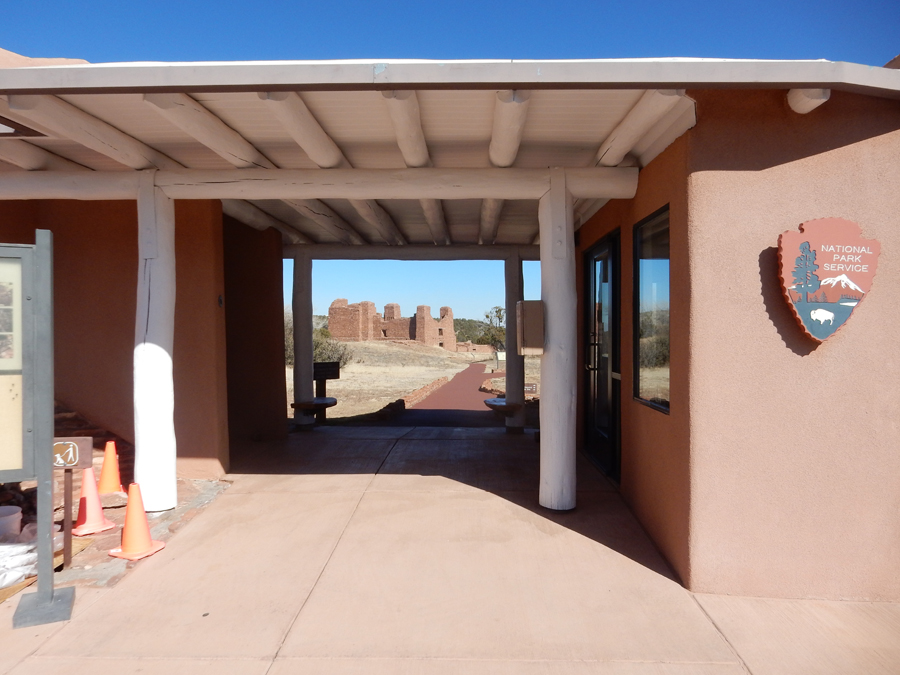
We walked the loop trail through the ruins

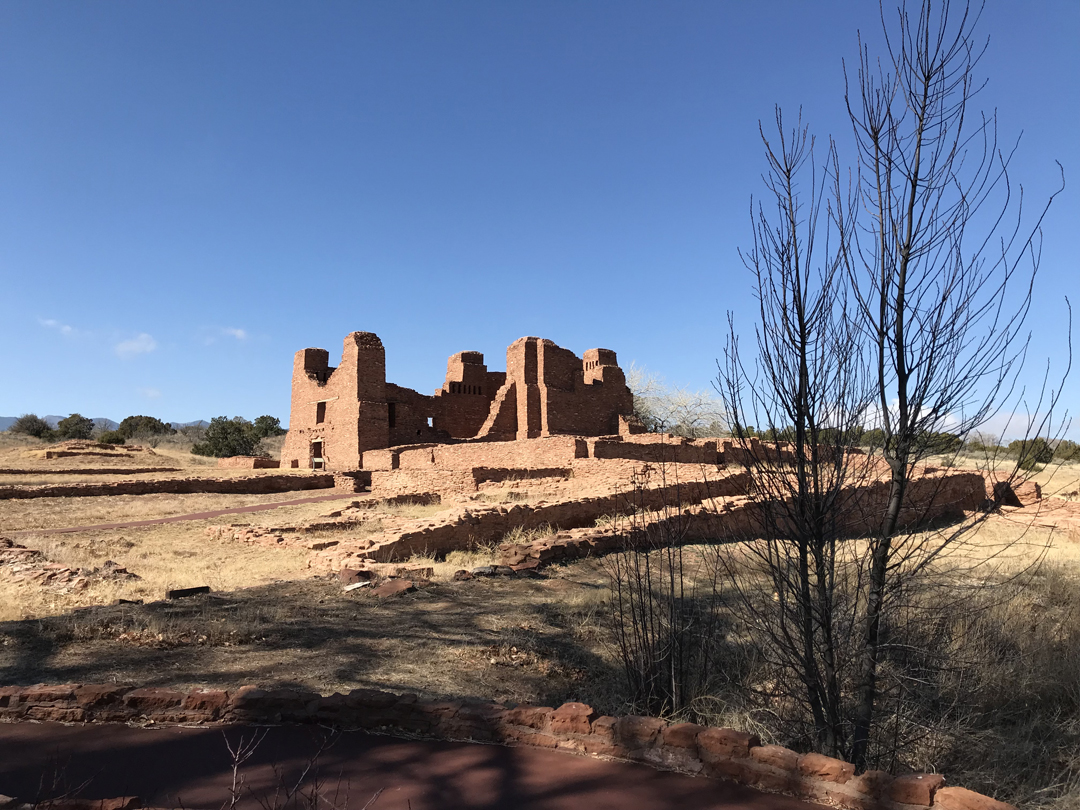
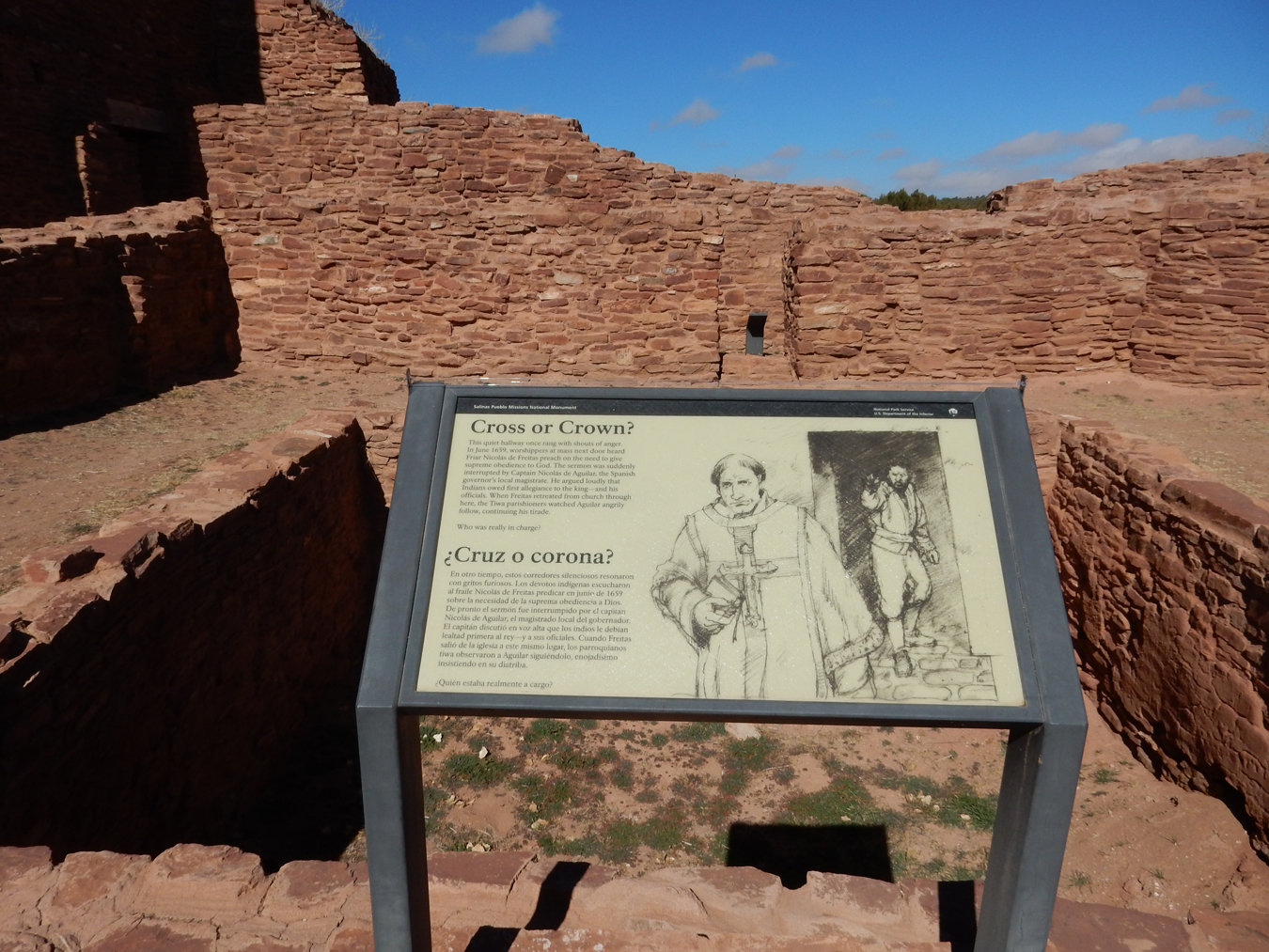
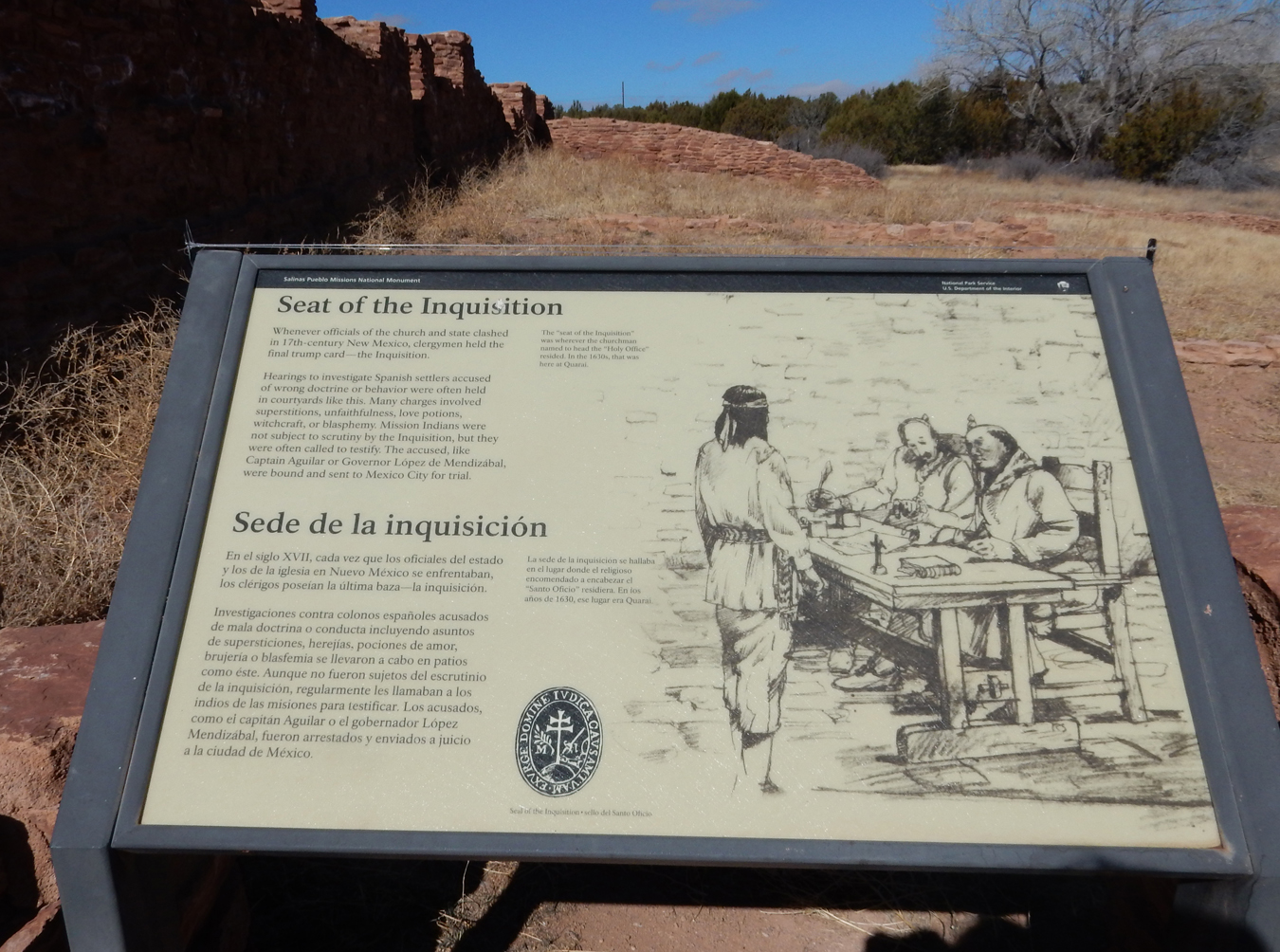
Nuestra Senora de la Purisima Concepcion de Cuarac church and convent (1622-1678)

9609.1, 9604, 9606, 9608

We also hiked the Spanish Corral 1 mile loop trail

Visitors to the pueblo in 1900

On our way to Santa Fe

Very nice Airbnb house in downtown Santa Fe

When we can, we have been watching the Winter Olympics from PyeongChang South Korea


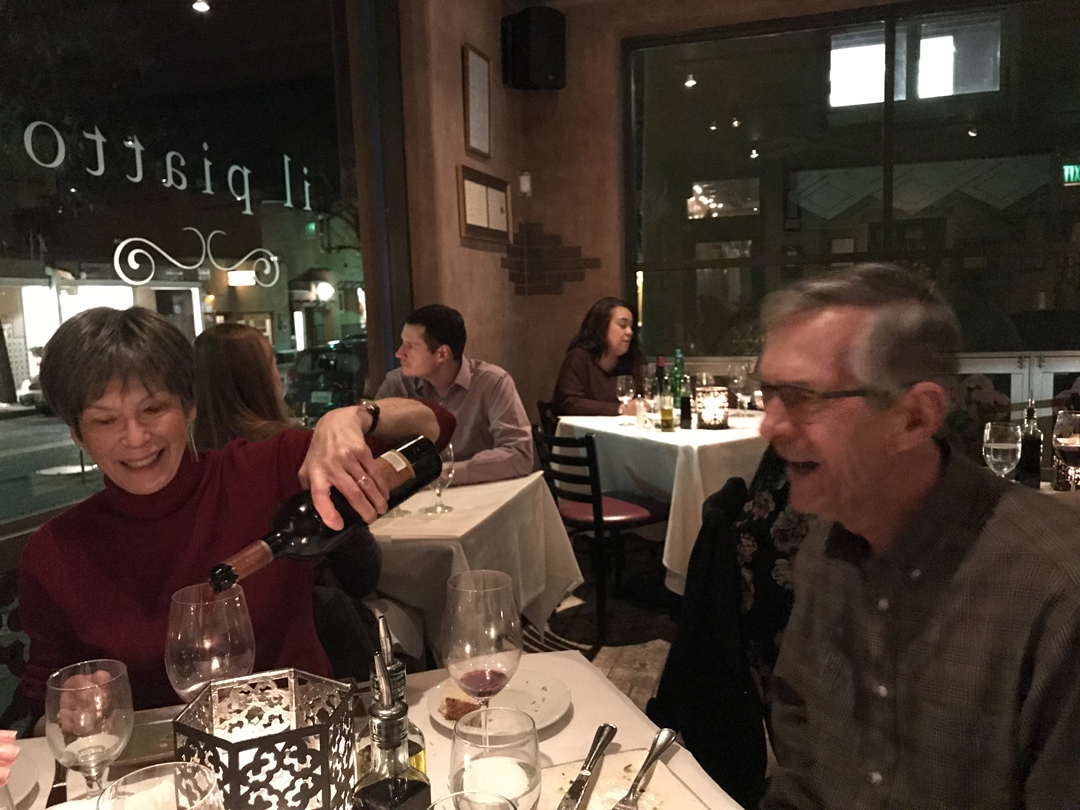
Dinner with Jane and Terry at il Piatto Italian Farmhouse Kitchen restaurant in Santa Fe


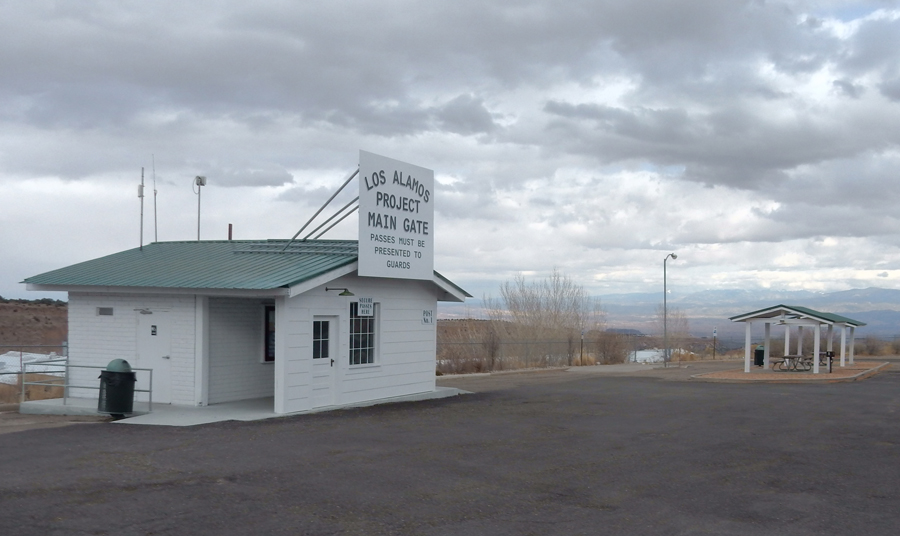
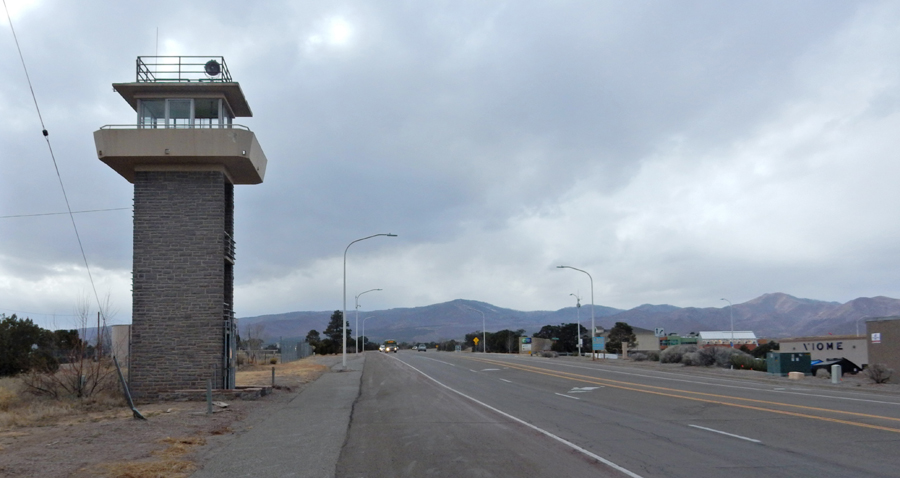
2/12 M – Los Alamos is 1hr NW of Santa Fe – this is the eastern entrance to the city

Manhattan National Historical Park Visitor Center

There are three Manhattan NHP sites: 1) Los Alamos NM, 2) Hanford WA, and 3) Oak Ridge TN

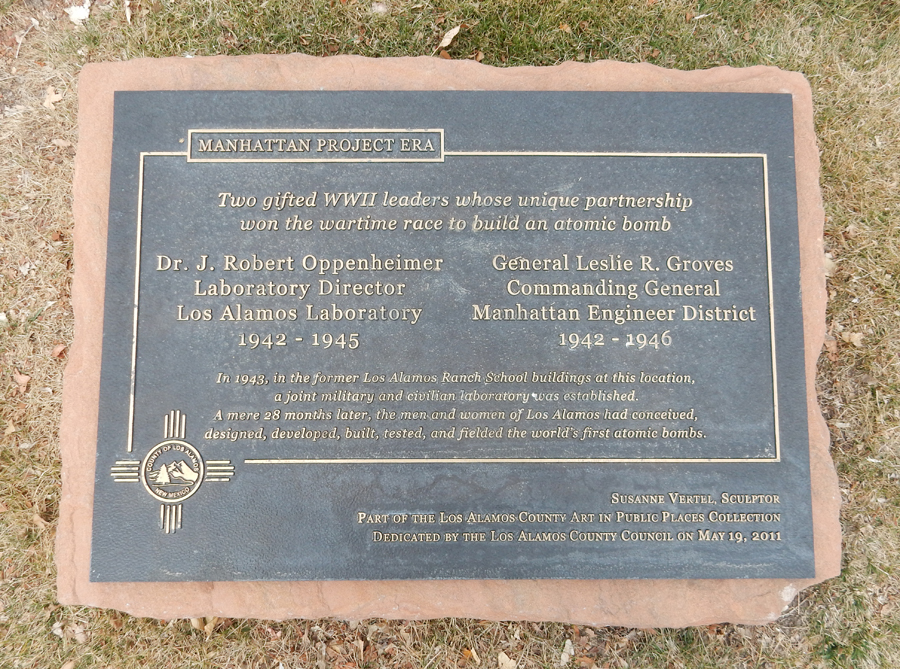
After listening to the ranger talk we explored the city. The Oppenheimer & Groves Sculptures are nearby

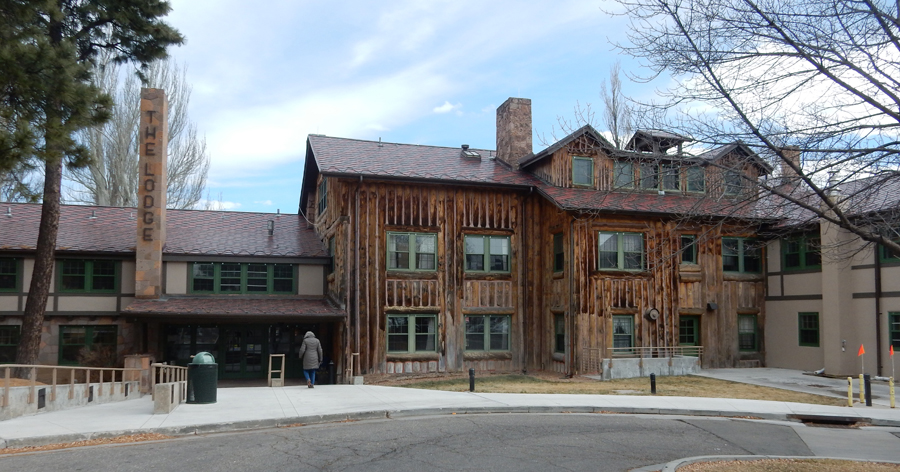
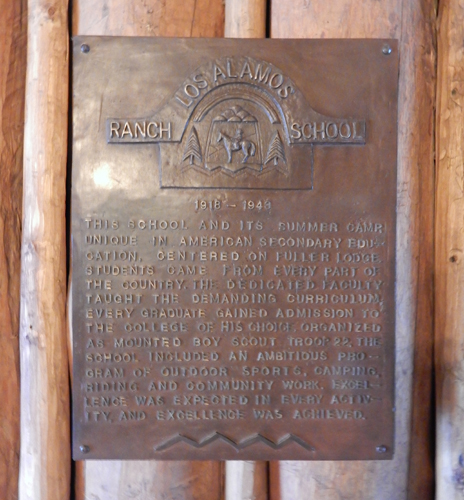
The Fuller Lodge was built in 1928 as the dining hall for the Los Alamos Ranch School

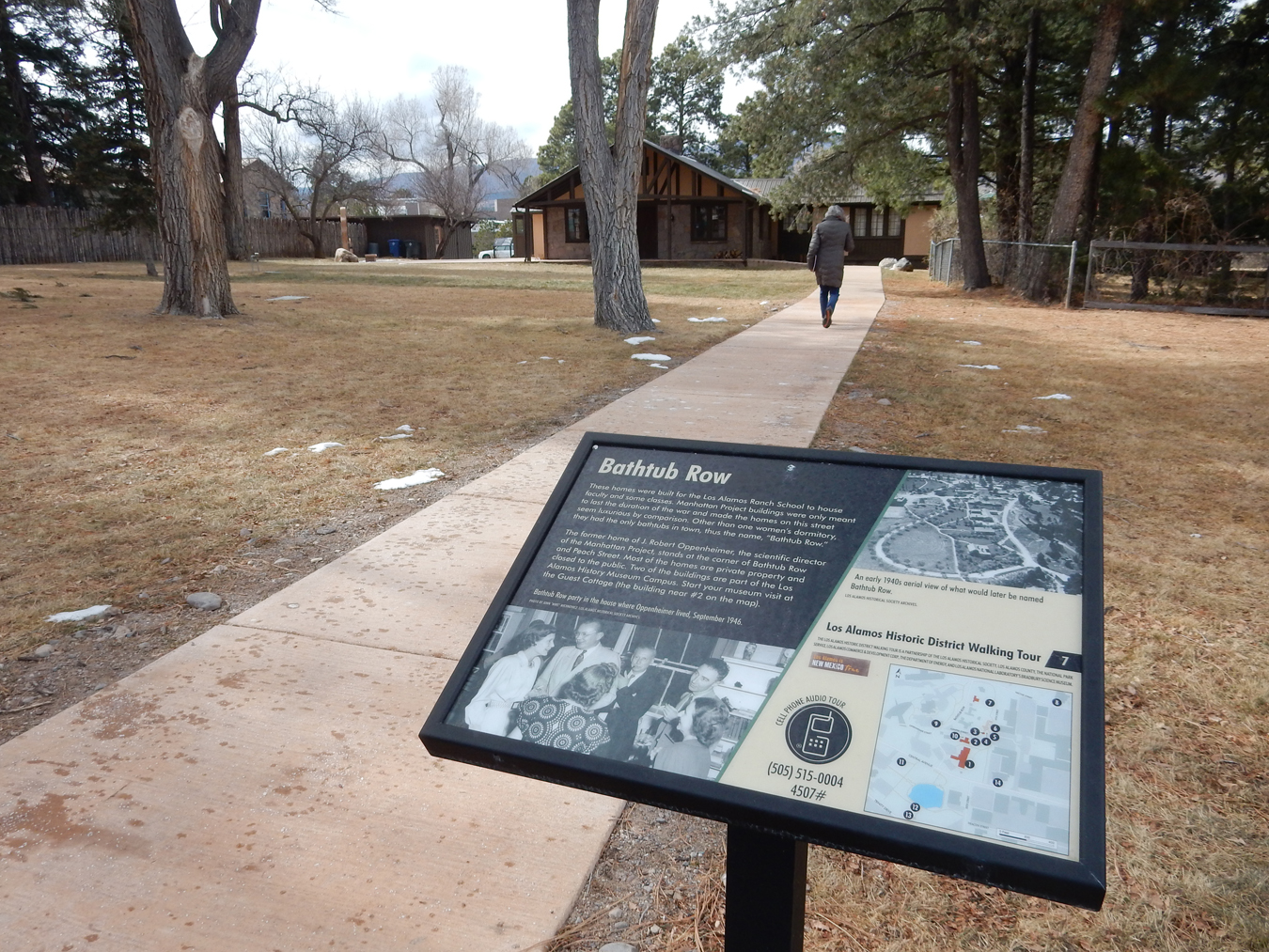
We walked “Bathtub Row” and toured the Hans Bethe House – home to Nobel Prize winners Edwin McMillan (chemist) and Hans Bethe (physicist)

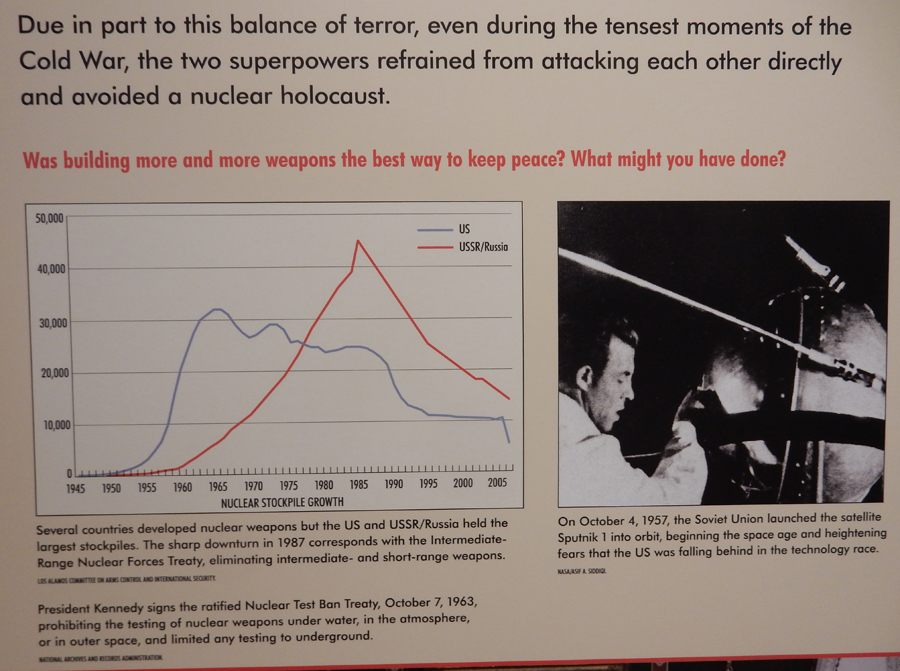
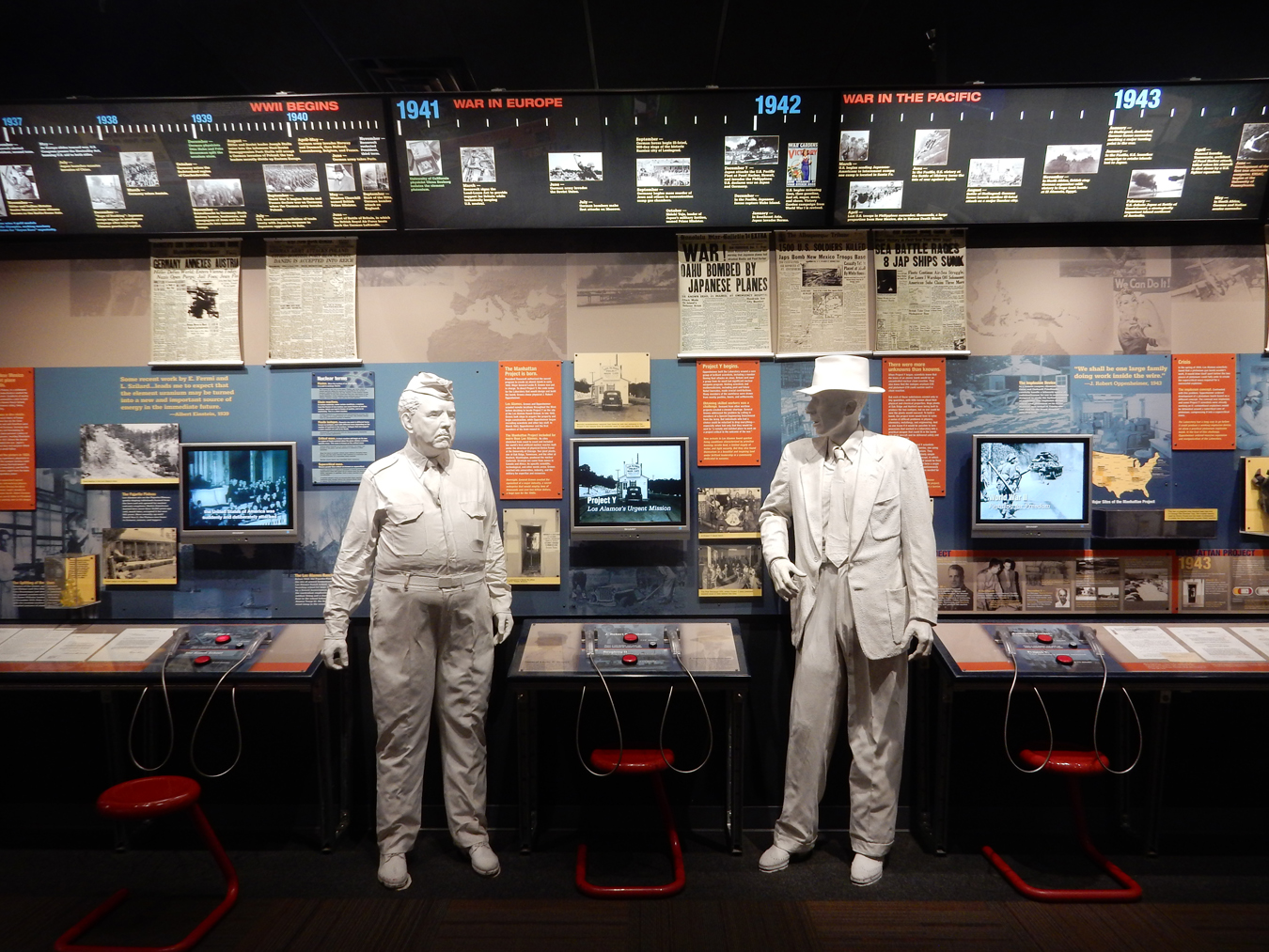
The house contains the Harold Agnew Cold War Gallery

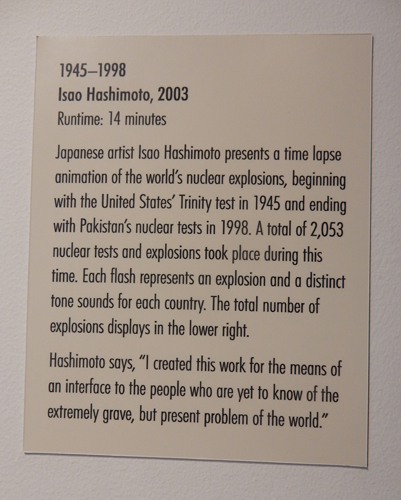
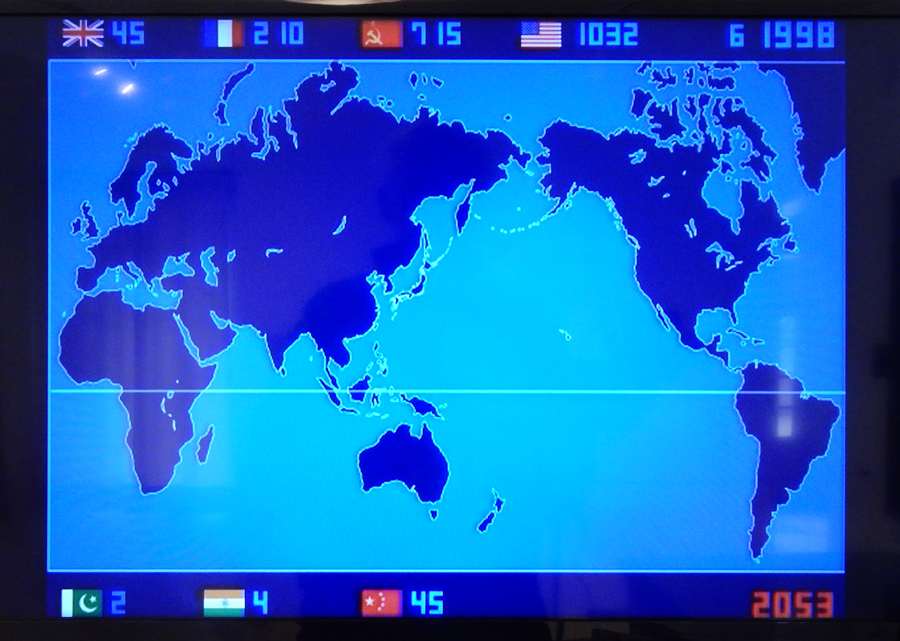
Nuclear tests by country from 1945-1998 – 2,053!!!

We had lunch with our old friends from the U of Maryland, Morrie and Cheryl, and then toured the Bradbury Science Museum

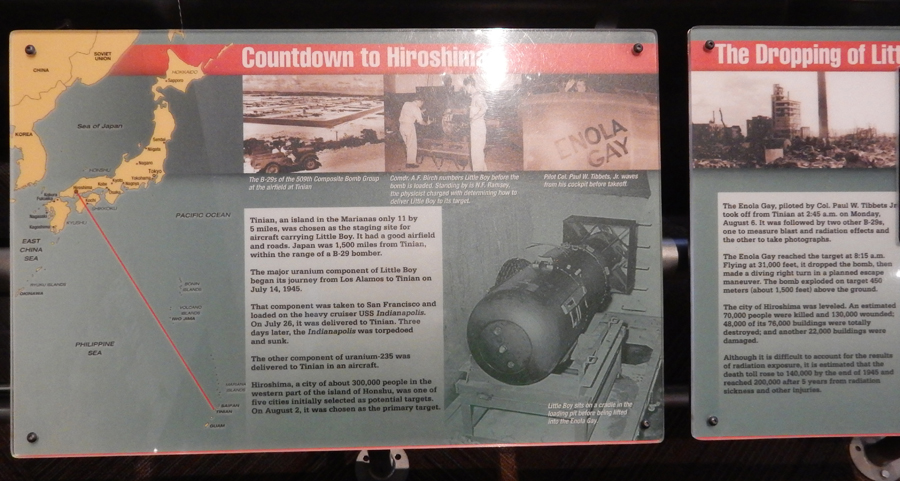
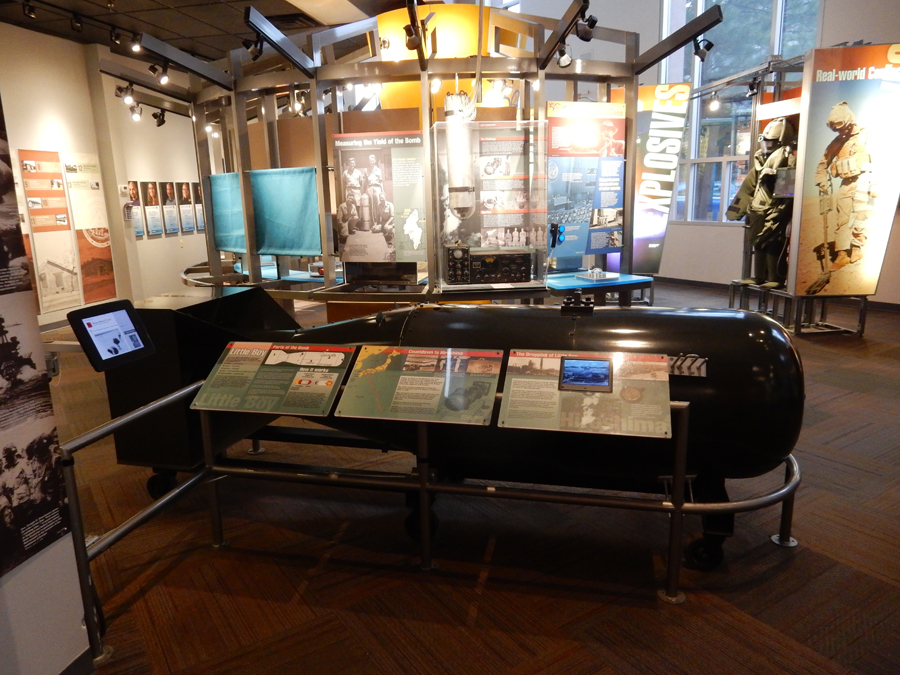
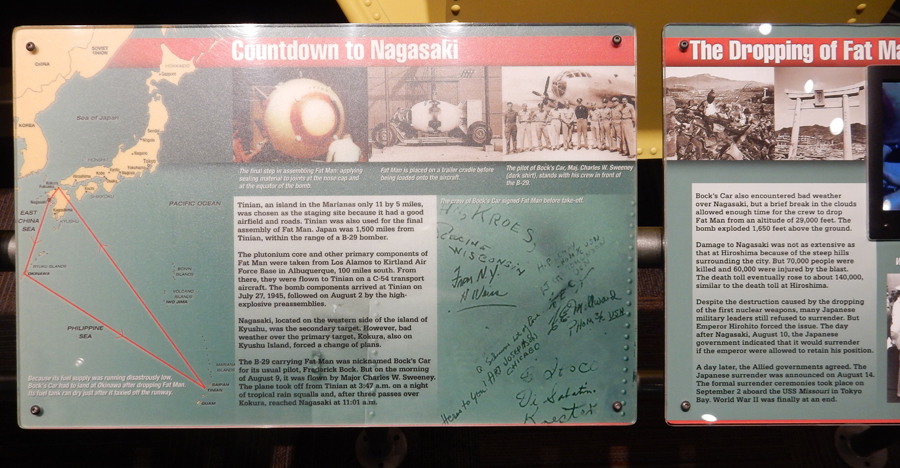
The museum presents the history of Los Alamos National Laboratory including its role in the creation of the nuclear devices exploded over Japan in 1945

Had dinner with Sylvia and Mike at the El Nido restaurant north of Santa Fe


2/13 Tu – it only took 45min to drive to the Glorieta Pass Unit of Pecos National Historical Park

What the sign does not state – is that the Confederates were also trying to take the U.S. Mint in Denver. That would have had a major impact on the Civil War. So, though small, this battle was VERY important. Glorieta Pass is on the Santa Fe Trail; it provides passage through the Sangre de Cristo Mountains.

The Pecos NHP Visitor Center is near the Pecos Pueblo

We hiked the 1.25-mile loop trail

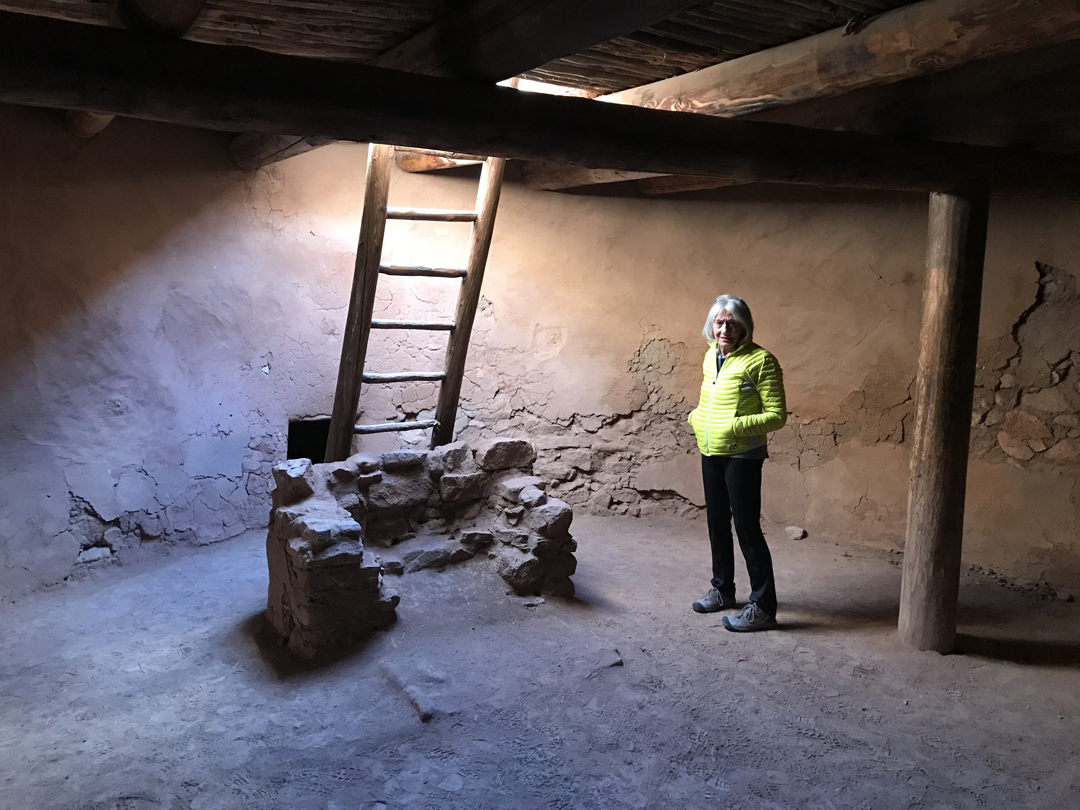
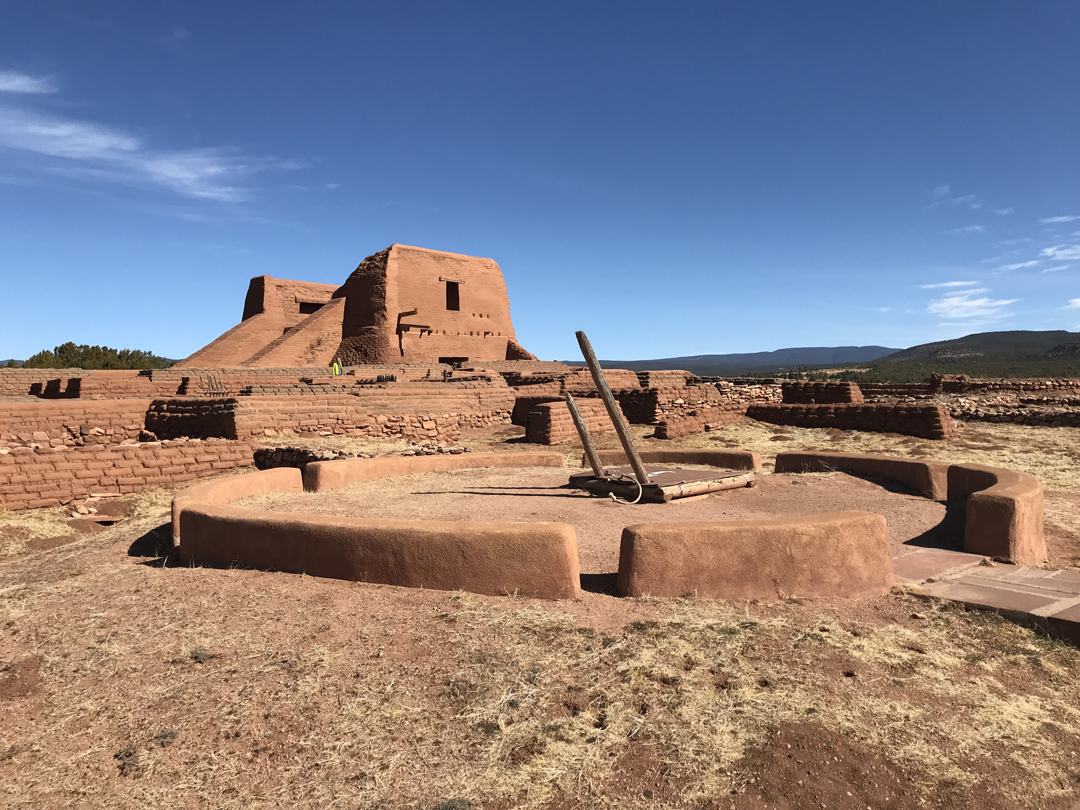
Reconstructed Kiva

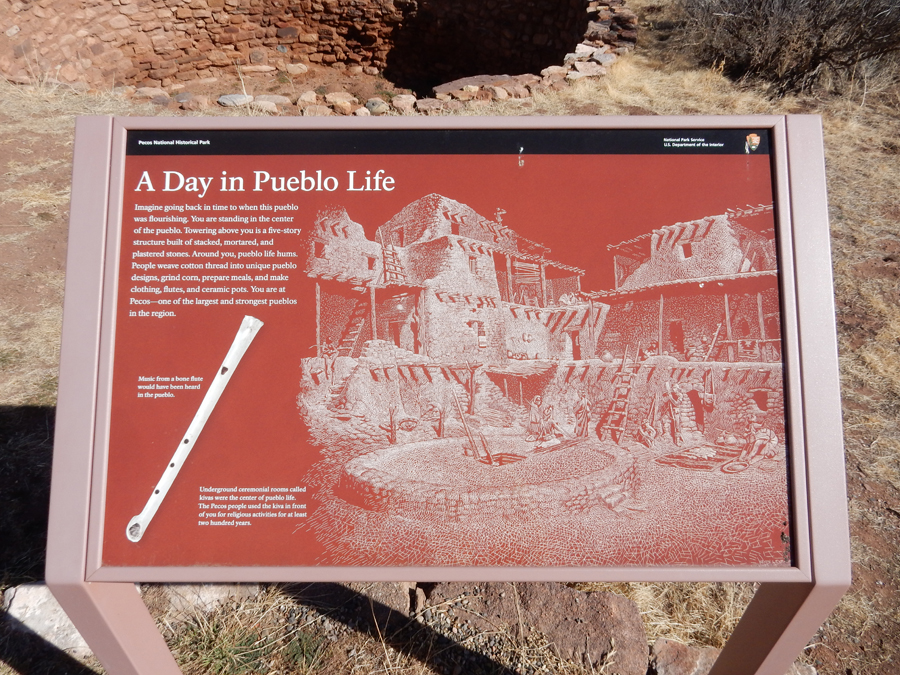
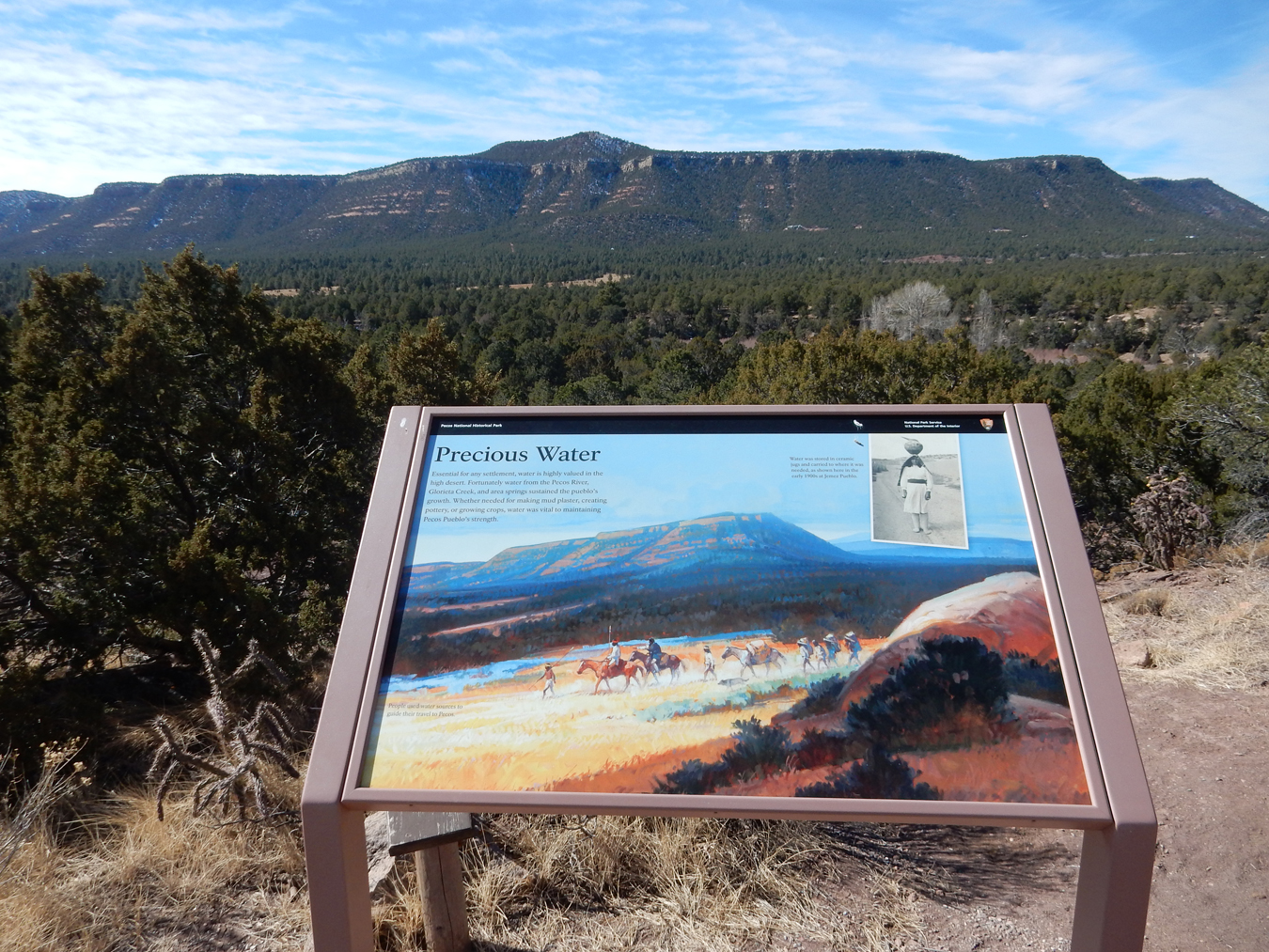
The Pecos Pueblo was strategically located for trade and access to water

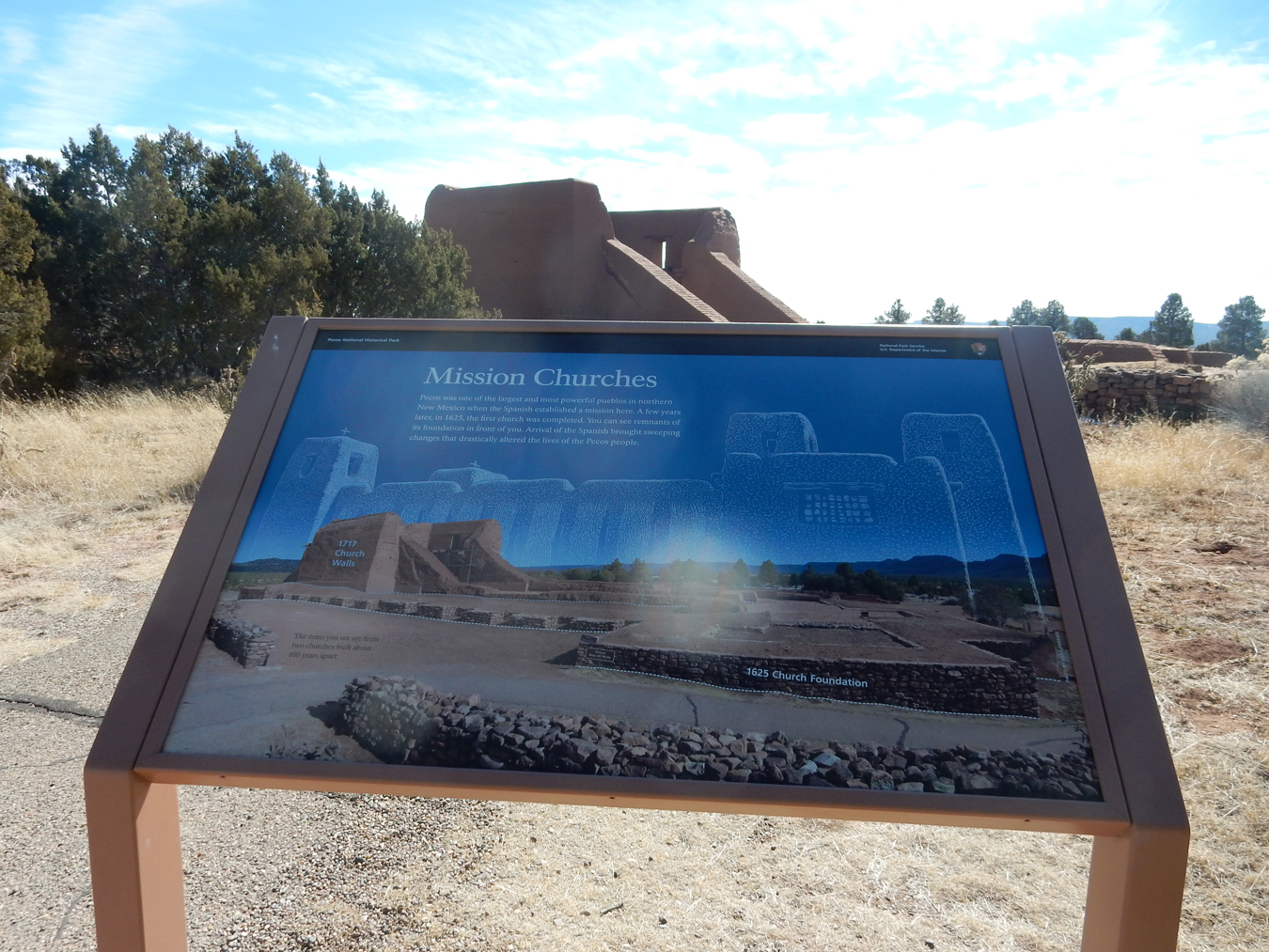
In the 1500s, Pecos Pueblo was the richest and most powerful in what is now New Mexico


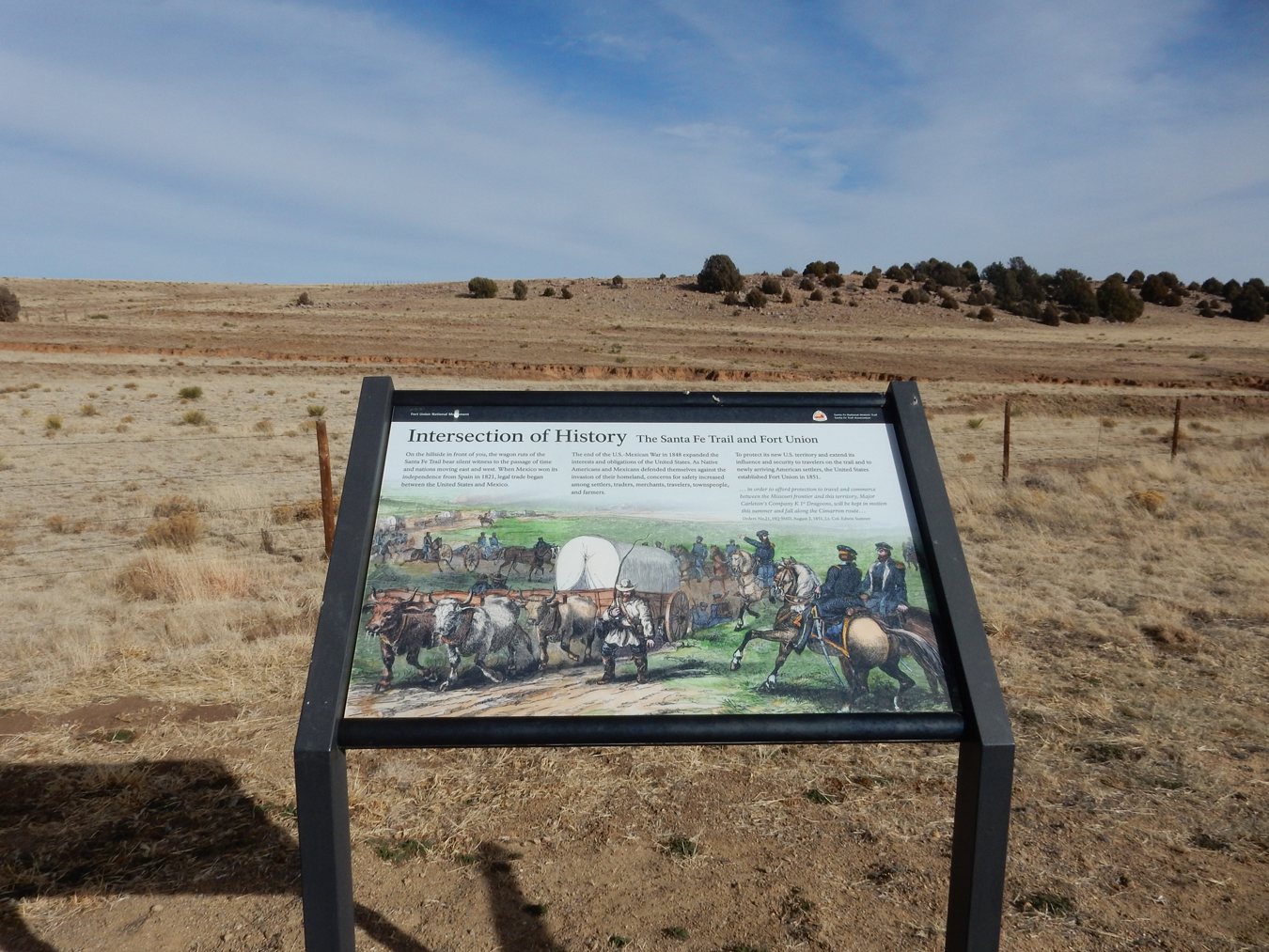
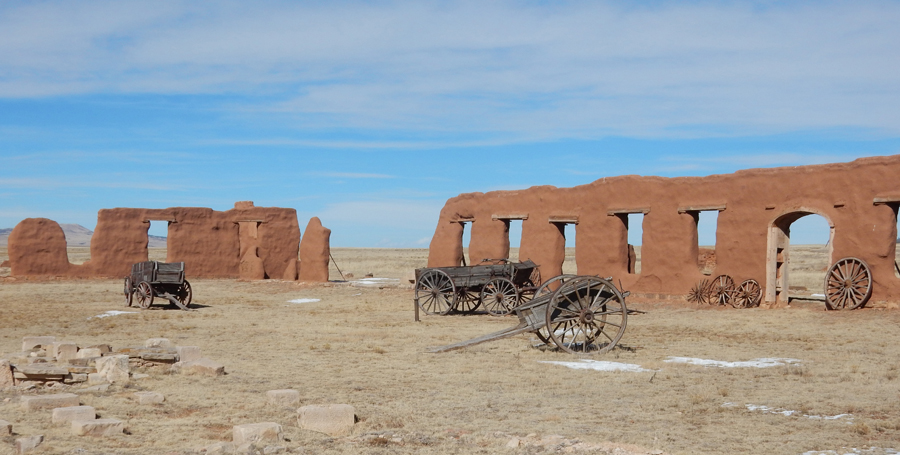
We stopped at Kozlowski’s/Forked Lightning Ranch and Stage Station and then proceeded to Fort Union National Monument. Can you see Fort Union in the distance? Blow-up Pic

Entrance

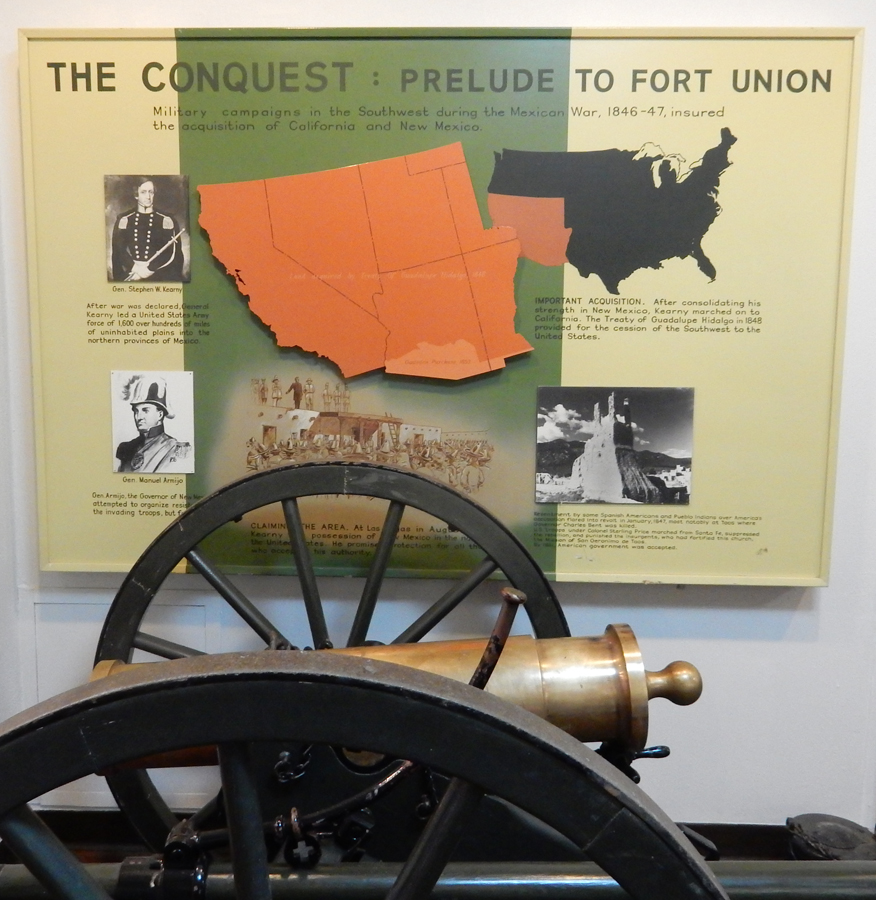
Visitor Center – history leading up to the first Fort Union in 1851

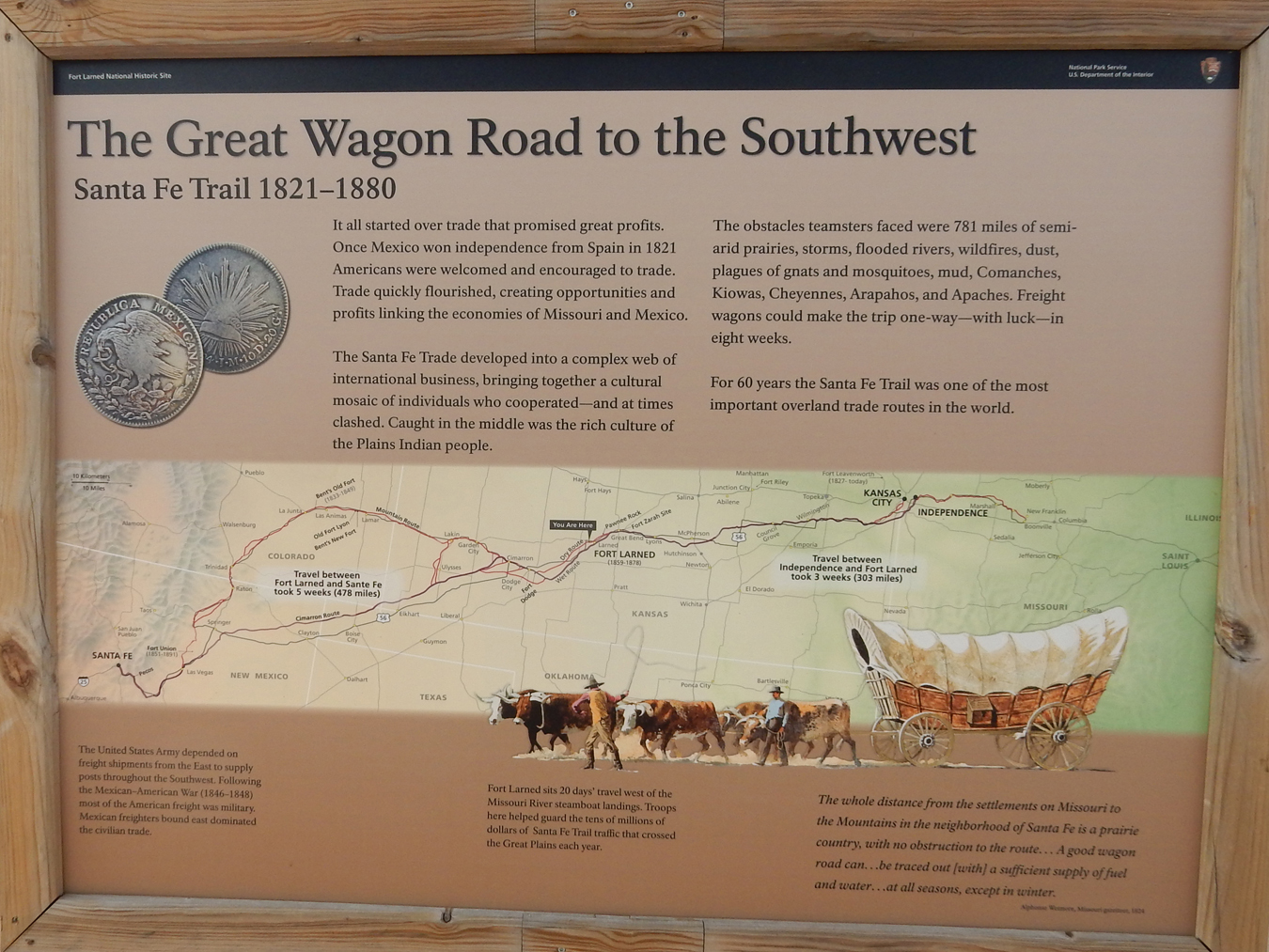
The fort was established to protect the Santa Fe Trail (SFT)

It was located on the Mountain Branch and just off the Cimarron Branch of the SFT

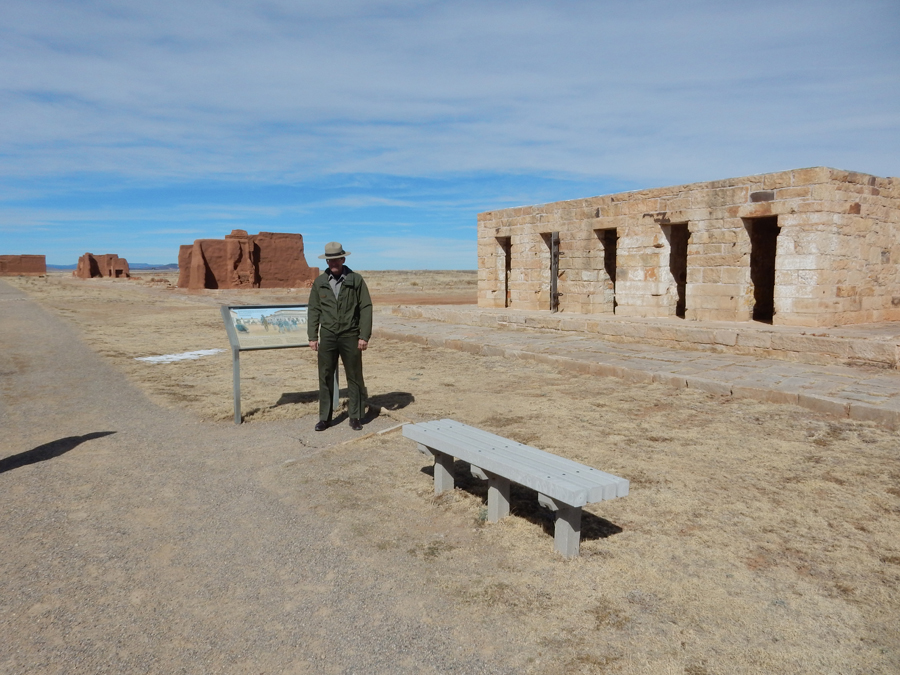
We were given a personal ranger tour of the grounds

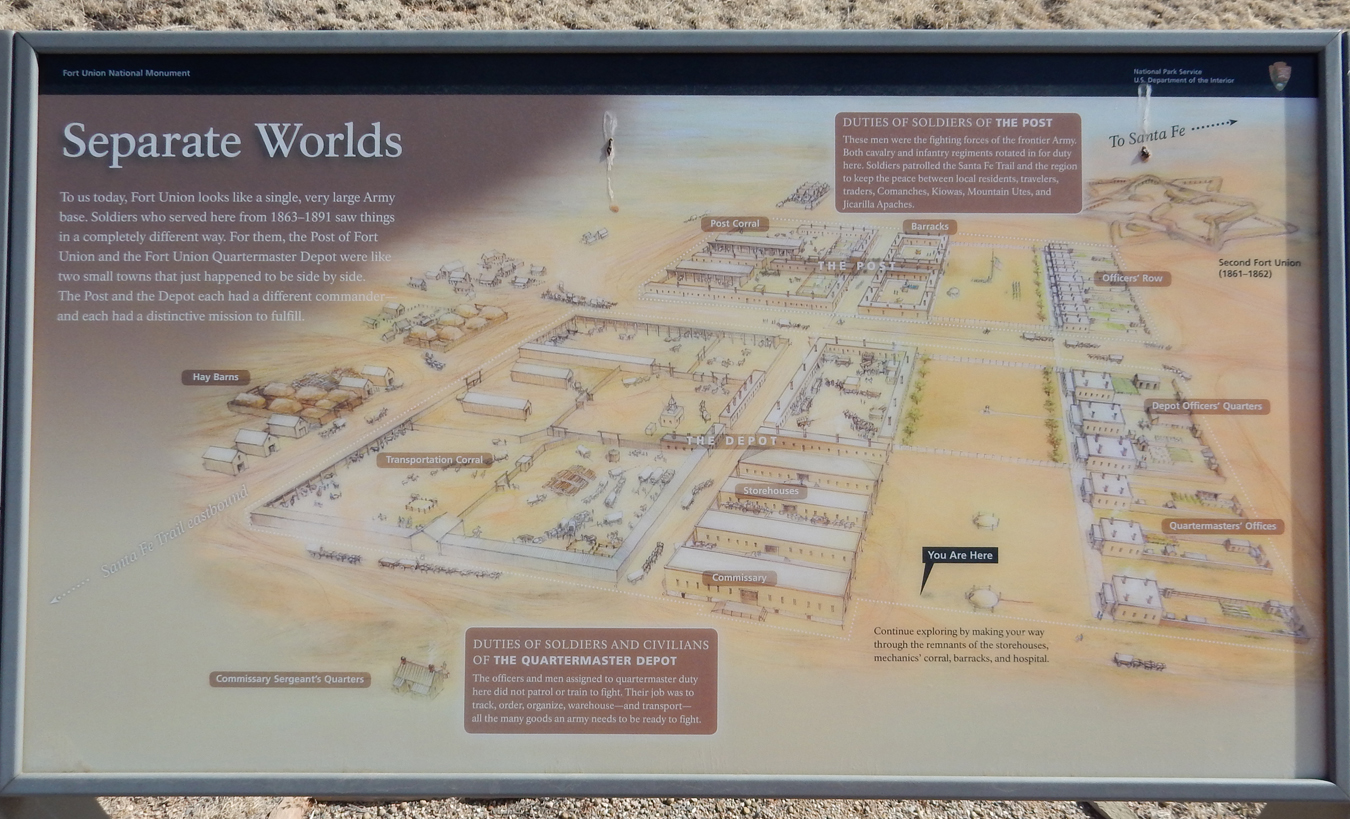
Fort Union was a supply depot for forts in the New Mexico Territory and in its heyday was the largest military base in 500 miles. This is the view from the north – blow it up to see more detail

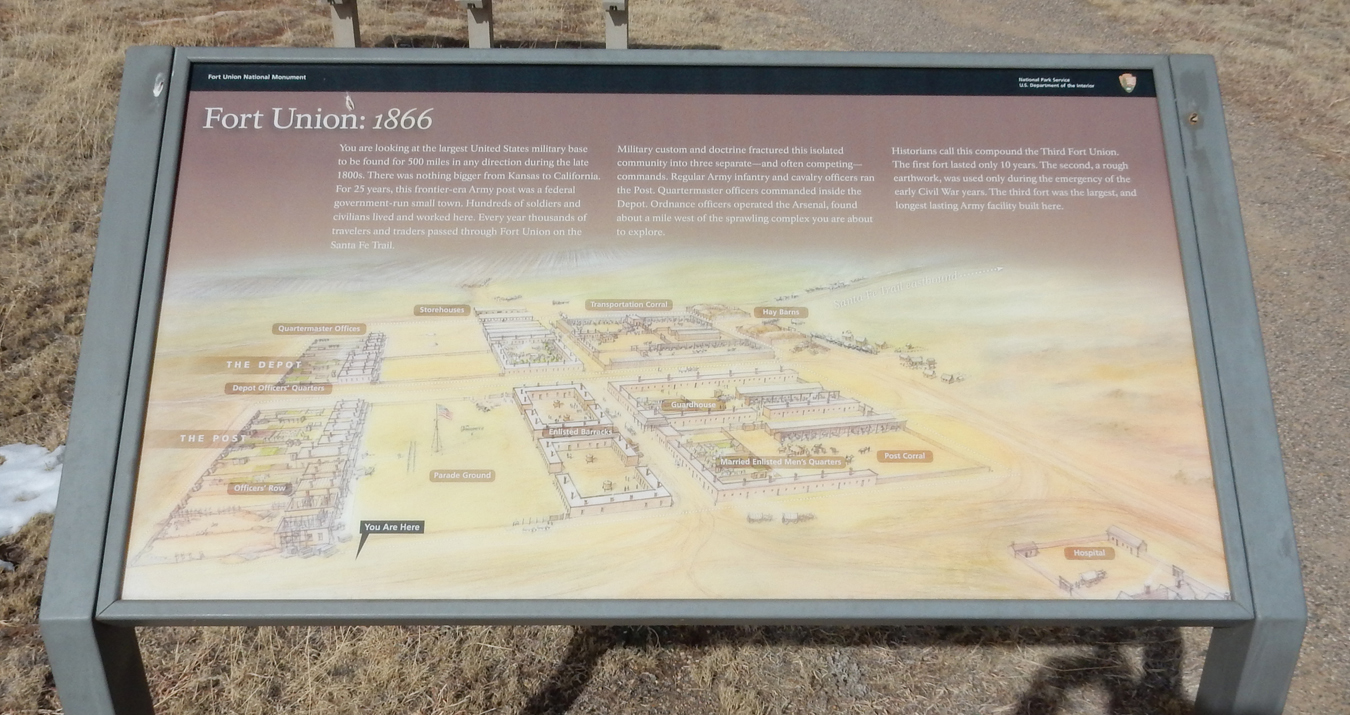
View from the south, represents fort in 1866 immediately following the Civil War

One corner of the reconstructed walls

Elevation marker 1867

War Department Marker 1871

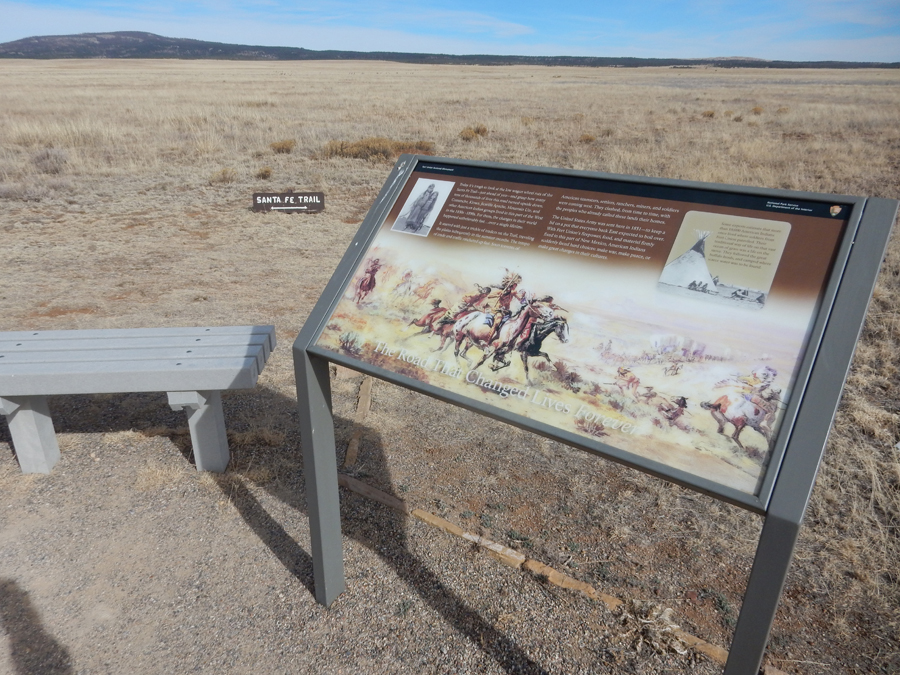
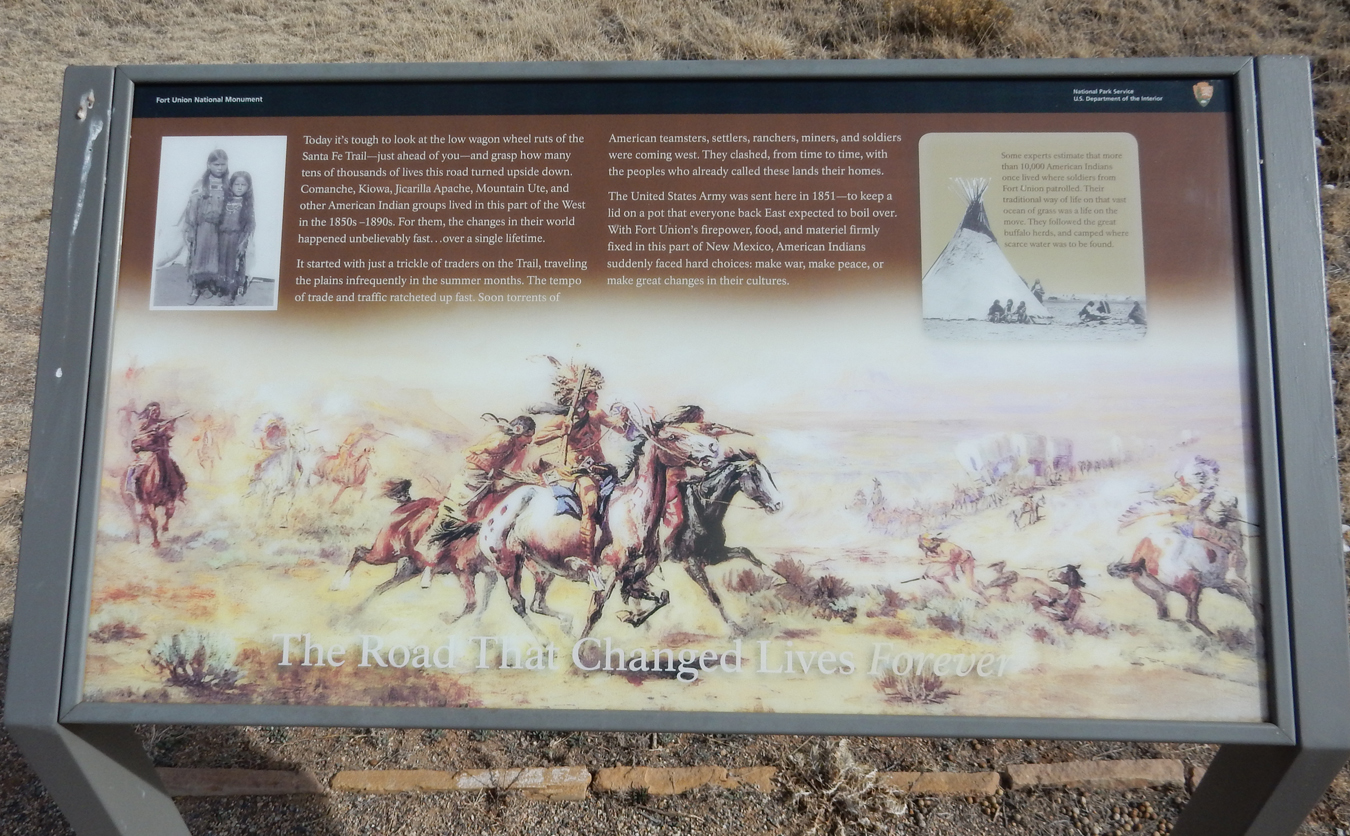
Santa Fe Trail at Fort Union

Trade Site to the North and East of Fort Union – Blow-up for more detail

Trade Sites to the West

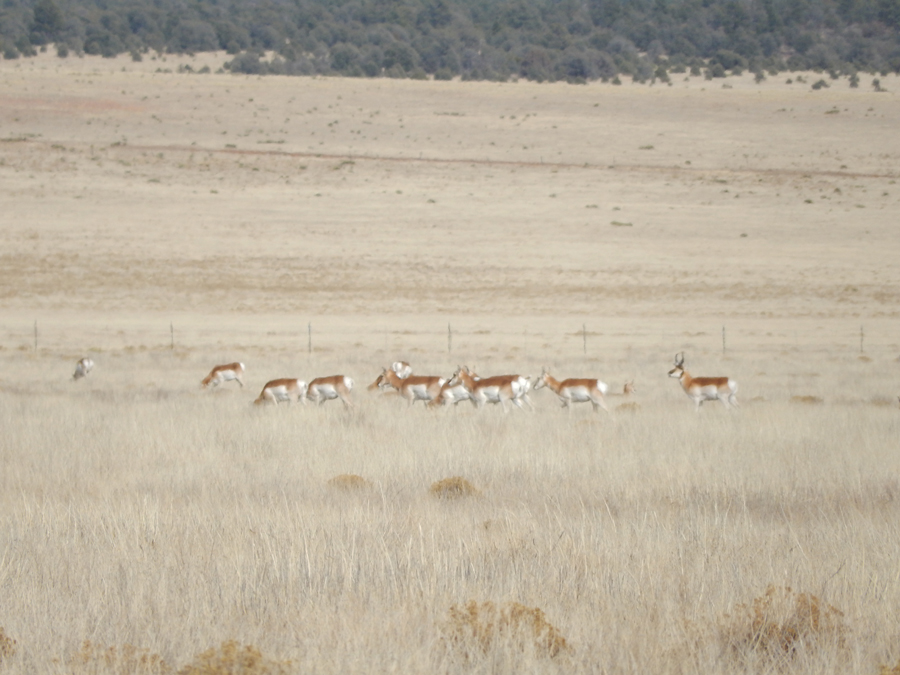
Pronghorn Antelope


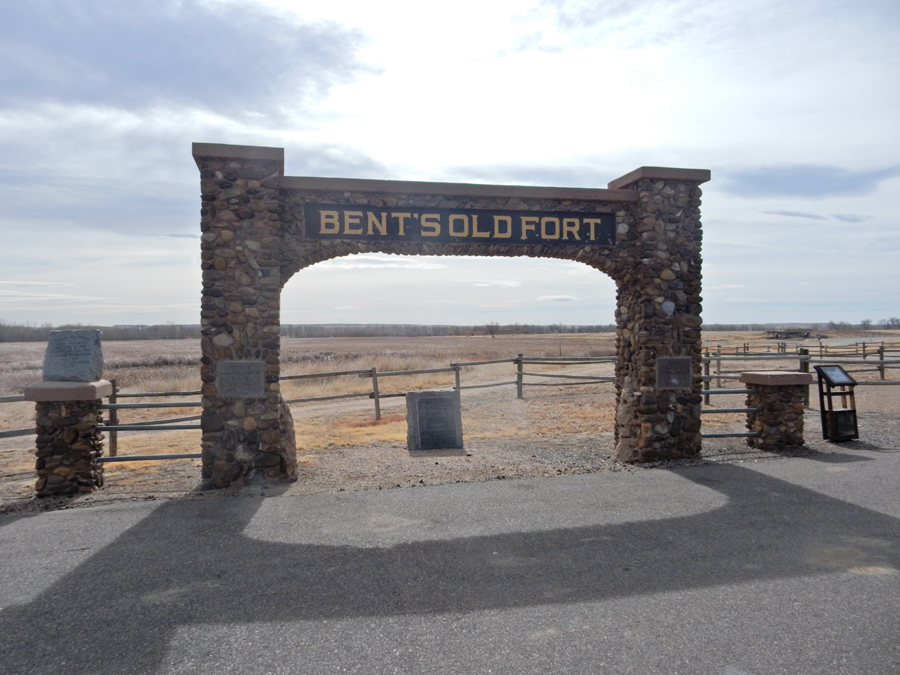
2/14 W – Ash Wednesday, received our ashes at Our Lady of Guadalupe and St Patrick’s Church (what a combination!), breakfast downtown, and then drove 20min to Bent’s Old Fort National Historic Site

Short hike to fort, it was 8am, and it was not open

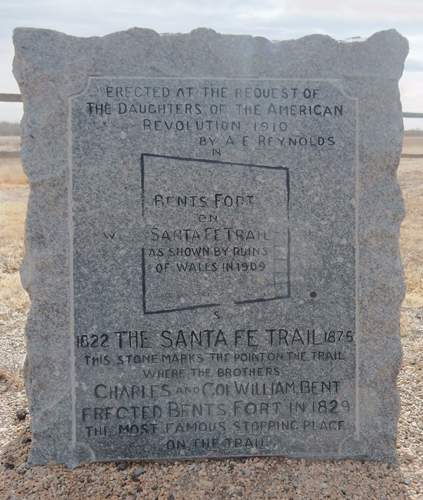
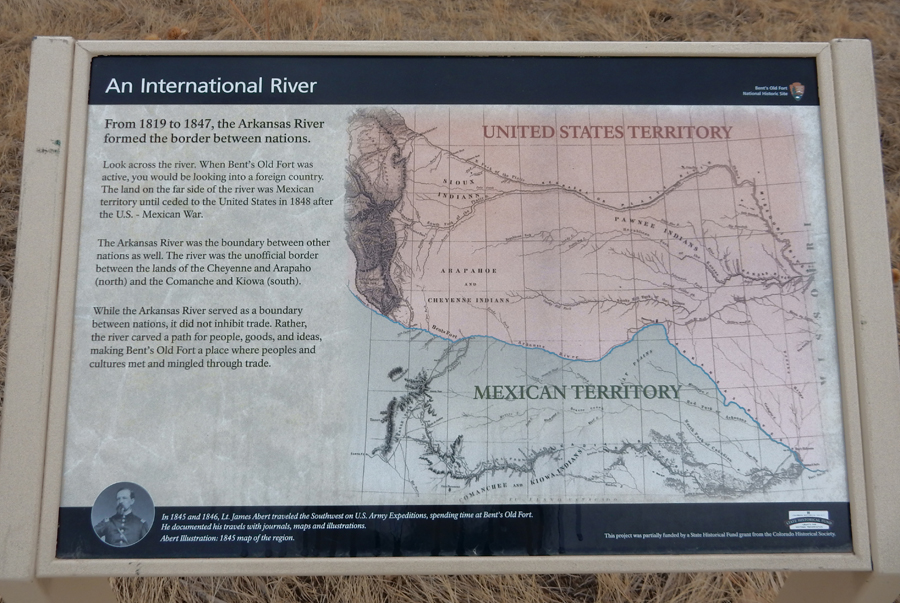
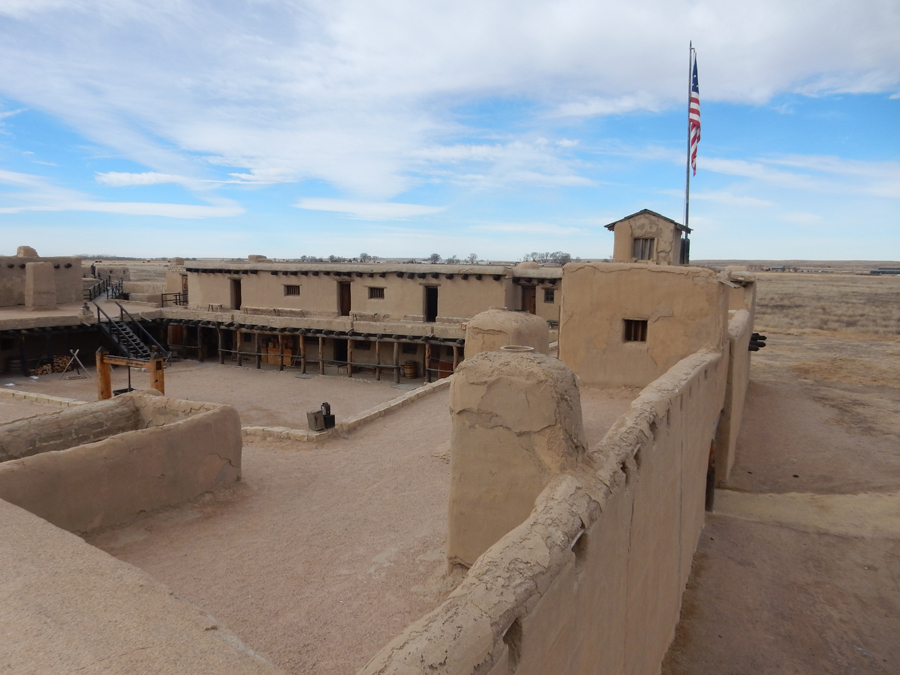
Charles and William Bent, along with Ceran St. Vrain, established their “fort,” first called Fort William, on the north side of the Arkansas River in 1833. Mexico was then on the south side of the river!  Open for better view –

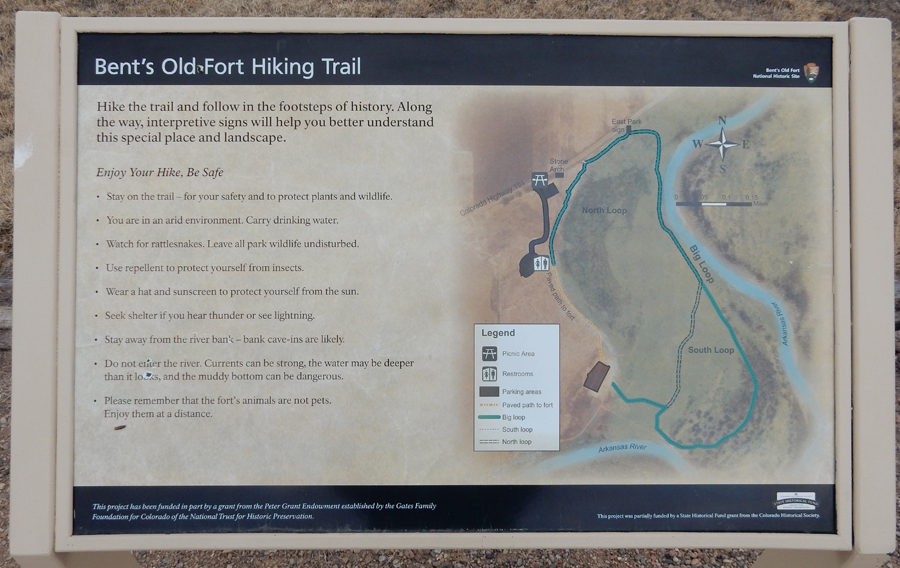
Some of the trail was flooded, so we were only able to hike about a mile loop

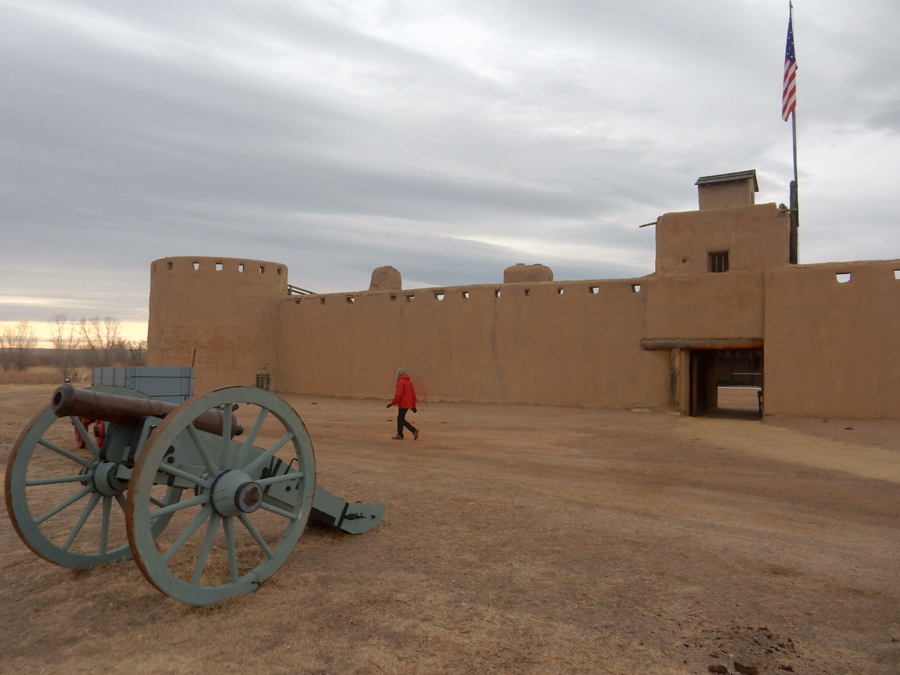
When we returned to the fort, it was open

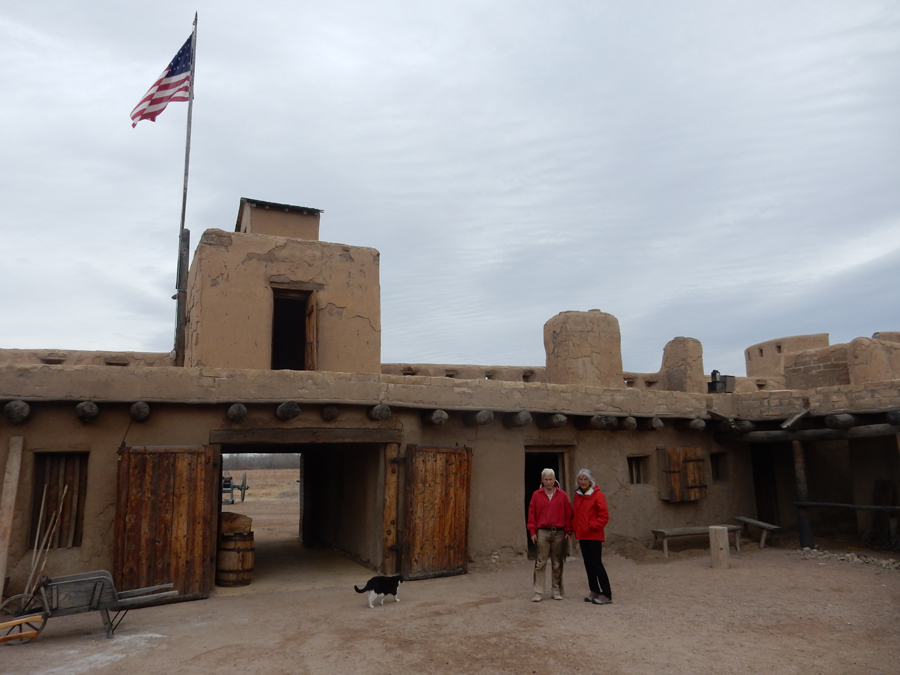
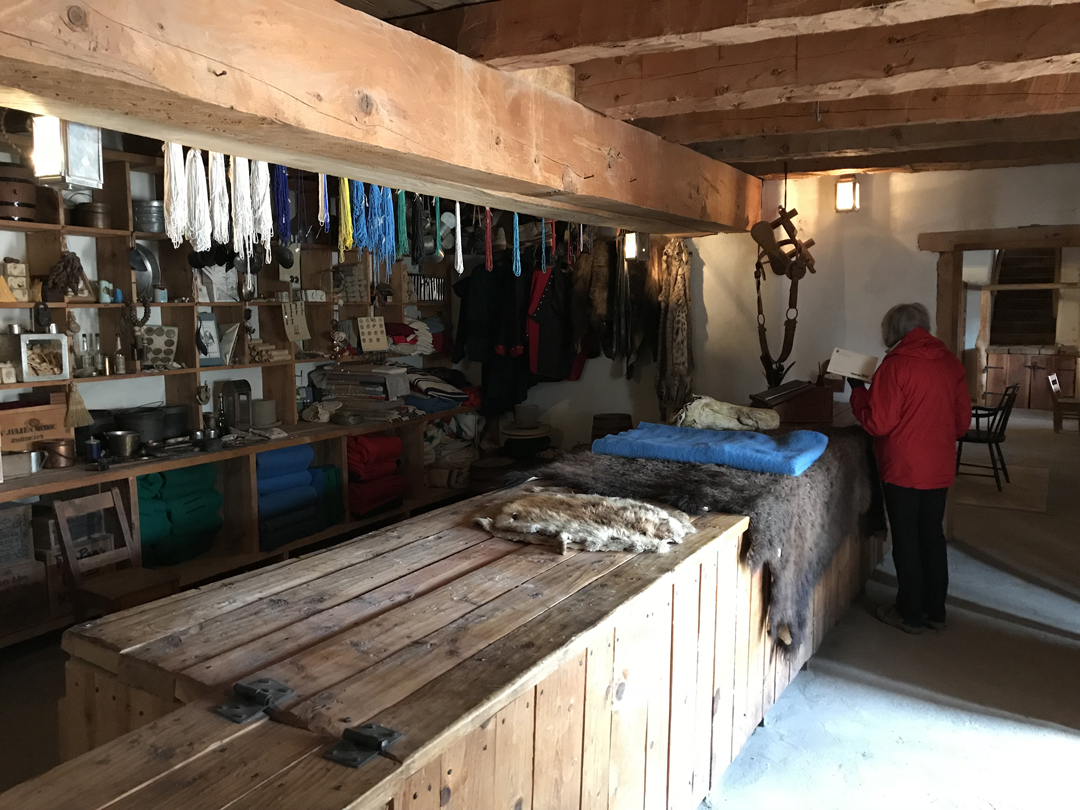
They have done an excellent reproduction of the fort, these were the trade rooms

Kitchen

This was a guest room that is now called the Susan Magoffin’s Quarters. She was the wife of a prosperous trader and one of only a few white women who visited the fort. She suffered a miscarriage and stayed 12 days.

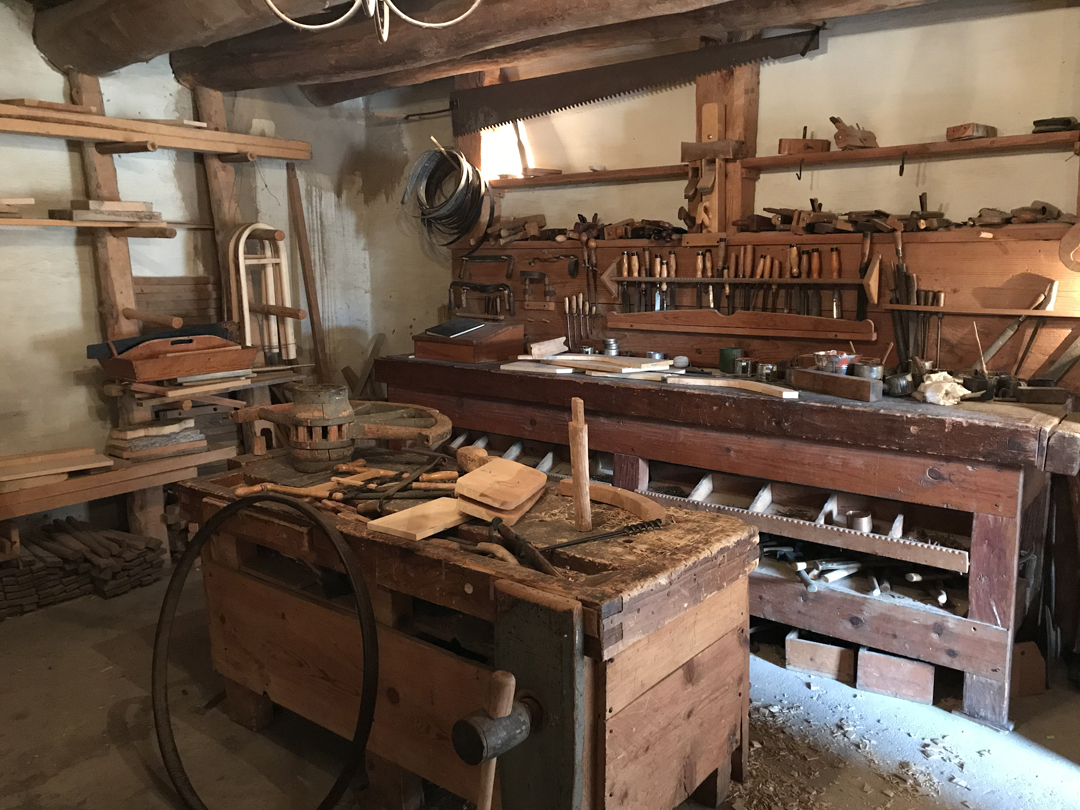
The blacksmith and carpenter shops are still used to create wagons and objects for the fort

The fort was on the Mountain Branch of the Santa Fe Trail (SFT) and was a cultural crossroads for trappers, hunters, traders, Indians, and Mexicans. The SFT connected with the El Camino Real de Tierra Adentro Trail (Royal Road) at Santa Fe, which extended trade deep into Mexico.

Second level of Bent’s Old Fort, one of the corner gun posts

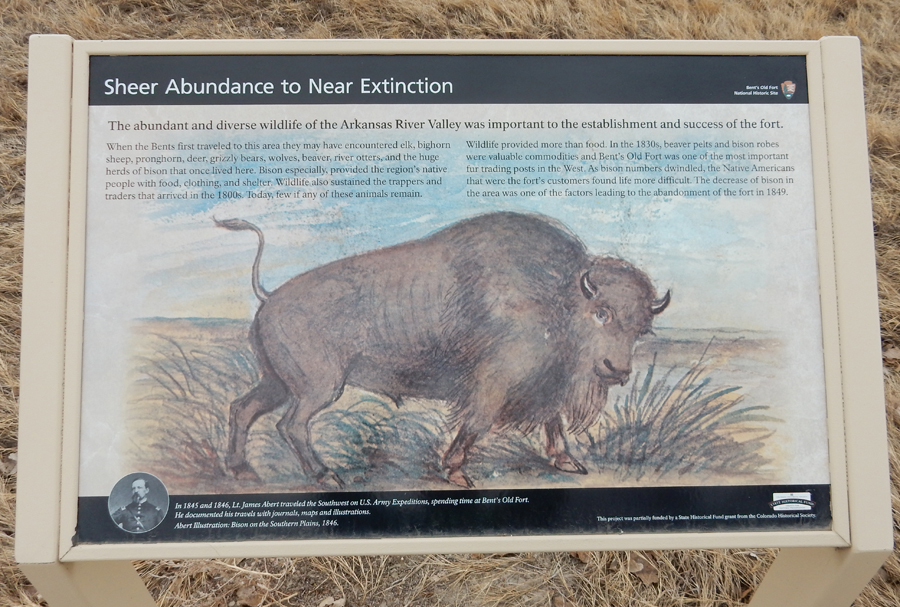
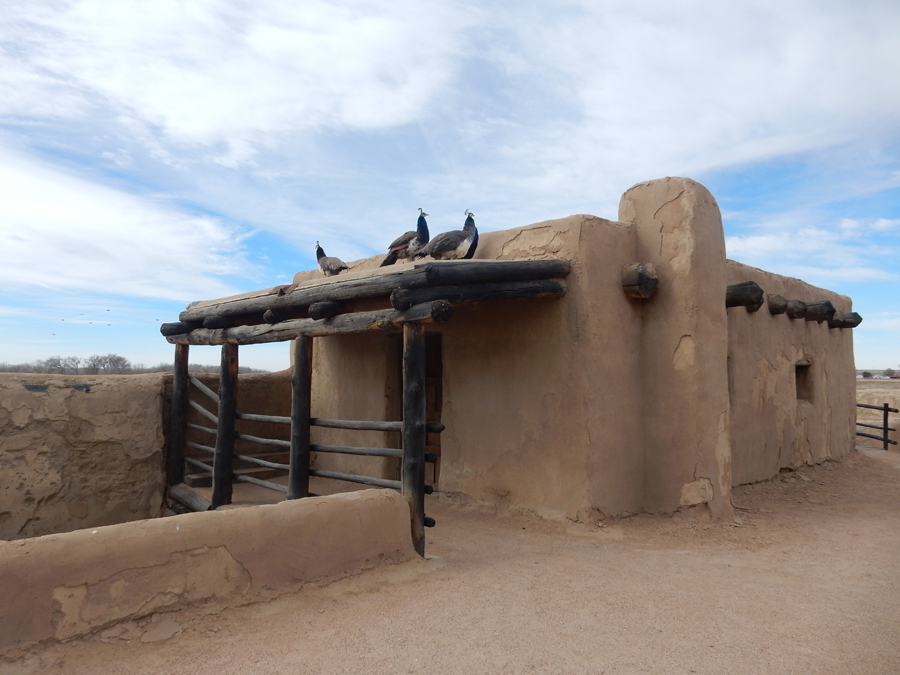
The trading post relied heavily on oxen, mules and horses for transporting furs and trade goods down the 600-mile trail to and from Missouri. Journals mention goats, chickens, pigs, buffalo calves, milk cows, peacocks and sheep. Oxen, Spanish horses and a mule graze in and outside the fort. Peacocks and chickens roam the rear corral, much like in the 1840s.

Charles Bent moved to Taos, married into a prominent family, and directed the SFT trade from there. He was named Provisional Governor of New Mexico in 1846. He was killed in 1847 during a revolt of the Hispanics and Pueblo Indians against the U.S. William Bent married Owl Woman, daughter of Cheyenne Chief White Thunder and sometimes lived in her village. They had four children. Bent also took Owl Woman’s sisters, Yellow Woman and Island, as secondary wives. He had his fifth child with Yellow Woman. After Owl Woman died in 1847, Island cared for her children. Each of the sisters left Bent and, in 1869, he married the young Adaline Harvey, the educated mixed-race daughter of Alexander Harvey, a friend who was a prominent American fur trader. Bent died shortly after their marriage, and Adaline bore their daughter, his sixth child, after his death. I mention the genealogy here because his male children would play a significant role during and after the 1864 Sand Creek Indian Massacre.


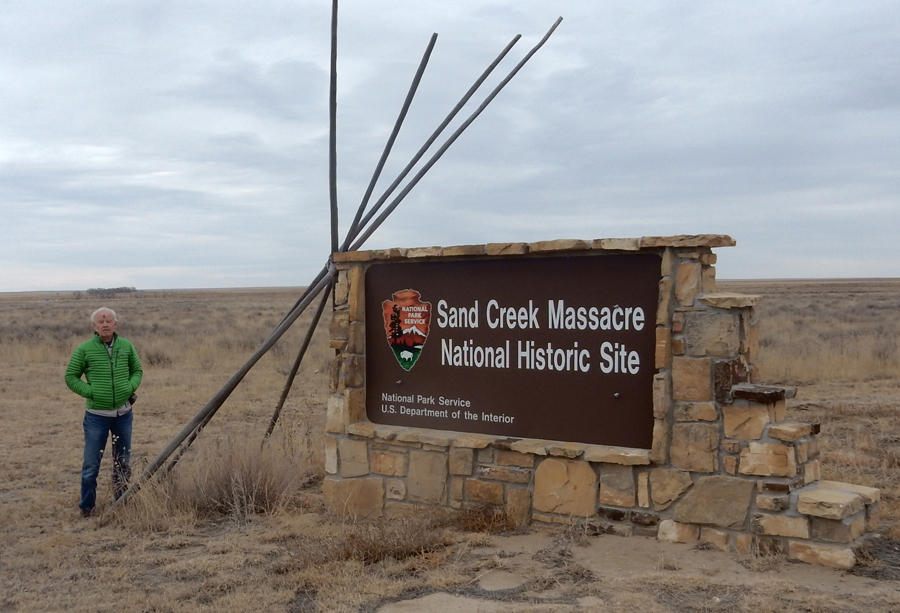
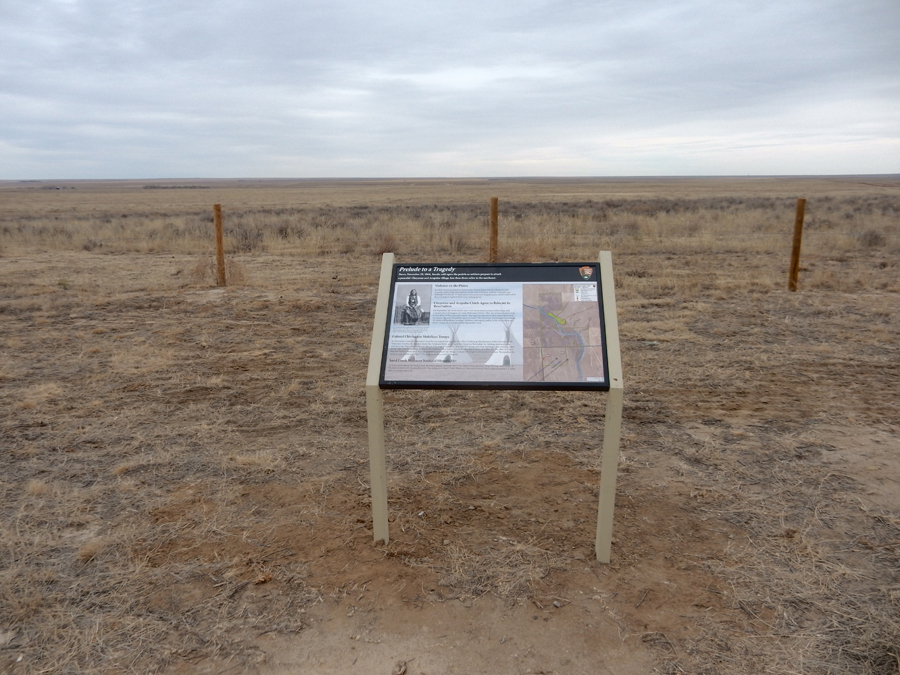
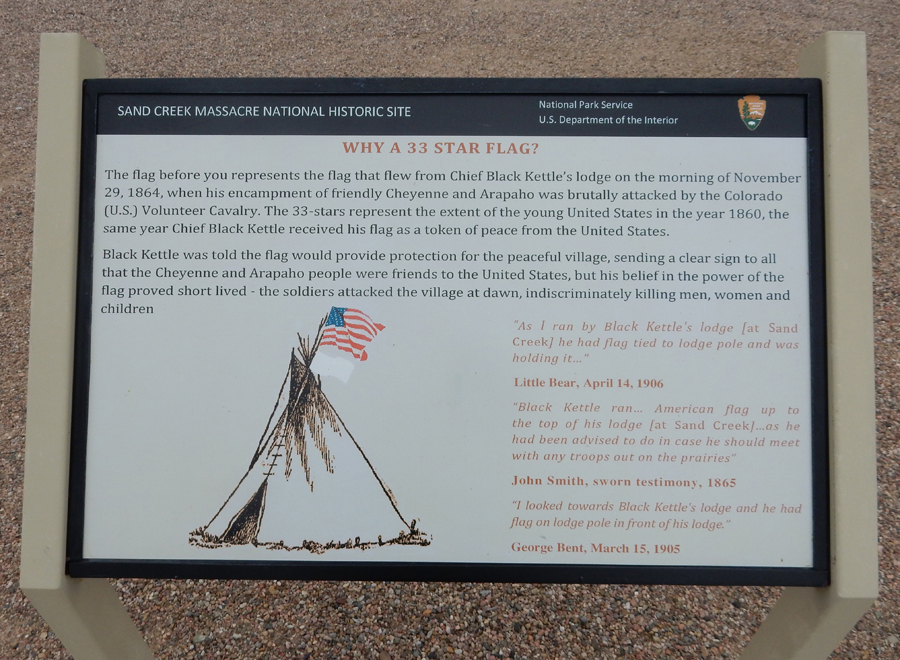
2hrs to Sand Creek Massacre National Historic Site, the last 8 miles were on a dirt road

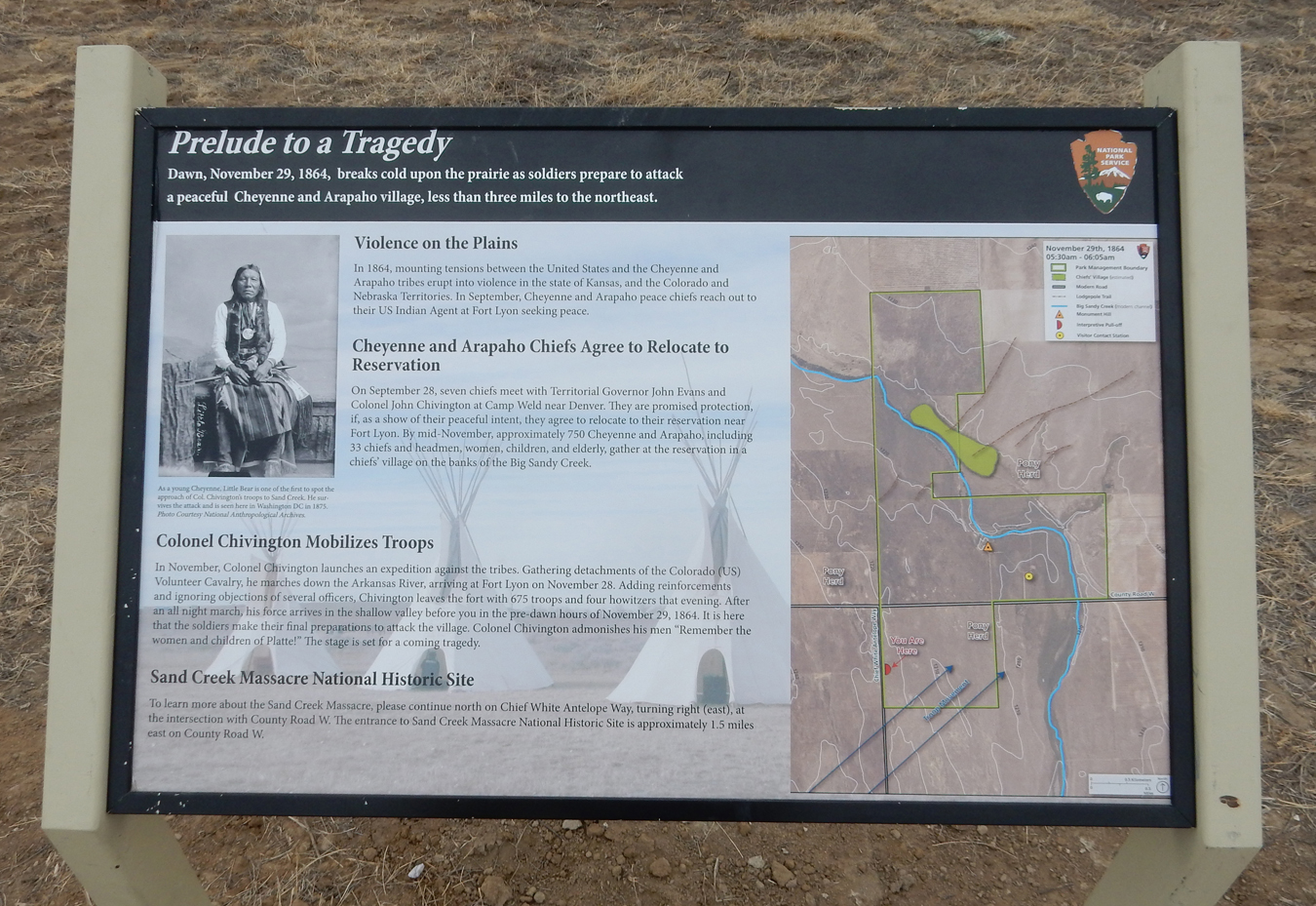
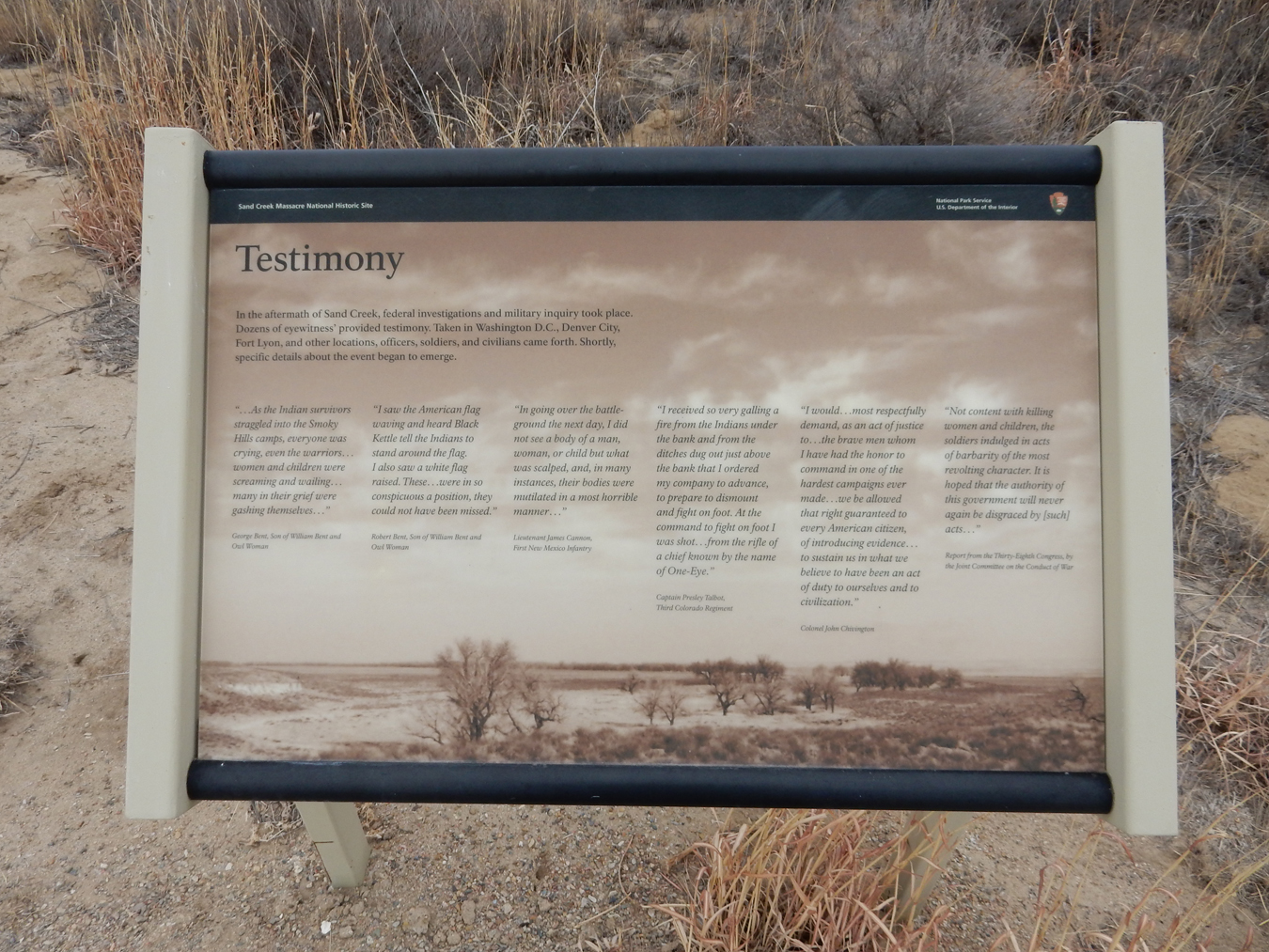
Read the signs to learn the story of this tragedy

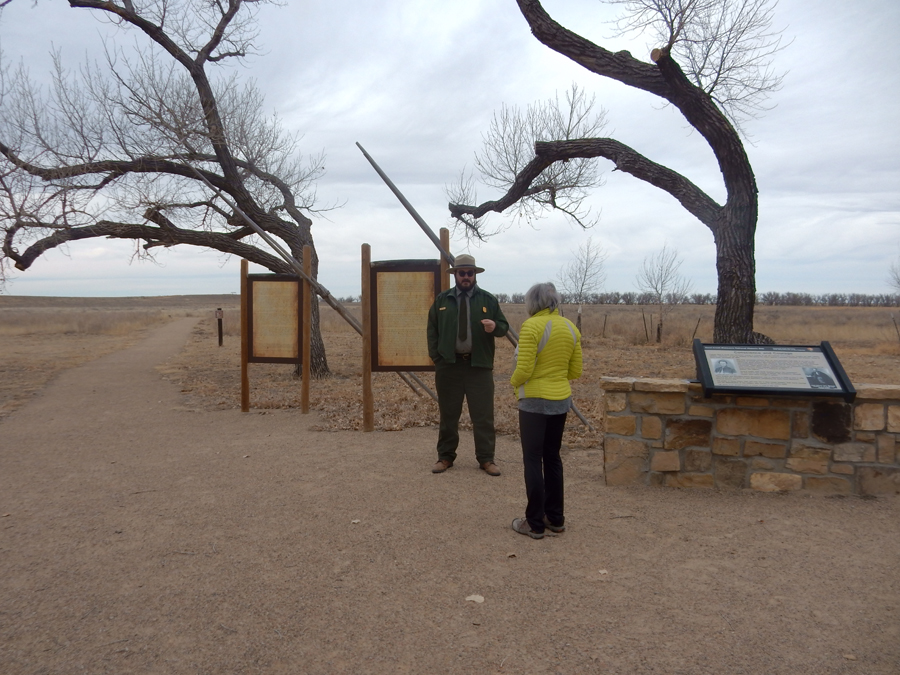
Again, a personal ranger tour, I guess February is a good time to visit these sites – provided you check the weather and call ahead to confirm hours and availability of rangers.

Monument and Overlook

The Story – November 29, 1864

Chief Black Kettle and his wife escaped the massacre only to be killed by Gen George Custer’s troops at Washita Battlefield in OK on November 27, 1868 – see this blog for January 2018 for a description of our visit to that site.

George Bent, William Bent and Owl Woman’s son who was born at Bent’s Old Fort and educated in Kansas City and St Louis, as well as his brother Charles, were with Black Kettle at Sand Creek. Both were wounded but escaped. Afterward, because of the Sand Creek Massacre, they joined War Parties in attacks on towns, farms, and ranches.

Helen was so upset after the ranger’s description of the massacre that she did not want to leave the SUV. I did the 1.5 mile walk along the bluffs overlooking Sand Creek.

Visitors are requested not to descend to Sand Creek because it is considered Sacred Ground.

As I left the site, this peaceful scene was in stark contrast to the events that took place here on November 29, 1864

We spent the night at the Marriott Town Place Suites in Garden KS (Valentine’s Day!)


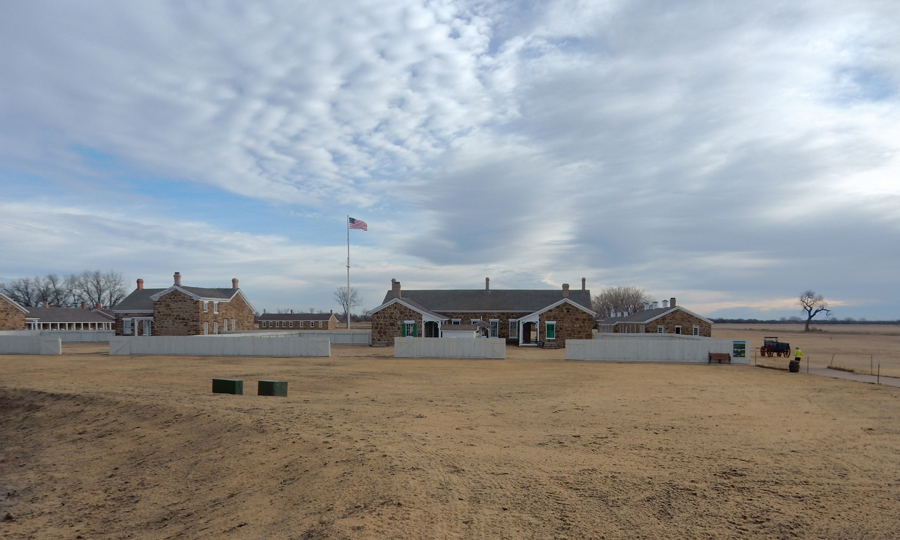
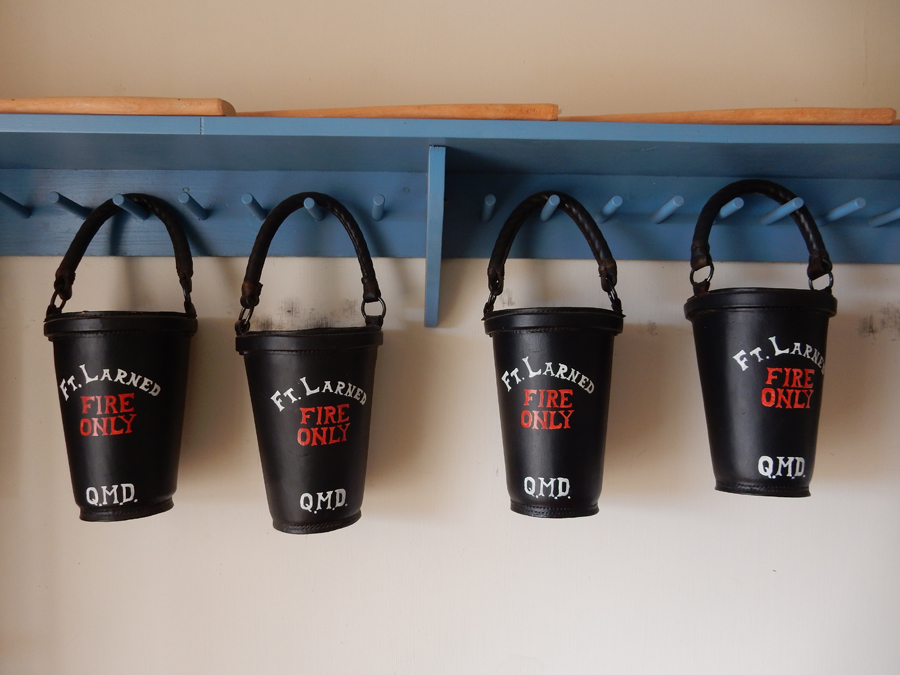
2/15 Th – it took 1.5hrs to get to Fort Larned National Historic Site KS, another fort on the Santa Fe Trail

Guardian of the Santa Fe Trail 1821 – 1880

The post was established in 1859 to escort mail coaches and military supply wagons on the trail. The broader mission was attempting to keep peace on the plains during the “Indian Wars.”

The sandstone buildings were constructed between 1865 and 1868

The sandstone makes for easy etching of names

Buffalo Soldiers display in the Visitor Center/Museum

Fort Larned Model

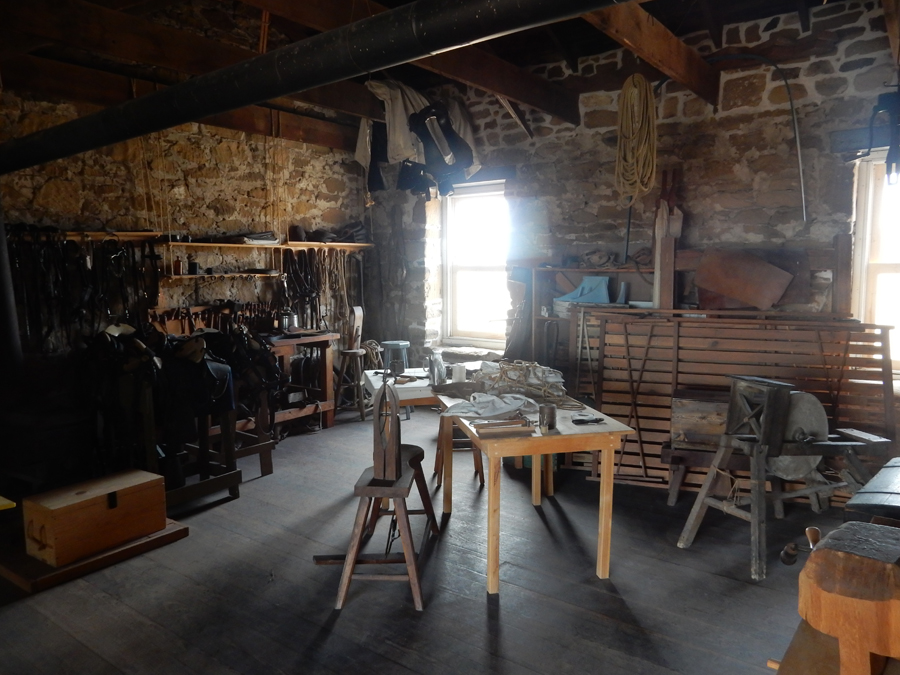
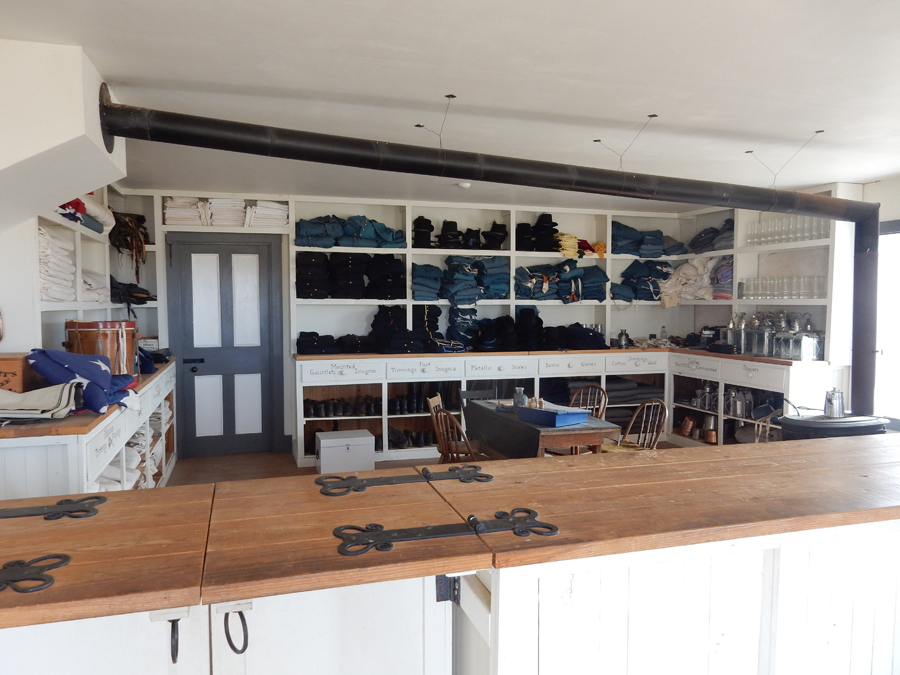
The fort buildings have been nicely restored/conserved to illustrate life here during the 1860s. Here are some rooms from the officer housing:

“Ghost” in the mirror

Soldier barracks

Tack Shop

Hospital

Commissary

Quartermaster storehouse

We walked the mile-long loop history and nature trail past the cemetery and around the oxbow

Flag on the parade ground was lowered to half staff during our stay as a result of a student using an AR-15 to kill 17 fellow students at Marjory Stoneman Douglas HS in Parkland FL

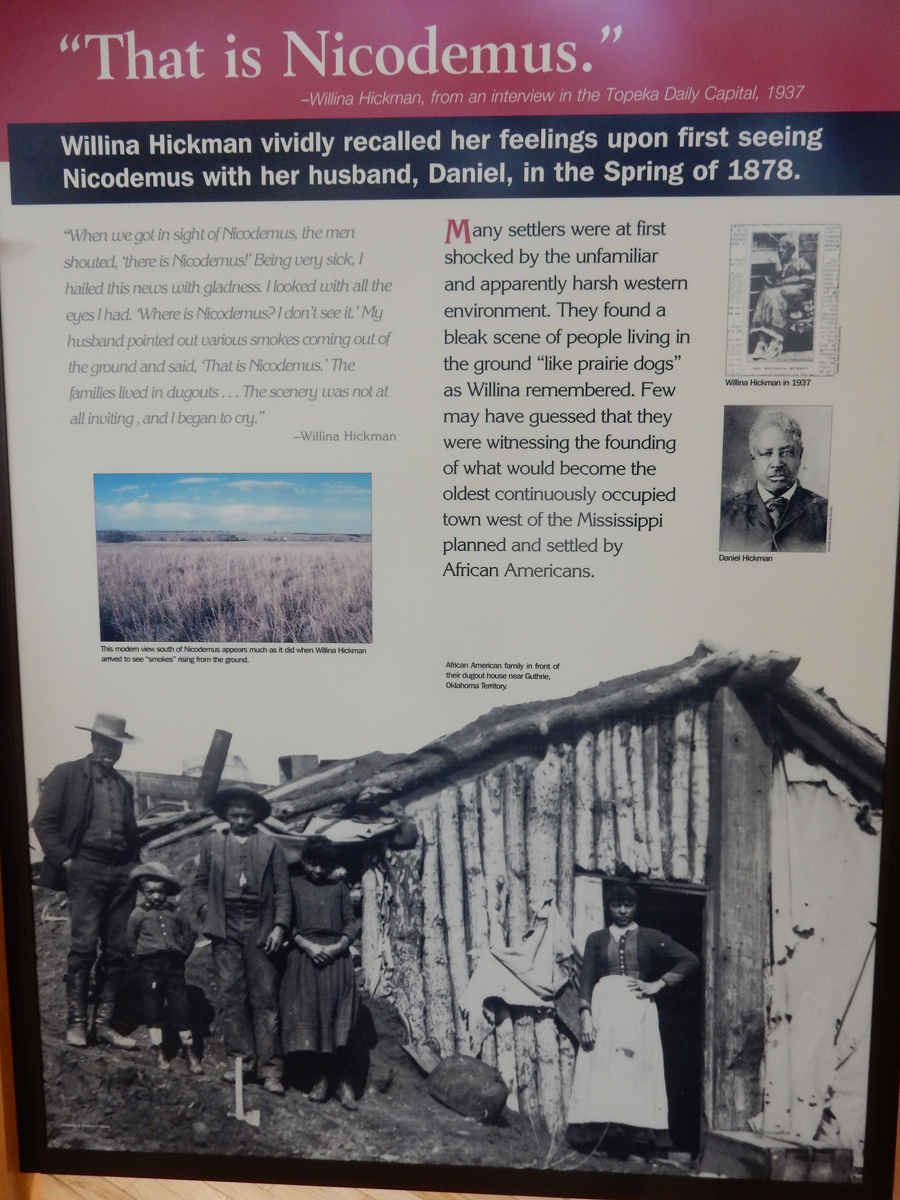
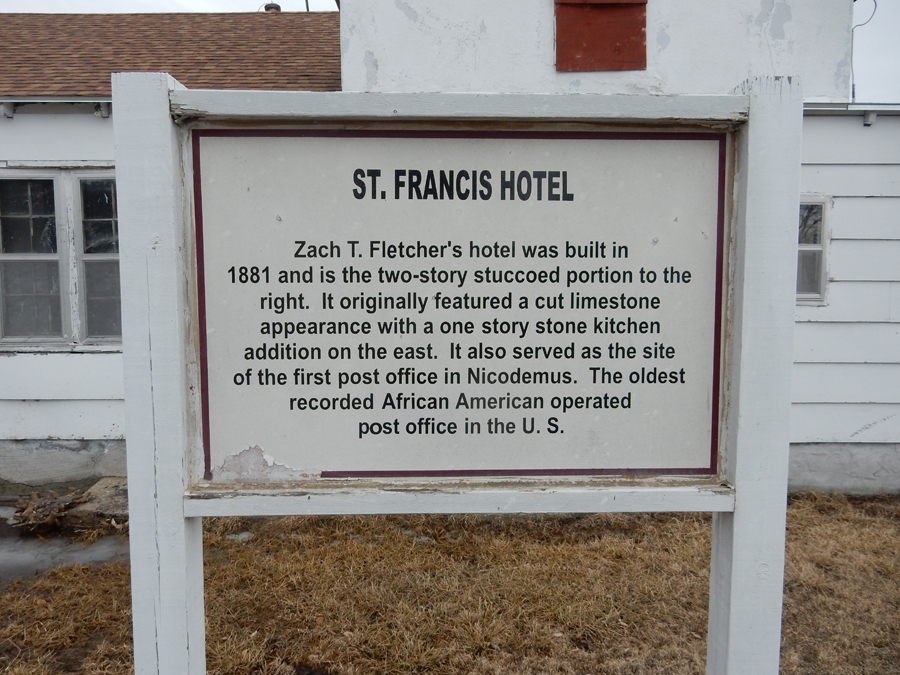
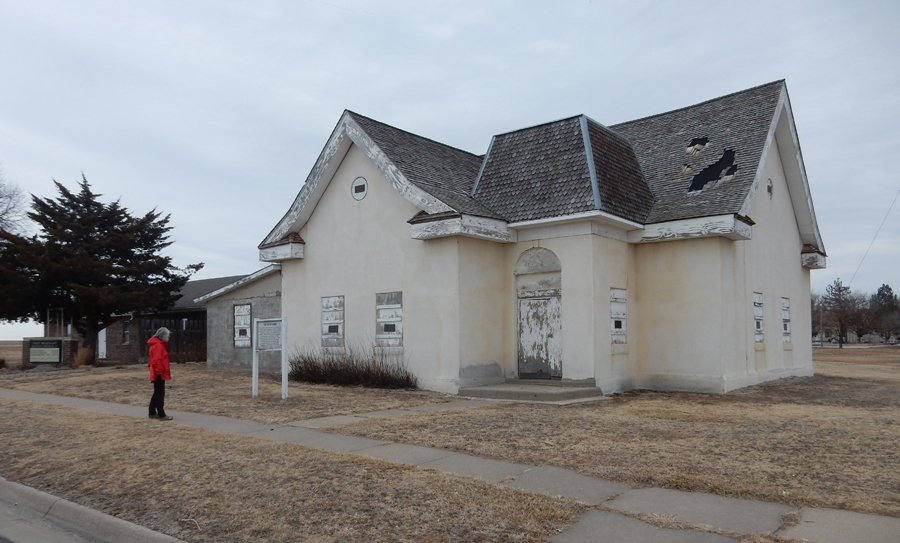
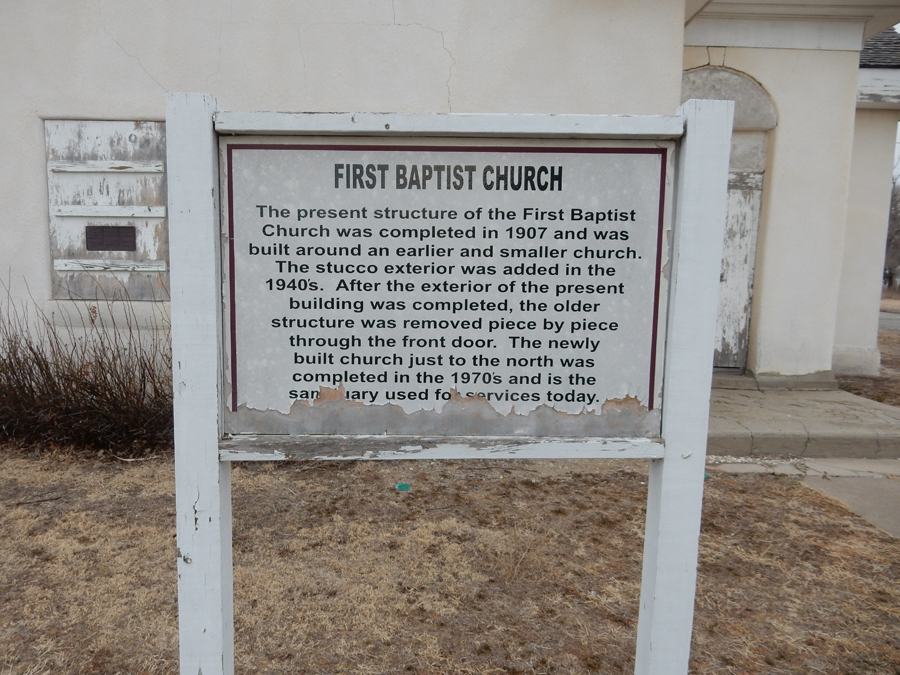
A 2hr drive took us to Nicodemus National Historic Site KS, the only remaining black settlement established after the Civil War

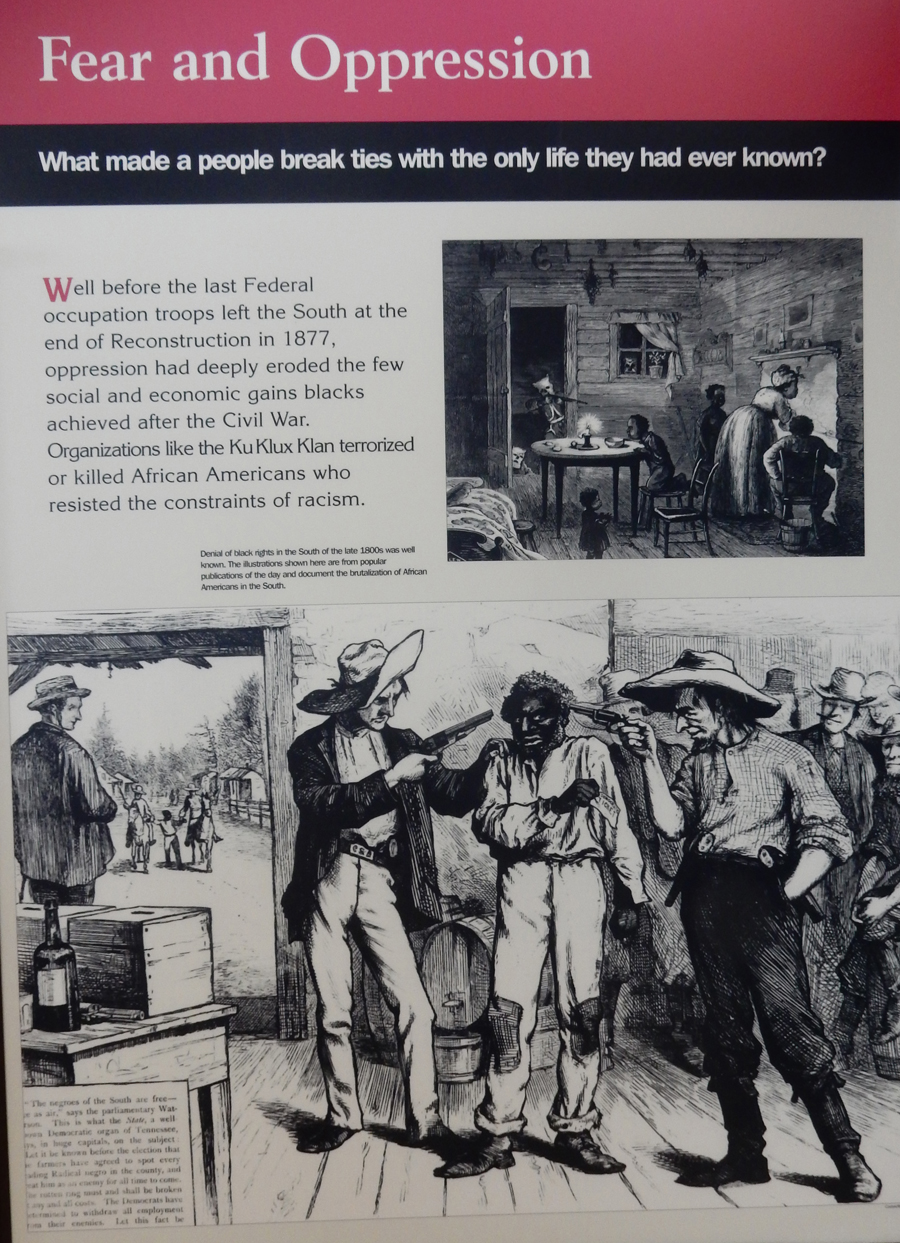
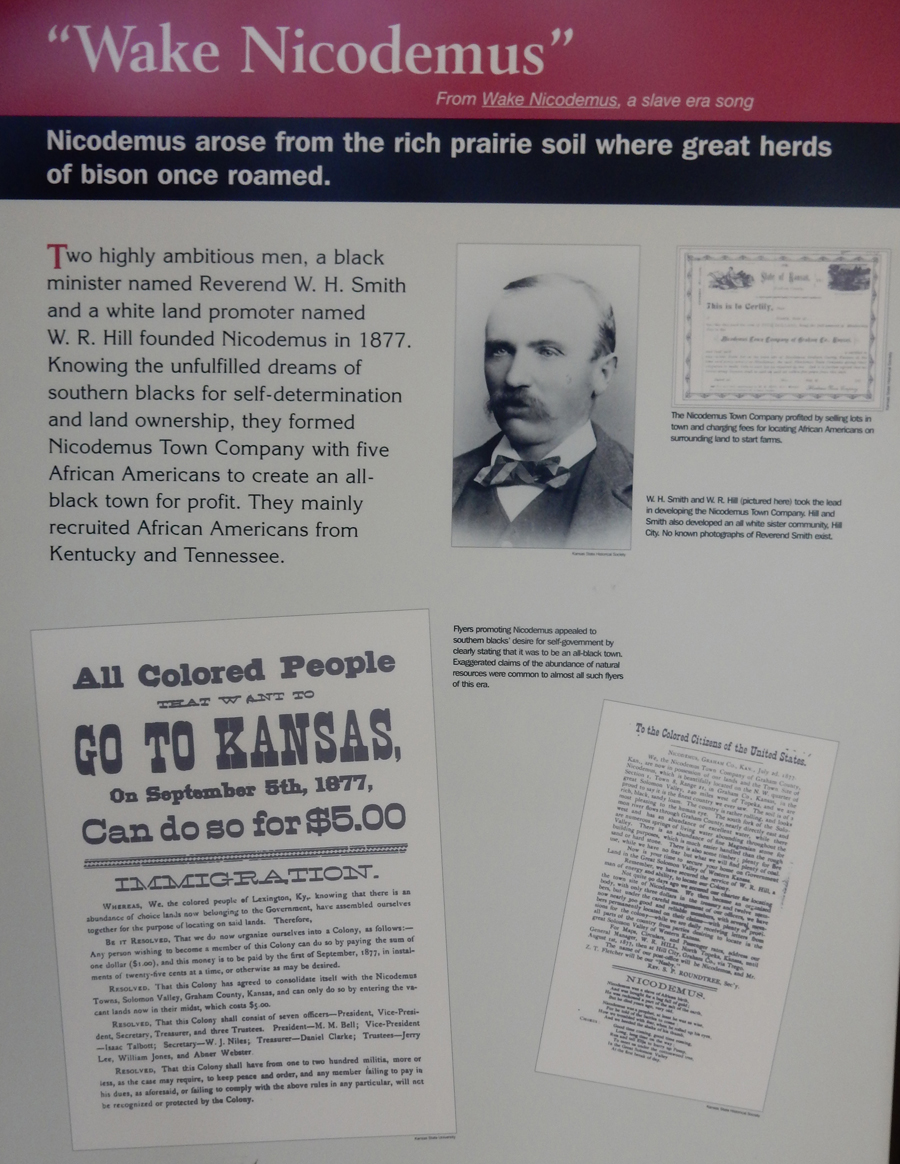
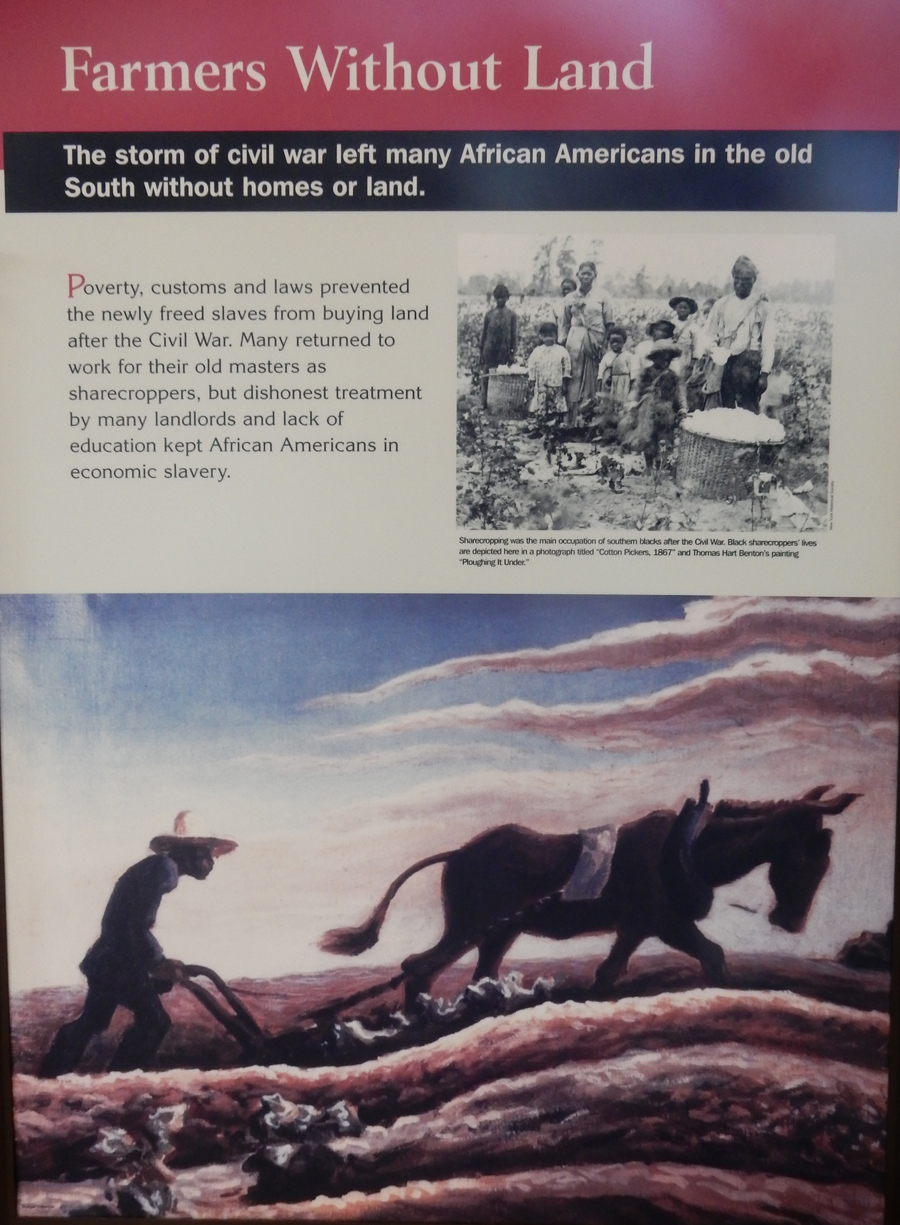
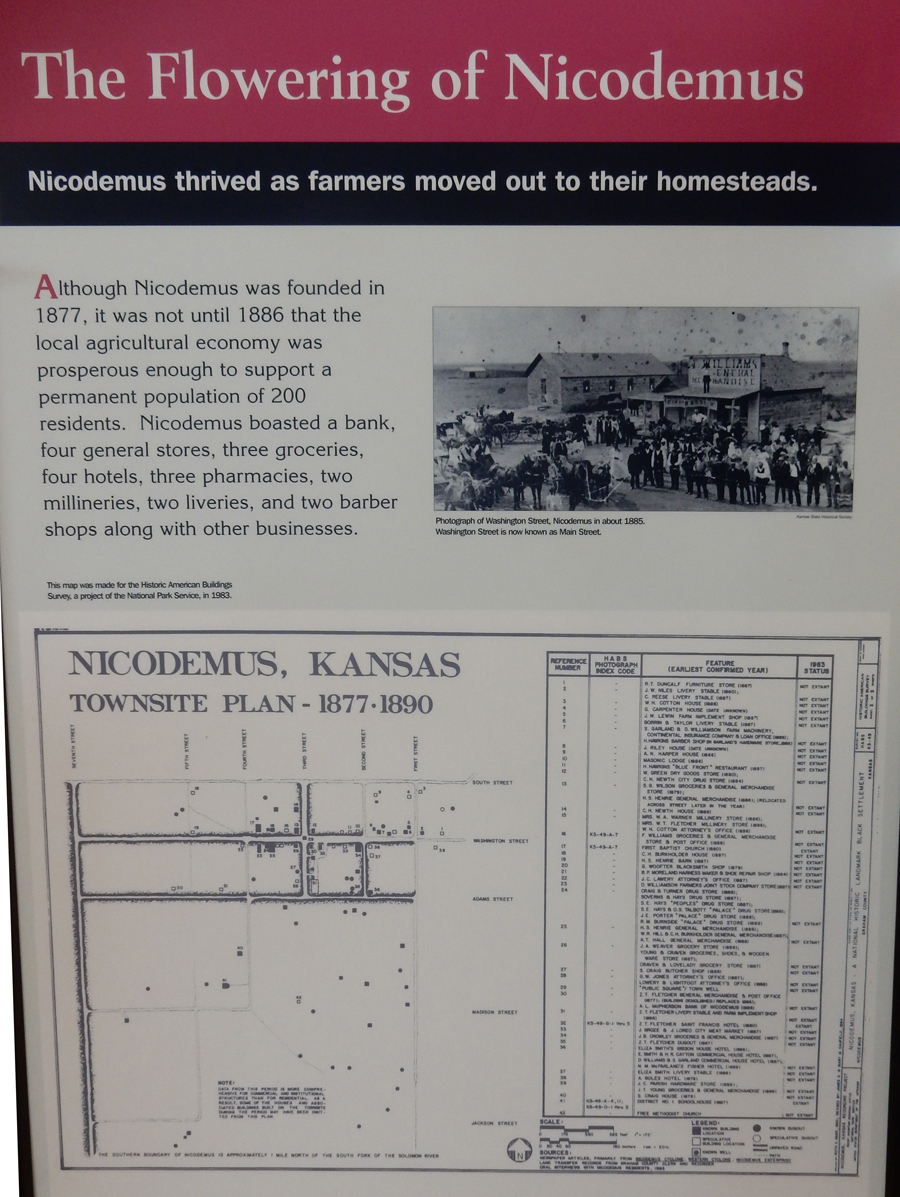
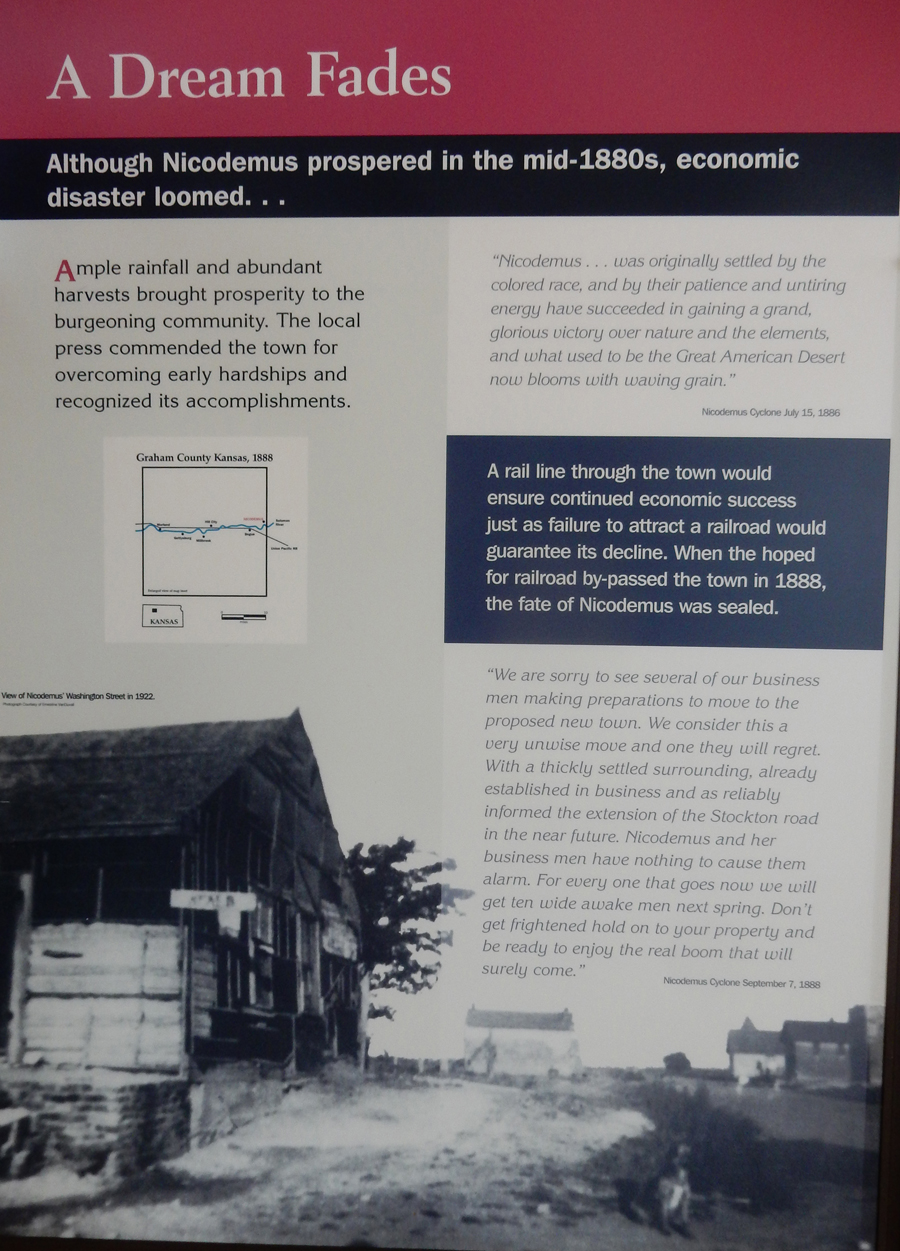
Descriptive posters in the Town Hall/Visitor Center do a nice job of describing the establishment and growth of the town as well as its trials, tribulations, and decline

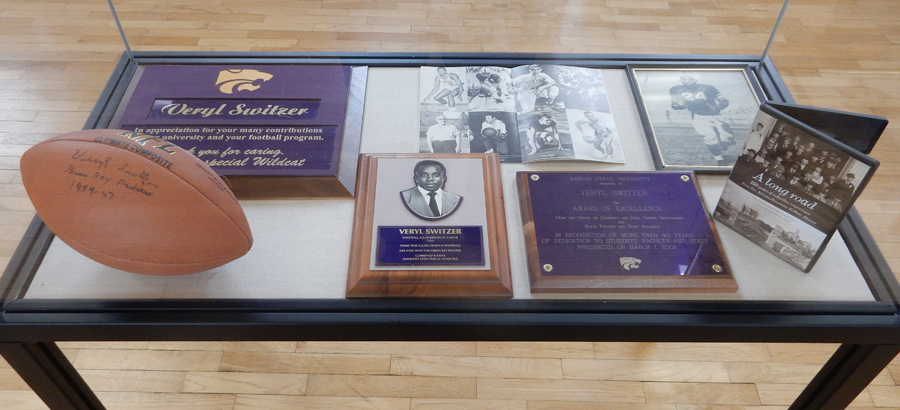
It also has prominent displays related to professional football players who have a direct family connection to the town – Veryl (Green Bay Packers) and Marvin (Buffalo Bills) Switzer

Gale (Chicago Bears) and Ron (San Diego Chargers) Sayers

Kevin (Green Bay Packers) and Gerald (Denver Broncos) Willhite

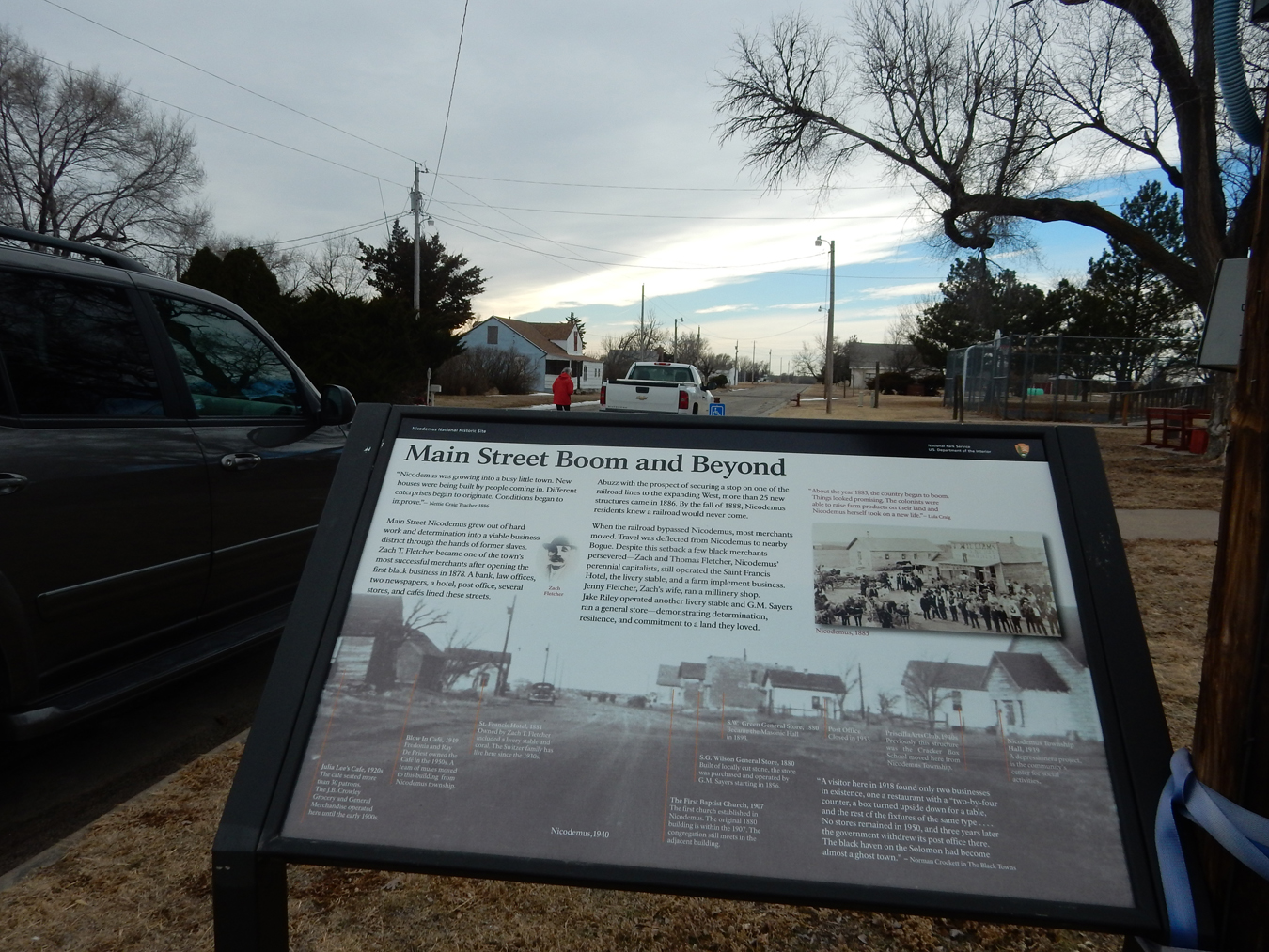
The buildings illustrated in this poster look pretty good, the current reality is much different

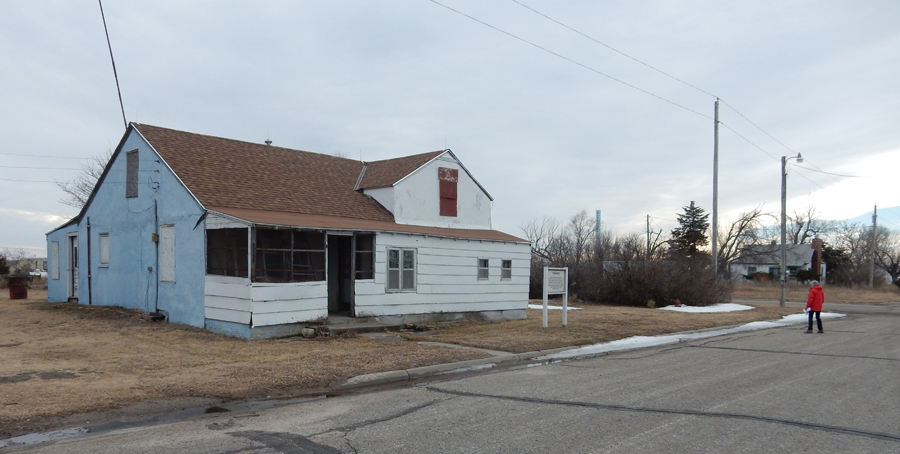
This is Main Street; the population of Nicodemus has been hovering between 50 and 60 for the past 20 years

Nicodemus was designated a Historic Site by an Act of Congress in 1996. I have been to most Historic Sites in the National Park System. This is perhaps the least supported one I have visited.

Every summer since 1878 the town has hosted its “Emancipation Celebration,” which is a homecoming for many descendants. Literature states that hundreds attend this event. Why hasn’t the National Park System and prominent descendants done more to support this historic site?

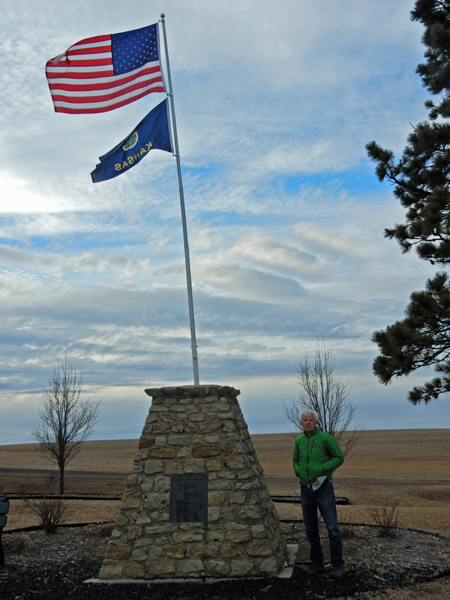
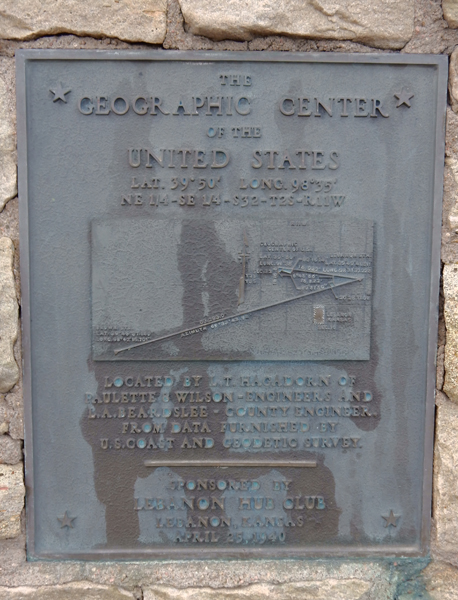
It took 1.5hrs to get to the Geographic Center of the U.S. 9contiguous 48 states) outside of Lebanon in north central Kansas

Picnic shelter and small chapel nearby

It took an hour to get to our Airbnb converted storage shed in Belleville KS, it was quite nice – though we had to sleep in the loft (up the pipe rungs)!


2/16 F – “Shed Accomodation” in the morning. We were brought hot biscuits, butter, and jam for breakfast.

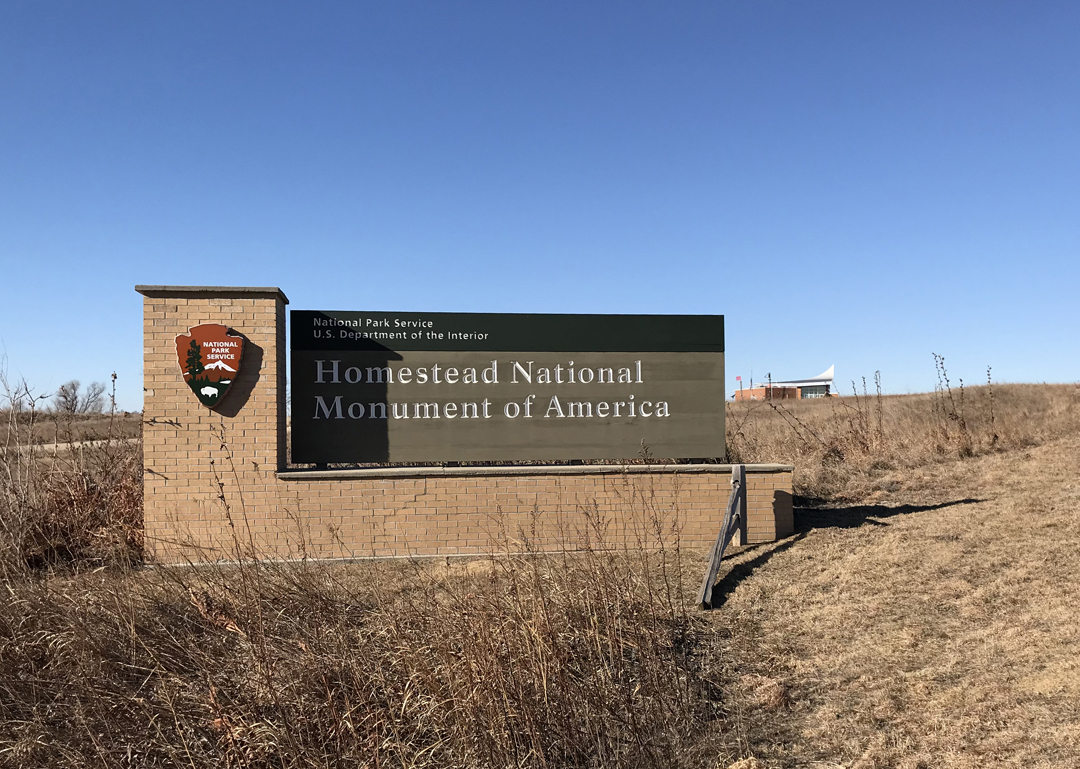
It took 1.5hrs to get to Homestead National Monument of America in southeast Nebraska

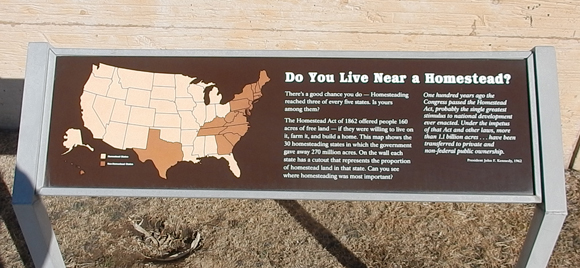
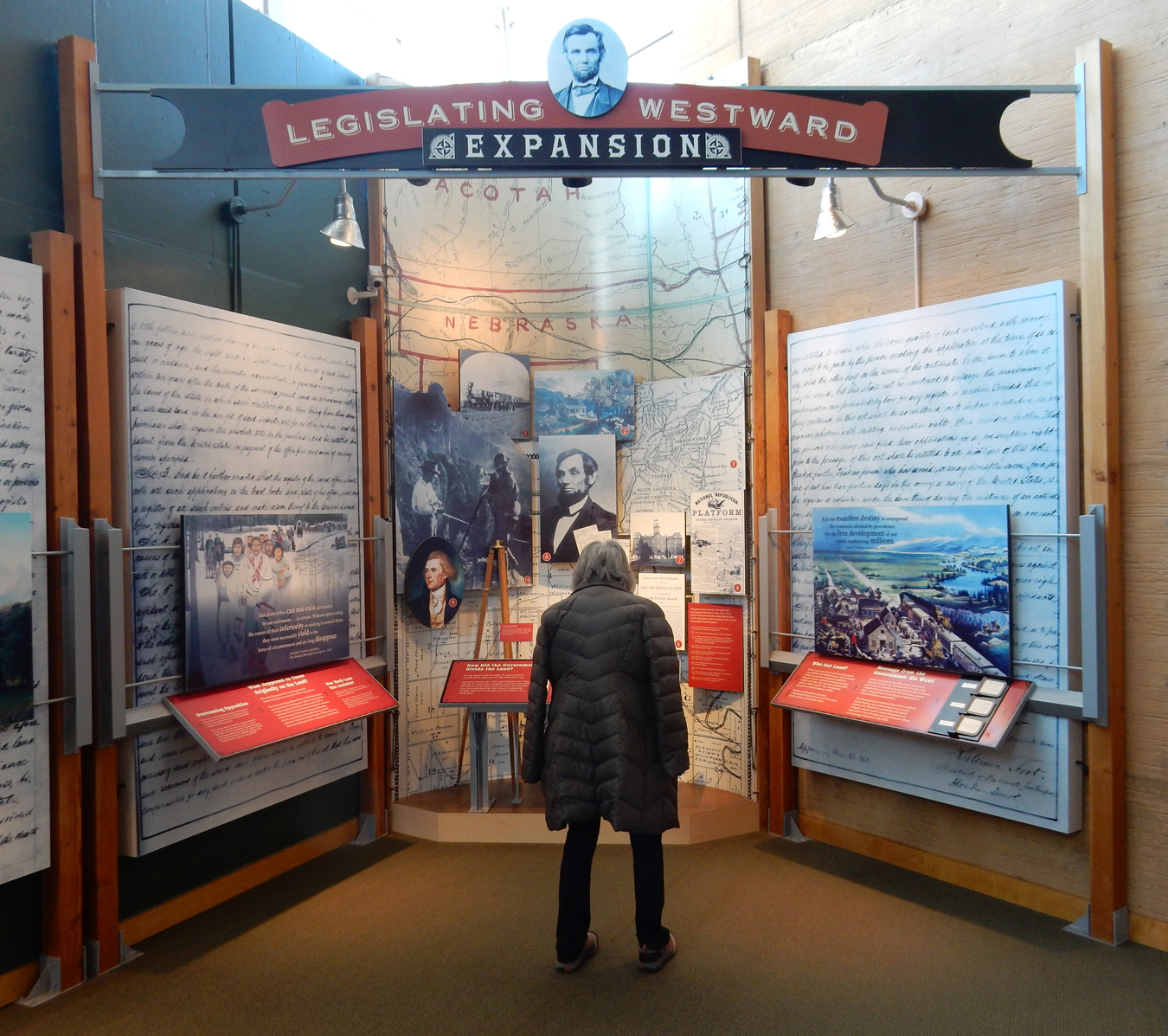
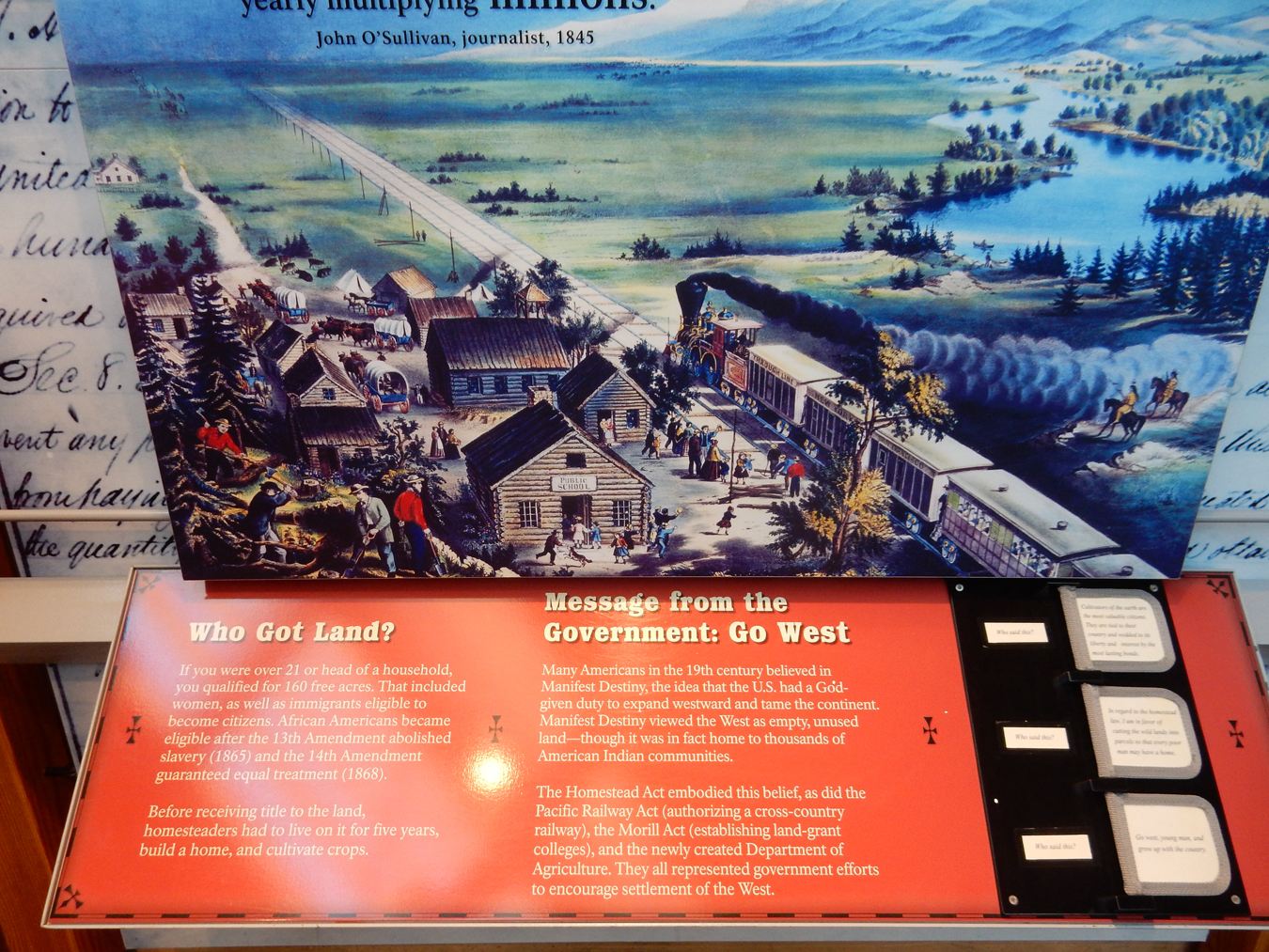
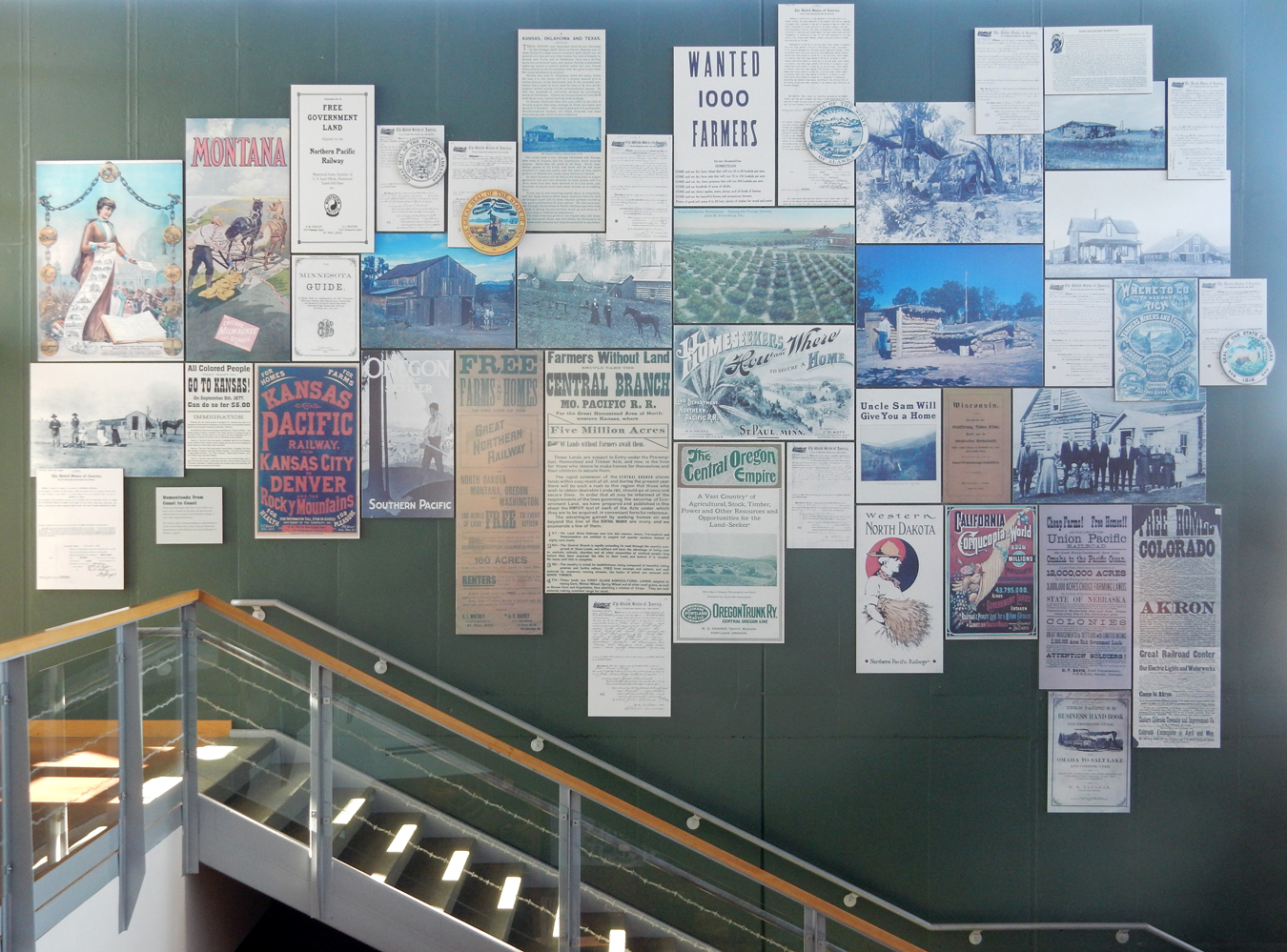
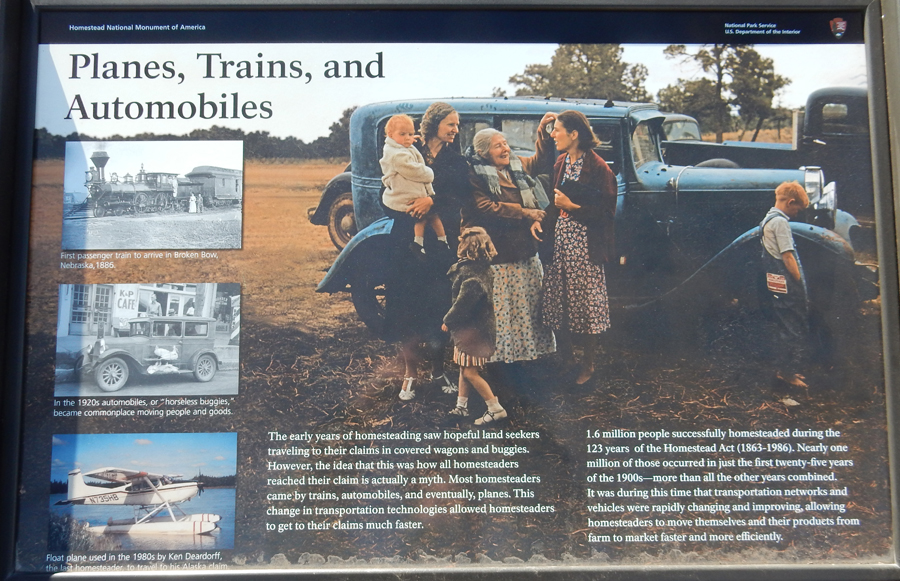
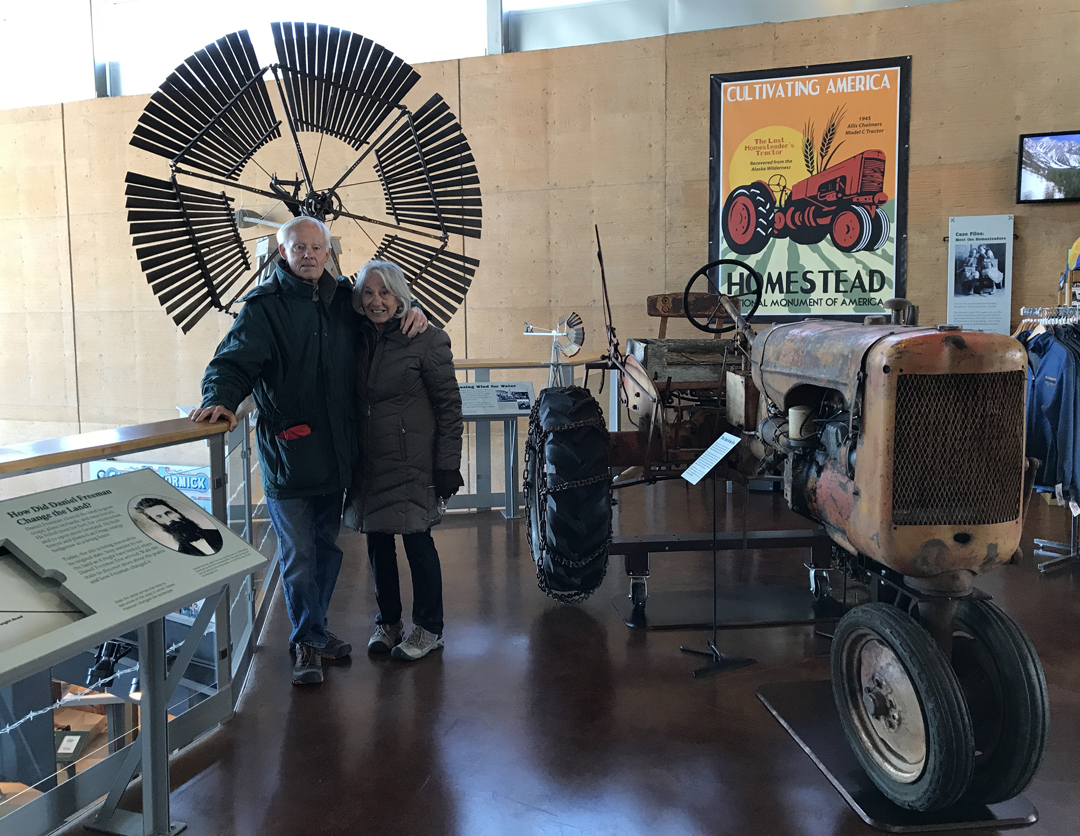
An invitation to the World – “Free Land.” For over a century (1863-1976 lower 48 states, 1960-1986 Alaska) the Homestead Act encouraged Americans and immigrants alike to settle on federal land. Notice the metal outlines of homesteading states on the wall.

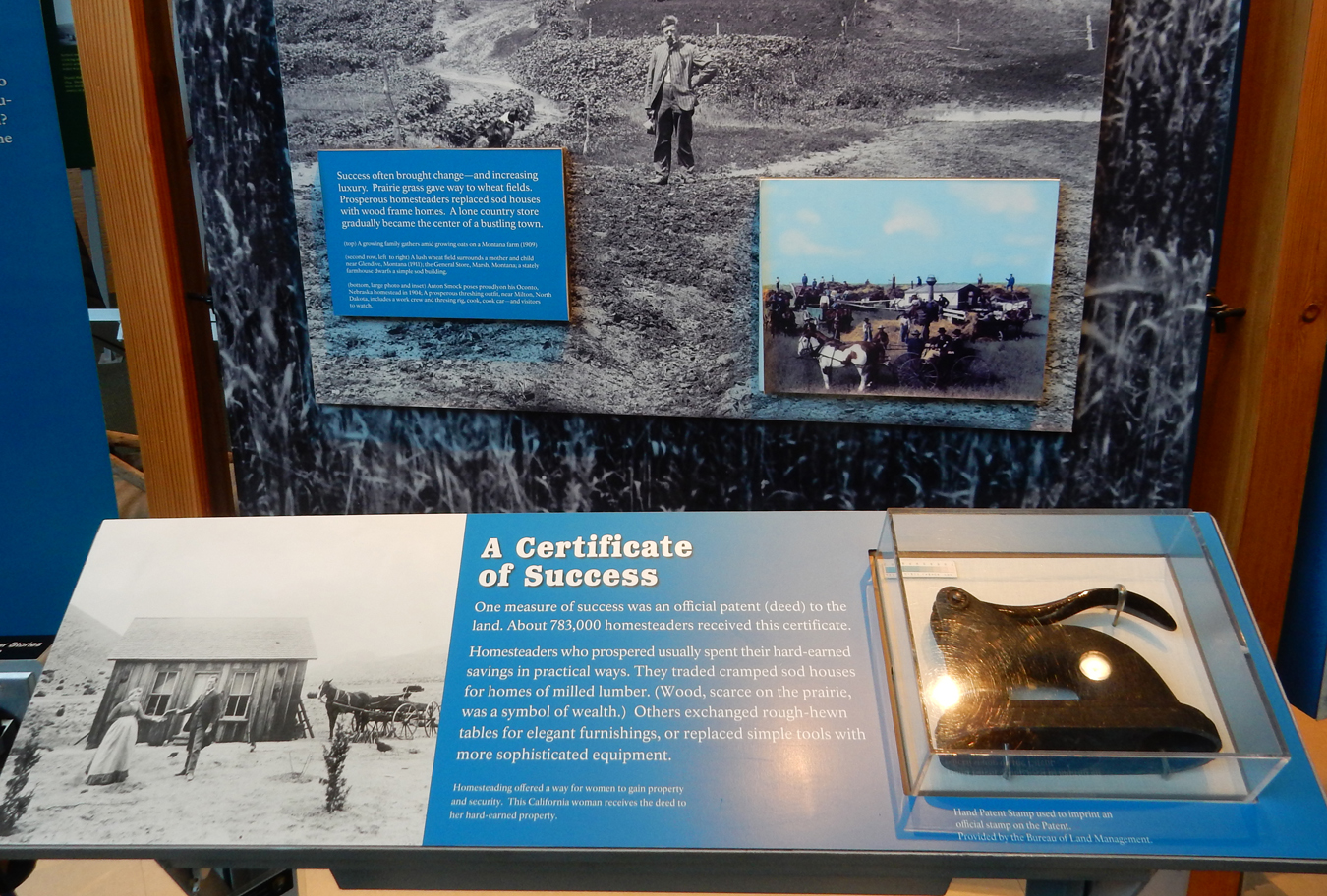
Read the story of the Homestead Act

Homestead Advertising

All travel was not by wagon train –

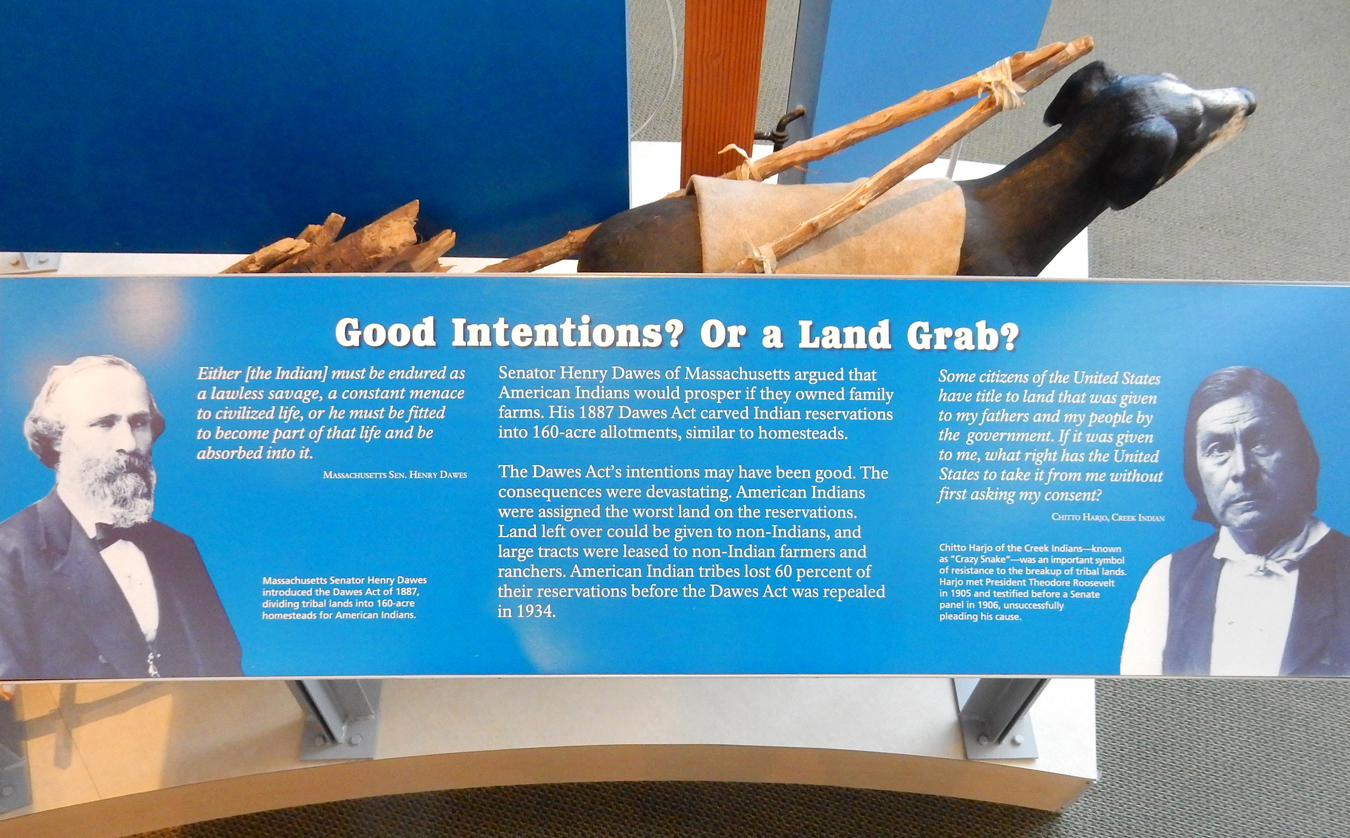
Loss of Indian Land

Springfield Homesteaders, no, our land was not free

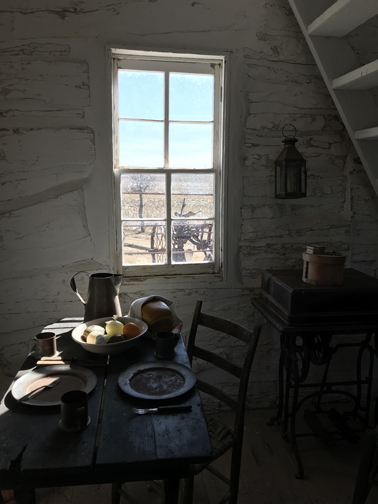
After touring the Heritage Center, we did the short walk to the Palmer-Epard Cabin

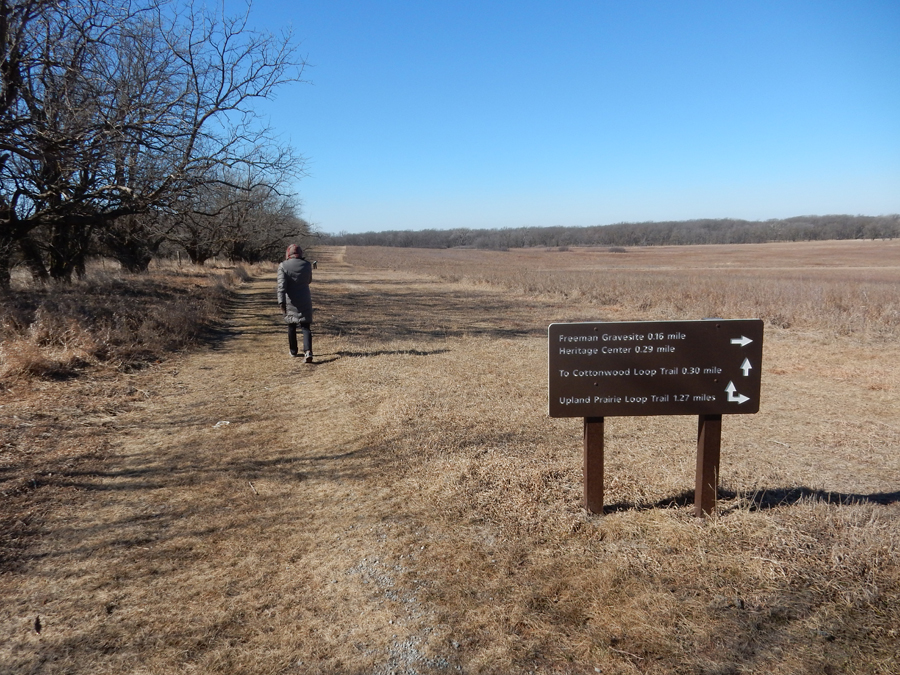
We then did the Upland Prairie Loop Trail, and continued on the Grain Growers Highway Trail for about 1.5 miles

Gorgeous Cottonwood Tree

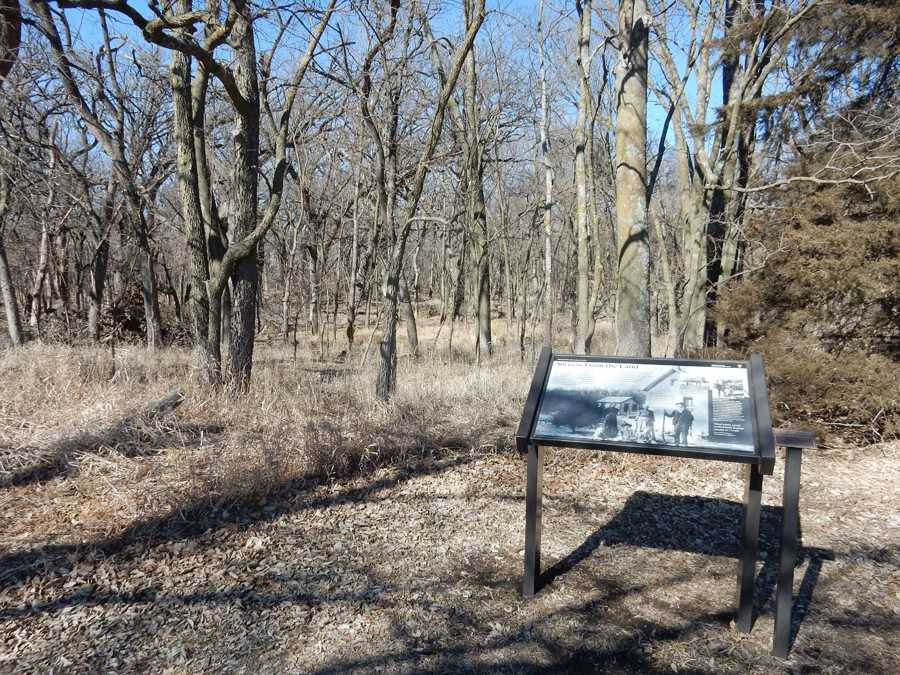
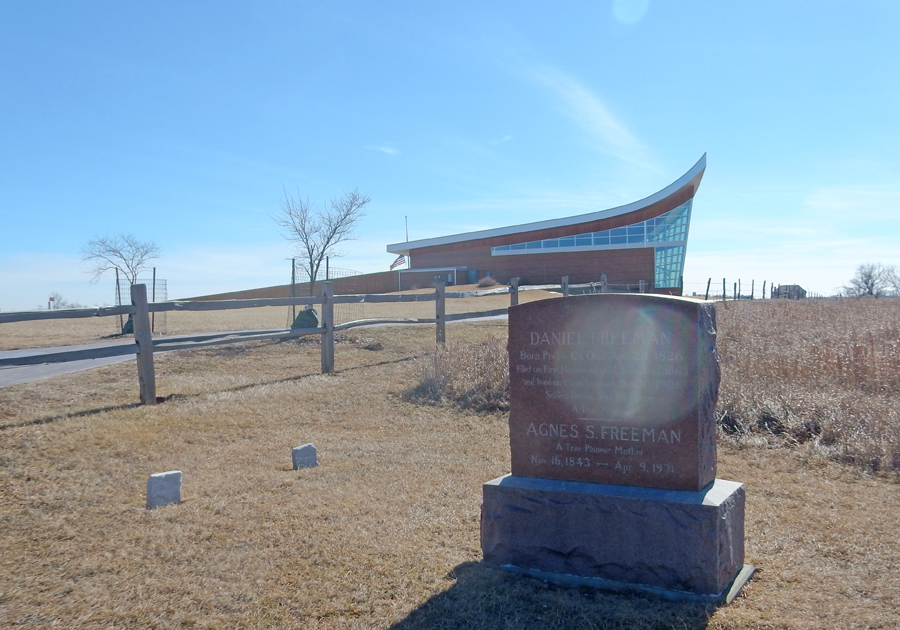
Site of Freeman house

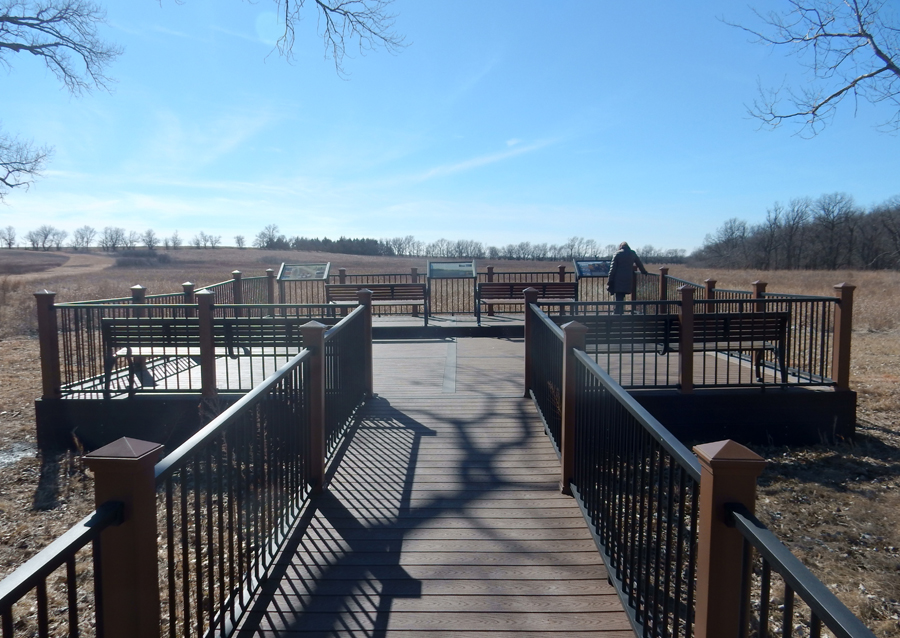
Tallgrass Prairie

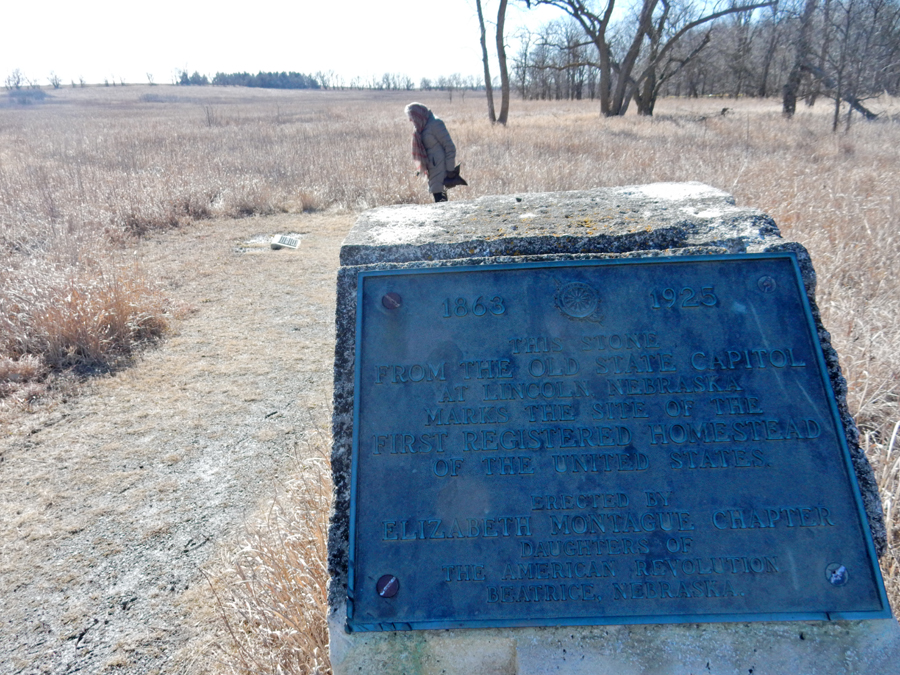
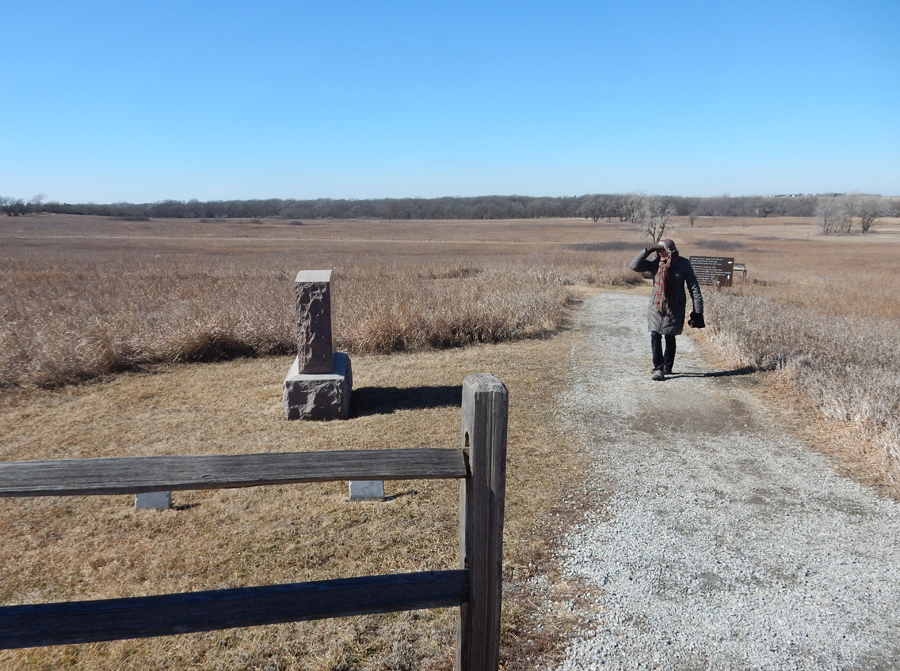
Daniel Freeman filed the first homestead claim for this land on January 1, 1863.

Freeman and his wife Agnes are buried here

2hrs to Manhattan KS and visit with Connie and Larry


2/17 Sa – Larry and I hiked about 4 miles while Connie and Helen shopped, pizza for dinner


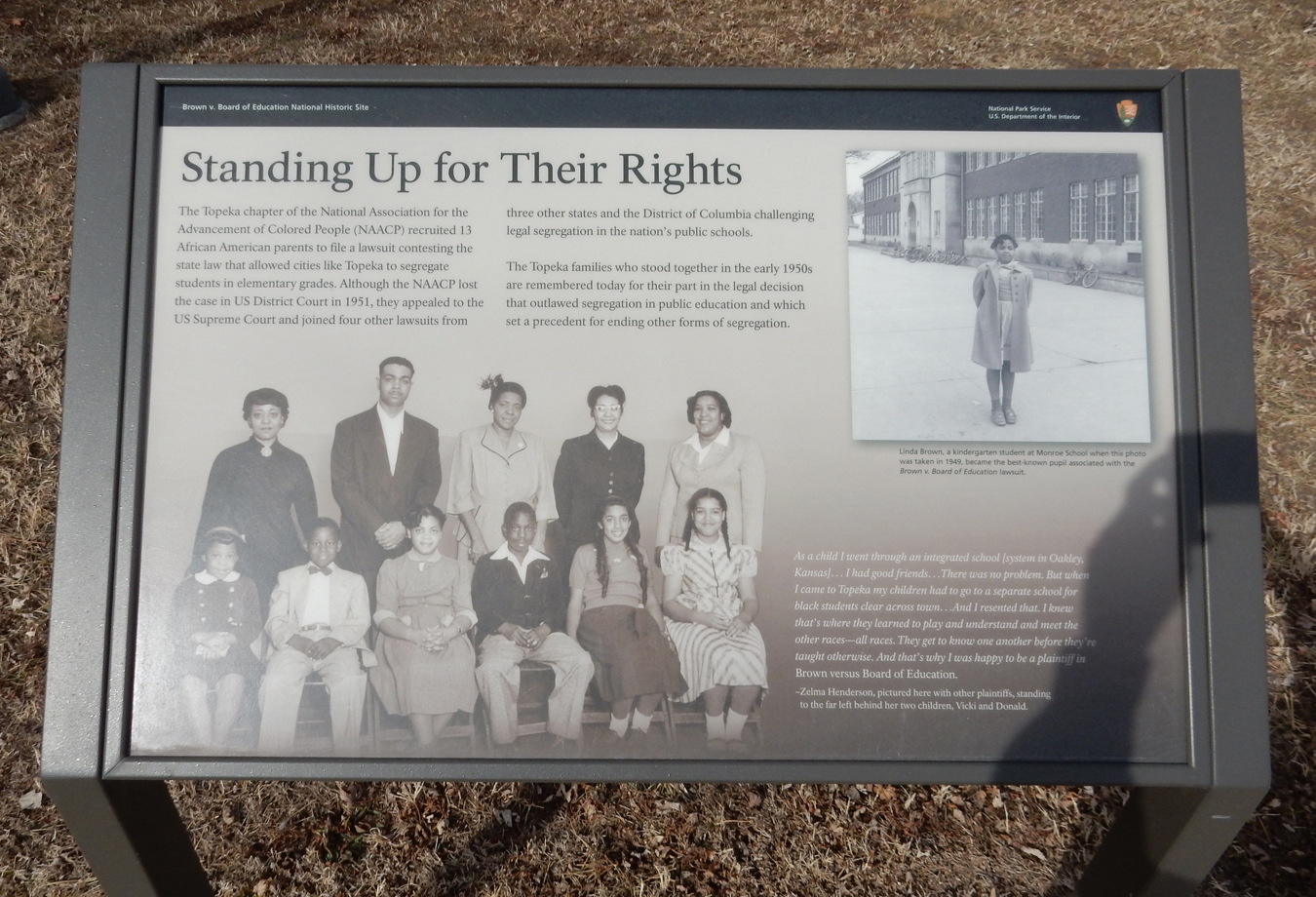
2/18 Su – A 1hr drive got us to the Visitor Center for the Brown V. Board of Education National Historic Site. It is located in the former Monroe Elementary School, which was one of four segregated elementary schools in Topeka KS in 1954.

On May 17, 1954, the U.S. Supreme Court ruled in Brown v. Board of Education that segregation is public education is unconstitutional

Informative ranger introduction to the historic site

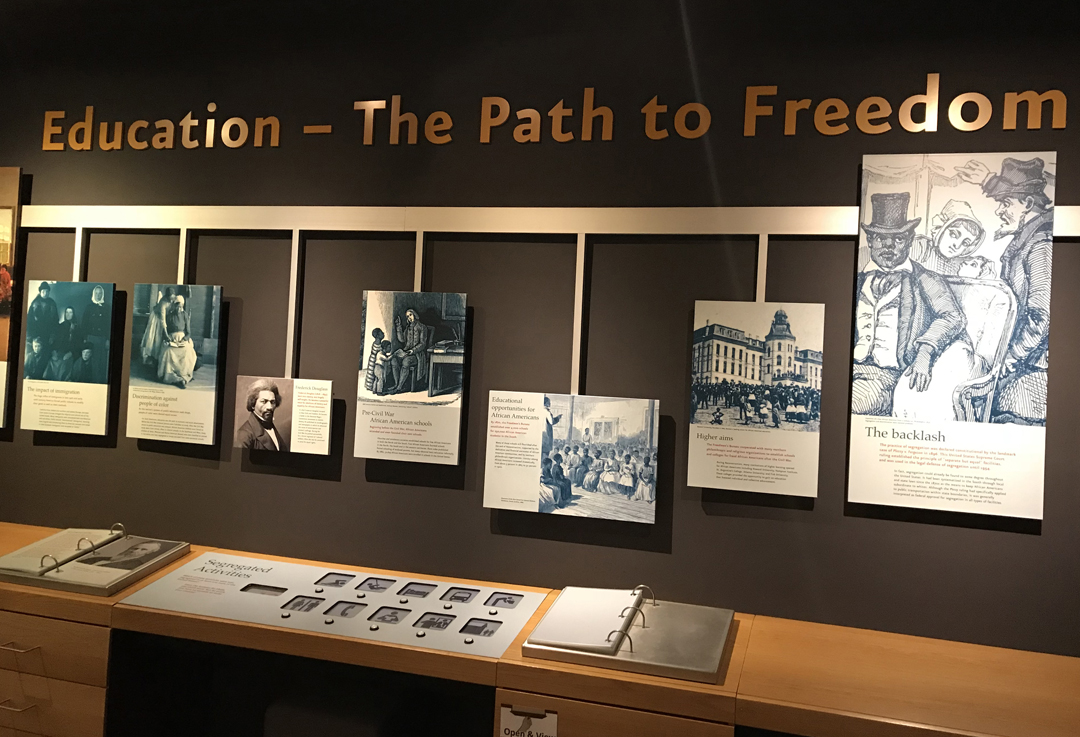
Comparison to two segregated elementary schools in Topeka KS and two in Clarendon County SC in 1948

Watched the half hour movie and then toured the facility; we still have a way to go –


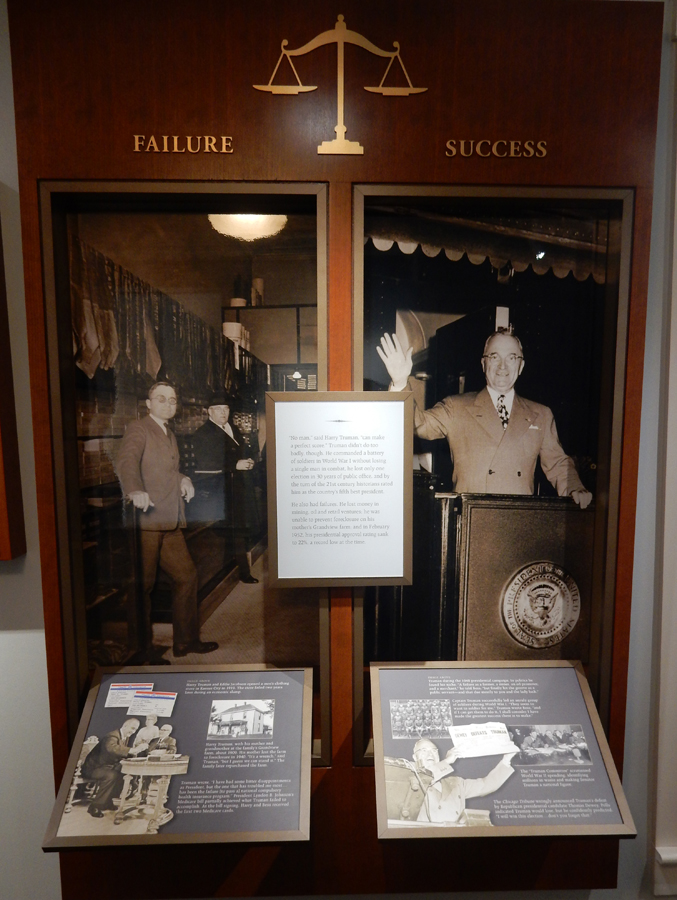
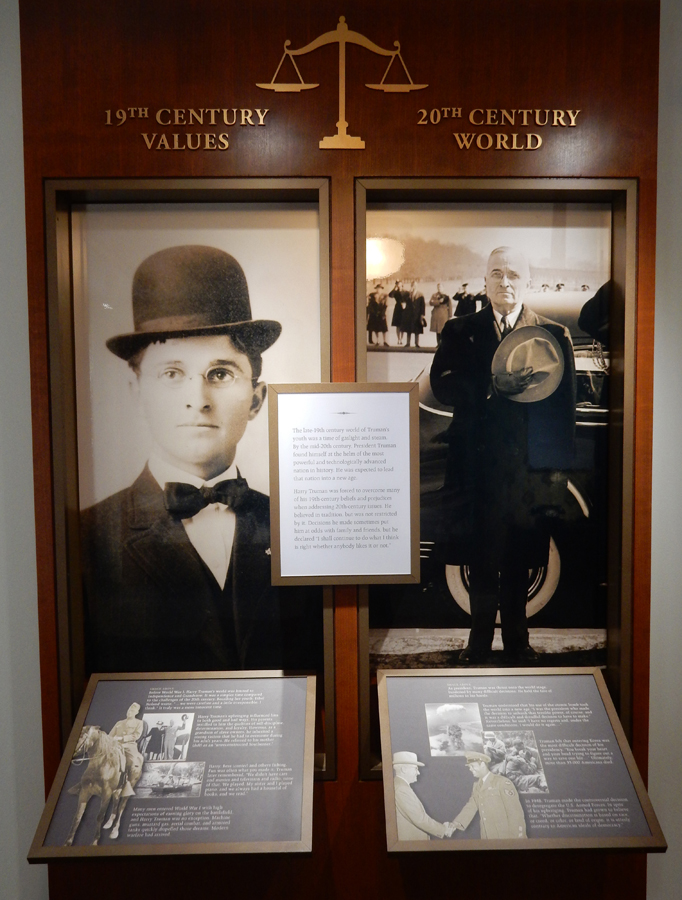
One more National Park Unit before we get home – Harry S. Truman National Historic Site in Independence MO! We first stopped at Truman’s Home and then went to the Visitor Center to purchase tour tickets. Vice-President Truman became President on the death of FDR in 1945. He finished that term and then was elected in his own right leaving office in 1953.

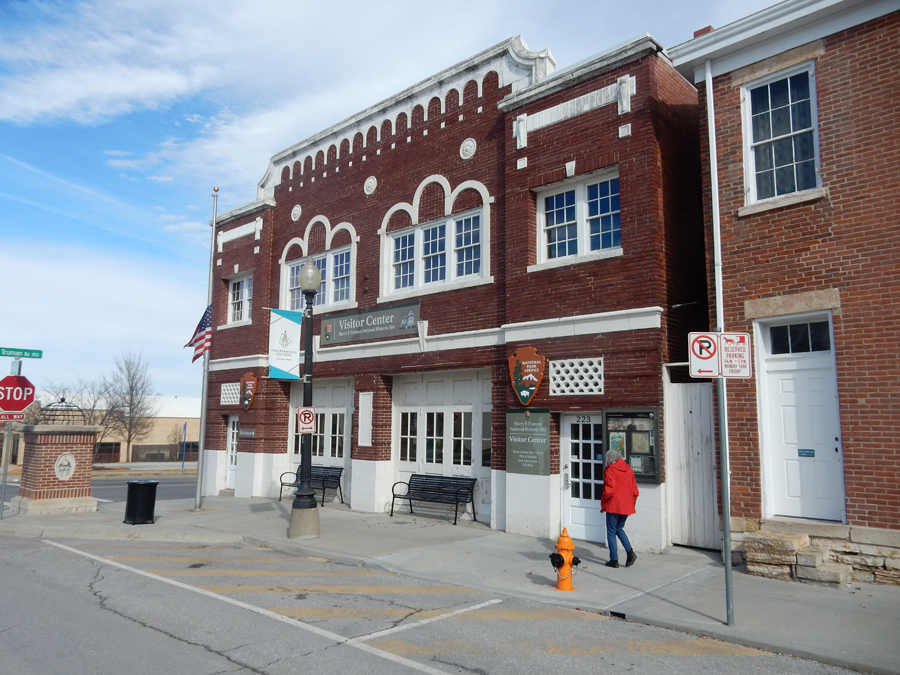
The Visitor Center is in an old fire house

Start of home tour. Bess Truman’s father, David Willock Wallace, committed suicide in 1903, she and her mother and brothers moved into the house with Bess’s grandparents, George and Elizabeth Gates. The home then became the Wallace Home where Bess lived with her mother and three brothers. Harry moved in after he married Bess in 1919. They live here for over 50 years.

Harry often visited his relatives the Nolands who lived across the street from the Wallaces. Harry met Bess when he returned a cake plate to the Wallace home in 1910.

Pictures were not permitted in the Truman Home but they were in the Noland Home

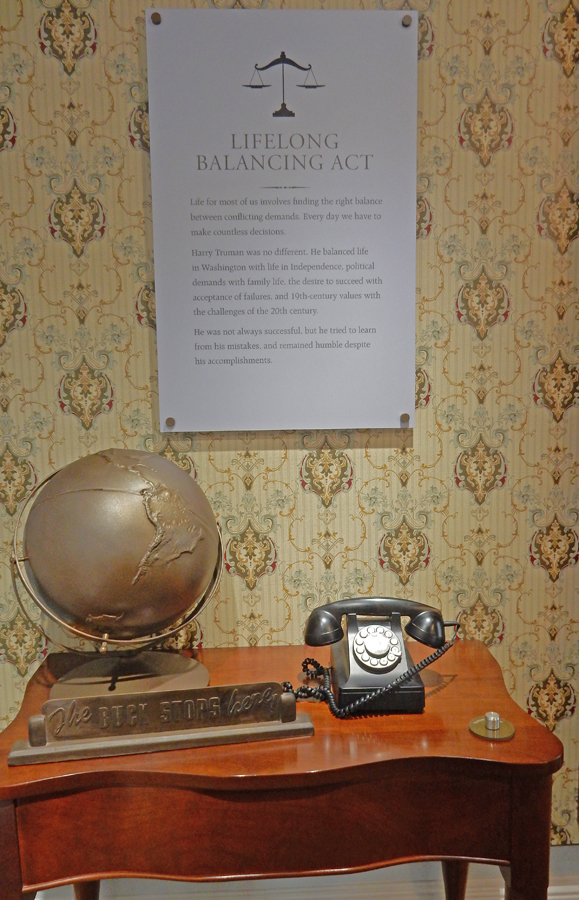
Truman became famous for the phrase “The Buck Stops Here”

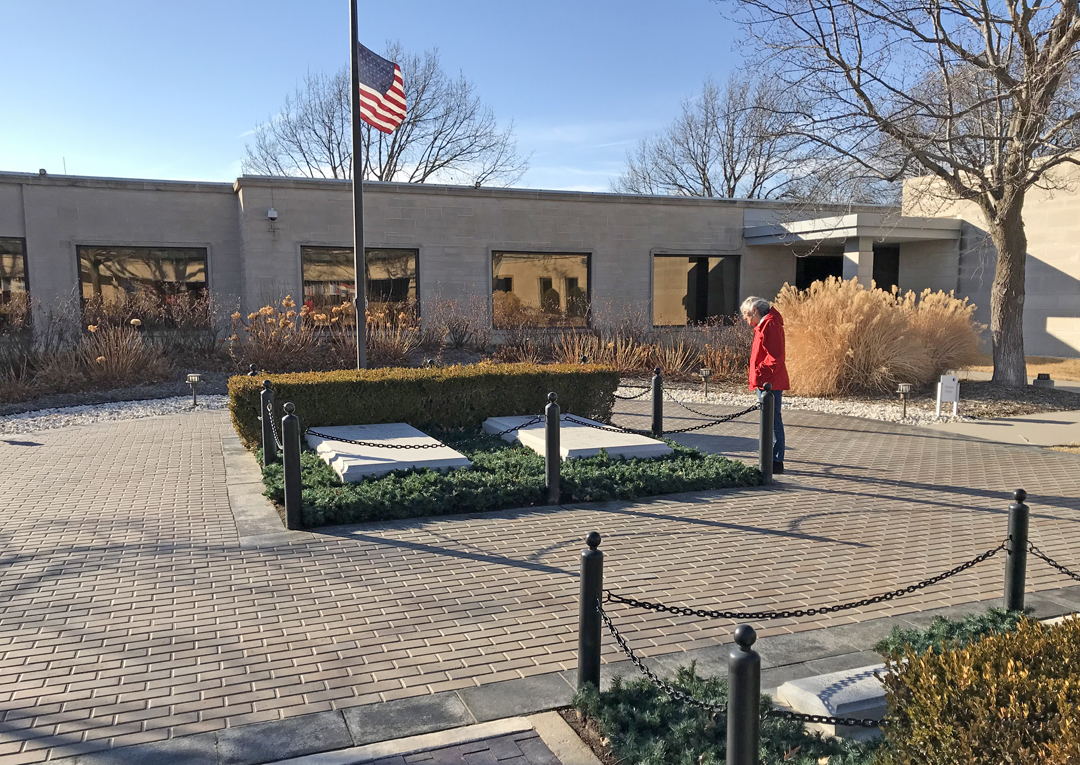
Truman’s Presidential Library and the resting place for Harry and Bess is only a short drive away. It was a bit windy – note flags

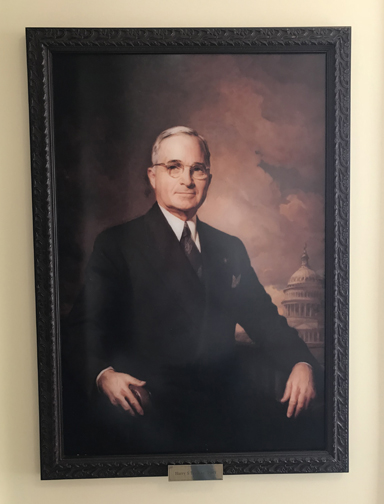
Harry S. Truman – 33rd President of the United States

Stayed in the Fairfield Inn & Suites in Jefferson City MO


2/19 M – “President’s Day,” fitting since we had just visited a President’s Home and Library!  It was a 7.5hr drive to get home from Jefferson City but we were able to get there before dark. It was an enjoyable and successful five-week 8,500 mile road trip!


h1

Winter Trip, Home to CA Part 1

January 31, 2018

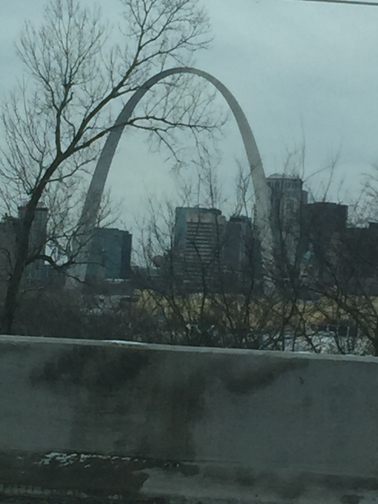
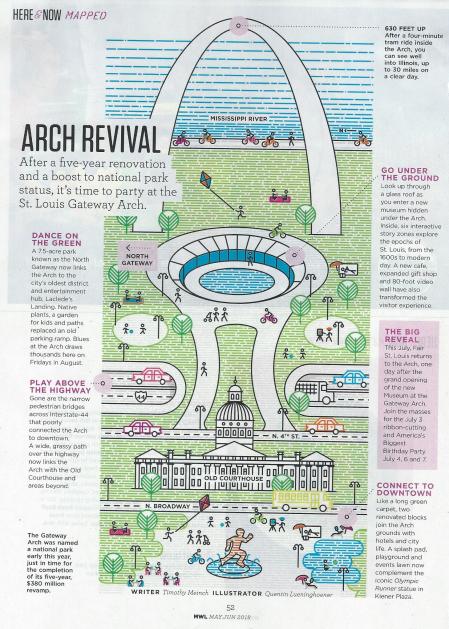
1/15 M – Helen and I left Springfield at 7am and drove into a snow storm in IN and IL. Lots of cars and trucks crashed and off the road in the ditches along I70.  As we crossed the Mississippi River, we entered St Louis and could see the newly designated Gateway Arch National Park that Trump approved on 2/22/2018. It was previously called the Jefferson National Expansion Memorial and was a unit in the National Park System. I disagree with the new designation. There is no way that this man-made park is on par with any of the other 59 major National Parks. Every other NP is, among other notable characteristics, a large preserved part of the natural environment. Think Yellowstone, Grand Canyon, Great Smoky Mountains, Yosemite, Acadia, etc., etc., etc. There is no comparison! In my opinion, it should be designated a National Monument or a National Historic Park.
We arrived at the Taum Sauk Mountain State Park Overlook (MO) about 3pm

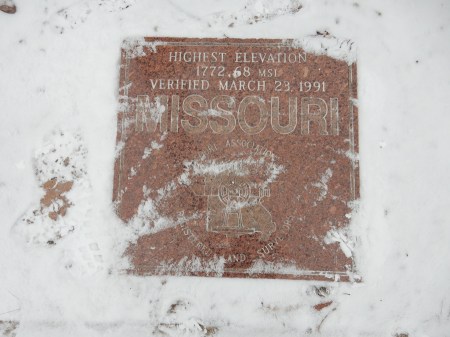
It was 9 degrees when we started the short walk to the Highpoint of MO, Taum Sauk Mt 1,772ft
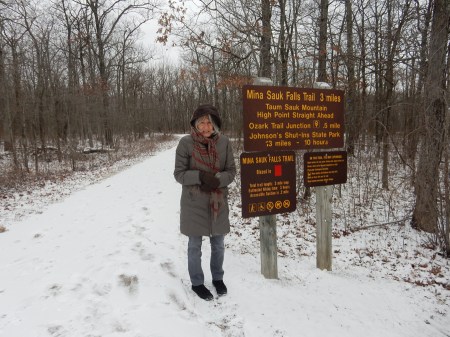
This was Helen’s 32nd state highpoint!

We stayed the night in the Homeport Inn B&B near Eminence MO and the Ozark River


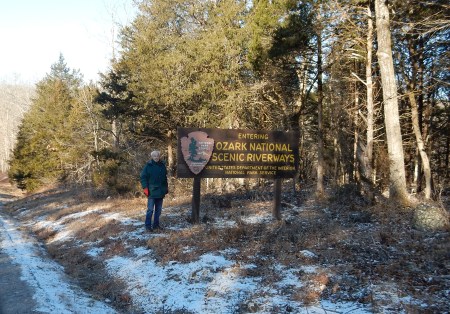
1/16 Tu – We started with a 1mi round trip hike to Blue Spring in the Ozark National Scenic Riverway – it was COLD, –3 degrees!
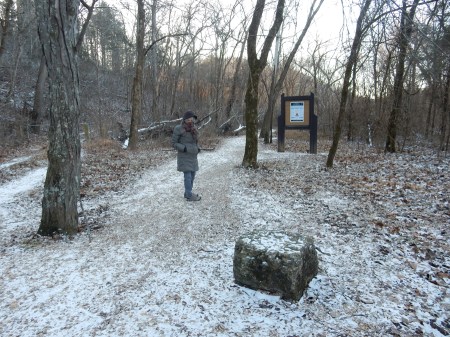
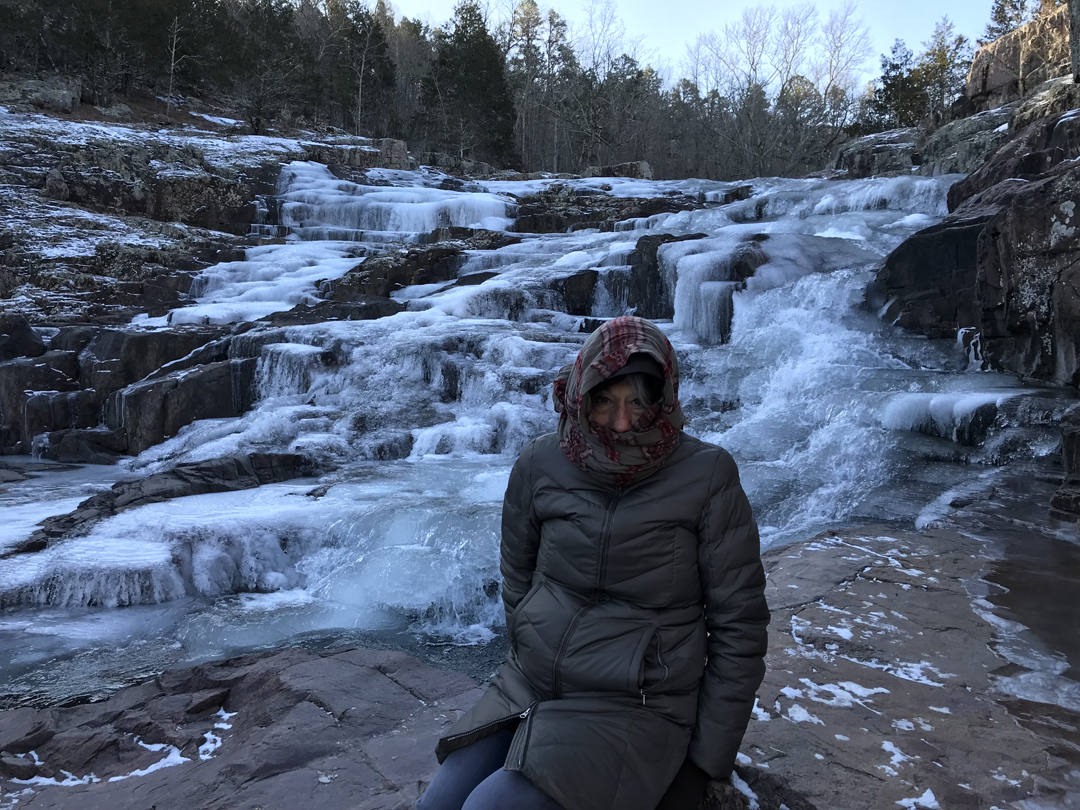
Our next stop was Rocky Falls. It had now “warmed-up” to 2 degrees. We found about 95% of the Falls to be frozen!

We then drove to the Visitor Ctr in Van Buren and watched their video. The ranger was super-nice and gave us a new Ozark Riverway quarter.
We then saw the Big Spring CCC Historic District and did the hike that goes behind the spring
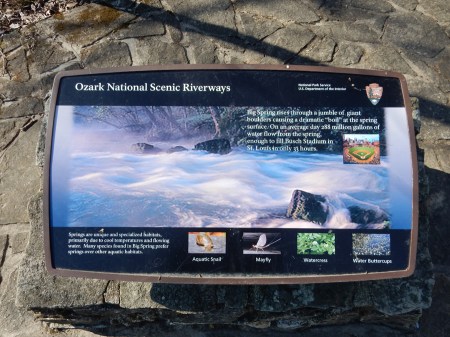
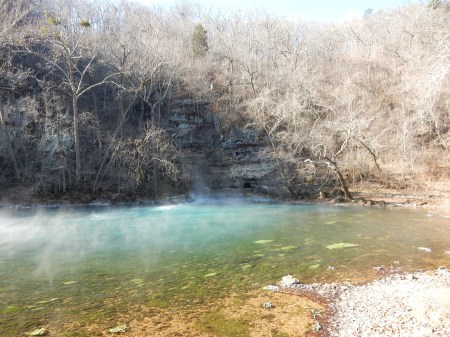
Looking out from behind where Big Spring boils up from under the rock face

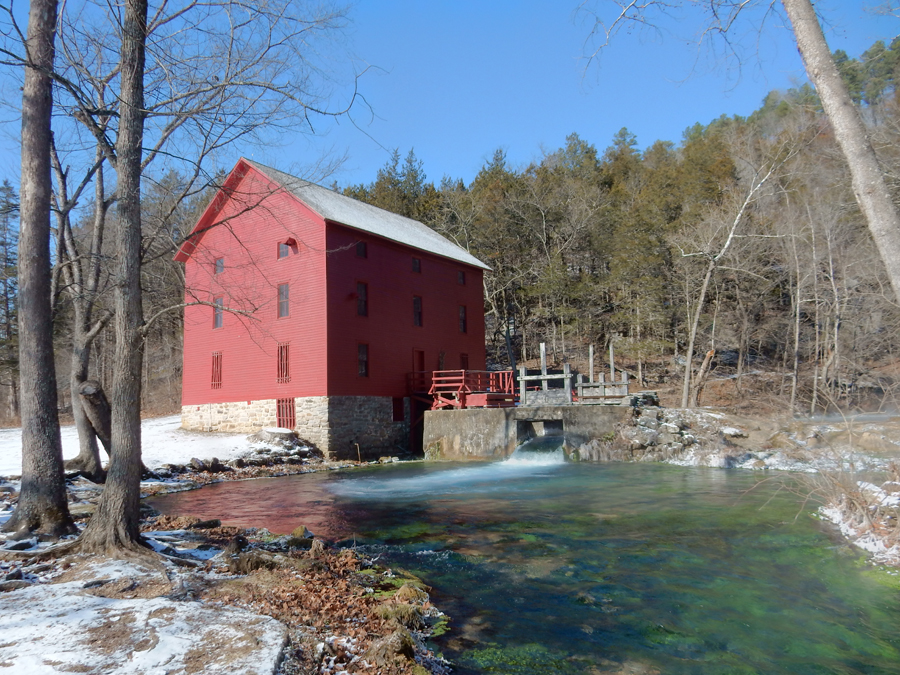
It took a good hour to drive up river to Alley Mill. The red mill provided a perfect background for the turquoise water

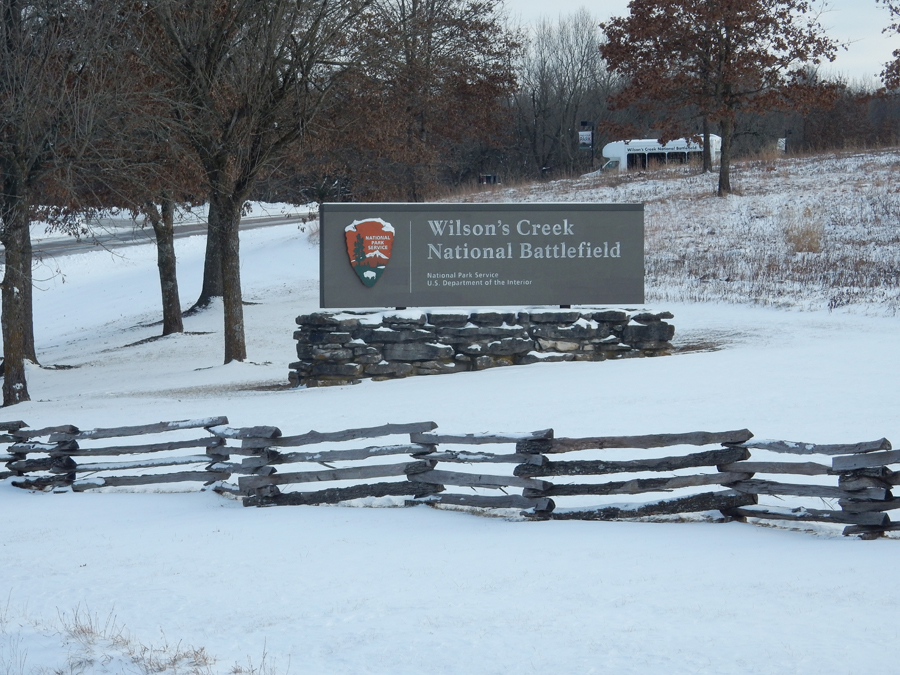
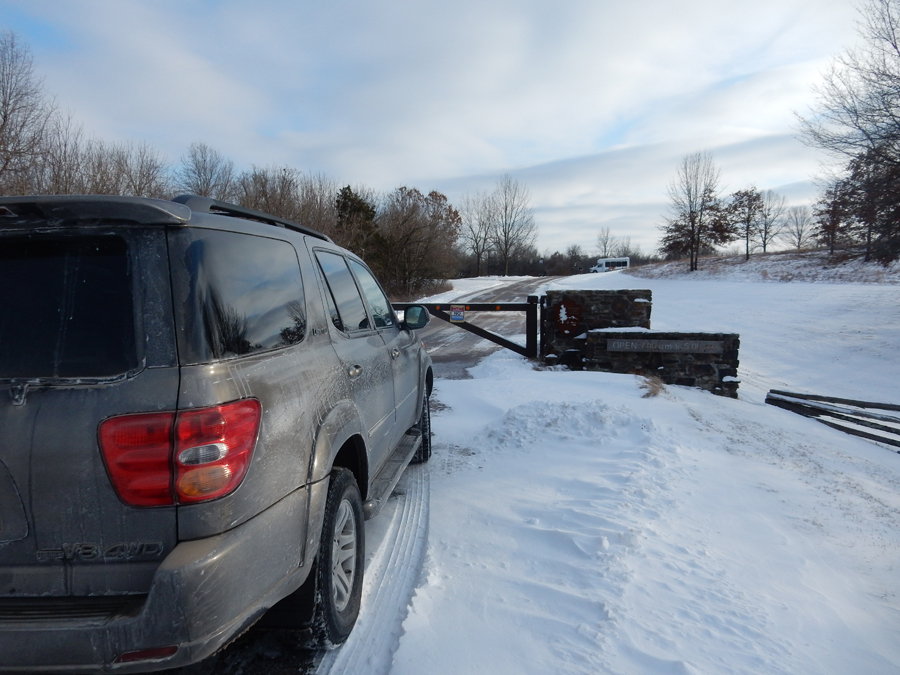
It took about 3hrs to drive to Wilson’s Creek National Battlefield outside of Springfield MO. When we arrived, we found not only the Visitor Center but the entire park closed. I could not believe it!
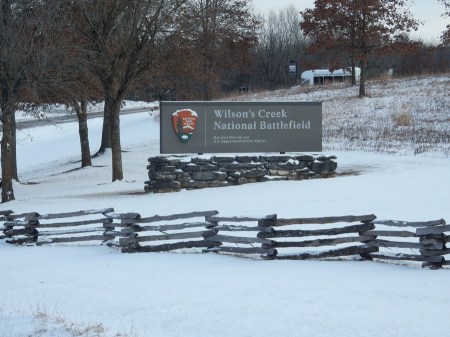
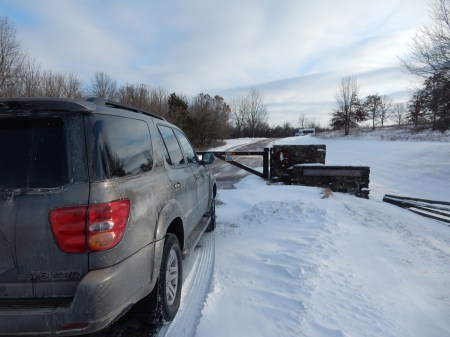
That night we experienced our first Airbnb accommodation (Springfield MO). This was one where we had a room in someone’s home and used shared kitchen and toilet facilities. We found it very uncomfortable and vowed not to make any new Airbnb reservations where we did not have our own independent room and restroom. The host was very nice but we decided we would be more comfortable with our privacy.


1/17 W – We were back at Wilson’s Creek NB when the Visitor Center opened at 8:30am. They got an ear full about their closure the previous day. They explained that when the local schools closed because of COLD, that they also closed. I stated that this was a nationally, not locally, administered park. There was no notice of park closure on their web site. I asked that my concerns be passed on to the superintendent.
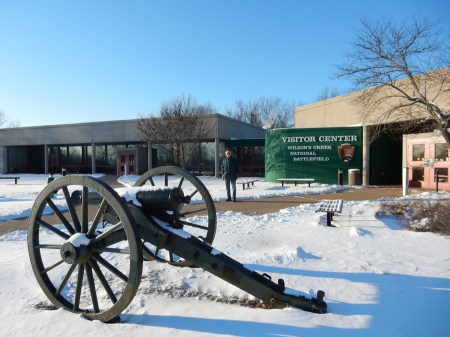
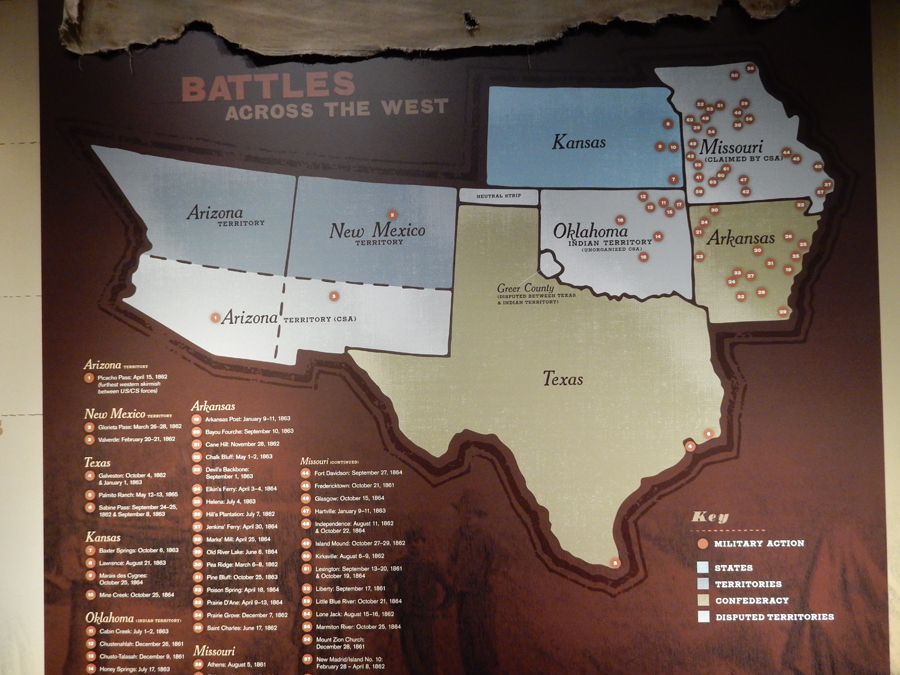
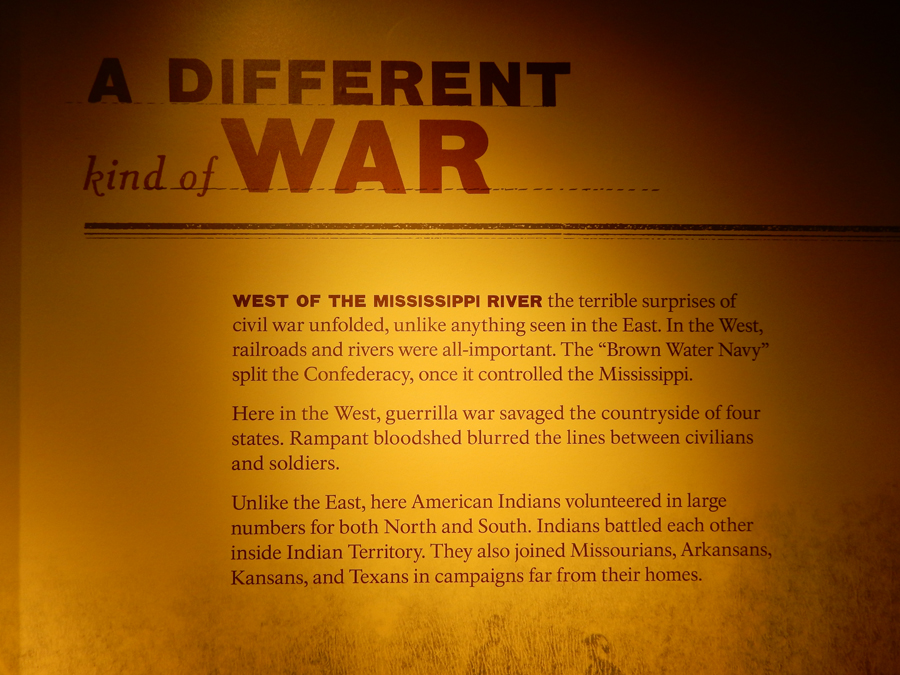
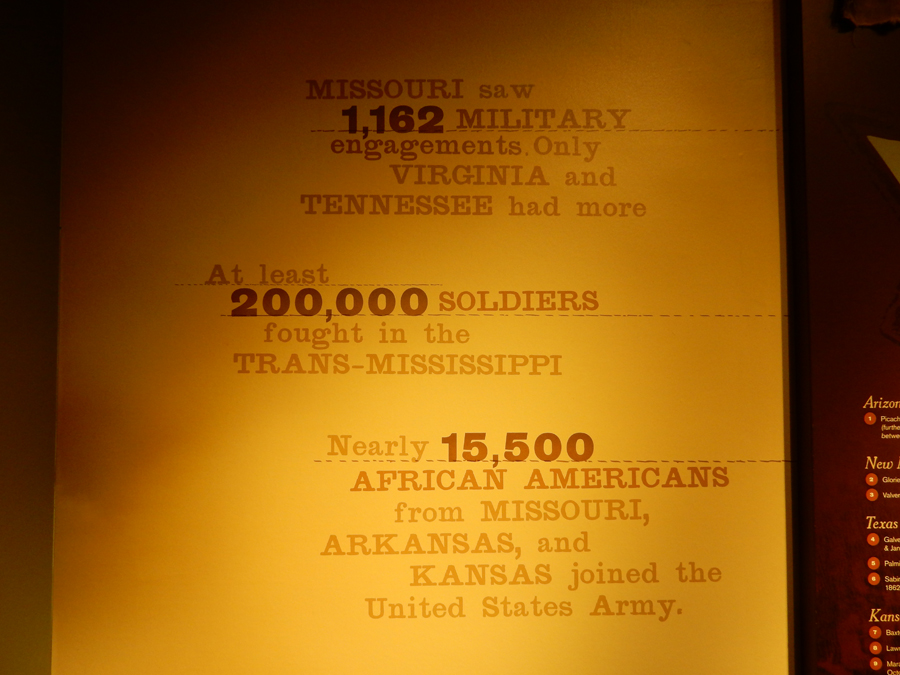
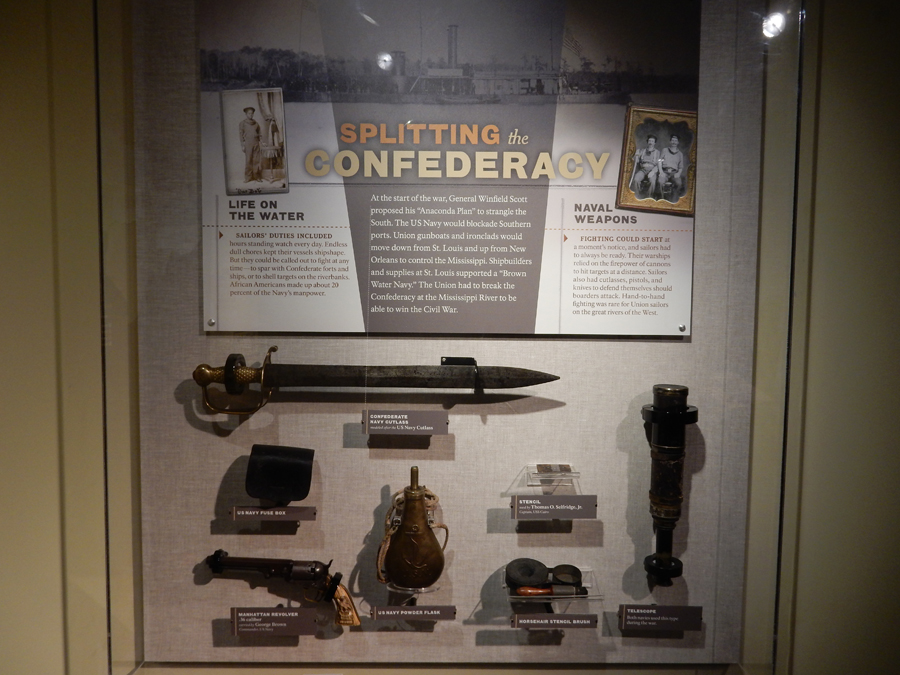
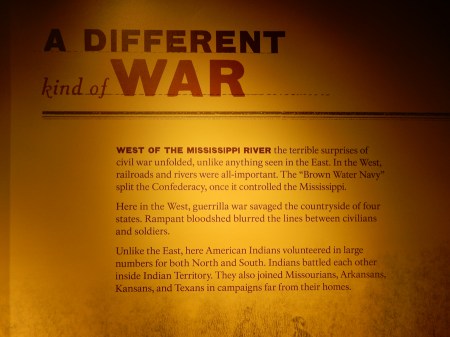
Most Americans do not realize the number of Civil War battles that took place west of the Mississippi River.
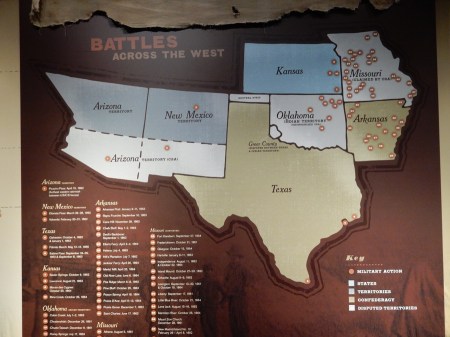
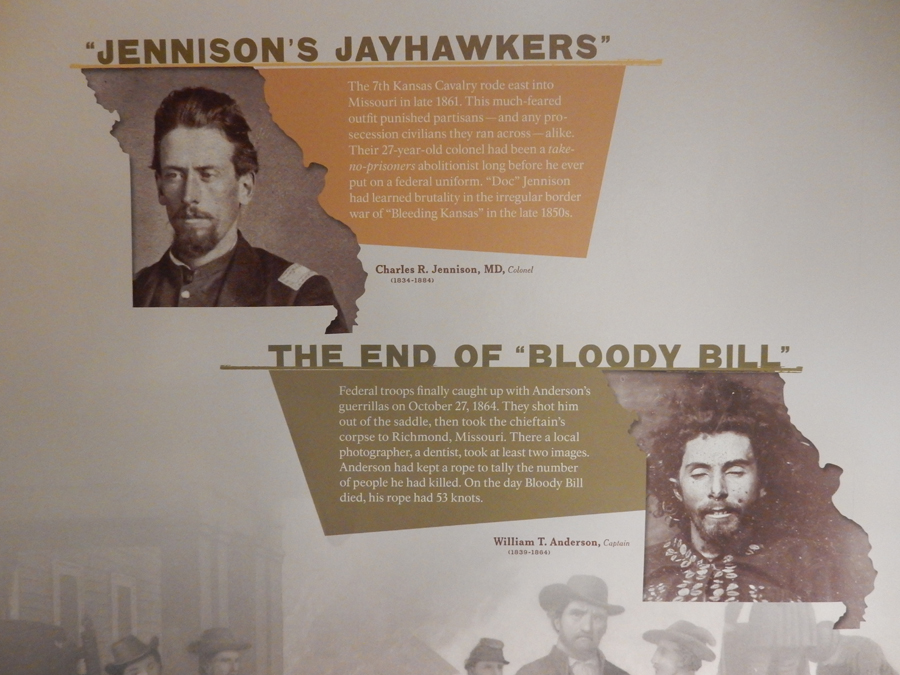
August 10, 1861, the Battle of Wilson’s Creek opened the Civil War in MO. It was the second major battle of the Civil War. For the next 3.5 years the state saw fierce fighting, mostly guerrilla warfare, with bands of mounted raiders destroying anything military or civilian that could aid the enemy.
After the Visitor Center, we drove the 5mi loop road stopping at points of interest. This is the Ray house where he watched the battle from his porch.

East Battlefield Overlook
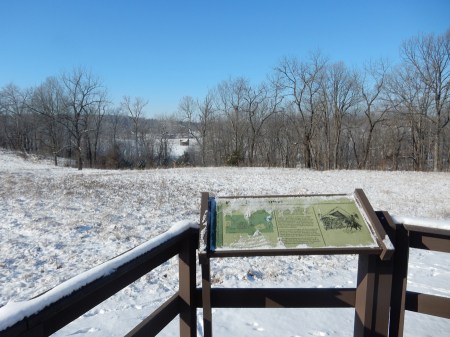
Bloody Hill
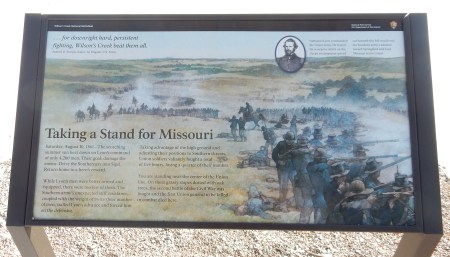
Battle started here at 5am. Lyon’s troops then took Bloody Hill. Over 2,500 men were killed or wounded in the 6hr battle


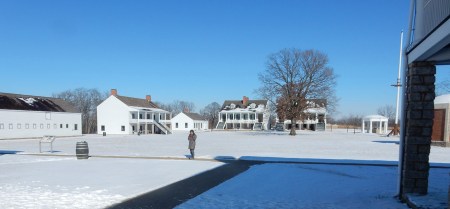
It took about 2.5hrs to drive to Fort Scott National Historic Site KS, only 6mi west of the MO border.
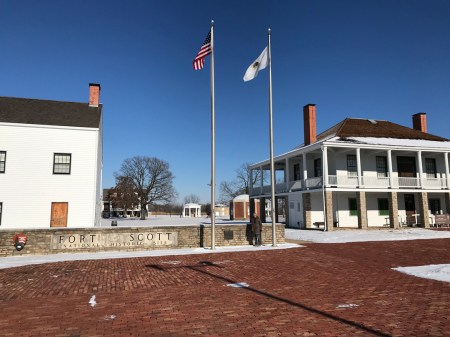
Fort Scott had three distinct periods. The first was from 1842 to 1853 when it was one of a string of forts (MN to LA) that were built to protect Indian Territory. Eastern Tribes had been relocated to the west of the Mississippi River and the forts were to protect the Indians and their “new” land from white settlements. Yes, the troops were there to protect the Indians!
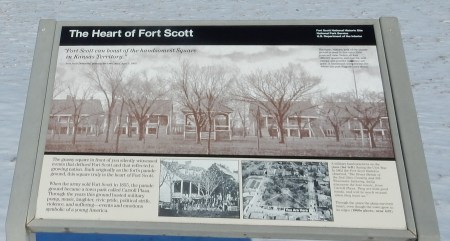
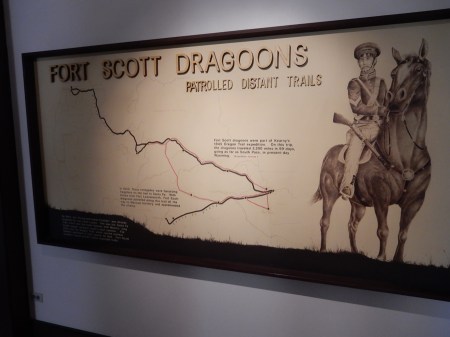
The dragoons (trained to fight both on horseback and foot), were also used to escort travelers on the Sante Fe and Oregon Trails. From 1846-48 they fought in the Mexican American War. With “Manifest Destiny,” i.e. America’s divine right to stretch from sea to sea, the idea of permanent Indian territory died and Fort Scott was abandoned in 1853.
Fort Scott was re-established in 1861 and served as a supply depot for the Western Campaigns during the Civil War. It was also a strategic location protecting SE Kansas from Confederate invasion. The fort closed for the second time in 1865 after the end of the Civil War.


Interestingly, it was re-opened from 1869-1873 to protect railroad workers. This was an example of US troops taking up arms against American citizens to protect the country’s business interests! Here are some pics from inside the buildings.
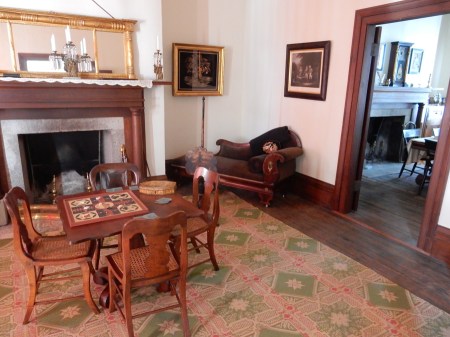
 

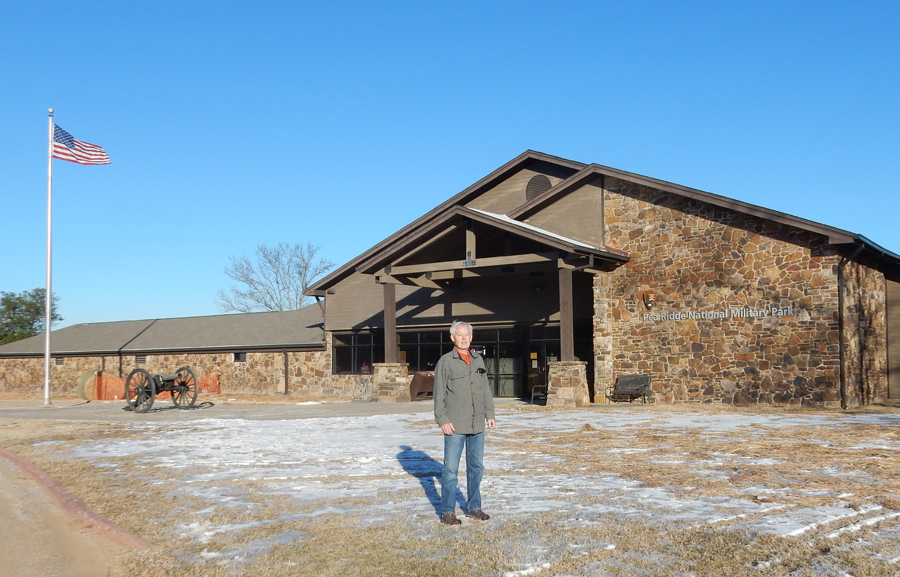
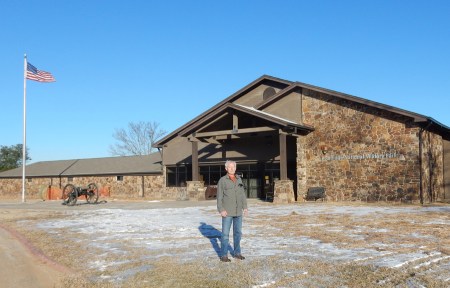
1/18 Th – Helen purchase a large piece of slag glass, in the shape of a fish, along a back hills road on the way to Pea Ridge National Military Park Arkansas.  Our first stop was the Visitor Center.  We then drove the park loop road stopping/hiking at points of interest.
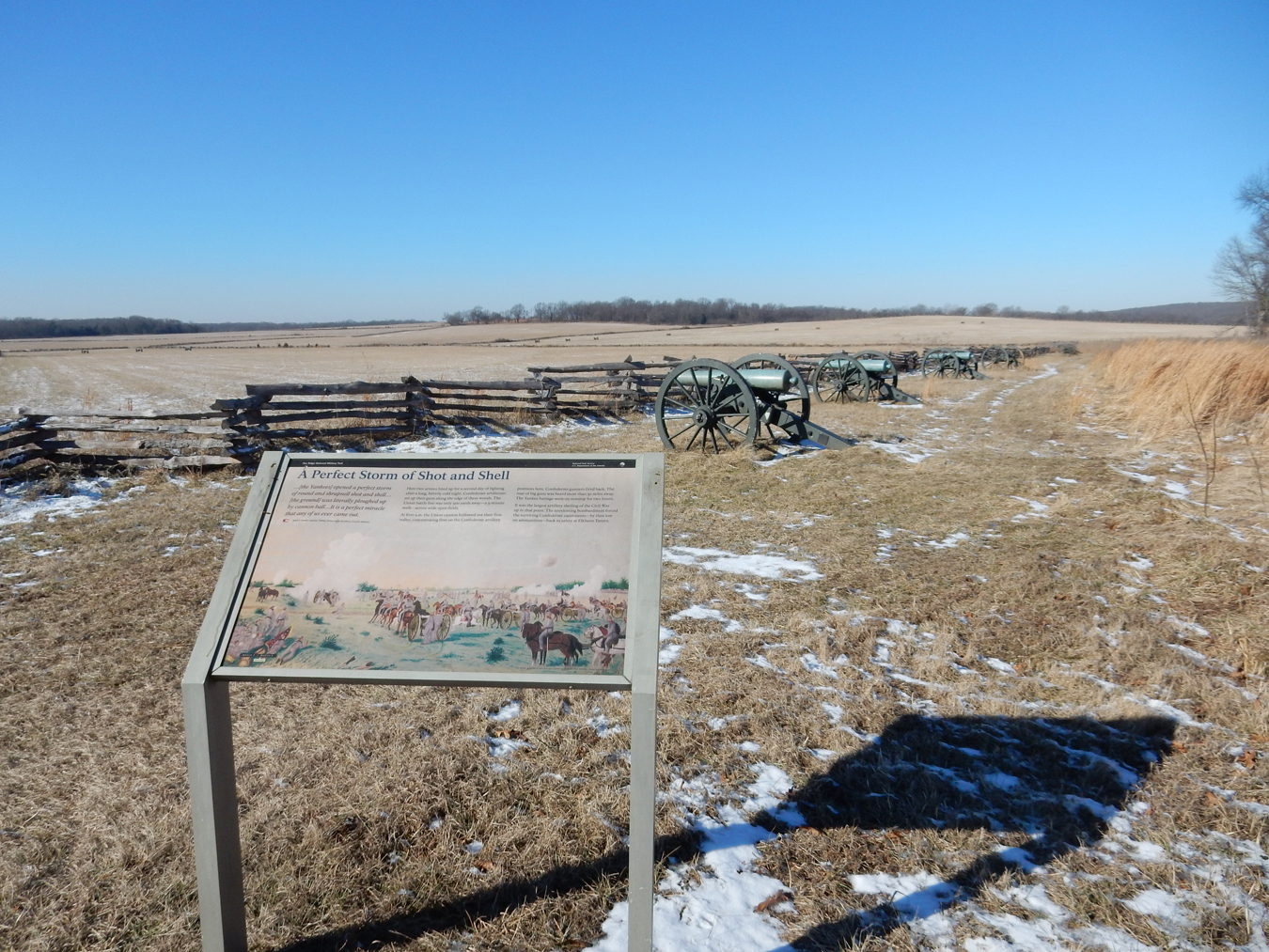
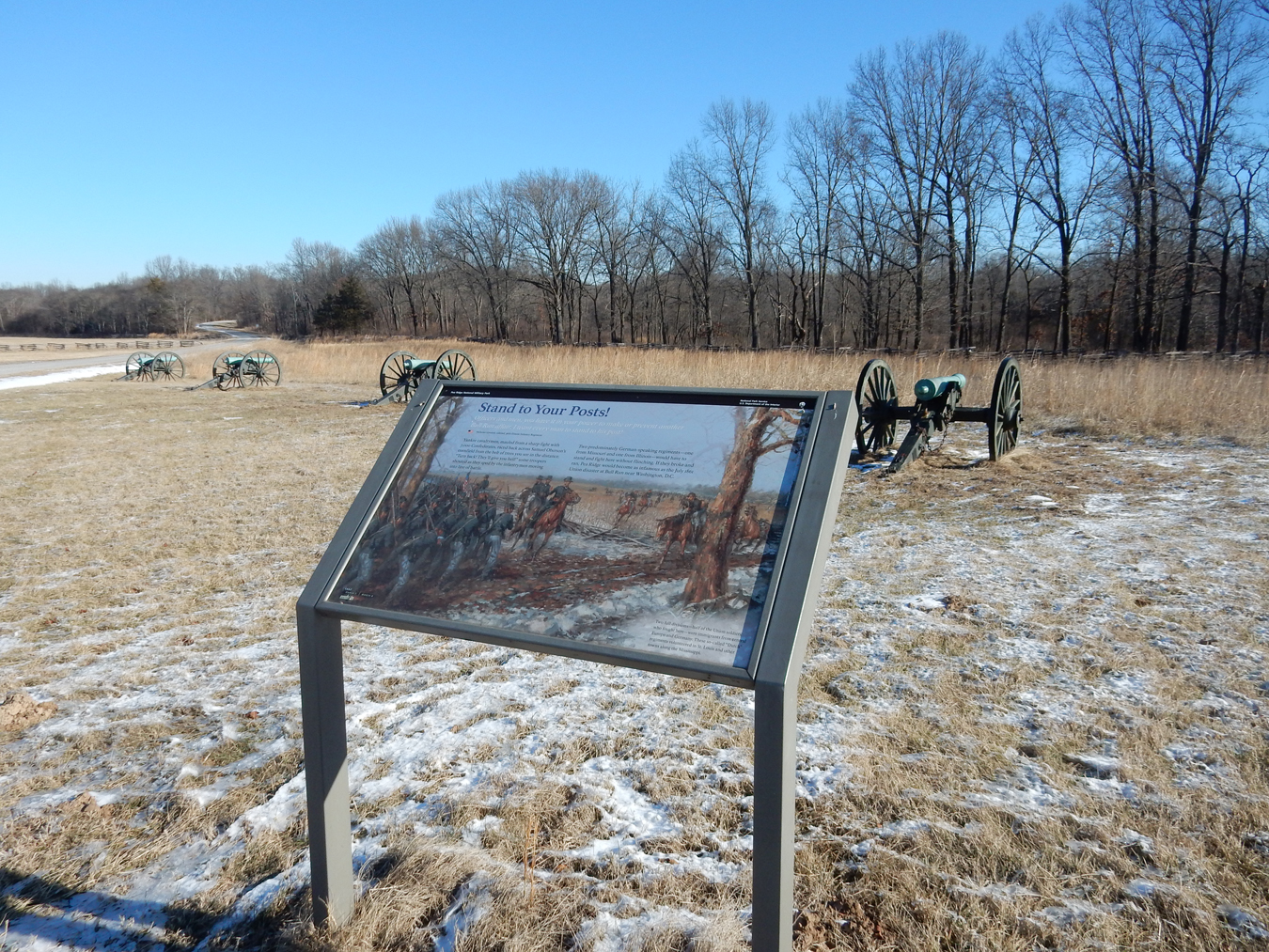
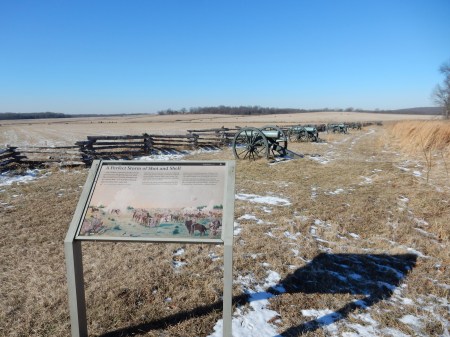
“The Battle That Saved Missouri for the Union.” Recall that yesterday we were at Wilson’s Creek National Battlefield. After that battle (August 1861) the Confederates withdrew, reformed and joined with other forces in Arkansas. Now a 16,000-man army, including about 1,000 Cherokees, their objective was to take St Louis. The 10,500 Federals knew they were coming and dug in along the bluffs above Little Sugar Creek and below Elkhorn Mountain, which is part of the Pea Ridge plateau. This was one of the few Civil War battles where the Confederates outnumbered the Federals.
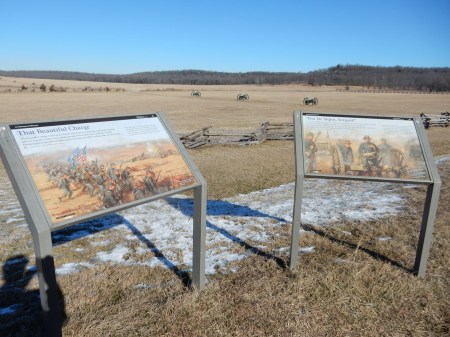
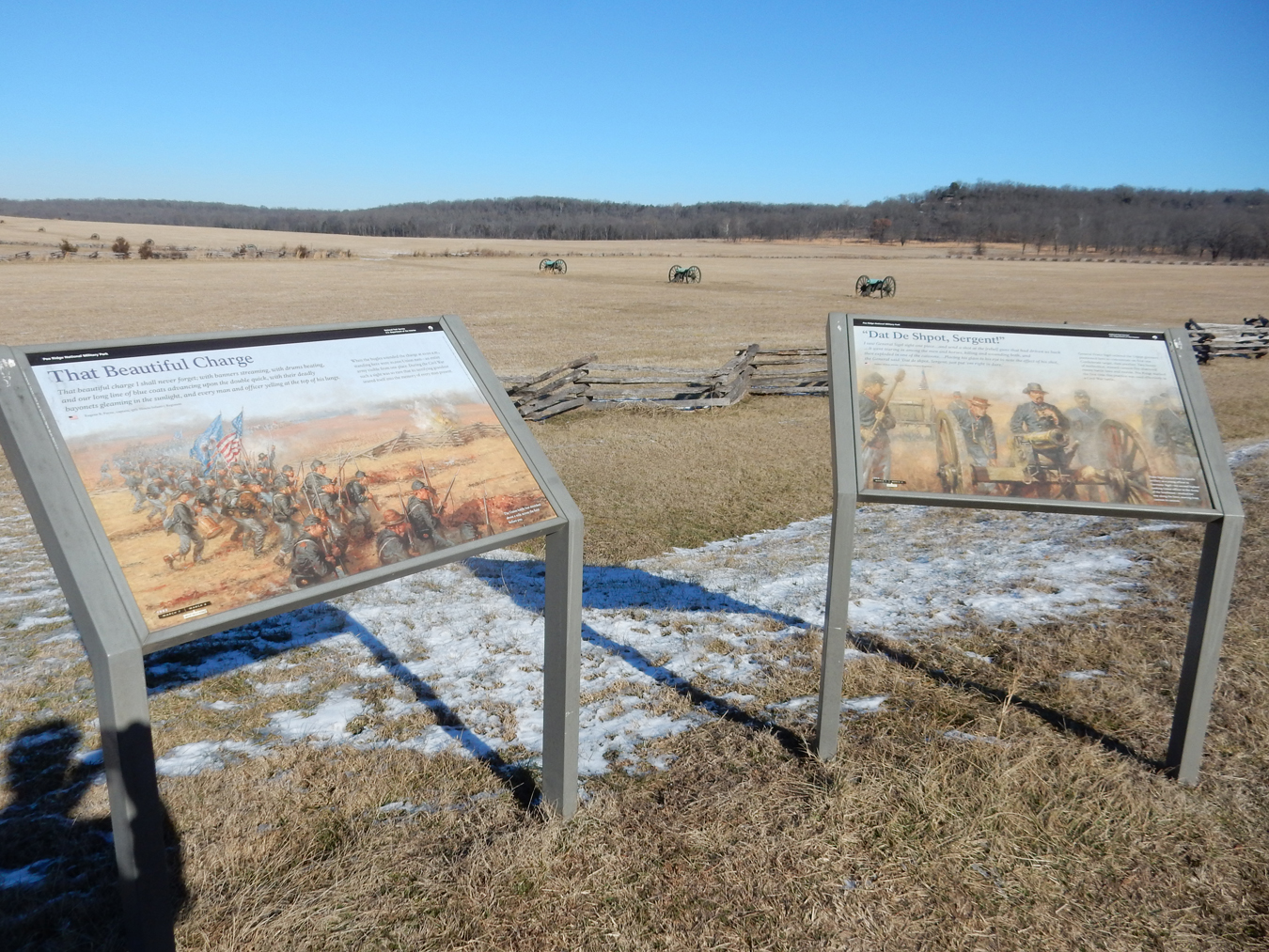
The battle took place over two days. On March 7, 1862 the Federals held off a major Confederate attack on its flank and rear.
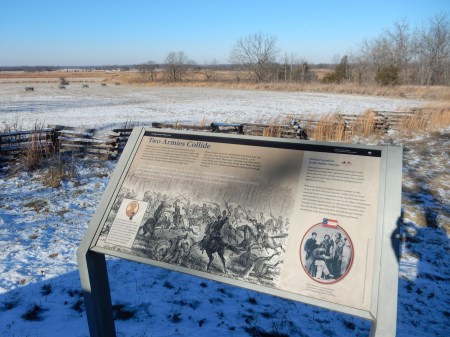
On March 8th, the Union forces counterattacked and drove them from the field.

These were the positions of the forces before the second day of battle
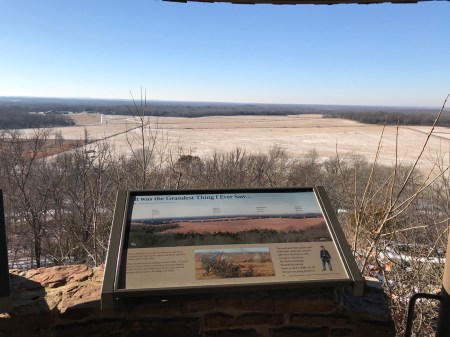
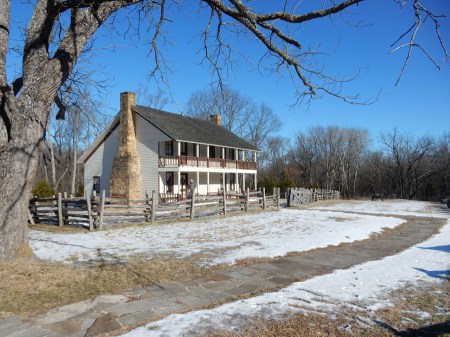
The battle is also known as the “Battle of Elkhorn Tavern,” because on the first day of the battle the Confederates took the tavern and on the second day of the battle the Union forces took it back. After this battle, most of the Confederate and Federal troops moved east of the Mississippi to fight in other campaigns.
 

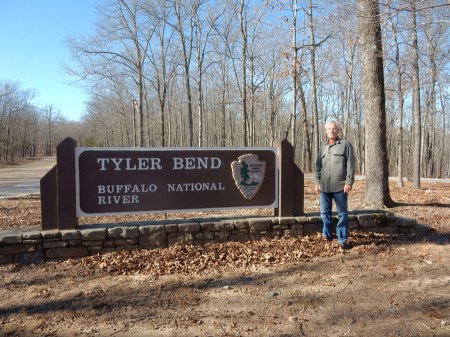
It took about 3 hrs to get to the Tyler Bend Visitor Center for the Buffalo National River
We then drove a short distance south to the Sod Collier Homestead

I then took the 1.5mi Riverview Trail back to the Visitor Center and Helen met me there. There were some nice views from the cliffs overlooking the Buffalo River
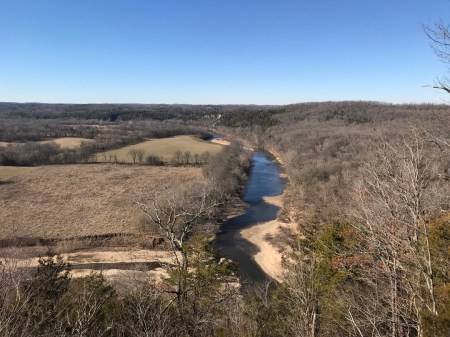
It took about 1.5hrs to drive west to the Ponca Wilderness area of the Buffalo National River
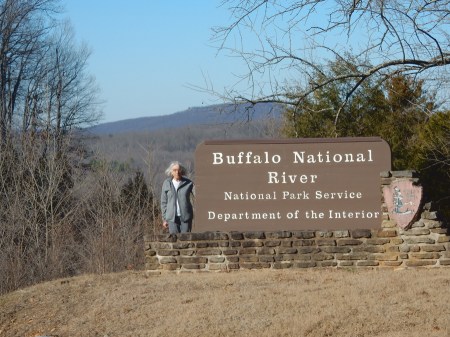
We arrived at the Steel Creek Ranger Station area as the sun was setting. I decided to hike across the fields and down to the river.
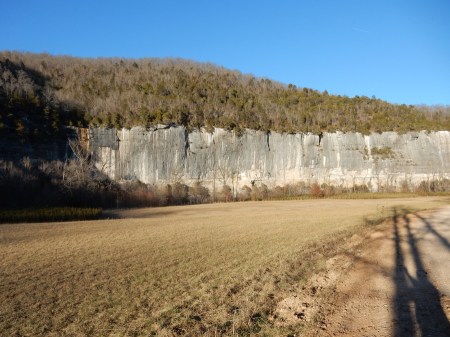
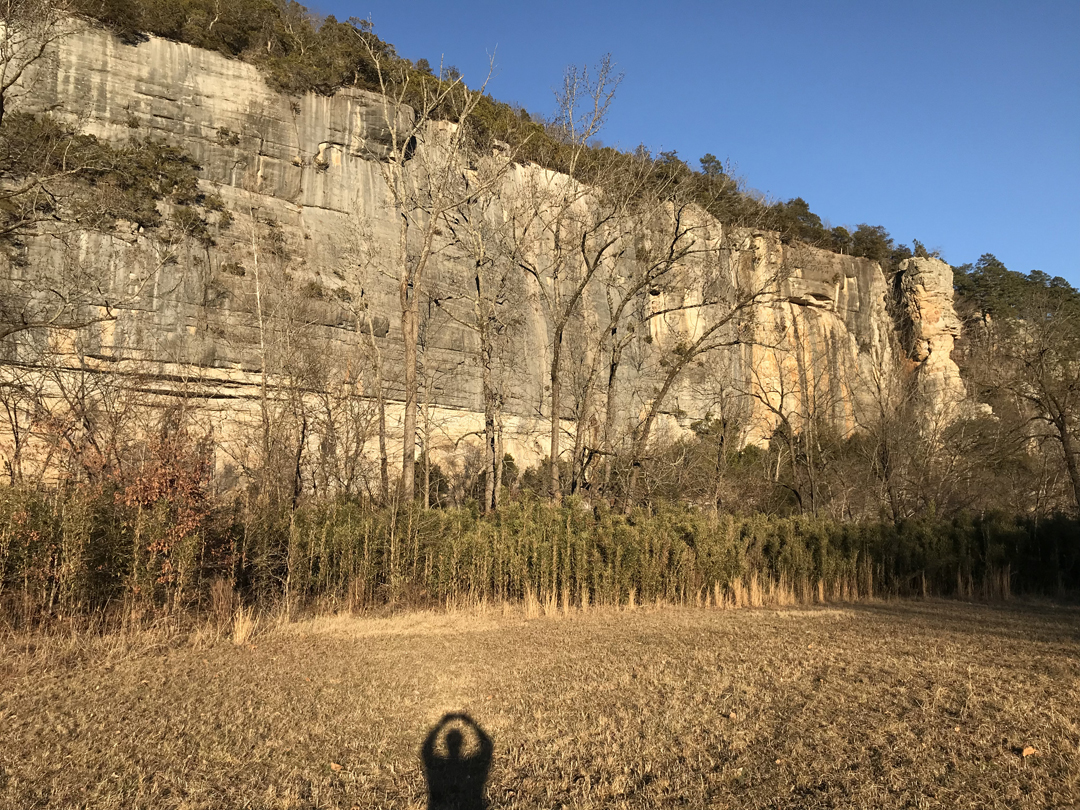
Photo of bluffs on the north side of the river. My shadow looks like I’m starting the O of the OHIO cheer!
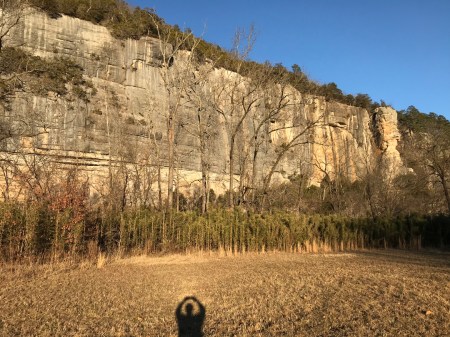
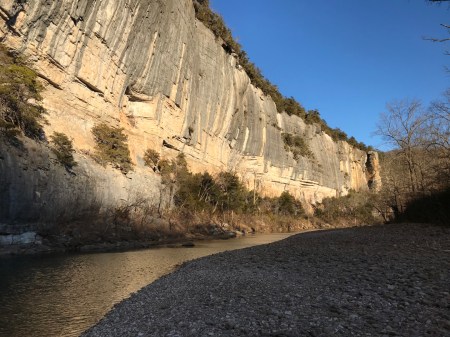
I was able to get some nice pics of the bluffs from river level. I’d like to come back some time and canoe this part of the river.
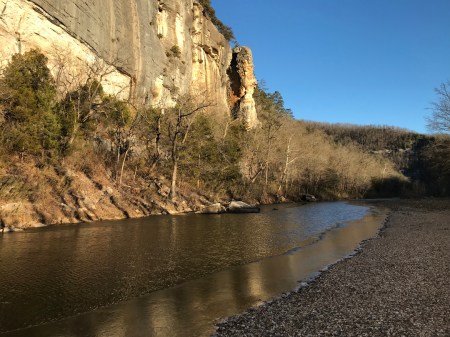
It was cool; you can see some ice on the river close to shore
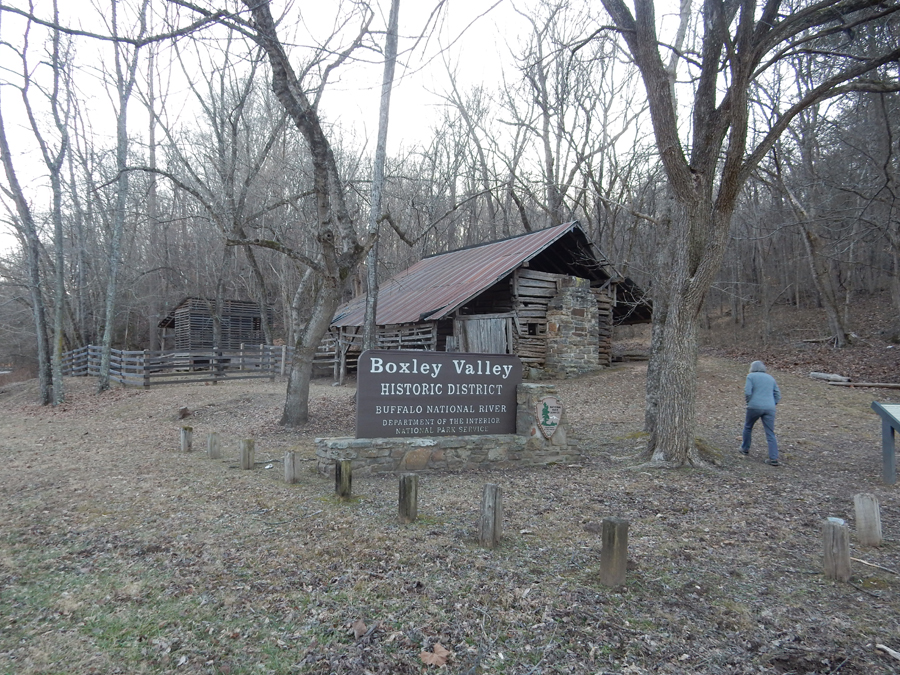
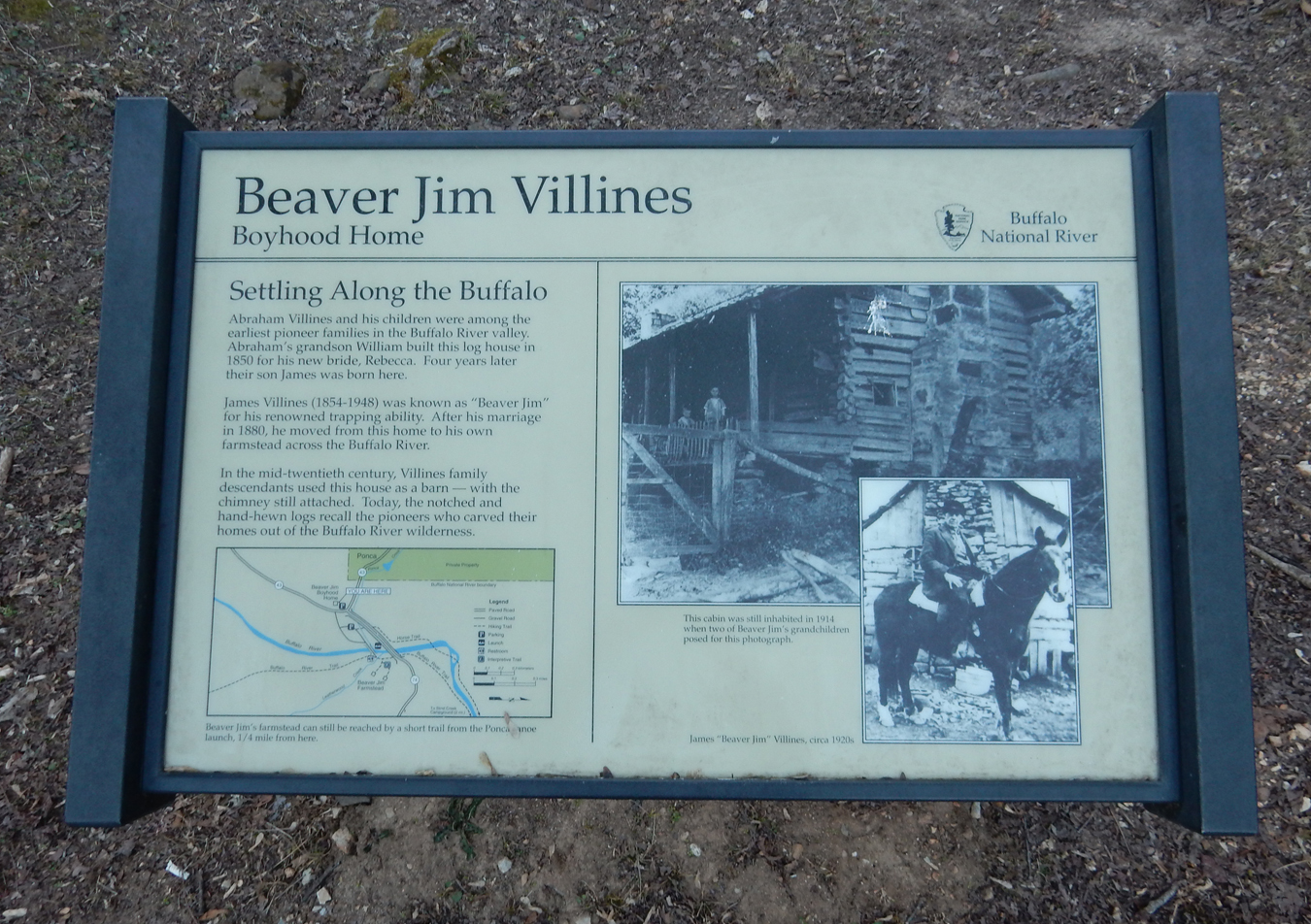
We did a quick stop at a homestead in Boxley Valley as we drove into Ponca


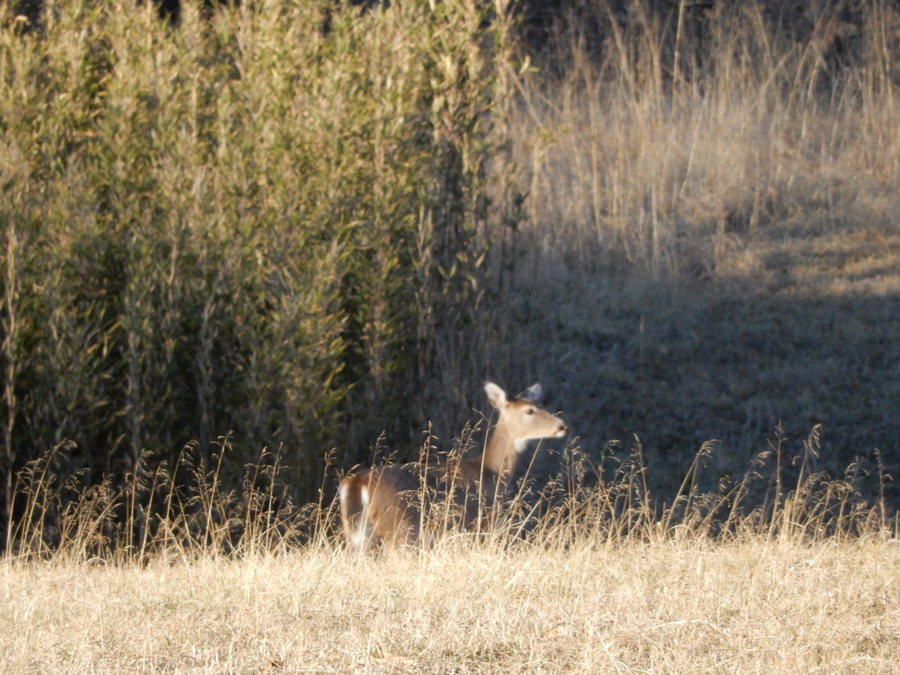
It was now dinner time and we stopped to ask where we might eat. They directed us back the mountain to the Low Gap Café where we had a good blackened catfish dinner. As we drove to our B&B, we stopped in Lost Valley where we saw a large herd of elk – too bad my camera was not able to get a good picture.

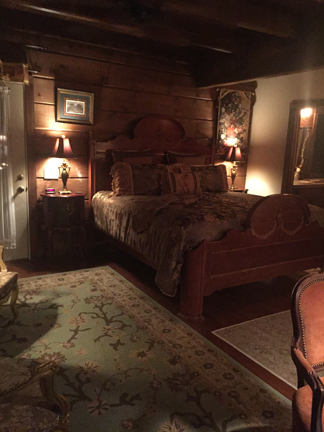
It was only a short distance to the Azalea Falls Beauty Lodge B&B. As it turned out, we were the only ones in the Lodge and they upgraded us to the Master Bedroom Suite with deck. This is a picture from the next morning.

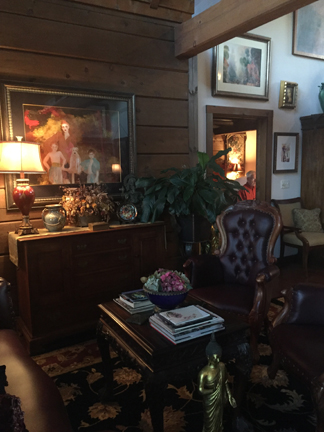
The place was huge, extravagantly decorated and we had it all to ourselves. It was big bucks to build and decorate. This was the view of the central area as you walked in. the second pic is the back half of the same area taken from the second floor.

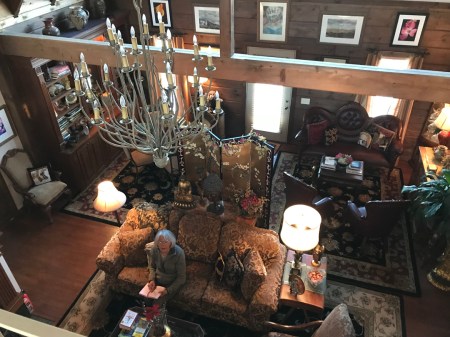
Many antiques and expensive reproductions
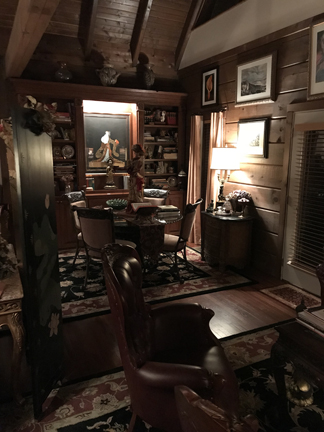
An eclectic choice of furnishings, Helen sitting in our bedroom and Tom at desk in bedroom

Our room, we actually used the two-person jacuzzi
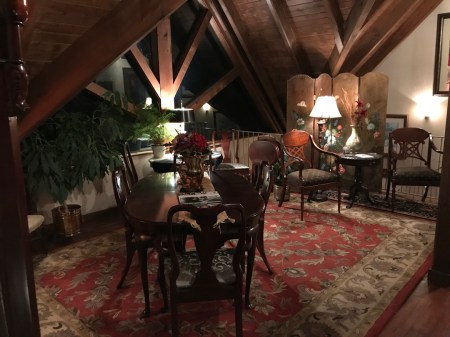
In addition to our room, there were two large bedrooms on the second floor. These are pictures of the second-floor seating area at night and in the morning.
It was only Helen and I sitting at this table for a wonderful breakfast.

This was the nicest accommodation of our trip

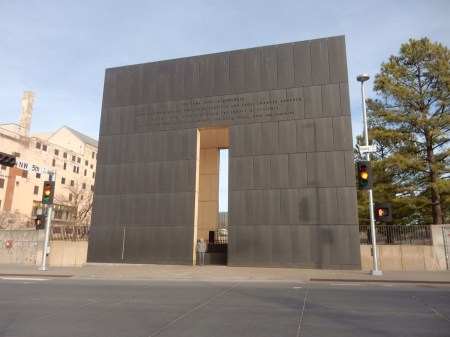
It took 5hrs to drive to the Oklahoma City National Memorial. It is not a National Park Unit but is an Affiliated Area with NP rangers on site. The Memorial commemorates the April 19, 1995 truck bomb explosion set off by Timothy McVeigh (now referred to as a “domestic” terrorist) outside of the nine-story Murrah Federal Building in Oklahoma City. The blast destroyed one-third of the building killing 168 men, women, and children. This is the outside of the West Gate of Time – on the opposite side is a Large 9:03.
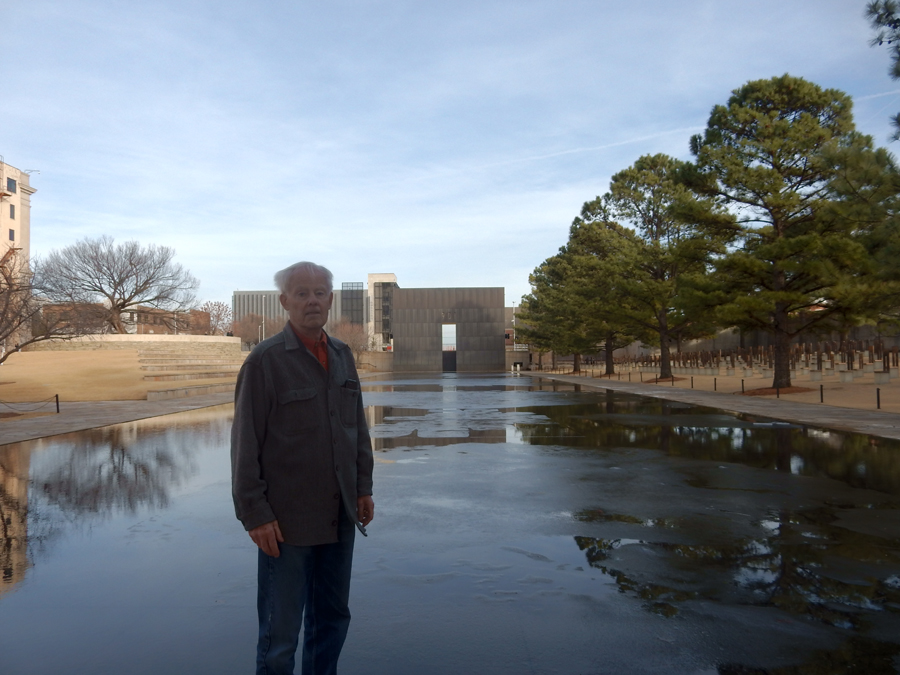
This is the inside of the East Gate of Time – note the large 9:01. 9:01am was the time the explosion occurred.
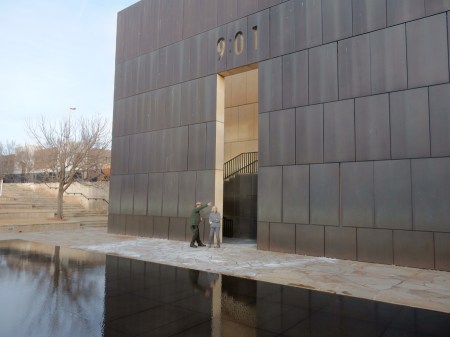
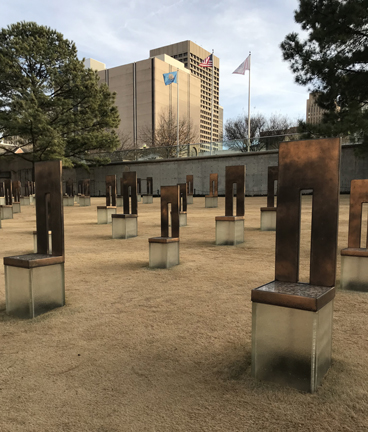
The Reflecting Pool, that is between the Gates of Time, represents the minute (9:02) of destruction between 9:01 and 9:03. Note the empty chairs to the right.

The 168 chairs are within the footprint of the Federal Building. One for each victim, with the small chairs representing the children that were killed.
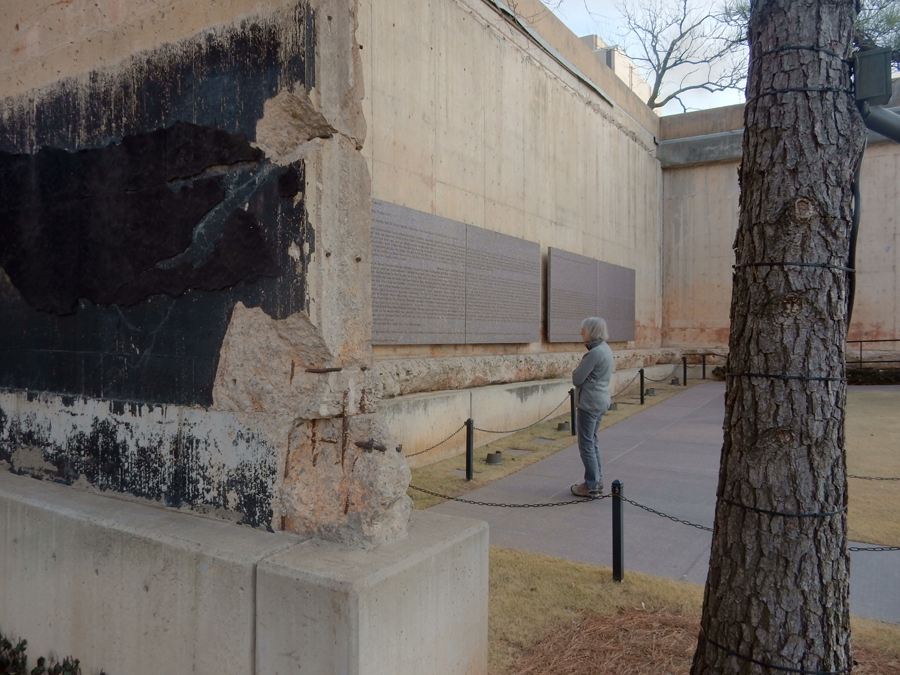
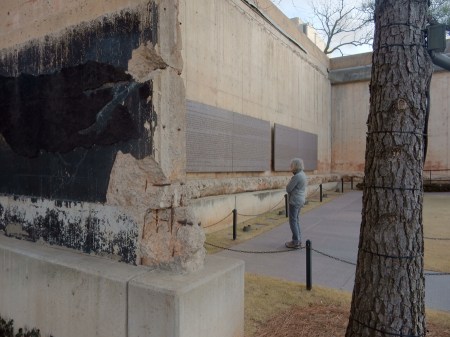
This is a picture of the only remaining walls, with the names of more than 600 people who survived the blast
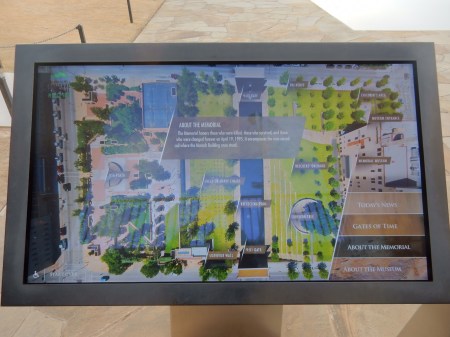
Map of site
 

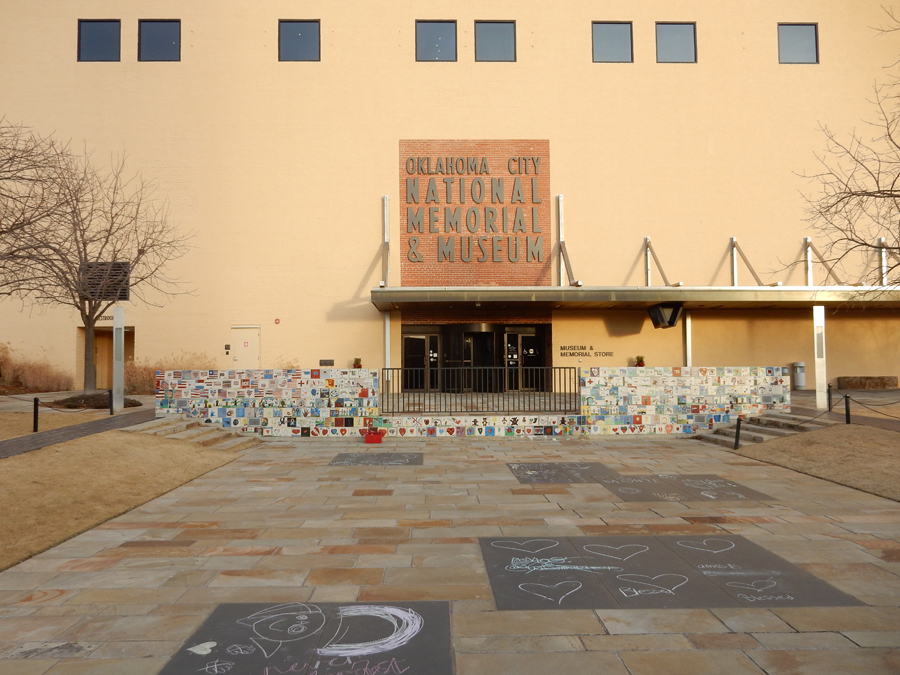
North of the Reflecting Pool is the Oklahoma City National Memorial Museum

There is a chalkboard terrace at the entrance where visitors are encouraged to share their feelings
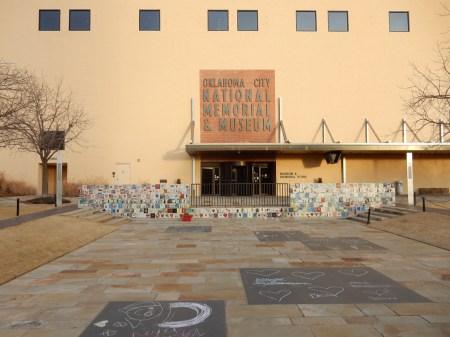
 

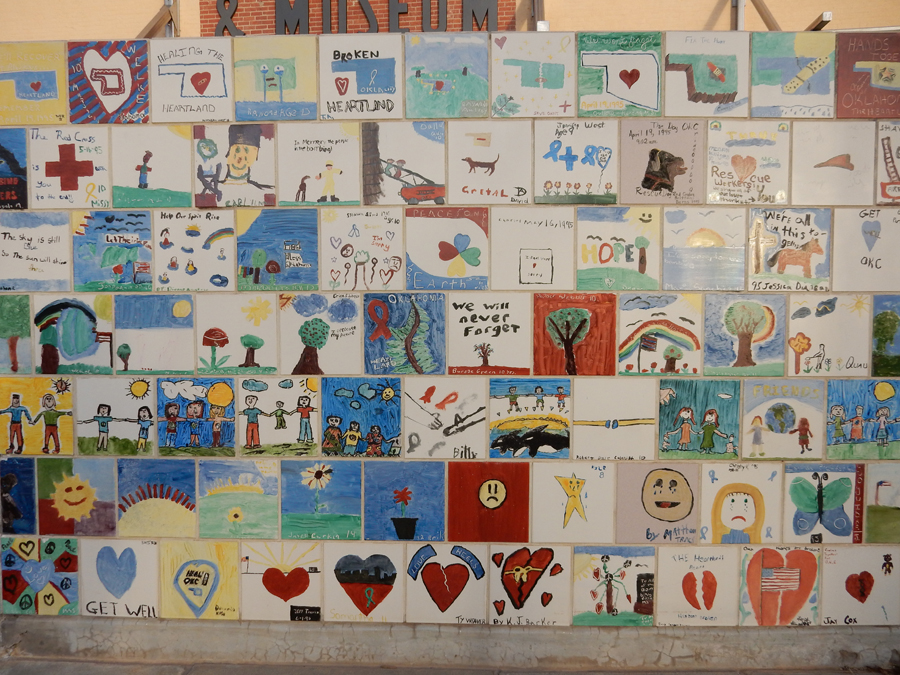
The hand painted tiles were made by children from around the world

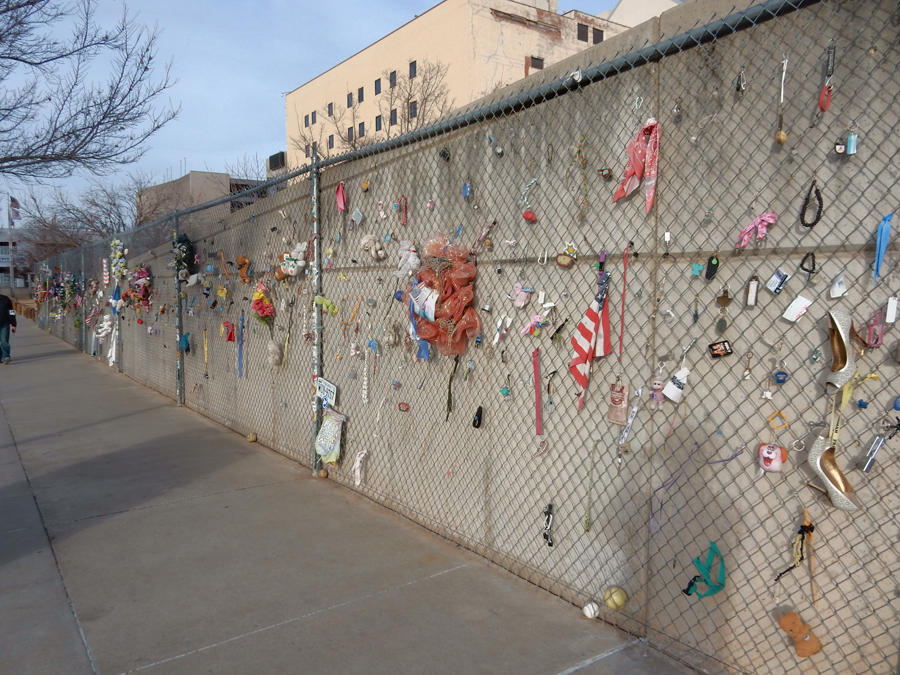
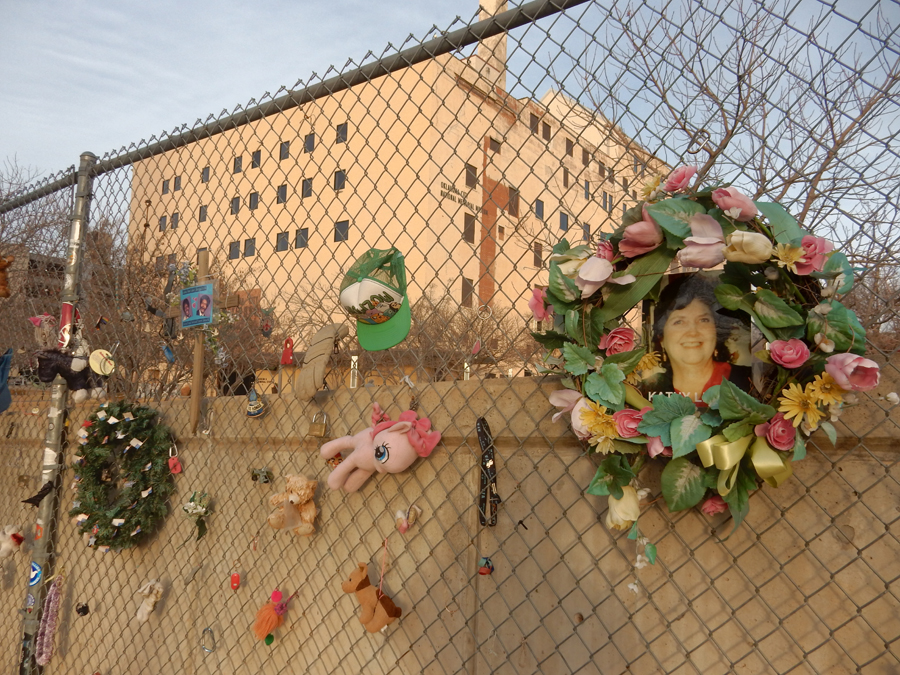
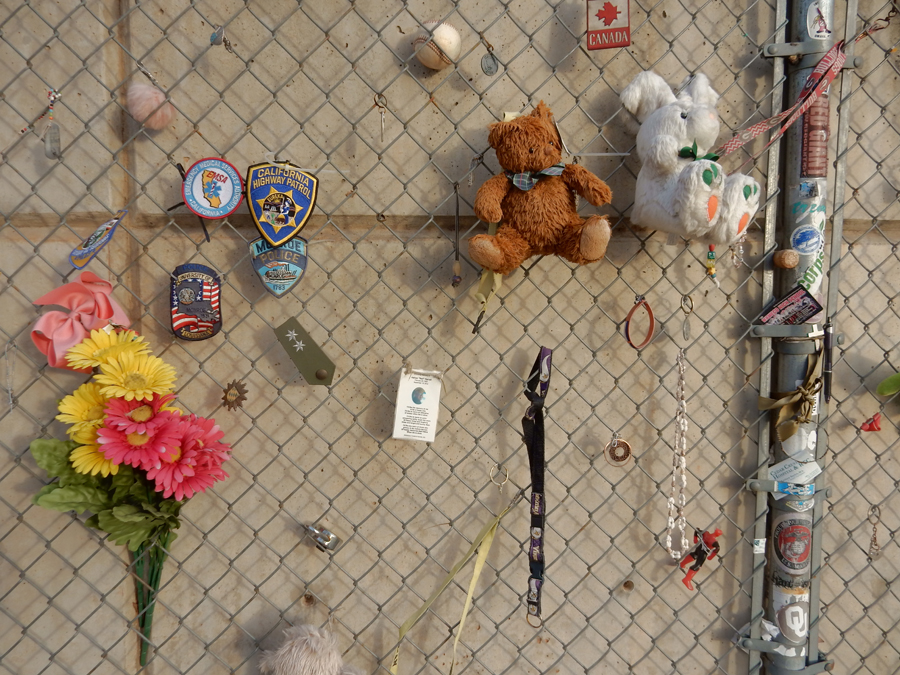
The west fence, that was installed to enclose the crime scene, has found another purpose

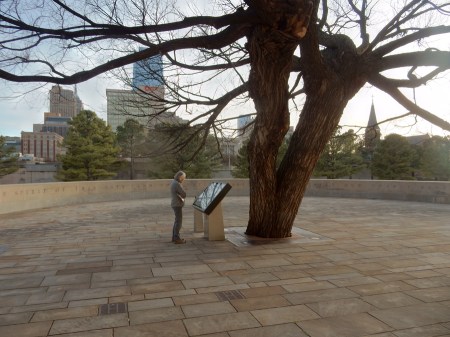
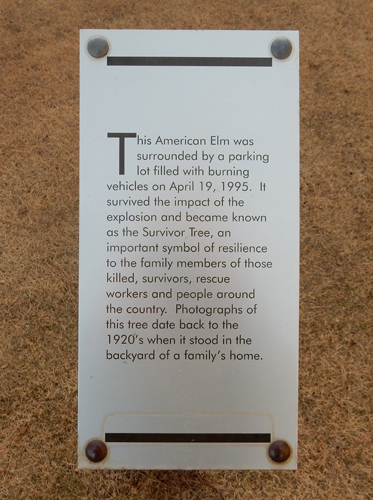
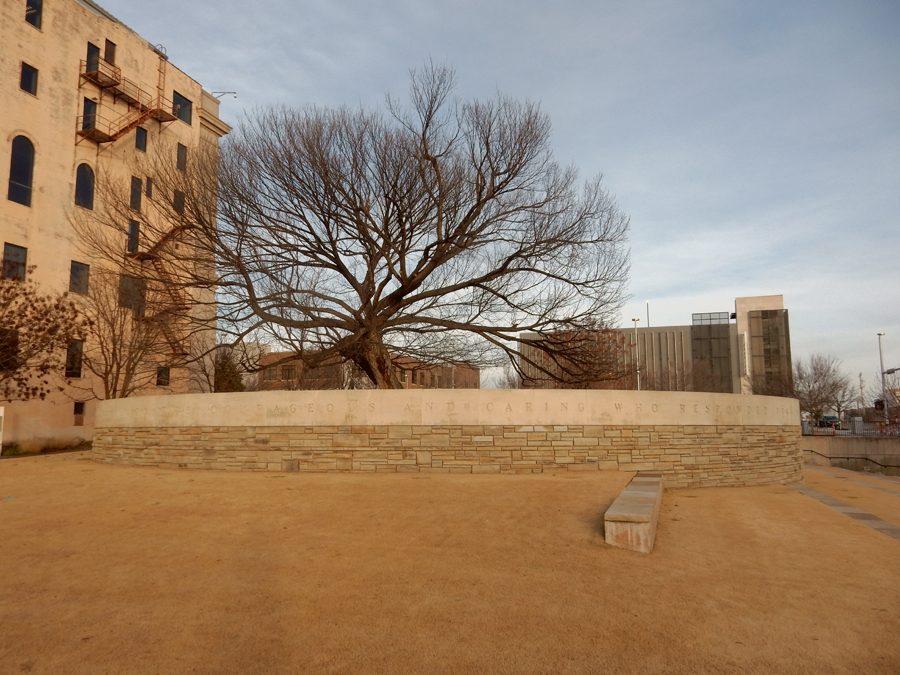
American Elm now known as the “Survivor Tree”
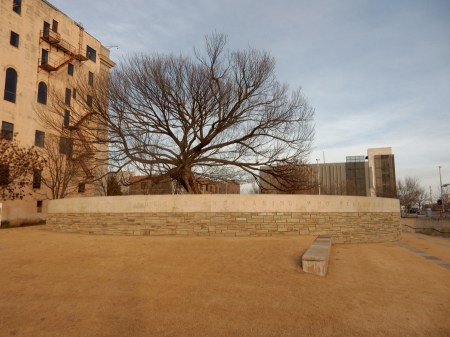
McVeigh and his associate Terry Nichols were said to be retaliating against the government’s handling of the Waco and Ruby Ridge incidents (the bombing occurred on the second anniversary of Waco). April 19th is Peter’s birthday.  McVeigh was executed by lethal injection on June 11, 2001 and Nichols is in jail serving a life sentence.

We slept at a Comfort Inn in Elk City OK


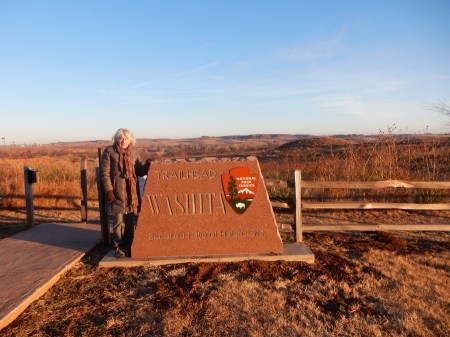
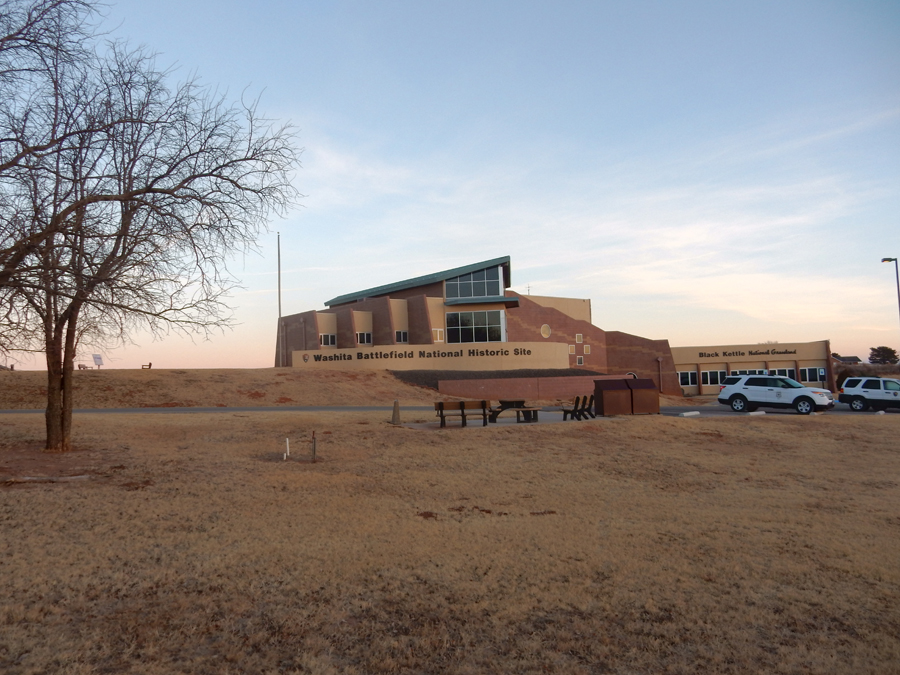
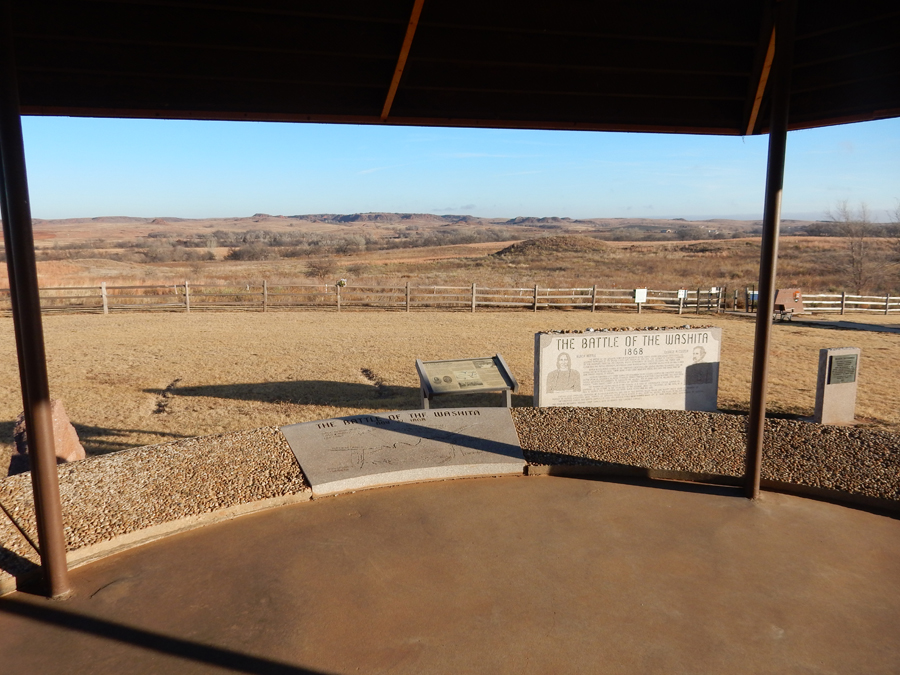
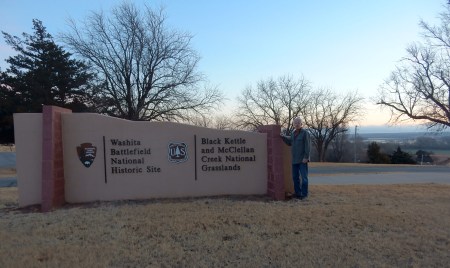
1/20 Sat – 1hr drive to Washita Battlefield National Historic Site in western OK

The US Government had just shutdown at midnight as a result of the failure of a budget bill in the Senate. We arrived at the Visitor Center at 8am when it was supposed to open; the rangers were inside. After knocking for a bit, one came to the door and said the Vis Ctr was closed due to the shutdown and he could not let us in. I asked if he could give me a park pamphlet. He reluctantly agreed and passed it through the door. Though the center was closed, we were allowed to tour the Historic Site.
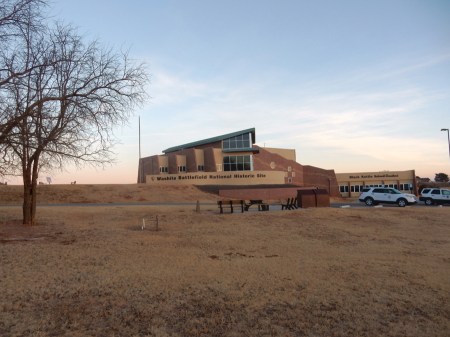
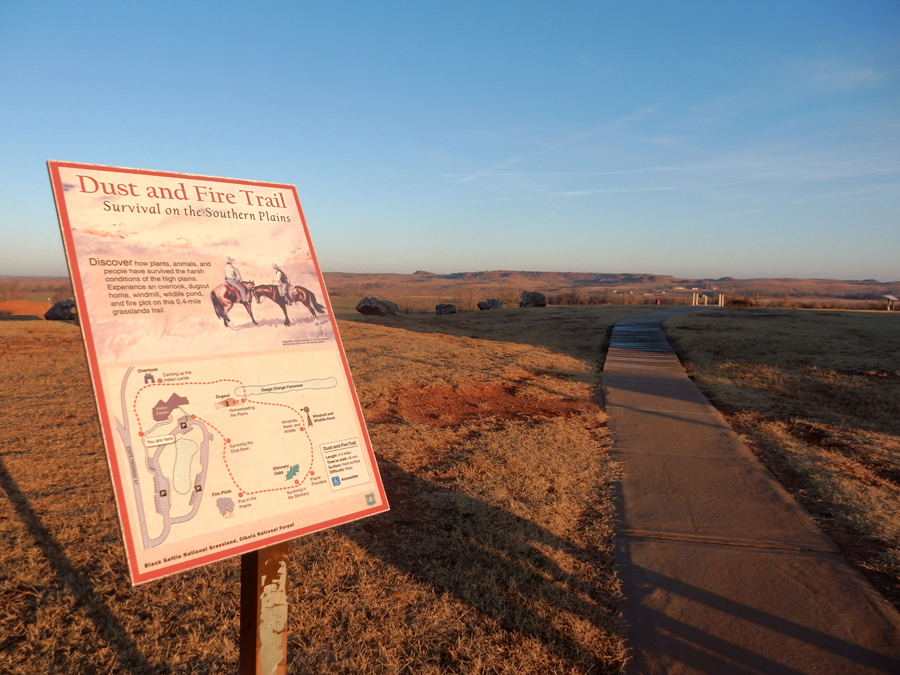
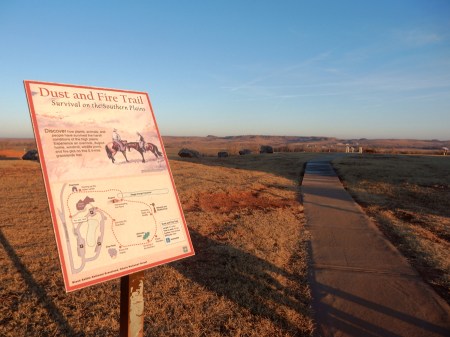
We started by doing the Fire and Dust trail near the Visitor Center. The early morning sun produced some wonderful colors.
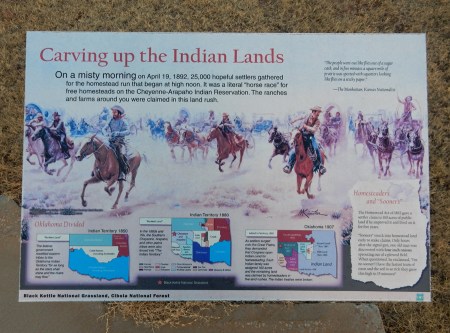
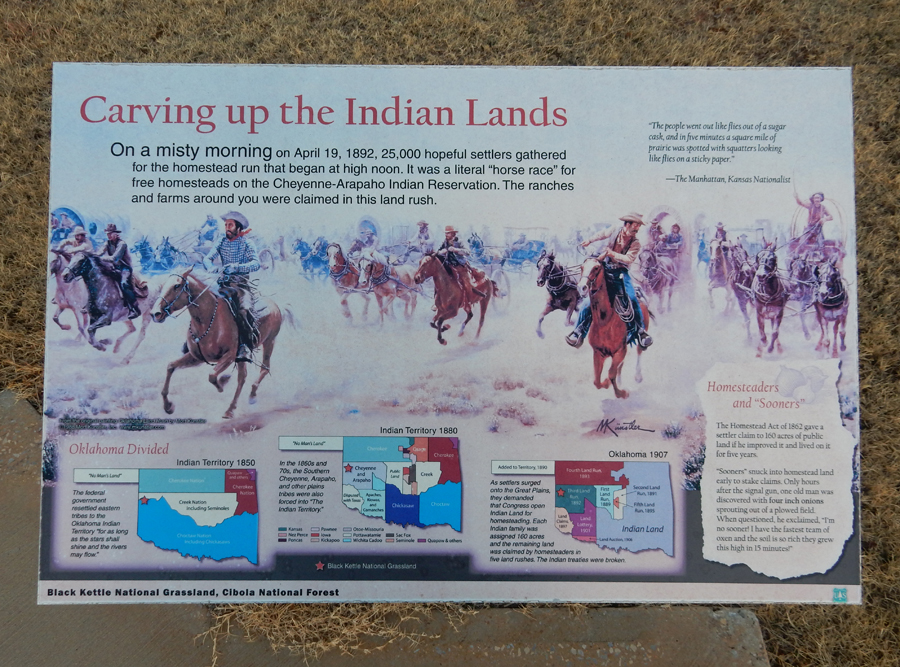
We then did the 1.5mi self-guided Overlook Trail to Chief Black Kettle’s Camp.  Black Kettle was a Cheyenne Peace Chief. In 1864, his village in Colorado was attacked while he was flying a white flag of surrender – the Sand Creek Massacre (we will visit that site later in this trip). Black Kettle escaped the massacre. While Black Kettle was still willing to make peace, other groups of Cheyenne, Arapaho, and Sioux raided ranches, settlements, stage stations and transportation routes. As winter approached in 1868, some 6,000 Cheyenne, Arapaho, and Kiowa laid out their winter camps along 15 miles of the Washita River valley. Unfortunately for Black Kettle, he chose to make his camp some distance upstream from the other tribes. On the morning of November 27, 1868, Lt. Col George A. Custer attacked the sleeping encampment. It is estimated that between 40-60 men, women, and children were killed, including Black Kettle and his wife Medicine Woman. Custer had their lodges burned and their winter supply of food and clothing destroyed. In addition, he ordered the killing of their pony and mule herds, about 800 animals. He also took 53 women and children as hostages as he retreated when the other tribes started to approach the scene. Custer’s “success” is thought to have contributed to his poor judgement at “Custer’s Last Stand,” the Battle of the Little Big Horn on June 25-26, 1876.
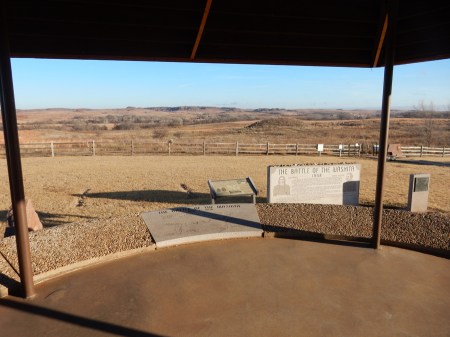


It is recommended that you not take photos at the battle site, as it is considered Sacred Ground

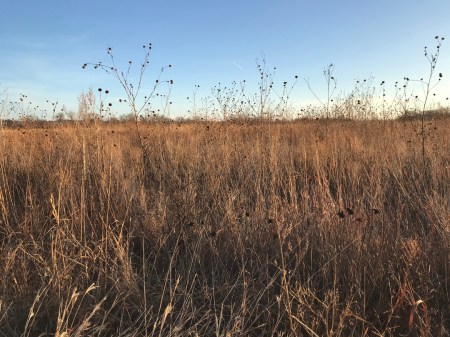
 

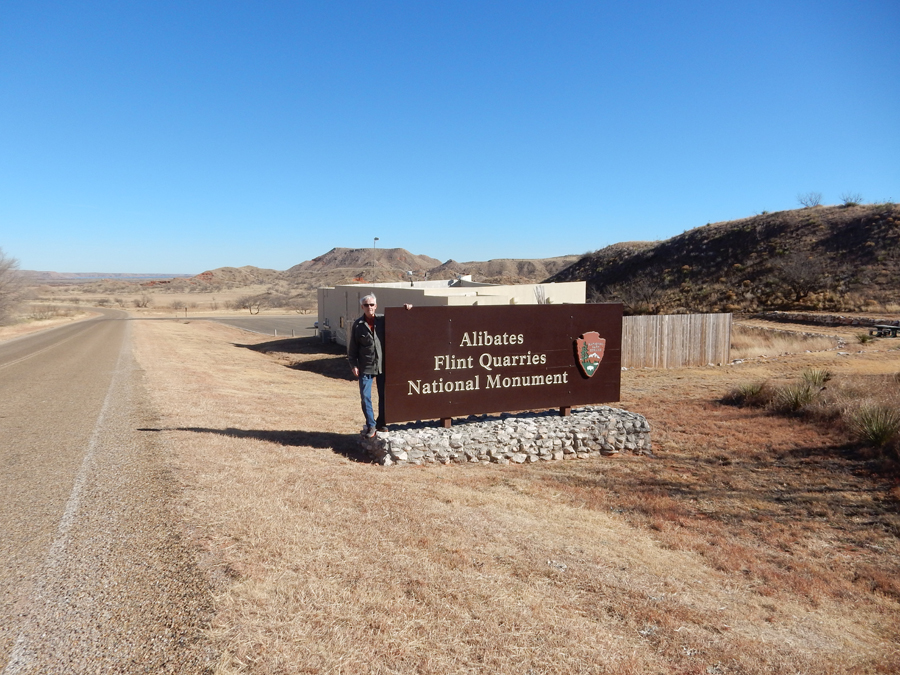
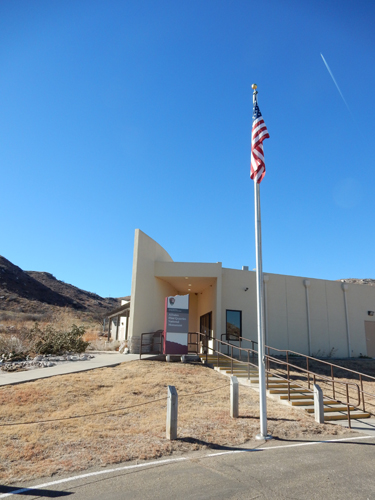
It was a 2.5hr drive to Alibates Flint Quarries National Monument in the Texas Panhandle. We started at the small Vis Ctr where a volunteer was on duty.

A Quarry Pit
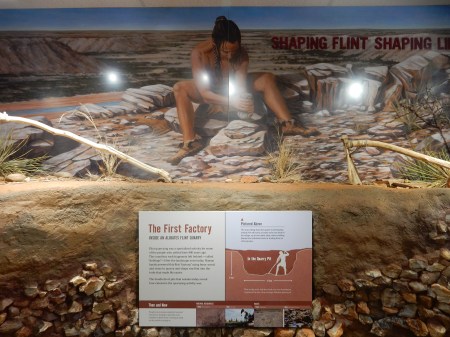
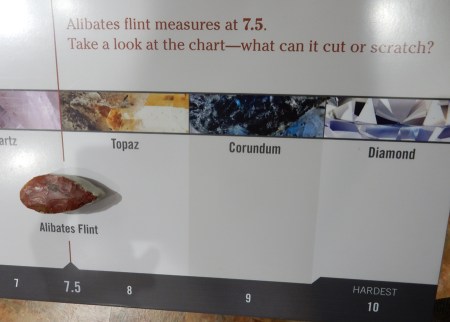
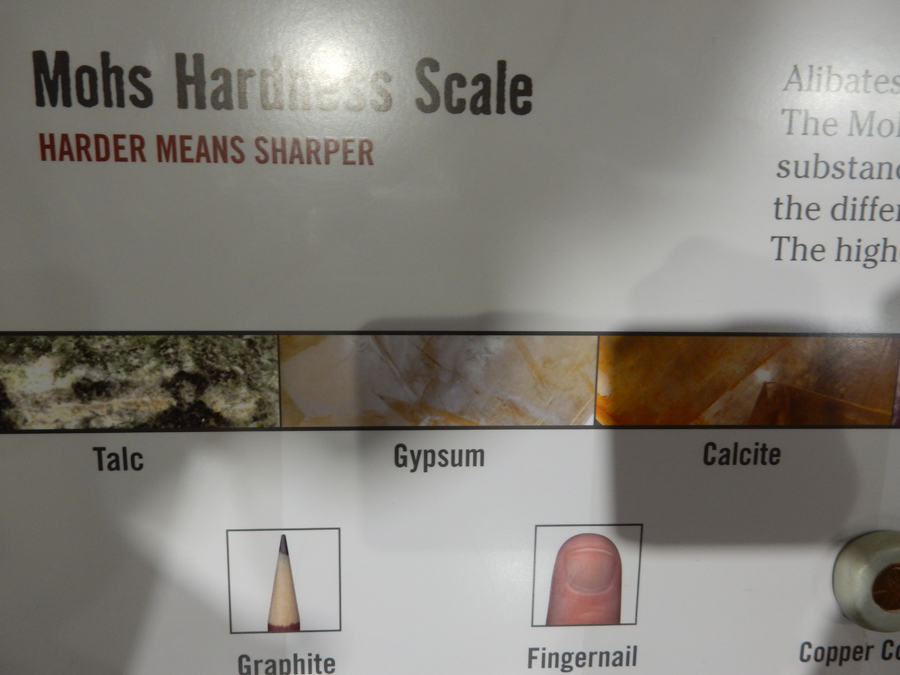
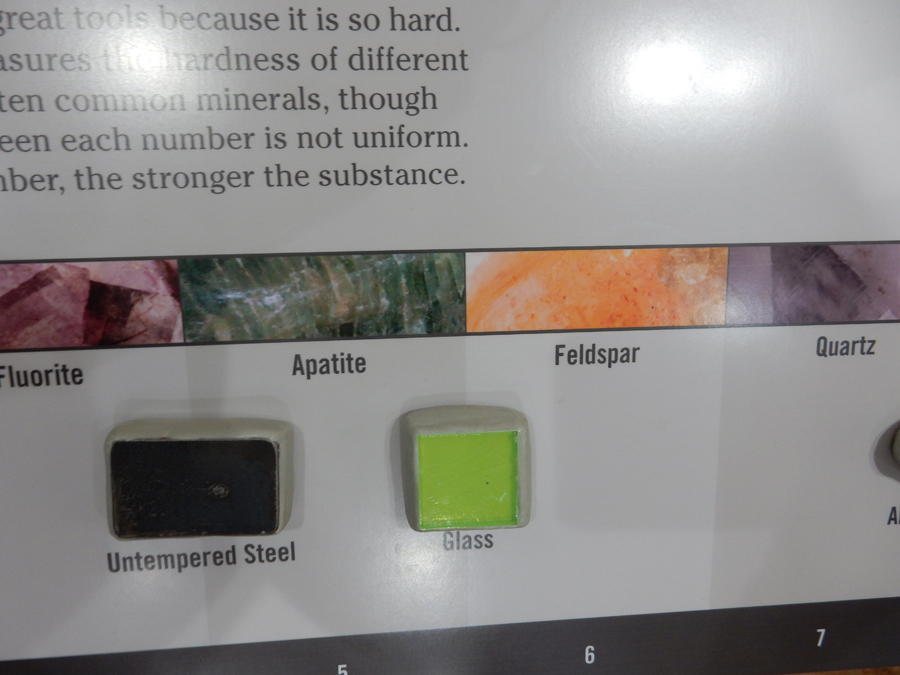
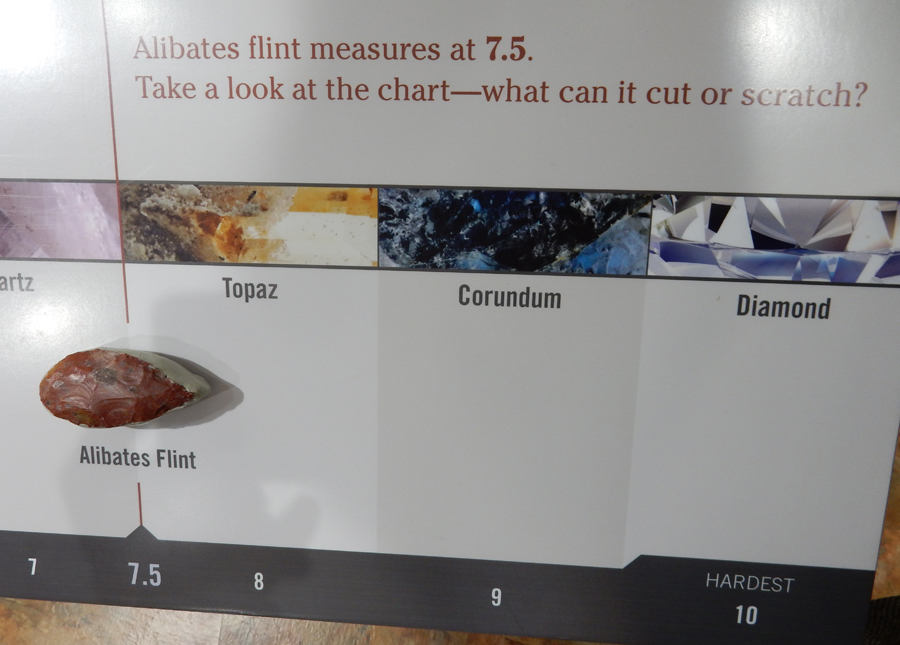
Mohs Hardness Scale (0-10) – harder means sharper. Alibates Flint is 7.5


Uh-O!

While we were watching the 11min park movie, the ranger arrived and stated that the Vis Ctr had to be closed due to the Government Shutdown. Lucky for us the volunteer had not got those instructions! We were allowed to finish the movie and then had to leave. We then did the mile loop trail from the parking lot.

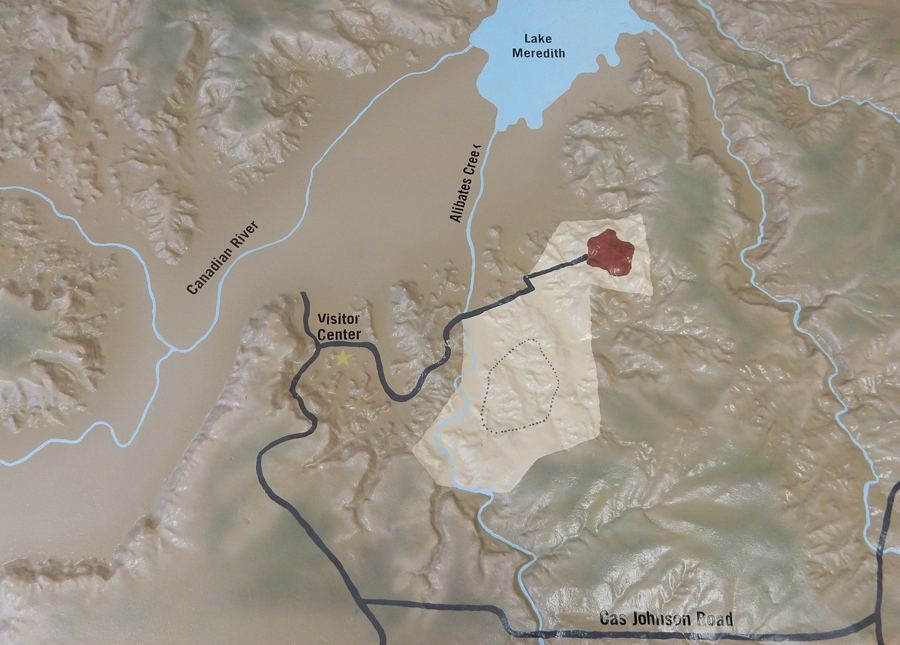
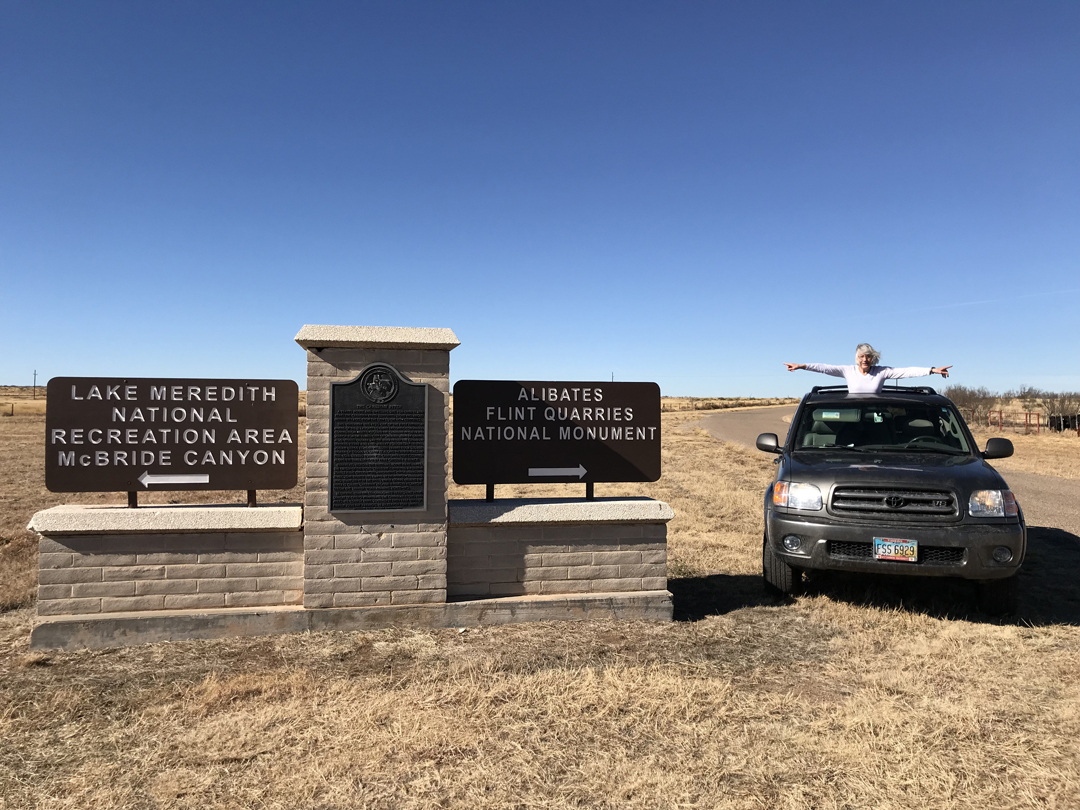
Alibates Flint Quarries NM is within the Lake Meredith National Recreation Area.

Lake Meredith was created by placing the Sanford Dam on the Canadian River. This area was previously called the Sanford Recreation Area.
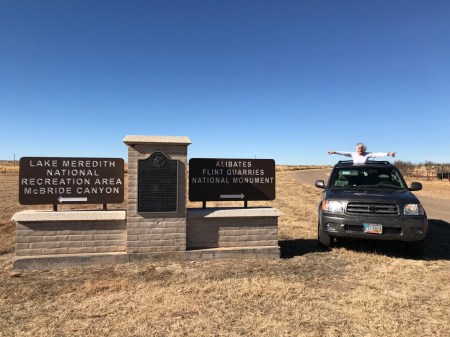
 

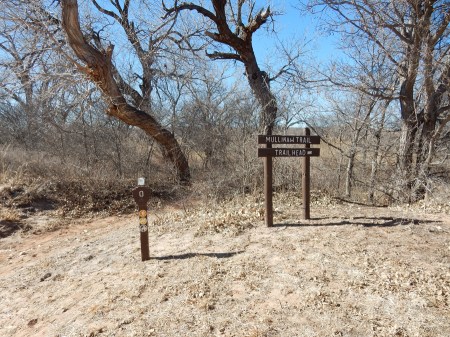
We then drove a gravel road to the Mullinaw Trail where we hiked to the Canadian River and back
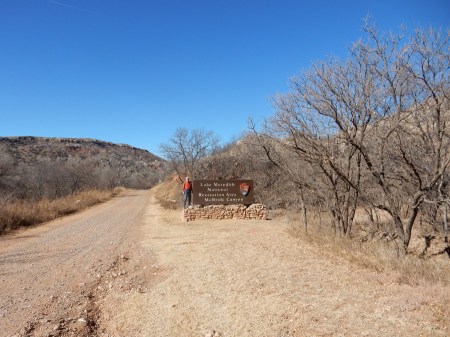
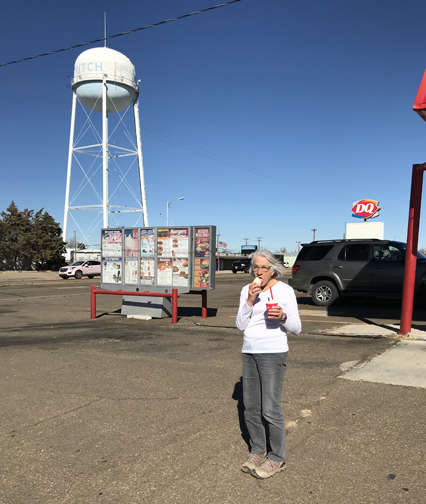
We then went to Harbor Bay to view the Lake. This was the first warm day of our Winter Trip! We celebrated with an ice cream cone at the DQ in Fritch TX.

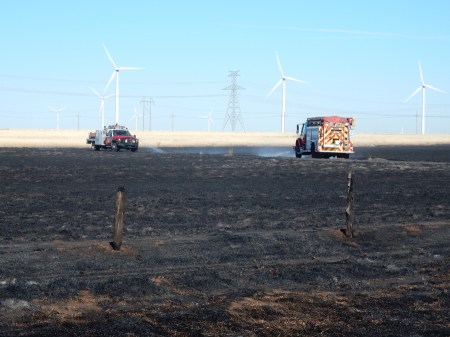
There have been drought conditions here in the TX Panhandle. Not good to have a grass fire near the Plantex Nuclear Weapons Plant of the Department of Energy (East of Amarillo TX)!
 

It was a 4hr drive to Lawton OK and the Fairfield Inn & Suites.


1/21 Sun – Went to church and then drove to Dallas TX where we met Phil for lunch. We also went to an Apple Store nearby to get my iPad fixed. I had been keeping my diary on the iPad and then placing it in my suitcase for travel. A day ago, I found it had been shutdown. I was told that they think the iPad was trying to connect while it bounced around inside my suitcase (I had driven on some rough roads).  After ten attempts, the device shuts down for security reasons.  So, they reactivated it, but I lost my diary entries. I was so discouraged I stopped writing my diary on the iPad.  Afterward, we went to Phil’s home for a drink and met Hayden.  After a nice visit we proceeded to Plano TX to see Ed & Tricia.  Ed and I watched the Eagles beat the Vikings in an NFL Playoff game.

 1/22 M – Ed and I went to a shooting range while the ladies went shopping.  I also had the Sequoia serviced, washed, and gassed, so we were ready to leave the next day.  We had a fun game of Aces to Kings after dinner.

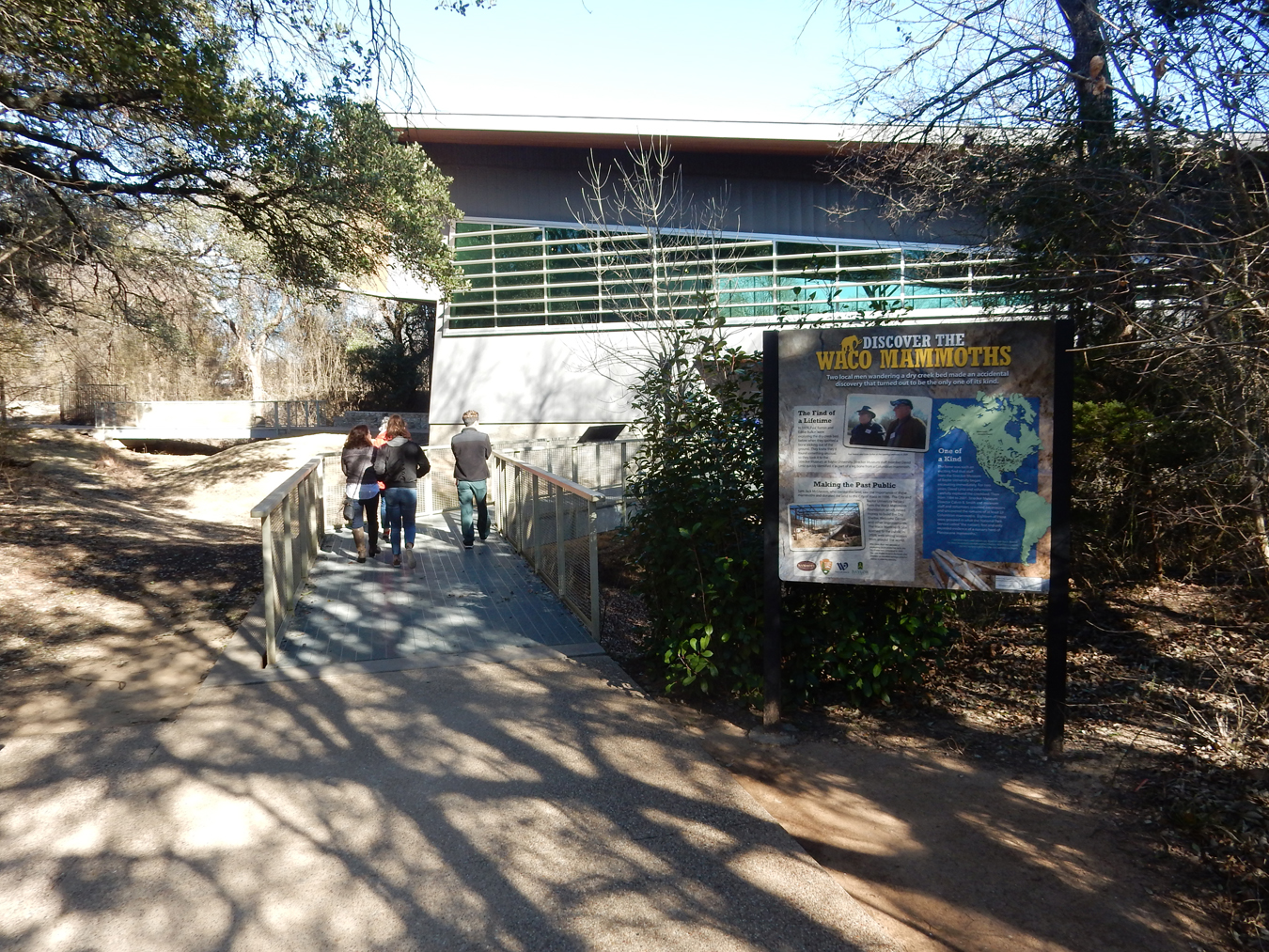
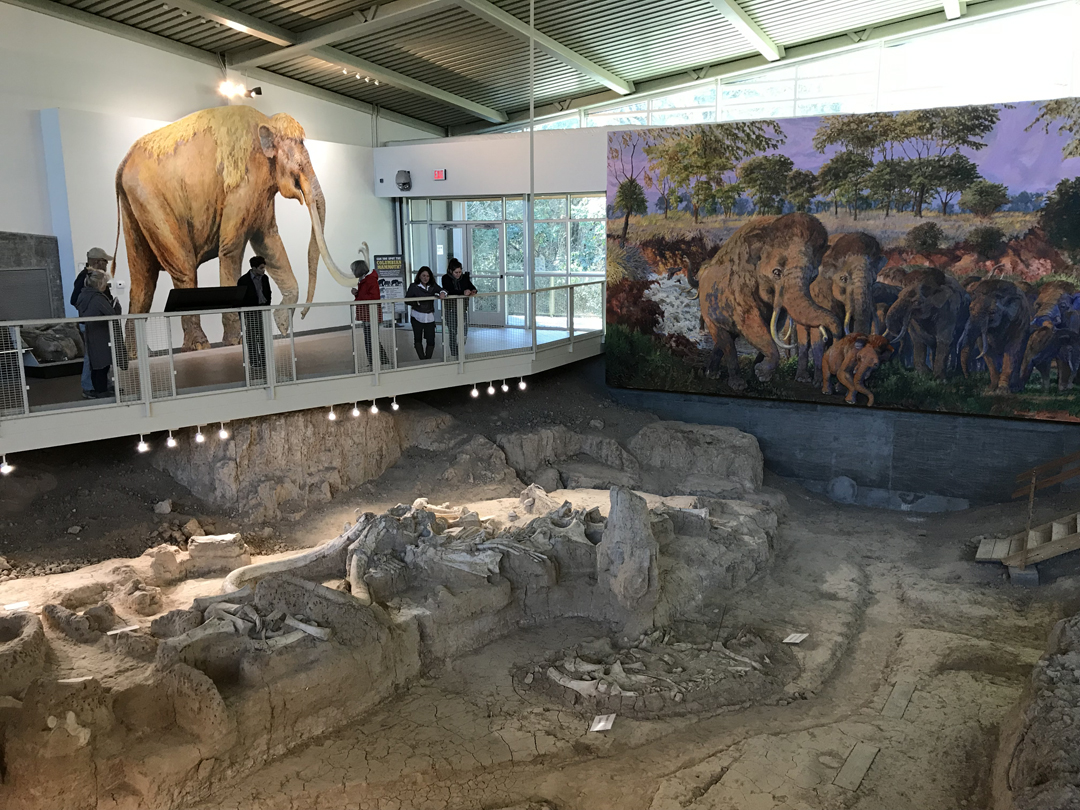
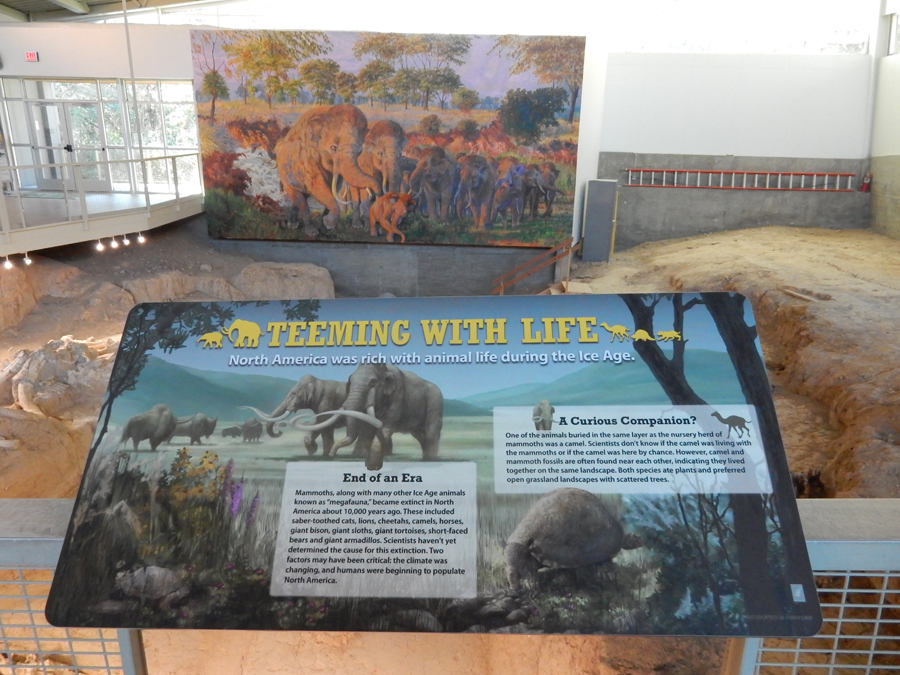
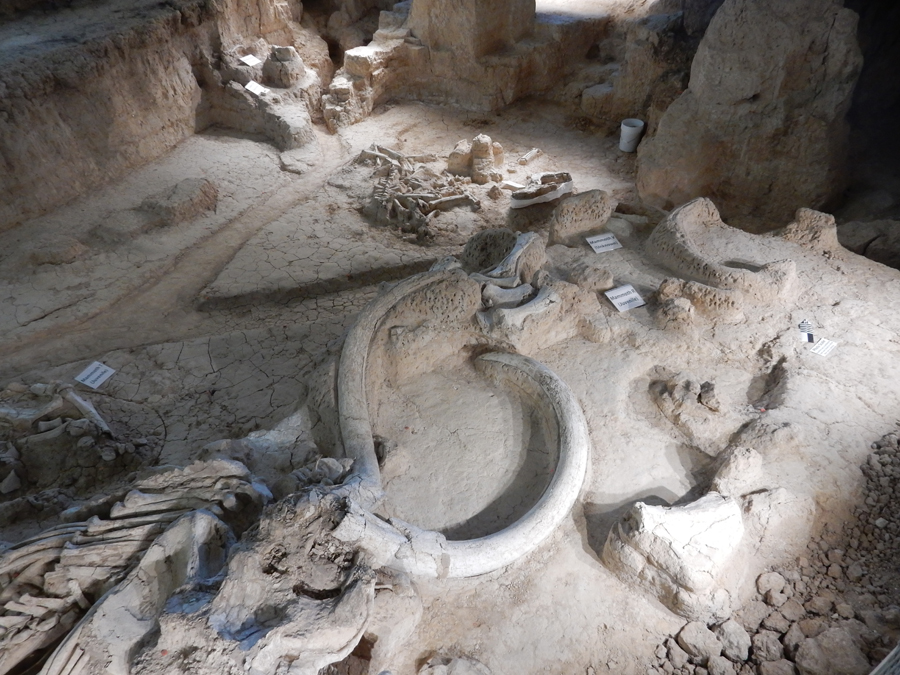
1/23 Tu – It was a 2hr drive to Waco TX. Our first stop was the Waco Mammoth National Monument, which is administered by the NPS, Baylor University, and the City of Waco.  It was designated a NM by President Obama in 2015.  We checked in at the Visitor Center and then paid $4 each (seniors) to have a Baylor University student give us a tour of the Dig Shelter.

Many Ice Age animals have been found here

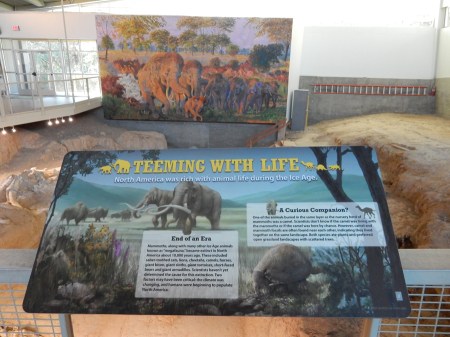
In these pics we can see Mammoth and Camel skeletons

This sign explains the differences between Mammoths and Elephants

Humerus, or upper arm bone, of human vs mammoth

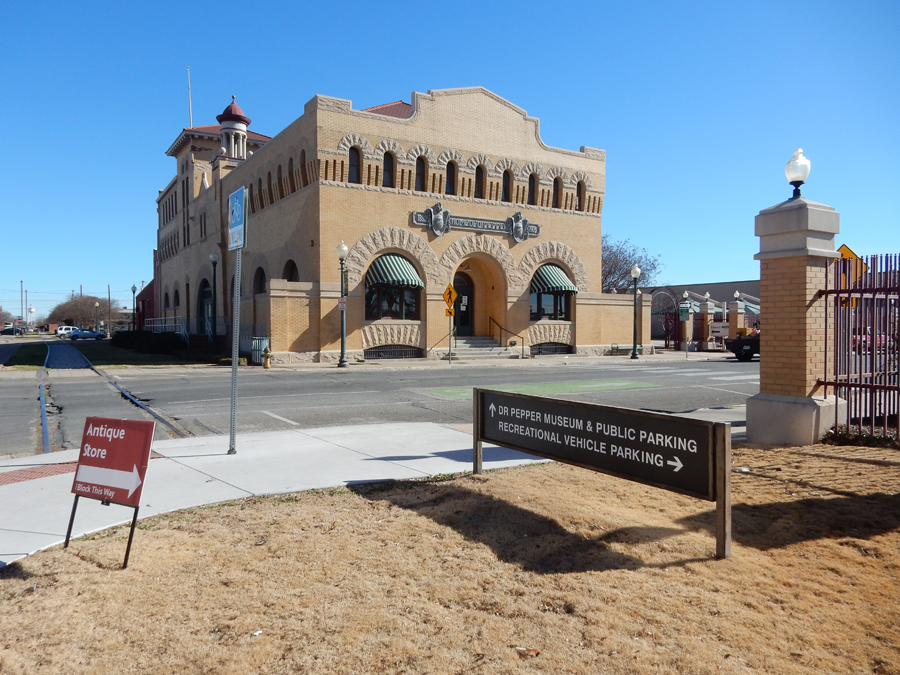
Our next stop was the Dr. Pepper Museum in downtown Waco

“Nations Oldest Major Soft Drink”

Across the railroad tracks was Magnolia and the Silos.

Time for Take-Out!

Ate our cupcakes as we drove 3 hrs to Lackland AFB San Antonio TX.  We stopped at the Valley High Gate to get our permit to go on base to see the Military Working Dog Teams National Monument.  This NM was signed into public law by President George W. Bush in 2008.

The Monument represents all wars since World War II and all five U.S. Armed Services (Army, Marines, Navy, Air Force, and Coast Guard).

There is a 9-foot bronze sculpture of a Military Working Dog Handler wearing combat gear and holding a dog leash in his left hand and a M4 rifle in his right hand. There are also four sculptures of the more common breeds of military working dogs. In this pic we see the German Shepherd and Labrador Retriever.
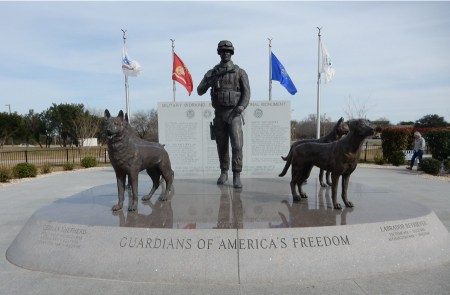
Doberman Pinscher

Belgian Malinois

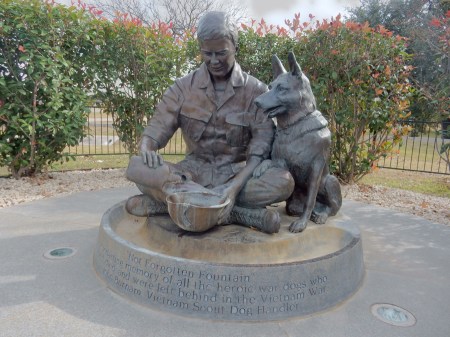
This is called the “Not Forgotten Fountain” depicting a Vietnam War dog handler pouring water from his canteen into a helmet for his dog. Visiting dogs can drink out of the fountain.
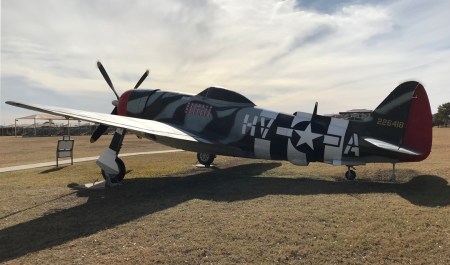
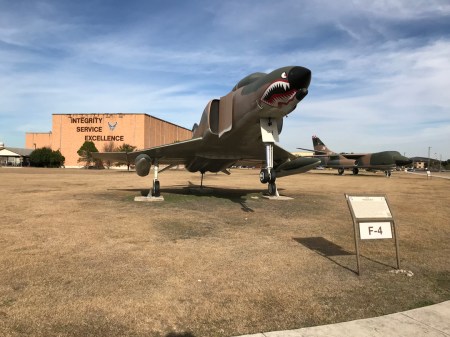
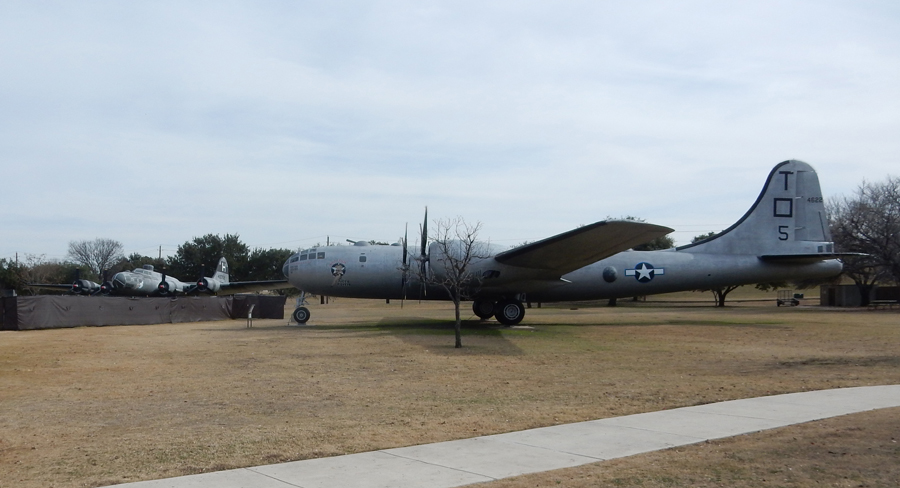
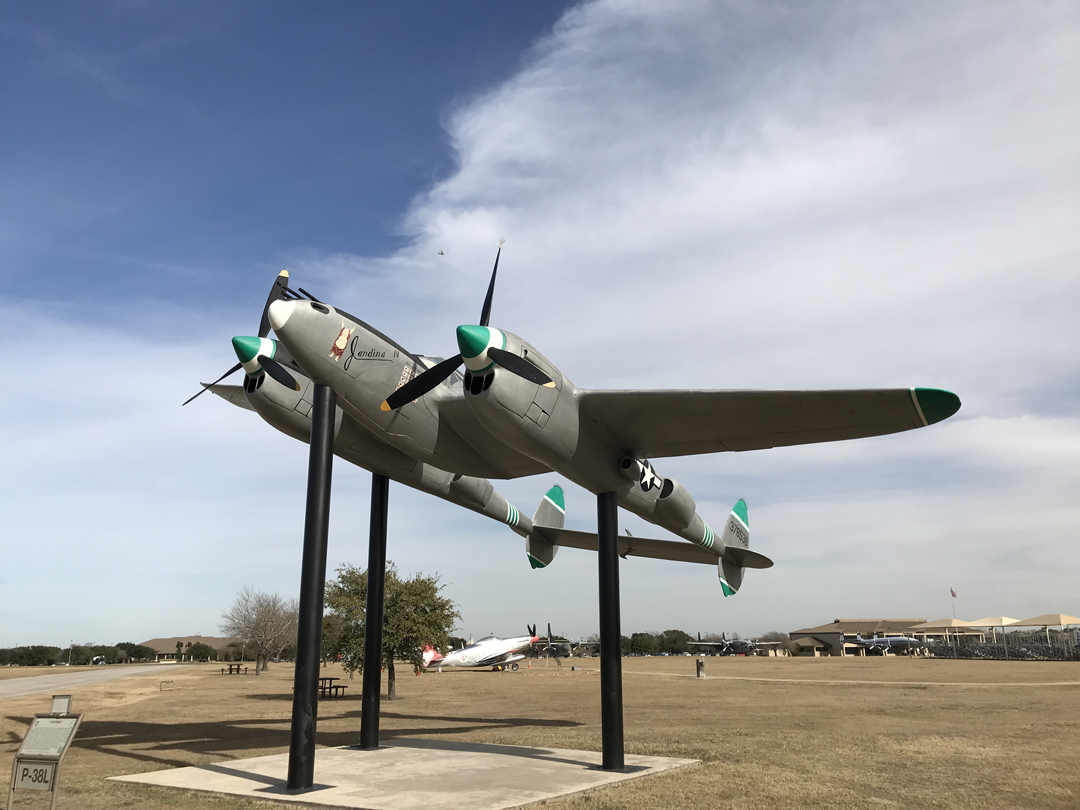
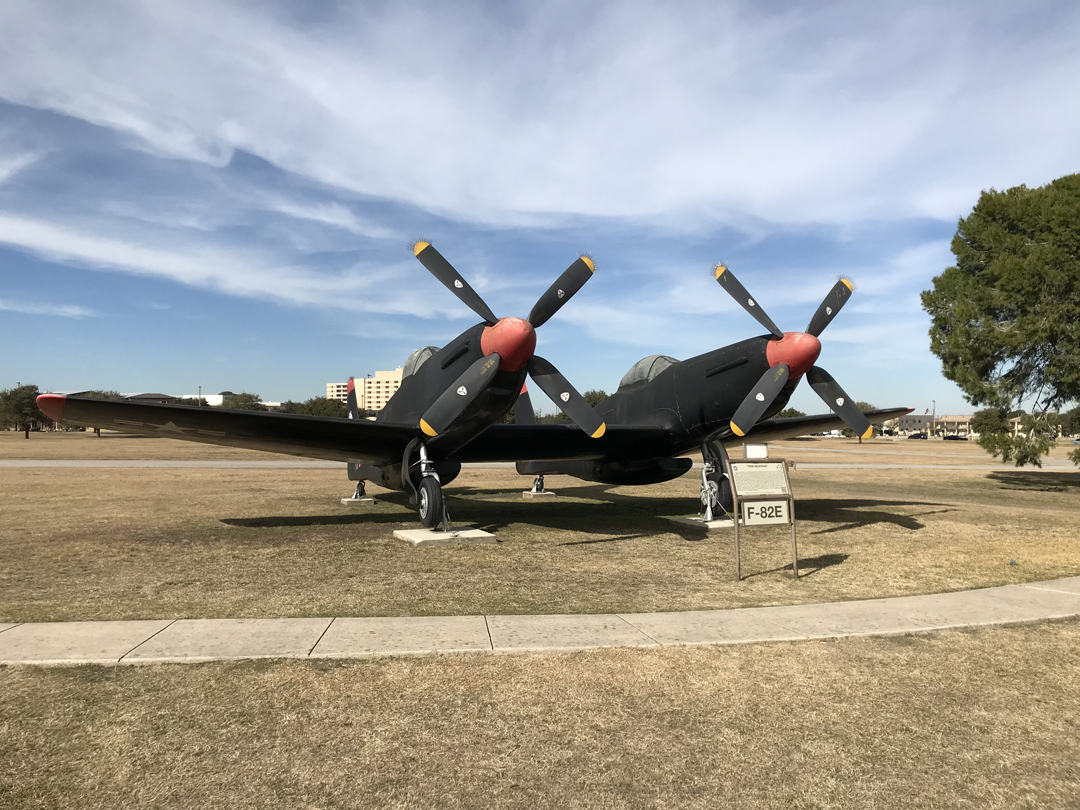
I enjoyed seeing the vintage World War II aircraft surrounding the parade ground
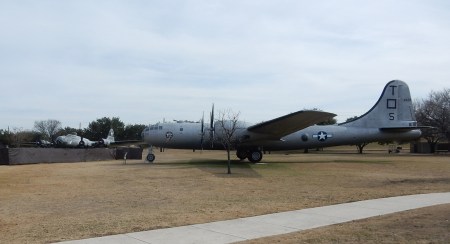
As well as the planes near the entrance gate

It took 2hrs to get to the Americas Best Value Inn in Junction TX


1/24 W – during our 6.5hr drive to El Paso TX on I10, we saw a semi-trailer pulled over by border patrol and police with many illegals out and lying face down on the ground.  When we arrived in El Paso, I parked our car at the Speaking Rock Casino.

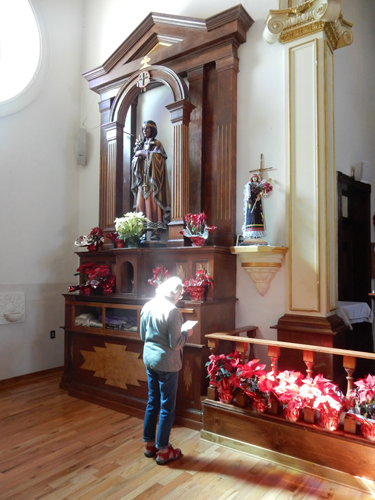
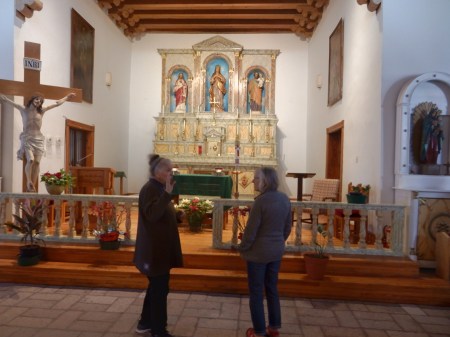
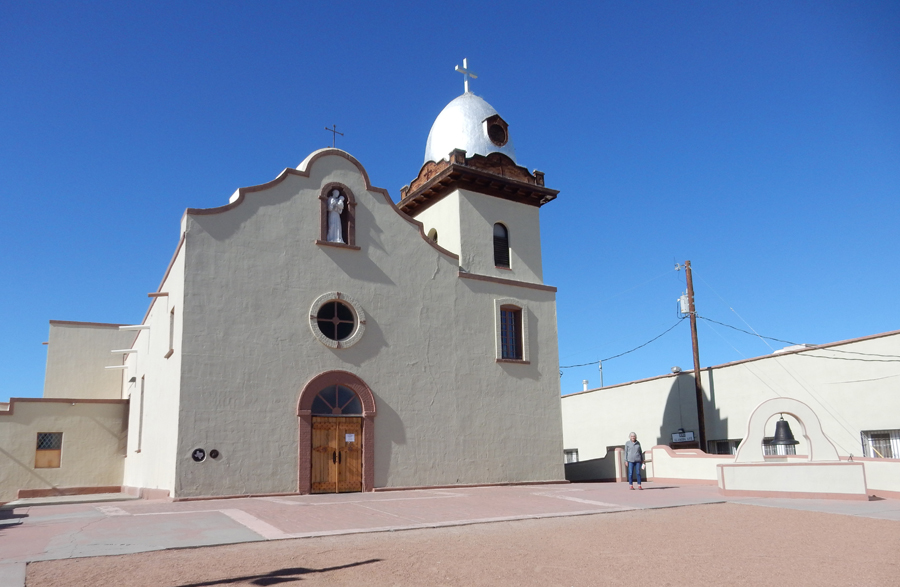
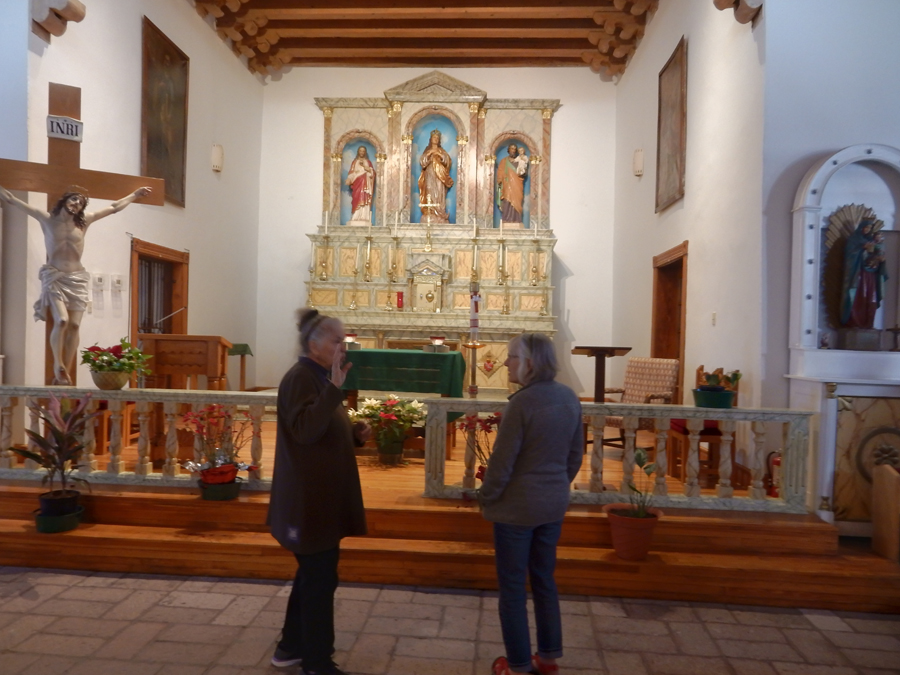
We then walked to La Mision de San Antonio de la Ysleta de Sur established in 1680, the first mission in TX.  It was on the El Camino Real, the trading route between the U.S. and Mexico.  The current church was built in 1908.  The Tiguas Indians continue to worship at the church.  Helen is standing by the altar to Our Lady of Mount Carmel, note the Indian representation.
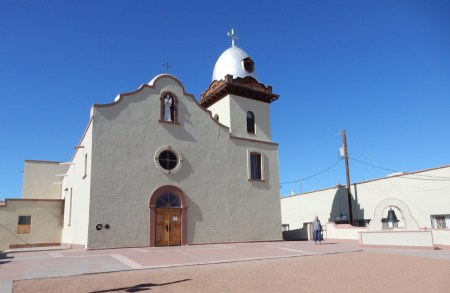
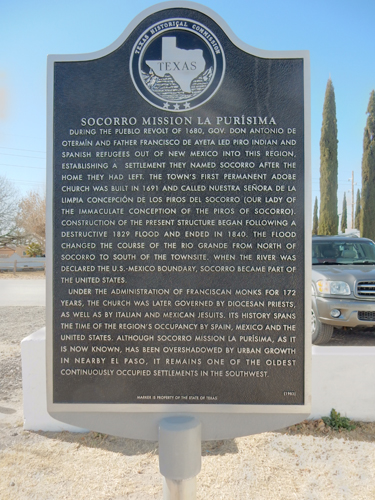
Mission Socorro (help) is only a few miles away.  It was founded when the Piro Indians fled following the Pueblo Revolt of 1680.  The current church was built in 1843.

Next stop, Chamizal National Memorial, and Cultural Ctr. In El Paso.
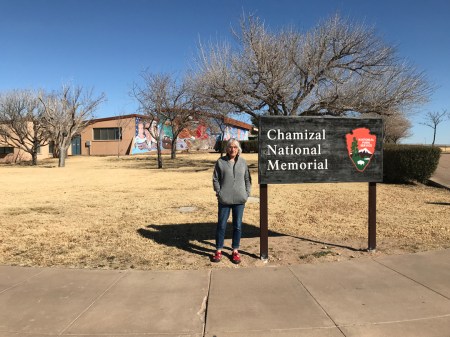
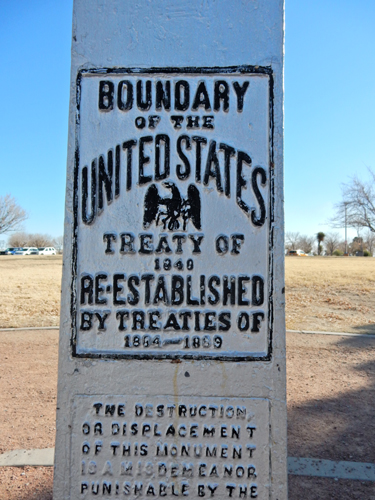
In 1848 the Rio Grande was named the boundary between the U.S. and Mexico.  However, seasonal floods would change the course of the river.  Sometimes people on what was called Cordova Island would live in the U.S. and sometimes in Mexico!  In 1963, after a “permanent” concrete channel was built, President Kennedy and President Mateos signed a treaty that gave the northern half of Cordova Island to the U.S. and land to its west and east to Mexico. The wall mural depicts settling our differences through friendship and understanding.

Old border marker, this side faced Mexico
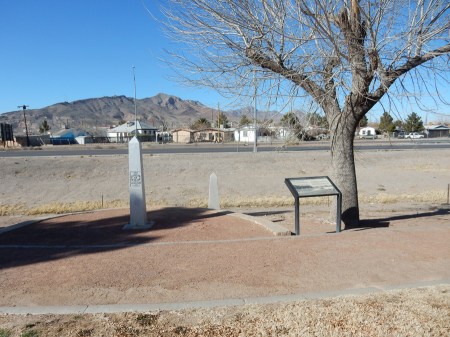
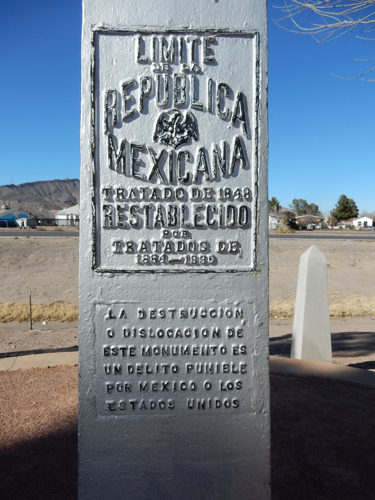
This side face the U.S.
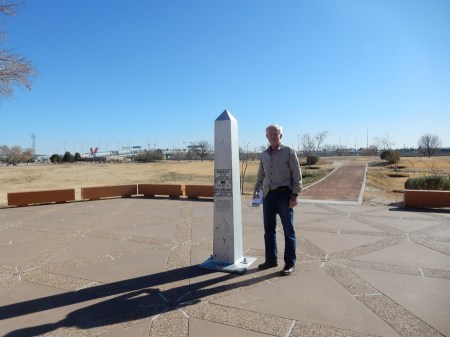
U.S. – Mexican Border


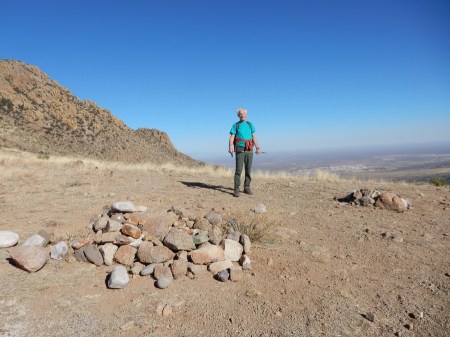
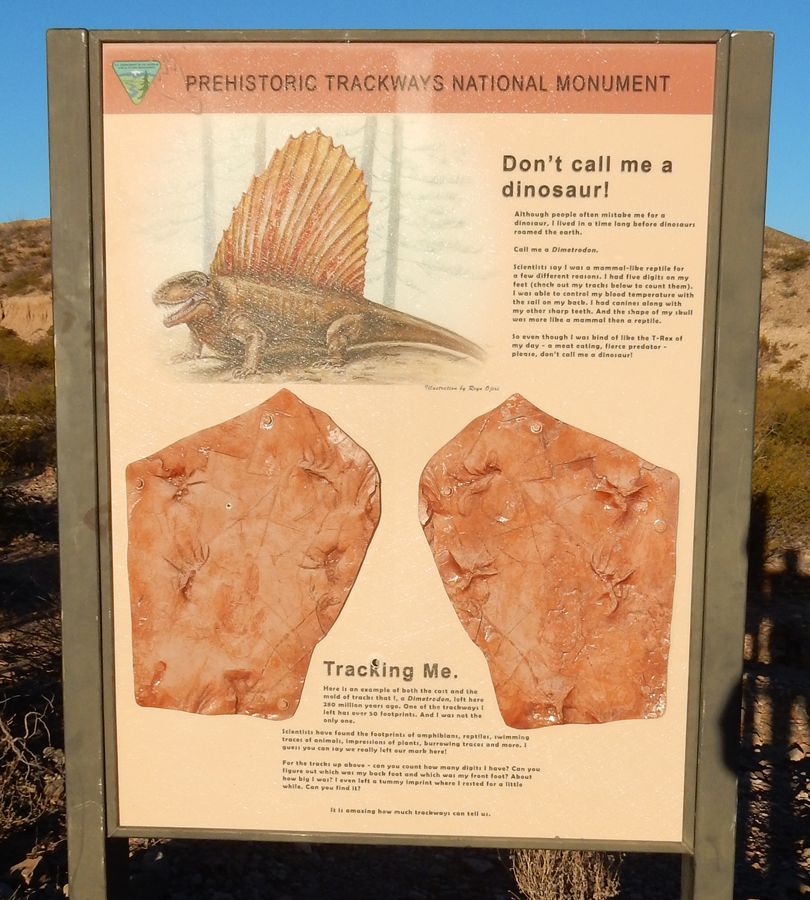
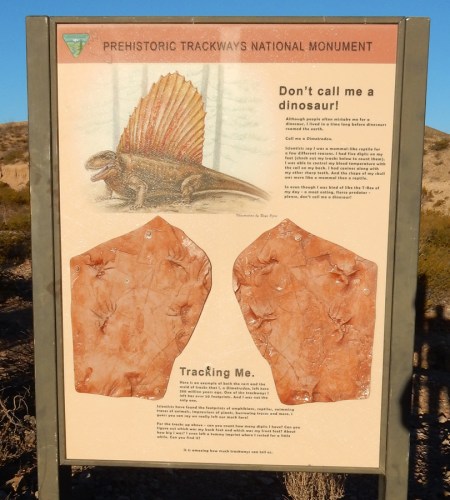
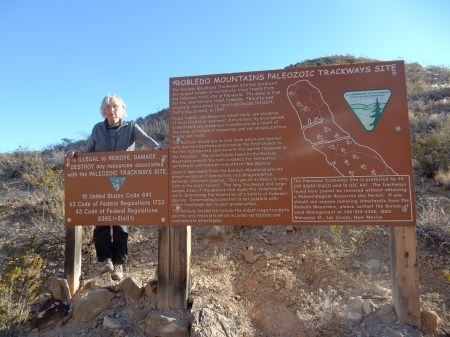
1/25 Th – drove about an hour to the BLM Prehistoric Trackways National Monument NE of Las Cruces NM. It was established in 2009 to protect plant and marine fossils as well as tracks of Permian (280 million years ago) reptiles and amphibians.

Sign at parking area
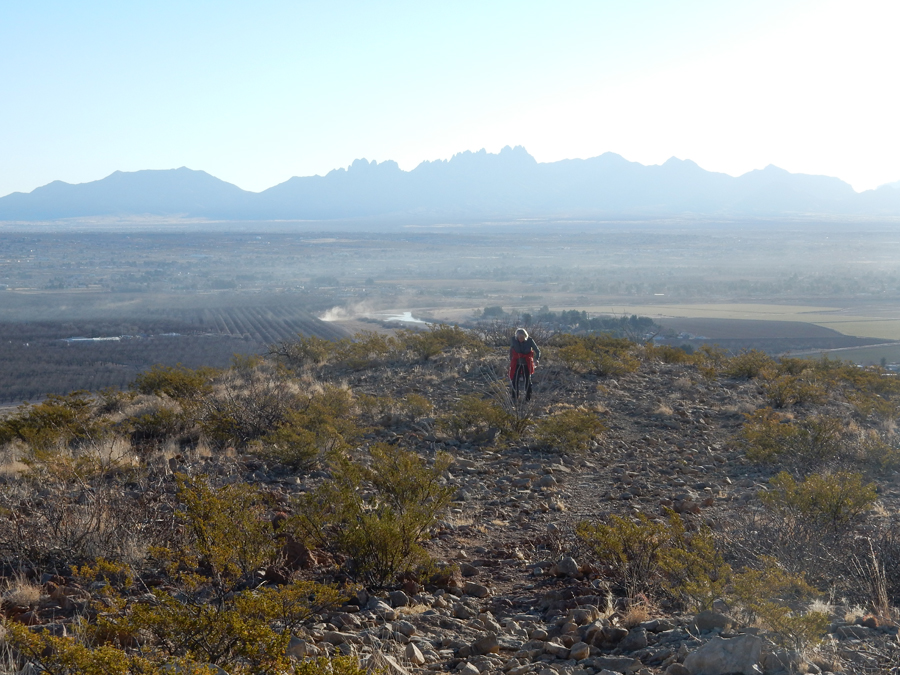
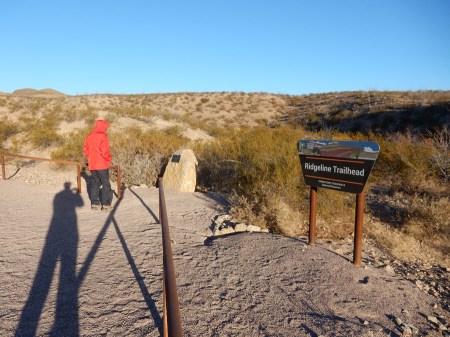
Starting on Ridgeline Discovery Site Trail
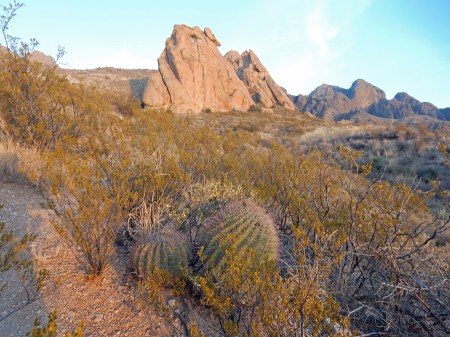
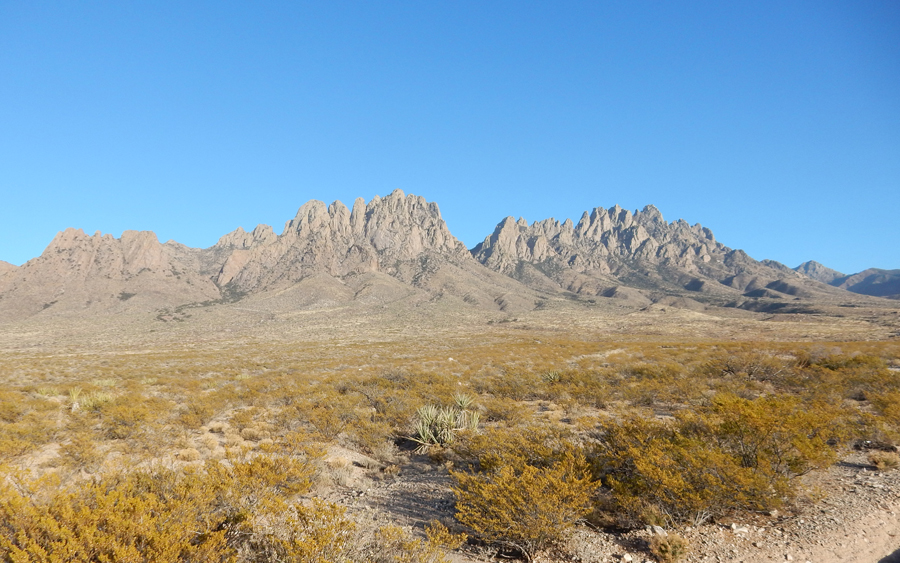
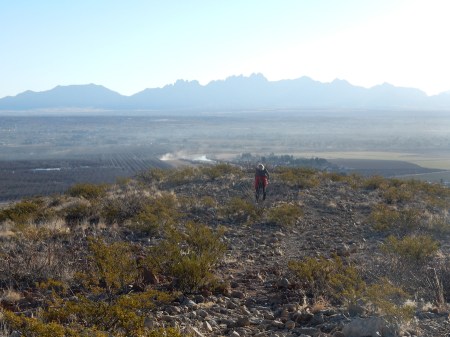
Gained about 500 feet in elevation – Organ Mountains in background
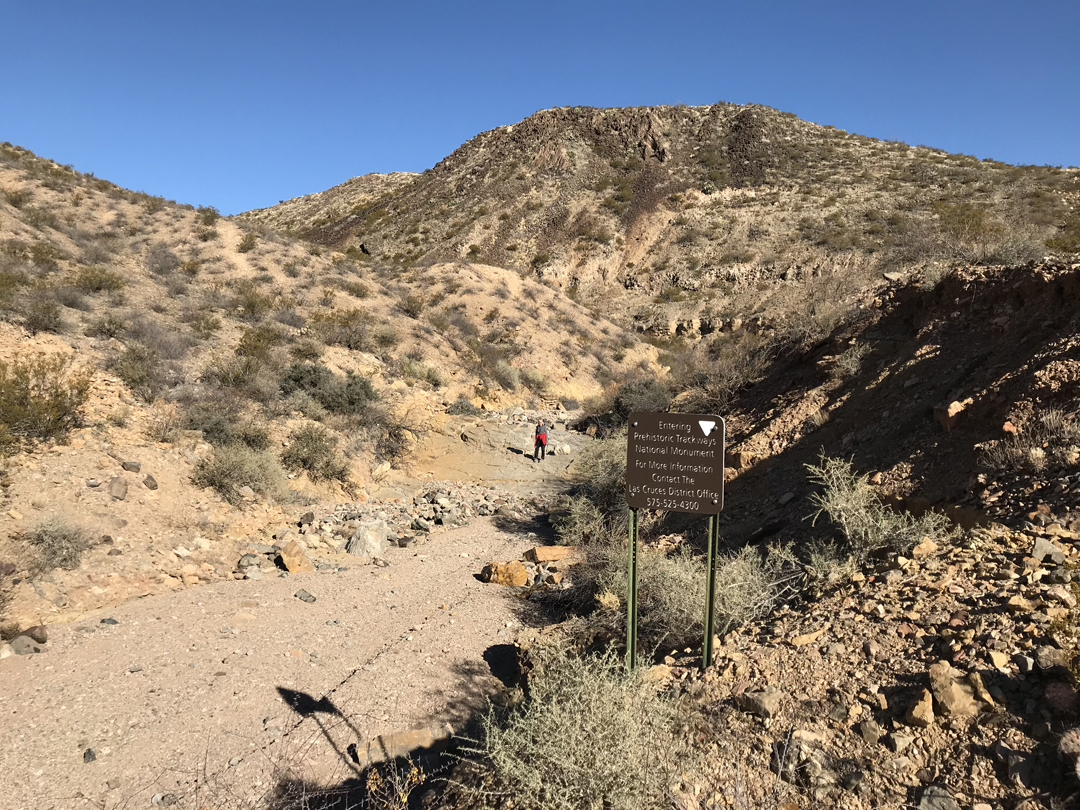
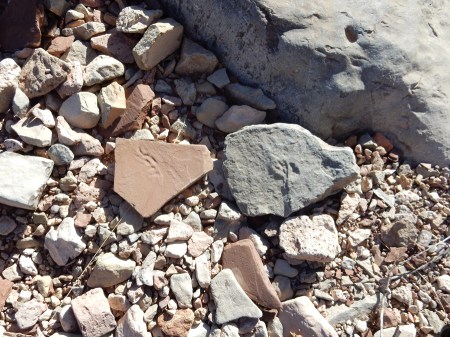
Discovery Site sign – we had great difficulty finding any trackways or fossils. Most of the obvious ones have been removed and placed in museums.
Prehistoric Tracks?
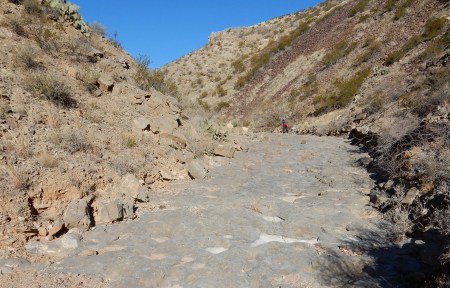
We decided to bushwhack down a wash to get back to the parking area. There was an interesting “mudstone” base at the bottom of this part of the wash
Exiting the wash

Helen – “tired” after hike; we covered about 3.5 miles
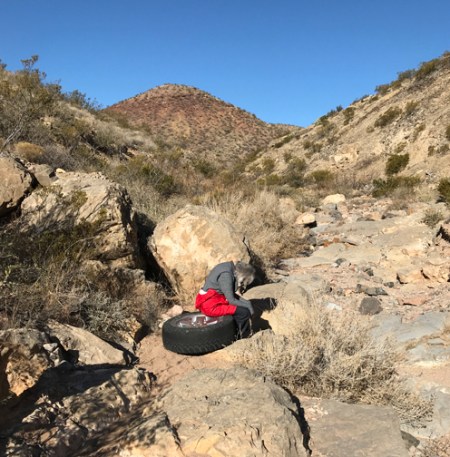
 

Bought an iron patio set for Kate and an amber necklace for Helen in Las Cruces, had lunch, and drove to the BLM Organ Mountains-Desert Peaks National Monument east of the city.

West Trailhead for Baylor Pass

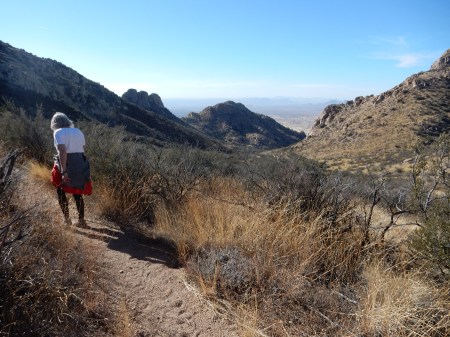
Top of Baylor Pass, 6,430 feet
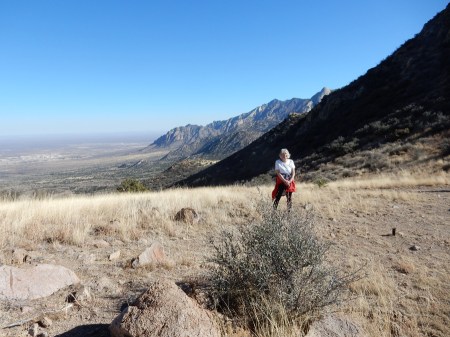
Hiking back to the SUV, the trail was 7 miles round-trip with a gain of 1,500 feet
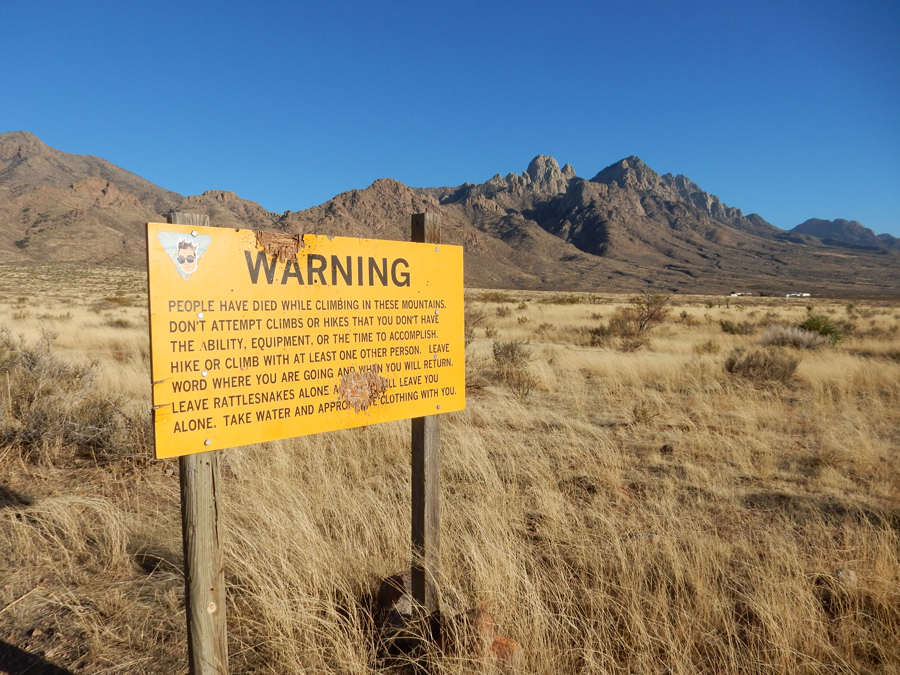
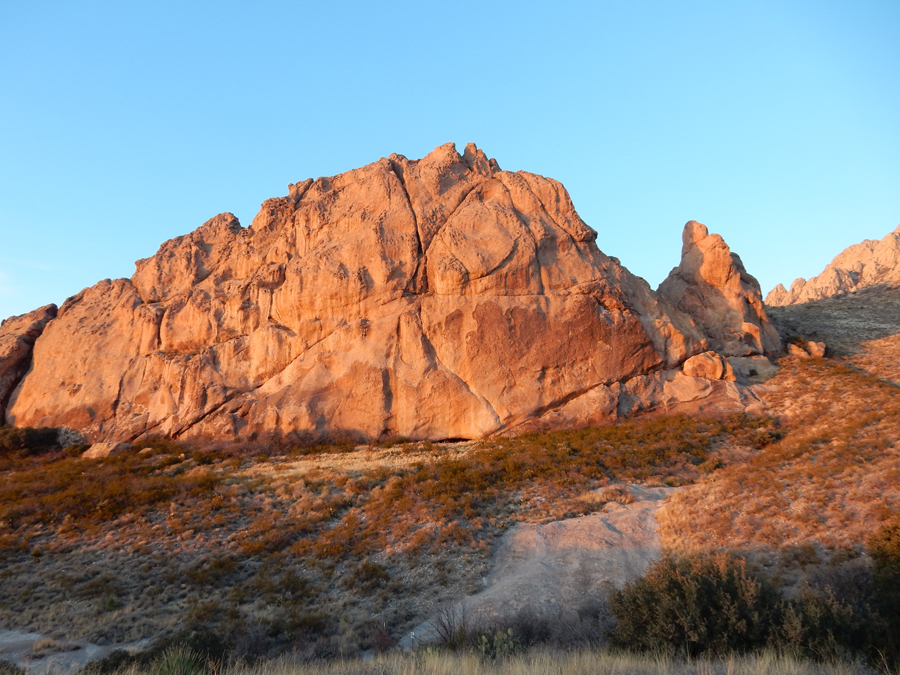
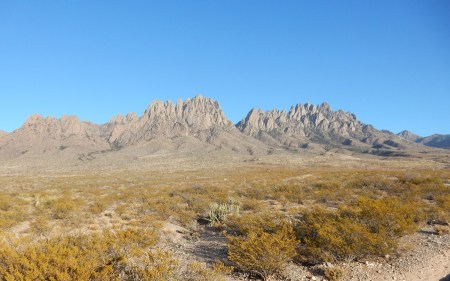
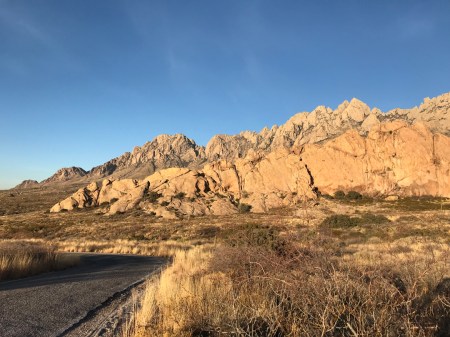
Organ Mountains from the West
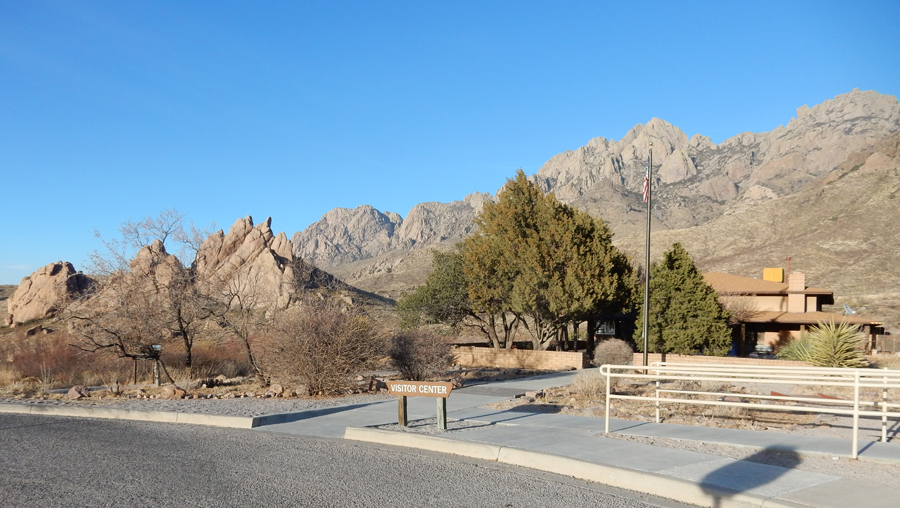
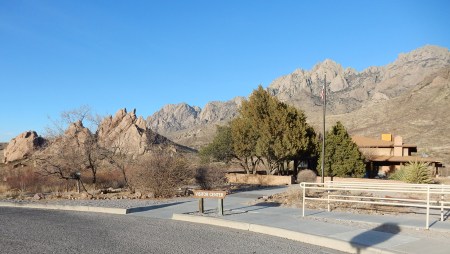
A.B. Cox Visitor Center near Dripping Springs
Driving to La Cueva Rocks Trailhead where Helen dropped me off
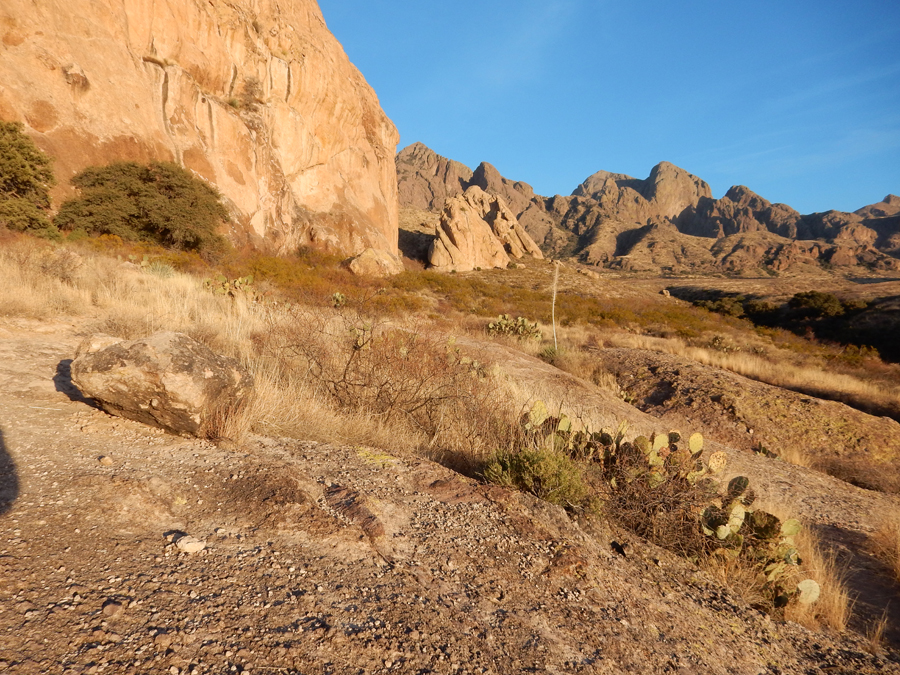
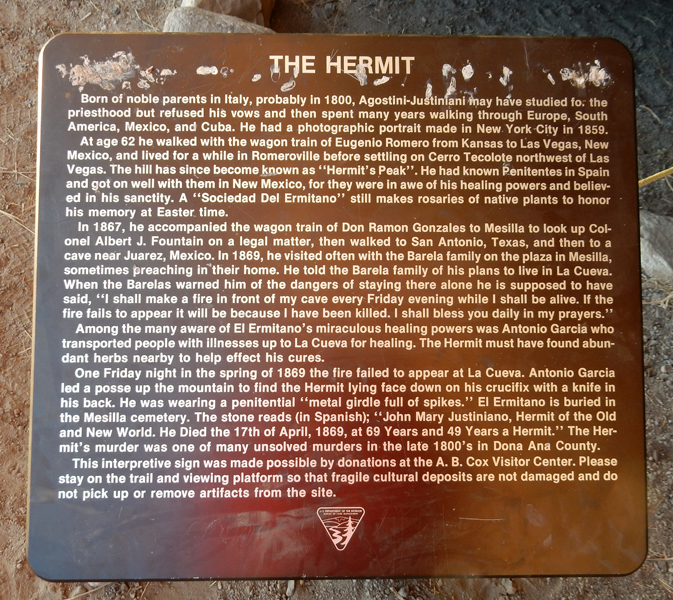
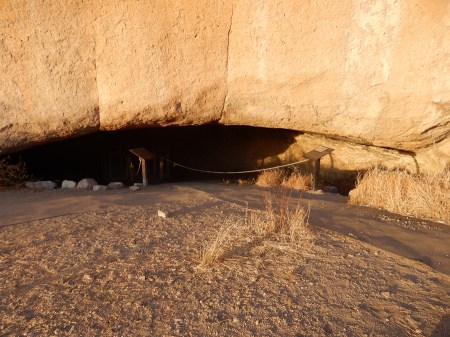
I hiked about 1.5 miles along the Nature Trail past La Cueva Rocks, the Hermit Cave, and Ice Canyon back to the Visitor Center where Helen met me with the truck.

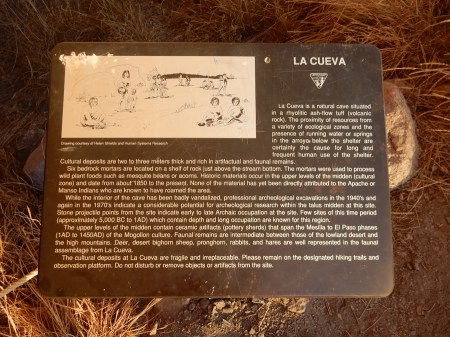
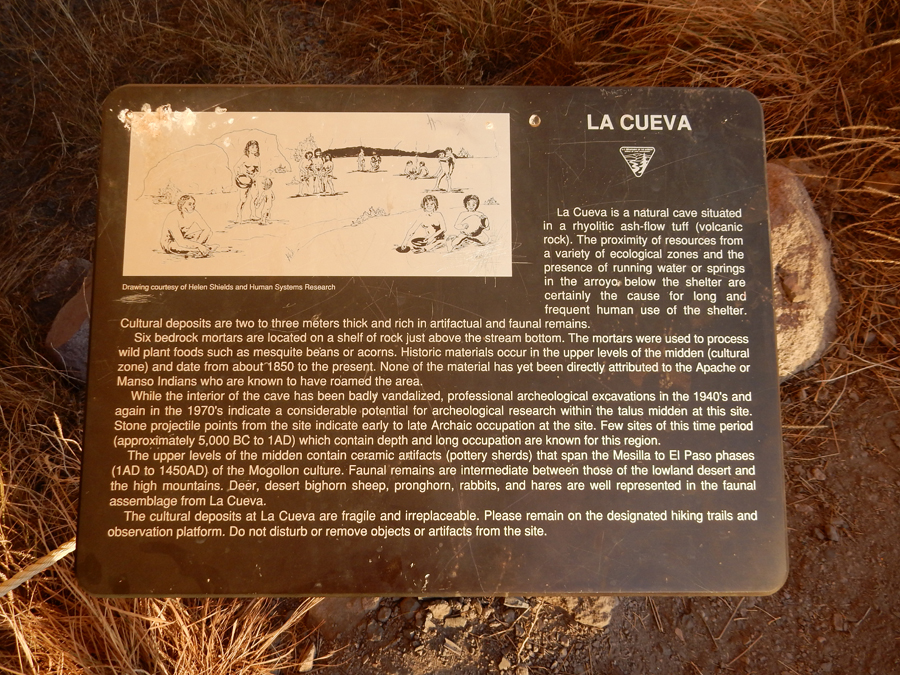
La Cueva is a rock shelter archeological site that has been traced back to 5,000 BC
“El Ermitano” – The Hermit

Hiking back to Visitor Center

Returned to the Fairfield Inn in El Paso for the night. Helen said she was too tired to go out for dinner so we did take-out.

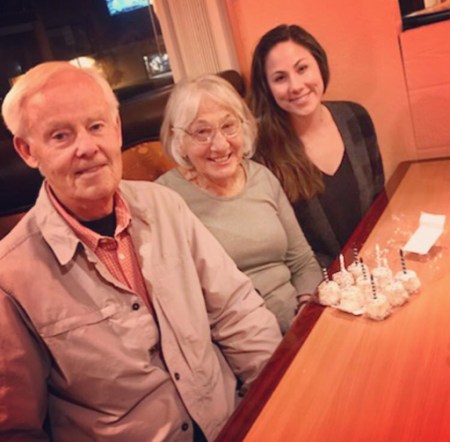
1/26 F – Helen’s Birthday – It took 11hrs to drive from El Paso to Twentynine Palms CA! Helen received many calls and texts from family and friends. Kate met us at the Fairfield Inn and we drove to the Palm Kabob House for a delicious dinner. Kate brought cupcakes, candles, and gifts for our celebration. The following day would be my real birthday surprise!
 

1/27 Sat – Mama and baby along Rt 62

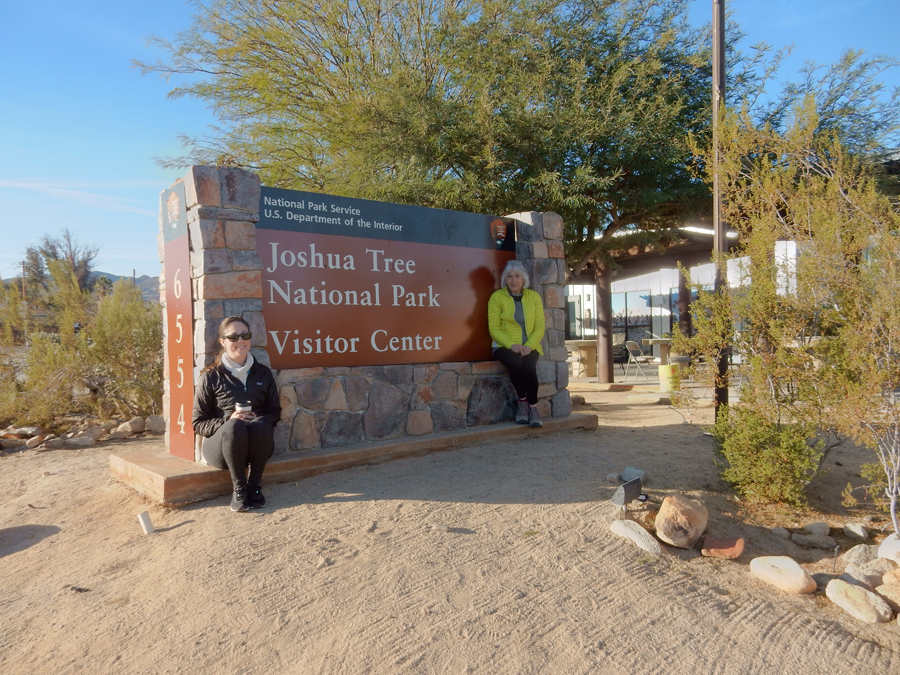
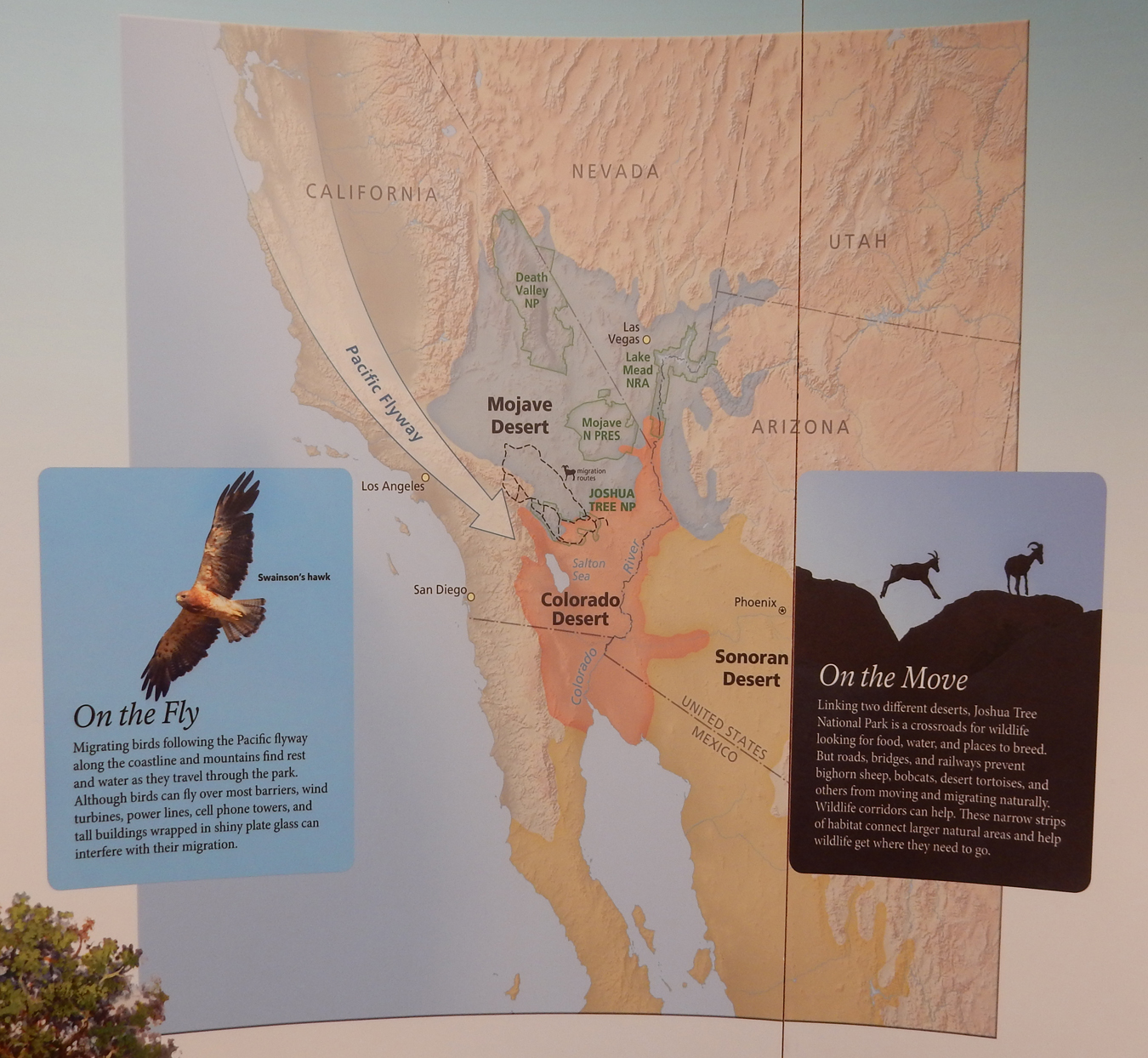
Briefly toured the Joshua Tree National Park Visitor Center and headed into the park.

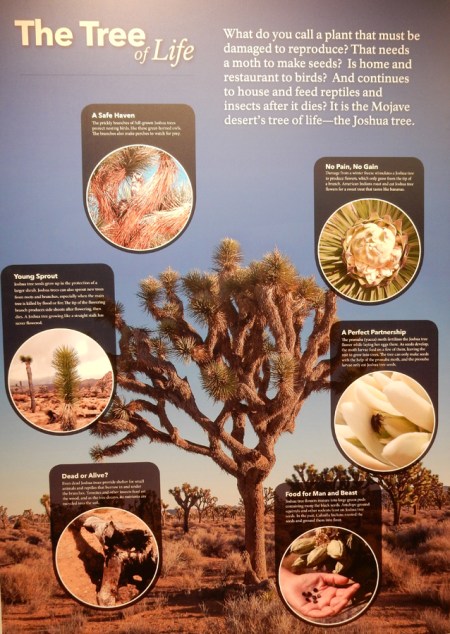
Joshua tree(s) with Quail Mountains in background

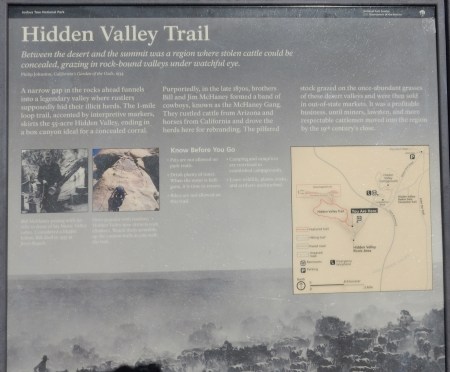
Start of Hidden Valley 1 mile Loop Trail
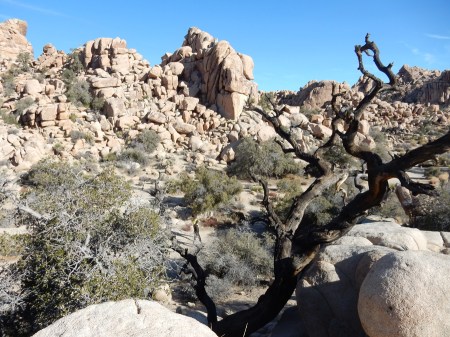
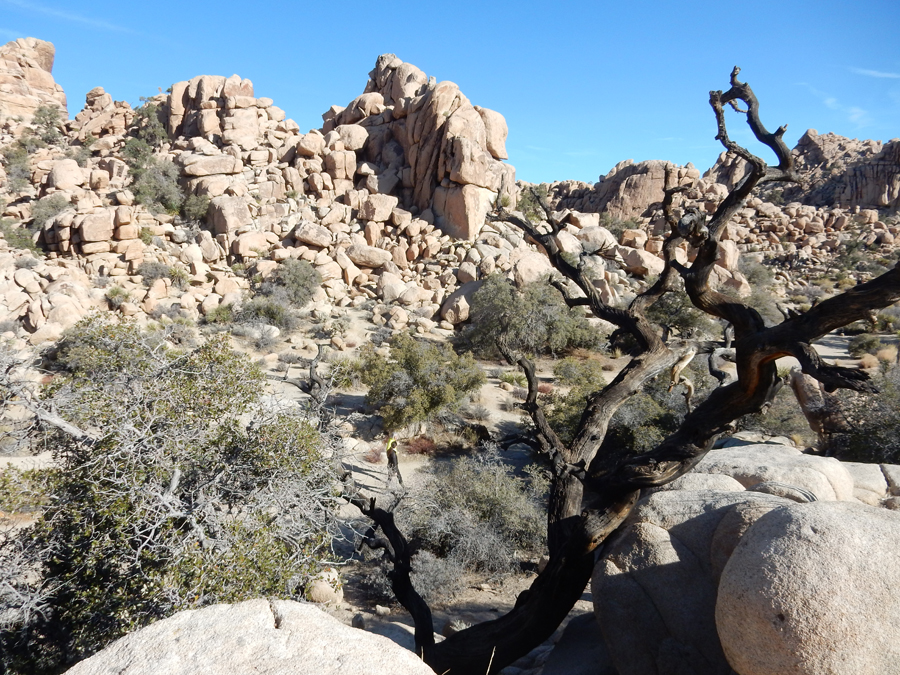
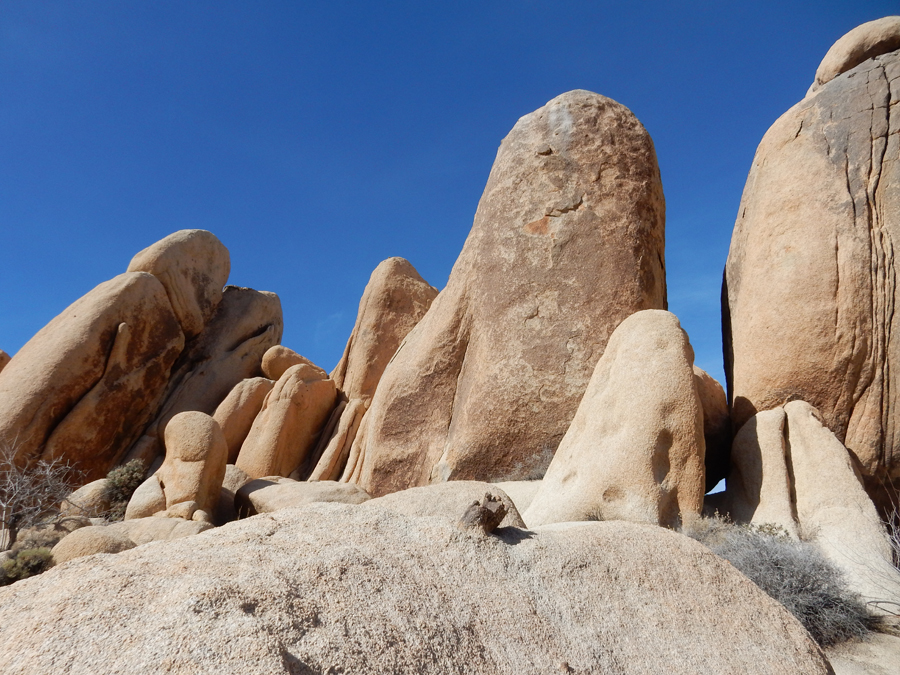
Beautiful rock formations
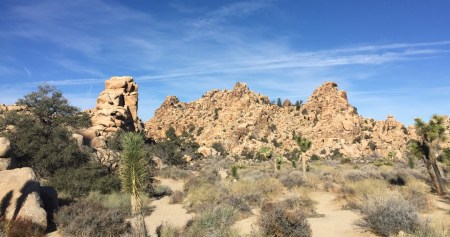
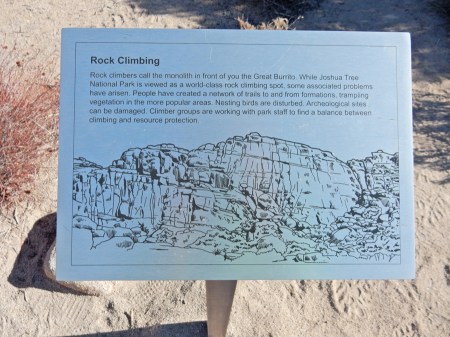
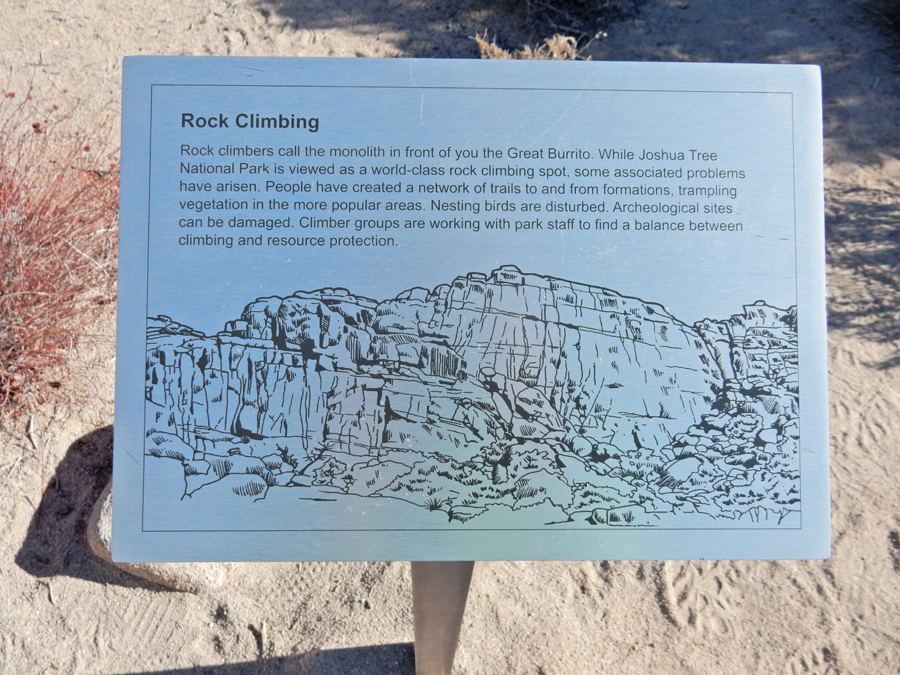
The “Great Burrito” – rock climbing area

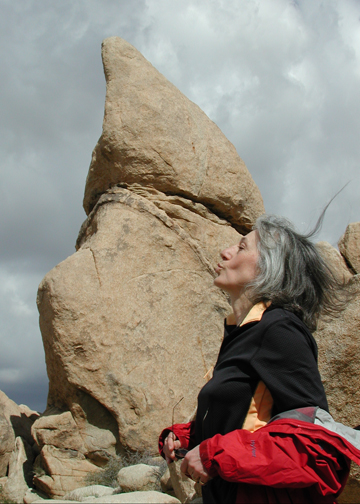
“The Kiss” 2005 and 2018
Keys View, Santa Rosa Mountains, Palm Springs below Mt San Jacinto on right

Cap Rock
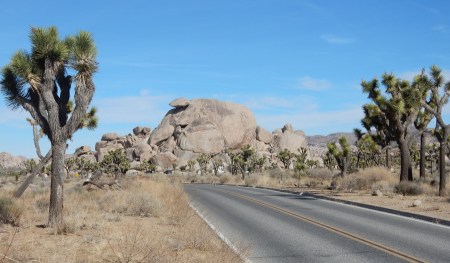
Rock formations near Sheep Pass
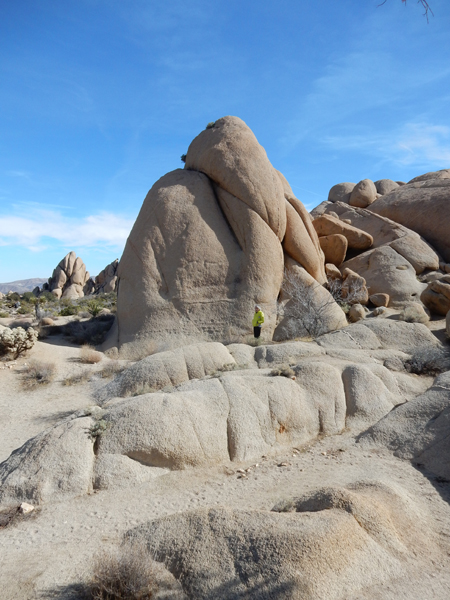
Skull Rock
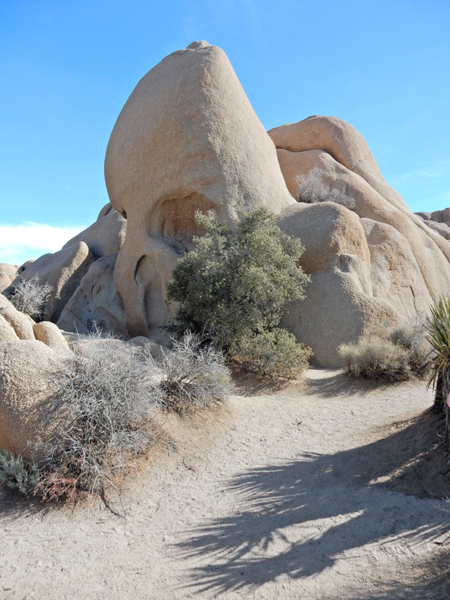
 

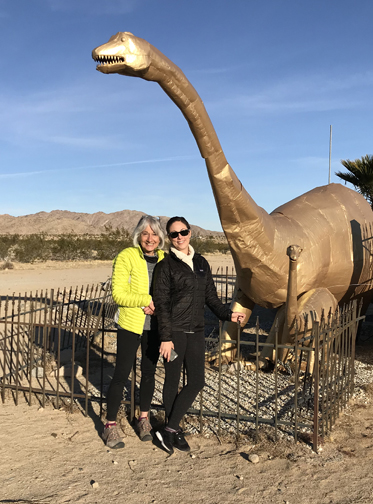
Diplodocus Head
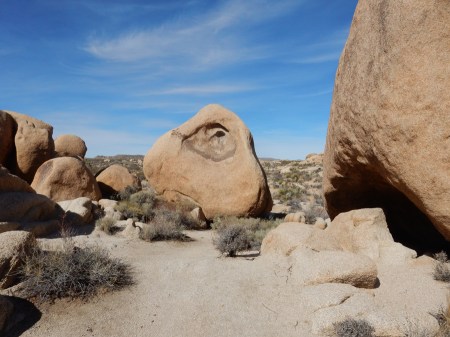
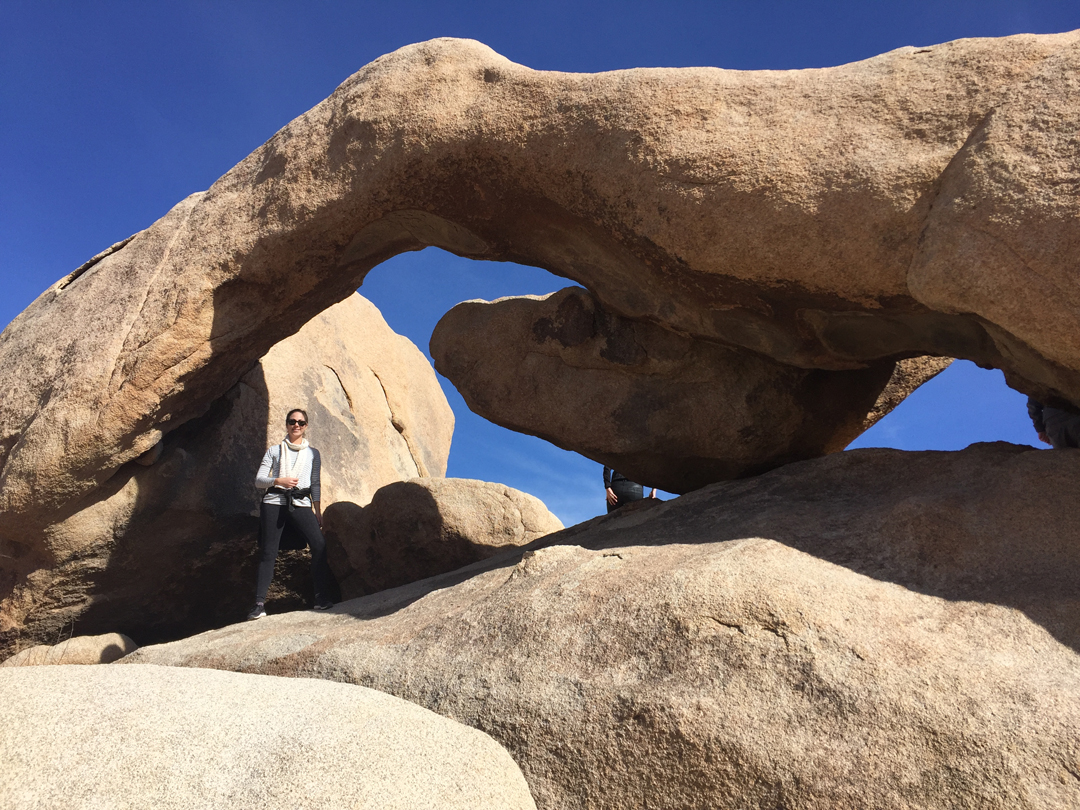
I went looking for Arch Rock by White Tank campground and was gone about 45 minutes. I couldn’t find it, though I did climb around some nice rock formations. Kate thought I was lost!

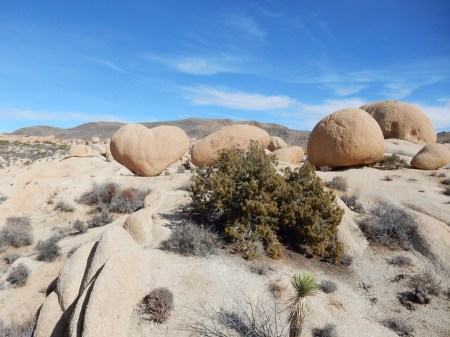
I did find “Heart Rock”
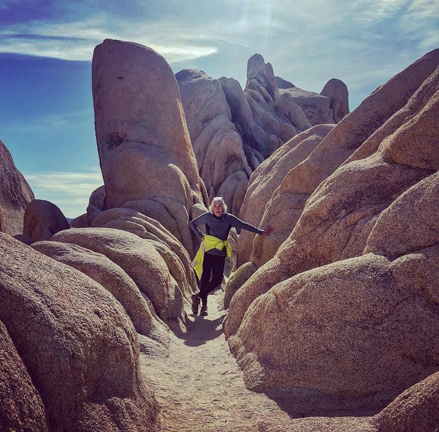
Kate and Helen were exploring as well

As it turned out, Helen and Kate found Arch Rock right around the corner from our parking spot!

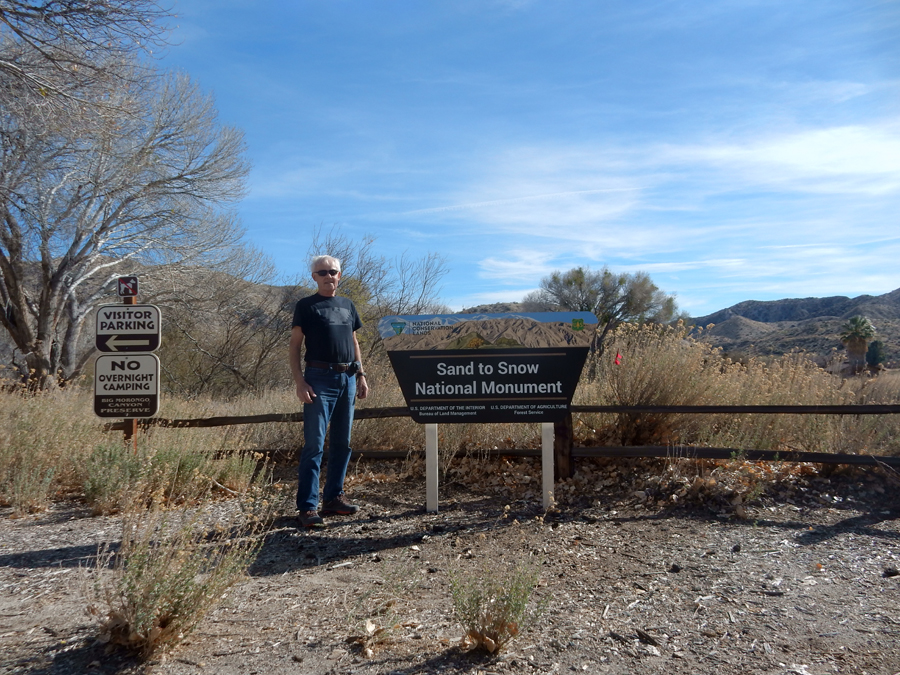
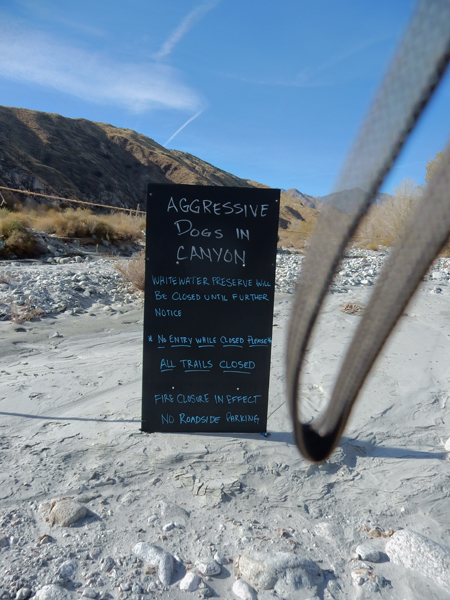
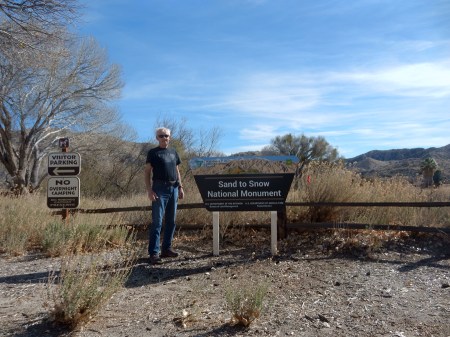
We had snacks and drinks in the car as we drove to the Whitewater Preserve in the new BLM Sand to Snow National Monument. We discovered it was closed because of Wild Dogs – we were told they had killed a cow the day before!
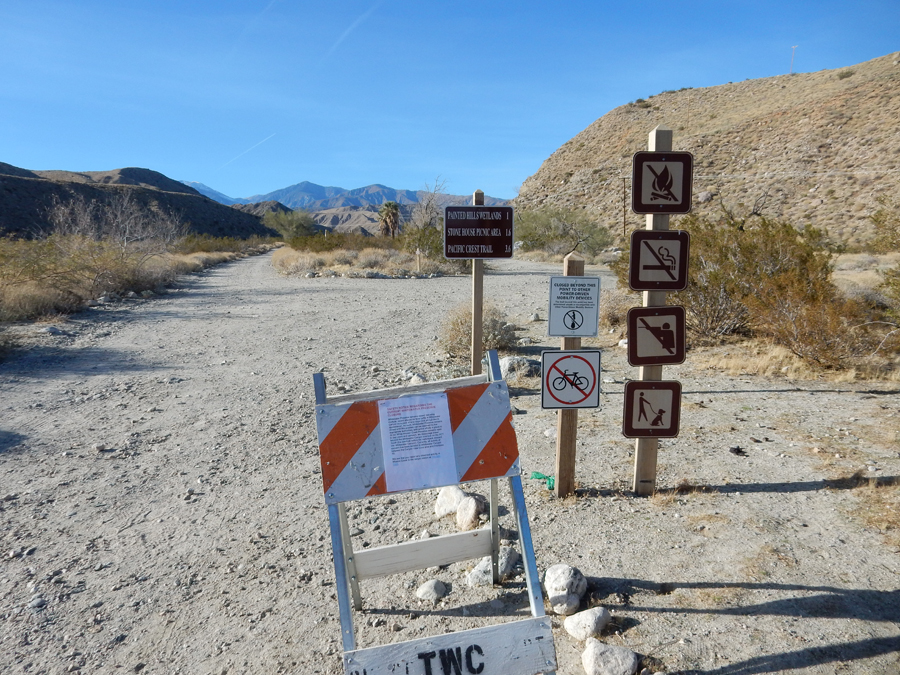
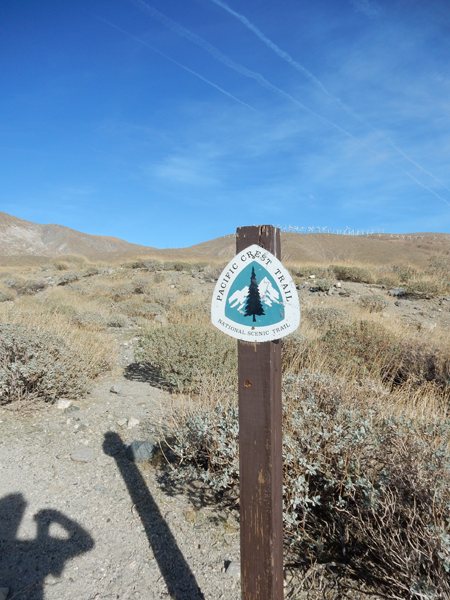
Not to be deterred, we drove to the Cottonwood access road off I10. Not much to see there, but I did check-out a section of the Pacific Coast Trail.
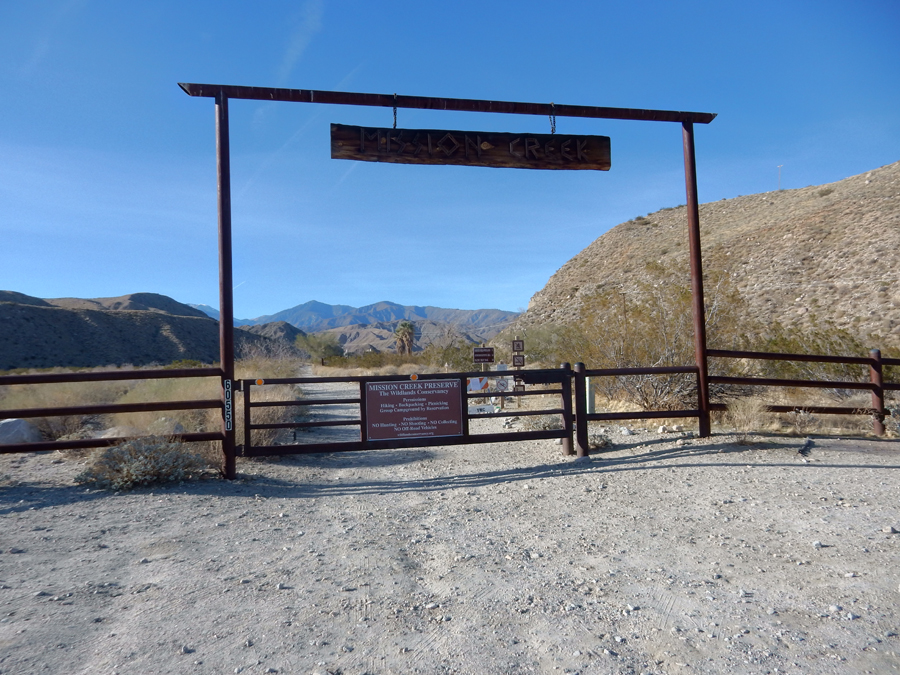
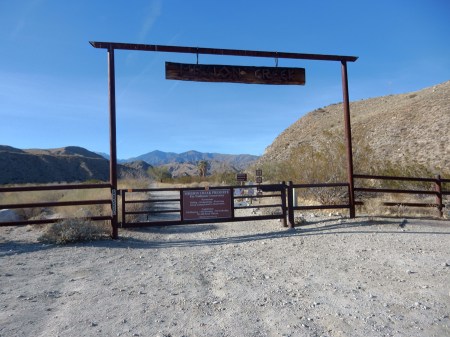
We then drove to the Mission Creek Preserve, which is also included in the new Sand to Snow NM. Stymied again! Also closed because of the wild dogs.
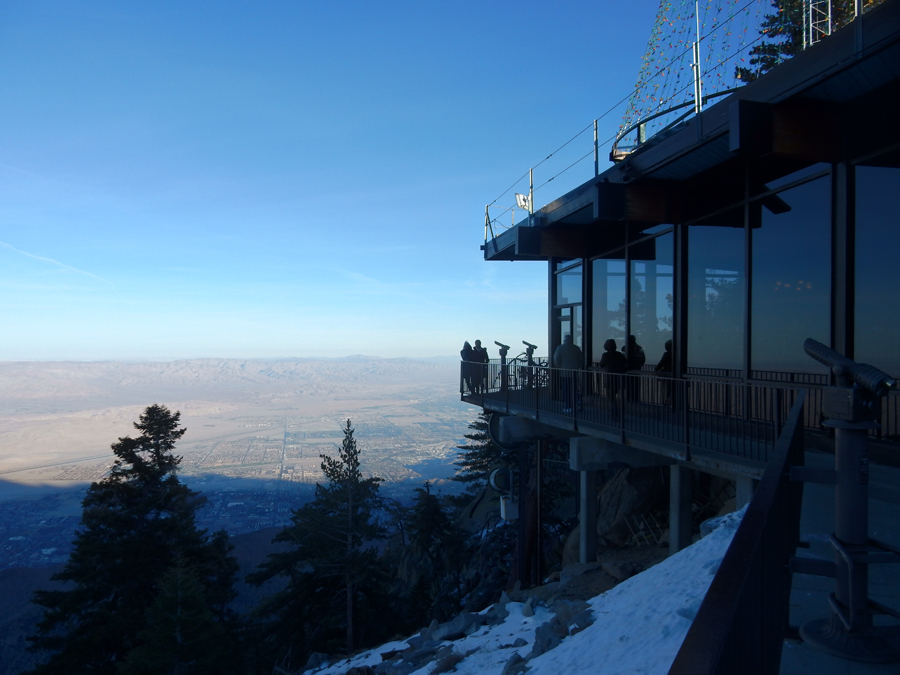
Now the “real” birthday surprise – arrived at the Palm Springs Aerial Tramway at about 5pm and took the world’s largest rotating tram car —travels 2.5 miles (takes 10-min) along the cliffs of Chino Canyon, to the pristine wilderness of Mt. San Jacinto State Park.

We first checked-out the observation deck, the nearby viewpoints and the natural history museum.
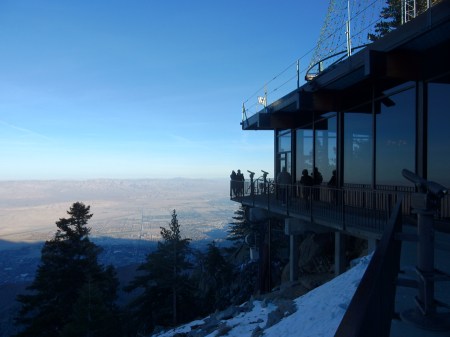
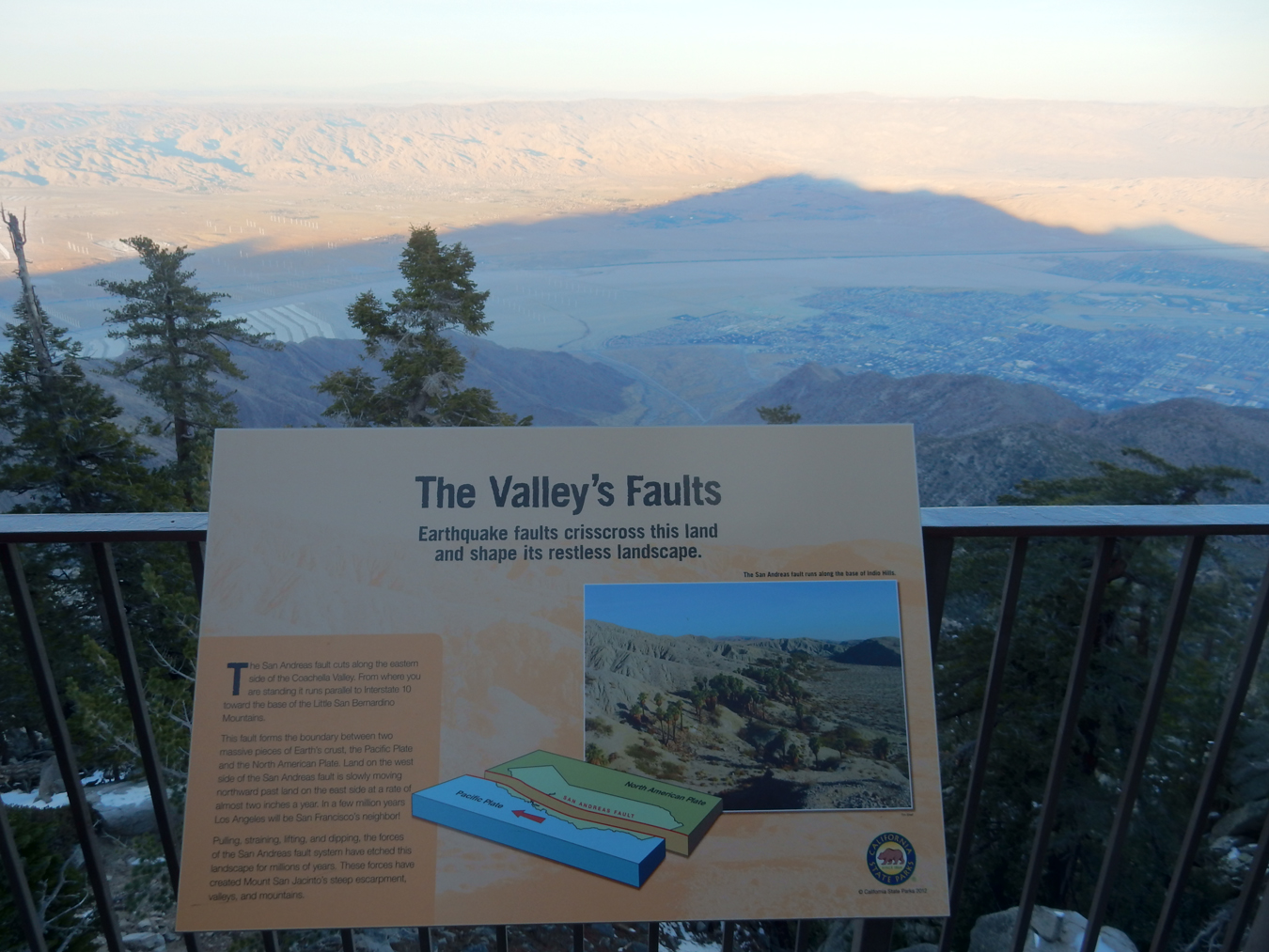
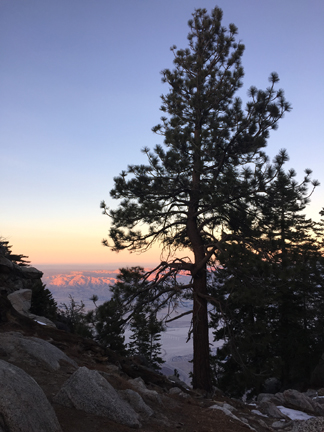
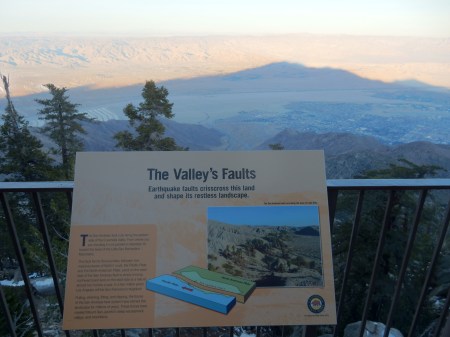
Note the mountain pyramid shadow and the San Andreas Fault in the background
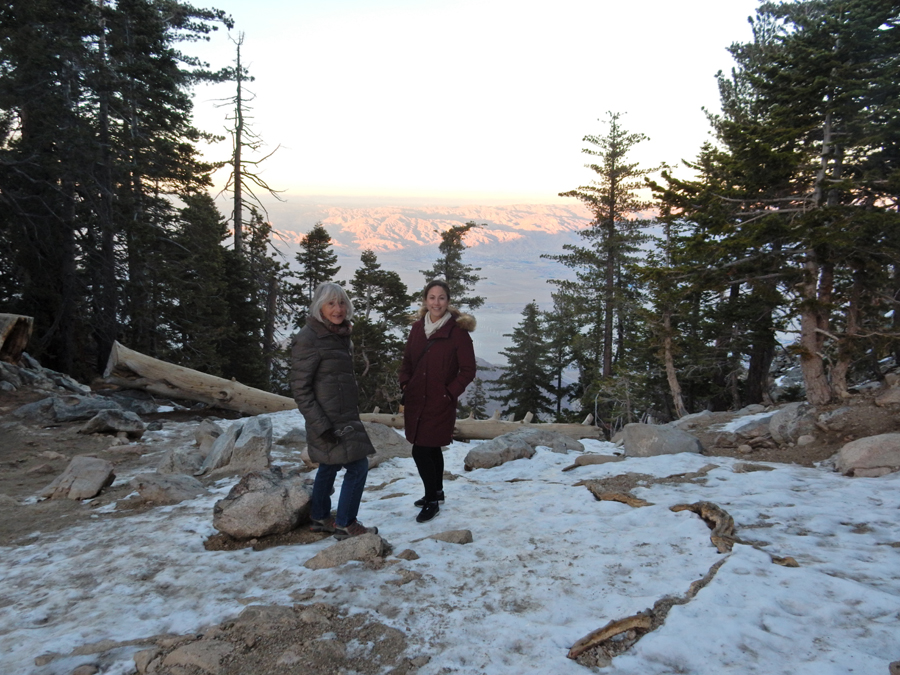
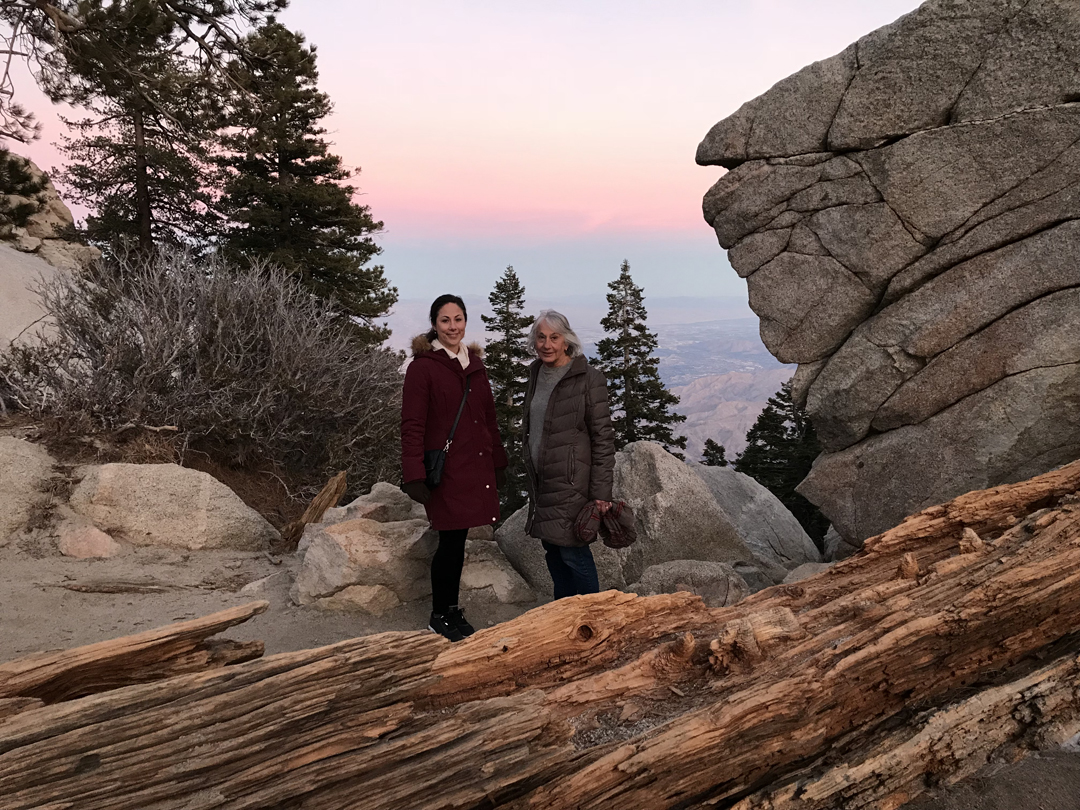
We then did the 1.5-mile Desert View Panoramic Trail before it turned dark. It was 25 degrees cooler on top (8,516ft) with some snow along the trails.

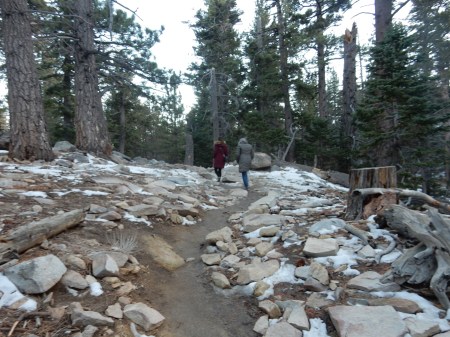
These viewpoints along the trail were called “Windows” because they allowed views of the valley


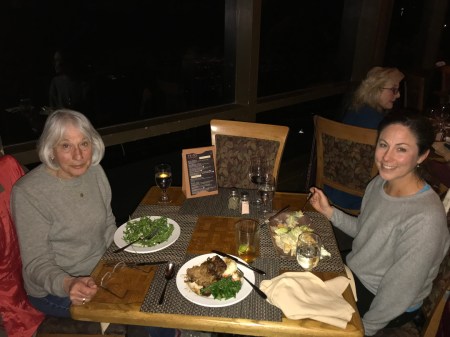
OK, the hiking was not a surprise, but dinner at the Peaks Restaurant, “A Culinary Experience Above the Clouds,” overlooking Palm Springs, the Coachella Valley, and the San Andreas Fault, was.
 

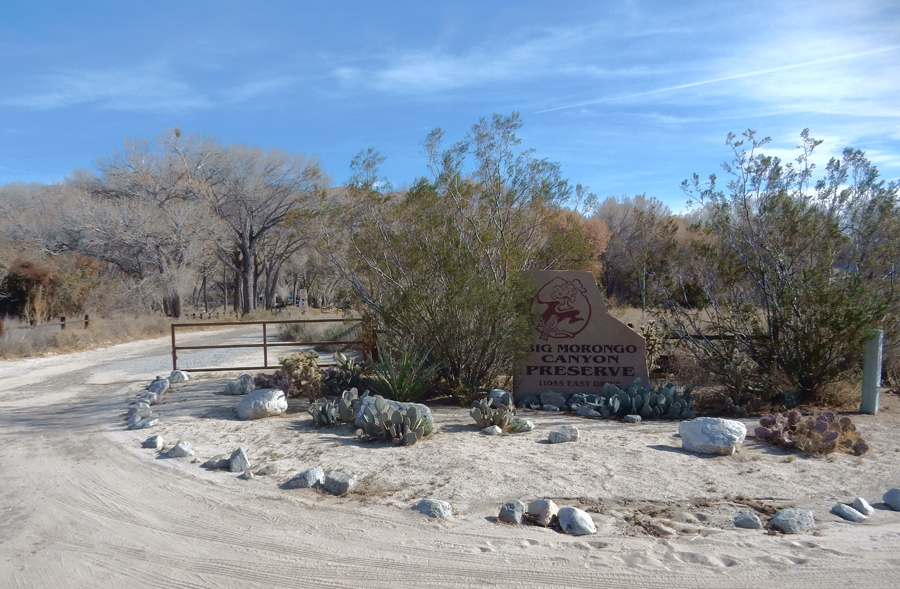
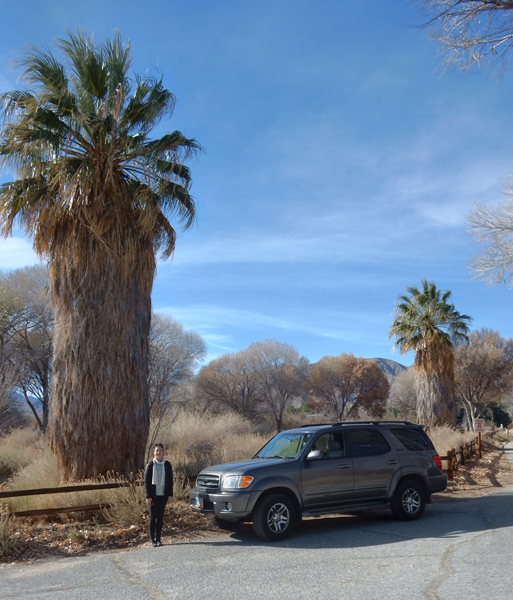
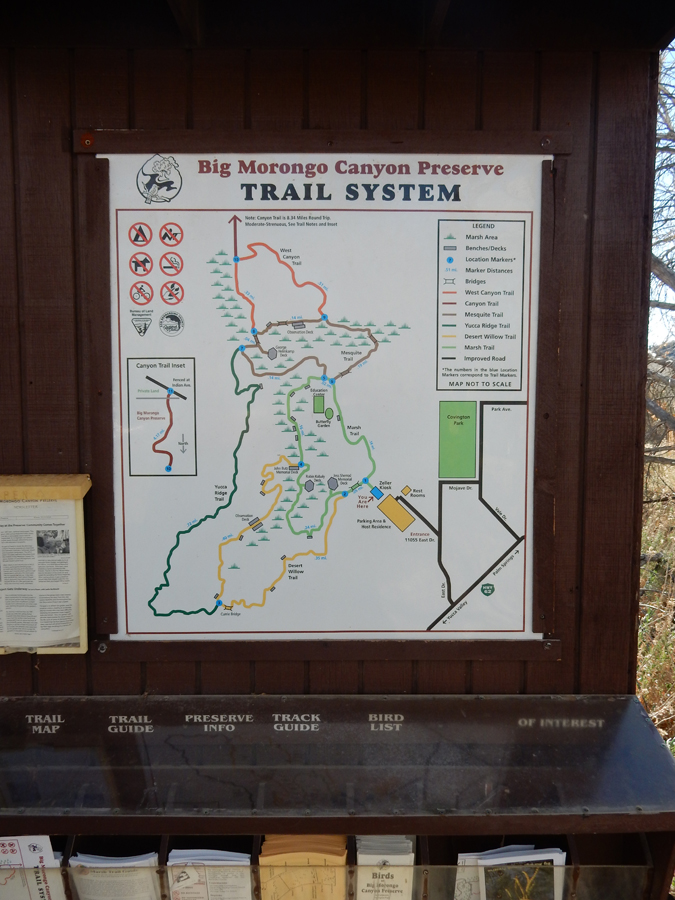
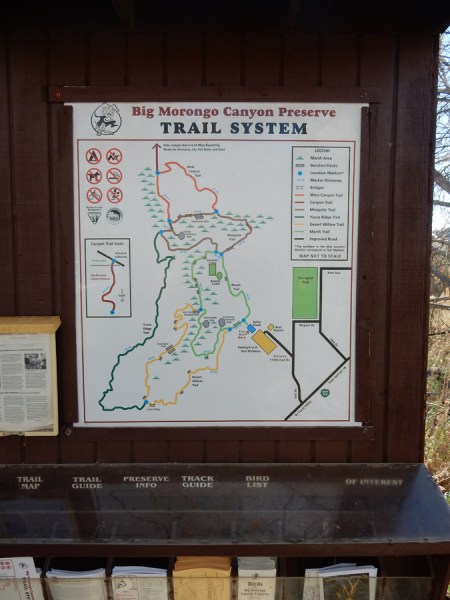
1/28 Sun – started our day with breakfast at the Fairfield Inn followed by a 1.2-mile hike in Big Morongo Canyon Preserve, another part of the new Sand to Snow National Monument.

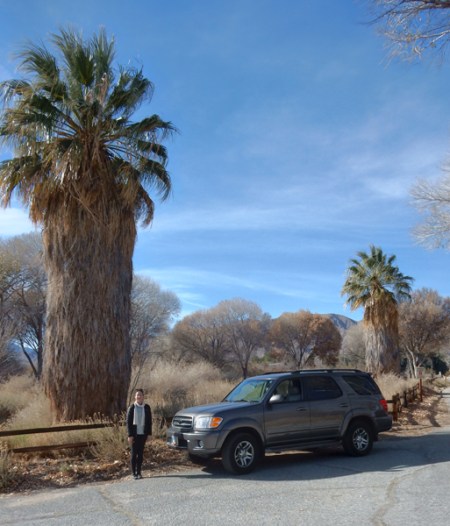
It is a desert oasis environment with an abundance of plants, birds, and trees
We did a combination of the Marsh and Mesquite Loop Trails
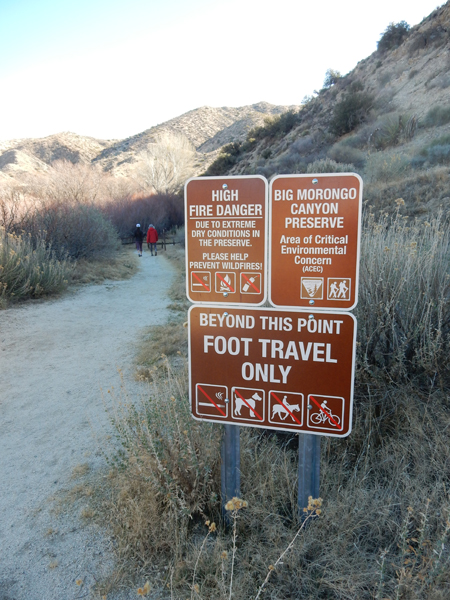
Start of the hike
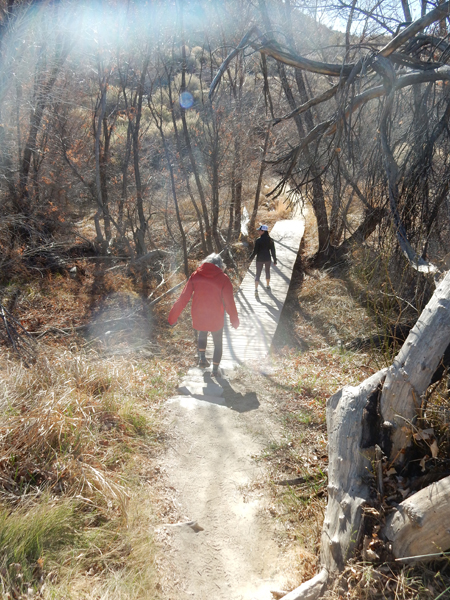
Nice boardwalks and observation decks along our route
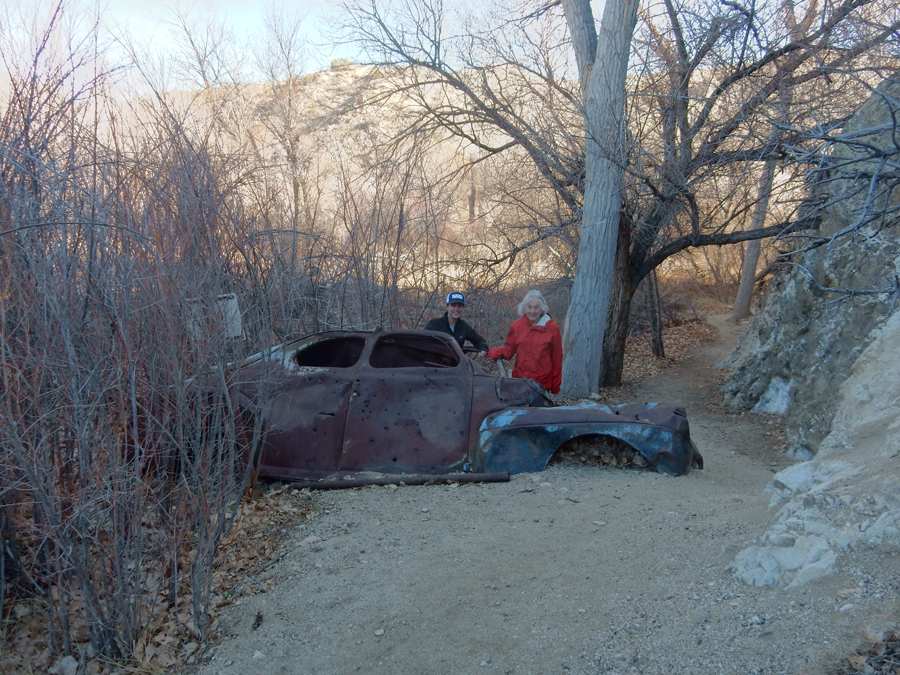
Thelma & Louise
 

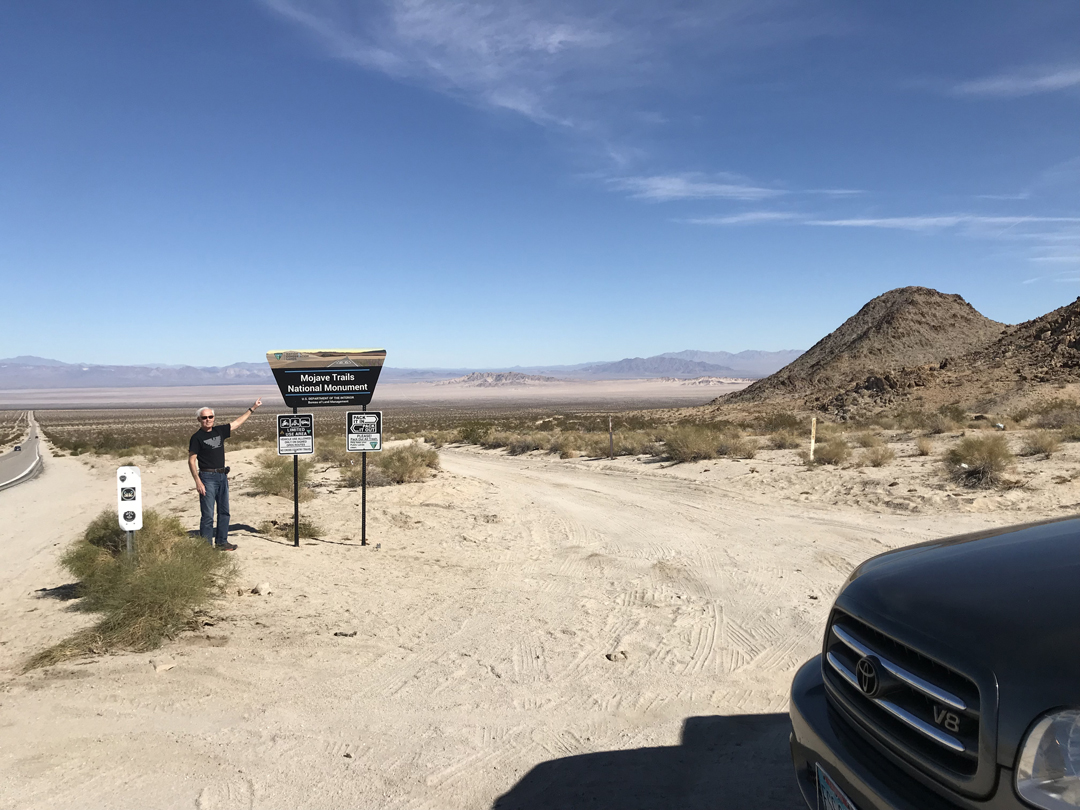
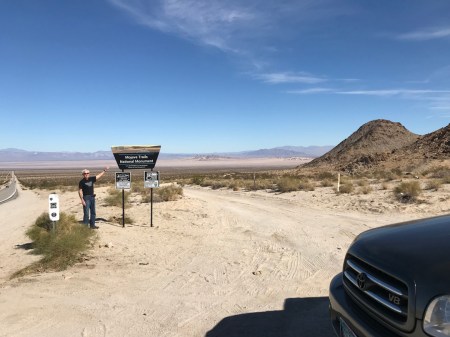
Kate left for LA and we continued to the new BLM Mojave Trails National Monument. This is the view from Sheephole Mountain
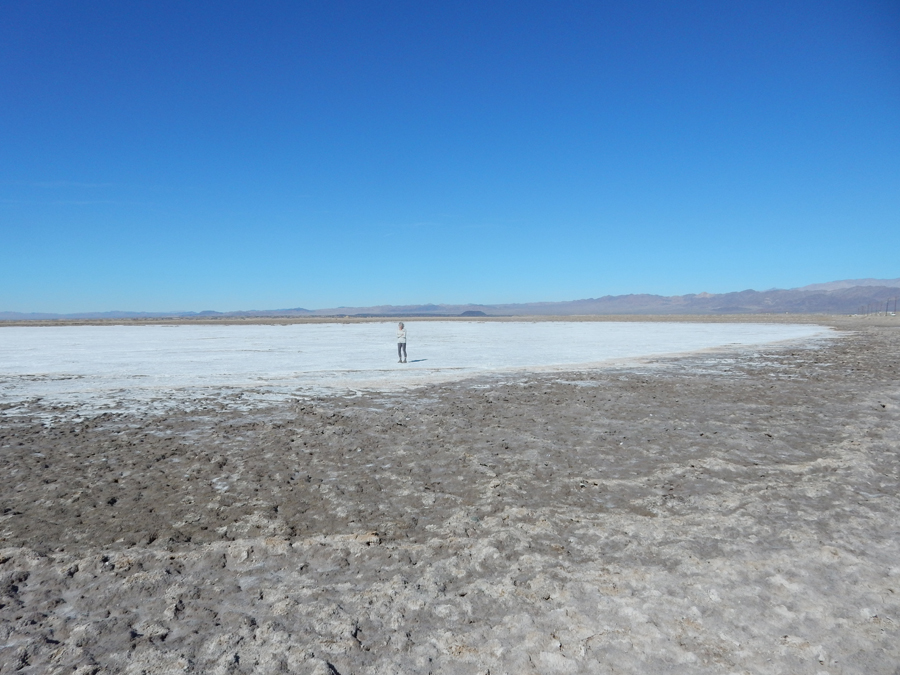
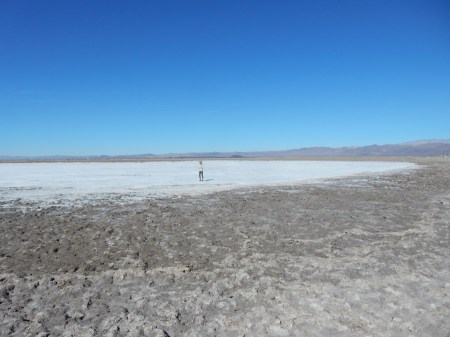
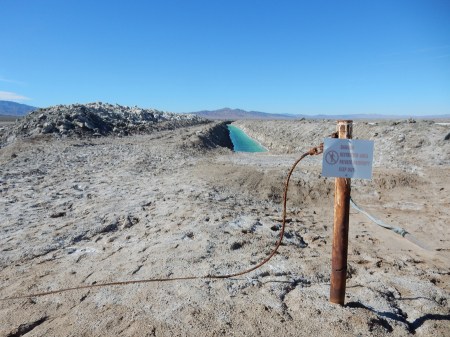
Salt mining
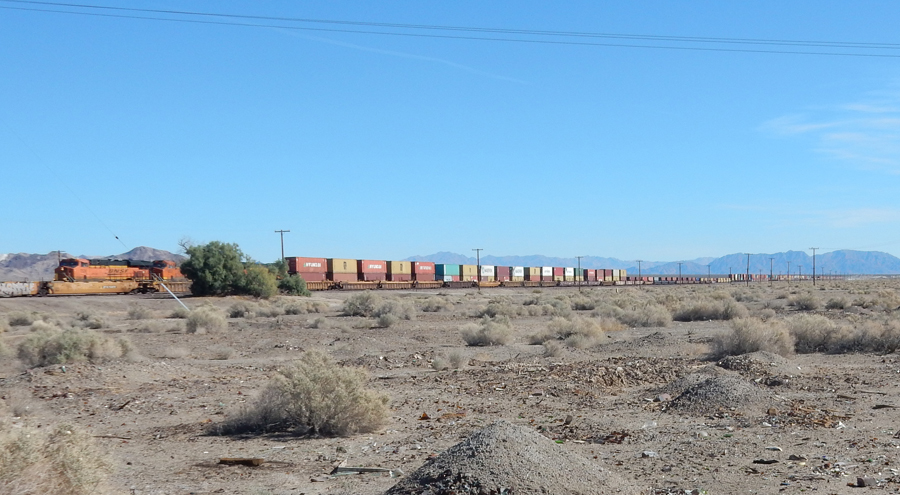
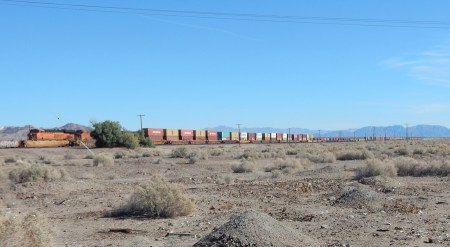
Trains run 24/7 both directions through the Mojave Desert. We saw several that were over 100 cars long with 6 engines
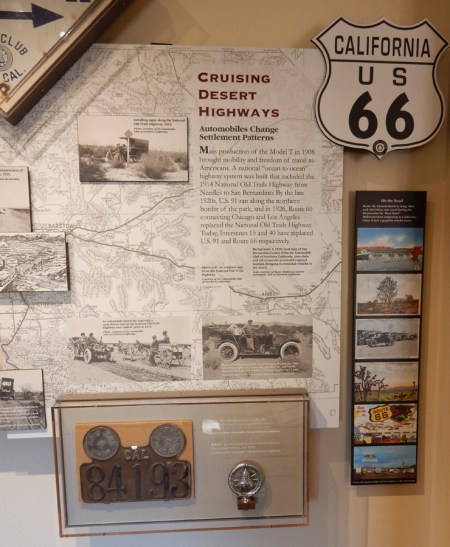
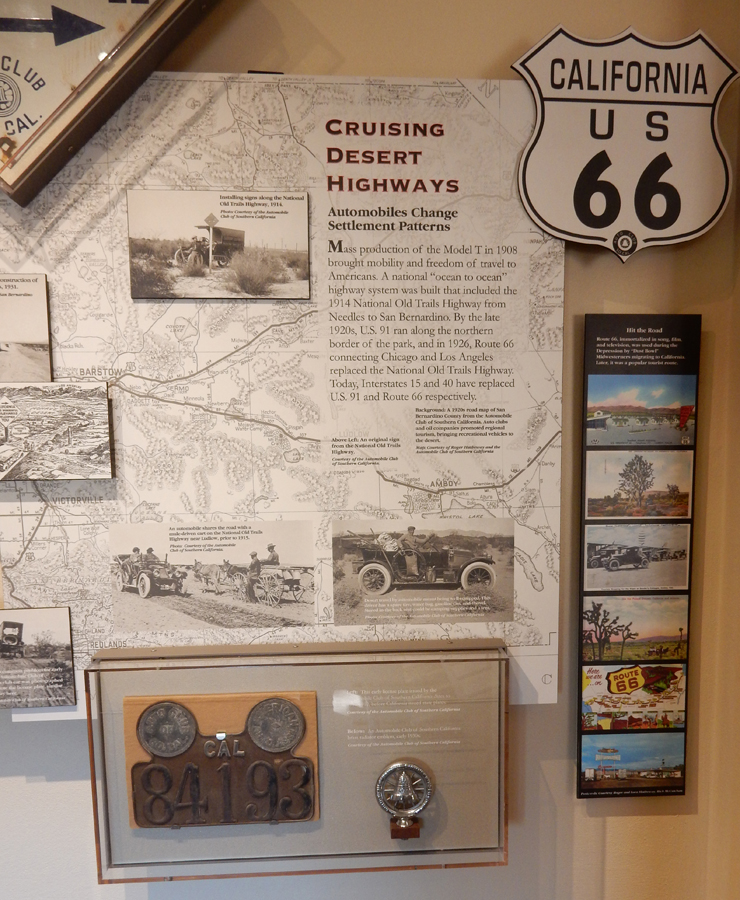
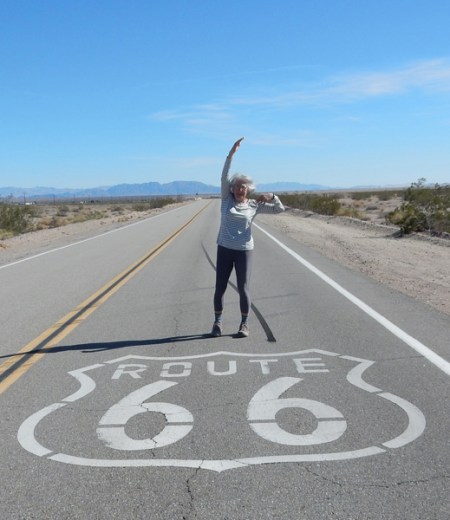
“Old” Route 66 – I love my model!
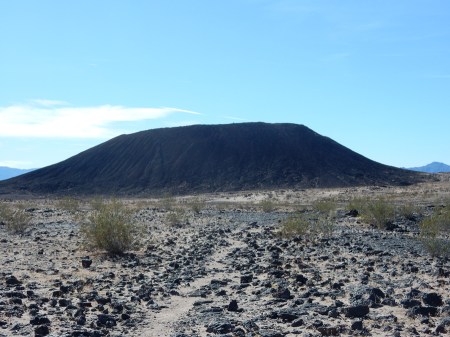
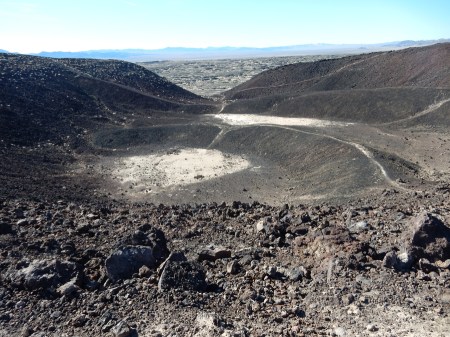
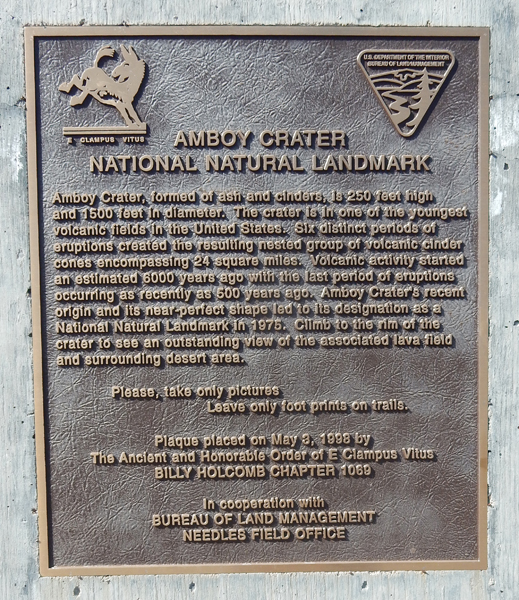
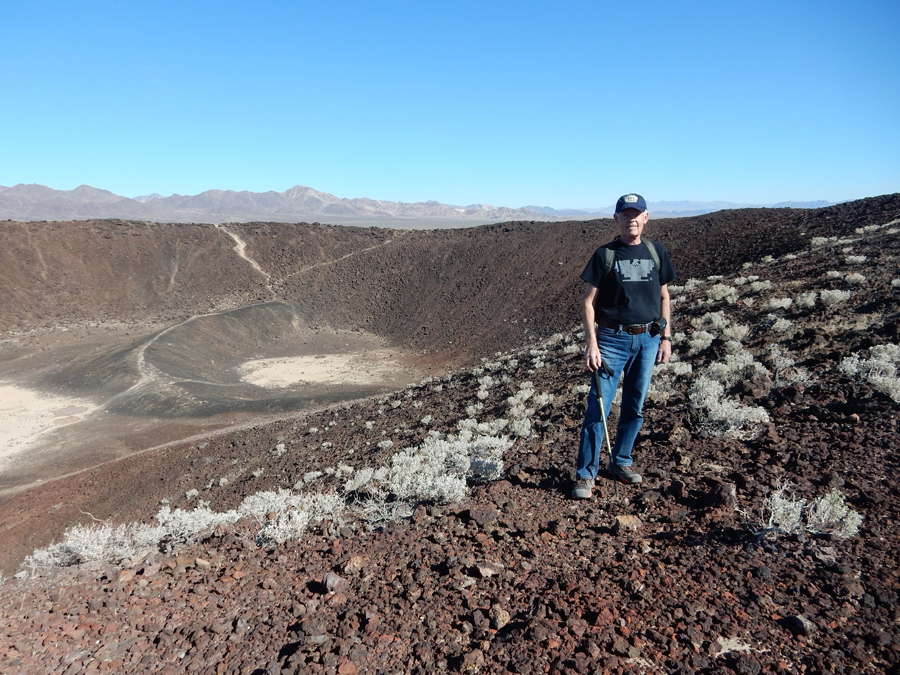
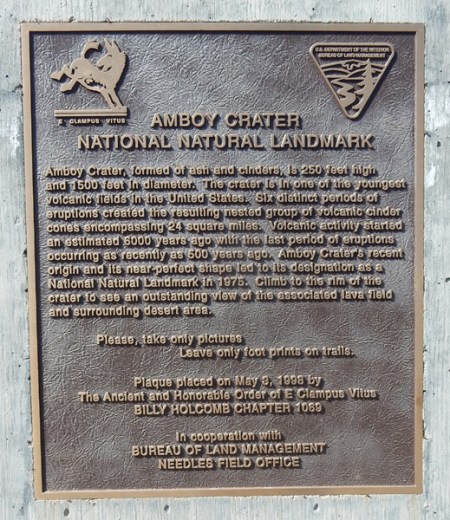
Entering Amboy Crater NNL site, which is now part of Mojave Trails NM

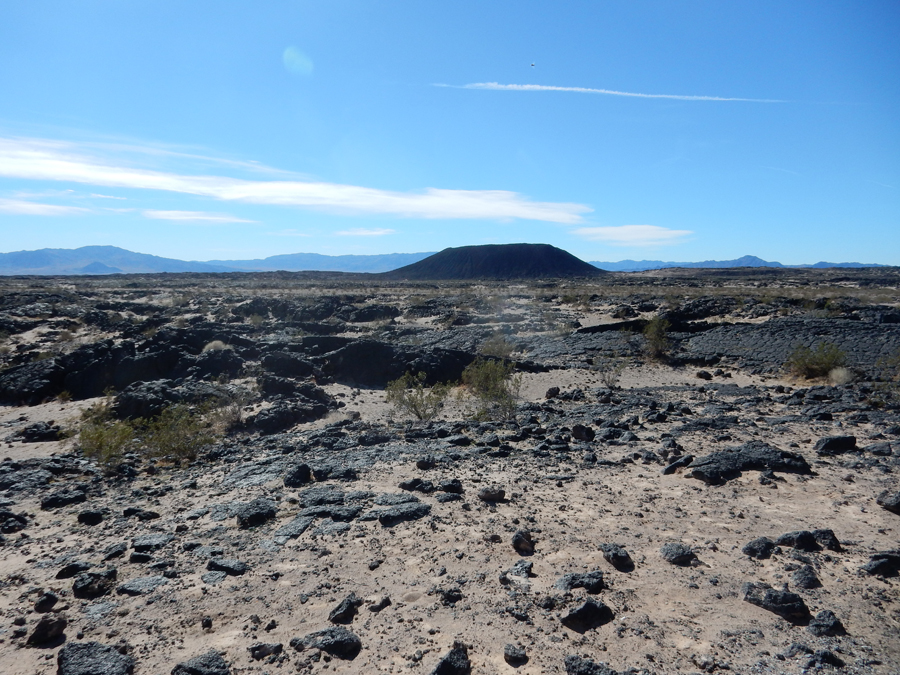
View of Amboy Crater from scenic overlook

Starting 3-mile round trip hike to crater

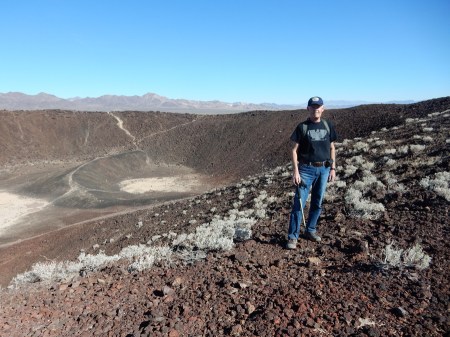
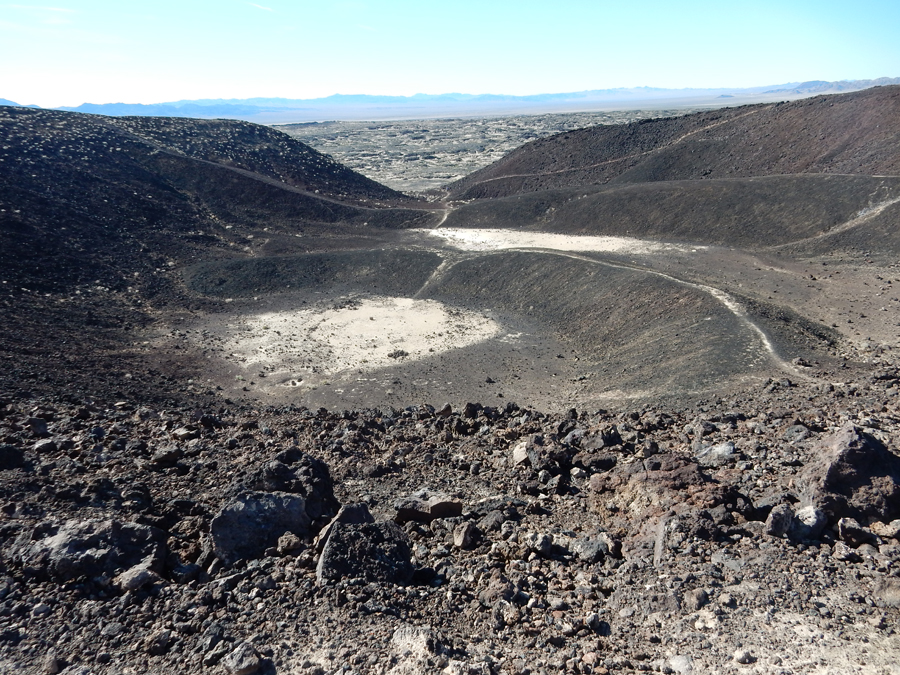
Hiking into crater

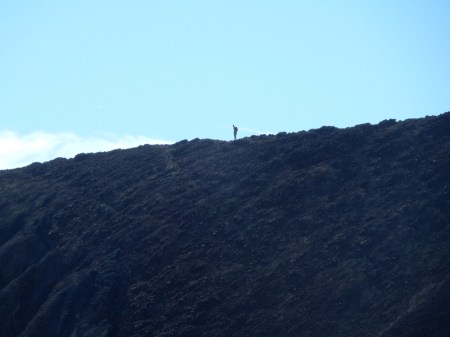
Then climb to (about 250′ gain) and hike around rim
That night had dinner at Peggy Sue’s 50’s Diner in Yermo CA and then stayed in a trailer I had found on Airbnb about a half-hour east of the city. They called it “Glamping,” that is, Glorified Camping! Well, it would have been very nice, except they called us during the day and said there would be no hot water. Not wanting to find something else on short notice (not much out there in the desert), we said that would be OK. The woman said that they had put on the space heater for us because it would be cold that night. When we arrived, we found we could not adjust the space heater – so we ended up turning it off because it was just too hot in there. That night it dropped into the high 30s, we ended up half frozen!
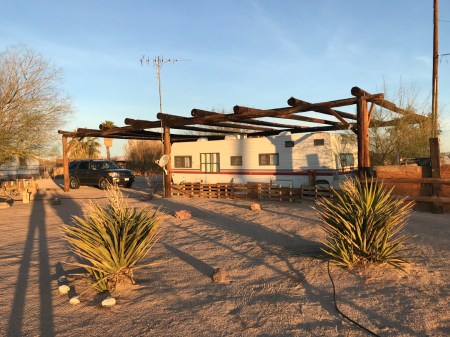
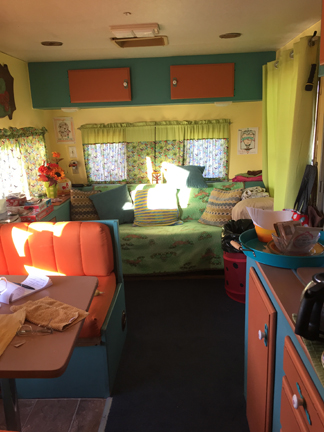
1/29 M – entering Mojave National Preserve

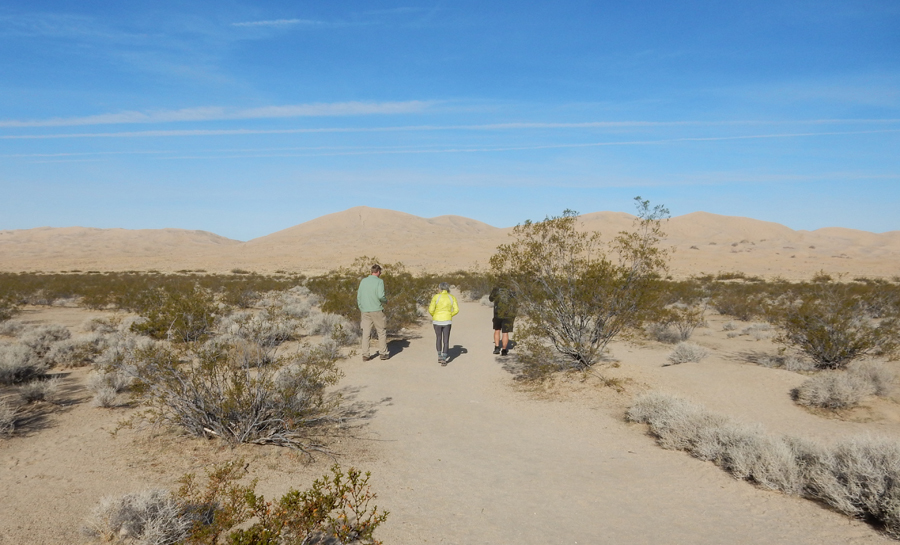
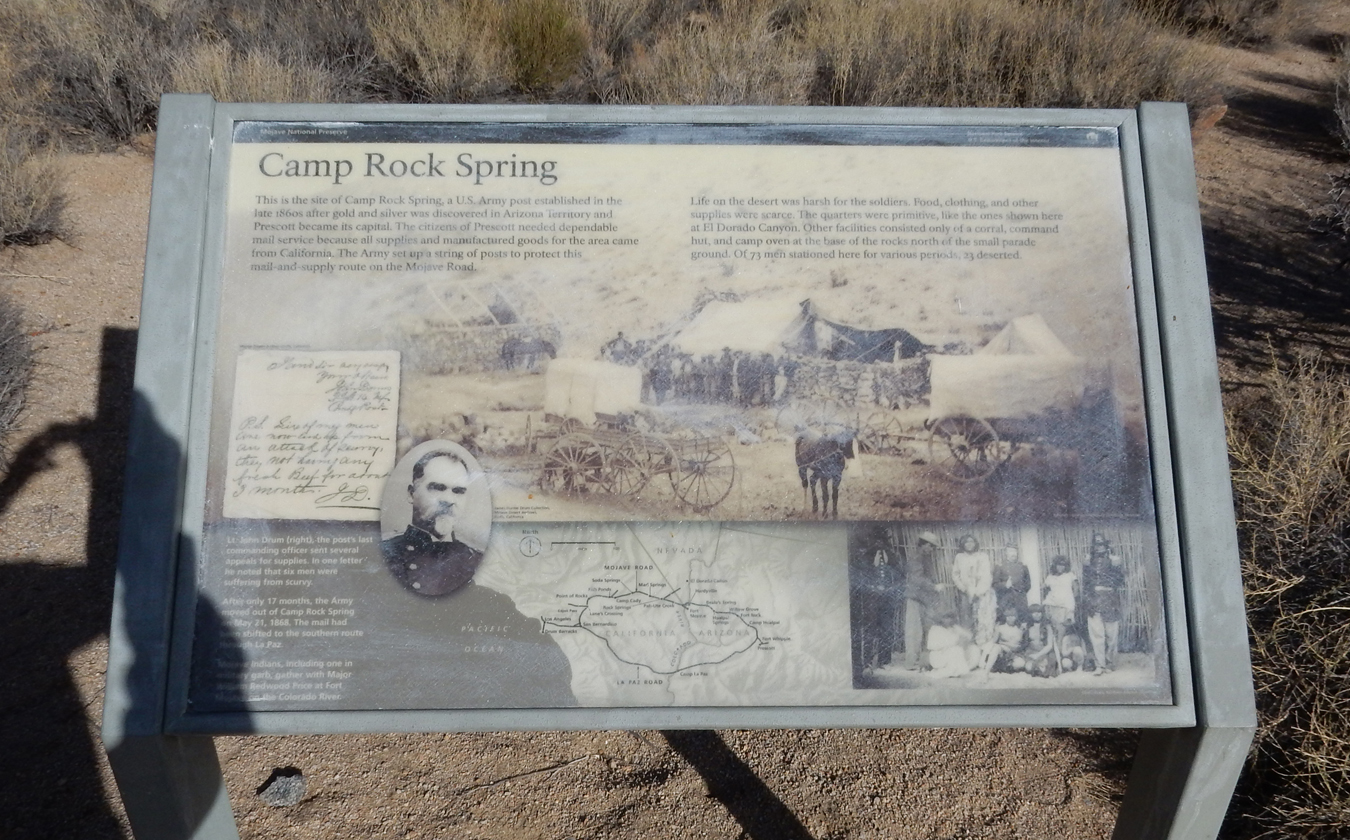
Use the above map to follow our travels within this huge National Preserve. Our first stop was the Kelso Dunes area of the preserve.

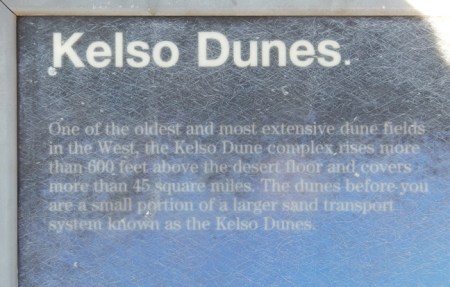
Next, we took a 5-mile, very bumpy, 4WD road to the Aiken Lava Tube
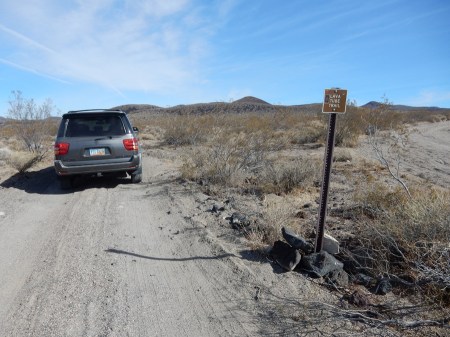
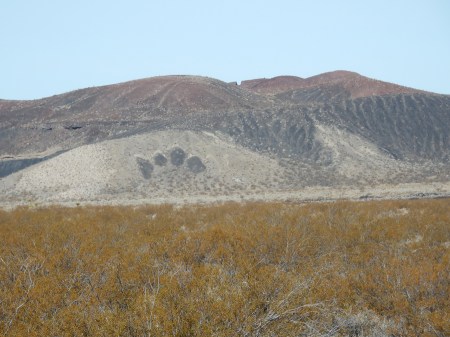
Interesting “Paw Print” and “Notch”
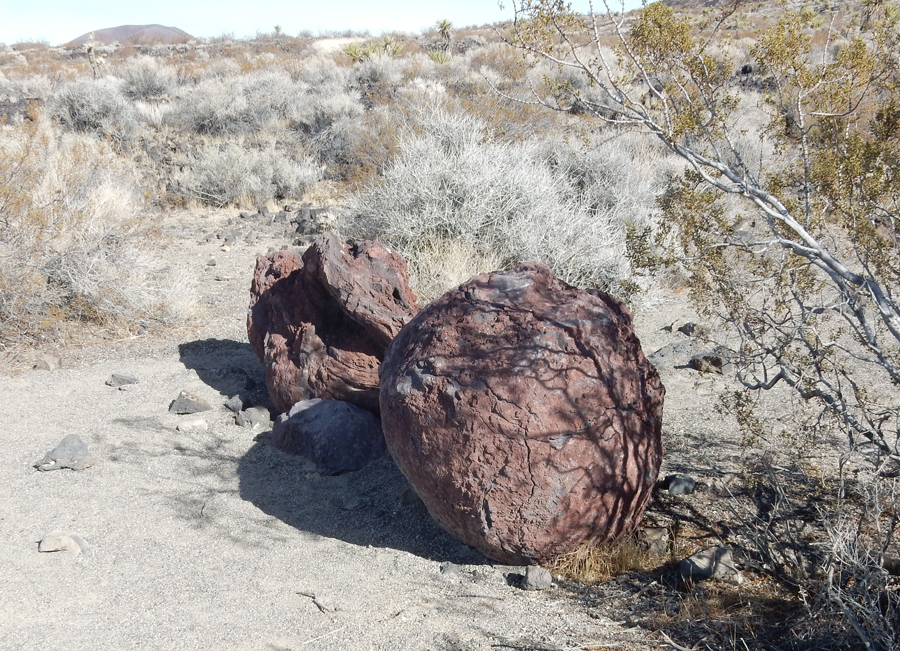
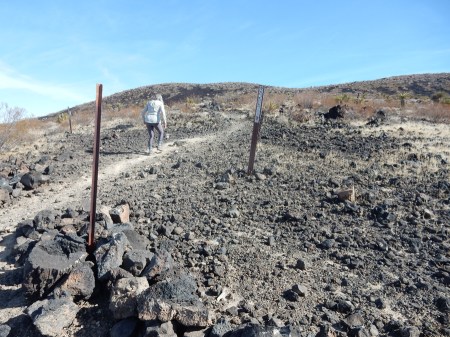
How would you like to have one of these volcanic balls landing on you!?

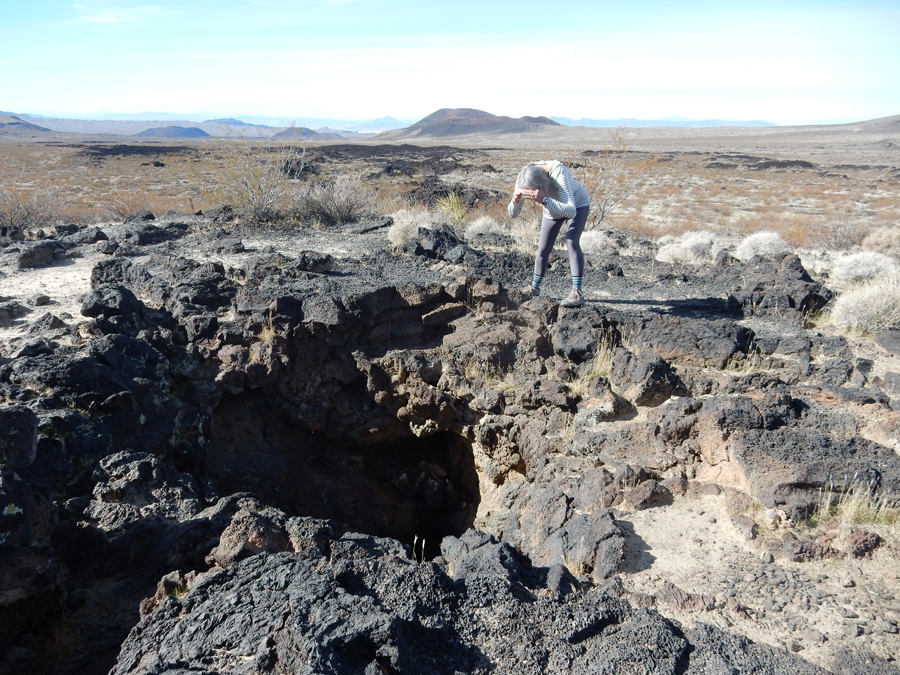
It was about a 0.25 mile hike up to the Lava Tube
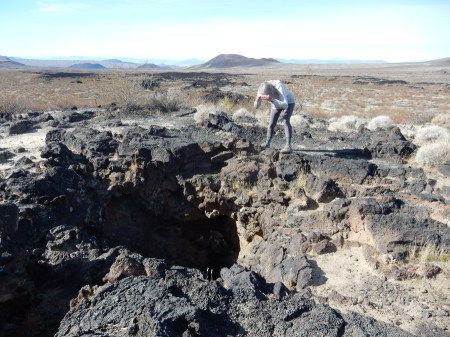
“Yo, anybody down there?”
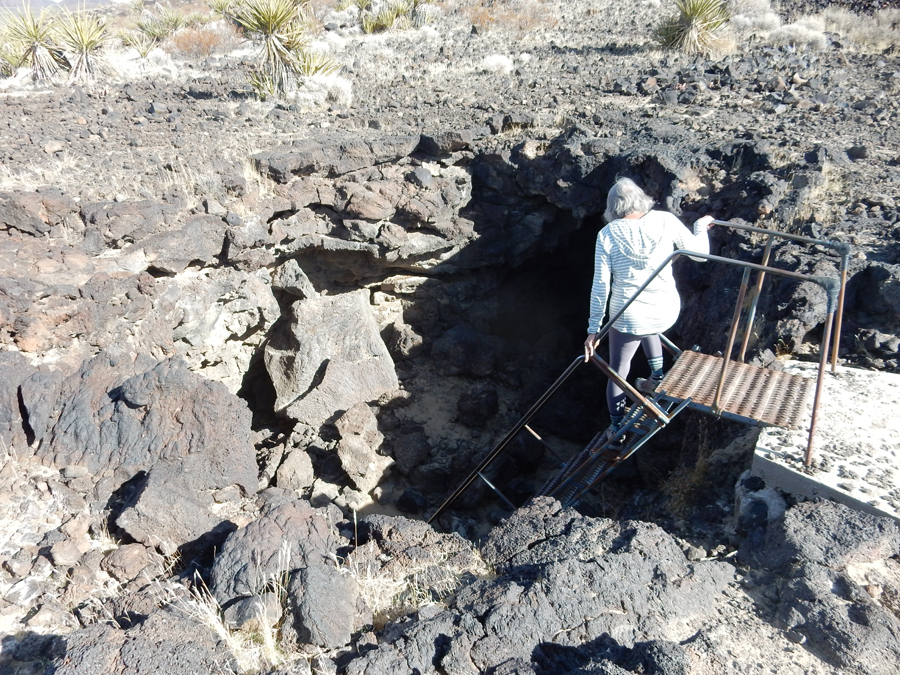
Stairs descending into lava tube.

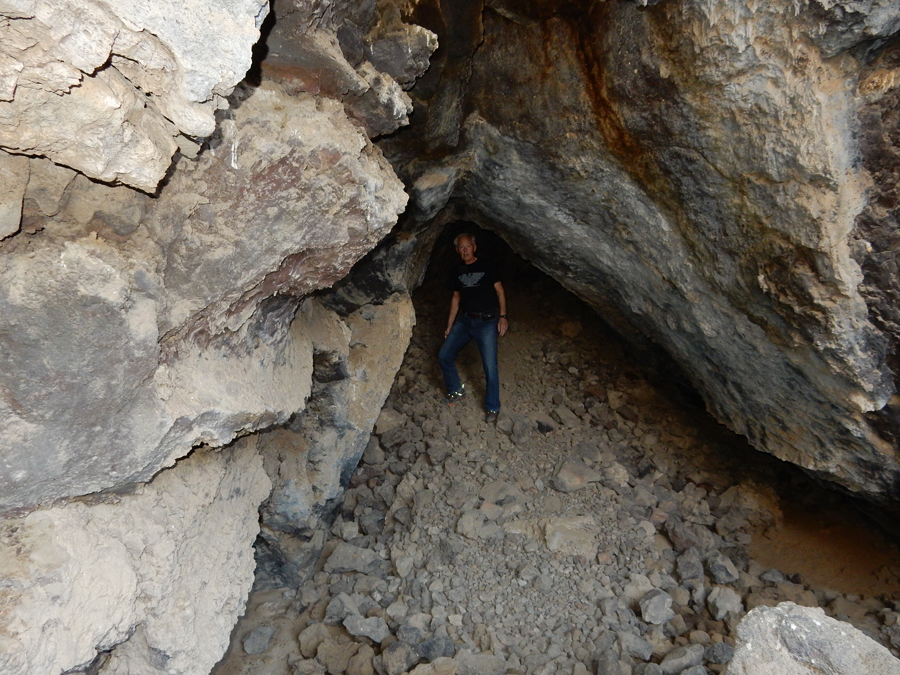
View from inside-out
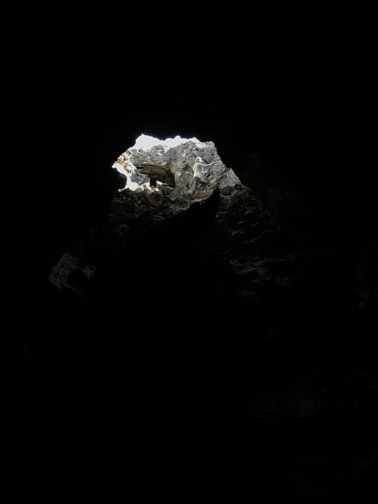
Exiting the tube

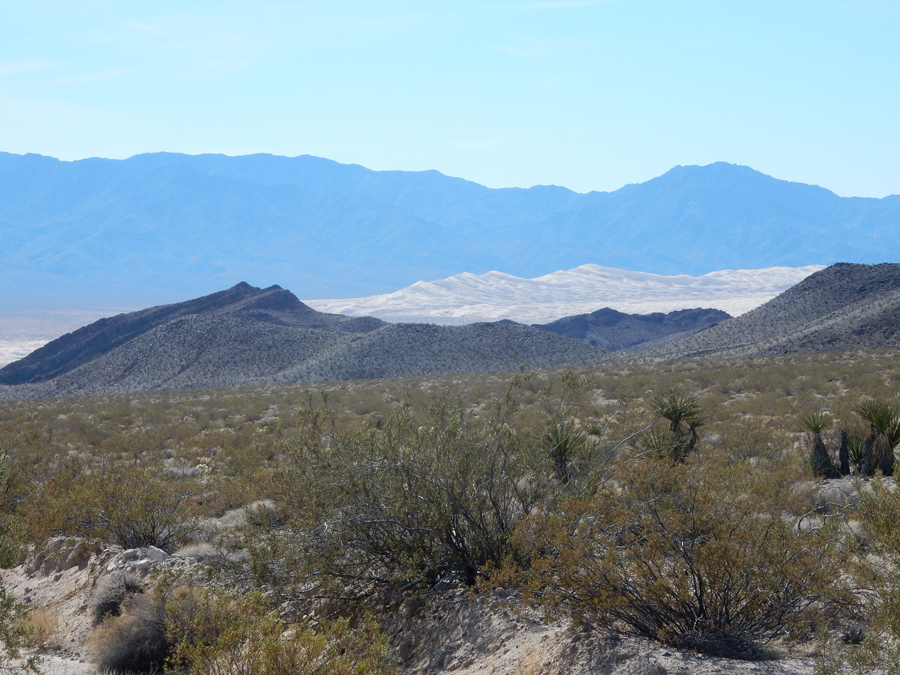
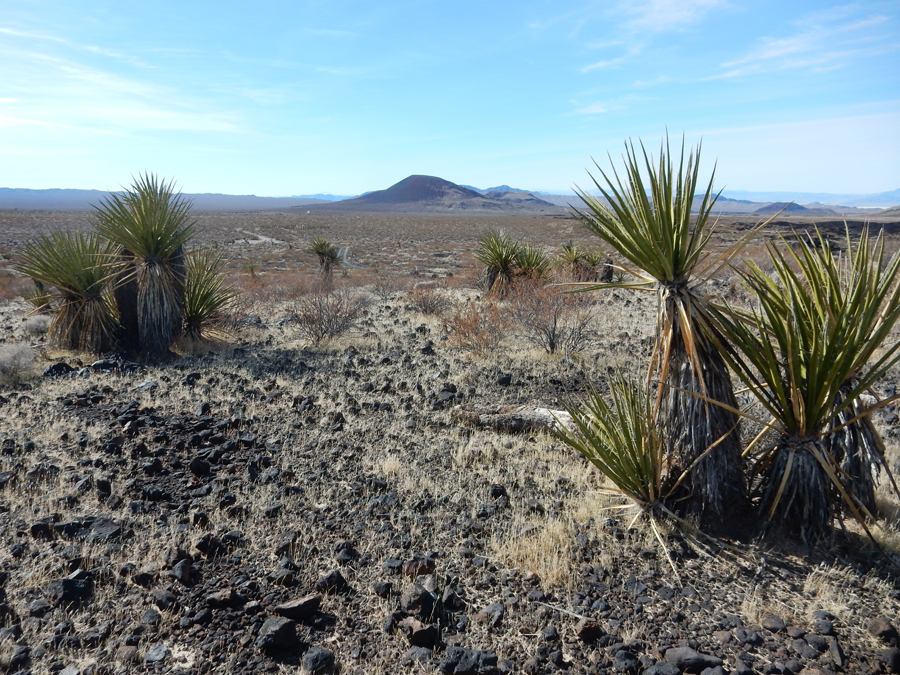
View toward Kelso Peak (4,764ft)

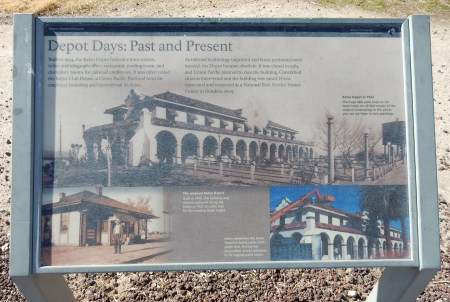
Kelso Depot Museum and Visitor Center – had a very good video
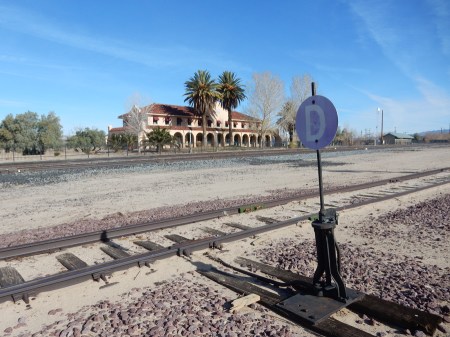
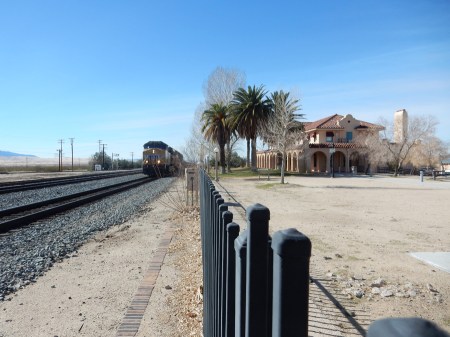
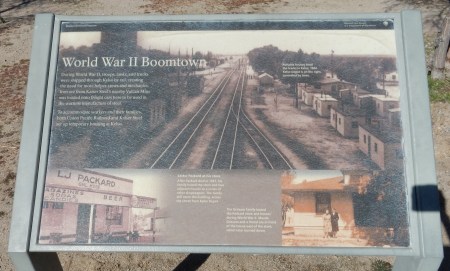
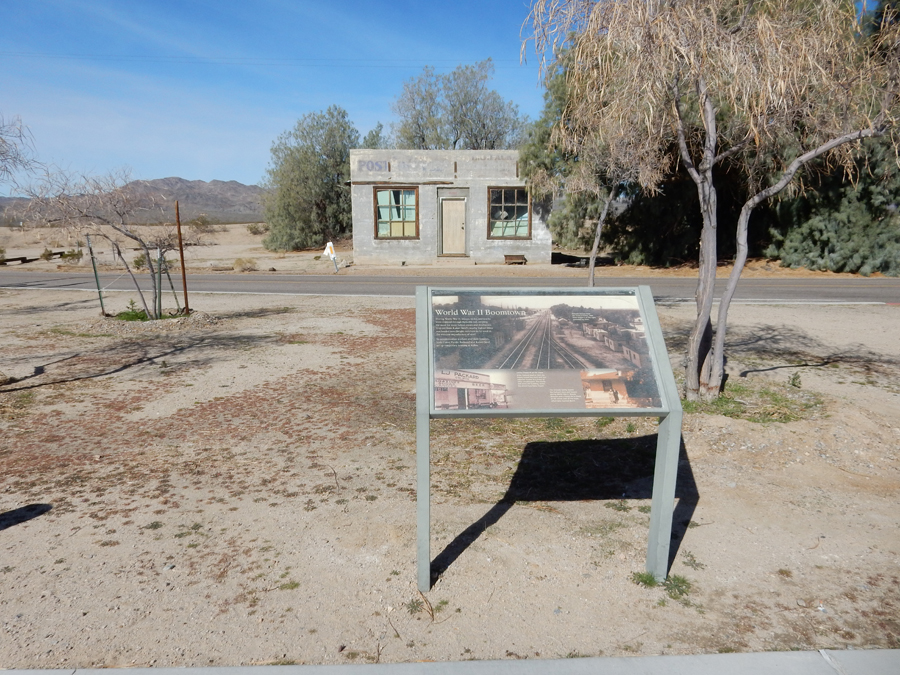
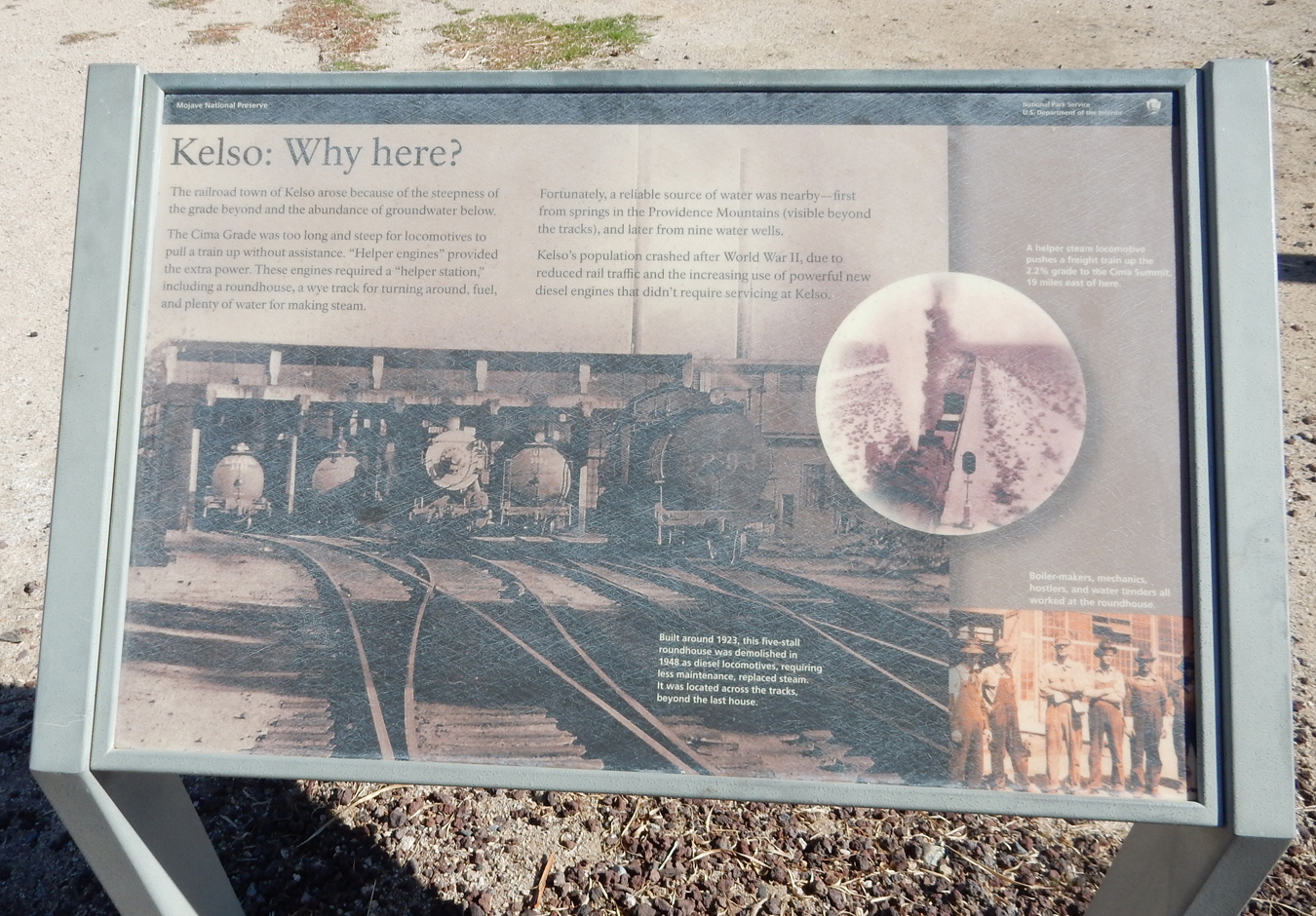
World War II Boom Town

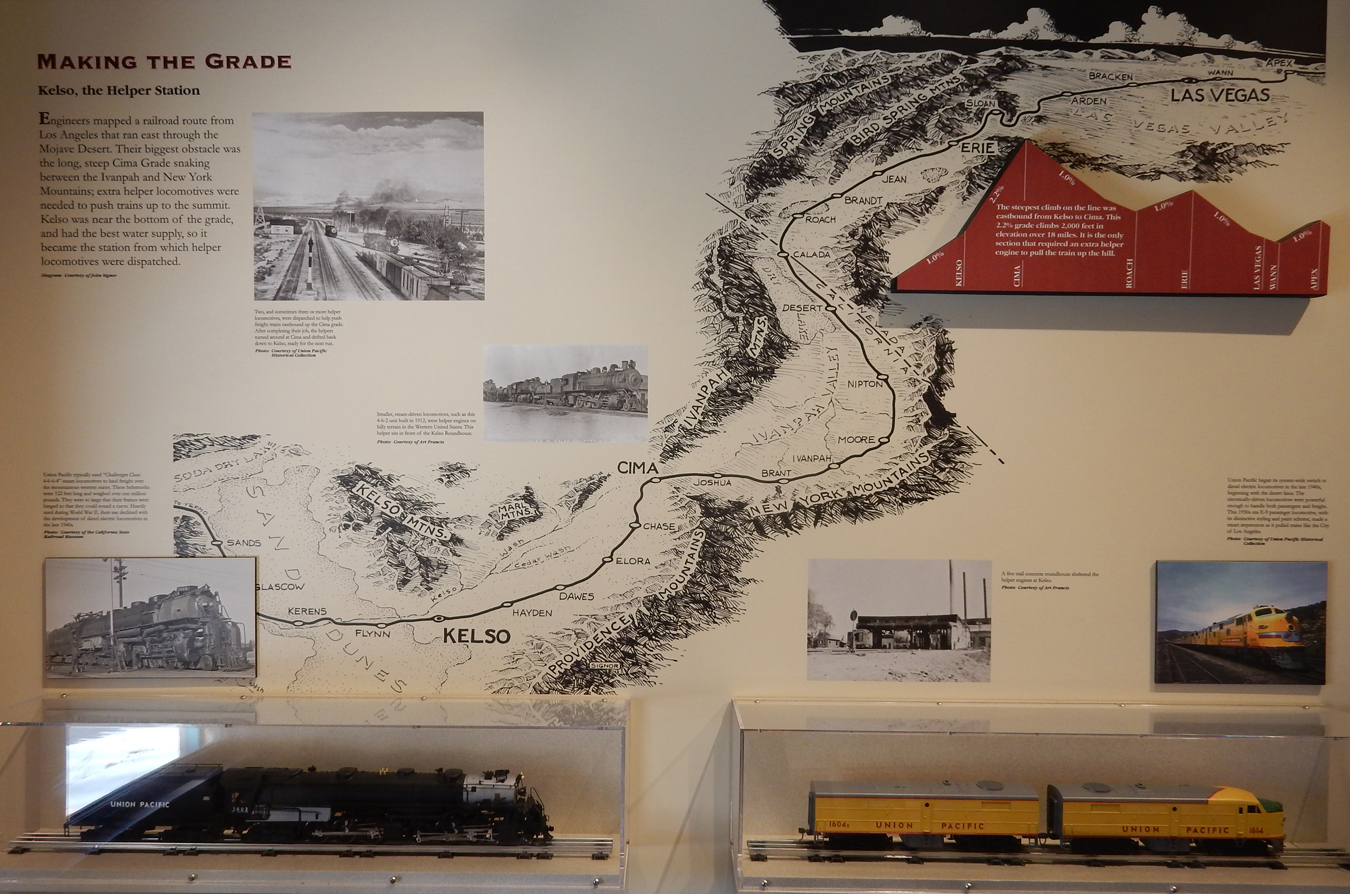
Museum displays
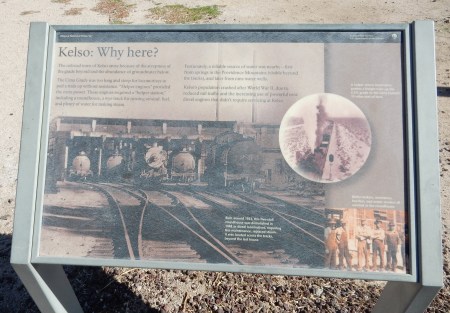
Two of my favorite displays

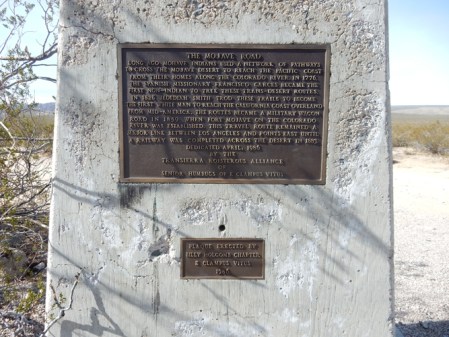
The Mojave Road (4WD) – continues West to the right of the sign
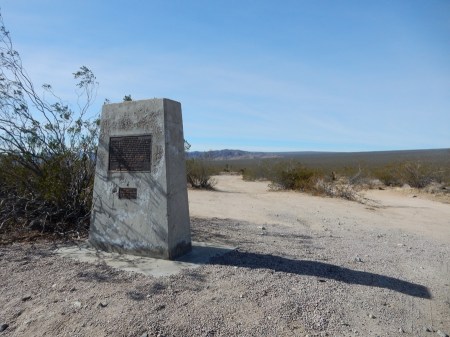
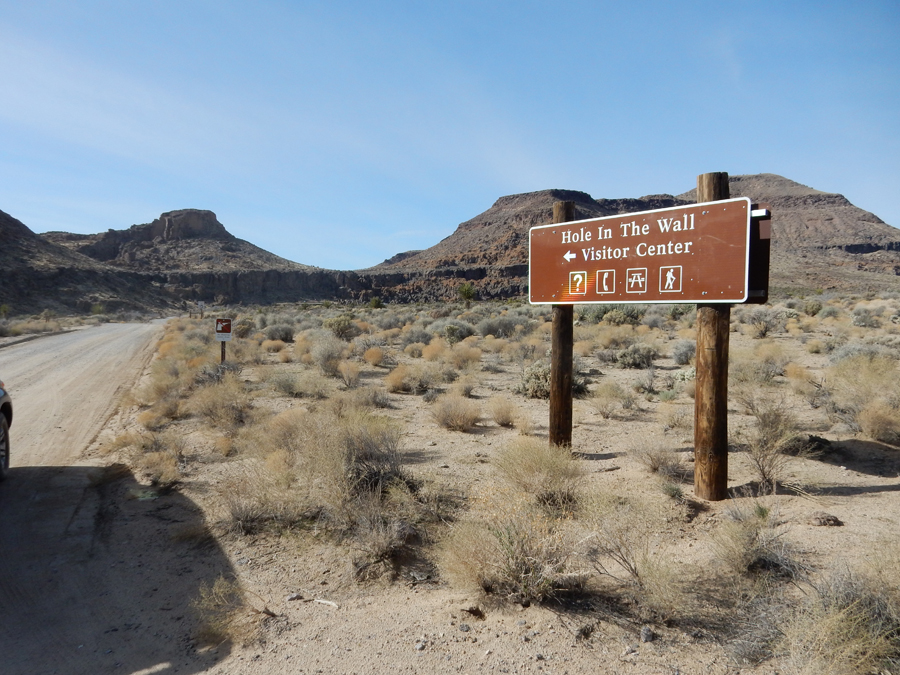
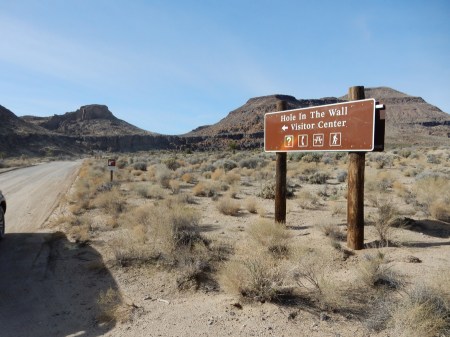
Out next stop was the Hole-in-the-Wall Visitor Information Center
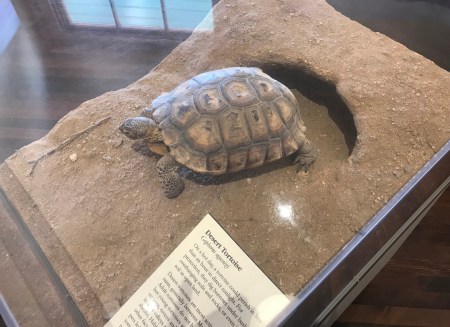
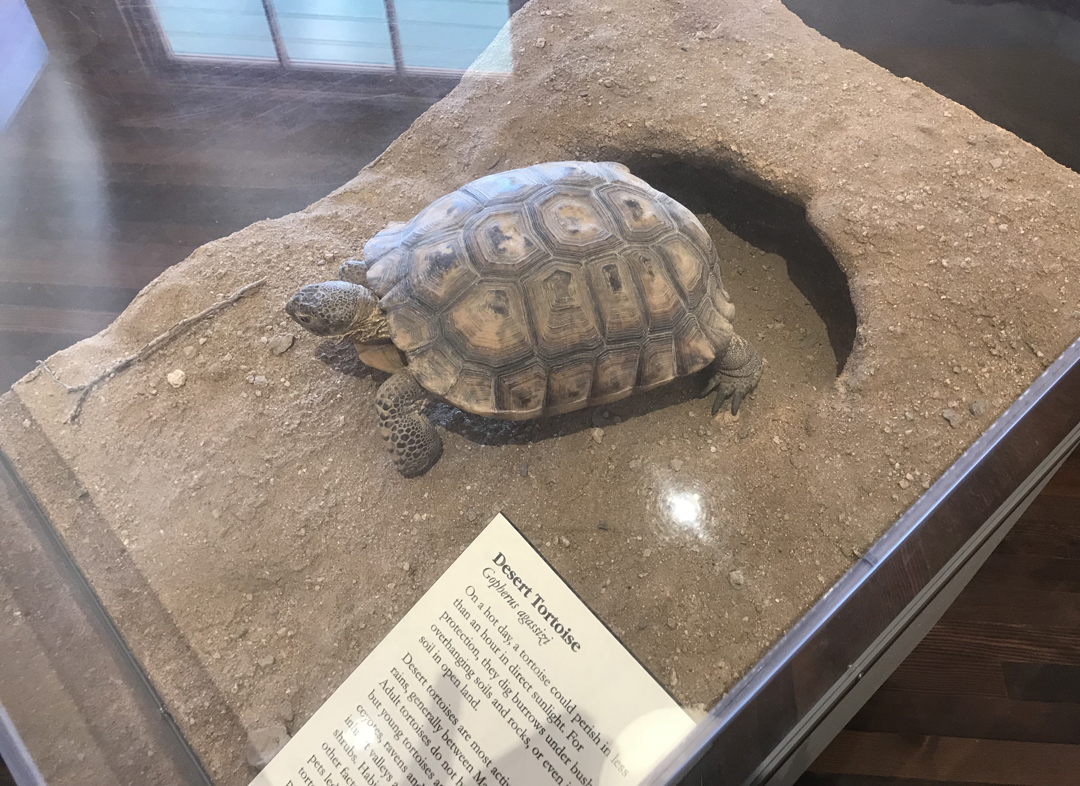
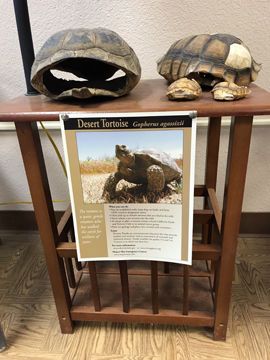
Interesting displays on the Desert Tortoise
Our objective here was to do the 1-mile Hole-in-the-Wall Rings Loop Trail
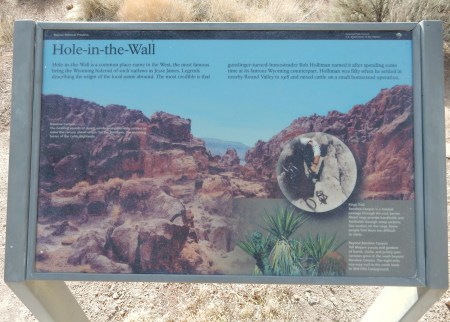
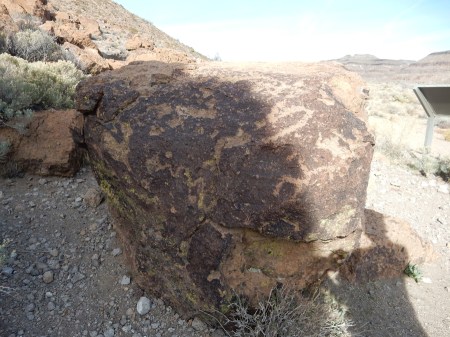
Petroglyphs along trail

Rounding ridge and entering Banshee Canyon

Now you see why this area got the name Hole-in-the-Wall – it looks like Swiss cheese!
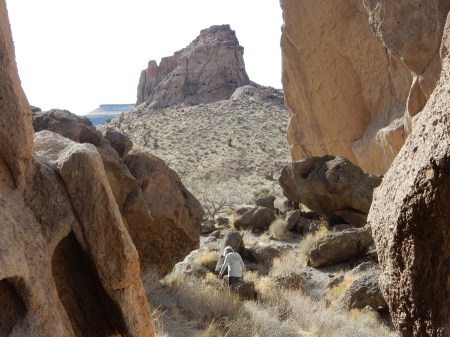
Approaching the climb

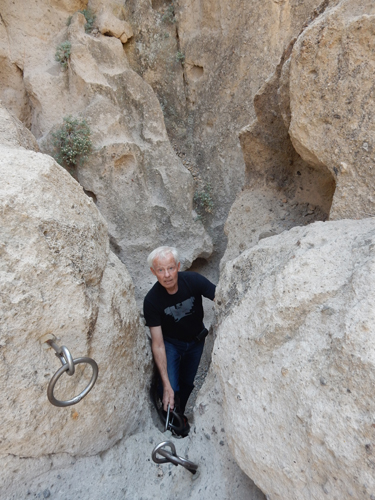
Stacked rocks and convenient metal climbing rings

Picnic area at top of climb
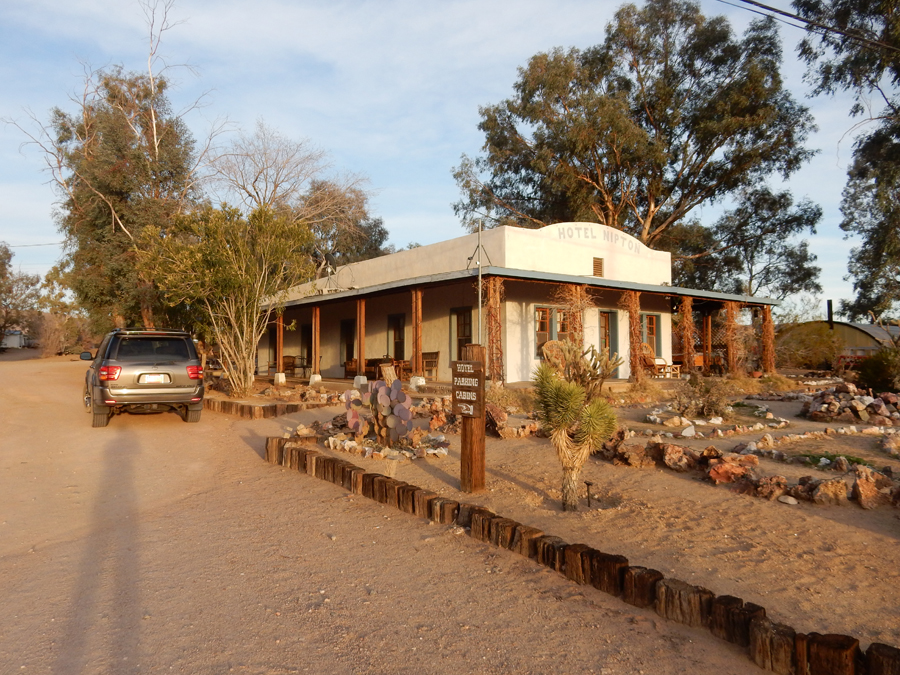
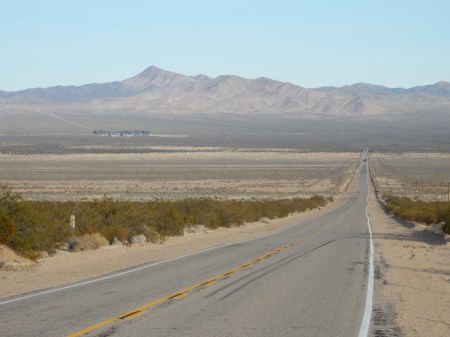
 It took about an hour to drive to Nipton CA, population 20 – the tree area in the distance
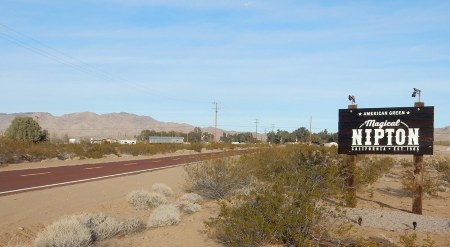
The ENTIRE TOWN had been purchased by the American Green Co the previous summer. They are our country’s largest producer of marijuana.
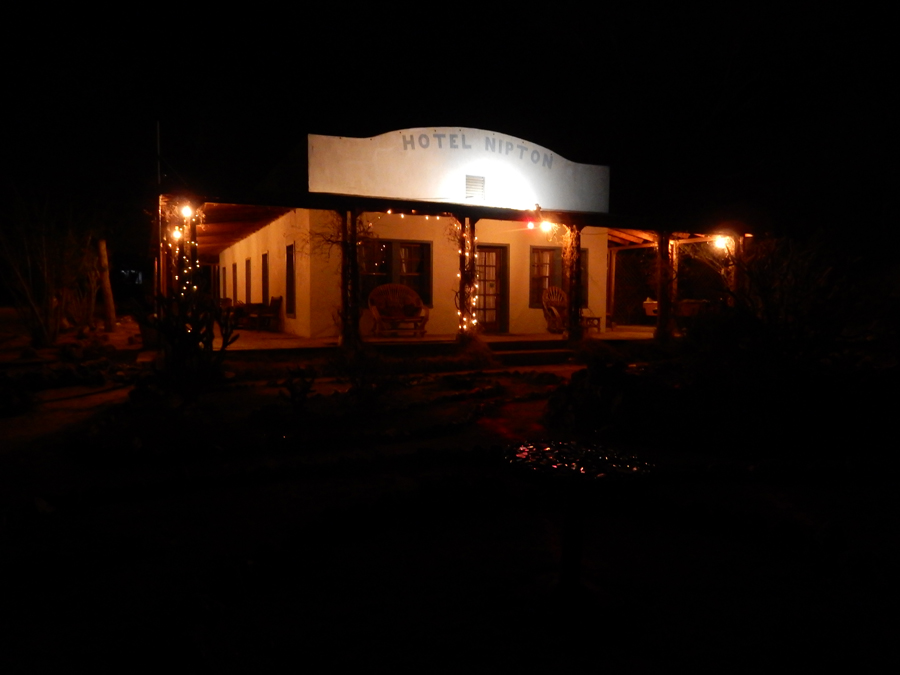
An old adobe building there, Hotel Nipton, served as a motel as far back as the 1920s. It was an overnight stop for Clara Bow, the “IT Girl” from silent movie fame. We were the only ones there and stayed in the Clara Bow room. That was nice because there were only male and female restrooms/showers for 5 rooms.  One downside was that the Union Pacific RR tracks were only 50 feet from the front door and trains run 24/7 down this mainline!

Recreational marijuana became legal in CA on 1/1/2018. The American Green Co is planning on Nipton becoming a Marijuana Tour Destination. All legal marijuana, as well as CBD (Cannabidol) hemp seed oil products, are now available for purchase in the small store. Jim, the manager, gave me a lesson in the operation of the marijuana product dispensing machine (basically a safe that operates like a vending machine) and info on the CBD products.
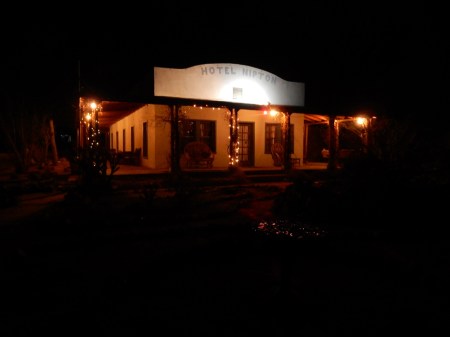
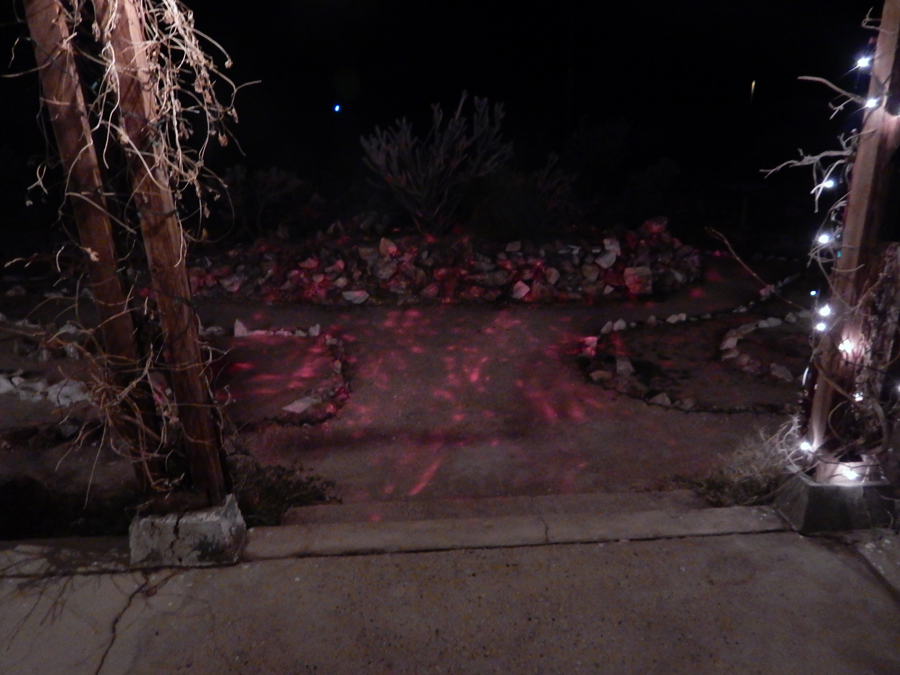
Psychedelic lights – to get in the mood!
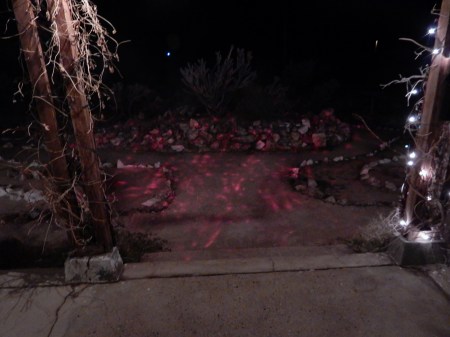
The small restaurant there was not yet open for the season. So, we had to drive 20 miles to Searchlight NV where we ate a salad in a McDs inside the Terrible’s Casino and truck stop.


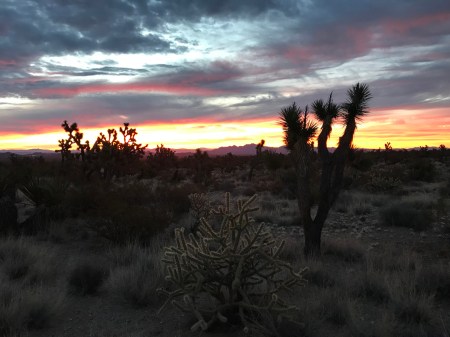
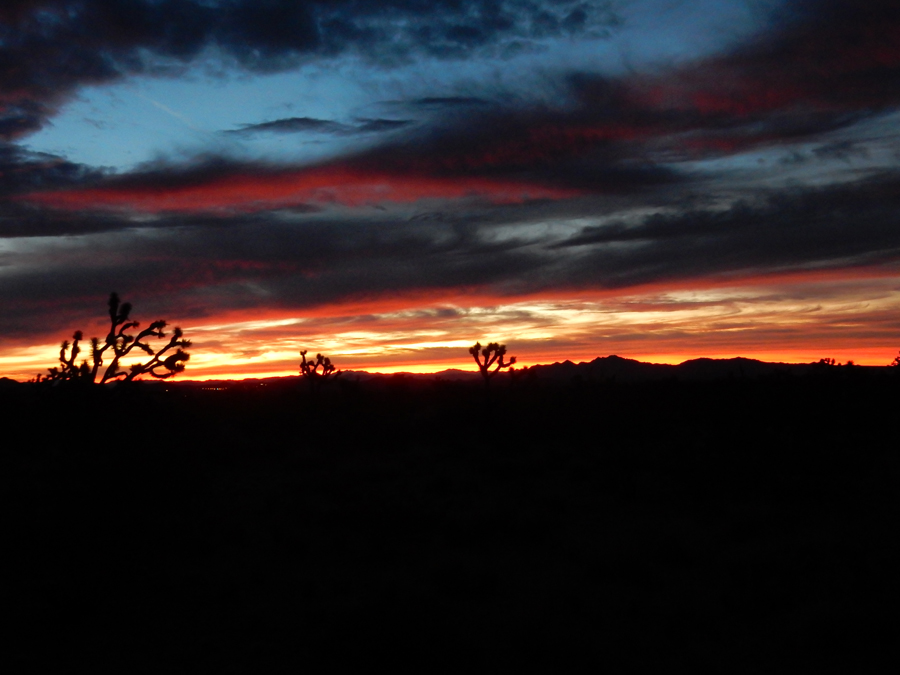
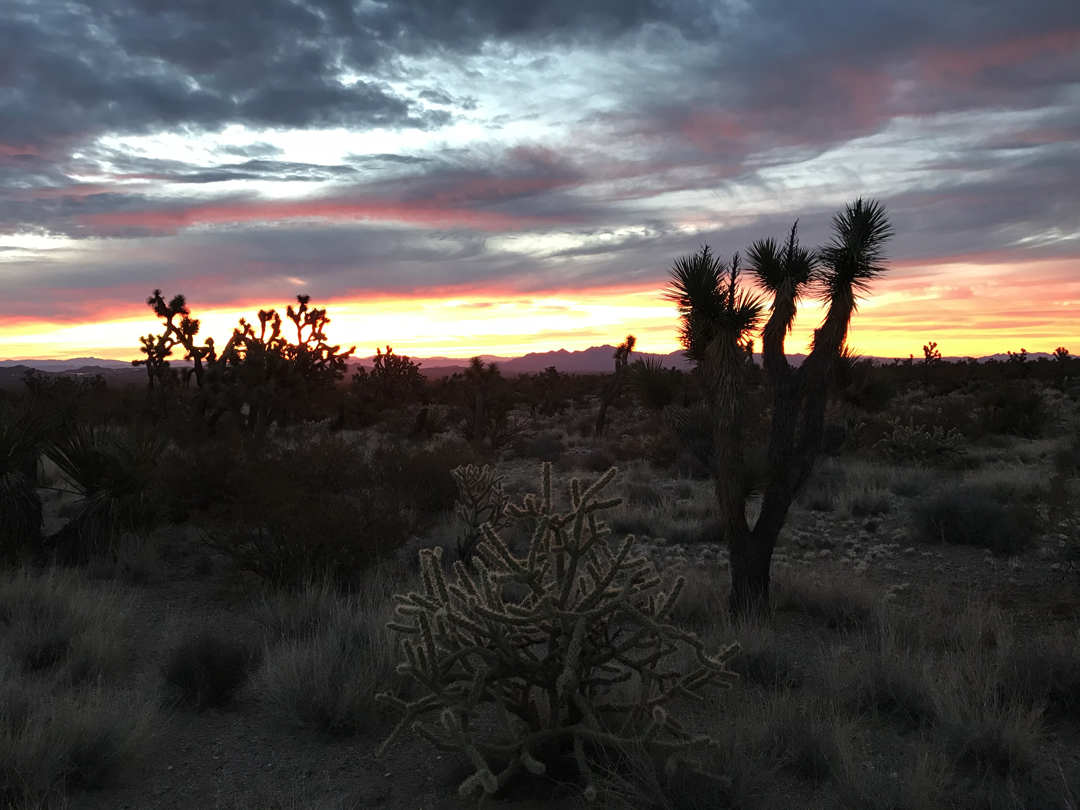
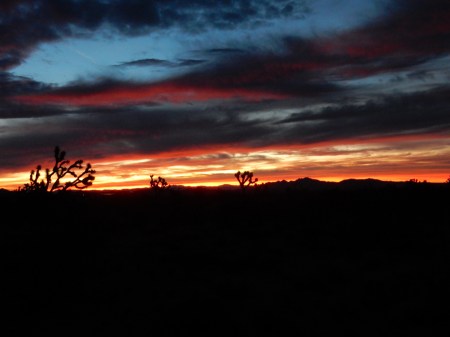
1/30 Tu – we were up early and drove back across the border into NV to access the Walking Box Ranch Road that drops south to the Nature Conservancy area. Sunrise in the desert –
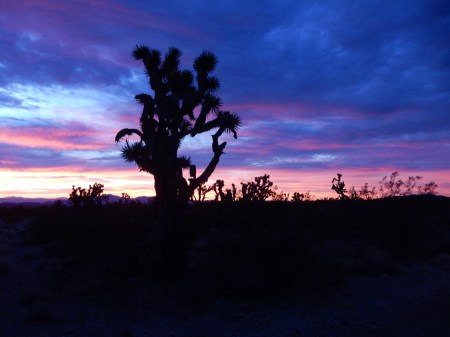
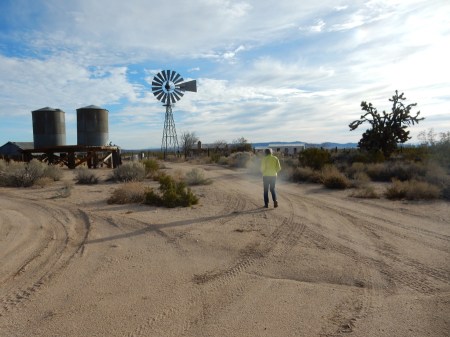
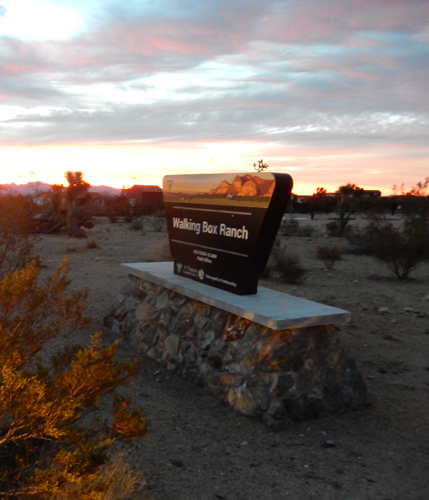
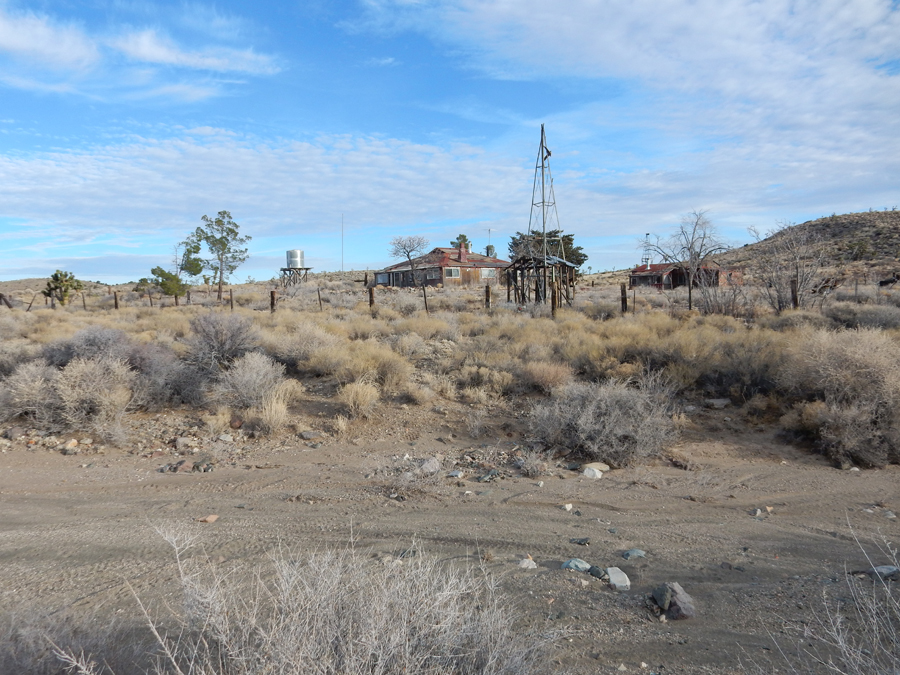
Walking Box Ranch

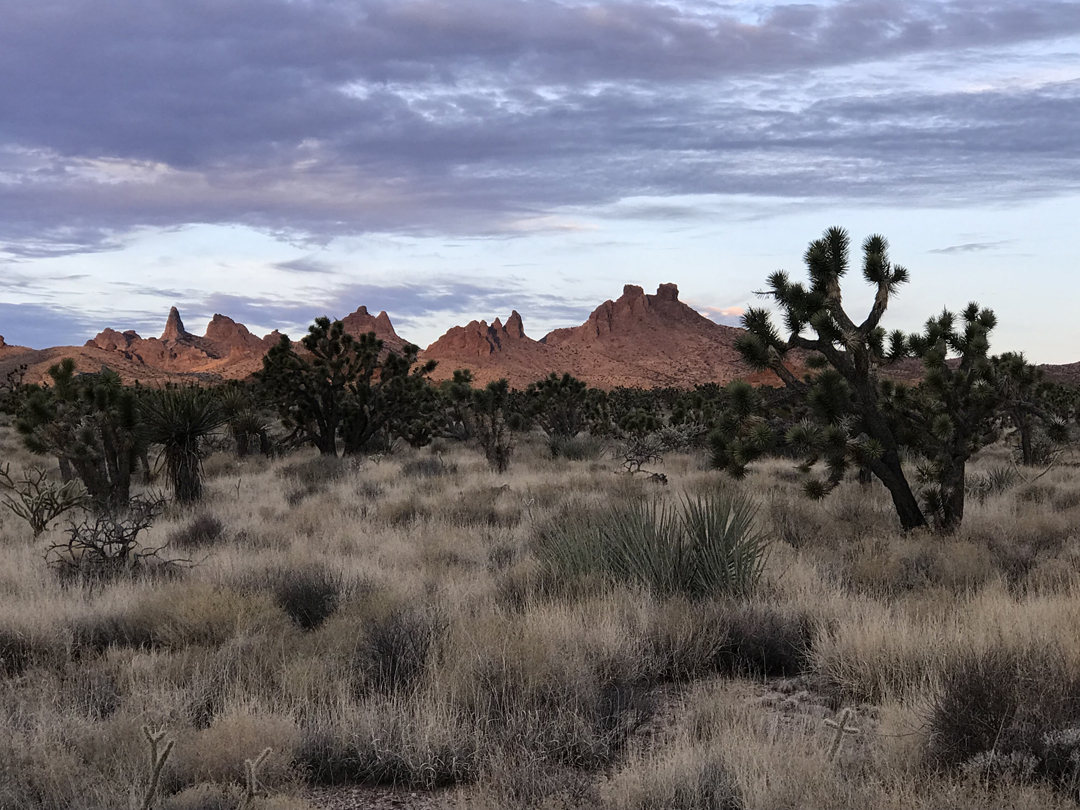
The 4WD road continued south into Castle Mountains National Monument, which is in CA. It is embedded in Mojave Desert National Preserve along the NV border.

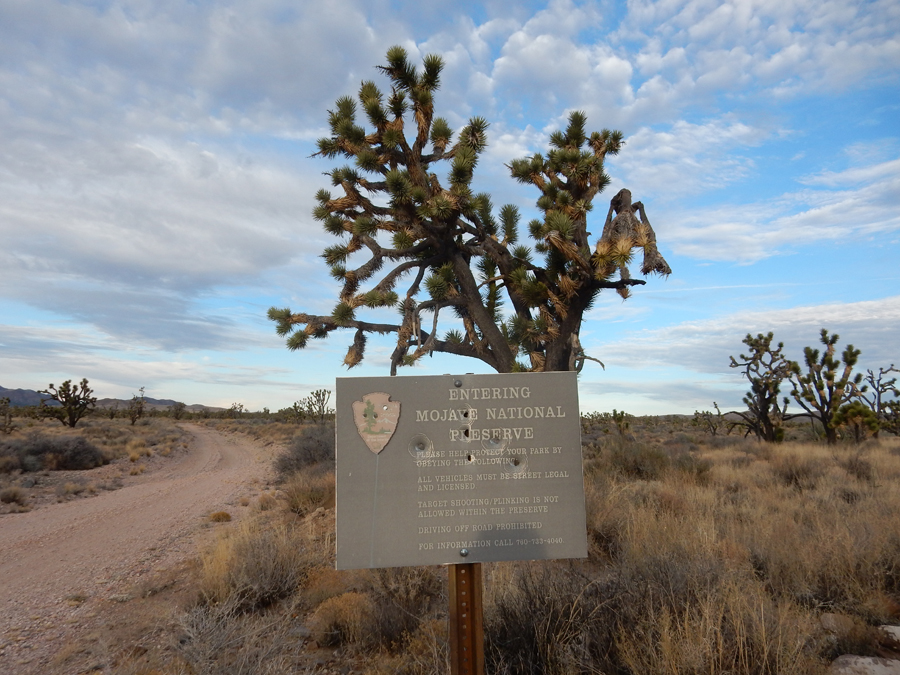
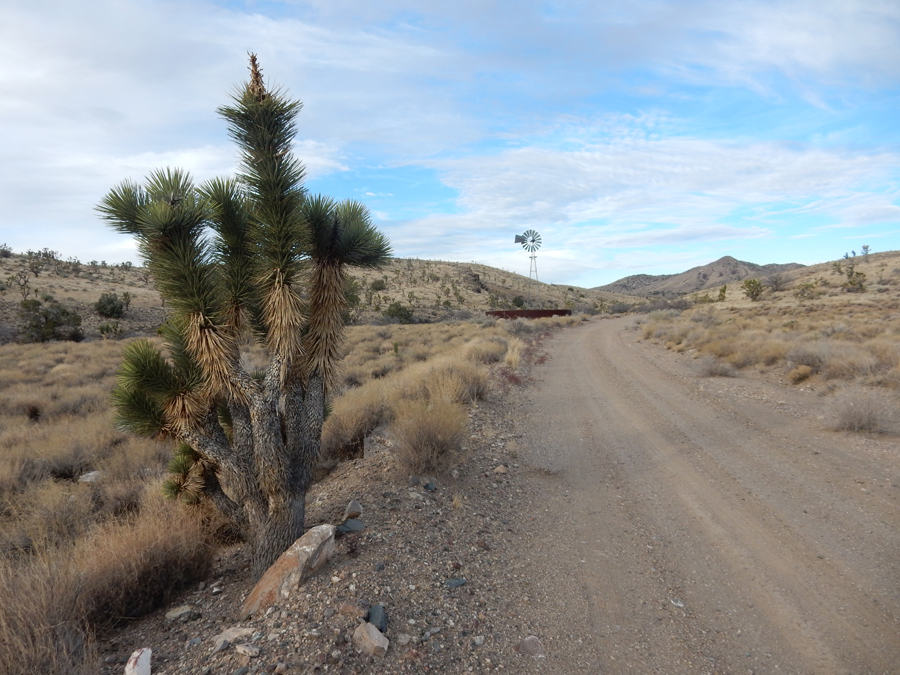
This new National Monument was designated by President Obama in 2016
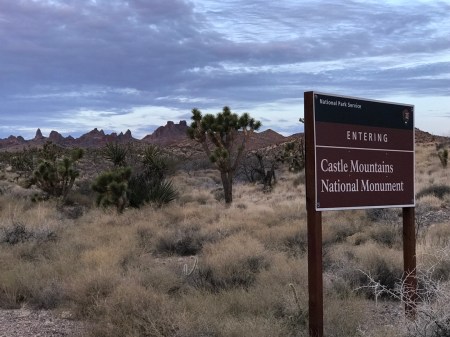
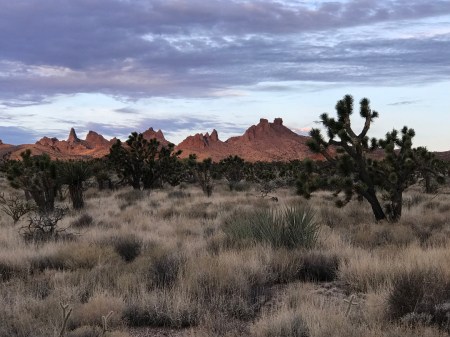
I had some difficulty finding information on the NM but did discover that Canadian Newcastle Gold Ltd. has a lease on a large track in the middle of the monument that expires in 2025. They have been permitted to excavate 10 million tons of ore.  However, the info also stated that the mine was not active due to the relatively low value of gold and cost of open pit extraction at this location. Well, guess what? They are gearing up to re-open the mine! A van of workers going to the mine stopped us and asked what we were doing in the area. The foreman warned us not to go on mine property. He also stated that it would take them 18 months to gear up for the ore extraction. I was a little lost?  (I never get lost)  So, I drove to the mining operation to ask for directions.
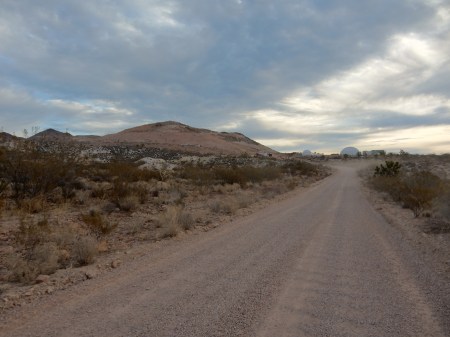
They directed me to the 4WD track that went west, back into the Mojave National Preserve.

Took the Hart Mine Rd to the Ivanpah Rd – the deteriorating ranch buildings in the Preserve are slowly returning to the natural landscape

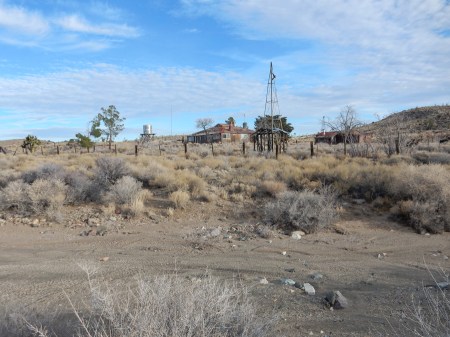
The OX Cattle Ranch is still in pretty good shape
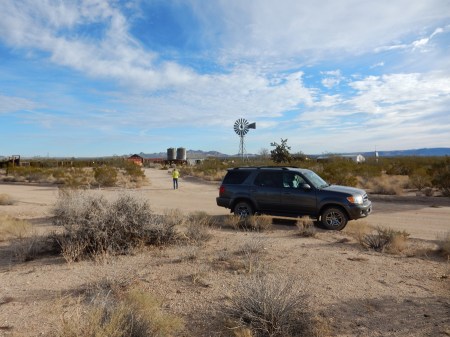
Our last hike in the Mojave Preserve was the 1-mile Rock Spring Loop Trail

Our first stop was the Rock House

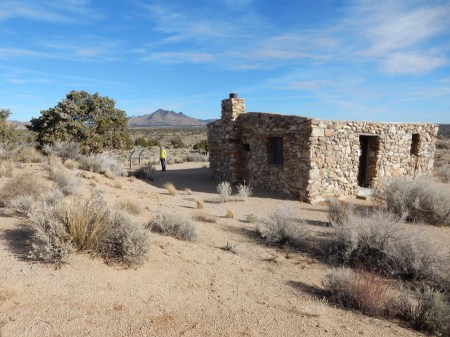
We then continued to Rock Spring

Rock Spring was an important water stop for Indians, travelers, and commerce.
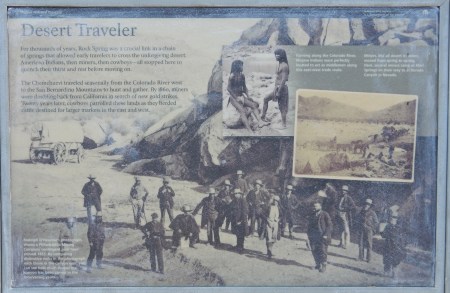
On the trail back to the Rock House and parking lot

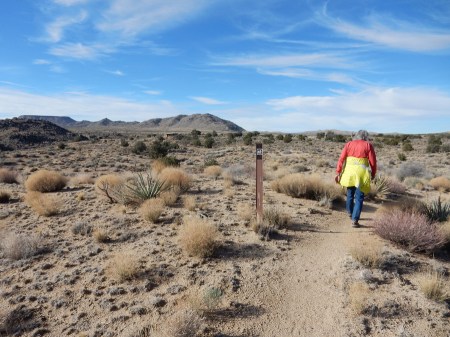
We exited the Preserve and took US 95 south to Blythe CA, crossed over into AZ and drove by the Yuma Proving Grounds where we saw this observation blimp

Picked up some fruit and vegetables in Yuma and then took I8 along the Mexican border, through the Imperial Sand Dunes Recreation Area, and on to a Prime Rib dinner (which we shared for $8.45) at the Golden Acorn Casino near San Diego.  Our Toyota Sequoia SUV is a great all-purpose road trip vehicle. It is comfortable, powerful, rugged (4WD), roomy (we are now carrying a metal patio set for Kate), corners well, and is small enough to maneuver in traffic.

We arrived at our Airbnb hotel room (the Nautical Escape) in downtown San Diego about 6:30pm. That was planned, because there is free street parking from 6pm to 8am!


1/31 W – Parked on the west side of Balboa Park about 8am. The park was built for the 1915-16 Panama-California Exposition to commemorate the opening of the Panama Canal. Buildings were built in Spanish-Renaissance style. We walked El Prado Ave past the Museum of Man to the Prado restaurant for coffee.
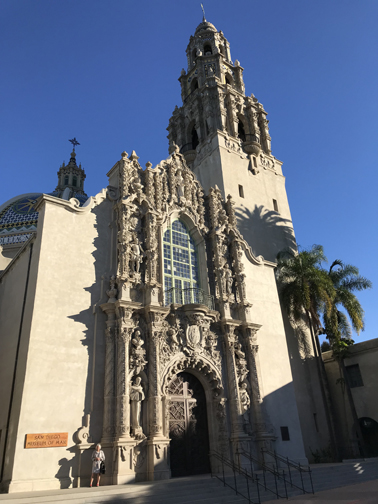
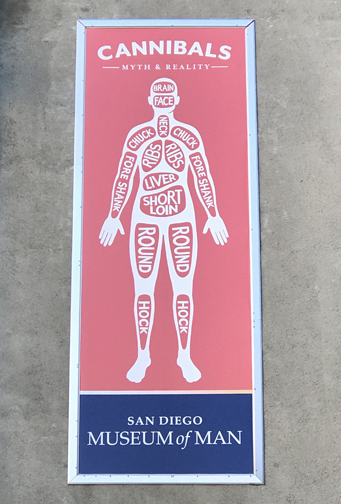
El Cid statue in Plaza de Panama

Stopped by the old Carousel on our way to the Zoo. It was built in 1910 in NYC and shipped to CA. After set-up in LA and in Coronado, it made its way to Balboa Park in 1922. It is a menagerie of animals and all but two pairs are original with hand-carved European craftsmanship.  Also original are the hand-painted murals surrounding the upper portion of the carousel and the military band music.  This carousel is one of the few in the world still offering the brass ring game for everyone taking the 5-minute ride.
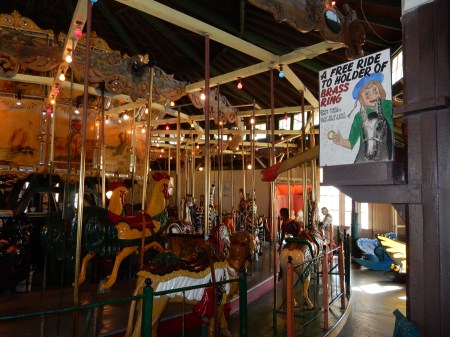
We had anticipated spending two hours in the Zoo but ended up staying for five!
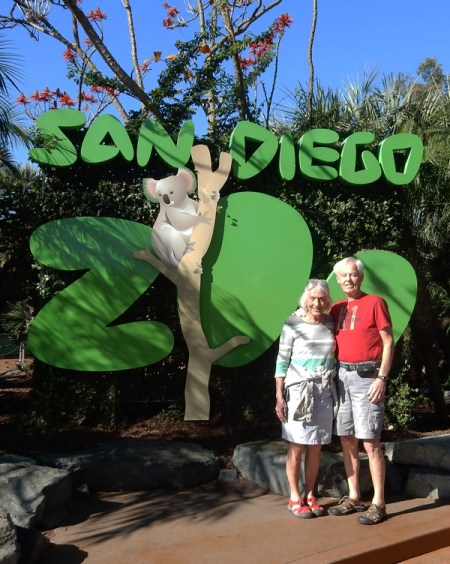
Hippo – reflection makes it look like half of me is in his mouth!
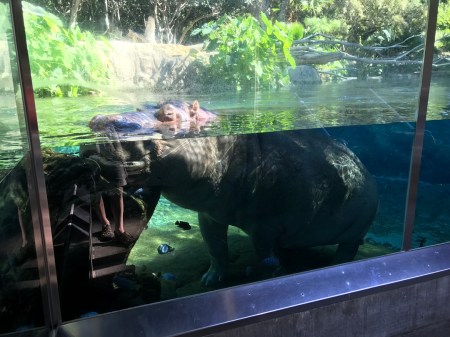
Monkey Business
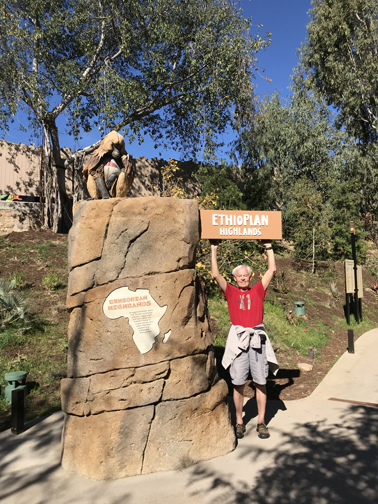
Selected Pics –

California Condors
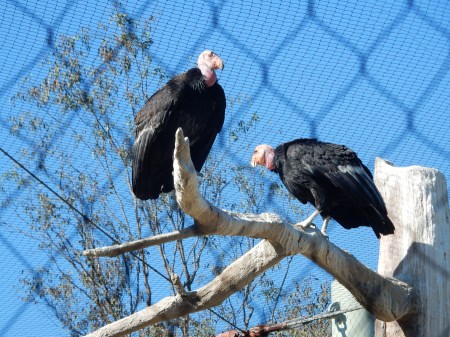
Beside a ton of walking, we did the Aerial SkyFari and a bus tour
Tree roots – Balboa Park

Drove to Jonathan and Christina’s house north of the city for a pizza dinner at 6pm. It took an hour and fifteen minutes to get there and 20 minutes to get back!  I hate city traffic!


h1

Northeast U.S. National Park Unit Trip – Part 2

November 8, 2017

Northeast U.S. National Park Unit Trip – October 2017  Part 2

10/17 – We started our cold but sunny day by driving to the Cape Cod National Seashore Visitor Center

Viewed the displays, watched the film and then did the Nauset Marsh Trail

The road to Coast Guard Beach was closed for resurfacing, so we proceeded to the Nauset Light

The Three Sisters Lighthouses were originally on the coast but were moved inland

More impressive than the lighthouses –

Marconi Beach – chilly but fun!
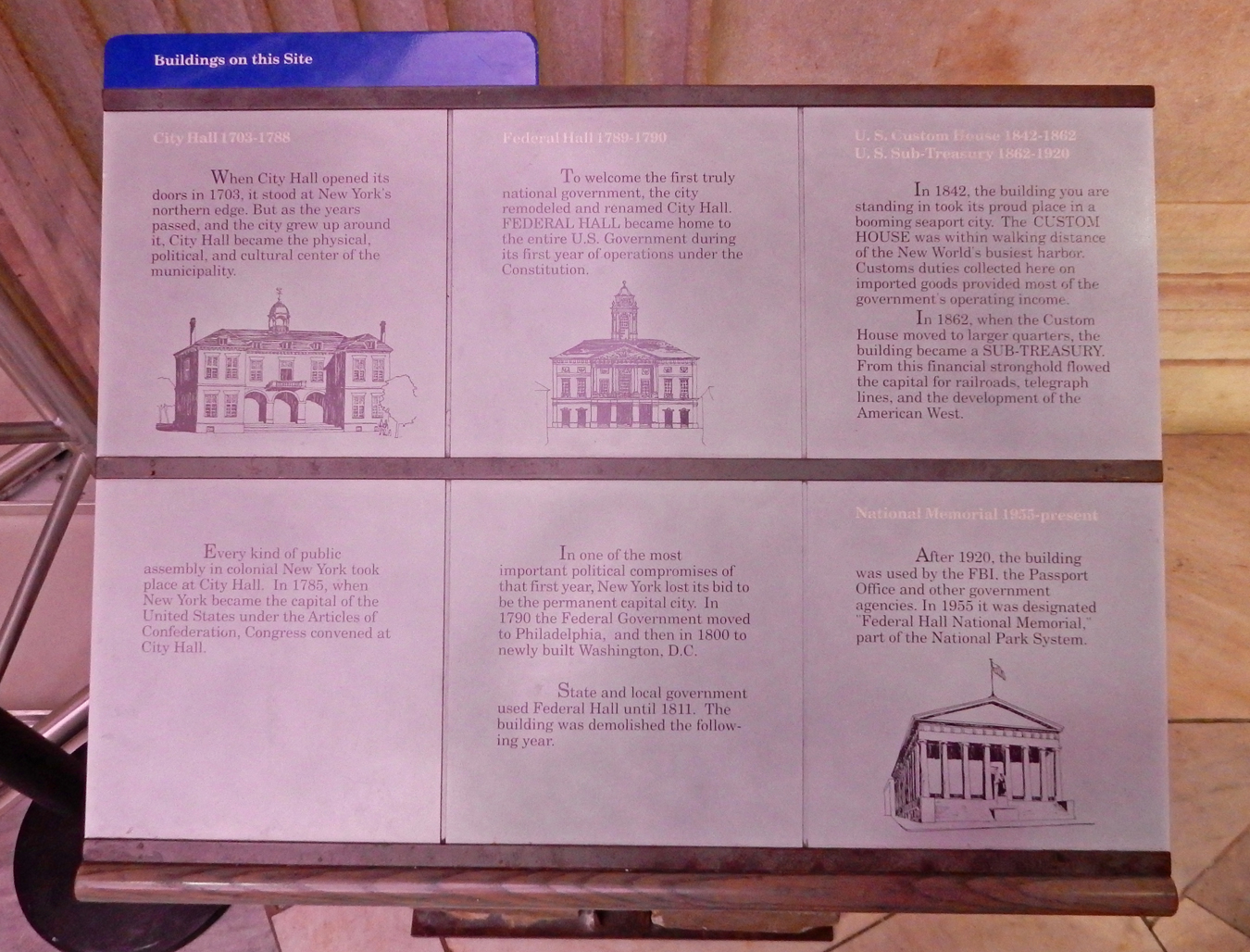
Highland Light, also called the Cape Cod Light

In 1864, Thoreau wrote an essay for Atlantic Monthly on the history of the Highland Light. In this excerpt, he describes the power of the Light:

“The keeper entertained us handsomely in his solitary little ocean house. He was a man of singular patience and intelligence, who, when our queries struck him, rang as clear as a bell in response. The light-house lamp a few feet distant shone full into my chamber, and made it bright as day, so I knew exactly how the Highland Light bore all that night, and I was in no danger of being wrecked… I thought as I lay there, half-awake and half-asleep, looking upward through the window at the lights above my head, how many sleepless eyes from far out on the ocean stream — mariners of all nations spinning their yarns through the various watches of the night — were directed toward my couch.”

Tours cost $5 (seniors) and last about 20 min, the spiral staircase takes you 69 steps to the top

This sign describes how, in 1996, the lighthouse was moved 450 feet back from its previous location because of cliff erosion

From the lighthouse, it was a short drive to Pilgrim Heights where we did the Pilgrim Springs Loop Trail

Helen found the Spring!

This site represents where the Pilgrims drank their first fresh water in New England

Unfortunately, the Province Lands Visitor Center near the end of the Cape was closed for the season. However, the observation deck was open for a nice view of the Cape.

Shipwrecks

Race Point Beach – building is the Old Harbor Life-Saving Museum

Treasurers from the Sea

Provincetown is located within the protection of “The Hook” of the Cape. In 1616, John Smith described Cape Cod as “made of the main sea on one side, and a great bay on the other in the form of a sickle.”

Provincetown Harbor is where 41 Pilgrims signed the Mayflower Pact before stepping ashore on 11/11/1620. So, they first landed in what is now Provincetown NOT in Plymouth! The Pilgrims decided to move to what they called New Plymouth (because they had left from Plymouth England) 35 days later. There is no evidence that they actually landed on Plymouth Rock! They probably landed on the beach. I guess today you would call that Fake News! In 1774, Plymouth townspeople decided to move the top half of the rock to the town’s square and leave the bottom half where it was. In 1880, the top half was brought back and “re-joined” to the bottom half and the date 1620 was inscribed on it. In 1920 the rock was temporarily removed so that the old wharves could be removed and the waterfront re-landscaped. When it was returned, it was placed at water level. Through the years, pieces of the rock where chipped off for souvenirs. Approximately two-thirds of the top half of the rock was removed. Nevertheless, Plymouth Rock remains a symbol both of the virtues and flaws of the first English people who colonized New England. In addition, the folks of Plymouth are glade most Americans believe that the Pilgrims first landed on Plymouth Rock!

The cornerstone of the Pilgrim Monument was laid in 1907 by President Theodore Roosevelt and President William H. Taft dedicated the tower in 1910.

View of the Pilgrim Monument, Public Library, and Provincetown waterfront from the city wharf

Part of the Fishing Fleet and pleasure boats

Nighttime view of the Public Library, once the Center Methodist Episcopal Church (1860)

We shared a wonderful Cioppino dinner (basically shellfish in a spicy tomato sauce over pasta) at the Lobster Pot that evening


10/18 – We arrived at the New Bedford Whaling National Historical Park MA at 9am when it opened. The Visitor Center is in an old (1854) bank building. We watched the film, toured the displays and learned about the “City that Lit the World” – with whale oil.

The U.S. Customs House is on the opposite corner

Our next stop was the incredible New Bedford Whaling Museum ($15 seniors). The atrium holds the skeletons of three adult whales and one baby whale. These whales died accidentally or by undetermined circumstances.  There is a 37-foot male humpback whale on the right, a 66-foot juvenile Blue whale in the center, and a 49-foot pregnant North Atlantic right whale on the left. The baby skeleton can be seen inside it’s mother.

There is currently a NAVSEA exhibit in the atrium that is titled Stewards of the Sea: Defending Freedom, Protecting the Environment.  It is an interactive exhibit on loan from the U.S. Navy. It is used by marine mammal scientists to capture sounds and other data to better understand whales and their habitat. You can look through a “fish eye” telescope and see what Navy watch looks for when they scan the ocean surface for whales, watch blue whale tagging in action off the coast of Patagonia, and see an enormous, but stealthy, automated underwater glider.

There is an entire room devoted to “knots.” Another room had the world’s largest collection of scrimshaw artifacts.

Seaman’s Chest

The theatre held figureheads, name boards (stern) and quarterboards (bow or quarter panel) and other sailing memorabilia

Ship models galore!

Including the largest model ship in the world – the Bark Lagoda, a half-size (89-feet long) replica that was built inside the building in 1916.

Wonderful paintings –

Impressive display of a 48-foot sperm whale next to a whaling boat. A “Nantucket Sleigh Ride” took place after a whale was harpooned and a boat like the one you see was dragged behind until the whale was fatigued and could be killed.

Seamen’s Bethel (1832) and Mariners Home

Inside the Seamen’s Bethel

The pulpit ship’s bow that Herman Melville described in Moby-Dick was built in 1959 well after the book was published.

Melville shipped out on the whaling ship Achusnet in 1841 and was an experienced seaman. He also described the marble centotaphs (memorials) to lost seamen in the bethel in his book Moby-Dick (1851). A quote from the book: “In this same New Bedford there stands a Whaleman’s Chapel, and few are the moody fishermen, shortly bound for the Indian Ocean or Pacific, who fail to make a Sunday visit to the spot.”

We walked to the Waterfront NP Visitor Center (Wharfinger Building) by Fisherman’s Wharf and the statue to the departing seaman

Walked back to the main Visitor Center and had a bowl of Clam Chowder in the Freestones City Grill across the street. From there, it is a 0.68 mile walk to the Rotch-Jones-Duff House and Garden Museum ($5 seniors). I very much like the “Burn While You Learn!” map that follows.  I now use it in my presentations promoting physical activity in our National Parks.

Life and Legacy of William Rotch Jr

Exterior of mansion and gardens – rose bush sale on the upcoming weekend, they plant new bushes each year

Some of the mansion rooms –

It took about an hour to drive to Newport RI and the Touro Synagogue National Historic Site. Their NP web site stated that the last tour was at 3pm. We arrived just before 2pm and were told that the synagogue was closing. We were not only disappointed that we could not get the tour but also that they would not let us get a quick glimpse inside the synagogue. There were four people there, but unlike other national park units, they were not cooperative.


Another hours’ drive took us to Providence RI and the Roger Williams National Memorial. No, not the pianist Roger Williams, but the one that had a huge impact on the separation of church and state in America!

We asked to see the 15-minute film but the young park ranger stated that he could do a better job than the film and proceeded to give us a 20-minute history lesson related to Roger Williams and the Memorial. He was excellent! Interesting fact, it is not a historic site because there are no artifacts that remain from Roger Williams life. Also, according to the ranger, the separation of church and state was not motivated by a fear that religion would negatively affect government but rather that the corruption and pollicization of government would negatively affect religion!

The start of Providence

Roger Williams Spring

Religious Freedom

Native American monument in the park

The John H. Chafee Blackstone River Valley National Heritage Corridor runs from the headwaters of the Blackstone River near Worcester MA to Providence and Pawtucket RI and Narragansett Bay. It is billed, like other sites in New England (e.g. Lowell MA, Patterson NJ) as the “Birthplace of the American Industrial Revolution.” The Blackstone National Historical Park (2014) includes many sites within this “corridor.” All the mills and related businesses started by using water power from the Blackstone River. We began our visit in Hopedale MA, the former home of the Draper Corporation. Hopedale itself was established in the 1840s as an Christian experiment in communal living. The Draper business started in 1841 in the Little Red Shop where Ebenezer Draper had a machine shop. He was joined by his brother George in 1853 and together they found numerous ways to mechanize the weaving process. During the 1880s, Draper companies sold more than six million high-speed spindles to textile companies. By the 1890s, the Drapers dominated the loom making business. For over one hundred years the Draper family maintained complete control over the town. During this massive development they worked hard to develop a Utopian community. At its peak, the Draper Corporation employed over 4,000 workers.

Alas, due to the decline of the American textile industry the Draper family divested themselves of most of their town properties in the 1960s and the Corporation was acquired by an outside owner. By 1978 the plant was closed. If you blow up this picture, you will see that the 500,000-sq. ft. building is for sale!

It was dark by the time we reached our Fairfield Inn in Milford MA


10/19 – we started the day by driving to Whitinsville MA, another mill town along a tributary (Mumford River) of the Blackstone River. Like Hopedale it was a company town controlled by one family, in this case the Whitins. After the Revolutionary War, Col. Paul Whitin came here to work in the iron forge. He married the owner’s (James Fletcher) daughter and formed an alliance establishing the Whitin-Fletcher Cotton Mill in 1815. In 1826, Whitin bought out Fletcher and named the firm Whitin and Sons (he had five). They developed the Whitin Machine Works that would become the world’s largest textile machine shop. This is a picture of the Old Brick Mill cotton and textile machine shop built in 1826.

The Whitin Machine Works was built in 1847 for making machinery for picking, carding, and spinning cotton and wool.


Slatersville RI was our next mill town. It is located on the Branch River, another tributary of the Blackstone River. The Center Mill or #1 Mill that you see in this picture was built in 1843. The Slatersville Mills began a new life as apartments in 2007.


Our next stop was the Blackstone Valley Visitor Center in Pawtucket RI. The Slater Mill, America’s first successful water-powered spinning mill, is across the street (seniors $10). The mill (1790) has displays showing the evolution from hand-crafted textiles to those made by machines.

We also checked out the old mill buildings along the river and at Pawtucket’s Central Falls

We liked the “Tin Man” atop a nearby building; the cigar had a light in the end!

Pawtucket Armory (1895) on Exchange St is now an Arts Center

Along with the Industrial Revolution came a transportation revolution. Horse drawn wagons were too slow and expensive. There was a need to move heavy cargo cheaply and efficiently between the mills on the river and the port of Providence. The river itself was impassible to large boats. The first solution was the construction of the Blackstone Canal in 1824-1828. The canal was faster than roads, but more importantly much cheaper. Each canal barge could haul 30-35 tons of cargo pulled by only two horses.

However, the coming of the Boston to Worcester Railroad line in 1835, followed by the Providence & Worcester in 1847 allowed the Industrial Revolution to figuratively “explode” through the Blackstone Valley and America. The railroad was fast, cheap and reliable. It provided for the transport of raw materials, finished goods and farm products between the villages of the Blackstone Valley and the ports of Providence and Boston. Rail service also made practical the conversion of the textile mills of the valley from waterpower to steam power by the 1860’s and 1870’s.


Arrived at the Weir Farm National Historic Site Visitor Center (Burlingham House) in southwest CT for the 3pm tour. It was a cool, crisp, beautiful day. The afternoon sun and Fall colors enhanced the beauty of the place. We had an educational tour, explored the farm, took an enjoyable hike and overall had a wonderful experience. The site includes the Visitor Center, Weir house, Weir Studio, Young Studio, two barns, tack house, ice house, other out buildings, stone walls, and three gardens. The tour begins with a 13-minute video in the Visitor Center titled “Legacy of Landscape.”

This is exactly what I need for my fine painting skills –

In 1882, noted American impressionist painter, J. Alden Weir (1852-1919) purchased this farm on Nob Hill in Branchville CT from art collector Erwin Davis for $10 and a painting. It was the start of over 40 years painting this landscape. The tour continued at what was the Weir summer home, built in 1780.

Front porch

This is currently the only National Park Unit dedicated to American painting. The Thomas Cole NHS in NY that we visited earlier in this trip is an affiliate site that is not run by the NPS. This site was designed and is preserved by artists. National Park ranger Joe Trapani starting the Weir house tour.

We have visited many amazing homes and mansions in our travels. If I had my choice, this is the one I would choose to live in. Of course, it would have to come with all the incredible contents! Here are two views of the living room. Note Weir’s painting of “Anna in the Livingroom.” Anna was his first wife.

Notice Weir’s second wife’s initials EBW (Ella Baker Weir), his first wife’s sister, in the leaded window. The year that the house was expanded to almost twice its original size, 1900, can also be seen.

The formal dining room – note the figurehead/antler chandelier!

Looking out the kitchen window toward Weir’s Studio

The Weir Studio (1885), Young’s Studio is to the left behind the tree

Alden Weir’s daughter Dorothy (1890-1947), also a painter, met Mahonri Young (sculptor and painter) in New York at a dinner given by art collector Duncan Phillips in 1921. They married in 1931 and moved to the Weir Farm in 1932. That same year, Young built his own studio on the property. He was known for his small bronzes of athletes and laborers.

Young was one of Brigham Young’s grandsons (he had many!) and in 1939 was commissioned to create a sculpture commemorating Utah’s early history. He created his largest work, titled “This is the Place.” Those were the words of Brigham Young when he entered the Valley of the Great Salt Lake in 1847. It was dedicated on July 24, 1947 in Salt Lake City. Young also did a marble statue of Brigham Young that is in the Capitol in Washington DC.

Sperry Andrews a “conservator, anecdotal historian, and, most importantly, painter of the farm’s light, moods, intimate views and landscapes.” met Young in 1952. He knocked on Young’s door to meet the noted sculptor. Over the next five years they would forge a strong friendship. In 1957, when Young died, Sperry and his wife Doris bought the farm. Doris was also a painter and they worked together to preserve both the property and artistic legacy for future generations and artists.

The Andrews renovated and refurbished the home in 1958. Cora Weir Burlingham, Weir’s youngest daughter, lived next door. When the area was threatened by development in the 1970s, Doris and Cora banded together to bring about a community effort to preserve the farm. The Weir Farm Trust became the Weir Farm Art Center and in 1990 Congress designated 60 acres of the original farm the Weir Farm National Historic Site. It tells the stories of all three generations of artists.

Alden Weir placed this stone picnic table by the house over a hundred years ago. His three daughters would host tea parties at the table. Now, visitors can sit at that table and revel in their surroundings.

They can also walk about the grounds, gardens, pathways, trails, and fields. Weir had a portable studio he had moved about the property so that he could paint in comfort any time of the year. He called it his “Palace Car.”

Weir Farm preserves and protects an important part of the history of American landscape painting.

Weir painted natural landscapes; he also “created” landscapes that would then appear in his paintings. After winning a $2,500 prize for his painting The Truants in 1896, he used the money to purchase ten acres and constructed what today is called Weir Pond. A loop trail takes you across a meadow, through woods and around the pond. Additional walking/hiking is available in the Weir Preserve southwest of the farm.

Real and amateur artists and photographers are welcomed to the farm to utilize/discover their creative abilities. The park provides sketching and painting supplies. There are also artistic Junior Ranger activities for children. In addition, the Weir Farm Art Center sponsors an Artist-in-Residence program, whereby selected artists are provided month long accommodation in a Weir Farm residence with an adjacent studio. Over 200 individuals have participated in this program. In 2016, the National Park Bison Roam Weir Farm project was created to celebrate the 100th anniversary of the National Park Service. Each bison is covered with a historic painting related to the Weir Farm. The bison was recently named the national mammal.

So, you might say that Weir Farm NHS is a gift from the National Park Service, a gift that keeps on giving!

One important note, the buildings are closed November through April.

Stayed the night at the Danbury CT Courtyard by Marriott


10/20 – arrived at the Home of Franklin D. Roosevelt National Historic Site in Hyde Park NY at 8:30am. Helen waited at the Visitor Center so she would be first in line to reserve tours when it opened at 9am. Meanwhile, I walked to the Roosevelt home and continued past it hiking the Cove Trail toward the Hudson River and then returned on the Meadow Trail (about 0.75 mile).

We were on the first tour of the day to Springwood, FDR’s home. The original estate and home were purchased in 1867 by his father. FDR was born in the home on January 30, 1882, the only child of James and Sara (Delano) Roosevelt.

FDR married distant cousin Eleanor Roosevelt in 1905. Her uncle, President Theodore Roosevelt gave her away. The couple resided in both Springwood and their New York townhouse. Their first child, Anna, was born in 1906. Over the next ten years five sons would be born, though one died in infancy. In 1915 FDR, under the direction of his mother Sara who lived with them and paid for the improvements, added 18 rooms to the house. This expansion accommodated the large family as well as providing for the entertainment of his political associates. FDR began the process of deeding his home to the National Park Service in 1943, two years before his death. After his death in 1945, the estate became the property of the Department of the Interior.

FDR’s birth room, master bedroom at the time

FDR’s childhood bedroom

FDR’s bedroom

Library and living room

FDR contracted polio in 1921 at the age of 39, he would never walk again unaided.  He refused to use a standard wheelchair, his were custom made to look like regular chairs

Music room, also known as the Dresden room because of the many pieces of porcelain

Many family pictures throughout home

A favorite spot, south side of house, overlooking the Hudson River Valley

Helen joined Roosevelts for a chat

Rose garden and grave site

Horse stable

FDR established America’s first Presidential Library and Museum here in 1941. It is the only one used by a sitting president. Here are a few FDR milestones:

1910 – New York State Senator

1913 – Secretary of the Navy. There are many ship paintings and models in the museum

1928 – Governor of New York

1932 – Elected 32nd President of the United States

1936, 1940, 1944 – Re-elected President, only President to be elected four times

1945 – Meets with Joseph Stalin and Winston Churchill (Yalta Conference) to negotiate postwar Europe

1945 – Dies in Warm Springs GA, Harry Truman becomes 33rd President of U.S.

When elected President in 1932, he initiated the “New Deal” – 15 new laws to relieve the Great Depression. The Social Security Act, National Labor Relations Board, Rural Electrification, March of Dimes, Fair Labor Standards Act (minimum wage), Civilian Conservation Corp (CCC) are only a few examples of his work for national progress and citizen protections under the law.

The CCC played a critical role in FDR’s strategy to conserve land and natural resources. It employed three million men over nine years, and raised public awareness of the outdoors and the importance of natural resource preservation. My uncle Vincent Martin worked for the CCC. FDR was a conservationist. He had planted over half a million trees on his property in Hyde Park and then through the CCC three billion more trees were planted across the country. When registering to vote, he described himself as a “tree farmer!” The CCC also built campgrounds, trails, wildlife habitats, roads, bridges, and dams. “FDR expanded the National Park Service mission in 1933 to include not only parks and monuments but also national cemeteries, national memorials, and national military parks. He also added the parks in Washington, D.C.”

His car, with all hand controls (he could not use his feet), provided some “freedom” from his daily routine

FDRs Oval Office Desk


It took about ten minutes to drive to Eleanor Roosevelt National Historic Site. Our hour tour began with a film on Eleanor’s life. Eleanor (1884-1962) championed social welfare and civil rights. In 1918, she discovered that FDR was having an affair with her social secretary Lucy Mercer. Despite this devastating news she continued to support FDR and his political ambitions. After FDR contracted polio in 1921 she helped him return to public life. She also joined the Women’s Trade Union League and met political veterans Nancy Cook and Marion Dickerman that year. They would become her mentors and friends. At this point, she had lived in her mother in law’s home for almost two decades and desired her own space. Val-Kill Cottage, now called the Stone Cottage, was built two miles from the “big house.” It became both her retreat and a center for advocacy. It was also a place for family picnics, walking in the woods, swimming, tennis, riding, and socialization. At Val-Kill she emerged as a political leader.

In 1926, the Val-Kill Industries shop/factory was built behind the cottage. It was designed to assist local farmers and their families with income in the off-season by training them in various crafts including furniture making, weaving, and the making of pewter items. In 1936 Val-Kill Industries closed and Eleanor converted the building into a 20-room house with an apartment for her secretary (1929-1953) “Tommy” Thompson.

Eleanor had an amazing life. On one hand due to her fortune of birth but more importantly, on the other, due to her character and sincere care for others.

This is one of my favorite quotes

Other notable quotes:

“The future belongs to those who believe in their dreams.”

“You must do the things you think you cannot do.”

“One’s philosophy is not best expressed in words; it is expressed in the choices one makes . . . In the long run, we shape our lives, and we shape ourselves. The process never ends until we die. And the choices we make are ultimately our own responsibility.”


Some important dates and accomplishments:

1924-26 – Edits Women’s Democratic News

1934 – Joins National Urban League and NAACP

1936 – Begins career as a syndicated columnist including column titled “My Day”

1939 – Resigned from the DAR because they would not permit Marion Anderson, an African American opera singer, perform in Constitution Hall in Washington DC. She arranged for Ms. Anderson to sing at the Lincoln Memorial!

1942-44 – Travels overseas to visit troops and hospitals during World War II

1946 – After FDR passes away, President Truman appoints her a delegate to the General Assembly of the United Nations. She serves on the Committee for Social, Humanitarian and Cultural Affairs. She stated, “. . .the only woman in the delegation, I was not very welcome.”

1947 – Chairs UN Human Rights Commission

1948 – UN General Assembly adopts Universal Declaration of Human Rights; this was her proudest achievement.

1949-59 – She is active in national and international affairs. She has a TV show that deals with social issues titled “Prospects of Mankind” until 1962.

1960 – Agrees to support John F. Kennedy for President but only if he commits to supporting social issues.

1961 – President Kennedy reappoints her as a delegate to the UN. She chairs President’s Commission on Status of Women.

1962 – Dies and is buried next to FDR in the rose garden at Hyde Park


This was her office at Val-Kill

After the Val-Kill tour, we drove back to the FDR Visitor Center and obtained the last two tickets for the ranger tour at the Top Cottage. We boarded a park mini-bus and arrived at the cottage at 1:10. The Top Cottage was built by FDR as a “. . . small place to go to escape the mob.” He helped design it emphasizing it’s need to be wheelchair friendly. It is located one mile from Val-Kill at the top of Dutchess Hill, one of the places FDR would play as a child. Ranger Kevin Oldenburg beginning tour in cottage –

The cottage became FDR’s retreat and the porch and grounds became a venue for informal socializing.

After ten minutes in the cottage, the ranger took us out to the porch where he proceeded to tell us stories of events that took place right where we were sitting. For example, the visit of the king and queen of England in 1939 on the eve of World War II. A picnic was prepared at which the royal couple was introduced to hot dogs as an example of typical American food. At the time, many in the press wrote with disapproval on this treatment of royalty! Administration officials and world leaders frequented this place. There were intentionally no records of many of these meetings. In 1944, here and in the big house, FDR and Winston Churchill discussed collaboration between the U.S. and Great Britain in the development of an atomic bomb, then called Tube Alloys, and later known as the Manhattan Project. A document was signed called the Hyde Park Aide Memoire, it stated that this project would be kept secret, especially from the Russians and included the possibility of using the bomb against the Japanese.

Afterward, we decided to hike, rather than ride the mini-bus back to the FDR Visitor Center. It was a one-mile hike down the hill to Val-Kill and then another two plus miles along the Hyde Park Trail to our car.

We had to rush to get to get to the Vanderbilt Mansion National Historic Site for the 4pm tour, the last of the day.

The mansion was being renovated, as can be seen in this photo. Also, the furniture in the rooms had been moved and covered to protect it. Therefore, I did not take pictures inside of the mansion.

Cornelius “Commodore” Vanderbilt (1794-1877) rose from poverty and became the richest man in the country through his investments in shipping and railroads. The “Commodore” had 13 children. He passed the bulk of his wealth down to his eldest son William Henry (1821-1885). William doubled the family fortune, but his eight children lived lives of excess and extravagance. “Every one of William Henry’s eight children eventually owned a mansion on Fifth Avenue as well as several “cottages” in the country or by the sea.” For example, Cornelius Vanderbilt II built the “Breakers” in Newport RI, and George Washington Vanderbilt, the youngest, built the “Biltmore” in NC.

Frederick William Vanderbilt (1856-1938) built this mansion in Hyde Park on the Hudson River. He was the only child to increase his inheritance (from 10 to 70 million dollars). He and his wife Louise moved into the mansion in 1898. They were unable to have children; Louise died in 1926. During the 1930s his niece, Mrs. Margaret Louise Van Alen, called Daisy by her family and friends, served as a nurse to her uncle Frederick. When he died in 1938, he passed on most of his estate, including the Hyde Park mansion, to Daisy.

Trivia – Reginald Claypoole Vanderbilt (1880-1925), was the son of Cornelius Vanderbilt II, Frederick’s brother. Reginald had two daughters, Cathleen (1904-1944) with his first wife Cathleen Nielson, and Gloria (1924 – ) with his second wife Gloria Morgan. Gloria Vanderbilt, now 93 years old, has had a very interesting life. She was a model and fashion designer. She licensed her name for various wearing apparel (e.g. jeans) and also started her own company. L’Oreal launched 8 fragrances under her name. She was married four times and had four sons. She had two sons by her fourth husband Wyatt Emory Cooper. The first was Carter Vanderbilt Cooper (1965-1988) who committed suicide when he was 23 by jumping from the family’s 14th floor apartment. The second son is Anderson Hays Cooper (1967 – ) currently a CNN news anchor.

In 1939, she told her neighbor FDR that she would like to keep the mansion as it was and make it a memorial to her Uncle Fred. In 1940, the mansion and 211 acres of the estate were designated the Vanderbilt Mansion National Historic Site. It is the only mansion from America’s “Gilded Age,” i.e. Civil War to 1900, in the National Park System.

After the tour, we walked through the formal gardens. We then stopped at this scenic overlook on the property.

From here I walked the Hyde Park Trail to Bard Rock on the Hudson River while Helen cross stitched in the car.

We arrived at a consignment store in Hyde Park at 6pm when they were closing. Unfortunately, the woman stayed open while Helen searched the store. That resulted in three carpets, pictures, and water goblets being transported back to Springfield. They were added to our luggage and the two large Japanese glass floats and the large brass propeller (purchased in Niantic CT) in the back of our Subaru.

We had dinner in a cool 1950s style diner in Hyde Park before heading to the Marriott Courtyard in Mahwah NJ. Waiter and waitresses were dressed formally with black bow ties.


10/21 – It was a 9.5-hour drive home, we arrived at 5pm

h1

Northeast U.S. National Park Unit Trip – Part 1

October 27, 2017

Northeast U.S. National Park Unit Trip – October 2017     Part 1

10/12 – Harriet Tubman NHP in Auburn NY; I visited Harriet Tubman Underground Railroad National Monument in MD earlier this year – see April 2017. As is stated there, “She emancipated herself in 1849 at the age of 27 by escaping to PA (100 miles away), a non-slave state. She earned the nickname “Moses” for risking her life in guiding more than 70 of her family and friends to freedom. She also served as a nurse and spy for Union forces during the Civil War. Her knowledge of tidal stream areas helped her lead a raid in SC, the first woman to lead a U.S. army military assault. She eventually settled her family in Auburn NY, was active in the women’s suffrage movement, practiced her faith and founded a home for the elderly and disadvantaged.”

Our first stop was her grave in Fort Hill Cemetery (1822-1913)

She moved her family from Ontario Canada to Auburn NY in 1859. She continued to aid the poor and established a Home for the Aged on her farm in 1908.

She was very active in the Thompson African Methodist Episcopal Zion Church


Our next stop was Thomas Cole National Historic Site just south of Albany in the village of Catskill NY at the foot of the Catskill Mountains in the Hudson Valley

This is a NP affiliate site; you can tour the grounds but there is a fee to tour the Main House and Studios at Cedar Grove

1815 federal style Main House

Thomas Cole (1801 – 1848) founded the first major art movement in America – The Hudson River School. This is a view from the front porch of the Main House followed by two of Cole’s paintings of this view

Our guide and other Cole paintings

The 1839 Old Studio, he made his own paints, which may have contributed to his respiratory problems and early death


This was our biggest day traveling. We had already driven for 4.5 hours and now we had an additional 7 hours to our Fairfield Inn in Bangor ME


10/13 – Arrived at the new (2016) Katahdin Woods and Waters National Monument in ME at 9:30am. It is located on the east border of the huge Baxter State Park. We drove the 17-mile Katahdin Loop Road in the SE part of the monument.

This land was a gift to the NPS, however, it has been opposed by locals and the lumber industry. I believe mainly because of access issues related to roads, bridges and trees. President Trump directed the new Secretary of the Interior Ryan Zinke to review the last 27 national park units that were designated by the Obama administration. He sent a report to the President in August however few details were released. The speculation is that he recommended changes in management of this National Monument that would be favorable to the lumber industry.

It was 30 degrees when we started the day but warmed up to the 50s by the time we left at 12:30

The Fall colors were at their peak – BEAUTIFUL

We started by taking a short hike to Lynx Pond

Picnic with a view!

Mount Katahdin (5,267 ft), is the highpoint of ME and the start (or finish) of the Appalachian Trail (AT). Helen and I climbed it in 1972, I climbed it in 1974 and Kate and I climbed it in 1996, all by different routes.

We only saw three people during our visit, one of which was Anita Mueller who wrote the text and did some of the photography for the Loop Road Interpretive Map. We asked her to autograph our map! Our last hike (mile 12) was to the Katahdin Brook Lean-to. It is on the northern extension of the AT, which continues up to Canada.


It took 3 hours to drive to Saint Croix Island International Historic Site on the St. Croix River south of Calais ME

The Visitor Center is on the mainland and the island is in the river next to the U.S.-Canadian border. You can take a private boat there but the NPS discourages visits due to erosion and other possible damage to the island. There is a short trail that leads to a point overlooking the river and island.

In 1604, Pierre Dugua sailed from France with the directive to “establish the name, power, and authority of the King of France; to summon the natives to a knowledge of the Christian religion; to people, cultivate, and settle the said lands; to make explorations and especially to seek out mines of precious metals.” This is a bronze of the settlement designed by Samuel Champlain who was on the voyage. Champlain hoped to discover a “Northwest Passage” to the Orient.

There are a series of descriptive signs and bronze statues along the trail

Building the settlement

Exploring the coast

That winter the settlement on the island was trapped by ice and 35 men died, almost half their number

In the Spring of 1605, Dugua directed that the buildings be taken down and the settlement was moved across the Bay of Fundy to Port Royal, which is now Annapolis Royal, Nova Scotia Canada.   It was the first permanent European settlement north of St Augustine FL.

Enjoyed a Lobster Sub before heading (6 hours) to our Fairfield Inn in Andover MA for the night


10/14 – Andover is just north of Boston and it took an hour to drive into the city to the Longfellow House/ Washington’s Headquarters National Historic Site and then find parking.  It is located near the Harvard University campus in Cambridge.

The Georgian style mansion was built for Maj. John Vassall Jr in 1759 and his family occupied the house until 1774. He was a loyalist and the family sailed to England for safety that year and never returned. Gen. George Washington lived in the house and used it for his headquarters from 1775-1776 during the siege of Boston. Andrew Craigie bought the estate in 1791 and when he died in 1819 his wife Elizabeth started taking in boarders to make ends meet. Henry Wadsworth Longfellow, a young Harvard Professor, rented two rooms in the mansion from 1837 to 1843. That year he married Fanny Appleton. Her father was a wealthy textile manufacturer and presented the estate to the couple for their wedding present. Fanny burned to death in 1881 when her dress caught fire! Henry died the following year. The mansion is noted for its formal garden.

The parlor is the most elegant room in the house and was used as a drawing room by both Martha Washington and Fanny Longfellow.  Ranger Anne gave us an excellent tour of the mansion.

Longfellow was one of America’s most celebrated authors and poets. He wrote “Evangeline,” “The Song of Hiawatha,” and “Paul Revere’s Ride.” These pictures are from his spacious library where they held musical performances and had other social gatherings.

Alice’s Bedroom – the house and archives preserve over 750,000 individual items


John Fitzgerald Kennedy National Historic Site is located in Brookline a suburb of Boston. This was the first home of Joseph P. and Rose Fitzgerald Kennedy. They live here from 1914 to 1920.

Four of the Kennedy’s nine children were born here: Joseph in 1915, John in 1917, Rosemary in 1918 and Kathleen in 1920.

JFK was born in the bed closest to the front window, so there would be more light

Dining Room – note the second picture showing how the young children were always included in the meals. Rose was a strict mother and directly involved in the education of her children. She had many “home tasks” for them including asking their thoughts at the evening meal on an article she had posted that morning. Something I wish I had done with my own children.

Jack’s Bedroom – he was a sickly child and spent a lot of time here

Living Room – all children were required to take music lessons

Rose’s Desk – after JFK’s death, Rose bought the house and was directly involved in furnishing it to the 1914-1920 era. The Kennedy family donated the house to the NPS in 1969.


Frederick Law Olmsted National Historic Site is also located in Brookline, only 15 minutes from the JFK site

Frederick Law Olmsted (1822-1903) is known as the first U.S. “Landscape Architect.” In 1883 he moved his home and office from NY to this farmhouse, which he called Fairsted. His sons continued the business until 1979. The NPS acquired Fairsted in 1980.

Olmsted and his firm designed parks, cemeteries, campuses, hospital grounds, railway stations, zoos, and private estates.

His notable designs include Central Park NY, Chicago’s World’s Fair (EXPO 1893), the U.S. Capital grounds, Rock Creek Park in DC, Vanderbilt’s NC Biltmore estate, Boston Park System, Chicago suburb of Riverside, etc.

He saw cities as places where people “look closely upon one another without sympathy” and quarters of crime and misery. He believed his parks would replace “debasing pursuits and brutalizing pleasure” with “rational enjoyment.” He saw his designs as promoting “communicativeness” and a healthy participation in civic life. Here are some pictures from our tour:


Drove into Boston and parked at the Boston Commons Underground Garage. A great starting point for touring downtown. We had done a complete tour/walk, “Freedom Trail,” of Boston National Historical Park with our mothers in 1970.  Forty seven years later, we couldn’t believe it – when we walked in this bar on Beacon St, everyone knew our names!

On this trip we wanted to visit the Boston African American National Historic Site and do the “Black Heritage Trail” (1.6 miles). This bronze relief sculpture titled the Robert Gould Shaw Memorial by Saint-Gaudens is located at the NE corner of Boston Commons. It depicts the first Black Civil War Regiment, the 54th Massachusetts (1863).

The Abiel Smith School (on corner) and the African Meeting House behind it are other stops on the Black Heritage Trail.

These sites represent and interpret Boston’s free African American community on the north slope of Beacon Hill in the 1800s. The Museum of African American History is now located in the African Meeting House, which was built by free black laborers in 1806.

The museum had a special exhibit on Frederick Douglass. He has his own National Historic Site in Washington DC

Douglass’s first wife Anna Murray died in 1882. In 1884, he married Helen Potts (right). Her sister Eva is in the center of the photo.

Political cartoon related to the marriage

The George Middleton House (1787). Colonel Middleton was the leader of a black militia company called Bucks of America during the Revolutionary War.

An additional half mile walk took us to Faneuil Hall (background), which is the Visitor Center for the Boston NHP and a central stop on the Freedom Trail (2.5 miles). Faneuil Hall is referred to as the Cradle of Liberty because of the meetings and debates that took place here before and after the American Revolution.

It was Saturday evening and there was a large Farmers Market taking place on adjacent streets. Terrific prices on fresh fish, fruits, vegetables, etc. We ate a box of raspberries as an appetizer and then found a nearby restaurant called North 26 where we sated ourselves with 1 1/4 lb lobster dinners, including clam chowder, ear of corn and potatoes for $20! The following are a few sites on our walk back to Boston Commons. First the Old State House (1713). This was the site of the Boston Massacre in 1770.

Old South Meeting House (1729) – it was a Puritan house of worship and the largest building in colonial Boston. At an overflow meeting here on December 16, 1773, Samuel Adams launched the Boston Tea Party.

Boston’s Old City Hall – seat of government 1865 – 1969.

Massachusetts State House (1795) – hats off to our veterans!


10/15 – Lowell National Historical Park, just NW of Boston. Lowell was built as a factory city along the Merrimack River 1821-22. A dam at Pawtucket Falls harnessed the power of the river and directed it via canals through the city. This was the beginning of the Industrial Revolution in America, changing the country from agrarian to primarily industrial. Cotton textiles fostered not only working-class labor in the mills but also supported slave labor on the cotton plantations in the South. The Visitor Center is located in Market Mills, formerly known as Lowell Mills.


We walked about two miles along the canal way walking paths stopping at locks, mill buildings, parks, and various displays.

Model of the Mills in their heyday


In many ways, the divide in our country today has its roots in “The Great Debate”

Lower Locks connecting the Pawtucket Canal to the Concord River

The Massachusetts Mills have been turned into apartments

It was Sunday and, unfortunately, the diner was closed. It looked like our kind of place!

A free trolley runs from the Visitor Center to the Boott Cotton Mills, but we found it faster to walk than to wait on their schedule. However, if I come back again, I would enjoy taking the ranger trolley tour. There is also a ranger canal boat tour, but it was closed for the season.

The NPS has done an outstanding job on the Boott Cotton Mills Museum

Mill floor with working machines, they gave us ear plugs to protect our ears!

Making cloth

Locomotives in Lowell

The end or an era

It was an hour drive to the Saugus Iron Works National Historic Site

Iron Works House 1680s


Tactile Site Map

1930 – 300th year anniversary!

View from near house

Blast furnace

View from blast furnace

Casting House – notice large bellows for producing sow bars

The Forge – sow bars were converted to wrought iron bars, the Saugus works’ major product. Most, 7 of 8, were shipped to Boston and other New England settlements for working into products

Rolling and Slitting Mill – 1 in 8 iron bars were made into 8 to 10-foot rods of various widths and thicknesses. An outside waterwheel turned a cog wheel inside the mill. In turn, the teeth of the cog wheel meshed with a lantern wheel whose shaft turned rollers and slitters. Some of the rolled pieces were shipped to farmers who could turn them into iron tires for wagon wheels and other items.

Blacksmith Shop – the Saugus blacksmith cut some of the thin rods into nails for local use and forged bars into items like hinges, hoes, shovels, kettle hooks, andirons, latches, and tongs.

View back from blacksmith shop

River Basin Terminus – for shipment of products

One day per year the NPS does an iron casting demonstration on site and we were there on that day!

End products, NPS emblems


An additional hour drive took us to Salem MA and the Salem Maritime National Historic Site. In the 1630s Salem was a fishing and boat building site. In the 1640s it started exporting its products to the West Indies, England and the Mediterranean. By the mid-1700s Salem merchants felt that the British were imposing unfair trade regulations and furthermore were not protecting their ships from the French and Spanish. They became strong supporters of independence and the American Revolution. Salem was the only major American port that never fell to the British during the war. It was also an active base for “Privateers.”

Until the 1860s, governments licensed privately owned vessels to target enemy nations shipping. These “Privateers” operated under strict rules. Captured vessels or “Prizes” would be auctioned off and taxed, providing major funding for the revolution! One Salem “Prize” brought over two million dollars in today’s currency. During the Revolution, nearly 200 Salem privateers captured about 500 British vessels. Again, during the War of 1812, 40 Salem privateers captured about 300 British vessels.

We arrived at the Visitor Center at exactly 3pm, which allowed us to see the last showing of “Salem Witch Hunt.” The Essex National Heritage Area charges a fee for this film ($3 for seniors). We then toured the site and at 4pm saw the movie “Where Past is Present” – free.

When we arrived in Salem it was extremely difficult to find a parking place. There are more tourists in October than at any other time of the year. The main attractions are related to the Salem Witch Trials and Halloween. Of course, the Fall colors are also an attraction. Hundreds of tourists in costume crowded the street. The annual Muscular Dystrophy Association (MDA) Motorcycle “Witch Ride” from Revere MA to Salem arrived at the same time we did! Lots of noise!

The Old Burying Point Cemetery is Salem is a big hit with tourists. Tours emphasize the Witch Trials of 1692.

Yes, there were male witches!

A relative?

The main sites related to the national historical site are at the waterfront

Custom House and Public Stores – Nathaniel Hawthorne’s novel The Scarlet Letter begins in the records of the Custom House.

Unfortunately, the replica of the 1797 sailing ship the Friendship of Salem was in dry dock for restoration.  Two of the masts can be seen behind the Sailing Loft.

We made the last tour at the House of the Seven Gables, which is a private enterprise created by Caroline Emmerton in the early 20th century (seniors $14). Hawthorne’s novel, by the same name, is set in this house (his cousins). His ancestors played a part in the Salem Witch Trials of 1692.

Nathaniel Hawthorne’s birthplace (1750). He was born in this house on July 4, 1804. The house was moved from Union St in Salem to the grounds here in 1958.

We hiked a half mile out to the still active 1871 Light Station – note the ghosts we found out there! We then shared a delicious Seafood Fra Diavolo dinner at Brothers Taverna.


10/16 – Adams National Historical Park is located in Quincy MA just south of Boston. You can get free parking at the downtown garage by presenting your ticket to a ranger at the Visitor Center next door. We arrived at 9:15am and immediately got our ticket (free) for the first tour of the day at 9:15! A guided shuttle trolley transports you to the house where John Adams was born in 1735, for a ranger tour. The house (front part) was built in 1681 and purchased by Deacon John Adams, John’s father, in 1720. The back part was added on later. Upon his father’s death in 1761, John’s brother Peter Boylston Adams inherited the original homestead. The adjacent house (75 feet away), which Deacon John purchased in 1744, was bequeathed to John. The future second president eventually bought his birthplace from his brother in 1774. John and Abigail Adams lived next door and rented out this house during the Revolutionary War. No photos are permitted in any of the houses on the tour due to thefts that were thought to be related to tourists taking pictures to identify items.

The houses are in their original locations on Franklin Street which formerly was part of the “Old Coast Road ” that went from Boston to Plymouth.  They are called “saltboxes” because of their resemblance to slant-lid boxes found in colonial kitchens that held salt. John Quincy Adams, our 6th President, was born in this house on July 11, 1767. John Adams was a successful lawyer and able to upgrade his home, including the paint you see on the outside.

Some history – for me to keep this in order! One of John’s clients was the wealthy and prominent John Hancock. Adams was a delegate to both the First and Second Continental Congresses. He proposed George Washington as commander-in-chief of the Continental Army, and argued forcefully for and helped his friend Thomas Jefferson draft the Declaration of Independence. He was diplomat to France, taking his oldest son John Quincy Adams on his diplomatic mission, “in order to give the boy international experience and provide for a second generation of enlightened leadership in U.S. foreign relations.” He returned home in 1778.

A year later he was called upon to return to Paris to negotiate treaties of peace and commerce with Great Britain. This time, John Quincy and his brother Charles accompanied their father on the long voyage across the Atlantic. In 1783, he achieved his crowning diplomatic achievement when he negotiated and signed the Treaty of Paris, securing recognition of the United States’ independence from Great Britain.

Adams remained in Europe until 1788, strengthening U.S. foreign relations by securing loans from Holland, concluding treaties with several European nations, and serving as the first U.S. minister to Great Britain. John took advantage of the opportunity that peace provided to reunite his family. Abigail and daughter Nabby sailed to Europe in 1784.

In 1788, the family returned to MA and moved into their newly purchased home. However, John was again gone in 1789 when he became our nation’s first Vice President. He held this post with President George Washington until 1797 when he was elected the second President of the United States. He had to deal with the war between France and England and alienated France when he did not come to their aid. He founded the Department of the Navy, and the U.S.S. Constitution and several other ships were launched. While this maritime defense deterred further French aggression, Adams signed into law a series of measures to restore domestic tranquility and preserve the Union. This legislation, which came to be known as the Alien and Sedition Acts, was pushed through Congress by the Federalist Party in order to tighten control over immigrants and those who criticized the government. Adams played no part in the formation of these acts nor did he take steps to enforce them, but he was held responsible for these unpopular measures in the public mind.

Thomas Jefferson and his friend James Madison opposed the Alien and Sedition Acts. They supported a “states’ rights” interpretation of the Constitution. In 1800, John and Abigail Adams became the first occupants of the Executive Mansion in Washington DC, later to become known as the White House. Meanwhile, their son John Quincy Adams was distinguishing himself abroad as U.S. minister to Prussia.

At the end of 1800, Thomas Jefferson defeated Adams and became the third President of the United States. Adams thought the union the Founding Fathers had worked so hard to establish would quickly be dismantled by those politicians who sought to give more authority to the individual states. The once close friendship between these two patriots decayed to the point that Adams did not attend his successor’s inauguration.

John and Abigail returned to the estate that they had purchased in 1788 in Quincy. John called it “Peace field” to commemorate the Peace he assisted in making in 1783. Four generations lived in the house until 1927 – it became known as the “Old House.”

In 1812 Dr. Benjamin Rush, a mutual friend of Jefferson and Adams, wrote to the former presidents and suggested that they should start a correspondence with each other. In this correspondence these two men, who represented the north and south poles of the American Revolution, put forth their different visions of America’s future. Both men passed away on July 4, 1826, the 50th anniversary of American independence!

Here are a few pictures of “Peace field” also referred to by the children as the “Old House.”  As stated earlier, no pictures are permitted in the mansion.  However, Helen did email the curator and obtained a picture of a sampler that was in the house that was made by Lisa Adams when she was nine years old.  Helen hopes to make the same sampler.

John Quincy Adams (1767 – 1848) served as a diplomat, United States Senator, member of the House of Representatives, and the 6th President of the U.S (1825 – 1829).  John Q. shaped U.S. foreign policy. As a diplomat, Adams played an important role in negotiating key treaties, most notably the Treaty of Ghent, which ended the War of 1812.  As Secretary of State, he negotiated with Britain over the United States’ northern border with Canada, negotiated with Spain the annexation of Florida, and drafted the Monroe Doctrine. Historians generally agree that he was one of the greatest diplomats and secretaries of state in American history.

After serving as President, he was elected as U.S. Representative from MA in 1830, serving for the last 17 years of his life. John Q. was a leading opponent of slavery. He predicted the Union’s dissolution over slavery, and in such a case, felt the president could abolish slavery by using his war powers.

The “Peace field” estate was donated to the NPS in 1946. The “Old House” has over 78,000 artifacts from the Adams family. The Stone Library, seen in this picture, was built in 1870. It was built to house the family’s books and papers belonging to John Adams, John Quincy Adams, Charles Francis Adams, and Henry and Brooks Adams. Henry Adams wrote his famous nine volume history of the United States there. The John Adams “Presidential Library” is housed within the Boston Public Library. The second pic is a picture of a picture of the inside of the Stone Library.

Formal gardens and Stone Library

After returning to the Visitor Center by shuttle trolley, we walked to the United First Parish Church. It was built in 1828 and partially financed by John Adams. It is the final resting place of TWO U.S. Presidents and their wives.

Adams family pew


Boston Harbor Islands National Recreation Area includes 34 islands and peninsulas. I would have liked to go to a few of the islands, however, the ferry system was closed for the season. So, I settled for a nice hike at what is called “Worlds End,” a peninsula about eight miles east of Adams Historical Park. Martin’s Lane provides road access to the peninsula.

This area is administered by The Trustees of Reservations and they charge an access fee ($6)

I started at the entrance near Martin’s Cove (more relatives?!) and did several trails on this map covering about 3 miles

It was a cold and dreary day. Nevertheless, hiking increased my metabolism and spirits!

View of Boston from Planters Hill. Note some of the Boston Harbor Islands.

The tide was on its way out. Trails were not marked and at one point I wasn’t sure where I was and had to use the GPS on my smartphone to get oriented.


h1

Obed National Wild and Scenic River TN

September 7, 2017

Labor Day Weekend 2017

9/2 – Saturday, toured the Franklin Farmers Market (TN) with Peter and Heather

and experienced our first “Cronut” at Five Daughters Bakery. A Cronut is a hybrid of a croissant and a donut. Once cooked, the 100-layer donut is rolled in sugar and topped with a glaze.

Watched football until five and then headed for Arrington Winery.

Peter and Heather treated us to a flight of four wines and then dinner in a basket with a bottle of Riesling

We sat at the corner table on the patio of the “high” tasting room overlooking the vineyards with a Jazz band playing below.

Afterward, we stopped by the Bluegrass venue at the winery.

Globe Tree on a beautiful evening. Unfortunately, I believe I lost my new sunglasses there when they likely fell out of my shirt.

9/3 – Sunday, went to the park and walked about a mile with the “girls,” Cookie and Osa. Went to the pool in the afternoon and then enjoyed burgers, brats and dogs from Peter’s grill. Played two games of Farkle, Aces to Kings and Four-Person Solitaire. Each of us won one game!

9/4 – Labor Day, it was a 2.5-hour drive from Franklin to Obed National Wild & Scenic River TN.

Helen and I walked to the Lilly Bluff Overlook of Clear Creek Canyon (0.3-mile one way) where we took some pics and had lunch. I then took the Point Trail (about 4 miles roundtrip)

There is good paddling here, Class II to Class IV, but the only time the rivers are full enough for paddling is between December and April. There is also good rock climbing on the sandstone bluffs.

The trail ends at the top of a bluff with a nice view, however, you cannot see the confluence of the Obed River and Clear Creek below.

Stopped by the Obed NWSR Visitor Center in Wartburg for an excellent 15 min video on the park.


9/13 – President James A. Garfield National Memorial, Lake View Cemetery Cleveland OH. My favorite Garfield quote is “The truth will set you free, but first it will make you miserable.” This memorial is a little known “gem” even here in Ohio.

Mural depicting assassination in railroad station, Washington DC on July 2, 1881. He was sworn in as the 20th U.S. President on March 4th. He died of an infection caused by unsanitary treatment of his wounds on September 19, 1881. Therefore, he only had a few months in office. Vice President Chester A. Arthur succeeded Garfield as the 21st President of U.S.

Very impressive memorial completed in 1890

View of dome and balcony

View from balcony

Symbolic mosaics and stained-glass windows depicting Ohio and 13 original colonies

War and Peace

These are President Garfield’s and wife Lucretia’s original caskets in the basement of the memorial. The only presidential caskets on display anywhere.

View of downtown Cleveland from observation level on Garfield Memorial


h1

Grand Teton National Park

June 14, 2017

Background – each year I plan a wedding anniversary surprise for Helen, June 8, 2017 was number 49. We consider it our biggest personal celebration of the year. Helen is given minimal, but necessary, information well in advance of the date. For example, date(s), time of departure/return, driving or flying, likely temperature range, and appropriate/necessary dress for all activities. For this trip, 4 days (2 days traveling), flying, will be hiking at altitude, temperature range 40-65 degrees, weather uncertain (be prepared for rain and cold). Also, casual and nice-casual dress with a “western theme” and the possibility of dancing the Texas two-step.

June 8 – we flew from Dayton to Minneapolis/St Paul to Salt Lake City and on to Jackson Hole WY. Helen only learned of the destination while in Salt Lake City – I had to give her the next boarding pass. Arrived at the Jackson Hole Airport at 9:20pm under a full moon.

June 9 – met Scott, Nicole and Jennifer of the National Park Foundation (NPF) at 6:15am during breakfast at the Marriott. Helen and I were part of an 18-member group that had registered for a Point of Interest (POI) program in Grand Teton National Park. We were given NPF caps and sunglasses as we boarded shuttle busses at seven. It was 43 degrees and raining as we headed for the Laurance S. Rockefeller Preserve. The driver of the mini-bus as well as an NPF staff member in each mini-bus provided riding commentary. When we arrived, we split into two groups, each with a National Park Ranger and started on a 3+ mile loop hike, a combination of the Woodland Trail and Lake Creek Trail, to Phelps Lake.

In 1927, John D. Rockefeller, Jr’s agent started to secretly buy up ranches in the Teton Valley. JDR’s intention was to later donate them to the National Park. The secrecy was thought necessary because there was a lot of local opposition to expansion of the National Park. In 1949, 33,000 acres were donated to the park and JDR kept 3,100 acres, the former JY Ranch at the south end of Phelps Lake, for a family retreat. This land was later handed down to JDR’s son Laurance S. Rockefeller who continued the family enjoyment of the ranch. This ramp and manmade waterfall were built for Laurance’s daughter so that she could feel the water from her wheelchair.

Laurance later transferred 2,000 more acres to the park and in 2001 donated the remaining 1,106 acres with specific instructions as to how they should be preserved for the American people. This was one of several stops where our ranger guide told us the story of the place and pointed out some of its natural wonders.

Sunflower family

Larkspur

It turned into a beautiful morning as we approached Phelps Lake

“The trees, the animals, the streams, the flowers, preserved as much as possible in their natural state of beauty, will in turn help preserve our most precious resource – the human spirt.”

Laurance S. Rockefeller

After our hike, we boarded the vans and drove to Jenny Lake Lodge for lunch. There we were treated to an informal presentation by David Vela, superintendent of Grand Teton NP, and had an opportunity to ask questions. Afterward, we walked to Jenny Lake.

A representative of the Grand Teton National Park Foundation described for us the 16-million-dollar project currently taking place to improve the Jenny Lake visitor facilities and trails. The Visitor Center is complete and skilled stone masons are working on trails and observation sites along the lake. The Martins, Jenny Lake and Mount Moran

We then boarded a shuttle boat to take us across Jenny Lake

Our objective was a hike to Hidden Falls, which are about a half mile up Cascade Canyon

Cascade Creek, over 6000 inches of snow last Winter. Rivers are now over their banks with snow melt and there is flooding in Jackson Hole.

Hidden Falls, from new viewing area

Little feathered friend found waiting for us not far from the van

After returning across the lake we went to the Craig Thomas Discovery and Visitor Center near Moose Junction

Nice topo of park

After watching an excellent 23min video in the theater, the screen ascended and the curtains parted to expose this amazing view

June 10 – Forty degrees and raining as we left at 6am in three vans provided by the Teton Science Schools (TTS). This was a wildlife excursion and the weather was perfect! Each van had a driver/guide/naturalist from TTS as well as an NPF staff member. This was our first stop/viewpoint looking over a riparian area toward the mountains. Jean, our guide, had a viewing scope as well as a keen eye and could find and describe the location of wildlife so we could then train our binoculars on the location. Our first large mammal siting was an elk.

This is one of my favorite pics from the trip

After this photo of the Tetons, the tops disappeared in clouds for the rest of the day

Guides would communicate with walkie-talkies to let everyone know when wildlife was discovered. If the target was close to the road, we would quietly open the roof hatches for viewing with binoculars or take photos with cameras.

Here are pics of a deer and female pronghorn antelope who were close to the van

Our wildlife checklist included a bear, fox, elk, beaver, male and female (one with fawn) pronghorn antelope and trumpeter swans but most were too far away or too fast for photos. The viewing scope was used to full advantage.

Had a late breakfast at the Kelly Campus of TTS where we learned about its operation and later had a delicious lunch at the Murie Ranch. Here Docent Dan welcomes us to the Mardy and Olaus Murie home. The Muries were prominent members of the Wilderness Society. On this porch and in this home discussions lead to a proposal and eventual passage of the Wilderness Act. It was signed by President Lyndon Johnson on September 3, 1964.

Here is a pic of our NPF group

After returning to Jackson, Helen received her wish to hit all the thrift/consignment/second-hand stores in town. There were a couple of minor purchases plus a 3 x 5 Persian carpet. We then had our VIP evening anniversary celebration at the Jackson Hole Playhouse.

First, dinner at the Saddle Rock Family Saloon and then front row center seats for the performance of “The Unsinkable Molly Brown.” The performers also served as our waiters and waitresses and sang for us during dinner. There was a stage announcement that it was our 49th wedding anniversary – resulting in thunderous audience applause! When asked what our secret was, Helen answered that we only saw each other once a year!

June 11 – we had to get some pictures of the Vertical Garden and Market in the building across from the Marriott before we left for the airport. Vertical garden production = 5 acres!

They produced lettuce, tomatoes,  and micro-greens.

Ninety percent of produce went to local restaurants and ten percent was sold at the Market store.

h1

Tom’s – East Coast NP Unit Trip

April 30, 2017

I drove Helen to the airport April 18th to start her Spain-Portugal trip with Nancy. On April 20th I started my NP Unit trip to the East Coast. I started and ended my trip with stops along the Chesapeake and Ohio (C & O) Canal, which is now a 184.5-mile National Historical Park (NHP).

George Washington had envisioned a canal from tidewater (Georgetown in Washington DC) to the Ohio River at Pittsburgh to “Open the West” to commerce. John Quincy Adams broke ground for construction on July 4, 1828.

Construction ended in 1850 at Cumberland MD when it became clear that the Railroad was the future in relation to commerce. With time, the Baltimore & Ohio (B & O) Railroad made shipping faster and less expensive. The canal continued to be used until 1924 when it closed and was abandoned. It became a National Historic Park in 1971.

The Canal parallels the Potomac River from Georgetown in Washington DC to Cumberland MD

74 locks and 11 aqueducts over streams were built to raise canal boats 605 feet on their way to Cumberland

Canal boats were a maximum of 12 feet wide to fit through the locks

The mule path for pulling the boats was also 12 feet wide and today makes a great walking/hiking/cycling trail

First stop Spring Gap – Mile 174

Second stop Oldtown – Mile 166.7

Third stop Rt 51 – Mile 156.2

Hiked to the Paw Paw Tunnel

It was built to save the Canal going 6 miles around the mountain – Mile 155.2

Took almost 12 years to build – 3,118 feet long


I visited 8 Civil War Battle Sites on this trip. I will present them in the order I visited them; therefore, they are not chronological. All were part of the Eastern Theater during the war.

Cedar Creek and Belle Grove National Historical Park – first, the Cedar Creek Civil War Battlefield. In September and October 1864 Gen. Philip Sheridan’s Union Army (32,000) had laid waste to a 75-mile swath of the Shenandoah Valley – the “Breadbasket of the Confederacy.” Lt. Gen Jubal Early was directed by Gen. Robert E. Lee to regain the Shenandoah Valley for the Confederacy. On October 19th Early, who had about 15,000 soldiers, directed a pre-dawn (in dense fog) surprise attack. By about 10am Early had routed the Federals and his soldiers were pillaging their camps – a Southern Victory?

Midmorning, Gen. Philip Sheridan, who was returning from a conference in Washington DC, arrived on the scene. He was able to rally the Union troops into a counterattack. This, in turn, was a surprise to the Confederates who slowly began to retreat. The battle became a rout when Brig. Gen. George Custer lead an un-ordered cavalry attack on the Confederates flank. The Union victory took place three weeks before the presidential election and helped Lincoln to win a second term in office. Six months later the Confederates surrendered at Appomattox Court House.

After visiting the store front Visitor Contact Station in a small shopping plaza in Middletown VA, I did a 1.7 mile hike, in a light rain, around one of the positions that was overrun in the Confederates early onslaught.

This is a monument to the 8th Vermont who lost 110 (killed or wounded) of 165 men on this hill. Total casualties (killed, wounded and captured) were Union – 5,700, Confederates 2,900.

Belle Grove Plantation – had its beginnings with Jost Hite, a German immigrant from PA, who claimed a land grant there in 1731. Major Issac Hite Jr. and his wife Nelly, sister of President James Madison, built their elegant manor house from limestone quarried on the property in 1797. At its peak, the plantation included 7,500 acres.

Approaching entrance

Front and view from front porch – In 1820, the founding editor of the American Farmer stated that “The fine lime stone valley of Shenandoah…the most beautiful portion of our country.”

Barn, garden and back of house

Slaves at Belle Grove Plantation

Though the Battle of Cedar Creek raged around the house, which was Gen. Sheridan’s headquarters, it escaped relatively unscathed from the battle. The National Trust for Historic Preservation runs the plantation in cooperation with the National Park Service. The grounds are free (fields, orchards, barn, dairy, icehouse, smokehouse, slave cemetery, etc.) but there is a fee to tour the house – well worth the price.

Prince William Forest Park – is located in northern VA about 35 miles south of Washington DC. In 1933 FDR created a “new kind of park” – the Recreational Demonstration Area to reuse marginal overworked land. Camps where low-income, inner-city children and families could get away and experience the great outdoors. The camps were built by the Civilian Conservation Corps (CCC) during the 1930s. Prince William Forest Park became a model for 46 of these land-use projects.

I arrived in the early evening and started with a mile hike to the old cemetery on the North Orenda Road

I then did a 1.5-mile loop to the small waterfalls on Quantico Creek. There were a number of military types working-out throughout the park as it is adjacent to the U.S. Marine Corp Reservation.


Work of Beavers

It is also called the “Geology Trail” – I was able to complete it with my headlamp in a slight rain before it became totally dark and began to pour.


I slept in our Toyota Sequoia SUV at the Oak Ridge Campground


April 21st – I started driving at 4am and stopped for gas and personal hygiene before going to a 24hr McD’s, found enough money on the ground by the take-out window to pay for my senior coffee! I spent 2.5 hrs there writing my notes and eating the Graham Crackers and an orange I had brought with me. It was a short drive to the Chatham House that was finished in 1771 and was the center of a plantation that included 1,228 acres. It is now part of the Fredericksburg and Spotsylvania County Battlefields Memorial National Military Park VA. Phew, that’s some name for this National Park Unit and still it doesn’t indicate the extent of the, primarily, Civil War history that it encompasses. I covered 70 miles today; 32 stops including two Visitor Centers, 2 Battlefield Exhibit Stations and 4 historic buildings. I did the tour, as recommended (chronologically), from the Battle of Fredericksburg December 11-13, 1862, to the Battle of Chancellorsville April 27 to May 6, 1863, to the Battle of the Wilderness May 5-6, 1864, to the Battle of Spotsylvania Court House May 8-21, 1864. Keep in mind that there were many “lesser” battles in this same region during this 1.5-year period. In addition, there were many other battles, big and small, in other regions during this same time-period.

Fredericksburg in relation to Washington DC.


Extent of Military Park – if interested, I suggest you Zoom In to read signs on the blog


I arrived at Chatham at 8am and toured the grounds before the mansion opened. This was the first stop on my Battle of Fredericksburg tour.


It sits atop a bluff overlooking the Rappahannock River and Fredericksburg.


I crossed the river and arrived at the Visitor Center at 9am as it was opening


Walked through the National Cemetery on Marye’s Heights


And walked the Sunken Road


The battle was a disastrous defeat for the Union. Line after line of soldiers were sent at the stone wall on the Sunken Road and Marye’s Heights by Union Commanders. Casualties: Union 12,653, Confederates 5,377


Angel of Marye’s Heights


Union soldiers torched Fredericksburg before retreating across the Rappahannock River

I also did the drive and stops out to Prospect Hill, including Lee’s Hill (another part of the battle)


The Battle of Chancellorsville took place four months later. At that time there was no village here, just the Chancellor family home about 10 miles West of Fredericksburg – which was destroyed during the battle. House Site –


Setting the stage – Union 134,000 under Maj. Gen. Joseph Hooker, Confederates 60,000 under Gen. Robert E. Lee


Chancellorsville is known as Lee’s “perfect battle” because his risky decision to divide his army in the presence of a much larger enemy force resulted in a significant Confederate victory.


Maneuver was a flank attack by Lt. Gen. Stonewall Jackson, who was seriously wounded by friendly fire when he returned to camp that evening. The Confederate flank attack, now under Maj. Gen. J.E.B. Stuart, continued the next day and took Hazel Grove.


From Hazel Grove, the Confederate artillery was able to pummel the Union forces at Fairview

DSCN7429b


DSCN7433b

Union Center


This was another resounding defeat for the Federals and motivated Robert E. Lee to move into the North – Gettysburg. Within the battle was a small victory by the NJ Volunteers when they were able to capture this Confederate flag.

DSCN74131

DSCN7413b

Overall Battle Casualties at Chancellorsville: Union – 17,287, Confederates – 13,303

May 3rd was the second bloodiest day of the Civil War!

DSCN7412b


Battle of the Wilderness (May 5-6, 1864) – this was the first clash between Grant and Lee, also the first major battle after Gettysburg. Grant’s objective was to crush the Confederate Army – no matter the cost. The battle took place one year after the Battle of Chancellorsville and only 5 miles further West but in very different terrain – forest of dense thickets and tangled undergrowth.

My first stop was the location of Grant’s headquarters

The house on the Ellwood estate (formerly 5,000 acres) was built in 1790


It was used as a headquarters and field hospital by both sides. During the Battle of Chancellorsville, Stonewall Jackson was brought here and his arm amputated.

He was then moved 25 miles to Guinea Station, a Confederate supply station, where he died six day later

Wilderness Battlefield Exhibit Shelter

Saunders Field – start of the two day battle

The battle then progressed and moved into the woods surrounding the field


Cost of battle – Union 17,500, Confederate 11,000


The battle resulted in a stalemate. After major battles, each side would usually re-group and re-supply. However, Grant pursued Lee.


Battle of Spotsylvania Court House – May, 8th to 21st

The Armies

Muleshoe Salient and Bloody Angle – a bulge in Lee’s 6-mile long defensive line, 150 yards ahead


Bloody Angle


Casualties (reminder, that means killed, wounded and captured), Union – 36,000, Confederates 24,000

Arithmetic

Not Over

Spotsylvania Court House

Today

Confederate Cemetery

It’s 11pm (I started at 4am) and I am in a Motel 6 – ugh! It doesn’t matter. How can I complain of a little dirt and danger (3 locks on the door) after what I experienced today? I have been to almost all NPS Civil War Sites and each time I come away depressed. However, today was overwhelming. A simple statement is that the North was fighting for unity, national commerce and many for emancipation. The South was fighting for an aristocratic order and freedom as they saw it. “Those who do not under history are destined to repeat it.”

Let us be a model of democracy, freedom and high moral values. We do have interests abroad and need to support our allies and a global order. However, we should be leading primarily by moral example at home and abroad. Our global efforts should support human values and peace. It is true that, to lead, we must be strong economically and militarily as well as morally – frankly, that is because there is negativity and potential evil in all humans and we need to protect ourselves and others. It is our responsibility to continue to work at improving our evolving democracy. It is the right and responsibility of other nations and peoples to improve their condition, culture and lives. We need not, should not, attempt to impose democracy on others.

Should we withdraw from Iraq – Yes. Should we withdraw from Afghanistan – Yes. Should we withdraw from Syria – Yes. These are tribal, territorial and religious (e.g. sunni vs shia) conflicts. Muslims should be dealing with extreme Islam, Christians should be dealing with extreme Christianity, Hindus, Buddhists, Jews, etc. the same. Let it be clear, by extreme, I mean violent, orthodox, unbending, unthinking, inflexible, and single minded views of life, culture and how ALL people should lead their lives. No religion, culture or country has all the answers.


April 22, Earth Day! – Arrived at George Washington Birthplace National Monument at 9am and found it closed. A tornado had hit the previous evening, trees were down, splintered and leaning on each other. Debris covered the ground. Though I was not able to get in the Visitor Center or the re-created house, I was able to walk the grounds along the Potomac River as well as the farm area before Tim, a security ranger, arrived and asked me nicely to leave (liability reasons – limbs still hanging in trees, etc.).  Mother Nature demonstrated that she is still in charge!

Entrance

Some of the downed trees

Walk along Popes Creek, view of Potomac River


House and kitchen house

Leaving


After crossing the 301 Bridge over the Potomac River from VA to MD, it was a short drive the Thomas Stone National Historic Site. Stone was born in 1743 to an affluent family near Port Tobacco MD. It was the second largest town in MD at the time and, as the name implies, was located on the Potomac River. Stone became a noted lawyer, purchased a 442-acre plantation (called Haberdeventure – “dwelling place of the winds”) in the 1770s. He became a “quiet” leader in MD politics serving in Charles County and at the second Constitutional Convention in 1775. He was a British loyalist who came to believe that independence was best for the country. Though risking his wealth and life, he chose to sign the Declaration of Independence on July 3, 1776 as a MD representative. Back (porch) side of house

Front of house

Several generations of Stones can be found in the Haberdeventure cemetery. Outside the fence is an area to mark the resting place of Stone family slaves.

I walked to the Stone house in a light rain and had an excellent/informative ranger tour

Many Stones still live in Charles County and have been instrumental in furnishing the house with many original pieces

Visitor Center


It took 1.5 hrs to drive to the historically black Jackson Ward district of Richmond VA and the Maggie L. Walker National Historic Site. The Visitor Center is located on 2nd Street around the corner from the Walker house.

Maggie was born in 1864 during the Civil War to Elizabeth Draper a slave/servant and a white journalist/Confederate soldier Eccles Cuthbert. In 1869 Elizabeth marries William Mitchell – the butler where she was employed but he died in 1876. This thrust the family further into poverty. That same year, when Maggie was 12, she was baptized in the First African Baptist church. Two years later, she joined the Independent Order of St. Luke, a benevolent society for African Americans in times of illness, old age and death. Thus began a life-long commitment to this organization and her community. In 1886, she married Armstead Walker, a brick contractor. She established the St. Luke Herald newspaper in 1901 and two years later founded the St. Luke Penny Savings Bank (“Turning nickels into dollars”). She served as the banks first President. She also started a retail store for black citizens who were not permitted to enter white establishments.  The Walker house was purchased in 1904 and soon became the center of Richmond’s black business and social life.

The Walkers expanded the house to 22 rooms as they added electricity, radiators and enclosed porches. The current furnishings are primarily from family and represent the 1904-1934 years of occupancy.

The NPS purchased the house from the Walker family in 1979.  Skylight shade – Good Idea!

I was very fortunate to receive a personalized ranger tour

Maggie L. Walker spent her life working for social equality, social justice, women’s rights and economic empowerment – she is one of 101 Prominent Colored People included in this poster.


It was but a 10-min drive to the Richmond National Battlefield Park Civil War Visitor Center; it is located in the Pattern Building of the Tredegar Iron Works.


Tredegar was instrumental in making cannon, firearms, munitions and gear for the Confederate Army


It also made plates for ironclad ships including the CSS Virginia (captured USS Merrimack) that confronted the USS Monitor at the Battle of Hampton Roads.

“On April 2, 1865, when warehouses along the James River were being burned by evacuating Confederates, Tredegar was saved by an armed battalion of workers who blocked any attempt to destroy the foundry building. The iron works would play an important role in rebuilding the devastated South after 1865.” Back of Tredegar Building and Rolling Mills.

There are many Civil War battle sites around Richmond. It is only 110-miles south of Washington DC. The North tried for four years to take the city. 1862 Battles –

1864 Battles –

In the end, Grant set up positions north and east of the city (1864) and then moved south (about 25-miles) to place a siege on Petersburg, an important rail and supply center for Richmond, for 9.5 months.

Petersburg fell on April 2, 1865; Richmond fell on April 3rd and President Lincoln entered Richmond on April 4th!


A long day, I slept in the SUV behind a Marriott in Hopewell VA


April 23 Petersburg National Battlefield – Prelude to Petersburg

Grant had attacked Richmond May 31 – June 12, 1864. On June 3, he attempted a major direct assault on the city at Cold Harbor. It was a costly defeat with total casualties of 12,738 Union and 5,287 Confederate. In his memoirs, Grant stated “I have always regretted that the last assault at Cold Harbor was ever made. … No advantage whatever was gained to compensate for the heavy loss we sustained.” His attention then turned to Petersburg 25-miles to the south. He first attempted a surprise attack on June 15 with some success, however, his commanders did not follow-up on their advantage and Lee was able to bring in troops from Cold Harbor to support his southern line. As a result, the siege of Petersburg began June 18, 1864. There were several attacks by both sides along the line during the following 9.5-month siege. I arrived at Grant’s supply depot at City Point on the James River in Hopewell VA (about 8-miles NE of Petersburg) at about 7:30 am. It was a dreary morning as I toured the site in a light rain.

The Union Supply Hub

Location of Field Hospital

Grant was initially in a tent but then cabins were built as the siege progressed. Grant’s wife and son joined him here during the last three months of the siege.

I was at the Eastern Front Visitor Center at 9am when it opened. This is the location of Grant’s first attacks on the Confederates.

Behind the Visitor Center is a trail that leads to Confederate Battery 5. Nearby are Confederate Batteries 8 and 9 (taken by black troops) – all three were taken during the Union’s first successful attack.

The Confederates dropped back to the west side of Harrison Creek but still held Colquitt’s Salient. The Union attack on the Salient was led by the 1st Maine Heavy Artillery, which suffered the greatest regimental loss in a single action of the Civil War.

The Maine regiment was comprised of “fresh” garrison troops and not aware of the formidable Confederate defense. The other veteran troops knew the folly of such an attack and held back their support, according to the sign – 632 men, of about 900, were killed or wounded. The attack took about 10 min. That means one man per second fell during the charge. I cannot explain the 604-number engraved on the monument stone. The Confederates lost 25 men.

As stated earlier, the Union commanders did not follow-up on their first successful attack. Perhaps they were influenced by the losses of the Maine regiment. This inaction resulted in a 9.5-month siege.

The following siege of Petersburg, with interspersed battles, revolved around trench warfare

This is a mortar nicknamed the “Dictator,” the largest used by the Federals during the siege

Another ugly episode occurred on July 30, 1864. That is when a huge charge of powder went off under a part of Lee’s defensive line known as the Elliott Salient. Miners from PA suggested tunneling under the Confederate position, blowing it up, and taking Petersburg.

A division of African-American troops with white commanders were selected to spearhead the attack that would occur after the explosion and spent weeks rehearsing the assault. At the last minute, Maj. Gen. George Meade concerned about negative publicity, changed the plan and told Maj. Gen. Ambrose Burnside to choose an all-white division to lead the assault. As a result, confusion reigned.

At 4:40am the explosion produced a crater 170 feet long, 80 feet wide and 30 feet deep. SC troops manned the Salient and suffered the results of the explosion – 270 killed.

Union forces charged directly into the crater and, as a result, were sitting ducks for the Confederates who remained on the rim. The black division followed in support. The remaining SC soldiers were joined by VA troops in a counterattack. According to Wikipedia, “In later stages of the battle, many Union casualties were black soldiers killed by Confederate bayonets and musket fire even after surrendering. Confederates captured earlier in the battle had received similar treatment from Union troops. All of this was a violation of the rules of war prevalent at the time. Black soldiers were also bayoneted by white Union soldiers who feared reprisal from victorious CSA troops . . . Despite the battle being a tactical Confederate victory, the strategic situation in the Eastern Theater remained unchanged. Both sides remained in their trenches and the siege continued. ”

Now, fast forward to March 25, 1865. That was the date of Lee’s last attack trying to break the siege. It took place at Fort Stedman.

Leaving the Eastern Front area, I drove about five miles SW along the siege line to Fort Wadsworth and the start of the Western Front driving tour. There are four stops on this tour covering about 12-miles. The Western Front Contact Station is located at the Poplar Grove National Cemetery, established in 1866 for Union soldiers. Fort Fisher was the next stop – this was the largest Union earthen fortification on front.

The fourth stop was Confederate Fort Gregg. Here on April 2, 1865, during the final assault on the Federal lines, 600 soldiers held off almost 5,000 Union soldiers allowing Lee’s army to safely withdraw from Petersburg that night.

I continued West on country roads for about 8-miles to the Five Forks Battlefield Visitor Contact Station.

I met Ranger Chaffee there. He attended Wittenberg University for two years and I believe was in Helen’s SCUBA class – it’s a small world!

The Federals attacked the Confederates, who were dug in here for about a mile on each side of the Five Road Intersection on April 1. This was part of the final battle to take Petersburg.

The Five Forks Intersection was important because it was the closest route to the South Side Railroad, Petersburg’s last supply line.  According to the monument inscription, 10,000 Confederates under Gen. Pickett were overwhelmed by 50,000 Federals under Gen. Sheridan resulting in the evacuation of Petersburg and Richmond and the withdrawal of Lee’s army to Appomattox.

Another full day, Petersburg National Battlefield, a 33-mile driving tour with 17 stops followed by a 5 hr drive to Goldsboro NC


April 24 – Moores Creek National Battlefield is located 20 miles NW of Wilmington NC. It is a Revolutionary War battlefield. The Visitor Center was closed today (Monday) but there were umbrellas in the foyer for public use, very nice!

I followed the History Trail – enlarge pics to read signs

Controlled burn

On February 27, 1776, a group of Patriots defeated a larger force of Loyalists at a bridge crossing Moores Creek. It was a “small” scale battle but nevertheless is referred to as the Lexington and Concord of the South. The British plan was to raise a group of Loyalists to march to Wilmington to join British naval troops and conquer the Carolinas. That accomplished, they would then march up the coast to join Lord Cornwallis and restore royal rule.

Stage Monument on Negro Head Point Road

The Patriots became aware of the plan and moved to stop the Loyalists at Moores Creek Bridge before they could join the British troops. It was swampy terrain and the bridge was the only way to cross. The Patriots arrived at the site first and built earthworks overlooking the bridge.

Boardwalk for trail, a bridge did not exist here in 1776

Note the reproduction of the Moores Creek Bridge in the background

There were about 1600 Loyalists on the march and about 1000 Patriots at the bridge. MacDonald, the Loyalist leader, sent a message to the Patriots giving them a last chance to lay down their arms and swear allegiance to the Crown. They declined. The Patriots removed planks from the bridge and greased the girders before consolidating their men on the east side.

This is the view the Loyalists had as they approached the bridge

Except for the Bridge Monument!

The Loyalists attacked just before dawn. The Loyalist encountered these earthworks and canon after they crossed the bridge. The advance party was cut down in minutes by musket and artillery fire.

Thirty Loyalists were killed and 40 wounded

Only one Patriot died

The victory encouraged Patriots in the Carolinas and discouraged loyalist sentiment. Importantly, it emboldened NC to instruct its delegation at the Continental Congress in Philadelphia to vote for independence. It was the first American Colony to do so.

John Grady (Patriot) Monument

Loyalist (Whig) Monument

Women’s Monument


Did you ever wonder why the University of North Carolina are called the Tarheels? I found the answer on the 0.3 mile Tarheel Trail.

As I was leaving, Ranger Ricardo Perez arrived. He was acting in a security roll, however, when I asked to enter the Visitor Center to take a few pictures and get a park brochure he obliged. We had an informative and enjoyable conversation. He is the one who took my photo at the entrance.

“Travelin Man” – back in the Sequoia and headed for Wilmington NC

It was raining heavily as I passed through Wilmington and headed for Fort Fisher, which is a NC Historic Site and a National Historic Landmark. This Confederate Civil War Fort kept Wilmington harbor open to blockade runners until a January 15, 1865 Union amphibious assault took this strategic position. As a result, the Federals controlled Cape Fear, one of Lee’s last supply routes.

Arrived in Morehead City NC in time to take Linda to dinner. We then attended the fourth and final night of the Morehead City Citizens Police Academy. I even received an award!


April 25 – I was up at six and at the Harkers Island Visitor Center for Cape Lookout National Seashore by 7:30am. It is located on Shell Point.

I wanted to catch the first ferry to Cape Lookout at 8:15, however, had to wait until at least four people were ready to board. A couple with two small children arrived and we were off at 8:45.

Temp was in the 50s on a nice morning as we arrived at the landing near the Cape Lookout Lighthouse

The first lighthouse was built in 1812, the second and current lighthouse was finished in 1859. The distinctive diamond pattern was added in 1873. The black diamonds are aligned North/South.

My objective was to hike to the very tip of the sand spit that sticks out toward the Cape Lookout Shoals, about three miles. This is the view as I started my hike. Note the storm out in the Atlantic Ocean to the left.

Surf fishermen leaving the beach as the storm approaches

It was now raining and I had to ford this waterway (tidal stream) between the ocean and Onslow Bay to reach the end of the sand spit

My objective was the end of the sand spit at Cape Point. Though they cannot be seen well in this photo, the waves from the ocean are crashing against the waves from the bay as the tide was going out.

I waded into the water and found two very colorful shells (for Helen). This is the view from the water looking back down the spit

As I started back, Helen called from Spain! I dug out the phone from under my Gore-Tex and we had a good conversation. I then did a 360o video for my records. As I continued, the storm hit with some force. This is a view back across the ocean toward the lighthouse. Had I not had my Gore-Tex suit, I would have surely been hypothermic.

As the storm subsided, I took these pics of my feathered friends

And then – the SUN arrived! Throughout the six-mile hike I was looking for and collecting shells. My favorite was a complete horseshoe crab about a foot long, which stunk up the SUV all the way home! I found the family I had arrived with near the lighthouse and asked the father to take my picture. My shells are in the black plastic bag.

Recall that the black diamonds on the lighthouse are aligned North/South. The white diamonds are aligned East/West.

View from Barden Inlet.  I would have liked to climb the lighthouse stairs to the top, however, it had not yet opened for the season.

I got back to Linda’s house at four and we headed for Fort Macon State Park. It is the most visited State Park in NC. The fort was constructed between 1826 and 1834. The fort was occupied in 1861 by Confederates and then taken by Union forces on April 26, 1862. We started with a quick run through the Visitor Center.


We had to complete our tour before the fort closed at five!

There are several nice displays in rooms surrounding the parade ground


April 26 – I was again up and out by 6am followed by a four-hour drive to Roanoke Island NC. On February 7, 1862 Union forces overwhelmed the Confederates and took the island as part of the campaign to blockade southern ports. Afterward, a Freedmen’s Colony was established here by the army and by 1865 almost 3,500 runaway slaves were living on the island.

My objective in coming to Roanoke Island was to visit Fort Raleigh National Historic Site. Helen and I had been here in 1969, however, I did not take any photos at that time. This sign welcomes you as you arrive on the northern end of the island.

Sir Walter Raleigh never set foot on the island. However, he did raise money and use his own funds to first explore and then settle a colony on the island. A further objective was to counter Spanish domination in the “New World.” In 1584, under a charter from Queen Elizabeth, he sent two ships to explore the region. According to documents, the English established good relations with the Algonquian Indians and returned to England with Manteo and Wanchese two natives. Now names of two villages on the island. The North Carolina coast was named Virginia in honor of Elizabeth the Virgin Queen.

A military outpost was established here in 1585 but when a ship with 117 colonists arrived in July 1587 the 15 men left here could not be found. The “Cittie of Ralegh” was begun with John White, an artist from the first expedition, serving as Governor and, at Raleigh’s orders, the Indian Chief Manteo was baptized and created the Lord of Roanoke. On August 18, 1857, White’s daughter Eleanor, who was married to his Assistant Ananias Dare, gave birth to a daughter who was baptized Virginia Dare – the first English child born in the New World. After much discussion, Governor White returned to England for supplies. I walked the Thomas Hariot Trail to Albemarle Sound.

White was to return the following year, however, due to the War between England and Spain, he was unable to return until 1590. When he arrived, he found the colony had disappeared. A search could find no trace of the colonists. The mystery of what became of the colonists has never been solved and has become known as “The Lost Colony.” Monument to colonists –

Recreation of Earthen Fort (1585)

Each year the Waterside Theatre presents the Lost Colony drama

Do you use a smartphone? Roanoke Island is also noted for the first clear wireless voice transmission. Inventor Reginald Fessenden sent a message from a transmitter on the southern end of Cape Hatteras to a receiving tower here in July 1902.


It was a short ride east over the bridge to Cape Hatteras and then a little north toward Kitty Hawk and the Wright Brothers National Memorial.

The Wright Brothers opened their bicycle shop in Dayton OH in 1892. In the late 1890s they became interested in aeronautics and started to build and test gliders. In 1900, they came to the Outer Banks of Cape Hatteras and Kitty Hawk to test and learn to fly their gliders. The site was selected for its regular wind and sand dunes. The Kill Devil Hill (90-foot sand dune) was selected for starting elevation and the sand field for a soft landing.

But what the Wright Brothers are really known for is the first controlled, sustained flight of a powered, heavier-than-air aircraft. That feat occurred on December 17, 1903 with four successful flights, the longest of which was 852 feet and lasted 59 seconds.

Sculpture depicting the first flight

Wright Brothers Monument – engraved with the following, “In Commemoration of the Conquest of the Air by the Brothers Wilbur and Orville Wright Conceived by Genius Achieved by Dauntless Resolution and Unconquerable Faith.”


View from Monument

1969 – Helen reading inscription on stone

Tom “flying”


Next, drove two more hours up through Norfolk to Hampton VA and Fort Monroe National Monument

English explorer Capt. John Smith recognized the strategic importance of this position, which is where the James and Elizabeth Rivers empty into the entrance to Chesapeake Bay through Hampton Roads. As a result, the Virginia Company built Fort Algernourne here in 1609. At that time, the point where the fort was located was called Point Comfort. The U.S. built Point Comfort Lighthouse here in 1802. The British used the lighthouse as an observation post during the War of 1812 when they sacked Washington DC and burnt the White House. The lighthouse is still active and is maintained by the Coast Guard. Views of the lighthouse, first from the fort side and then the bay side.

1861 print depicting Fort Monroe

Unlike most maps, the top of this sign is toward the South. Hampton Roads is one of the largest natural harbors in the world.

This sign presents a good summary of the history of Fort Monroe. It was built between 1819 and 1834. In 1823, Lt. Robert E. Lee, fresh out of West Point, began serving here as an engineer. It is the largest stone fort ever built in the U.S. It became known as the Gibraltar of the Chesapeake.

Newlyweds Lee and Mary Custis Lee, great-granddaughter of Martha Washington, lived here from 1831-34. Their first son, George Washington “Custis” Lee was born here in 1832. The Lees had seven children.

Fort Monroe and the Civil War

Walkway into the fort by way of the Postern Gate

Entrance to Casemate Museum

Nicely done displays in the Casemates. Casemates are vaulted chambers within the fort’s walls.

32-Pounder 19th century artillery gun

The Battle of Hampton Roads between the CSS Virginia (the former USS Merrimack that had been captured by the Confederates and ironclad) and the USS Monitor – the battle was a stalemate.

Contraband – a little more than a month after the start of the Civil War, three enslaved men escaped from Norfolk and sought asylum in Fort Monroe. The 1850 Fugitive Slave Act mandated these men be returned to bondage. Commander Maj. Gen. Benjamin Butler ruled that Virginia had seceded from the Union and was no longer part of the U.S. and further that the Confederacy considered slaves property and therefore these men would be retained as “contraband of war.” Within a month 900 more men, women and children arrived and were given sanctuary. Former slaves continued to arrive and Fort Monroe became known as “Freedom’s Fortress.”

Lincoln at Fort Monroe


Edgar Alan Poe at Fort Monroe (1828-1829)

Jefferson Davis, President of the Confederacy, was imprisoned here for two years

I like this wall with the stone, brick and brick replacement sections

Flagstaff Bastion

I walked around the top of the fort walls, my estimate – 1.5 miles

At first I thought the stones atop the earthen walls indicated graves of soldiers. Upon closer inspection, I discovered they were for pets! I didn’t count but there were a lot of them.

Fort Monroe was the last U.S. Army fort surrounded by a moat when it was retired in 2011 and President Obama declared it a National Monument

Check-out the size of this Big Fish Sandwich – Deadrise restaurant at the marina

I entered Assateague Island National Seashore Visitor Center MD into Google Maps on my iPhone and followed the instructions. Unfortunately, or fortunately, it directed me to Chincoteague National Wildlife Refuge on Assateague Island BUT in VA! I passed the Wallops NASA tracking facility going to and returning from the island. I’d like to come back sometime and go to their visitor center.

I arrived at the USCG lighthouse at about 7:30

It was a relaxing and scenic drive to the beach at the end of the road at Tom’s Cove but as a result I had to drive an additional hour to get to the Oceanside Campground in the Assateague Island National Seashore in MD. I arrived at 9pm and slept in the SUV.


April 27 – awoke at 7am and started walking the seashore and dunes while eating my healthy breakfast of Graham Crackers and an orange. Graham Crackers have been my go to snack when I am driving.

I met this nature photographer who was looking (unsuccessfully) to photograph dolphins. When I saw him later in the campground, he gave me some beautiful 5×7 photographs of ponies and eagles (his specialty).

I attempted to drive my SUV down the seashore but found that there was a substantial fee to do so. They also have a 145-vehicle limit, see sign, in relation to the number of vehicles that will be permitted through the gate.  There were only 12 there at this time.

It was a cool misty morning as I again walked the beach looking for “treasures from the sea”

Selfie

Red-winged blackbird

The mist cleared as I was driving out of the park.  I came across some of the wild horses that make the seashore their home.

Horse on right coming to attack Gummy!

Salt marsh

Visitor Center

Horseshoe crabs


My next stop was the Blackwater National Wildlife Refuge in Dorchester County, Eastern Shore Maryland

I toured the Visitor Center and then did the 4.5-mile Auto Drive/Bike Trail

I was surprised to see so much wildlife in the middle of the day – eagle nests

Osprey nest

Red-winged blackbird

Two different kind of turtles


My main objective for the afternoon was the Harriet Tubman Underground Railroad National Monument which is adjacent to the Wildlife Refuge.

The following displays and signs will tell you about this amazing woman.  She emancipated herself in 1849 at the age of 27 by escaping to PA (100 miles away), a non-slave state. She earned the nickname “Moses” for risking her life in guiding more than 70 of her family and friends to freedom. She also served as a nurse and spy for Union forces during the Civil War. Her knowledge of tidal stream areas helped her lead a raid in SC, the first woman to lead a U.S. army military assault. She eventually settled her family in Auburn NY, was active in the women’s suffrage movement, practiced her faith and founded a home for the elderly and disadvantaged.

The Harriet Tubman Underground Railroad Byway is a 125-mile route through Dorchester and Caroline Counties on the Eastern Shore of MD that . . . Read Sign

Brodess Farm, possible birthplace of Harriet Tubman

New Revived Church, I met an elderly black man who lives across the street and he gave me a little history on the all-black congregation

Scott’s Chapel

Pretty field

Bucktown Village Store

FYI – the Harriet Tubman National Historic Park, in Auburn NY, commemorates her work during her later years. It was established on January 10, 2017.

Chesapeake Bay Lighthouse in Cambridge MD and Bay Bridge, had dinner in town before driving to Towson MD for the night


April 28 – I arrived at the Hampton National Historic Site in Towson MD (northern suburb of Baltimore) at 8am. I walked the grounds until the Visitor Center opened at 9am.

When the mansion was completed in 1790 it was considered “A palace in the wilderness.” In England, some referred to it as “The most elegant home in America.”

Col. Charles Ridgely purchased 1,500 acres from a cousin of Lord Baltimore in 1745 and expanded it to 11,000 acres. Capt. Charles Ridgely Jr, the eldest son, inherited the estate in 1760. Charles Jr, his father and brother John established an ironworks on the Gunpowder River. During the Revolutionary War, indentured servants casted molten iron into cannons and ammunition for the U.S. army. The war further increased the Ridgely’s wealth.

They were also colonial merchants and shippers. Slaves loaded barrels of grain, iron and timber on ships docked on Chesapeake Bay bound for Europe. The ships would return with fine wines and luxurious furnishings. This self-sustaining estate included half of present day Baltimore.  My brother Joe arrived about 9:15 and we signed up for a 10am tour of the Hampton Mansion.

Hampton Mansion was built between 1783-1790 in the Georgian style popular at the time. It was elegantly furnished with imported and locally made furniture and decorations. I have many photos of the rooms. I will only include a few here.  First, the music room

The drawing room

The dining room

 Tom, our excellent tour guide

The kitchen

Center hall family portraits

Upstairs hallway

North bedroom

Master bedroom

The third floor has 10 small rooms and is not open to the public.  Since the Ridgely family always owned the estate, and the extended family supported the preservation of the mansion, 95% of the furnishings are original to the house.

Back of mansion

View from back stairs – Lebanon Cedar


“Parterres” – Patterned Gardens

Family cemetery

Stables, the Ridgelys were noted for their thoroughbred race horses and trotters

Ice Cream in July?

Orangery – greenhouse for citrus trees

By 1825, the estate had grown to over 25,000 acres. In 1829 John Carnan Ridgely inherited the house and 4,500 acres. The remaining property was split among the other heirs. He also freed most of his 300-plus slaves.

The Civil War started Hampton’s decline. By the time the estate reached John Ridgely, the 6th Master of Hampton, it was in financial trouble. Fortunately, he received support from the Avalon Foundation to keep the mansion and immediate grounds. When Hampton became a National Historic Site in 1948, he moved into the farm house on the property with his wife and started charging an entrance fee to see the mansion. The Mellon family trust then acquired the property and in 1979 it was donated to the federal government.

The estate and its operation reminded me of Downton Abbey

Joe and I went to the Orchard Market & Café in Towson for lunch – a great Persian restaurant


It took about an hour to get to Monocacy National Battlefield outside of Frederick MD, another Civil War site. The battle that occurred here on July 9, 1864 is touted as “The Battle that Saved Washington DC.” It marked the third and last time that the Confederacy invaded the North.

Lt. Gen Jubal Early’s goal was to take Washington DC. It was weakly defended because the bulk of Union troops were in northern Virginia. Monocacy was a Confederate victory but Maj. Gen Lew Wallace was able to delay the Confederates long enough for additional troops to be brought to DC. Few people realize that some of Early’s troops got as far as Fort Stevens the remains of which are in Rock Creek Park in DC.

Importance of Baltimore & Ohio (B & O) Railroad

Troop positions at start of battle, Union – Blue, Confederates – Red

Battle begins

Looking toward Monocacy Junction (a road and railway junction) from the north

The Best Farm was caught in the crossfire

Confederate Monument

Monument to NJ troops guarding the junction

The road bridge across the Monocacy River was burned by the Union to slow the Confederate advance

Gen. Early decided to redirect his attack down river at the Worthington farm


The Confederates then attacked the Thomas farm, VT monument with Thomas farm in background

Thomas farm and civilians under siege

Final stand

Monument to PA troops that defended the Thomas farm

Final attack

Retreat from Thomas farm

Final retreat from Monocacy Junction


A Confederate victory but the Union forces saved at least two days for the Union to reinforce Washington DC


There was a second attack planned for Early’s forces. An attack on Point Lookout (Fort Monroe) to free Confederate prisoners. Had Early been successful in his efforts, it would have turned the tide of the war.

Kids in Parks We all need to introduce children to our National Park System – fun, learning and physical activity!


From Frederick, I drove north on Rt 15 and stopped at Catoctin Furnace, an 18th Century Iron Furnace

Probably walked about a mile at the site; there were seven signs explaining how iron was made


It was getting dark as I drove through Cunningham Falls State Park to Catoctin Mountain Park.

I drove the Central Park Road to the Owens Creek Campground only to find it closed. The campground would be open for the season in two days on May 1st! So, I drove back to the Cunningham Falls SP and checked in to their campsite.


April 29 – I was up at day break and hiked from the campground on the Falls Cliff Trail to the Lower Falls Trail and then on to the Falls, about 2-miles roundtrip. The easy trail from Hunting Creek Lake did not open until 8am. Campsite

Cunningham Falls is billed as the largest cascading waterfall in MD – 78 feet

My next task was to do some hiking in Catoctin Mountain Park. Like Prince William Forest Park in VA, this park got its start during the depression. In 1935, the federal government bought 10,000 acres and developed it as the Catoctin Recreational Demonstration Area. The Civilian Conservation Corp (CCC) was put to work developing the park and its facilities.

President Franklin D. Roosevelt choose Camp Hi-Catoctin as a retreat he called Shangri-La. President Dwight D. Eisenhower renamed it Camp David after his grandfather and grandson. Camp David is located within Catoctin Mountain Park and is not open to the public. In fact, the Park Central Road is not open when the President or dignitaries are at Camp David. In 1954, the park was divided by MD Rt 77. The north part remains part of the National Park System but the south part is now Cunningham Falls State Park. I put on my Gore-Tex and started on the Chimney Rock Trail near Park Headquarters in a light rain.

It was a little over a mile and a gain of about 600 feet to get there

I then continued about a half mile to reach the rock outcrops/crevices and Wolf Rock

Rocks and crevices

Wolf Rock

I stopped by the Visitor Center before leaving the park and starting my drive home.  During World War II the park was used to train U.S. spies.


As I drove north on I70, I saw the signs for the Williamsport Visitor Center on the C & O Canal just west of Hagerstown MD and I couldn’t resist, I had to stop.


The site had it all: canal, towpath, Potomac River, Visitor Center, lock, lockhouse, railroad lift bridge, aqueduct, etc. Here is a map and a nice diagram presenting the basic of the canal water system.

Mules pulling canal boat

The Cushwa Warehouse was built in 1790, before the canal. When the canal arrived, Cushwa’s was used for flour, feed, brick and coal. It now serves as the Visitor Center.


The old Trolley Barn Power Station is also part of the Visitor Center

This canal boat model was in the Trolley Barn

Aqueduct – the canal went over the creek

Lift bridge for canal boats so they could go under the Western Maryland Railway

Lock #44 – Mile 99.1 of 184.5


Canal Lockhouse


Doubleday Hill


Cemetery

Williamsport and Civil War

For Kids


My last “Tourist” stop was the “Madonna of the Trail” statue on U.S. Route 40 in Beallsville PA.

The Daughters of the American Revolution (DAR) are responsible for the erection (1928-1929) of 12 of these statues in 12 states from Maryland to California. According to Wikipedia, they are still all in good condition. The Ohio statue is in Springfield!