11/12/25 W – 3:30p flight from Dayton to El Paso, rented a GMC Sierra 4WD pickup and stayed in the Sunland Park Inn (Best Western). I bought snacks and drinks to prepare for my three-day trip.
11/13 Th – left at 7am in order to get to a Subway in Alamogordo NM at 8:30a when they opened. I bought a foot long Chicken Teriyaki Sub, so as to have an easy lunch for the next two days. Four of my six destinations are indicated on this map.
An hour drive north on US-54 got me to the BLM Three Rivers Petroglyph Site.
.
The Petroglyph Trail is a bit rugged and about two miles roundtrip.
Rattlesnake Caution and the definition of the word Petroglyph –
Trail goes up to and follows a ridge meandering through boulders.
.
Tularosa Basin – enlarge to read
Bighorn Sheep (left), bent knees indicate motion
Body of a Bighorn sheep filled with Mimbres-style geometric designs and pierced by three arrows.
Can you find the round face with almond shaped eyes and earrings?
There are more than 21,000 petroglyphs in this area!
.
The remains of a Mogollon village is near the parking lot. It is thought that the inhabitants of the village created the rock drawings more than six hundred years ago.
The 43-day government shutdown ended today – so, the information center was open!
1.25hr (64mi) to Rio Bonito Petroglyph National Recreation Trail in Fort Stanton – Snowy River Cave NCA BLM. Trailhead (TH) is located in the lower left of the map.
Turned N onto the Rio Bonito Access Rd for about a mile until switchbacks dropped you down to the river. You definitely need a high clearance 4WD vehicle on this track.
.
Description – “Trail is 2.5mi loop running up the river from the trailhead. There are cottonwood, walnut, and oak trees. . . The trail passes up and downhill over and along natural contours, including a primitive bridge, loose rocks, and some rocky segments that require rock scrambling.”
.
.
.
.
“At the midpoint is Petroglyph Rock in the riverbed (images of native Water God).” Later, a ranger at the fort told me someone had painted graffiti on the rock, and it was cleaned off but it made the “Water God” hard to see.
Once back to the road, it only took 15-min to get to Fort Stanton SP (240-acre site with 88 buildings).
.
In 1855 Captain Henry Stanton was killed as he led soldiers in pursuit of a band of Mescalero Apache. In response, the Army built a fort, the same year, to protect settlers. They named it Fort Stanton. It is one of very few intact frontier forts in the West. This is the Visitor Center.
.
The fort had many missions between 1855 and 1953 when the State of New Mexico took ownership. The flagpole is in front of Barracks/Dining Hall.
The fort hosted the 9th and 10th cavalry, the 24th and 25th infantry Buffalo Soldiers, Billy the Kid, Colonel Kit Carson, and General “Black Jack” Pershing. It was a prisoner of war camp during World War II.
From 1899 to 1953, the fort served as a Tuberculosis Hospital for the U.S. Merchant Marine.
The Nurse Quarters was built in 1940-41
.
Unfortunately, Snowy River Cave is not open to the public.
In 2001, the 11.7-mile Snowy River Passage was discovered. The floor of the passage is covered with white crystalline deposits of calcite that glisten like snow. It is the longest Calcite formation in North America.
After leaving the NCA, I made a stop at the Smokey Bear Museum in Capitan NM. Read the sign for the story of “Smokey the Bear.”
A half hour further west on US-380 is Valley of Fires National Recreation Area (NRA), administered by the BLM. It is just W of Carrizozo NM. See the bottom of this map –
I did the 1-mile, self-guided, paved Malpais Loop Trail –
.
Little Black Peak can be seen through the viewing tube and is probably the last vent that opened adding lava to the lava flow.
Spoonplant –
.
Juniper Tree
.
The Carrizozo Lava Flow, over the Tularosa Basin, is 44-miles long, 4 to 6-miles wide, and 160ft thick in the center. Lava folds –
.
Tularosa Valley History –
.
Finishing the trail, as the sun sets –
Sunset across the desert –
75-miles to the Best Western in Socorro NM
11/14 F – I decided to stop at Fort Craig NHS, which was on the way, but not on my itinerary. I had visited this NHS in April 2022 – see Blog. See bottom map –
.
.
.
This fort was built to protect settlers and guard the El Camino Real de Tierra Adentro Trail between Mexico City and Sante Fe. Note, Fort Stanton is also included on this map.
“Journey of the Dead Man” – a 90-mile desert segment of the El Camino Real de Tierra Adentro.
In 1862, a Confederate force won a battle here on their way to Glorieta Pass near Sante Fe where they were defeated and retreated south. The Confederate objective was to take the gold fields in CO and the ports in CA. If they had captured the U.S. mint in Denver, it could have changed the outcome of the Civil War.
.
I continued S on I-25 to CR-152 W where I started on the Lake Valley National Back Country Byway to the Lake Valley Historic Townsite. See left middle of map –
.
The mining town of Lake Valley was founded in 1878 after silver was discovered. It is now administered by the BLM. The restored schoolhouse provides a glimpse of what schooling in a rural area was like in the early 20th century. The Schoolhouse/Visitor Center is located in the middle of the photo, Lizard Mountain in background.
.
Almost overnight, the small frontier town blossomed into a major settlement with a population of 4,000 people. Today, silver mining has played out and all that remains is a ghost town. The BLM has restored the schoolhouse and chapel. Caretakers and a view inside of the “Schoolhouse” –
.
The Chapel –
.
Other buildings in the townsite have been stabilized to slow further deterioration.
.
There is a 1-mile self-guided interpretive walking tour.
.
.
Lake Valley was on the Mountain Pride stagecoach route.
.
In 1884, a spur branch of the Santa Fe, Atchison, and Topeka RR was built to remove silver ore. See water tower for steam engines on the top of the hill.
.
Next stop, Organ Mountains-Dessert Peaks NM (BLM) near Las Cruces NM. In 2018, Helen and I hiked West Trail up to Baylor Pass in the northern part of the NM. I then did the La Cueva Rocks Trail near the Visitor Center – see Blog for January 2018.
.
Today, my focus was on the Dripping Springs Natural Area (NA). There was a nice display in the A.B. Cox Visitor Center – “Mountain Island in the Desert”
.
I did the 3-mile rt Dripping Springs Trail that ascends 600ft to the Van Patten Mountain Camp, Dripping Springs, and Boyd’s Sanatorium.
.
This was the Livery where guests would arrive, first by stagecoach and on horseback, and later in cars.
.
Remains of Van Patten Mountain Camp
.
.
.
Looking up Dripping Springs Creek
Stone Dam –
A slight trickle of water coming out from below the green vegetation near the center of this photo. It is dripping! I was hoping for a waterfall, which is what they show in the brochure.
Boyd’s Sanatorium – note sign at bottom of photo
.
.
Tarantula on trail –
Descending near the end of the trail –
Back to El Paso for the night and then flight home the next morning.
9/29 M – 5.5hrs (300mi) from Kate to Oregon Caves National Monumentand PRES.
Helen and I visited on 6/24/2007 and stayed in the Chateau near the Visitor Center. Partial view of the black PT Cruiser we rented.
Description: We arrived at Oregon Caves at 5pm wanting to take the candlelight tour that we thought was at 6pm. We found that they now only do that tour on Friday and Saturday evenings – so we went on the 90-minute guided tour at 5:30. The cave is still very active (42o) with many glistening formations. Unlike many caves we have visited, here you could often reach out and touch the impressive formations (which of course you are not supposed to do). At times the passage was so tight it was hard to avoid bumping into the walls. We spent the night in the 1934 Chateau (Lodge) at the caves. The stone retaining walls, parapet walls, trout pools and waterfalls were constructed by the Civilian Conservation Corps (CCC) in the 1930’s. We selected the Florentine Trout for dinner and then played cards with a couple from Oklahoma who were touring on their motorcycle.
.
On this trip I wanted to get a photo of the Oregon Caves National Monument and Preserve sign
As well as spend some time in the Visitor Center. Eijah Davidson found the caves in 1874 – he stumbled on an opening while chasing after his dog Bruno.
.
This display shows a three-dimensional view of the cave passages.
Two-dimensional representation
It was a cold and rainy day –
.
1.5hrs to Redwood National and State Parks in CA. They are managed cooperatively by the NPS and the CA Department of Parks and Recreation.
.
Emelia Earhart Memorial Grove 2025
.
We have visited Redwood NP three times. In this Blog description, I will review our visits from North to South. In 2007, we drove the Howland Hill Rd through Jedediah Smith Redwoods SP.
.
.
.
.
We stopped (2025) at the Park Headquarters in Crescent City CA to collect information. We visited the Battery Point Lighthouse (1856), which is nearby, in 2007. We were able to walk across an inlet to the lighthouse because it was low tide.
.
In 1969, when driving from Seattle to San Francisco for a wedding, we stopped at a couple of commercial areas along Rt-101 – “World Famous Tree House.”
.
.
Chandelier Tree, if you look closely, we had skis on the back of the VW Bug. Well, I was so excited to drive through the tree that I forgot about that – the skis were ripped off the back of the car! Fortunately, they were not damaged.
Two photos along Rt-101 – the Redwood Highway. In 2007, we stopped at a Yurok Indian smoke house and bought some smoked salmon for lunch (here they use redwood in the smoking process).
.
Coastal View from Rt-101
Lions, the state animal of CA, on the old Douglas Memorial Bridge near Klamath (2007). Bridge destroyed by flood in 1964.
In a 1903 speech, Teddy Roosevelt urged protection of the giant trees. John Muir is fourth from right.
Sequoia and Redwood Compared
We did the Lady Bird Johnson Grove 1-mile Loop Trail in both 1969 and 2007.
This year (2025), we did a nice hike on the beach at the Kuchel Visitor Center near Redwood Creek.
.
Condor wingspan – I am still looking for one in the wild!
Cannot leave a beach without a souvenir!
Trinidad State Beach
We made an unplanned stop in Humbolt Redwoods SP the next day – see below.
Stayed in a Best Western in Eureka CA
9/30 Tu – CA HeadwatersForest Reserve (FR), This BLM Redwoods site is only 19-miles S of Eureka
.
The BLM has classified this site as an Outstanding Natural Area (ONA).
.
We did a very enjoyable 2+ mile morning walk on the paved part of the Elk River Trail
.
Side hike to the site of the Webb’s house, now gone
.
Caretakers of the history of the forest
.
The Headwaters Education Center tells the story of the forest –
It was a locomotive barn in the town of Falk.
The logging and lumber mill town of Falk is on the National Register of Historic Places.
.
.
Returning to the trailhead –
.
It took 2-hours to drive S on Rt-101 and then W on secondary roads to Cape Mendocino – the furthest western point of the Continental USA – see top left of map.
.
.
Proceeded S to Petrolia
Then W to the Punta Gorda Region in King Range NCA
“The King Range National Conservation Area (NCA) is a spectacular meeting of land and sea as mountains thrust straight out of the surf with King Peak (4,088 feet) only three miles from the ocean. The King Range NCA encompasses 68,000 acres along 35 miles of California’s north coast. The landscape was too rugged for highway building, giving the remote region the title of California’s Lost Coast. It is the Nation’s first NCA, designated in 1970.” View of Mattole River and Estuary.
.
We continued on a gravel road to Mattole Beach in the King Range NCA.
Campground and Trailhead –
Raining and Cold!
Backtracked toward Petrolia, then drove S to Honeydew and E to Humbolt Redwoods SP.
.
We had not intended on stopping here but could not resist doing a loop trail in the Rockefeller Redwood Forest.
.
This is an “Old Growth Forest”
.
This hike made for a more difficult late-night drive to Lassen NP, but it was worth it –
.
.
Check out the colors –
We now had a 250-mile drive to Lassen Volcanic NP. We arrived at the north entrance at about 11pm and went searching for our cabin at Manzanita Lake. After driving the loop twice in a light rain, I decided to walk the loop using the light from my phone. Finally, I found #8, a bare bones cabin with no water, but it did have two thin mattresses where we could lay our sleeping bags.
10/1 W – Jay and I visited Lassen Volcanic NP in 1967. Lassen Peak (10,457ft) is part of the Pacific Ring of Fire surrounding the Pacific Ocean. It last erupted 1914-1916.
.
Our first hike was 2.6-miles rt to the Bumpass Hell thermal area.
.
Photo of Lassen Peak from Lake Helen – Then we did the 2.5-mile trail to the top of the Lassen Peak (2K gain) and then had a race running down the scree on the slopes of the dormant volcano. That is no longer allowed, now you must take the trail down. Lassen Peak from Lake Helen –
.
Today, 10/1/25, was a cold, rainy, windy day and it limited our activities. Photo of our cabin –
NW Park entrance sign –
Loomis Museum
.
Driving Rt-89, the park road, through the park at the speed limit would take 1.5 hours. Of course, you SHOULD stop, enjoy the scenery, read descriptive signs/markers, take a walk, hike to a geologic feature, etc. This photo was taken near the highpoint (8,753ft) of the park road.
Park Signs/Markers were very informative –
.
Photos taken at Lake Helen, the trailhead for the Bumpass Hell thermal area –
.
Boiling Mud Pot –
Lassen Volcanic NP – “Hot Spots”
.
The Kohm Yah-Mah-Nee Visitor Center was closed, because of the government shut down, but a maintenance man was kind enough to bring out the park stamp so we could use it on our brochure. The above were my last two photos before leaving the park for Reno NV. We then took I-80 east to Elko NV where we had a reservation at the Esquire Inn.
10/2 Th – Lost one hour going from Pacific Coast time CA to Mountain time. Arrived at Golden Spike NHS in UT at 2pm.
.
I was here in 1991 and saw a re-enactment of the meeting of the steam engines “Jupiter” (Central Pacific RR) and #119 (Union Pacific RR) at Promontory Summit marking the completion of a U.S. transcontinental railroad (1869).
.
.
Today, because of the government shutdown, the Visitor Center was not open and there was no re-enactment of the symbolic tapping of a golden spike to commemorate the completion of the continent-spanning (1,776-miles) railroad line.
Our first stop in the NHS was at the Big Fill. Using picks and shovels, carts, and one-horse scrapers the laborers filled huge ravines.
.
.
Using picks and shovels, carts, and one-horse scrapers, the laborers filled huge ravines.
Visitor Center
.
.
The Southern Pacific RR, formerly the Central Pacific RR, Monument was constructed in 1916. It was moved, repaired, and restored in 2001.
Workers Monument – to Chinese, Irish, German and Italian immigrant laborers.
Original Rail
.
Evolution of the Rail
“The last tie laid on completion of the Pacific Railroad May 1869.”
.
UT State Quarter 2007
2007 50 State Quarters Coin Utahuncirculated Reverse
After a 135-mile drive, we arrived at Fossil Butte NM in southwest WY about 4pm.
On 9/30/2007, “almost exactly” eighteen years ago, I did the 2.5-mile Historic Quarry Trail.
2025 view of Fossil Butte from the West –
.
View from the Visitor Center
The signs along the entrance walk cover millions of years and highlight the Cenozoic Era (last 65 million years) – The Age of Mammals.
.
.
Landscape and Quarries
.
Starting on the Scenic Drive
Helen and I did the 1.5-mile Fossil Lake Loop Trail
Markers along the trail highlight plants and animals –
The trail winds through a high desert landscape
Reached the highpoint of the trail as the sun was starting to set in the west –
Descended through a golden aspen grove, that is sustained by hillside springs.
.
.
Sage Country Oasis – Aspen trees reproduce through root sprouts. So, each new tree is a clone of the parent, therefore, they are a single organism.
2.5hrs to West Valley City UT, a suburb of Salt Lake City, where we came upon the Kabul Kitchen. It is an Afghani store/restaurant. It was ready to close, but we explained how we had traveled through Afghanistan and experienced the 1978 Now Ruz Celebration (New Year – first day of Spring) in Kabul. The country’s biggest celebration of the year! The following is a major diversion from this post.
Story – We joined several thousand people at the Fairgrounds outside of Kabul on March 21st. There were carnival rides and circus performances. Two men (no electricity) powered the Ferris Wheel. It was about 40ft tall with one of the seats occupied by two other men – one beat a drum and the other played a flute. They provided the music to accompany the ride! There were various contests including wrestling and weight-lifting, as well as races – human, horse, dog, and camel. In addition, you could bet on various cock, dog, and camel fights. The reason I mention this is because I happened to speak with an Afghan Army officer. I told him we would be driving through the Salang Tunnel to Kunduz. He stated that the Soviets built the Salang Tunnel, through the Himalayan Mountains north of Kabul, so their forces could someday easily invade the country.
A little Afghan History – in 1973, Army General and prince Mohammad Daoud Khan orchestrated a coup to overthrow his cousin King Mohammad Zahir Shah. He established the Republic of Afghanistan. He held power until April 1978, one month after our visit, when pro-Communist rebels stormed the palace in Kabul and killed him and his family. One year later, on Christmas Day 1979, the Soviet invasion began. The main route of the invasion was through the Salang Tunnel.
A little Iranian History – the Iranian Revolution began in 1978. Helen, Stacy, and Peter were evacuated from Iran, with embassy employees, on December 9, 1978. On January 16, 1979, the Shah left Iran with his family for exile in Egypt. I was able to escape from Iran on a Finnish flight evacuating their embassy on January 18, 1979. That is a long story! The Iranian Revolution ended on February 1, 1979, when Imam Khomeini arrived in Tehran from Paris.
Now back to 2025, the Kabul Kitchen stayed open to prepare Lamb Shank Kabuli take-out dinners for us! We also purchased Sohan, which is a Persian candy, to sooth our sweet tooth. Took our treats to the Holiday Inn Express for consumption.
10/3 F – Breakfast at the hotel, followed by a 45-min drive into the Wasatch Mountains to Timpanogos Cave NM
.
Our first visit was in 1968 when we hiked the steep 1.5-mile trail ascending 1,092ft to the cave entrance at 6,730ft for the ranger tour.
.
I had “slow film” in my camera resulting in blurry photos. Photo of Hidden Lake –
Photo of the Great Heart of Timpanogos –
Unfortunately, the Visitor Center and Cave were closed today because of a Government Shutdown. FYI – the tour is 3.5-hours with a cost of $12 for an adult ticket.
.
Aspen – starting our drive to Dinosaur NM in UT –
My mother, brothers, and I visited Dinosaur NM on 8/19/1966. We visited the Quarry Visitor Center and tent camped on the Green River at the Split Mountain campground.
In 1992, Helen, Kate, Chad, Manuel (student from the Canary Islands), and I did a rafting trip on the Green River north of the National Monument. JWP stands for John Wesley Powell National Conservation Area (NCA), which we visited on this trip.
Another family with two kids joined us, so we had two rafts.
.
Beach stop for lunch –
.
Brief Storm “Vega” Approaching –
.
Stop at Hot Springs –
After we got through the storm and finished several rapids, we split and put the four kids in the small raft so they could paddle and float the river with their new friends.
.
Chad “Loved” Dinosaurs, so we stopped at the Utah Field House of Natural History State Park Museum in Vernal UT.
.
Next stop the Quarry Visitor Center in Dinosaur NM. Followed by the Fossil Discovery Trail to the Dinosaur Quarry Exhibit Hall, where they continue to excavate fossils.
.
That was followed by a 12-mile drive on Cub Creek Road. We stopped several times and did a short hike to the Petroglyphs near the end of the road.
On this visit (2025), we took US-40 East to Jensen UT, where they have a “formerly rideable” Brontosaurus Dinosaur. People would sit on the neck to have their photo taken. Now, there is a fence to discourage that –
Next – RT-149 N, to a fork and a newly constructed sign for Dinosaur NM.
We returned to the fork, made a right turn onto Brush Creek Road, to Diamond Mountain Road, to Island Park Road, to access the NM’s sites north of the Green River – see Map, some roads were not marked.
This marker describes the “Bone Wars”
“Wash Board” road, made for a bumpy ride –
Tilted Rocks
Approaching the McKee Springs Petroglyphs
0.3-mile loop trail
.
.
These are some of the finest large human-like Freemont designs in this area.
.
.
.
.
Finishing the loop trail
.
.
Rainbow Park Viewpoint –
.
Cottonwood and perhaps Boxelder trees on Green River
.
.
Ruple Ranch
.
.
The Sequoia DID NOT get through this brush unscathed – my bad!
Near Big Island Campsite
.
One of my objectives for this trip was to complete my goal of visiting all 19 BLM National Conservation Areas (NCAs). John Wesley Powell NCA was number 19.
I have indicated my access point on the above map. It was difficult to determine how I could access the NCA.
Opening the gate between Dinosaur NM and the John Wesley Powell NCA –
.
On March 12, 2019, Public Law 116-9, the John D. Dingell, Jr. Conservation, Management, and Recreation Act was enacted. The Act will conserve, protect and enhance significant historic, cultural, natural, scientific, scenic, recreational, archaeological, educational, and wildlife resources on 29,868 acres of the John Wesley Powell National Conservation Area.
Looking toward the Diamond Mountain Plateau –
Leaving the NCA –
It was late by the time we started east on US-40. We drove to the east side of Denver and stopped in a Sleep Inn motel about midnight.
10/4 Sa – 730-miles to Columbia MO, Quality Inn (I-70)
9/15/2025 M – Start of 7,388-mile trip to Portland OR and West Coast. Drove 500 miles to Kingdom City MO, parked behind a motel to sleep.
9/16 Tu – Drove 12 hours (750mi) to Dearfield Black Community, a proposed NHS, east of Greely CO. Photos around 7pm, with a storm on the way.
Dearfield was an African-American Agricultural Colony started by Oliver Toussaint Jackson in 1909. By 1920, Dearfield had over 200 residents. There are three remaining buildings: a gas station diner and what is left of Jackson’s home. After the “Dust Bowl” (1940), only 12 people remained.
NPS and CO state grants are being used to stabilize the site.
.
Monument was donated by the Anadarko Petroleum Corp and the Greely Monument Works in 2010.
.
The storm hit around 9pm, just as I was starting my drive into the Rocky Mountains on I-70. It was now dark. The rain and wind became more intense; then it started to sleet and then snow as the temperature dropped to 34 degrees. The road was under major construction with many barrels and changes of lanes. Some semitrailer trucks were moving slowly up the mountain essentially blocking the right lane, while others were going the speed limit and throwing up spray that I could not see through. The conditions were horrible, totally unsafe, when I pulled off into the Grizzly Creek Rest Area for the night. This drive ranks in the top ten of the most difficult/dangerous drives I have done!
9/17 W – started driving early and was at the BLM Grand Junction Field Office at 8am when it opened. I was able to get better maps and travel guides for the two National Conservation Areas (NCAs) I visited on this day. The first was the Dominguez-Escalante NCA only 25 miles south of Grand Junction CO.
.
I started my hike into the Dominguez Canyon Wilderness (and NCA) at Bridgeport on the Gunnison River.
The first part of the trail followed the east side of railroad tracks to two bridges crossing the river.
The first (old) bridge was closed. So, I crossed the Gunnison River on the second (new) one.
.
Looking back at the old bridge –
I passed an old mine – note the sluice trough.
And then came to the gate into the Dominguez Canyon Wilderness.
I hiked around Triangle Mesa toward Big Dominguez Creek.
.
However, after hiking about 3-miles, I had not got to the creek. So, I decided to return to Bridgeport.
Union Pacific railroad train moving through canyon; the North Branch of the Old Spanish Trail passes through the eastern part of the NCA.
It took about an hour to drive SE to Delta CO and then on to Austin where I then drove S on Peach Valley Rd into Gunnison Gorge NCA and Wilderness.
.
Ute Rd is a 4WD Track that ends at a lookout in the Gunnison Gorge Wilderness
.
.
Descending back into the Gunnison Gorge NCA
Sidewinder Trail through the NCA
Back at Peach Valley Rd
OHV Play Area
.
.
I stopped at a Toyota dealer in Delta CO because the Sequoia had an unusual sound that had been increasing since I left OH. Manager test drove it and said I probably needed one or two new front wheel bearings, but he was booked for a week. He gave me the names of three repair shops in Grand Junction where I was staying that night. I immediately called the first on the list and was told to bring my SUV in at 8am the next morning. I stayed the night in a Super 8 motel.
9/18 Th – I had the Sequoia at Shrums Auto Repair at 8am. The head mechanic and manager both test drove the SUV and stated that the sound was likely one or both front wheel bearings. I said to go ahead with the repair and walked downtown to tour and have lunch. I really liked Grand Junction and thought that I might like living there.
When I returned to the repair shop, the front wheel bearings had been replaced, but the mechanic and manager said the noise was still there! They proceeded to look at other possibilities and even put a sound system under the vehicle at each wheel to record sounds while driving to try to find the problem – no luck! They were dumbfounded and said that the only thing they could come up with was a gear box problem, which they could not look into for two days! We agreed that I should take the vehicle and drive it until the sound was worse and then have it evaluated again. That put me at risk for getting stuck somewhere, perhaps with no cell phone service, but I felt I had to do it to maintain my schedule.
So, I got on I70 at 4pm and started driving West. It took me 5.5 hours to get to Leeds UT, where I slept in the SUV.
9/19 F – Up early and drove into the Red Cliffs NCA at daybreak. It is a large area (45,000 acres) in SW Utah, just N of St George.
I-15 and the Red Cliffs
.
The Church of Jesus Christ of Latter Day Saints “called” Orson and Susann Adams and 41 others to move to this area in 1862. There family lived in this house from 1864 to 1892.
.
.
My first hike was 0.5 miles on the Anasazi Trail to an Archeological Site that was the home to Puebloan farmers. I am lower right in photo.
.
.
.
I then took the Mano and Red Reef East Trails about a half mile to a Dinosaur Track Area
.
.
That was followed by a short hike on the Red Reef Trail that follows Quail Creek.
McMullin House in Red Cliffs Recreation Area – Williard C. McMullin, a stone mason from Maine, built several stone houses in the area, including the Adams House.
After leaving the NCA, I drove to the Bureau of Land Management (including BLM) adjacent to the St George airport to collect information on both the Red Cliffs and the Beaver Dam Wash NCAs. I needed the latter to decide on my route to and through Beaver Dam Wash NCA, which is located about 12 miles west of St George.
Old Highway 91, which passes through Beaver Dam Wash NCA, was the route of the Old Spanish Trail, a National Historic Trail (NHT).
.
.
Entering Beaver Dam Wash NCA. Congress designated these 63,645 acres in the SW corner of UT a NCA in 2009 – storm ahead
Watch out for Desert Tortoises
Early Explorers
Joshua Tree National Natural Landmark is within the NCA
.
I drove toward the Woodbury Road Climbing Area
And then exited the NCA through the Woodbury Study Area into AZ
Drove 325-miles through Las Vegas and Death Valley NP to Lone Pine CA and the Alabama Hills National Scenic Area (BLM). I stopped at the painted “Monkey Head” on Whitney Portal Road just west of Lone Pine. The first pic is from 1992 with Manuel, our exchange student from the Canary Islands (Spain), on the monkey’s head and Chad leaning on his nose. The second photo is what it looks like today.
.
This was my fifth time in this area. The first four were related to climbing Mt Whitney (14,505ft), the highpoint of CA and the highpoint of the 48 contiguous states.
The sun had just set over the Sierra Nevada Mountains, but I was still able to drive Movie Road and had enough light to briefly explore Lone Ranger Canyon. There have been over 400 movies filmed here, primarily “Cowboy Flics.”
.
I had to be careful not to trip on the 0.6-mile Arch Loop Trail to Mobius Arch – it was dark by the time I got back to the SUV. I used the light on my cell phone to finish the trail. The photos are deceptive because the camera adjusted for the lack of light.
.
.
.
It was then a one-hour drive to Bishop CA and the Liars Club Social at the Whiskey Creek Restaurant. Afterward, I signed into the Best Western Lodge for the Highpointers Club Konvention.
9/21 Sun – I was up early to drive to the Mammoth Mountain Ski Lodge to catch the 9am Shuttle Bus into Devils Postpile NM. The road into the monument was closed due to construction but buses were running on the weekends.
.
I was here in 1967 with my friend Jay, but I did not have any written or photo evidence that I had been here – hence the reason for my visit today.
.
My first hike was about 1.5-miles from the Ranger Station to the intersection of the John Muir and Pacific Crest Trails and back – a Two for One!
Middle Fork of the San Joaquin River
I then hiked the Devils Postpile loop Trail, about one mile. It goes up over the top and then back to the Ranger Station. As basalt lava erupts and cools, it shrinks and then cracks. Sometimes it will form vertical columns with three to seven sides.
.
.
The 60-foot wall was exposed during the last glaciation.
.
.
After exiting the bus at the Lodge, it took me 45 minutes, with a descent of 2,600ft, to get to the Mono Basin National Forest Scenic Area Visitor Center (USFS), just east of Yosemite NP.
.
Toured the Visitor Center and had a nice conversation with the ranger. He said that he normally worked as one of the Climbing Rangers in Yosemite NP.
.
There is a good view of Mono Lake and Black Point from the Visitor Center.
.
I then drove a short distance to Navy Beach and the South Tufa Area.
.
Tufas are produced as underground springs mix with the carbonate in the lake water to produce calcium carbonate.
.
.
.
Chad (15) and I visited here during our 1998 “bonding” trip. Mono Lake has receded significantly in the last 27 years!
.
I next drove two hours north to Carson City NV and had dinner in a small strip mall at the Hot Potato Pie fast food restaurant. I was told that this was the first in the country and they were about to open a second in Carson City. You order a giant potato and can choose from a multitude of toppings. Like ordering a pizza but with a much greater variety of toppings. I predict this is going to become a national chain!
.
I slept in the Sequoia behind a motel.
9/22 M – My first stop was the Carson City District Office of the BLM. I spoke with at least three employees asking about two new BLM National Conservation Areas (NCAs) outside of Carson City. I collected information and purchased a BLM map for Walker Lake (2006), which shows the location of Black Mountain. A BLM employee drew the location of the Pistone-Black Mountain NCA on this map. I was also given written directions to find the 4WD route to Black Mountain (3,941ft).
I drove past the Walker Lake Recreation Area and an old homestead along the East Walker River.
.
I continued for another half hour until I realized I was going south – the wrong direction! I turned around and headed back. When I got back to the Recreation Area, I stopped a state pickup truck going the other way to ask directions. That is how I met Ryan, the only person I saw for the four hours it took me to get to Black Mountain and then back to a NV state highway. He put an app on my phone that allowed me to track my location. I was now on my way to Black Mountain.
I passed a fenced area that looked like it contained a solar powered weather station.
The track started to gain elevation along a power/telephone? line.
.
I got to a point where the Sequoia 4WD would not take me further up the mountain. So, I hiked over the hump you see in this photo.
On the other side I found a fenced structure that looked like it may have been a covering for a mine entrance, in middle of first photo.
This is a magnification of the above photo –
Looking at my phone, it appeared I was in the Pistone-Black Mountain NCA. So, I slowly backed down the track until I found a spot to turn around. I then proceeded down the steepest sections in my lowest gear.
.
Heading back to civilization –
I took these photos of migrant workers outside of Yearington NV. They were starting to harvest a field of red onions. Another group was working back toward them from the opposite side of the field.
.
.
My next task was to get to the Numanaa Nobe NCA before dark. There is one part of the NCA that has easy access off of Rt-50 east of Fallon NV – the Grimes Point Archeological Area. The majority acreage of the NCA is NE of this location.
.
.
There are about 150 Basalt boulders with more than 1,000 petroglyphs in the area.
.
“Some petroglyphs show animals and humans, others form unique designs with lines. Visitors can also find petroglyphs in the “pit and grove” style, featuring groups of circular pits and long, narrow grooves. This technique is the oldest known style of rock art.”
.
I did the 0.5-mile Petroglyph Trail.
Some of the petroglyphs here may be related to the ritual practices of the tribe’s shaman.
.
It was dark by the time I made it back to the SUV.
.
I drove to Fallon and checked into a Motel 6 and then went out to fill the gas tank and get dinner. I got out my phone and put the location of a Maverick gas station on Google Maps and pulled out onto Rt-95 headed north. I looked at my phone, and it had gone dark. I did not want to adjust it while driving and there was no road shoulder. So, I pulled off onto a dark side street to get it working. Within one minute there was a police car with flashing lights behind me and a voice yelling at me to pull ahead. Had I done that, I would have had an accident with another car that was going by. The loud voice yelled at me again to pull ahead. I did so and got to a small parking lot in front of a business. The policeman pulled directly behind me so I could not move. He asked for my license and registration. I asked why he had stopped me. He stated I was blocking a crosswalk. I said there was no one there and explained that I was in a safe position to adjust my phone. He was young, overweight, obnoxious, and rude. It was clear I was going to get a citation, no matter what! He wrote me a $90 ticket, and stated I could come back from OH and argue my case to the magistrate! This was not a good way to end a long day.
9/23 Tu – coffee and donuts from a gas station, then a four-hour drive to Gerlach in the NW corner of NV.
Read the Gerlach sign –
Map showing a small southern part of the Black Rock Desert – High Rok Canyon Emigrant Trails NCA
The Black Rock Station, BLM Visitor Center, was not open due to the government shutdown. However the signage and information were good.
.
.
Rt-34, starting into the NCA.
Map showing the route I took, first on Rt-34, then Rt-200, then onto the Playa at the Cassily Mine Campground, and finally my exit at the 12 Mile Playa Access.
Truck driving on Playa, notice the dust trail –
Right turn onto Rt-200
According to Wikipedia: “Burning Man is a week-long large-scale desert event focused on “community, art, self-expression, and self-reliance” held annually in the Western United States.” It started in 1986 at Baker Beach in San Francisco and moved to the Black Rock Desert in 1990. It has a tumultuous history. A symbolic man is created and burned symbolically at the end of the event. The event usually occurs around Labor Day. I met the fellow in the next photo who explained how he had worked at the event but quit because of a conflict with his boss. He cautioned me not to drive into the designated Burning Man “Black Rock City.” He said the workers, who live there year-round, do not like others entering the area. The event had a crowd of 74,126 in 2023. Several people have died in relation to this event.
Getting ready to drive onto the Playa –
I drove 7-8 miles on the Playa and exited at the 12-Mile Playa Access. I only saw a fraction of this NCA and would like to spend more time here.
.
I returned to Gerlach and drove Rt-34 NW to Vya and then took CA 8-A into the “Surprise Valley” of NE CA on the Barrel Springs Back Country Byway.
.
This “cowboy” invited me to go for a ride with him in Surprise Valley. However, I was trying to get to Portland OR before midnight. As it turned out, I should have taken advantage of this opportunity.
I stopped at the BLM office in Cedarville CA but it was closed. I saw a sign for the USDA Modoc National Forest Warner Mountain Ranger District and followed the arrow to the office. The people there were very helpful and gave me a Modoc Country Map that was useful in following backcountry roads to Medicine Lake, which is in the new Sattitla Highlands National Monument (USFS). Sattitla means “obsidian place” in the Achomawi language. President Joe Biden established the monument by proclamation under the Antiquities Act on January 14, 2025. President Trump was sworn into office on January 20, 2025. I took Rt-299 W through Alturas to Canby CA, then Rt-139 N to Tionesta, then Forest Service road FS-97 to the Volcanic Legacy Scenic Byway, then 2.6mi N on the Byway to Medicine Lake. It took a good deal of time to figure this out using at least three maps with varying route numbers.
.
It is a beautiful lake with a number of camping areas. I happened upon a Buddhist group that was praying for World Peace.
.
The Monk was giving individual blessings, and they were enjoying tea and symbolic snacks.
.
After receiving my blessing, they welcomed me and asked me to stay and become a part of their community. So, I texted Helen and told her I had joined the group and would not be going home.
But alas, I was overcome by remorse and continued my route through the NM stopping in the Glass Flow Geological Area. It is difficult to take good pictures into the sun.
.
I continued on the Byway (Rt-47) through the north part of the Sattitla NM to and into Lava Beds NM. Note the damage from a Forst Fire earlier in the year.
.
To the south entrance of Lava Beds NM.
.
The road surface improved and I stopped at the Visitor Center, which was not open.
.
Helen and I explored this NM in 2007 and did hikes into five Lava Caves along the Cave Loop Road.
The Mushpot Cave was the only one with lights.
.
In the others, we used lanterns. Note the lantern in Helen’s left hand.
Photo of the Fleener Chimneys 2007
We also hiked the 1.5-mile Captain Jack Stronghold Trail. Photo of the Medicine Pole.
.
On this trip, I stopped at the Devils Homestead Lava Flow
And then drove to the Petroglyph Point Trail Section
.
.
.
Tule Lake NM, which was a Japanese internment camp during WW II, was only three miles away. I visited here in May 2018 and posted several photos on our Blog. However, there are no photos of me. Hence, this photo to document that I DID visit this NM Unit!
There was no Visitor Center here in 2018. You can now see one in this photo.
I called Helen in Portland and said I could make it there about 12:30am. She said, go somewhere else, because we do not want you to wake us up or upset the dogs? I said, does that mean you want me to sleep in the SUV again with my pee bottle? She said, yes – what the heck! So, I drove to Crater Lake NP (took about 2-hours) to sleep in the Sequoia with my pee bottle.
Crater Lake NP is a great place for Sky Gazing, and it was a crisp cold night.
.
I also treated myself to Mushrooms Bruschetta plus a Manhattan and relaxed in front of the fireplace in the Crater Lake Lodge!
My first visit to this NP was in 1967 with my friend Jay. We were on a 10K mile trip through the U.S. and Canada.
.
.
Helen and I visited in 2007 – photo from the Watchman Overlook
The Garfield Peak Trail is 1.8-miles one-way with a 1,000ft gain.
.
Just the Facts:
.
Mount Mazama
.
.
2005 OR State Quarter
2005 50 State Quarters Coin Oregon Uncirculated Reverse
9/24 W – Arrived in Portland for lunch and a five-day visit with Kate.
9/25 Th – Left after lunch for a 2.5-day excursion. Our first stop was the Kurt Cobain “under the bridge” memorial in Aberdeen WA.
Kurt grew up here and spent some time under this bridge. His song “Something in the Way” recalls his experience under his bridge.
.
He shot himself in 1994 (27-years-old) after struggling with addiction. Signs in front of the house next to the memorial.
We made a quick stop in the Quinault Rain Forest of Olympic NP. The following descriptions and photos follow a counterclockwise drive in and around the park starting within the Quinault Rain Forest (S) and progressing to Hurricane Ridge (N).
Then proceeded to this sign near South Beach
.
Olympic NP has three major Ecological Regions. I will have photos related to each one.
Our next stop was the Kalaloch Lodge, which is in the park and on the Pacific Ocean. Our cabin overlooked the beach (#23). We decided to take a sunset stroll before dinner at the Lodge.
.
.
.
.
.
.
9/26 F – 7am breakfast at the Creekside Restaurant in the Kalaloch Lodge
We were at the Hoh Rain Forest Visitor Center at 9am when it opened.
.
Gauging rain by month in the Hoh Rain Forest. Rain totals 140-167 inches per year!
Slugs
.
Our first hike was the Hall of Mosses Trail, 0.8-mile.
.
.
.
Then the 1.2-mile Spruce Trail
.
“Nurse Log”
.
Followed by 0.5-mile walk on the Hoh River Trail
We have visited Olympic NP at least seven times. I will be adding photos to this Blog post from previous visits. I will include the year of the photo(s). These were taken in 1969 – my mother Cecile on the Hall of Mosses Trail.
Me
My Mom and brothers Pat and Mike on the Spruce Trail
1.5hrs (47mi) from the Hoh Rain Forest to the Quileute Indian Reservation in La Push. The two photos are from 2005. Note Helen at bottom of totem pole.
.
.
I have photos from three hikes along the coast in 1969. The first hike was a three-leg 9-mile hike that started from the Ozette Lake campground and went 3-miles to the ocean at Cape Alva. The second leg was a three-mile hike on the beach and over rocks to Sand Point, and the third was a 3-mile hike back to our campsite.
.
.
Petroglyphs
The second hike was three miles round trip (rt) to 3rd Beach south of La Push
.
.
The third hike was to 2nd Beach (2-miles rt) with my mother, brothers Mike and Pat, and Helen
Mike and Pat holding piece of kelp
2nd Beach
.
.
Tidal Zone – Helen’s foot
.
We returned to 2nd Beach on this trip (2025) with Kate, because it was our favorite.
.
Arch close-up
Jellyfish
.
Storm debris
.
Return to Kate’s car. Sequoia was in the shop in Portland for a left rear seal leak, which required new axle shaft, seal, and complete wheel brake system. The same repair was done in LA two years previously, but it failed due to poor workmanship.
.
.
Stopped in Forks for an ice cream. It is the setting for the popular vampire series “Twilight.”
.
In 1969, Helen and I drove to Sol Duc for a backpacking trip with the hope of climbing Mt Olympus (7,980ft), the highpoint of Olympic NP. The Sol Duc Hot Springs Resort was not open that year, but it is open now. We started our backpack toward the mountain not knowing what to expect.
I asked Helen to stop for a photo – she was not too excited about that!
In the end, the snow was too deep and we aborted our mission. On the way back we came across a newly born fawn. We DID NOT touch it because then the mother would abandon the child.
Grown deer –
2011 America The Beautiful Quarters Coin Olympic Washington Uncirculated Reverse
Lake Crescent is located in the N of the park. H & T had a beautiful tent campsite there in 1969. Storm King Mountain (4,534ft) is located just east of the lake, this photo is from 2025.
The Trail to Storm King Mountain and Marymere Falls begin near the Lake Crescent Lodge. This is another “Forest” area in the park.
.
In 1967, Jay and I climbed Storm King Mountain. I took this photo on the way down. Sailboat on Lake Crescent.
I have hiked the 1-mile rt trail to Marymere Falls three times. The first was with Jay in 1967. The second was with my brothers Mike and Pat in 1969. This is a photo of Mike – “The Thinker.”
The third was this year (2025) with Kate.
Crossing Barnes Creek –
Lower view of Marymere Falls –
Upper view of Marymere Falls –
Returning to car –
.
Hurricane Ridge was clouded in on this trip. However, Helen and I had a good day when we traveled there from Seatle on 6/1/1969.
.
.
We loved our VW “Beatle.”
We took a couple of hikes along the ridge. Mt Olympus is to the right in this photo.
Wildflowers had just started blooming –
.
Olympic NP mountains were usually visible from Seatle – they beckon you to visit! We took advantage of this beautiful day to do exactly that! Checking trails –
.
Vancouver Island Canada is on the other side of the Strait of Juan de Fuca.
By the time we got to Port Angeles it was dark. We continued driving around Puget Sound to Kent WA where we stayed in a Best Western motel.
9/27 Sat – Ron and Pat met us at the motel for breakfast.
Afterward, we drove 3hrs to the Paradise Henry M. Jackson Memorial Vis Ctr in Mount Rainier NP.
Mount Rainier from airplane August 2025 –
Top of the mountain from plane in 2005 –
.
I saw Mount Rainier (Mt Tahoma) for the first time in 1967 when Jay and I tried to climb it. We needed a permit and met with the climbing rangers to get one. However, they would not give us one because we did not have climbing experience on glaciers.
Marmot
We did climb 4,639ft and more than 9-miles to Camp Muir, which is located at 10,000ft
Mount St Helens from Camp Muir – before it erupted!
In 1969, Helen and I invited our Canadian friends George and Linda to climb Mount Rainier with us.
Mt Rainier from the West –
We would all climb to Camp Muir and then George and I would summit early the next morning, while the ice was still stable.
The Skyline Trail –
Backpacking up the Muir Snowfield –
Camp Muir
Our tent, note the stove and cook pots –
Mt Adams left, Mt Hood center, Mt St Helens right
After having a problem with altitude sickness, George and I decided not to attempt the summit. We packed up after a light breakfast and headed down the mountain. This photo shows us descending through “sun cups” with Mt Adams in the background.
Back on the Skyline Trail with Mt St Helens in the background –
Helen and I visited the NP several times 1968-69. In the Fall of 1968, we drove to the Sunrise Visitor Center on the East side of the mountain.
Note the Emmons Glacier on the left of Steamboat Prow. It is the largest glacier in the lower 48 states and provides another route for climbing the mountain.
Starting our 7-mile rt hike.
.
We hiked the Wonderland Trail to a point overlooking the Winthrop Glacier. The photos follow the glacier from its origin to its terminal moraine.
Note Crevasses
.
Toe of the Winthrop Glacier, moraine, and Mystic Lake
We met Bob and Sue from New Zealand on this hike; they became our lifelong friends. They were living in Tacoma at that time but then moved to an apartment complex on Mercer Island, right next to ours! Bob was a doctor on a grant at the U of W. He specialized in the cause and treatment of pain and was also a spelunker (explores caves). Here is a photo of my favorite mountain from the U of Washington.
My birthday cake – June 1969
In July 1969, Bob and I went on an adventure to explore the ice caves in the Paradise Glacier on Mount Rainier.
Bob
These caves have collapsed because of global warming.
The color of ice – with light filtering through
In August 1969, I took my mother and brothers Pat and Mike to the Visitor Center and Paradise Inn.
.
.
On July 12, 1991, I arrived in Kennewick WA to visit Stacy. She had a Paper Science and Engineering Internship at a Boise Cascade White Paper Division Plant. The next day she picked up Ken and James, and they followed me to the White River Campground on the east side of Mount Rainer.
.
Early the next morning, we drove to Sunrise for the sunrise. It was beautiful!
We then went back to the campsite and hiked to the Glacier Basin Overlook.
.
.
Afterward, we drove around the SE corner of the NP –
to the Paradise Visitor Center, where we took a walk on a snowfield.
Stacy, Ken, and James returned to Kennewick WA, and I slept in the van.
The next morning, I signed in with Rainier Mountain Guides, met my tent mates Steve and Peter, and started up the Muir Snowfield in a heavy mist and rain carrying a 50-pound backpack. I was on a five-day glacier climbing seminar.
We set up camp at 9,700ft, just below Camp Muir. I hiked up to take these photos.
.
Nisqually Glacier
The next morning, we had ice axe, crampon, and basic rope practice and then trekked across the Nisqually and Wilson Glaciers to our next camp.
We had to find a way through the crevase fields.
Camp 2, 9,000ft – Peter, Steve, Tom and gear had to fit into one of these VE25 North Face tents.
About an inch of snow fell overnight. In the morning, we had more crampon, rope, and crevasse rescue practice. At 11am, we started a strenuous climb up the Kautz Glacier. Camp 3 was on a rocky outcrop at 11,200ft.
We were up at 2am to prepare for the push to the summit. We left camp at 4:15am with headlamps to light the way. The guides placed fixed ropes on a steep slope next to the icefall, and that is where the steepest climb began. Photo taken day before.
Reached the summit, Columbia Crest 14,410ft, of Mount Rainier at 9am on July 18, 1991. I had a teammate take the obligatory summit photo.
We then found and signed the summit register; tentmates Peter and Steve.
Descending from the summit crest – Mt Adams in background
.
Dropping down onto the Kautz Glacier
Passing icefall on the way down to Camp 3
We had a rest stop and packed up our gear at Camp 3.
We then descended 3,000ft down the steep slope of the Kautz Glacier. The top was slushy because of the sun with ice underneath. Everyone fell at least once and used the ice axe self-arrest to stop. Photo of rest stop; notice, we are all tied into the rope for safety.
I was able to get this photo lower on the glacier.
Camp 4 –
.
Photos taken on the descent to Paradise
.
.
.
In 2005, Helen and I made a visit to the east side of Mt Rainier. These photos were taken near Chinook Pass, when we did the 3.5-mile Naches Peak Loop Trail. The first is a popular view of Mount Rainier from Tipsoo Lake. I have seen it on several Calendars.
The Pacific Crest Trail crosses this bridge over Rt-410, the Mather Memorial Parkway.
.
In 2025, we visited the south end of the park with Kate.
Leaving from the Visitor Center, we hiked the Skyline Trail to the Glacier Vista at 6,336ft, a gain in elevation of almost one thousand feet.
The Tatoosh Range to the South
.
Mount Rainier covered with a lenticular cloud, indicating high winds at the top of the mountain. It is recommended that you not climb into such a cloud.
These photos were taken on the way down
.
We then did the 1-mile rt Myrtle Falls Trail.
.
After stopping at the Henry M. Jackson Memorial Visitor Center for an ice cream, we had a 3-hour ride back to Portland where I picked up our Sequoia – with the left rear axle, seal, and brake repaired. I was fortunate to get it fixed without having to change our itinerary. Kate went to pick up Benne and Greta and we met at her home for dinner.
9/28 Su – after mass at the Chapel of Mary at the Grotto, we went to the Javi restaurant for breakfast.
We spent the rest of the day relaxing and packing for our circuitous trip back to OH.
2/11/25 Tu – Drove north 4hrs from Scottsdale AZ to the Tusayan Ranger Station for Kaibab National Forest where I picked up information and a vey helpful map of the USFS Tusayan Ranger District. I then proceeded 6 miles to the South Rim of Grand Canyon NP. Despite some sun, the temperature in the low 40s with a strong wind, made for a cold day. Photos are from Mather Point.
Drove east about six miles to Grandview Point on the South Rim and then, after about two miles, turned south into Kaibab National Forest.
My first stop was the USFS Grandview Tower in Baaj Nwaavjo I’tah Kukveni –Ancestral Footprints of the Grand Canyon NM.
I held on tight as I climbed the 80-foot 1930s steel tower in high winds. This photo was taken looking north toward the South Rim of the Grand Canyon.
President Biden designated this National Monument in 2023 after a request from the 13 tribes of the Grand Canyon Tribal Coalition. There are large sections of the NM both south and north of Grand Canyon NP.
I then did a short hike on the Arizona National Scenic Trail, which starts on the AZ-UT border, passes through the Grand Canyon, and continues south for over 800 miles to the Mexican border.
The 1880s Hull cabin, which is on the National Register of Historic Places, is 2-miles from the tower and can be rented from the USFS. William Hull raised sheep and was one of the first to take tourists to the Grand Canyon.
I then drove Forest Service roads to a gate and water tank about a half mile from the Old Grand Canyon Airport.
My last stop was the start of the Red Butte Trail.
The 2.4-mile rt trail leads to the Red Butte USFS Fire Tower and the top of Red Butte (7,326ft). The trail gains about 1,000ft in elevation.
Red Butte is sacred to the Havasupai Indian Tribe that live in the Grand Canyon. I met Bobby, an Indian from the Four-Corners area at the trailhead. Among other things, he is a photographer and had just finished flying his drone around the top of Red Butte.
One frame of his drone footage of me –
Departing the NM –
Returned to the Holiday Inn Express in Scottsdale AZ
2/12 W – Spent the day in the Phoenix area. Drove around Camelback Mountain looking for the location from which George Bickerstaff may have painted the landscape oil that we have in our living room. Bickerstaff was an early nineteenth-century American Expressionist painter.
This is the view from the porch of the JW Marriott Scottsdale Camelback Inn on Lincoln Dr. This photo was taken looking South. The real location may be NW from here in the Paradise Area, OR, it is not a painting of Camelback Mountain!
Camelback Mountain from the airport train when I arrived (view looking North) –
Another view looking North, from the South side of Camelback Mountain – this looks more like the painting.
View from Arizona Falls, which are man-made, on the Arizona Canal that runs through Phoenix. There is a small hydroelectric plant there.
I then visited Papago Park next to the Phoenix Zoo.
Did the short hike to “Hole in the Rock,” a red rock butte.
Only a half mile round trip.
Looking East toward Zoo through “Hole in the Rock”
2/13 Th – 4hrs (212mi) from Scottsdale AZ to Corn Springs CA in Chuckwalla National Monument (BLM). See Chuckwalla MTNS Area south of I-10. Gravel Road to Corn Springs Campground and Corn Springs Mining Area.
The new NM is in the Colorado Desert of Southern CA that protects 624,270 acres of desert habitat in Riverside and Imperial counties from development. The monument spans several mountain ranges between Joshua Tree National Park and the Chocolate Mountain Aerial Gunnery Range, designated a NM on 1/14/2025, shortly before President Biden left office. Corn Springs Palm Oasis and Campground.
0.5 Mile Interpretive Trail – it was a cloudy day with the temperature getting up to about 55 degrees. Also, there was scattered rain, which is very unusual in this desert location.
Petroglyphs – some said to be over 10,000 years old, others grafitti.
Edward Wodetzki’s Miner’s Cabin and remains of a mill.
Corn Springs Mining Area – sign on building states “Active Mining Claim.”
It took about an hour to return to I-10, drive to the Desert Center Exit, and then drive a short distance to the location of Desert Steve’s Cabin and his plaque at the base of Alligator Rock, which is within the new Chuckwalla NM.
There is another plaque there as well – Mack, “He Did Well His Job.”
I hiked to the top of the alligator’s head and looked down his spine. Alligator Rock has spiritual and cultural significance for local tribes.
I-10 from the top of the alligator’s head –
It took about 15-minutes to drive to the Edmund C Jaeger Nature Sanctuary, which is also within the new NM.
Some nice balanced rocks there –
2.5hrs (135mi) from Edmund C. Jaeger Nature Sanctuary to Yuma AZ.
2/14 F – Valentines Day – I arrived at West Wetlands Park, which is on the Colorado River in Yuma AZ, at about 8am. It was my first stop in Yuma Crossing National Heritage Area (NHA). Yuma is close to both the CA and Mexican borders.
There was an interesting Mormon Battalion Monument – “Army of the West” in the park just past this trail bridge. The battalion marched 2,100 miles from Iowa to Southern California establishing the first wagon route to the Pacific Coast – watch out for Rattlesnakes!
The statue is of Philemon Merrill who led the battalion (~500 enlisted and volunteer men). The Battalion was operational from 1846-1847 during the Mexican American War.
This map shows some of the major sites in the Yuma Crossing NHA that are east of West Wetlands Park.
In 1775-76, Spain sent the Juan Bautista de Anza expedition 1,000 miles from Sonora Mexico to Alta CA to establish a route to settle the port of San Francisco. The local Quechan tribe assisted the expedition in crossing the Colorado River at present-day Yuma. Yuma is one of the sites along the NPS Juan Bautista de Anza National Historic Trail.
I stopped by the Old Yuma City Hall to pick up some literature from the office of Yuma Crossing NHA. According to the Guinness Book of Records, Yuma AZ is the “Sunniest City on Earth!”
My next stop was the Colorado River State Historic Park.
This was the location of the Southwest Army Quartermaster Depot 1865-1883.
In the late 1800s, steamboats delivered Army supplies up the Colorado River to Yuma for storage and disbursement to Indian War forts. Note the steamboat on the Colorado River.
There are period displays in the former Officer Quarters –
The Bureau of Reclamation Building presents the history of Colorado River development in Yuma.
A short distance away is the Pivot Point Bridge, “Ocean to Ocean Bridge,” crossing the Colorado River – location where the first train entered the Arizona Territory in 1877. This is a 1907 Southern Pacific Baldwin steam locomotive. A Southern Pacific Hotel was located here from 1881 to 1926.
The Historic Sanguinetti House Museum & Gardens is nearby. E. F. Sanguinetti (1867-1945) built the house, which is considered a “Jewel of Historic Yuma.” E. F. Sanguinetti (1867-1945), an Italian Immigrant, built the adobe house in 1882. As a result of his many businesses, he became known as the “Merchant Prince of Yuma.”
The Yuma Territorial Prison overlooks the Colorado River.
A reconstructed Guard Tower for the Prison is located here.
Sally Port into Prison –
The Prison Museum was very interesting presenting the history of the location as well as the male and female inmates. Model of the Yuma Territorial Prison (1876-1909).
Gatling rapid fire gun –
One example of a woman prisoner –
Hanging display –
Crimes –
Cell Block –
Iron Bunkbeds –
Examples of prisoner crimes –
As of my visit to Yuma Crossing NHA, I have now visited all 62 National Heritage Areas.
3.5hrs (230mi) to Tucson (I-8 runs along Juan Bautista de Anza NHT), and the west unit of Saguaro NP. Quick stop to pickup a new NP brochure and do a short walk in the Saguaro cactus forest.
Saguaro cactus forest –
Overnight at a Holiday Inn Express.
2/15/25 Sa – 5hrs from Tucson to Castner Range NM (2023), just North of El Paso TX.
First stop was Smugglers pass on Woodrow Bean Trans Mountain Road in Franklin Mountains SP.
Castner Range NM is located just east of the pass. It is a part of Fort Bliss and is administered by the U.S. Army.
Cattle/Horse Thieves (Wrestlers) and Fusselman Canyon –
The El Paso Museum of Archaeology is located at Wilderness Park.
It has a Nature Trail that is within Castner Range National Monument and is the only part of the NM that is currently open to the public. Again, be alert for snakes.
Fort Bliss was a weapons test site 1926-1966 and the remainder of the NM is closed as the Army acts to remove unexploded ordinance. Peligro – Danger
The El Paso Museum of Archaeology presents the human history of the area.
The Museum placed this photo on their Facebook page.
I then stopped by the National Border Patrol Museum, which is next door. My brother Joe worked as a Border Patrol agent in El Paso early in his career.
Celebrated the end of my trip with a Vietnamese dinner and continued reading of “Winter of the World” by Ken Follett. It is book two of the Century Trilogy. Use reward points for my stay at Towne Place Suites El Paso North.
2/16/25 Su – Up at 4:30am for my 6:30am flight from El Paso to Denver, then flight to Columbus OH where I had to clear snow and ice off our car before driving home. Helen had a nice hot meal ready for me at 5pm. It was a 14-hour travel day.
10/14 – Indigenous People Day (Columbus Day) – a cold front was coming in as I drove west to the Springfield IL Visitor Center for the Abraham Lincoln National Heritage Area (NHA). The Lincoln Home NHS is part of the NHA – see Blog for November 2022.
Re-creation of Lincoln-Herndon Law Office 1844-1852
The Old State Capitol is across the street. U.S. IL Senator Barak Obama announced his campaign for President from the south steps in 2007.
Abraham Lincoln Presidential Library and Museum
Lincoln Statue in Union Square
“Acts of Intolerance” sculptures in Union Square, Old Illinois Central Railroad Station in background
“Two charred chimneys rising from the smoldering rubble of burned-out buildings—these stark images from an old photograph were the inspiration for this unique sculpture by acclaimed artist Preston Jackson. The sculpture commemorates the centennial of the brutal Springfield Race Riot of 1908.” Enlarge sign to read about the Riot.
.
A few blocks away is the location of our newest (August 2024) National Park Unit – Springfield 1908 Race Riot National Monument (NM). “The riot was widely covered by the local and national press. Springfield captured national attention because it took place in Abraham Lincoln’s hometown. It highlighted how little progress had been made in race relations a century after Lincoln’s birth. The riot also caught the attention of prominent civil rights activists like William English Walling, Ida B. Wells-Barnett, W. E. B. Du Bois, and Mary White Ovington. It was a catalyst for the establishment of the National Association for the Advancement of Colored People (NAACP) in 1909.” There is very little there.
There are two banners and a sign on the fence on the east side of the parking lot of HSHS St John’s Hospital Women & Children’s Clinic.
I do not believe this should have become an official NM until the site was at least somewhat developed.
.
4-hours to Shawnee National Forest(NF) – located in Southern IL between the Ohio and Mississippi Rivers. It has been proposed that parts of this 289,000-acre NF be designated a National Park Unit.
There are a lot of excellent hikes in the NF. I decided to concentrate on the Garden of the GodsWilderness Area
I started with the 0.25-mile Observation Trail, which seems much longer as you wind your way through and around many beautiful sandstone formations.
.
.
There were great views from the top of the bluffs.
.
.
Afterward, I drove a short distance and hiked the 1.6-mile (rt) Indian Point Trail
.
I arrived at Indian Point right after sunset. Fortunately, a near full moon helped me find my way back through the forest.
Slept in the SUV outside of Paducah KY
10/15 Tu – 3-hrs to Fort Pillow State Park on the Mississippi River in Western TN. Fort Pillow was built by the Confederates in 1861 at the beginning of the Civil War. It is one of many notable Civil War sites that are not National Park Units.
The Mississippi River has changed course and is now further from this point than it was during the Civil War.
I started at the Visitor Center Museum. Enlarge this sign to read the story of Fort Pillow.
.
.
Was it a “Massacre?”
I then hiked the trail to the restored fortification.
.
.
.
.
I did not know that West TN was a cotton producing area before this trip.
.
5.5hrs to Charleston National Commemorative Site – Charleston High School in Western Arkansas, just SE of Fort Smith. It is one of three NPS National Commemorative Sites (NCS). The other two are the Kennedy-King NCS in Indianapolis (Blog August 2022) and the Quindaro NHS in Kansas City KS (Blog June 2023). All three are related to African American History.
.
Charleston HS was the first in the 11 Southern states to voluntarily integrate – after the Brown vs Topeka KS Board of Education Supreme Court decision of 1954. That decision determined that school systems based on “Separate but Equal” were in fact not equal.
I knew from online research that there was a Historical Marker related to this site, but I did not know where it was. I showed several people around the school a picture of Barbara Williams, standing in front of the marker, and asked if they knew where it was – no one did.
I then showed the photo to a group of Middle School students outside the library and asked. One Black girl said yes, she was related to the woman in the photo and gave me rough direction to the site. Using Google Maps, I found W Eucal Rd about 4-miles east of the library off SR-22. I followed it about a mile to the marker, which is located on the Williams homestead – The Williams house is in the background of the first photo.
.
I took my photos and left. A short time later, as I approached SR-22, a car came up behind me and blew the horn. Long story short, it was Mildred Williams Jones, Barbara Williams sister. We returned to the site for a photo and conversation.
.
.
I gave her the materials I had printed out related to the site and then started driving toward the MS Gulf Coast.
Slept in the Sequoia somewhere around Pine Bluff AR.
10/16 W – 7-hr drive to Gulfport MS and the Mississippi Gulf Coast NHA. Right after this photo was taken, my tripod blew over and damaged my camera. This was the second time this had happened on one of my trips! I then started using my iPhone for photos. After working on my camera lens, I was able to get it to work by manually moving the protective shutter on the outside of the lens. Over the next two days I took photos with both, to be sure I had something recorded.
The first thing I did on arrival in Gulfport MS was confirm that the Ship Island Excursions ferry was running the next day. It had not operated for a few days because of wind/waves. Further, Fort Massachusetts (on the island) had not been open, because of flooding, since Hurricane Helene.
Photos at Gulfport Lighthouse
.
Union raid by “Men of Color” on Gulfport during the Civil War (1863).
My next stop was the Davis Bayou Area of Gulf Islands National Seashore (NS). The Mississippi NS areas and sites are part of the MississippiGulf Coast NHA.
Toured the William M. Comer Visitor Center
.
Bayou Viewing Area
.
Walked to the Fishing Pier and then hiked the Nature’s Way Trail
Ended my visit by walking the CCC Spur Trail
.
.
I then drove to the Mississippi Sandhill Crane National Wildlife Refuge.
It was late and the Visitor Center had closed. However, I found some Sandhill Cranes foraging in the grass.
.
.
I had just enough daylight left to do the C. L. Dees Wildlife Trail.
No wildlife, other than birds, but lots of nice views
.
Carnivorous Plants!
I had spotted the Killer Crab Restaurant when driving here and returned to enjoy the Snow Crab – Shrimp Special, plus beer for $18! There were so many shrimps, I could not finish them all!
I slept the night outside the White House Hotel (built in 1890) in Biloxi MS.
10/17 – I awoke at 6am to the sound of a bugle blowing revelry at the Keesler Navy Base behind the hotel! Got myself together, had breakfast at a surprisingly nice Waffle House, and stopped at Beauvoir, Jefferson Davis’s home (President of the Confederacy) on US-90 overlooking the Gulf of Mexico.
Boarded the ferry ($39 for W-F) and was off to West Ship Island at 9am.
West Ship Island is one of the many islands in the Gulf Islands NS. The NS includes thirteen unique areas from MS through the panhandle of FL. It is 160 miles from east to west – the largest NS in the country. Approaching West Ship Island –
Landing dock, Fort Massachusetts in background.
During the War of 1812, Ship Island was the British staging area for the Battle of New Orleans. They retreated here after their defeat by Andrew Jackson’s forces.
.
Fort Massachusetts was built by the Army between 1857 and 1866. Confederate troops took the island in 1861 but abandoned it nine months later because the men were needed “up north.” Federal forces moved in and used the fort for the remainder of the Civil War. Raids were made from the fort to various locations along the Gulf Coast. The island was also used for Confederate soldier prisoners of war.
A NP volunteer came out on the ferry with us and did an excellent tour of the fort.
.
.
15-inch Rodman Cannon
.
A guardroom by the Sally Port contained a detailed history of the fort.
View from the fort looking east across the island.
Marker describing the changing shape of the island –
.
In 2005, Hurricane Katrina devastated the island and submerged Fort Massachusetts with a 25-foot storm surge of water!
There is a beach area on the south (Gulf) side of the island.
I took a relaxing stroll along the beach looking for shells. Only found a few common ones to add to Helen’s collection.
The ferry departed at 2:30pm, landed in Gulfport at 3:30pm (12-miles), and I started my drive to Muscle Shoals NHA in AL. I stopped for the night in Hamilton MS.
10/18 F – Multigrain Cheerios and an Ensure for breakfast, followed by a 2-hour drive to the Alabama Music Hall of Fame in Tuscumbia AL. My first site in the Muscle Shoals NHA, managed by the University of North Alabama.
.
My next stop was Ivy Green, Birthplace and Home of Helen Keller, owned and operated by the Lions of Alabama.
“The homestead was the site of the pivotal experiences which led to Keller’s emergence in the forefront of the effort to provide better methods and facilities to educate people with disabilities.“
Fountain and Bust
.
“With the aid of her teacher and constant companion, Anne Sullivan (Macy), the blind and deaf Keller learned to communicate with the world outside of Ivy Green. Through the use of a finger language, created by Samuel Gridley Howe of the Perkins School for the Blind in Boston, various self-developed techniques and much patience and dedication, Sullivan taught Keller to read, write, and speak at Ivy Green.” The water pump was the site of a communication breakthrough for Helen Adams Keller.
My third stop was Tuscumbia Landing on the south side of the Tennessee River.
The Indian Removal Act of 1830 led to the forced relocation of over 100,000 Indians, from their homes in the Eastern U.S. to Indian Territory (now Oklahoma). The Cherokee removal of 1838-39 became known as the Trail of Tears.
Cherokee were brought to this point by railroad. They were then loaded on boats and floated down river to Indian Territory.
My fourth stop was the Muscle Shoals Sound Studio. It is located in Sheffield AL, which is considered the “Center of the Shoals” because it is centrally located between Florence, Muscle Shoals, and Tuscumbia AL.
The studio recorded many famous artists such as Linda Ronstadt, Mick Jagger, and Cher. The studio was pictured on the cover of Cher’s 3614 Jackson Highway album.
.
My fifth stop was the Florence Mound built 1700 years ago along the banks of the Tennessee River. “Used as a gathering space for ceremonies, the mound has withstood centuries of floods, storms, and human destruction. It stands today as a testament to the Indigenous people who lived in the Shoals for nearly 10,000 years.
.
A Museum and Markers at the base of the Florence Indian Mound
.
.
My sixth and final stop in Muscle Shoals NHA was Frank Lloyd Wright’s only AL building – the Rosenbaum House.
The house was finished in 1940 and has been called the purest example of “Wright’s Usonian design.”
Note the windows and the cantilevered roof extensions that are characteristic of the Usonian design.
Finished the day with an 8-hour, 500-mile, drive to Springfield
9/27 F – 4.5hrs to Oil City PA, our first stop in the Oil Region National Heritage Area – Oil City on Oil Creek.
..
Oil City is where Oil Creek enters the Allegheny River – it was a major center for transportation of oil.
Three miles N is McClintock Well #1 on the Erie to Pittsburgh Trail
.
It was one of the hundreds of wells drilled along Oil Creek during the frenzy that followed the success of the Drake Well. Drilling in 1861. McClintock Well #1 initially produced 175 barrels of oil a day but was down to half a barrel a day in 1920. It is advertised as the longest producing well in the U.S (now >155-years). However, they only pump it once per year and the oil revenue is not sufficient to cover the cost of pumping – they just want to retain the record!
.
The Drake Well Museum and Park is only 20-min away just east of Titusville PA.
.
The 1859 Drake Well launched the modern petroleum industry. This replica engine house was built in 1945.
Oil Transportation Building on left, Engine House on right, and standard steel drilling rig (1920) in background.
Horse and Wagon Transport
Truck Drilling and Transport
Railroad Transport
Model and recreation of early drilling
.
Museum
How many barrels of oil?
Quaker State Oil Company Truck
A 15-min ride on Rt 227 took us to this sign. The first oil pipeline (1865) was 5-miles in length and ran from Pithole City to the railroad in Miller Farm PA.
The site of Pithole City was a couple of miles off Rt-227 and 10 mins away. Now, there is only the Pithole City Visitor Center and descriptive signs.
Pithole City was at the base of this hill.
The following weekend they were going to have a lantern tour of the town footprint at the base of the hill.
.
Spent the night in Wilkes-Barre PA.
9/28 Sa – 4hrs to Old Sturbridge Village MA, arrived 11:30am. Paid our senior admission, $14 each (half-price today) and decided on our route through the village.
“Old Sturbridge Village is a living museum which recreates life in rural New England during the 1790s through 1830s. It is the largest living museum in New England, covering more than 200 acres. The Village includes 59 antique buildings, three water-powered mills, and a working farm. Third-person costumed interpreters demonstrate and interpret 19th-century arts, crafts, and agricultural work. The museum is popular among tourists and for educational field trips.” [Wikipedia]
We had an enjoyable, leisurely, afternoon on a beautiful Fall Day.
Costumed historians were located throughout the village – this one described life on a small farm.
Photo of the Village Center
The Tin Shop
Shared Chicken Pot Pie and Shepherd’s Pie and a local beer at the Bullard Tavern and then toured the large “Salem Towne House” (1796). It was moved here from Charlton MA. A Federal Style house built for a prosperous farm family that were leaders in their community.
View from the garden
Village Well
Tour Wagon in front of Minor Grant Store
Thompson Bank
.
Fitch Barn and Garden
Weaving demonstration
VT Covered Bridge linking village to rural buildings and displays.
Village Blacksmiths
Cooper shop – barrels and buckets
Dinner recreation on the Freeman Farm
Freeman Barn with corn and hay
Pottery Kiln
.
Kiln products
.
Going to Center (Friends) Meetinghouse (Church) for a Singing Performance by the Old Sturbridge Village Singers.
They sang period songs, some accompanied by a bagpipe, and were excellent.
Had an hour of “antiquing” in Sturbridge before a nice dinner at Sturbridge Seafood. Stayed in the La Quinta Inn & Suites by Wyndham.
9/29 Su – Old Sturbridge Village was our first stop in the Last Green Valley National Heritage Corridor (NHC), which runs from Eastern CT to North Central MA. The Last Green Valley is green by day and dark by night. With 84% forest and farm, it is the last swath of dark night sky in the coastal sprawl between Boston and Washington DC. We drove the Rt-169 National Scenic Byway past historic sites and buildings, stone walls, mature trees, colonial village centers, industrial-era mill villages, and farmsteads to experience the landscape and culture of southern New England.
Our first stop today was Woodstock, CT.
Roseland Cottage was the summer home of Henry and Lucy Bowen and their young family. It was built in 1846 in the newly fashionable Gothic Revival style, The house is instantly recognizable by its unusual color (rose?).
The landscape includes original boxwood-edged parterre gardens planted in the 1850s. The estate also includes an icehouse, aviary, and carriage barn.
.
Unfortunately, Roseland Cottage was not open. It is known for its colorful interior, featuring elaborate wall coverings, heavily patterned carpets, stained glass (Victorian Era), and the nation’s oldest surviving indoor bowling alley. Henry Bowen used Roseland Cottage as a place to entertain friends and political connections, including four U.S. presidents. The house is a National Historic Landmark. Photos taken through windows.
.
One hour south on Rt-169 is the Norwichtown Green.
.
Norwichtown was settled in 1659 around this Green. “The Benedict Arnold Trail” which focuses on Norwich during the Colonial era and the Revolutionary War, begins at the Green. Benedict Arnold, one of America’s most notorious Revolutionary War traitors, called Norwich home. A two-mile trail passes the family homestead, Leffingwell Inn, and Olmstead-Lathrop Manor (1600s).
.
Huntington House (1765) decorated for Halloween.
The Dr. Daniel Lathrop Brick Schoolhouse (1783) now serves as the Norwich Heritage & Regional Visitors’ Center.
Norwich was celebrating (2024) the Bicentennial of Marquis de Lafayette’s tour. In 1824, Lafayette returned to the U.S. to revisit places he served with General George Washington in the Revolutionary War. Helen’s celebration included a trip to “Millionaire’s Triangle” in Norwich for an Estate Sale.
Continuing south, we drove to Cockaponset CT State Forest and the Timberland Preserve.
.
We did a 2.1-mile loop hike in the Preserve, which included about 1.5-miles on the New England National Scenic Trail (NST). The New England NST stretches 235-miles from Long Island Sound in CT to the MA-NH border.
.
The New England NST follows the Menunkatuck Trail through this area.
.
The New England National Scenic Trail became a National Park Service Unit in 2023.
Note New England National Scenic Trail sign
Trail and Markers
Upper Guilford Lake
3.5hrs (180mi) from NE NST to Easton PA, where the Lehigh River enters the Delaware River. The Delaware and Lehigh (D & L) National Heritage CorridorVisitor Ctr is in Hugh Moore Park, which is on an island in the Lehigh River. The 165-mile D & L Trail Goes from Wilkes-Barre PA (Anthracite Coal Region), through the Lehigh Valley Region, and down the Delaware Canal to Bristol PA. The D & L Canal was built in stages from 1817-1845 to bring coal from the Anthracite Region to the population centers on the eastern seaboard.
Entrance Arch
Map of Island
This was the last day of the year for Canal Boat Rides
.
Canallers would trade coal for services at towns and locks along the canal.
National Canal Museum
Hiked the towpath to Lock House #8 – do you see the Mule?
Mules and Men
Mules and a Woman
Locktender’s House, Lock, and upriver Gate on Lehigh River
.
The Lehigh and Susquehanna RR, as well as floods, led to the canal closing in 1942.
Stayed at the Holiday Inn Express in Easton PA.
9/30 M – continued driving through the Delaware and Lehigh NHC to the Delaware Canal State Park office in Upper Black Eddy PA. Picked up information and continued down the Delaware River to New Hope PA.
.
The 59-mile Delaware Canal is the only remaining continuously intact canal of the early 1800s towpath canal-building era. Beginning in 1832, mules towed boats loaded with coal and other cargo along the canal, which ran parallel and used the water of the Delaware River.
.
.
Locktender’s Houseat Lock 11 on the Delaware Canal in New Hope
.
Locktender’s House and Museum
.
Aquetong Creek
.
New Hope Mills – now converted to the Bucks County Playhouse
Parry Mansion Museum, the first of five generations of Parrys moved into the mansion in 1787. The New Hope Historical Society purchased it in 1966.
It is the location of the Indian Logan weathervane (on Ferry Street).
Coryell’s Ferry
.
Civil War Cannon located across Ferry Street from the Parry Mansion.
.
The Mansion Inn
Former Stables in downtown New Hope
A ten-minute drive south on River Road (Rt-32) took us to Washington Crossing Historic Park.
.
Washington Monument and Visitor Center
.
.
December 25, 1776 – Christmas. Washington crosses the icy Delaware River with 2,400 troops, 18 cannons, supplies, and about 65 horses.
McConkey’s Ferry was on the west side of the Delaware River in PA, and Johnson’s Ferry was on the east side in NJ. This stone marks the general crossing area.
.
Map of the march to attack Trenton. The Hessians stationed there were German mercenaries hired by the British. Magnify the photo to read about the battle.
Hibbs House (1829) built 48 years after Washington’s Crossing.
.
Durham Boat Barn, this is where boats and cannon are stored for the crossing reenactment that takes place each Christmas Day.
.
Monument donated by the people of IN for the Bicentennial of Washington’s Crossing (1976).
.
9hr (540mi) drive, from Washington Crossing to Springfield OH, through rain and wind from Hurricane Helene.
8/5/2024 – dropped Helen off at the Portland Airport at 5:45am. Her flight flew east over Ohio to Washington DC’s Dulles Airport (in Virginia). After a three-hour layover, she flew back west to Dayton OH – that’s what happens when you use Reward Pts!
Meanwhile, I drove to Spalding ID and the Nez Perce National Historical Park. – see Blog entry for September 2016 for first visit.
.
Slept in the Sequoia in the parking lot of a Courtyard Marriott in Bozeman MT
8/6 Tu – 3hr drive to Little Bighorn Battlefield NM and “Custer’s Last Stand.” Our first visit here was in 1969; I have included some of those photos below. The rangers let us camp on the grass outside the visitor center overnight (not possible today!) – 2024
The Army was there to force the Indians back on their reservation. On June 25, 1876, there were about 7,000 Indians camped along the Little Bighorn River including 1500-2000 braves. Led by Sitting Bull. Blue represents movements of the Army and red Indian movements.
The battle began when Custer ordered Reno’s battalion to attack the encampment. They were routed and retreated to these bluffs. Reno was joined by Benteen’s battalion, and they were able to make a determined stand until the next afternoon, when the Indians withdrew. We walked the Entrenchment Trail in 1969.
.
When we were there in 1969, a filming crew had recreated the Indian encampment and were filming the movie “Little Big Man” with Dustin Hoffman.
.
Custer continued north trying to locate the lower end of the encampment. There were skirmishes with Indians all the way to Last Stand Hill. National Cemetery with the 7th Cavalry Memorial (1881) on the hill in the middle of the photo.
Red granite markers were placed on the battlefield in 1999 to indicate where Indians fell. This marker is for “White Black Man” a Lakota warrior.
.
.
Last Stand Hill
Looking downhill toward the Little Bighorn River. It is estimated that about 210 of Custer’s men were killed. An additional 53 of Reno-Benteen’s men were killed on the hilltop one mile south.
.
.
Lt. Col George A. Custer died and was buried here but in 1877 Custer’s remains were reinterred at the U.S. Military Academy at West Point NY.
7th Cavalry Memorial 2024
Horse Cemetery – many horses were also killed during the battle. Custer’s last horses were purposely killed and used for a breastwork against the attacking Indians.
Sunset 1969
A large memorial to the Indians killed (60-100) in the battle was completed in 1999.
.
One of several monuments to the Indian tribes who were involved in the Little Bighorn Battle.
Peace Through Unity
My next stop was the Painted Canyon Visitor Center in the South Unit of Theodore Roosevelt NP. See Blog dated September 2019 for my visit to the North Unit.
.
.
My main objective this afternoon was to measure the trail distance from the parking lot to the top of White Butte (3,506ft), North Dakota’s highest point.
.
The trail has been significantly improved since my last visit. It starts at this gate. Note the measuring wheel to determine how far it is from there to the top.
The top, with cairn, USGS marker, and registration box. One-way distance – 4,591ft. Gain in elevation – about 400ft.
.
LONG – 400mi drive to Detroit Lakes MN –
8/7 W – 3.5hrs to Kabetogama Visitor Center in Voyageurs NP
.
The Visitor Center overlooked Lake Kabetogama
.
History
The park is noted for its river and lakes system that provided passage for “Voyageurs” – French-Canadian canoe men, who moved beaver and other pelts from the Canadian Northwest to Montreal and trade goods in the opposite direction. The fur trade peaked during the late 1700s and early 1800s. Note the categories of NP Units that are on the top of this photo.
Peter and I plied some of these same waters in 1989 on a three-day canoe adventure. This was one activity on Peter’s 15-yr-old bonding road trip with Dad. We paddled from Ash River to Crane Lake camping on islands between the U.S. (Minnesota) and Canada. Our stops (short red lines) and campsites (circled) are marked on this map.
Ash River – start. Owner of Corcoran’s Pine Point Lodge on Crane Lake drove us and our rental canoe 65-miles to get to this put-in. Charged us $15 for three-day canoe rental, $30 for 3hrs of travel time, $13.09 for 11 gallons of gas, and $6.70 for a pizza and 2 drinks!
Stop on McManus Island
Island Campers
Wolf Pack Island Camp – Day 1
.
.
Morning Haze
Break Time
Rest Stop – Pike Bay
My Island Camp – Day 2. A bear destroyed a campsite here the night before. All food, toiletries, etc. were supposed to be placed in metal lockers. The campers neglected to do that!
These islands are in Canada – one of them is called “Your Island.”
Sunrise
Large Voyageur Canoes
.
.
.
14-mile paddle to Crane Lake on Day 3 – returned canoe here
2018 MN National Park quarter
It took 4.5hrs to drive to Grand Portage MN on the western shore of Lake Superior. In 1989, Peter and I took the ferry Wenonah (3hrs) to Isle Royale NP.
We passed the Rock of Ages Lighthouse as we approached the island.
Sailing through the North Gap
Entering Washington Harbor
Landing at Windigo
Shipwrecks around Isle Royale
We hiked the loop trail to Huginnin Cove in a light drizzle. On the way back to the Visitor Center, we passed the Wendigo Mines. The trail presented us with the greatest array of green colors that I have experienced in my life.
Wenonah waiting for departure –
This is a photo of the North West Company’s Headquarters, in Grand Portage Bay, taken from the ferry as we returned.
We arrived back in time for a visit to Grand Portage NM. It was the first NP Unit to be co-managed with a Tribal Nation – the Lake Superior and Minnesota bands of the Chippewa Tribe.
The North Men (Winterers) and Montreal Men (Pork Eaters) met at the Grand Portage for trading. The North West Company ran the largest fur trading depot in the heart of the continent.
Fur trading took place here in the early 1700s. In 1722, the Grand Portage became the standard route to bypass rapids on the lower Pigeon River. The North West Company built its headquarters here in 1784. In 1803, they relocated north to Fort William (now Canada) to avoid complications of citizenship, licensing, and import duties. To avoid paying taxes!
In 1989, the Visitor Center was in the Stockade.
Inside the Great Hall 1989
2024 – 35 years later
This was my first visit to the “new” Heritage Center.
The voyageurs had to carry all their trade goods, about 90lb packs, over an 8.5-mile portage between Fort Charlotte and the Stockade on Lake Superior. That way they were able to avoid the waterfalls and rapids on the last 20-miles of the Pigeon River. Voyageurs is a French word meaning “travelers.”
.
.
Ojibwe Village – Gichi Onigamiing – The Great Carrying Place
.
Canoe Warehouse
Kitchen left and Great Hall right
Reenactors in Kitchen
.
Approaching Canoe Brigades
Ready to tour the Great Hall – interior circa 1797.
Most trading took place during the Rendezvous in July of each year.
Dock, stockade, and sailboat Paul LaPlante. Boats like this Mackinaw boat were the “pickup trucks” of the Lakes and also served the fishing industry in the mid-1800s.
Boat named for Paul LaPlante; a local French-Canadian/Ojibwe who lived in Grand Portage. He was a well- known skilled boat builder. Numerous descendants of his still live on the Reservation here.
Lake Superior Maritime Highway
Start of Grand Portage Trail (17- miles round trip). I did a short walk!
Drove through Deluth MN in a pouring rain, then onto US-53, and then I-94 stopping outside of Eau Claire WI.
8/8 – 4hrs to Chad, Liz, Drago, Seamus, and Lena in Milwaukee. I enjoyed telling/showing the grandkids the route of my travel and the NP Units I visited.
Drove through Chicago so I could take my brother Mike to lunch and then continued to Springfield arriving about 8pm. Trip mileage was 6,246-miles.
7/18/24 – 12hr drive to Fairmont MN. We were pulling a 5 x 8 U-Haul trailer with items for Kate’s house in Portland OR. We were surprised to see a herd of Texas Longhorns as we took an after-dinner stroll from our motel.
7/19 – stopped in Mitchell SD to tour The World’s OnlyCorn Palace. The first one was built in Sioux City in 1887, and then each year until 1891 when the city flooded. In 1892 Mitchel SD built it’s first Corn Palace and the tradition has continued every year. Each year the “palace” is stripped and redecorated with new corn and grains.
Of course, we had to have some popcorn before we left –
Made it to Rapid City SD in time to attend my first meeting at the Highpointers Club Convention
7/20 – we took advantage of the Convention bus trip to the Gordon Stockade in Custer State Park for the traditional watermelon feast and pizza.
1868 – Fort Laramie Treaty establishing the Great Sioux Reservation
Story of the Gordon Stockade
Black Hills of SD
In the evening, gave a slide presentation at the Annual Club Banquet, reviewed club history and encouraged members to participate in the Buy-A-Brick program to support the HPC Display at Campbell Hill, the highpoint of OH.
7/21 – 2hr drive to Devils Tower NM
We visited here in 1969 when we were moving from Seattle back to the U of MD to continue our graduate work. I then visited with Stacy in 1993.
2024
1,000ft across at base
How Devils Tower was created –
Again, did the 1.5-mile loop trail around the 867ft monolith.
The top is 180ft x 300ft and was featured in the 1977 movie classic “Close Encounters of the Third Kind” by Steven Spielberg.
I wanted to climb Devils Tower but could never fit it into our schedule. Climbers and standard routes –
Climbing history and some climbers on route –
A sacred place for Native Americans –
Prairie Dog Town – 1969
Continued West on I-90 until we blew a tire on the U-Haul trailer by Crazy Woman Creek in the “middle of nowhere.”
Fortunately, we had cell phone service and were able to call the U-Haul emergency number. A new tire was pre-mounted on a rim and brought to us from over 40-miles away. BUT, that made us late driving through Yellowstone NP.
West Thumb Geyser Basin and Yellowstone Lake
Crossing the Continental Divide
South Entrance
This was my sixth visit and Helen’s second, but this is my first entry on Yellowstone NP in this Blog. So, here is an overview of our first National Park (1872). According to Ken Burns, National Parks are “America’s Best Idea.” I have included some pics from each visit.
Yellowstone NP is in the Northwest corner of WY but also includes areas in the bordering states of MT and ID. It is a large NP and has four major areas: the #1 Geyser Basin, #2 Yellowstone Lake, #3 Mammoth Hot Springs, and #4 Grand Canyon and Falls of the Yellowstone River.
#1 – the Geyser Basin is roughly a 30- by 45-mile oval that is the result of a collapsed volcano. Someday I would like to stay at the famous Old Faithful Lodge (1991).
Lunch in Old Faithful Lodge 2007
There are more geysers in this basin than anywhere else in the world. Geyser Hill 2007
Heat from deep underground magma powers the geysers, hot springs, fumaroles, and mudpots.
Old Faithful is the world’s best-known geyser with regular eruptions varying between 40 and 126 minutes (1967).
It is great fun to walk through the geyser fields and see, hear, smell, and feel the activity. Grotto Geyser 2007
1991
Grand Prismatic Spring 1967
Morning Glory Pool 1991
Firehole River 1991
Riverside Geyser 1991
#2 – Yellowstone Lake is noted for fishing, underwater hydrothermal vents, and a great variety of birds. It is America’s largest high-altitude lake (7,733ft).
The forested slopes provide habitat for many large animals – Elk 1991 –
Note the buffalo eyeing the trout fisherman (1991).
There have been large forest fires in the NP, but the land has made a surprisingly swift recovery.
In the 1960s we saw bears all over the place, on the roads, and even in our camp – one knocked over our cooler, opened it, and ran off with a pound of bacon! In 2007, we did not see any. 1967 –
Twin Cubs
Feed Me!
Times and conservation practices have changed. Now, buffalo are more dangerous for tourists than bears! Buffalo Herd – I did not see any buffalo here in the 1960s.
Do Not Approach Buffalo (1993)!
Bison = Buffalo 2007
Elk 2007
#3 – Mammoth Hot Springs are in the NW part Yellowstone NP. The springs have produced colorful travertine terraces of calcium carbonate -1967.
There are boardwalks to take you through the formations (2007).
In October 2007, we awoke to snow.
Liberty Cap
#4– Grand Canyon and Falls of the Yellowstone are in the north central part of the park. The canyon is 20 miles long and 800ft to 1,200ft deep. Upper Falls of the Yellowstone River in the distance – 1991.
There are spectacular views and excellent trails in this area. Inspiration Point 2007 –
In 1967 when I was young and foolish, I received a ticket for rock climbing there. My friend Jay and I had tied off our rope at Inspiration Point and rappelled into the canyon.
No seat harnesses back then, you worked the rope through your groin and over your shoulder – Yellowstone River below.
Grand Canyon of the Yellowstone, Upper Falls – 1967
Lower Falls of the Yellowstone River 308ft – 1991
Stacy at Lookout Point Lower Falls – 1993
More Waterfalls! – Tower Falls (132ft) 1967
Stacy at base of Tower Falls in 1993
Gibbon Falls (82ft) – 2007
Lewis Falls near South Entrance – 1963
Artists Paintpots – which are different color mudpots.
America the Beautiful 2010 WY State Quarter
In 1972 Congress dedicated a 24,000-acre parcel of land as John D. Rockefeller, Jr. Memorial Parkway to recognize his generosity and foresight. Congress also named the highway from the south boundary of Grand Teton to West Thumb in Yellowstone in honor of Rockefeller. The parkway provides a natural link between the two national parks and contains features characteristic of both areas. Not only that, but wildlife can freely move between Yellowstone and Grand Teton NPs. We stopped briefly at the Flagg Ranch Info Station along the PKWY.
Then entered Grand Teton NP about 9pm.
Lots of traffic on the Memorial Parkway as we drove to our Super 8 motel in Jackson Hole WY.
Jackson Hole has become extremely expensive with wealthy people buying up land and property. This basic old motel cost $325.86 for one night! See this Blog for June 2017 to see our 49th wedding anniversary activities and pics, including two days hiking in Grand Teton NP.
The following are pics from previous visits to Grand Teton NP.
I have visited Grand Teton NP seven times – note the year on each photo. The first is from 1963 – it is blurry because it was taken out the window of the car.
In 1966, I took my mother and three brothers on a road trip “Out West.” I have included one page of my mother’s diary from that trip.
Here is a “Hero” shot of me with an ice axe and manila rope from 1967. My friend Jay and I did a lot of climbing on a 10,000-mile road trip through the western states and Canada.
Stacy and I stopped in the park in 1993.
Helen and I did a 7-mile hike to Taggart and Bradley Lakes, a 7-mile trail around Jenny Lake, as well as other trails in October 2007.
View from Signal Mountain
8-mile hike to Jenny Lake, Hidden Falls, and String Lake
Jenny Lake
Hidden Falls
In 2007, we were invited to the National Geographic International Film Festival at the Jackson Lake Lodge by a friend who was displaying her work at the National Museum of Wildlife Art. A special treat was dinner on an Elk Ranch along the Snake River.
Elk Horns, Jackson City Square
7/22 – 4hrs to Craters of the Moon NM Visitor Center in ID. I visited in 1966 and have my mom’s diary entry, but did not have any photos from that visit. I visited Craters of the Moon National Preserve (a separate NP Unit) in May 2018 – see Blog. So, my objective on this trip was to fill the gap in my photo records.
Brochure
Monument Map showing 7-mile loop road.
Entrance
Our first stop was the Visitor Center to get a free cave permit.
We then did the North Crater Flow Boardwalk Trail (0.3-mile), the first of several short hikes.
Cinder Cone Fragments
Cinder Garden with dwarf buckwheat
We then hiked up Inferno Cone (0.4-mile rt) with an elevation gain of 164ft.
View from top, including Big Cinder Butte, one of the world’s largest basaltic cinder cones.
Return
We then did short walks to two Spatter Cones
One was called a “Snow Cone” because of the snow/ice in the bottom. In 1966 we were able to hike into an “Ice Cave,” which provided a wonderful respite from the 95-degree temperature that day.
Second Spatter Cone
Only two lava tube caves were open (with permit), along the Caves Trail (2-miles rt).
Dewdrop Cave
And Indian Tunnel
Lava Flow
Helen wanted to find out what was rattling in there –
Again, stopped at the Visitor Center
Followed by a 3hr drive to Boise ID, where it was 105-degrees!
7/23 – we awoke to a hot hazy day. Wildfires were burning along our route. After about 2hrs of driving on Interstate-84, we came to a location where it had just been closed, which resulted in a long detour on back roads. After returning to I-84 we saw a sign for “Blue Mountain Crossing Interpretive Park” and took the exit. It was a stop on the Oregon National Historic Trail.
There was a nice loop trail with excellent pictorial markers.
From the late 1830s until the 1860s, thousands of emigrants followed the trail to the Willamette Valley of Western Oregon. The trail then became a stagecoach line.
A “Parade of Survivors”
“On This Ridge” –
Arrived at Kate’s house, settled in, and walked to the food trucks for dinner. She was in TX on a business trip.
7/24– 7/27 worked outside weeding, cutting, and cleaning.
7/28 – Sunday Mass at the Chapel of Mary at the Grotto. It is set in a beautiful park area with high cliffs and trails, including one featuring the stations of the cross.
Returned home, changed, packed, dropped Bennie and Greta off at doggy care and drove to Astoria OR. Our first stop was at Young’s River Falls Park, a location on the Lewis and Clark National Historic Trail. The Corp of Discovery spent the winter of 1804-1805 nearby at Fort Clatsop.
Continued into Astoria and drove up to the impressive Astoria Column dedicated in 1926.
Vincent Astor, son of John Jacob Astor, and the Great Northern Railroad paid for the land and construction. The city (10K population today), named for Astor’s fur trading company, built the access road. The column is 125ft high with 164 steps. The painted relief scrolling up the column covers Astoria’s history from 1792 until the arrival of the railroad in 1818. A fun tradition is to fly a small wooden glider plane off the top of the column. They sell them at the Visitor Center for $1.
Kate wanted to see two more sites. First the house from the 1985 movie “Goonies.”
And the John Jacob Astor Elementary School, which was the setting for the 1990 movie Kindergarten Cop with Arnold Schwarzenegger, which was only three blocks from the Goonies house.
Fish & Chips at the Rogue Pier 39 Public House, put bags in our room at the Holiday Inn Express, and then walked along the waterfront. Coast Guard ship passing under the bridge to WA – going out to the Pacific Ocean.
7/29 – Our first stop was the Oregon Film Museum, which is in the former city jail.
It was used in the Goonies movie and has several Goonie movie displays.
Made a short video clip
The next stop was the Lewis and Clark National Historical Park.
See Blog entry for October 2022 for description of previous visit to Lewis and Clark NHP.
Sacajawea and son Pompey – Helen and daughter Kate.
Ranger Program – Native American description of life at Fort Clatsop
It was a short drive to Fort Stevens SP to see what is left of the Peter Iredale Shipwreck –
Next, a beach walk at Cannon Beach – Haystack Rock
Continued south down the coast highway (101) to Short Sand Beach
Returning to car –
Stayed in a VRBO apartment, with a fifties musical theme, in Rockaway Beach
7/30 – bought coffee and scones near our VRBO apartment and then did a stroll on the beach.
Twin Rocks
Returning to car
Outside of town, did a short hike to a large old growth Western Red Cedar in the Rockway Big Tree Conservation Area, which was paid for by a transient lodging tax in Rockaway Beach.
Continued on to Tillamook OR and the Tillamook Cheese Factory. In the early 1900s local dairy farmers formed a cooperative and built a ship, the “Morning Star,” to carry their products to Portland.
In 2018, the Tillamook County Creamery Association opened a new factory where they make a wide variety of cheese products. We did the self-guided factory tour and then ate lunch – Tillamook Classic Cheddar, Double Cheddar Grilled Cheese, and Summer Blues Salad. It took about 1.5hrs to get back to Portland and pick up the dogs.
7/31– 8/4 – continued work on the house and grounds, including painting the basement, which had incurred water damage earlier in the year. Next door neighbors Izak, Rachel, and son James had us over for a delicious grilled dinner.
8/5 M – dropped Helen off at the Portland Airport at 5:45am. Her flight flew east over Ohio to Washington DC’s Dulles Airport (in Virginia). After a three-hour layover, she flew back west to Dayton OH – that’s what happens when you use Reward Pts!
Meanwhile, I drove to Spalding ID and the Nez Perce National Historical Park.
5/6 – Slava (Serbian Saint’s Day), St George is the patron saint for Helen’s family. A Kolach (sweet bread cake) is made and decorated with four apples on perimeter holding scripture passages, center one reads “Christ is Risen” in Cyrillic. Grapes and Barrel of Wine for blood of Christ, bird of peace, and cherries for health.
Candles are lit for those who have passed as well as the living.
Serbian Tort for dessert!
Serbian Trip to attend Wedding
5/15-5/25
Belgrade Market – Helen bought and traded for carpets and purchased other crafts.
Gypsy band looking for tips
Newly restored St Sava Orthodox Cathedral
St Sava is the patron saint of Serbia
We discovered that Helen’s grandmother’s and mother’s gravestone and base had collapsed. We arranged for it to be rebuilt and paid the cemetery for one hundred more years of “rent.” If plots are not paid for, the remains will be removed to a mass grade and the plot sold.
Three-day wedding of Helen’s cousin Zoran’s son in Velika Plana. First day, dinner/drinks/dancing at groom’s family restaurant and event center on the Green Morava River – Dragan, Biljana, Nikola, Ivana, Kate, Damir, and Helen.
5/18 Sa – Wedding events started at the events center, more food, drinks, music, socializing.
Local band
The groom (Nikolas) was then taken to pay the dowery to his fiancé’s family and pick up the bride.
Arriving to bands playing (hired and Gypsy)
Serbian Orthodox Church
1.5hr wedding
Men and women standing on opposite sides
Hands bound by linen and crowns placed on heads.
Celebrants
Eight-hour reception (~300 people) with constant food, drinks, music, and dancing. Helen with parents Zoran and Dalfina
Kate and Helen
Cutting the cake, accompanied by fireworks –
Day after wedding, more food, drinks, music at family events center. Family members – Ivana, Kate, Daniele, Noah, Nikolas, Sonja, Zoran, Zoki, Dalfina, Ana, Ljsa, Helen, and Tom
Trip to family (Helen’s mother’s grandmother’s) cemetery in Veliko Selo. Cleaned plot (1800s) and lit candles.
Trip to family (Helen’s father’s father’s) estate in Ub. It was taken by communists after WW II, split up, with the house and surrounding land turned into an agricultural school. The house is now in shambles.
Many of the farm buildings were sold and are still operational.
Some of the land was purchased and is a pheasant farm with lodge, dog breeding kennels, and elite clients.
Lodge interior
Serbian lunch before returning to Belgrade.
Farewell dinner on the Sava River with Maja who helped and entertained us while in Belgrade.
3/17 Su – St Patrick’s Day! Early afternoon took back roads (1.5hrs), drove by debris from a tornado that hit Logan County a few days earlier, to Wapakoneta OH and the Armstrong Air & Space Museum (just off I-75). It is a site in the National Aviation Heritage Area, as well as a site on the Aviation Trail. I had been here in August 2019, see the end of the Blog entry for that month. However, I was too late to tour the museum. Today, we did that –
There have been 26 astronauts from Ohio, making it the fourth-largest producer of astronauts in the U.S.
Neil Armstrong was a Navy Fighter Pilot during the Korean War.
Armstrong joined the NASA Astronaut Corps in 1962 and made his first spaceflight in 1966 as command pilot of Gemini VIII. On this mission, they made the world’s first docking with another satellite in orbit. This is the Gemini VIII space capsule –
The 36-story Saturn Rocket was used to put Apollo 8 and all following moon missions into lunar orbit.
On July 20, 1969, Armstrong and Apollo 11 Lunar Module pilot Buzz Aldrin became the first people to land on the Moon! The next day they spent two and a half hours outside the Lunar Module Eagle, while Michael Collins remained in lunar orbit in the Apollo 11 Command Module Columbia. The Plan –
When stepping onto the Moon, Armstrong said “That’s one small step for man, one giant leap for mankind.”
Lunar “Rock”
Neil Armstrong’s boyhood home in Wapakoneta OH is a half mile from the museum.
3/18 M – Drove to downtown Dayton OH and Sinclair Community College to visit the National UAS (Unmanned Aerial Systems) Training and Certification Center, which is a site on the Aviation Trail.
Sinclair has extensive UAS “Drone” facilities to enable advanced training and support of applied research activities.
They also have manned aviation programs to support the growing UAS industry.
One example is the LIFT prototype vehicle for individual vertical takeoff flight. Electric Vertical Take-Off Ride Sharing Aerial Vehicles (Taxis) will be built by Joby Aviation in a production facility at the Dayton Airport. Joby received Part 135 Air Carrier Certificate, which allows Joby to operate a commercial air taxi service, in 2022. It has partnerships with the USAF, Uber, and Delta.
Building 18, is the only UAS Indoor Flying Pavilion in the country. It has 3,200 sq ft of flying space and is 40 ft high.
I returned to Sinclair CC on April 17, 2024, for a tour of the Flying Pavilion with Tech Sam.
The World’s First Custom Built UAS Indoor Flying Pavilion
Sam also gave me a demonstration of the wind tunnel used for testing drone components.
We finished with a tour of the laboratory/teaching facilities.
3/23 Sa – picked up John at 8am and headed for the ‘Wright “B” Flyer’ located at the Dayton Wright Brothers Airport in Miamisburg OH, just south of Dayton. It is a historic site in the National Aviation Heritage Area and is also on the Aviation Trail.
The Wright “B” Flyer, on the left, is a look-alike of the world’s first mass-produced airplanes (1910-1911) made in the Wright Company factory in Dayton OH. The “Flyer” on the right is one that is used for scenic flights. The Wright “B” Flyer is also flyable, but insurance costs are a barrier to using it for that purpose at this time.
This float is used in parades to promote the ‘Wright ”B” Flyer’ and the National Aviation Heritage Area.
Model – note the Aviation Trail sign.
An hours’ drive took us to Batavia OH, on the east side of Cincinnati, and the Tri-State Warbird Museum, which is another site on the Aviation Trail.
Their mission is to preserve the aircraft of World War II. It has nine significant WW II aircraft and plans to add more. John at entrance with mural of Curtis P-40M Kittyhawk III.
P-40s were important fighters during the early stages of WW II.
The museum is well-funded and staffed, immaculate, and all planes are flyable and used in air shows around the country. Note the yellow North American AT-6D Texan in the center of Hangar #1.
Fock-Wulf FW 190 F8/R1, was one of Germany’s two main fighters during WW II.
North American P-51 Mustang, they served in every combat zone during WW II.
General Motors TBM-3 Avenger Navy torpedo bomber, note the foldable wings to reduce the space needed for storage on aircraft carriers –
Hangar #2 has a B-25 Mitchell, the plane that was used in the famous “Doolittle Raid” on Tokyo (April 18, 1942), four months after Pearl Harbor. Sixteen B-25Bs took off from the aircraft carrier USS Hornet in the Pacific Ocean (which they were not designed to do), and bombed Tokyo providing a large boost in American morale.
Our last stop was the Middletown OH Regional Airport, the location of Butler County Warbirds Inc., my 17th and final Aviation Trail site.
They have a 1943 Fairchild PT-19, this was the primary trainer for the Army Air Corps during World War II. The plane is used for scenic flights.
There is a WW II Era Airport Beacon located next to the hangar.
Inside of Hangar –
Door surrounded by sandbags leads to displays of World War II items and memorabilia.
Home at 4pm
4/17/2024 – After doing a second tour of the UAS facilities at Sinclair CC, I drove to the Springfield-Beckley Municipal Airport (SGH). In 2006 the Ohio Air National Guard base lost its F-16 training mission there but was assigned an intelligence mission flying MQ-1 Predator drones. The Predators are flown remotely and controlled from SGH.
Starting in 2019, a National, State, Local, Air Force, and Industry effort led to the establishment of the National Advanced Air Mobility (AAM) Center for Excellence at the airport.
Lobby – has the Kittyhawk electric plane owned by Larry Page co-founder of Google.
SGH – “An Innovative Aerospace Technology Hub”
Hangar currently houses experimental aircraft owned by private industry companies such as Joby. They also have a flight simulator housed in a semi-trailer truck.
A “Sky Vision Bus” provides radar to control unmanned aircraft in a designated 225-square-mile airspace above the airport.
Joby Flight Simulator –
“Entities Using the Airfield for Testing & Flights include: BETA; Joby; Kittyhawk; LIFT Aircraft; Air Force Research Labs; OH Dept. of Transportation; Ohio UAS Center; SelectTech GeoSpatial; local & state universities, multiple UAS companies & start-ups; multiple eVTOL companies & start-ups; equipment manufacturers & suppliers related to UAS & eVTOL markets.” A vertical take-off and landing platform has been constructed for the experimental aircraft as well as an electric charging station.
This is currently one of only two aircraft electric charging stations in Ohio.
SGH Terminal –
First there were piston aircraft, then there was jet propulsion, and now an electric aircraft phase has begun. 2002 Ohio State Quarter –
2002 50 State Quarters Coin Ohio Uncirculated Reverse

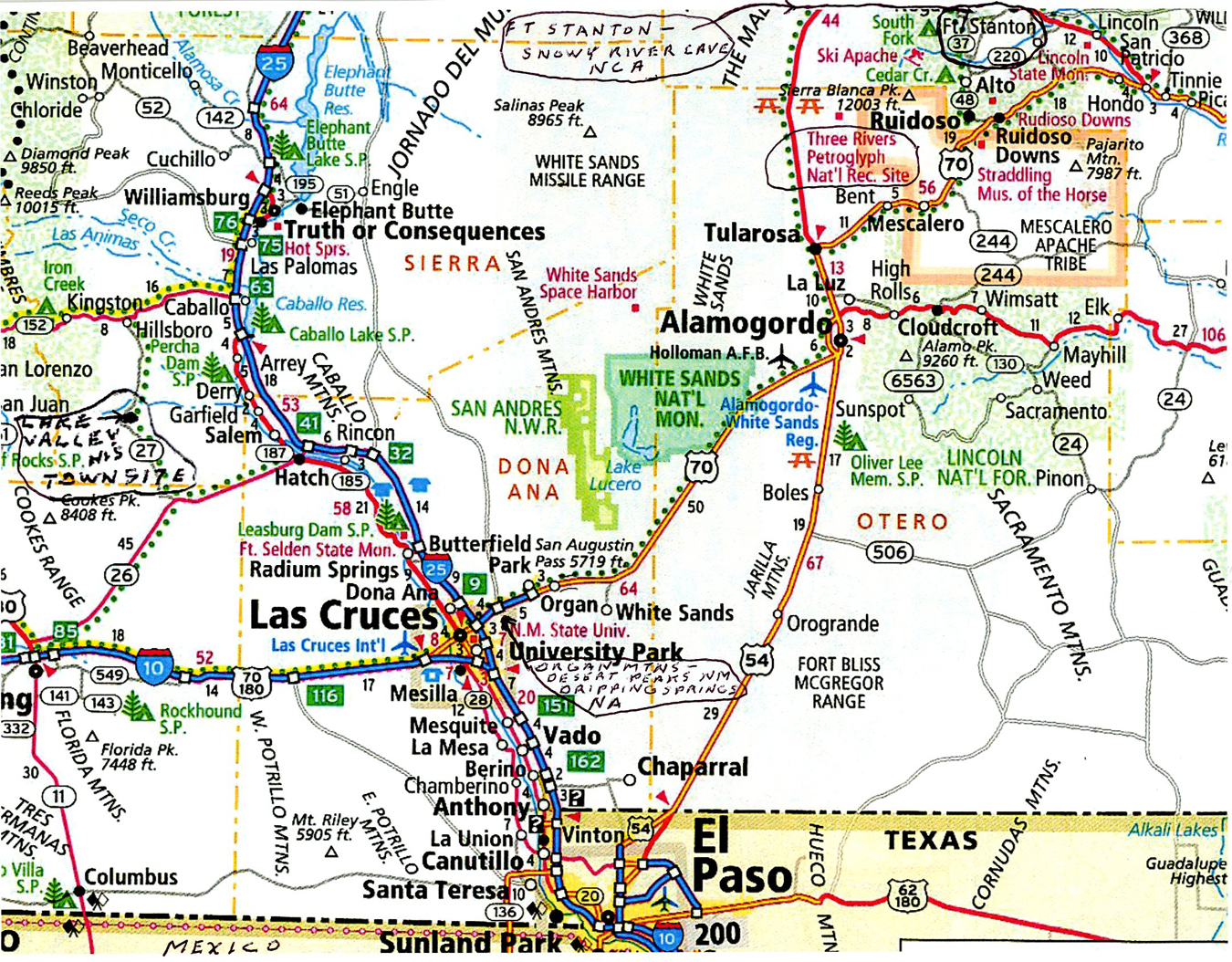
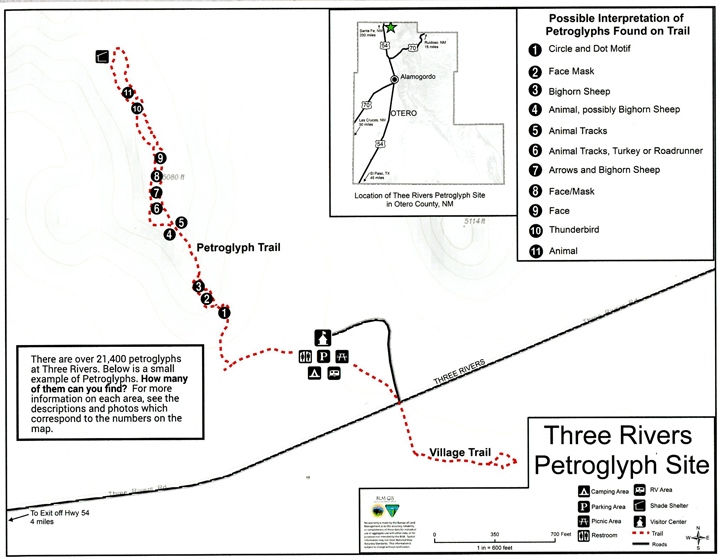
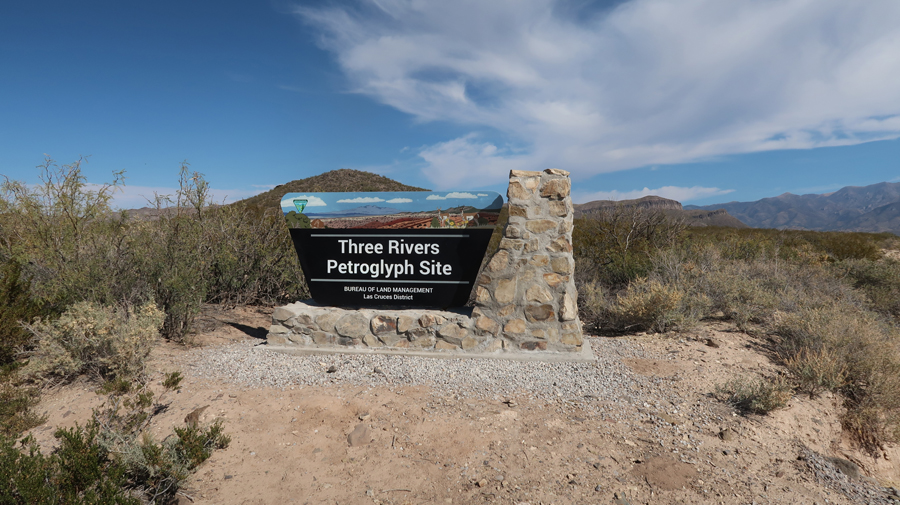
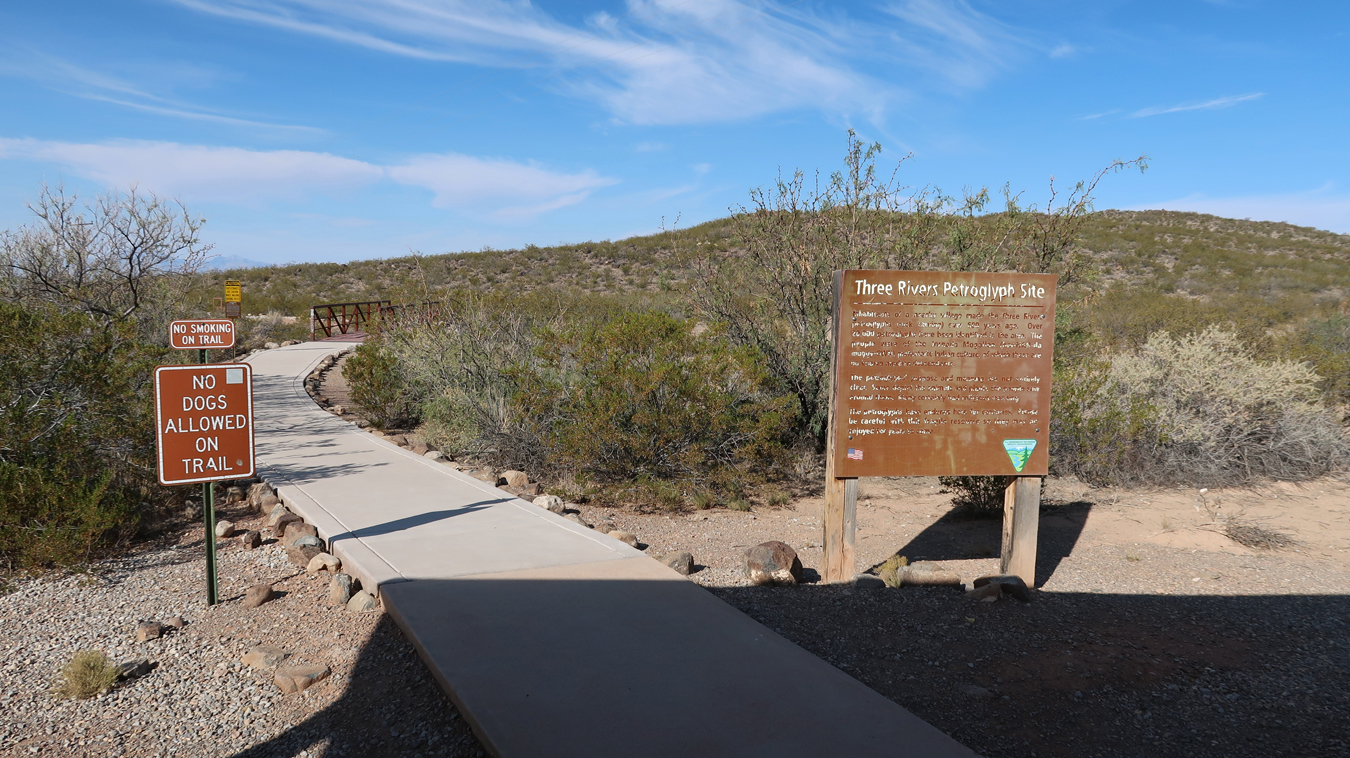
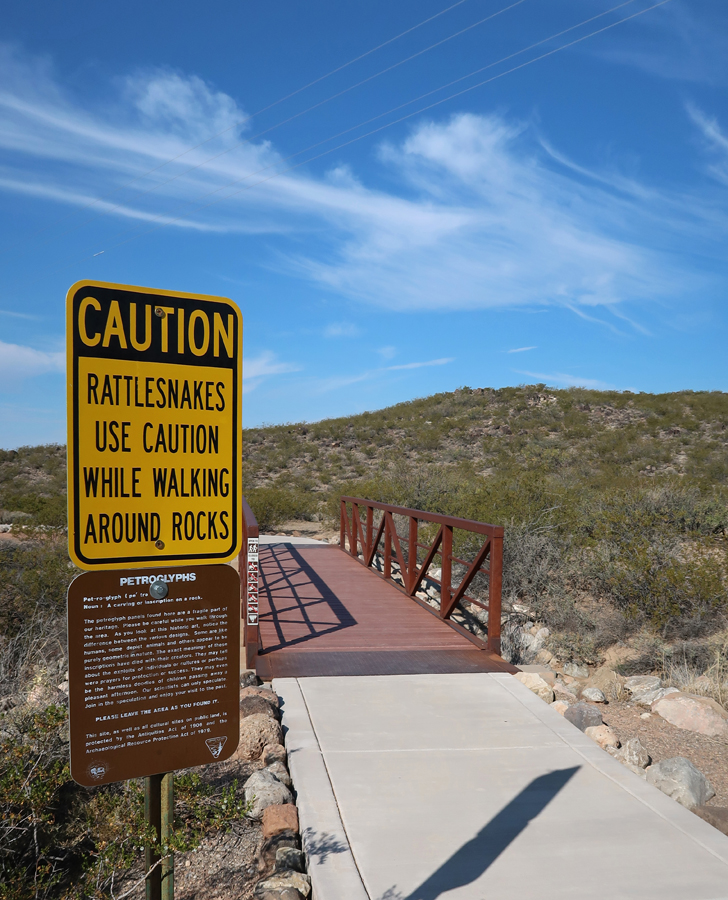
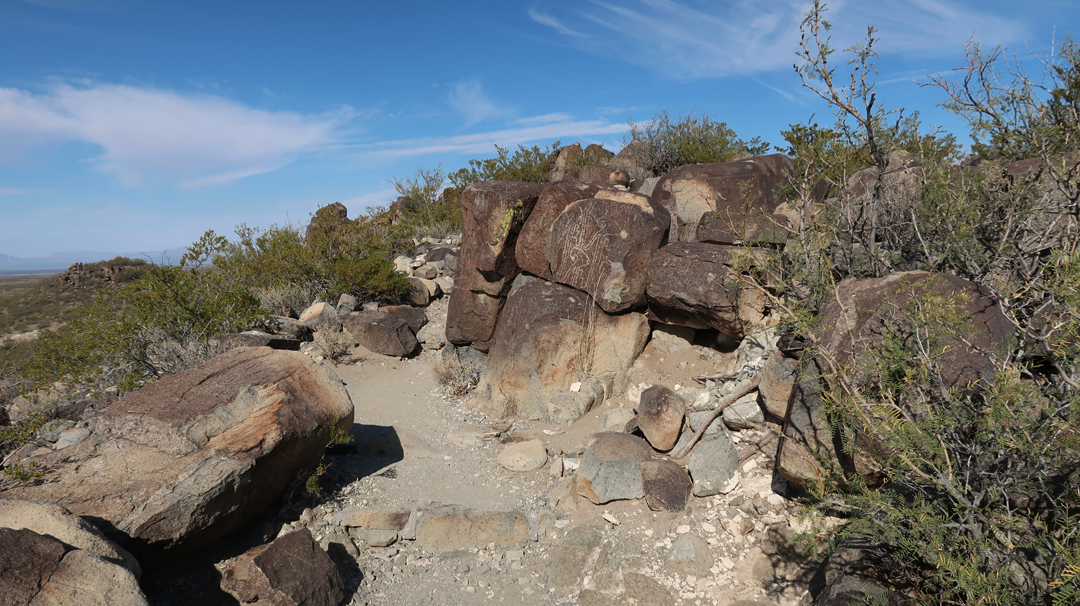
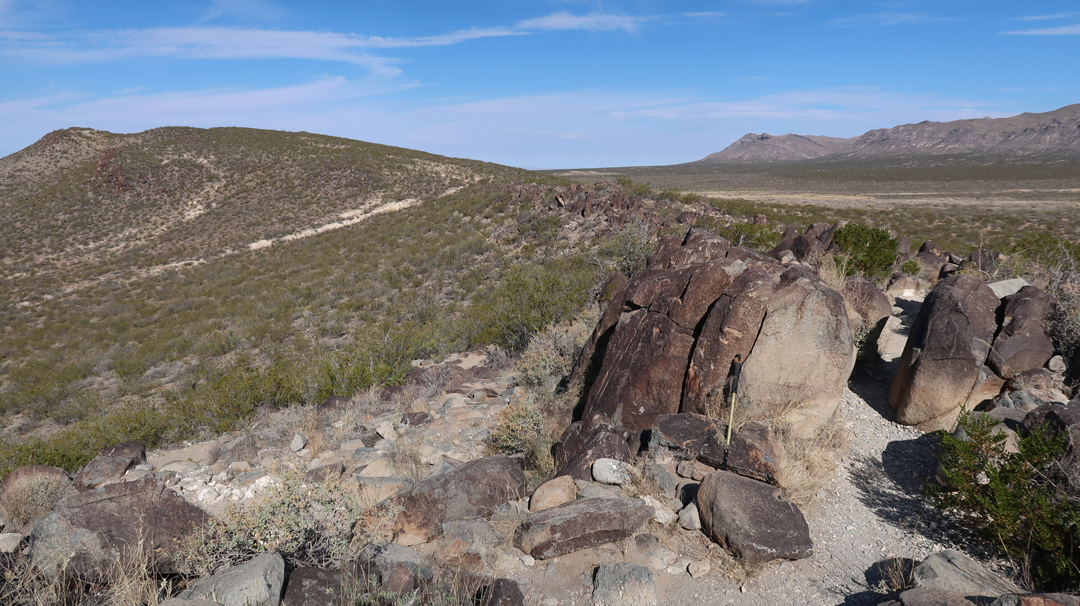
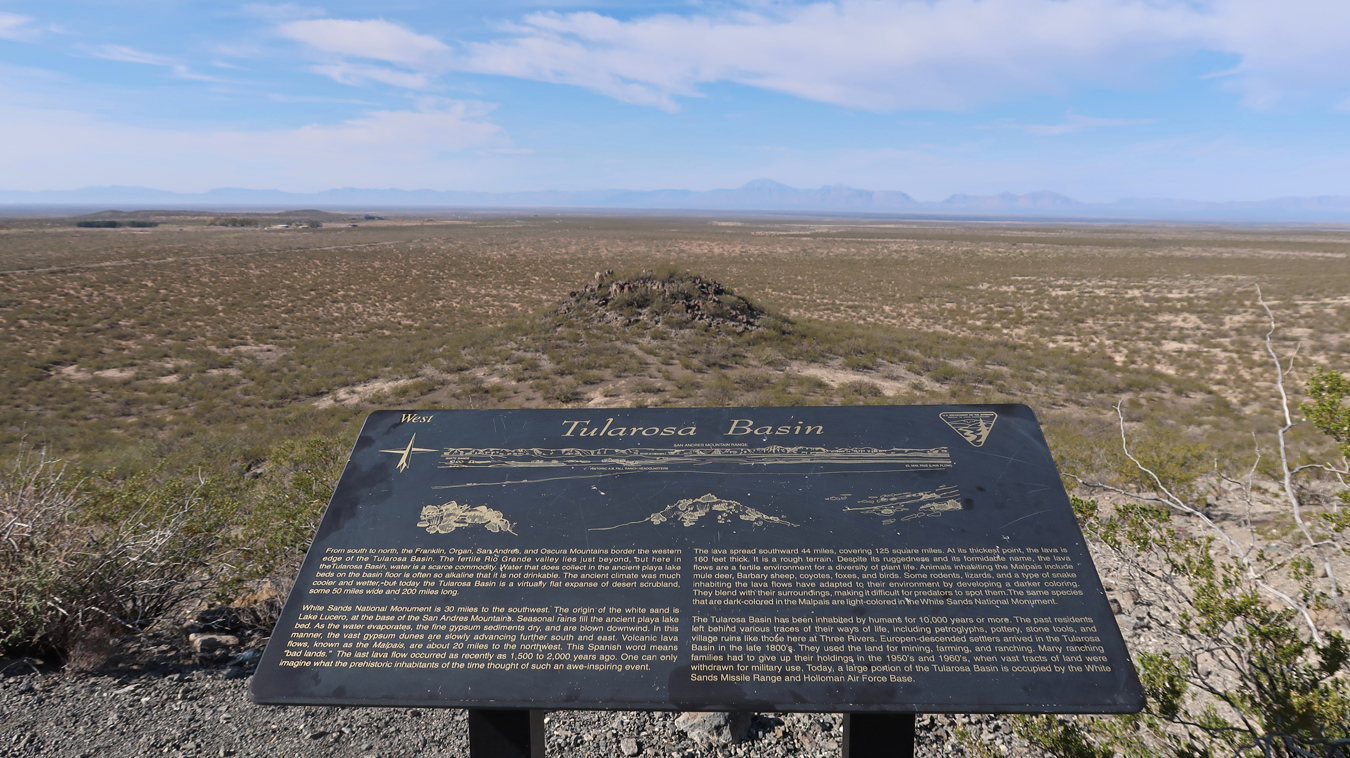
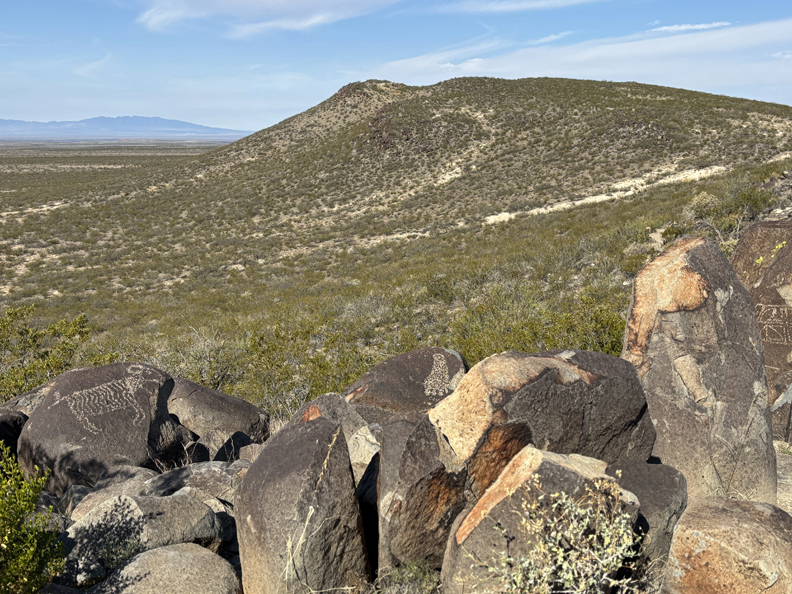
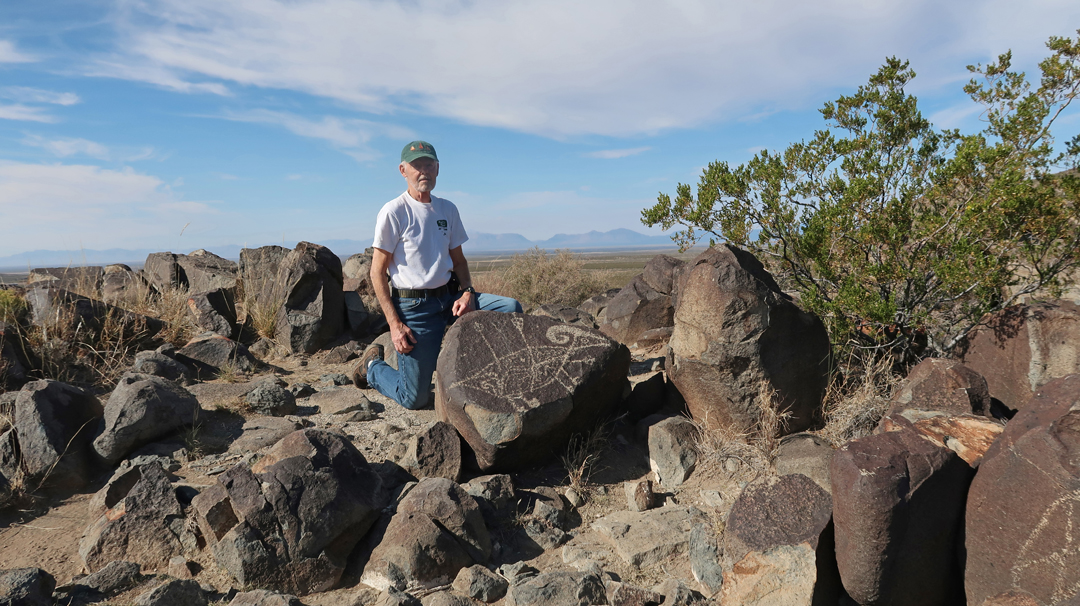
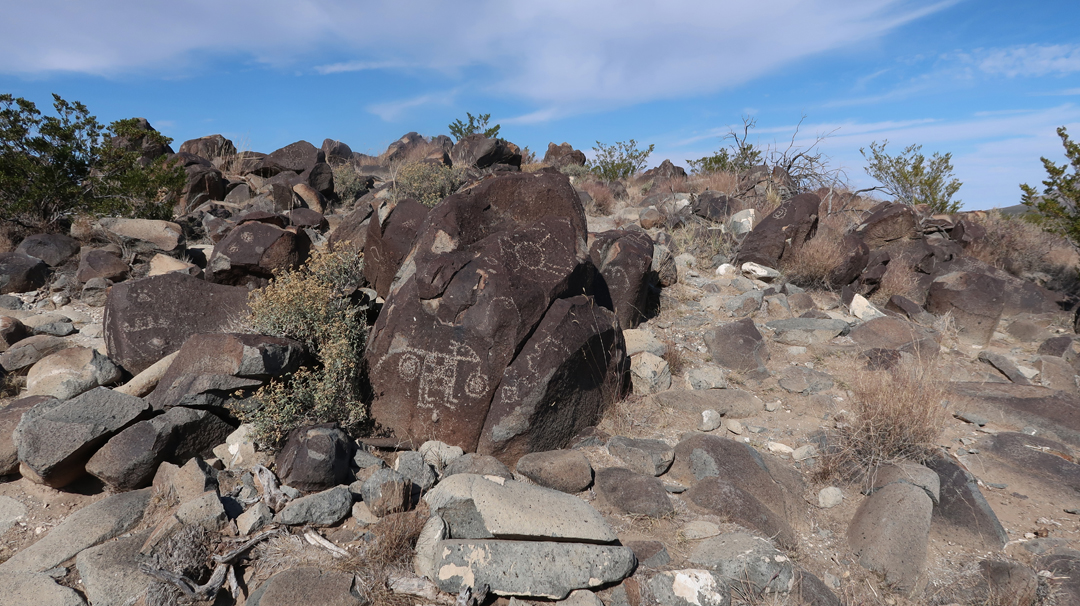
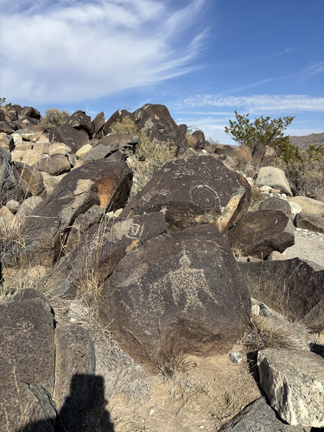
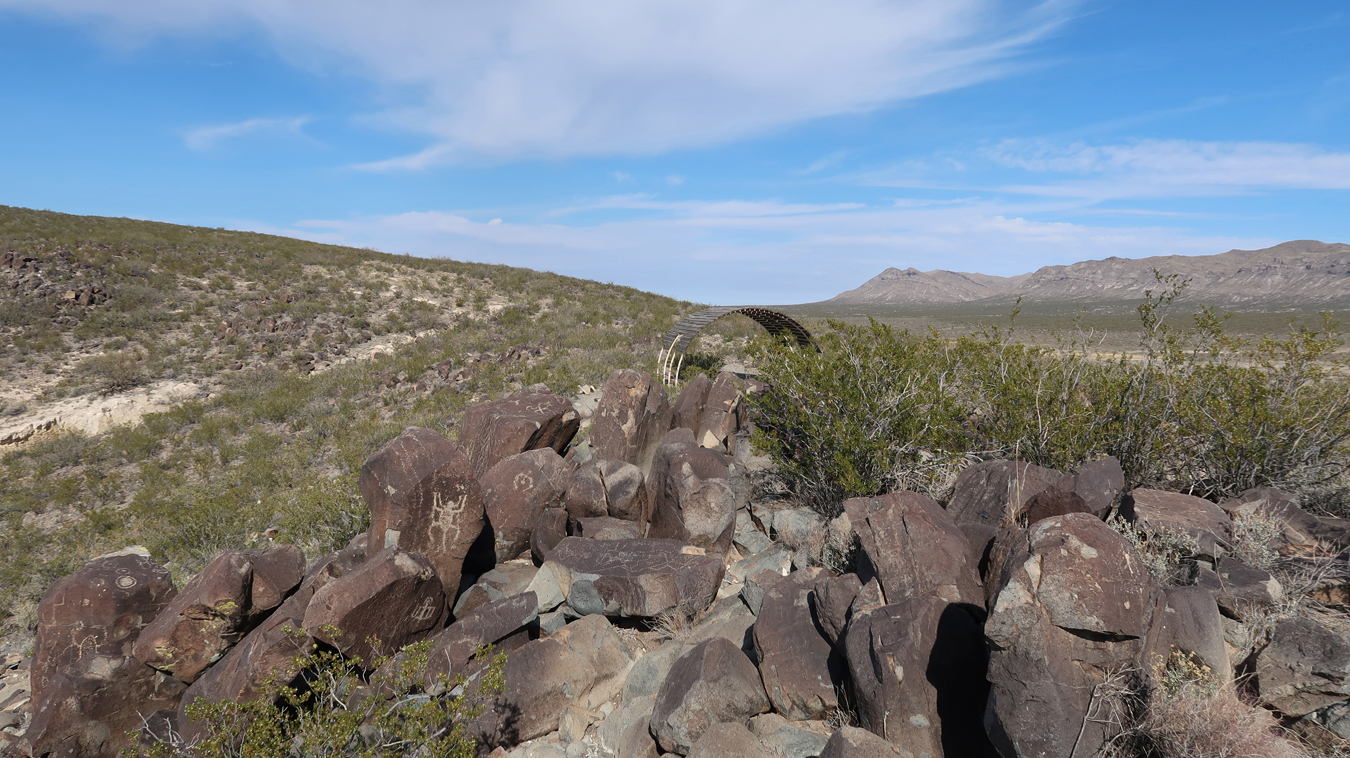
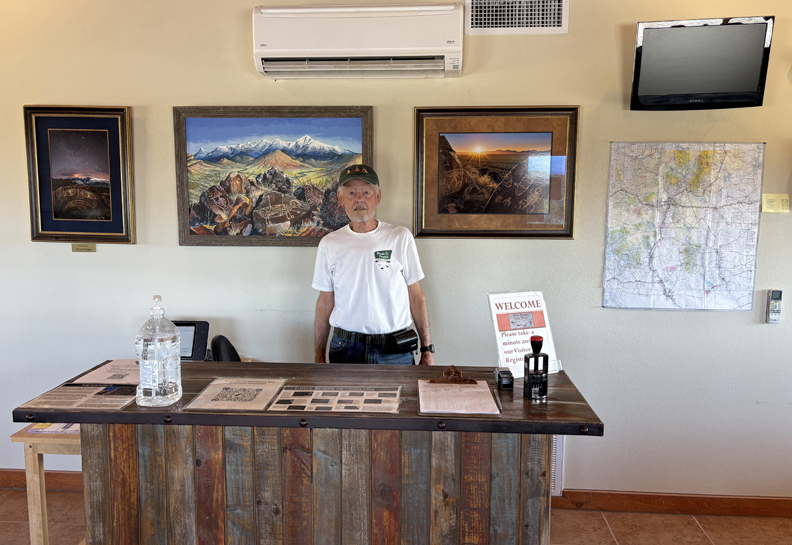
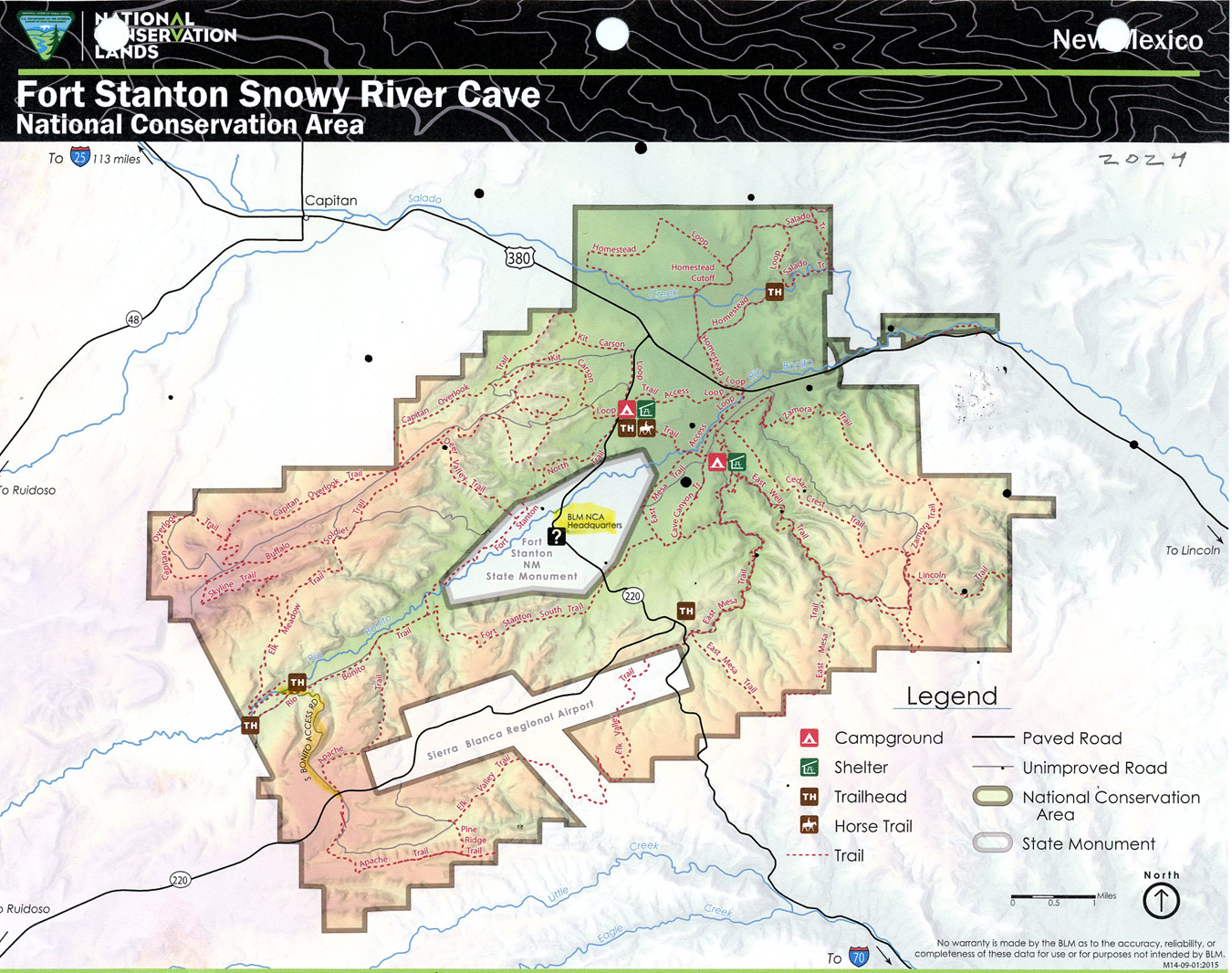
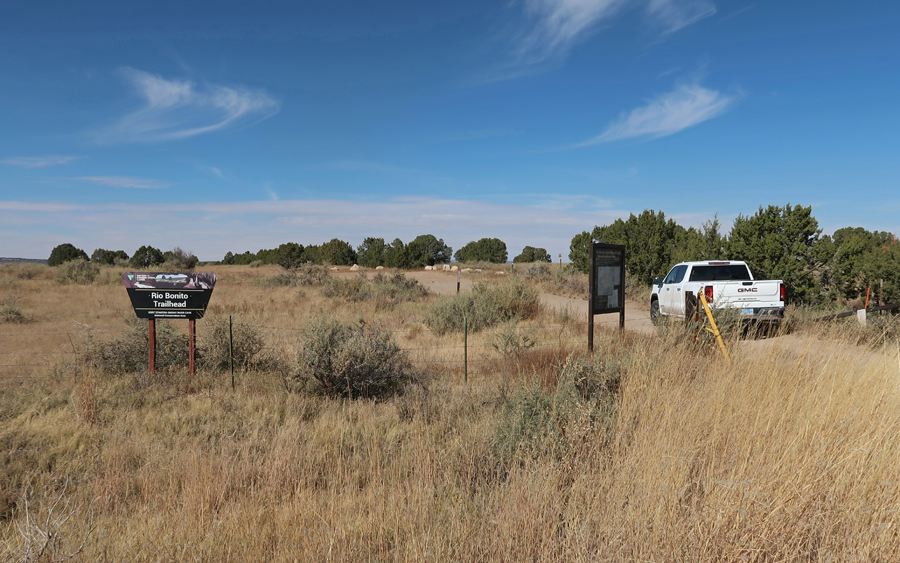
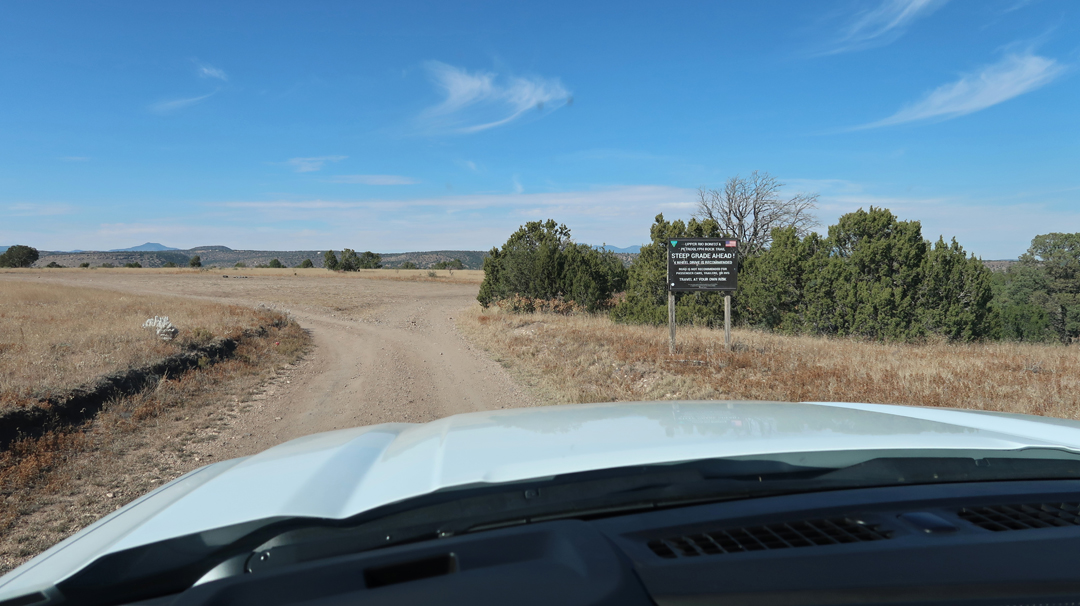
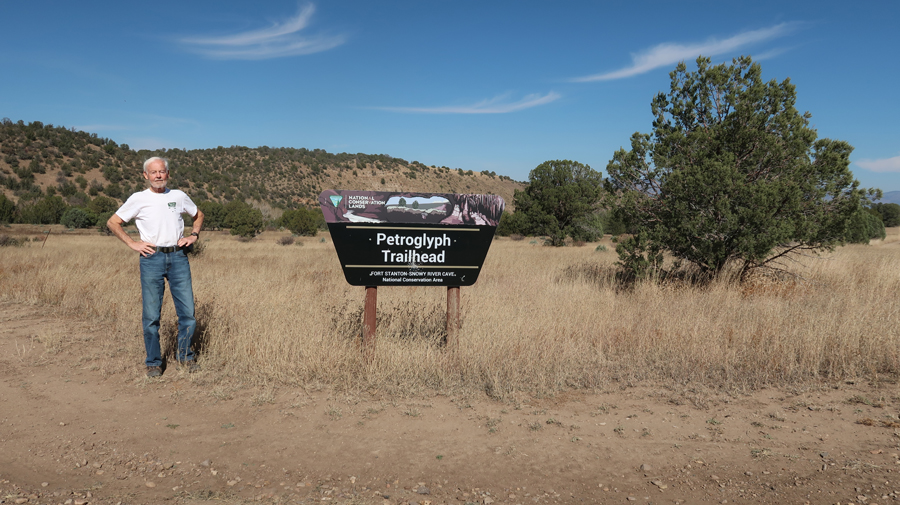
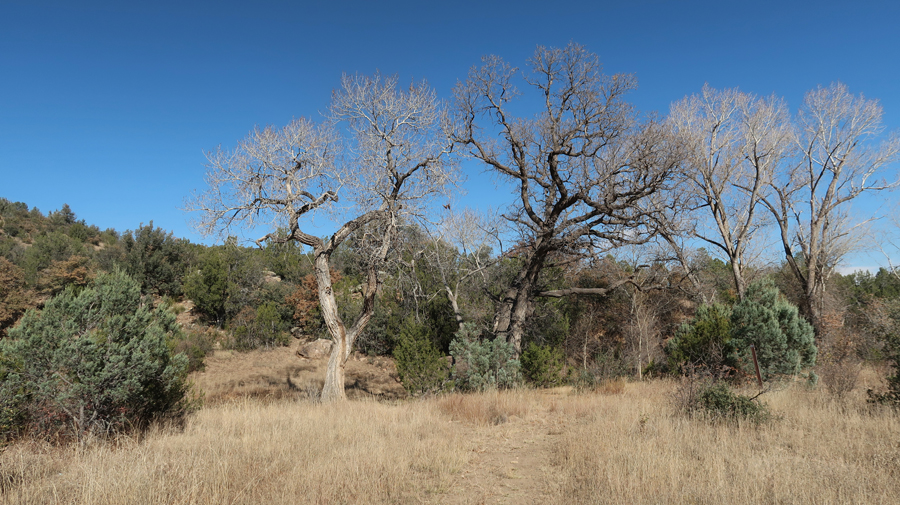
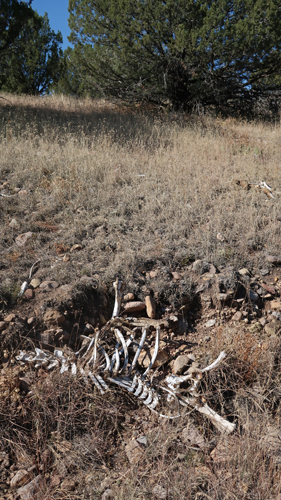
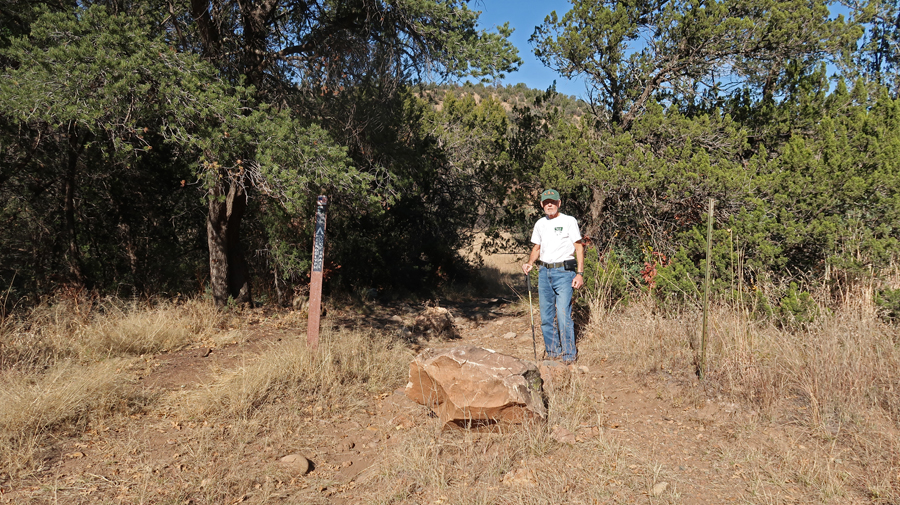
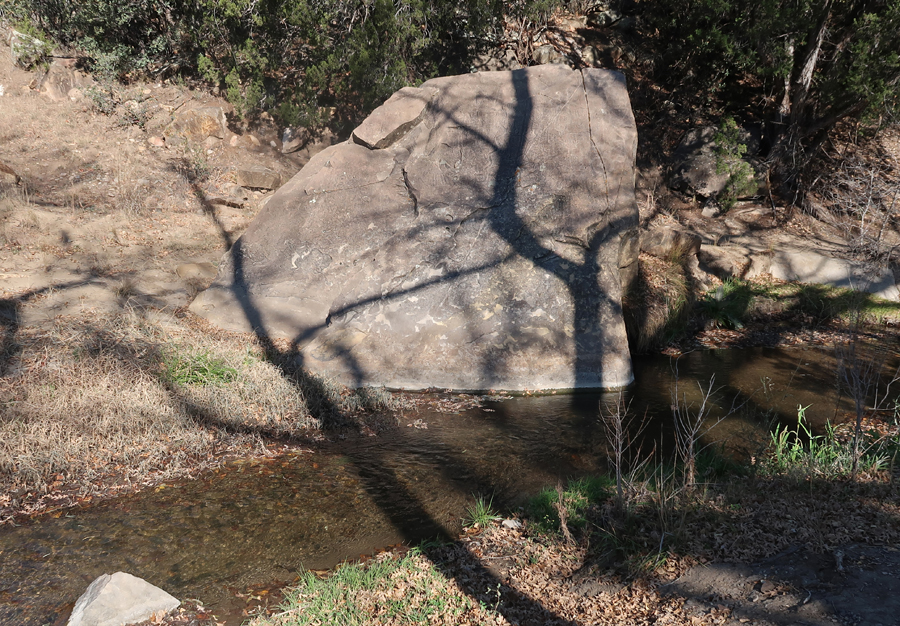
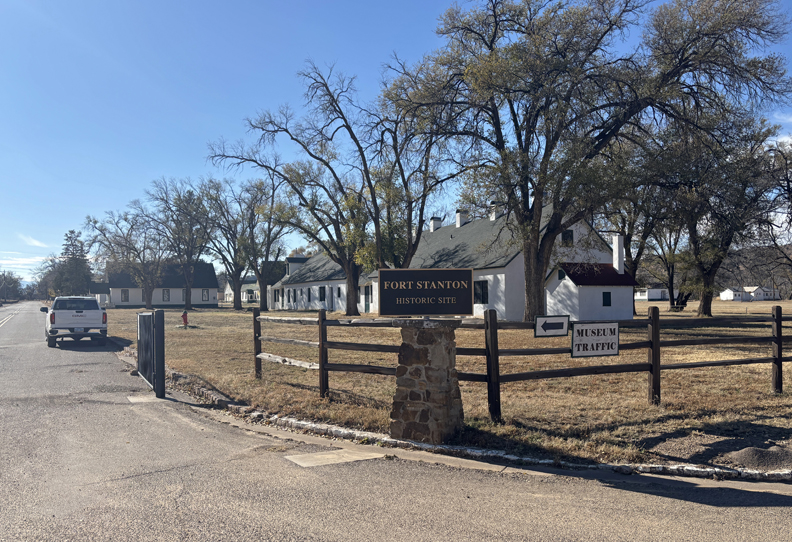
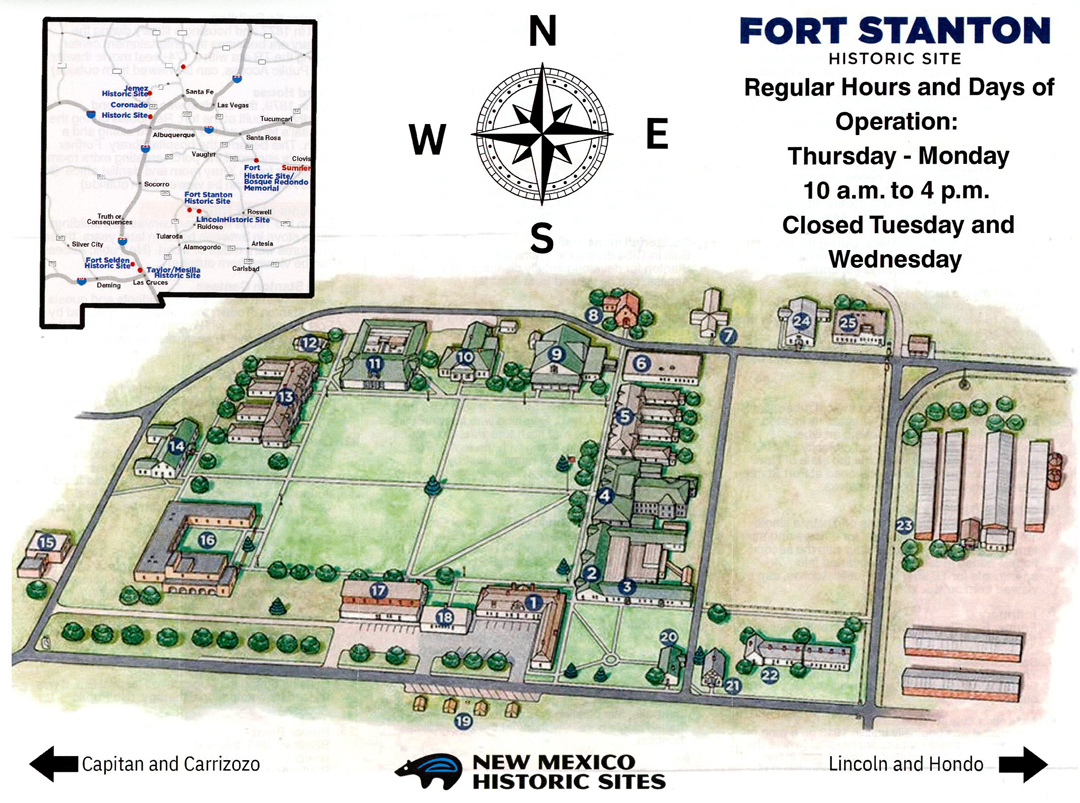
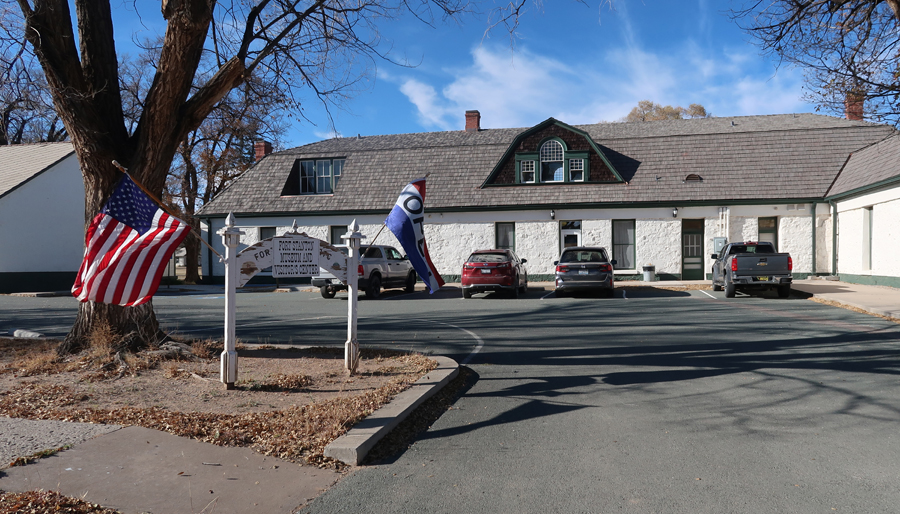
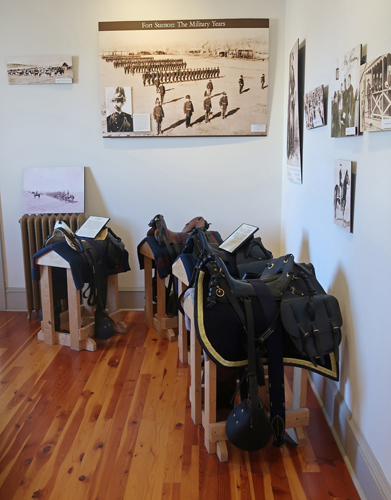
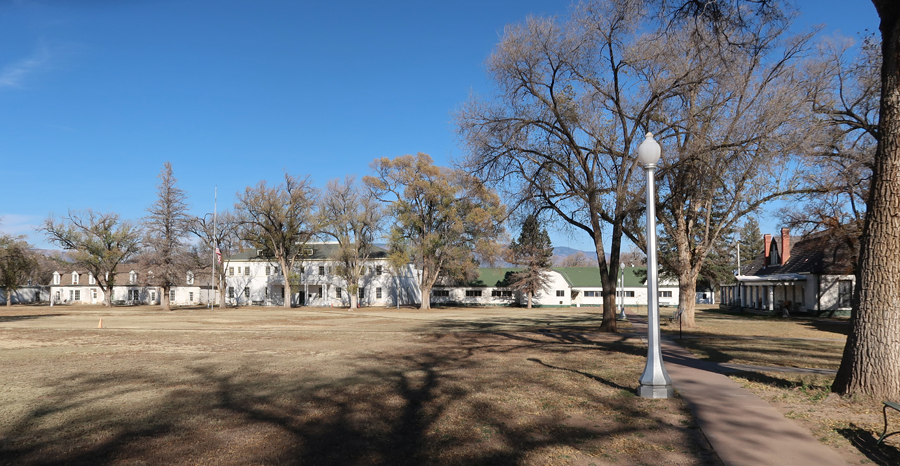
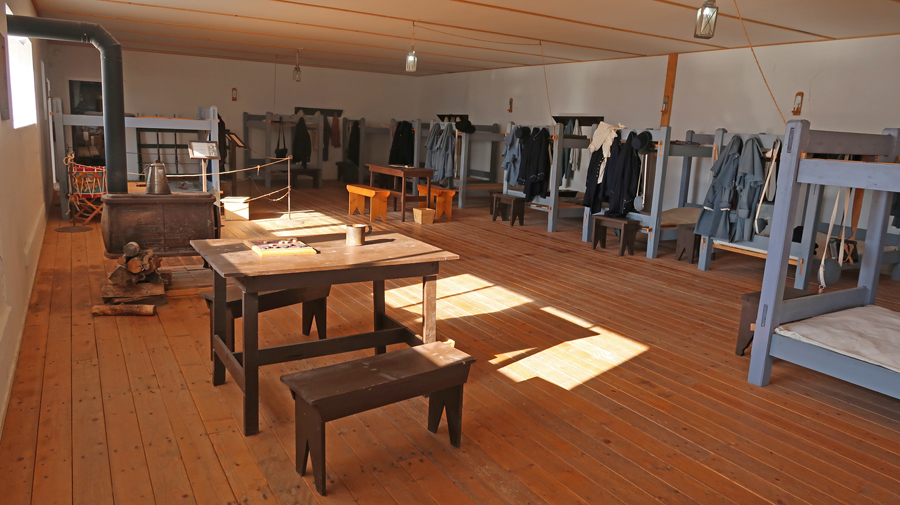
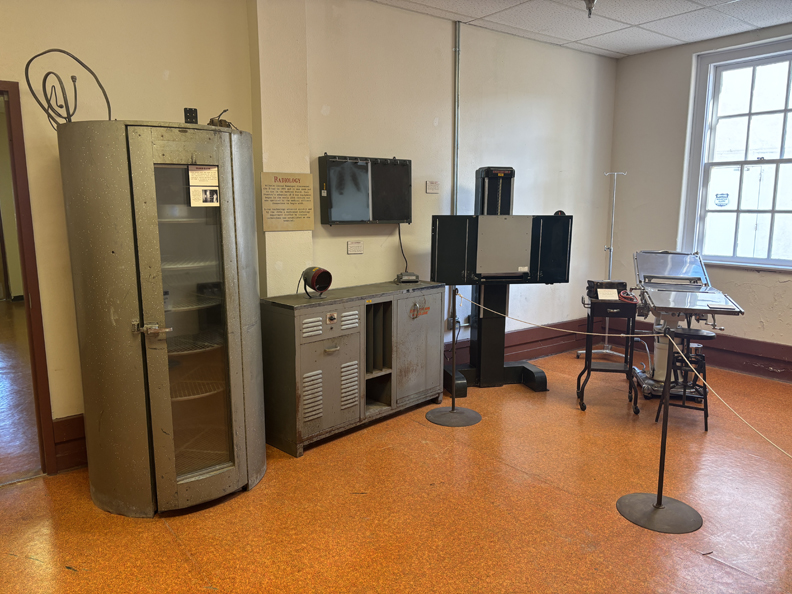
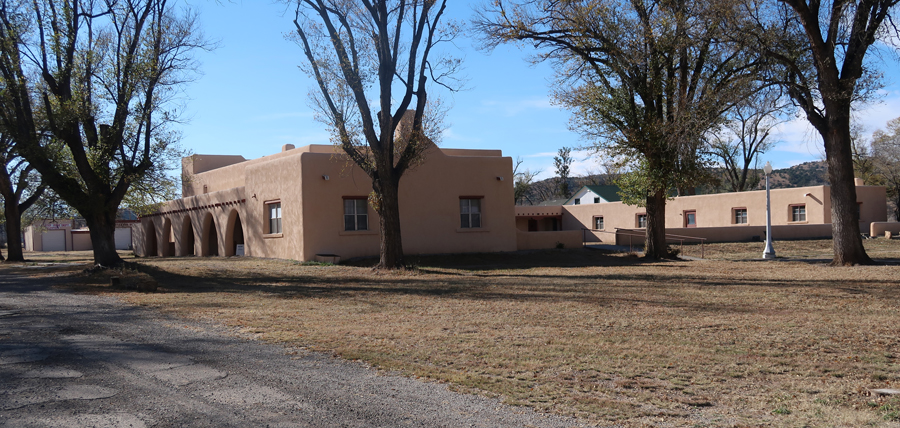
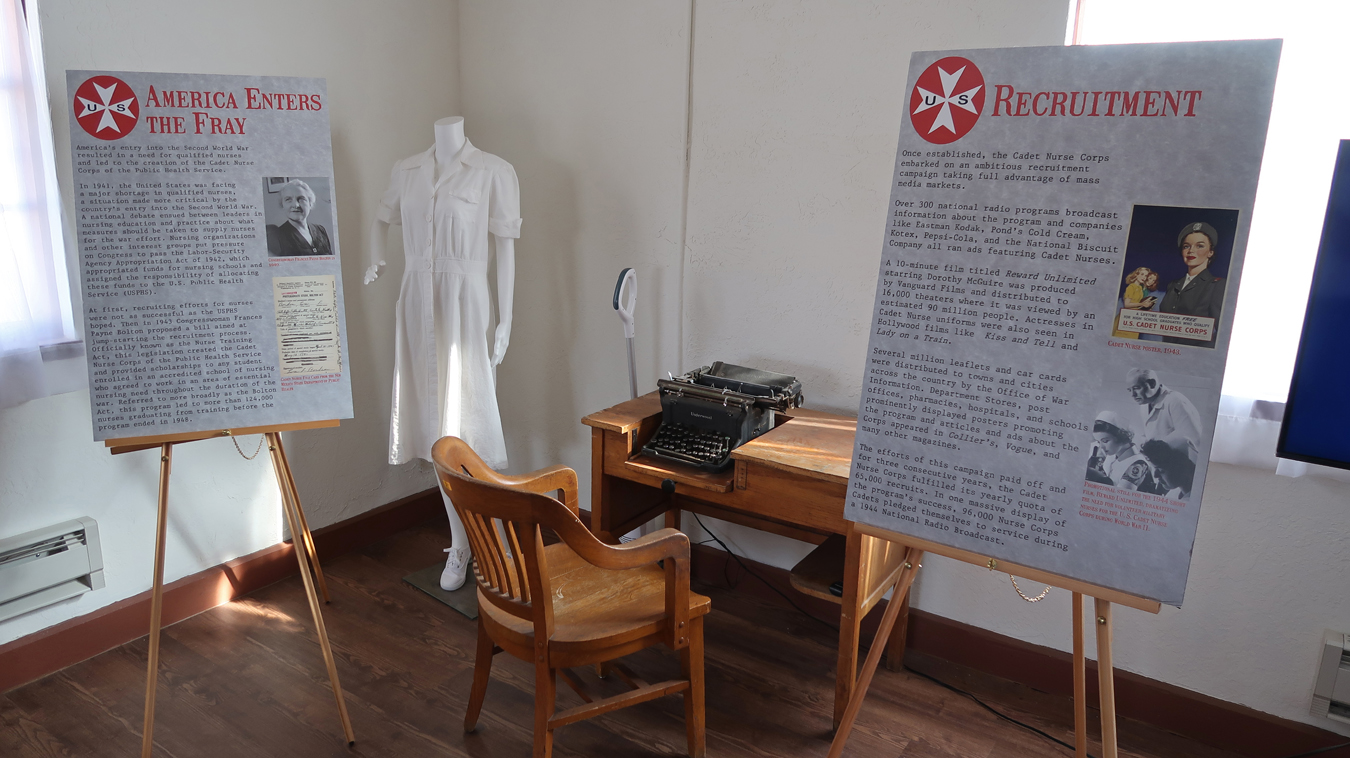
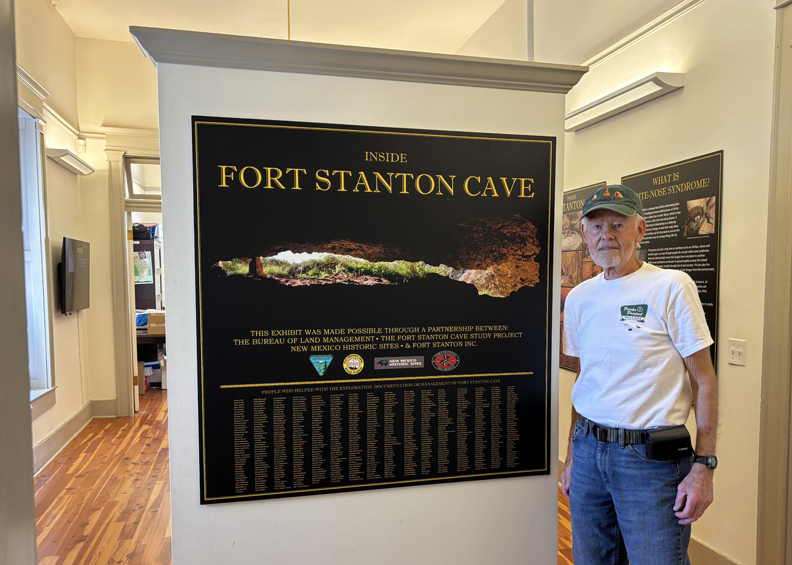
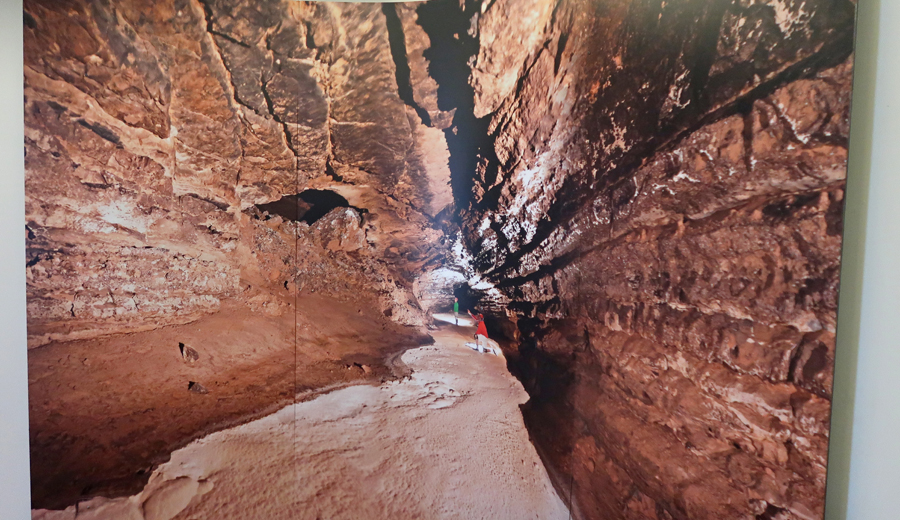
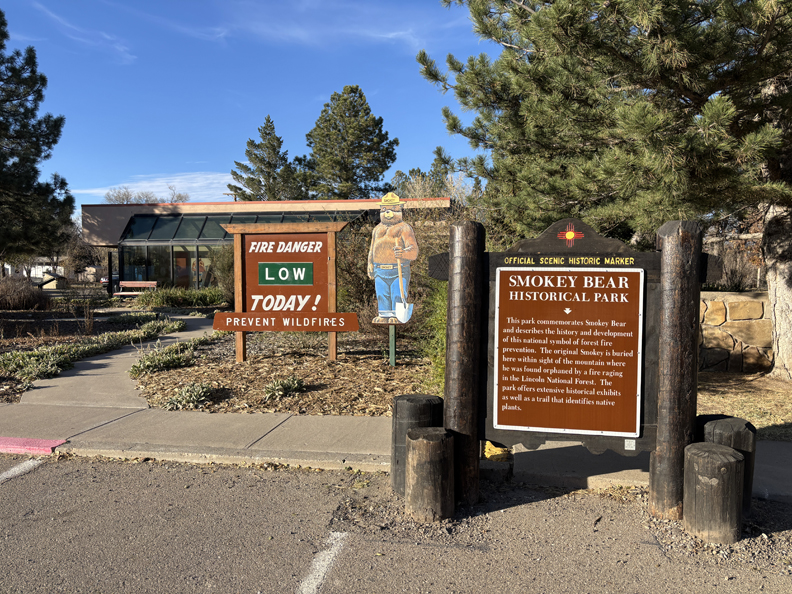
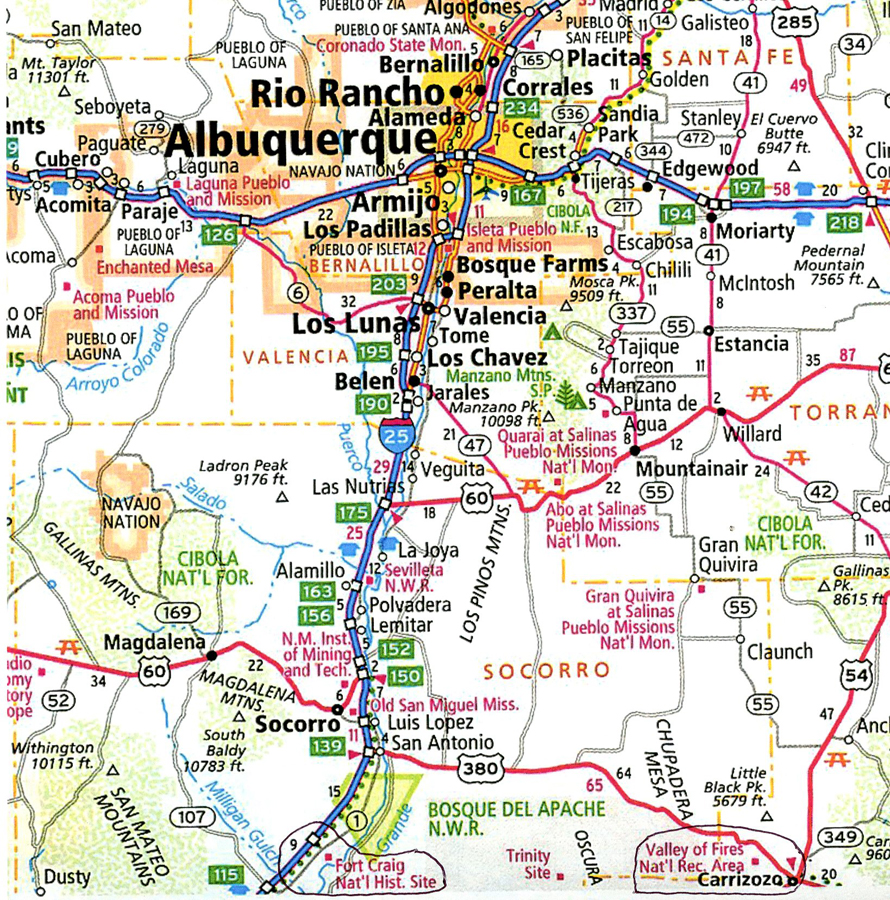
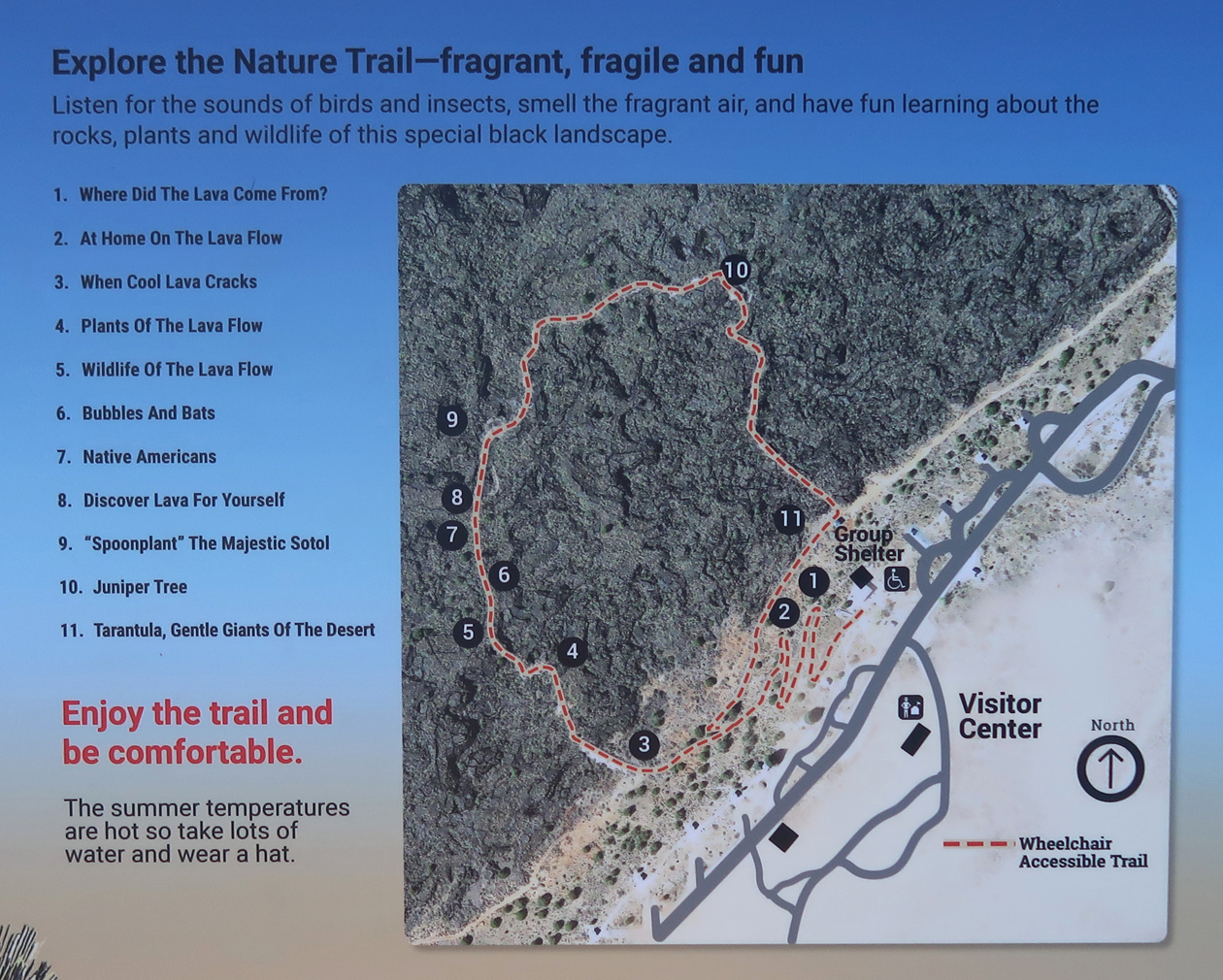

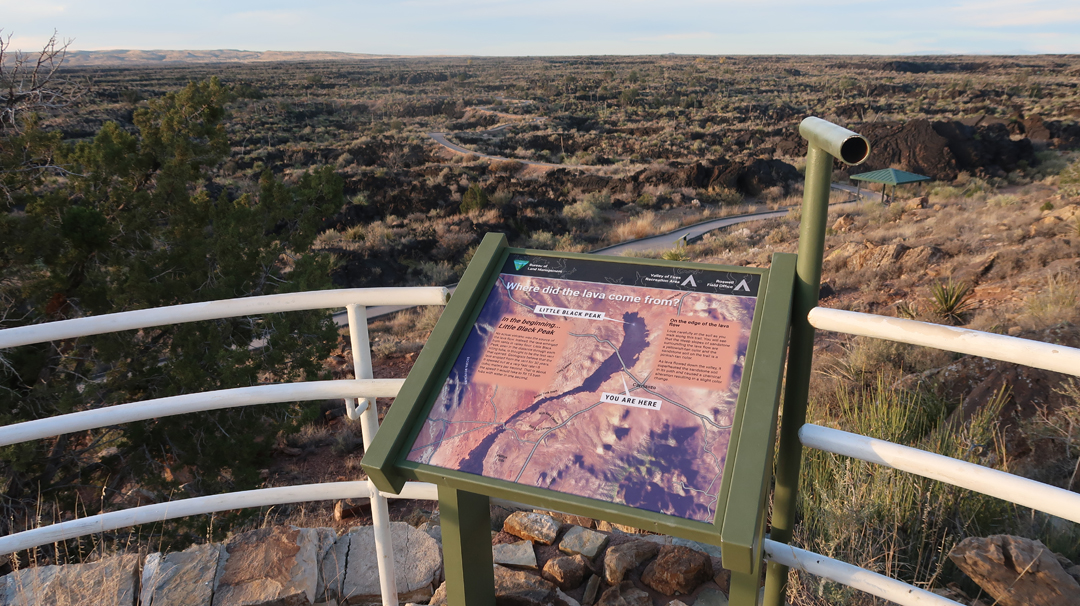
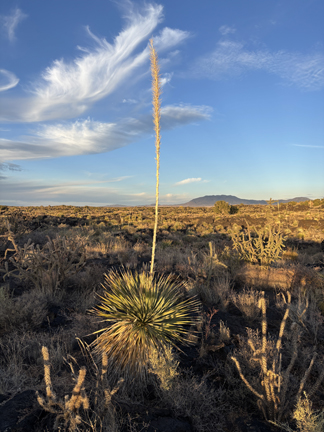
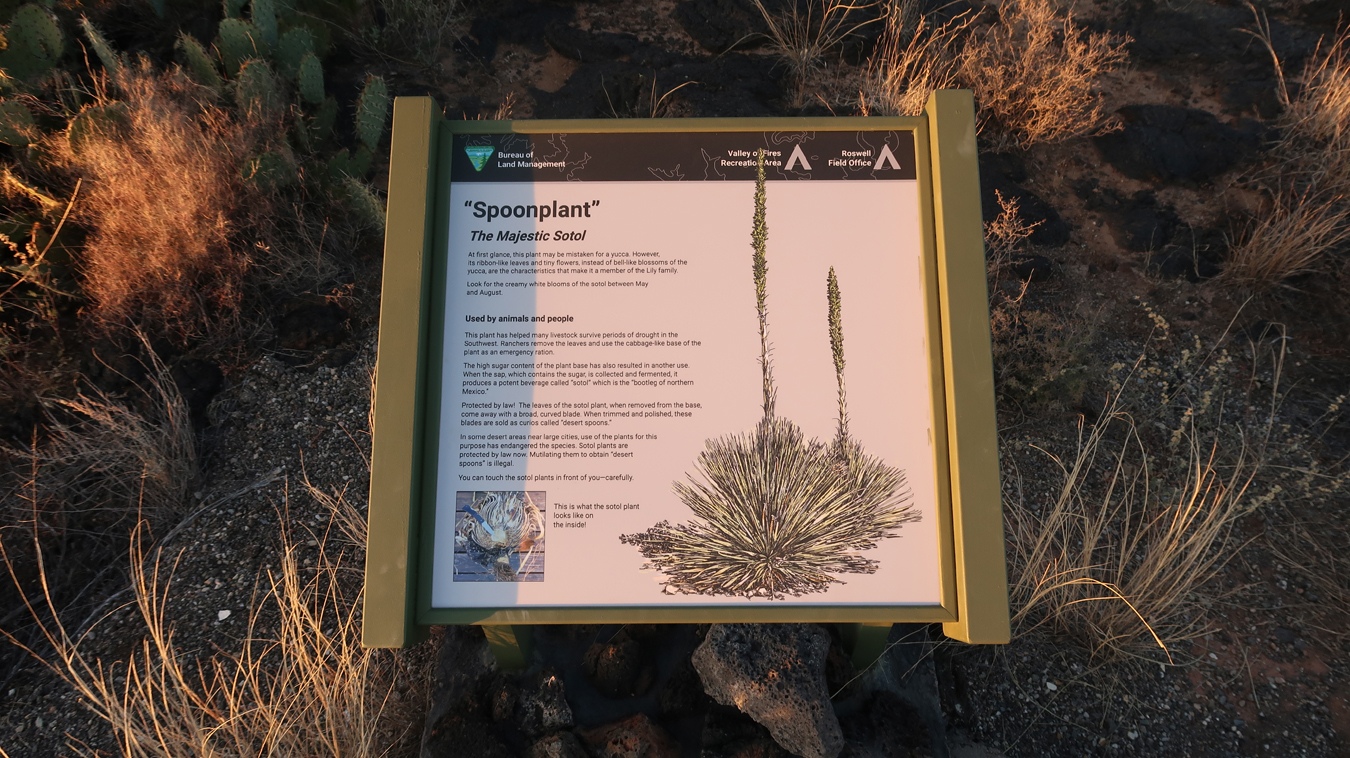
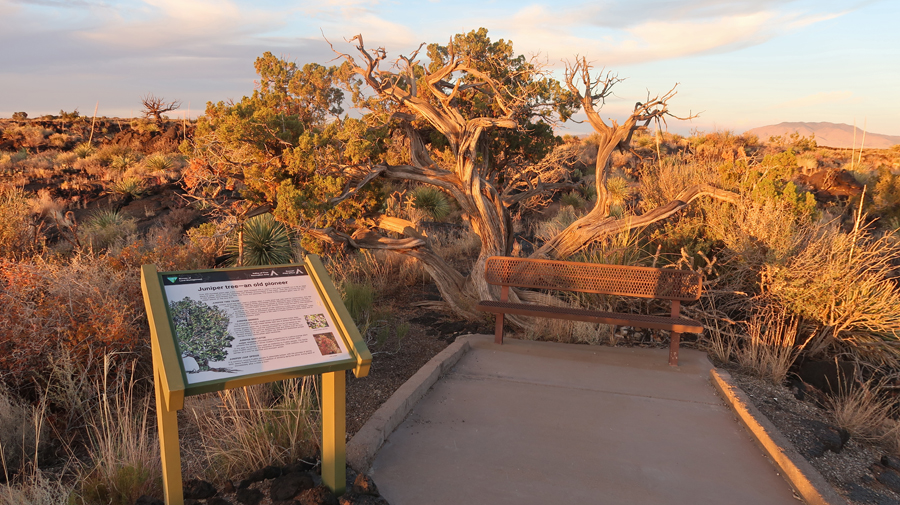
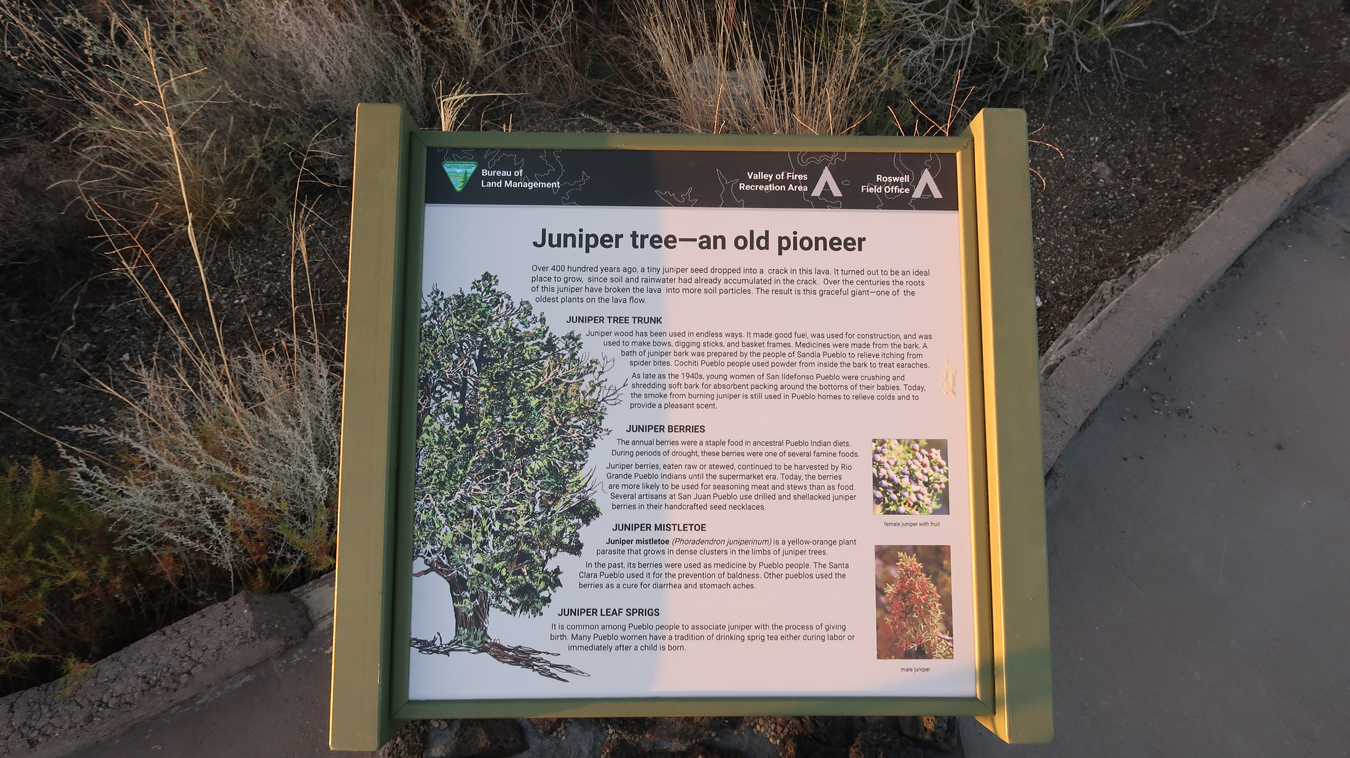
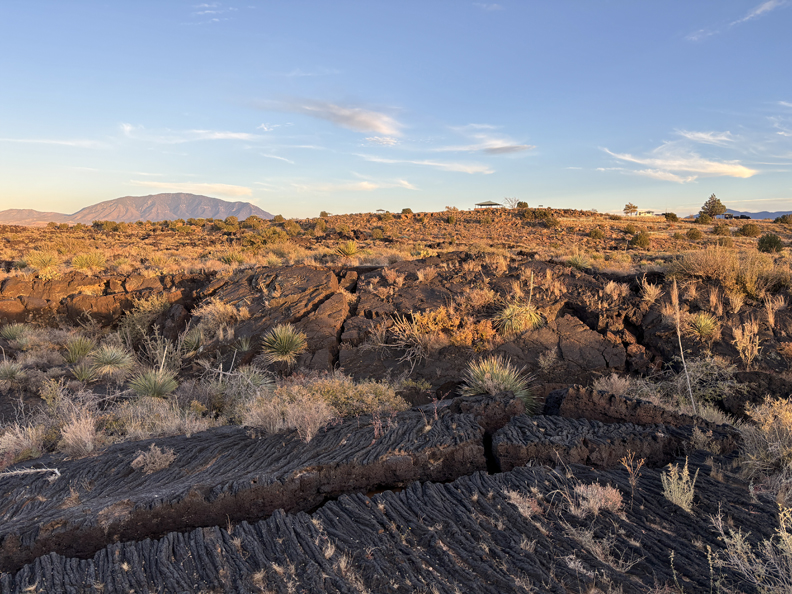
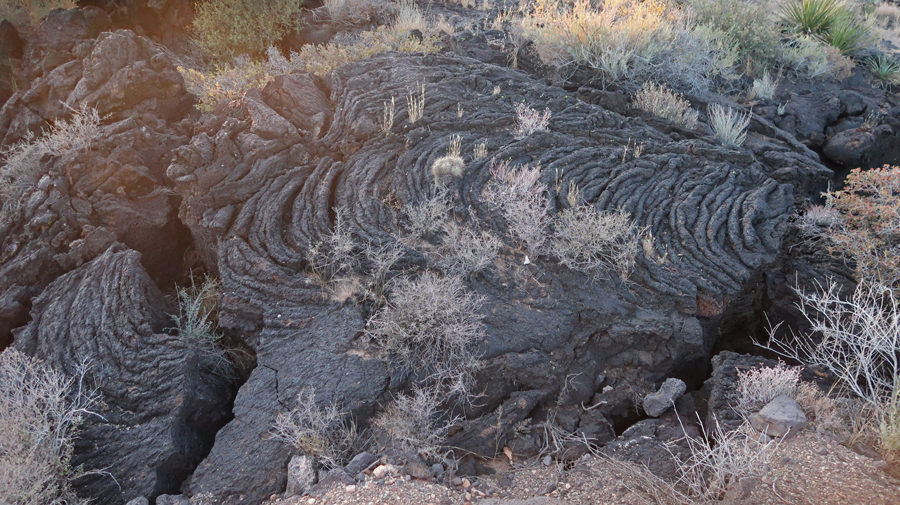
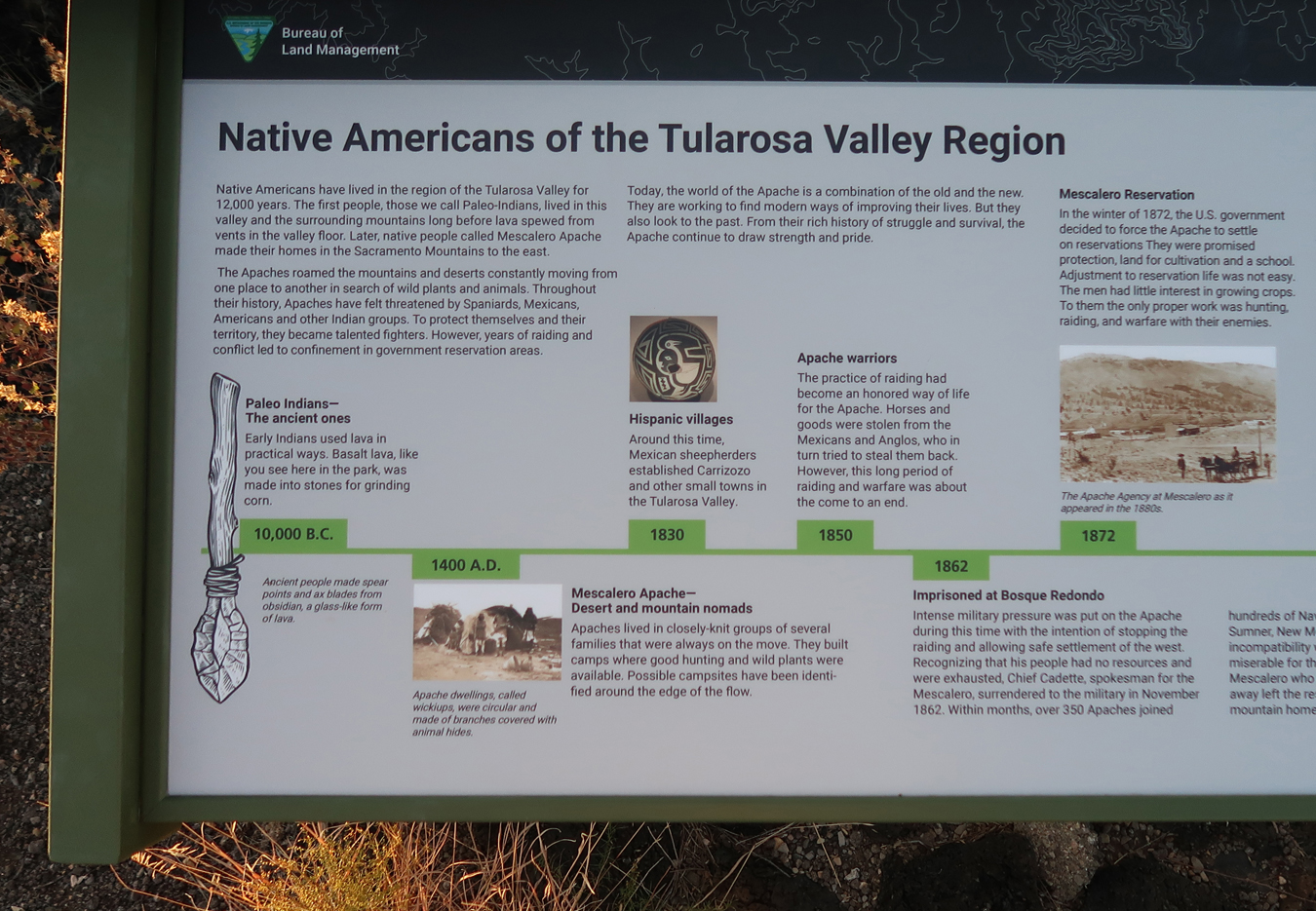
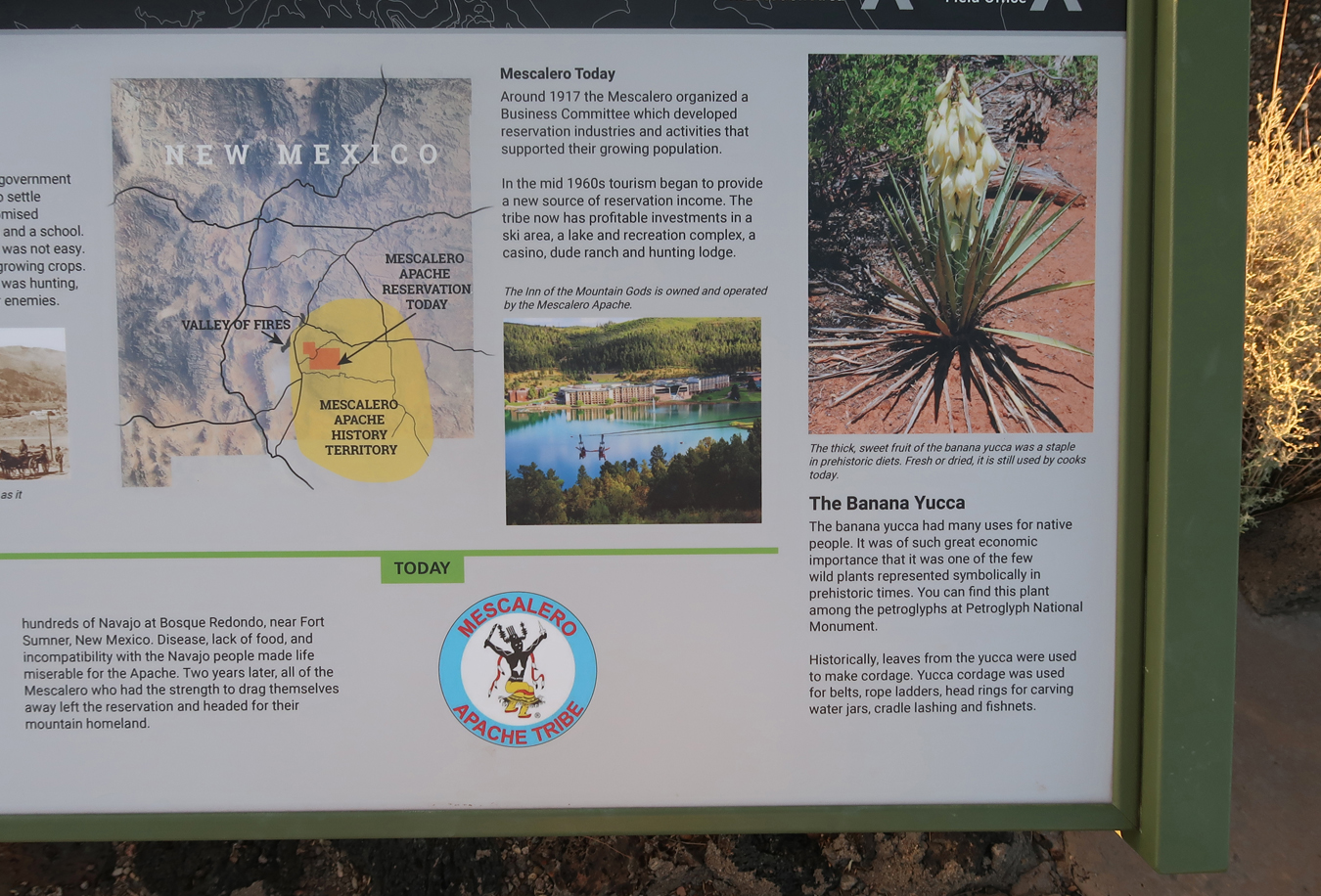
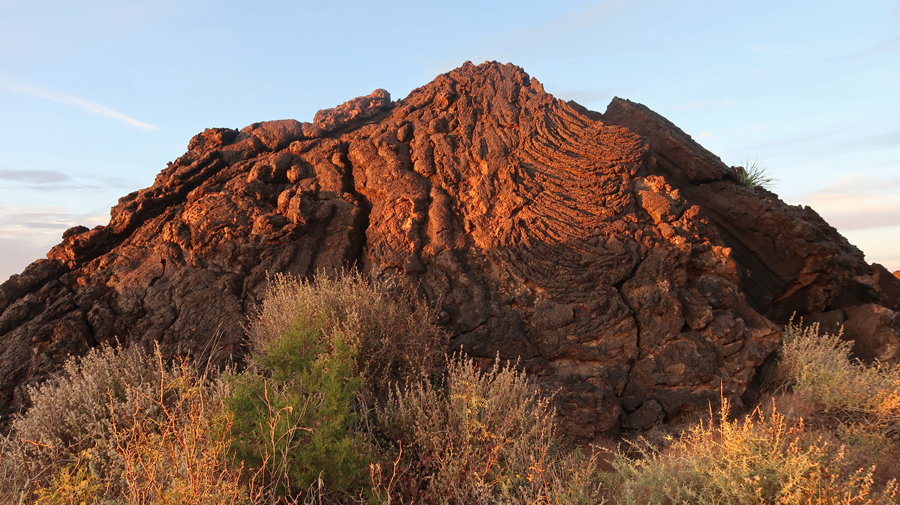
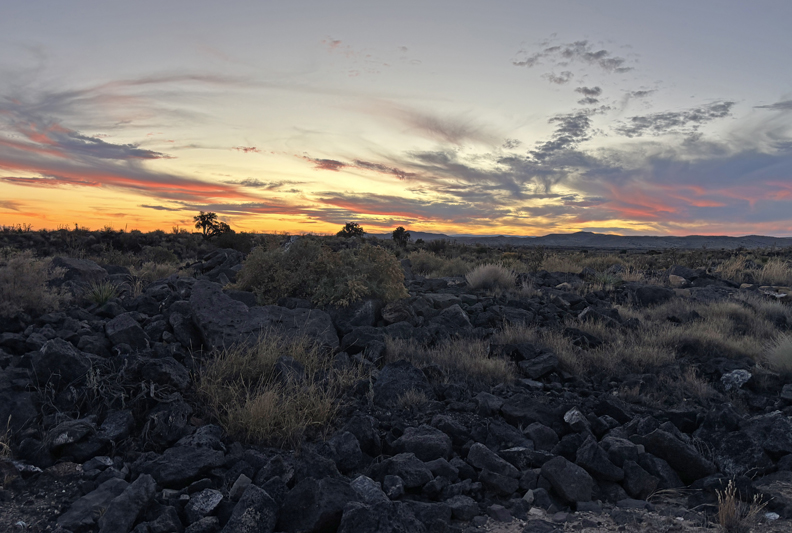
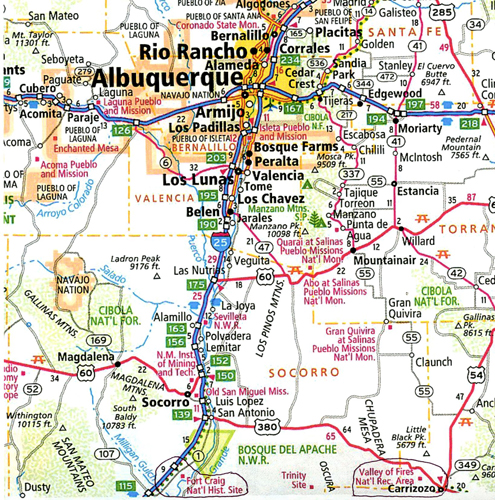
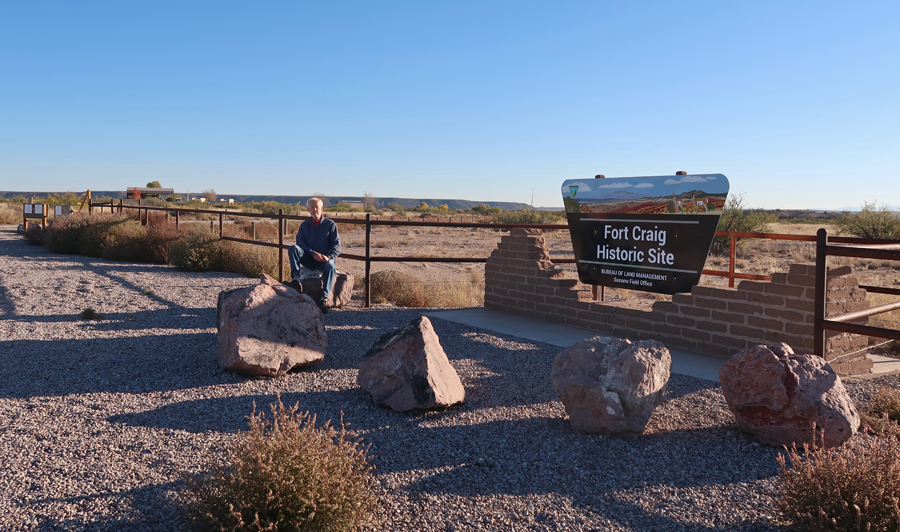
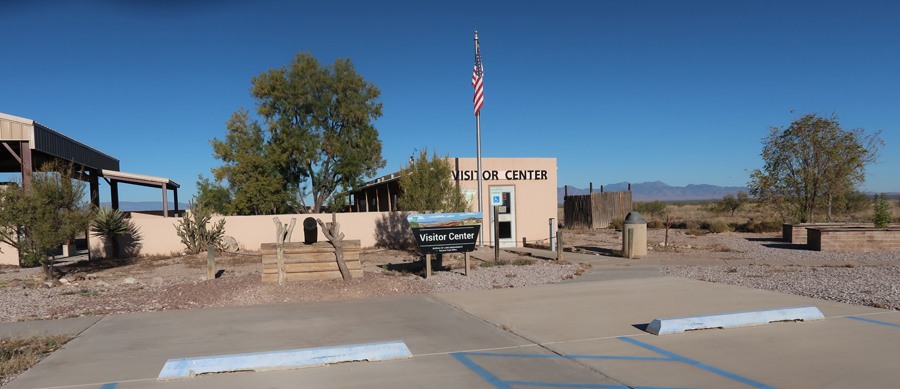
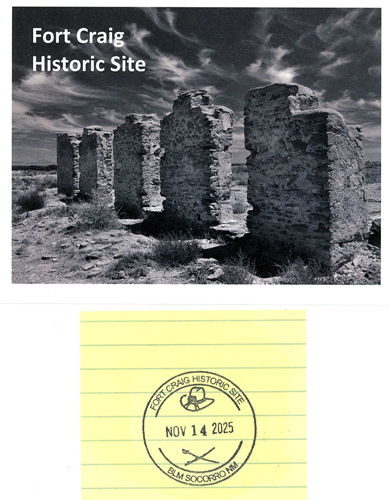
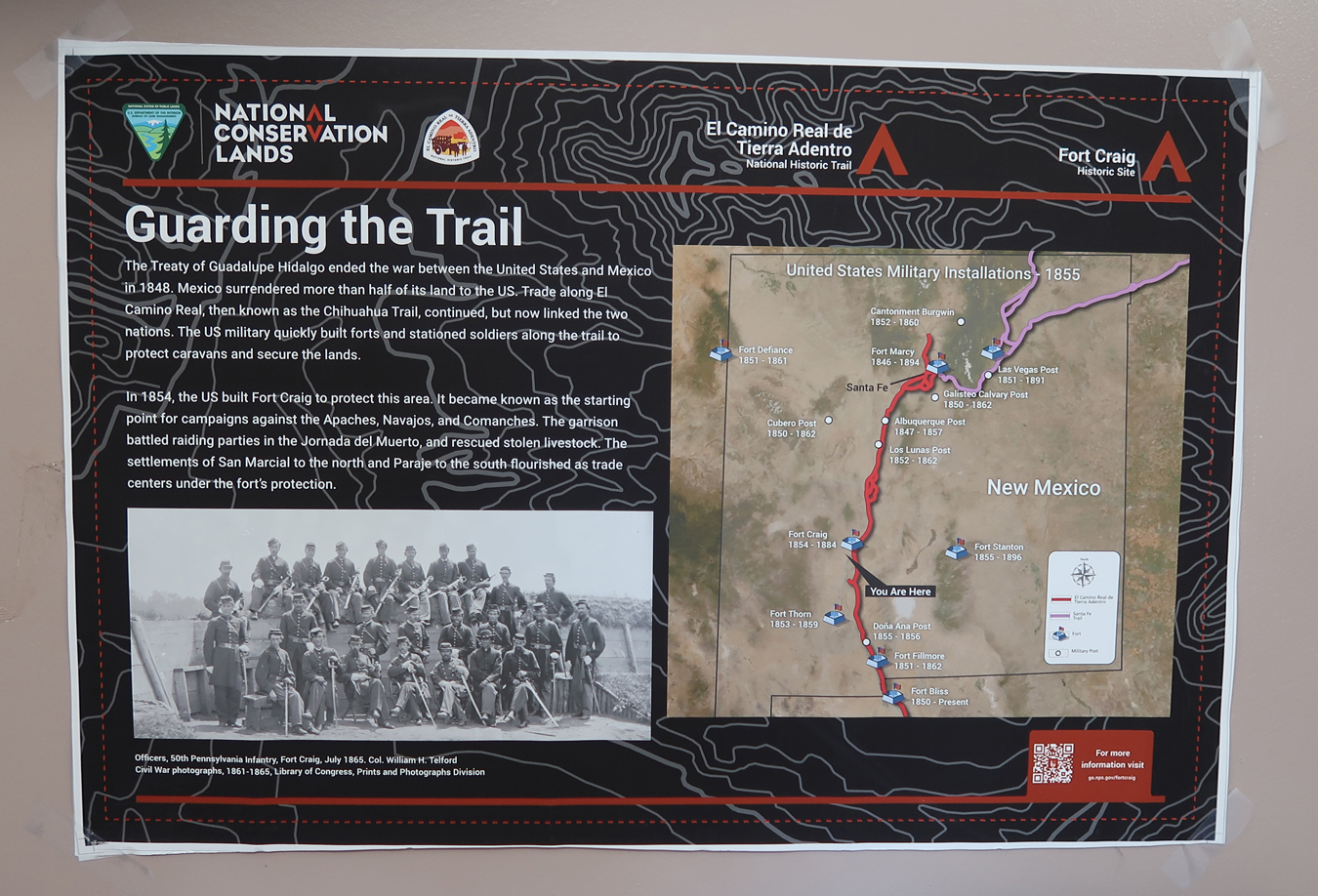
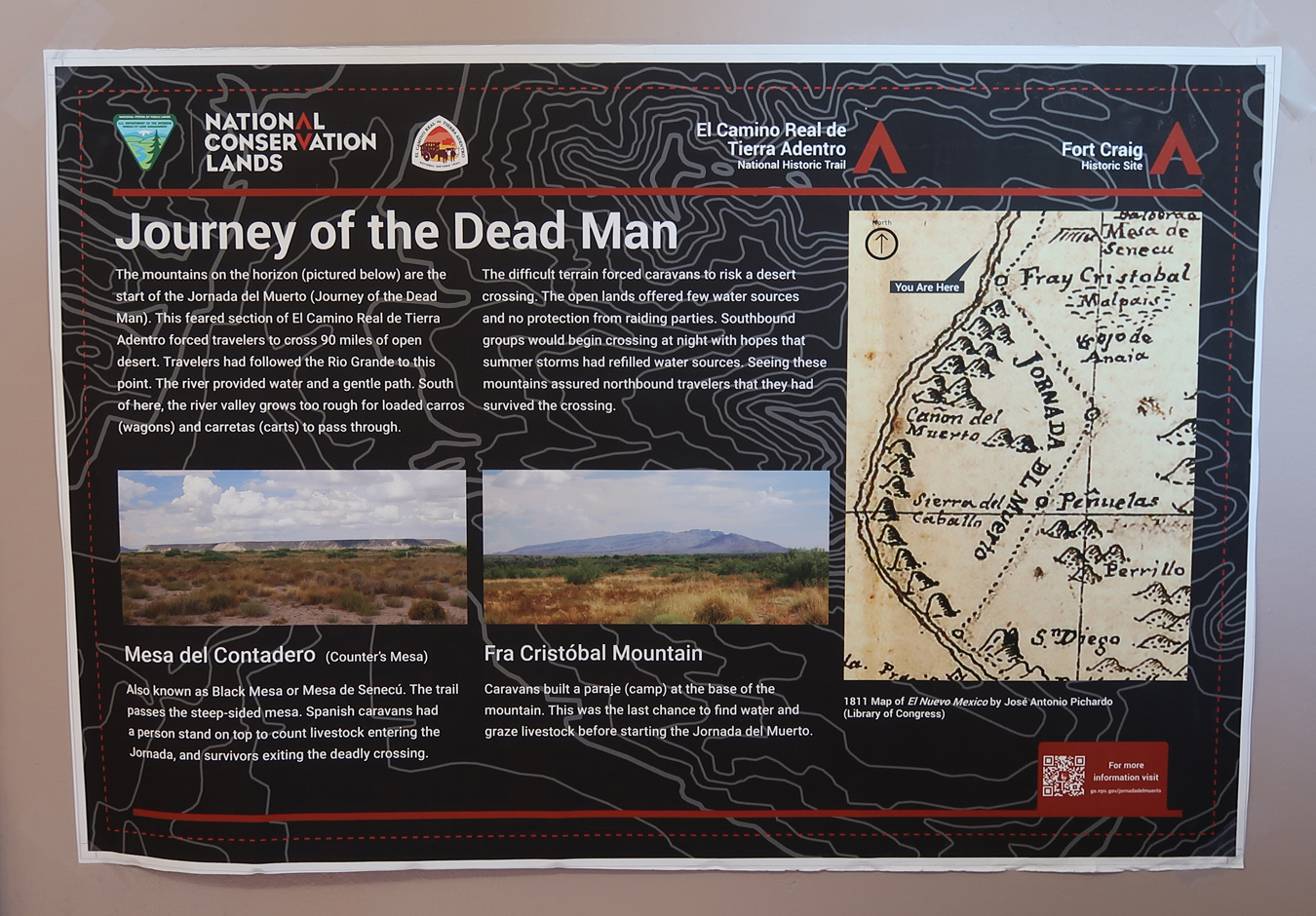
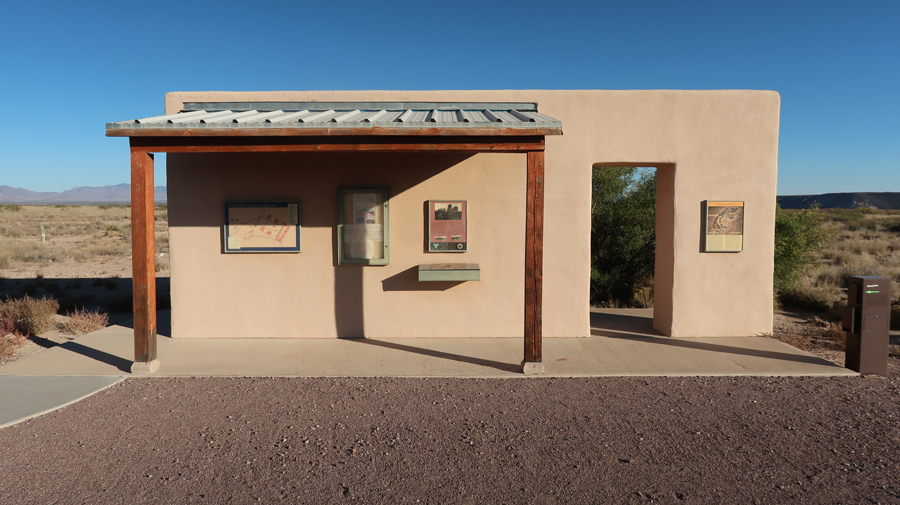
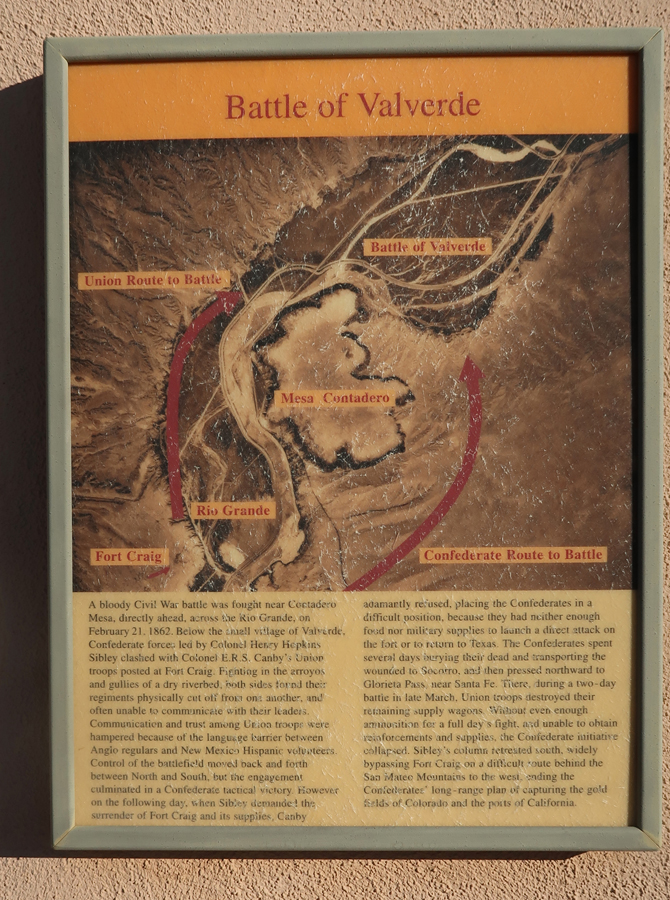
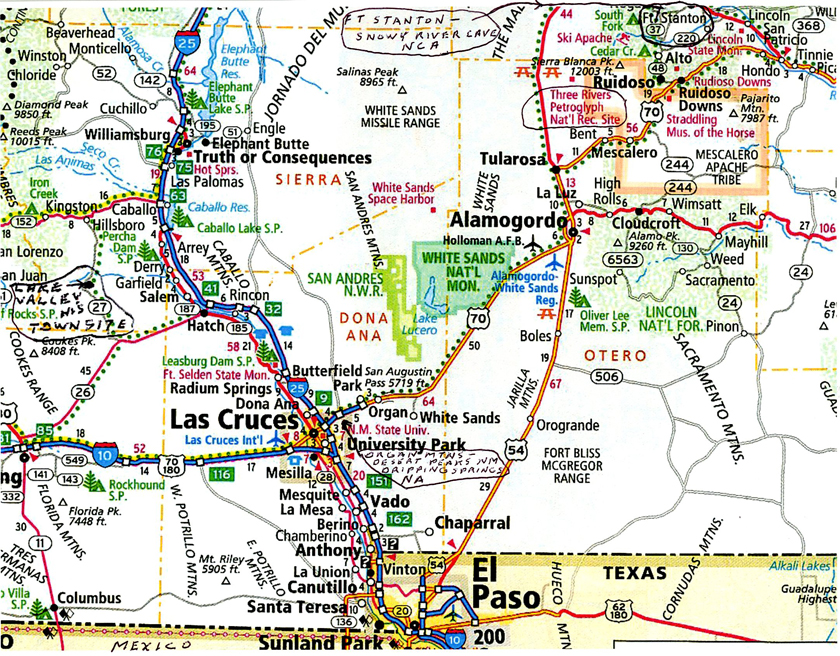
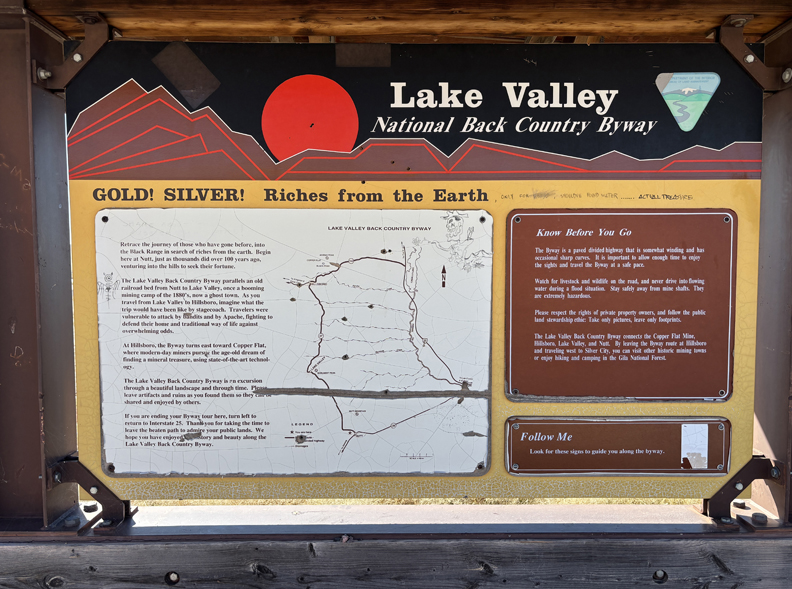
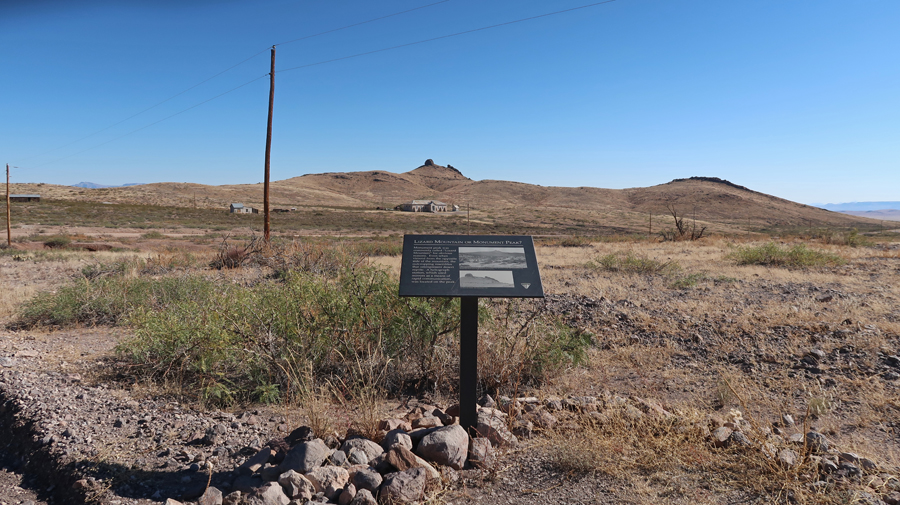
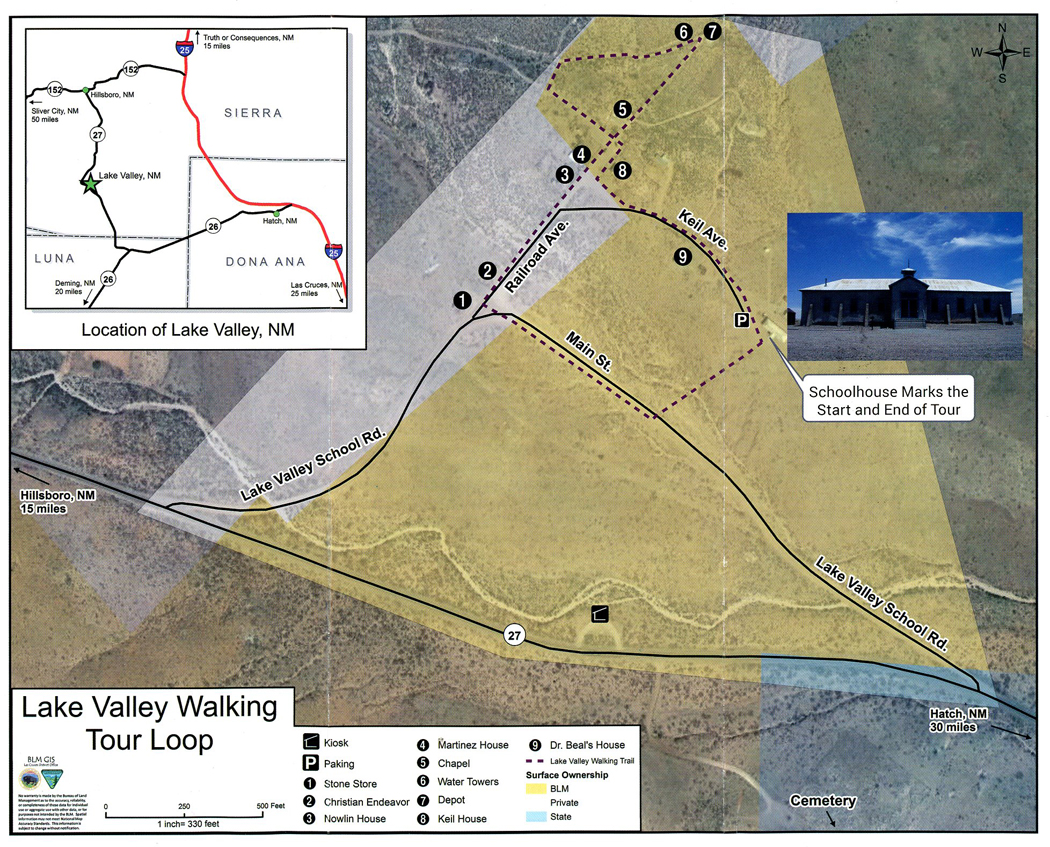
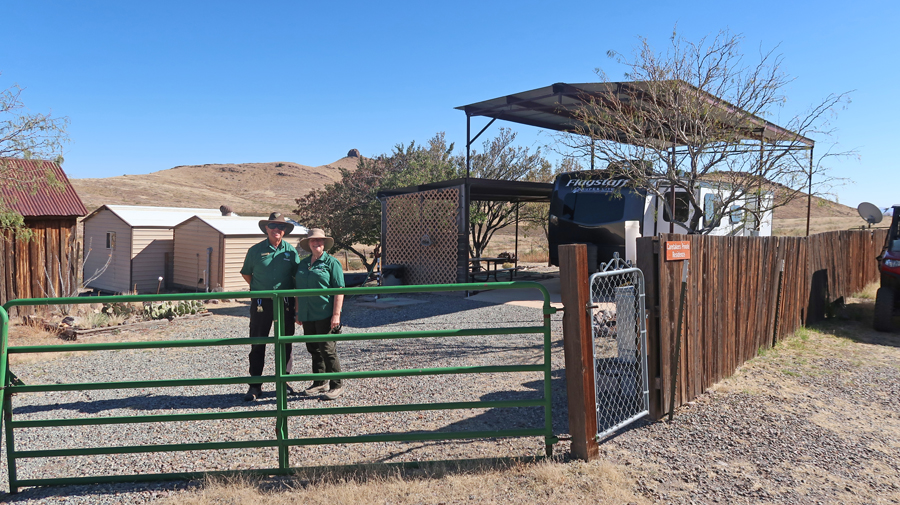
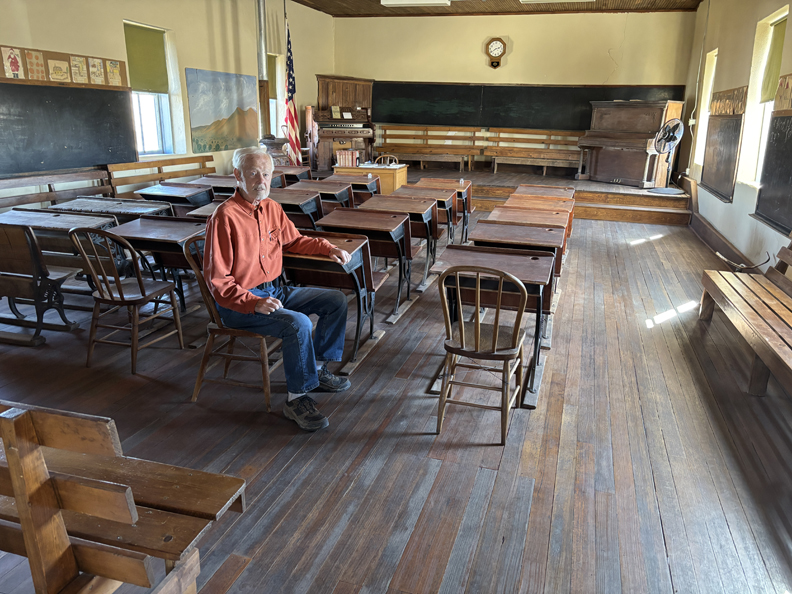
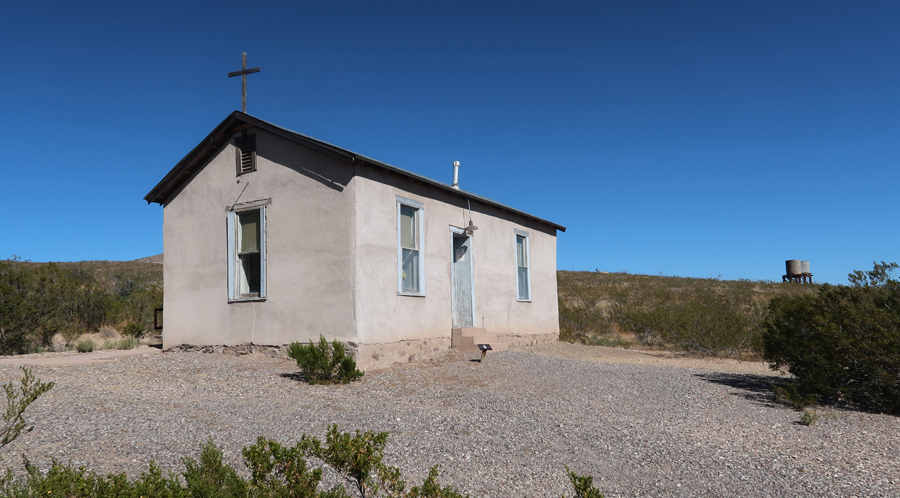
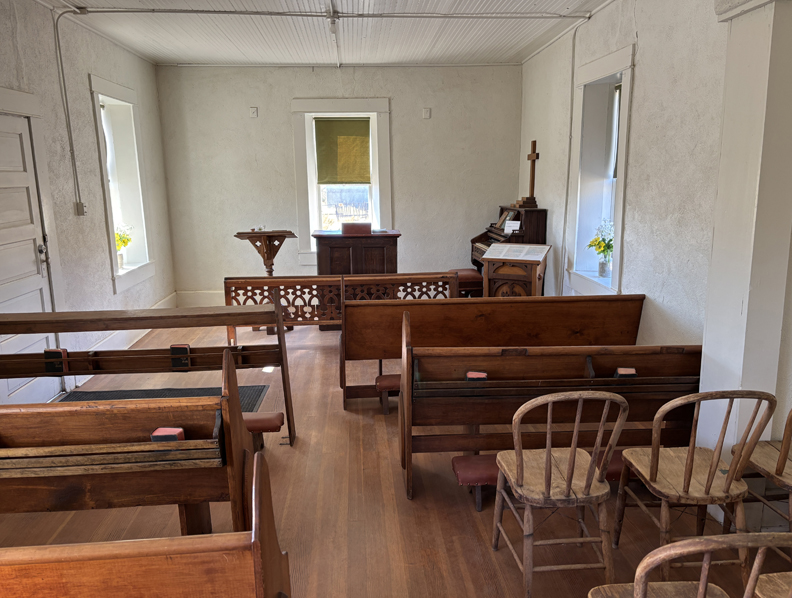
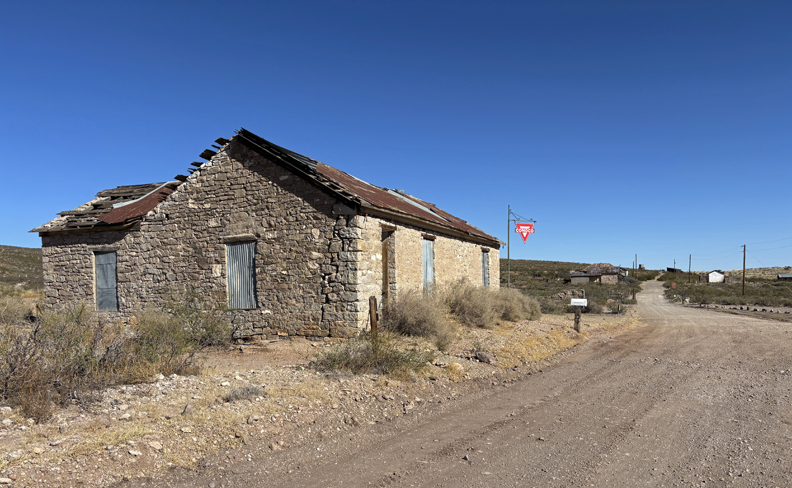
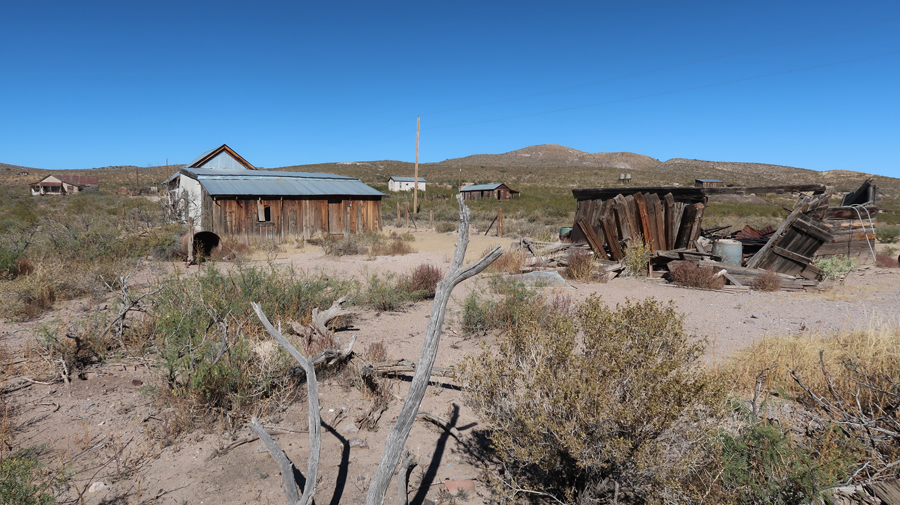
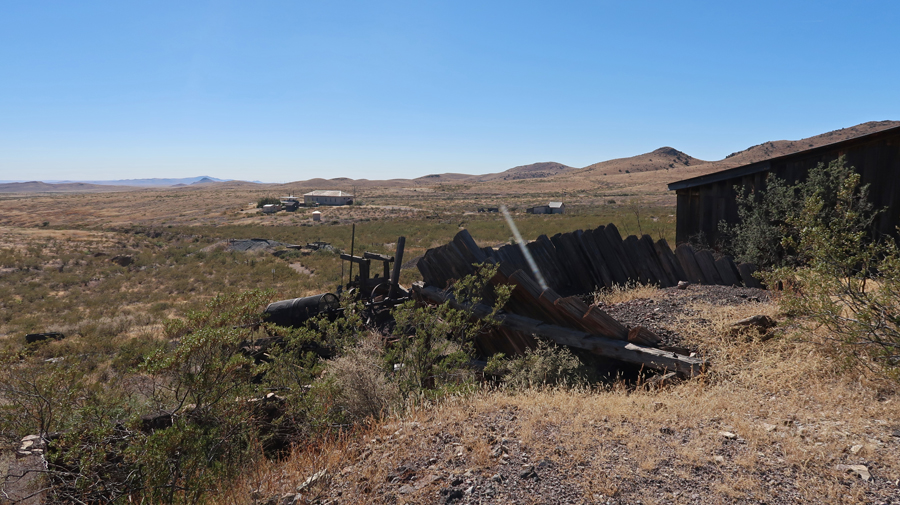
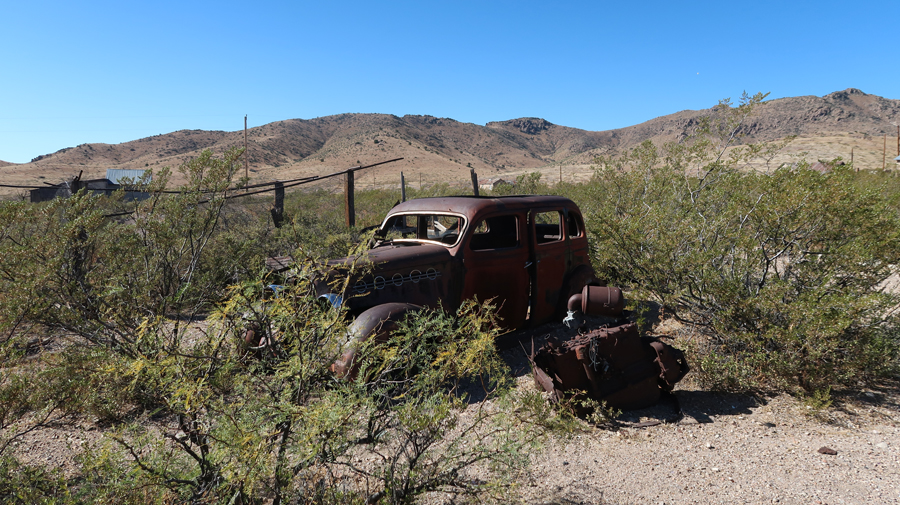
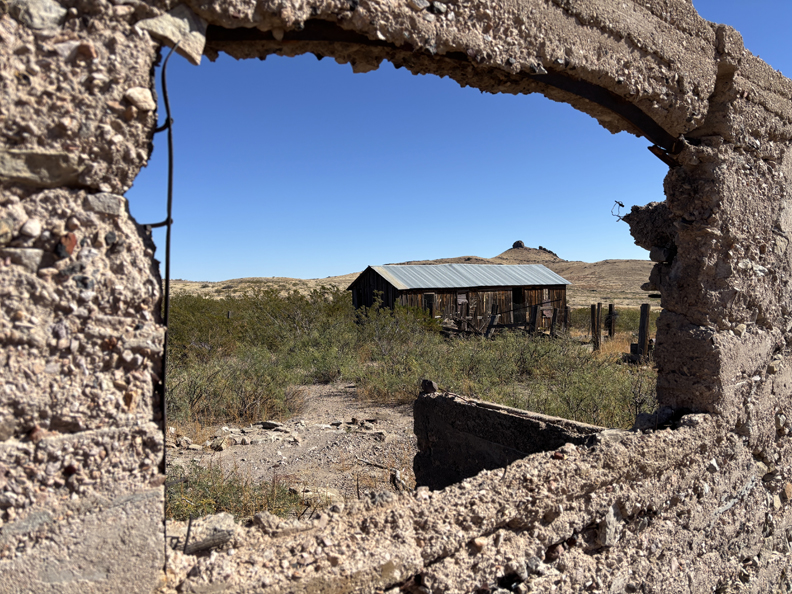
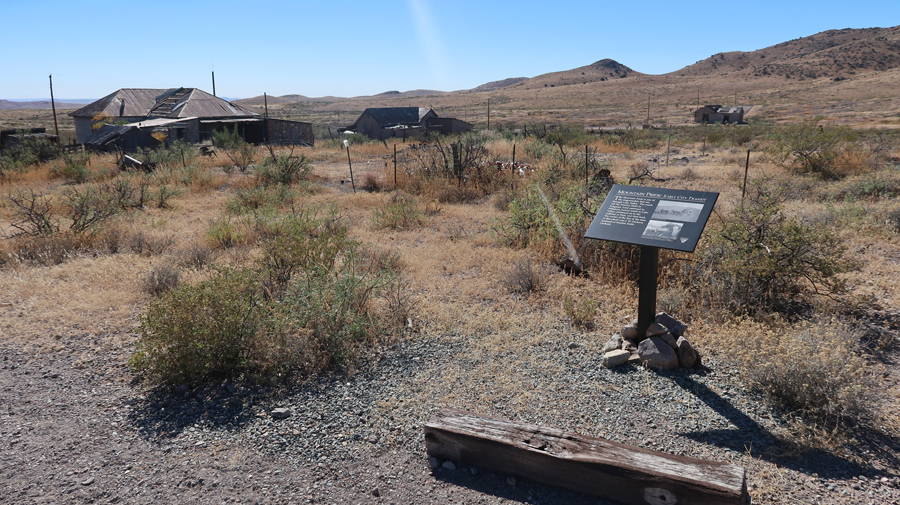
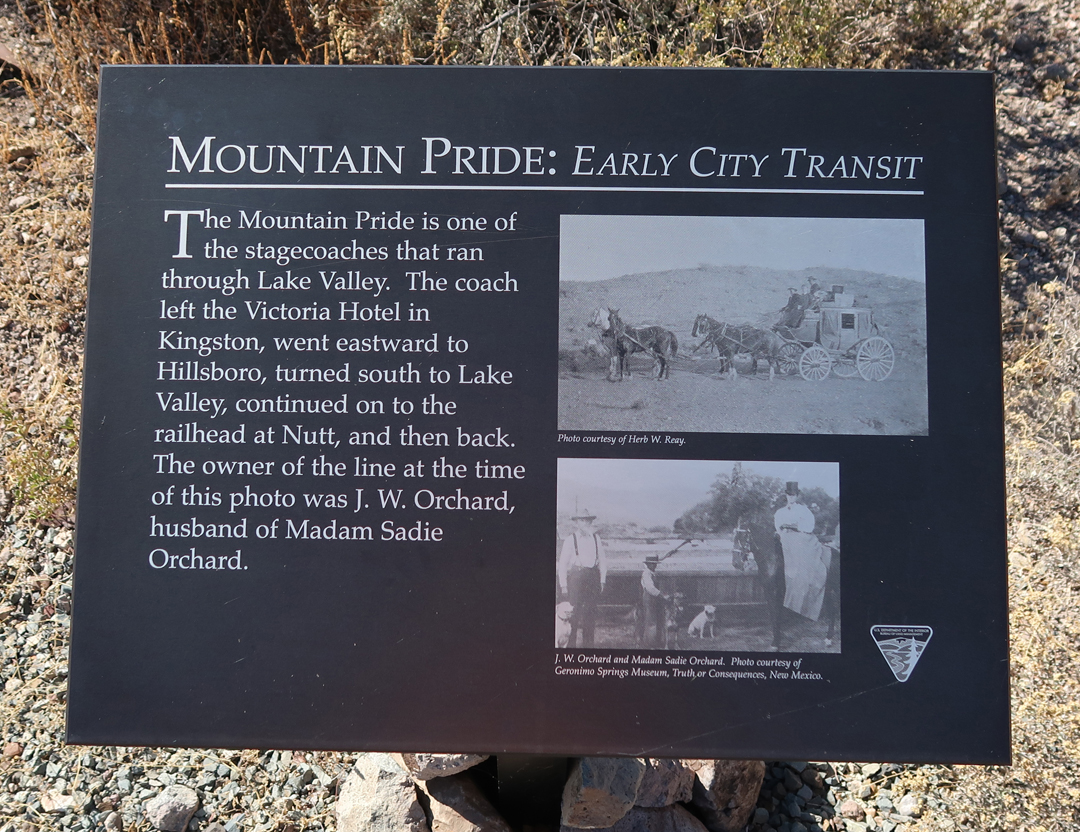
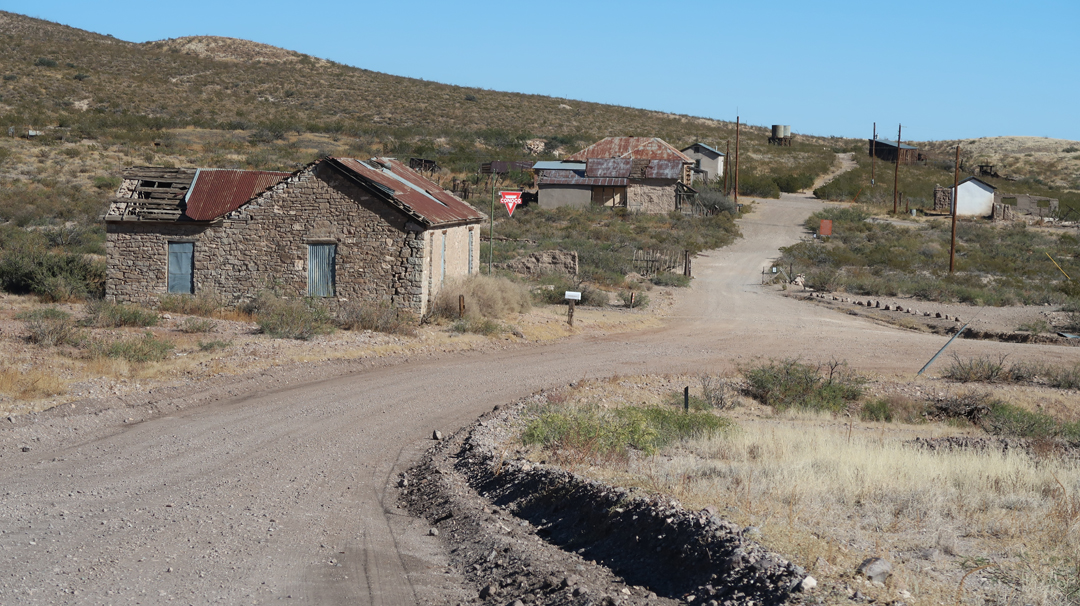
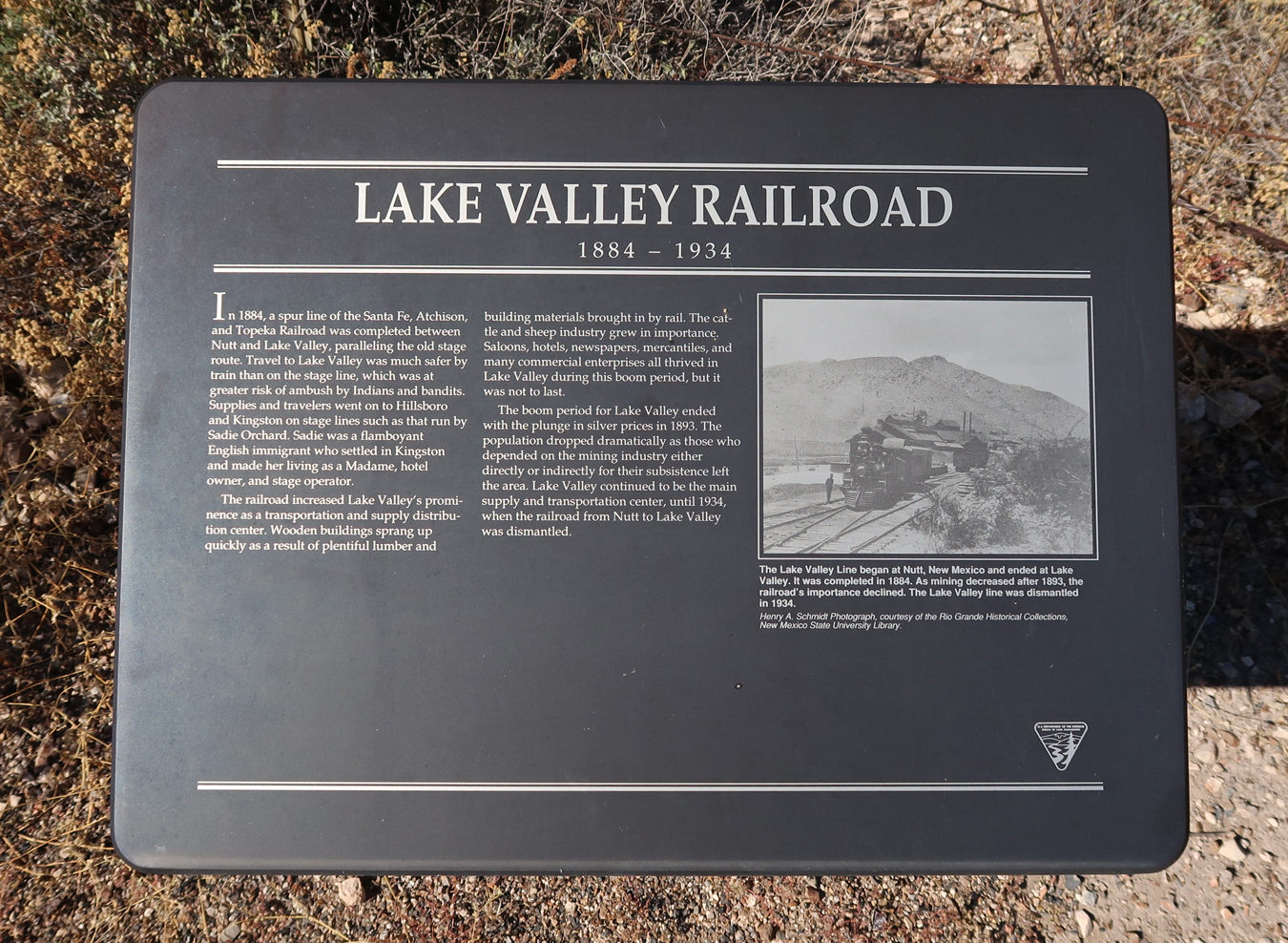
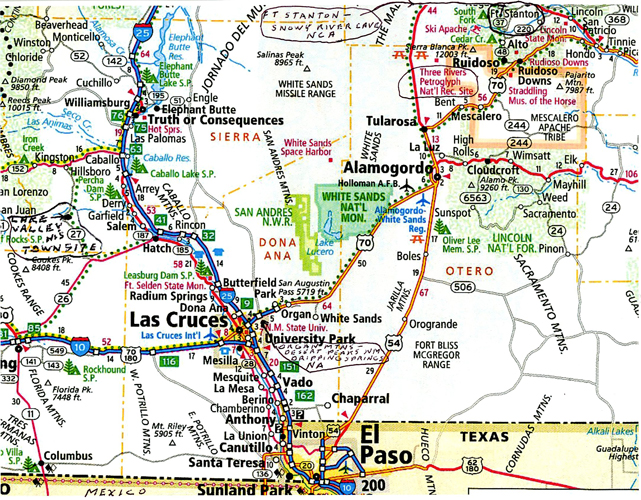
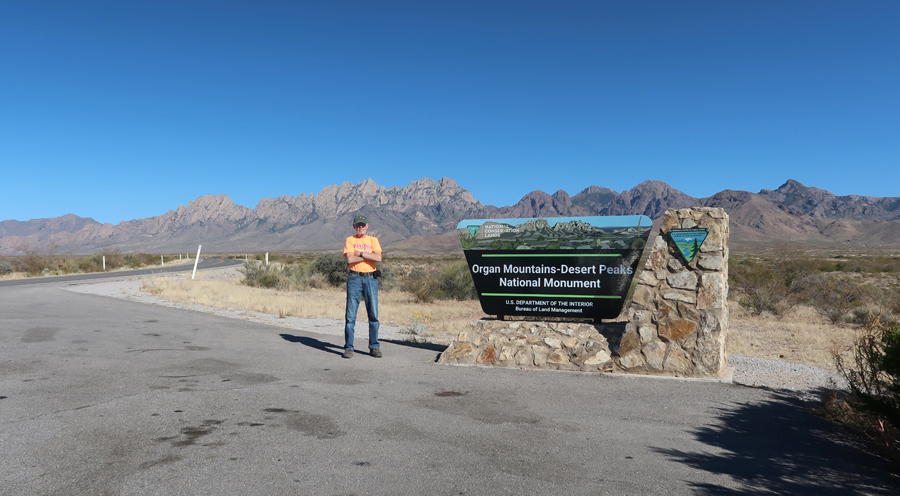
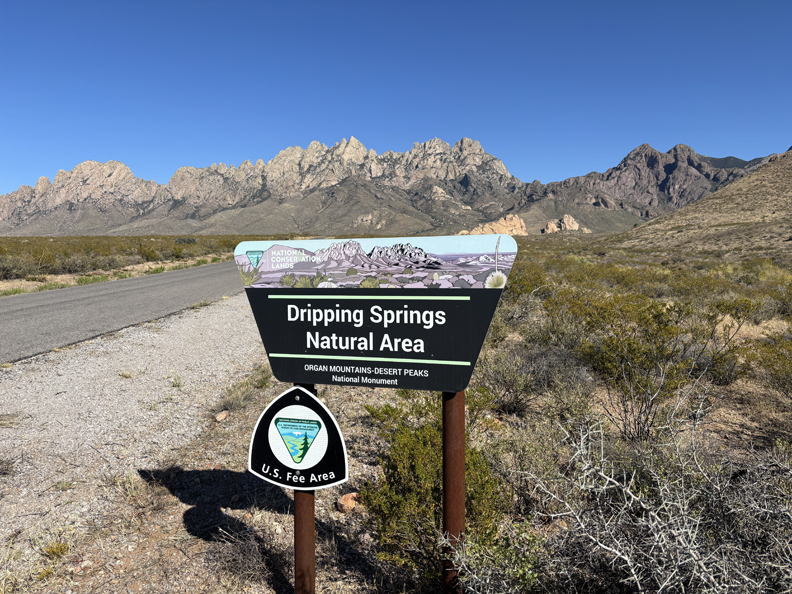
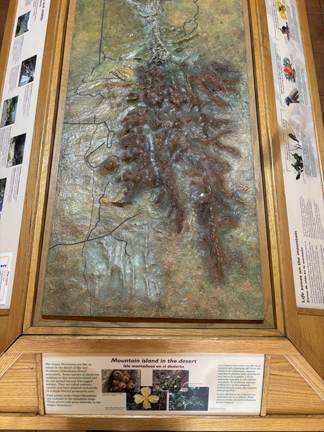
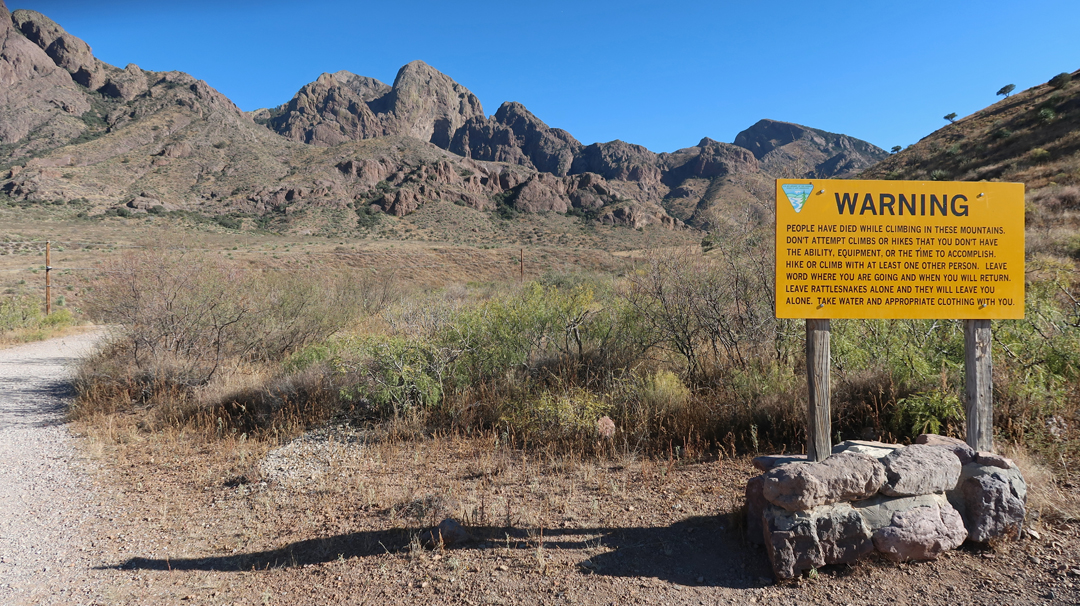
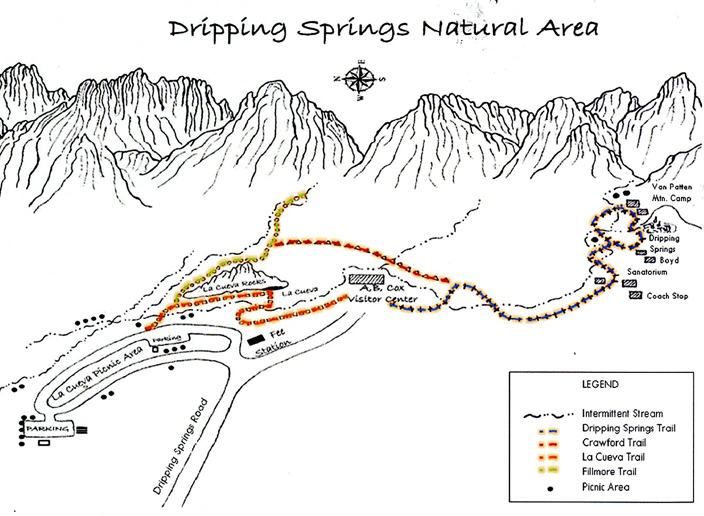
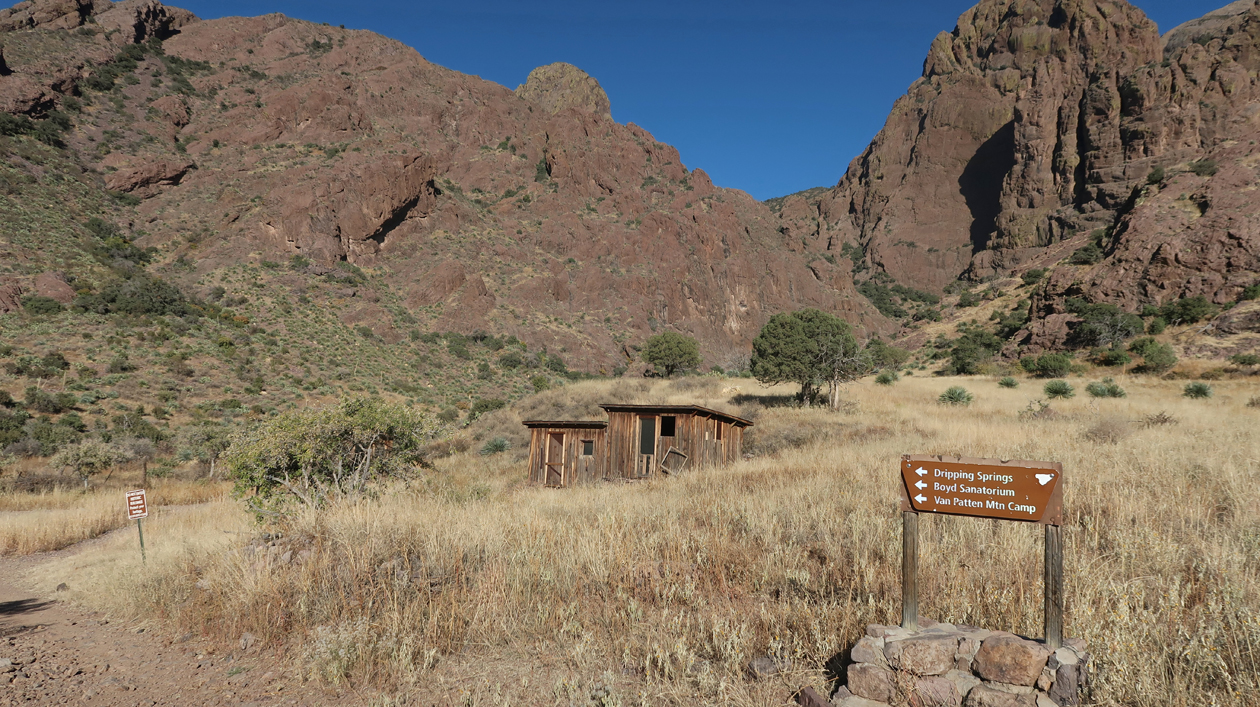
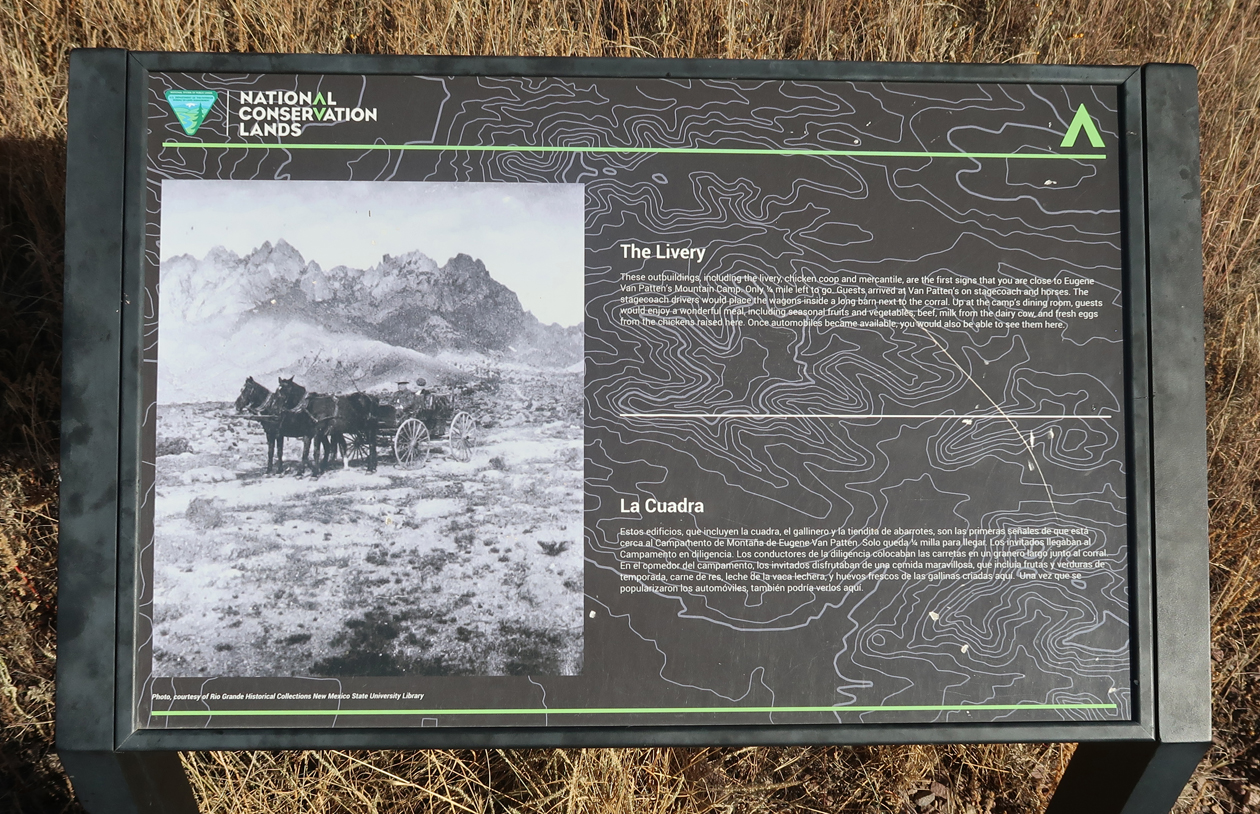
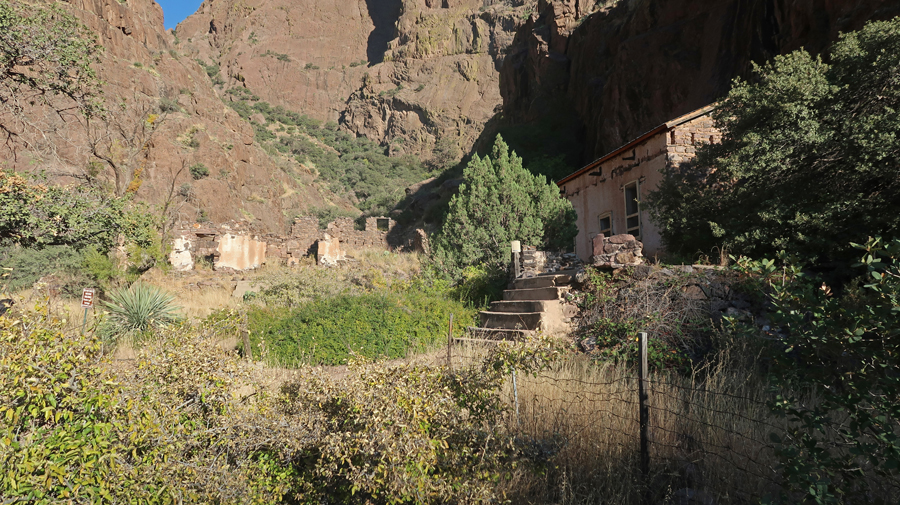
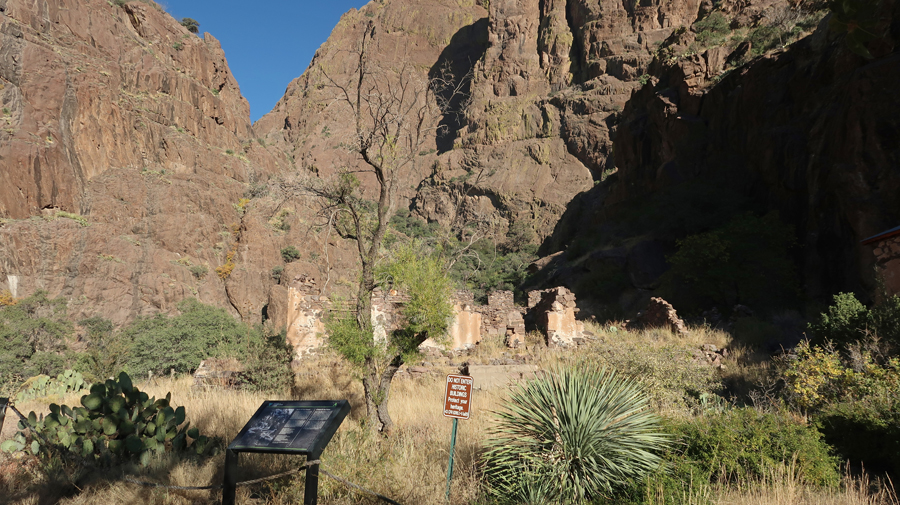
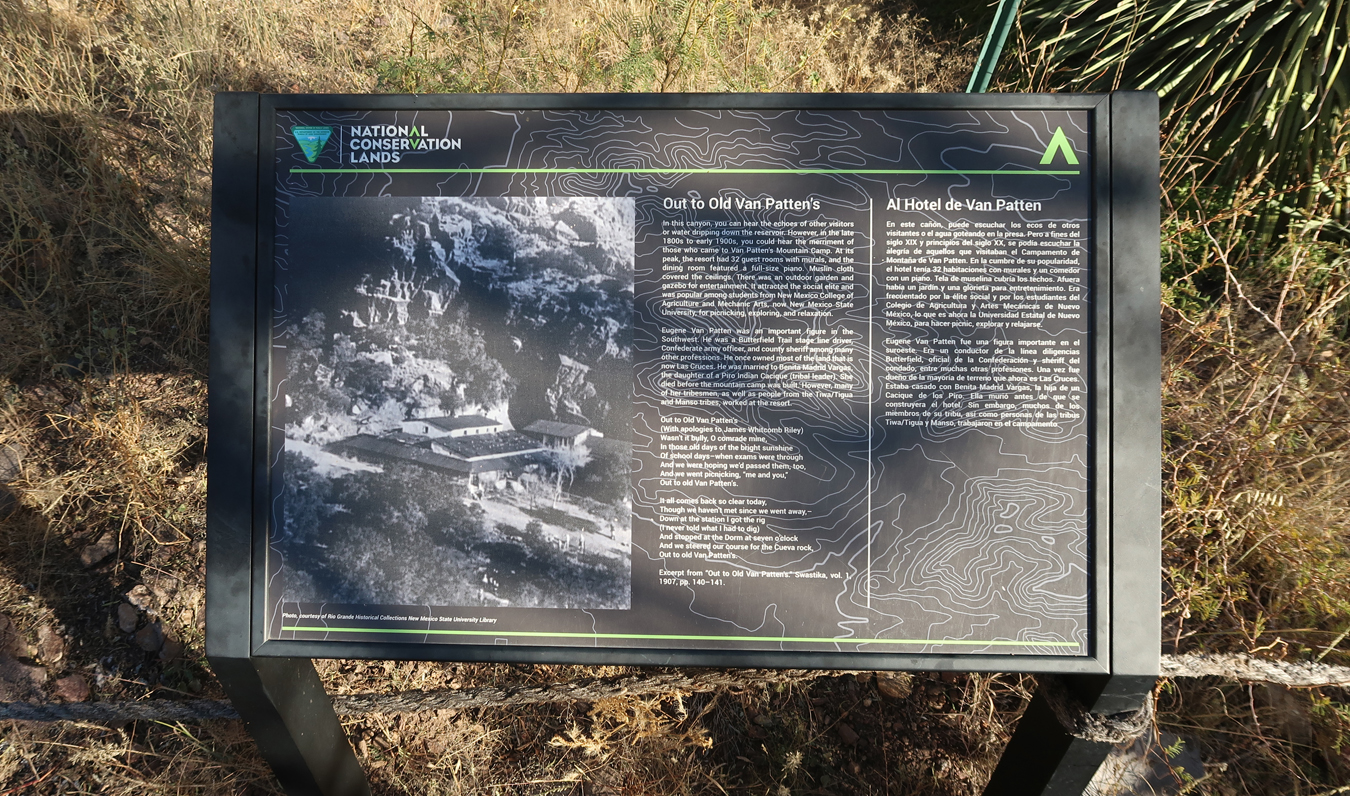
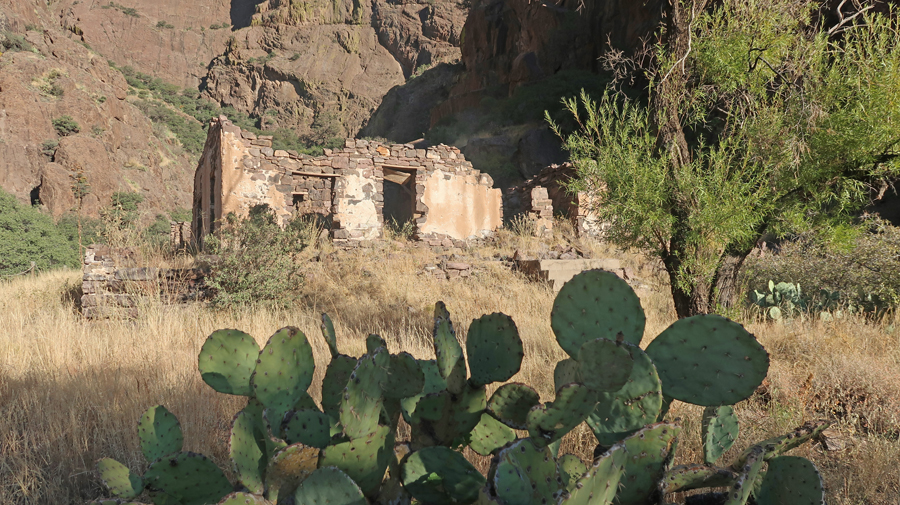
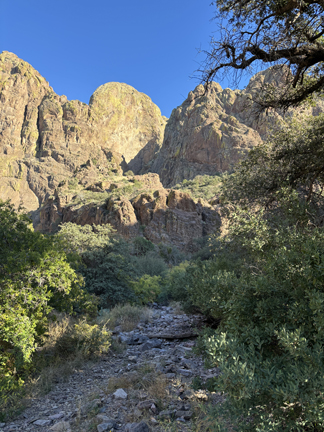
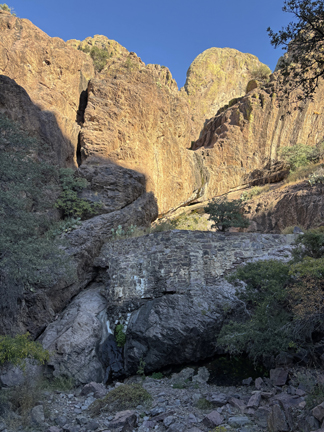
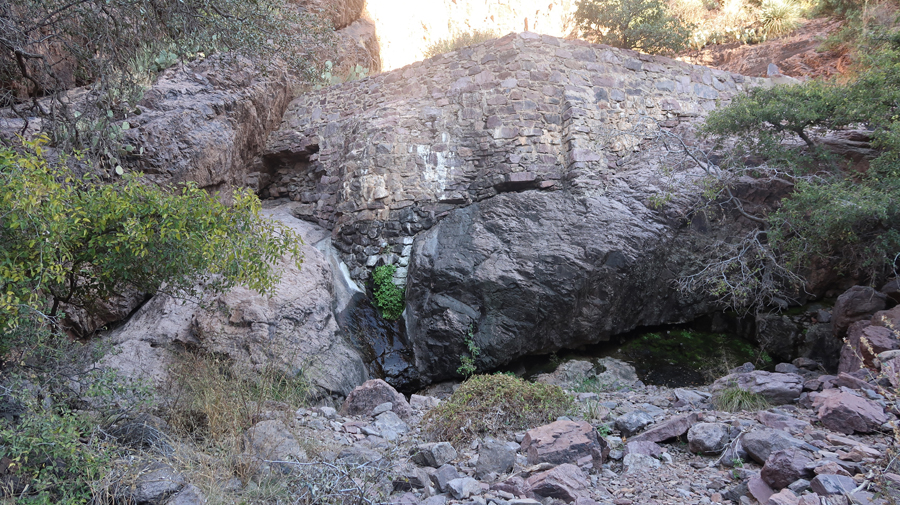
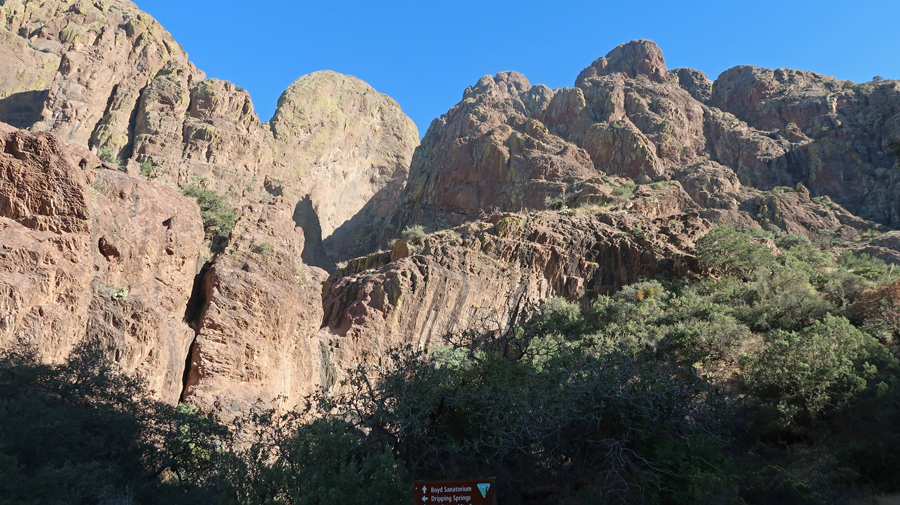
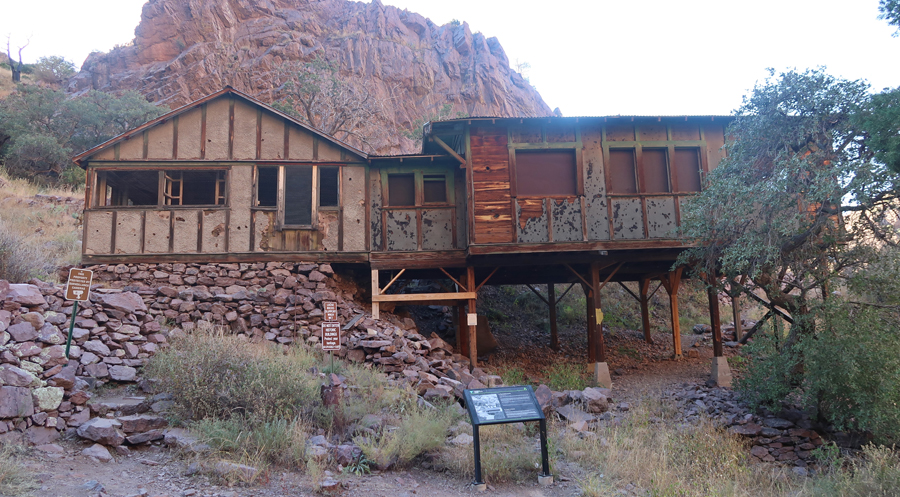
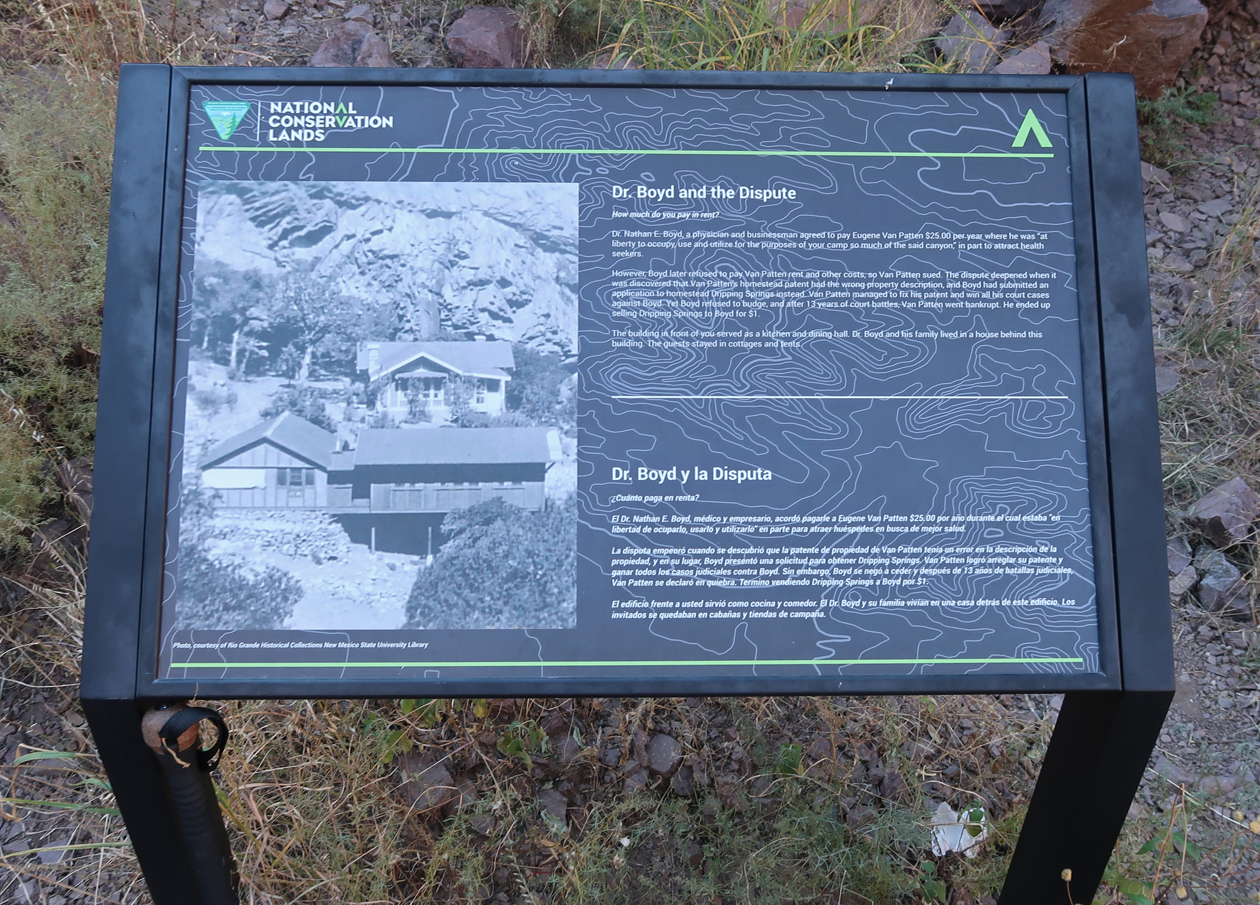
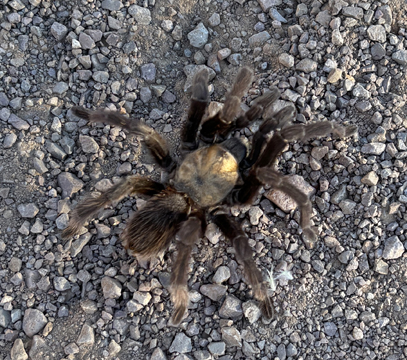
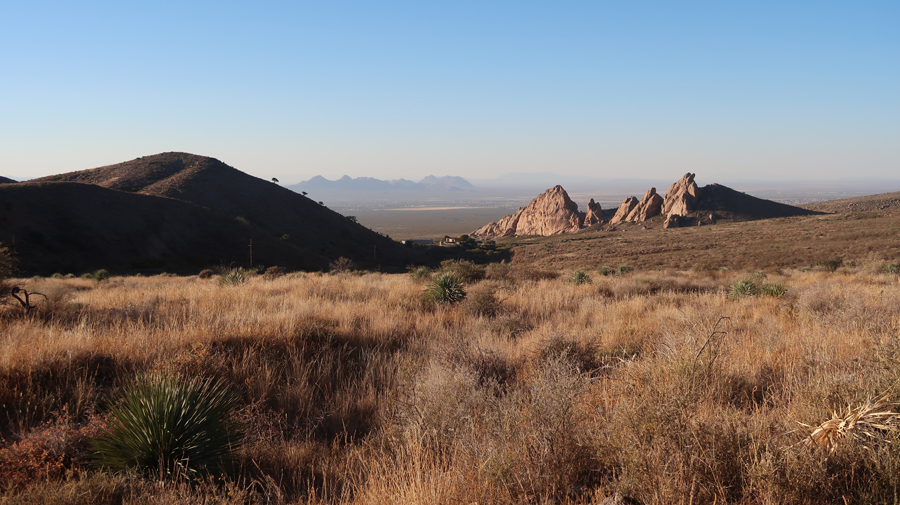
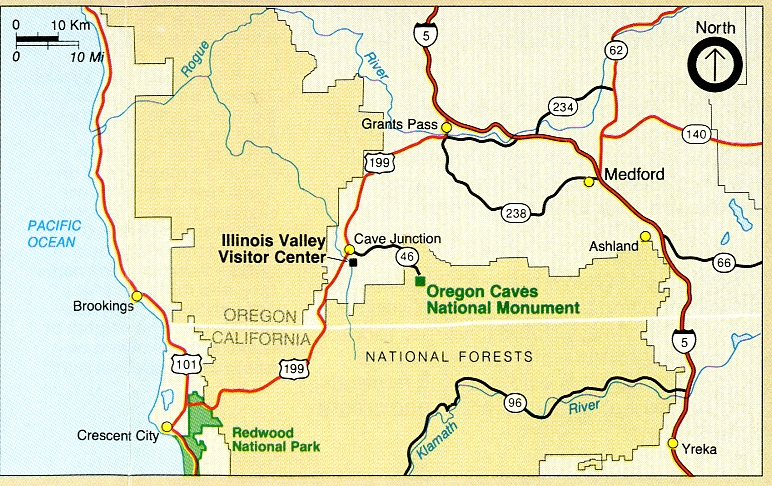
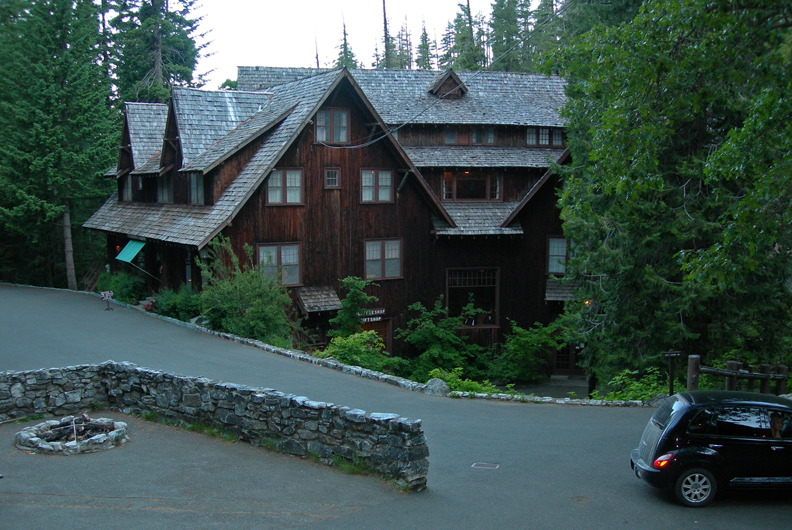
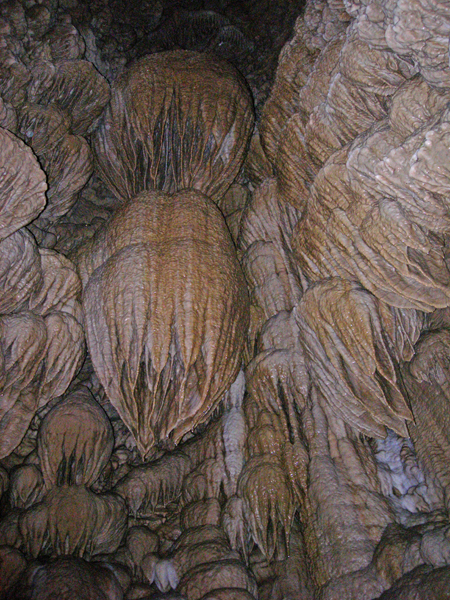
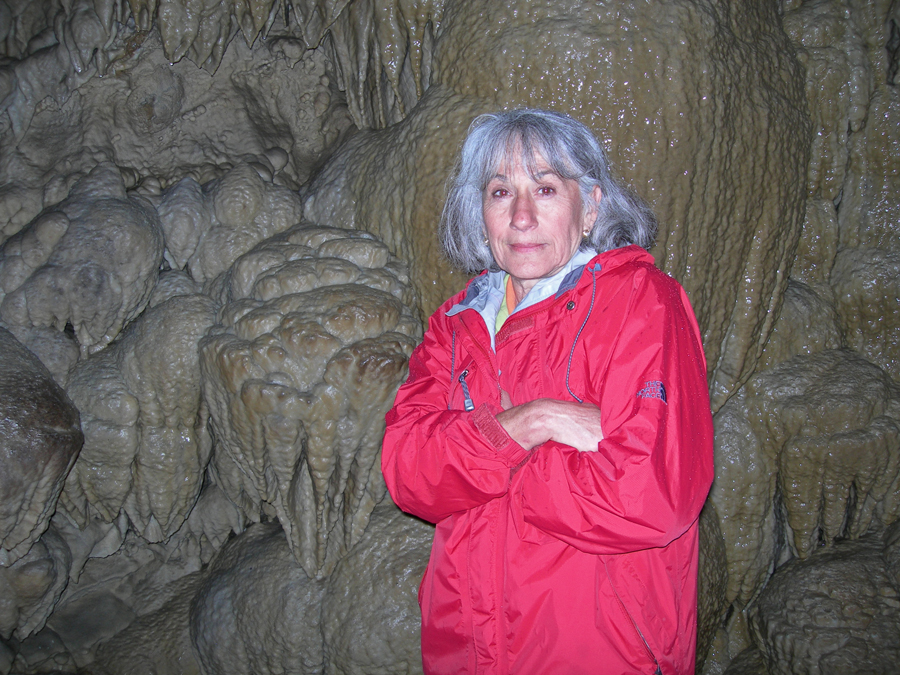
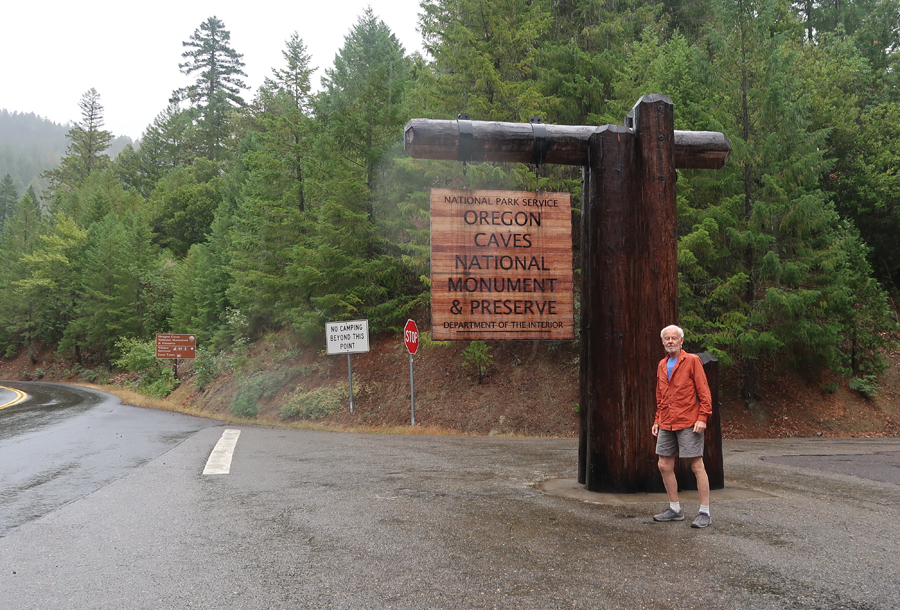
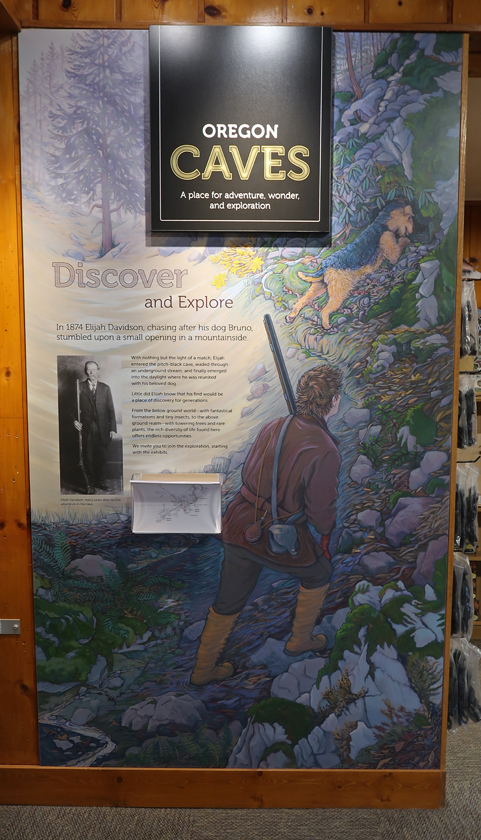
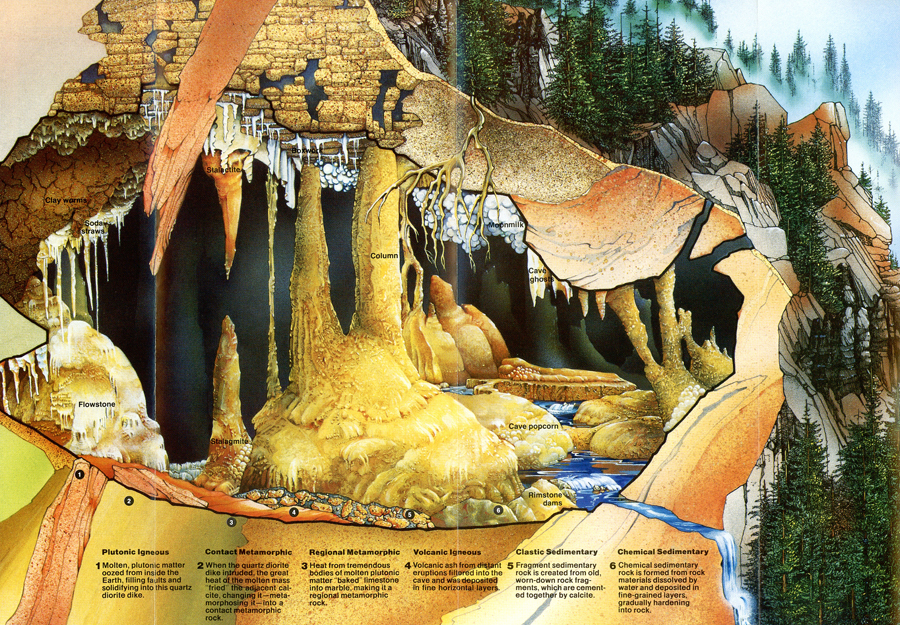
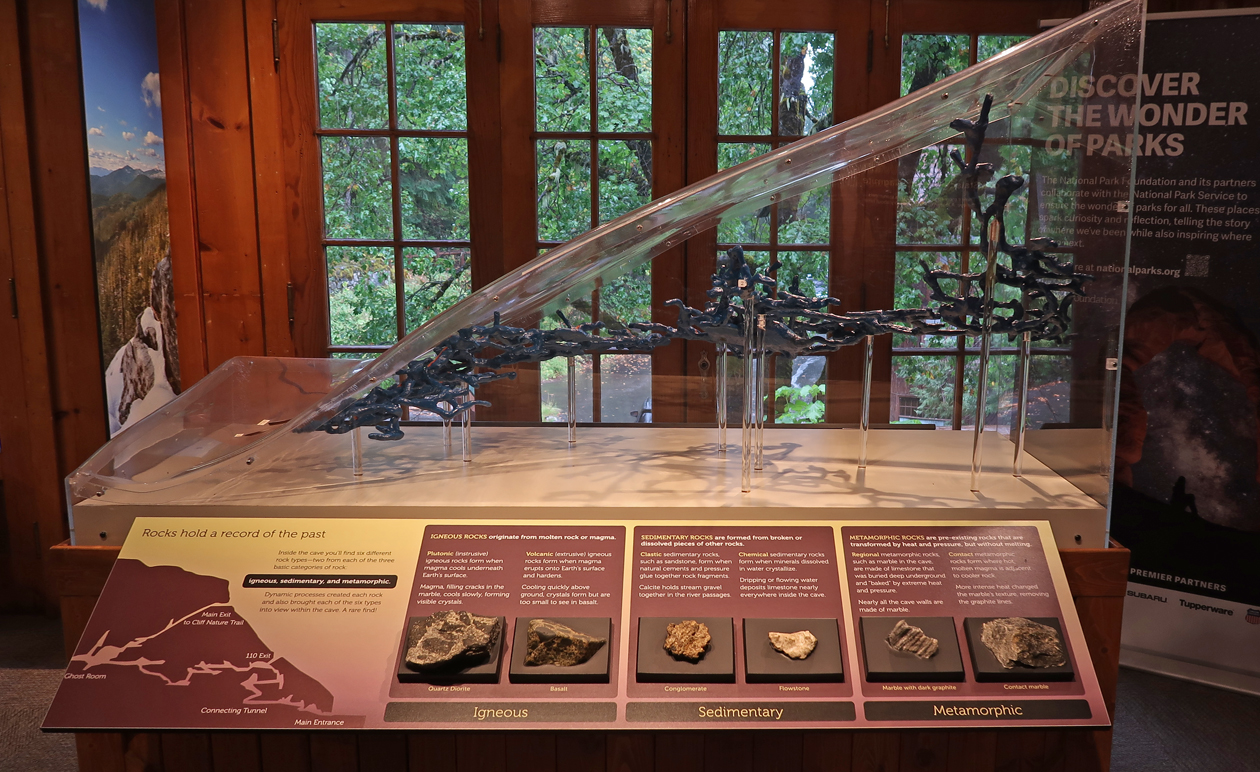
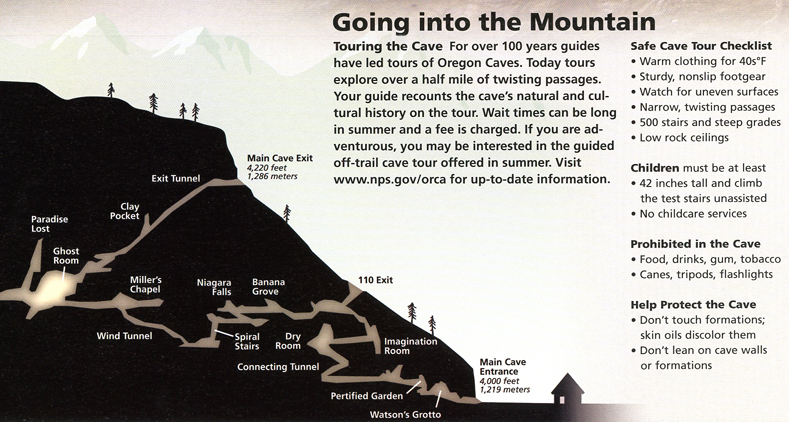
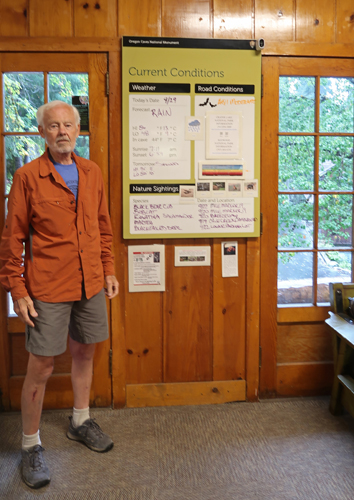
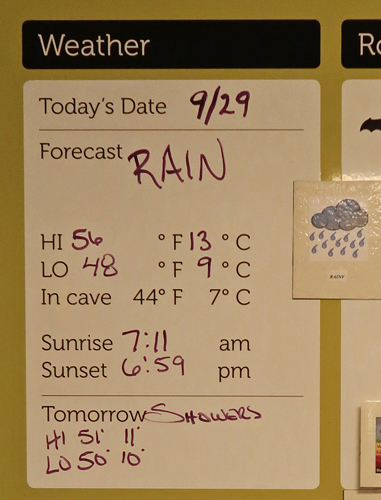
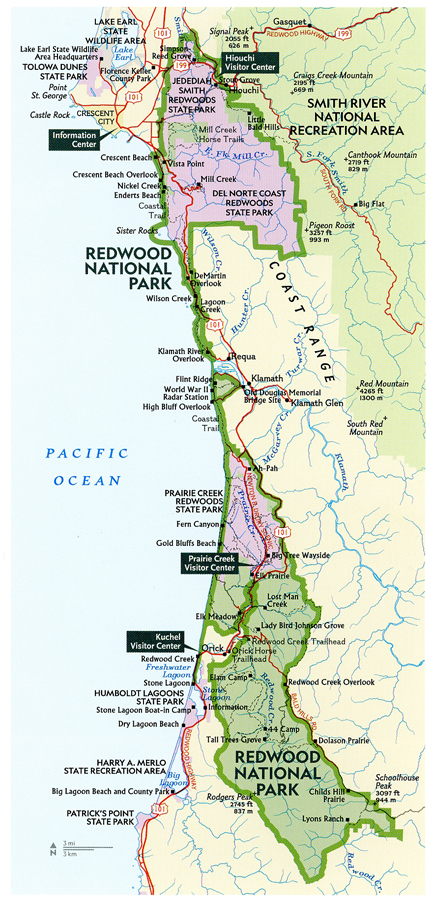
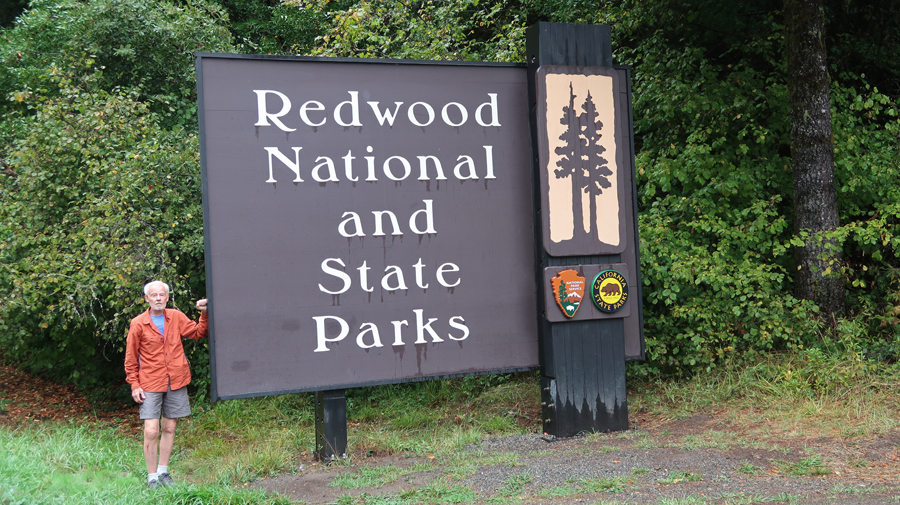
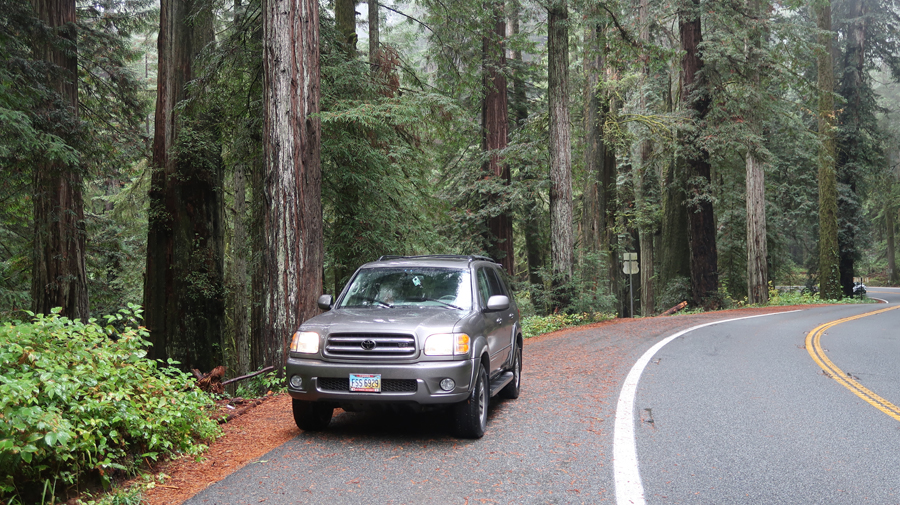
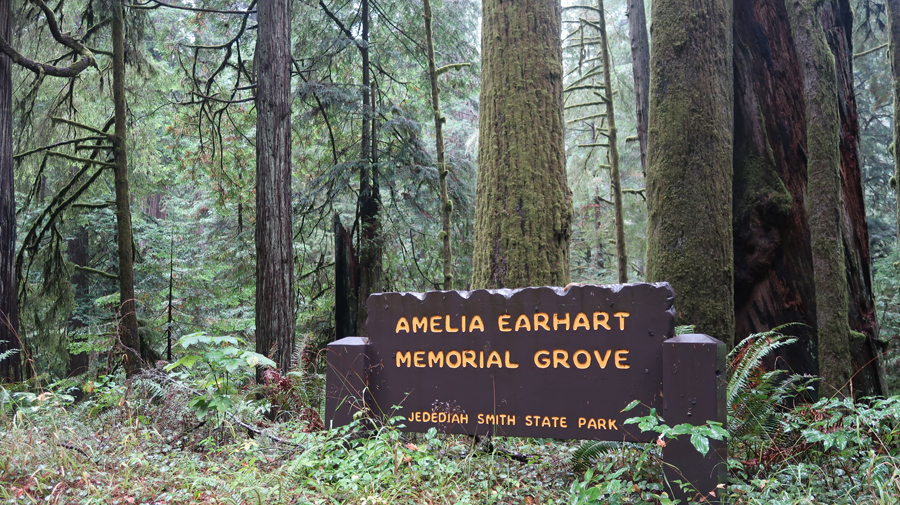
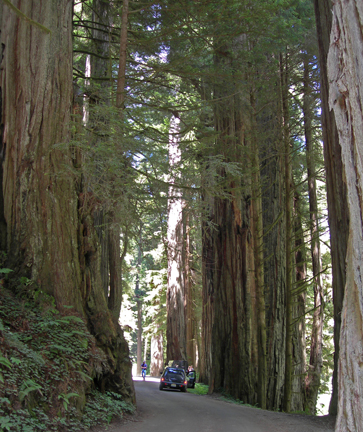
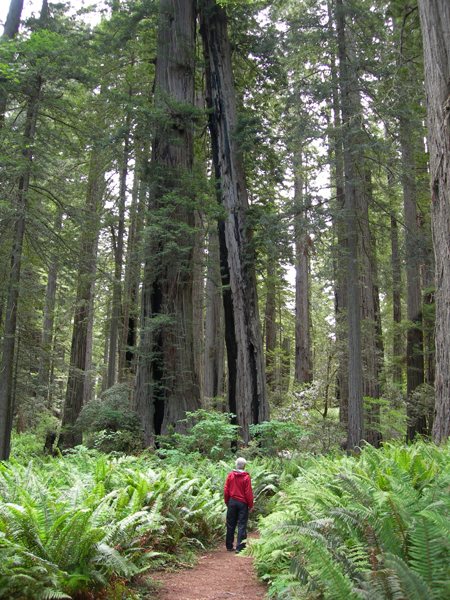
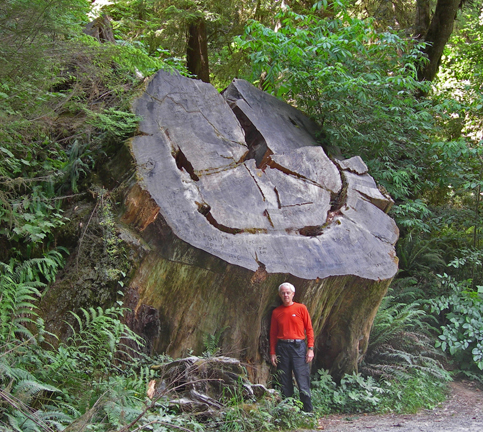
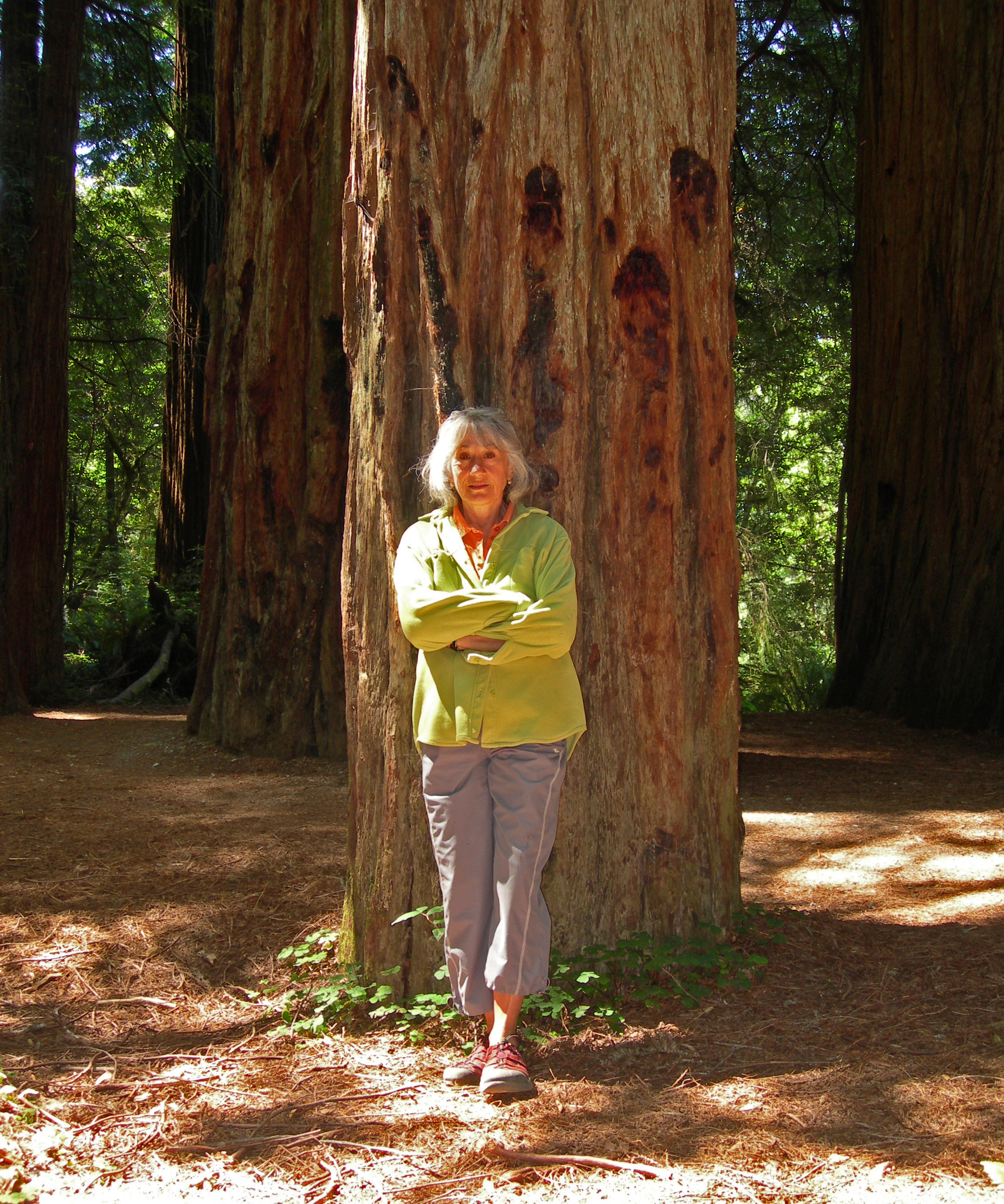
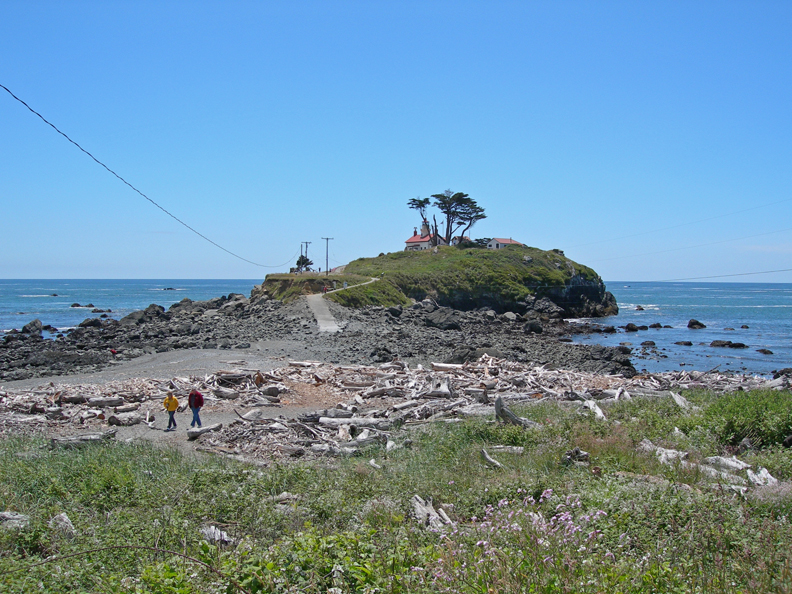
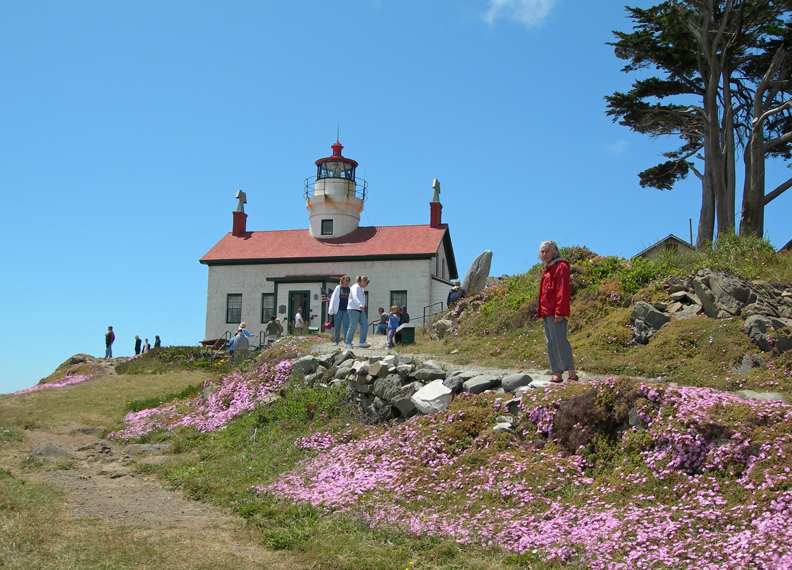
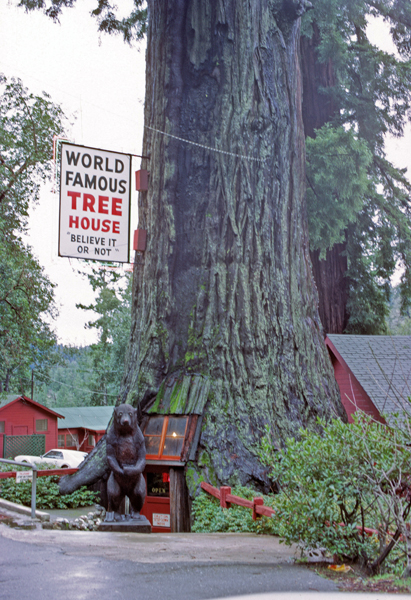
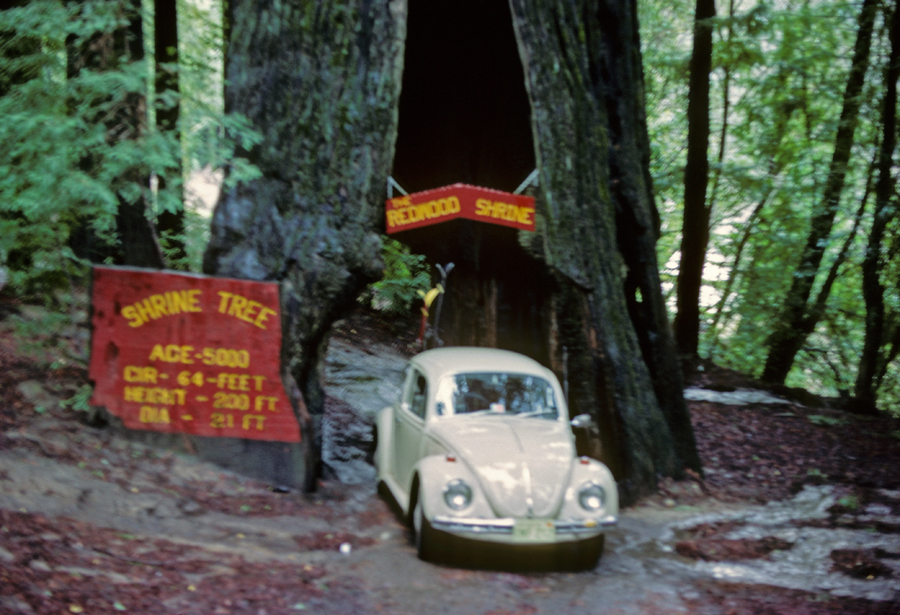
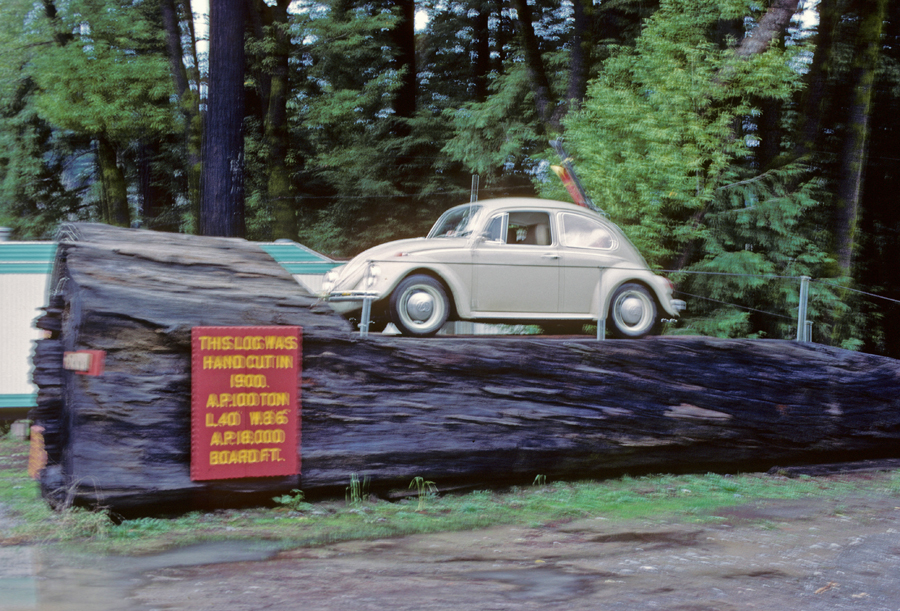
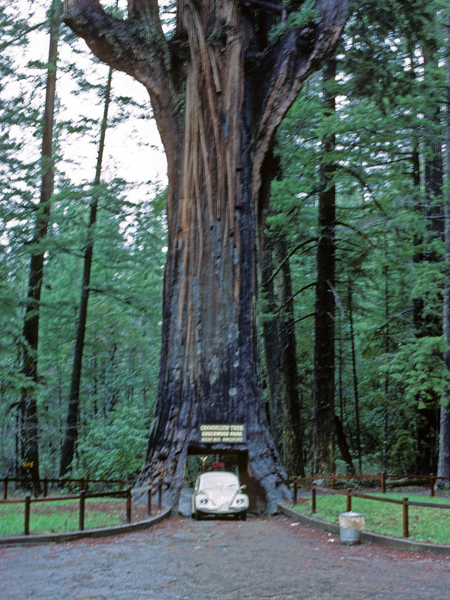
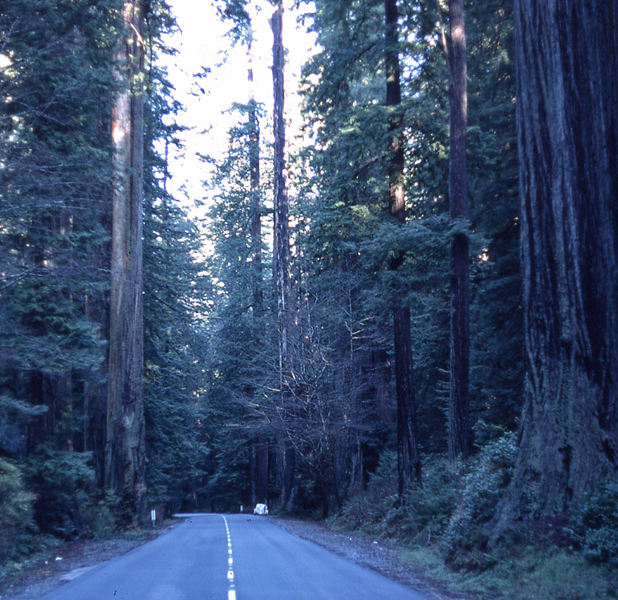
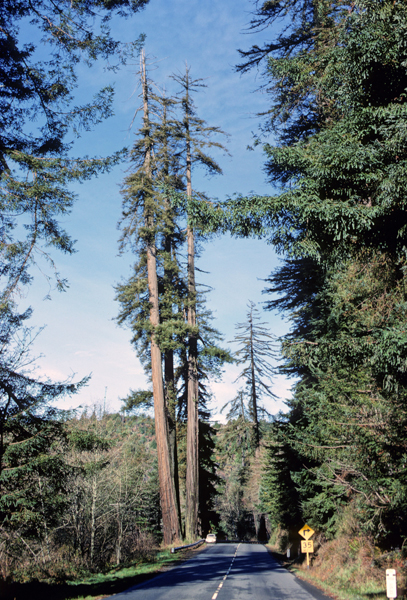
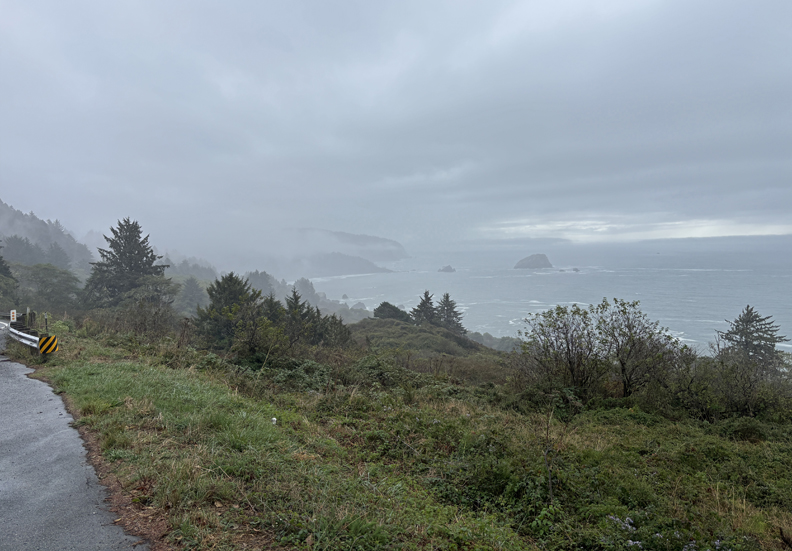
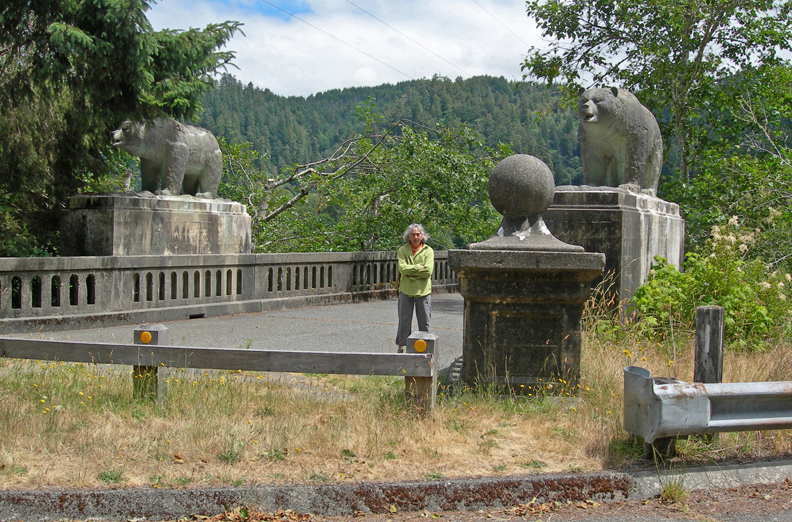
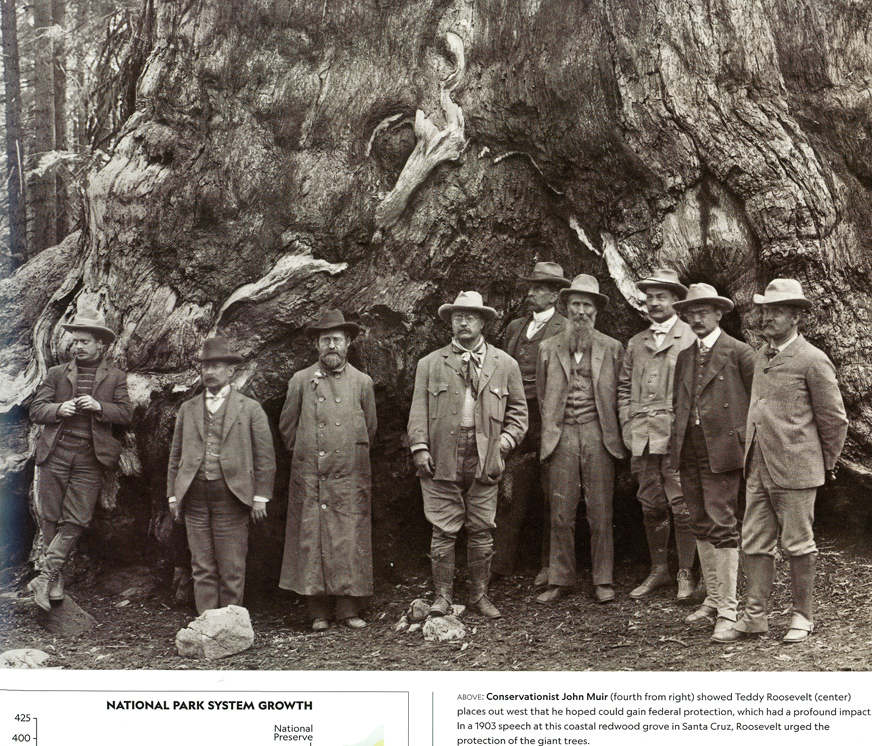
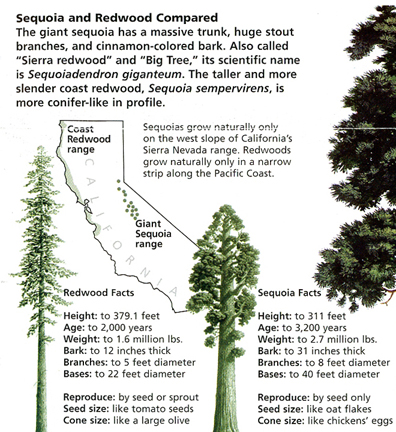
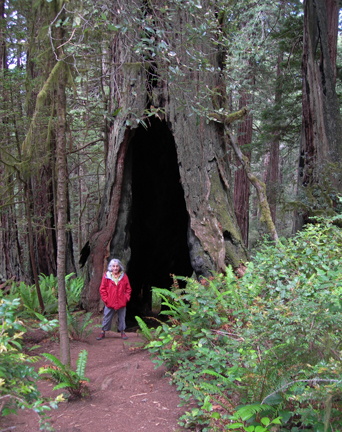
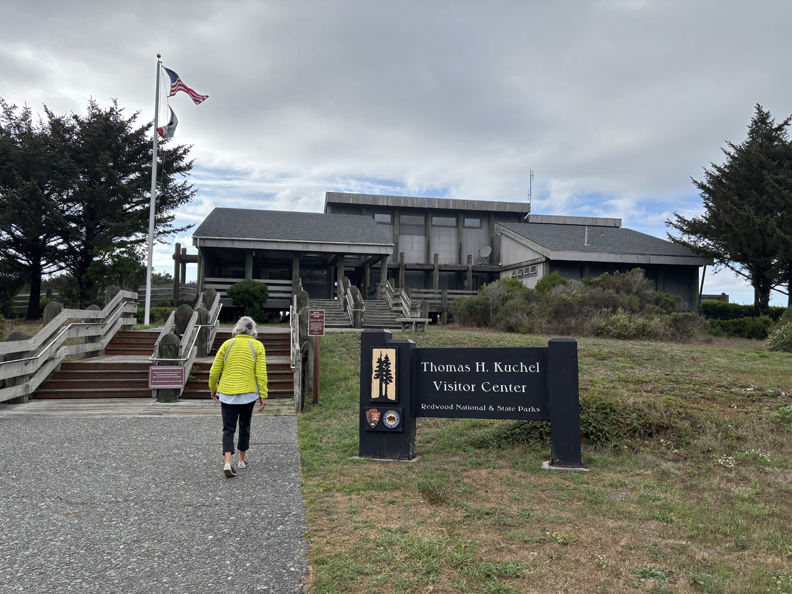
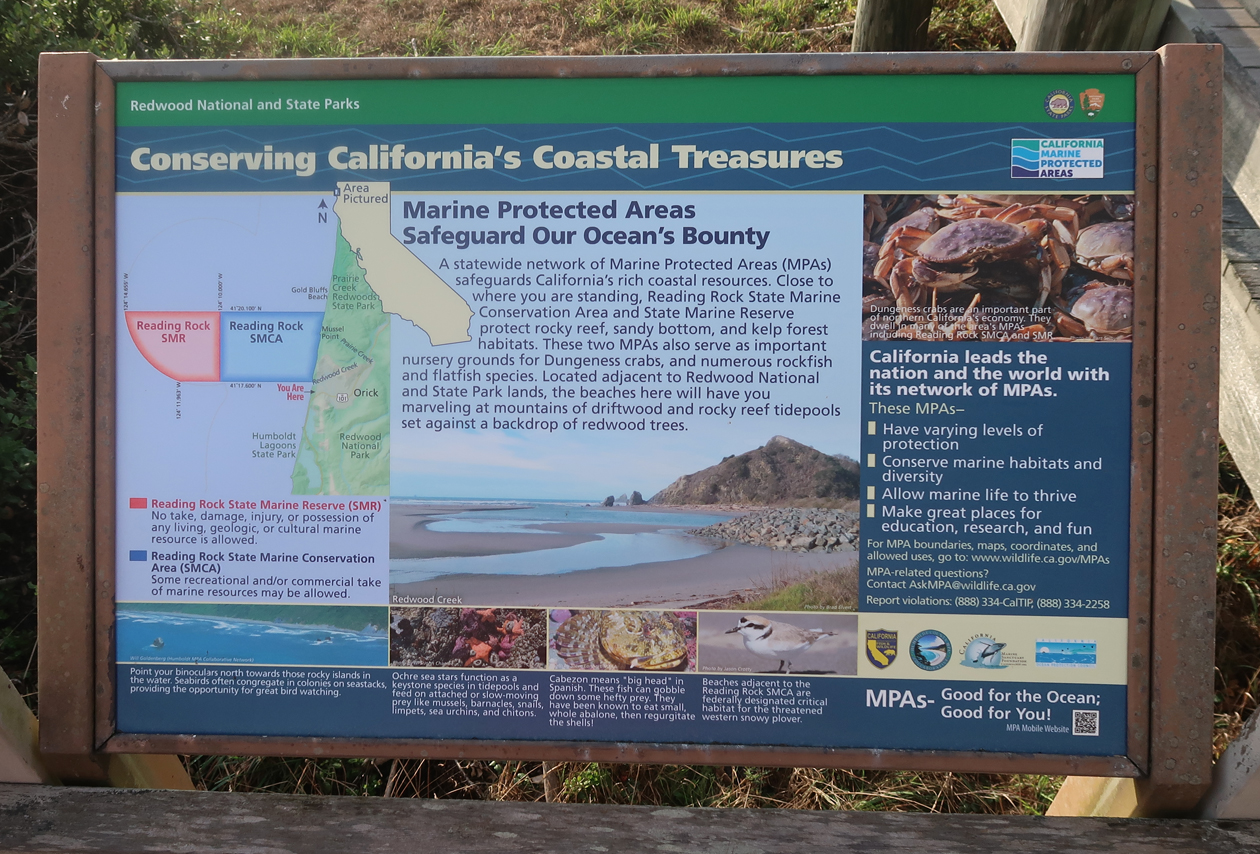
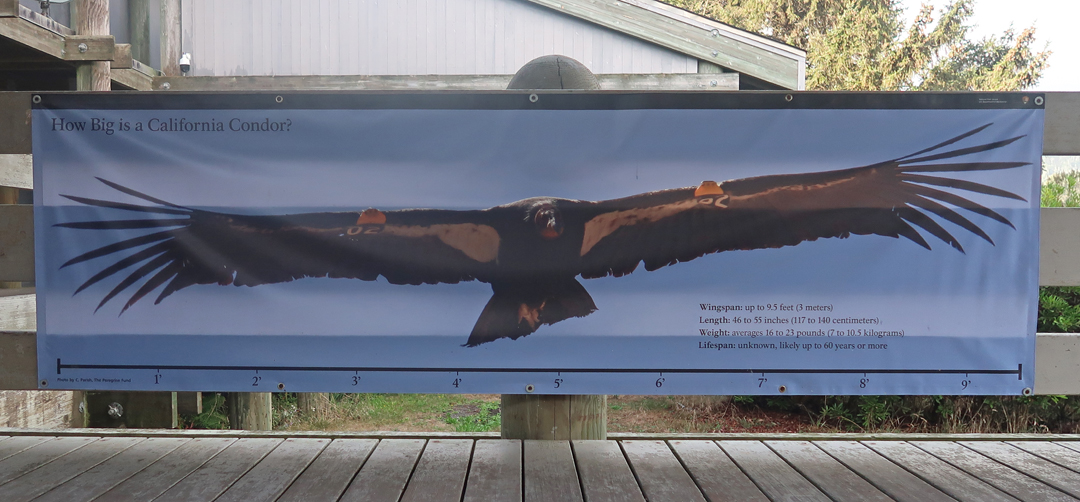
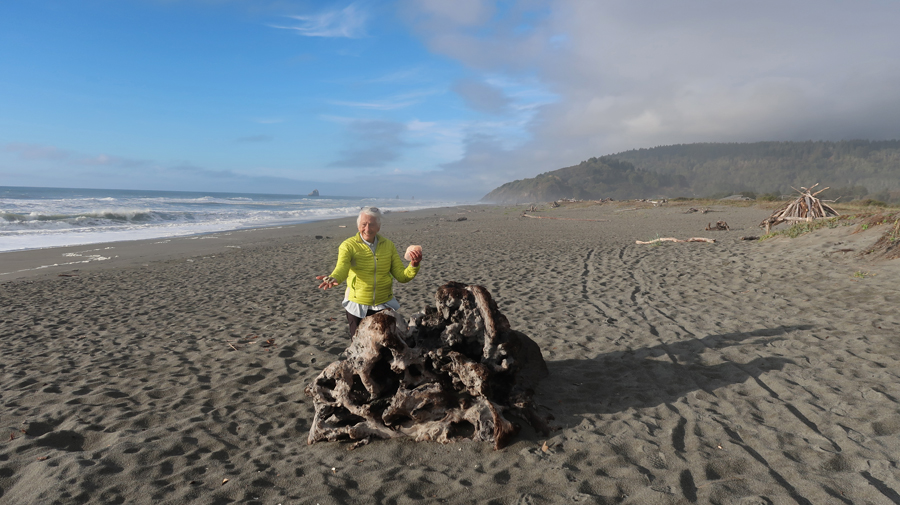
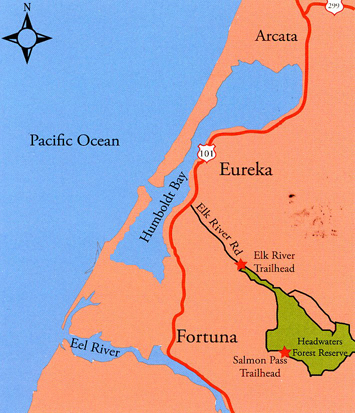
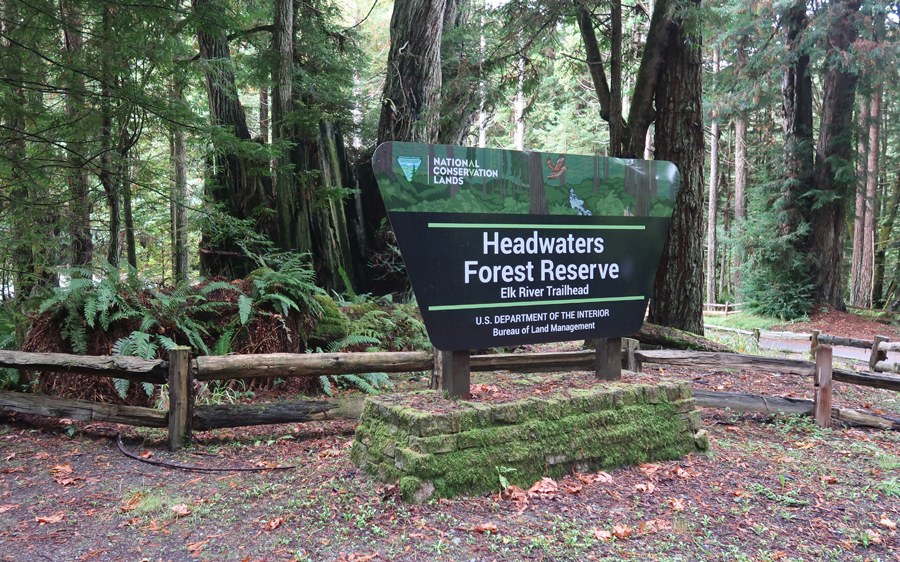
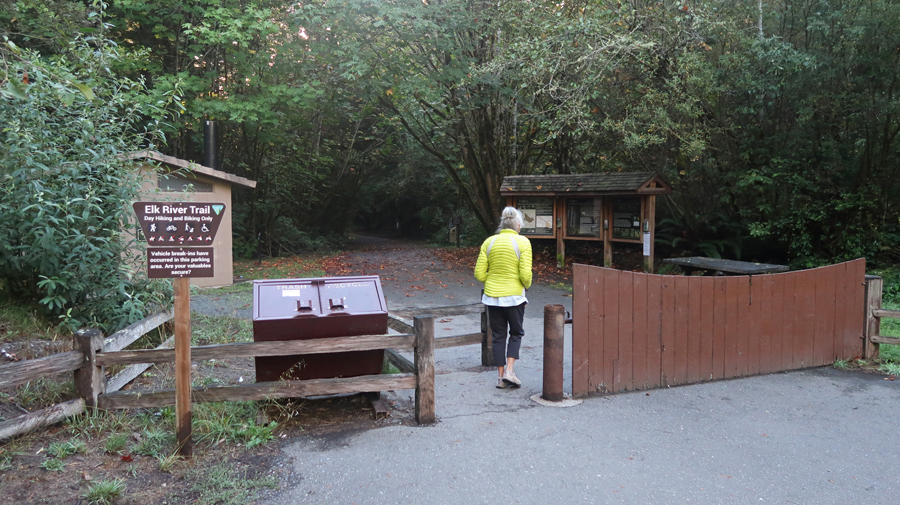
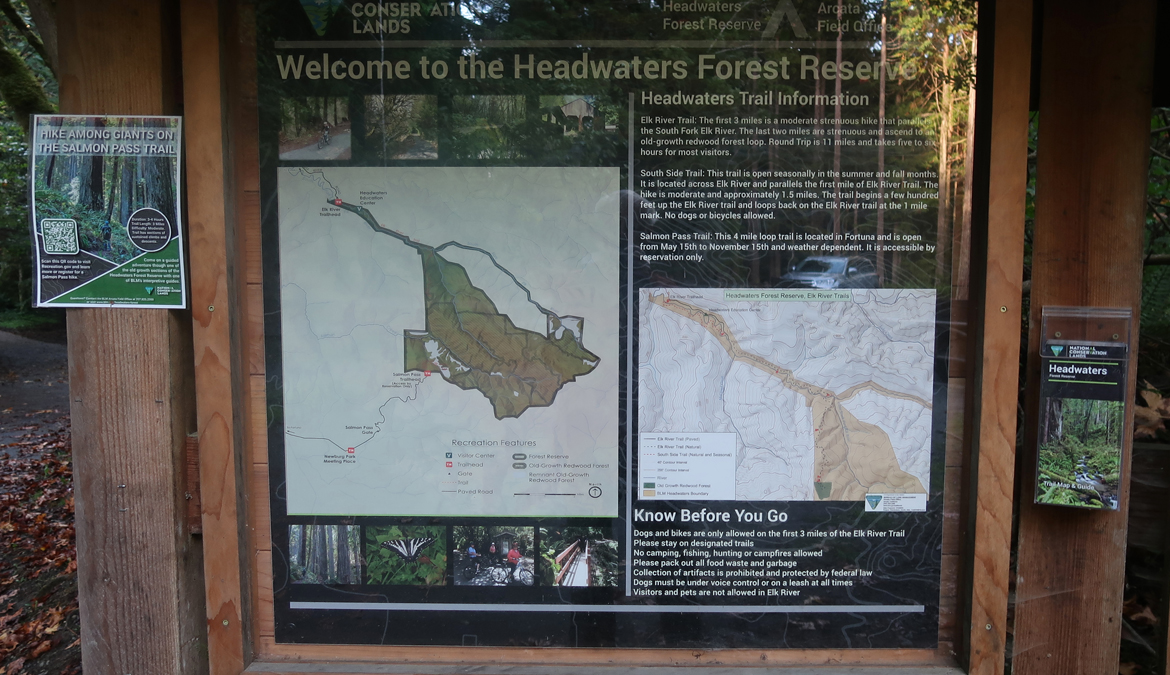
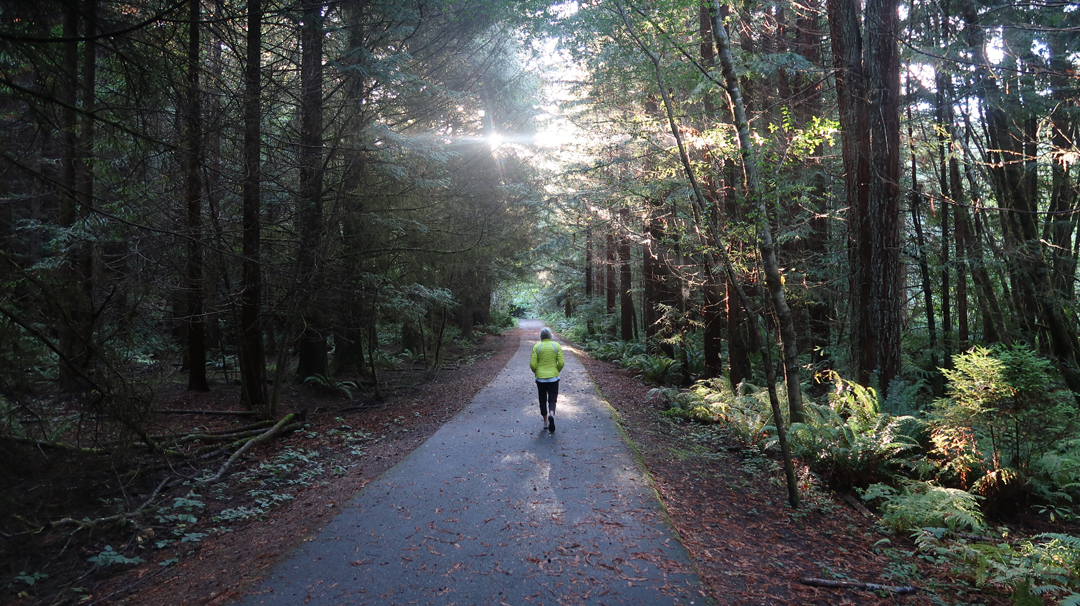
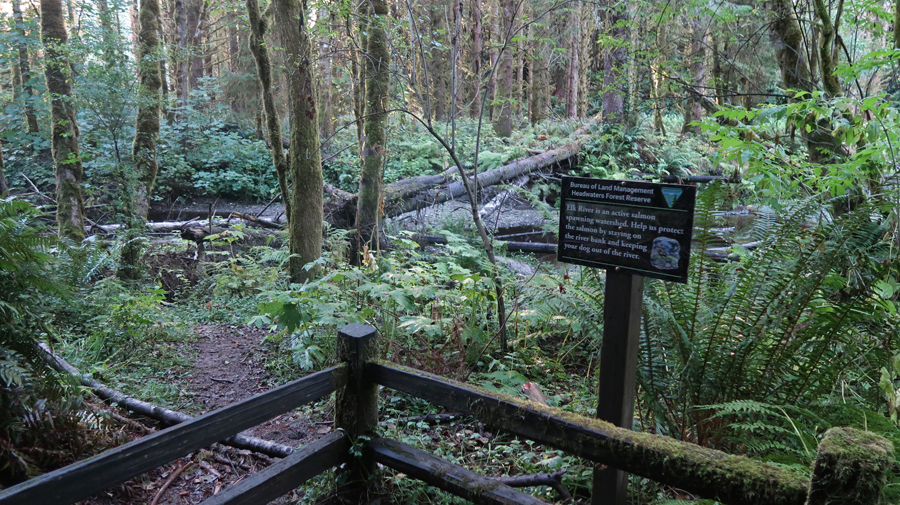
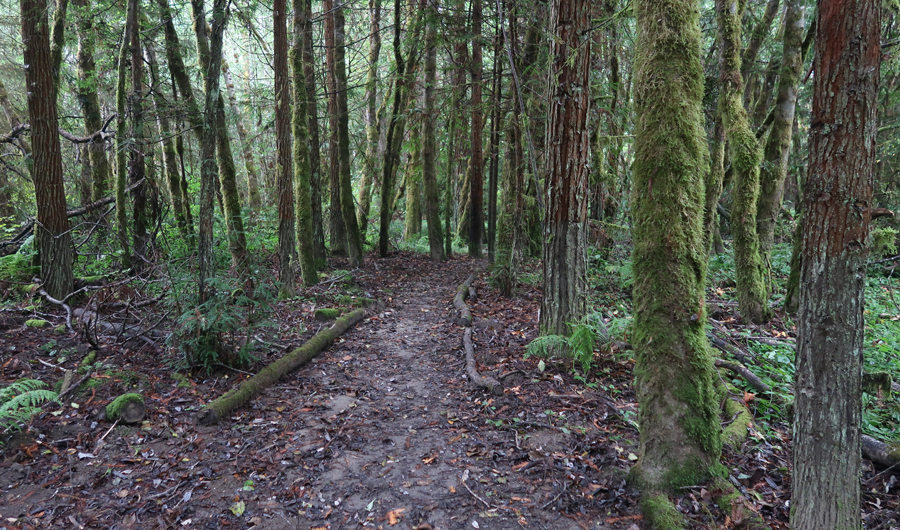
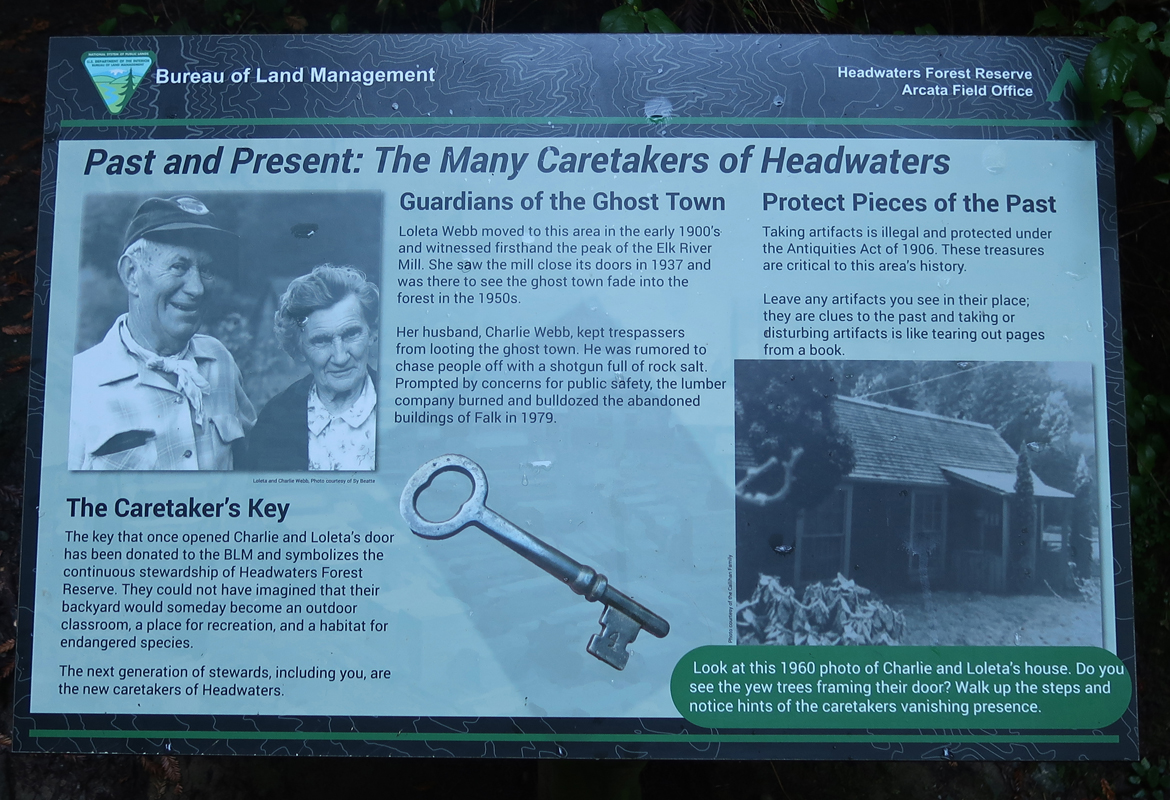
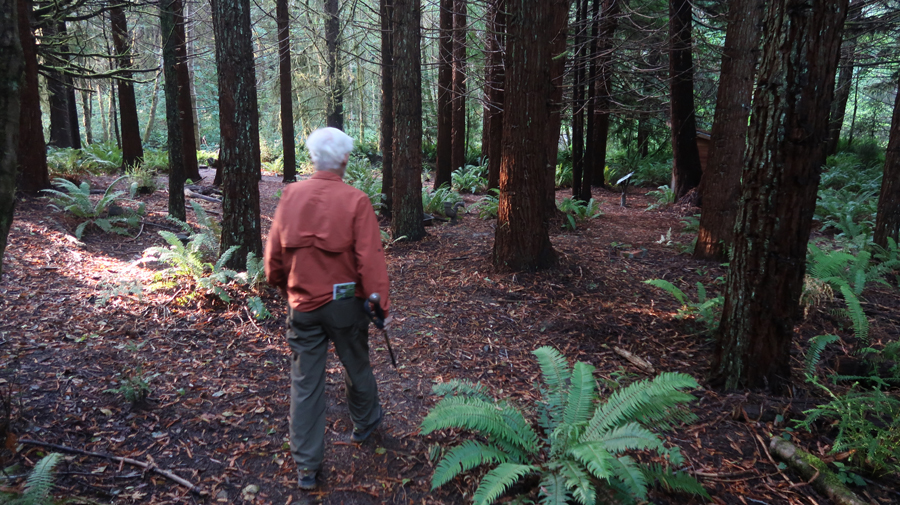
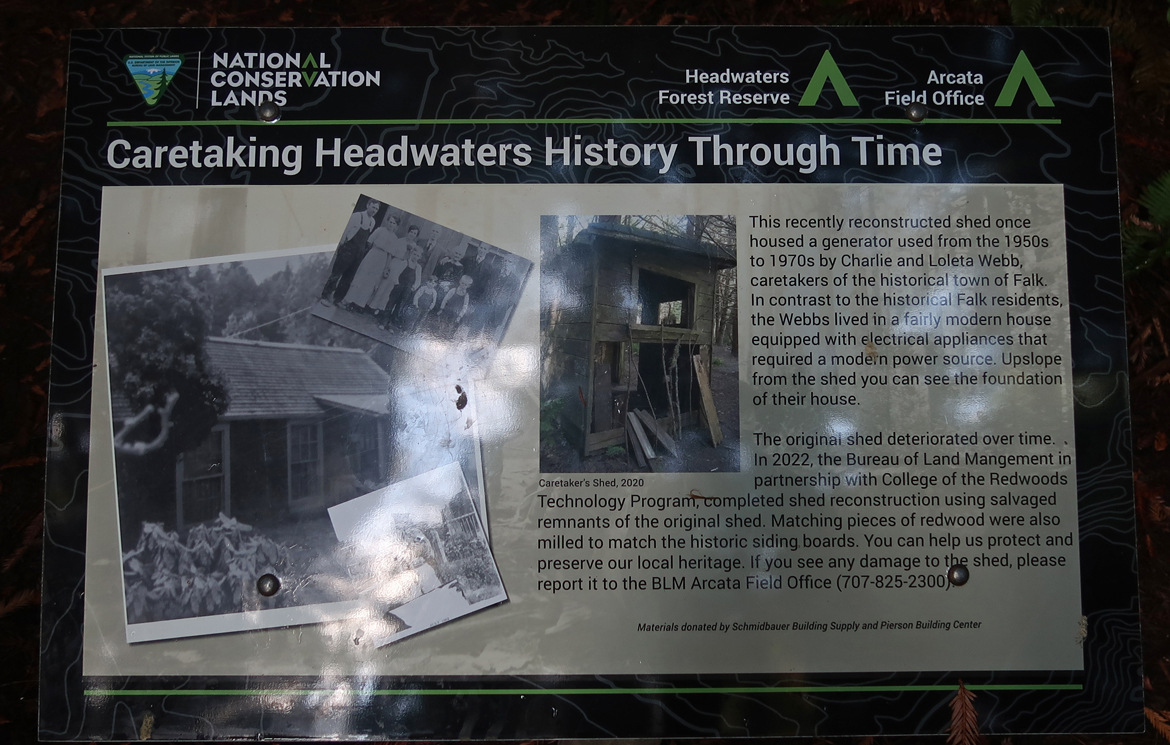
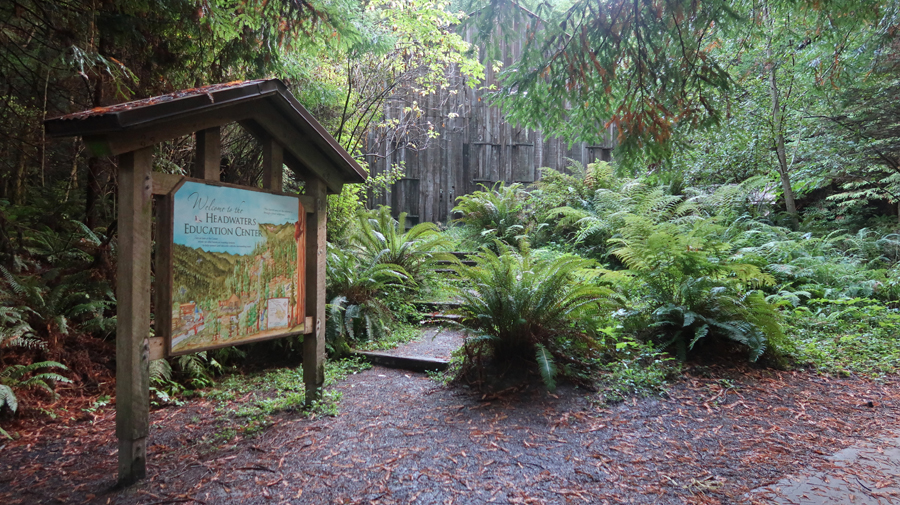
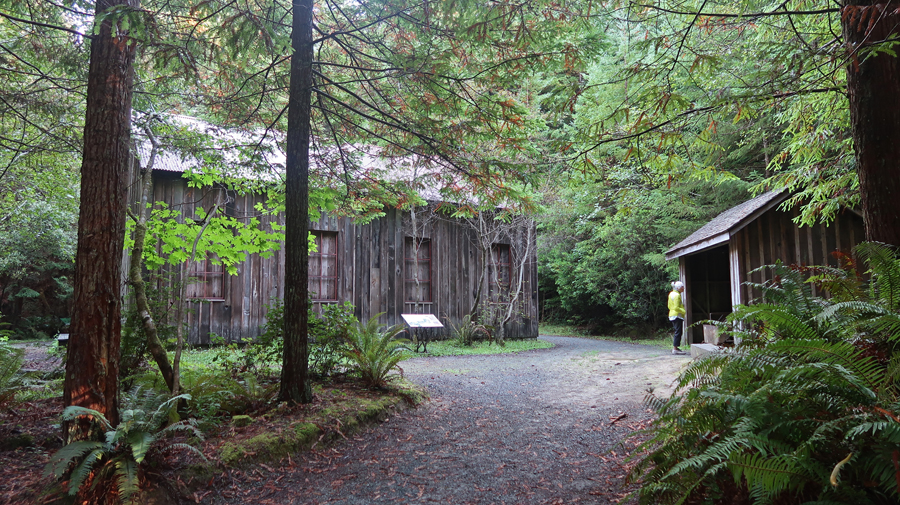
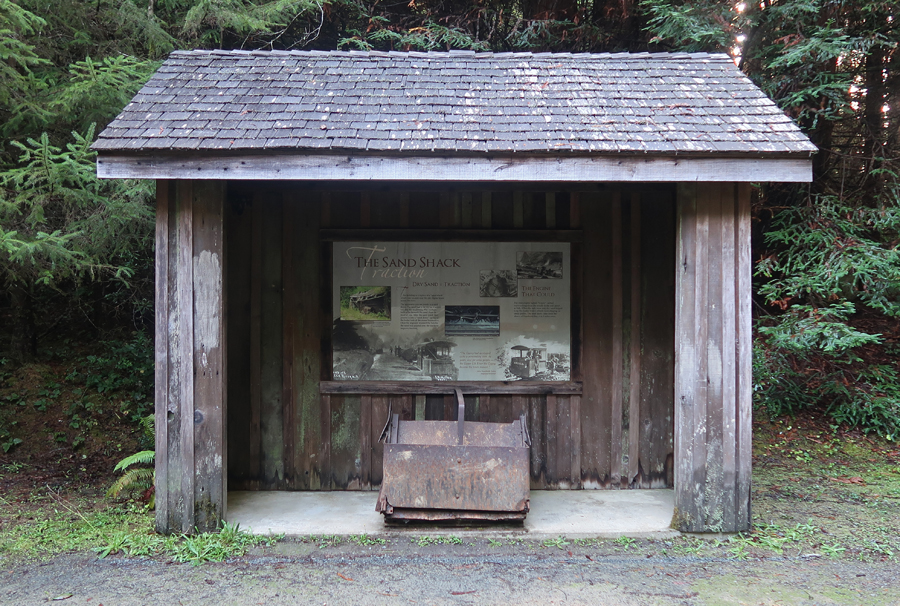
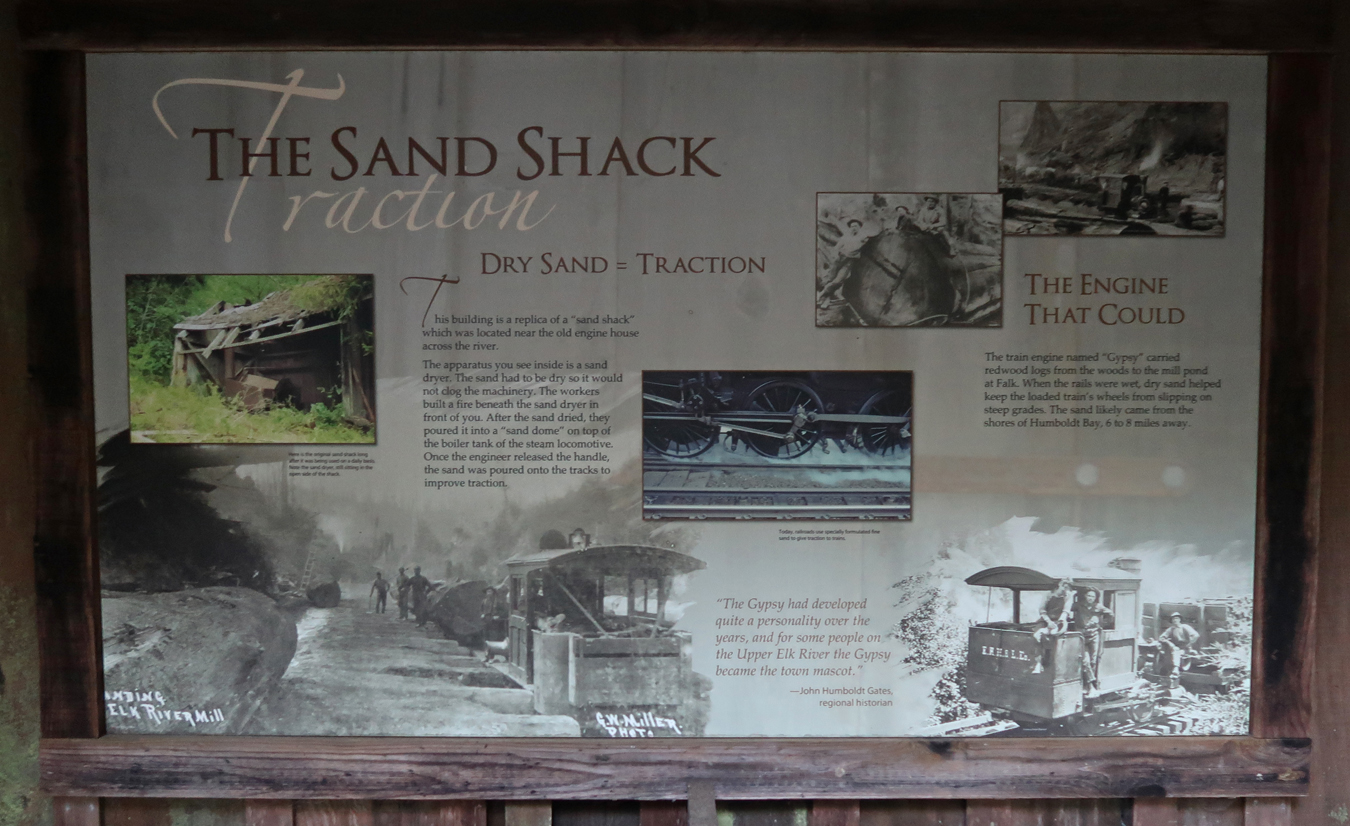
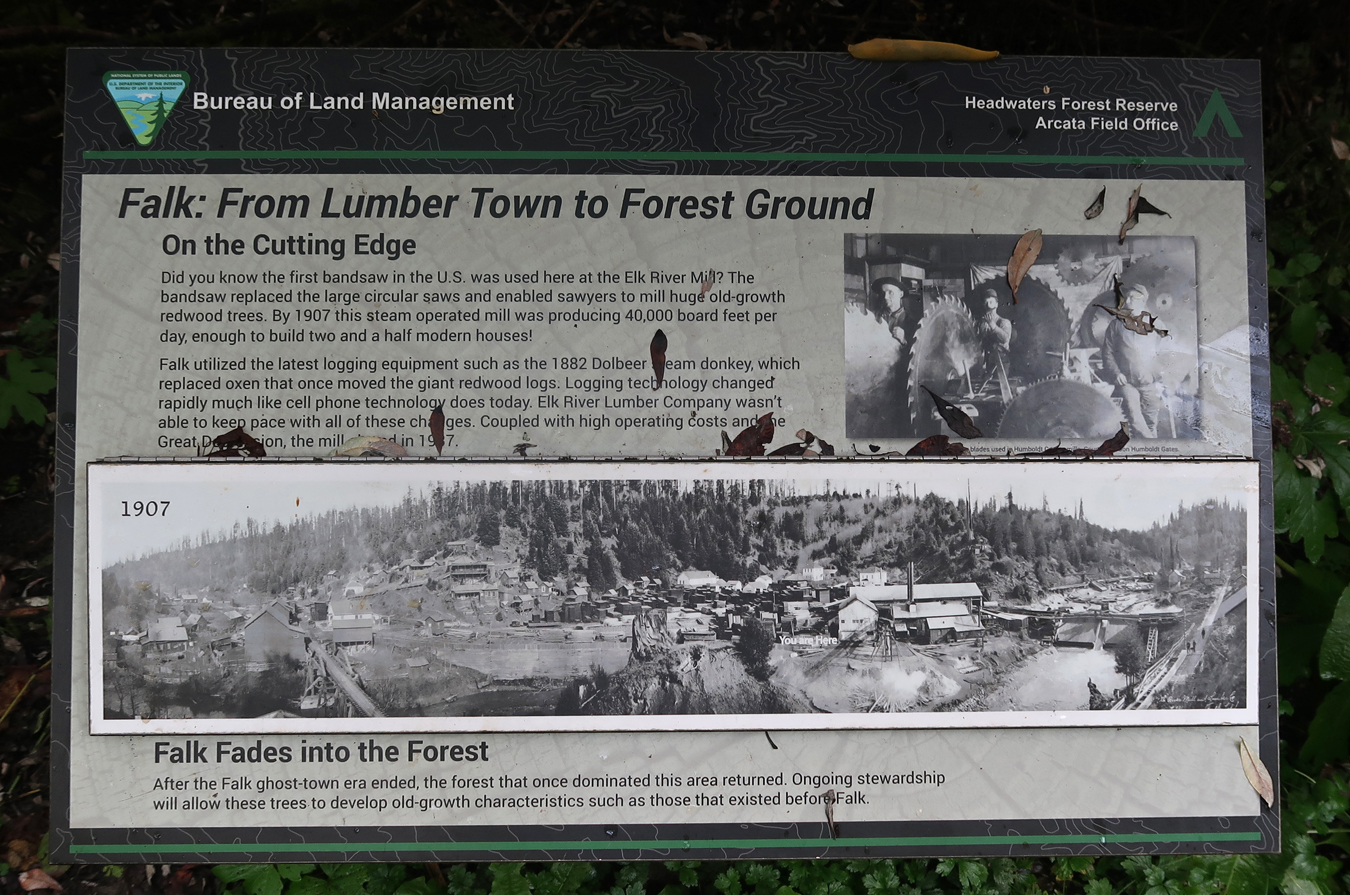
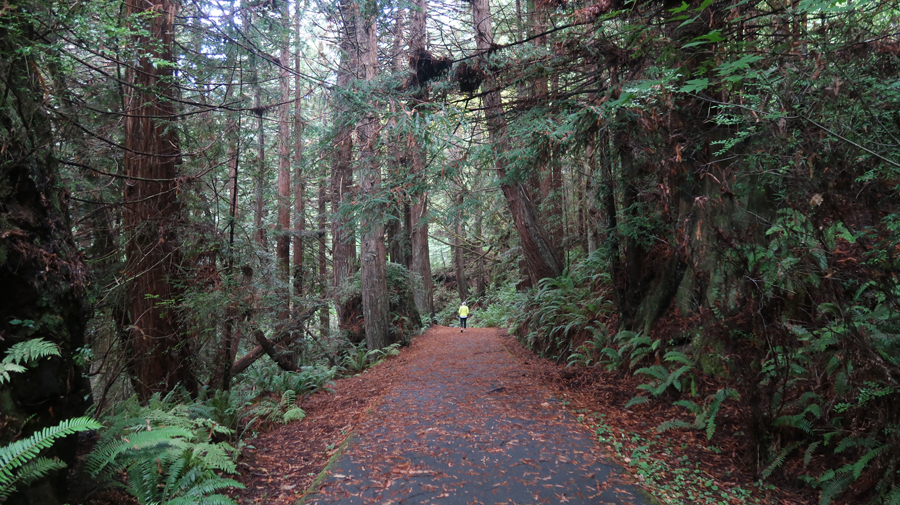
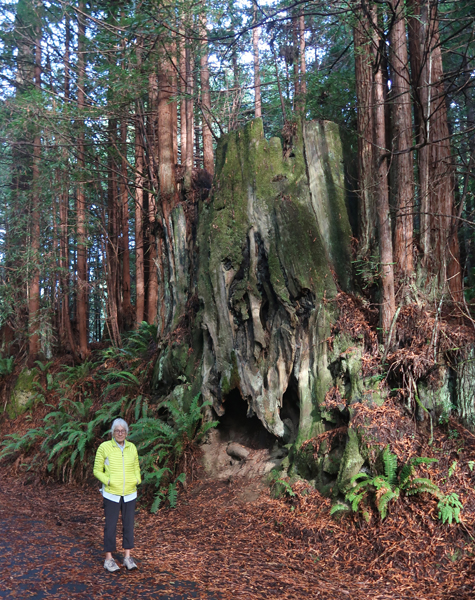
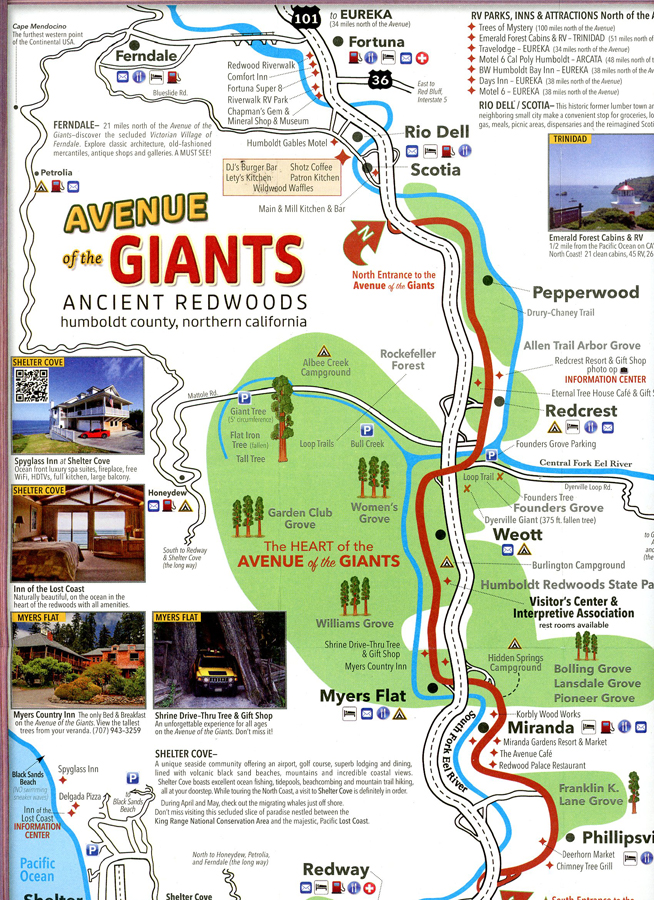
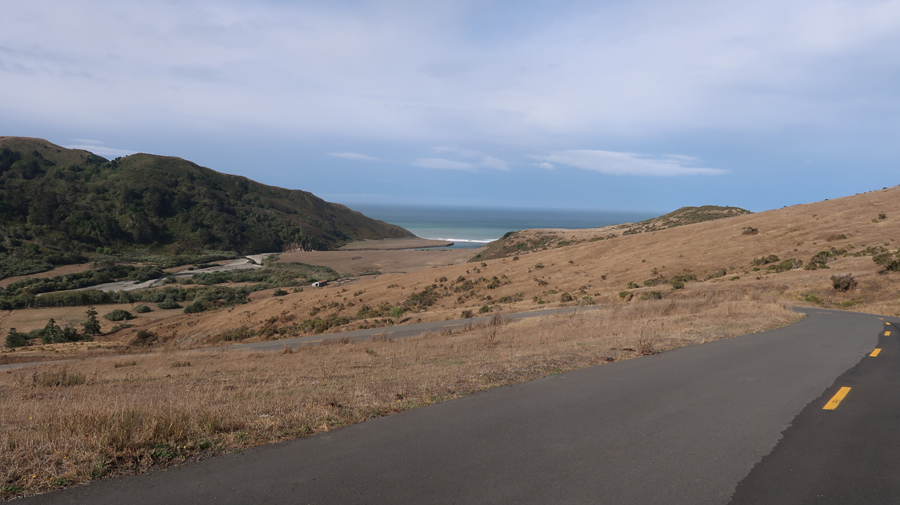
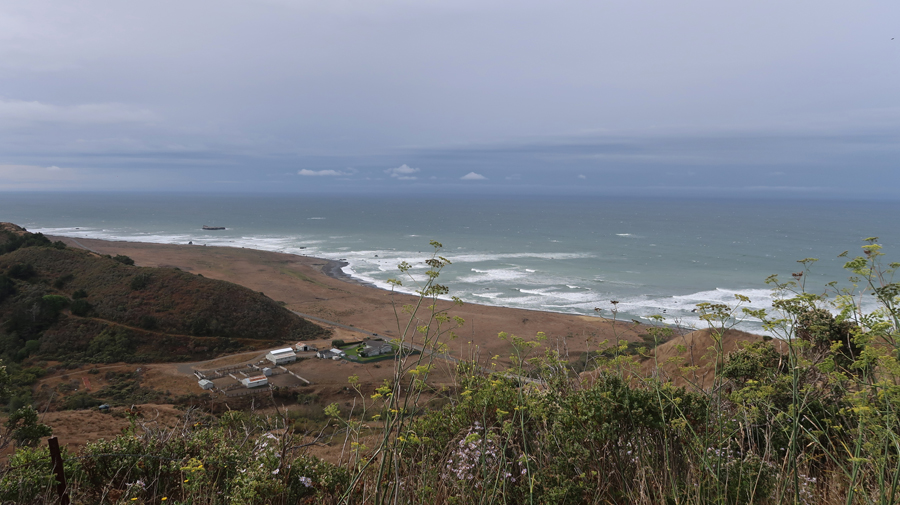
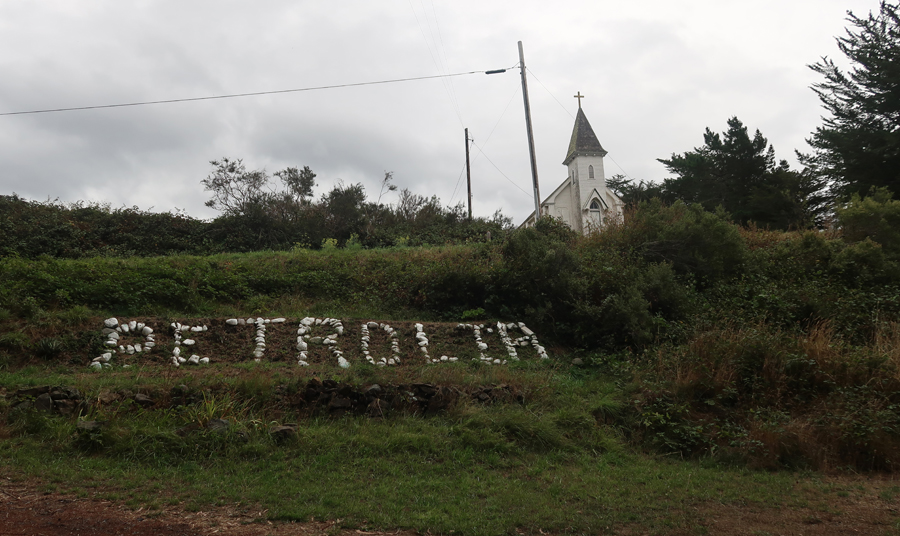
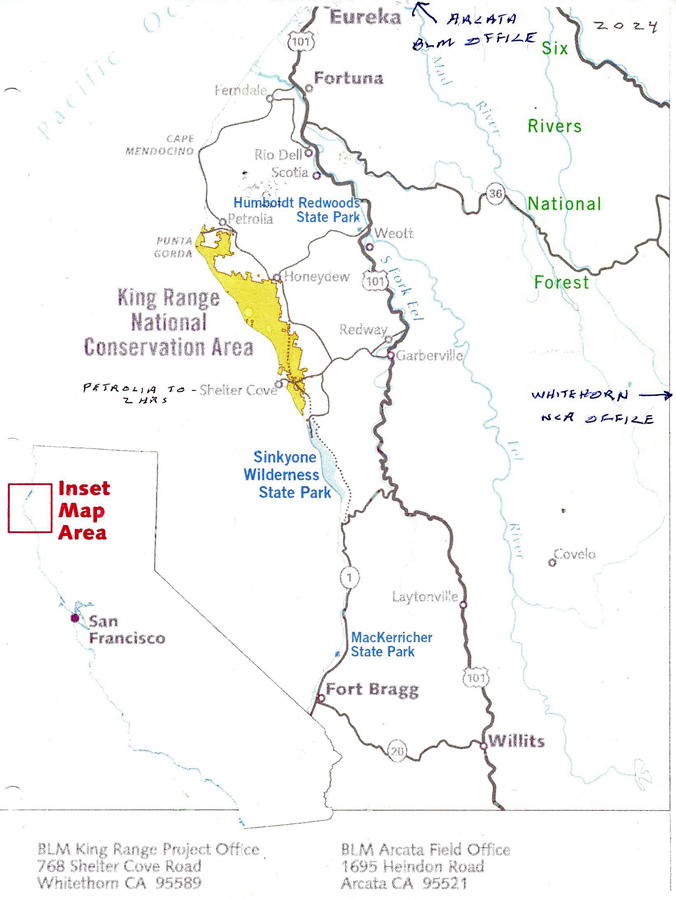
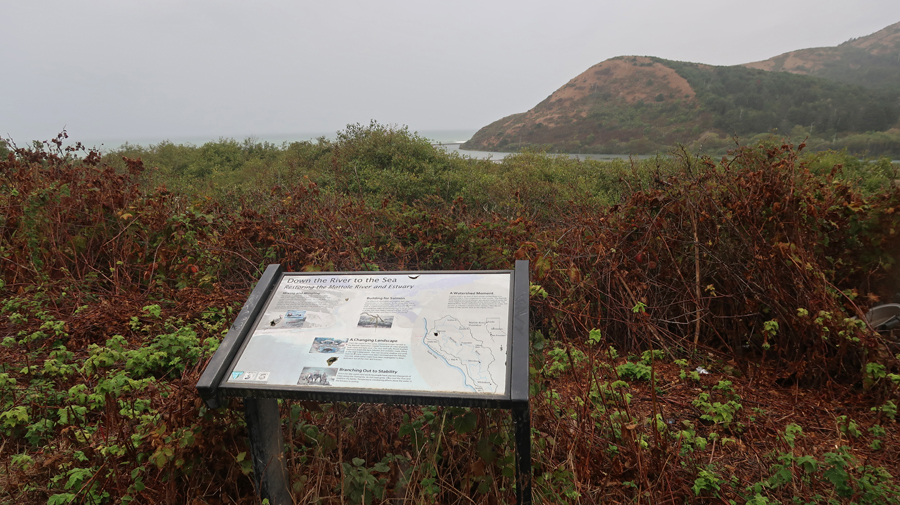
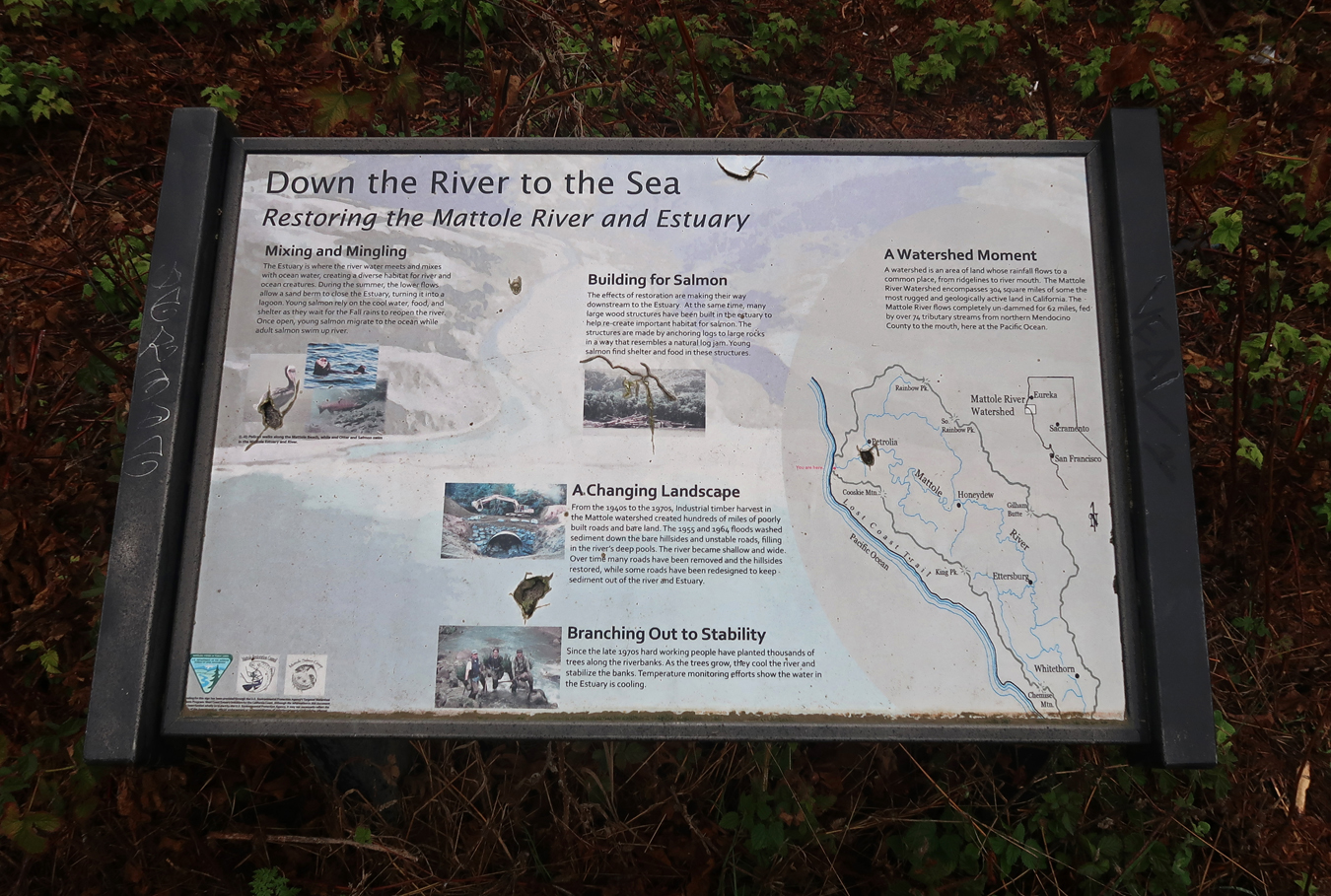
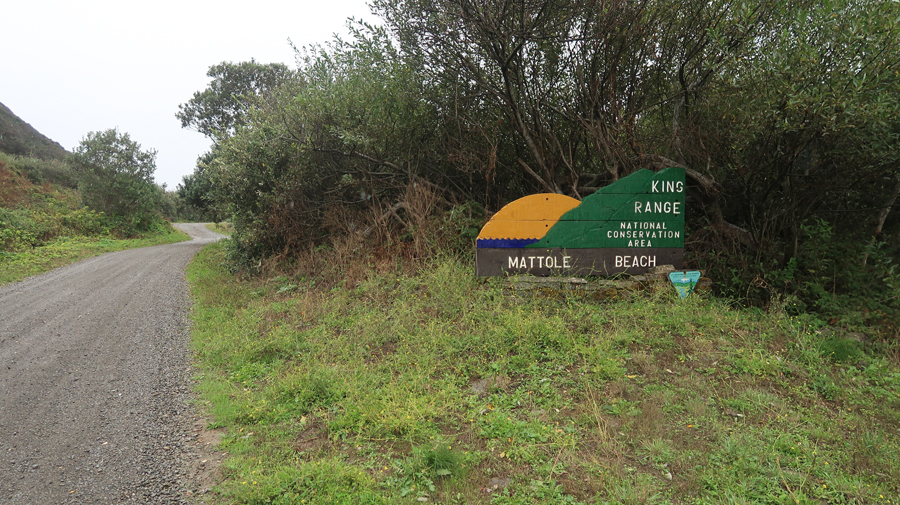
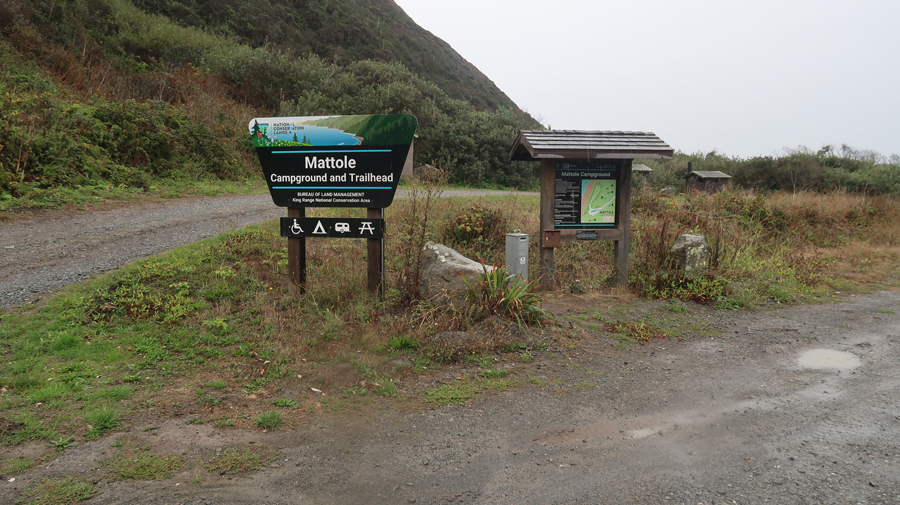
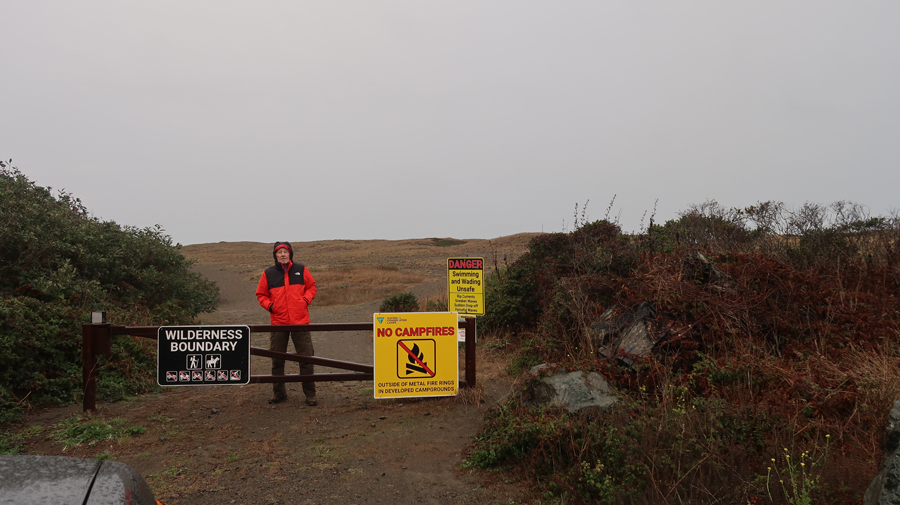
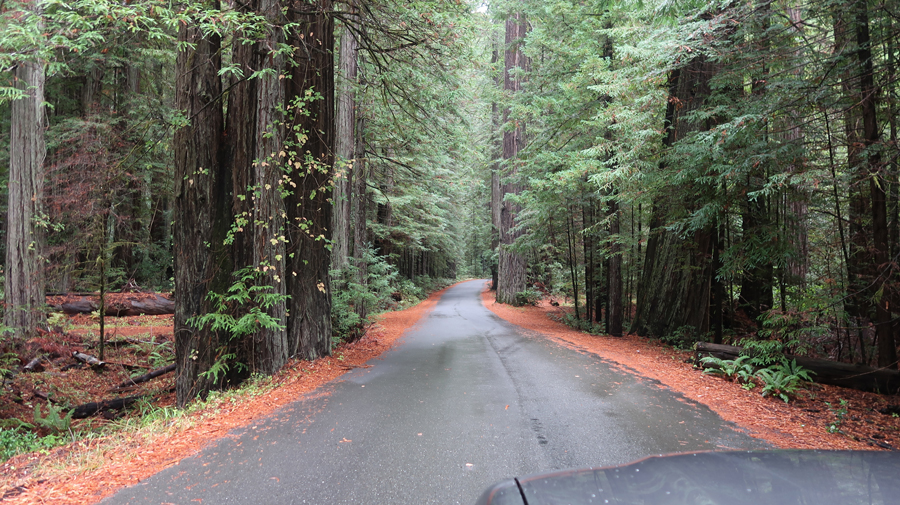
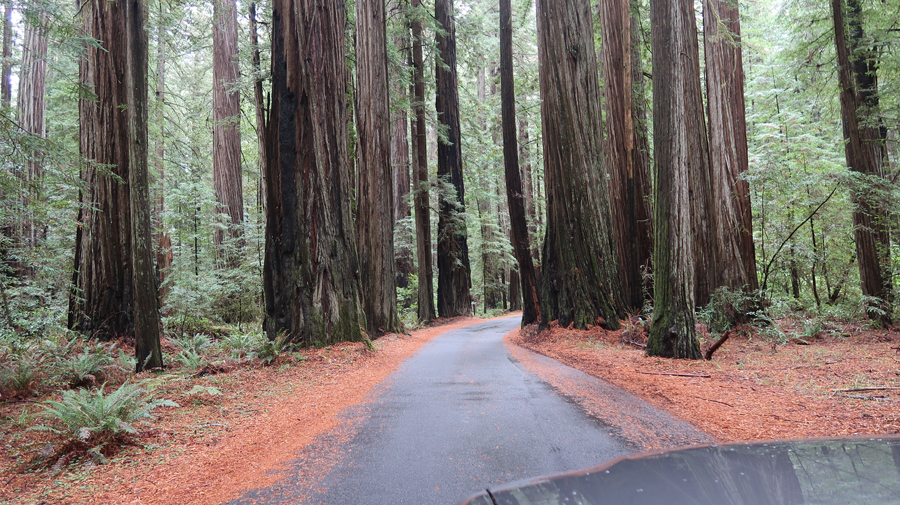
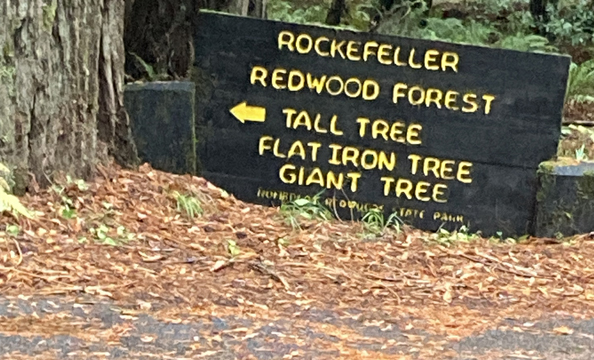
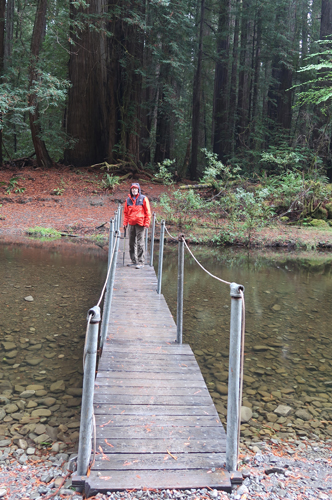
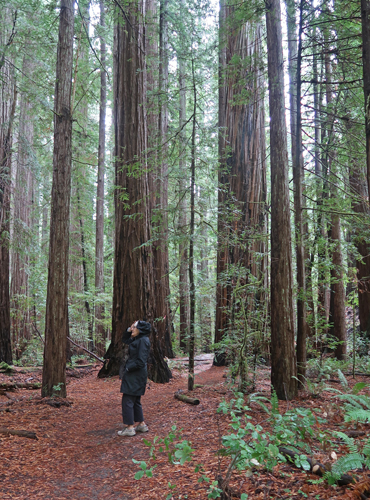
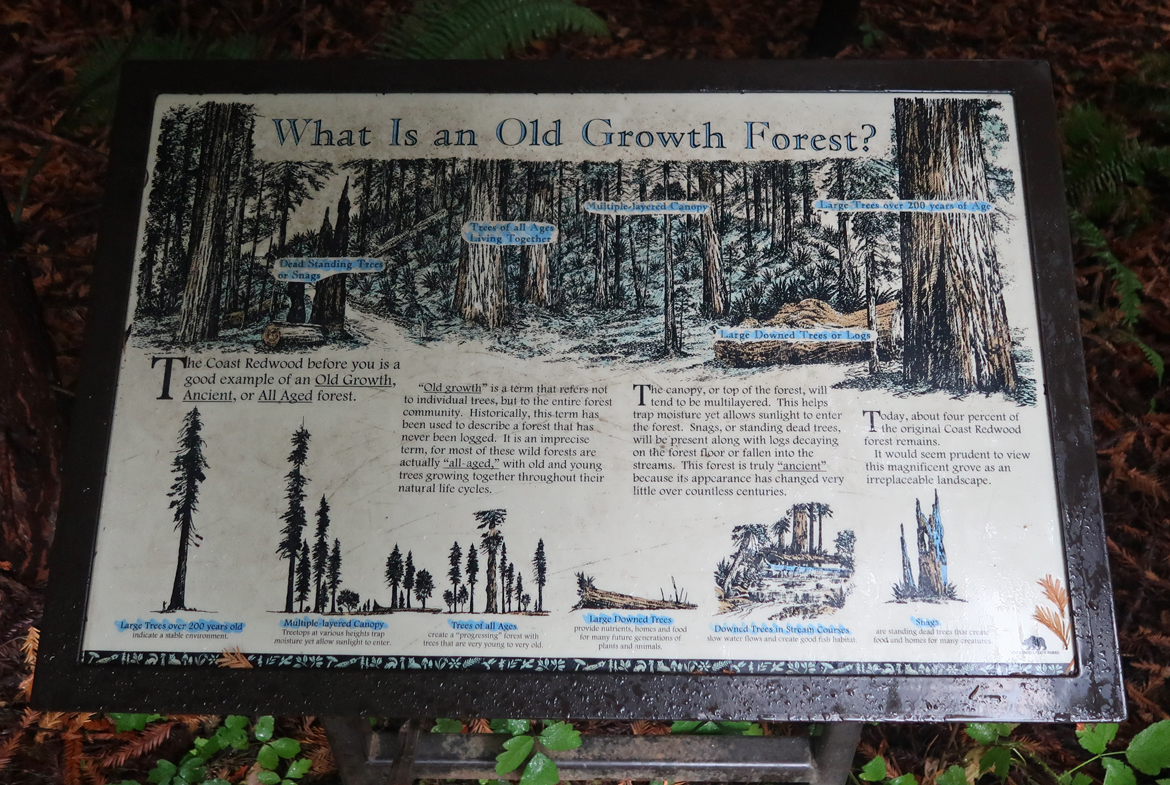
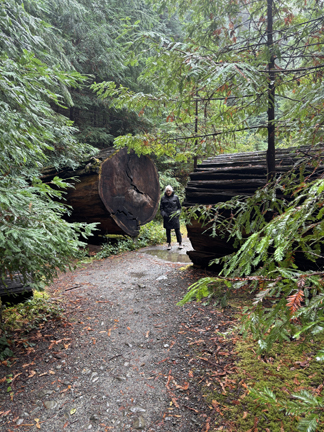
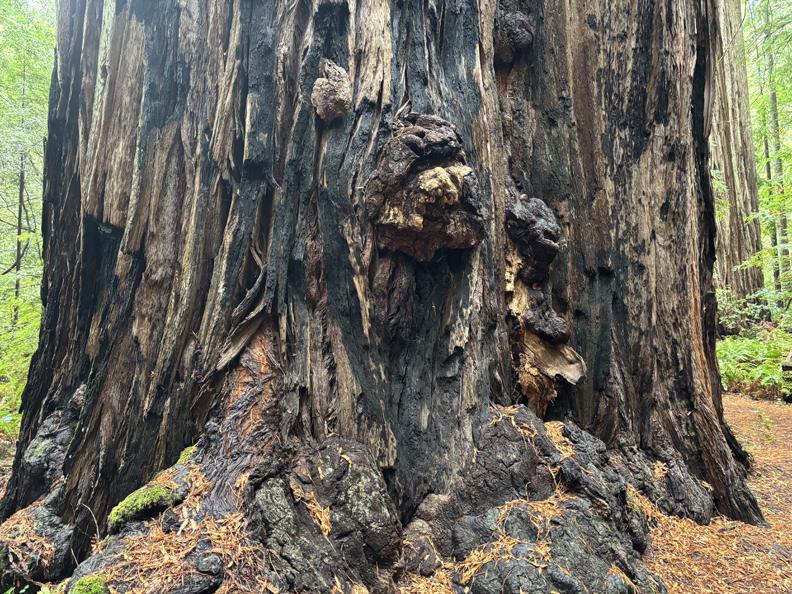
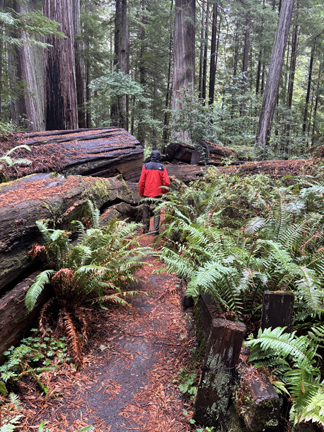
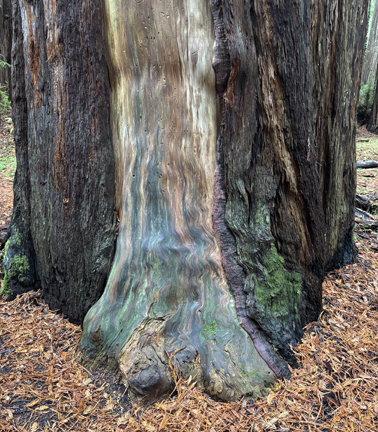
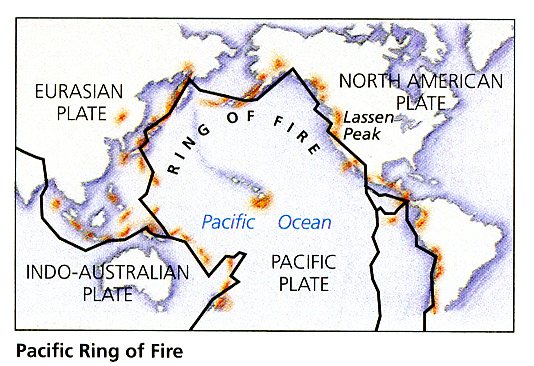
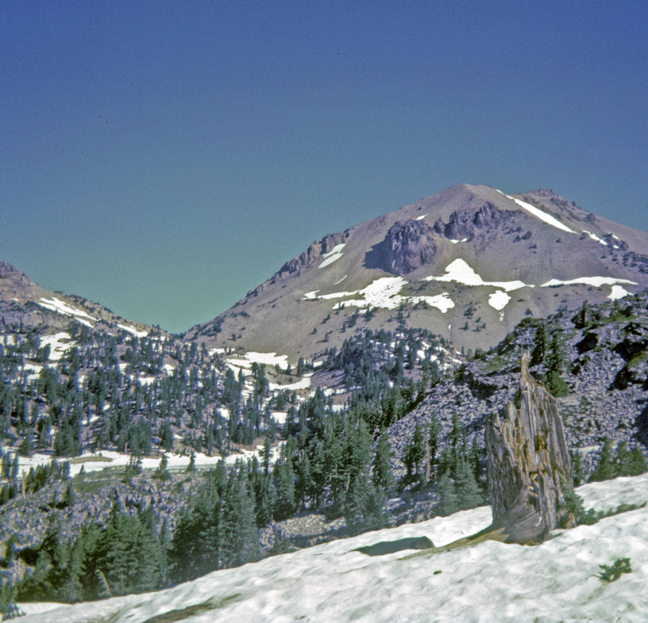
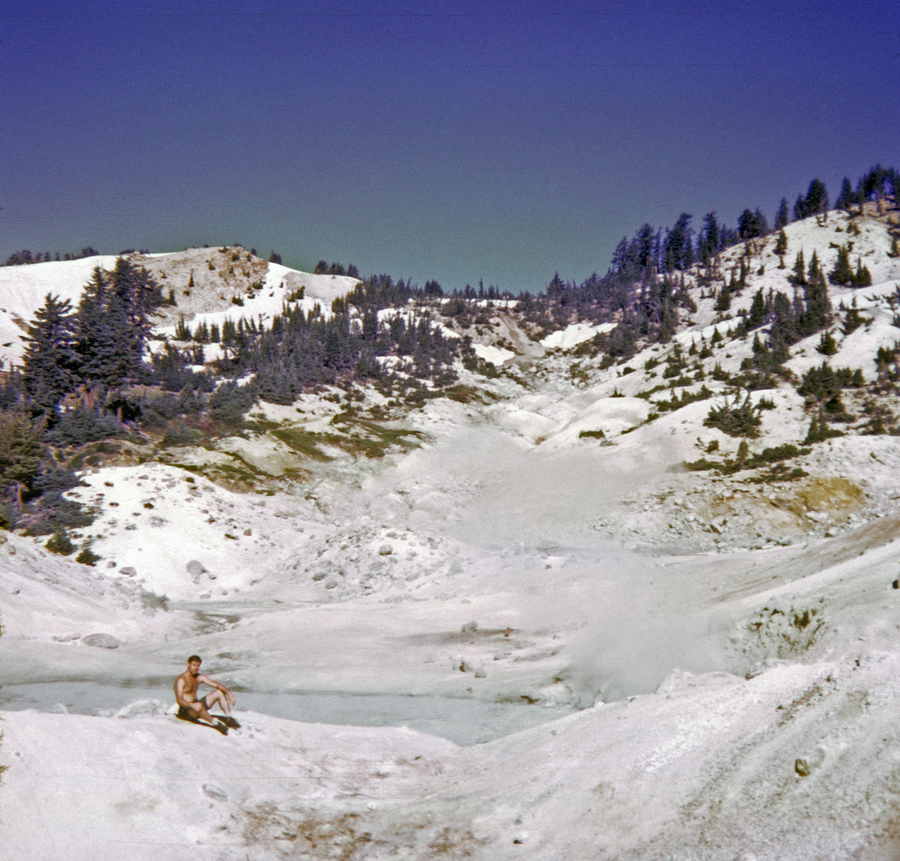
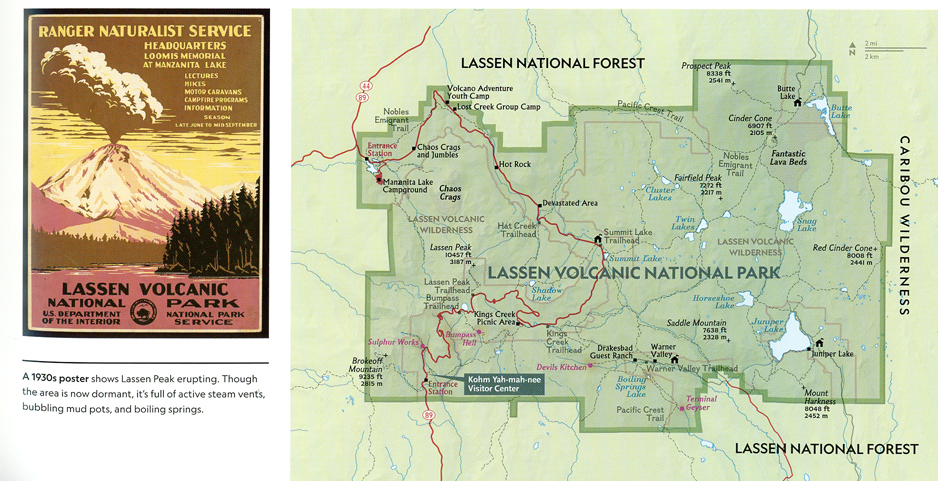
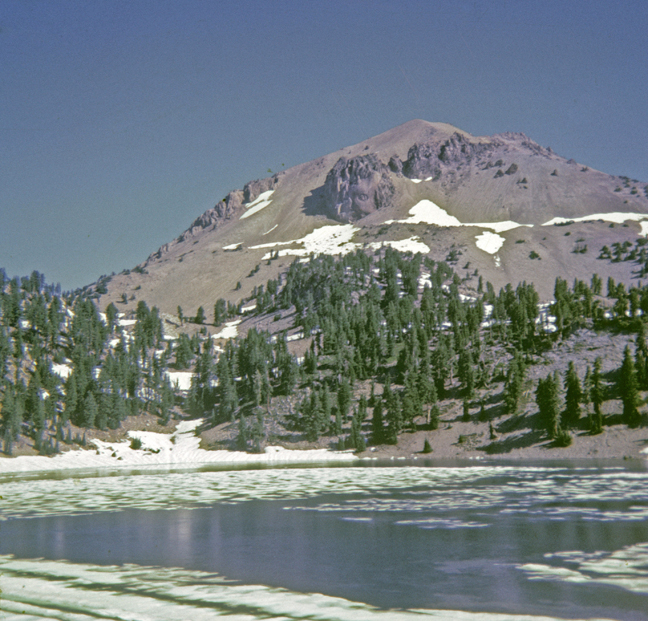
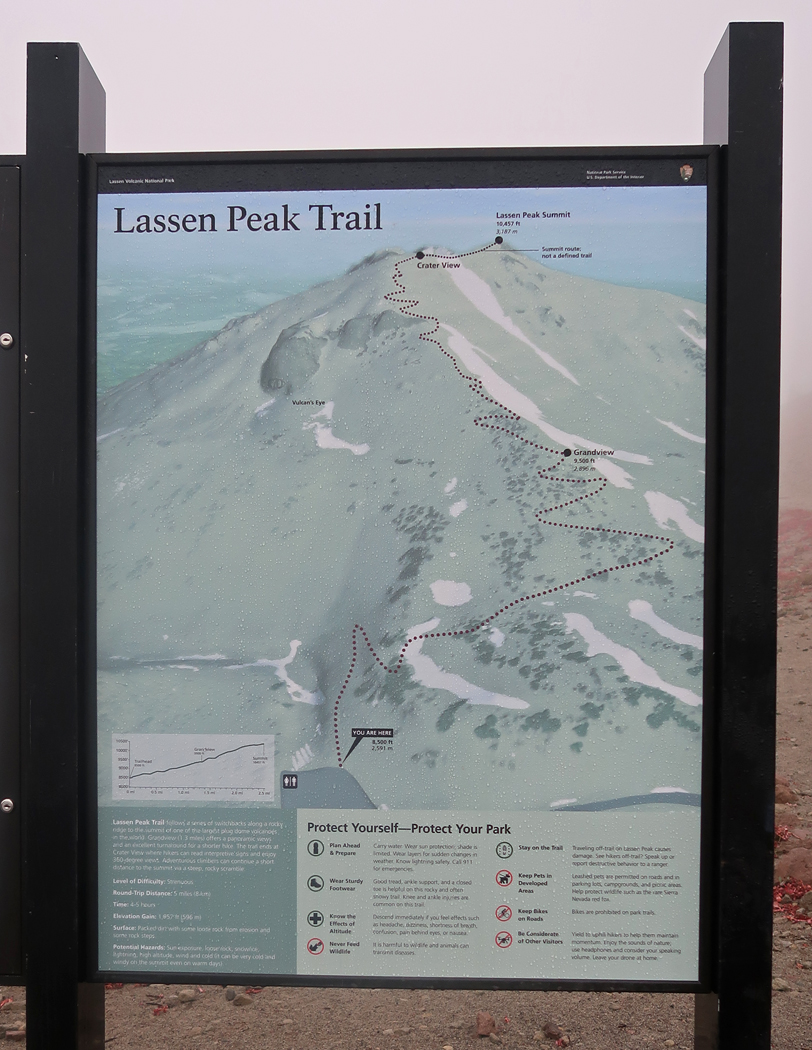
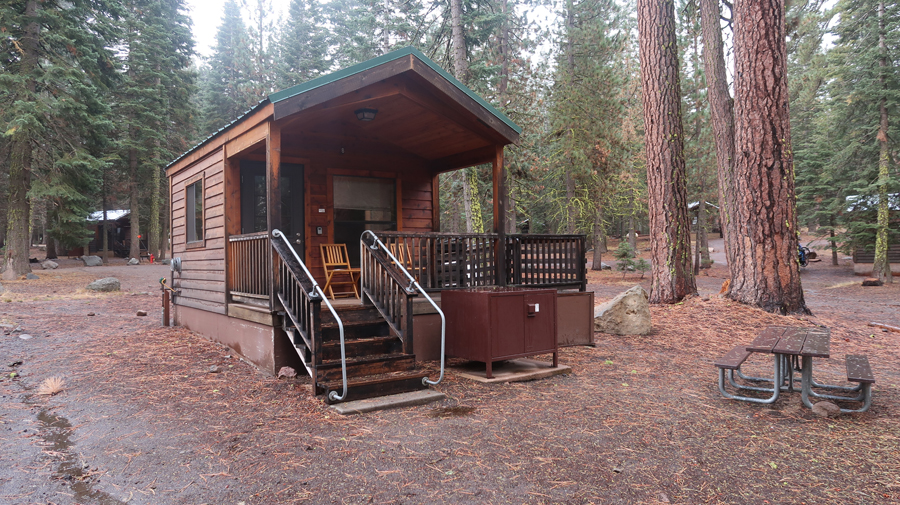
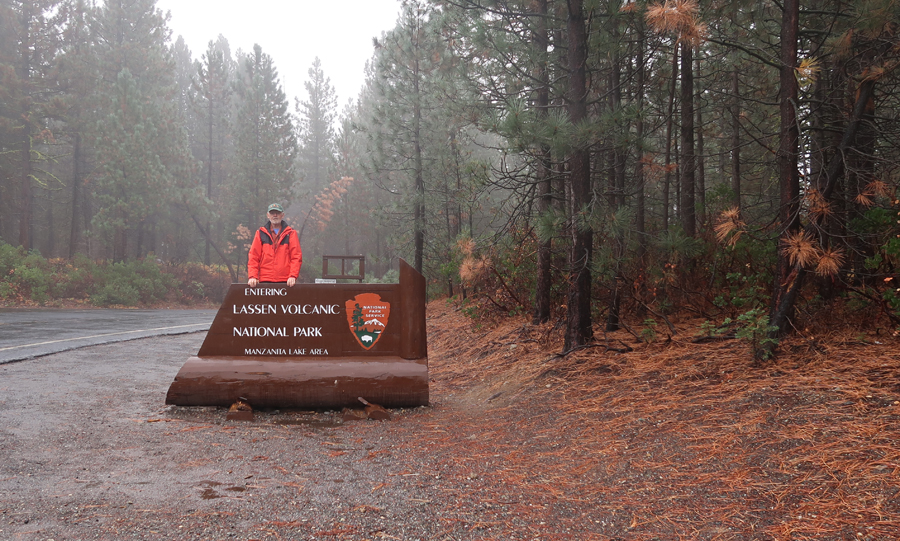
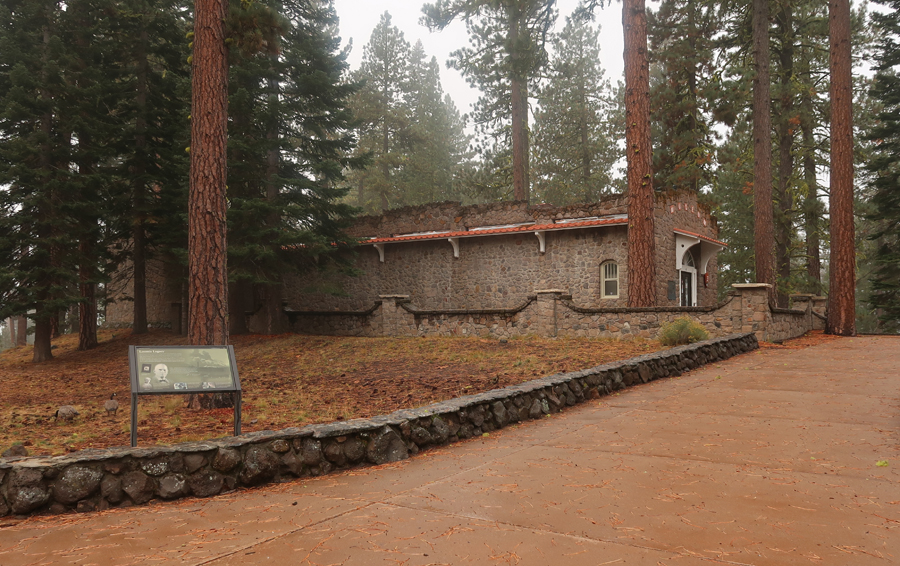
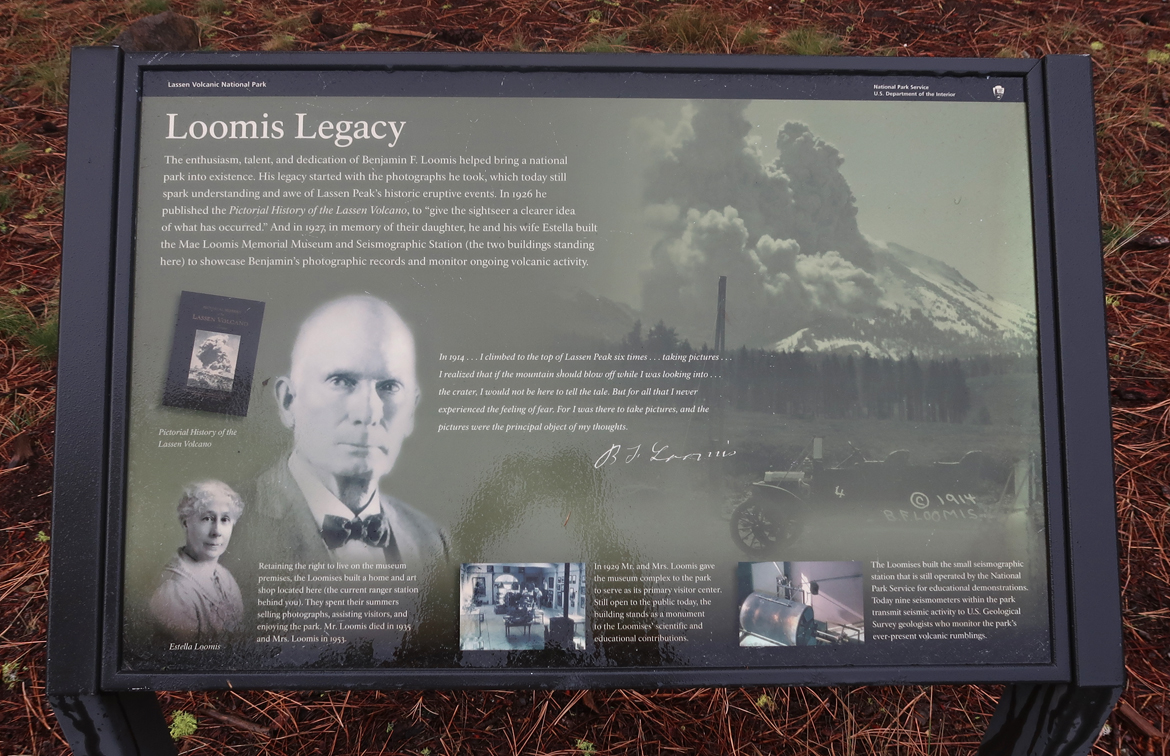
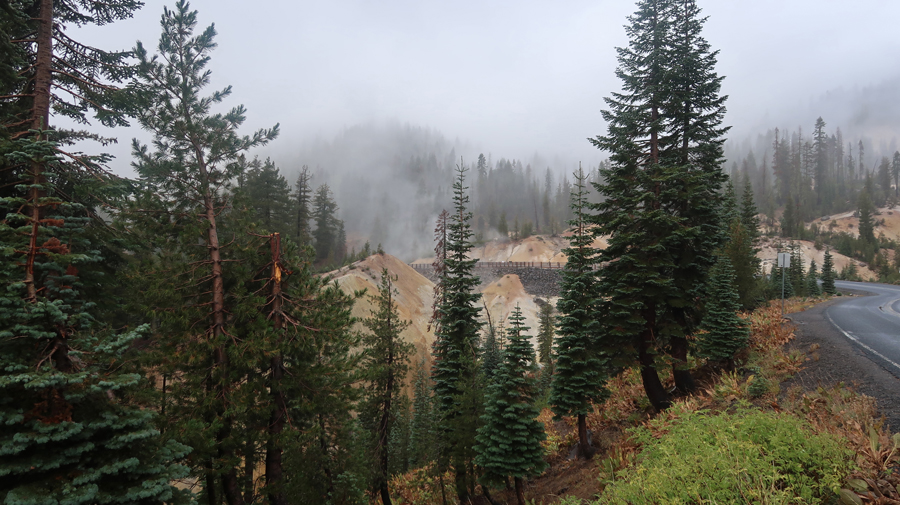
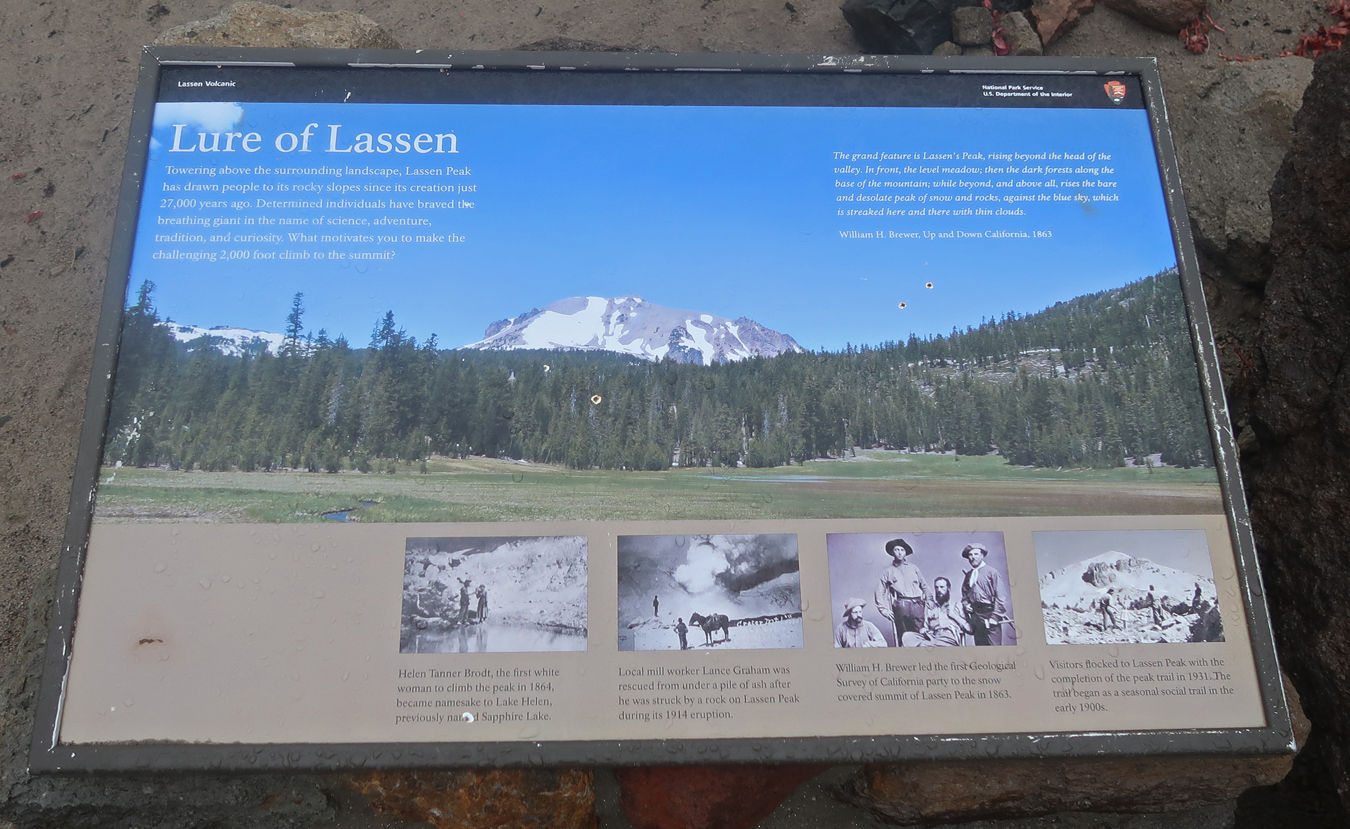
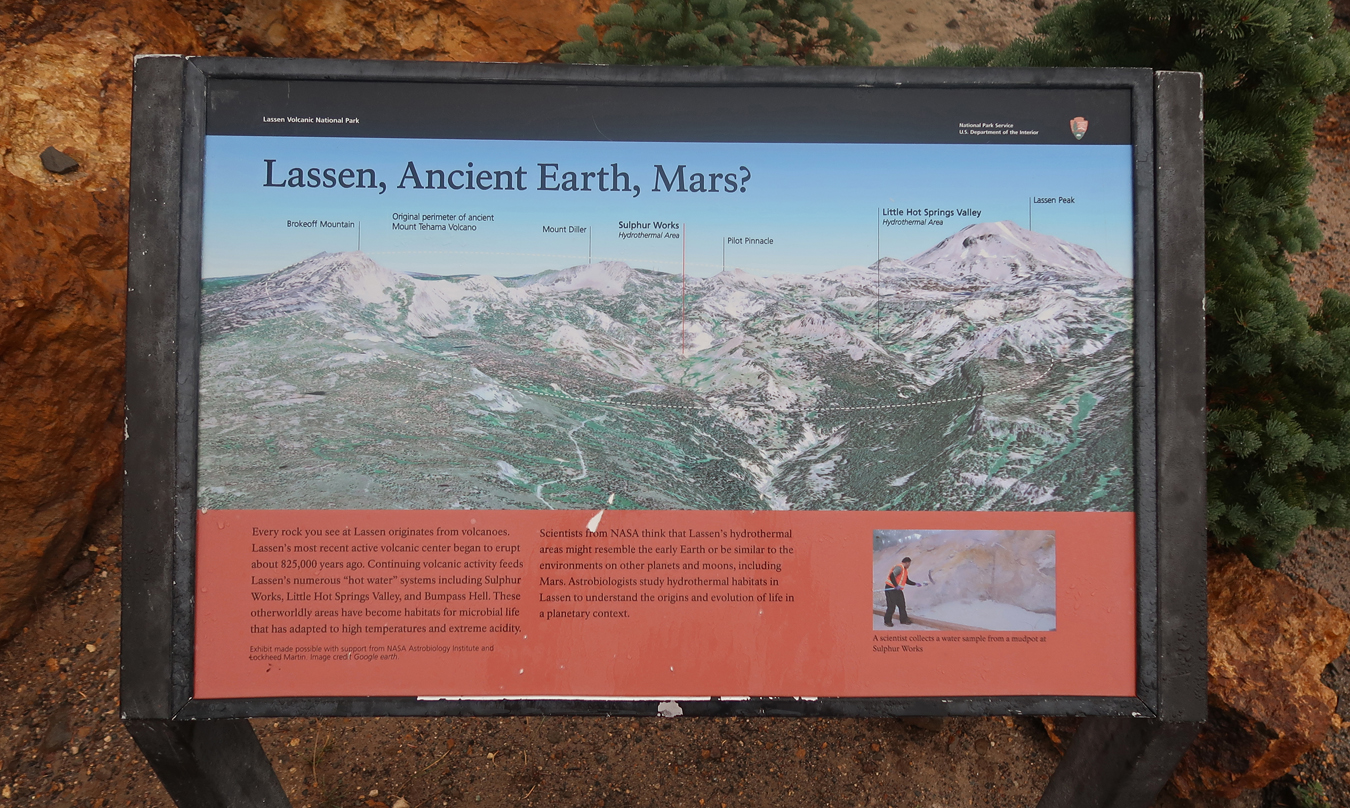
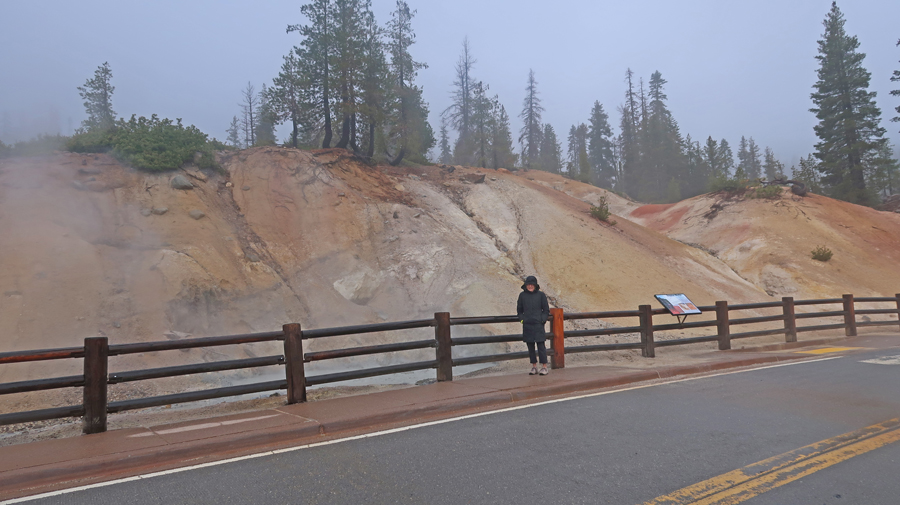
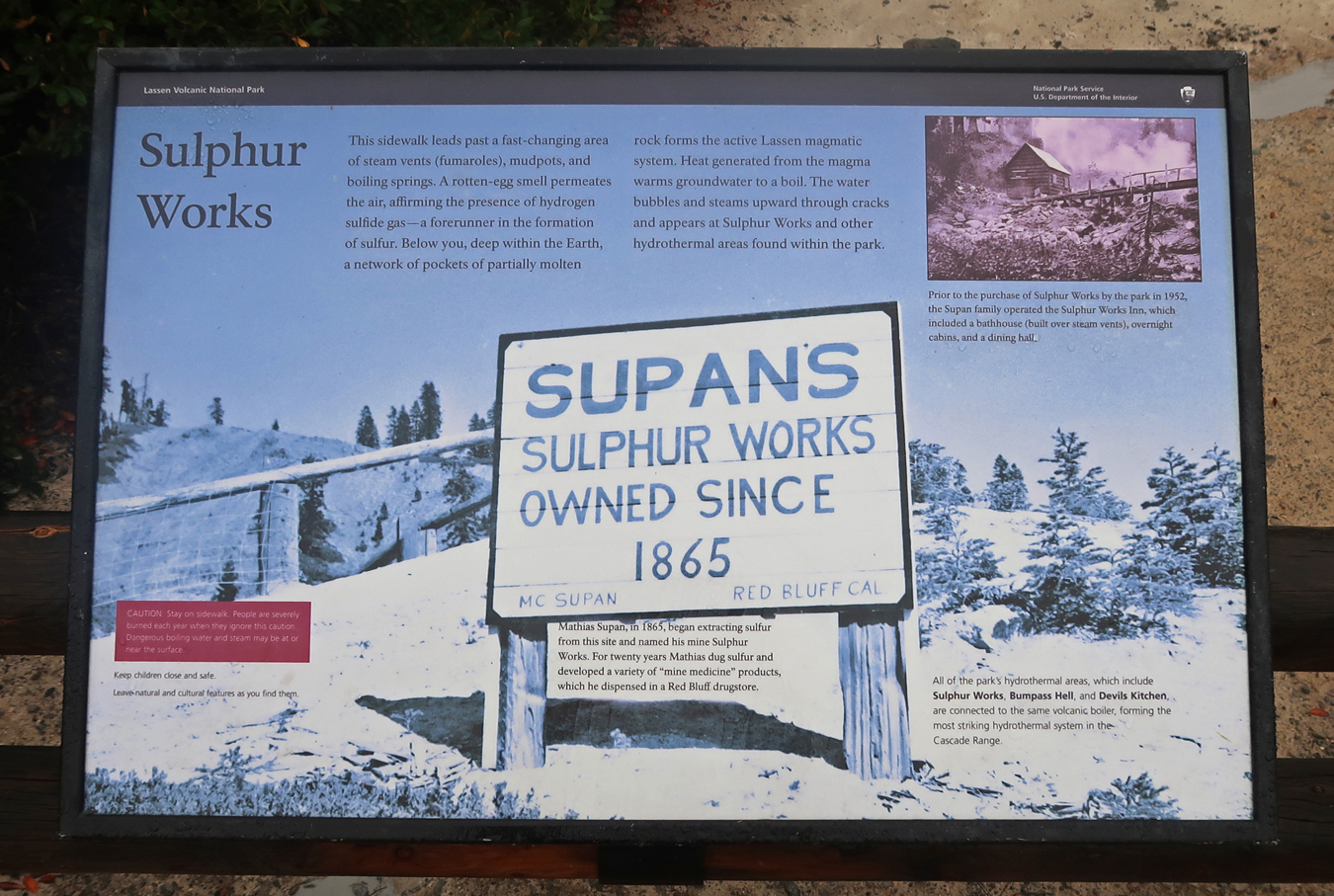
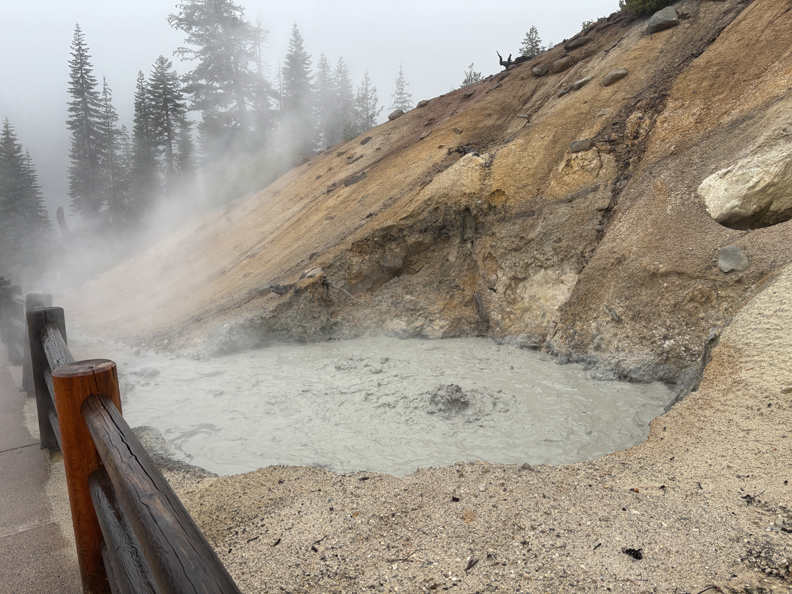
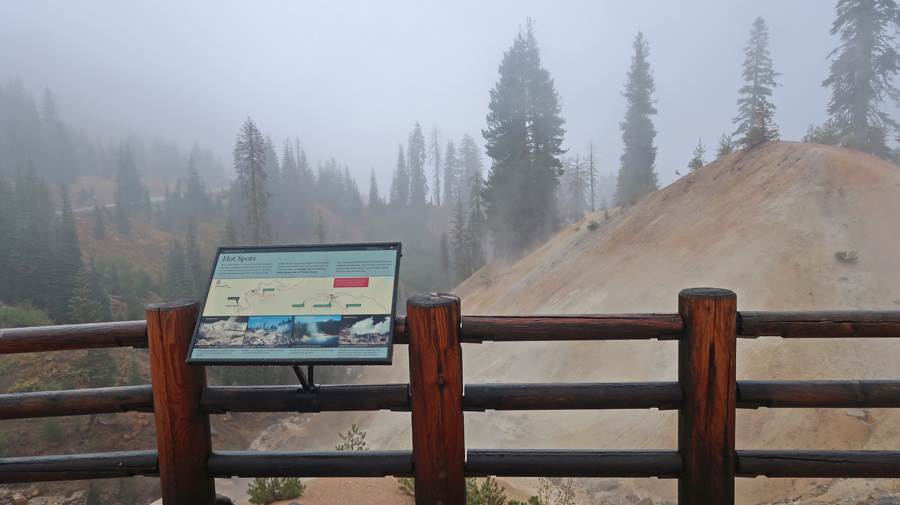
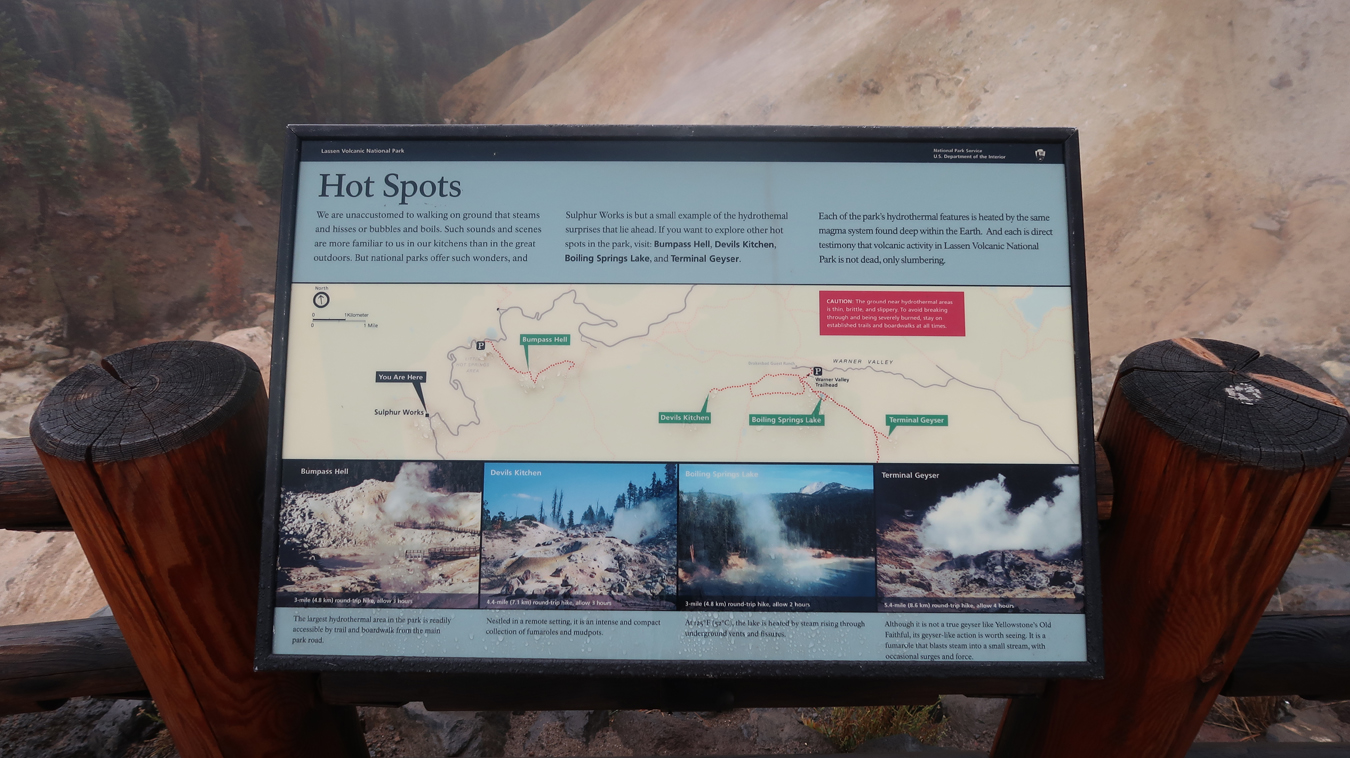
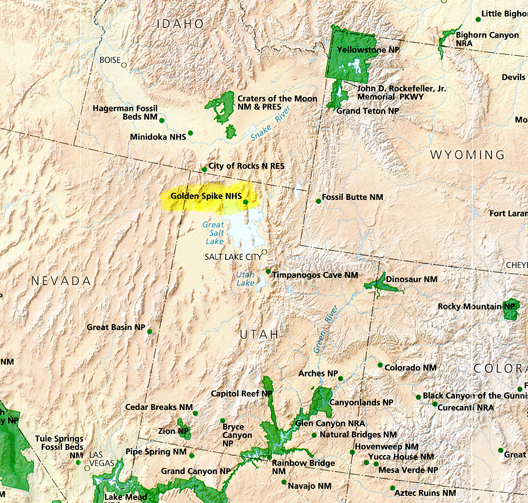
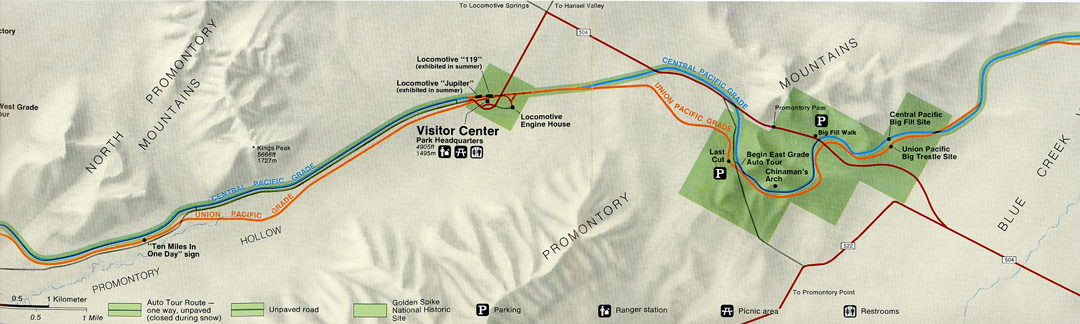
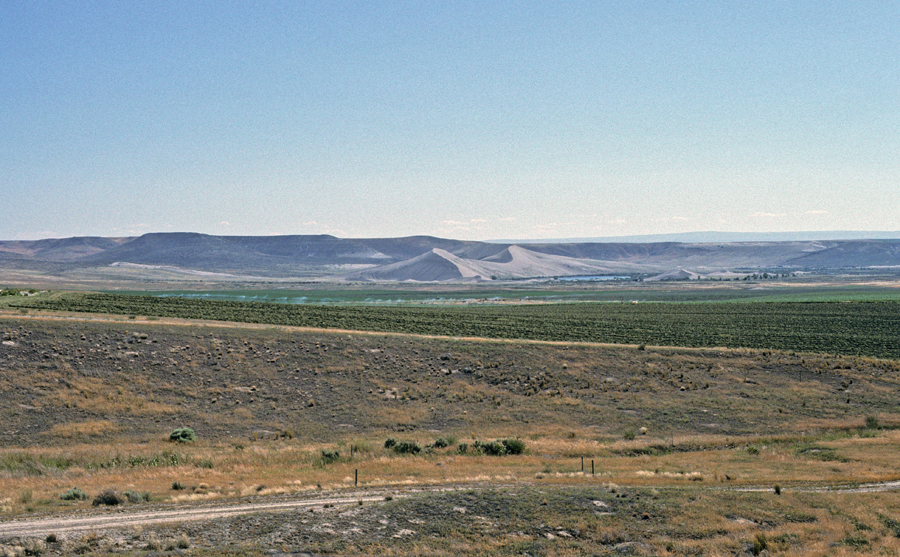
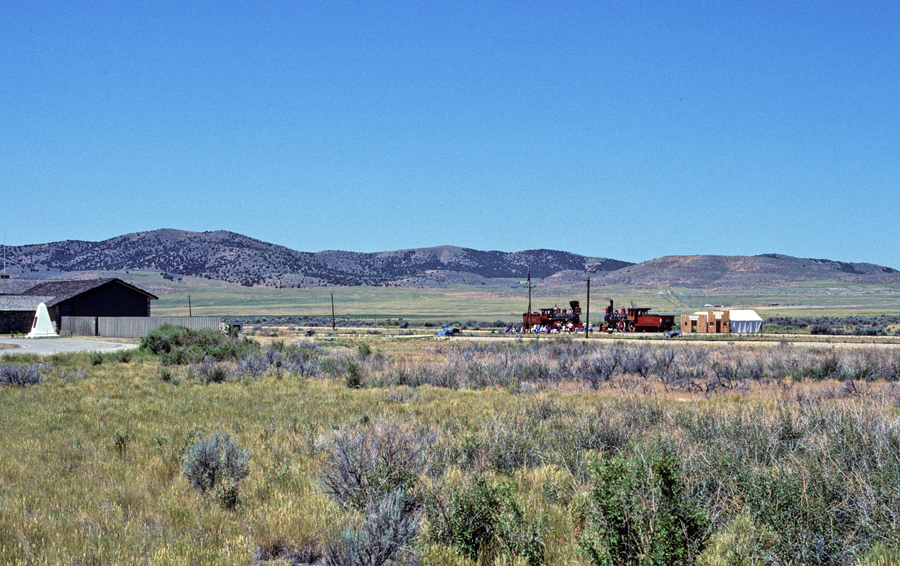
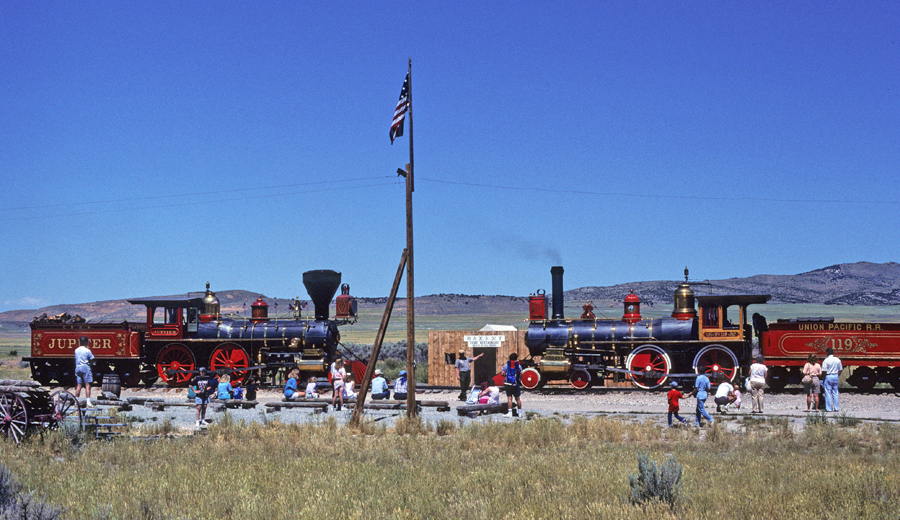
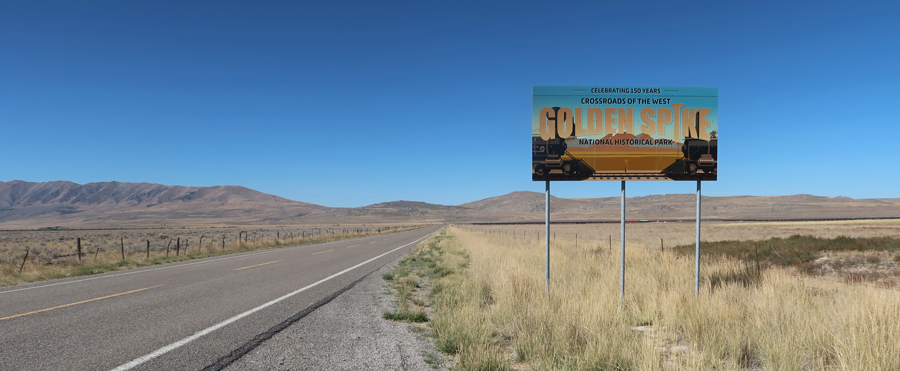
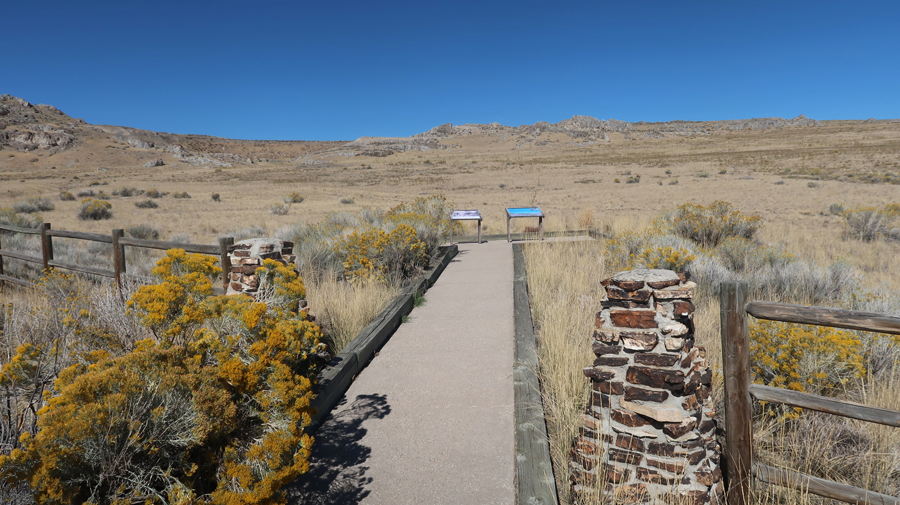
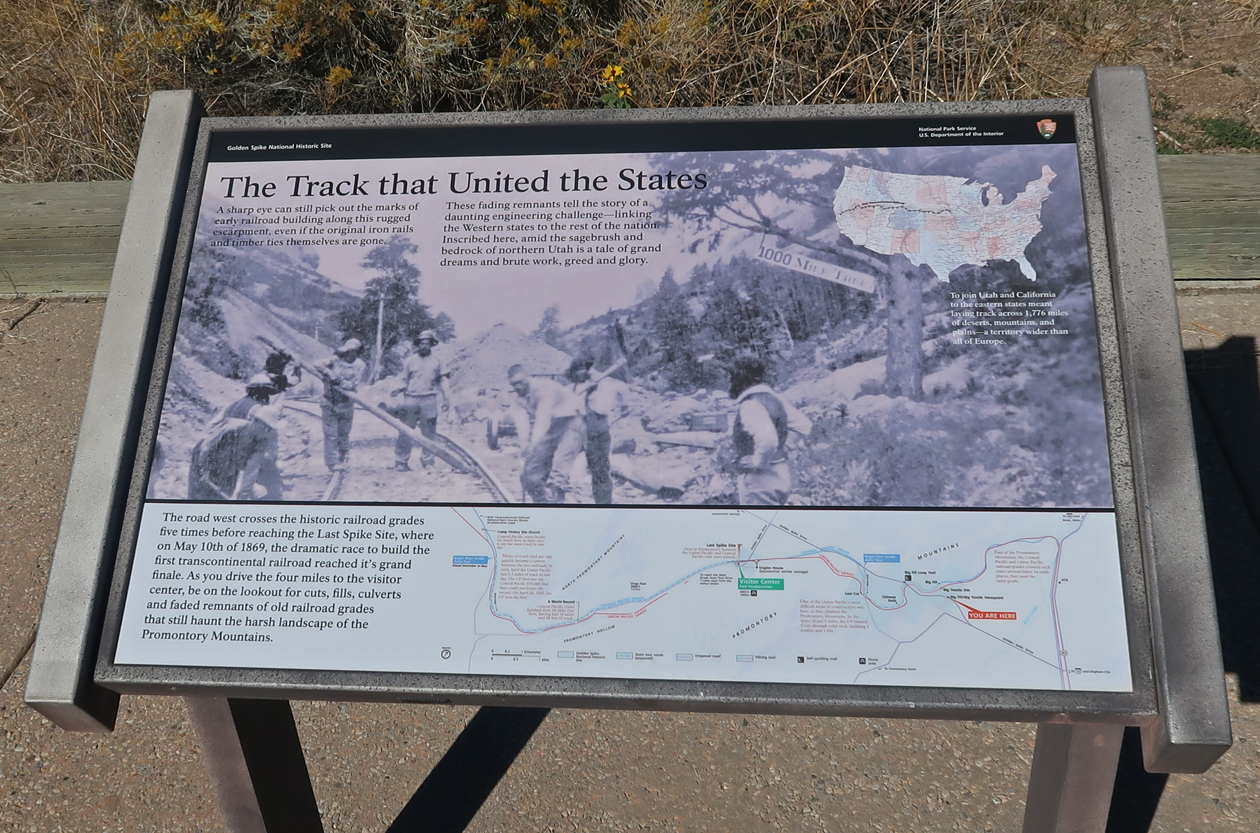
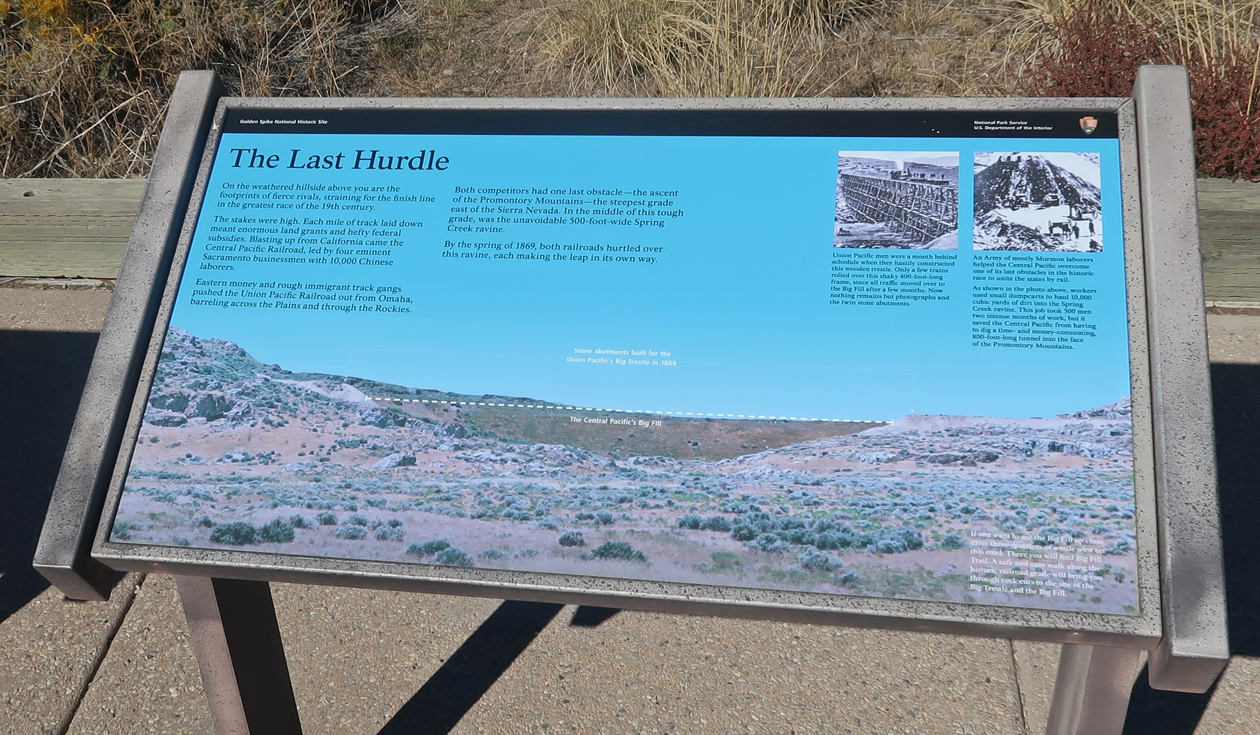
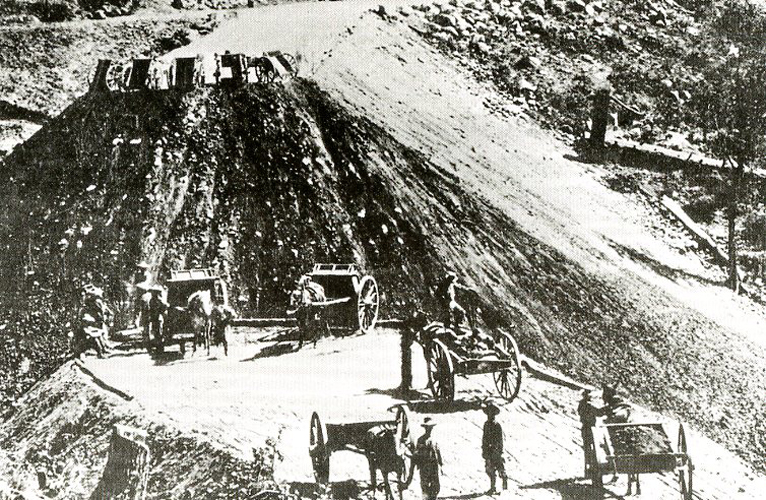
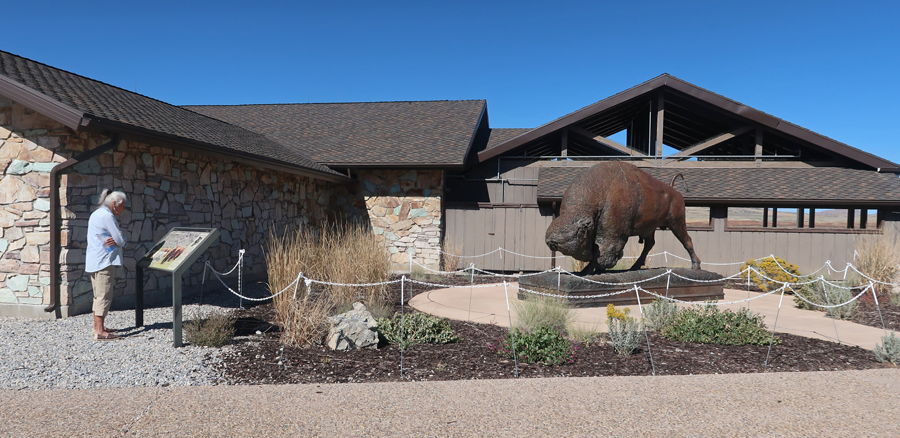
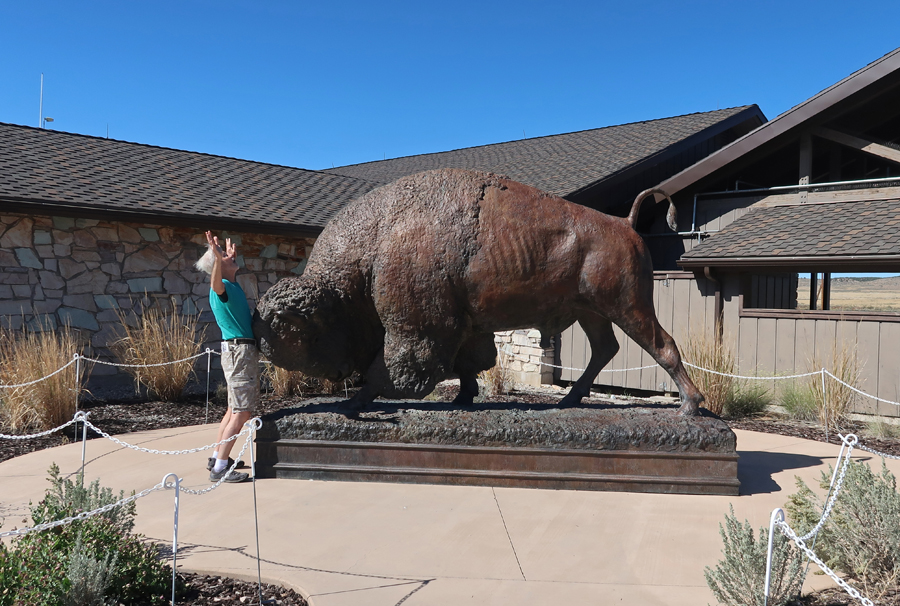
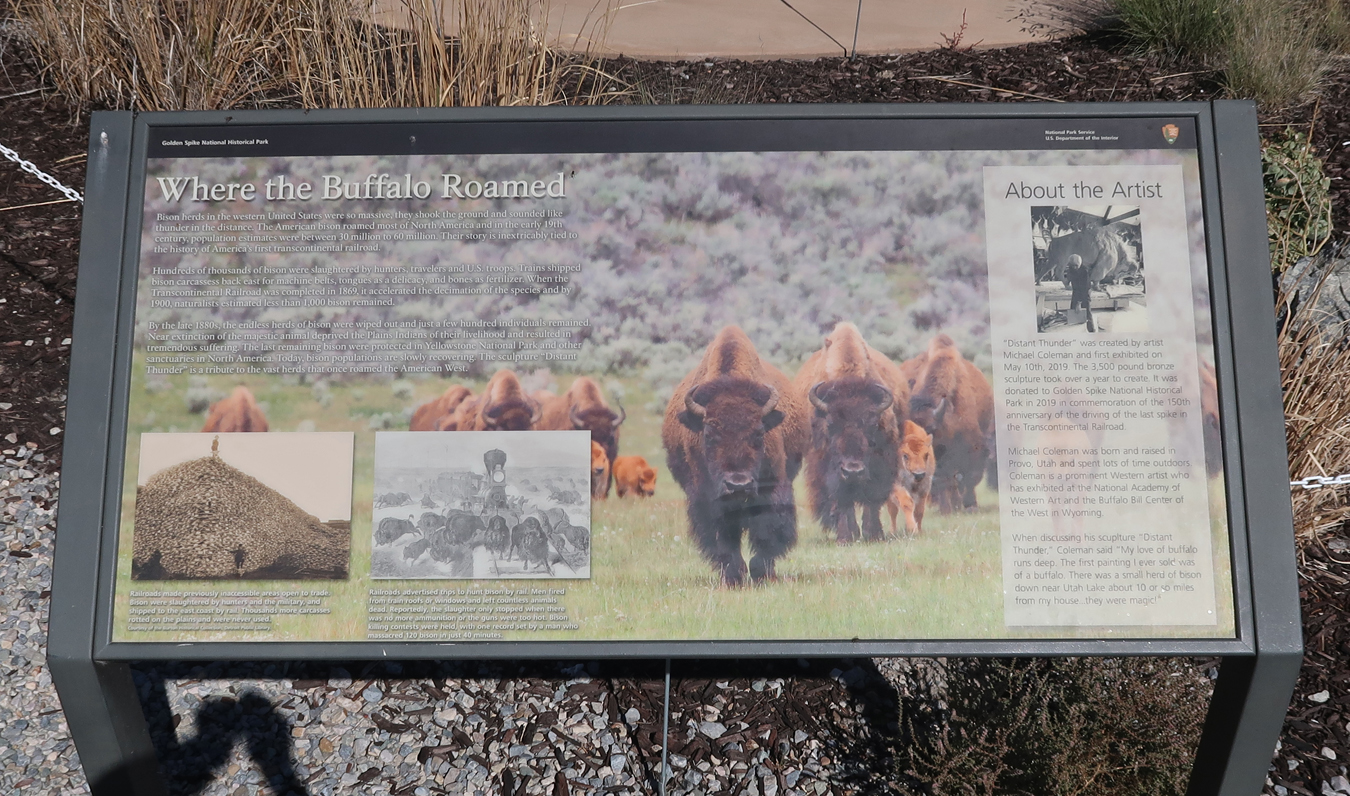
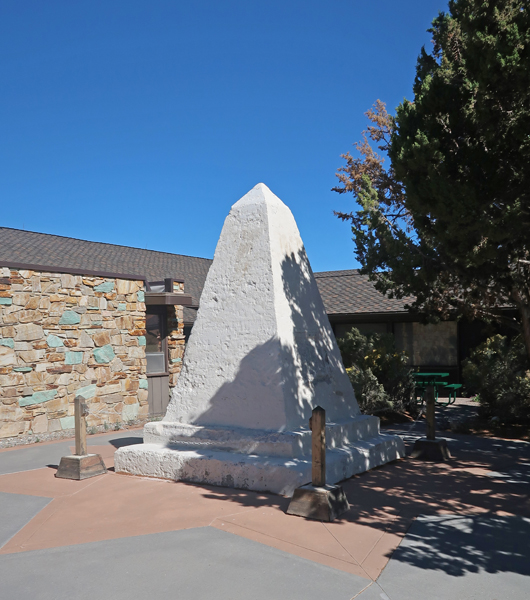
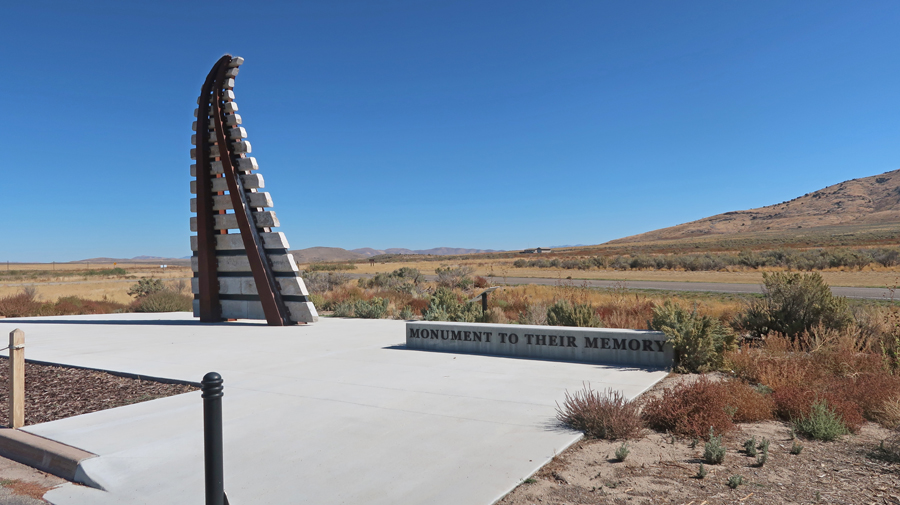
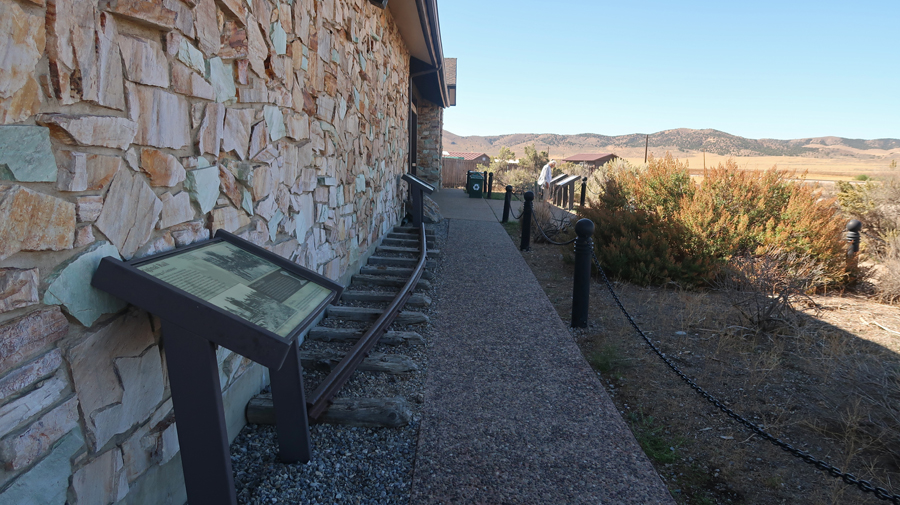
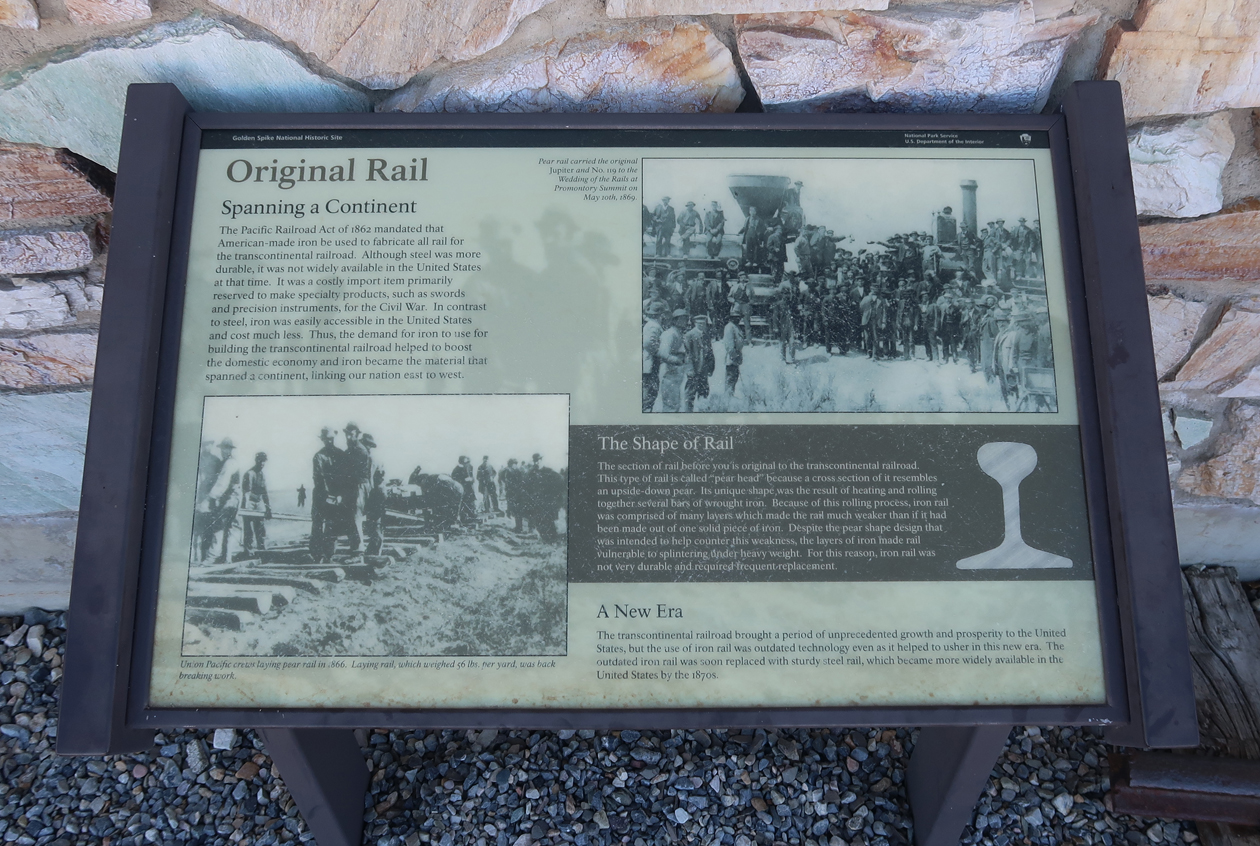
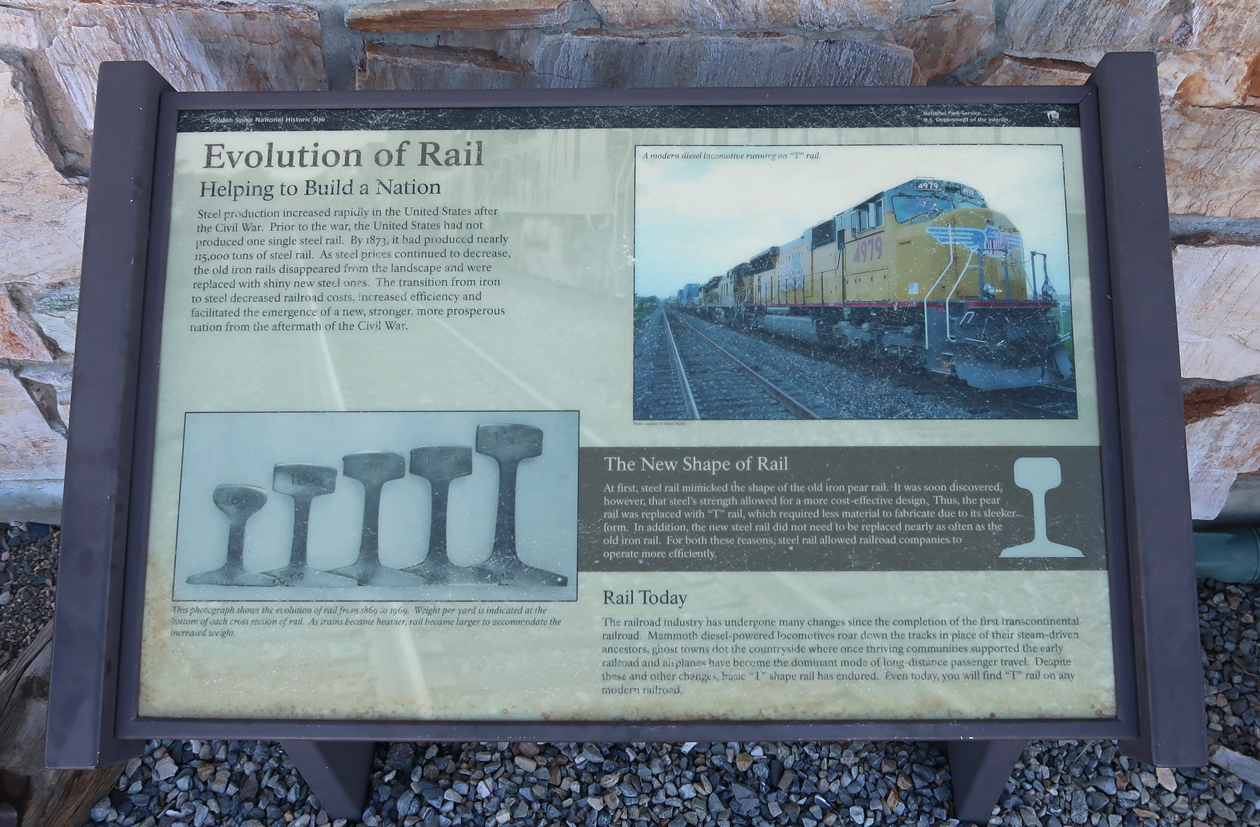
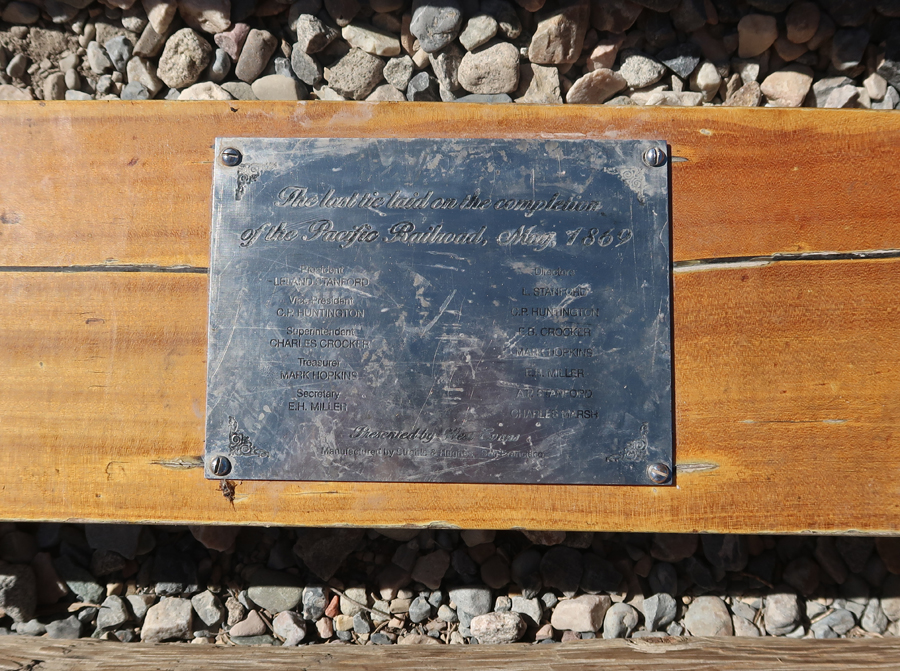
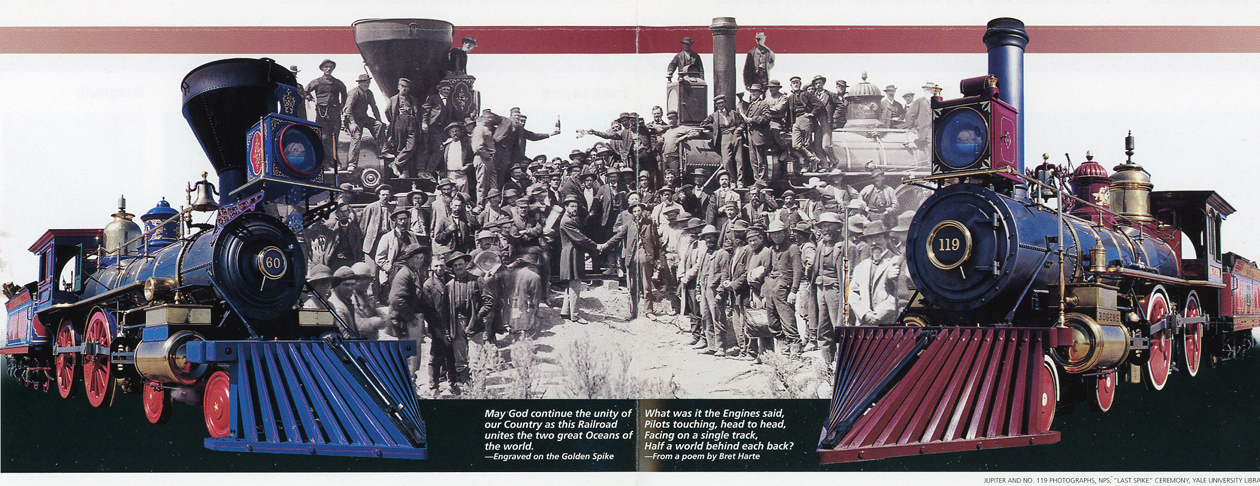
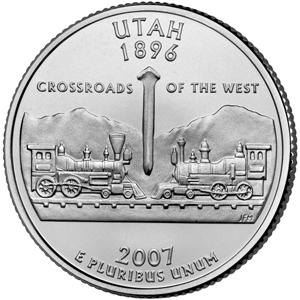
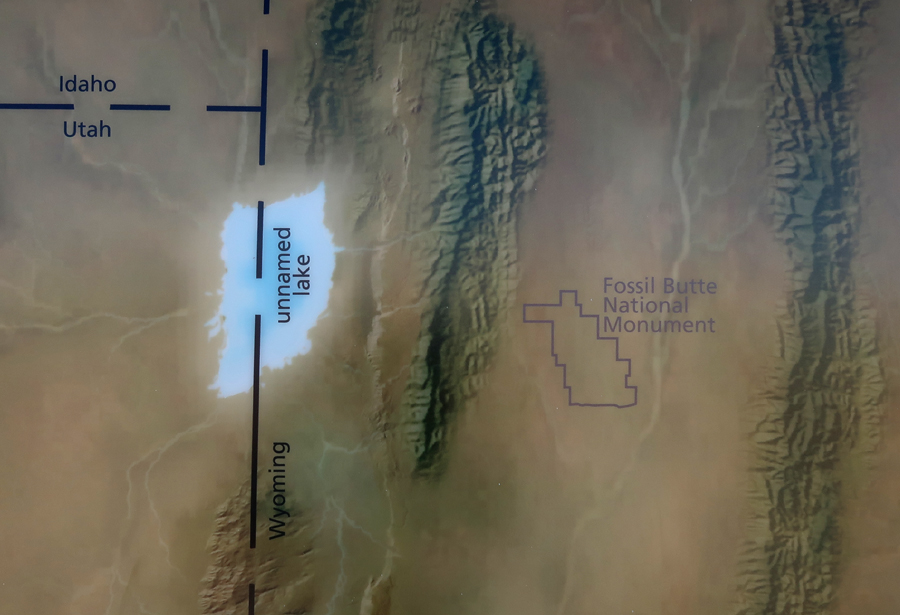
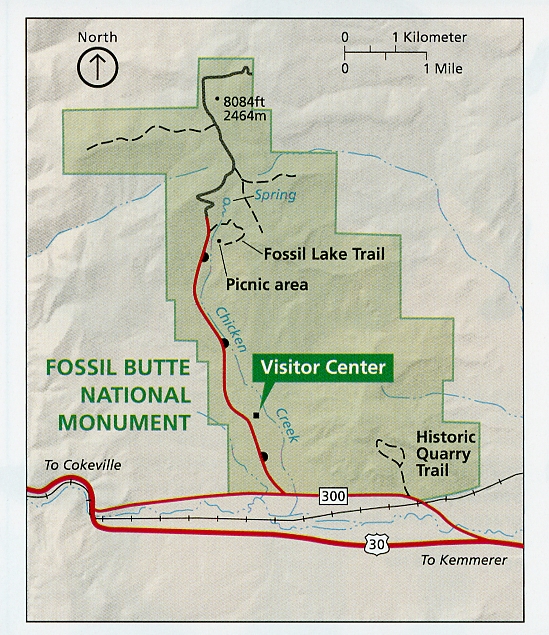
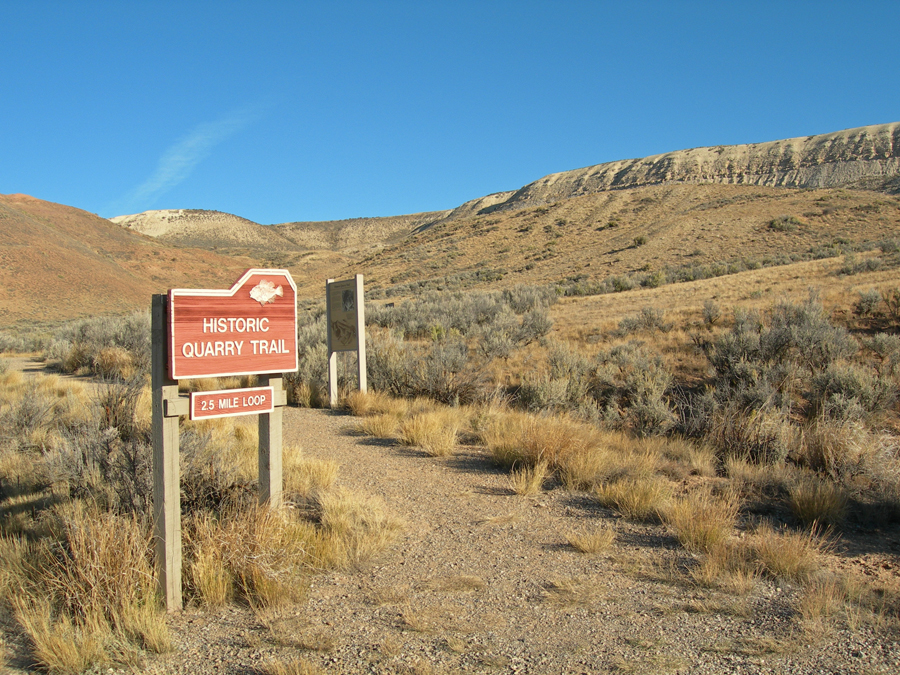
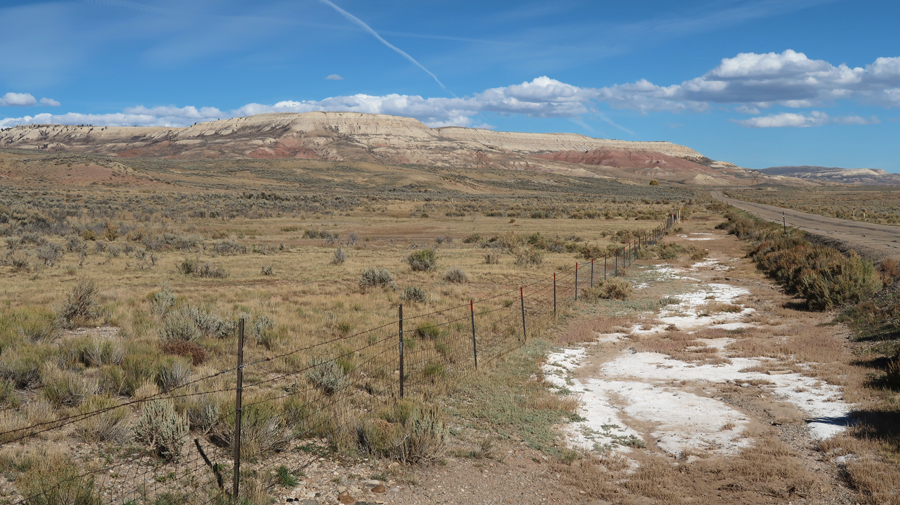
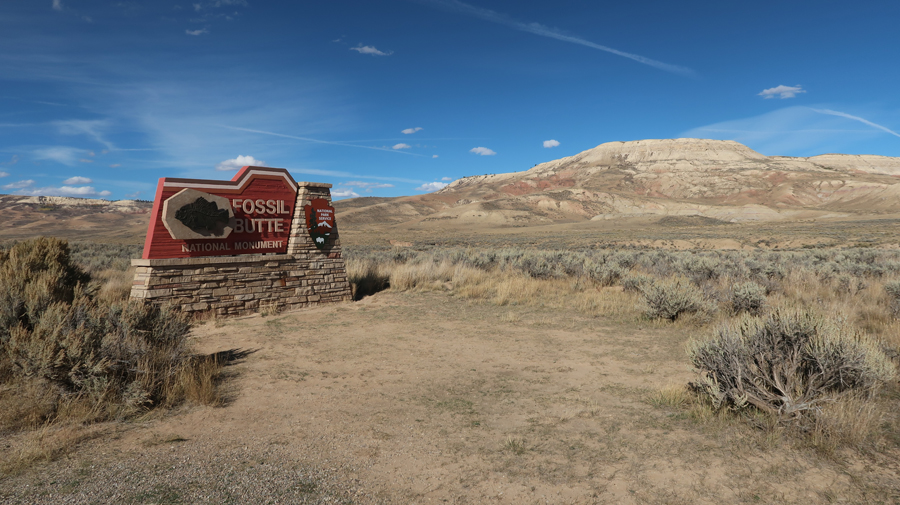
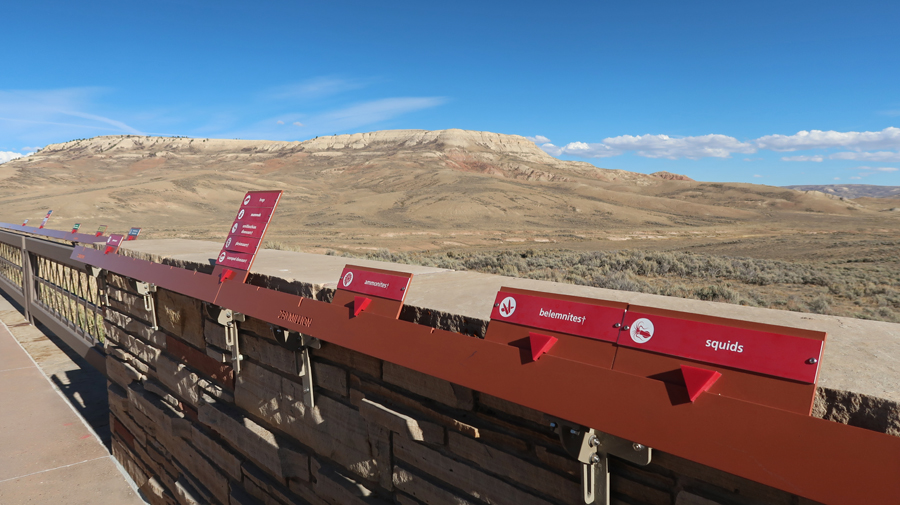
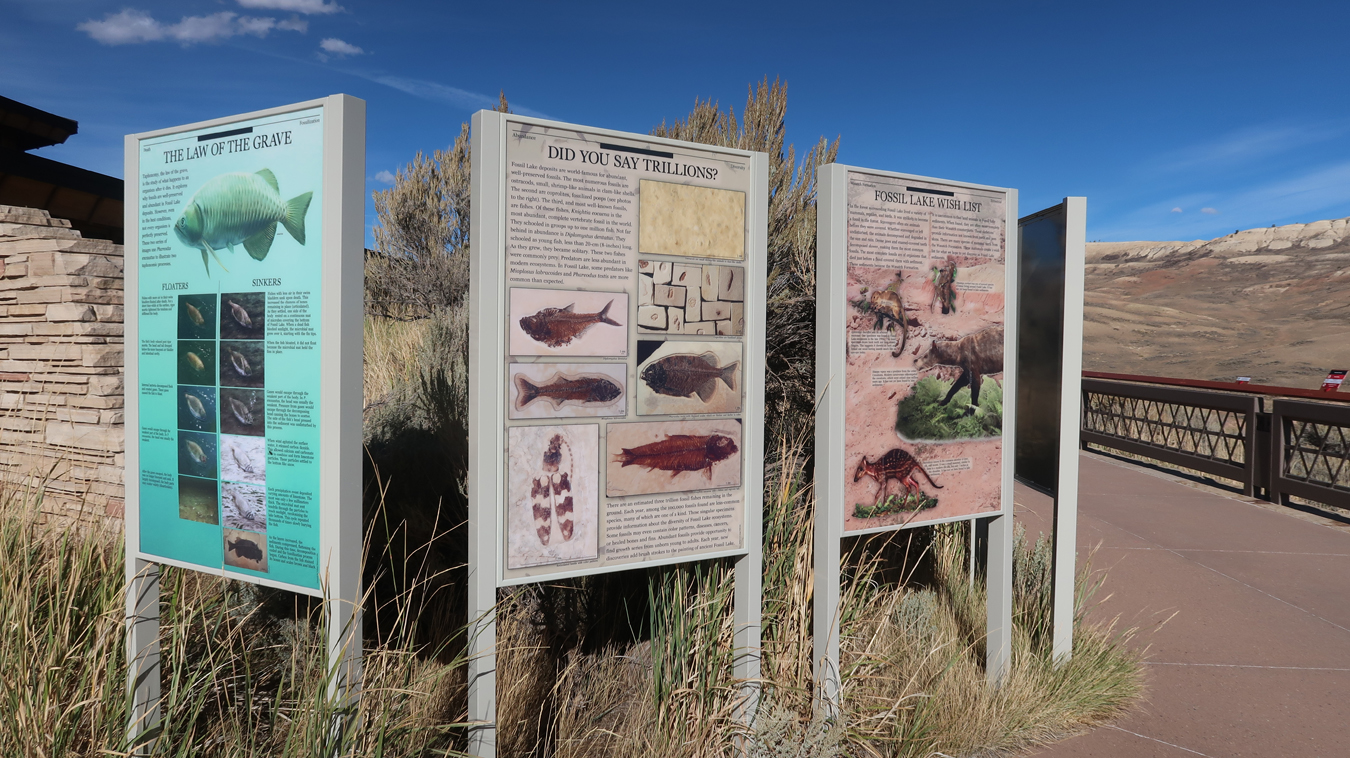
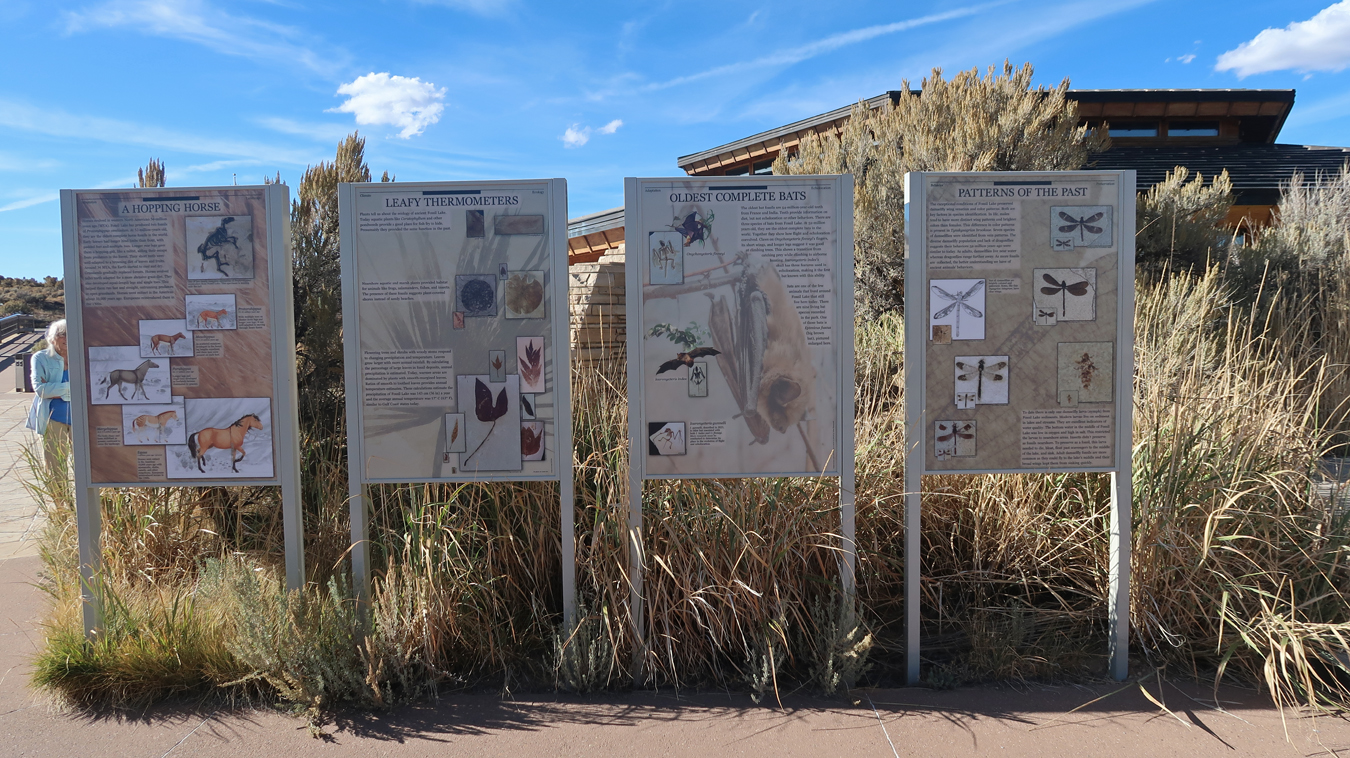
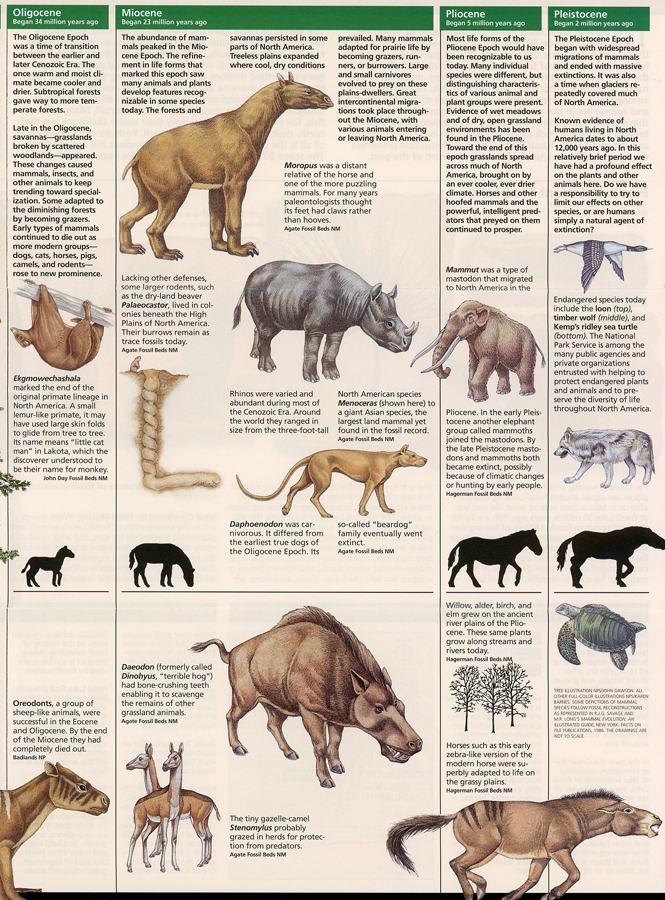
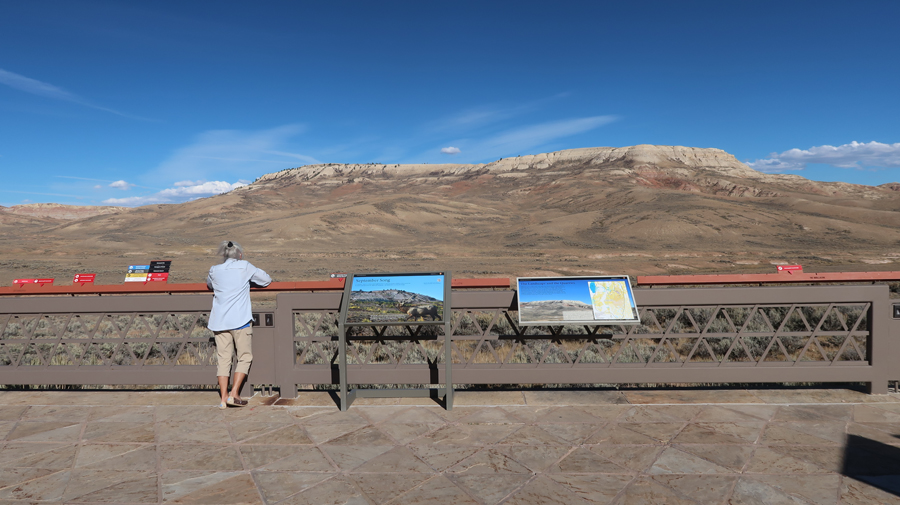
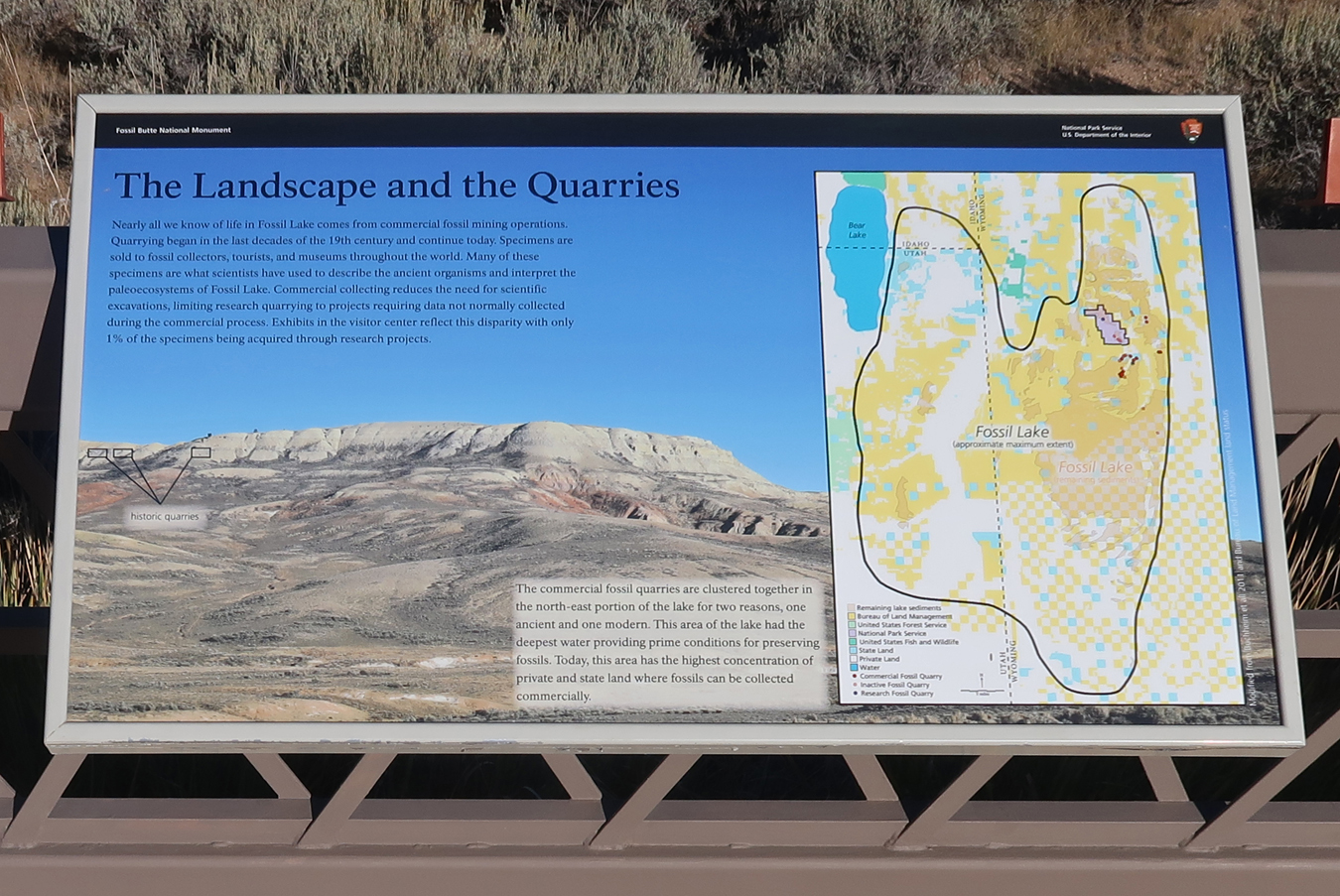
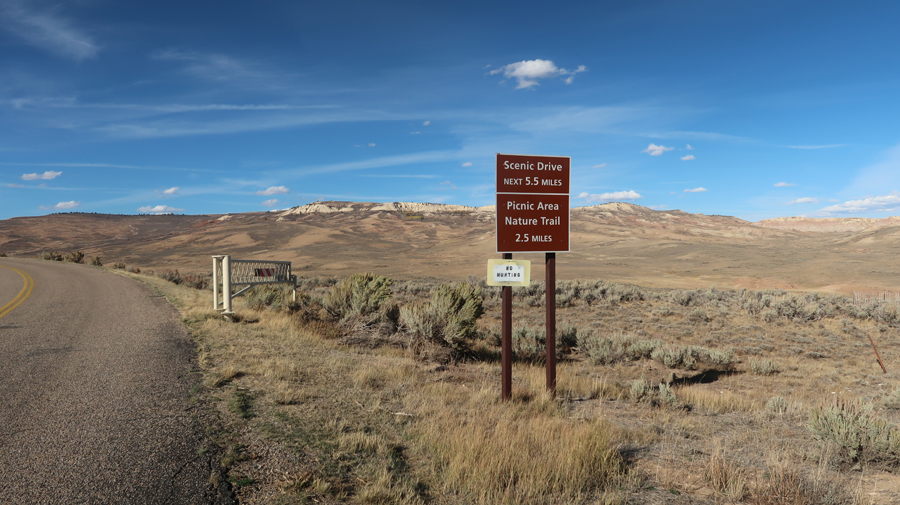
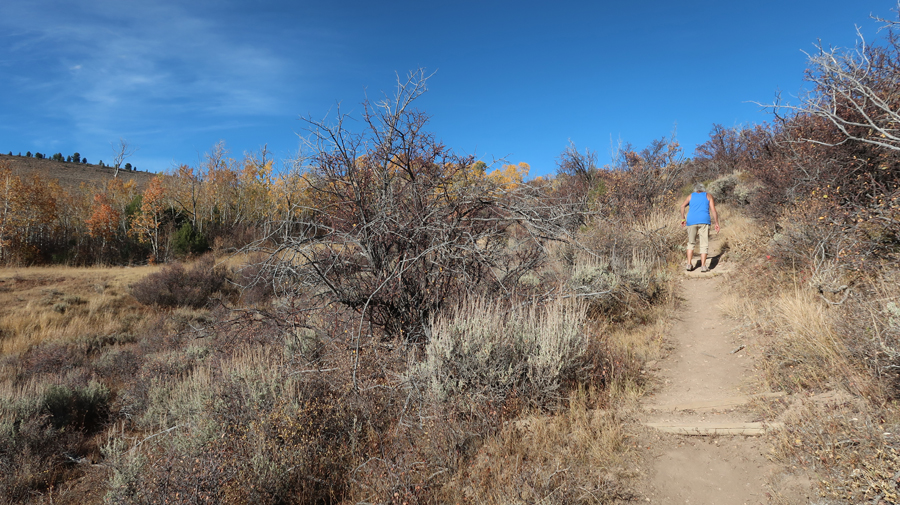
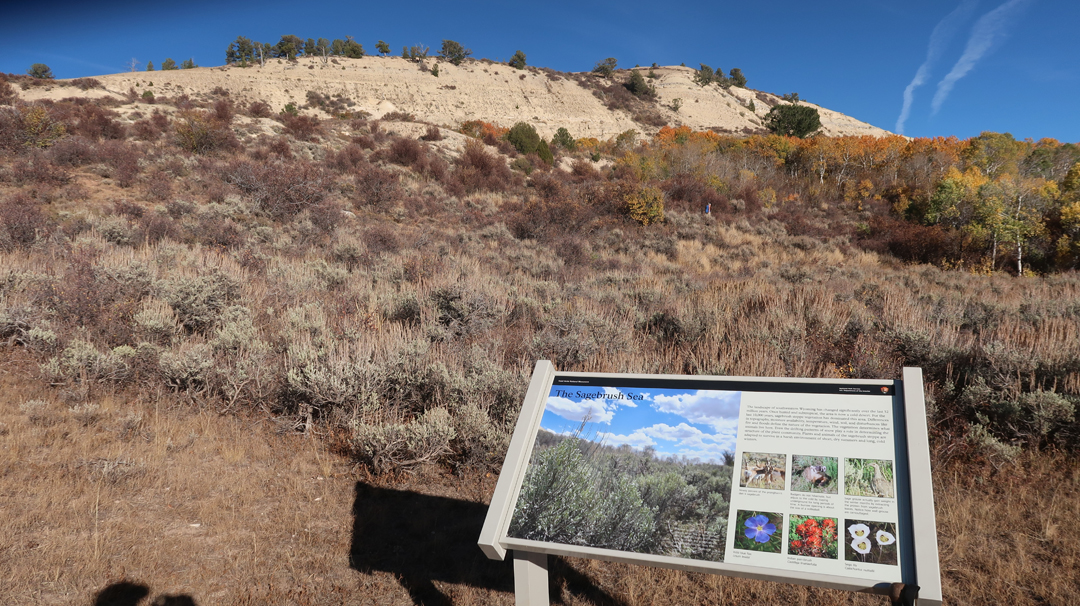
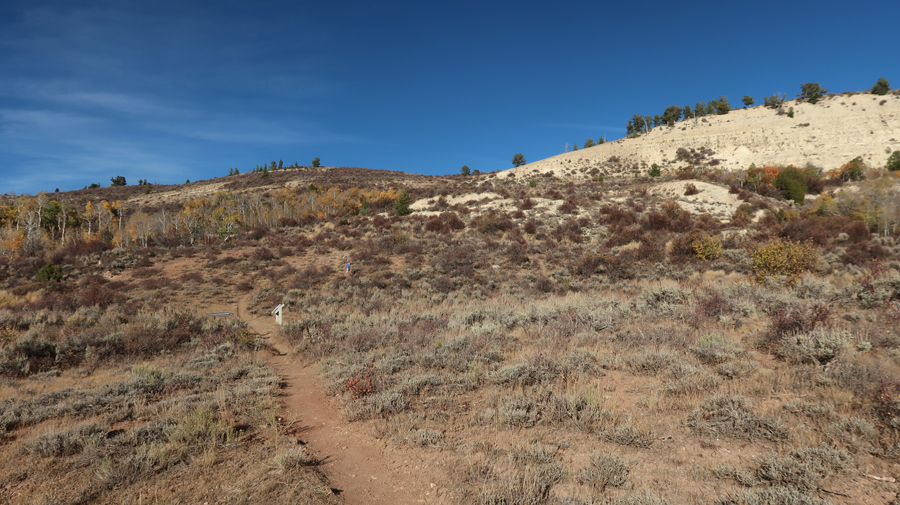
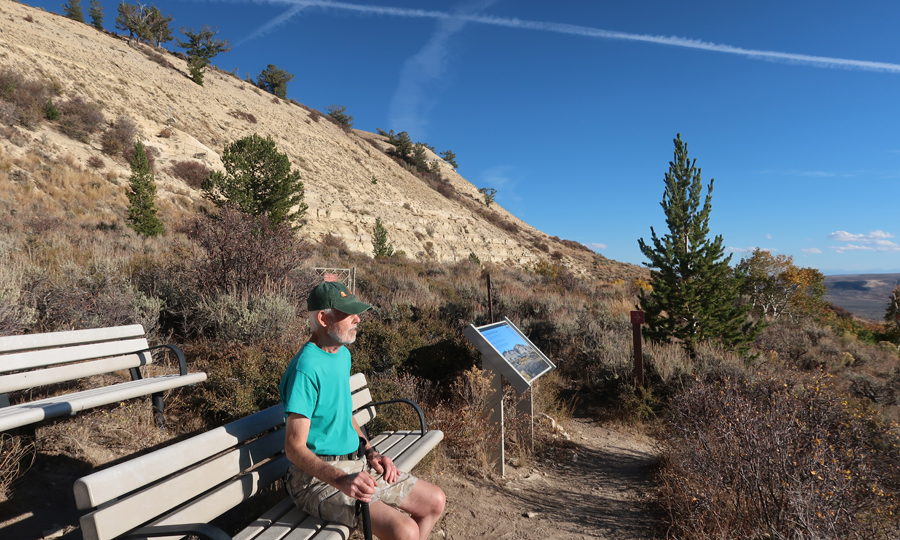
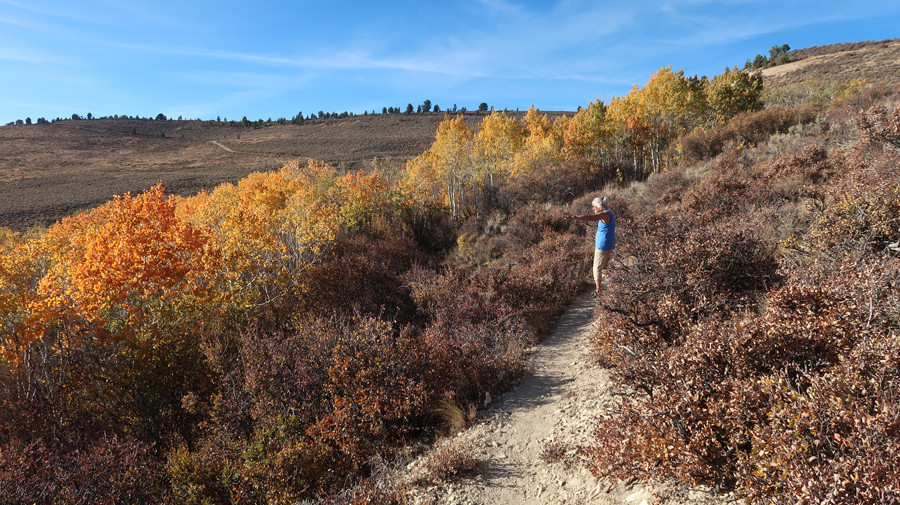
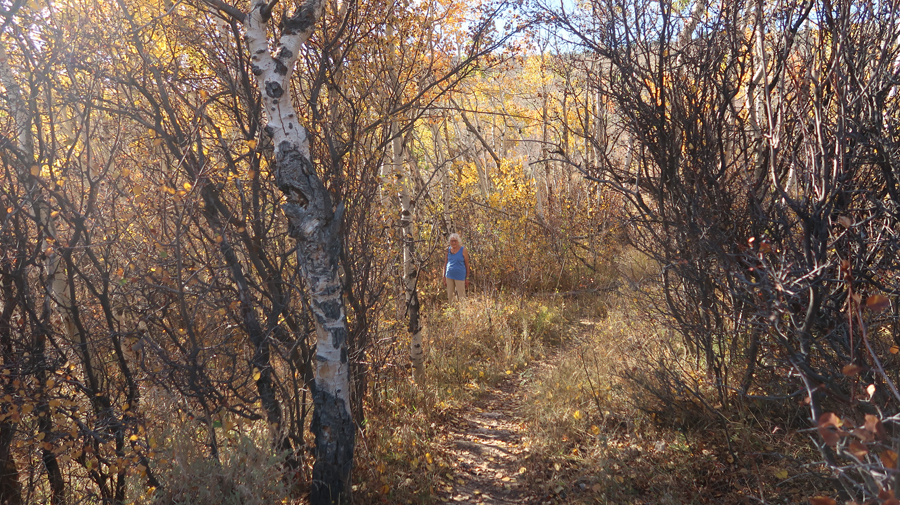
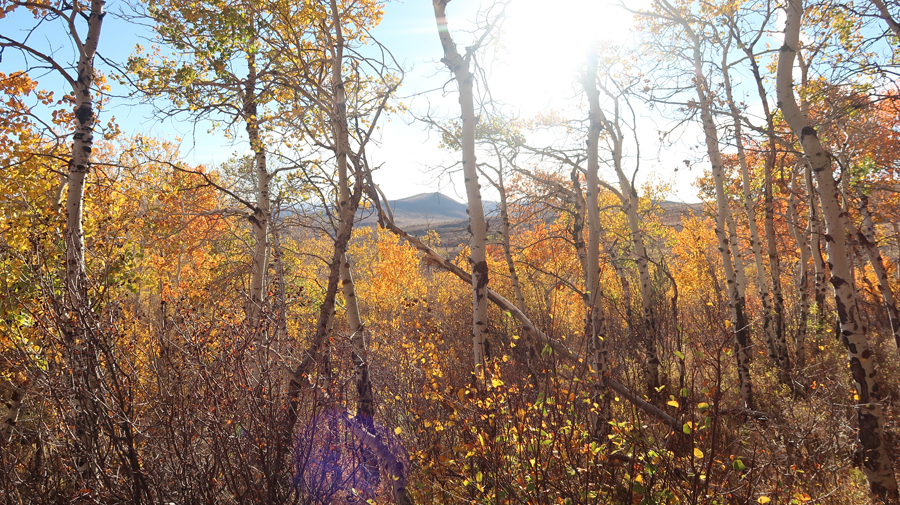
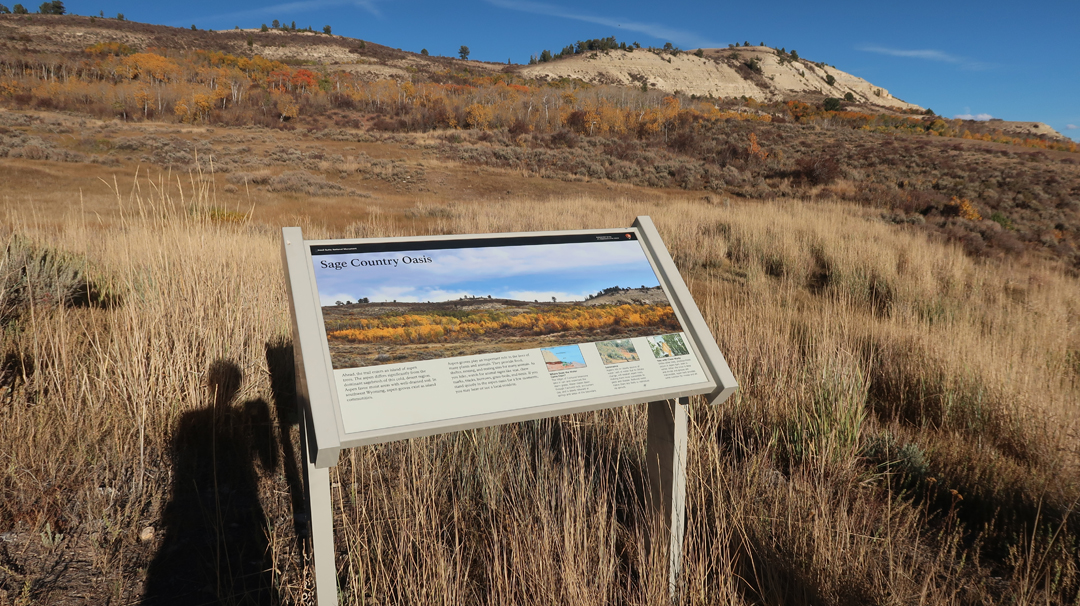
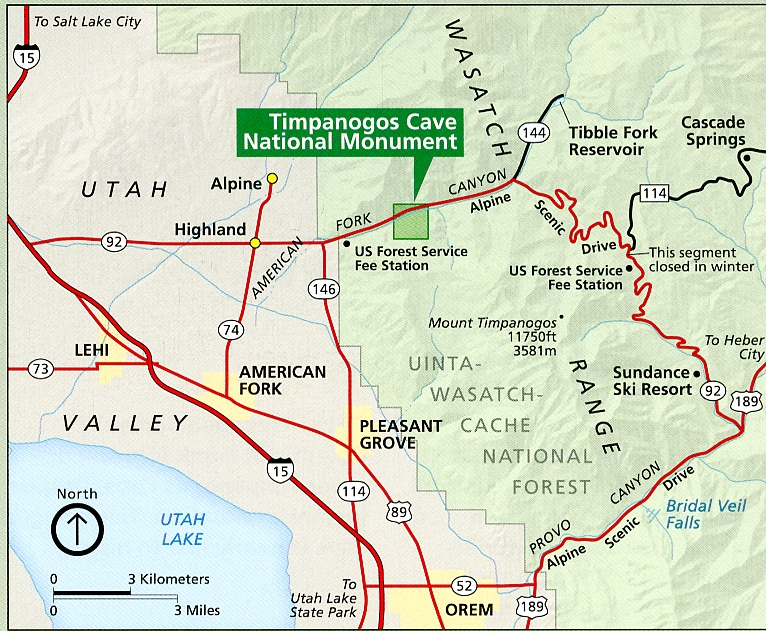
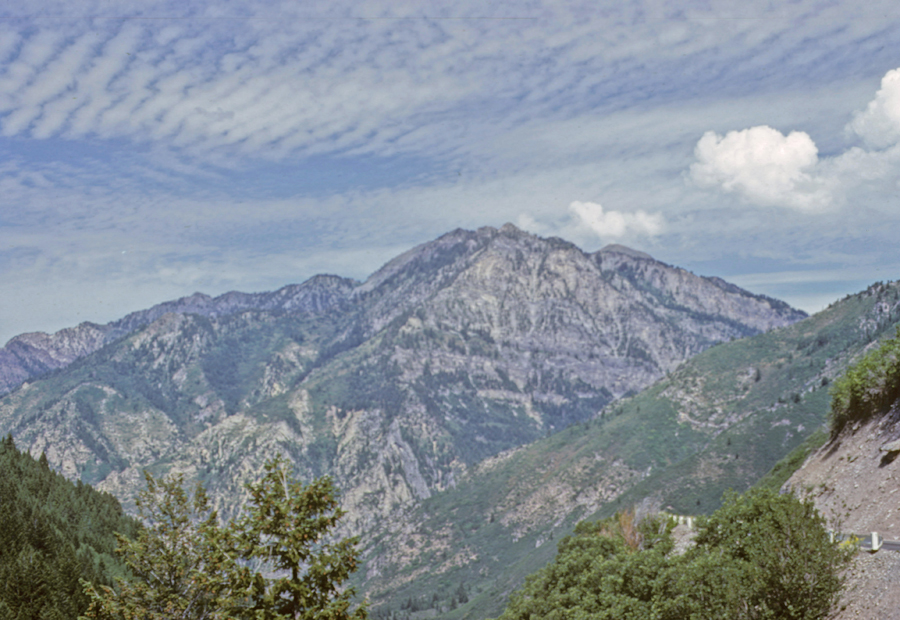
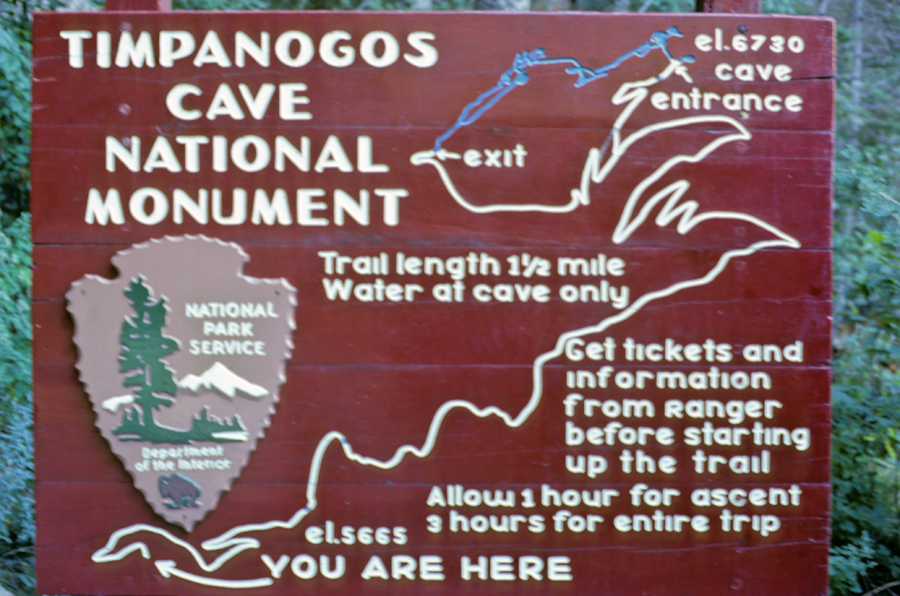
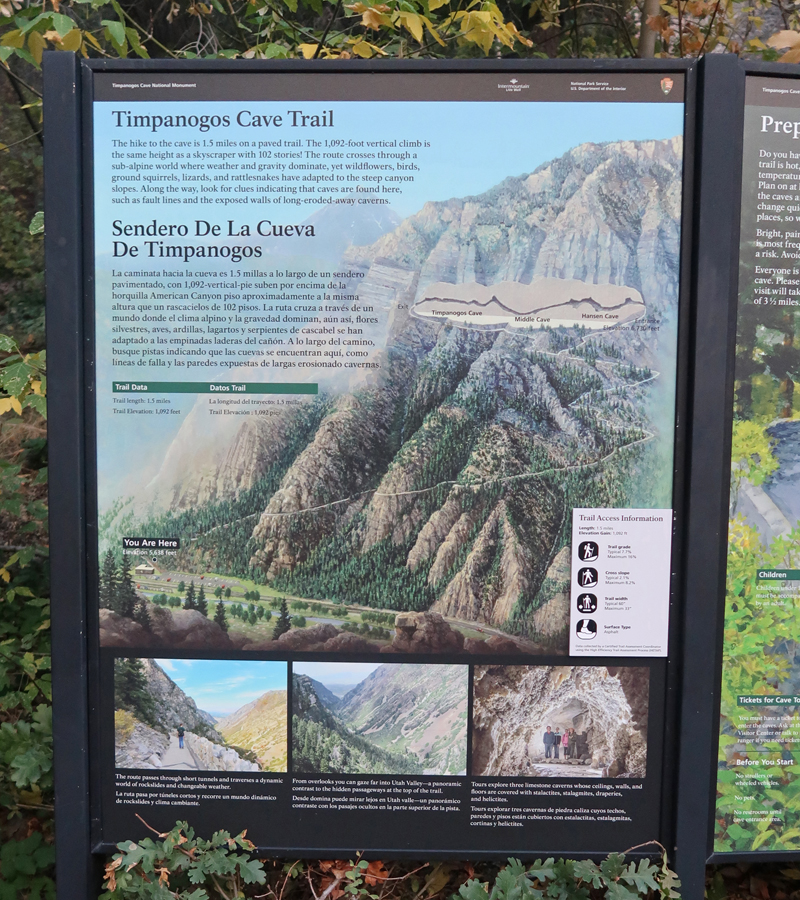
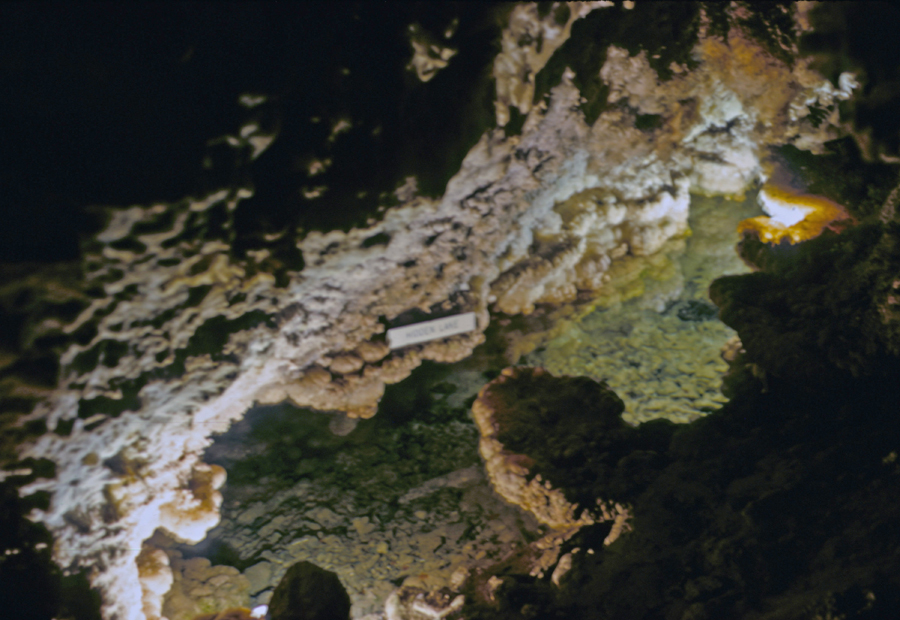
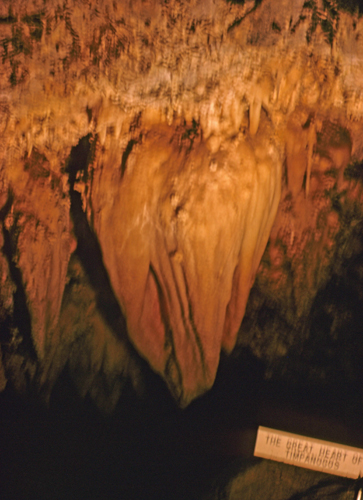
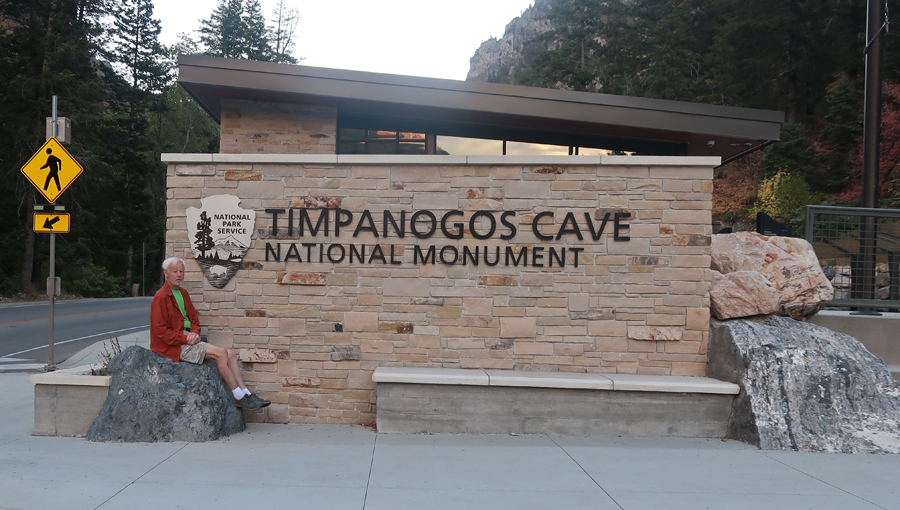
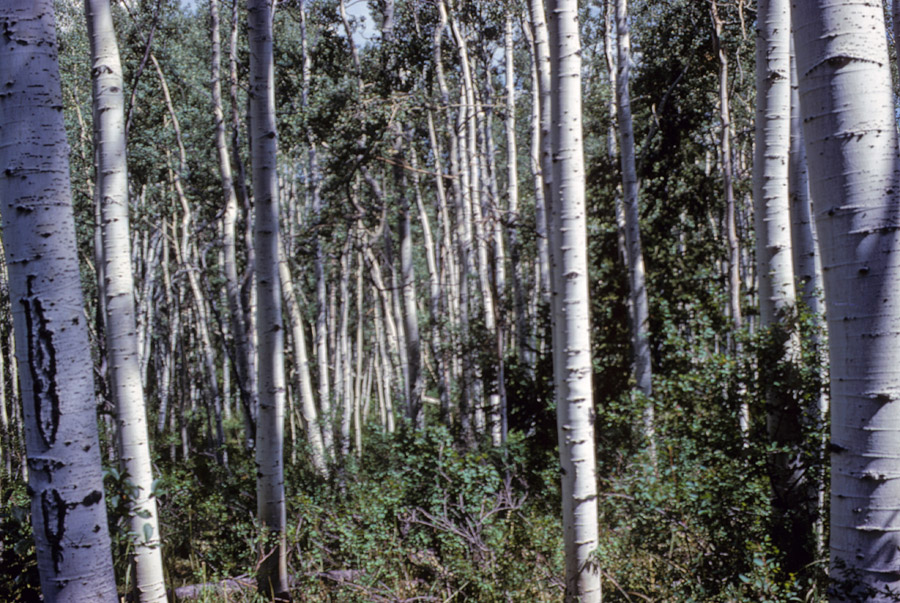
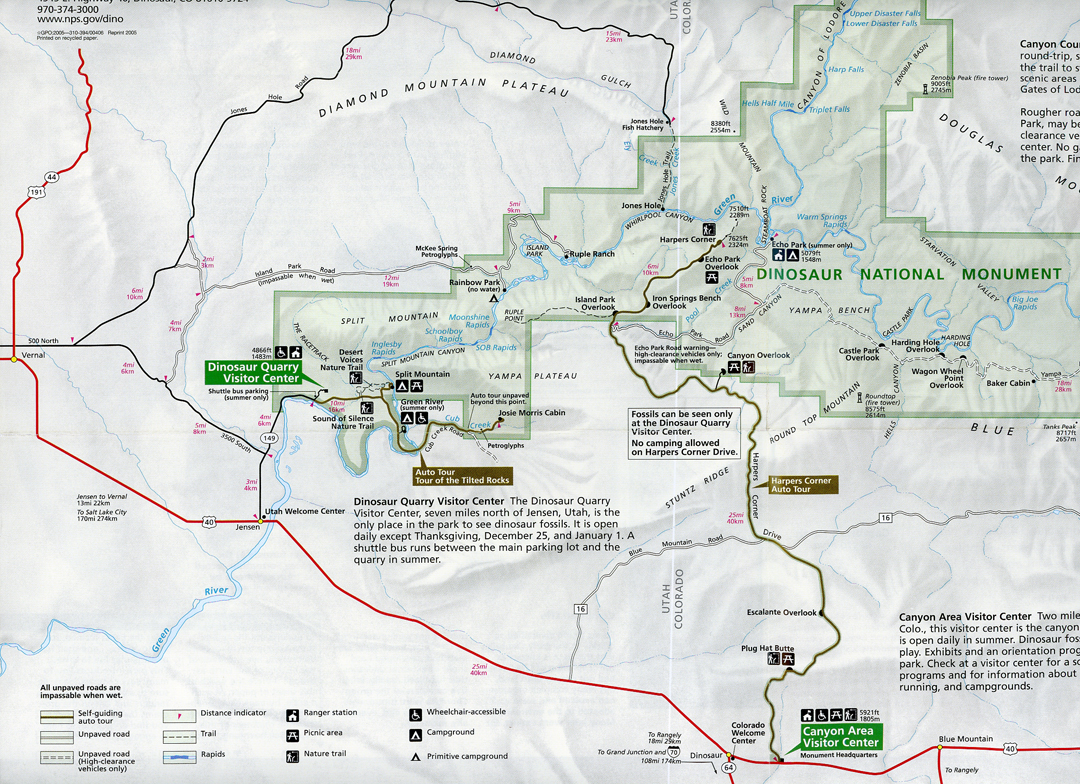
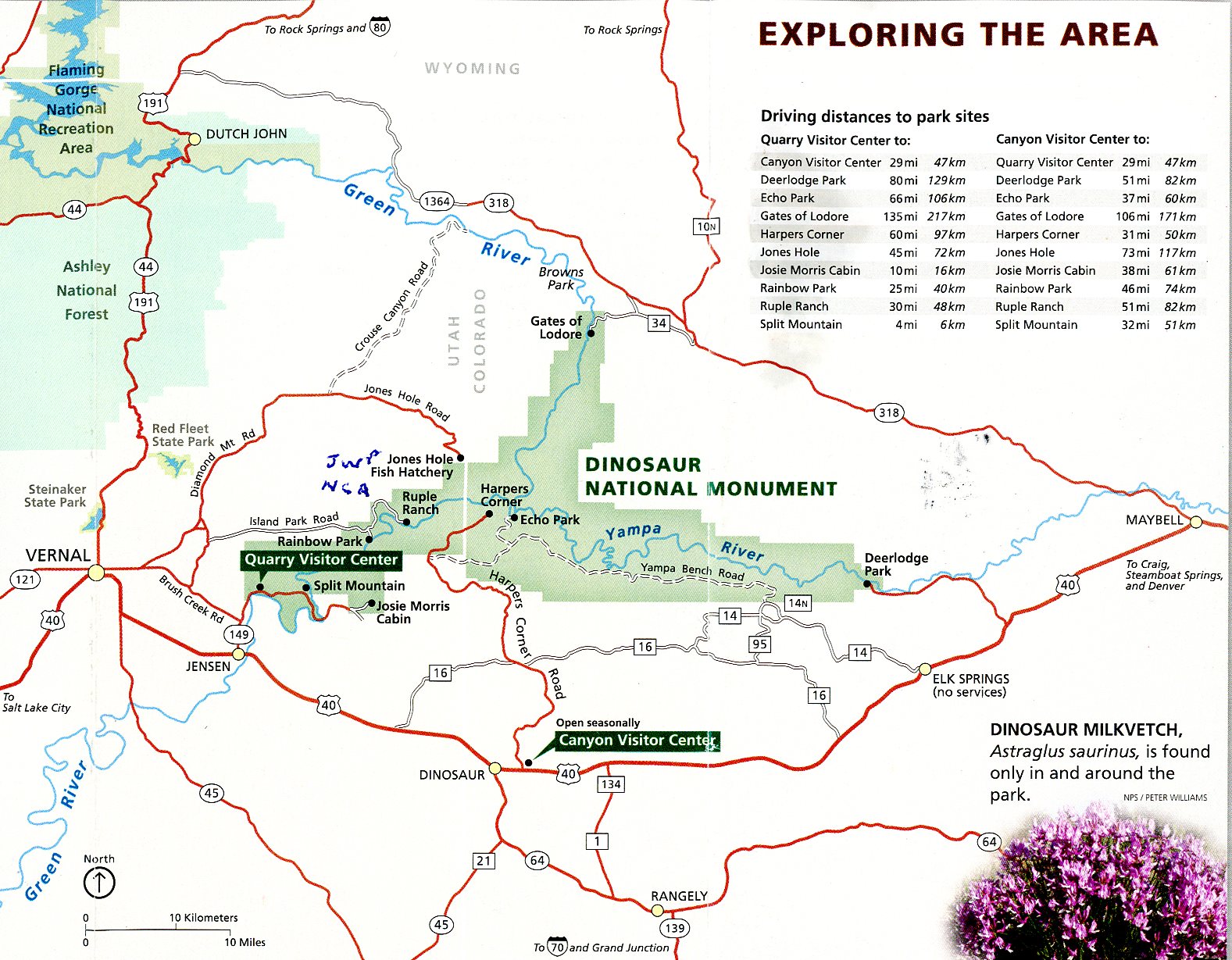
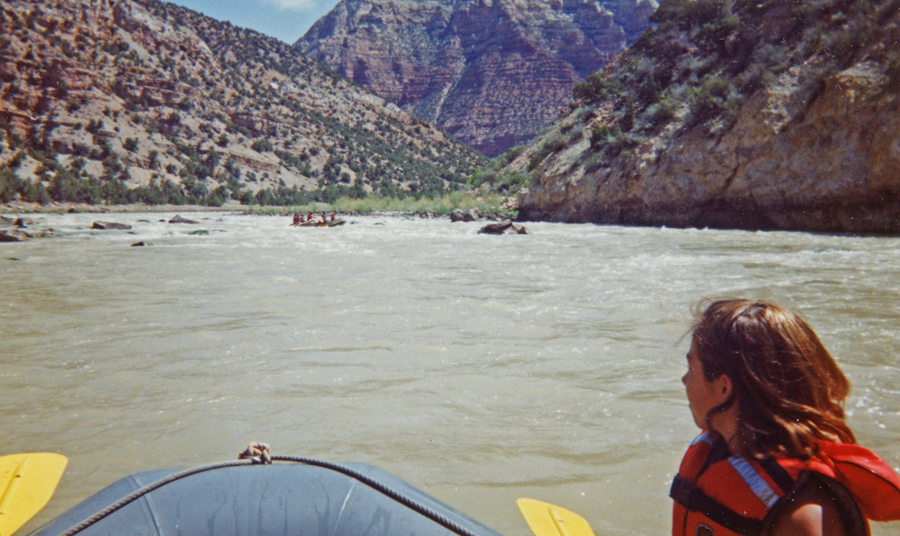
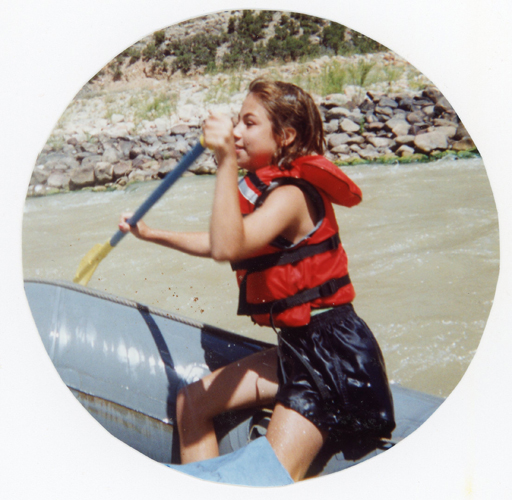
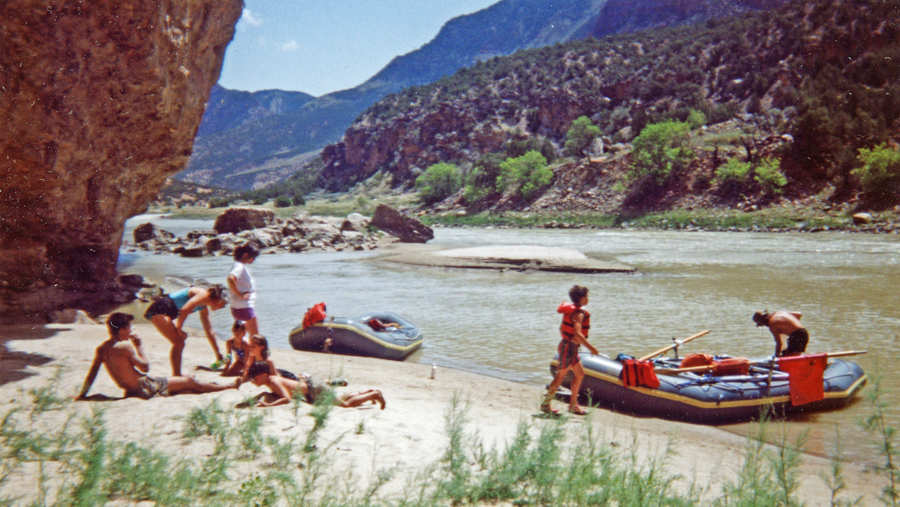
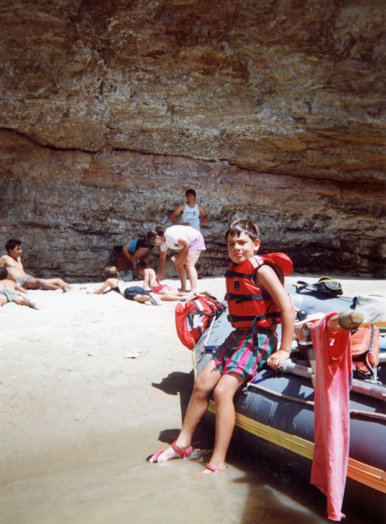
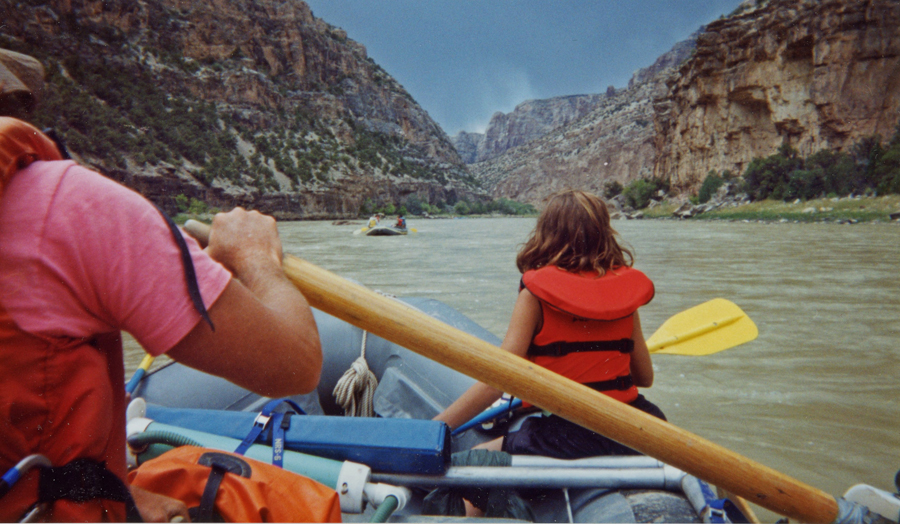
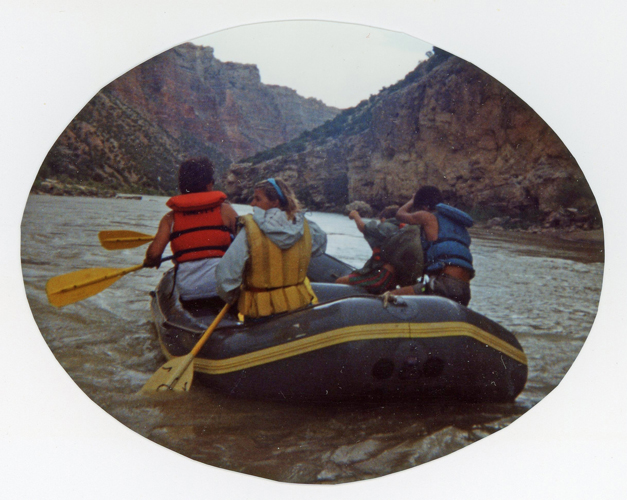
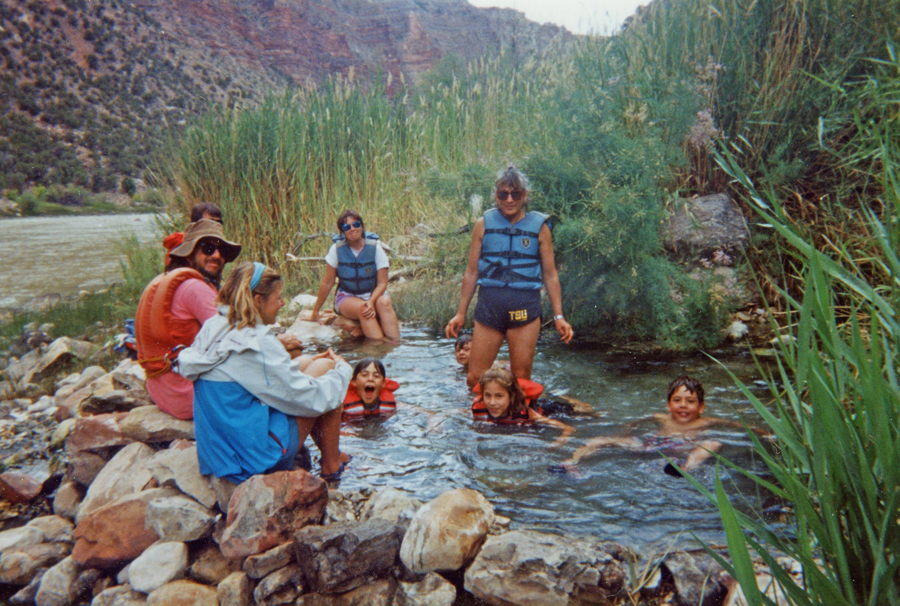
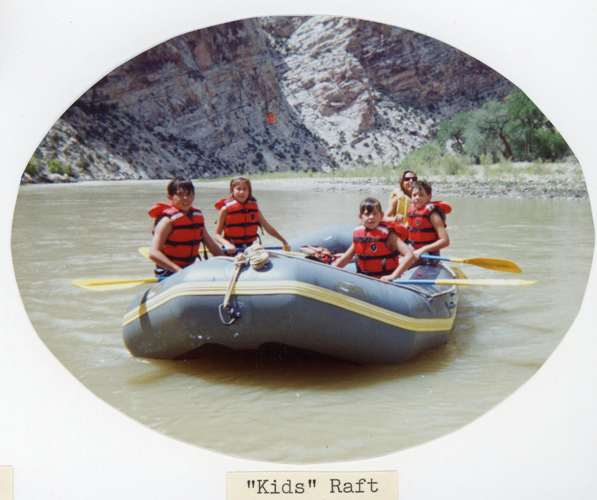
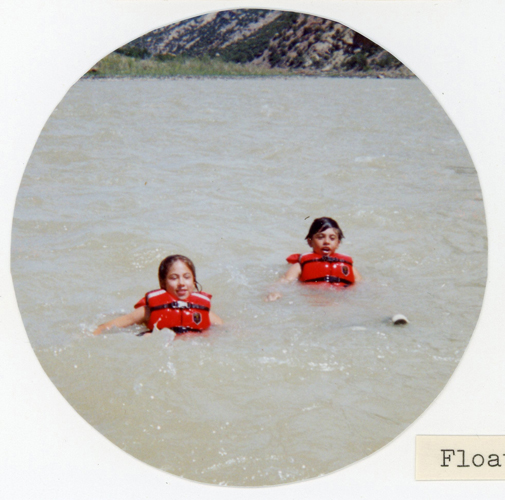
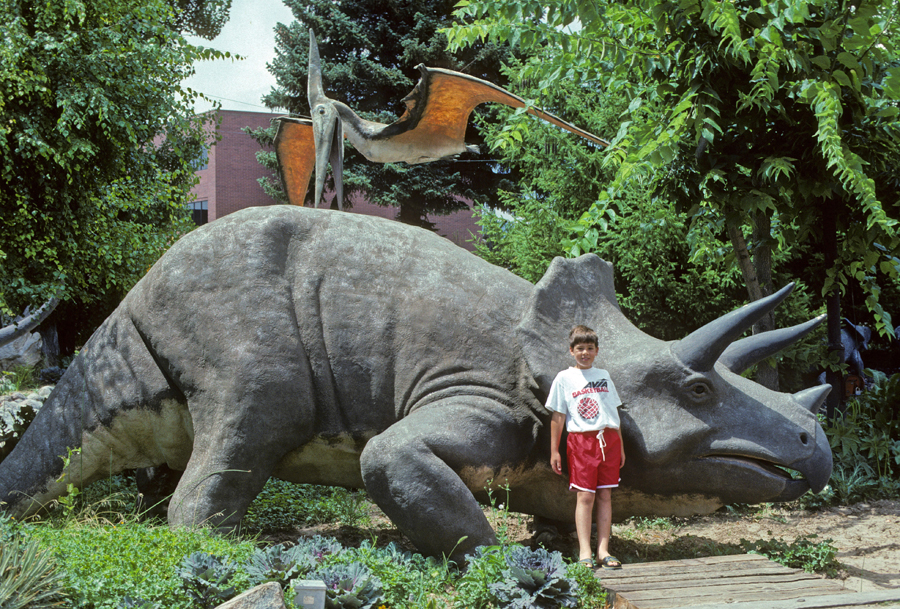
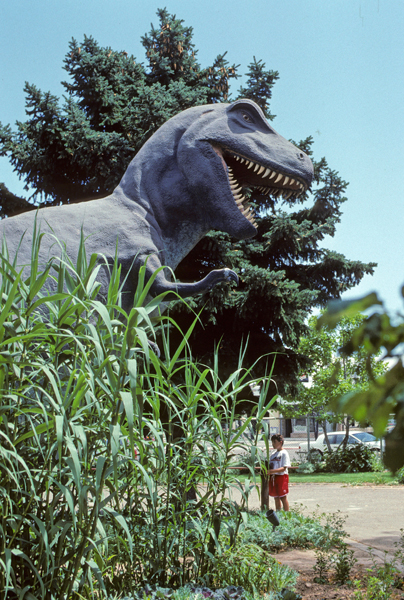
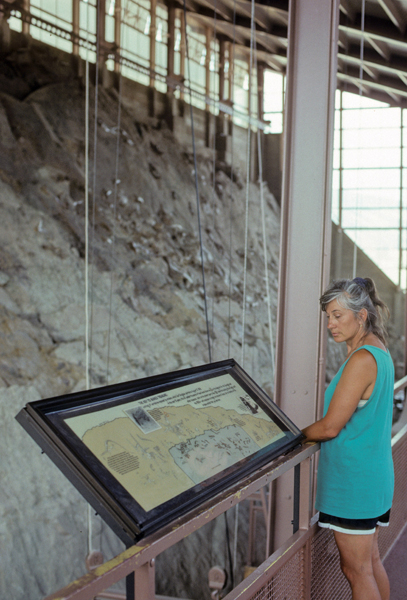
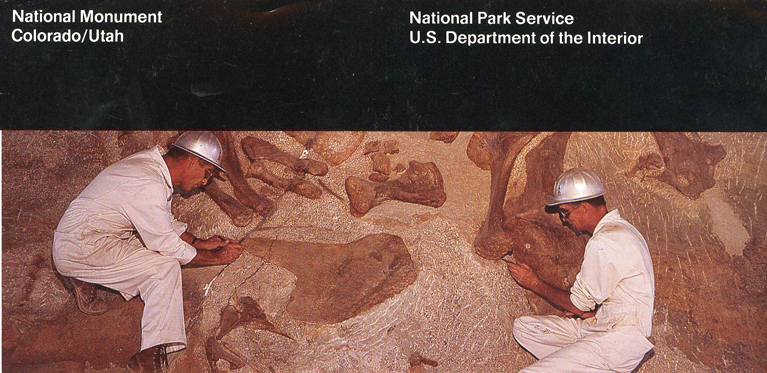
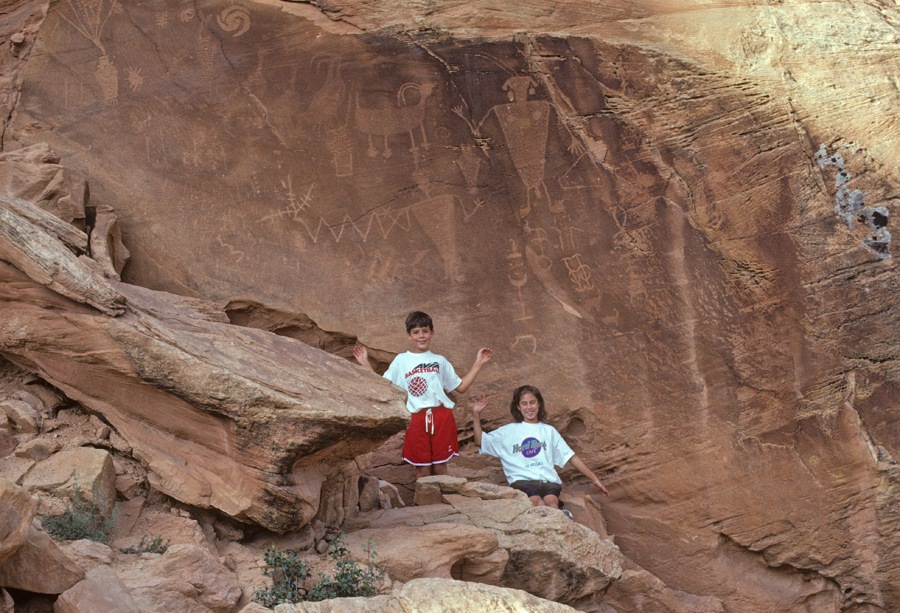
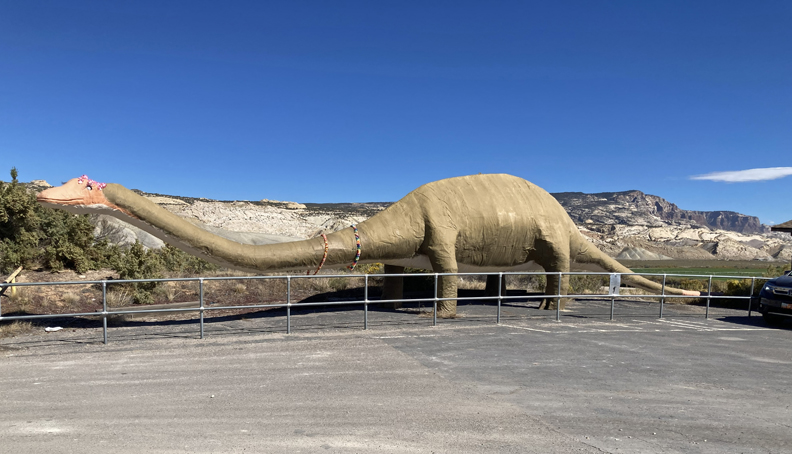
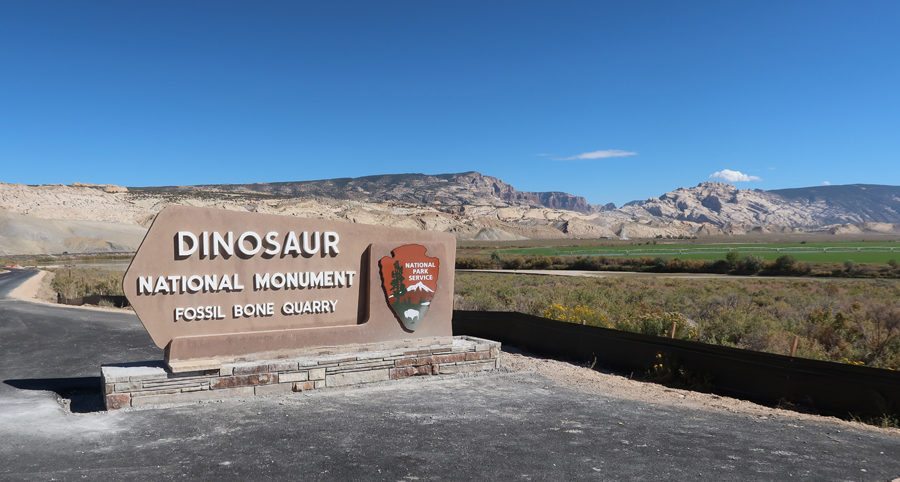
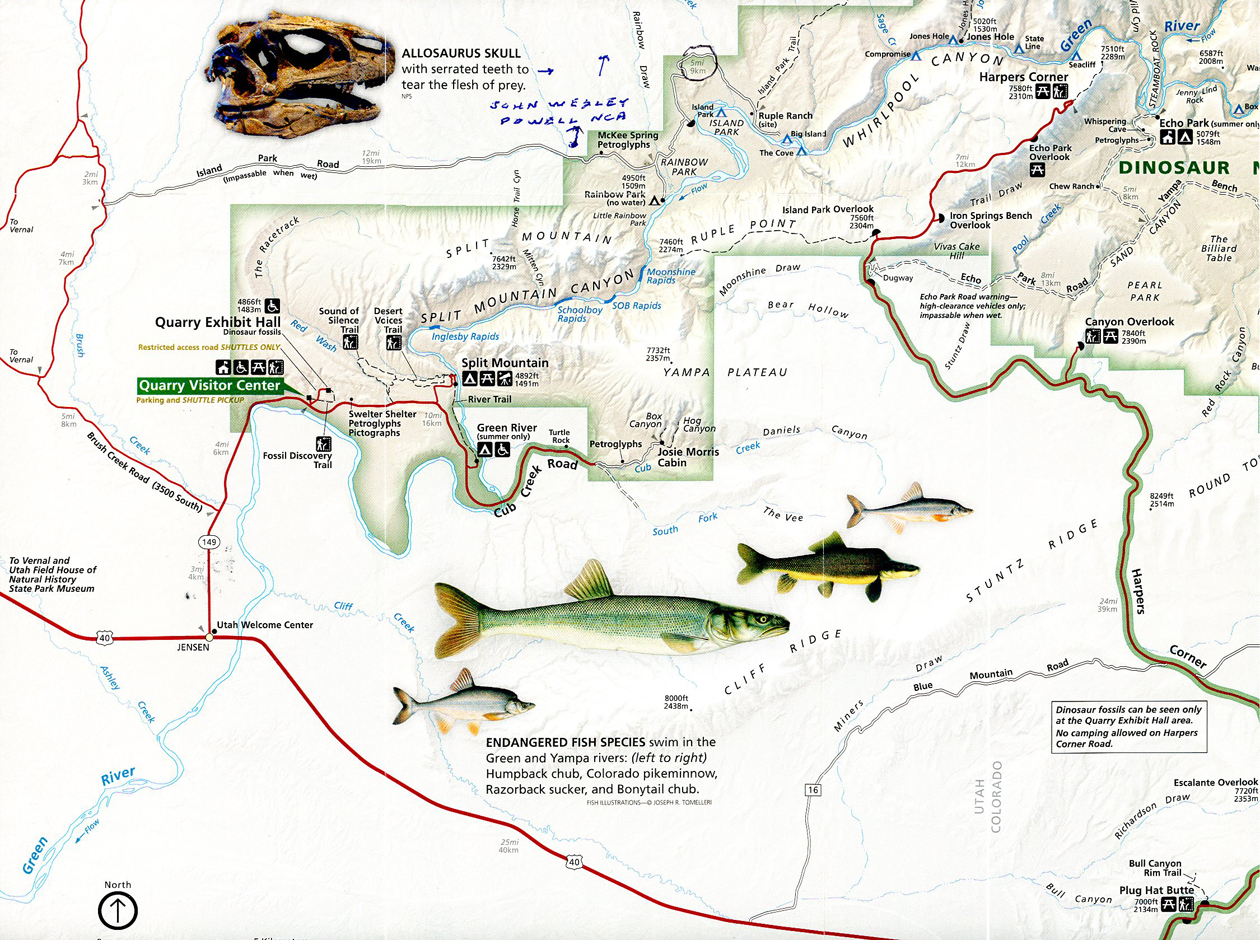
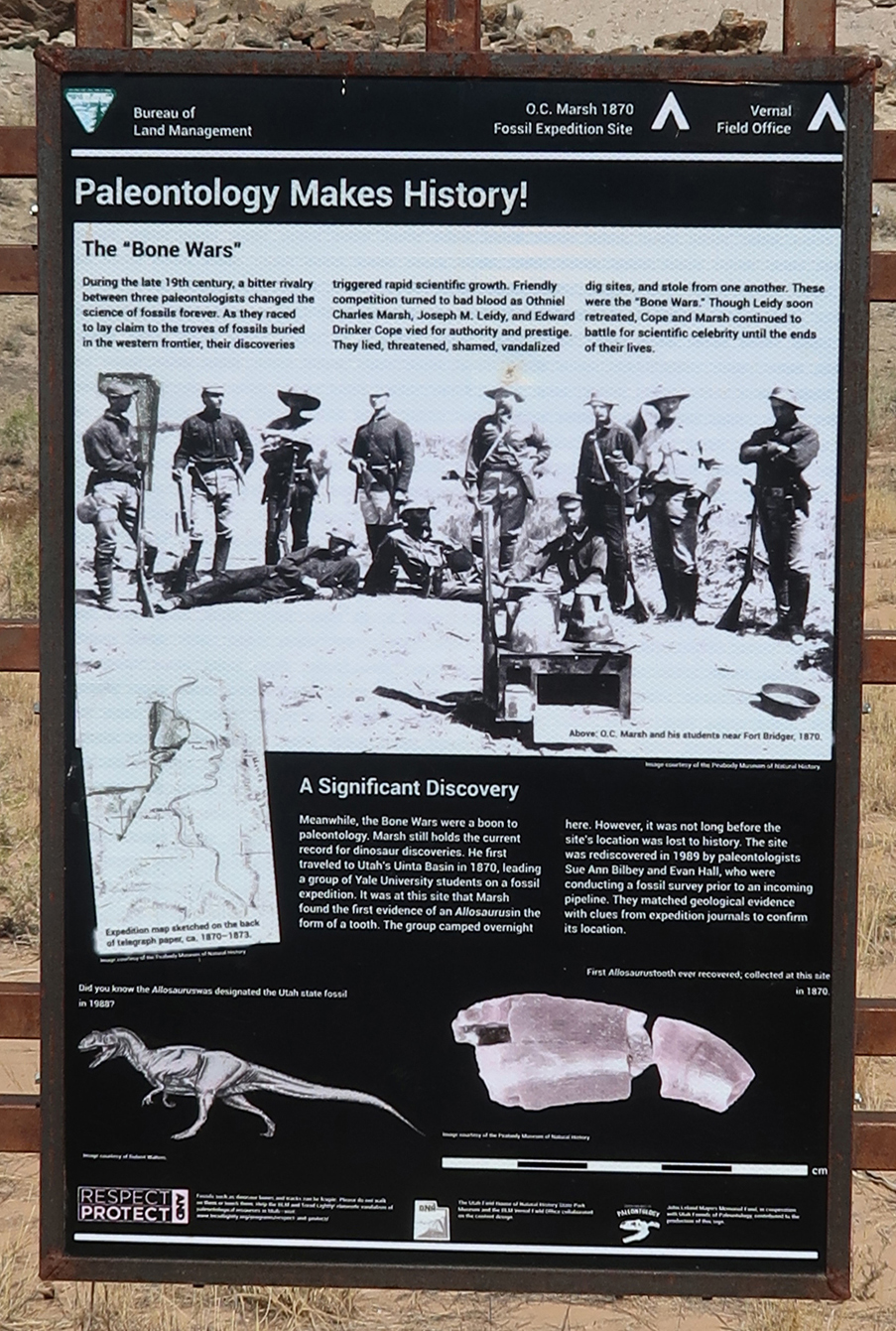
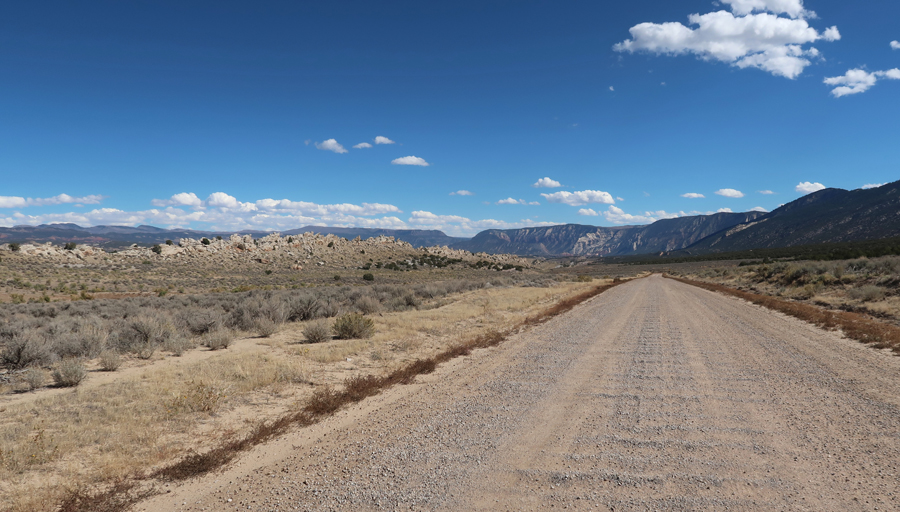
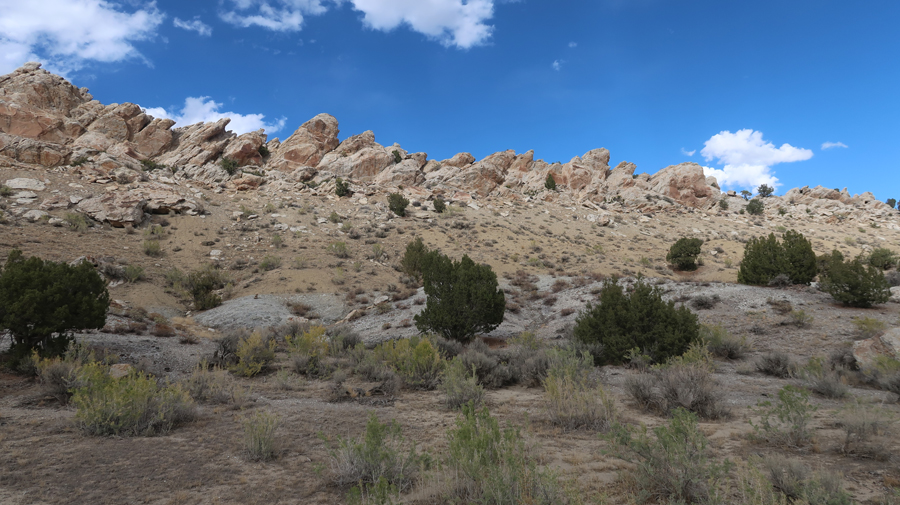
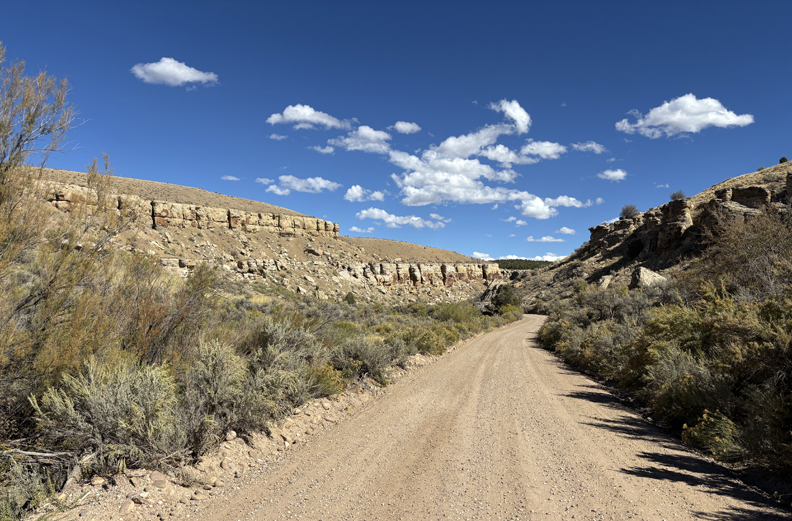
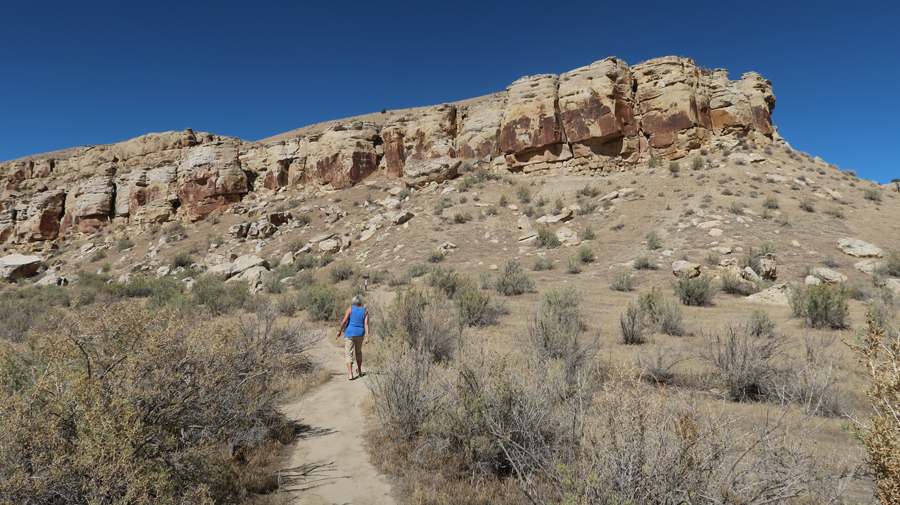
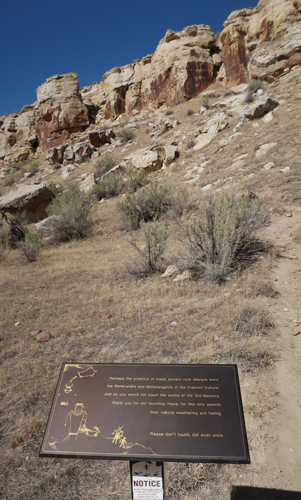
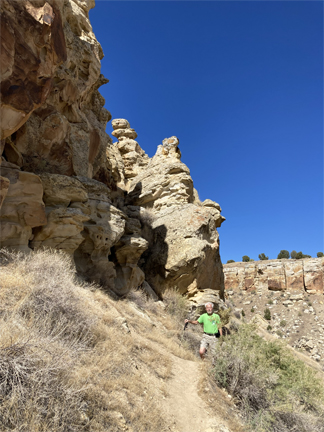
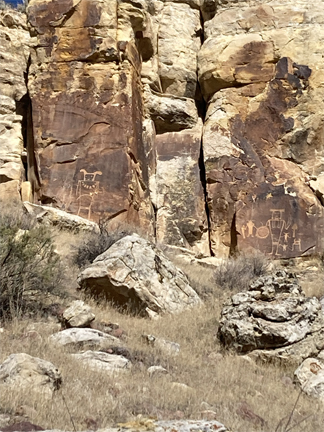
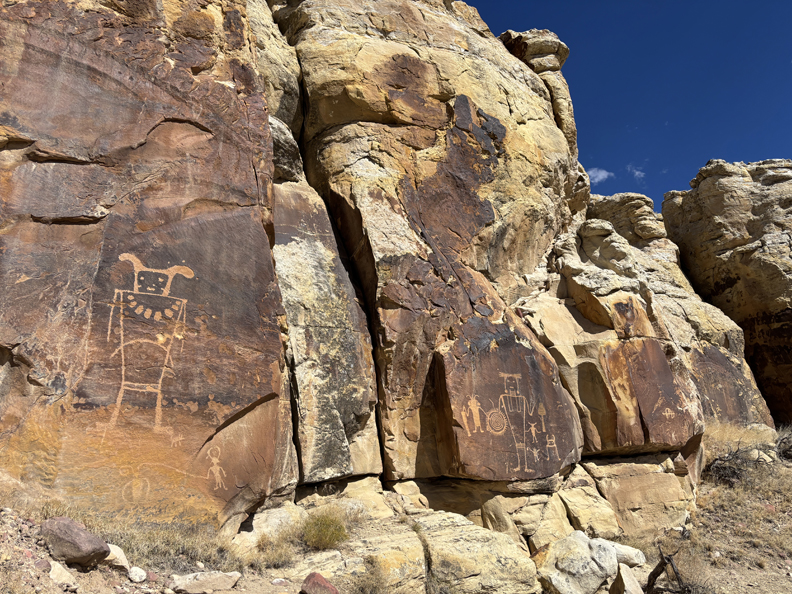
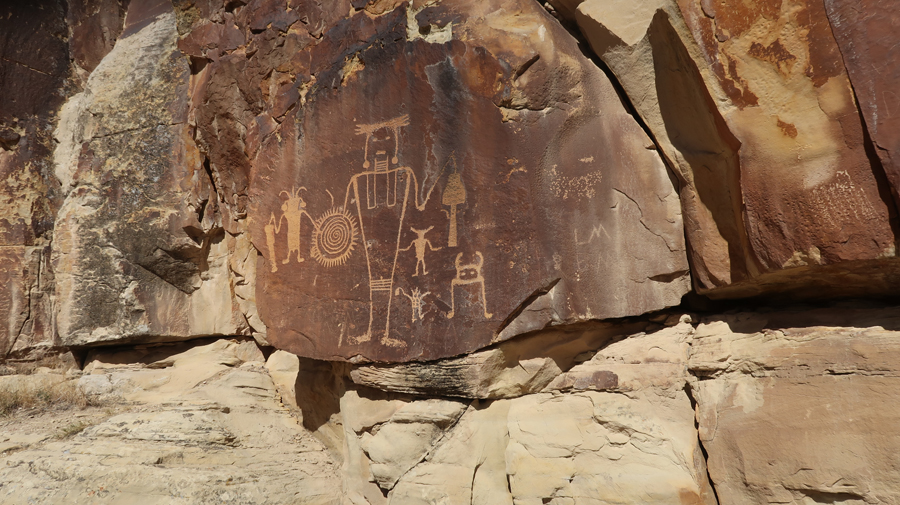
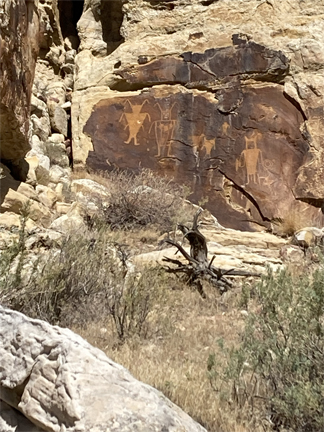
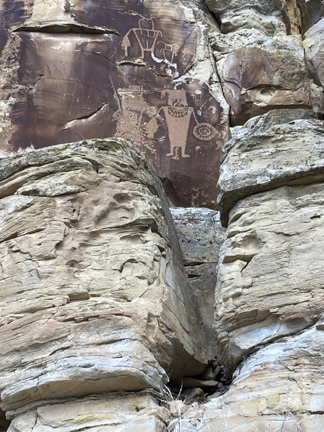
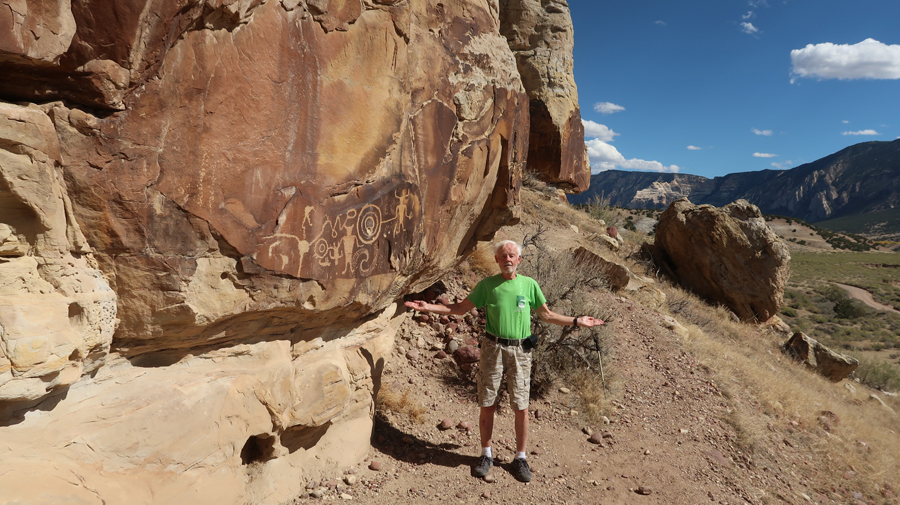
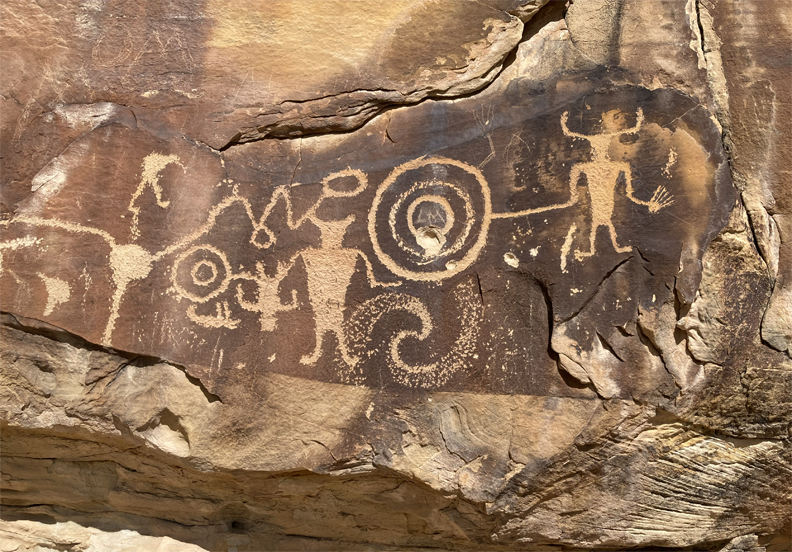
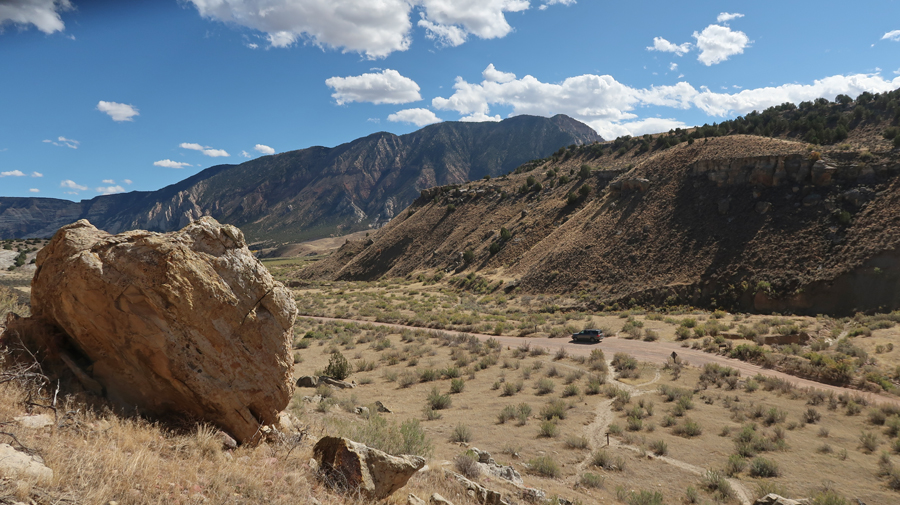
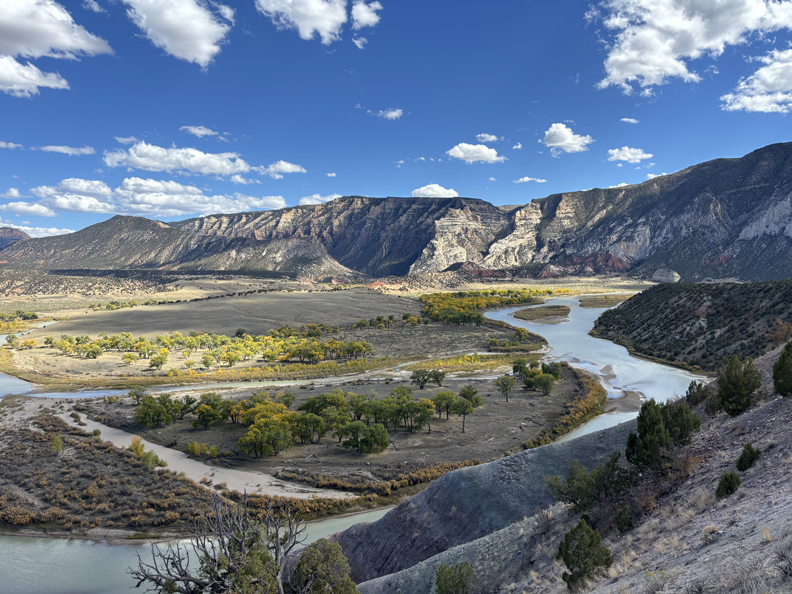
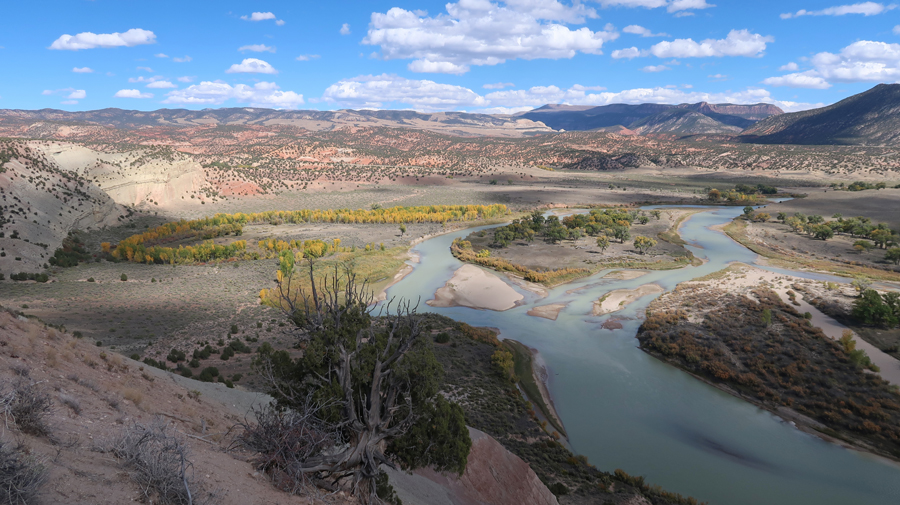
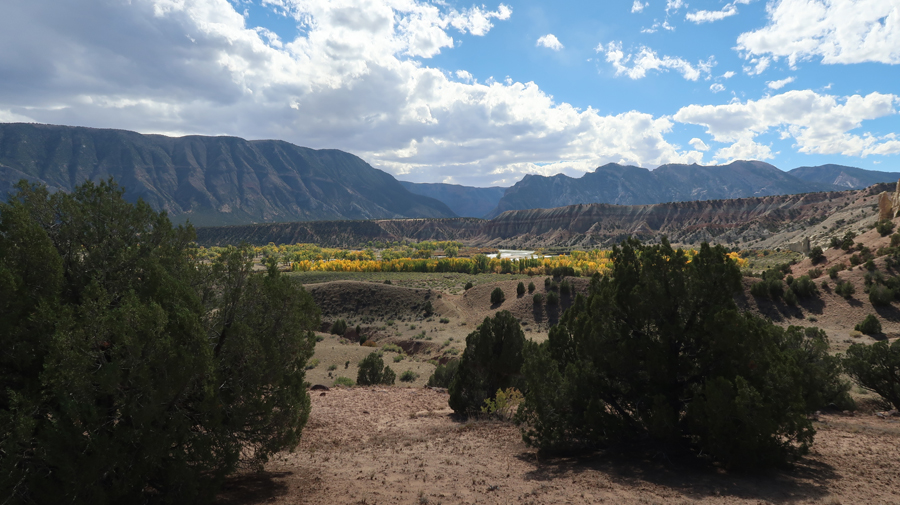
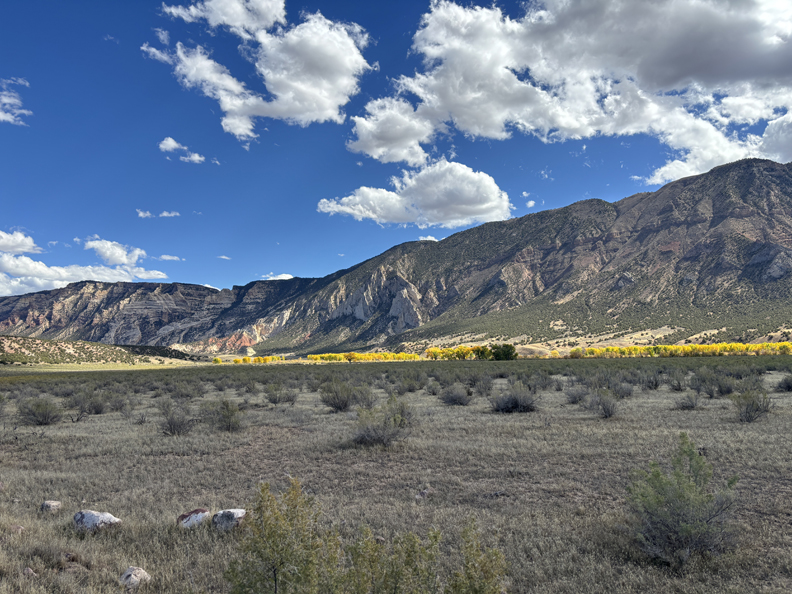
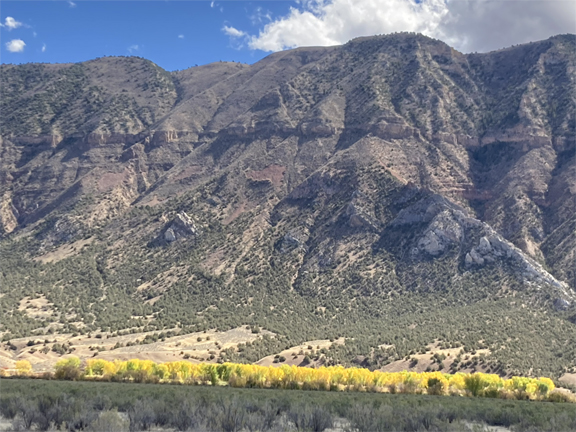
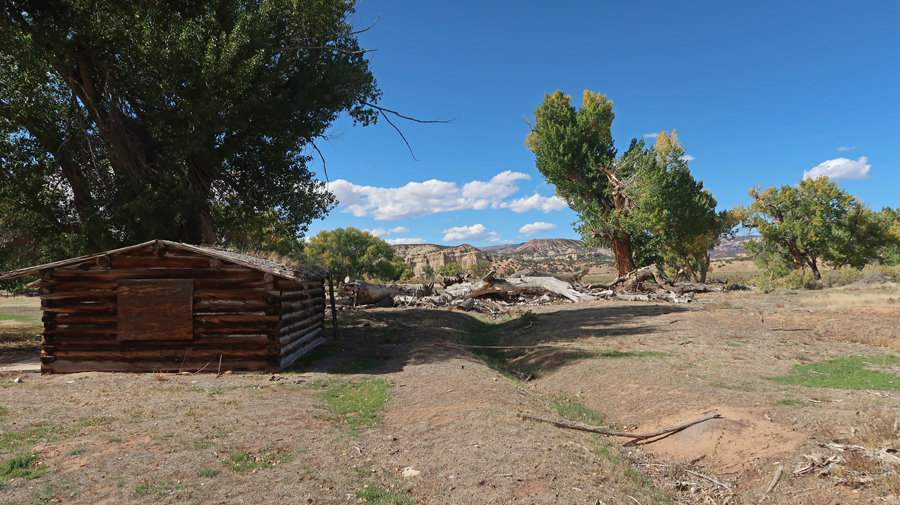
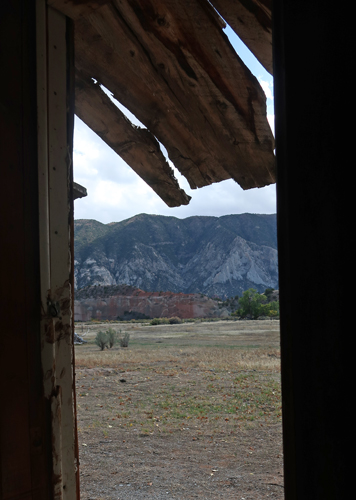
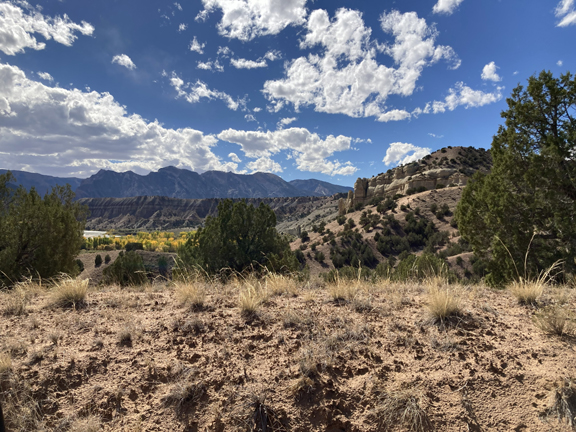
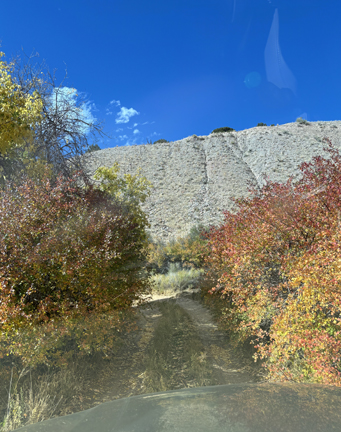
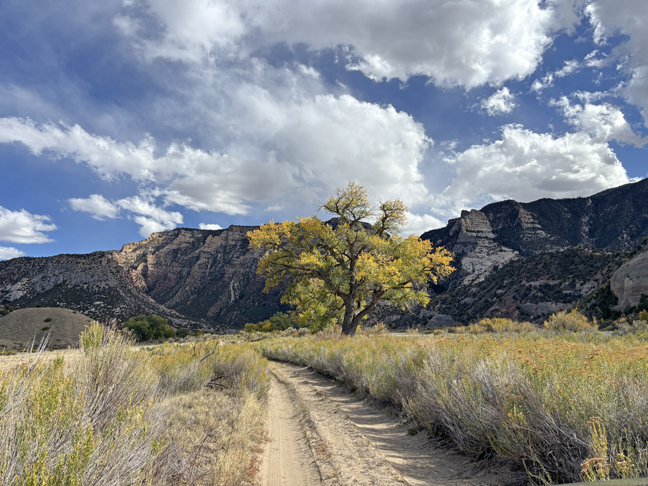
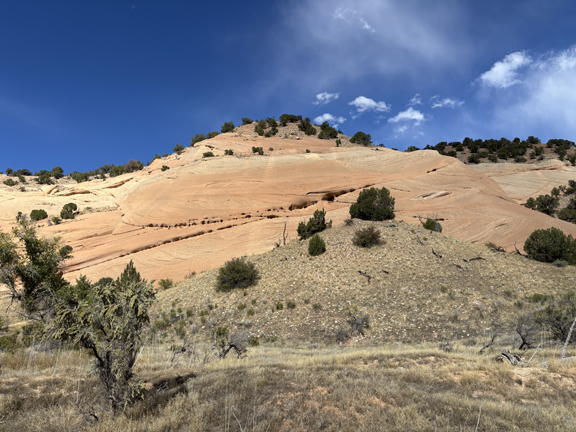
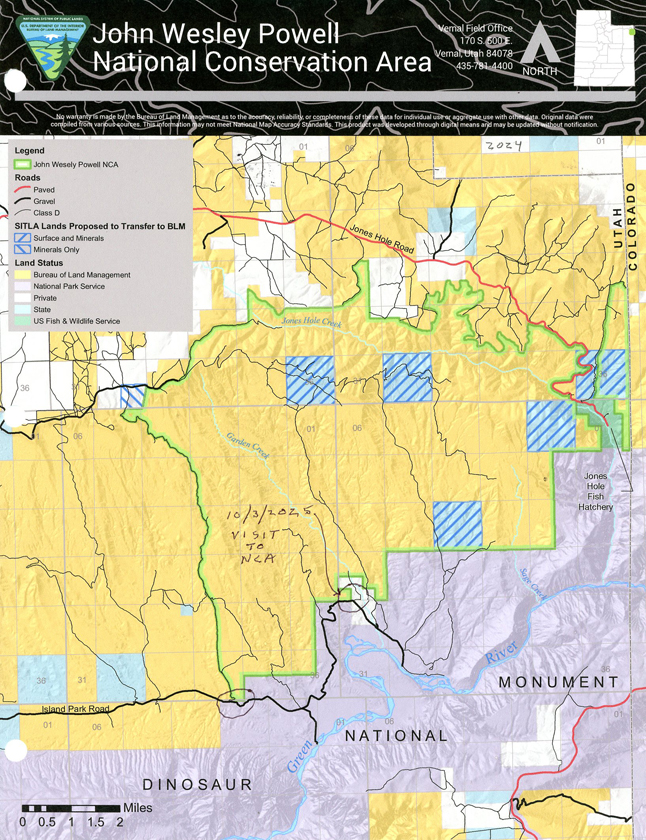
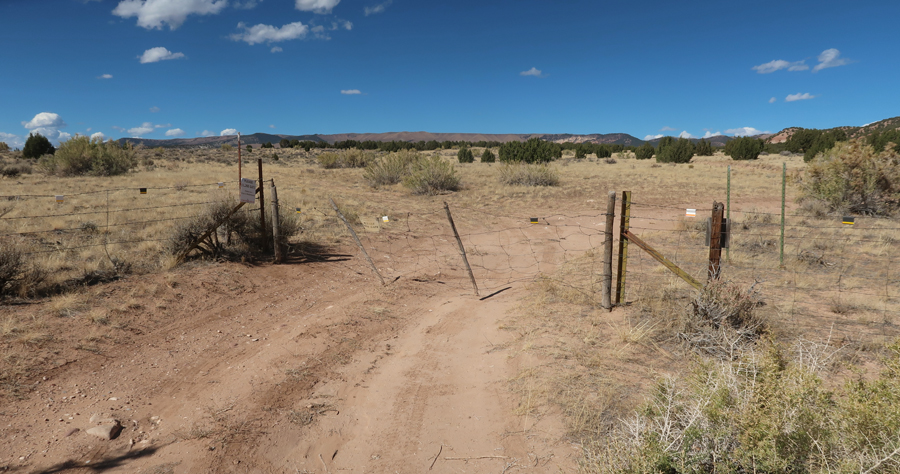
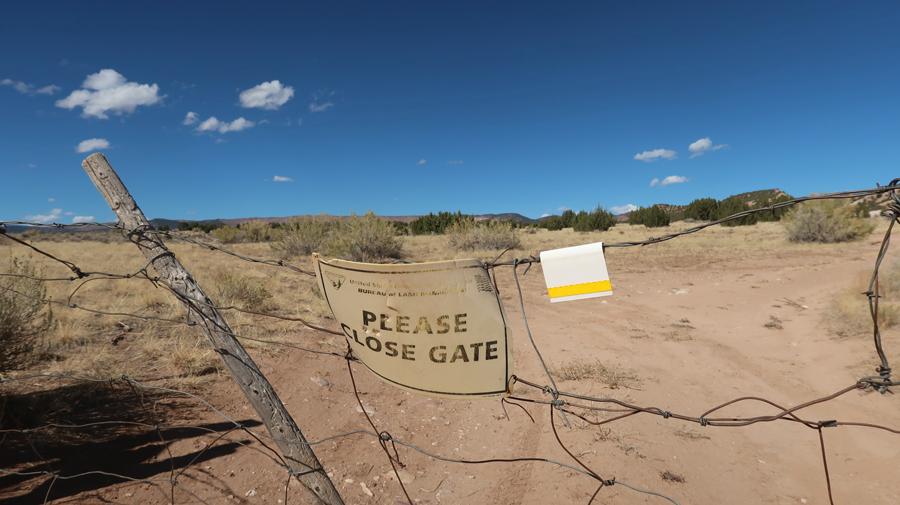
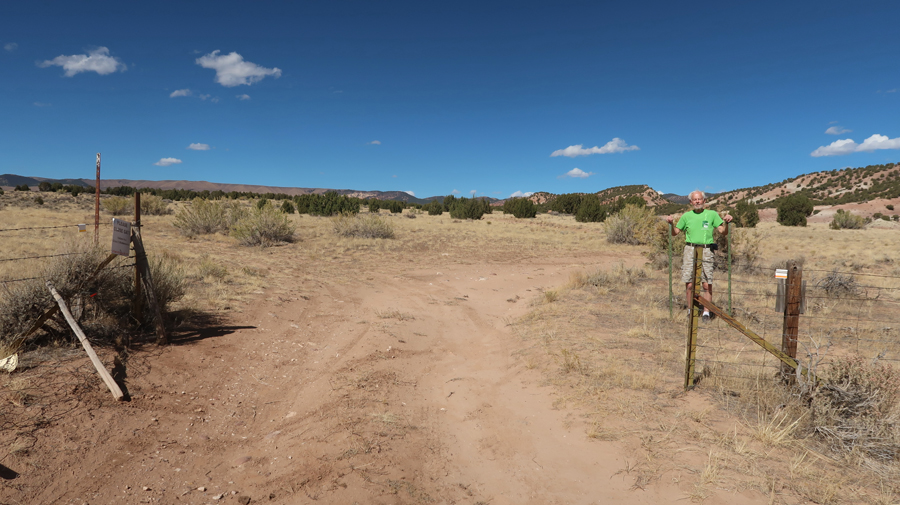
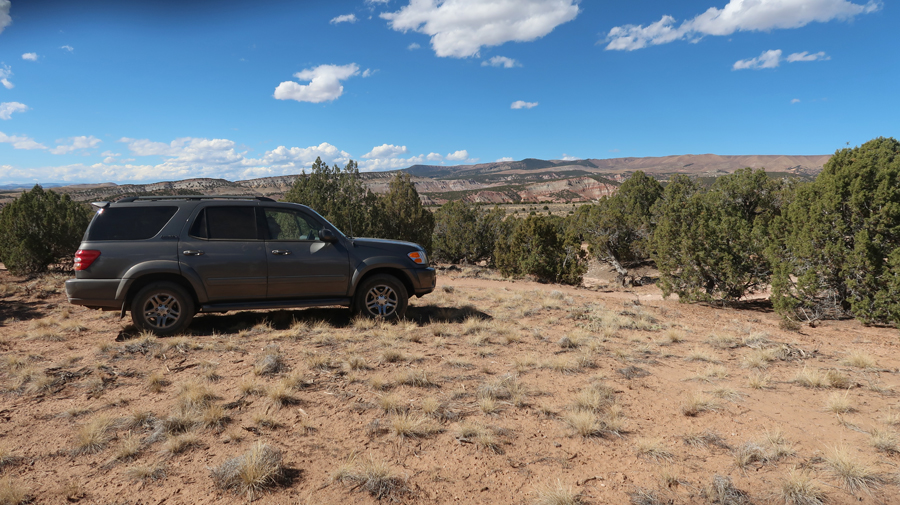
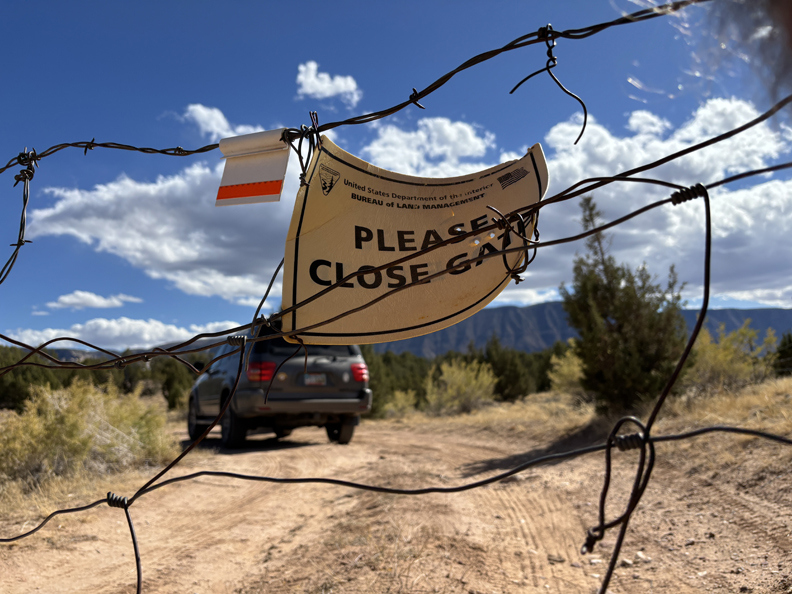
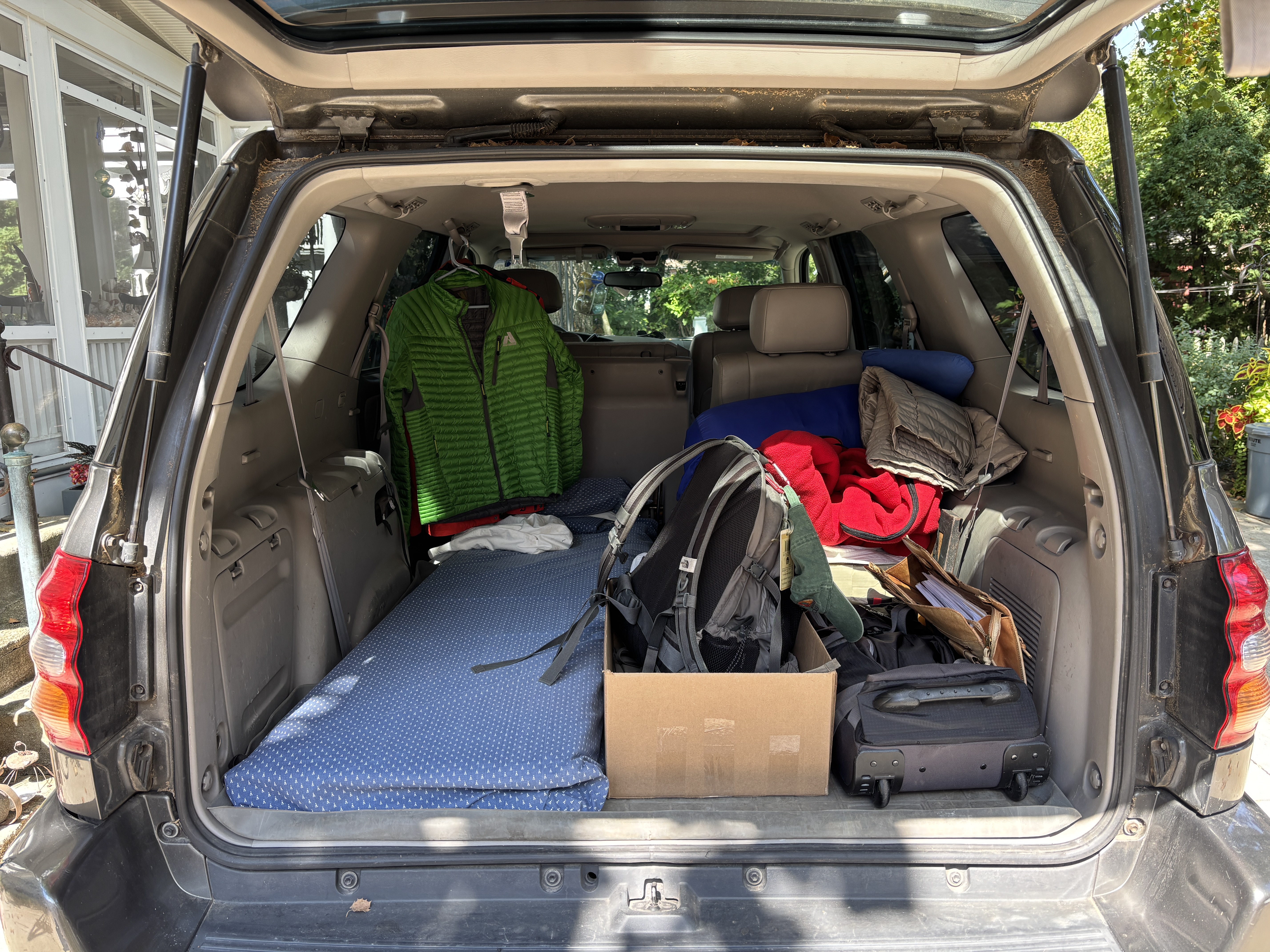
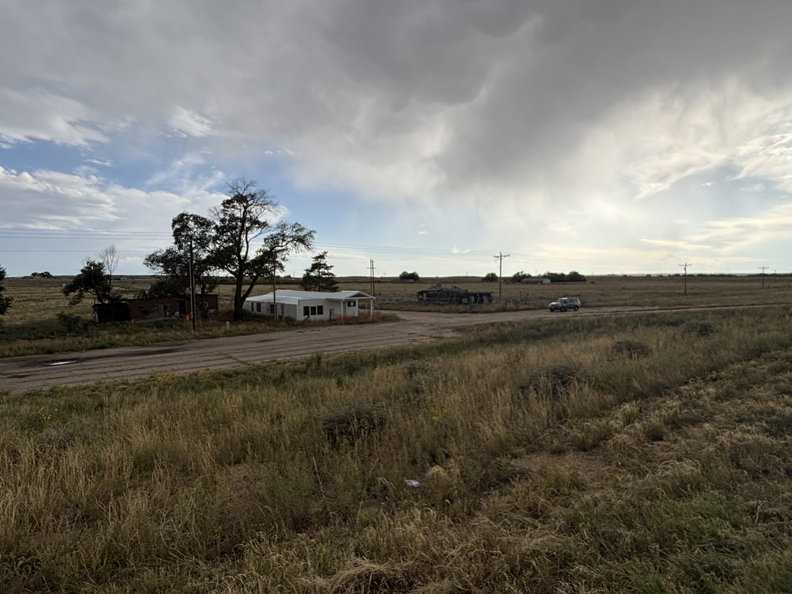
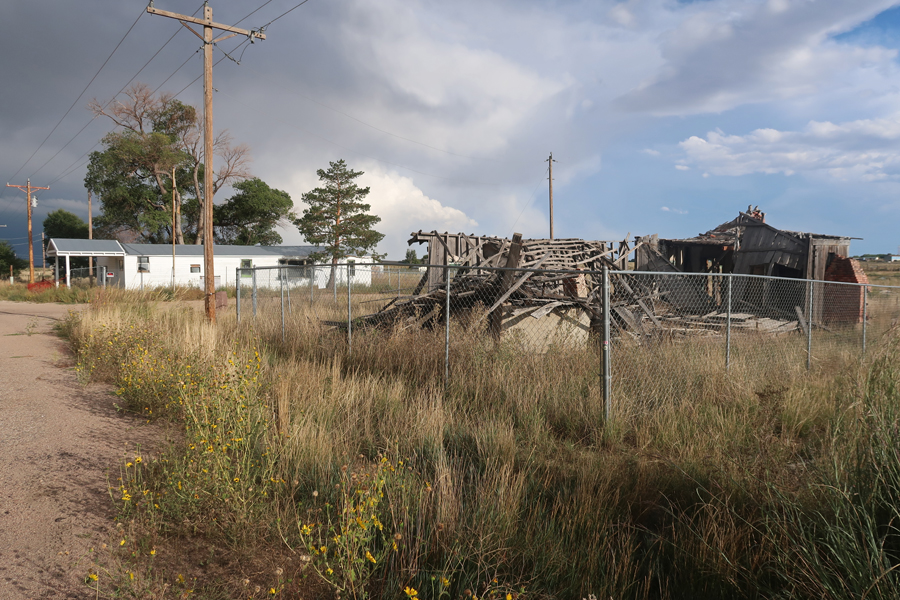
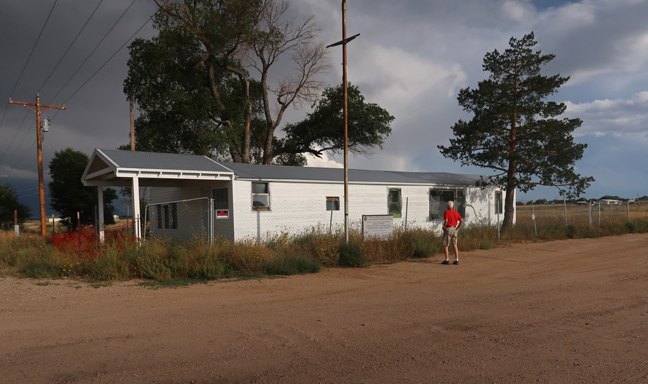
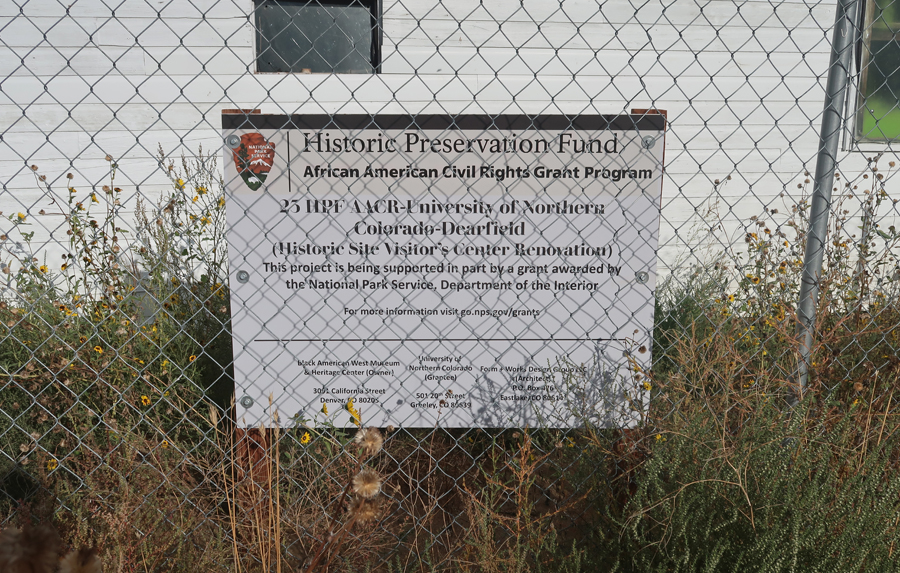
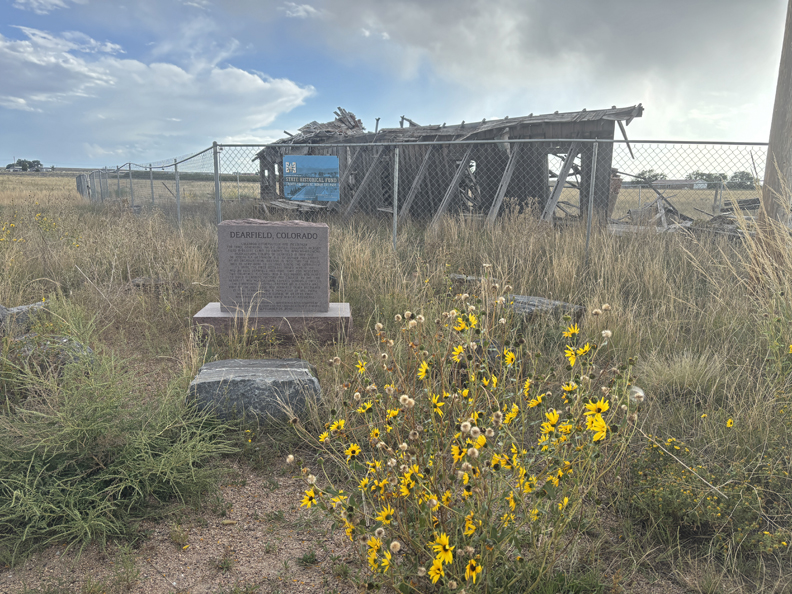
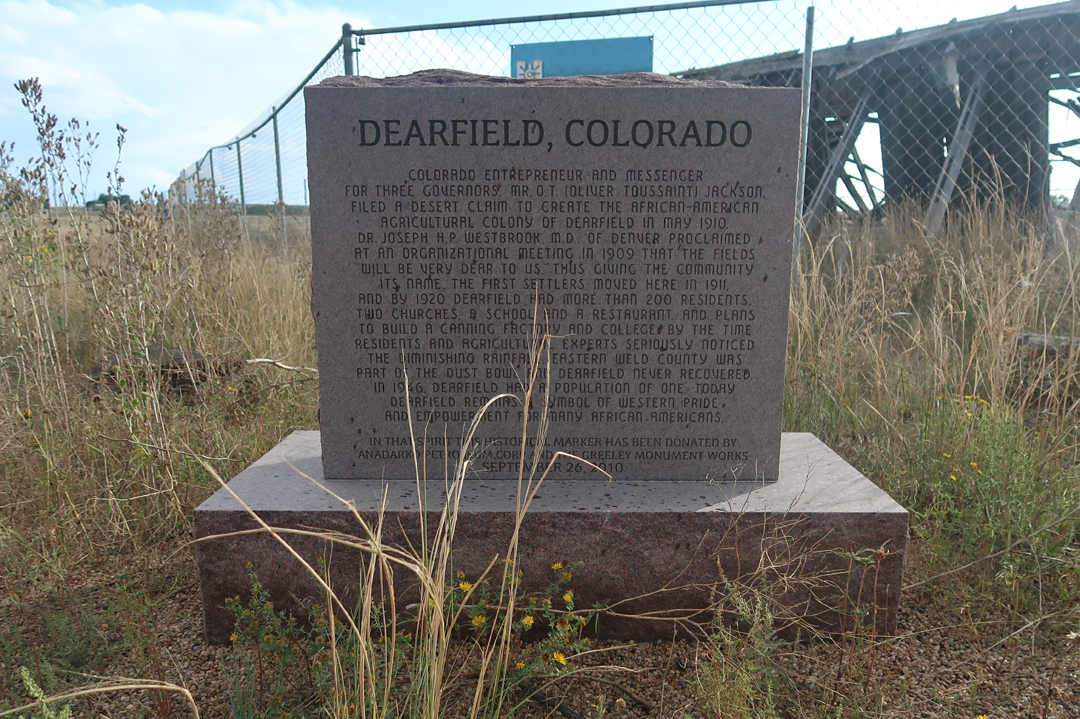
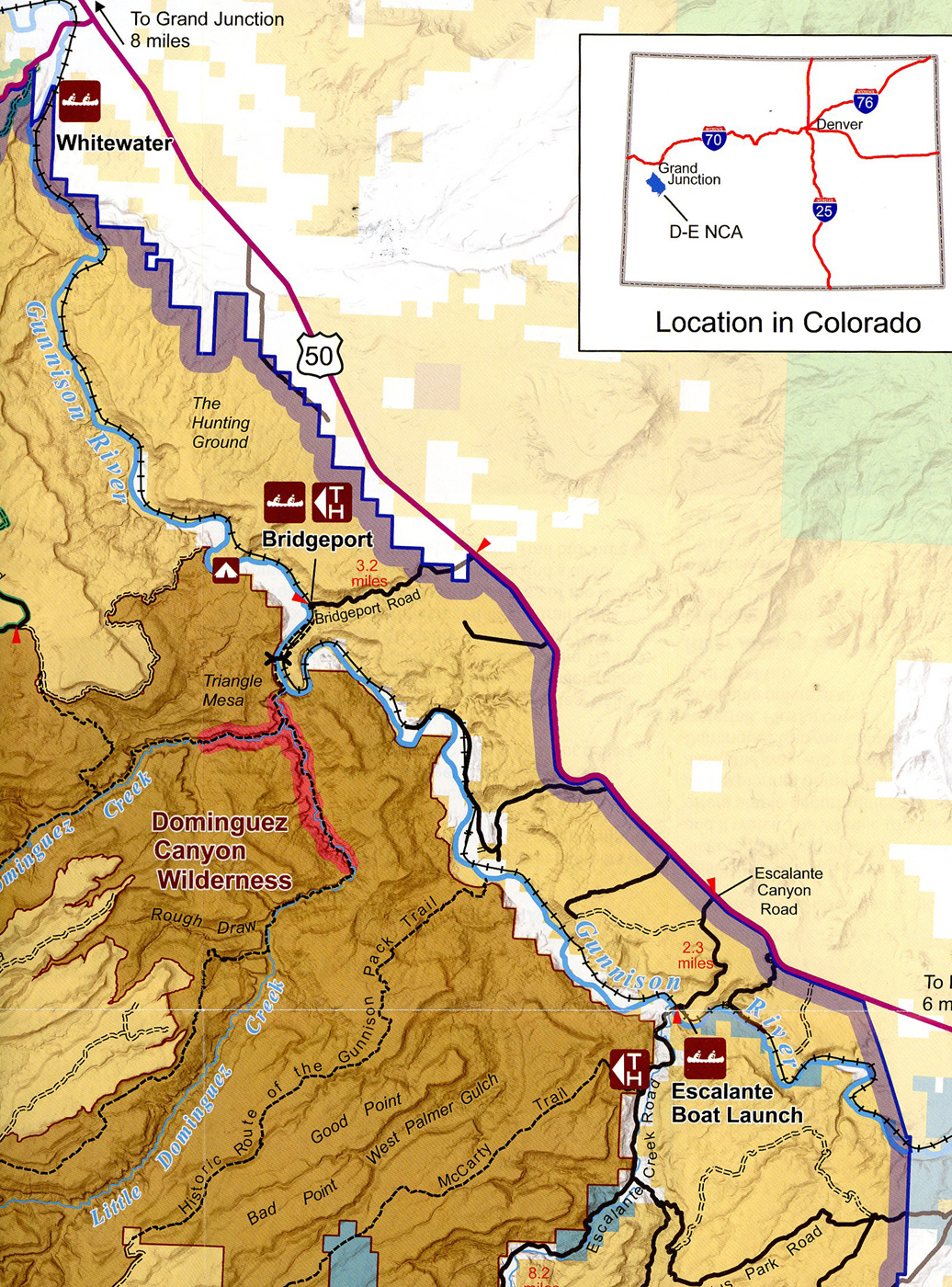
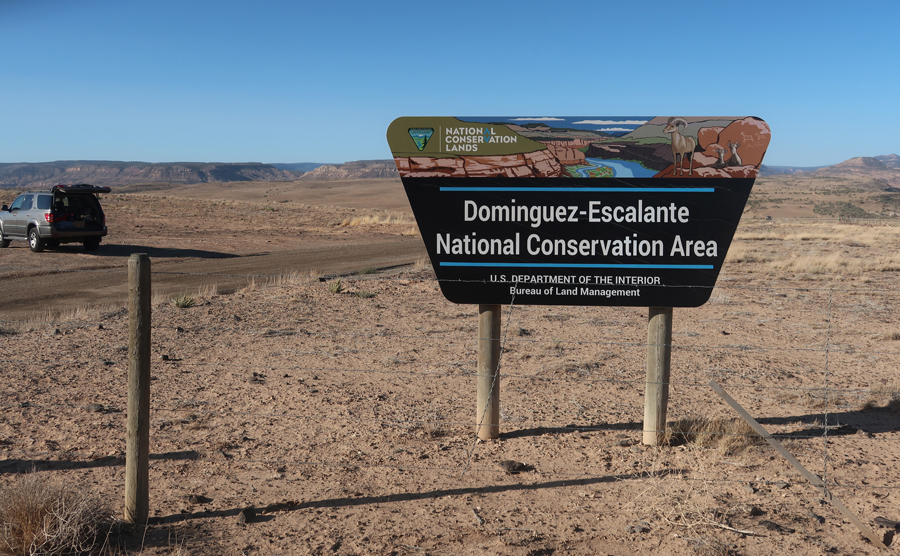
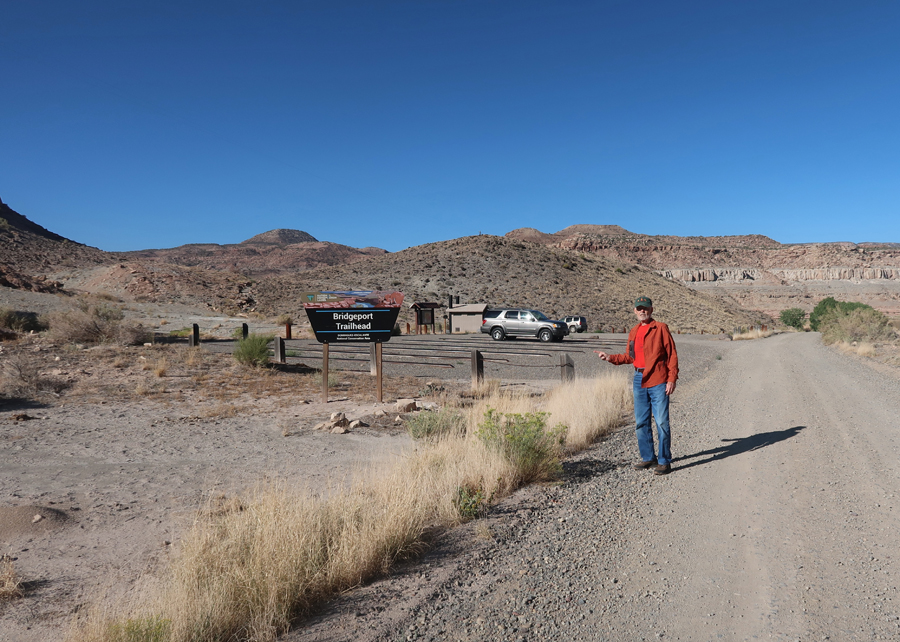
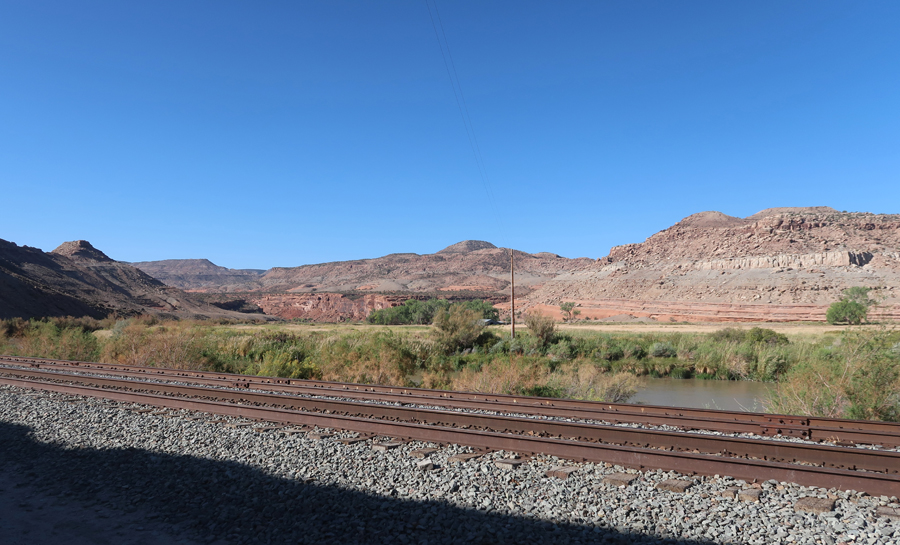
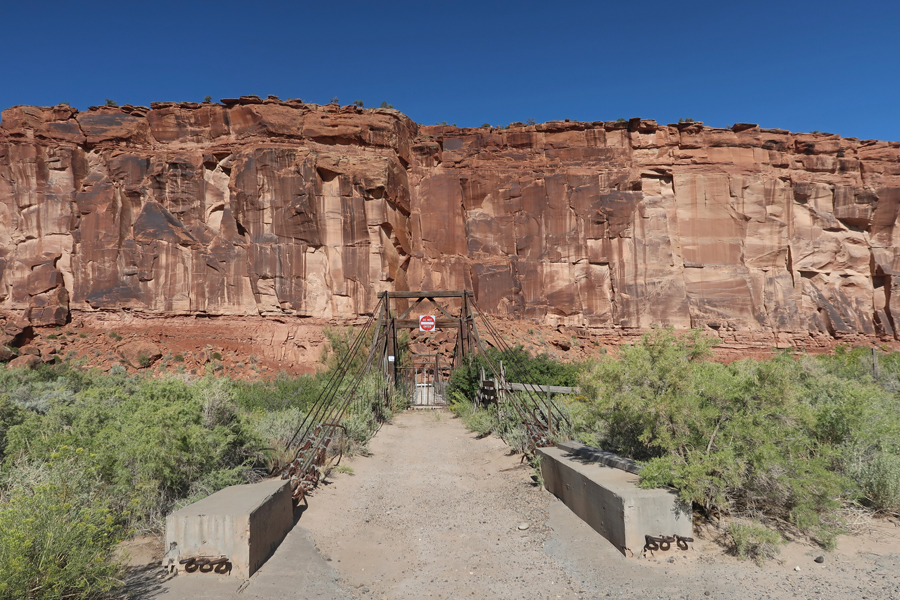
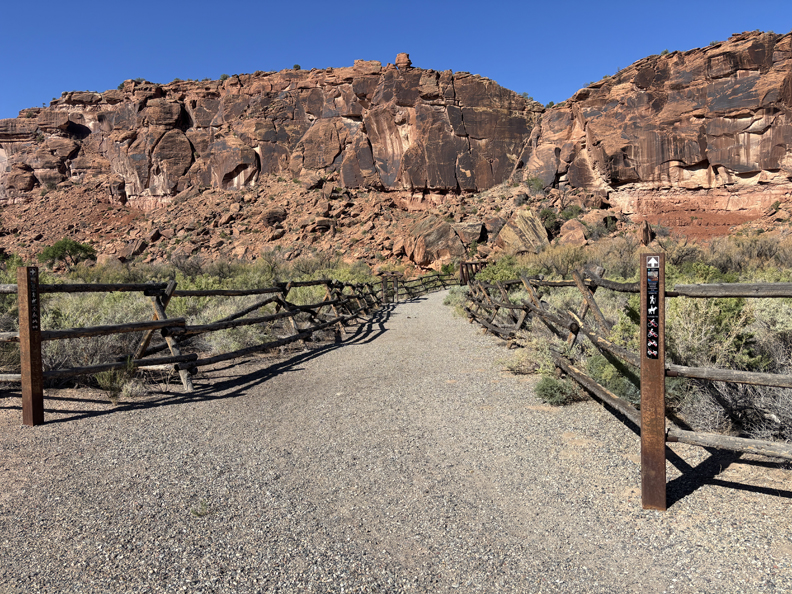
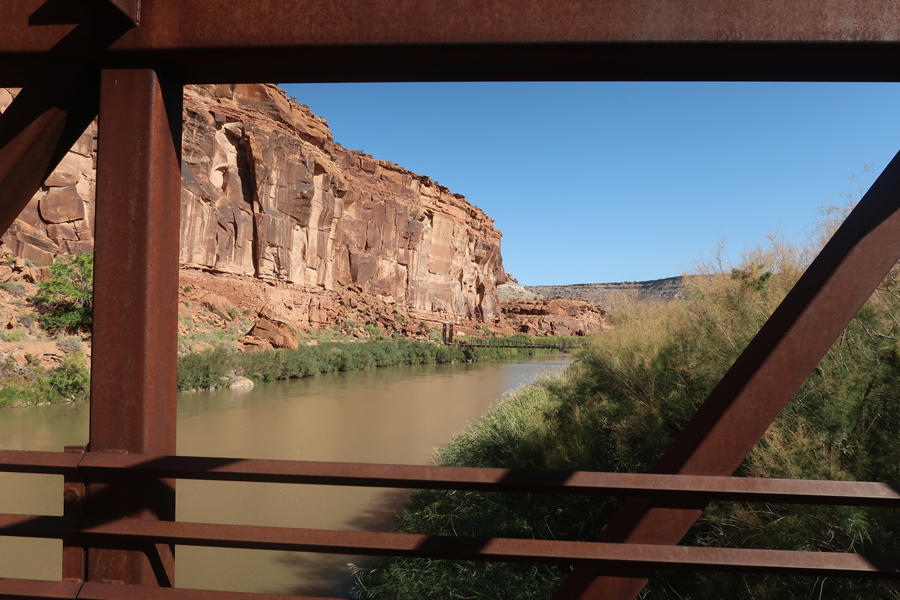
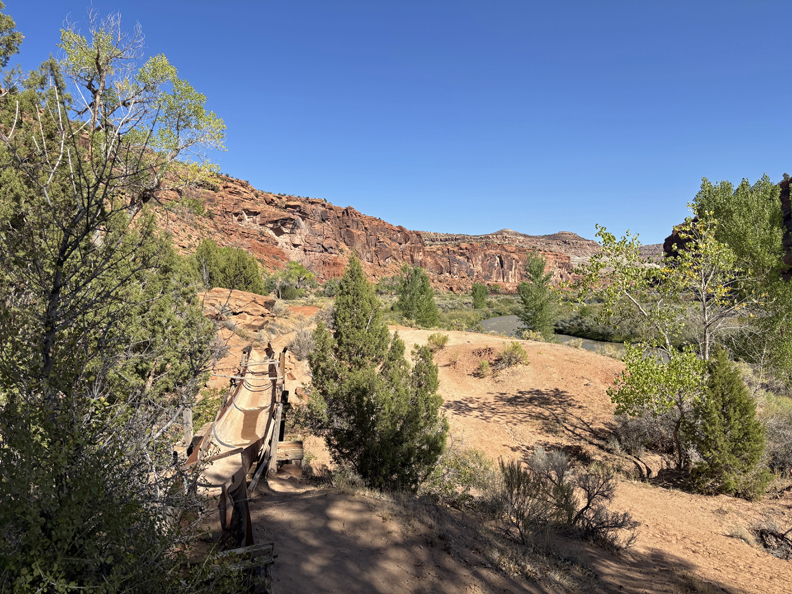
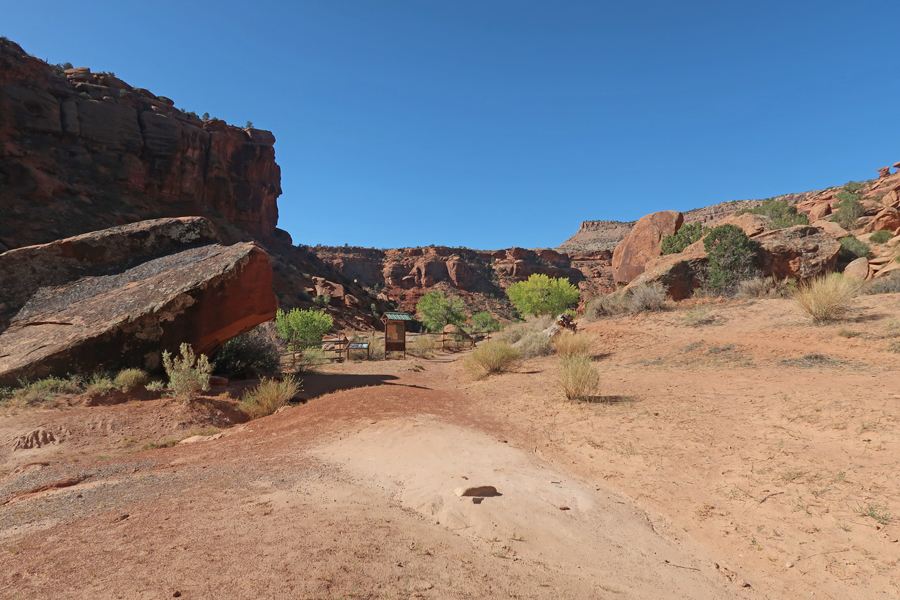
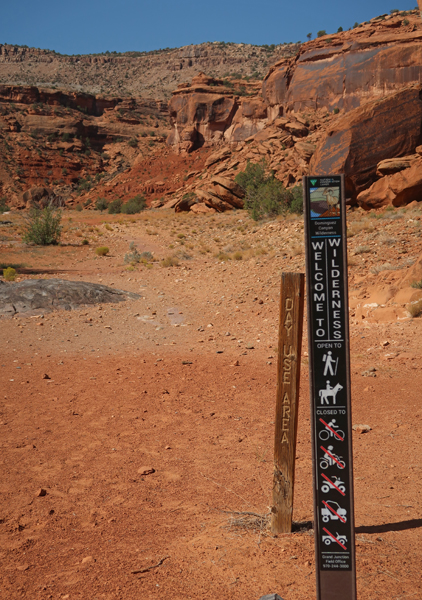
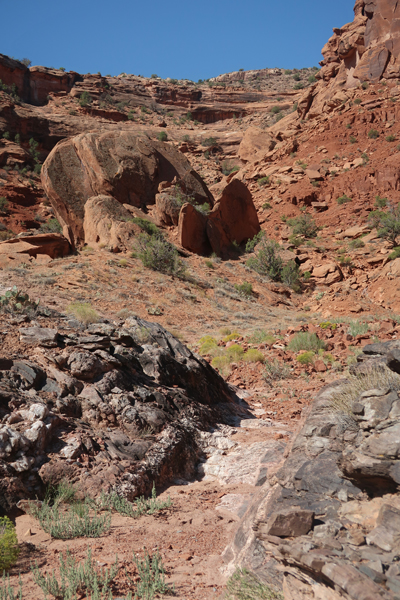
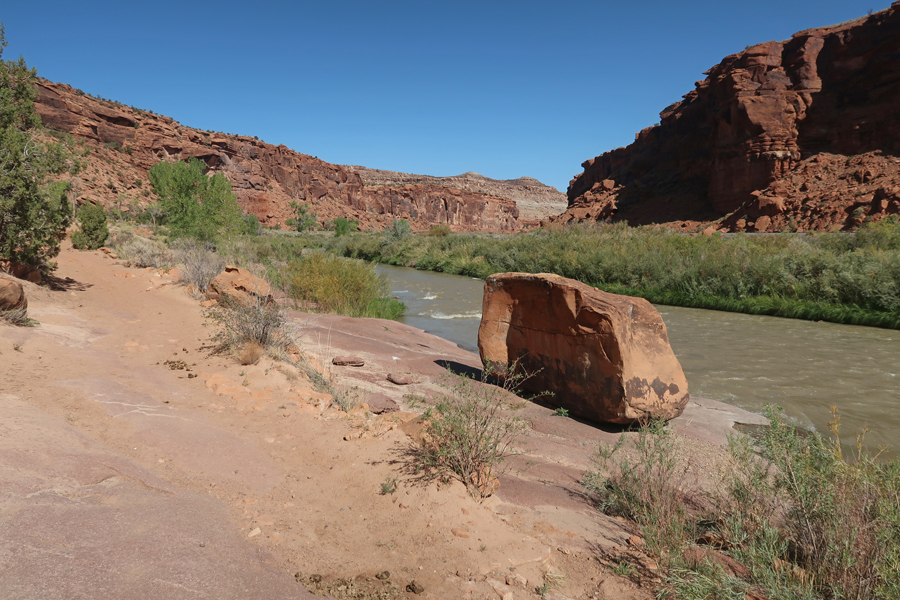
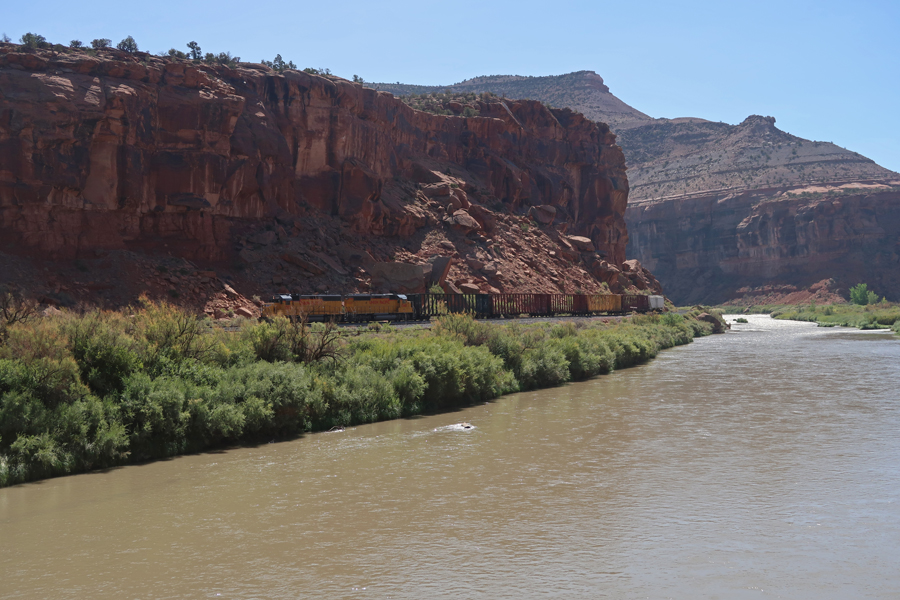
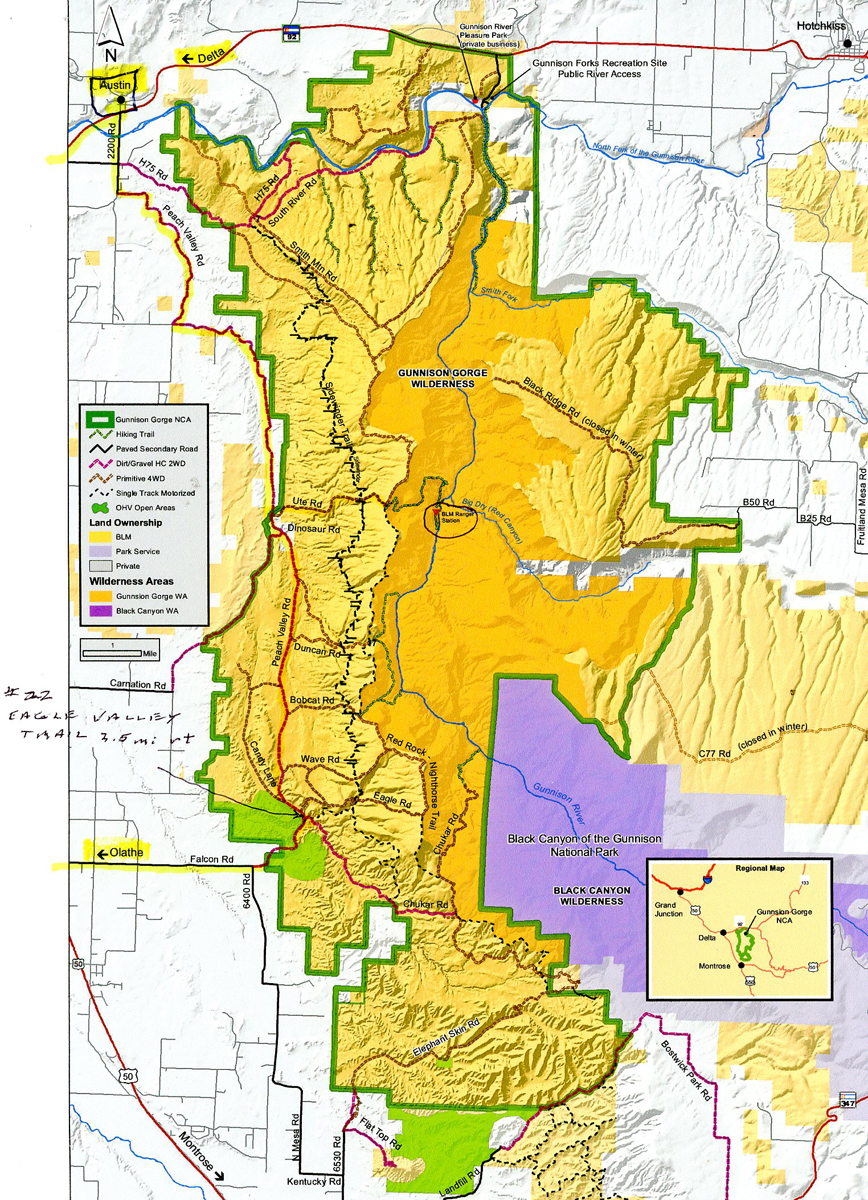
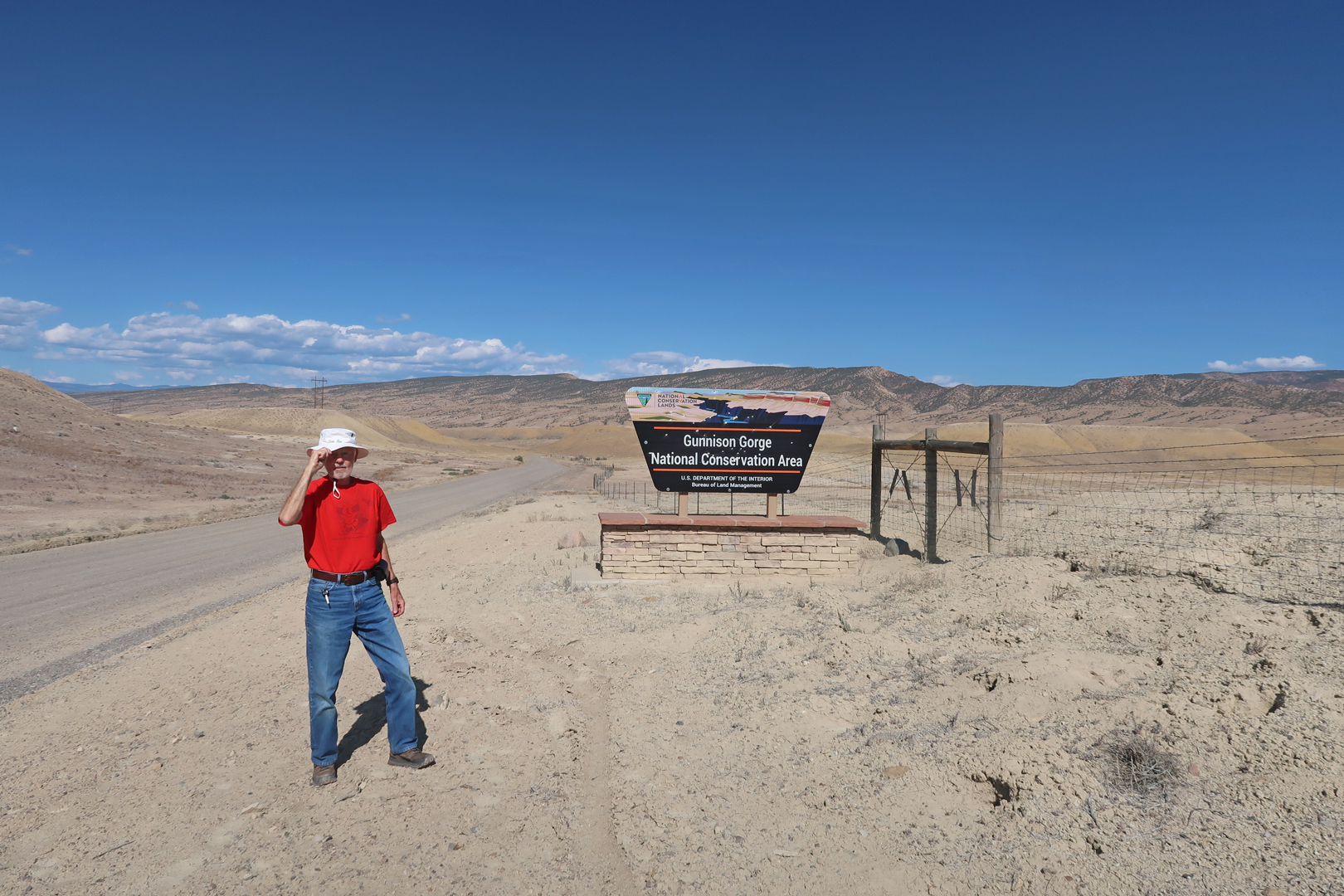
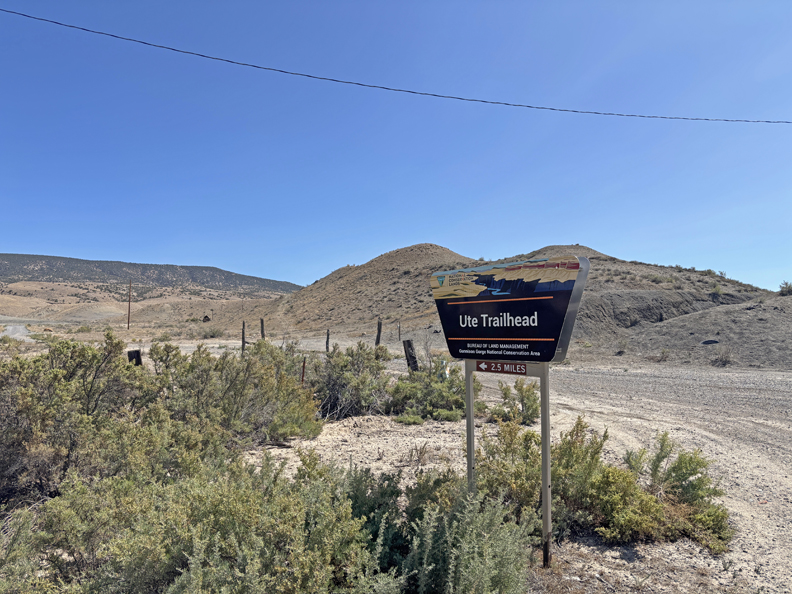
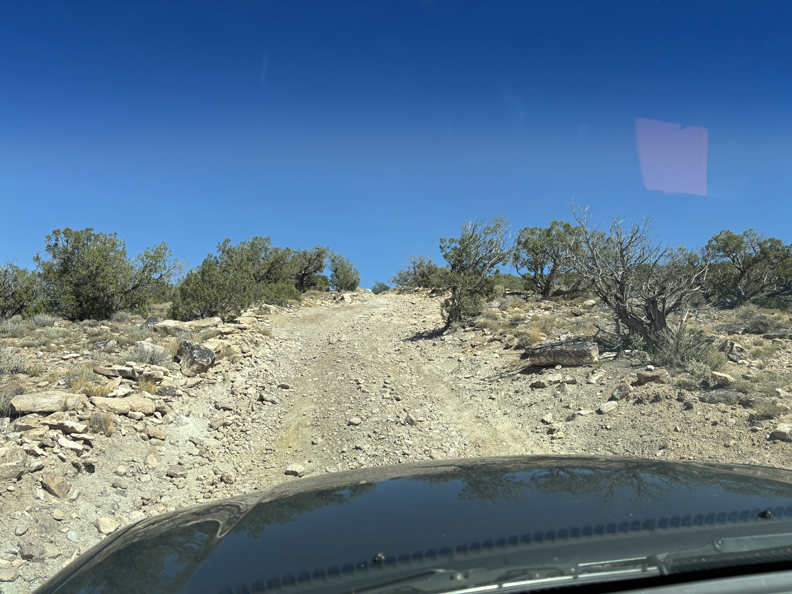
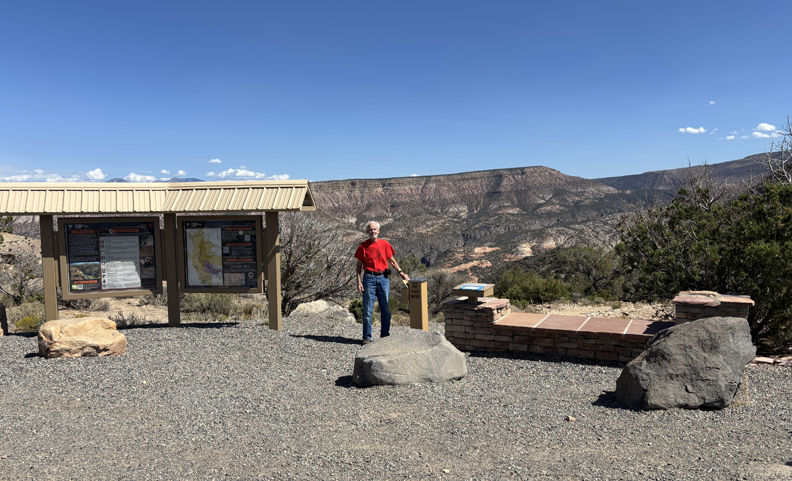
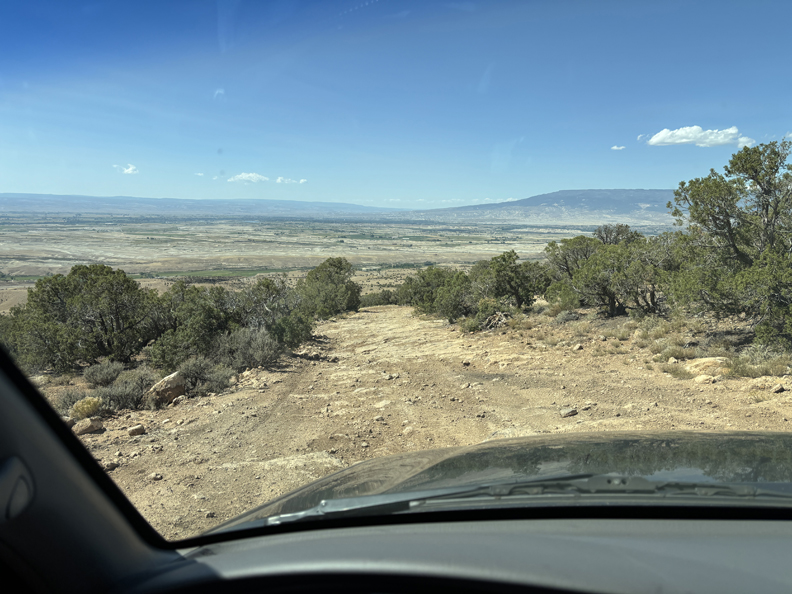
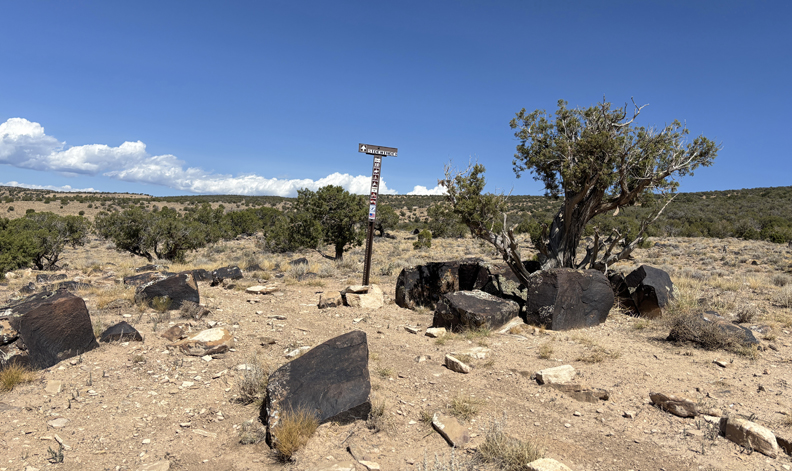
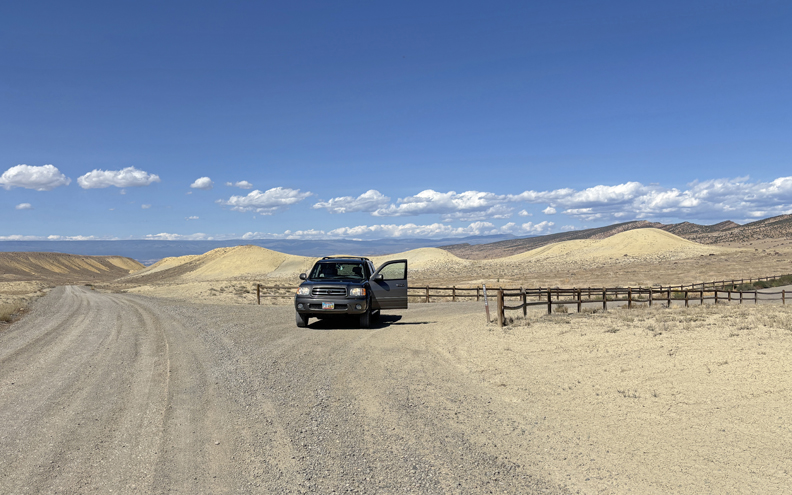
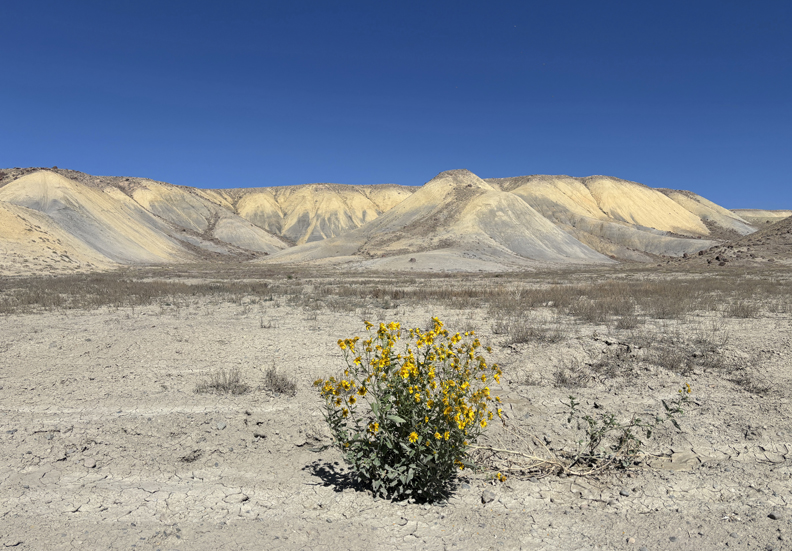
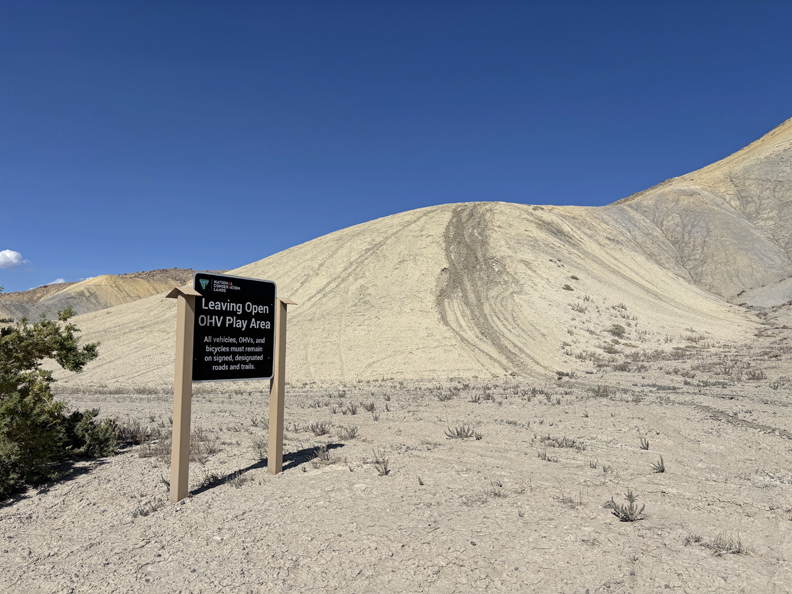
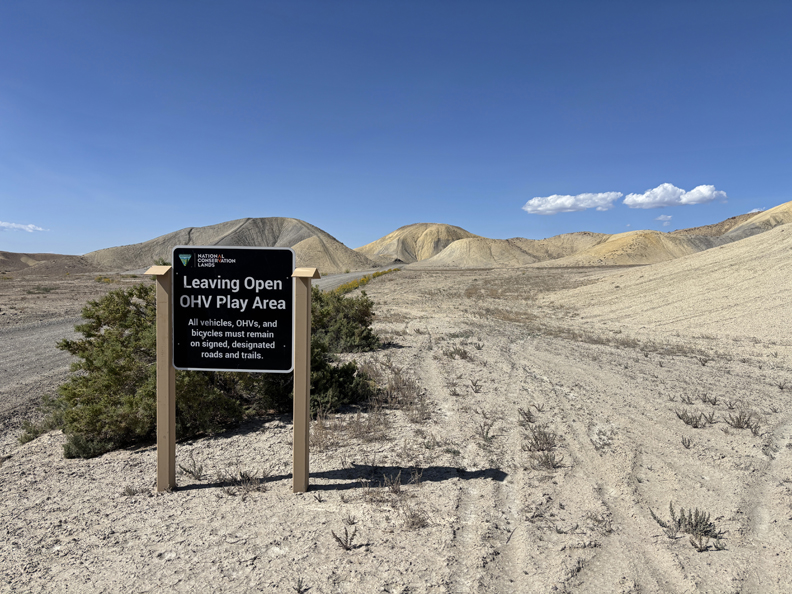
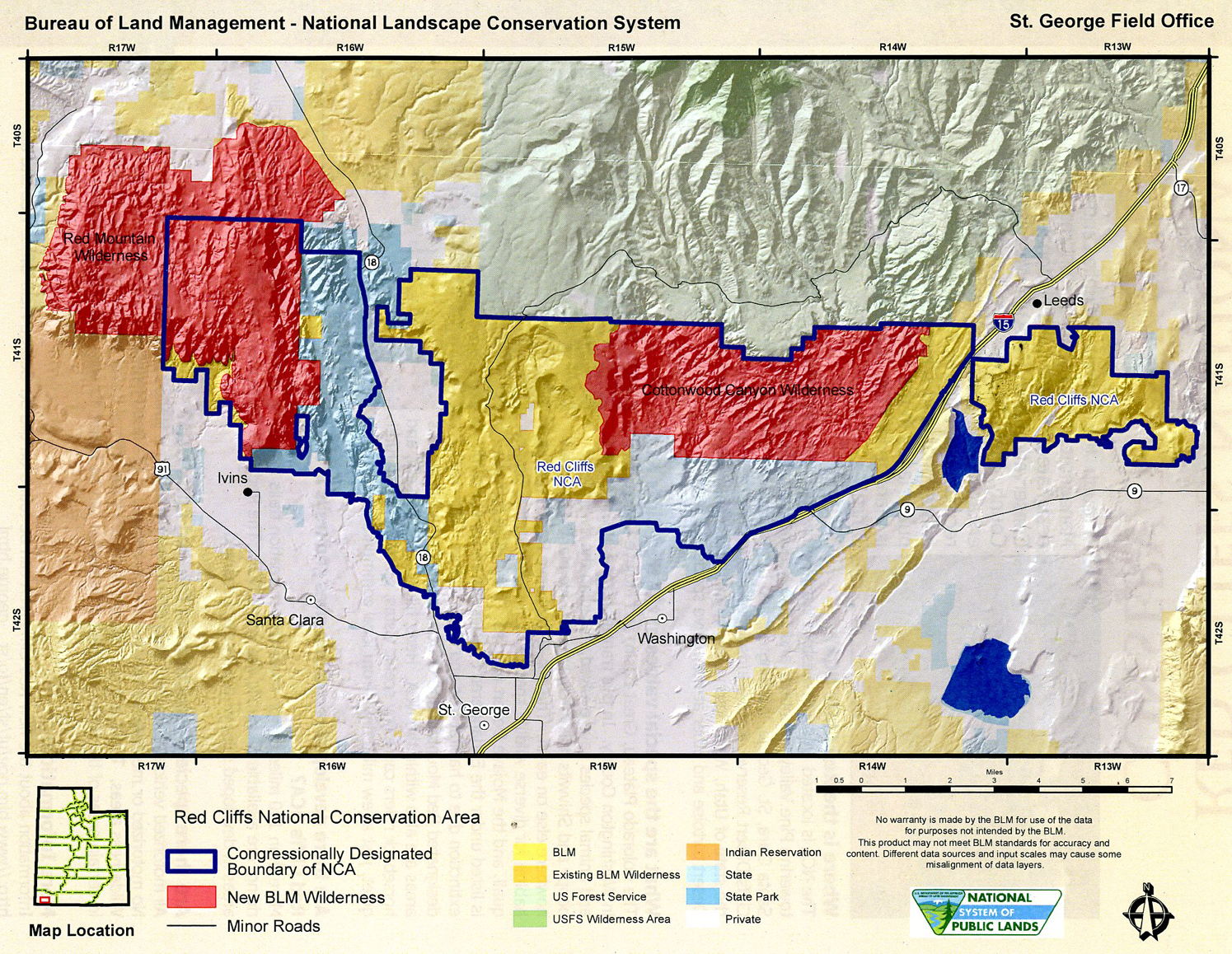
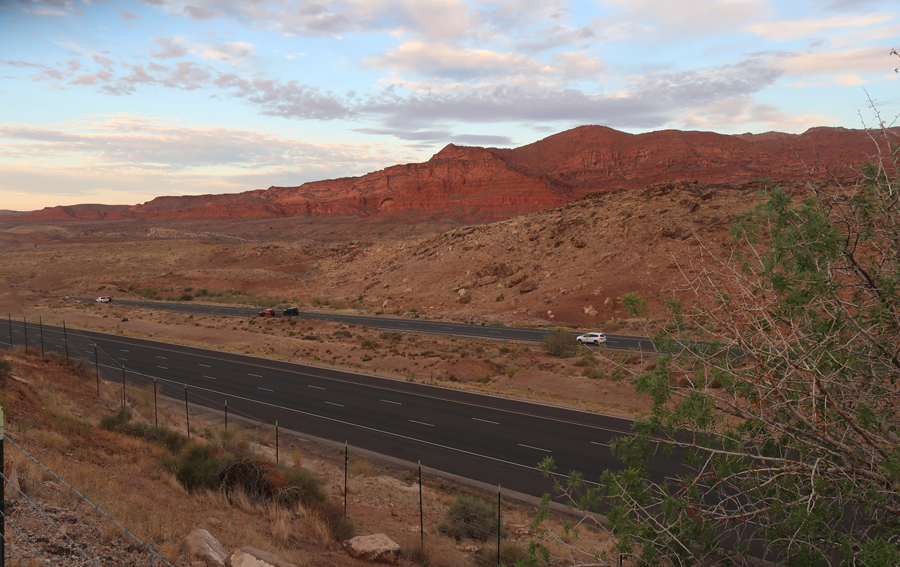
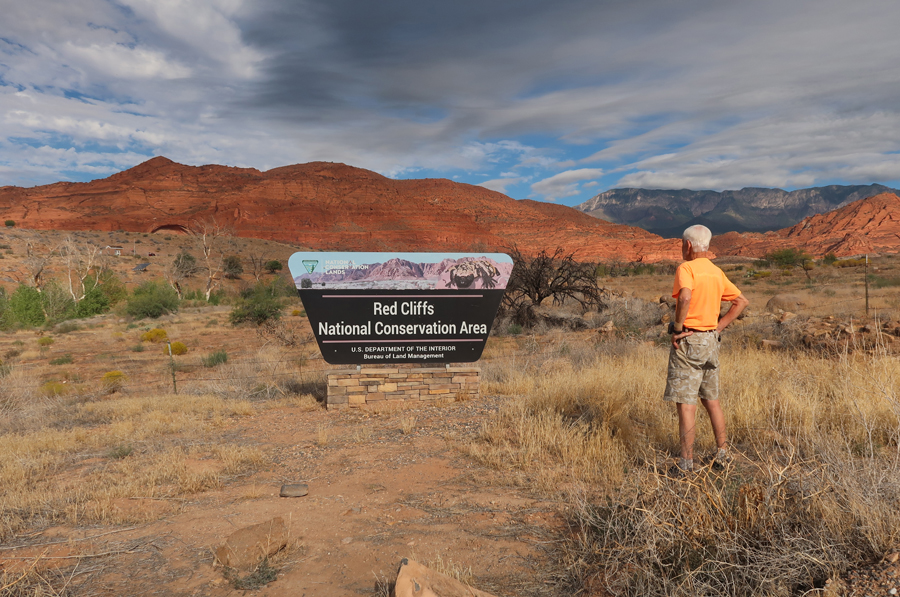
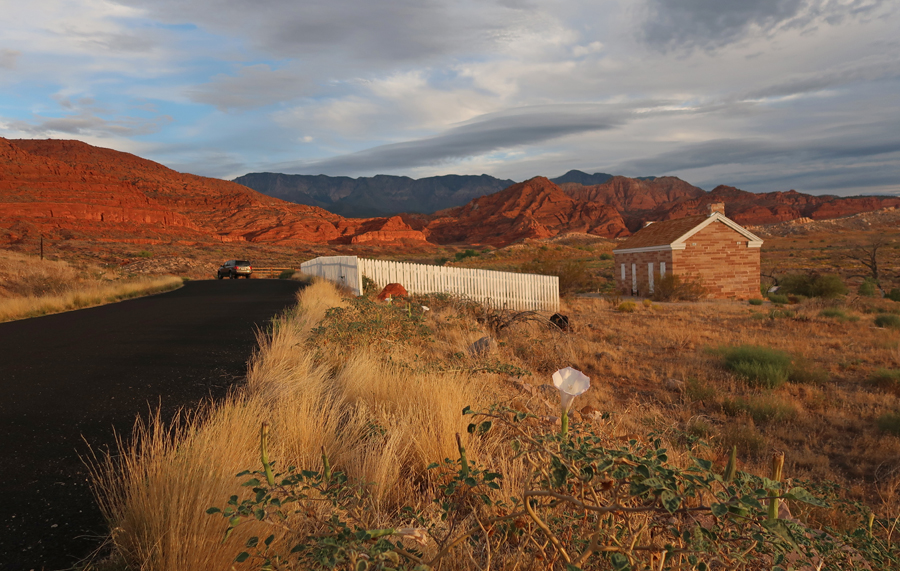
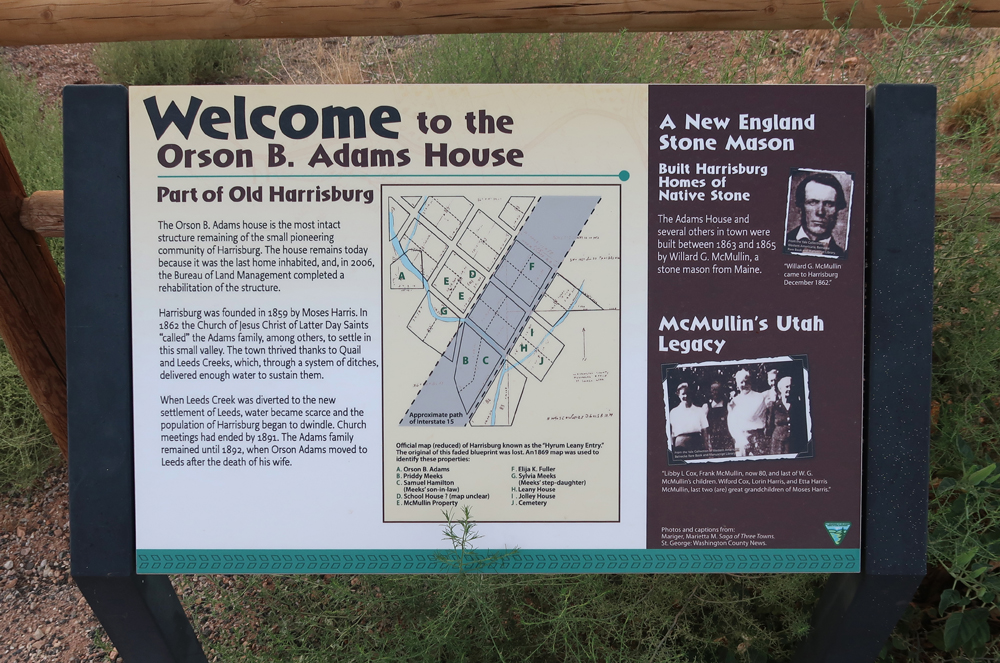
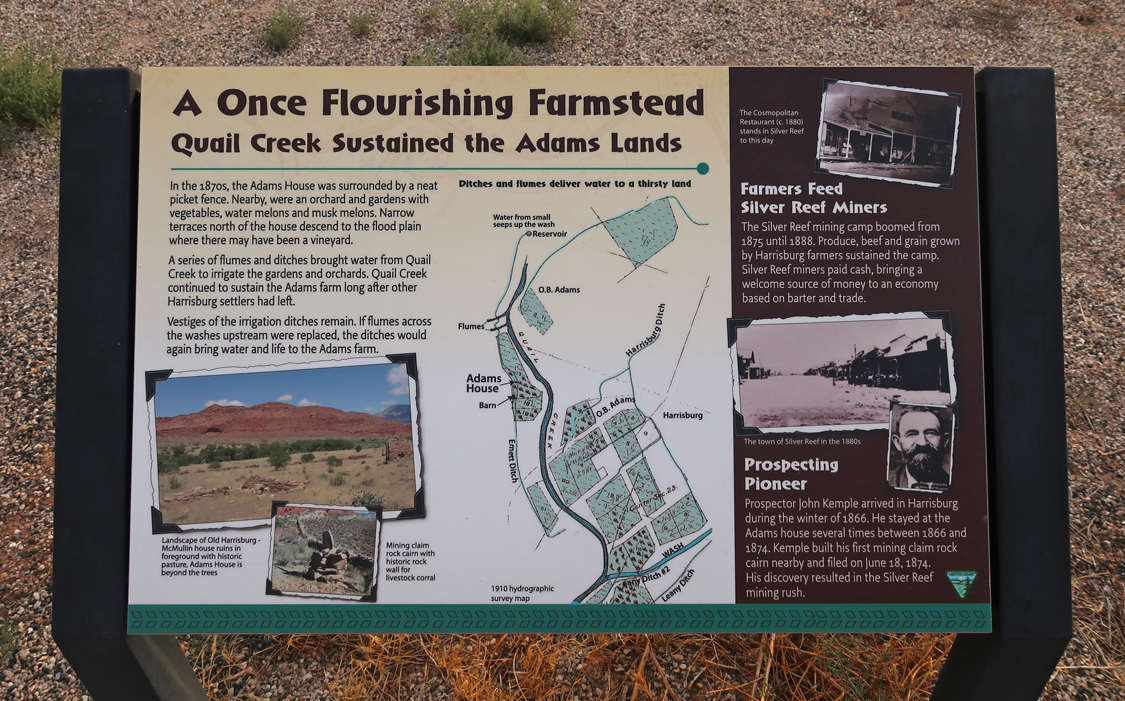
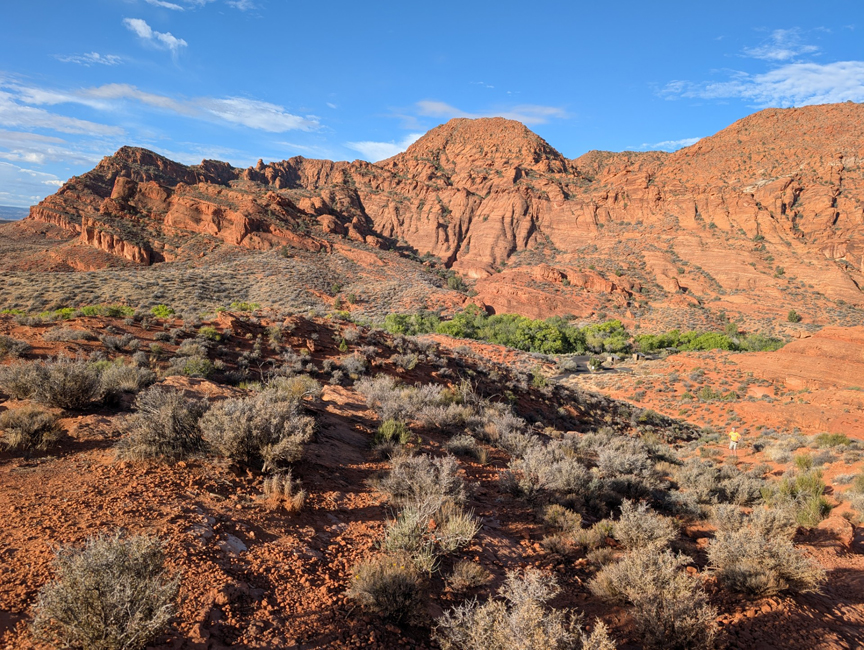
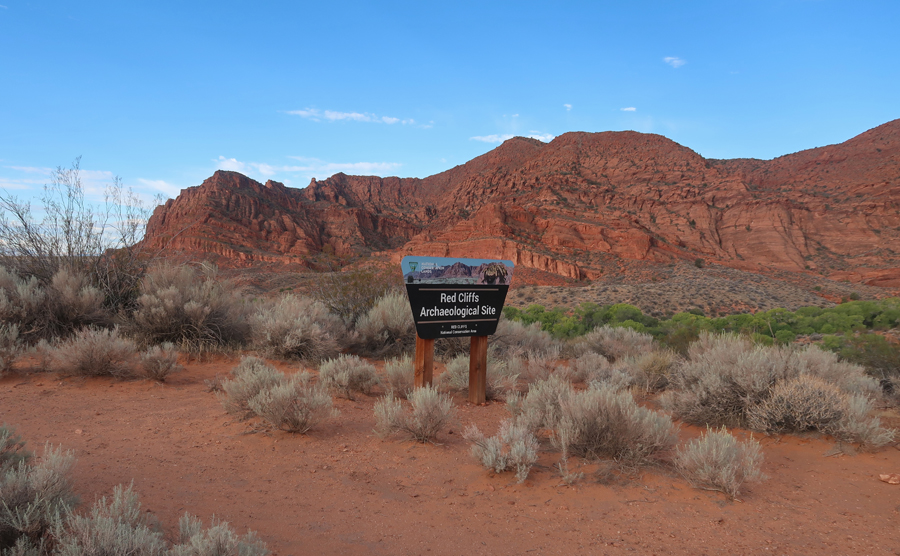
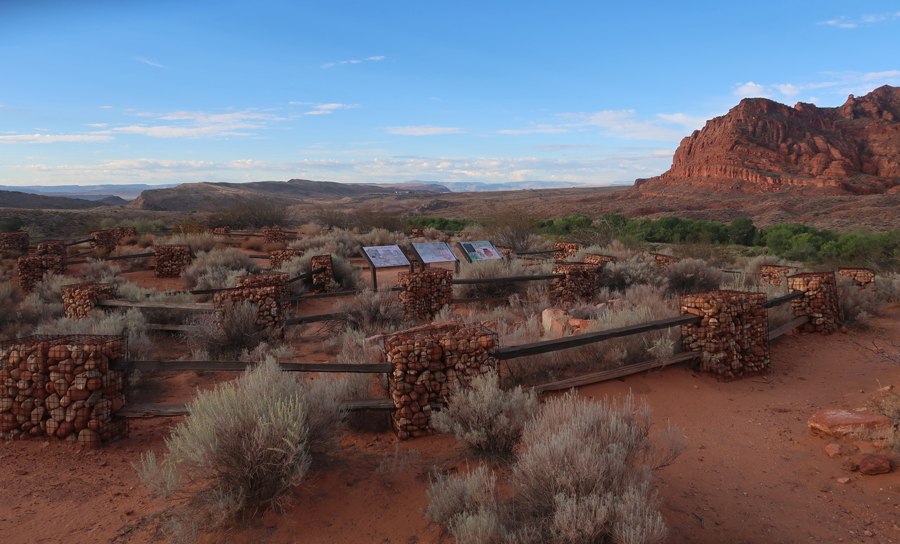
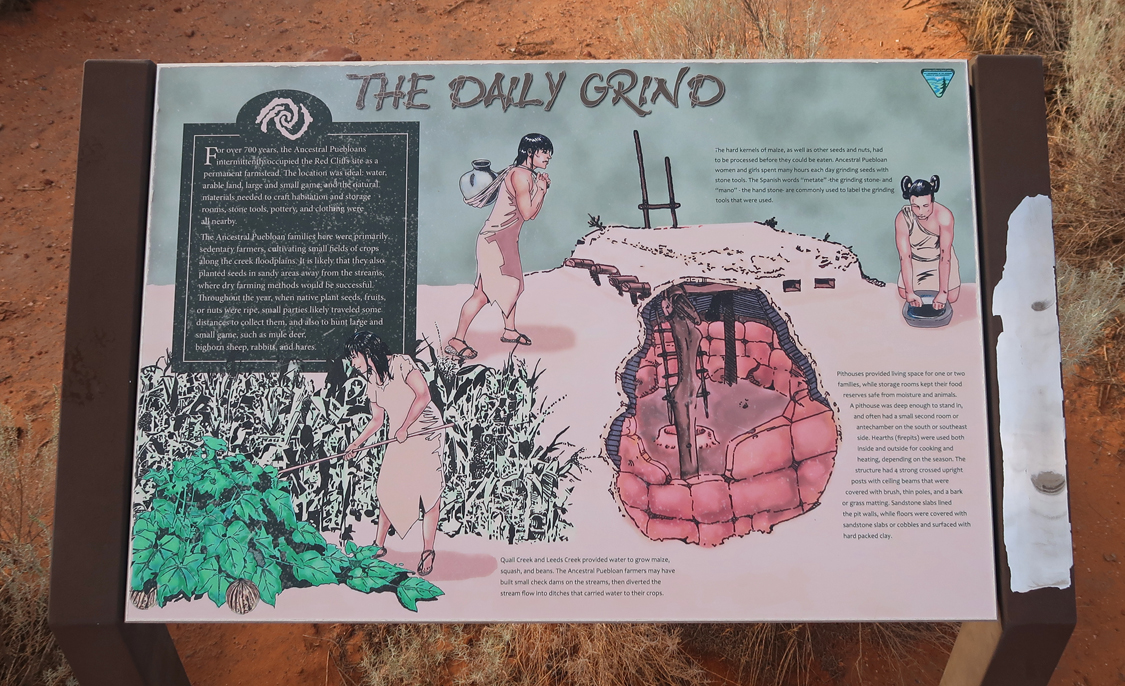
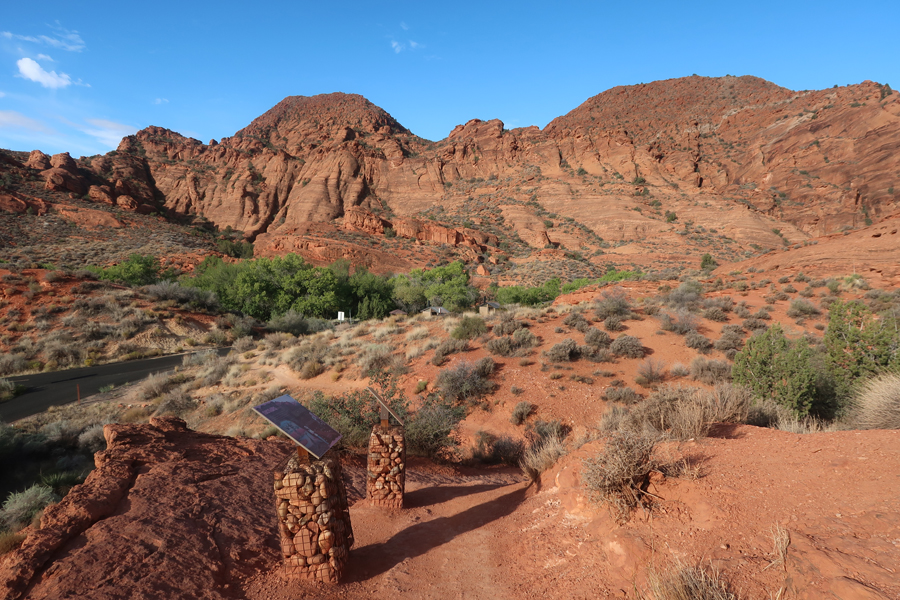
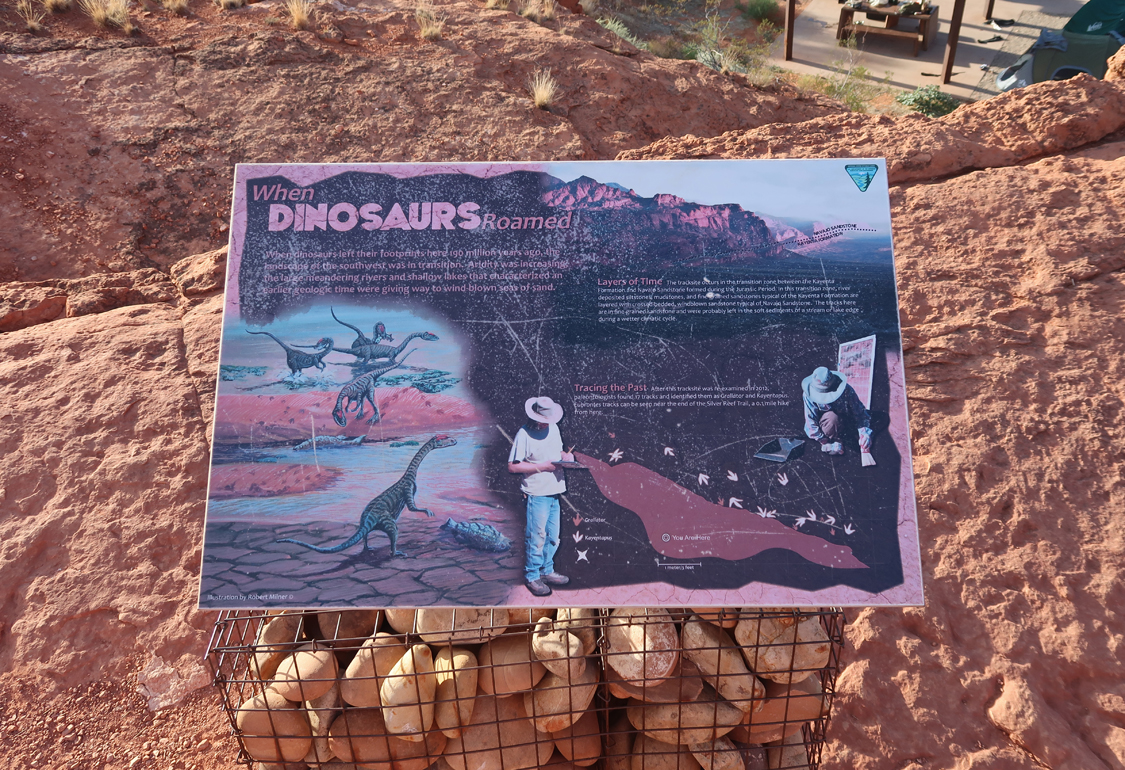
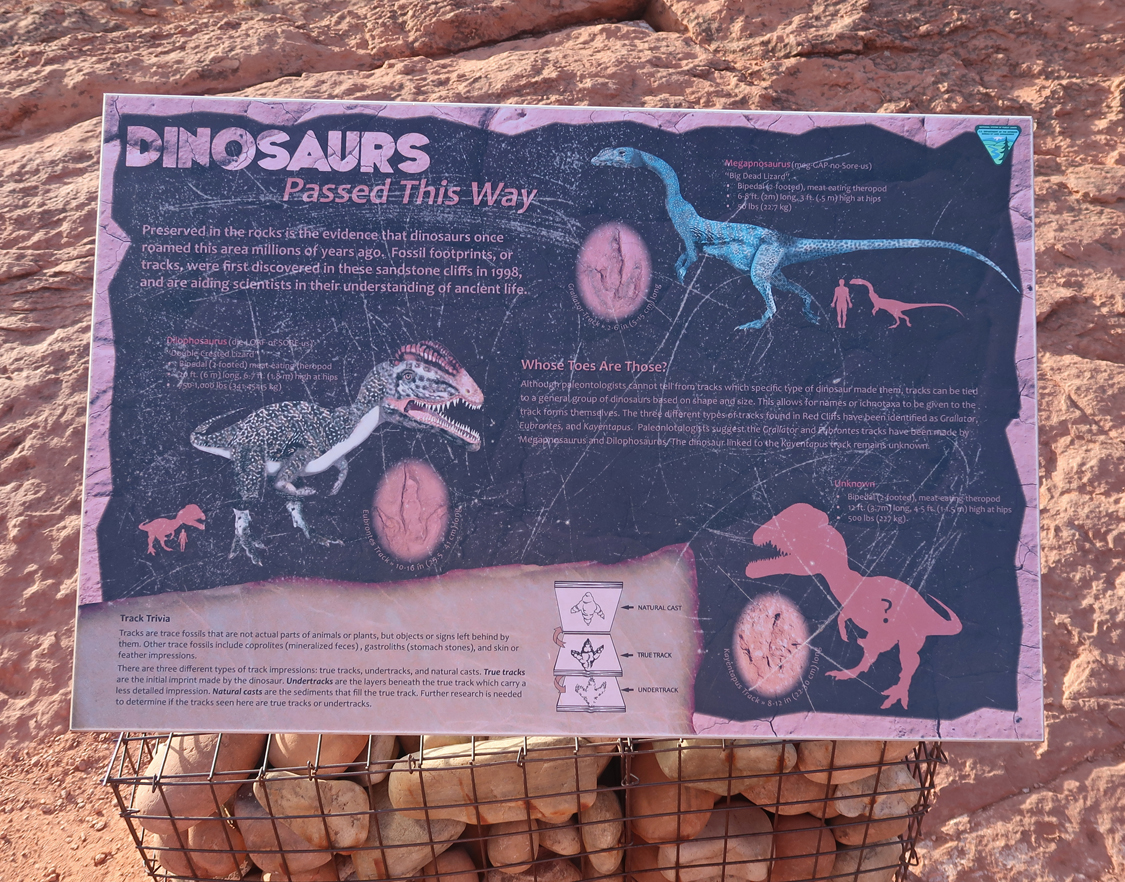
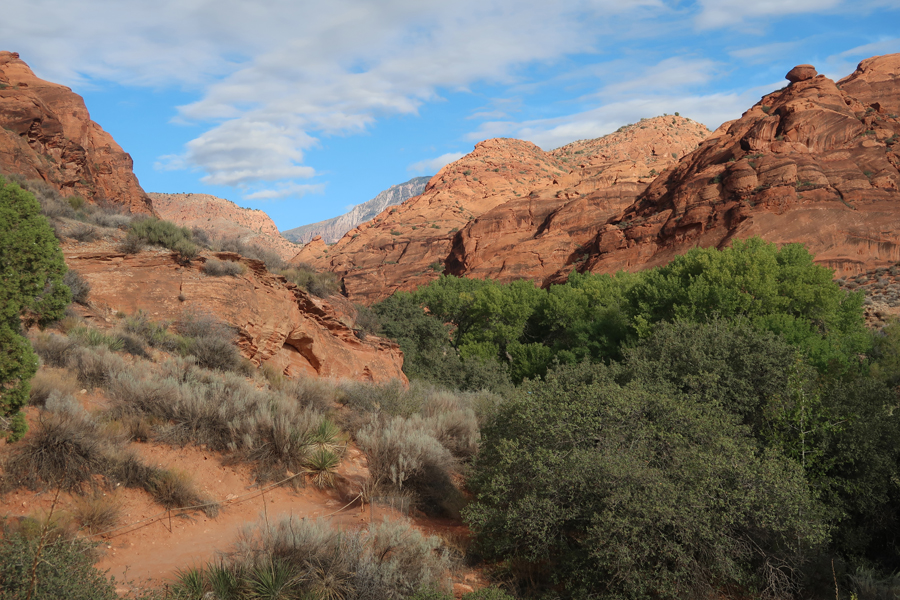
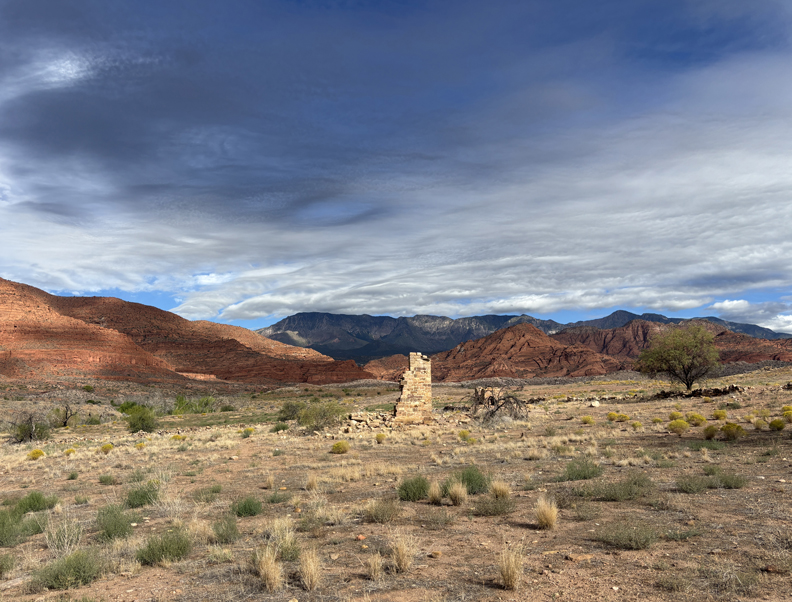
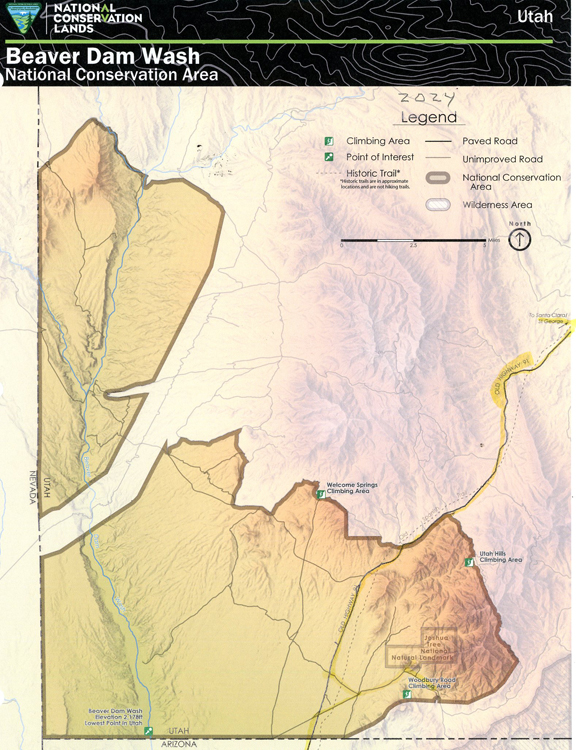
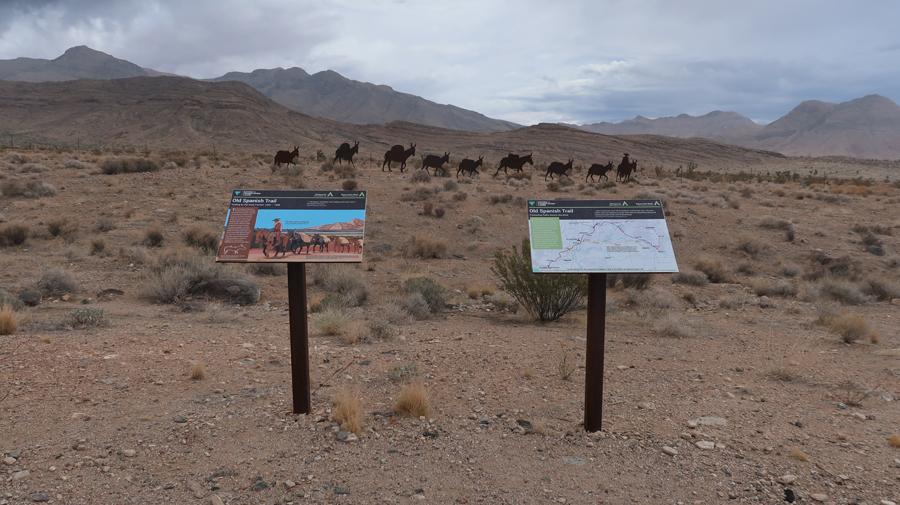
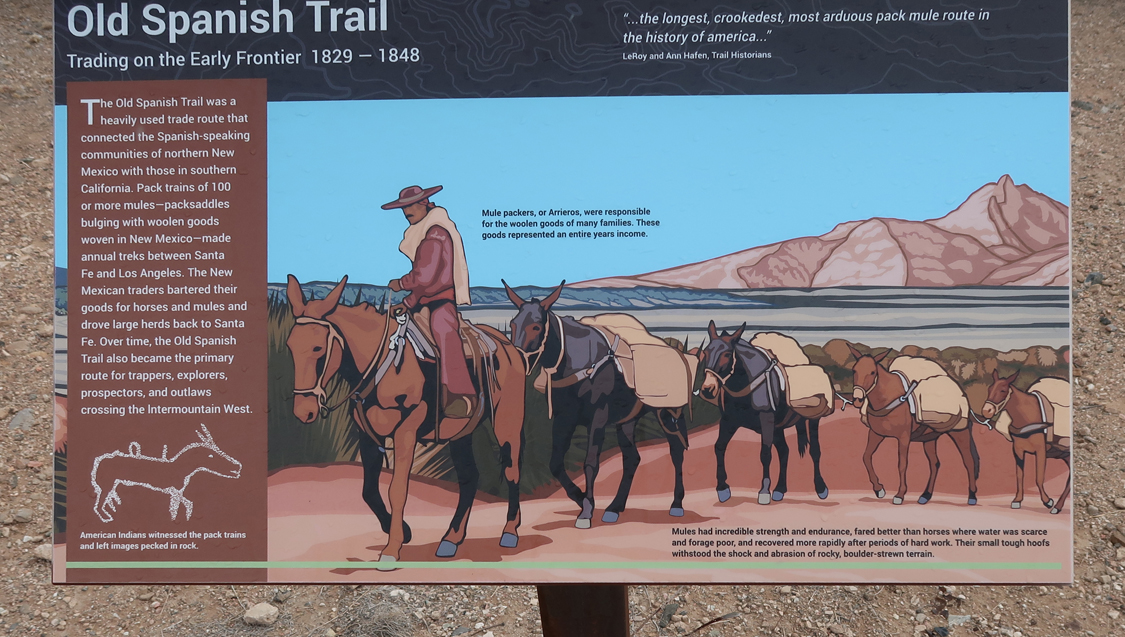
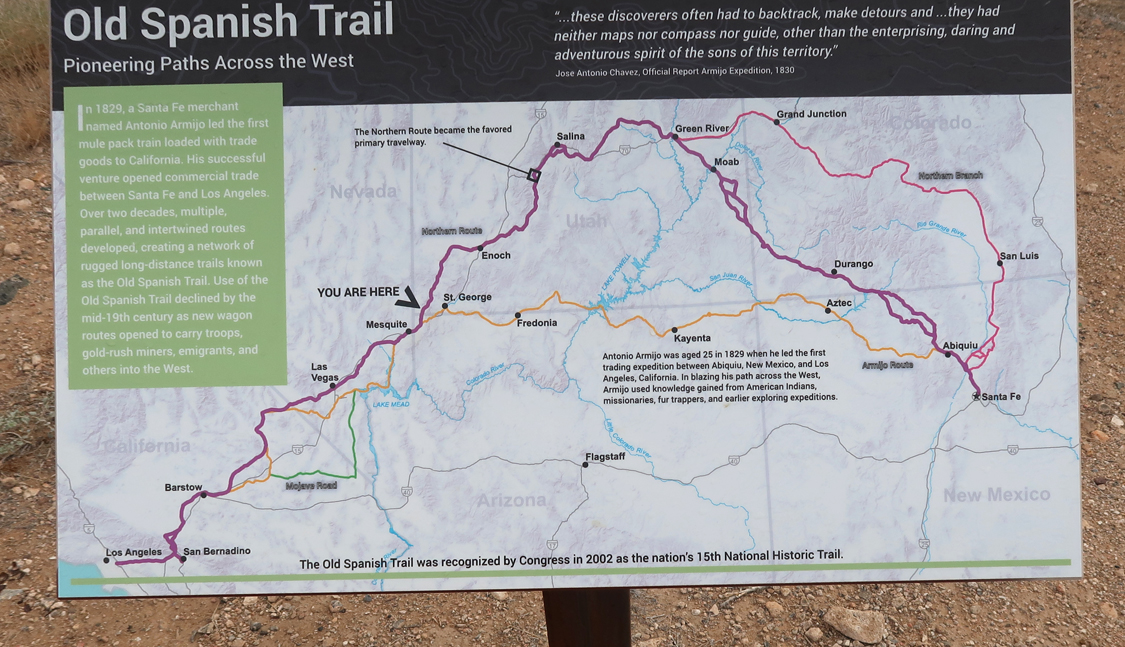
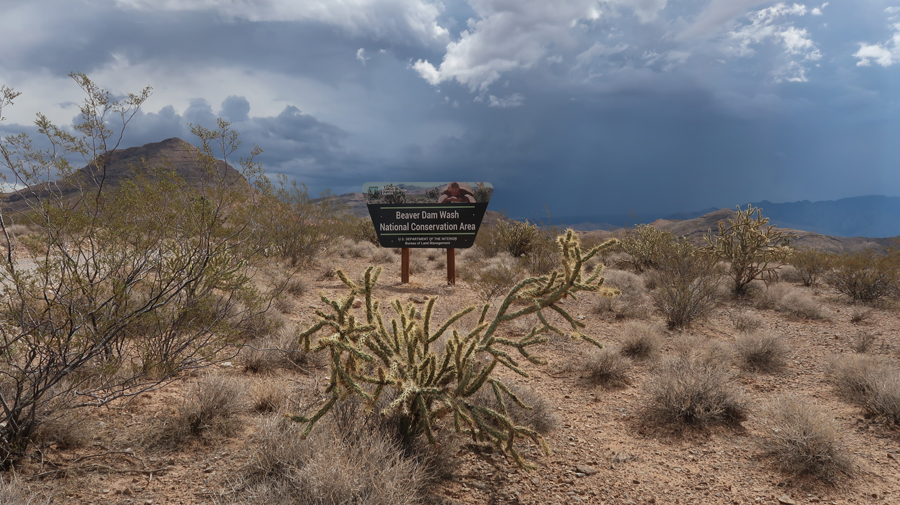
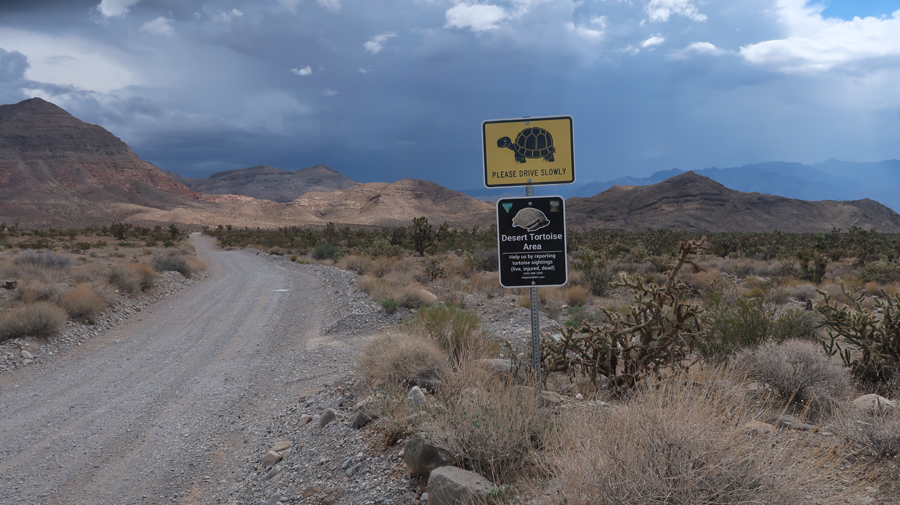
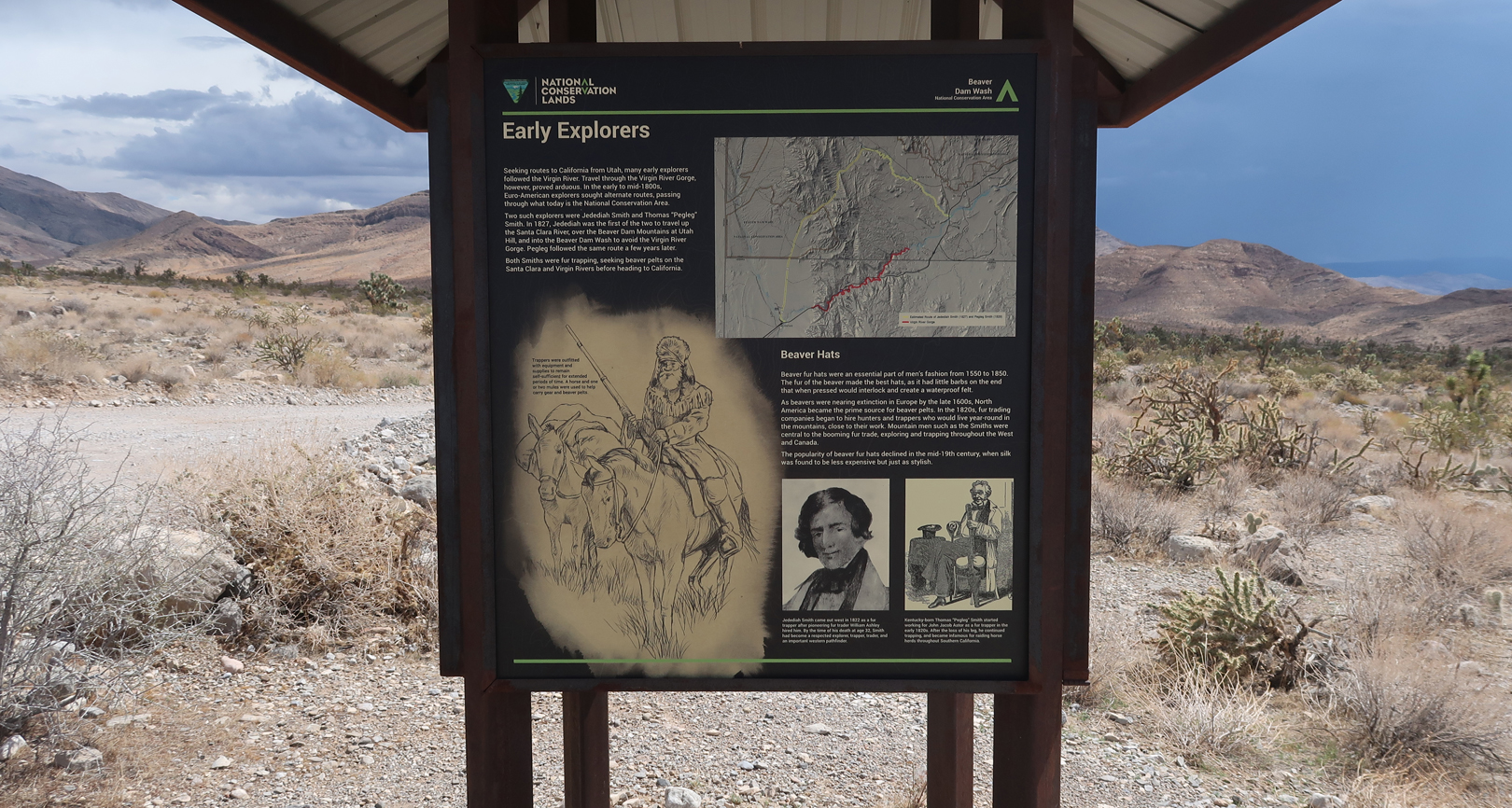
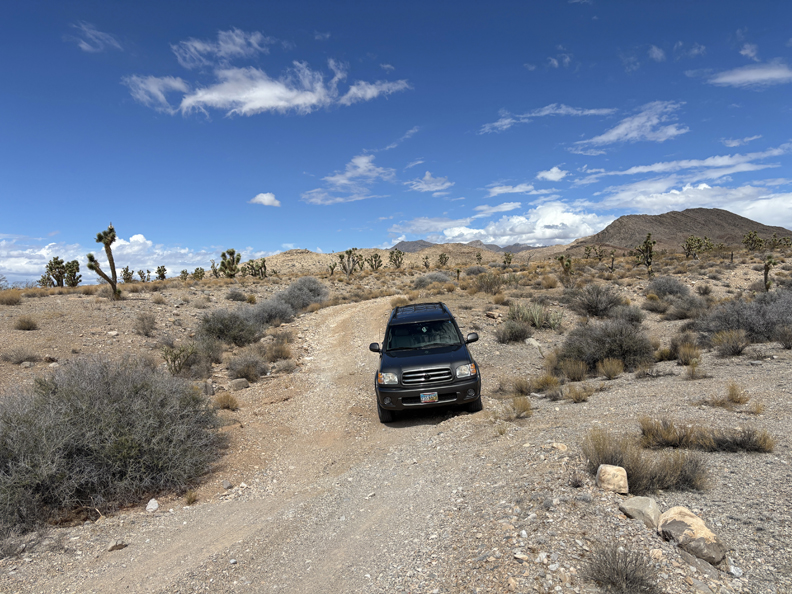
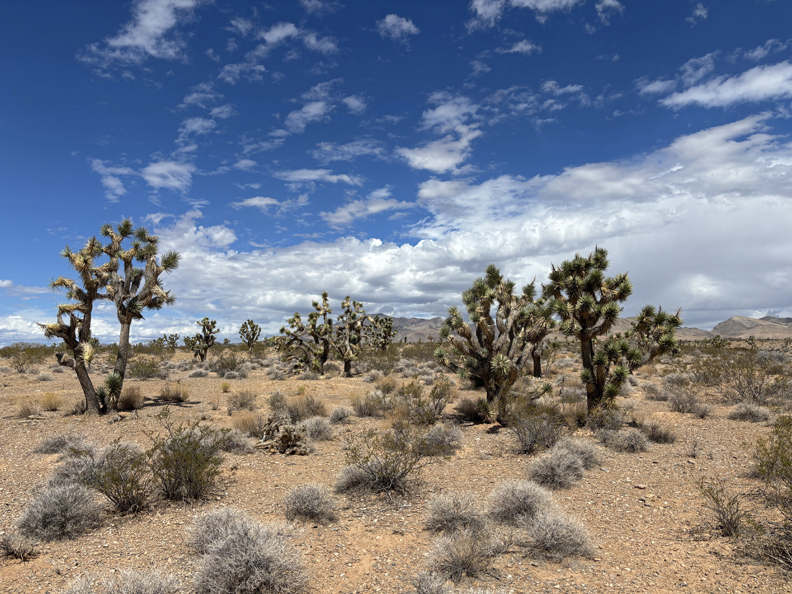
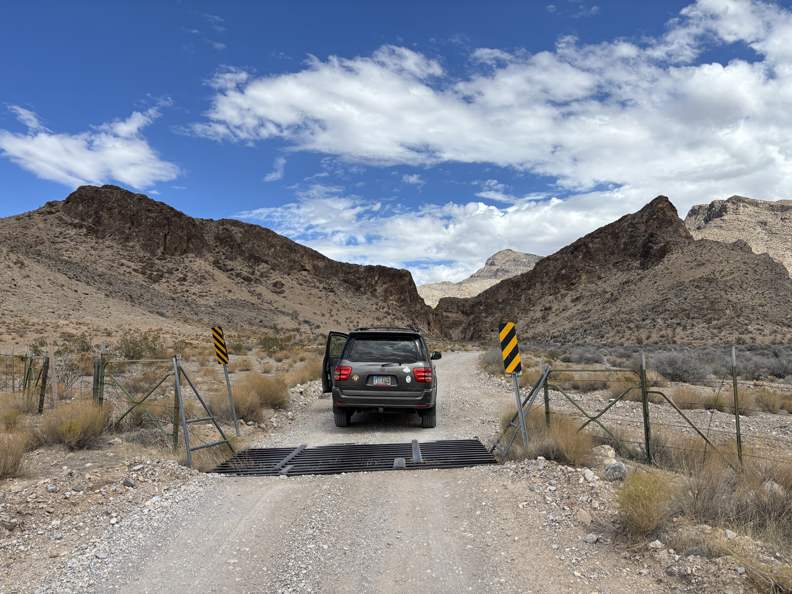
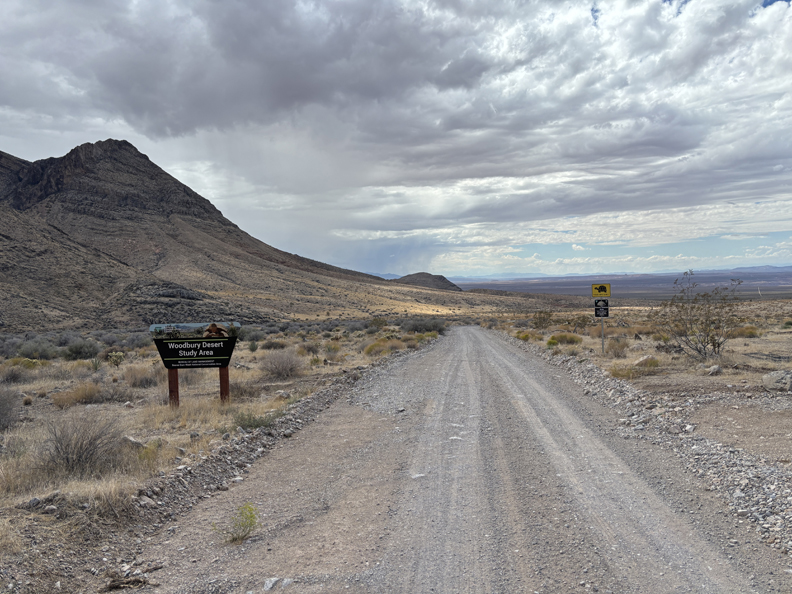
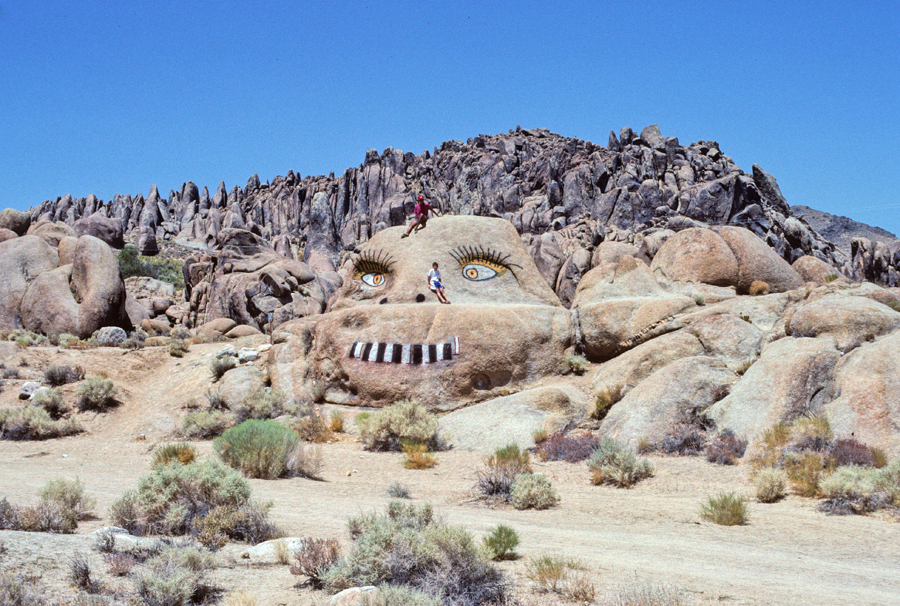
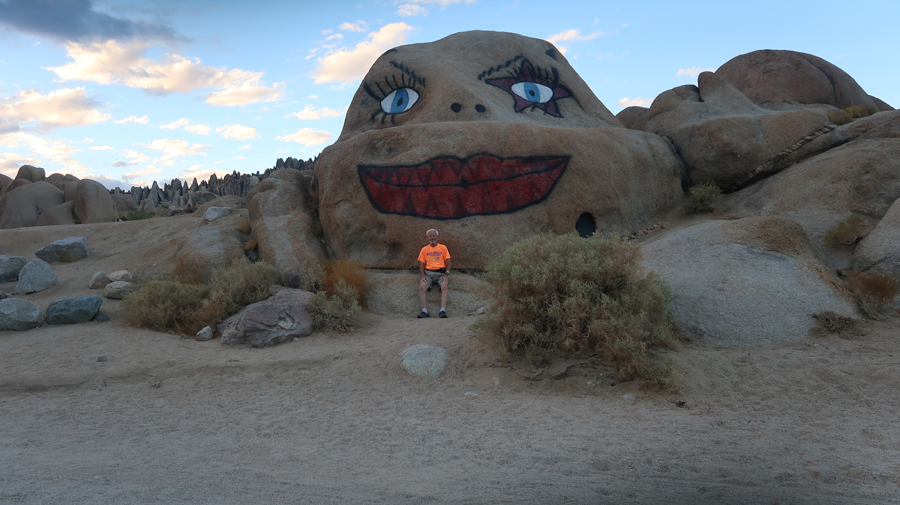
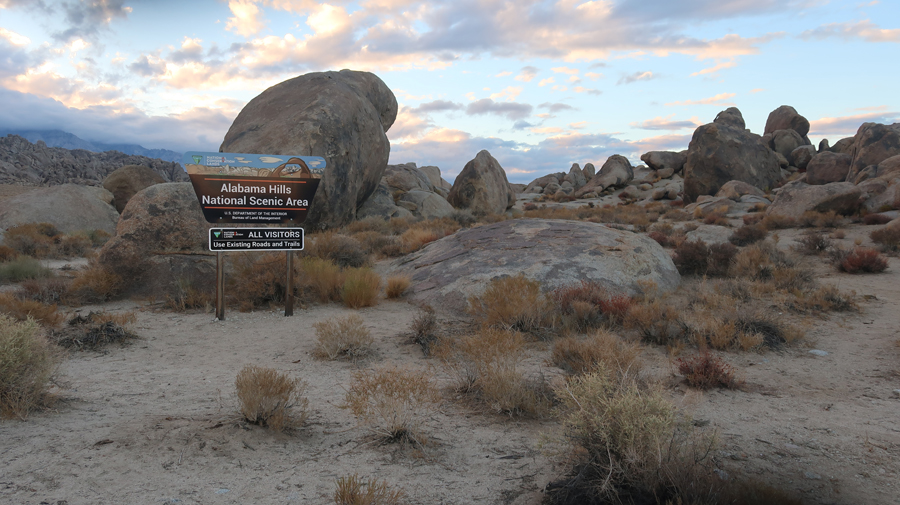
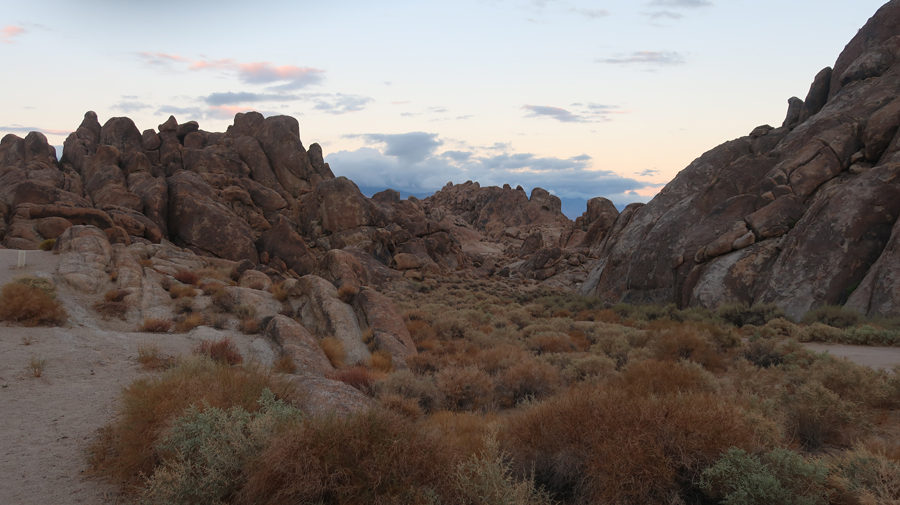
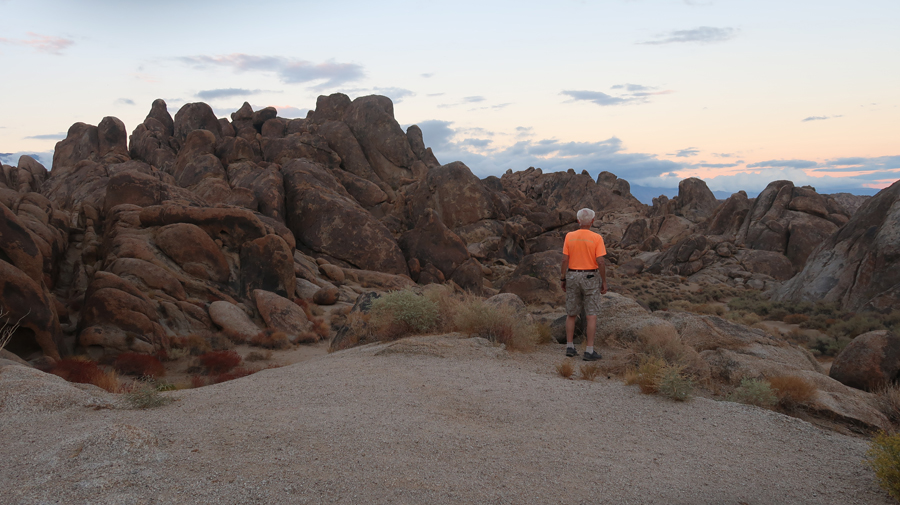

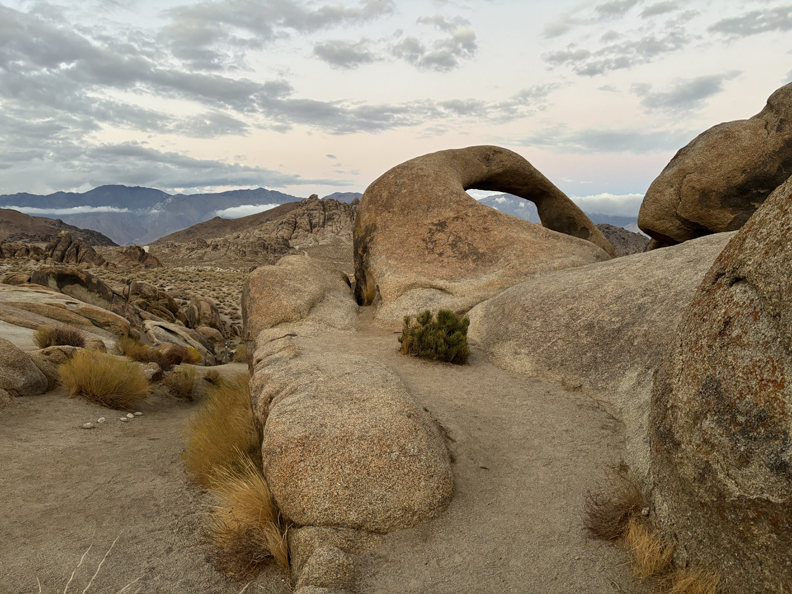
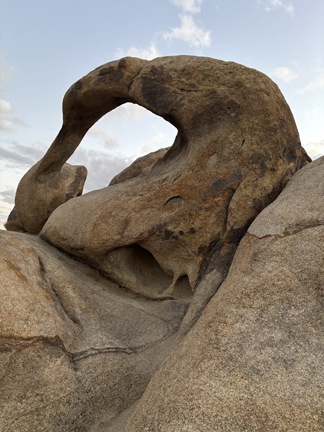
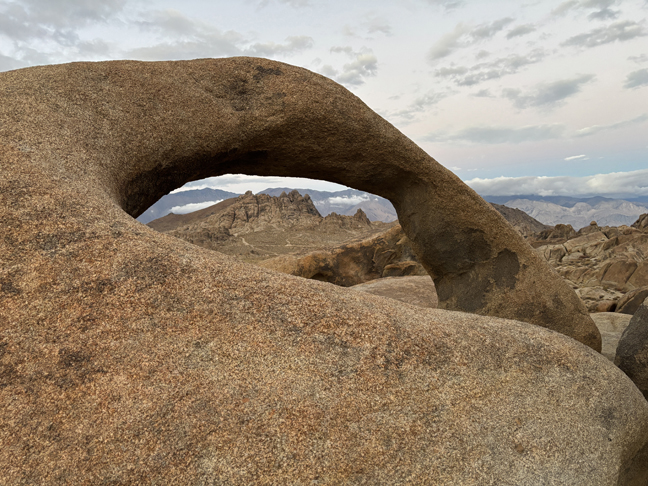
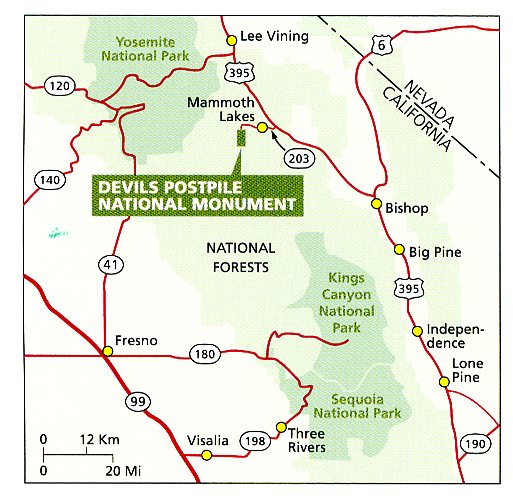
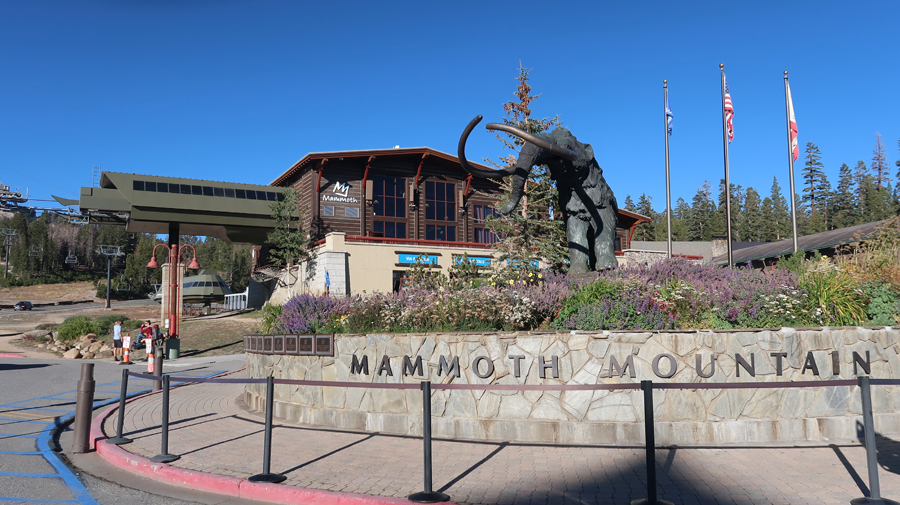
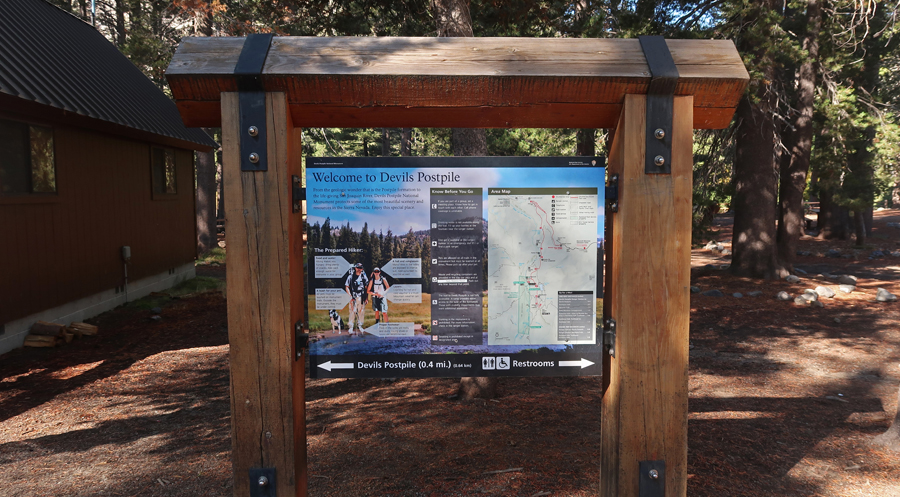
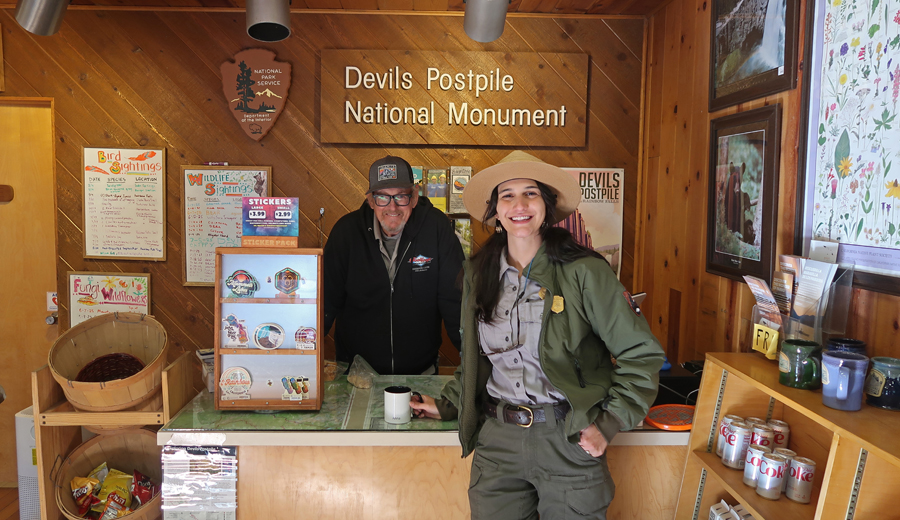
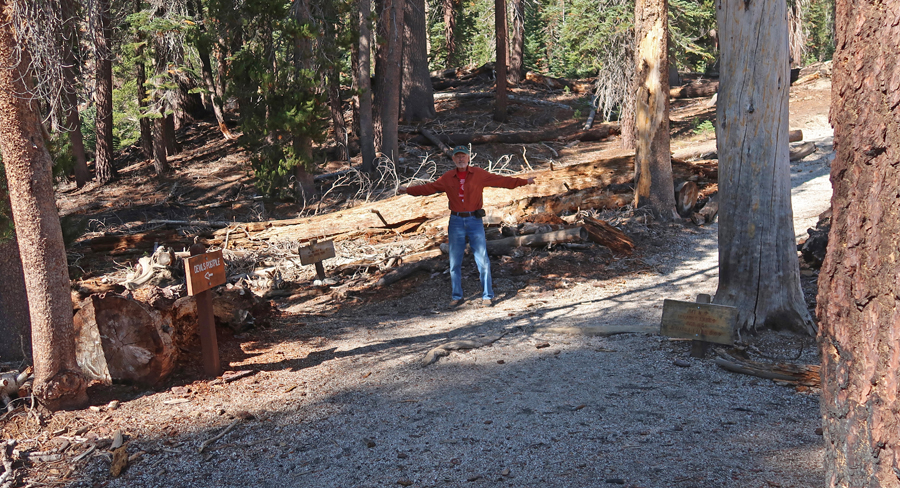
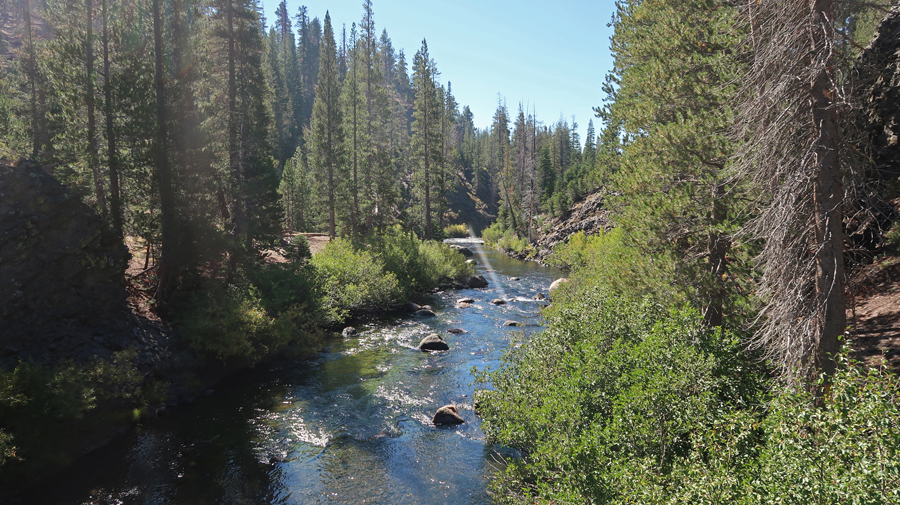
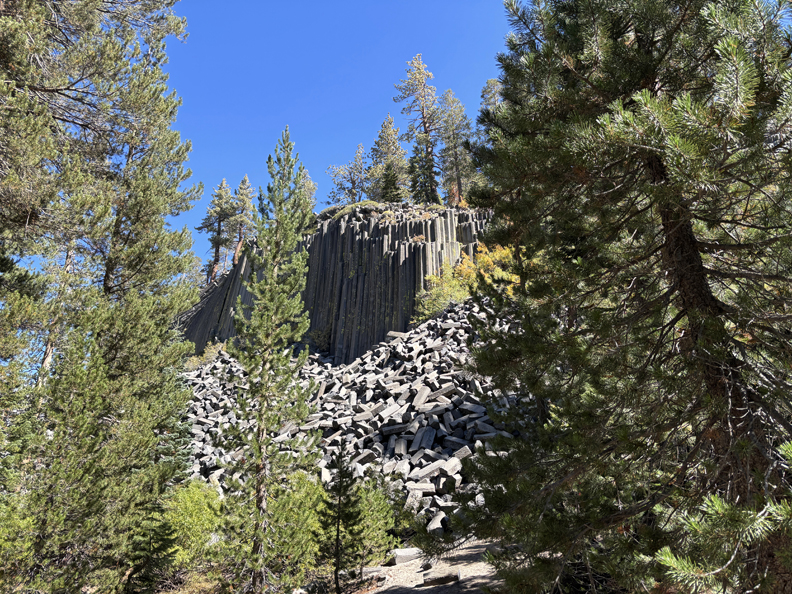
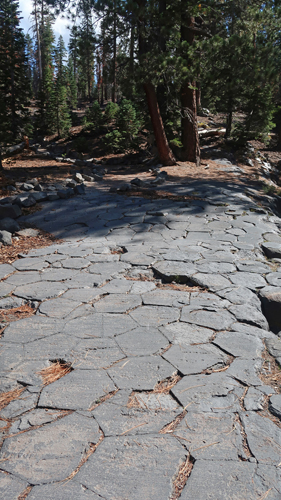
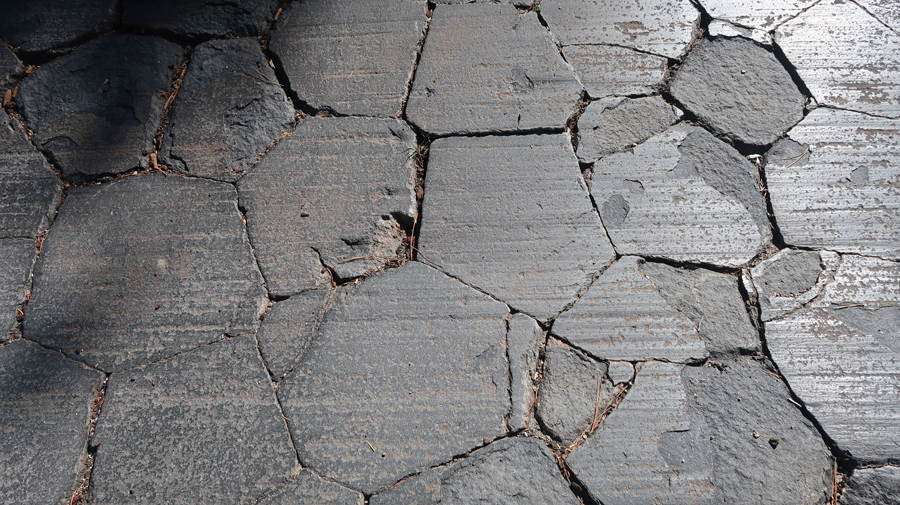
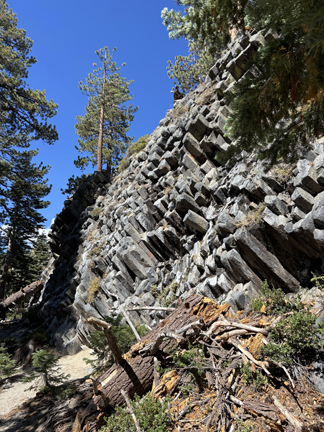
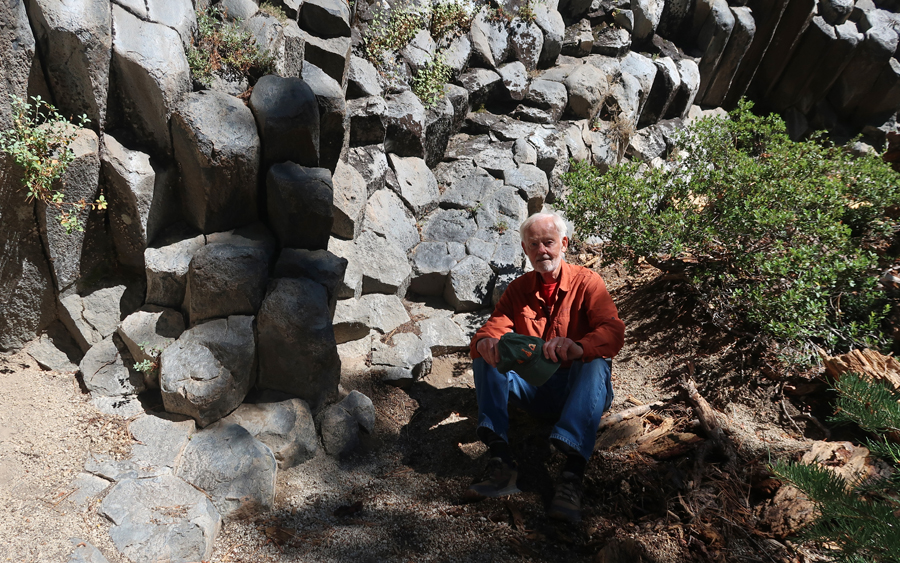
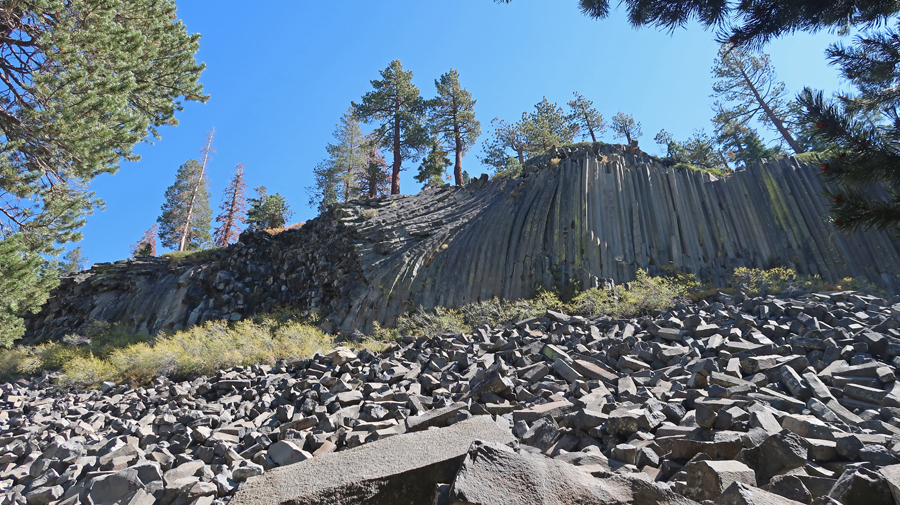
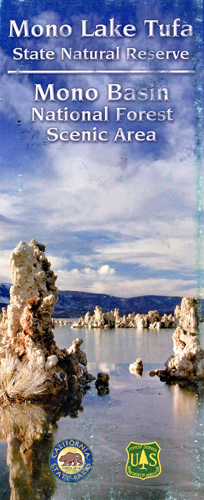
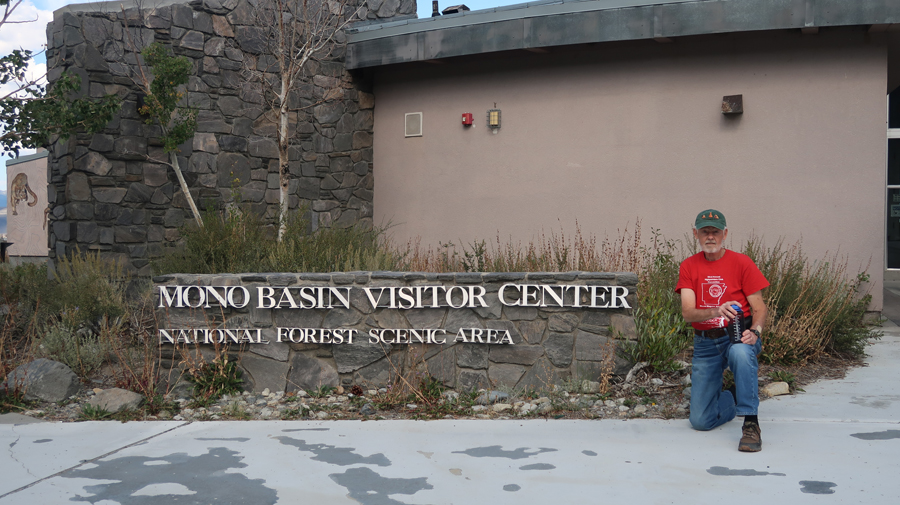
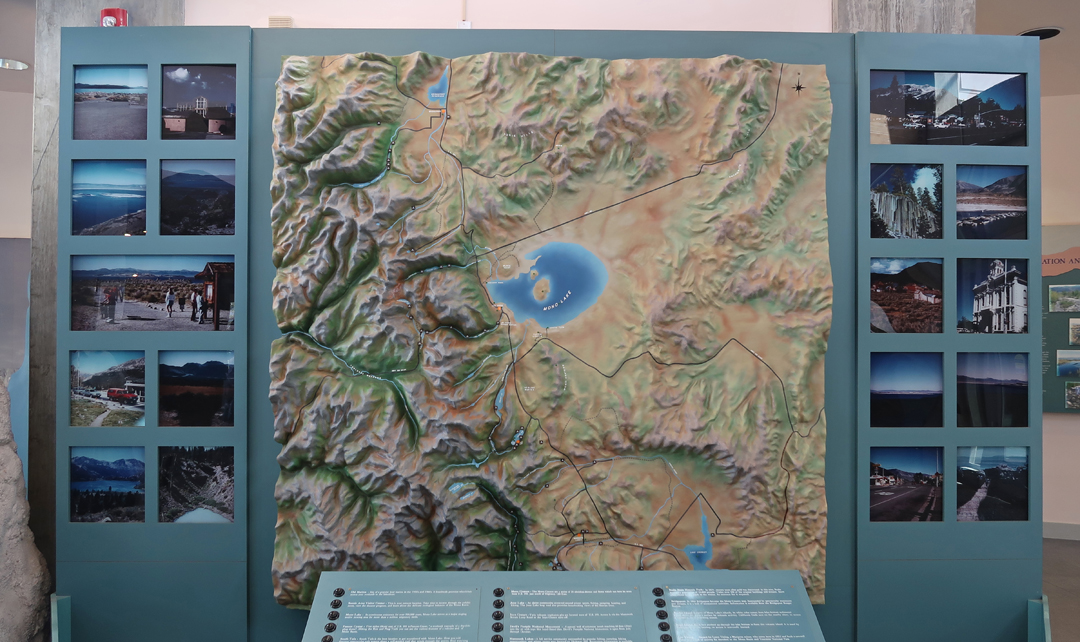
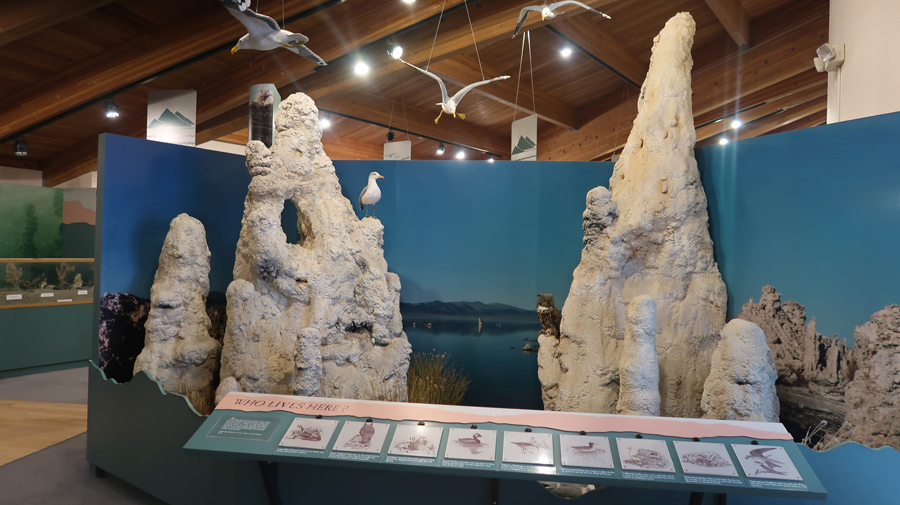
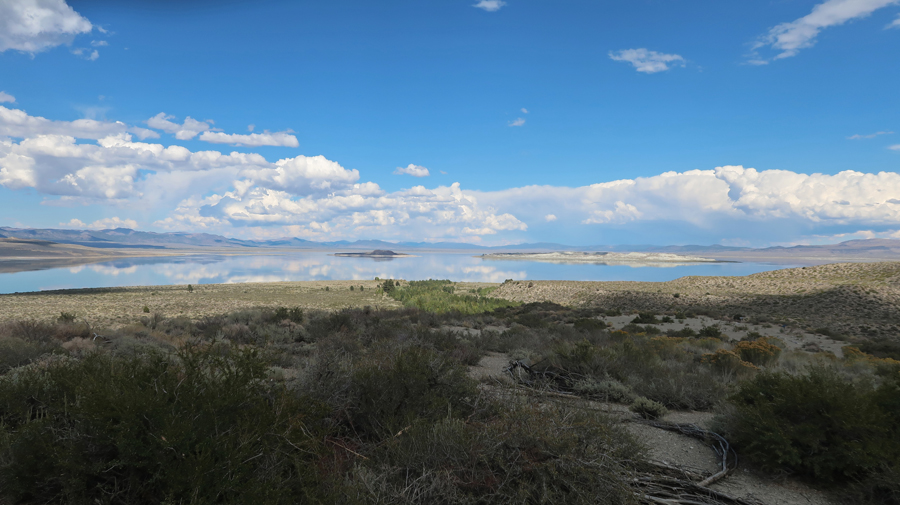
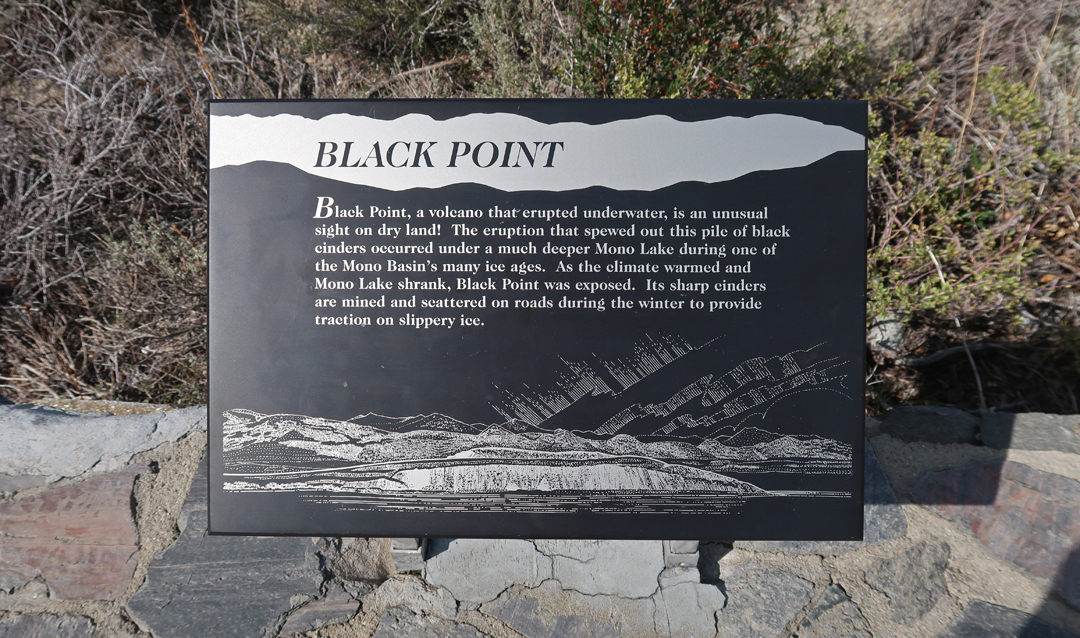
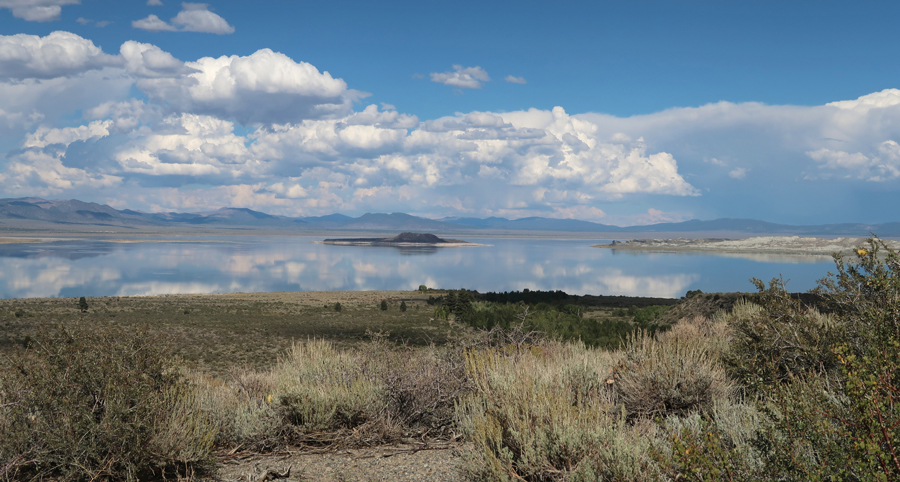
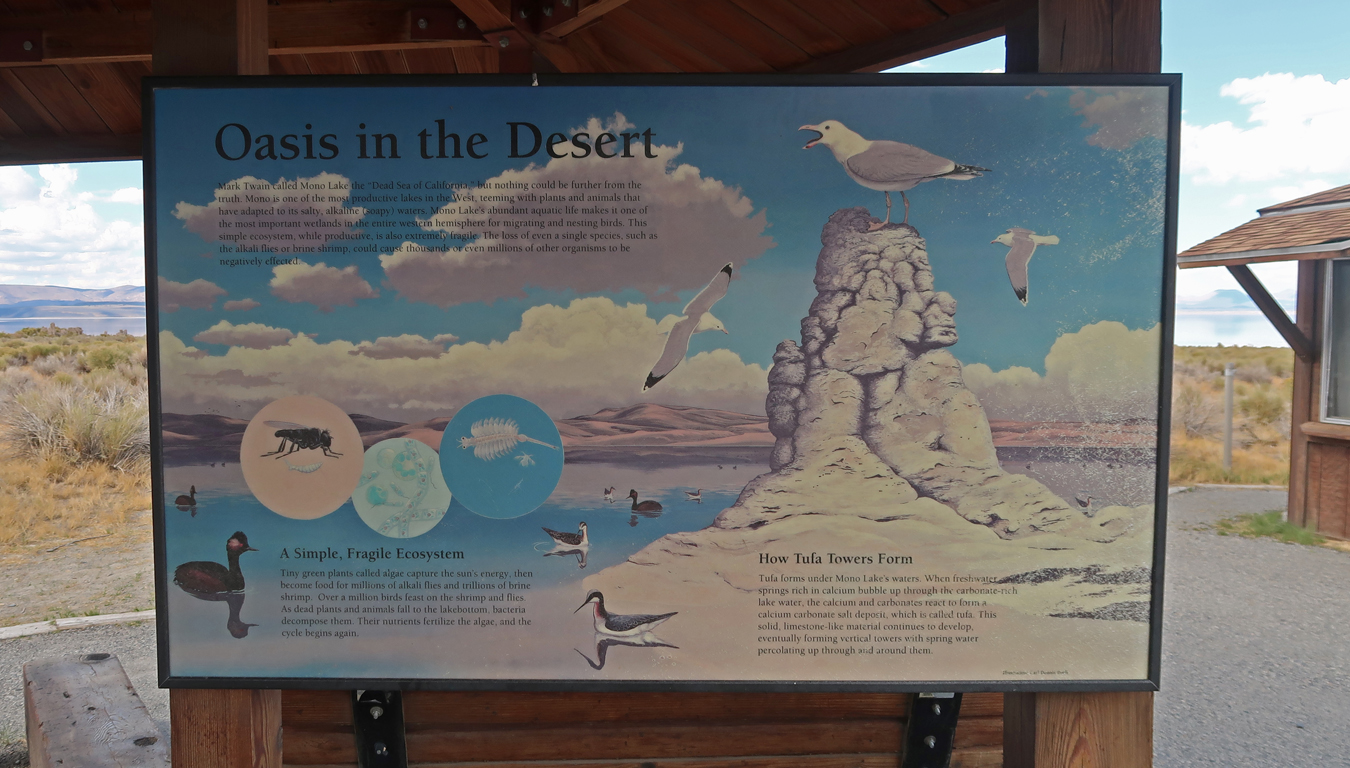
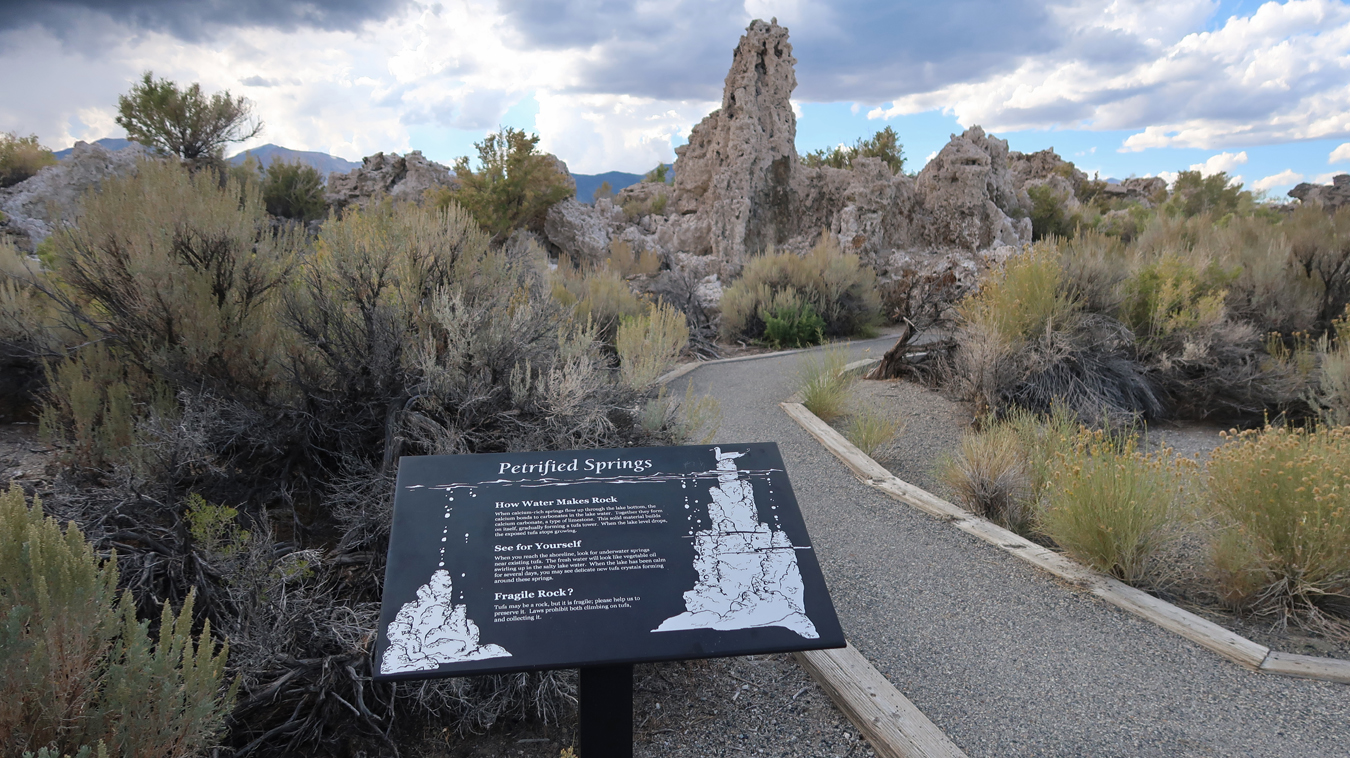
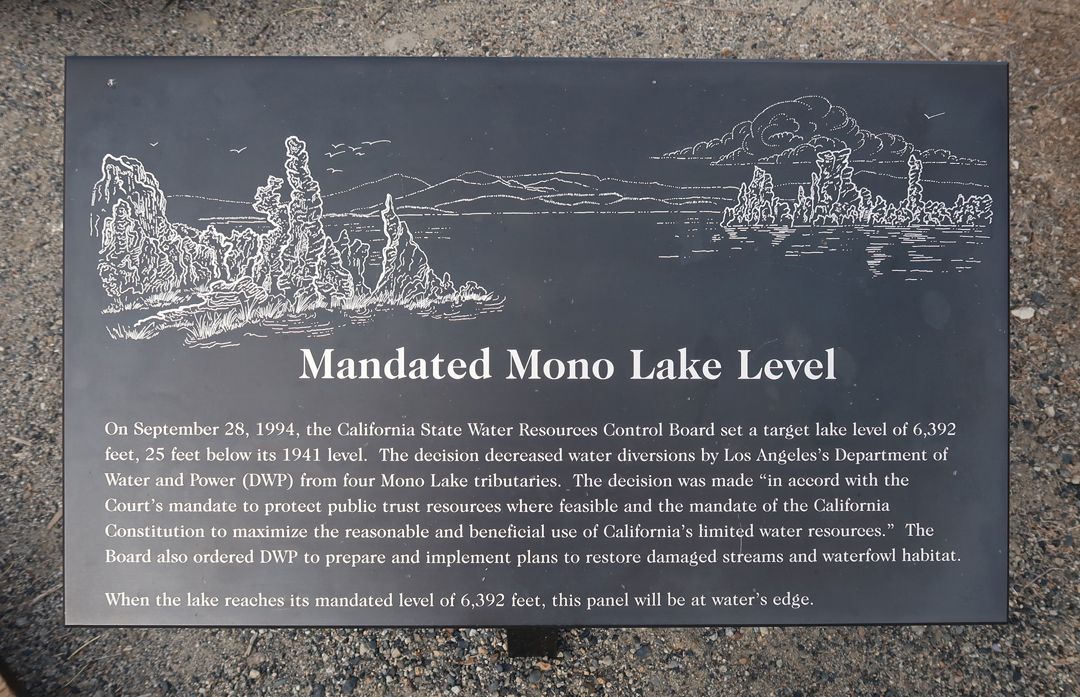
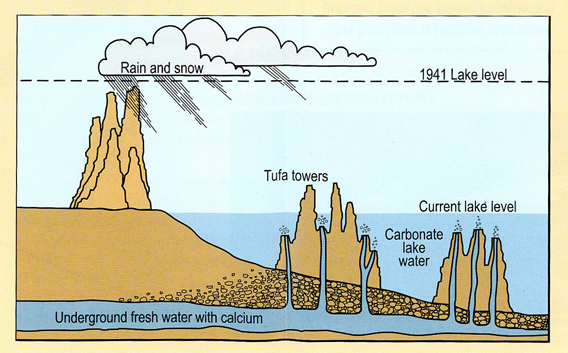
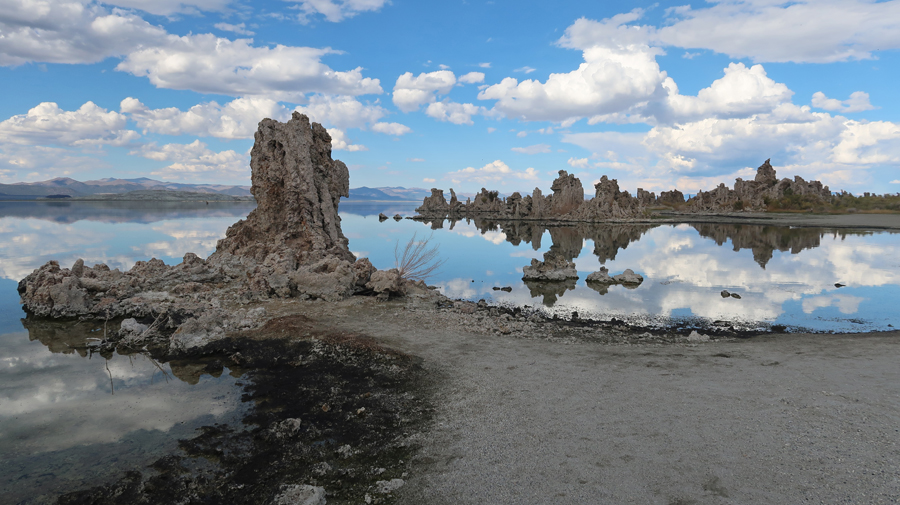
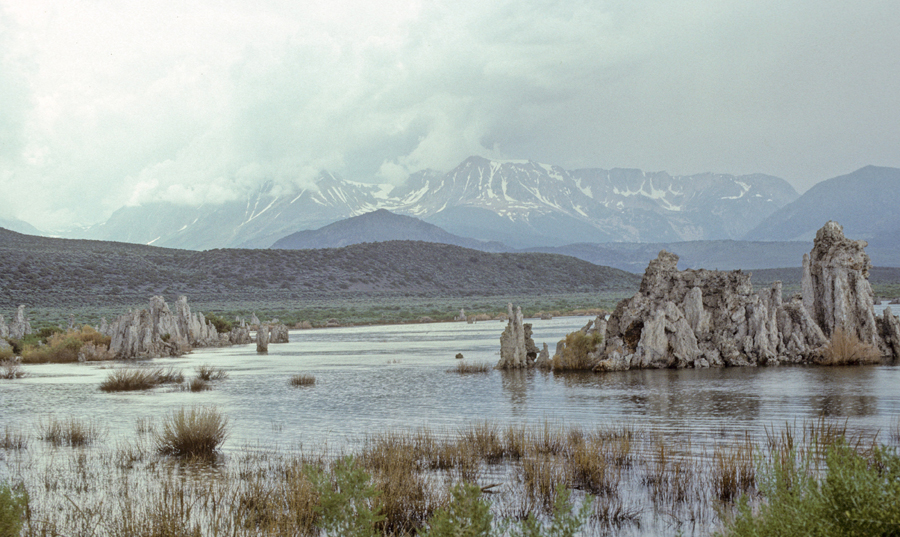
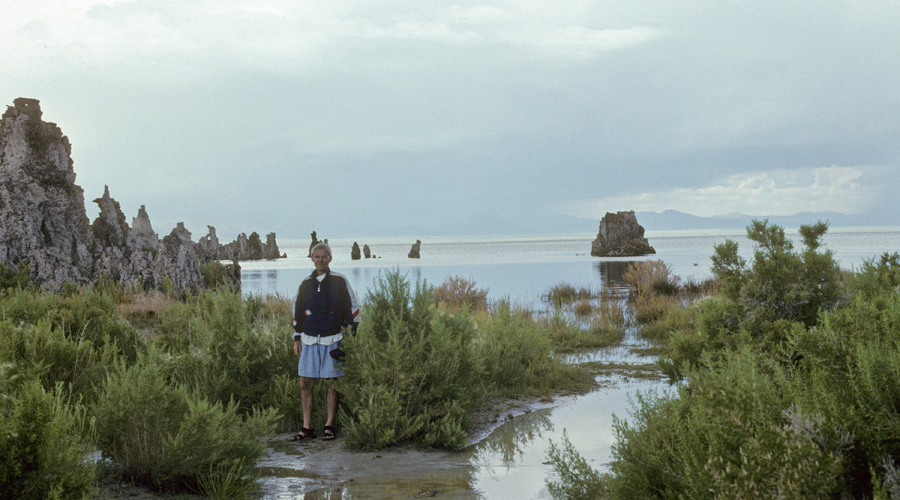
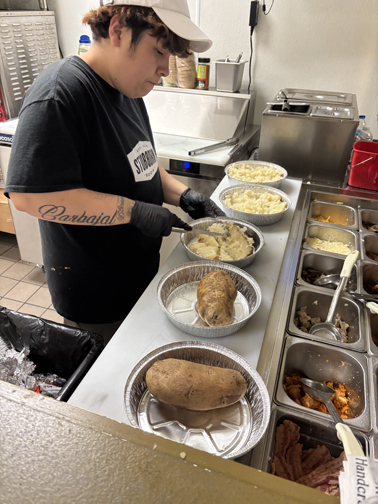
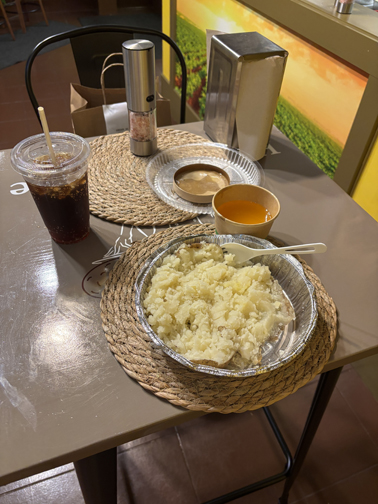
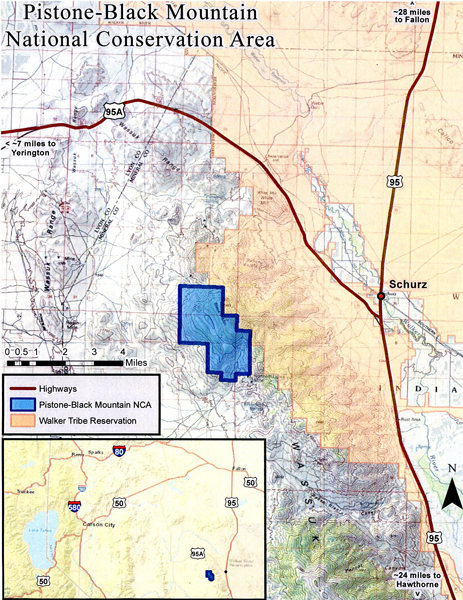
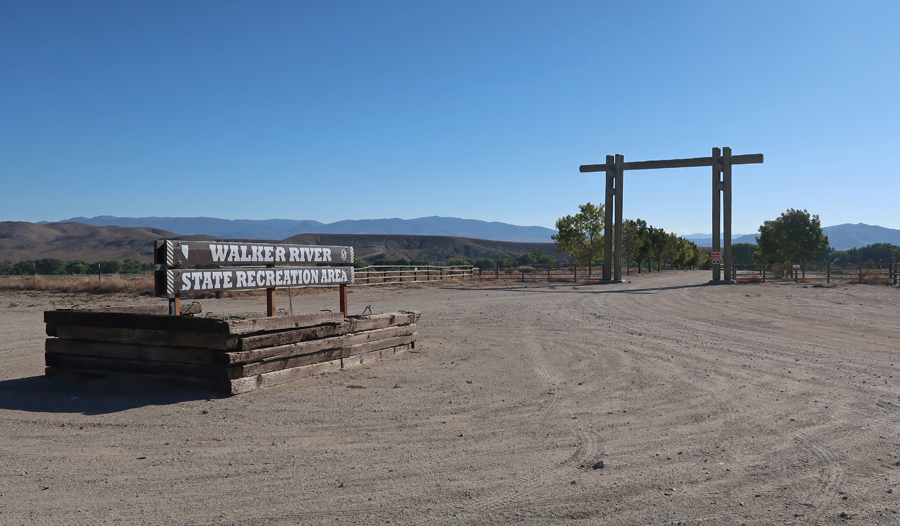
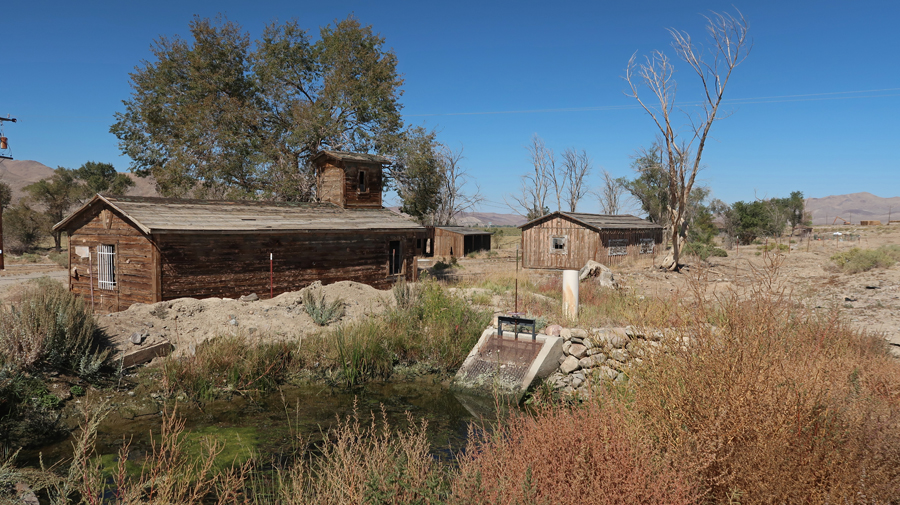
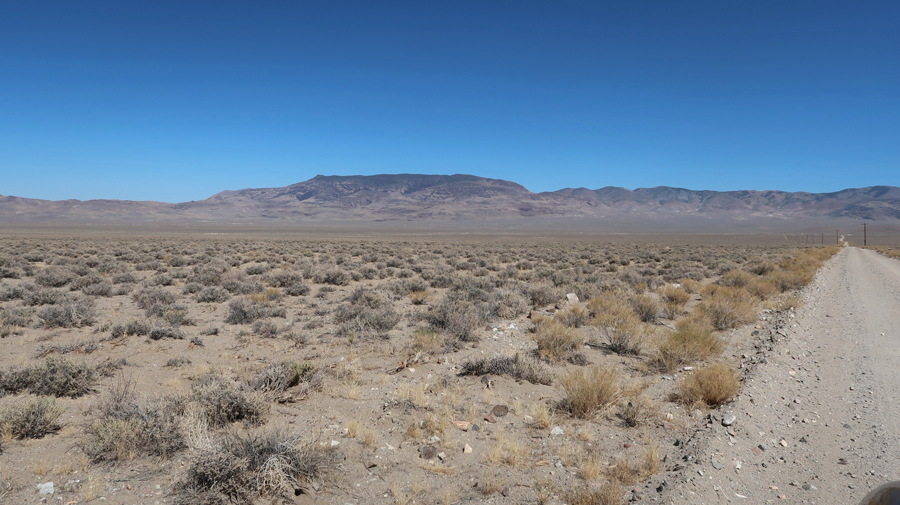
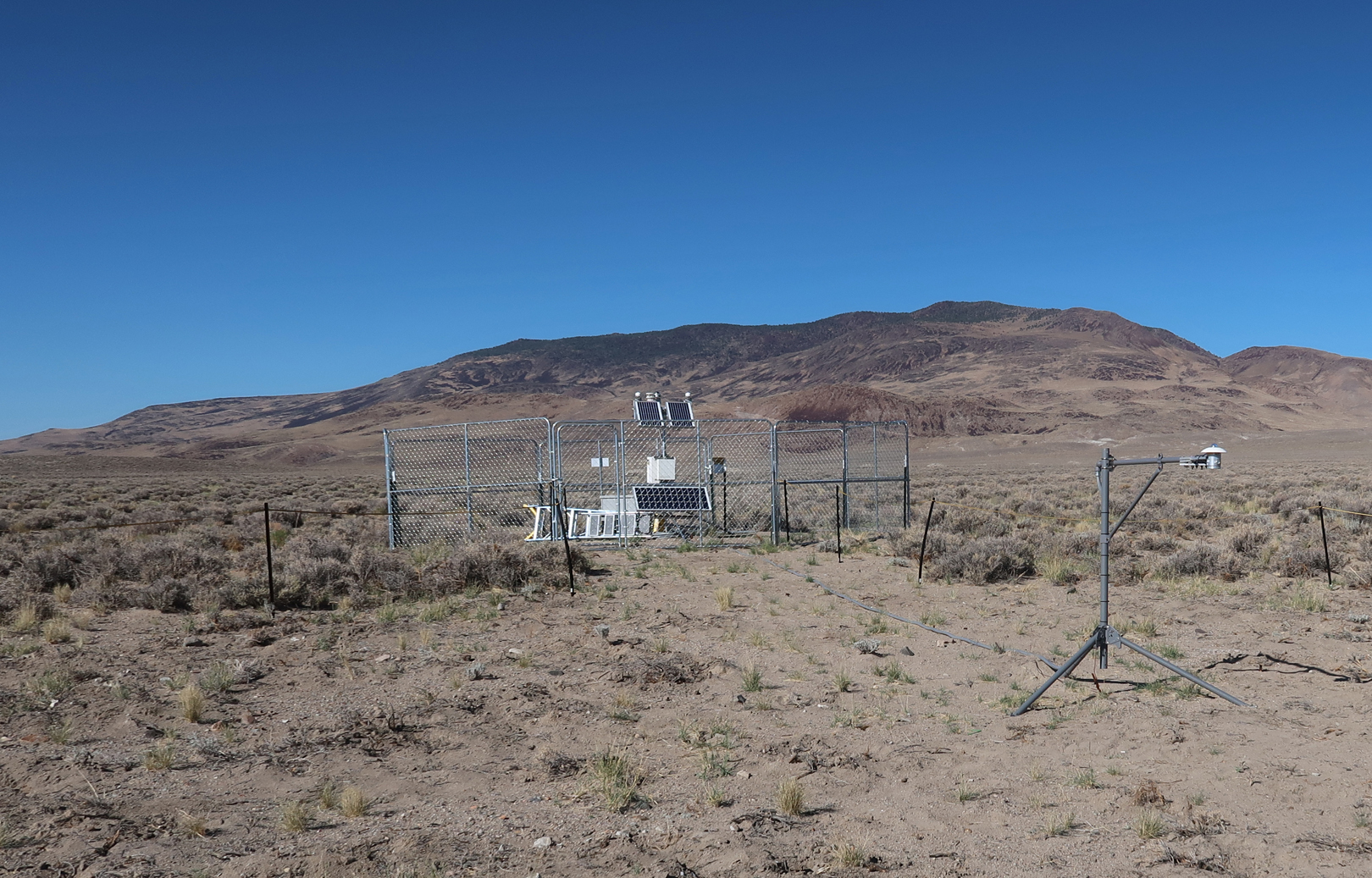
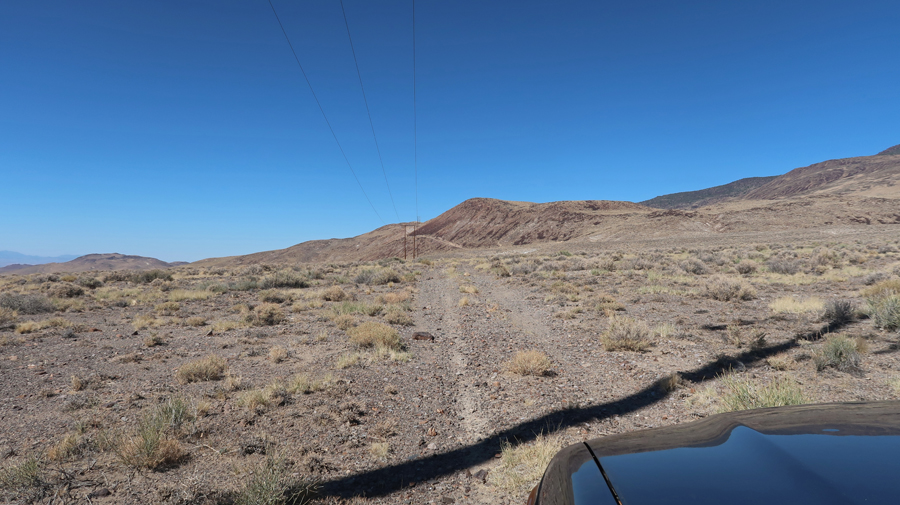
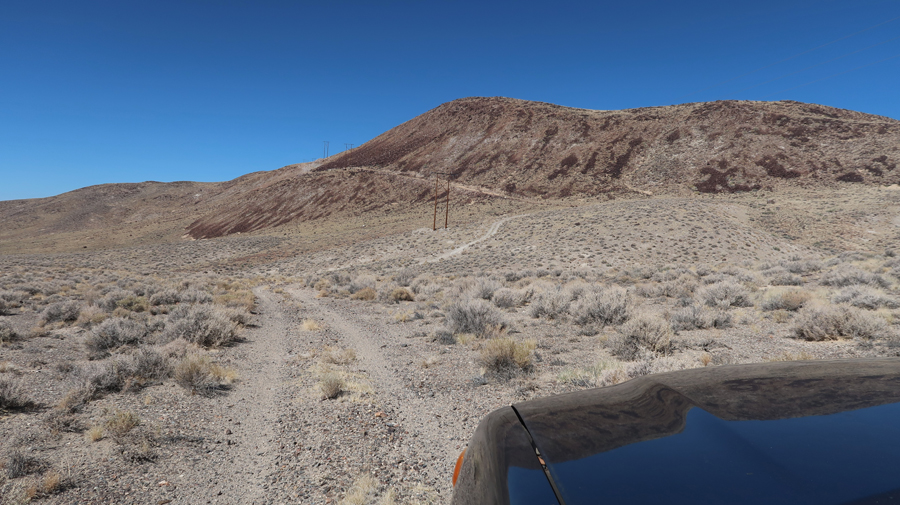
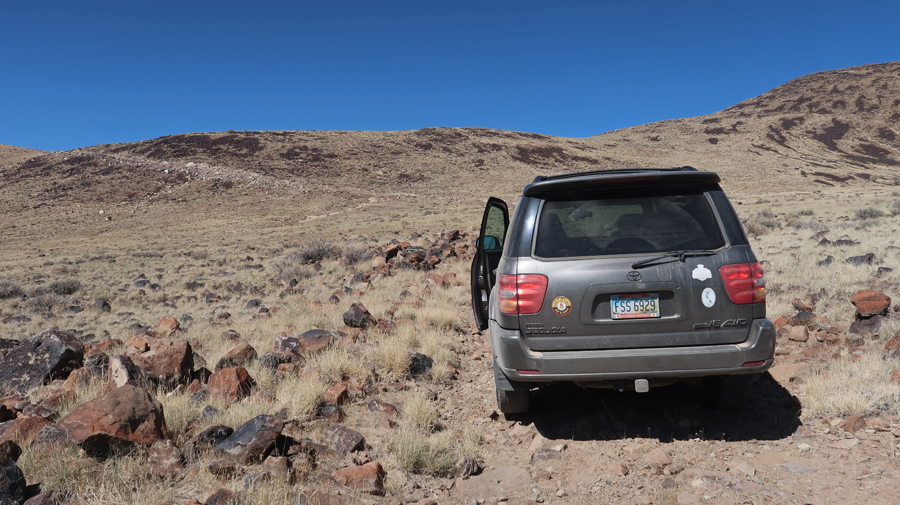
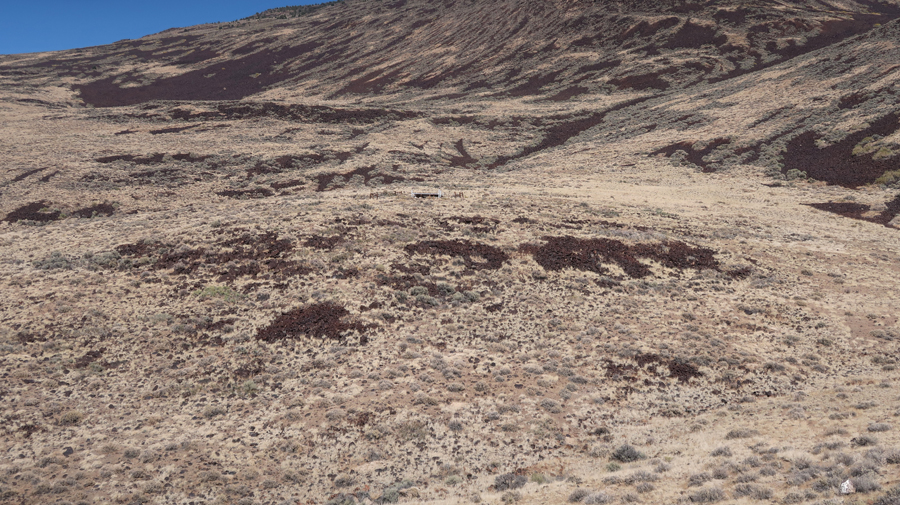
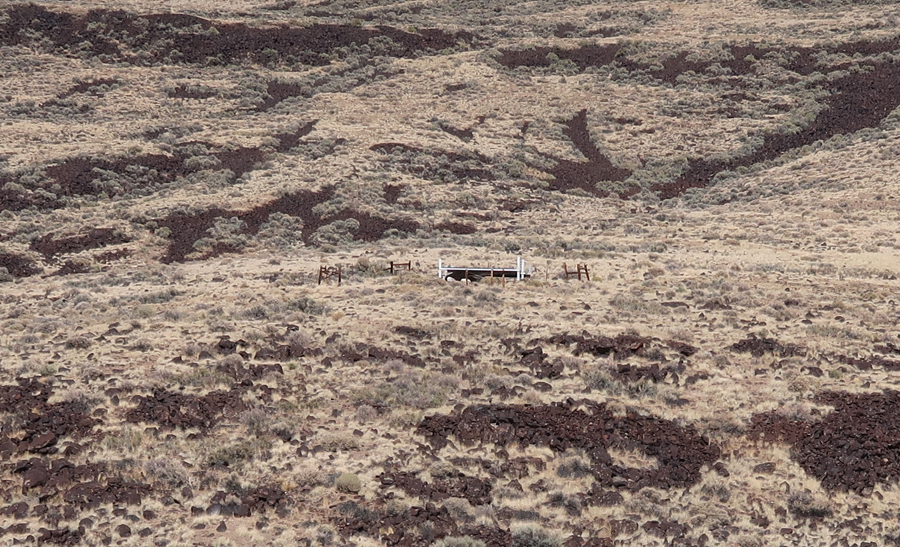
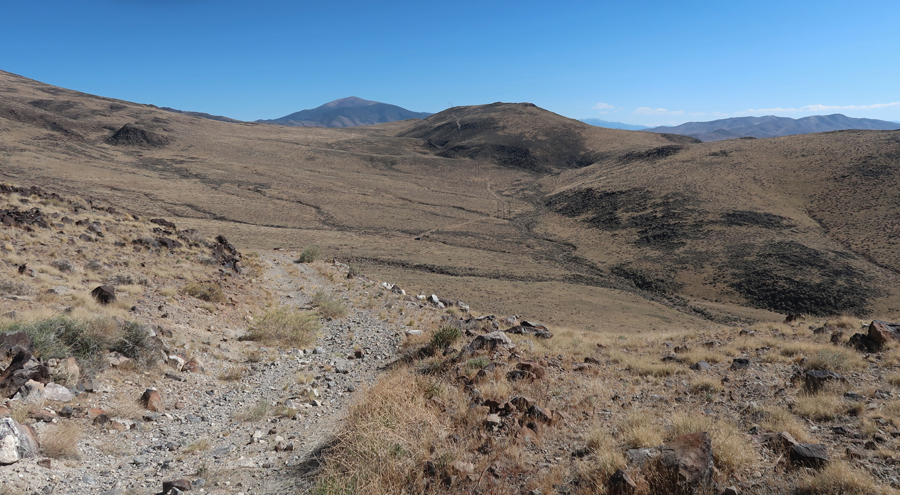
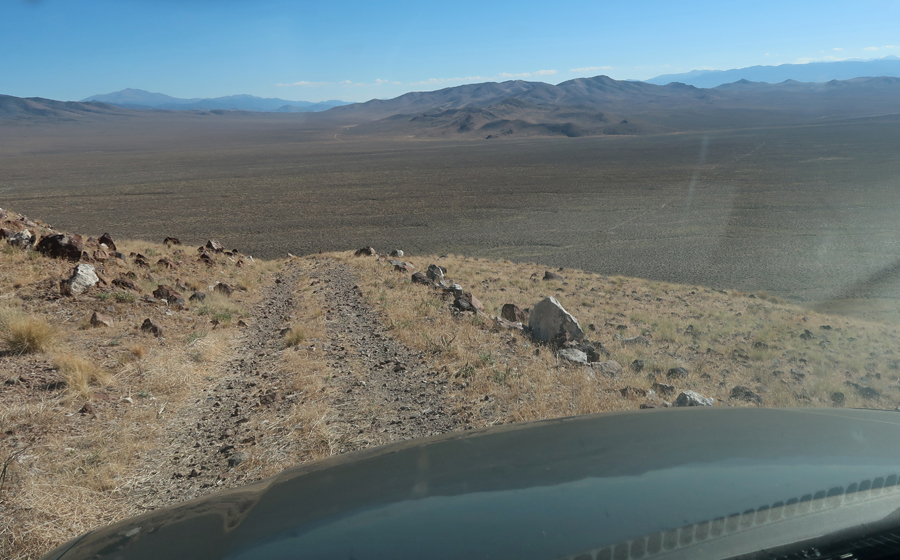
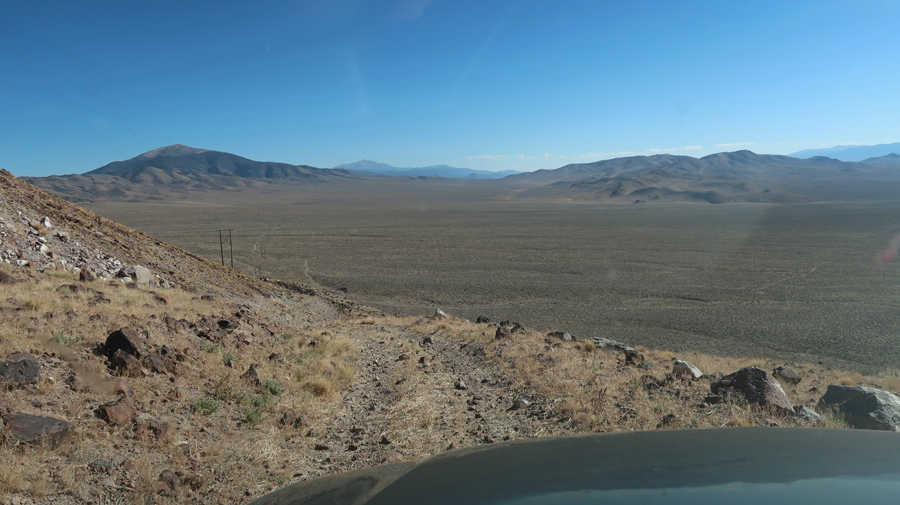
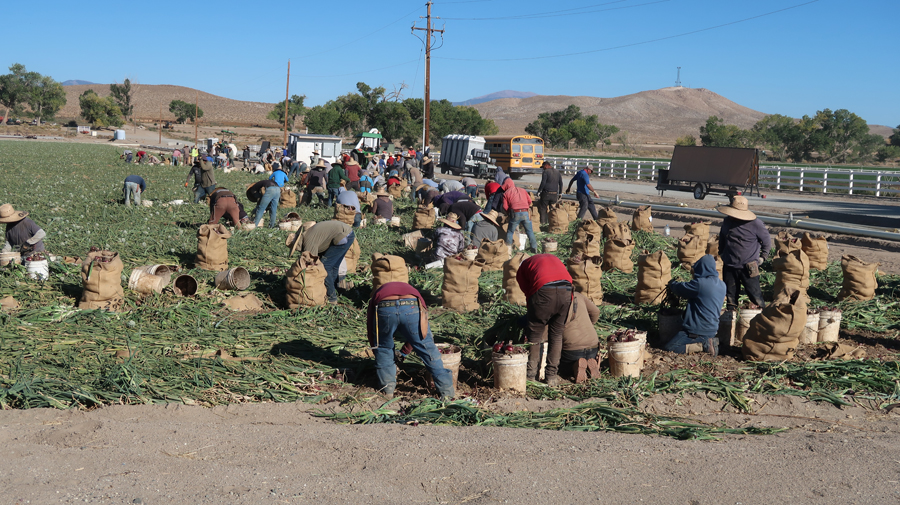
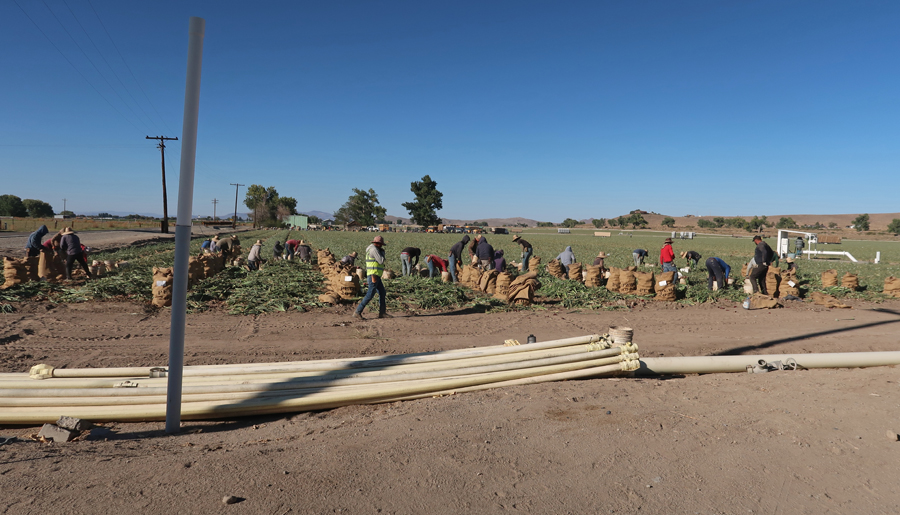
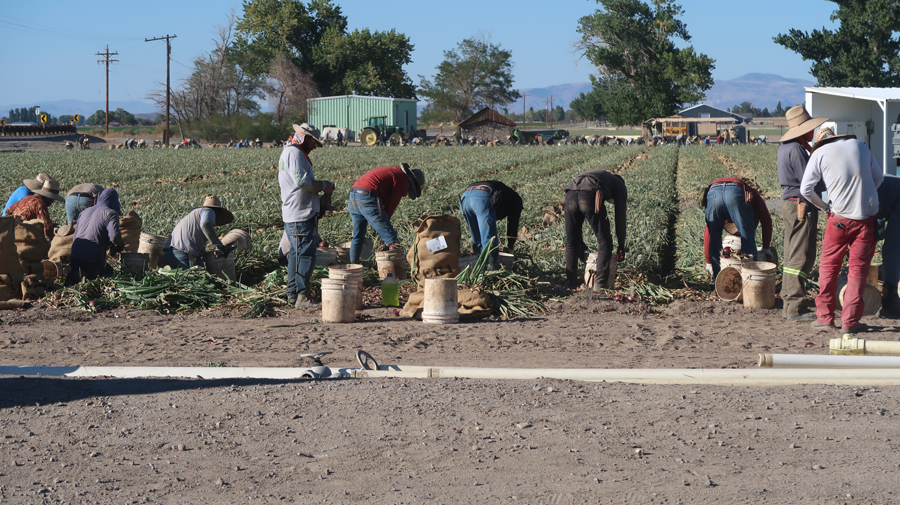
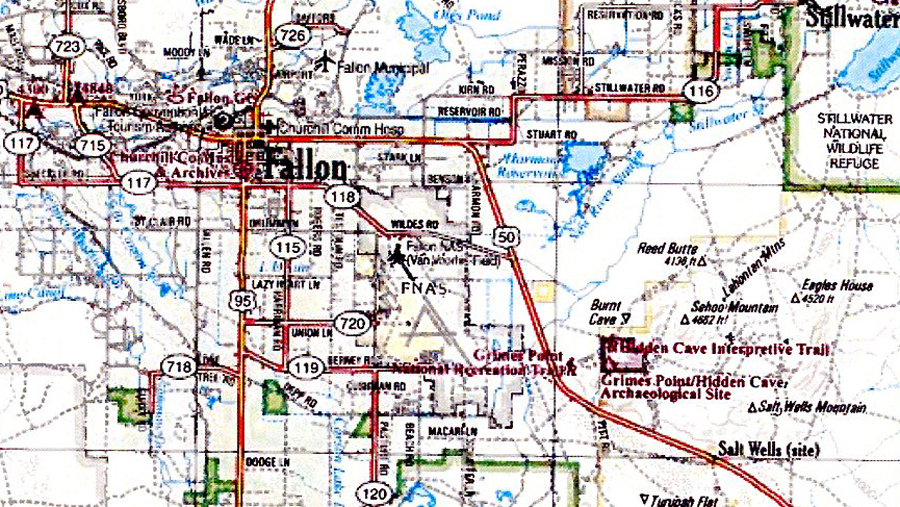
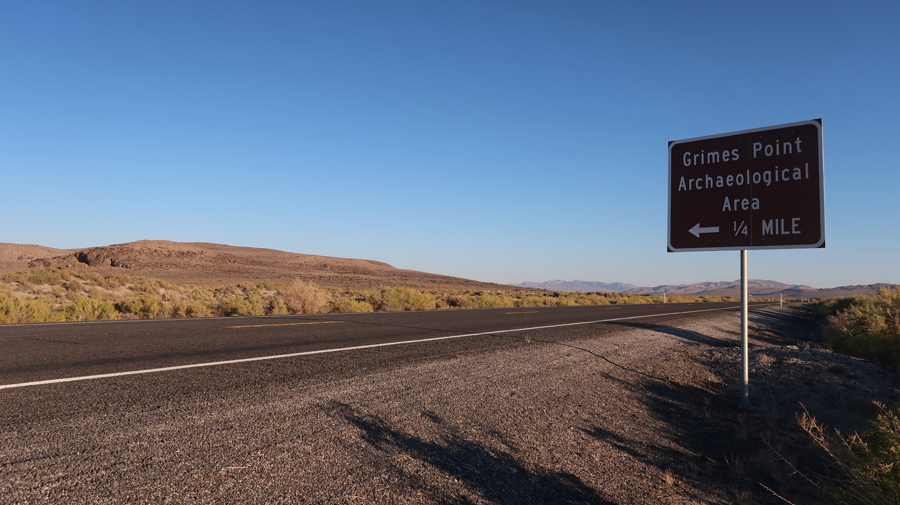
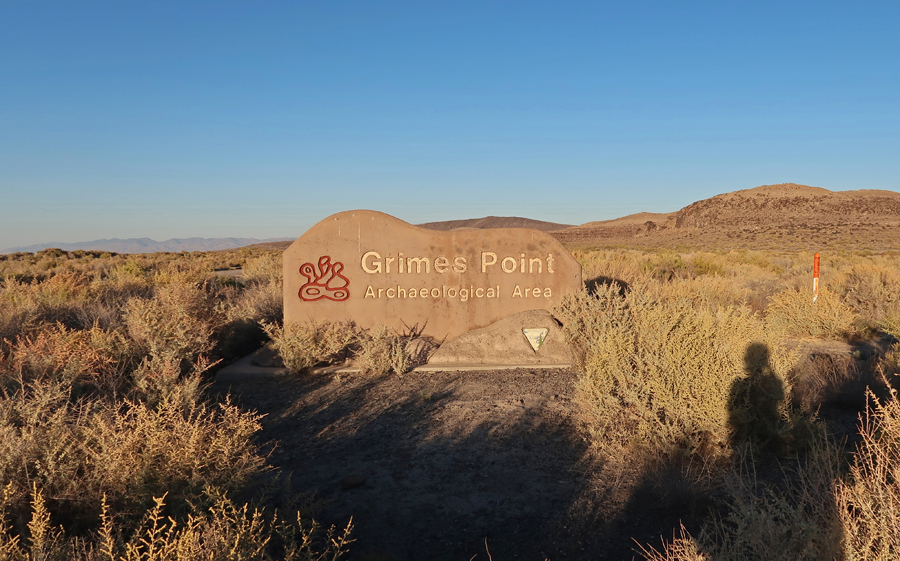
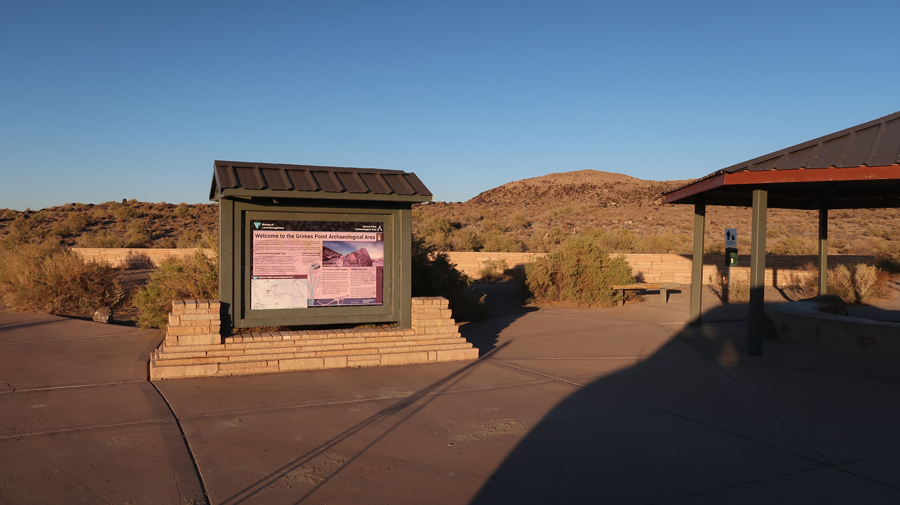
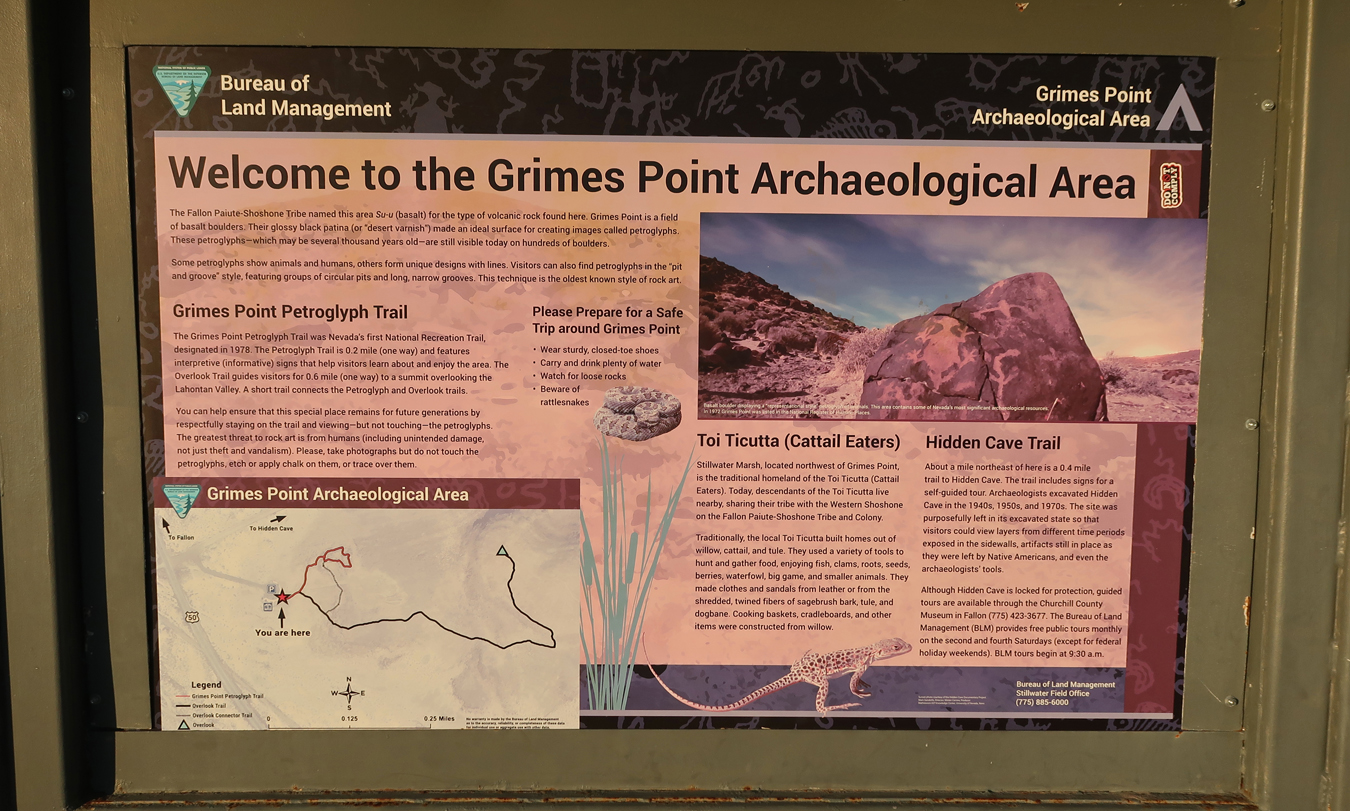
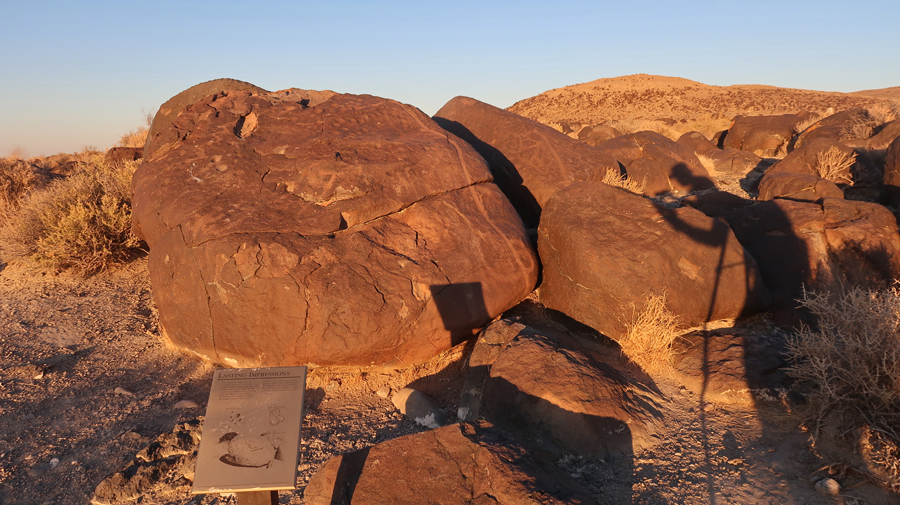
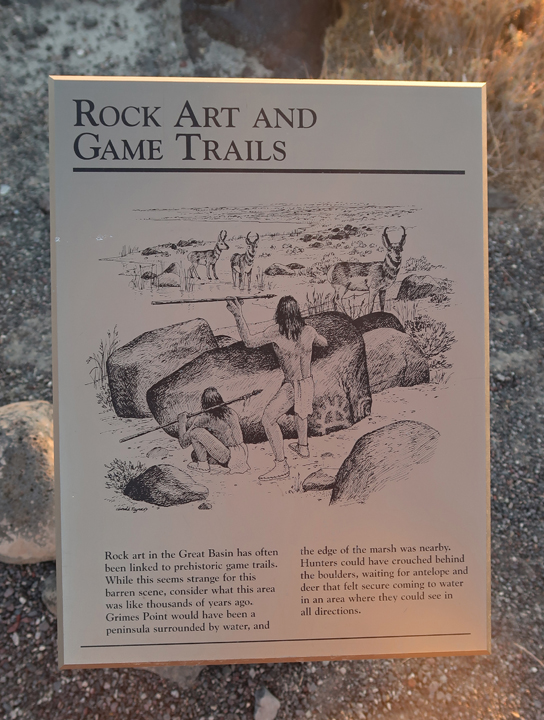
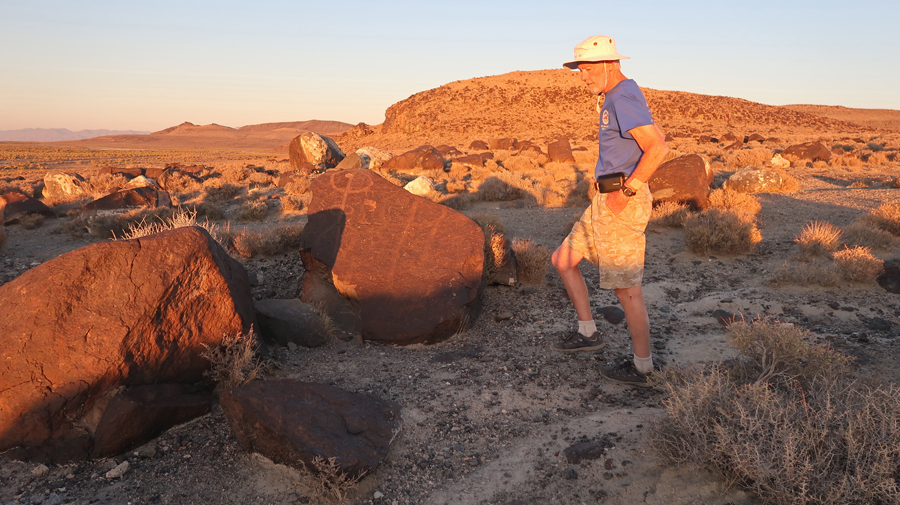
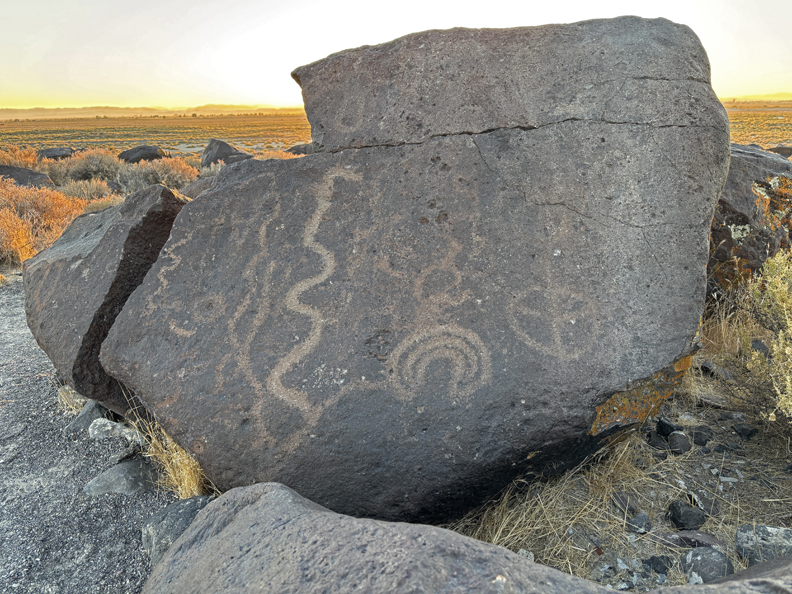
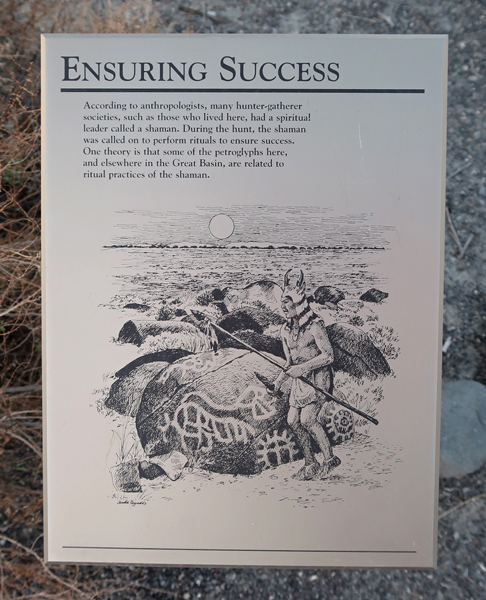
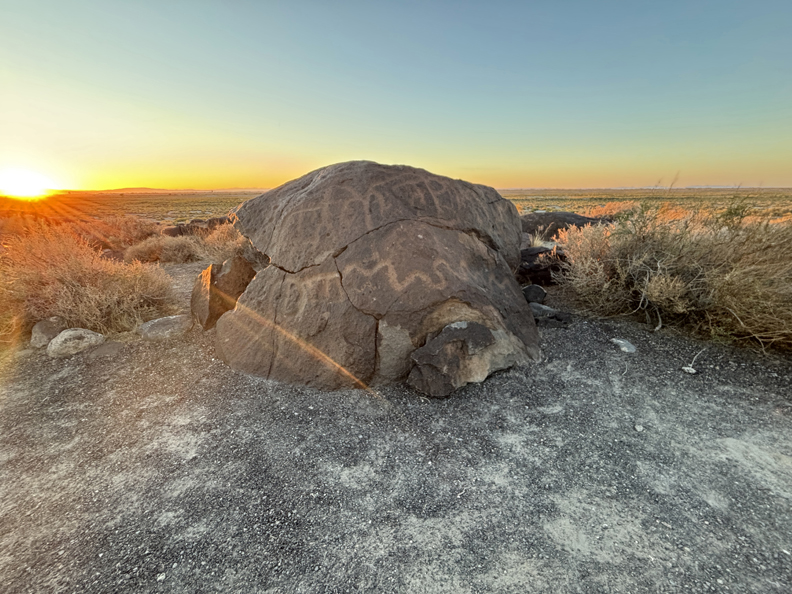
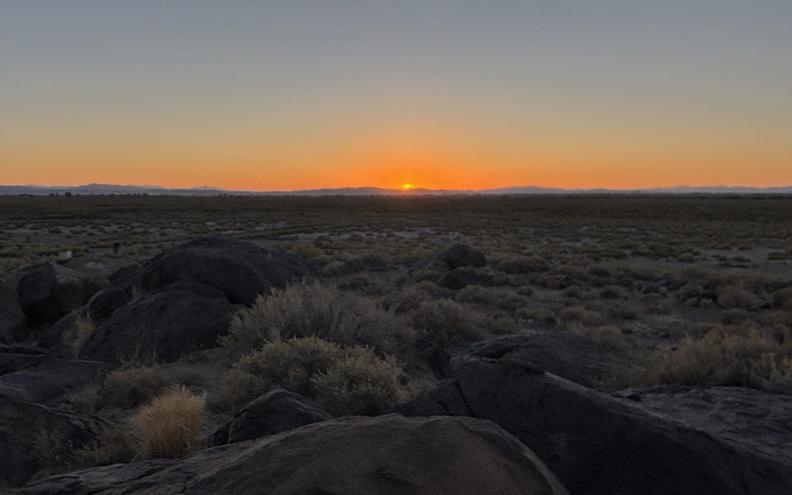
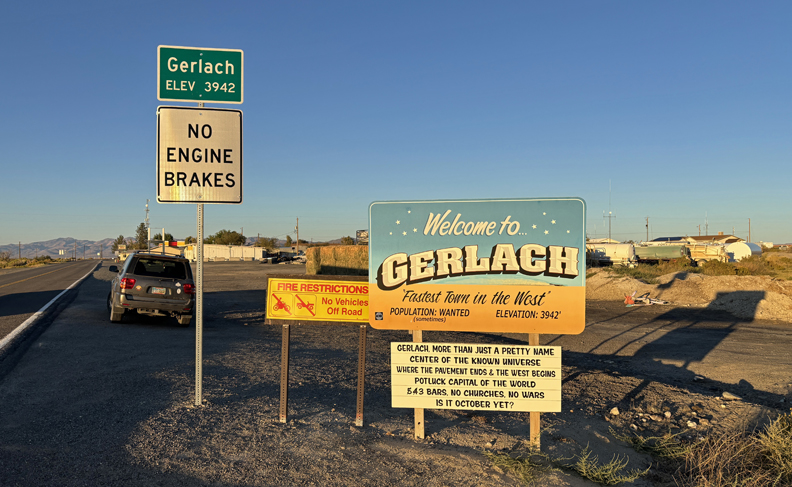
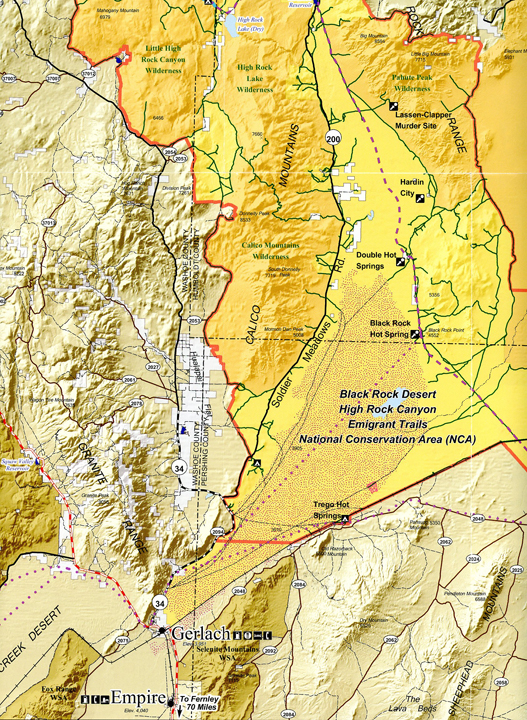
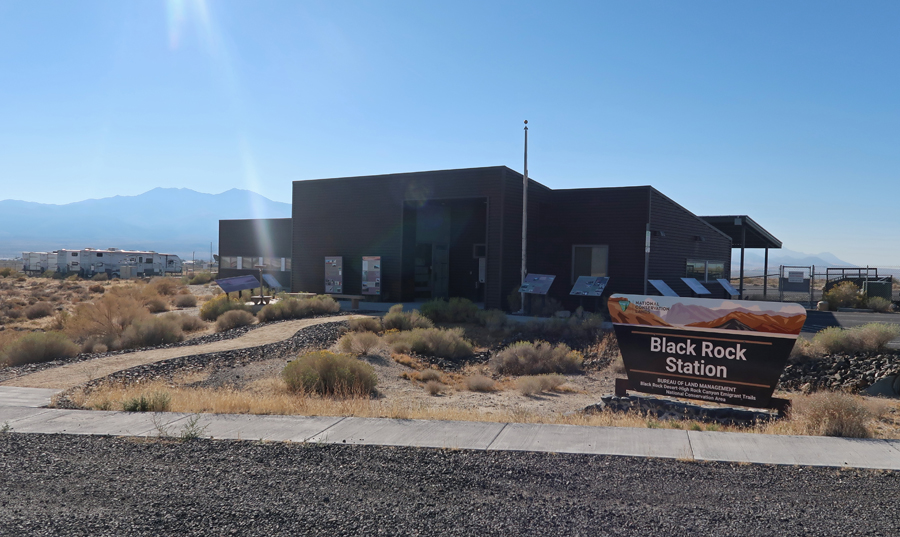
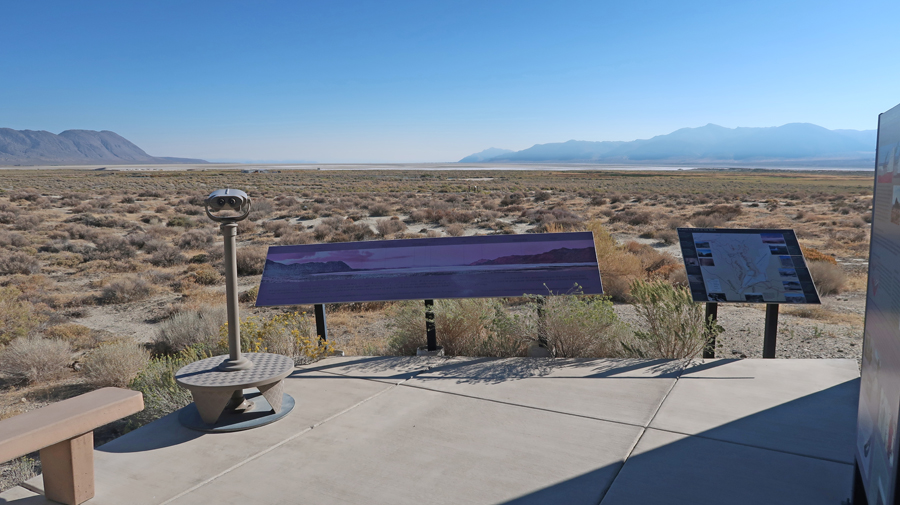
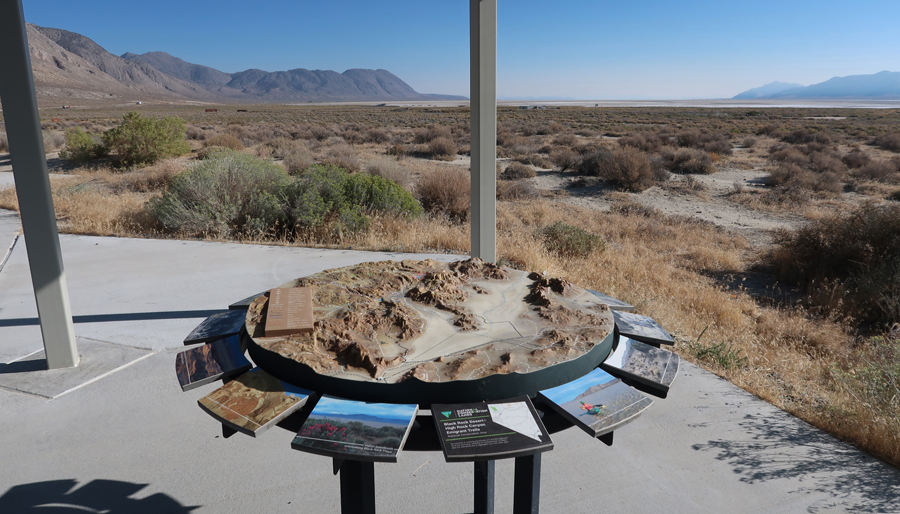
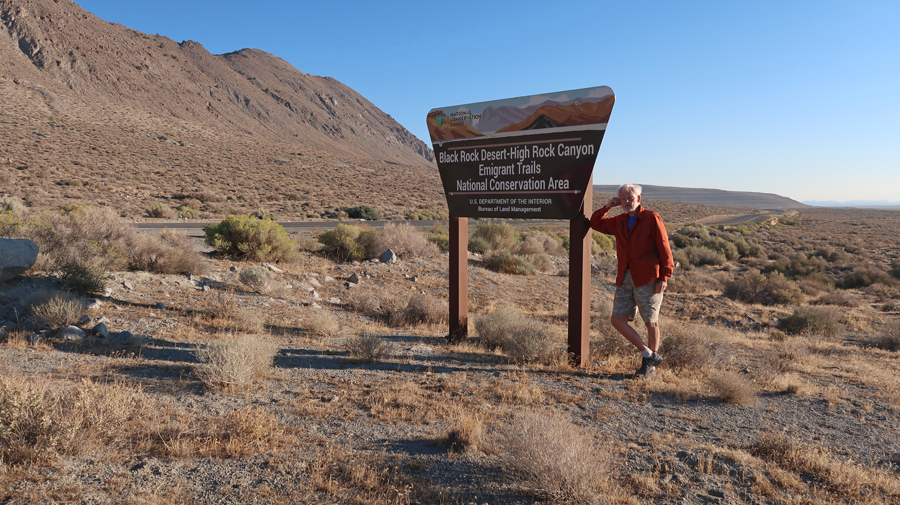
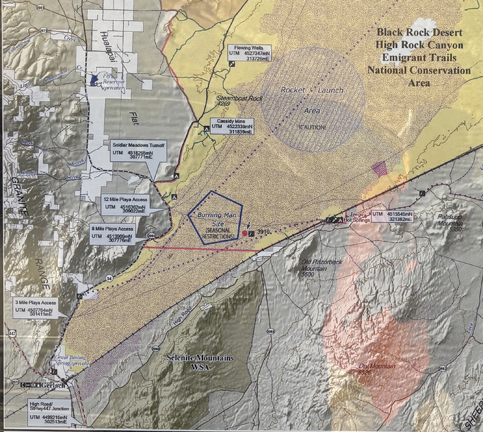
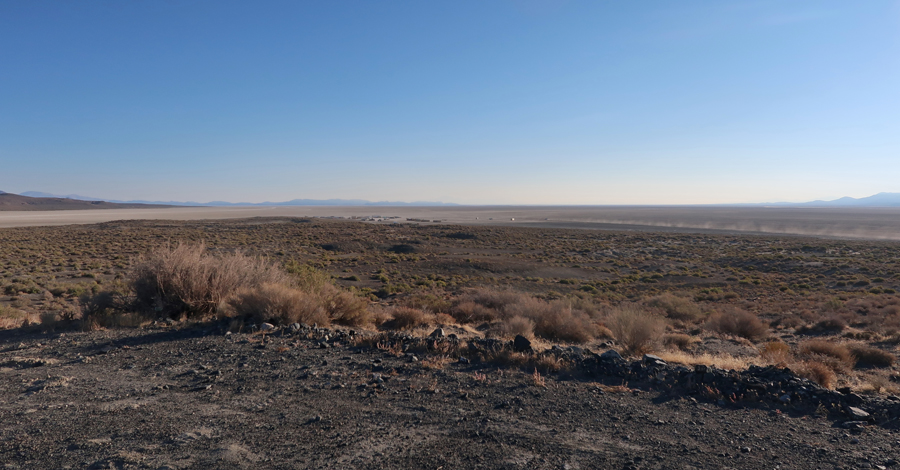
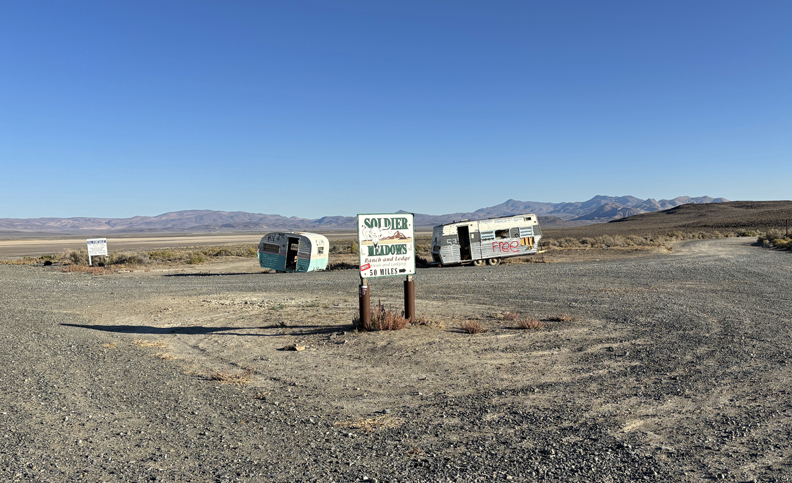
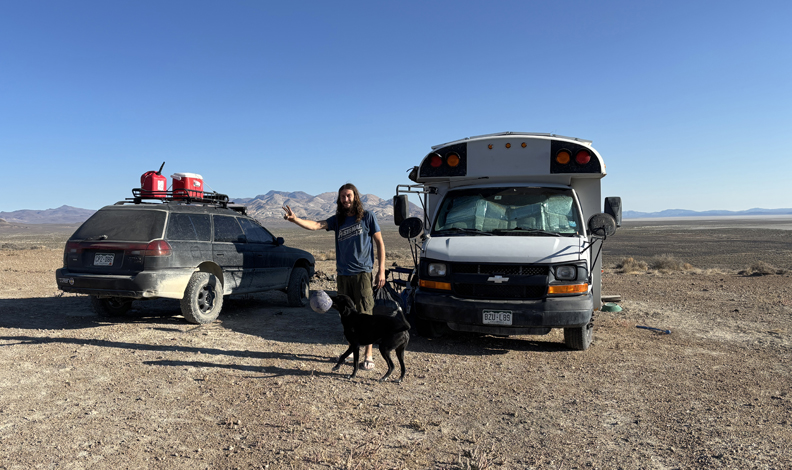
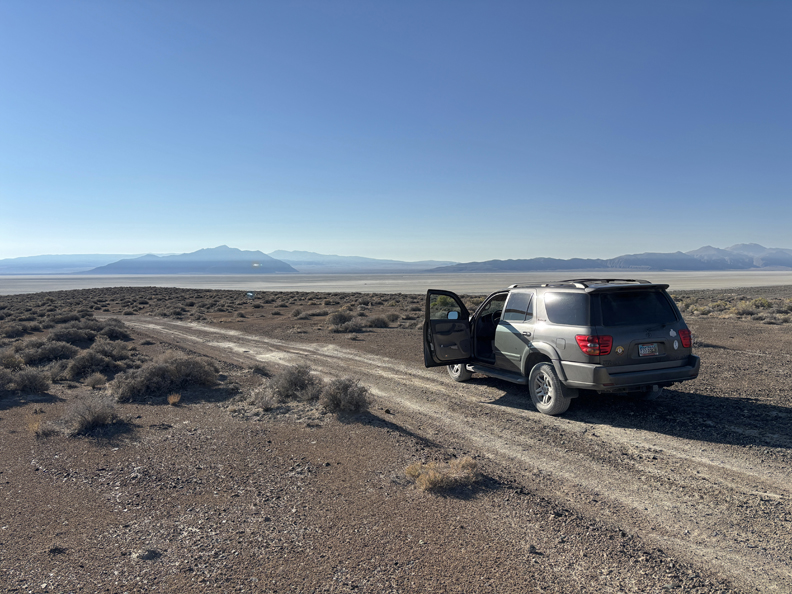
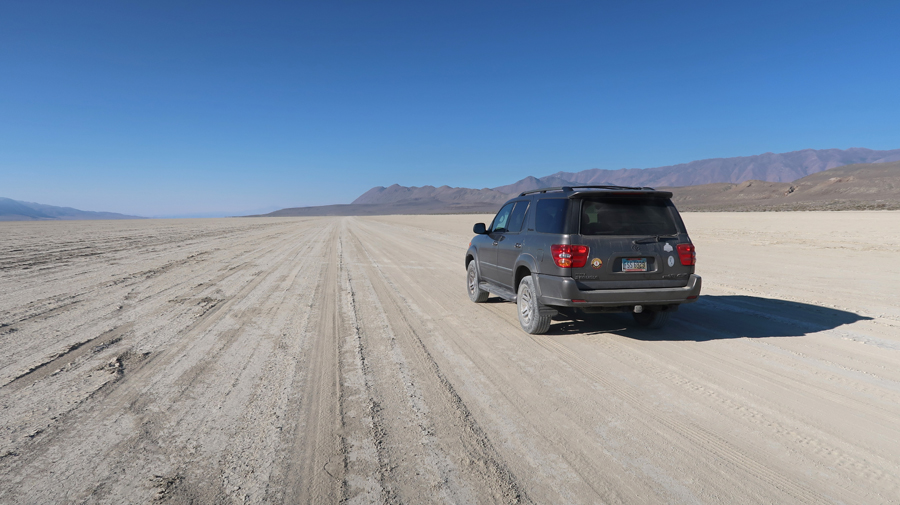
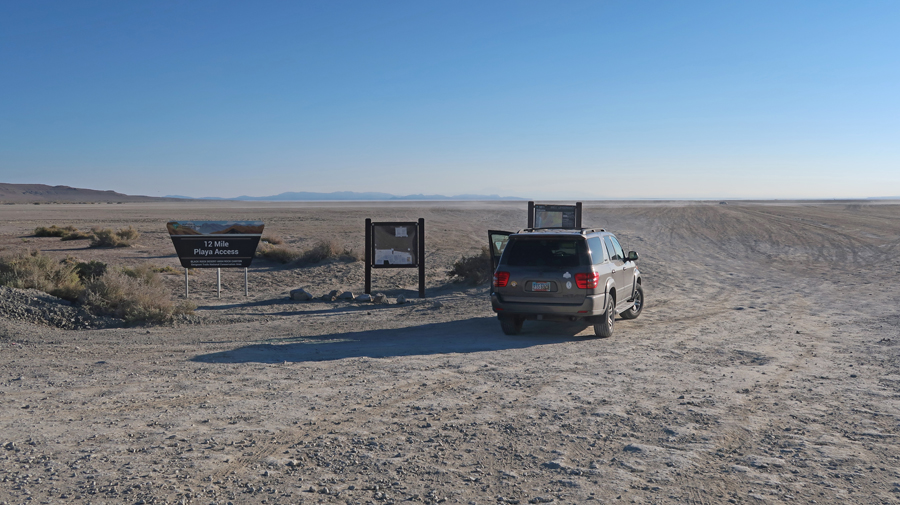
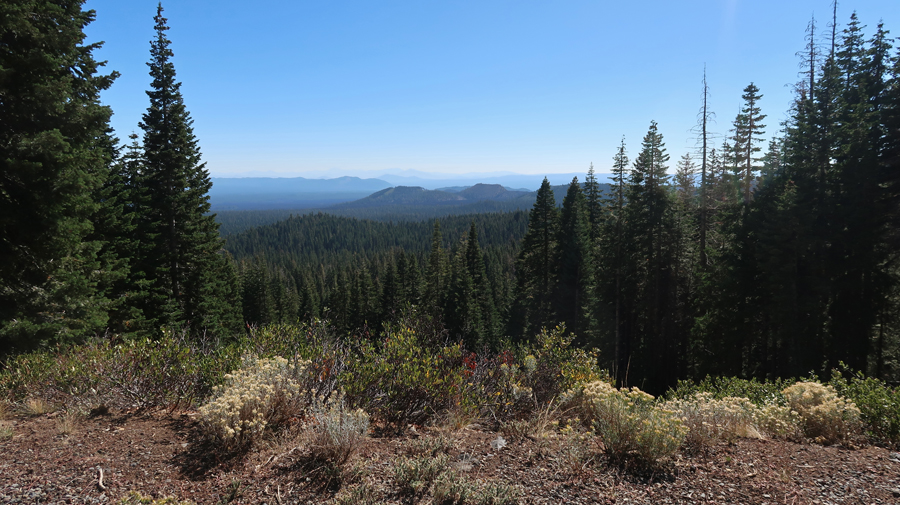
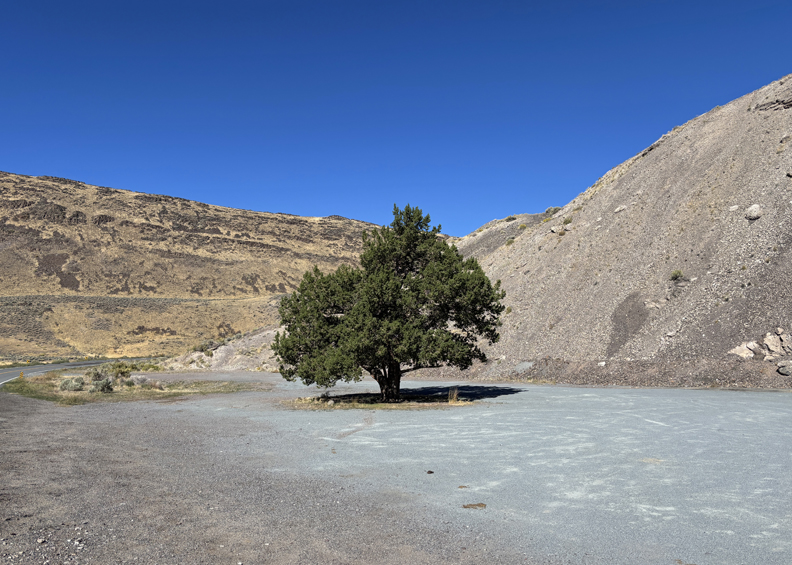
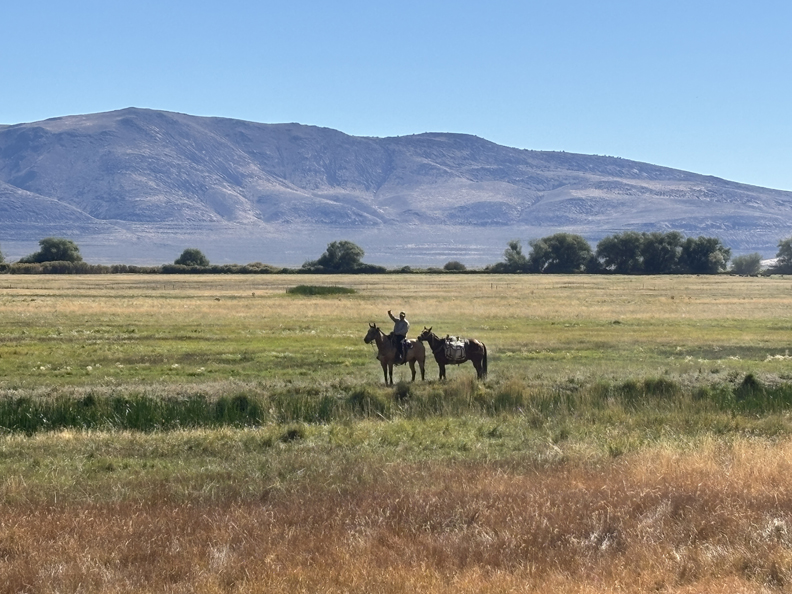
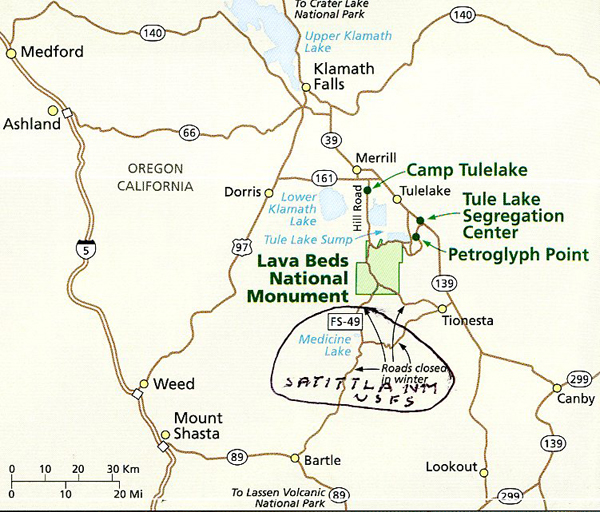

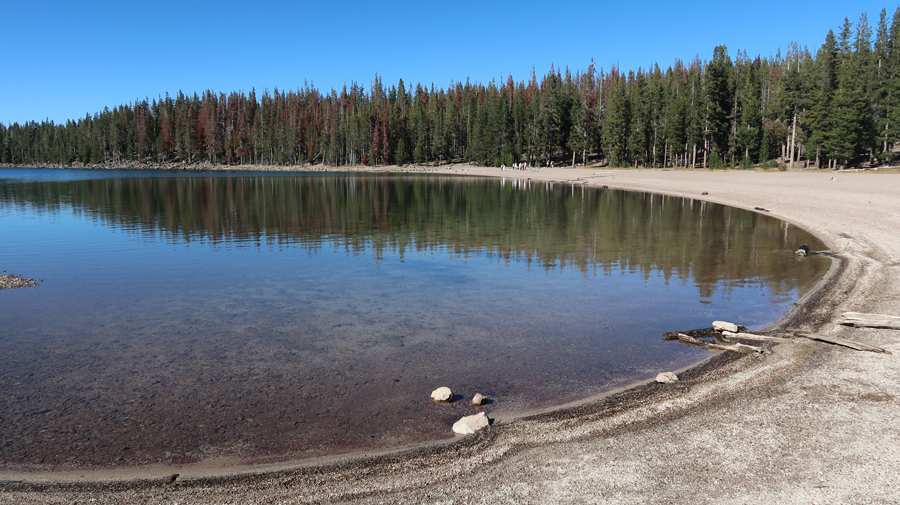
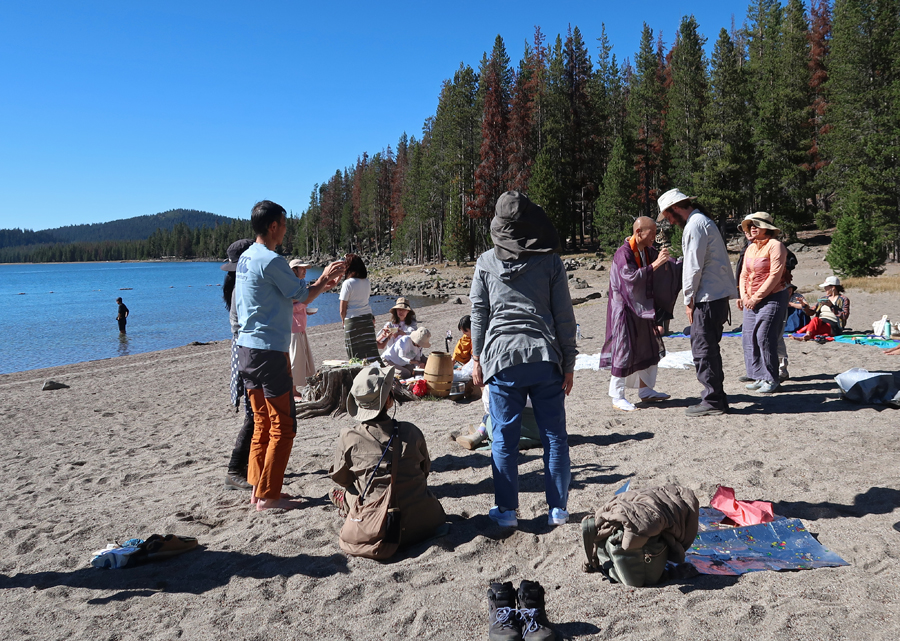
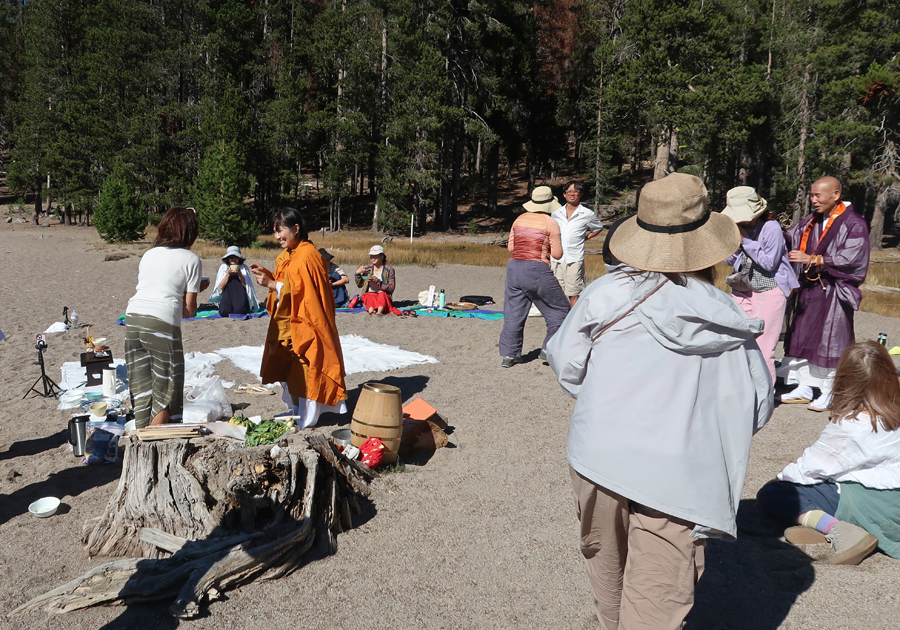
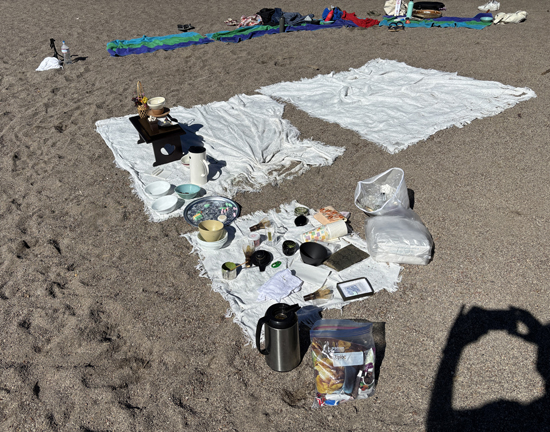
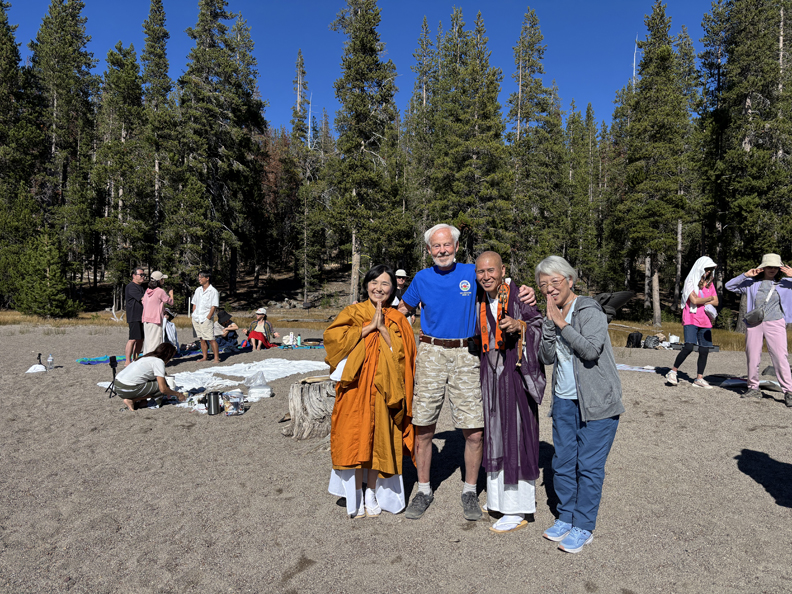
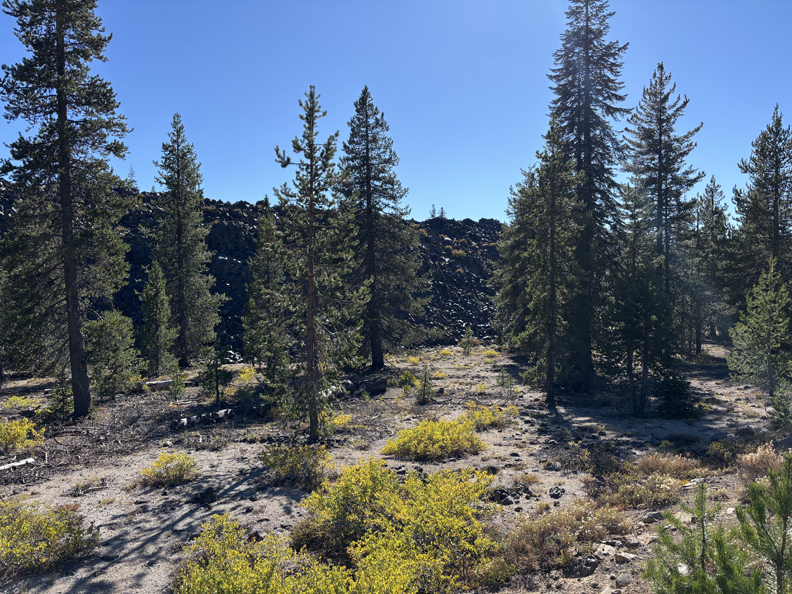
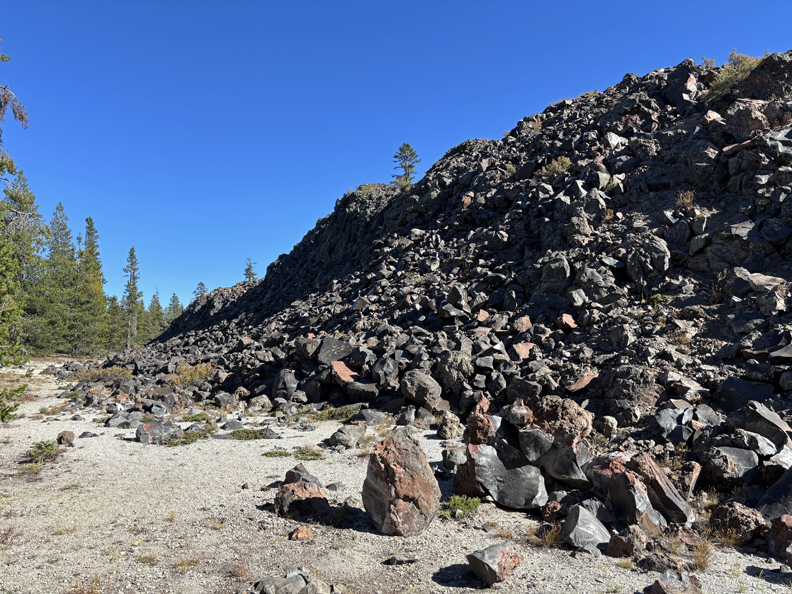
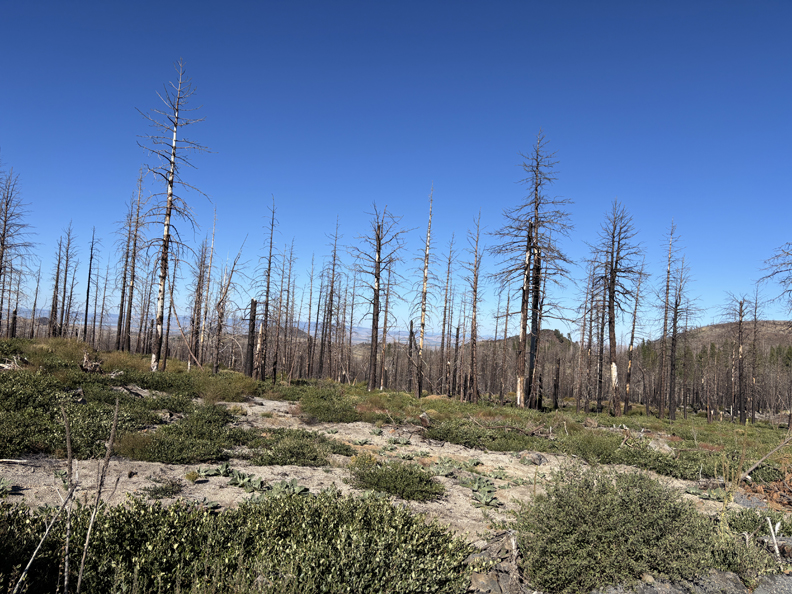
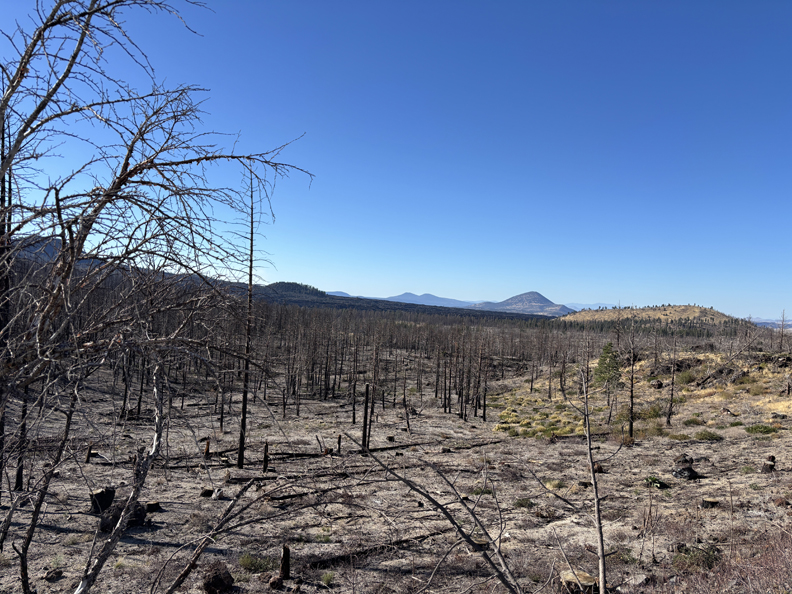
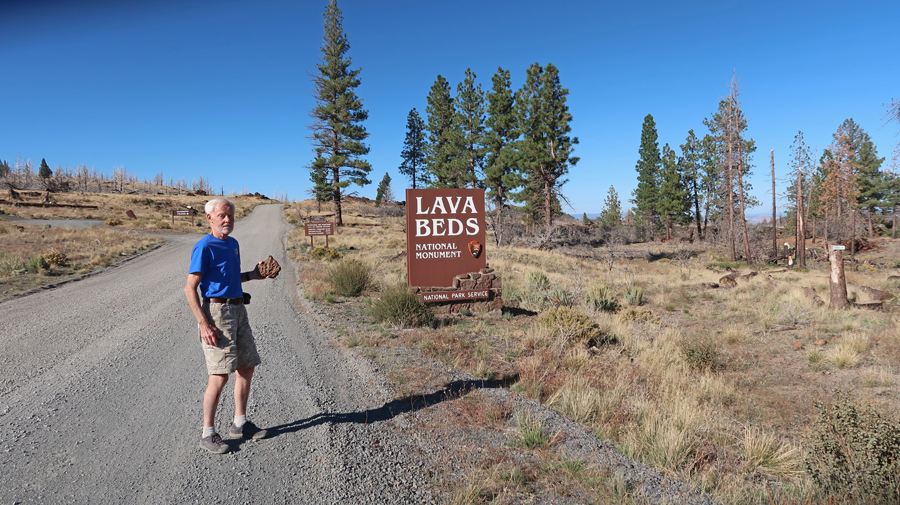
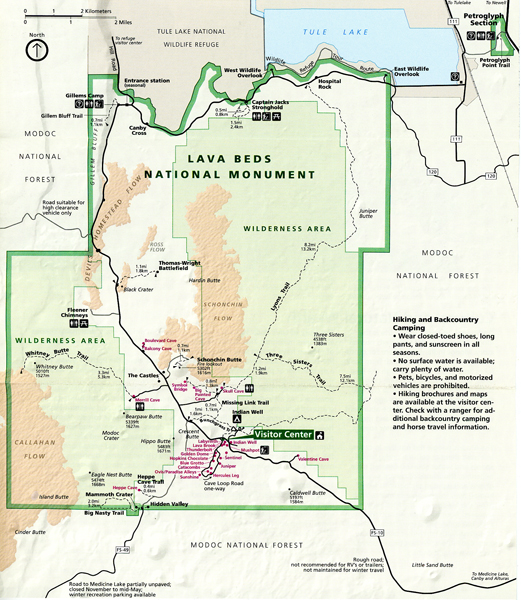
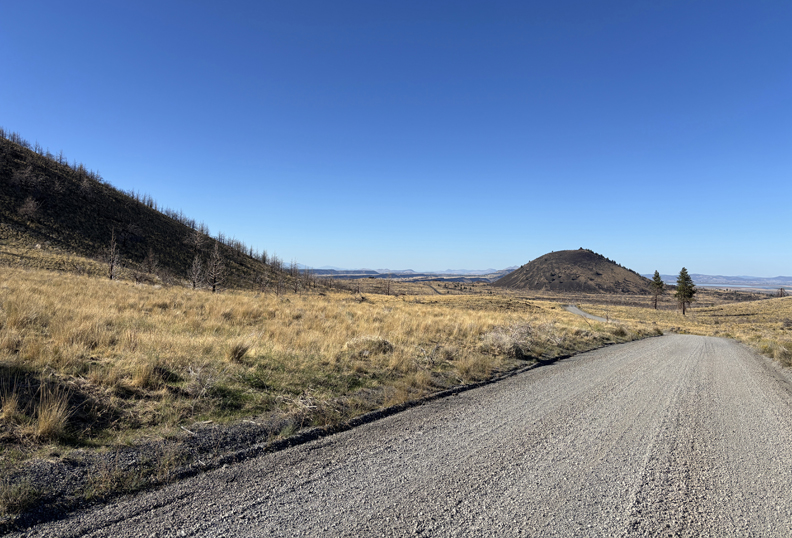
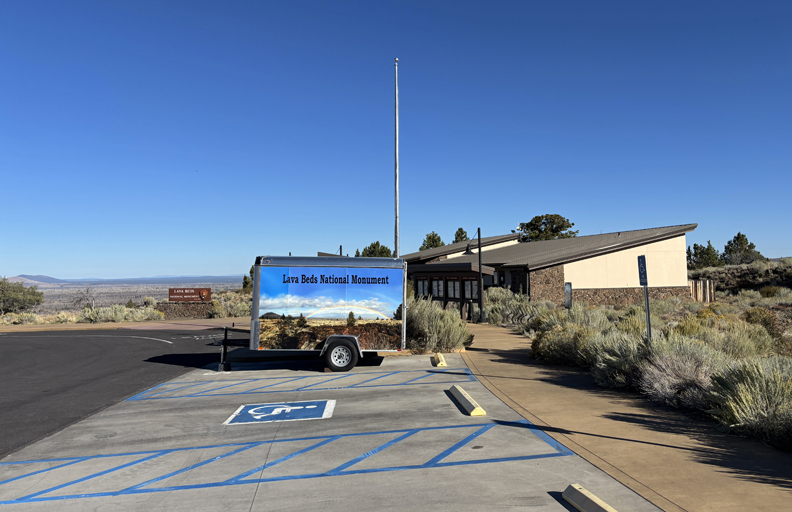
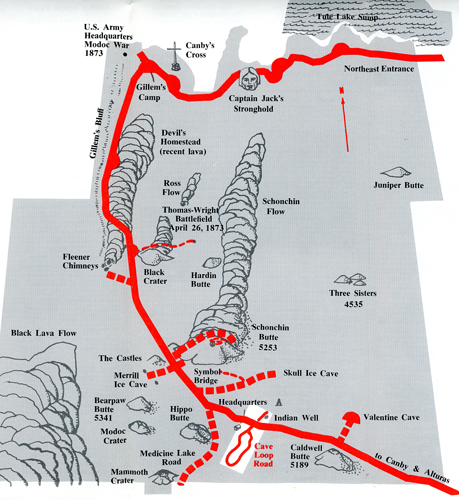
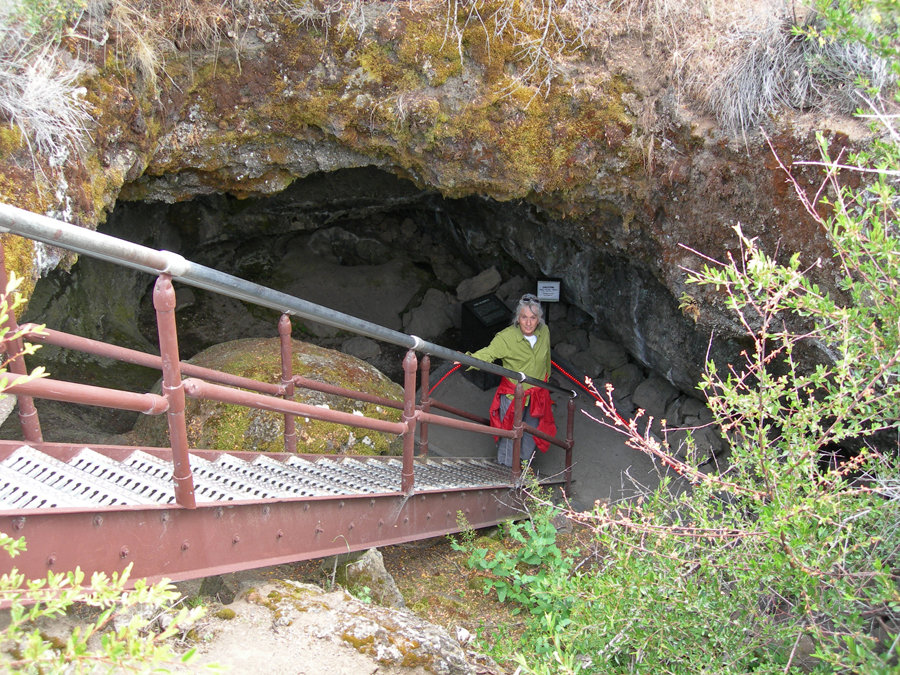
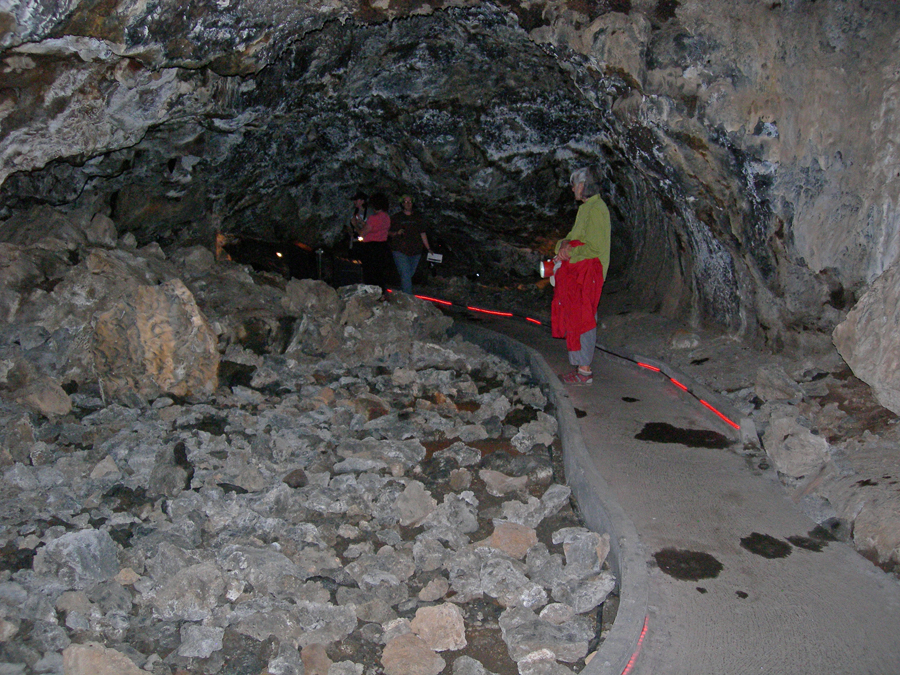
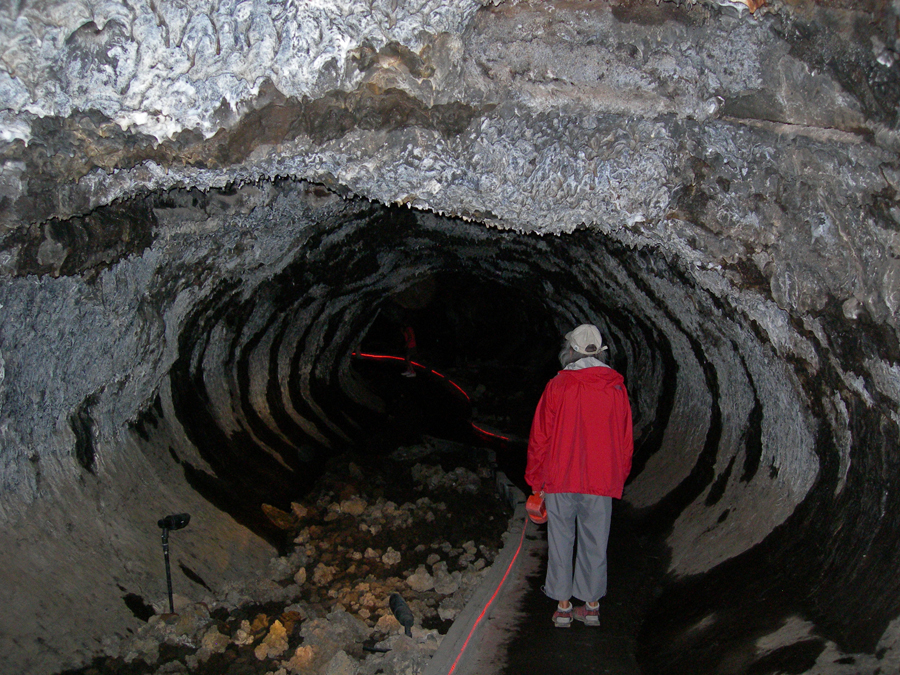
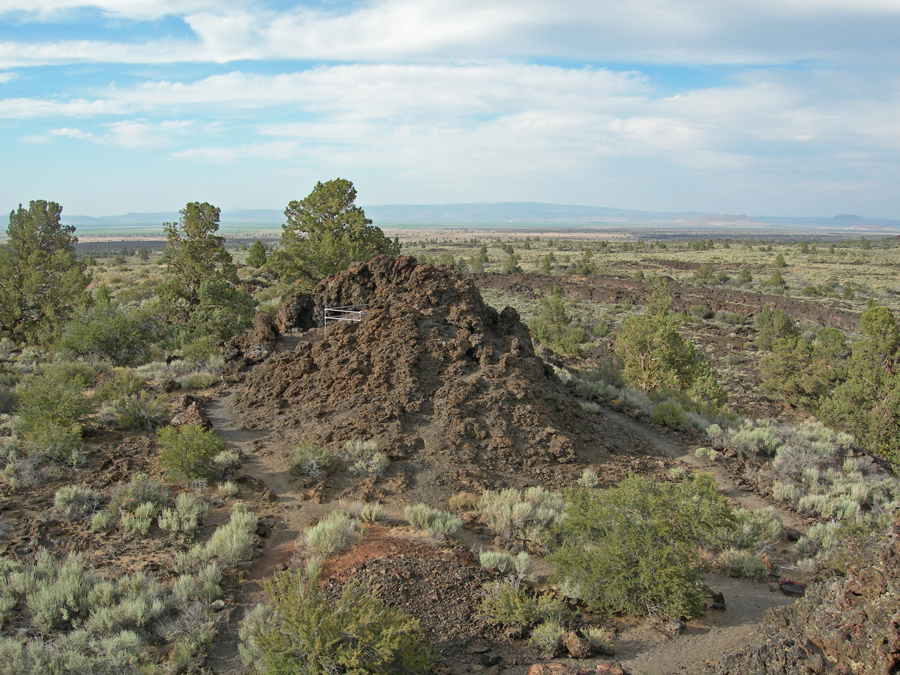
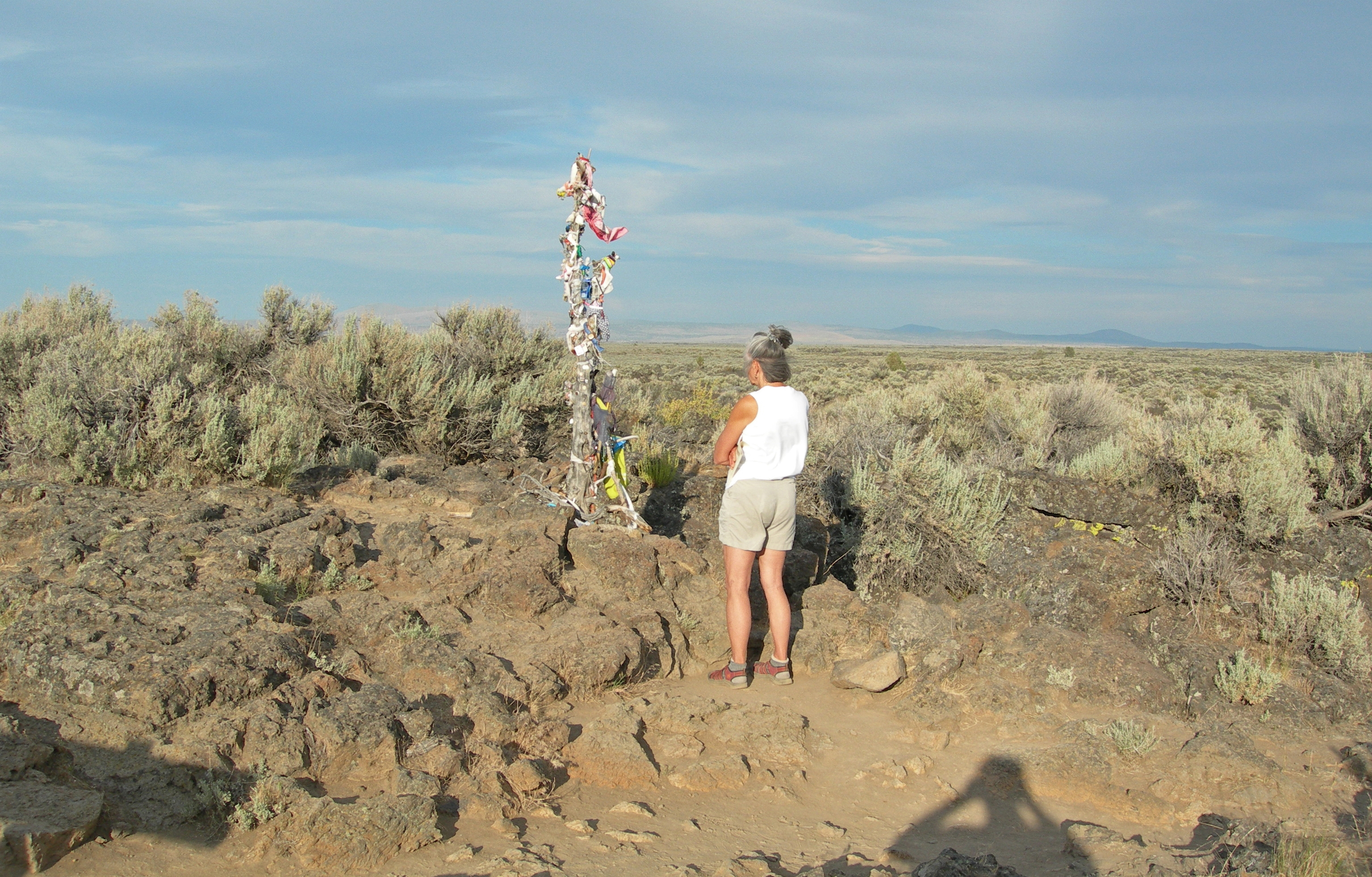
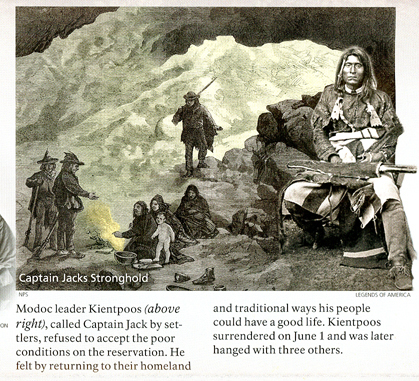
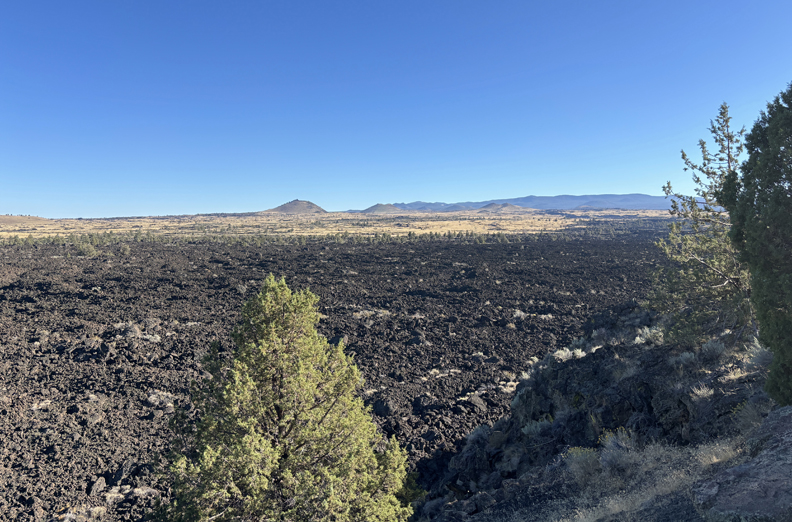
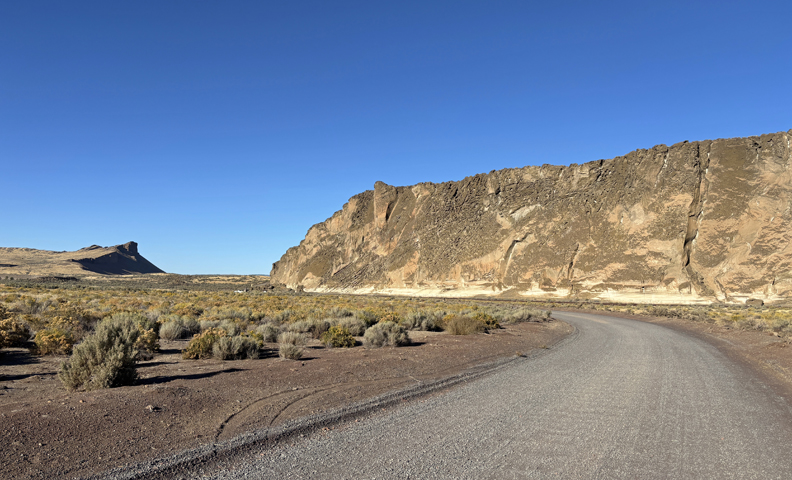
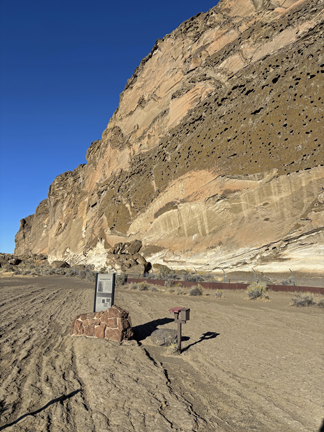
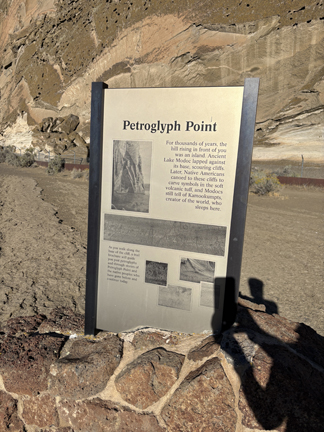
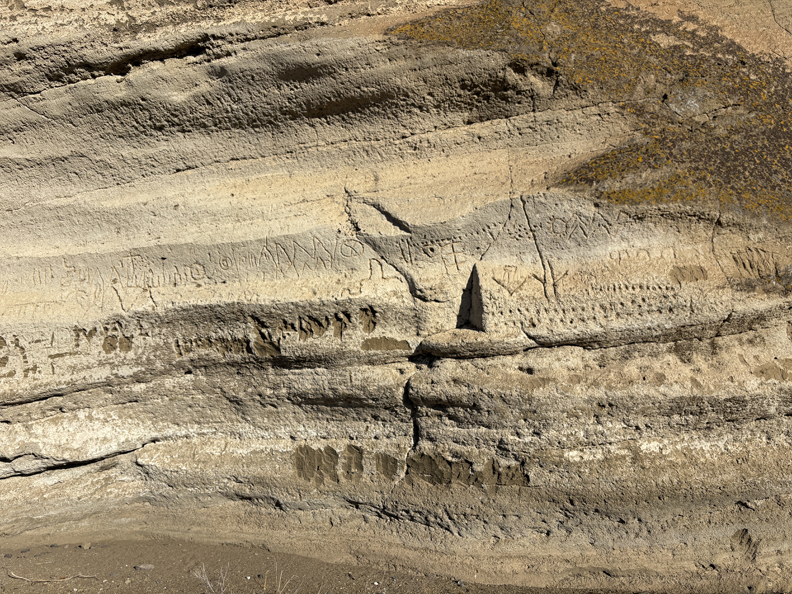
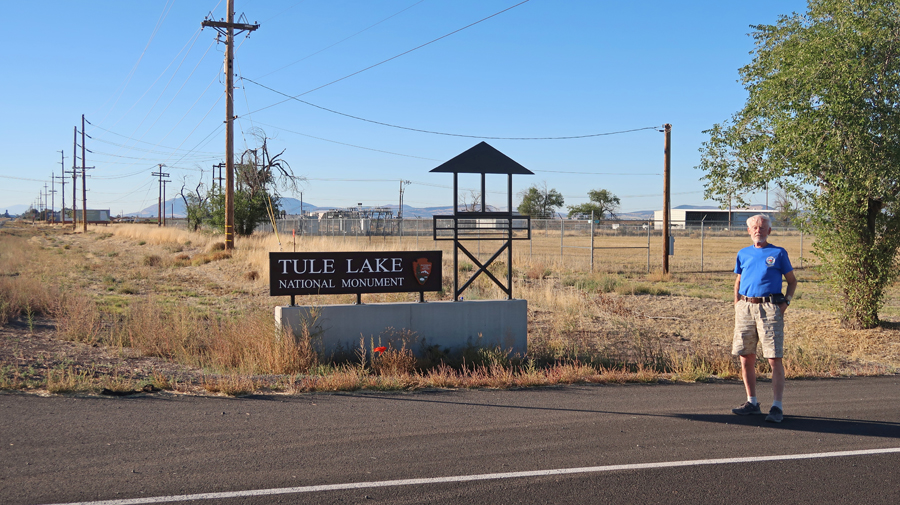
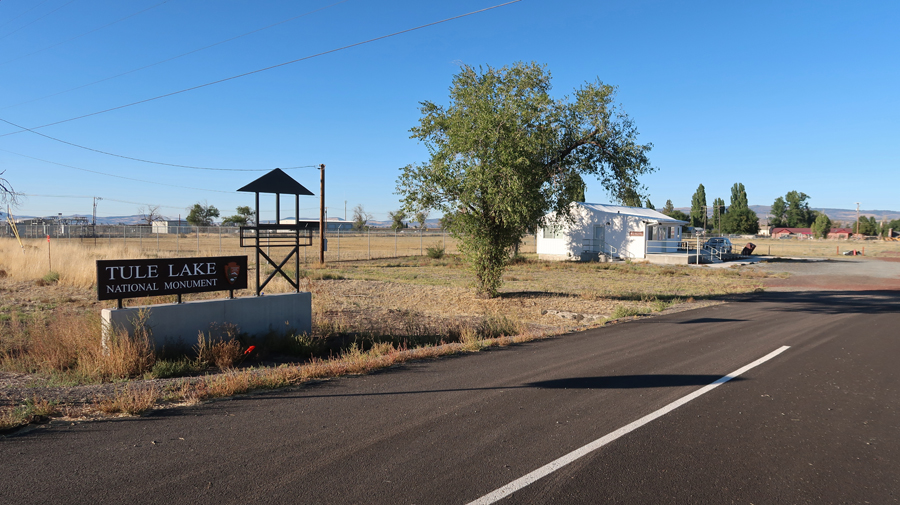
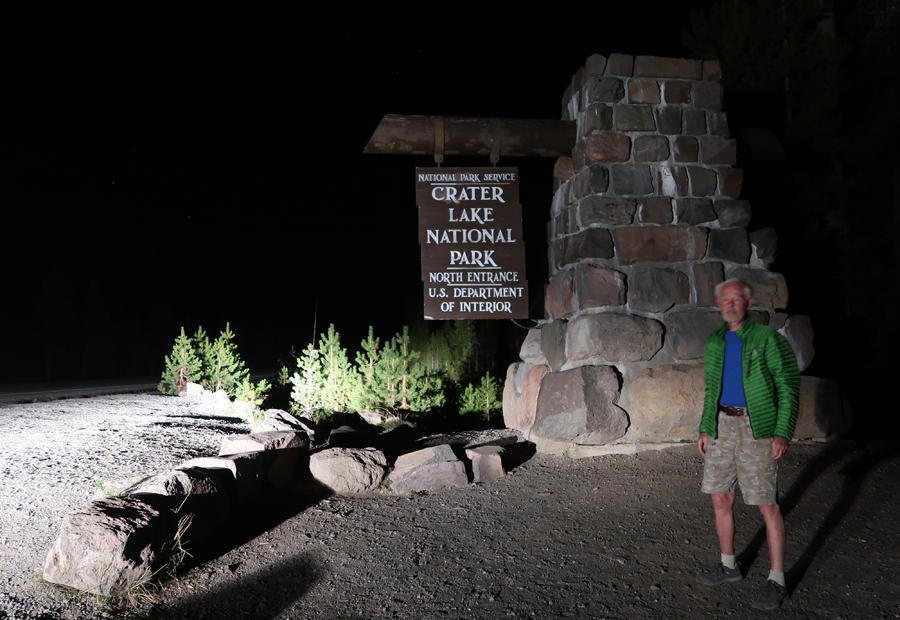
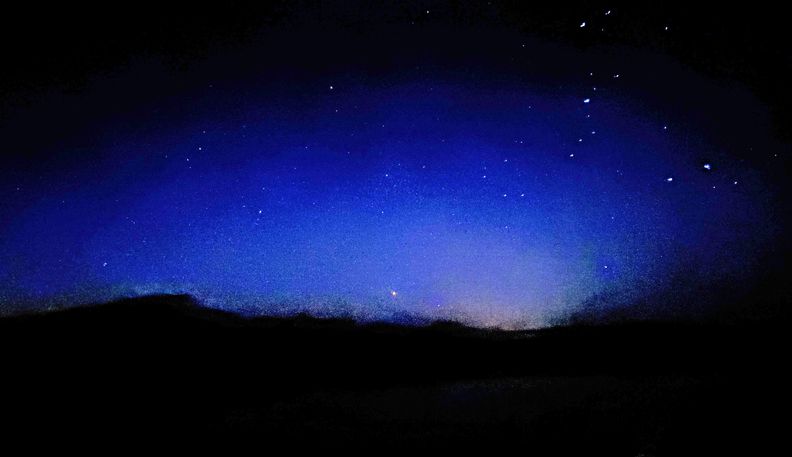
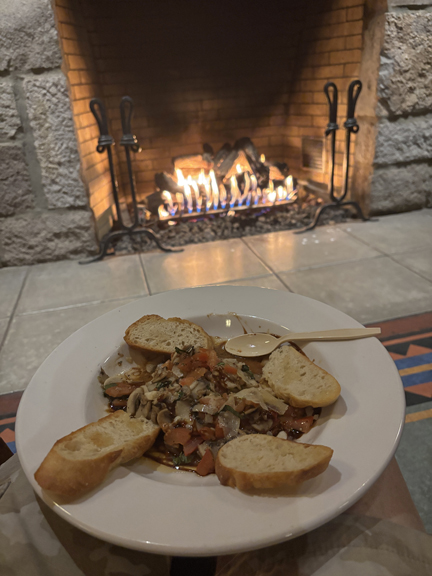
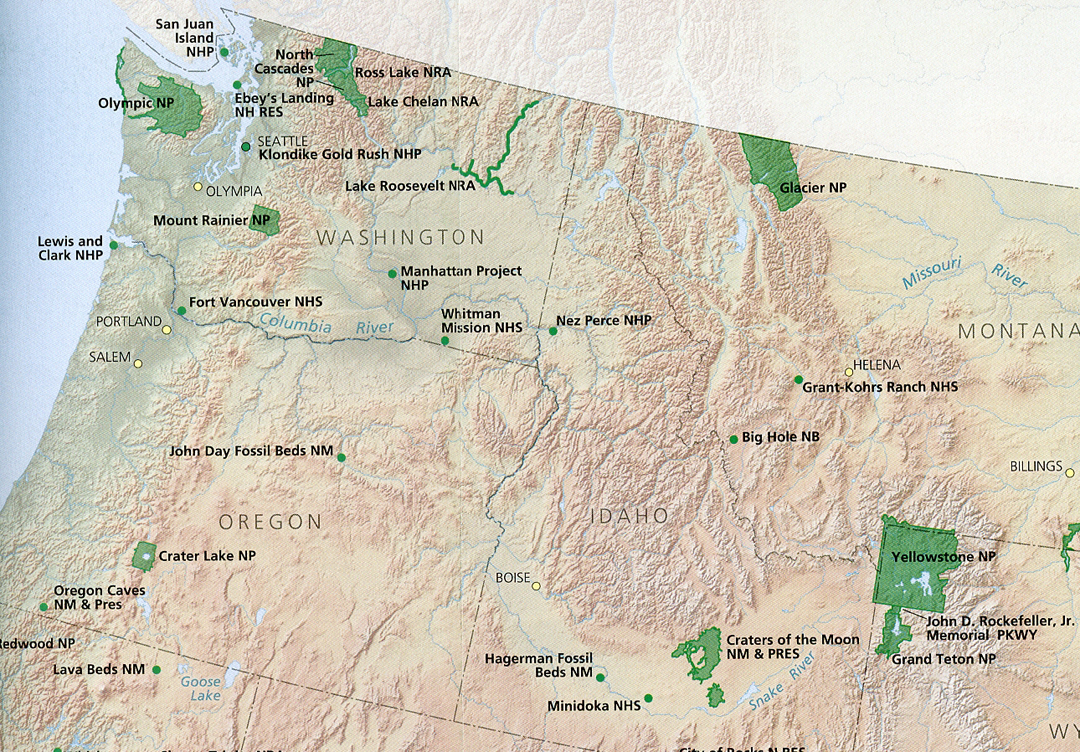
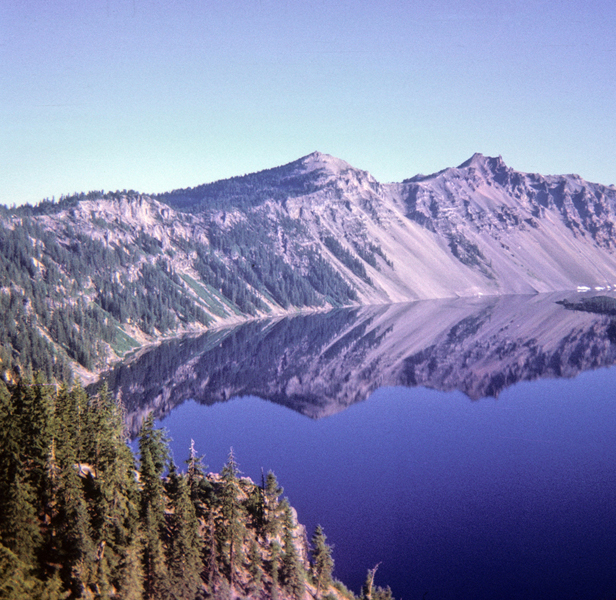
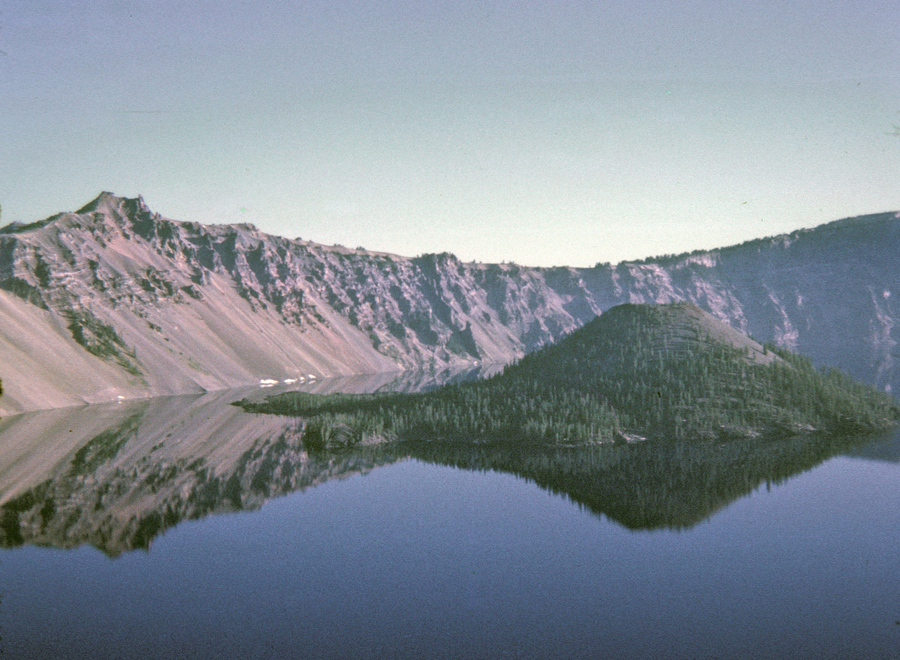
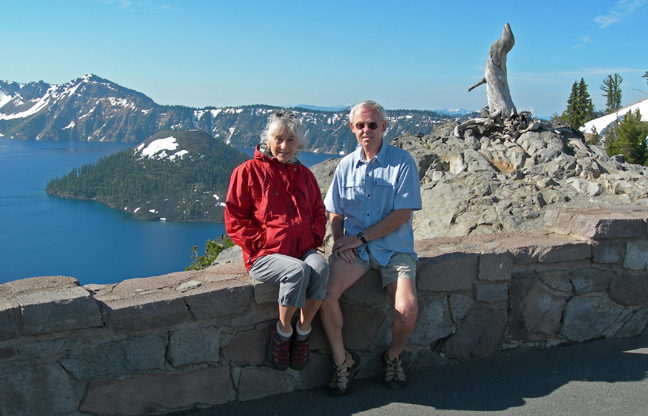

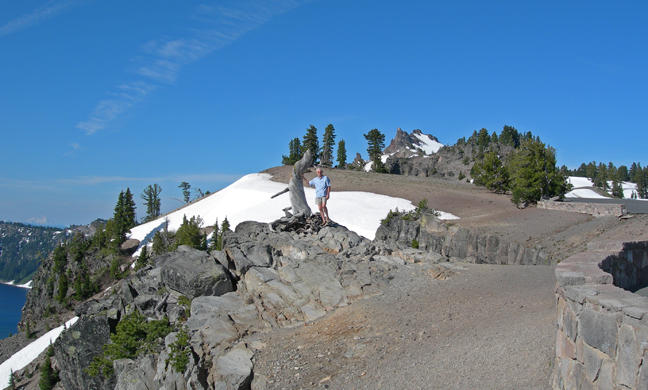
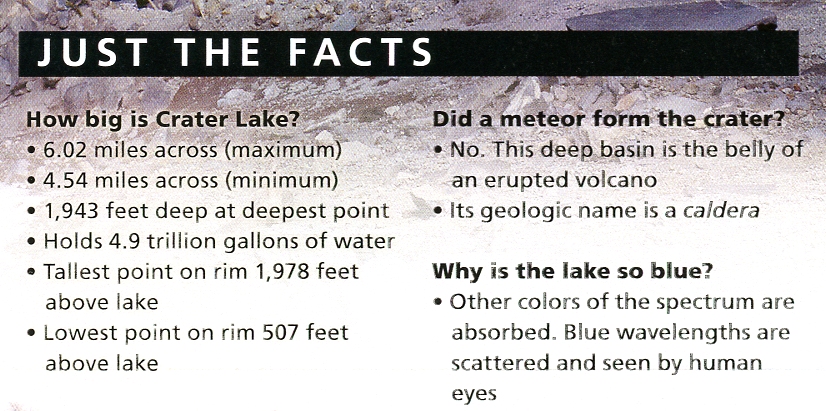
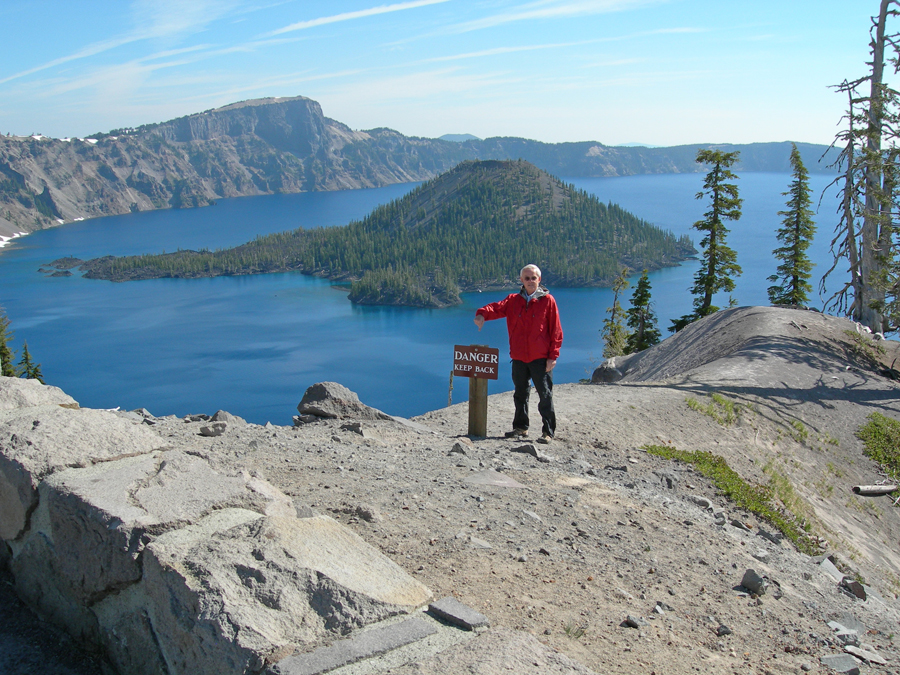
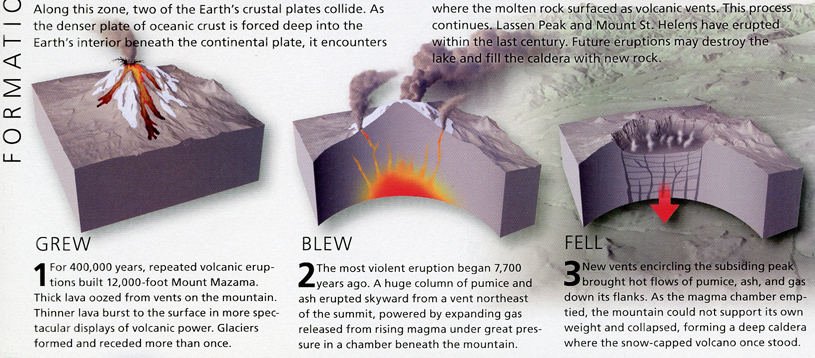
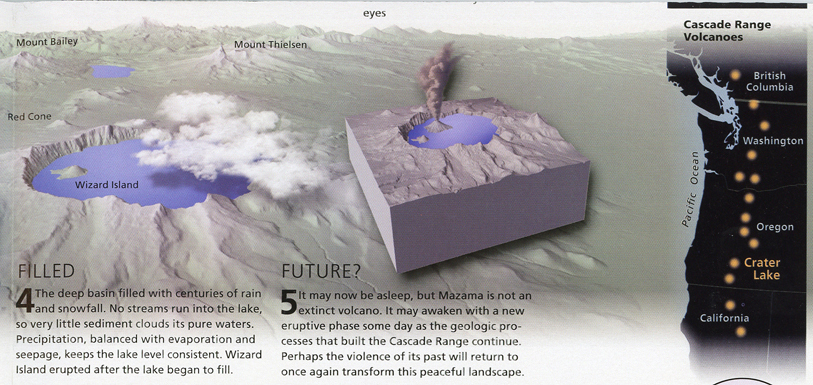
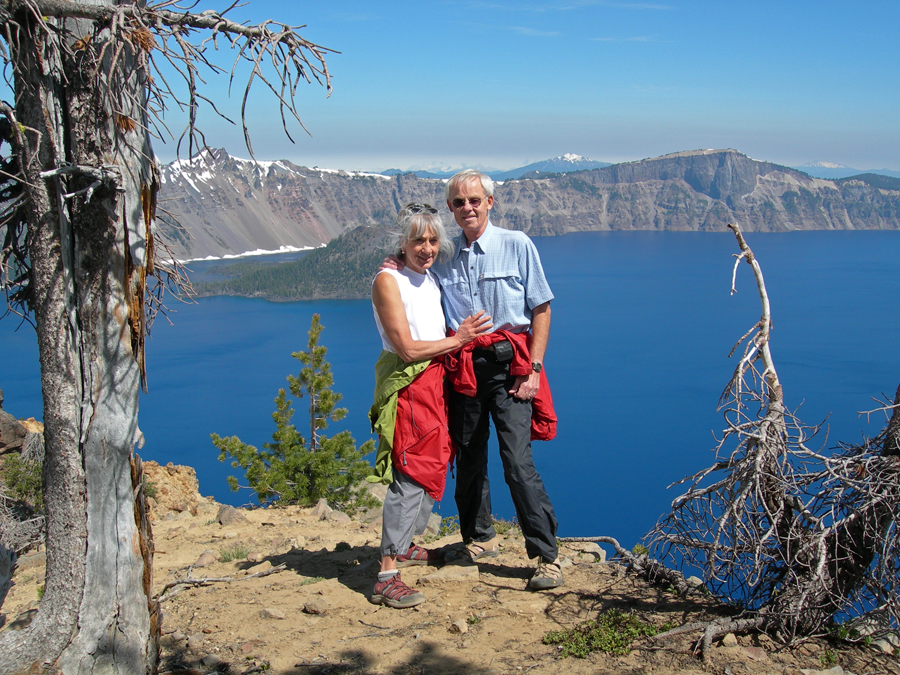
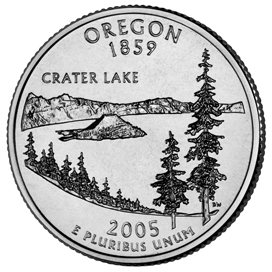
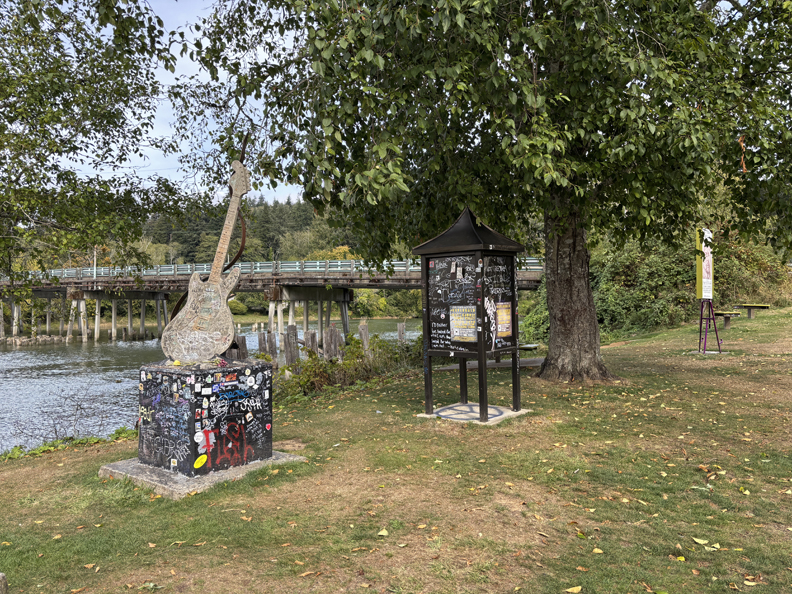
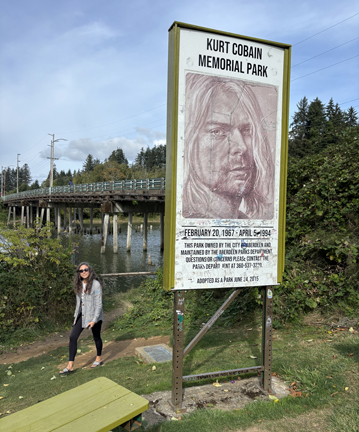
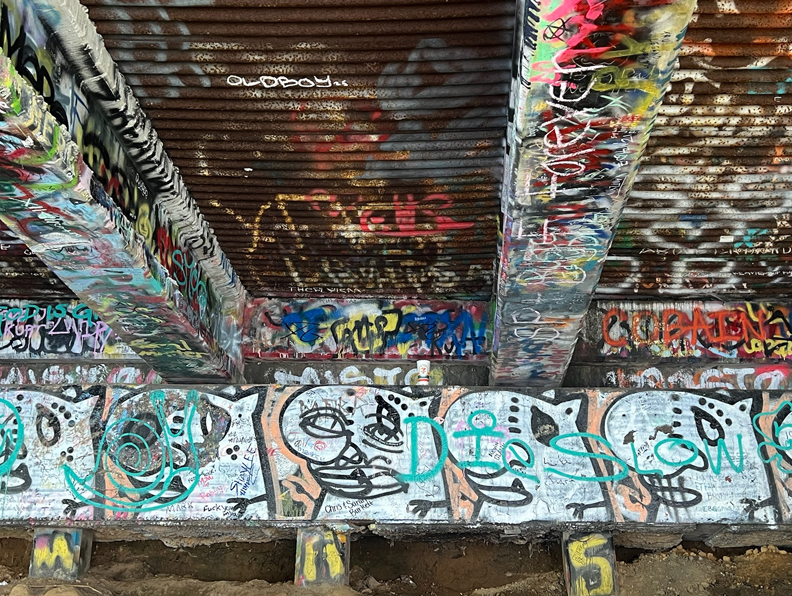
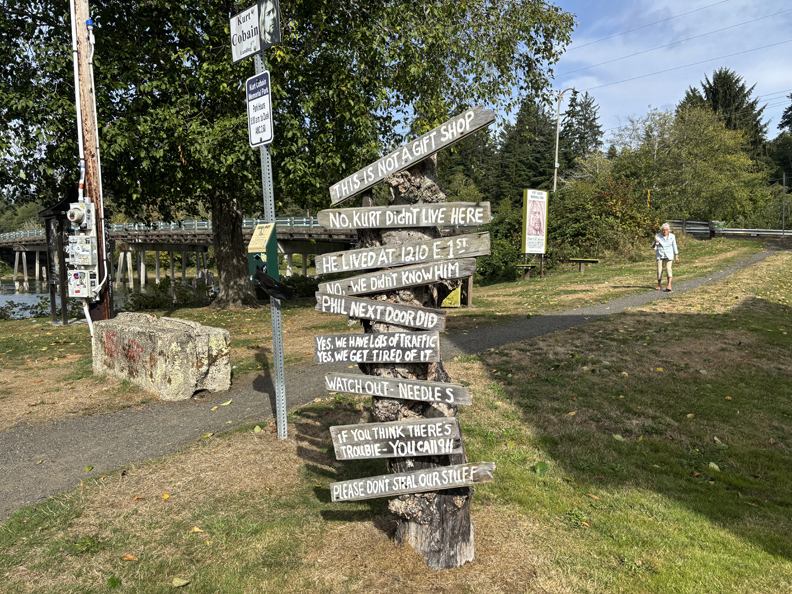
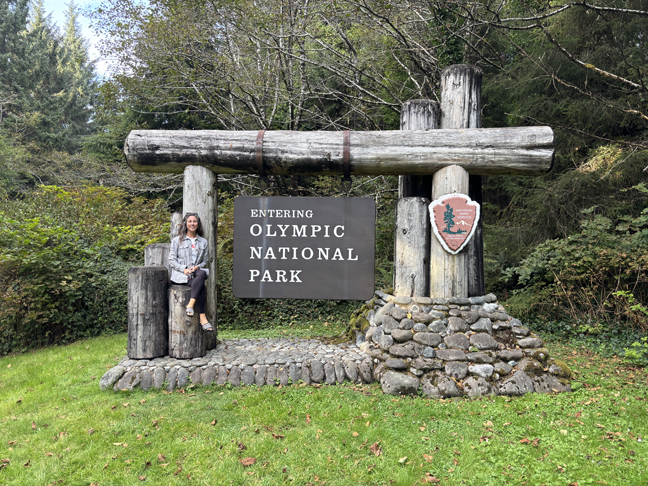
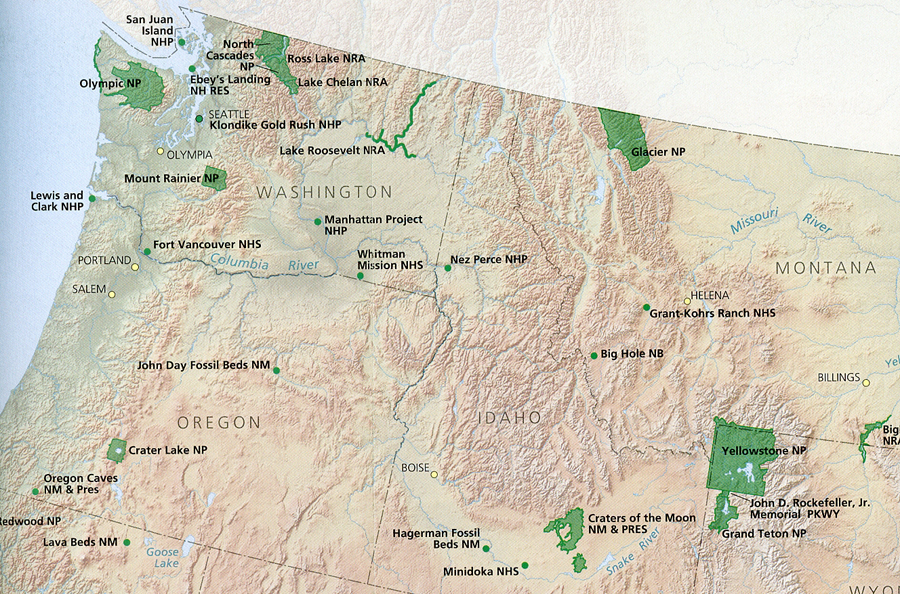
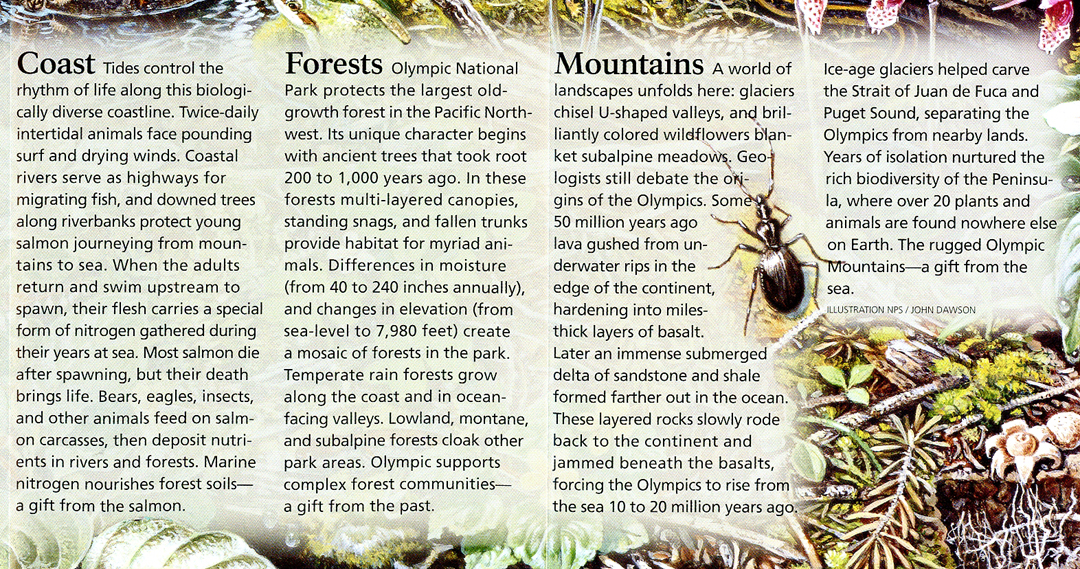
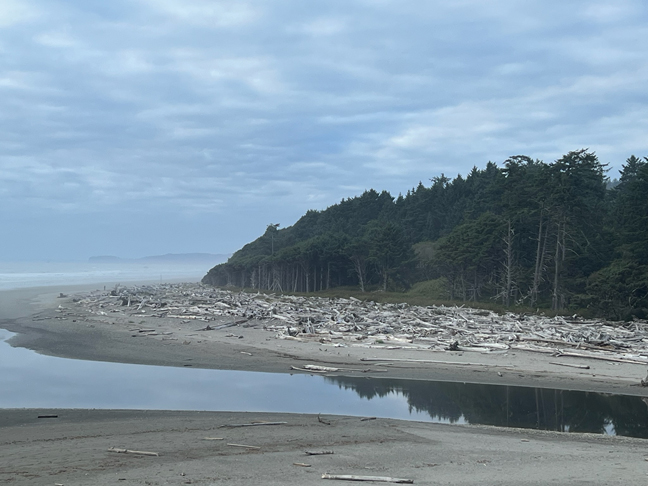
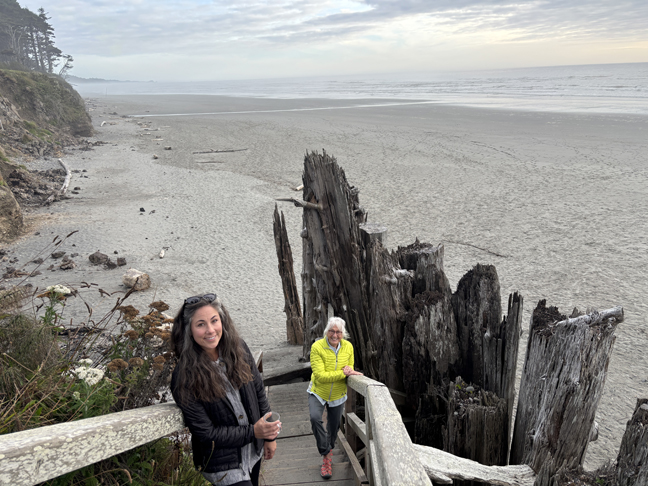
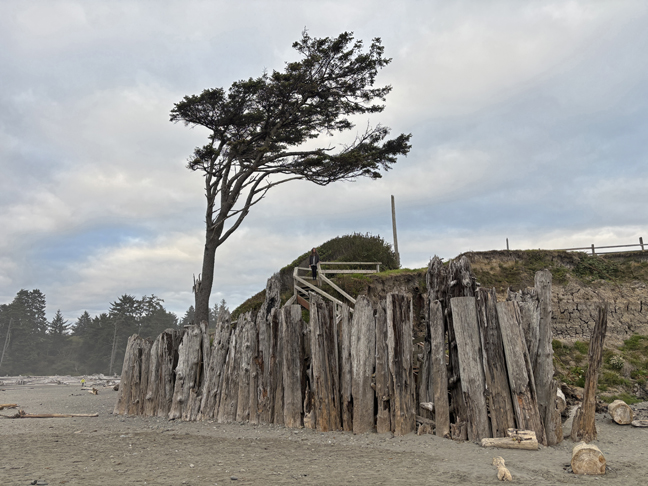
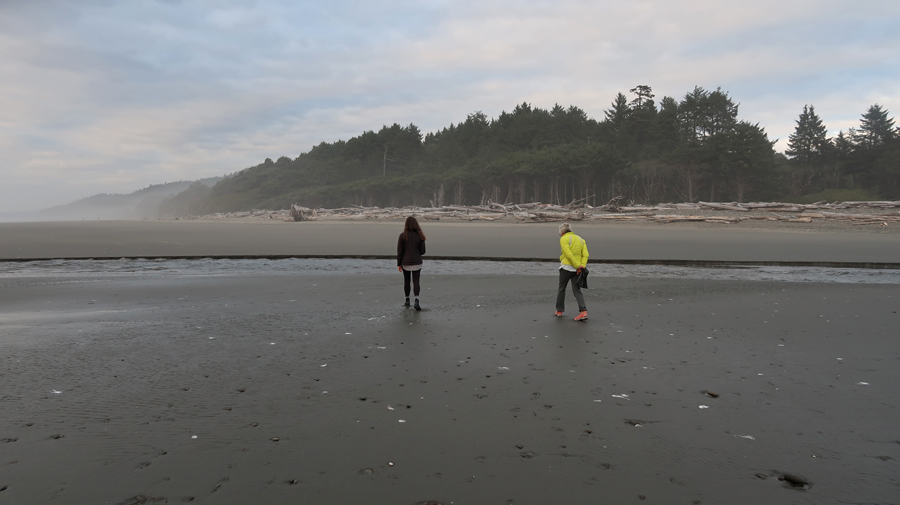
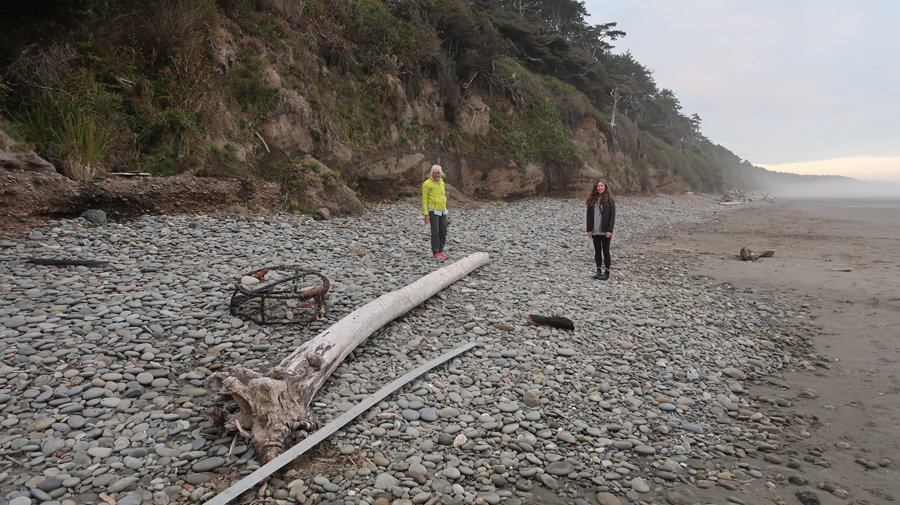
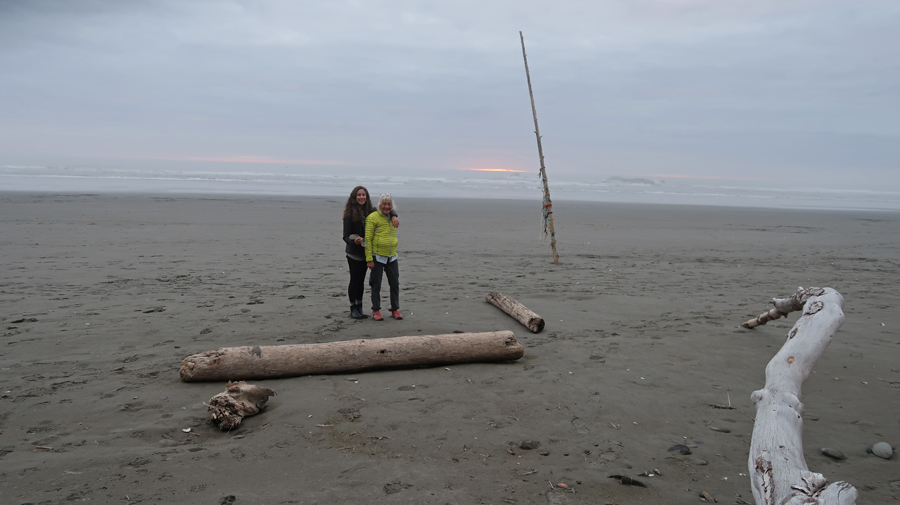
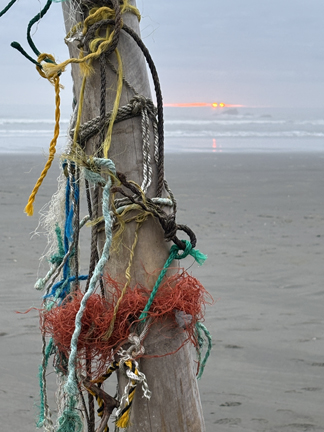
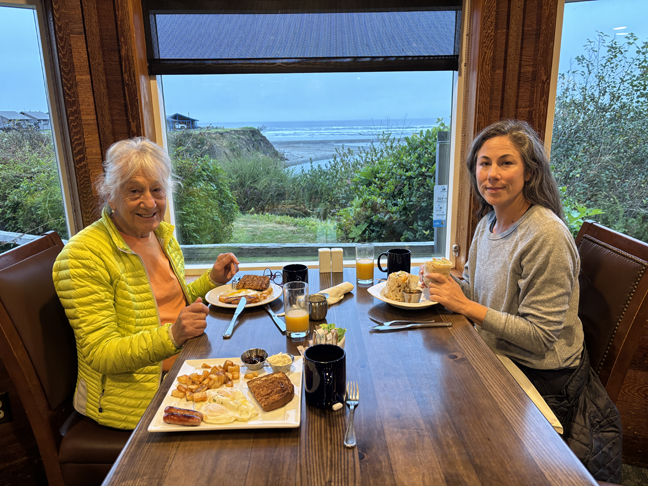
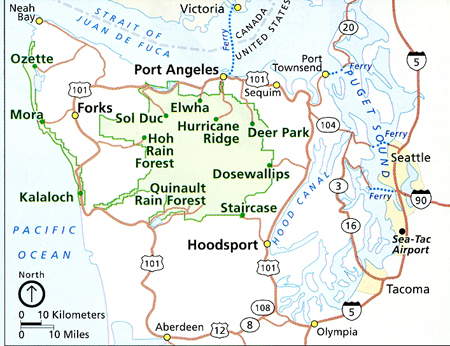
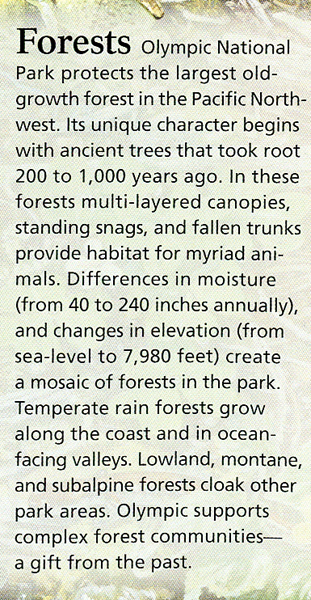
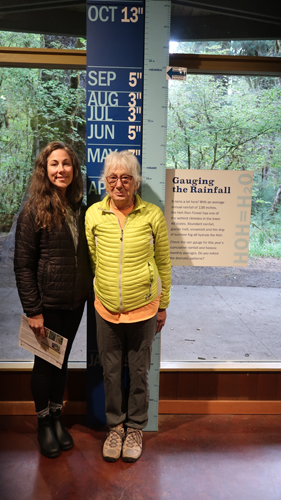
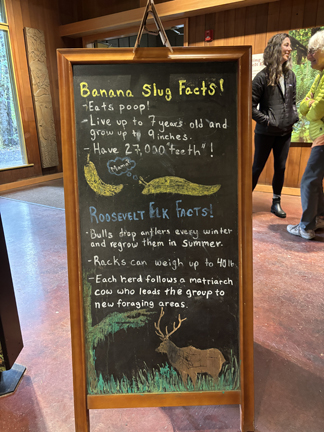
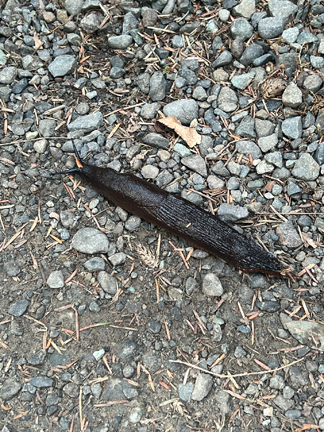
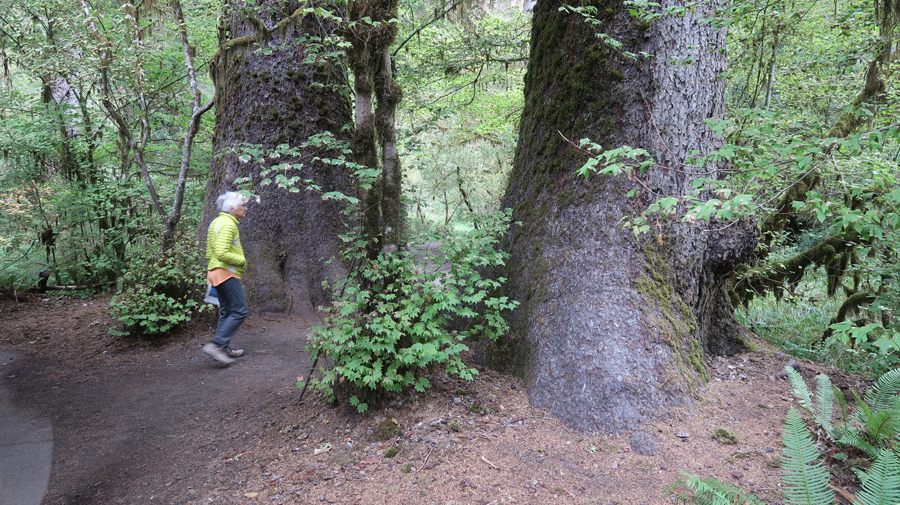
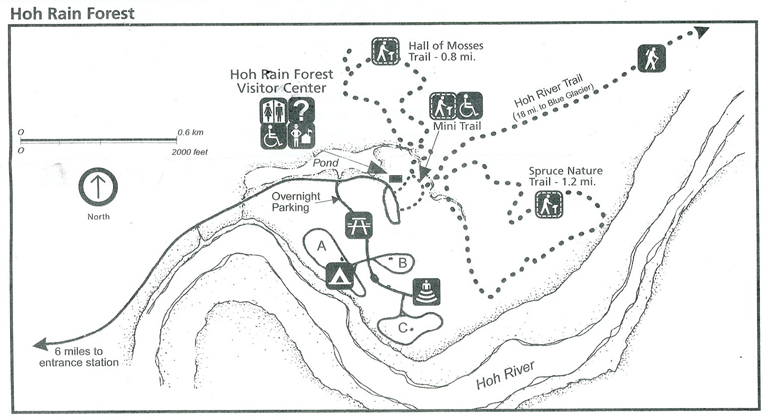
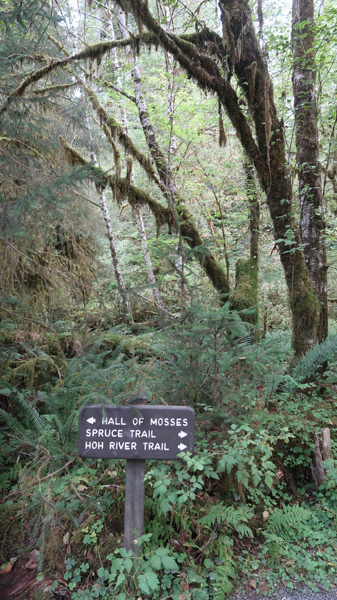
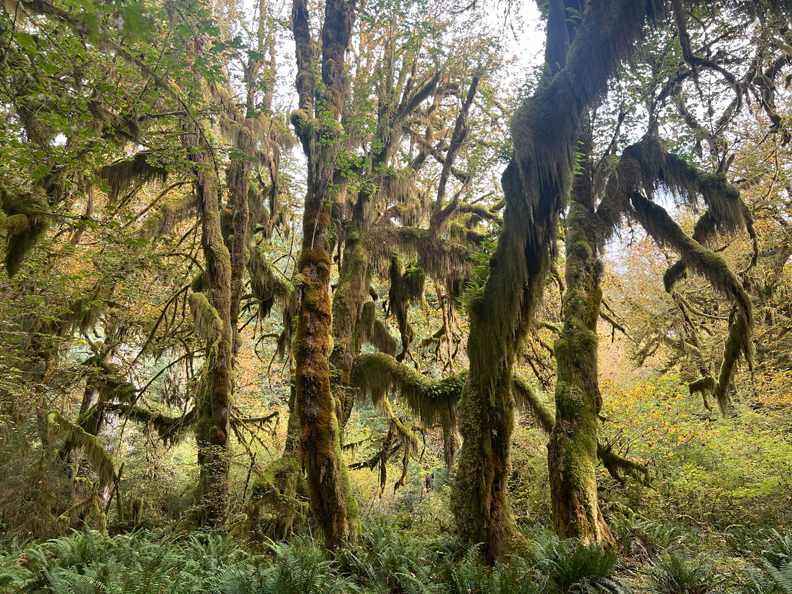
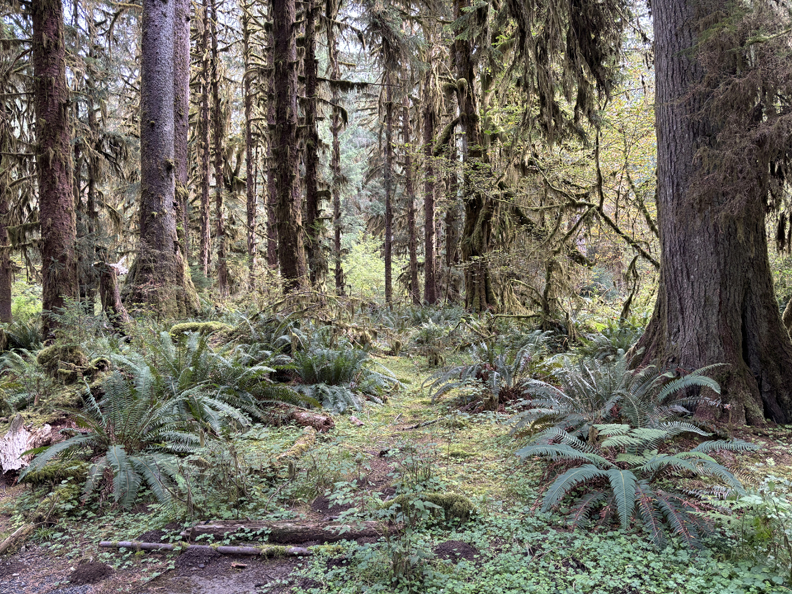
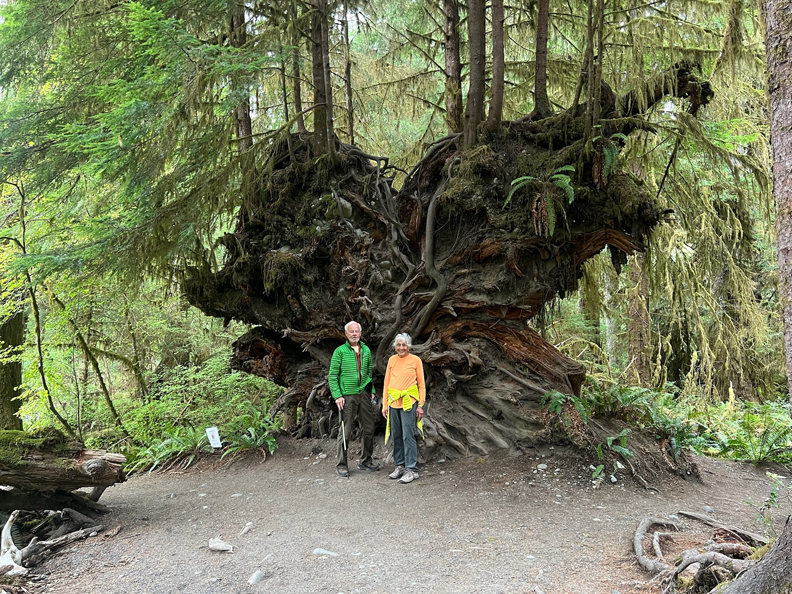
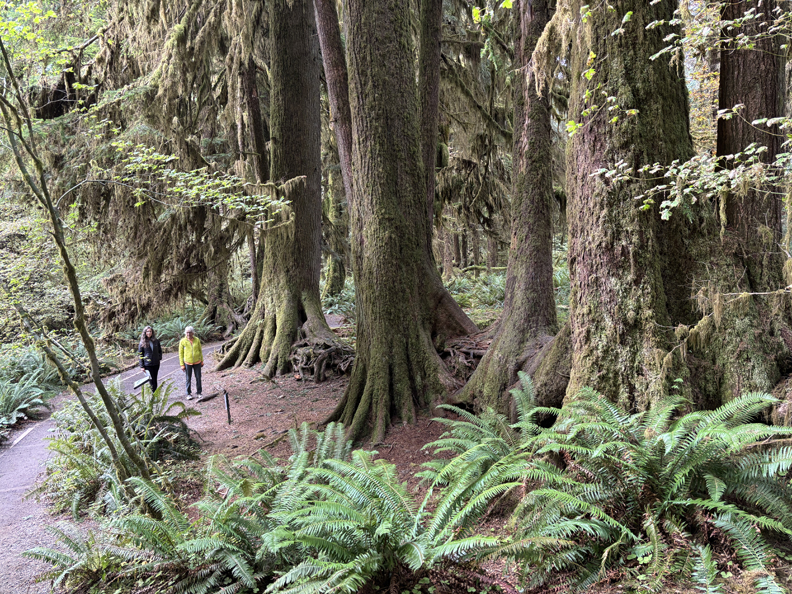
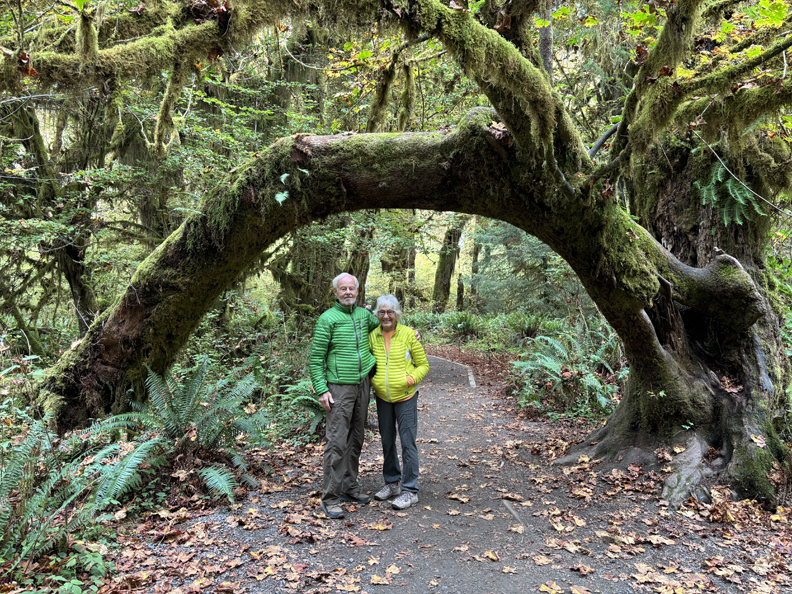
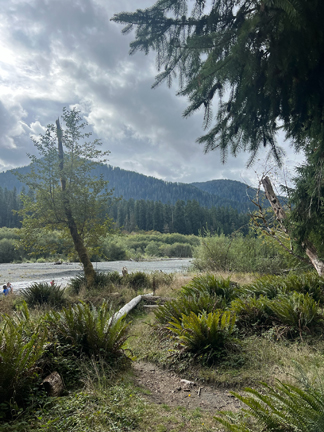
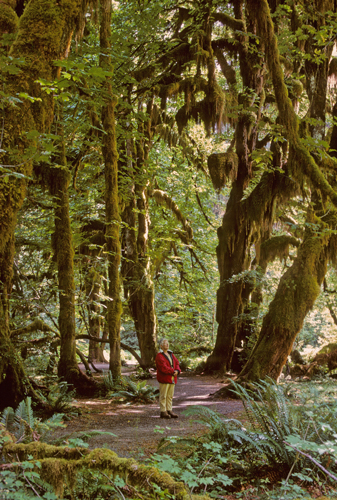
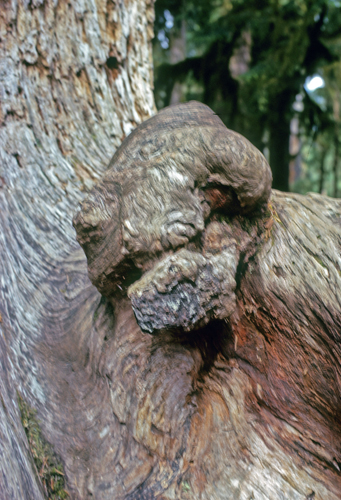
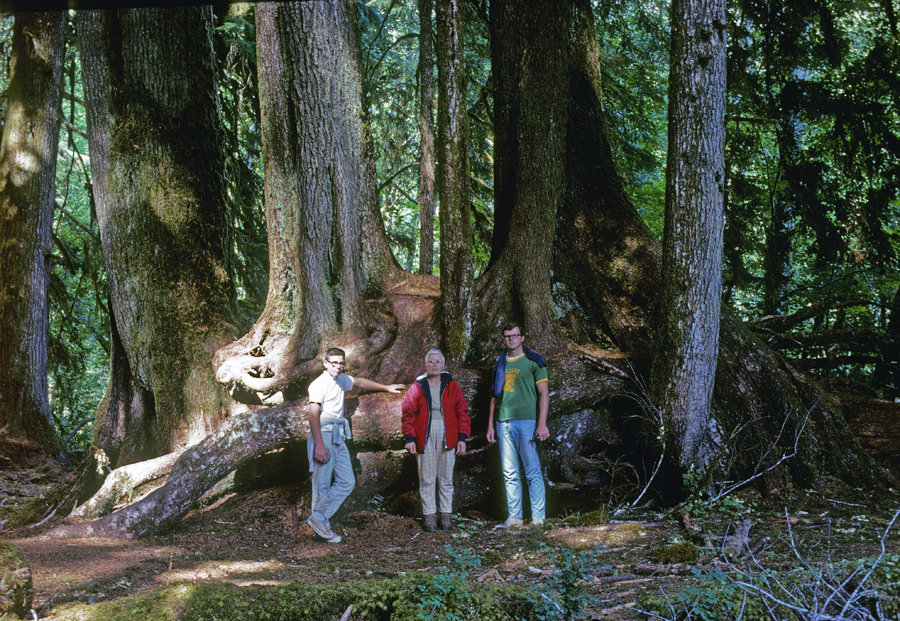
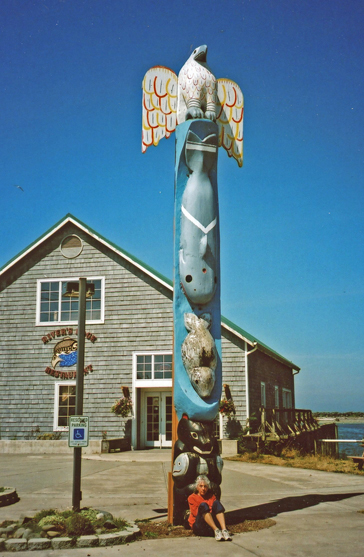
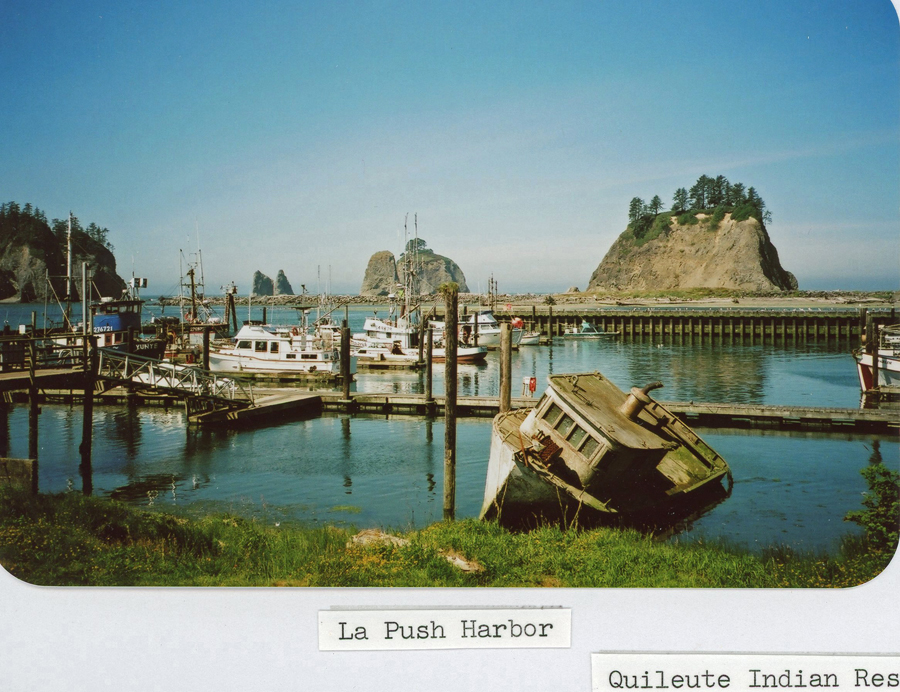
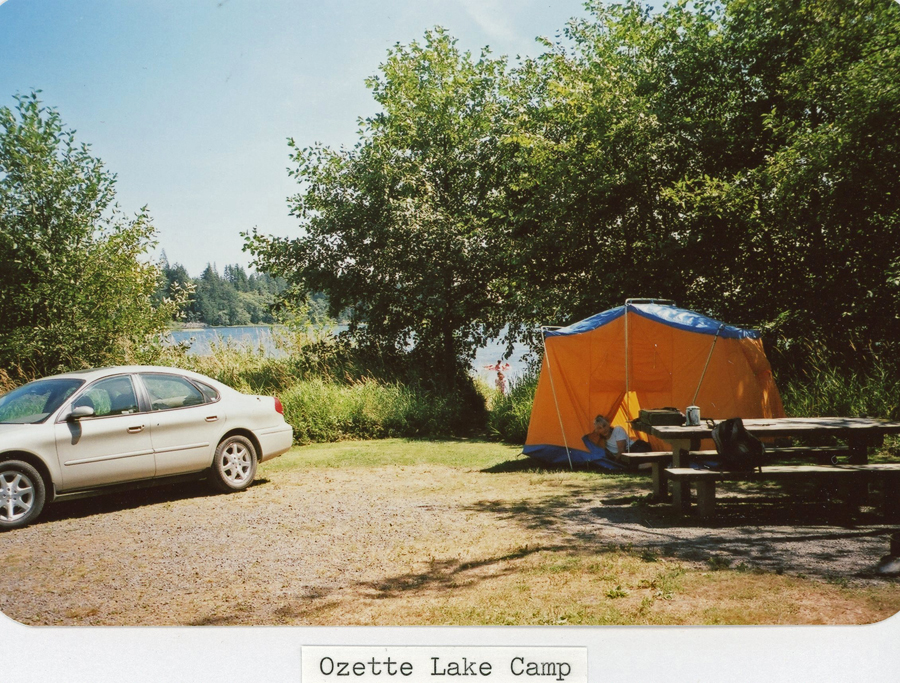
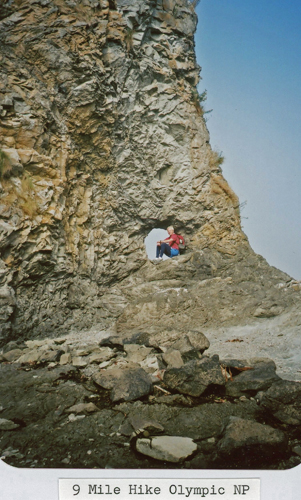
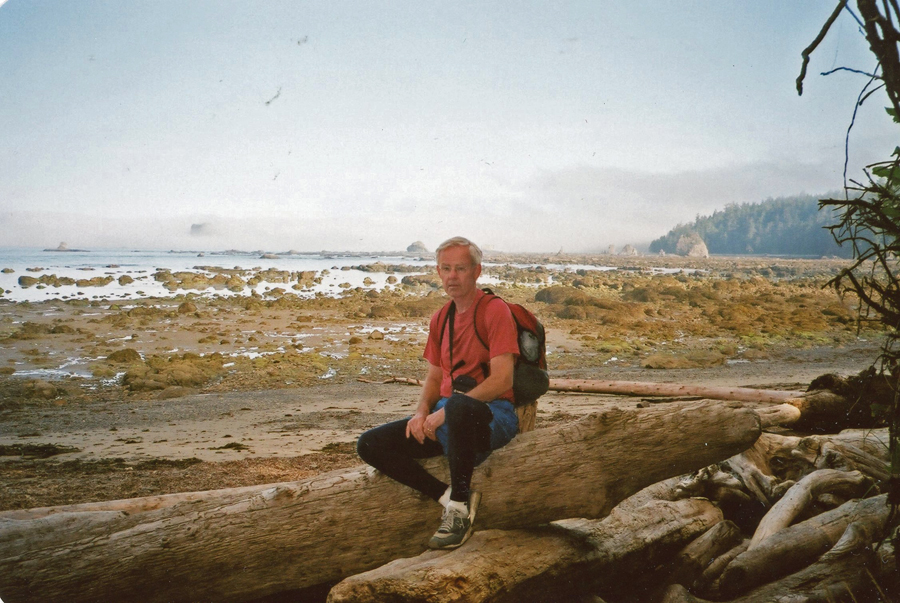
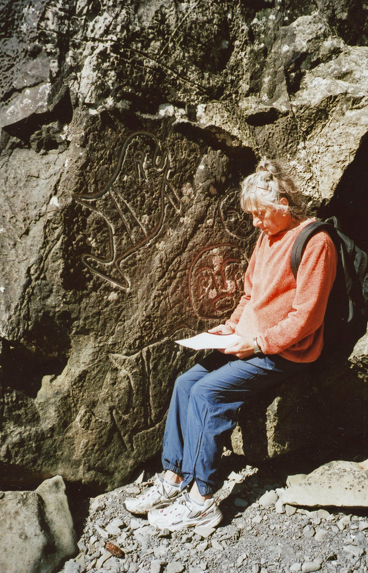
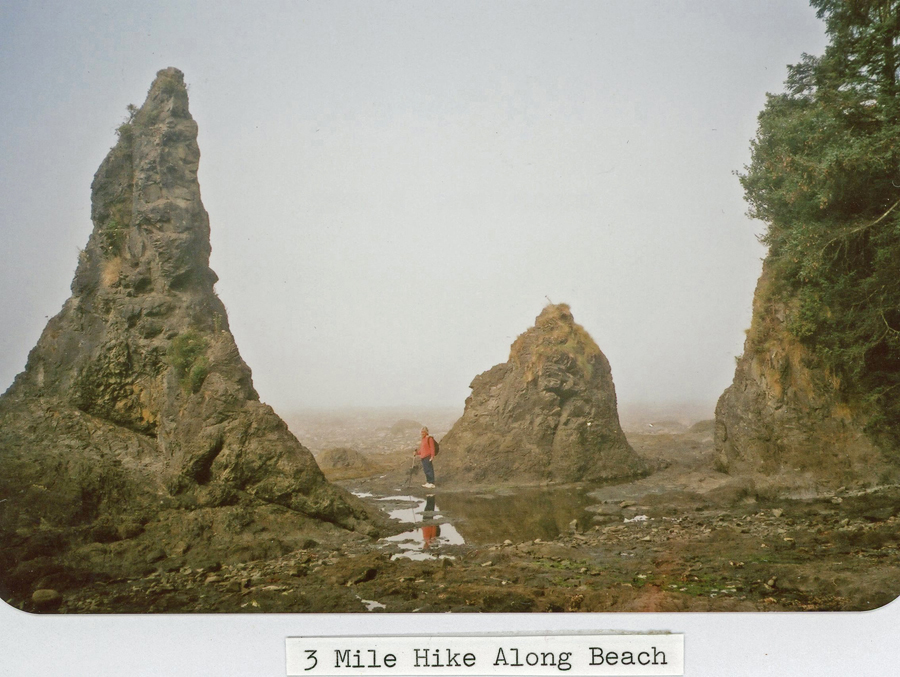
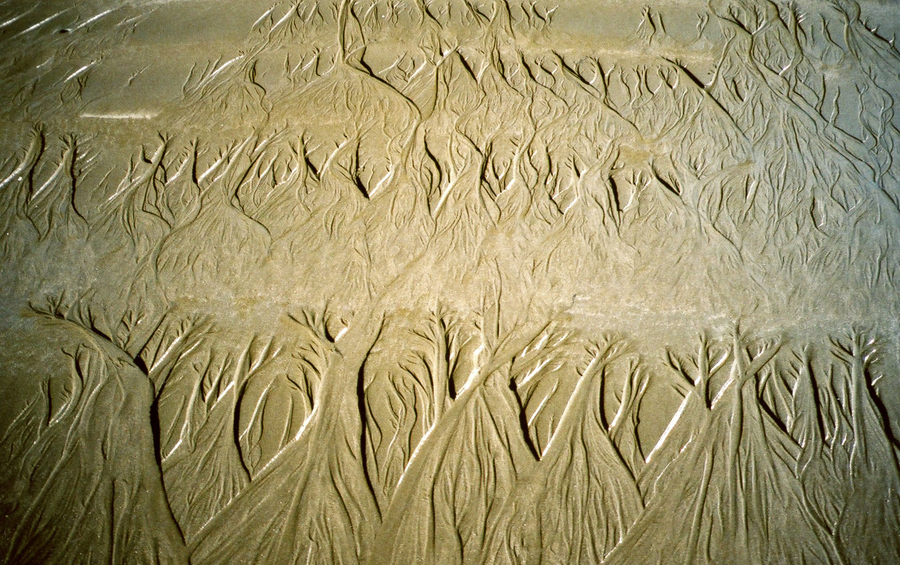
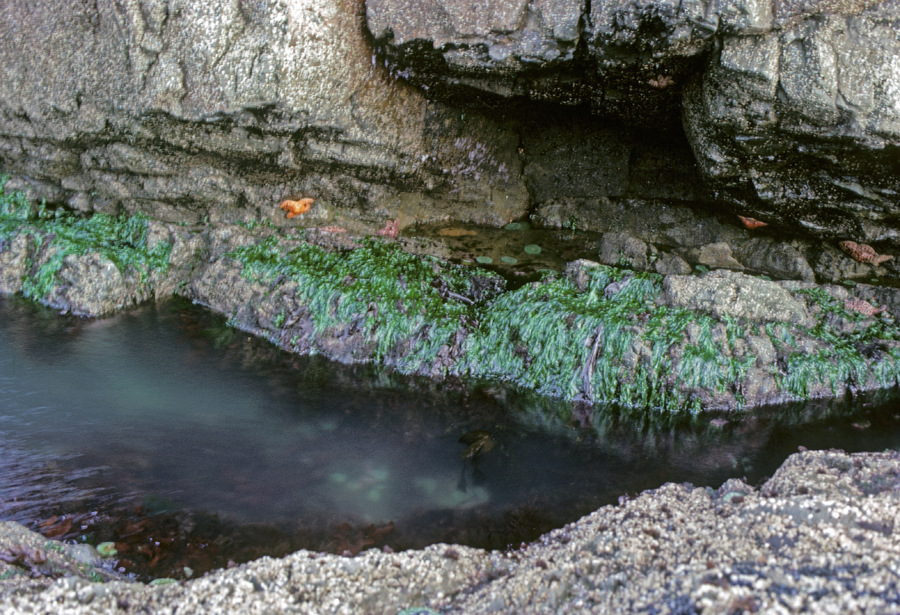
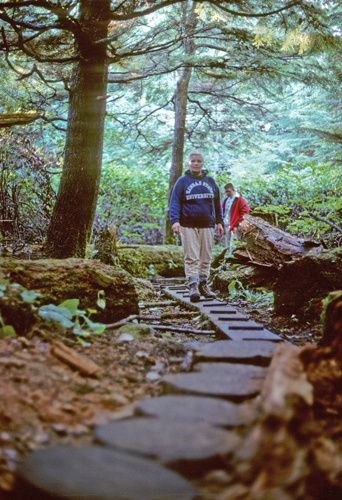
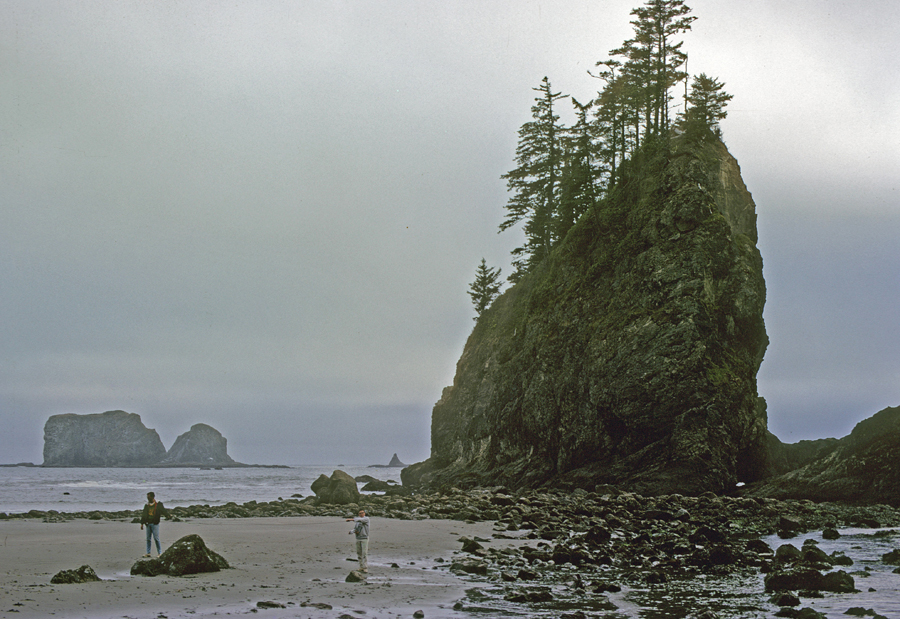
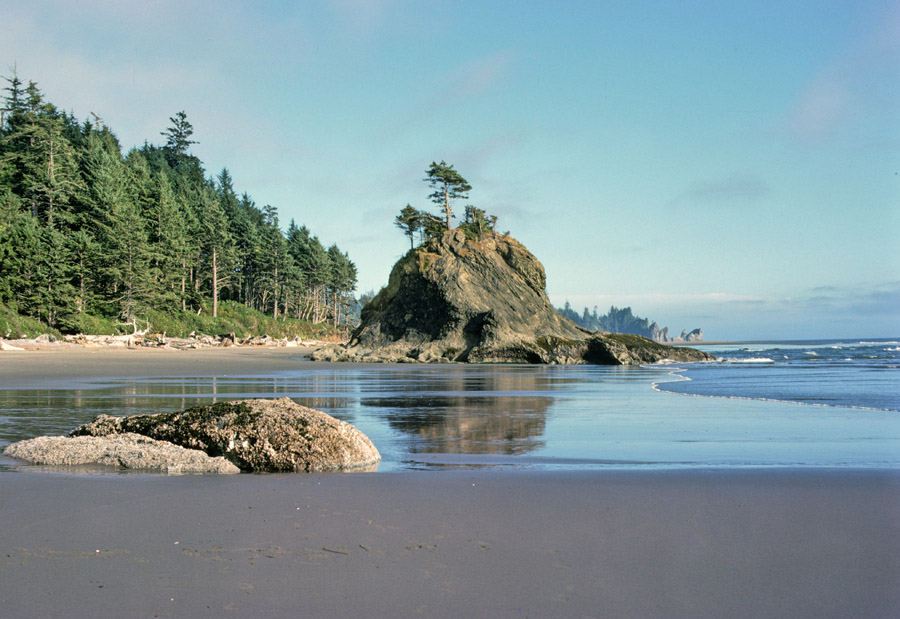
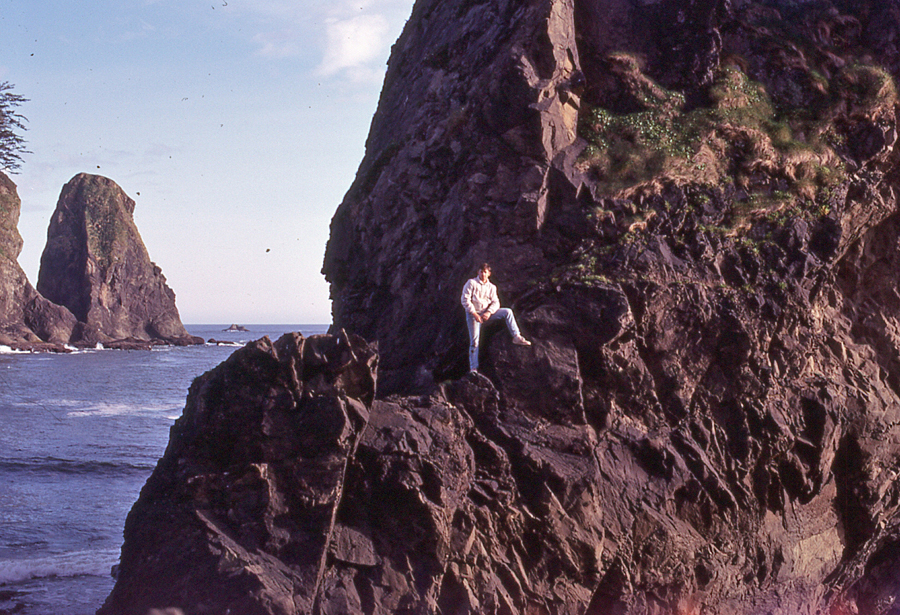
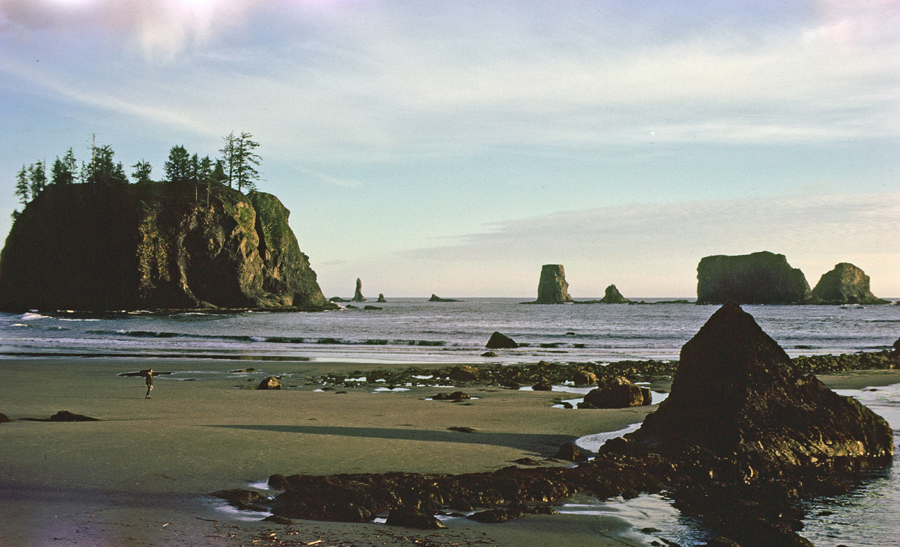
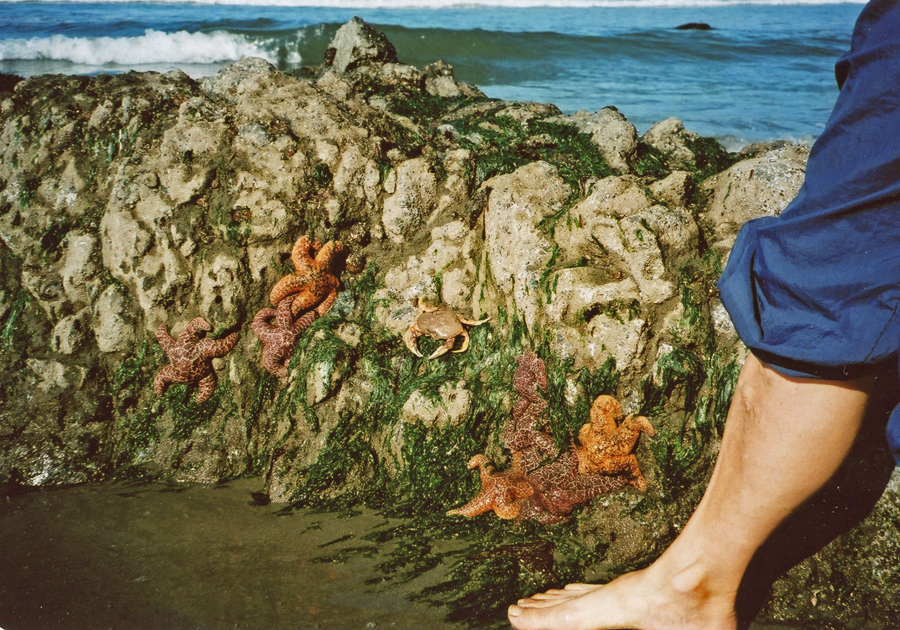
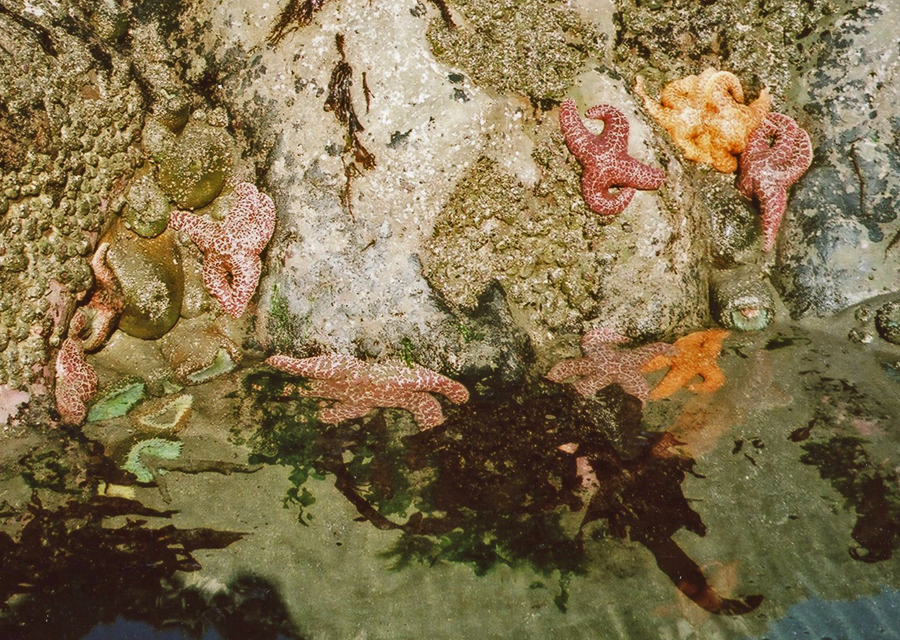
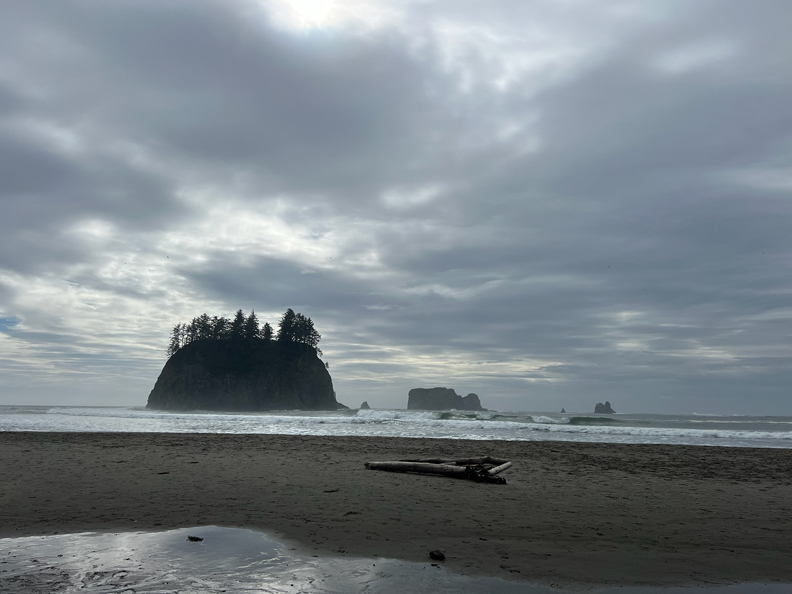
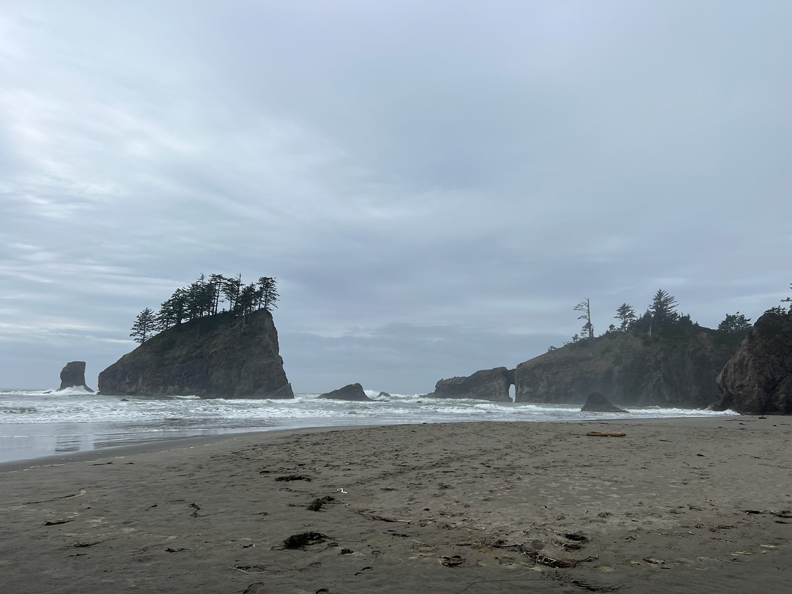
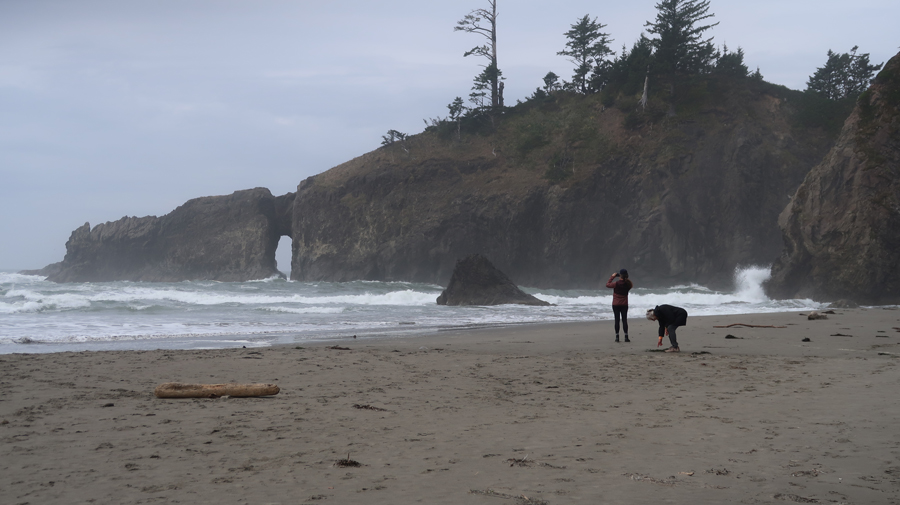

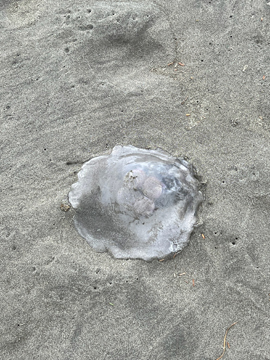
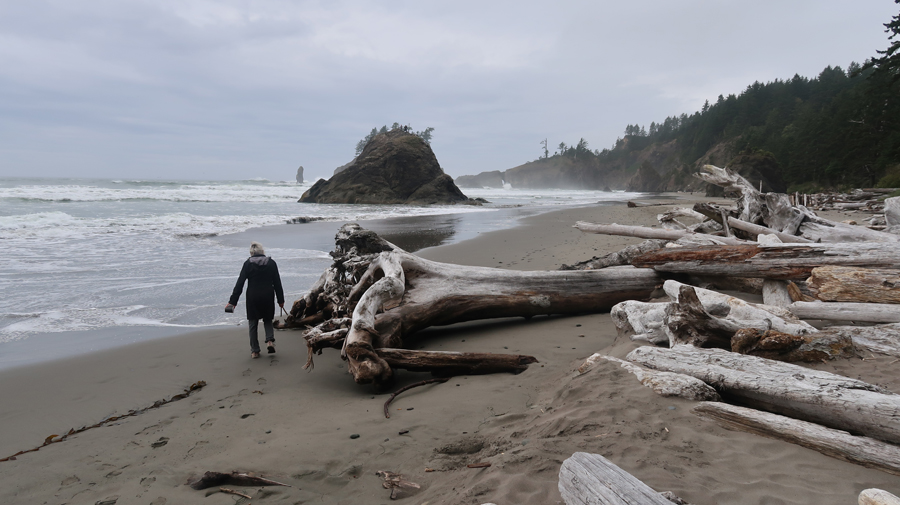
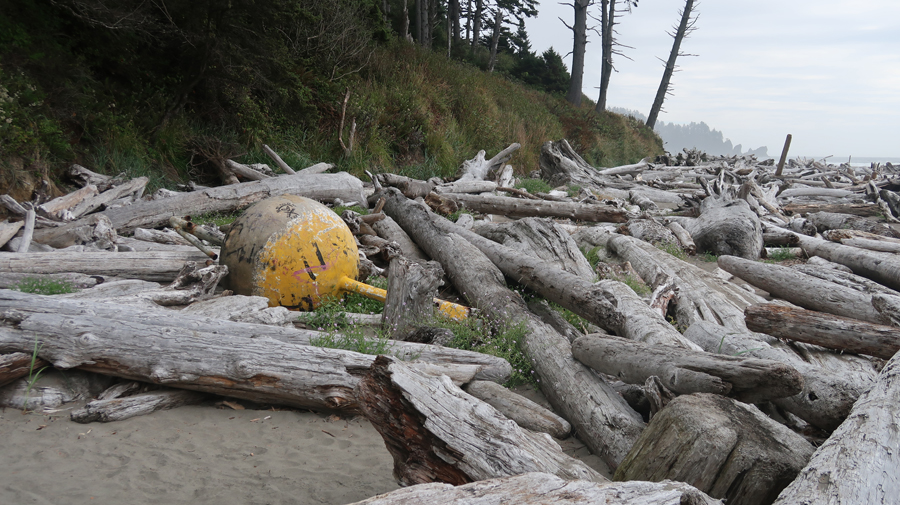
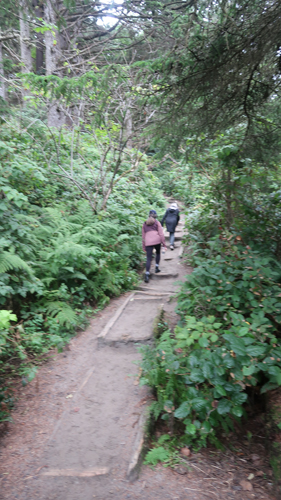
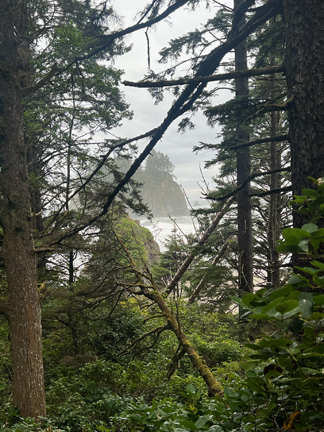
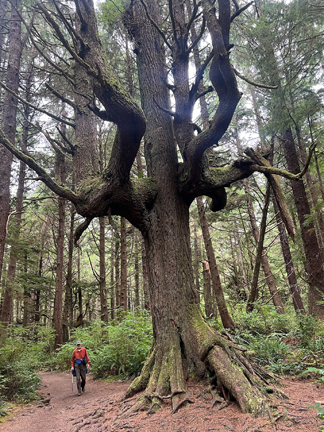
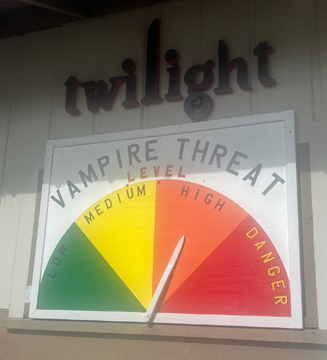
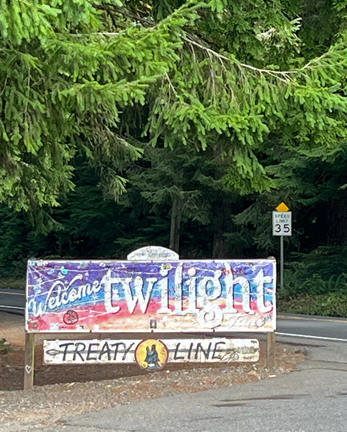
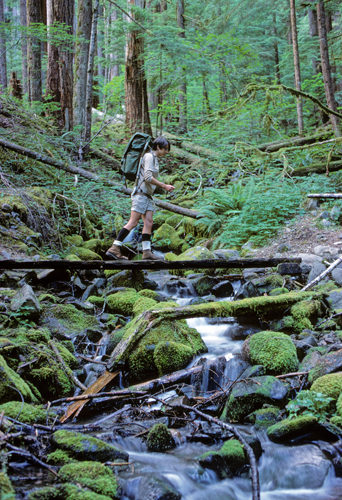
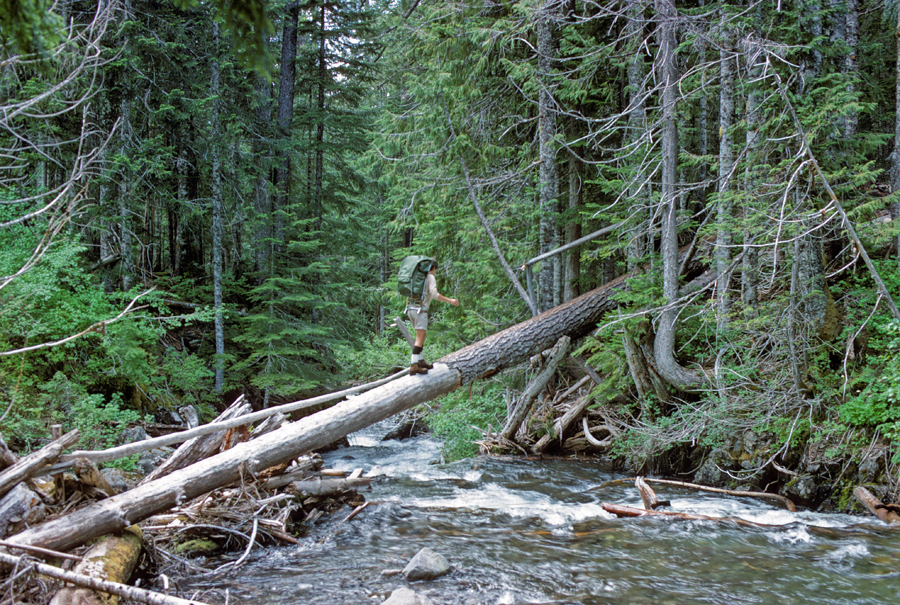
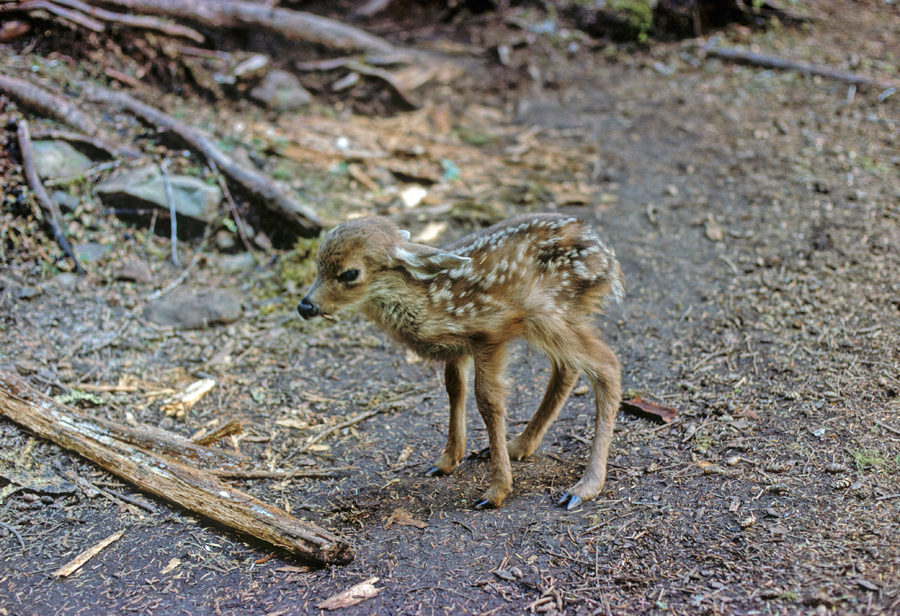
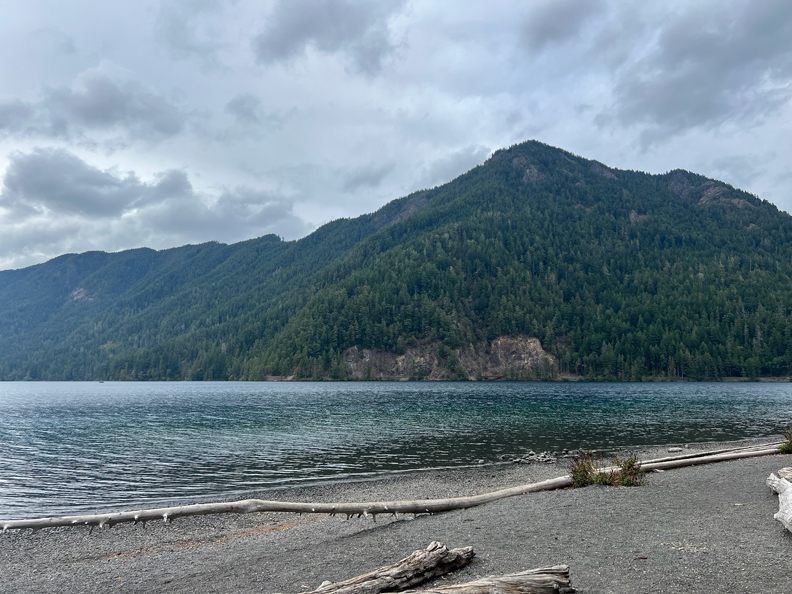
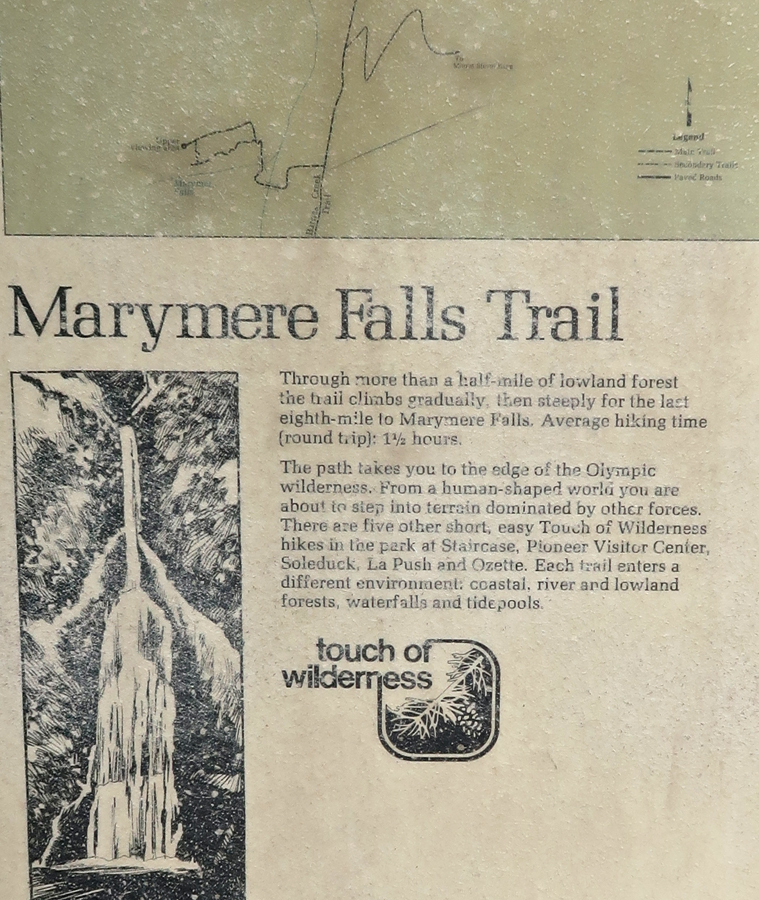
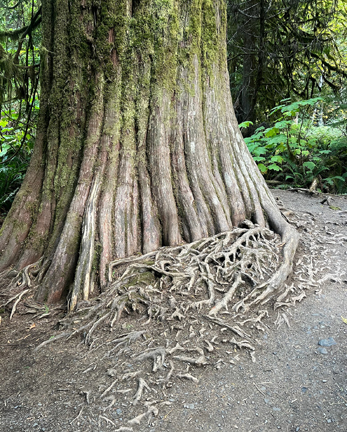
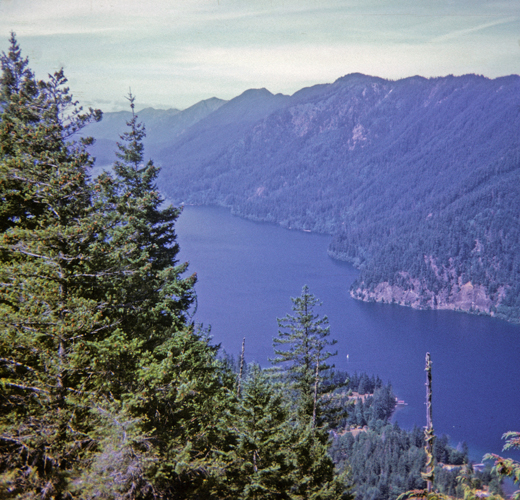
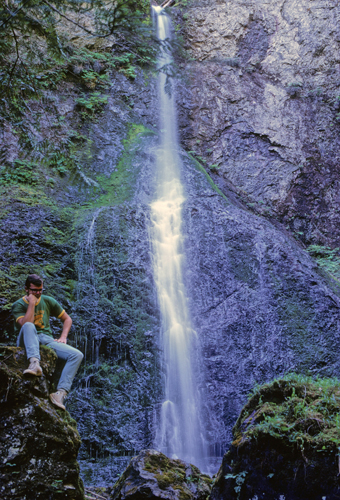
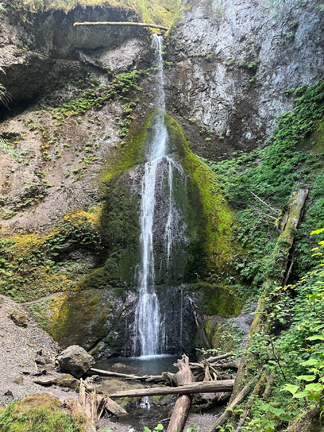
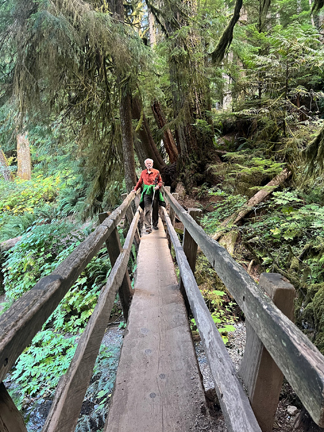
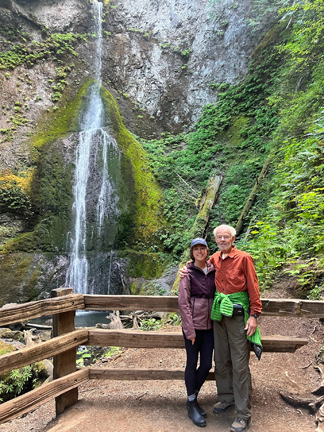
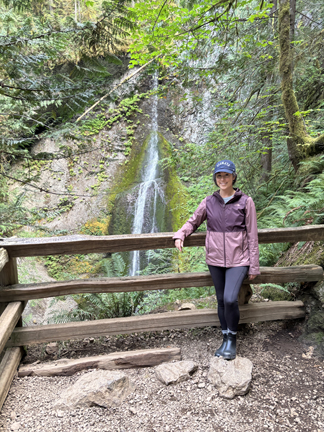
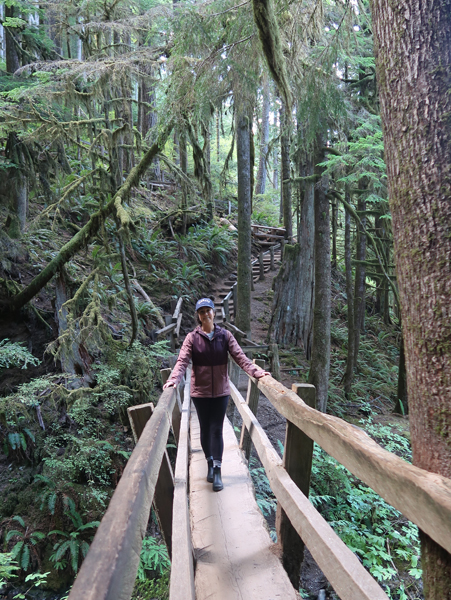
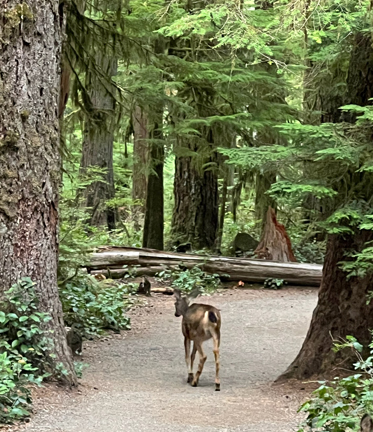
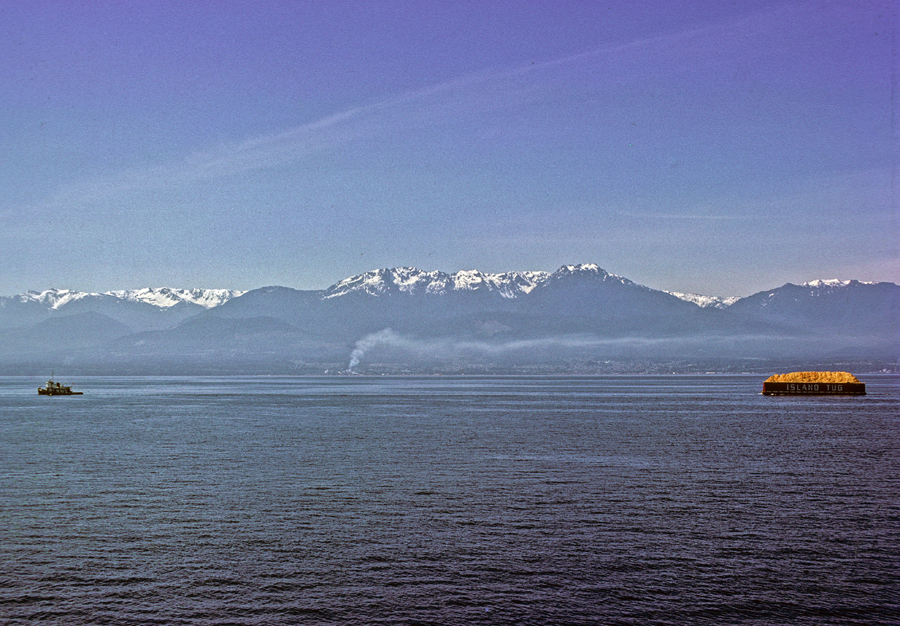
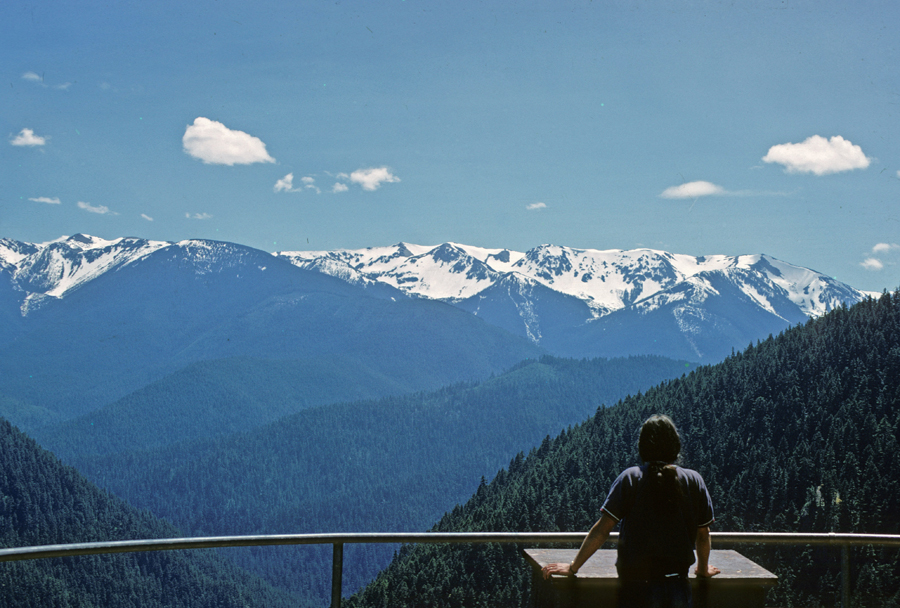
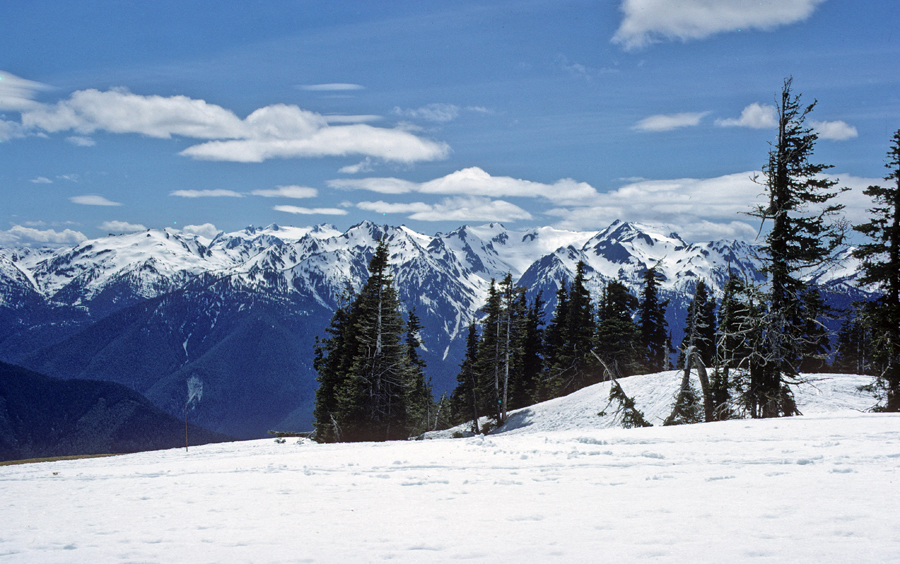
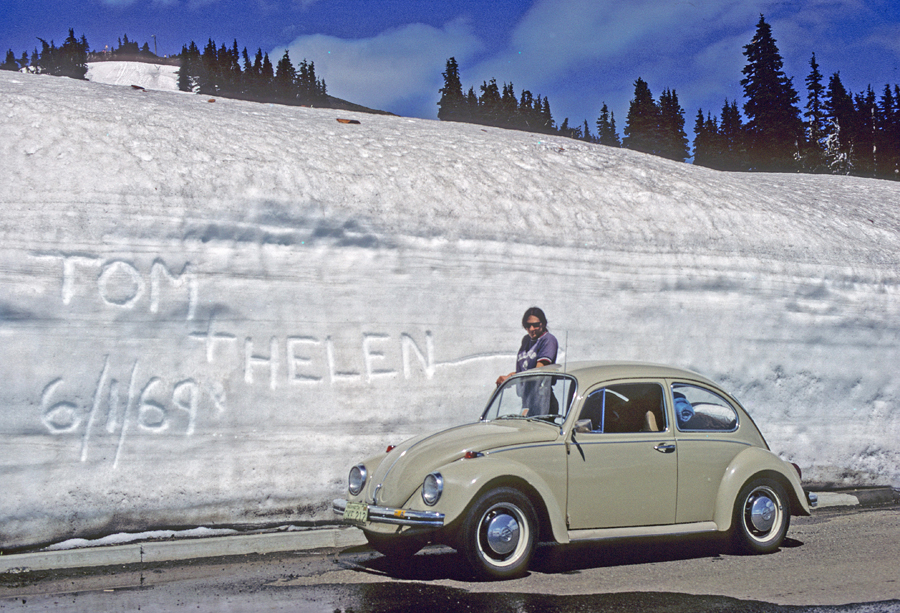
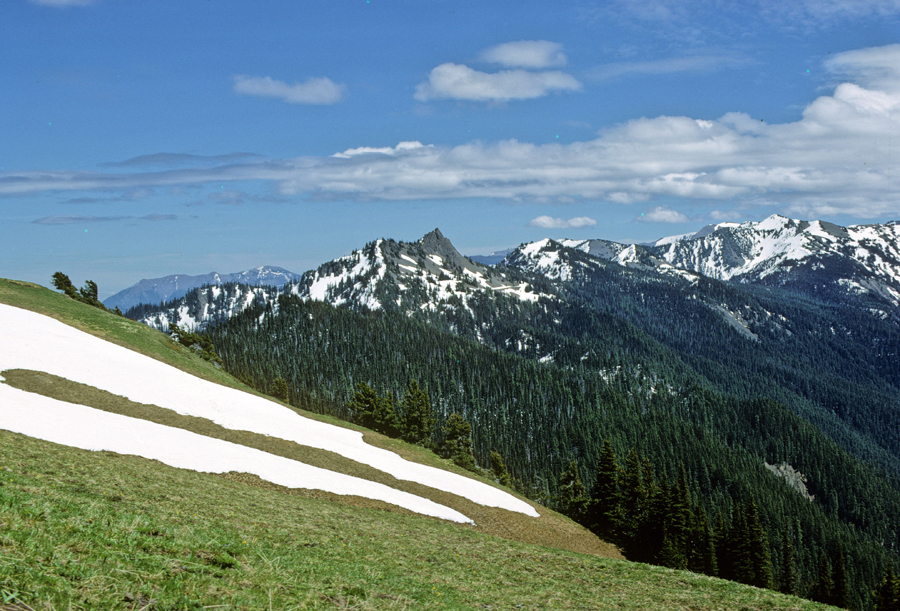
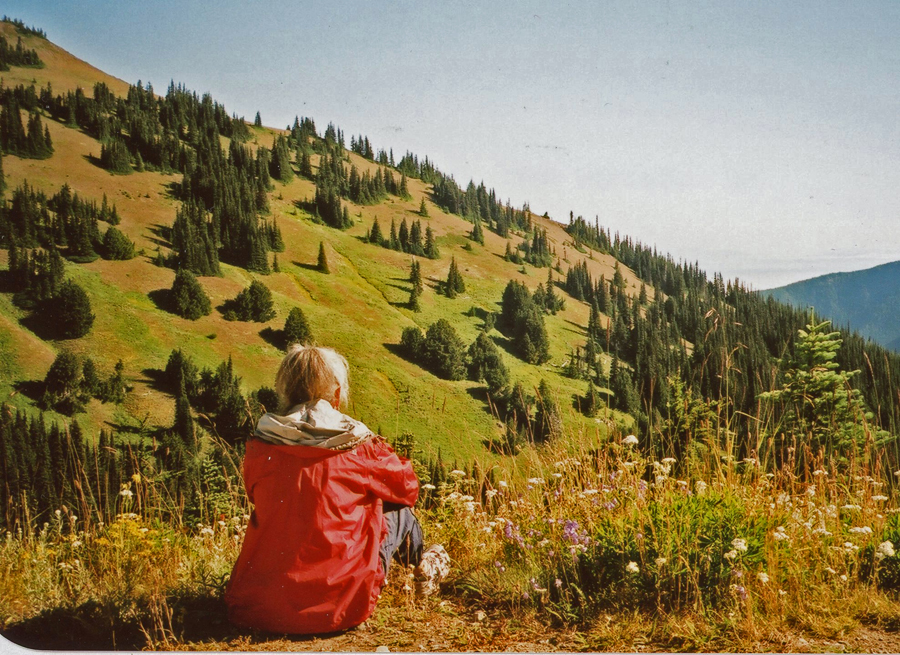
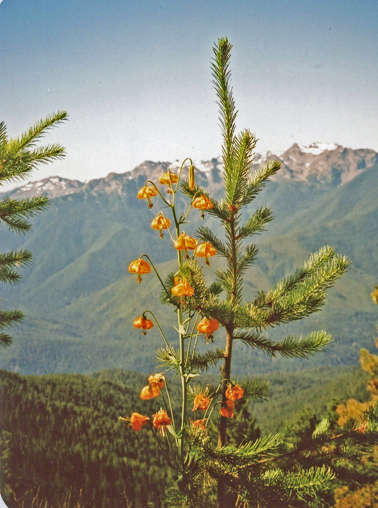
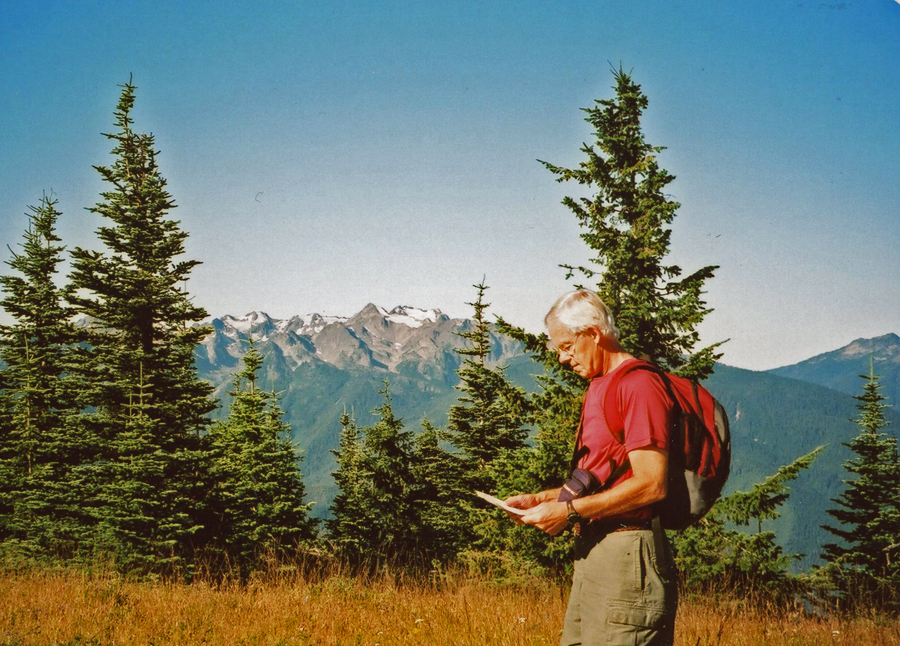
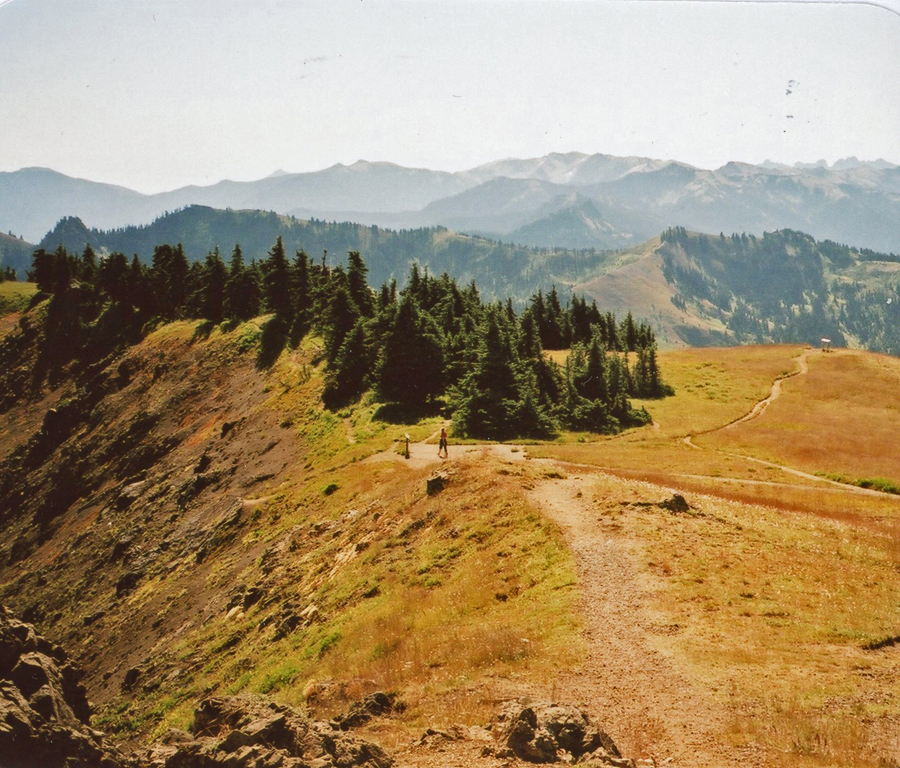
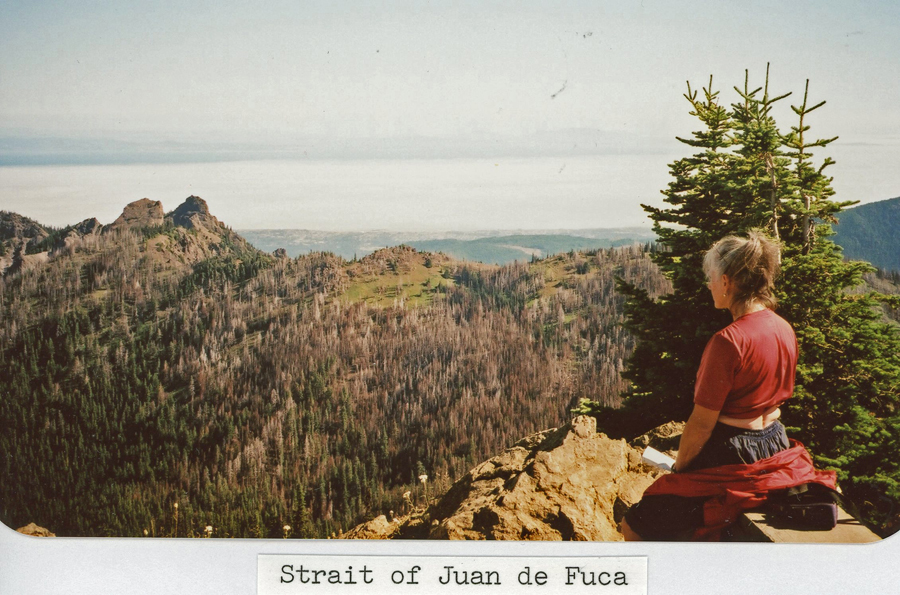
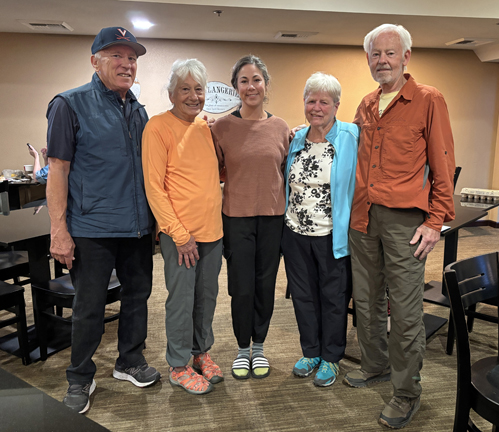
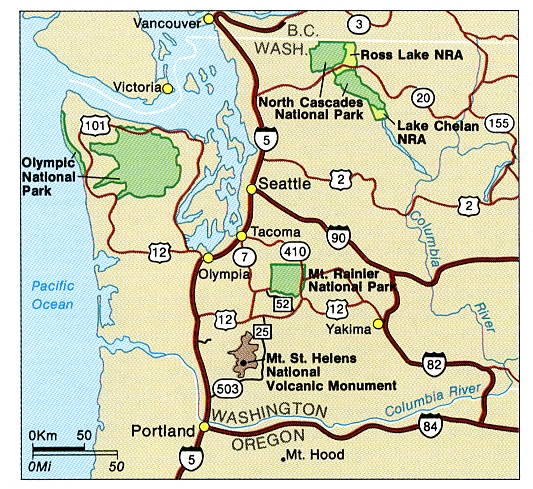
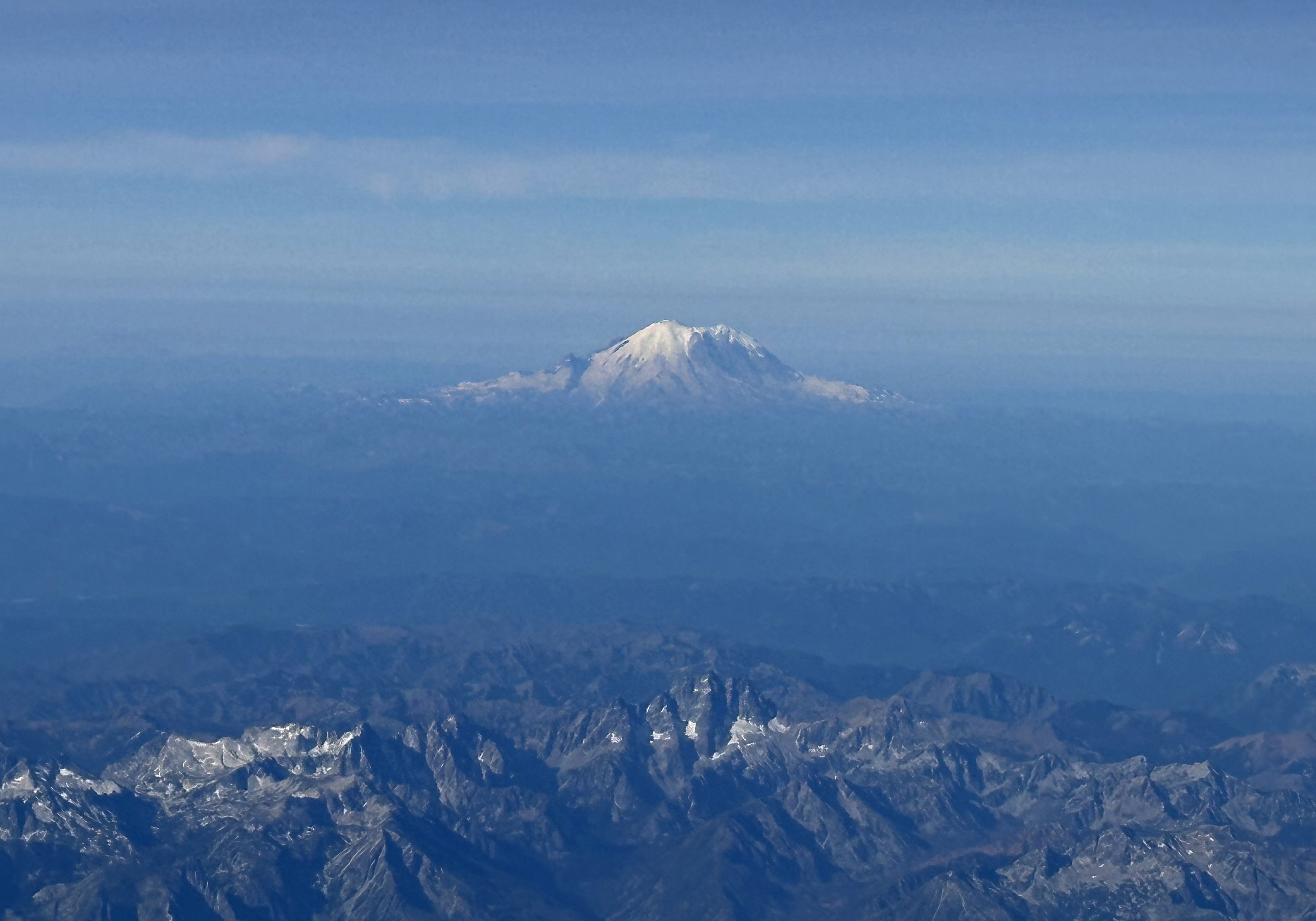
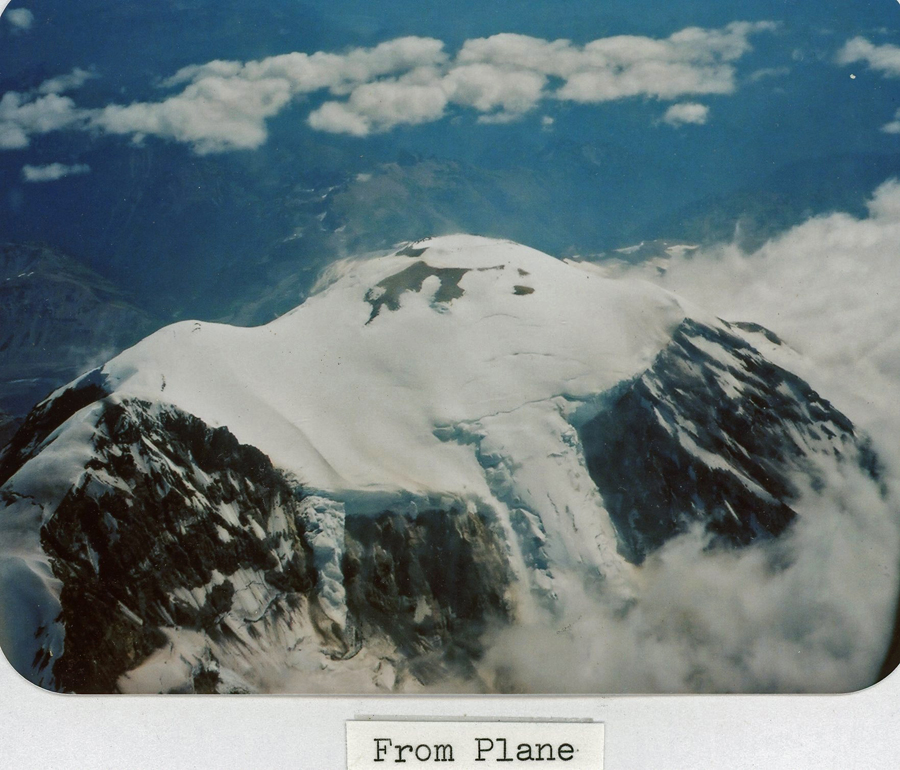
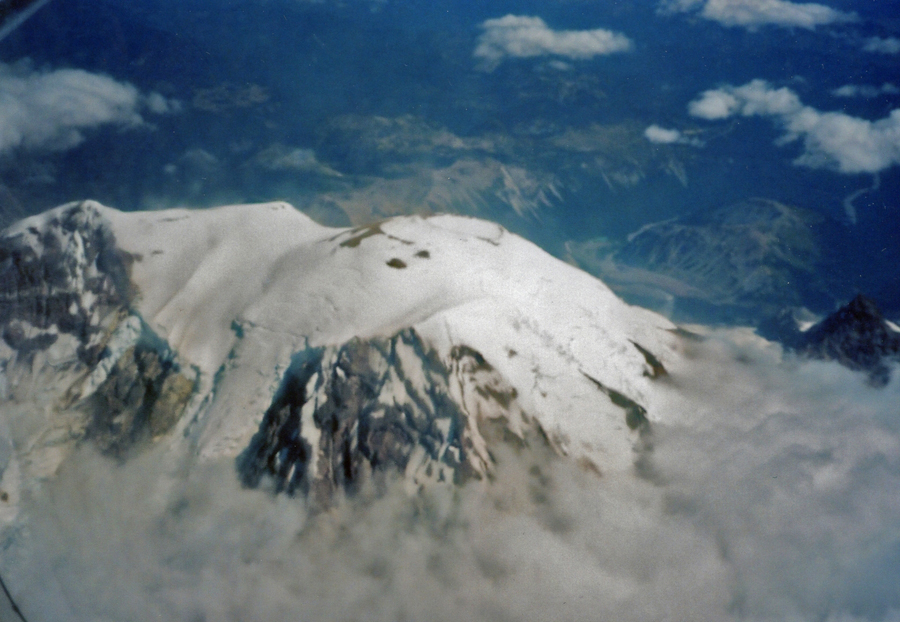
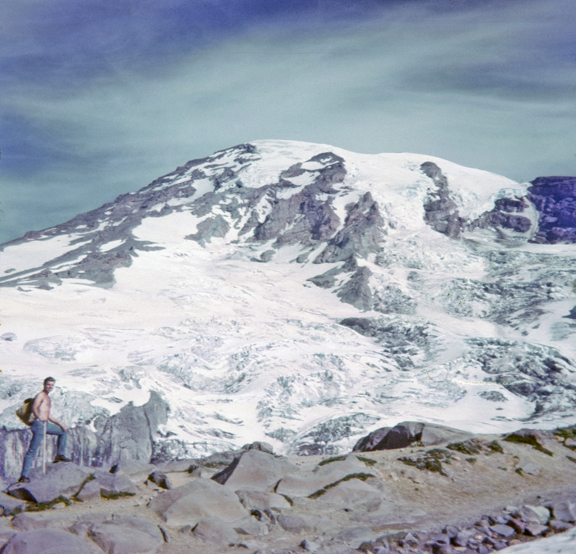
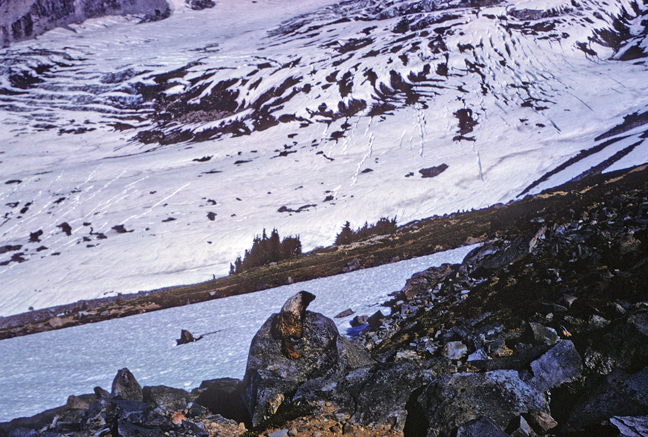
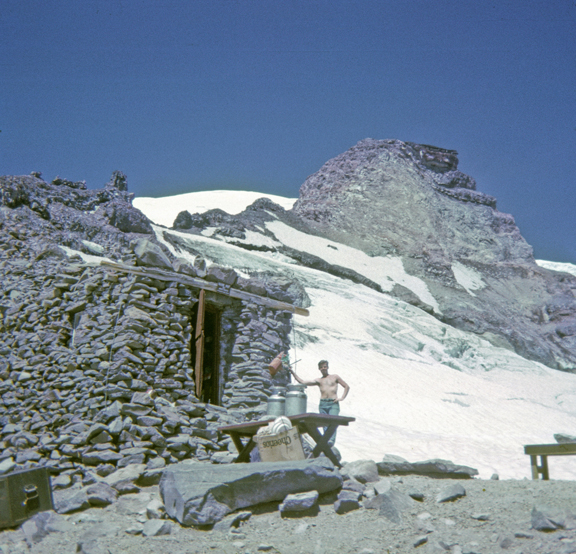
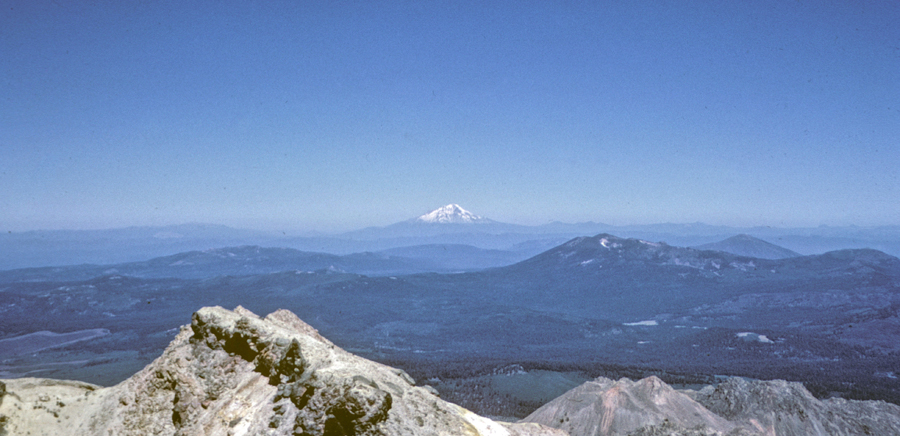
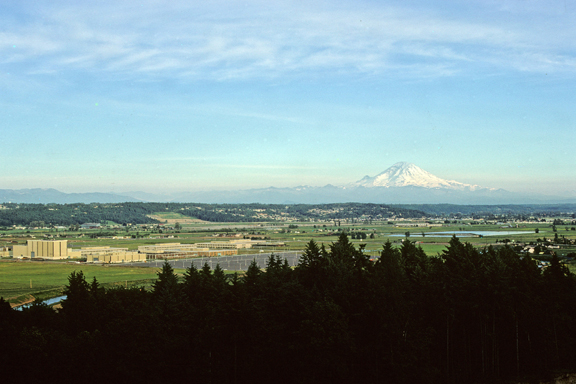
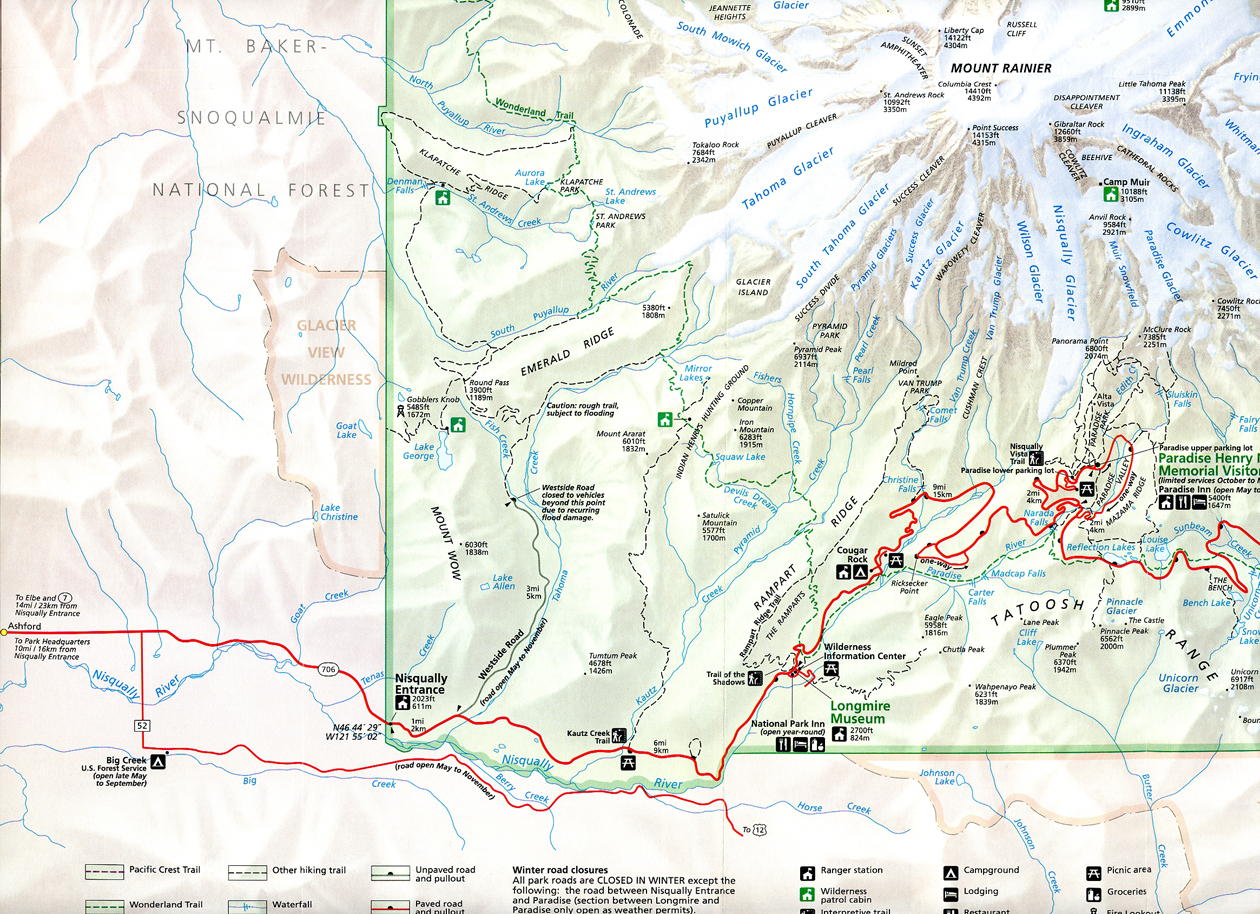
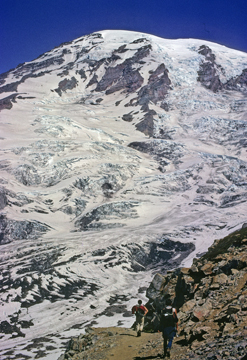
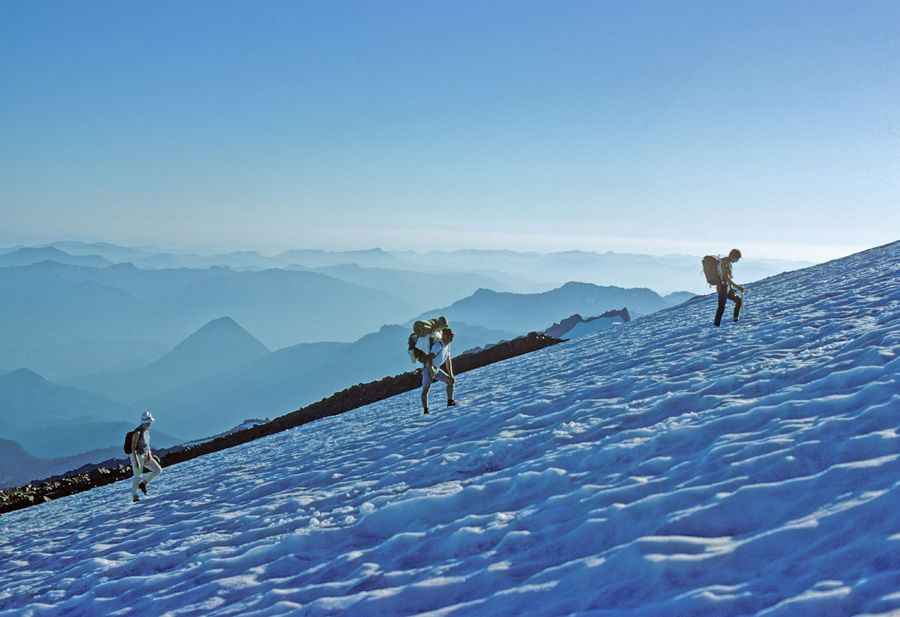
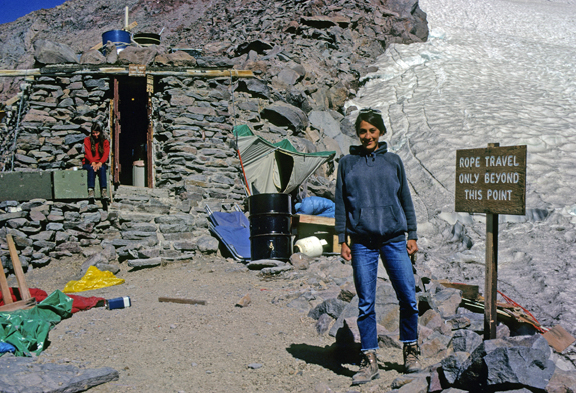
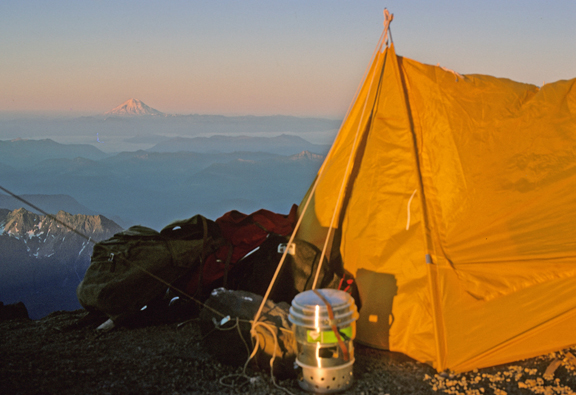
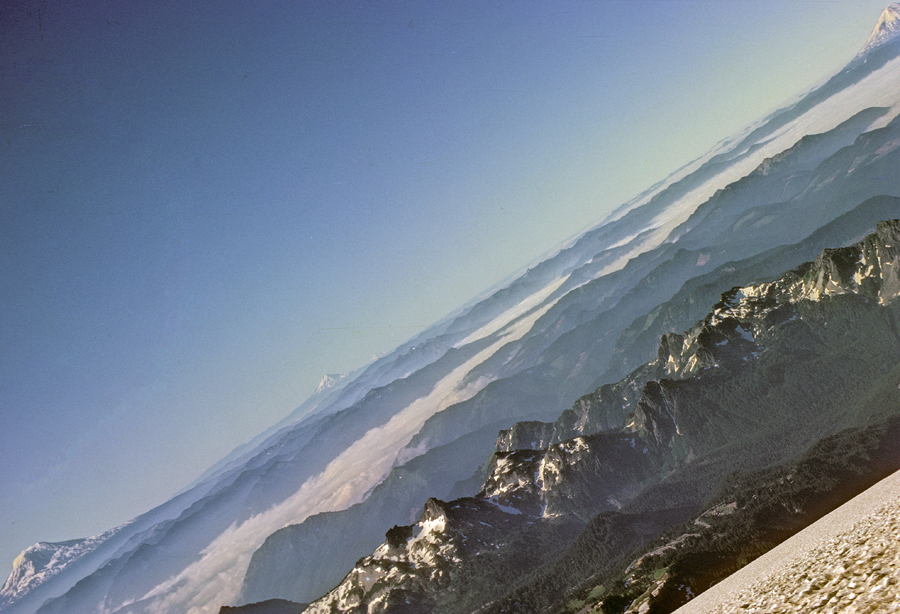
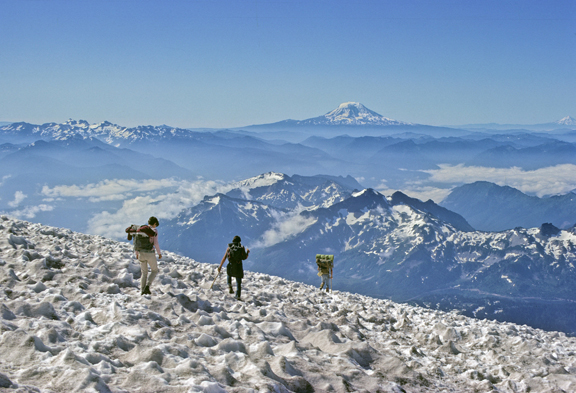
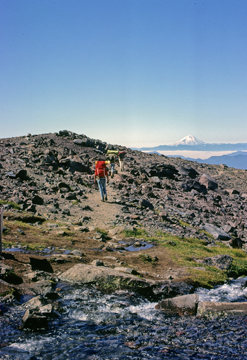
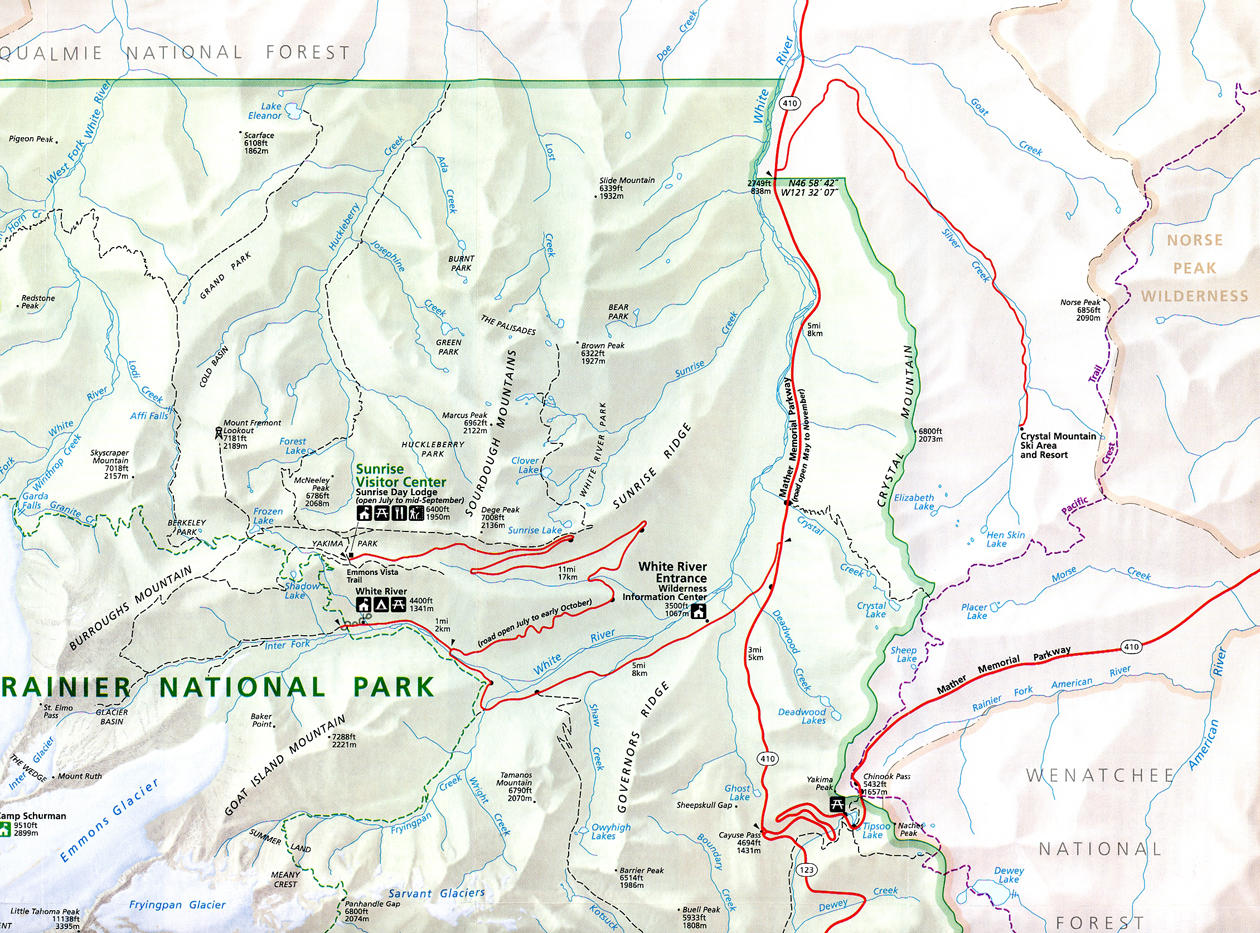
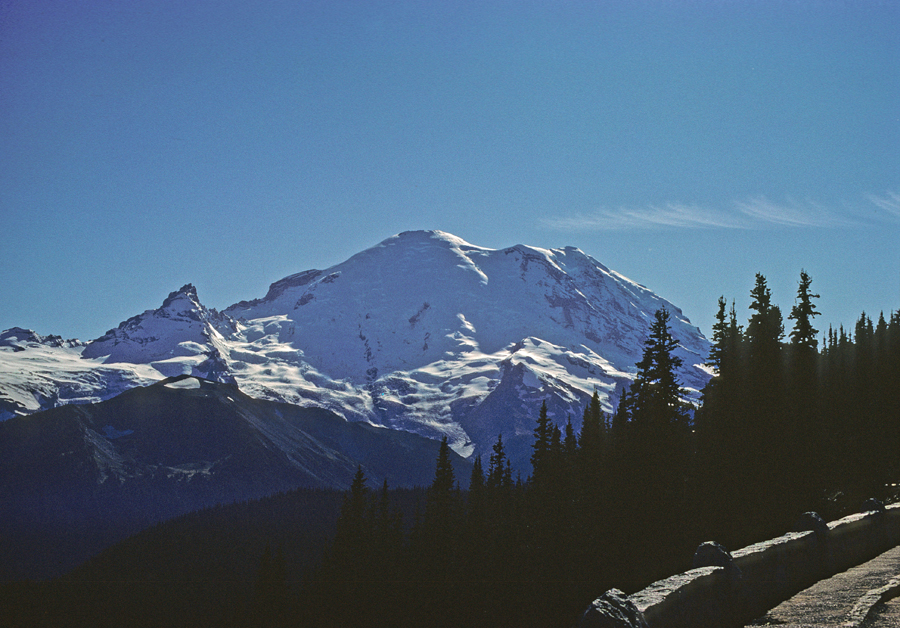
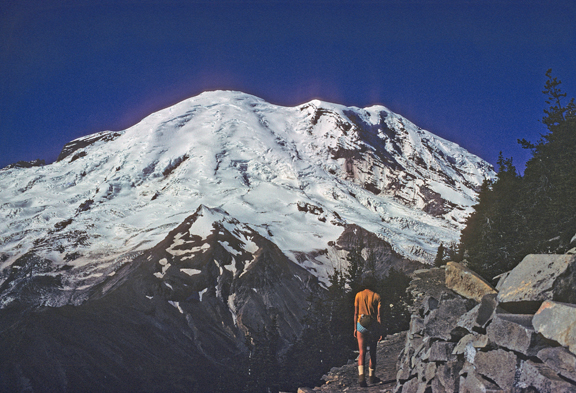
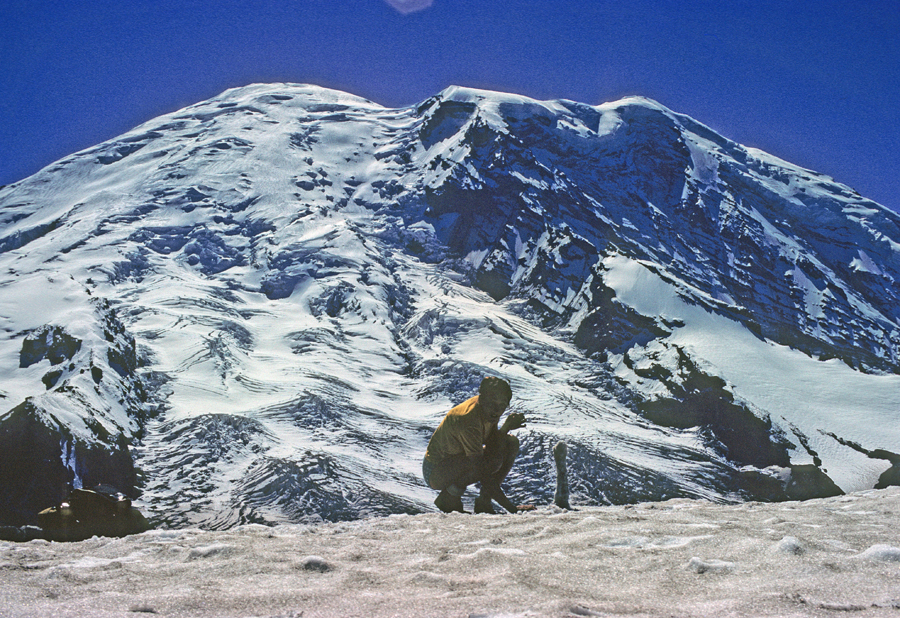
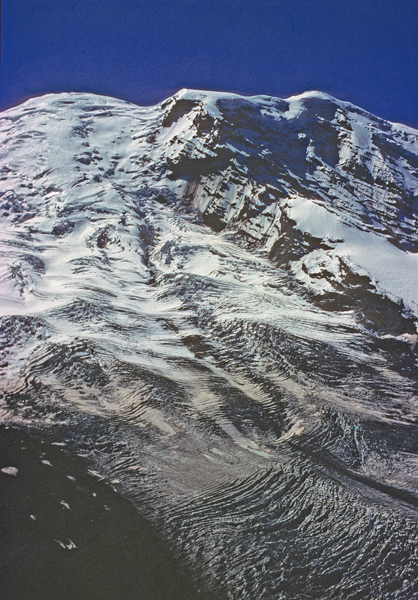
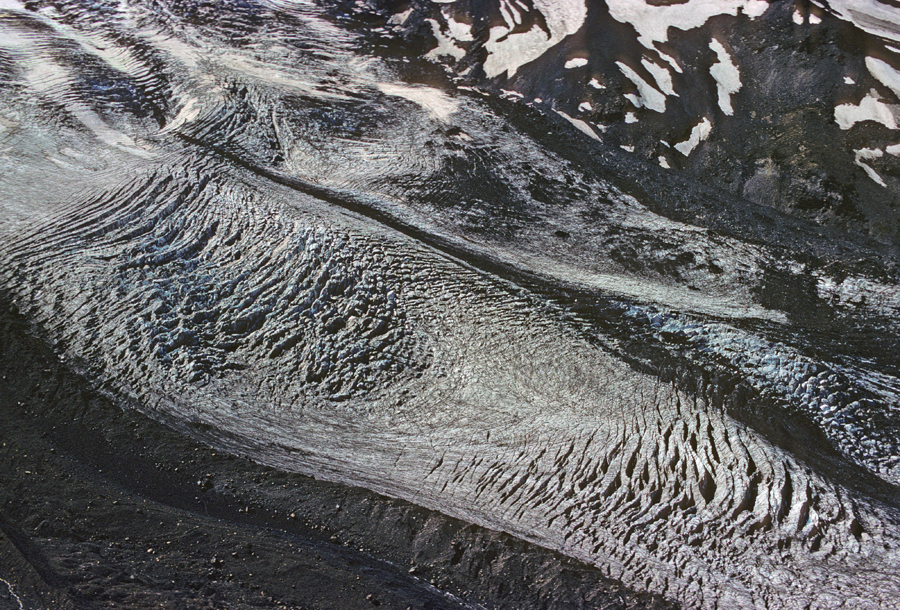
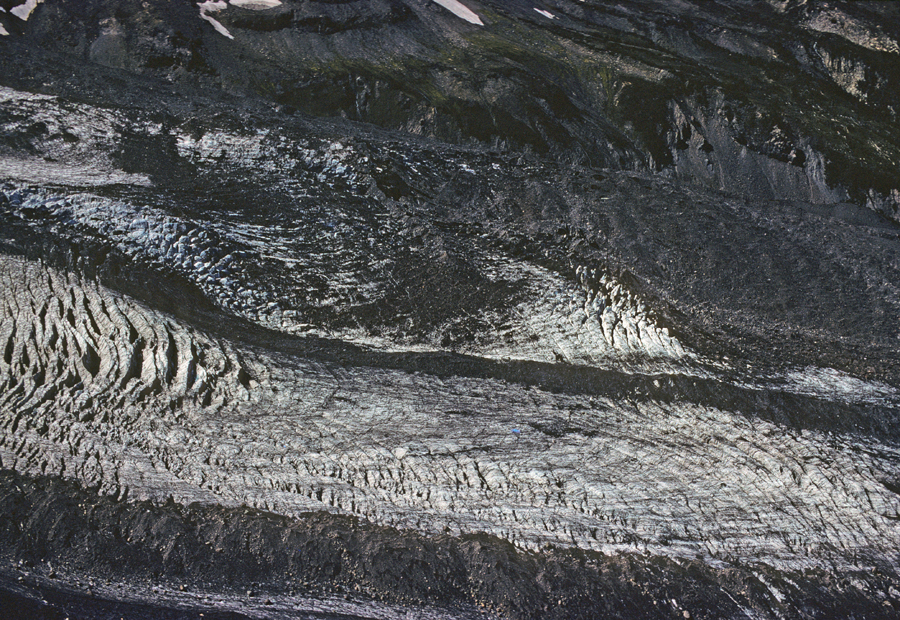
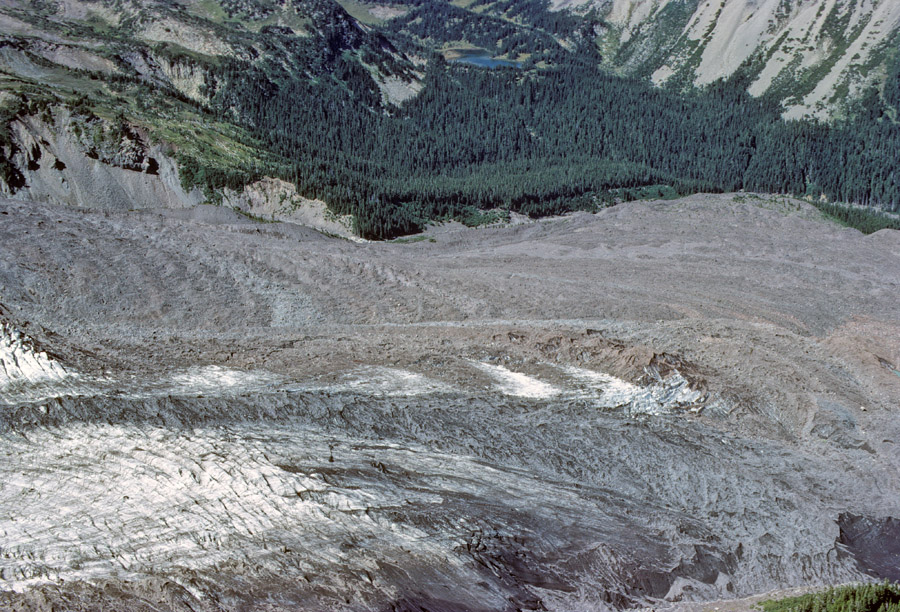
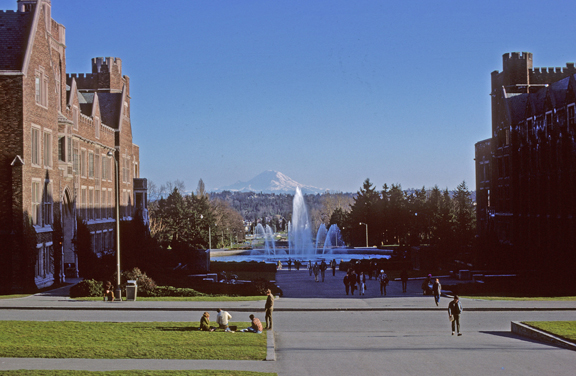
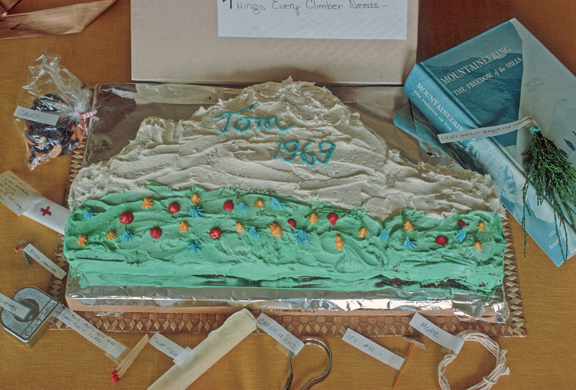
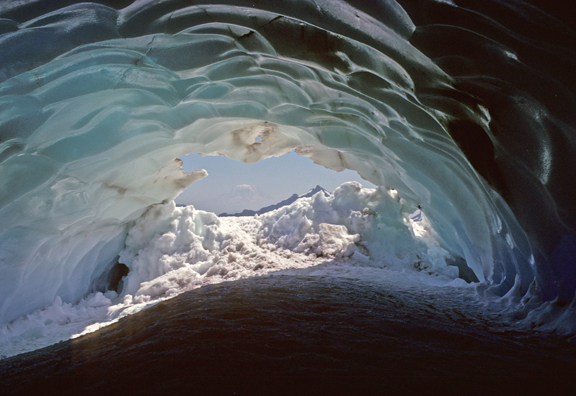
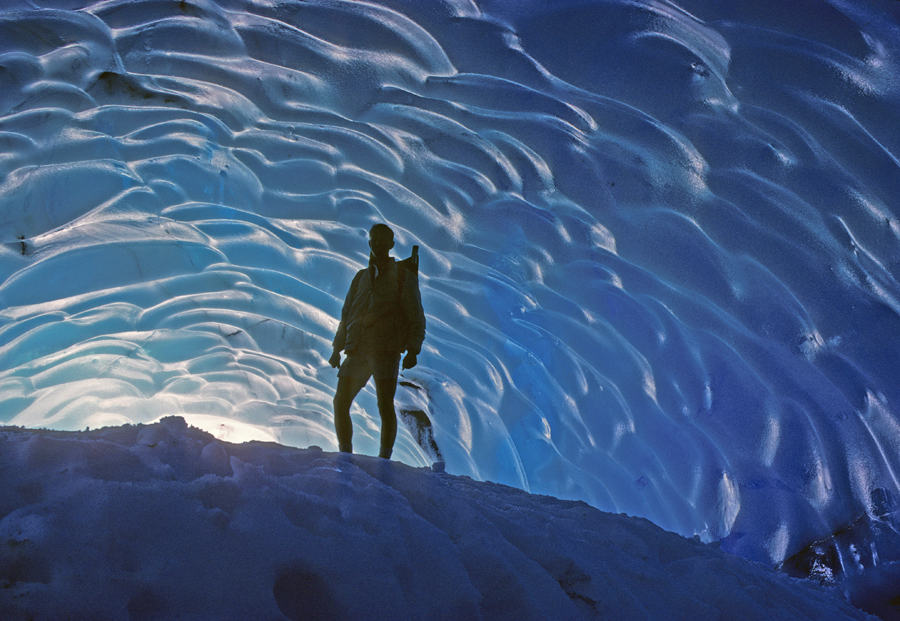
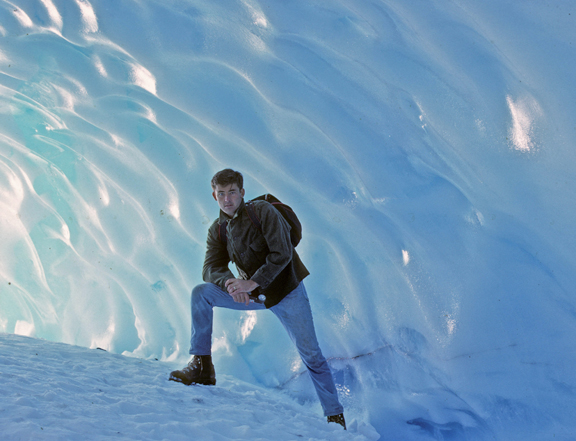
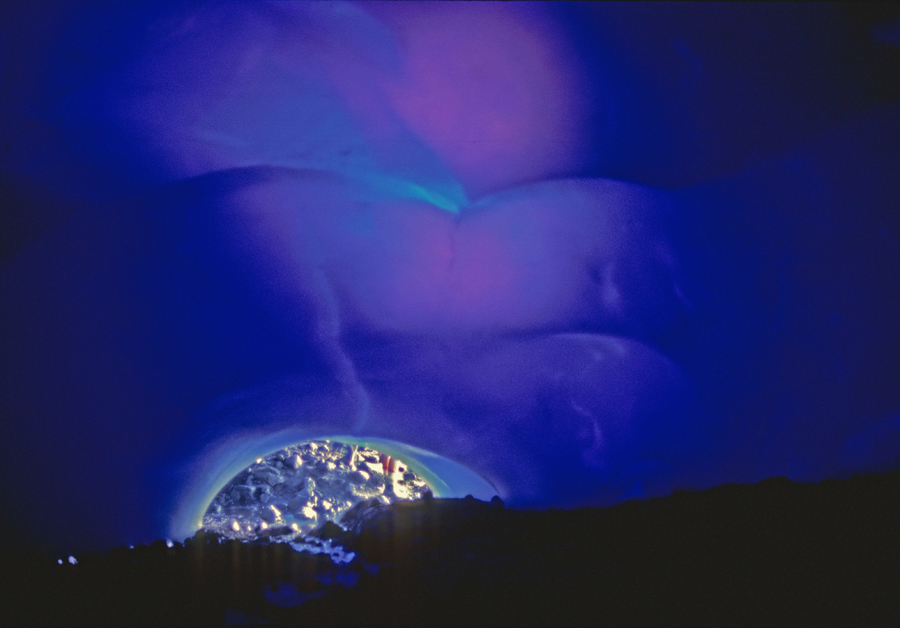
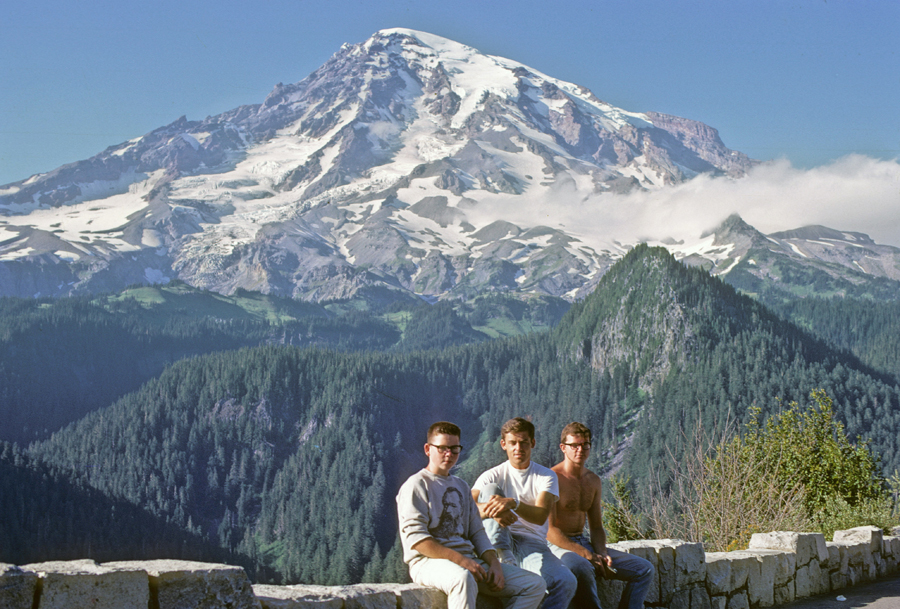
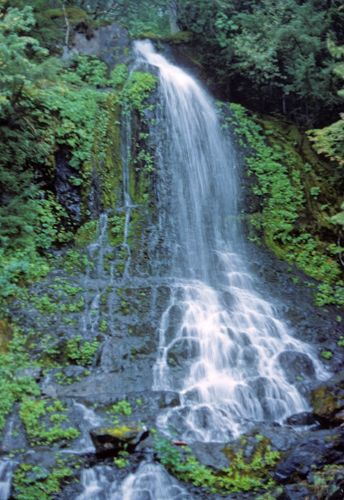
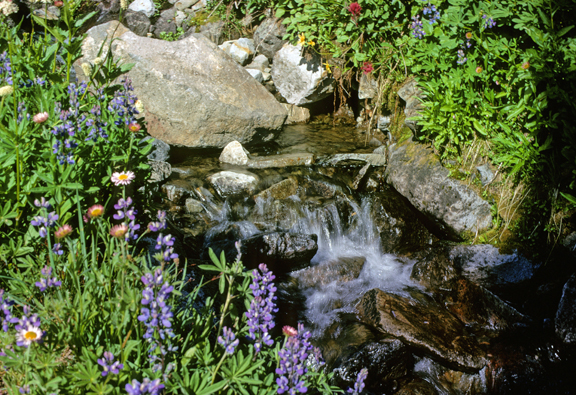
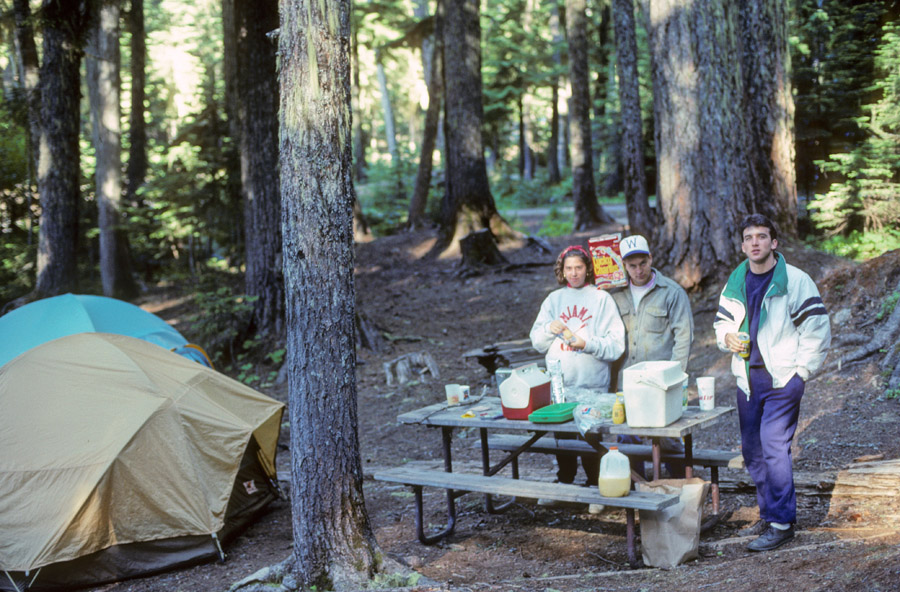
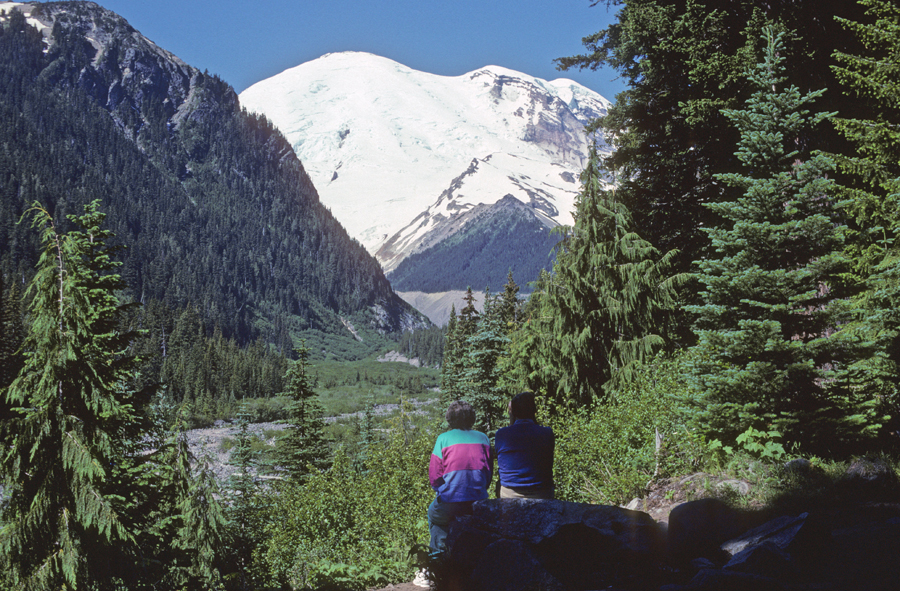
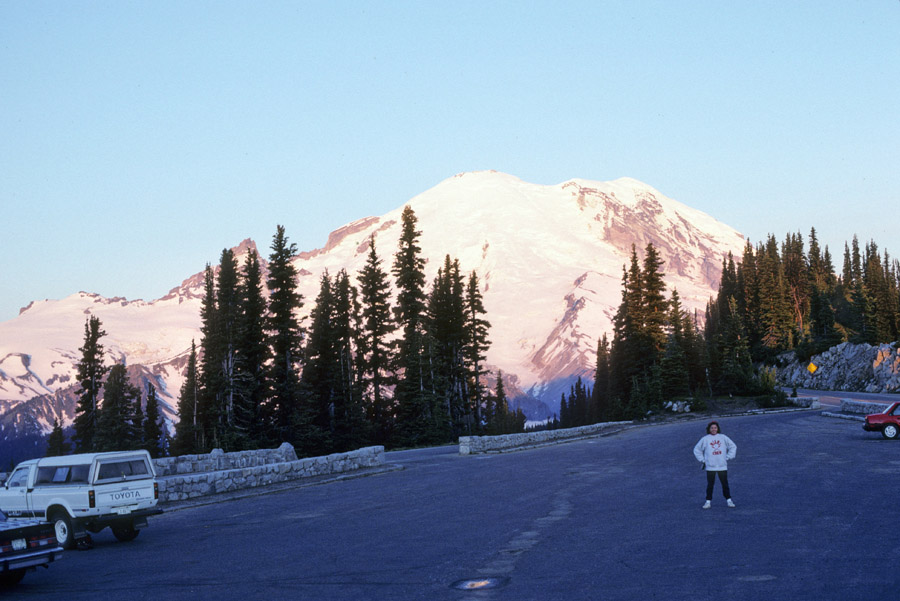
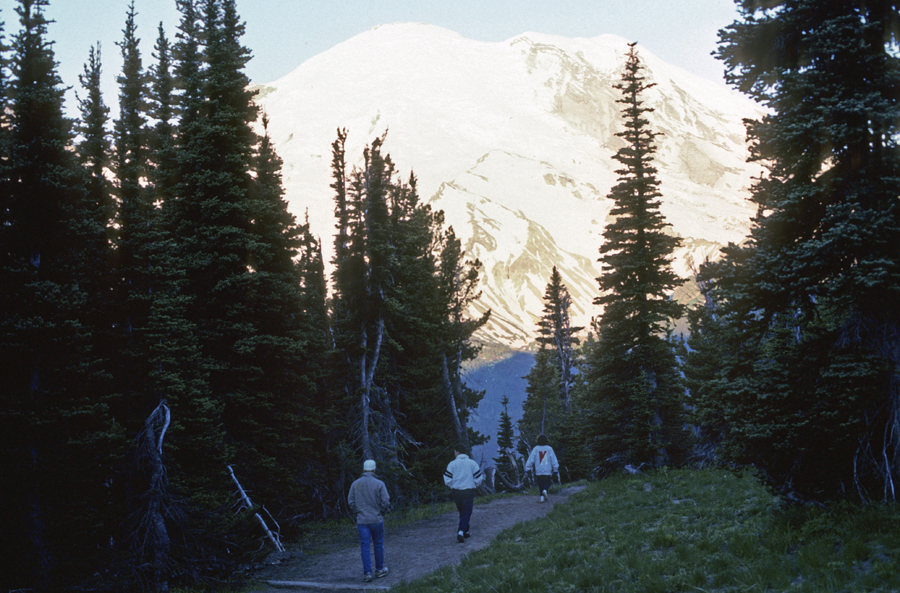
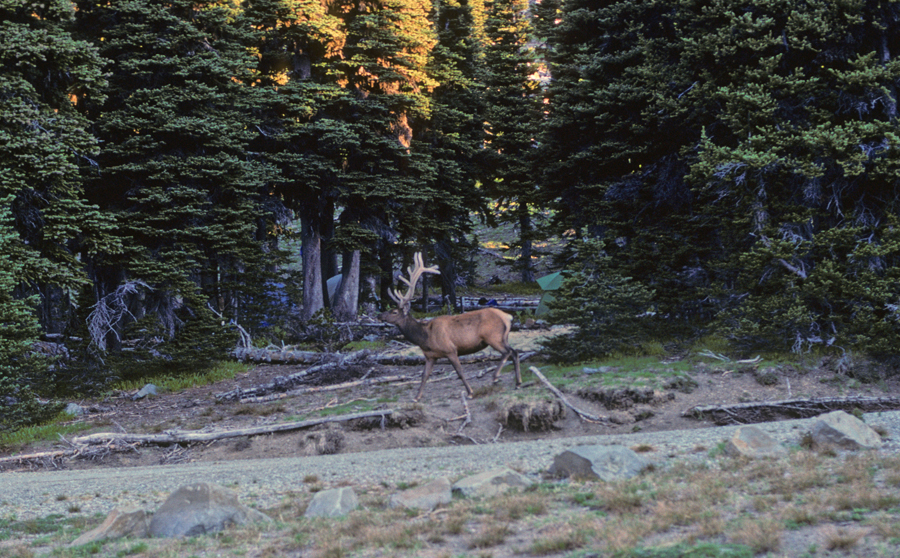
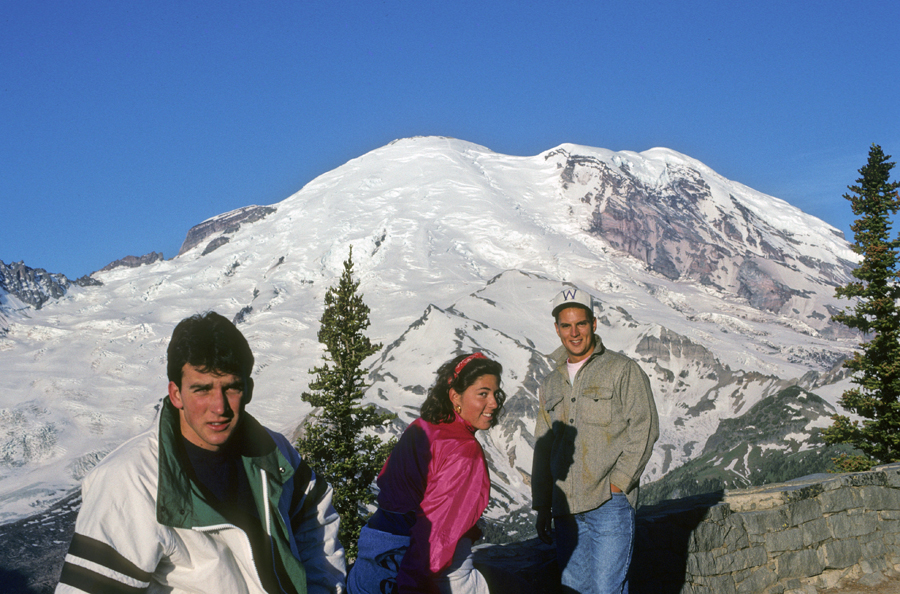
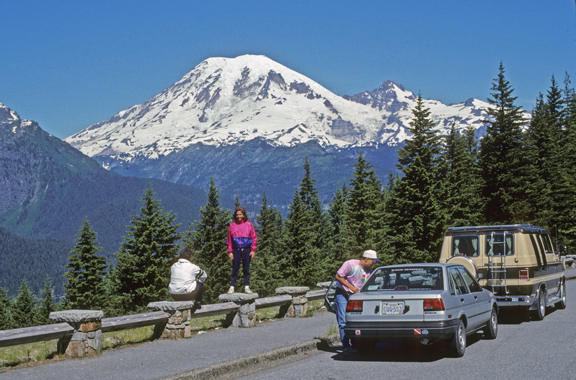
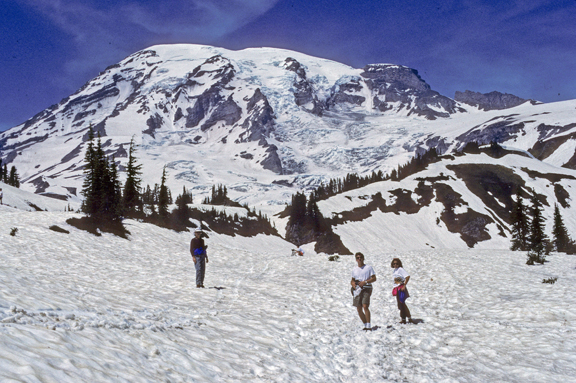
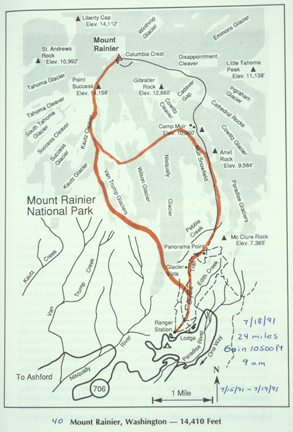
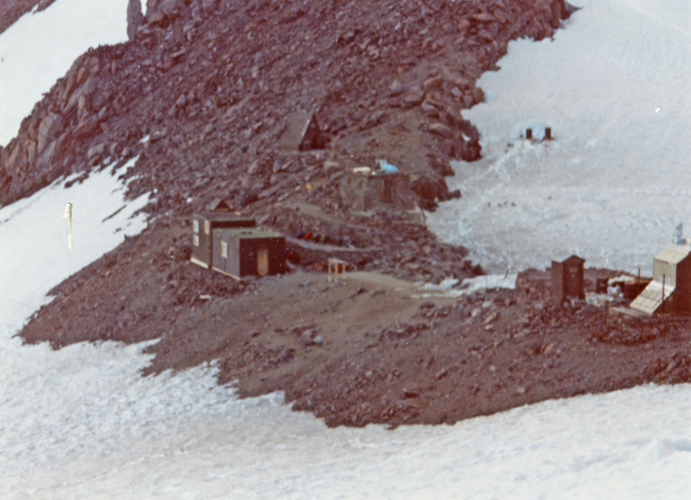
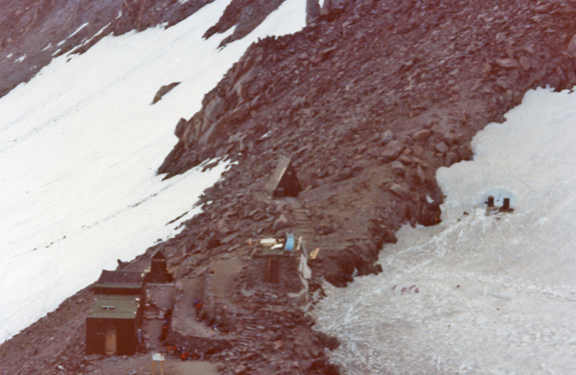
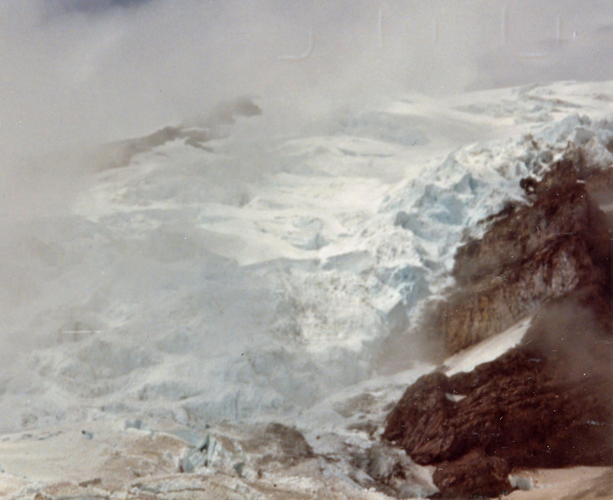
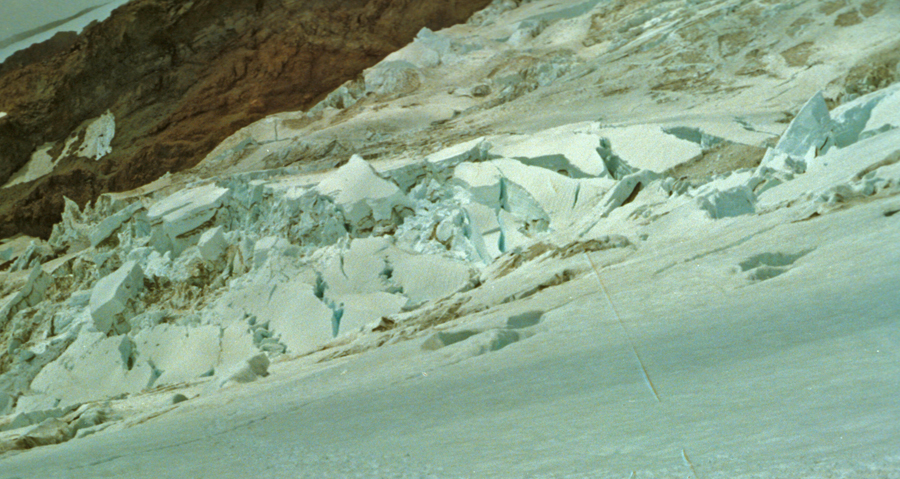
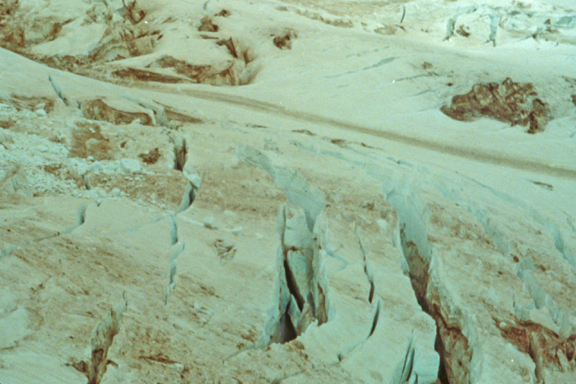
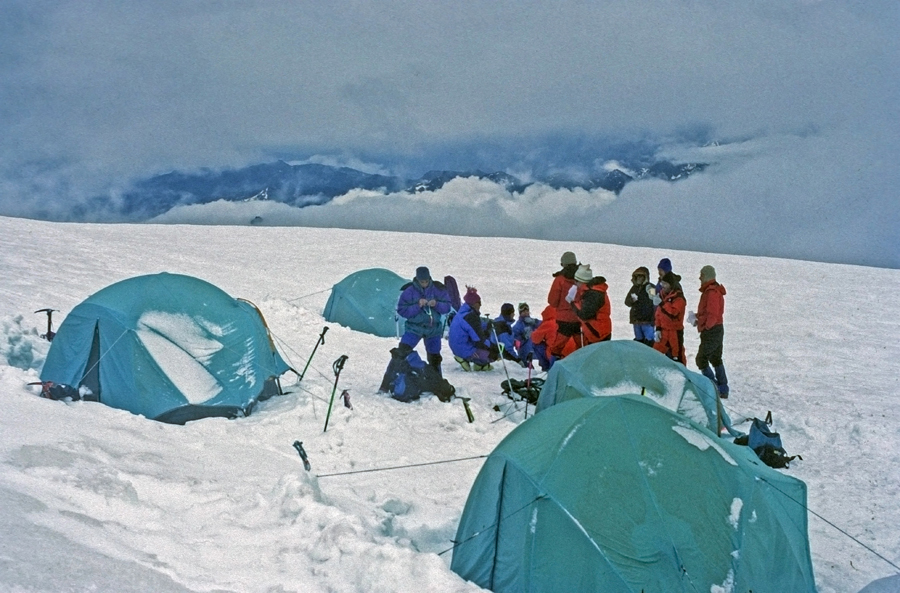
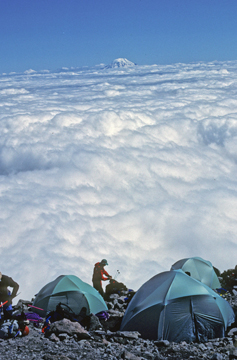
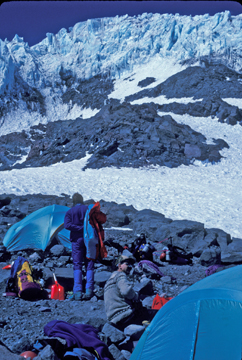
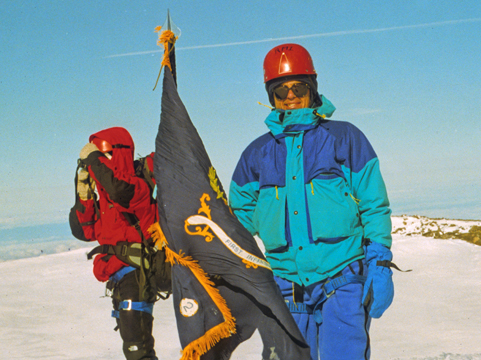

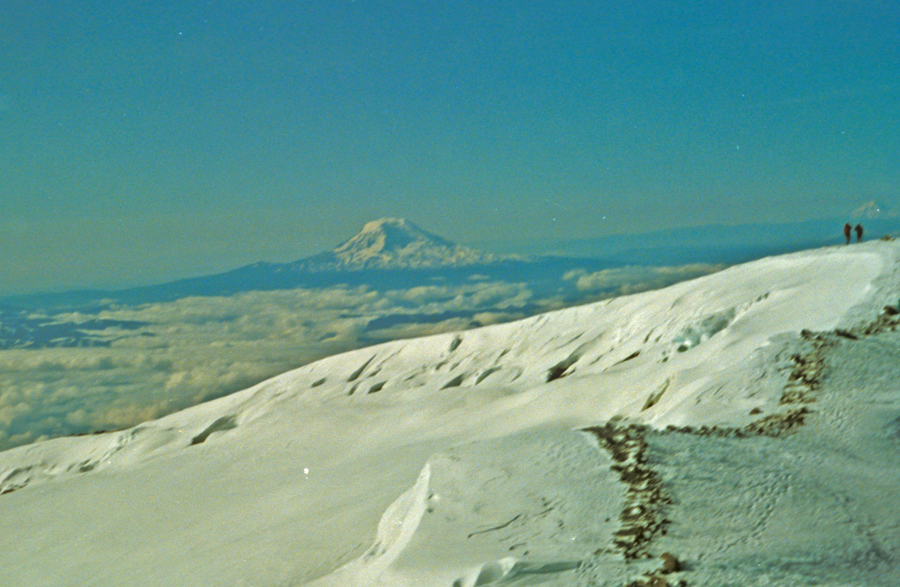
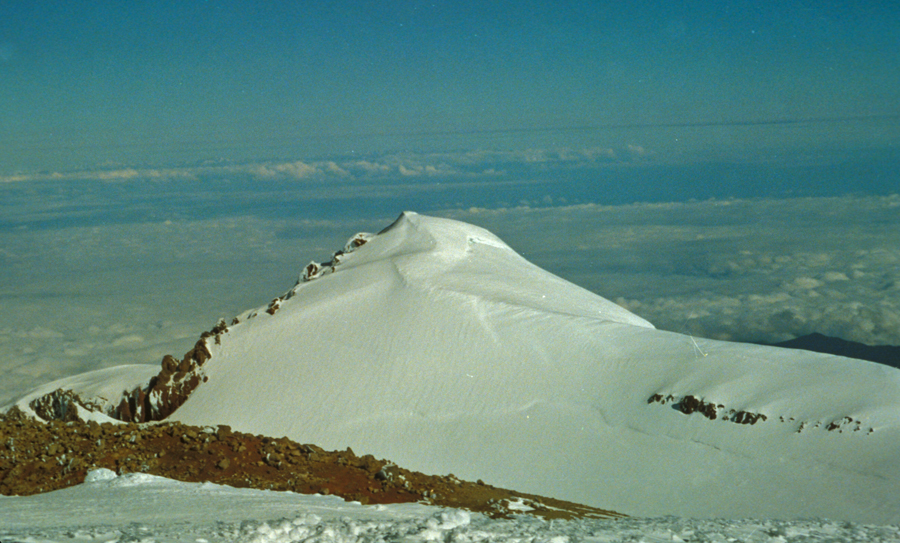
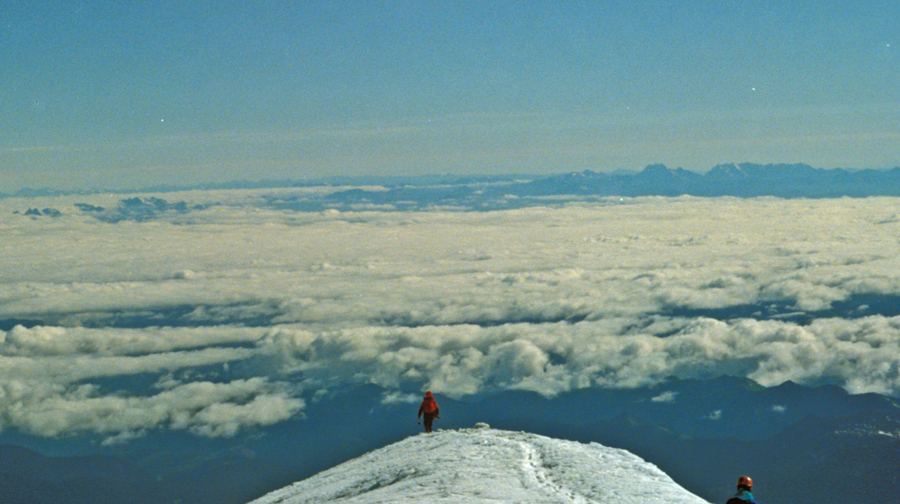
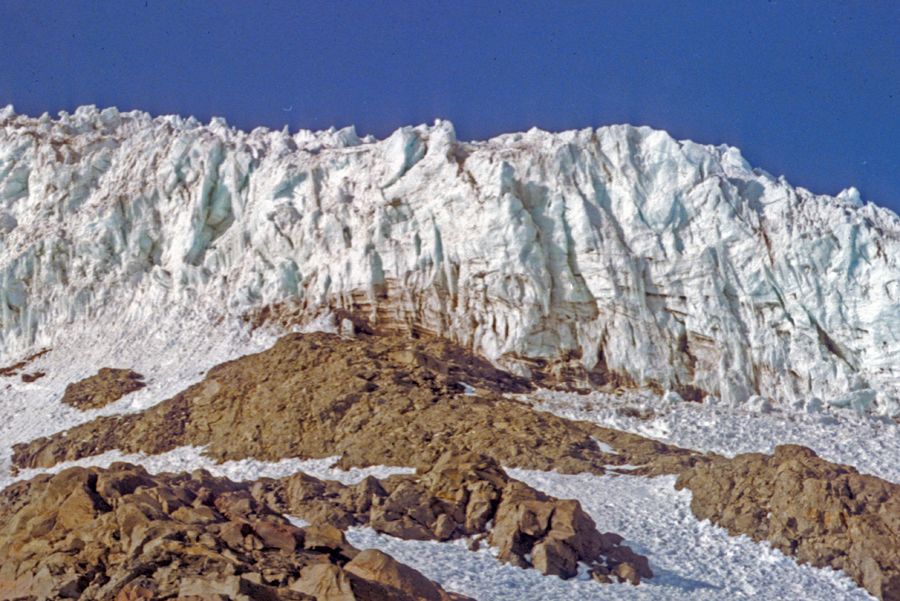
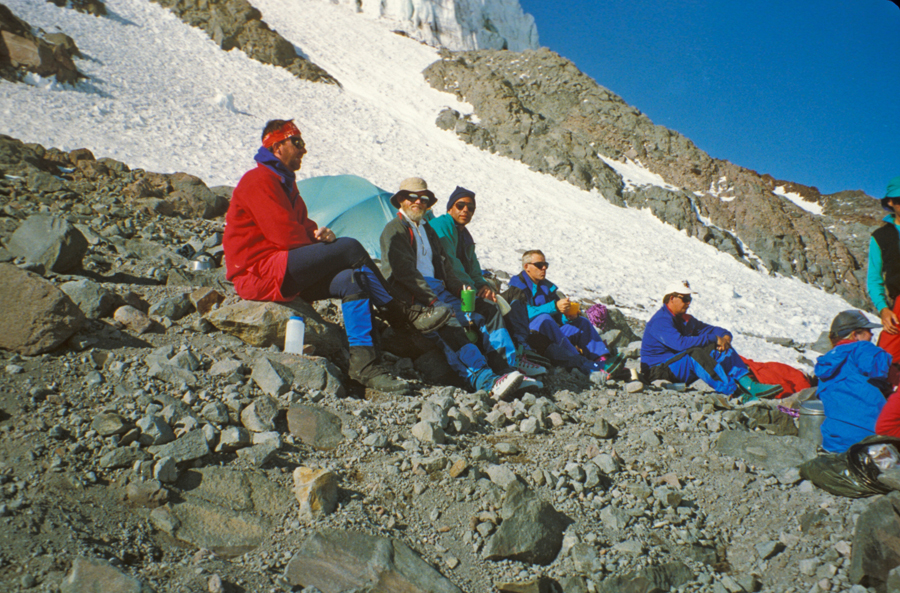
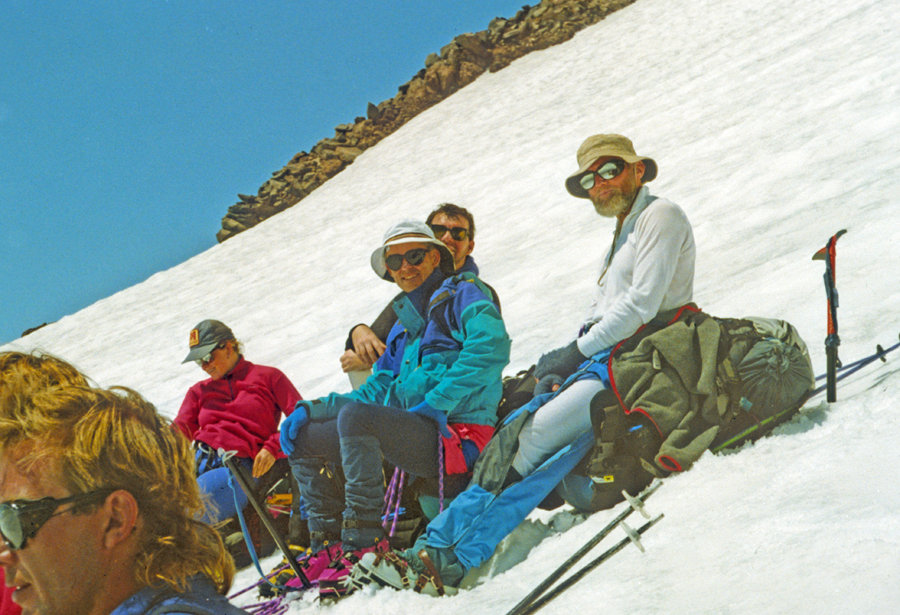
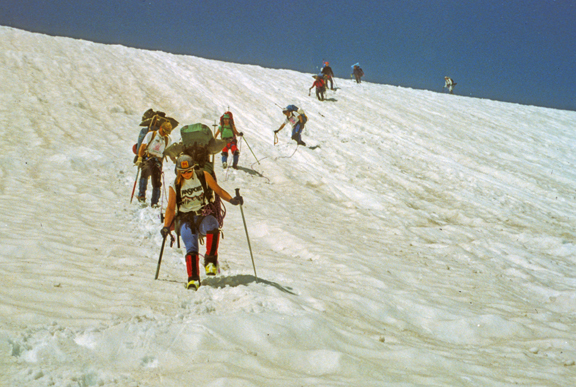
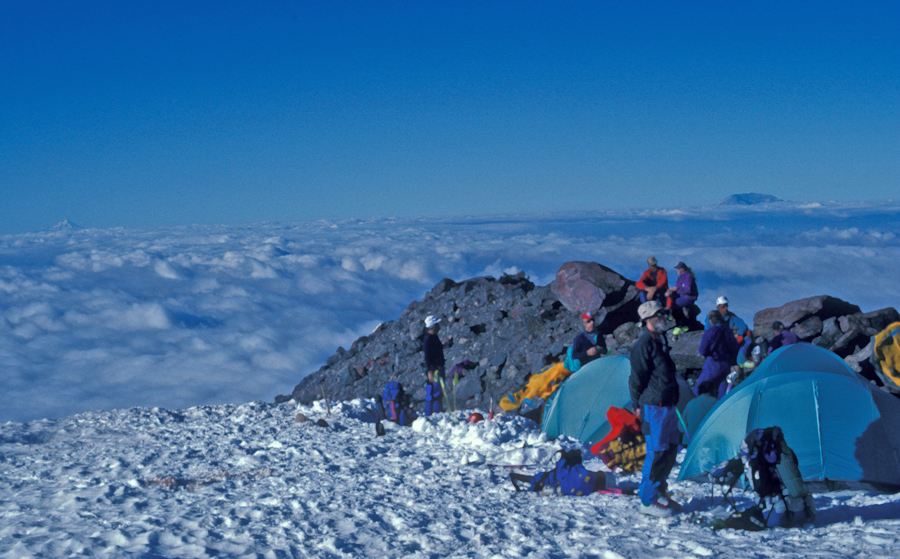
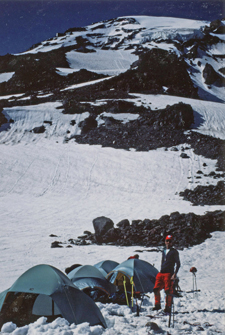
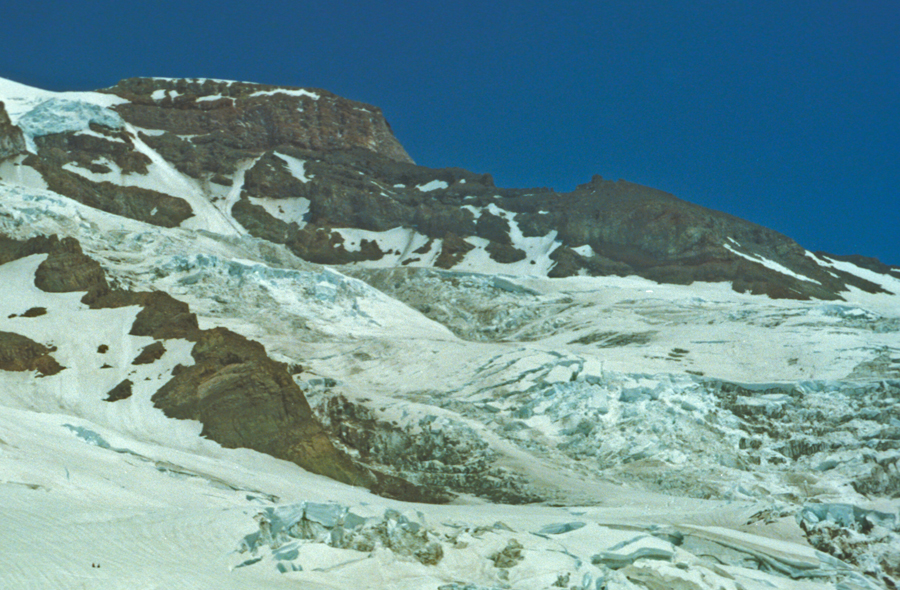

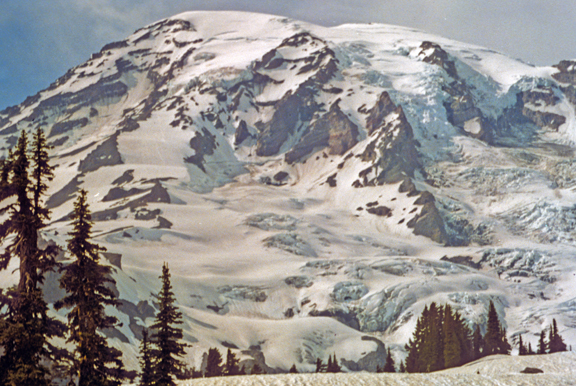
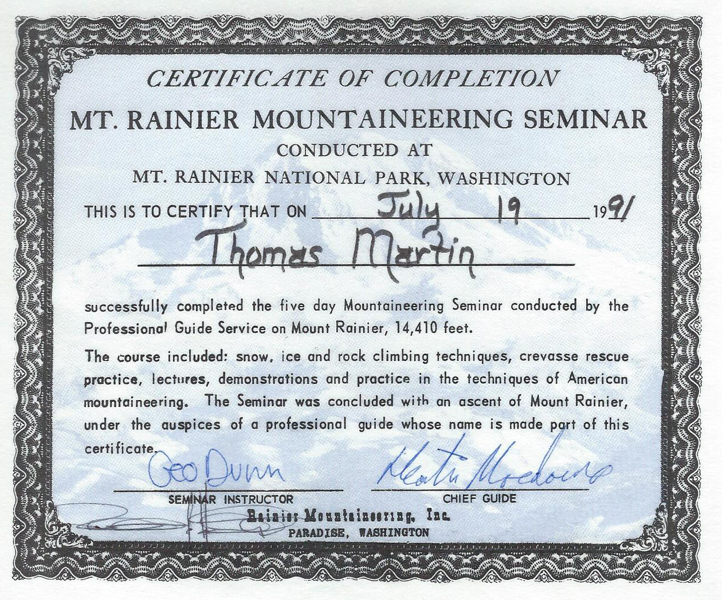
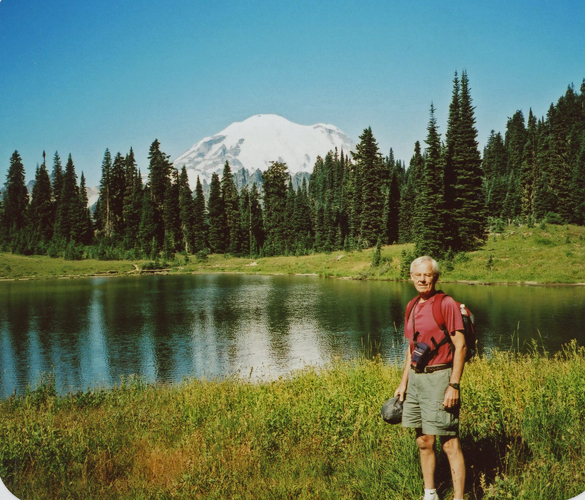
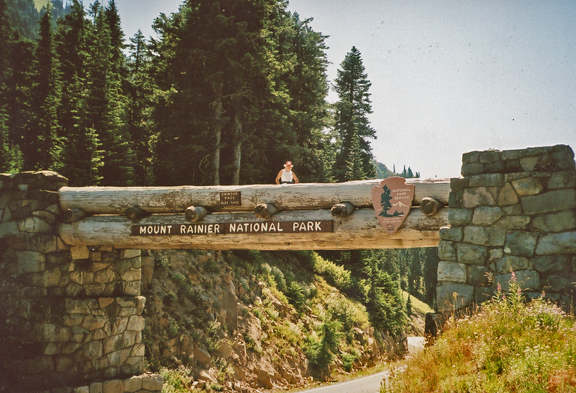
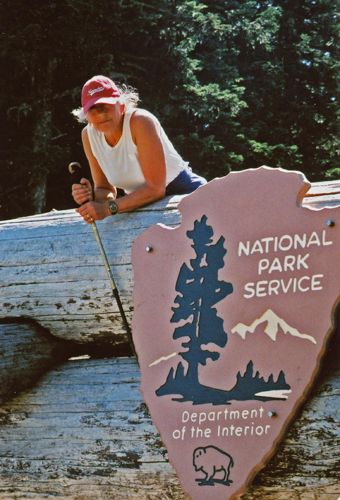
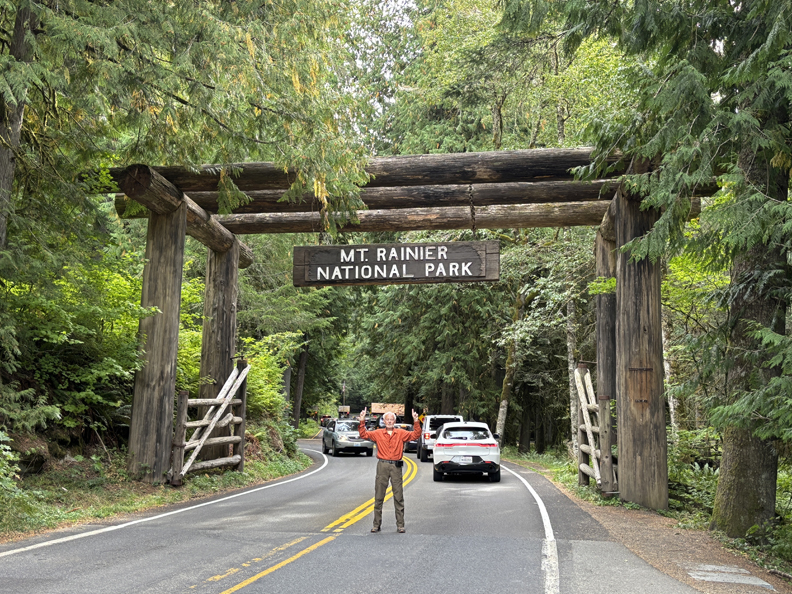
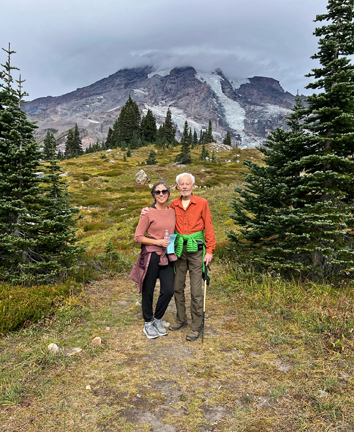
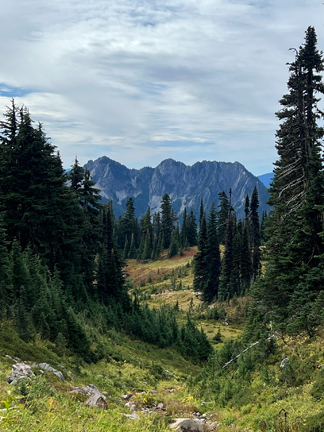
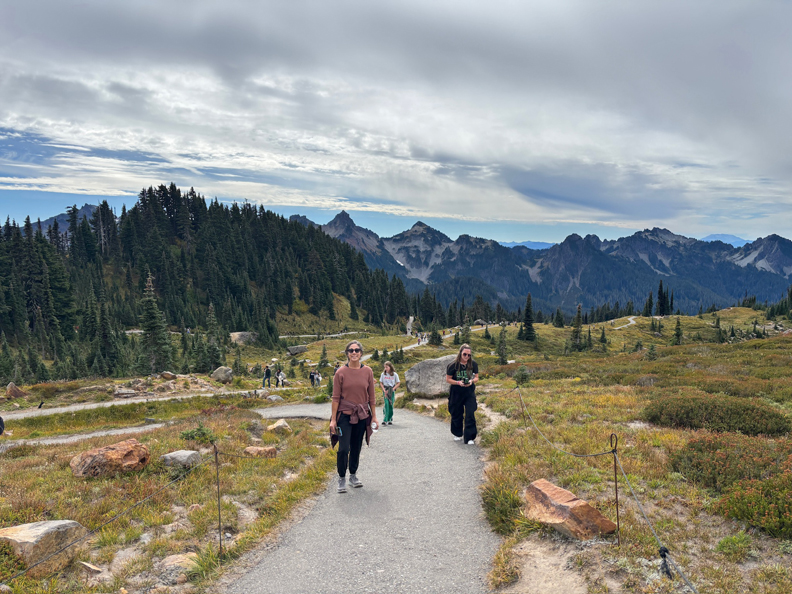
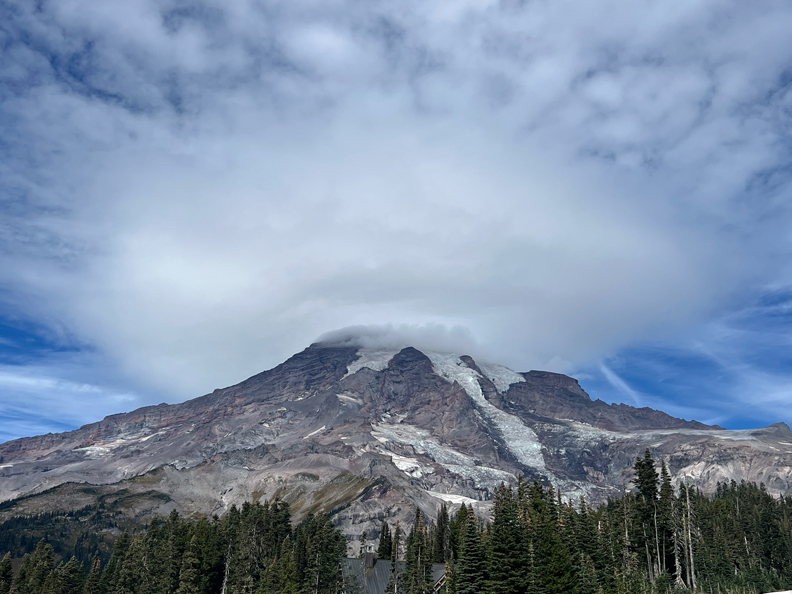
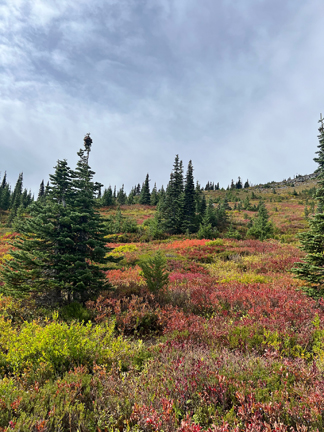
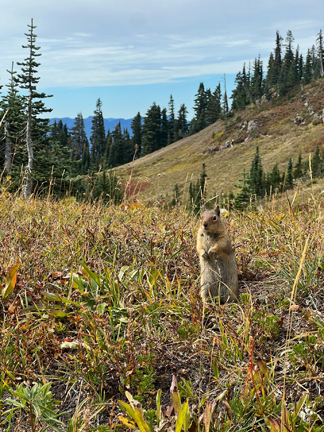
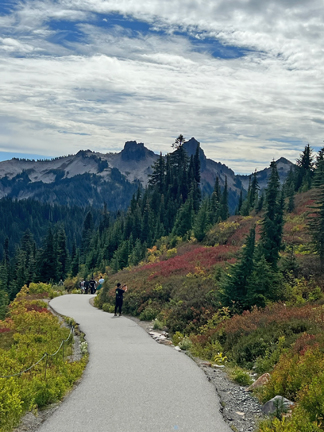
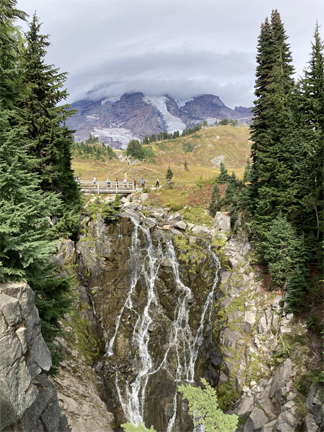
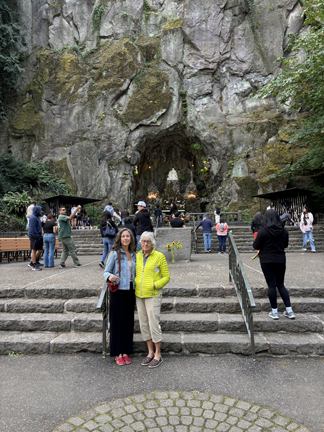
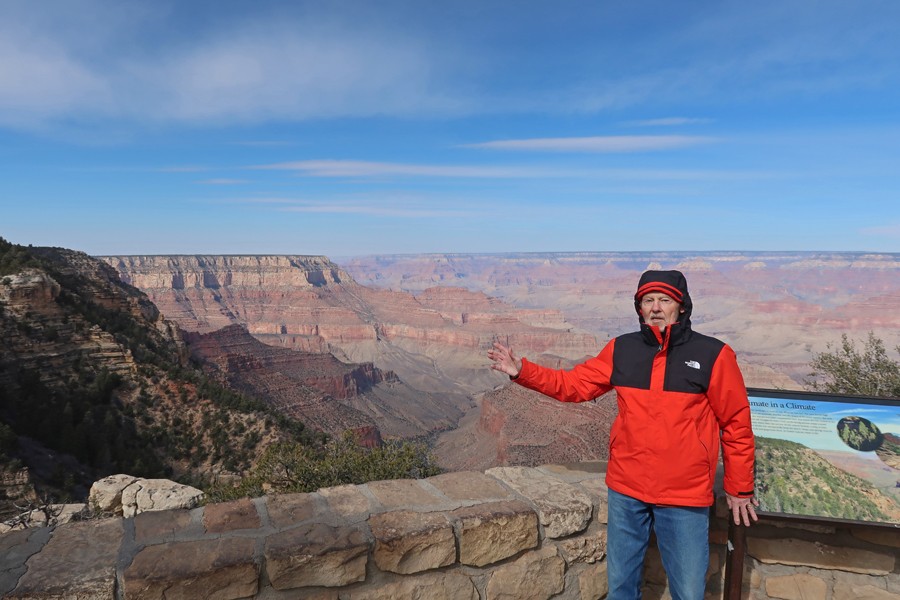


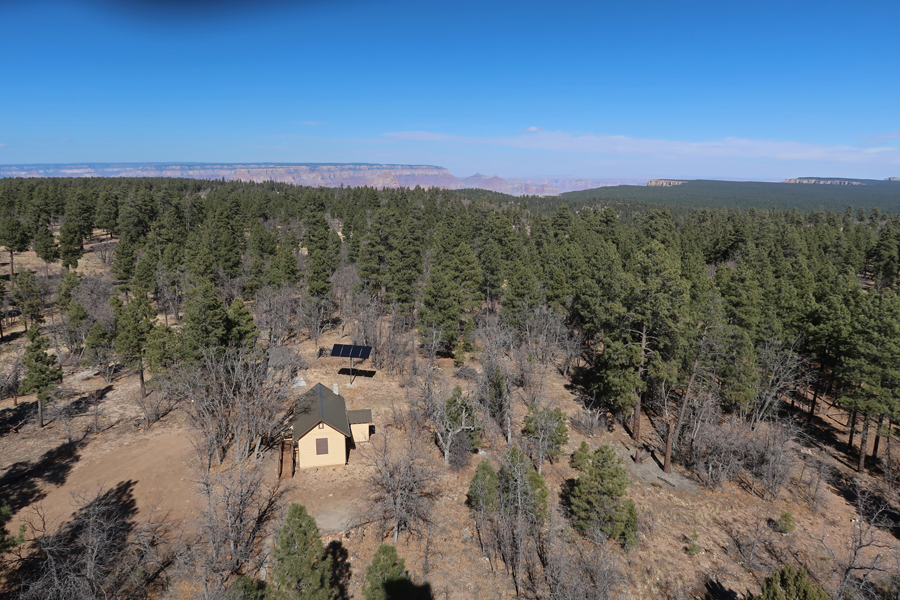
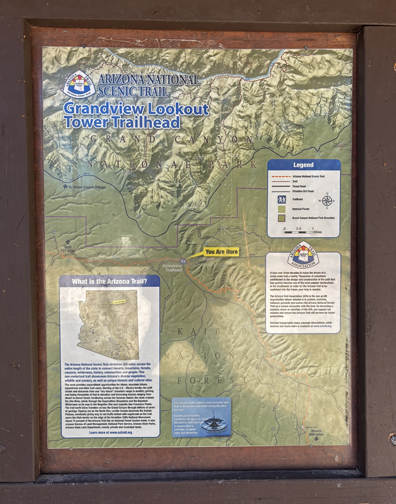
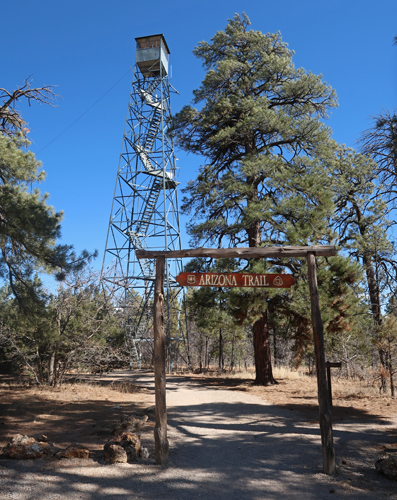

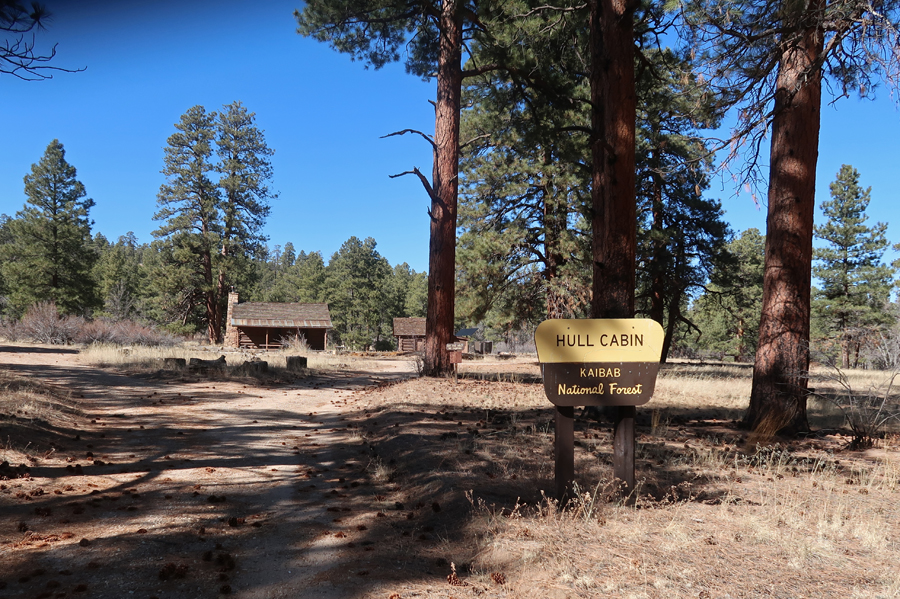
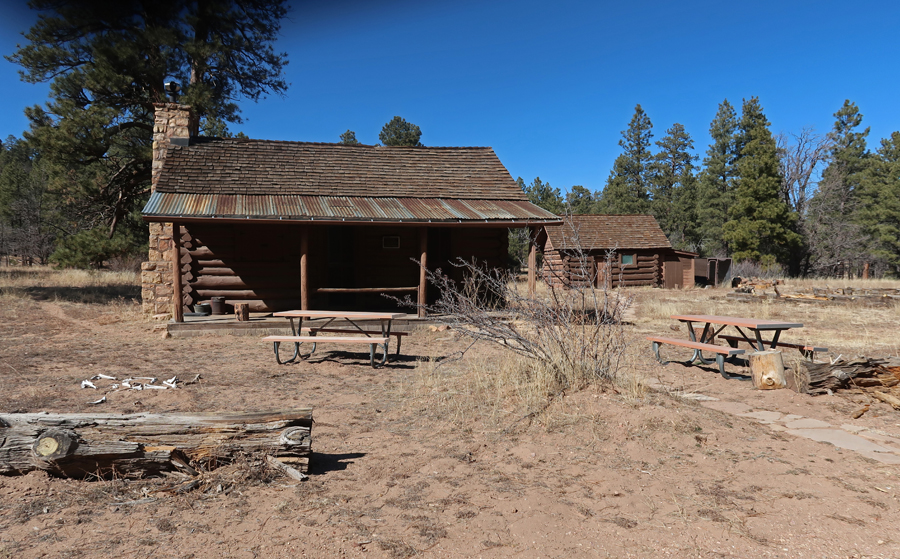
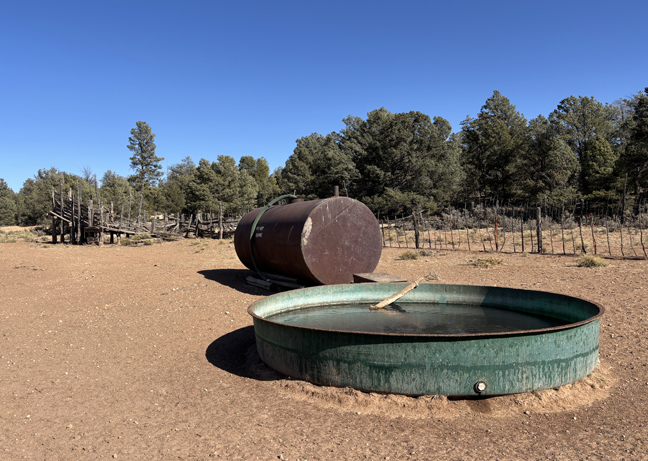


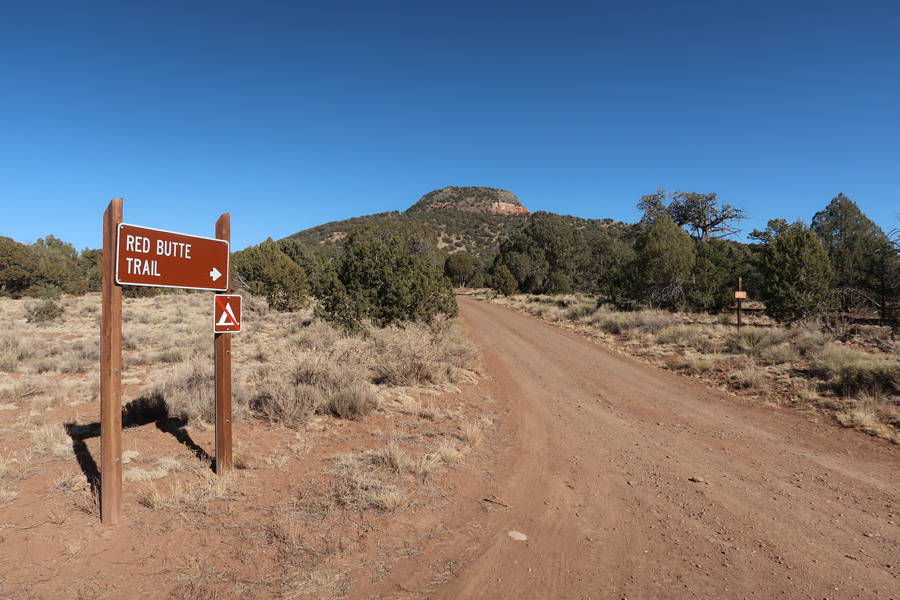


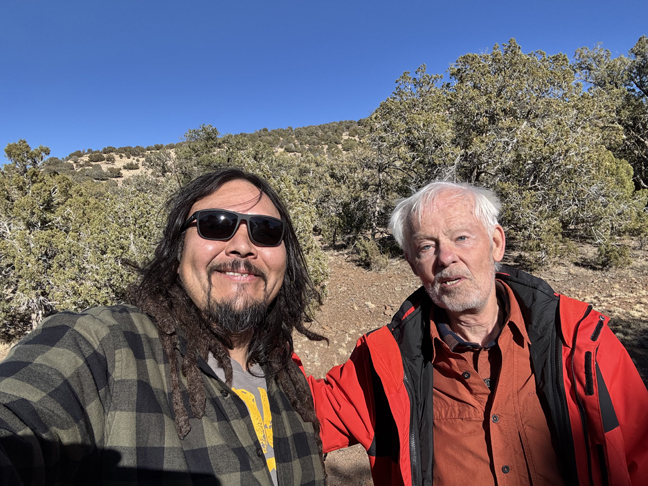
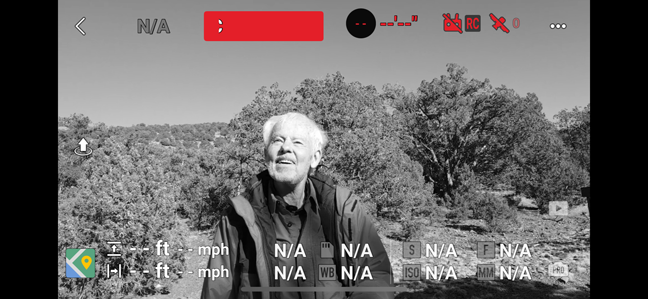
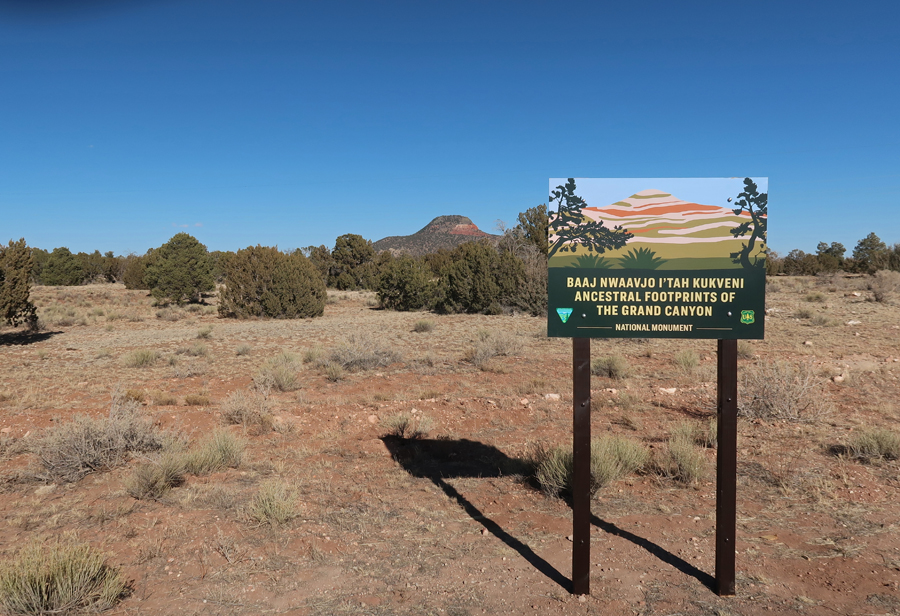


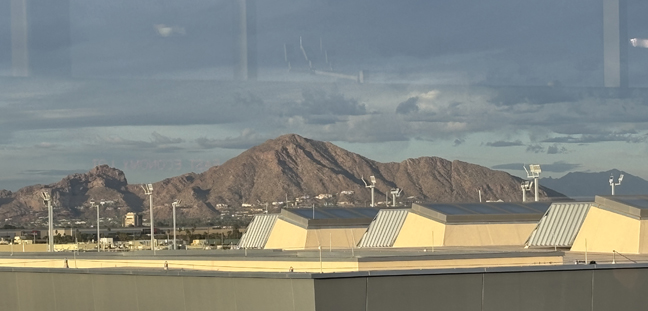


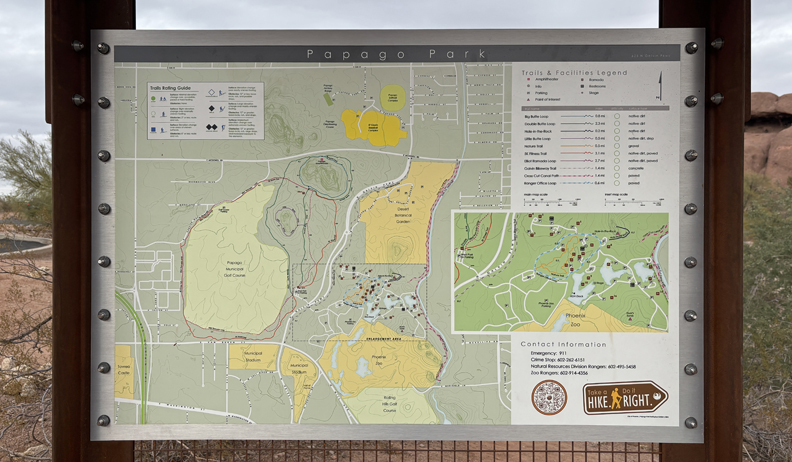

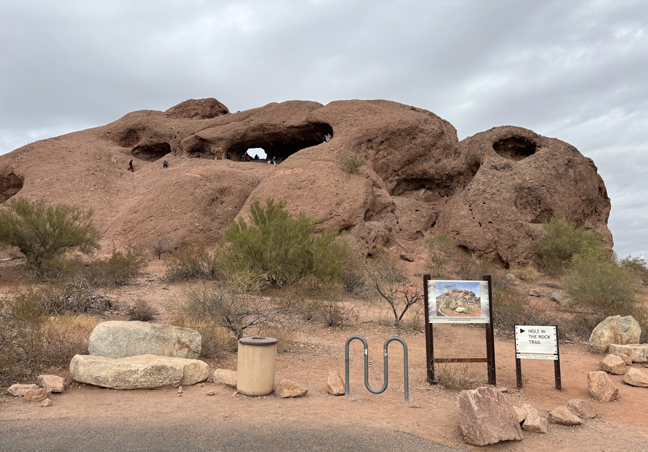
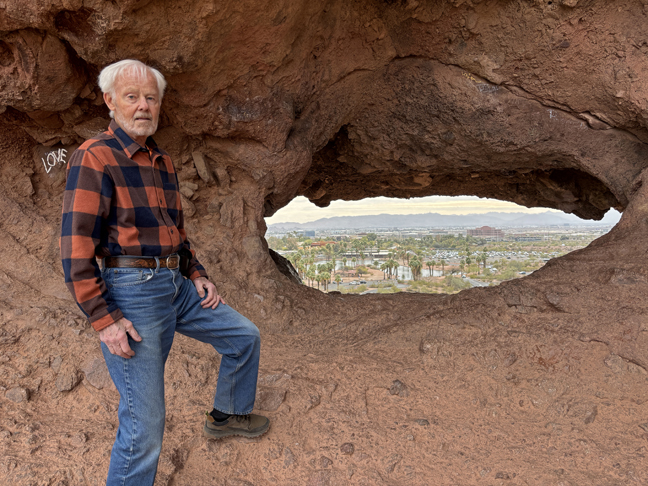
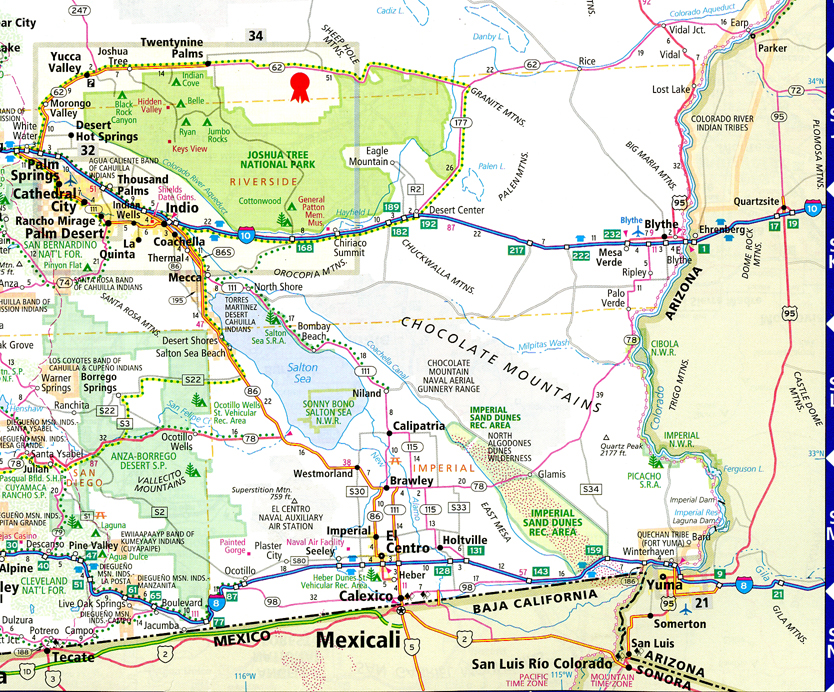
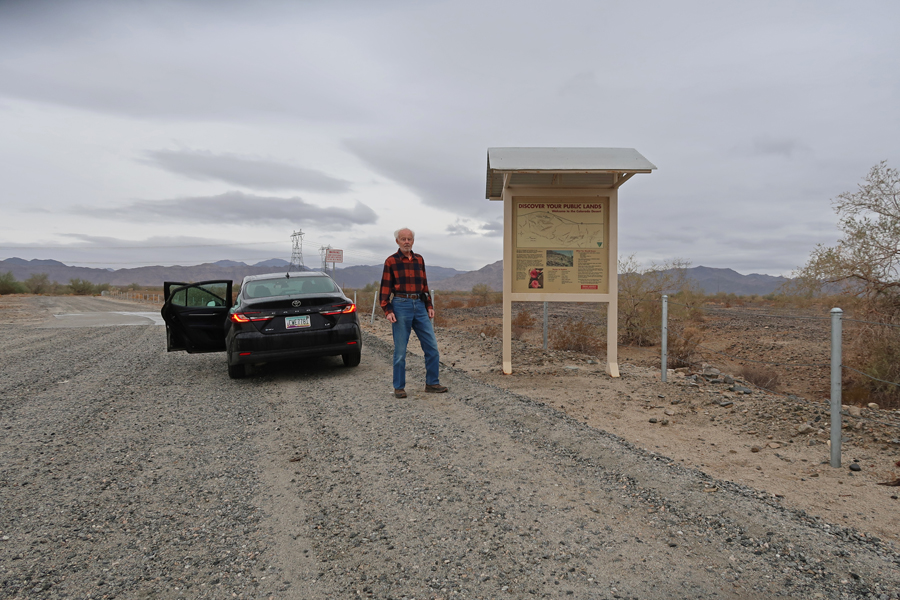
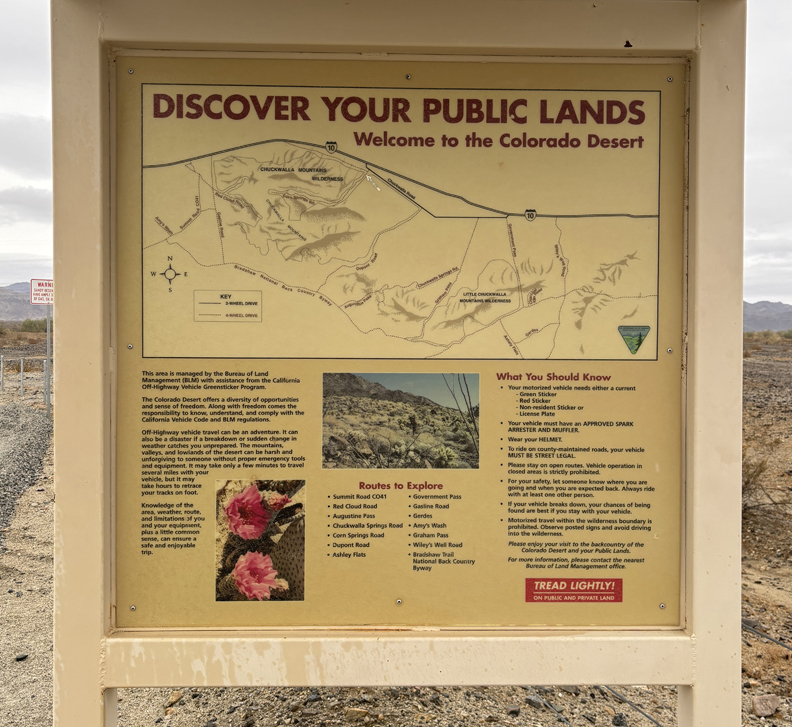
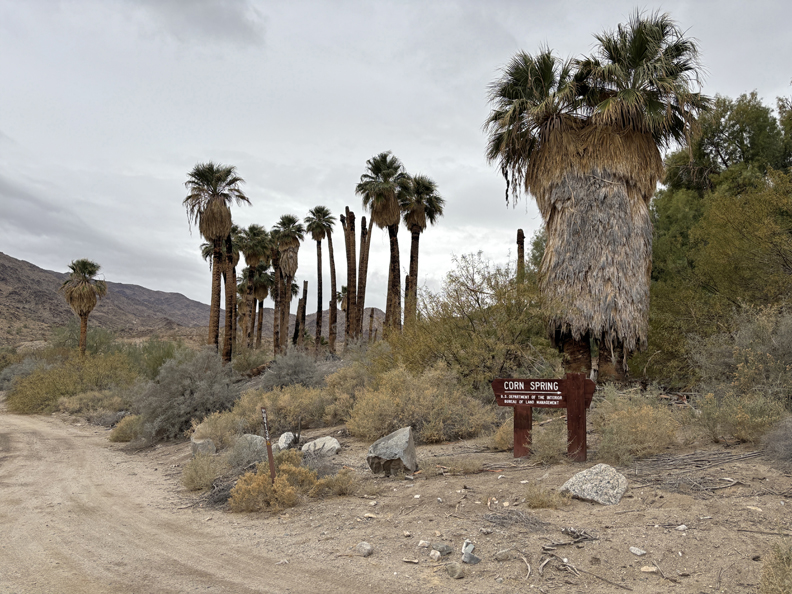

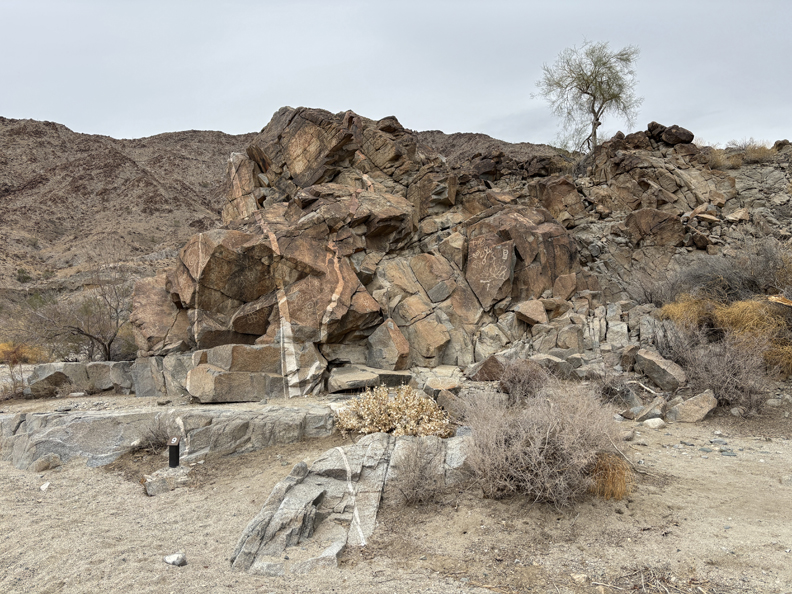


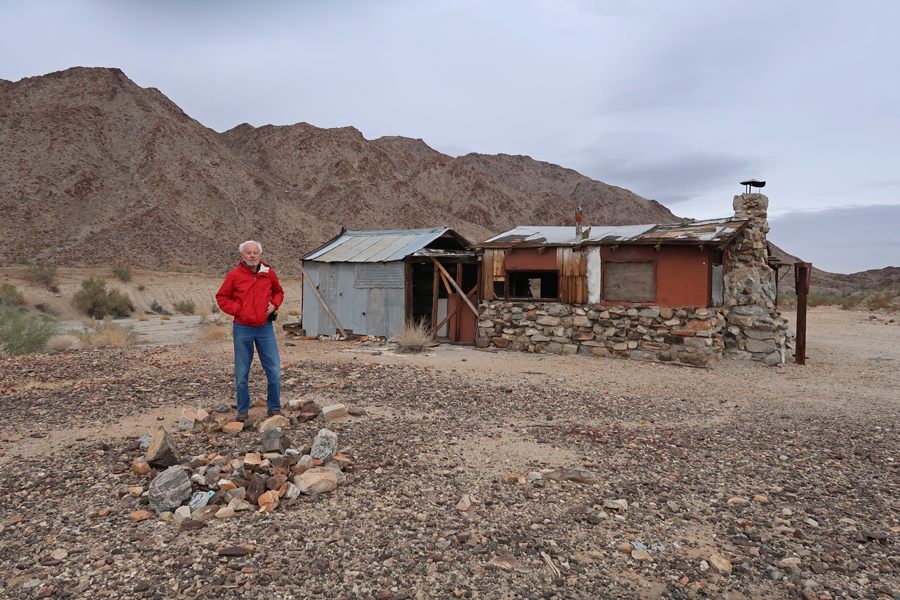
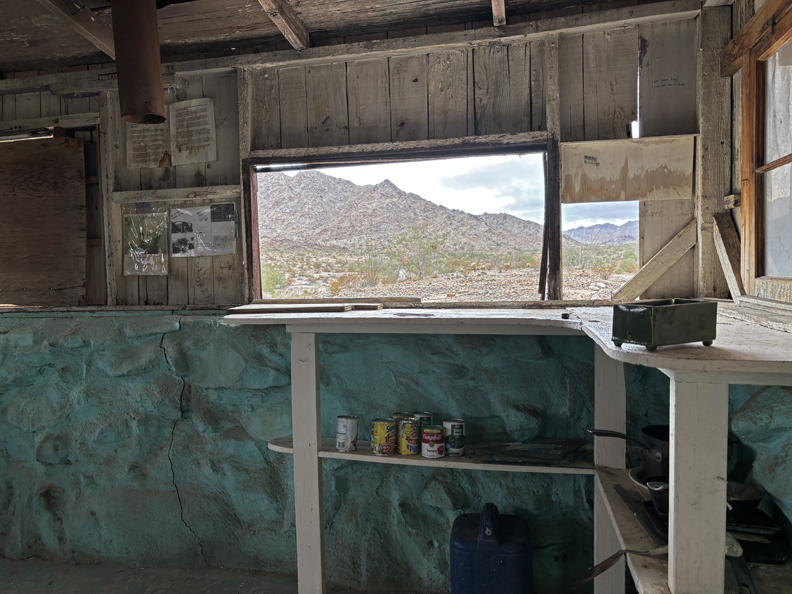
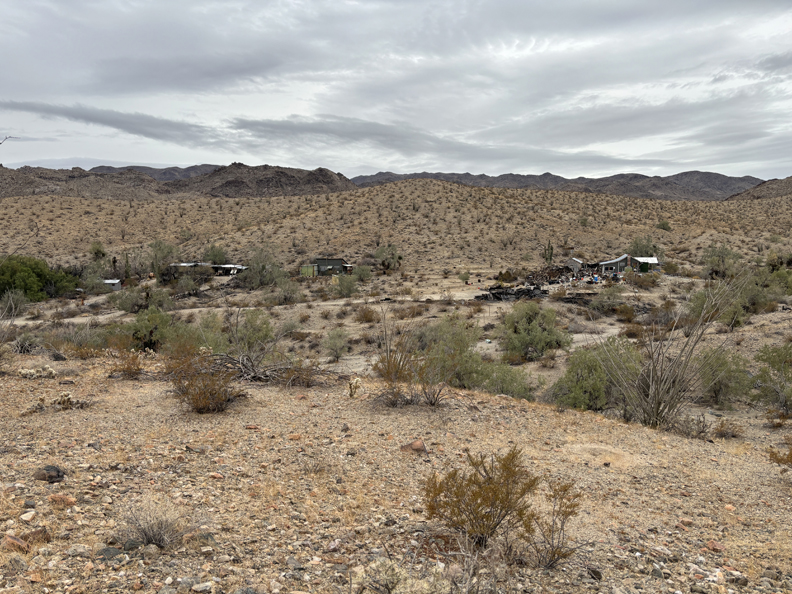

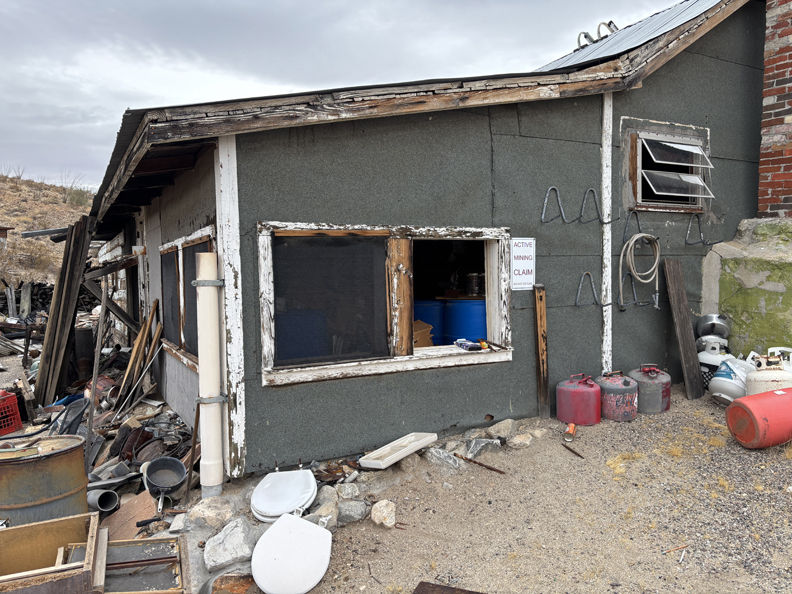

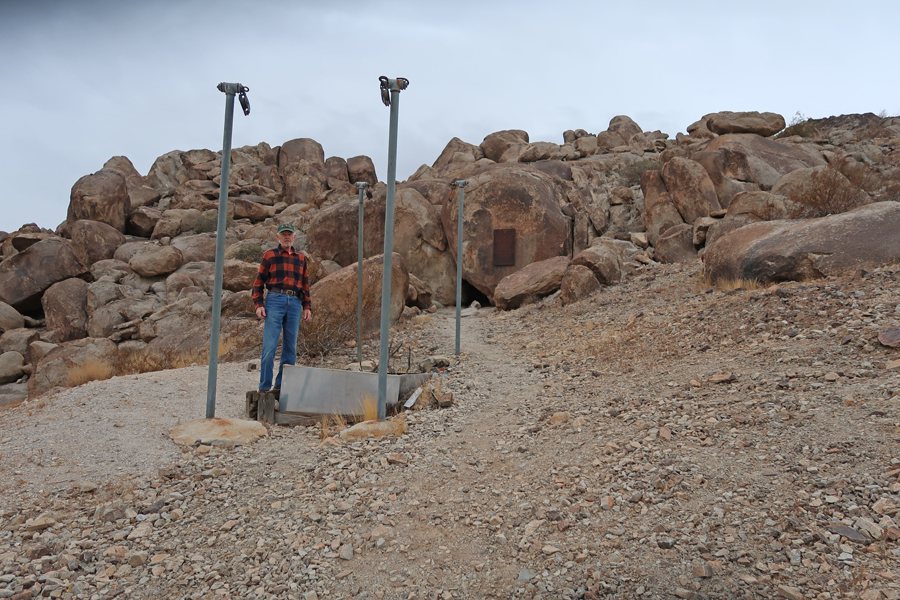


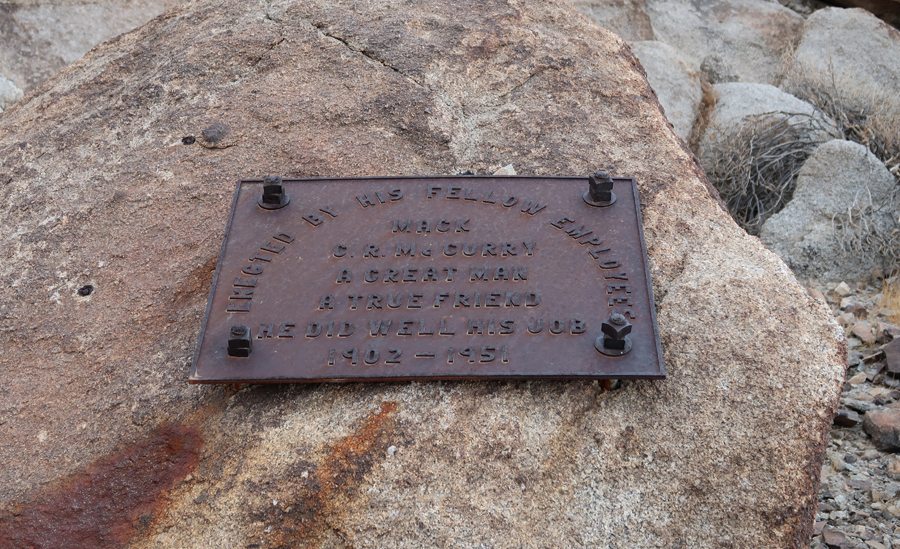
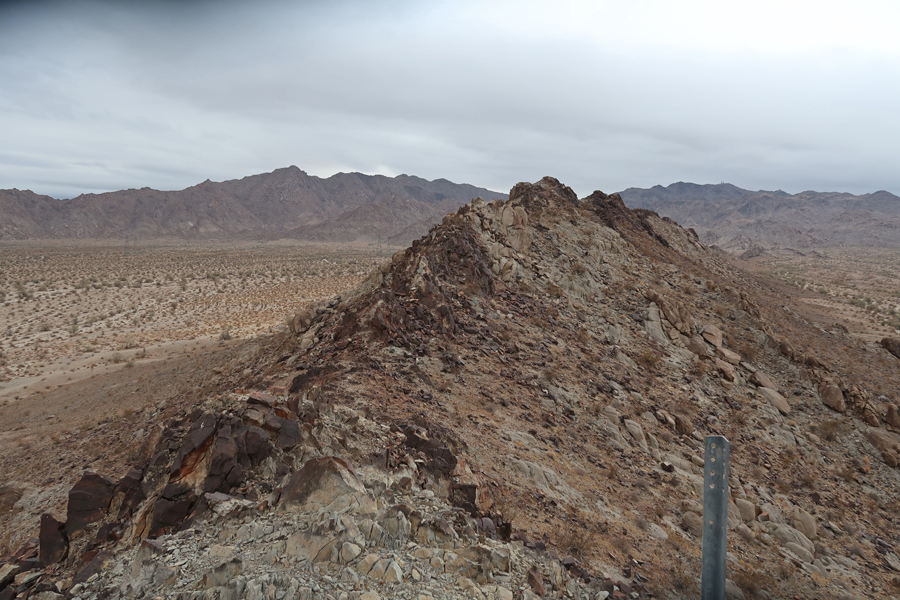
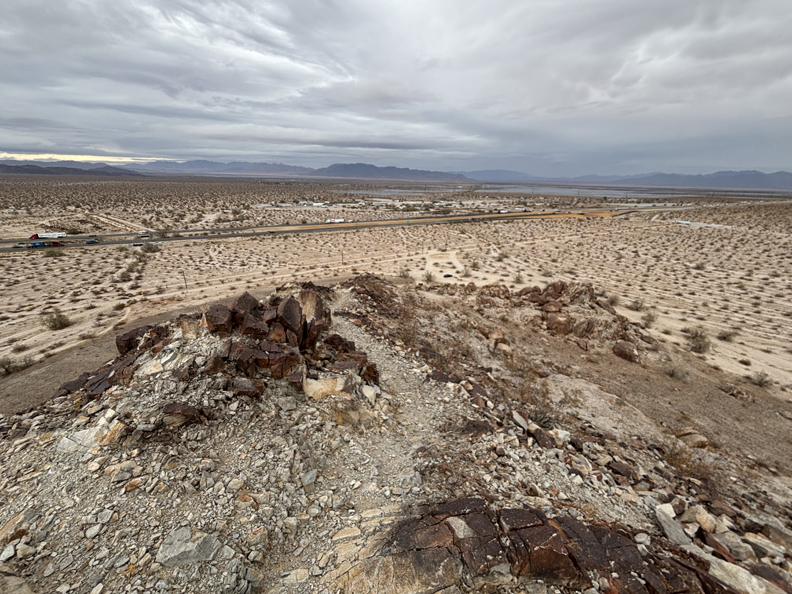

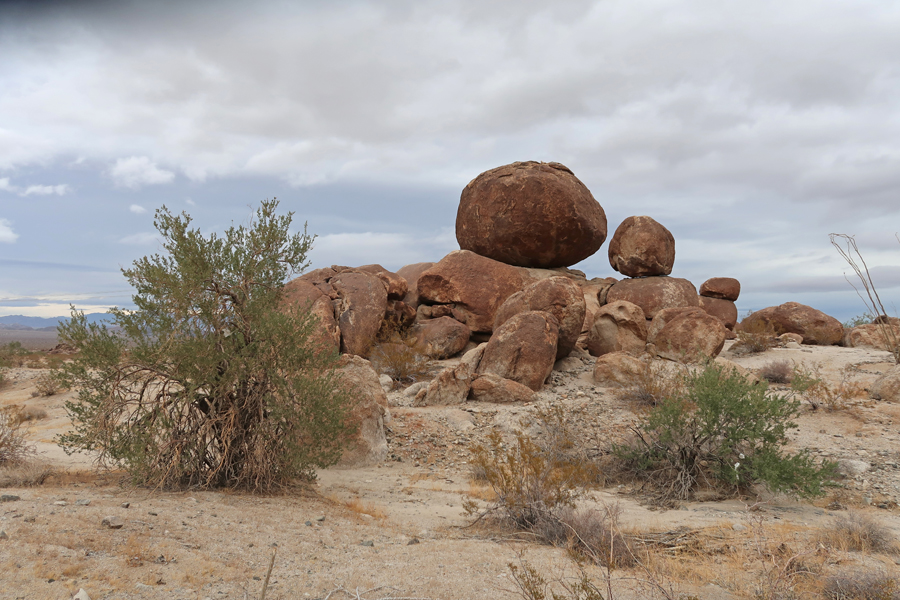
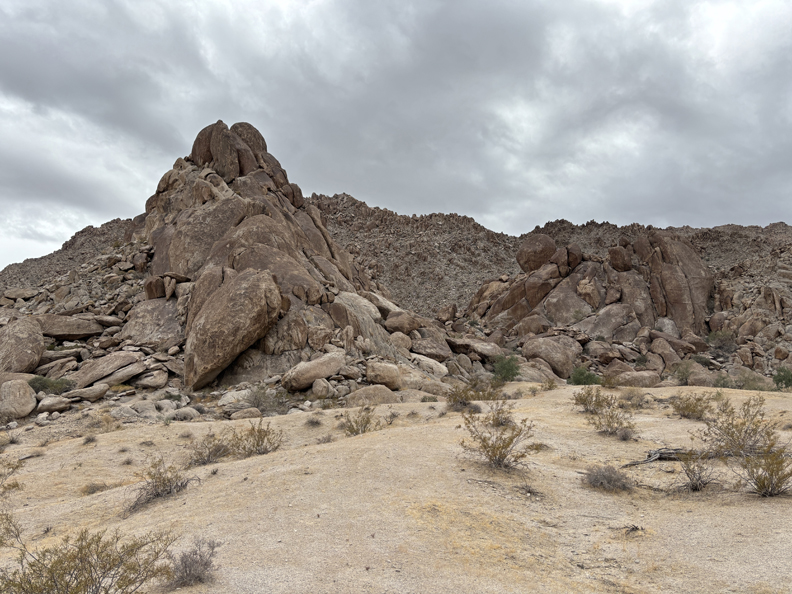
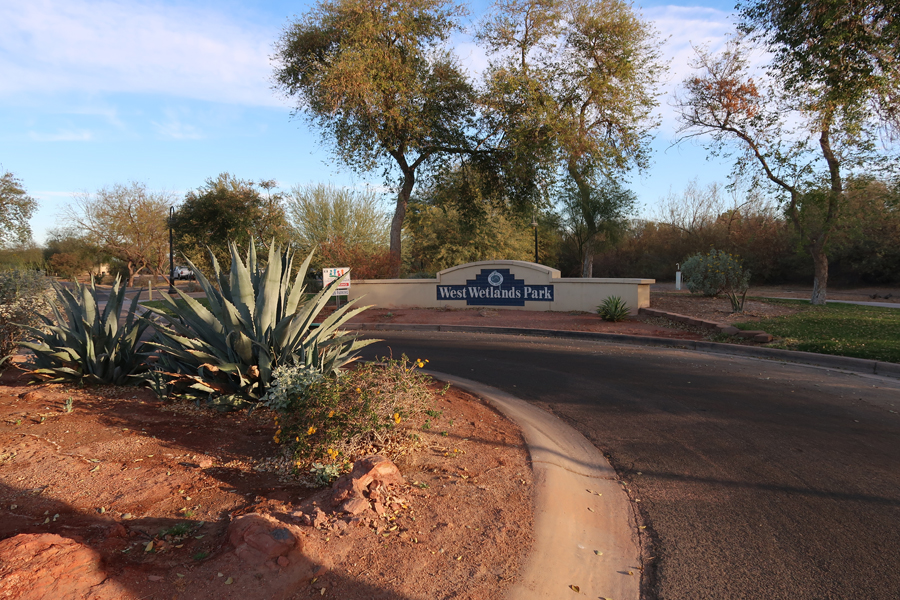

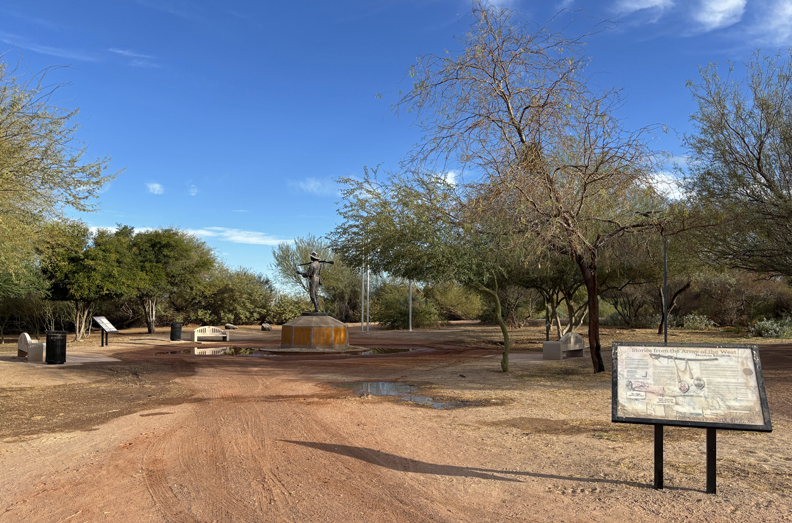
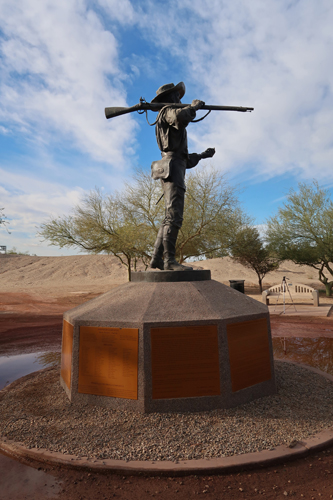


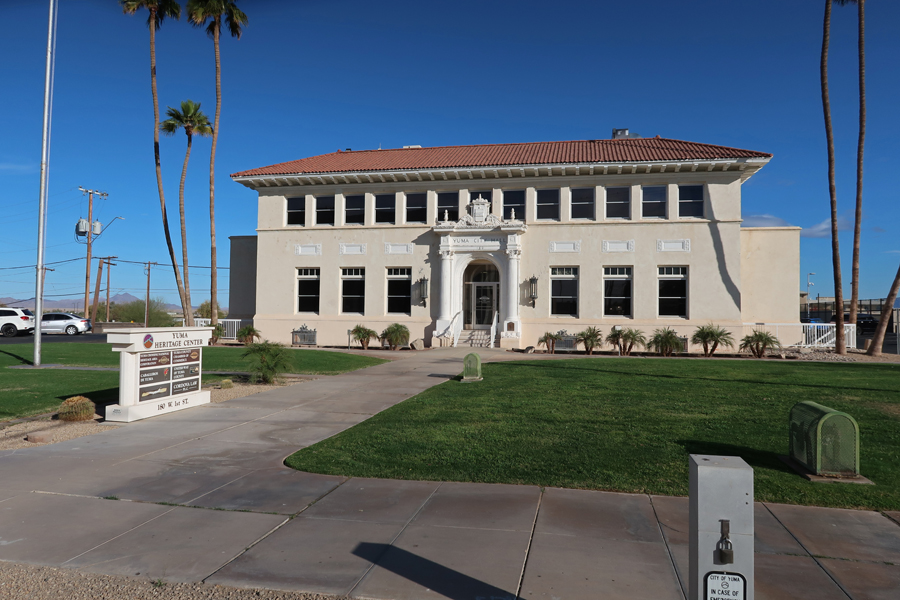
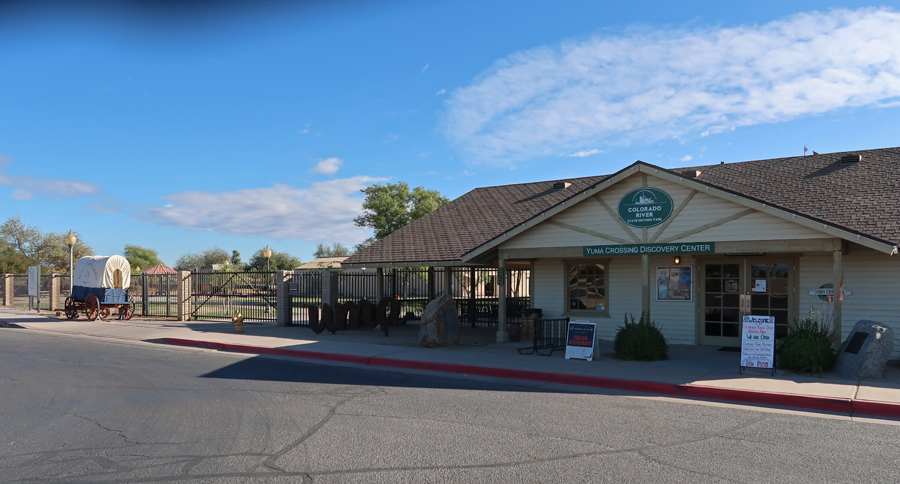


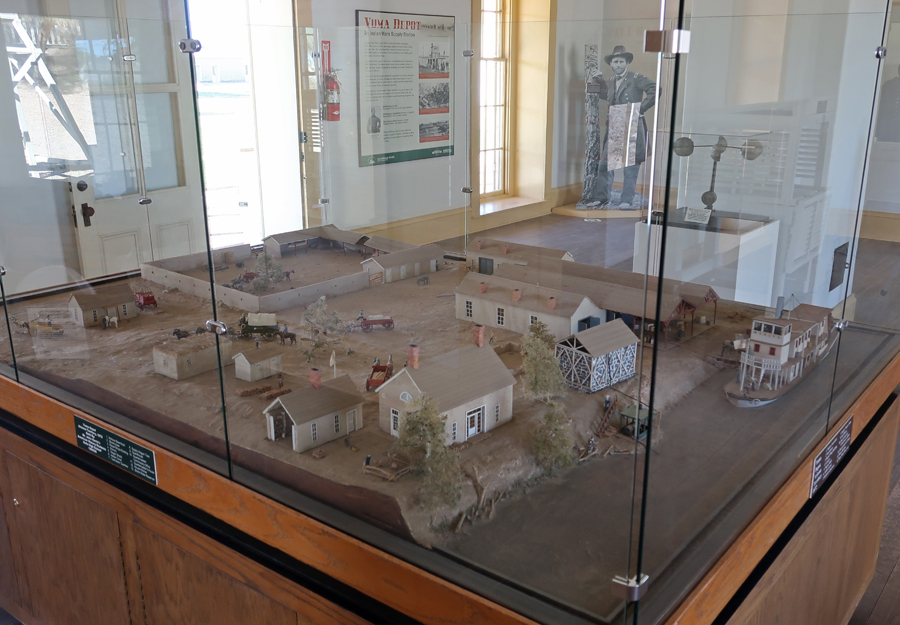
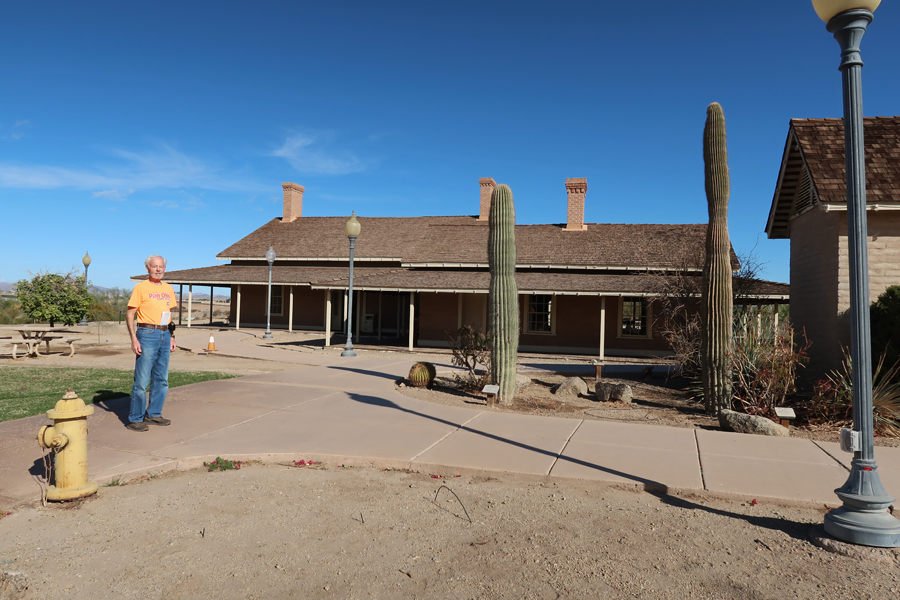

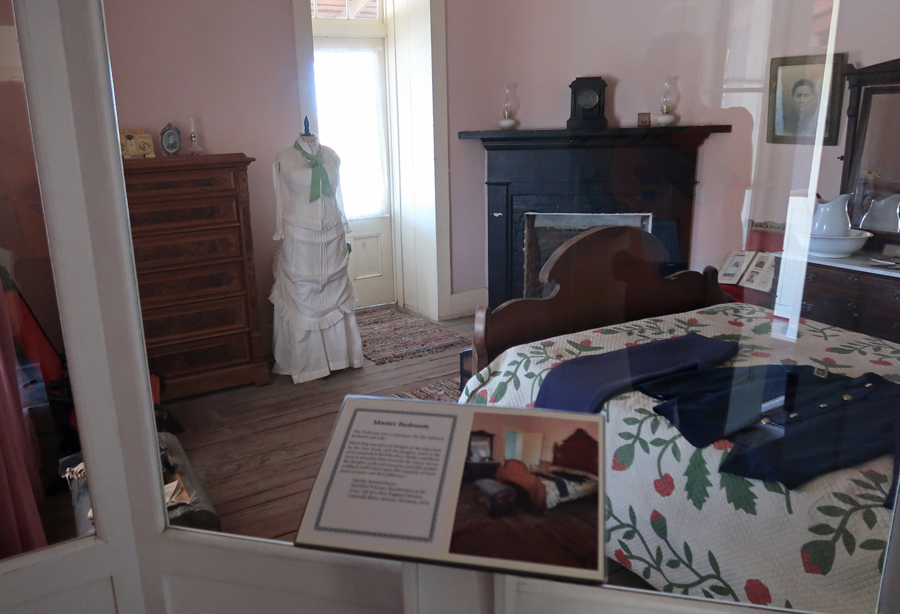

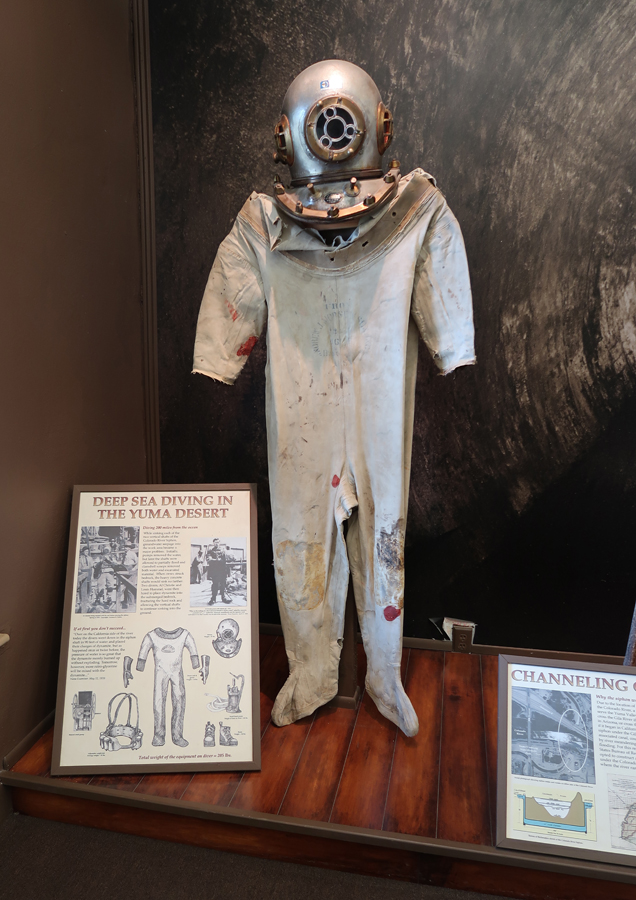
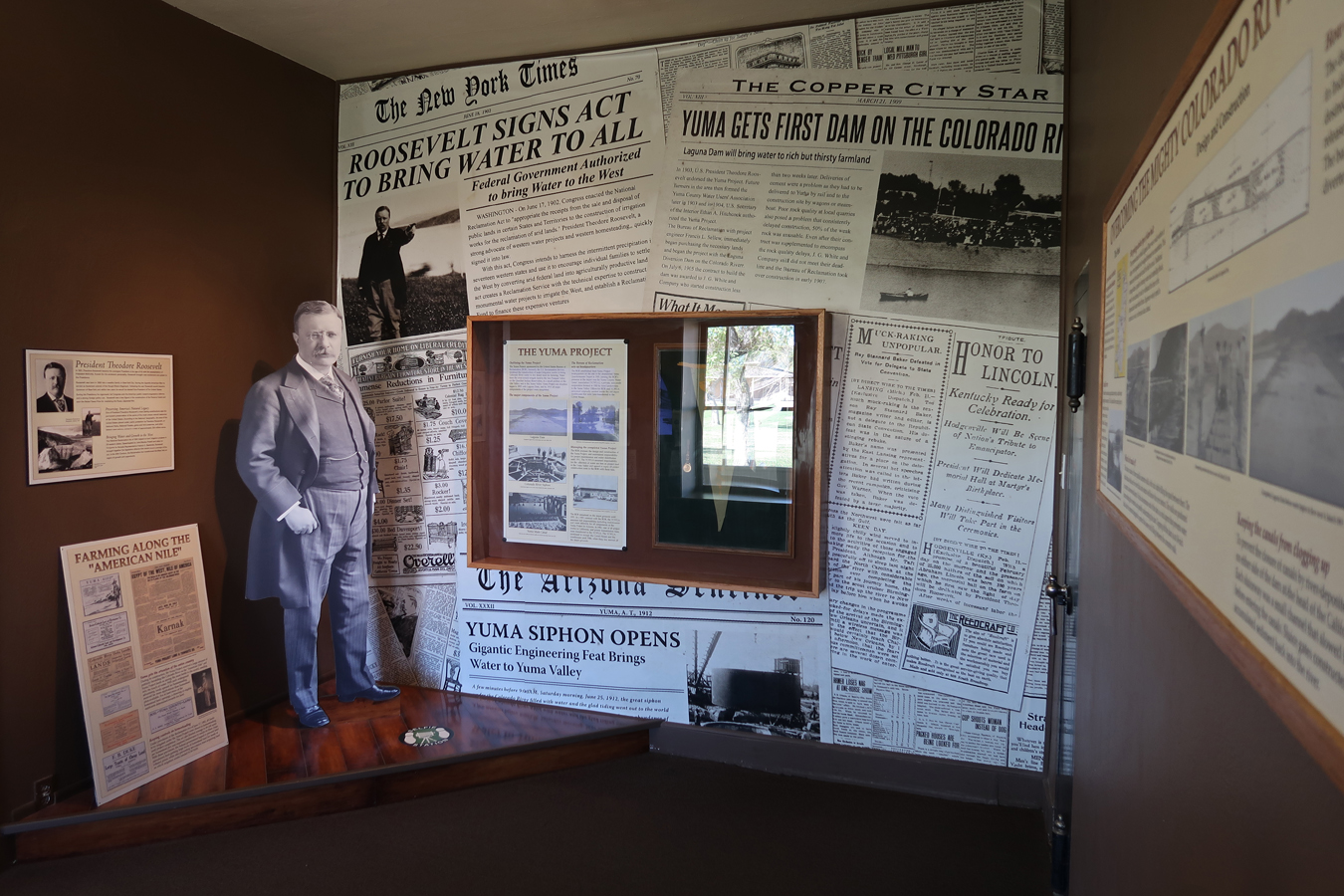
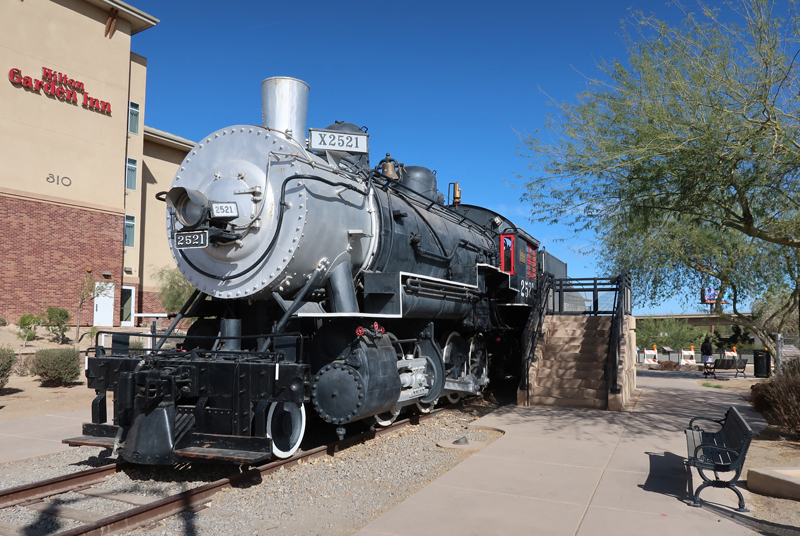
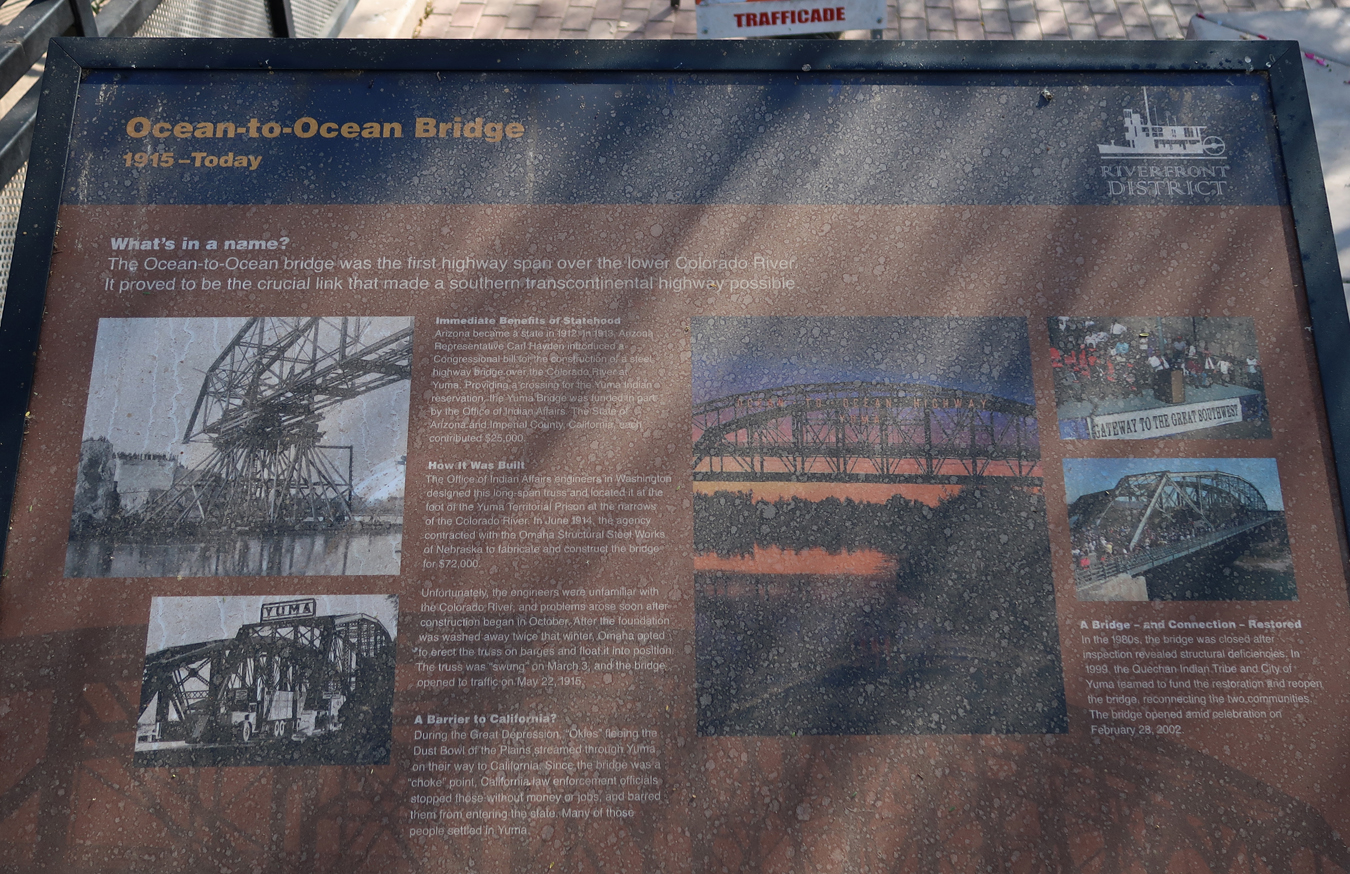

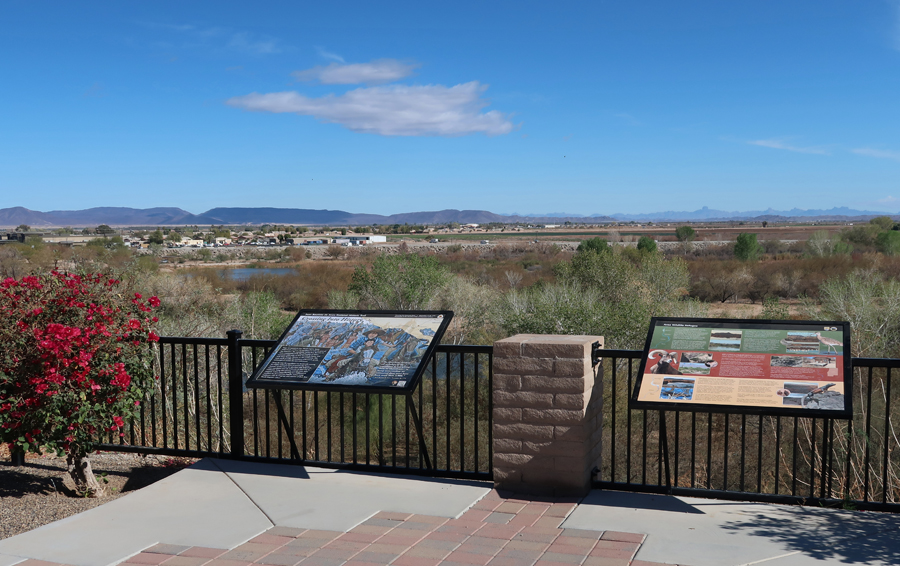


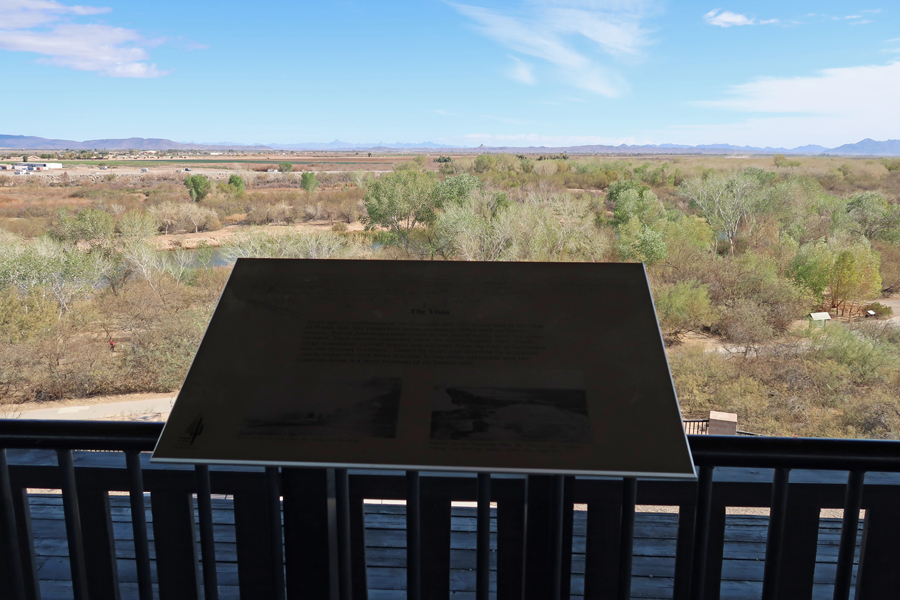
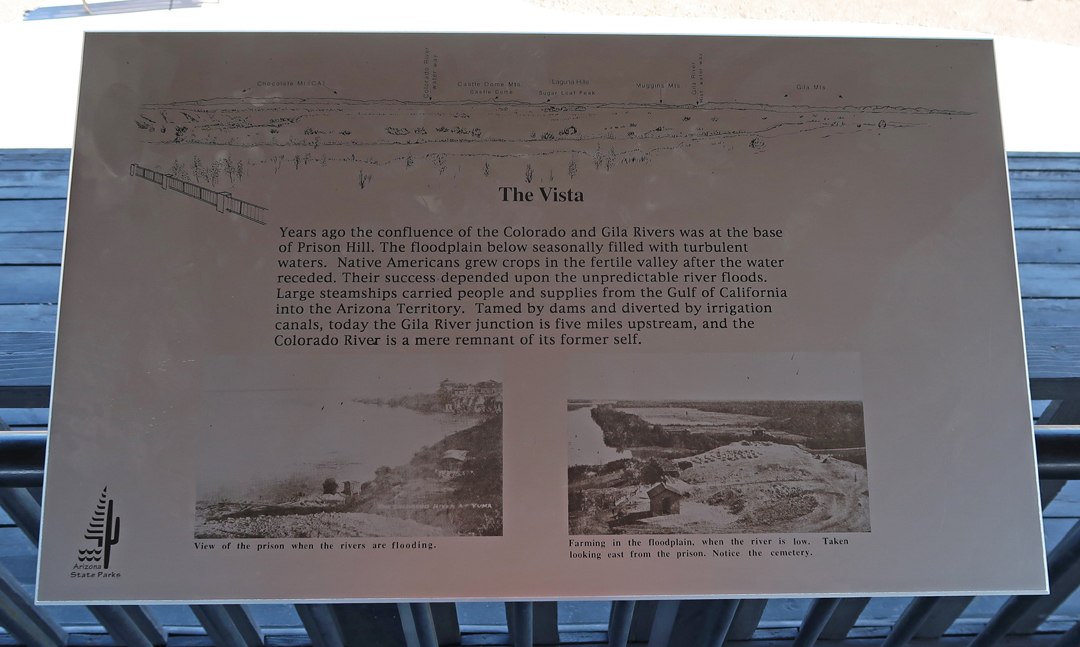

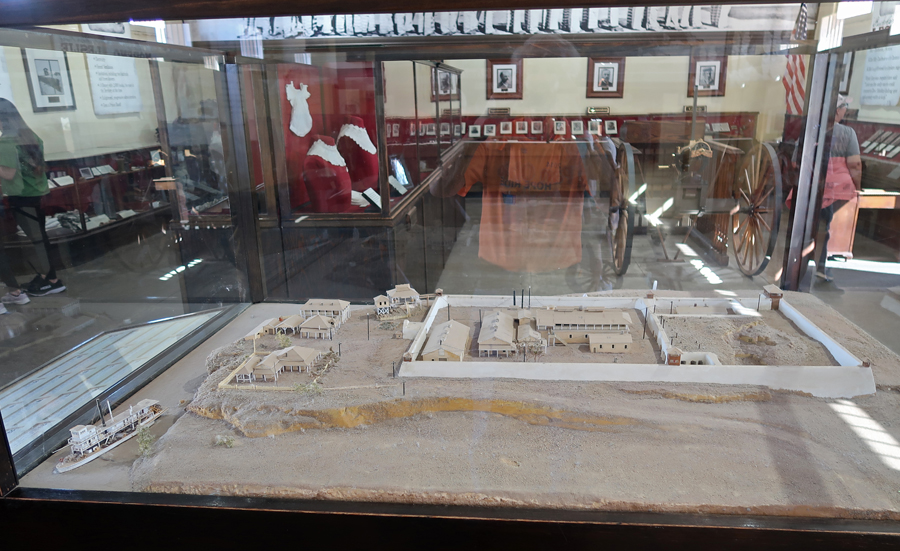


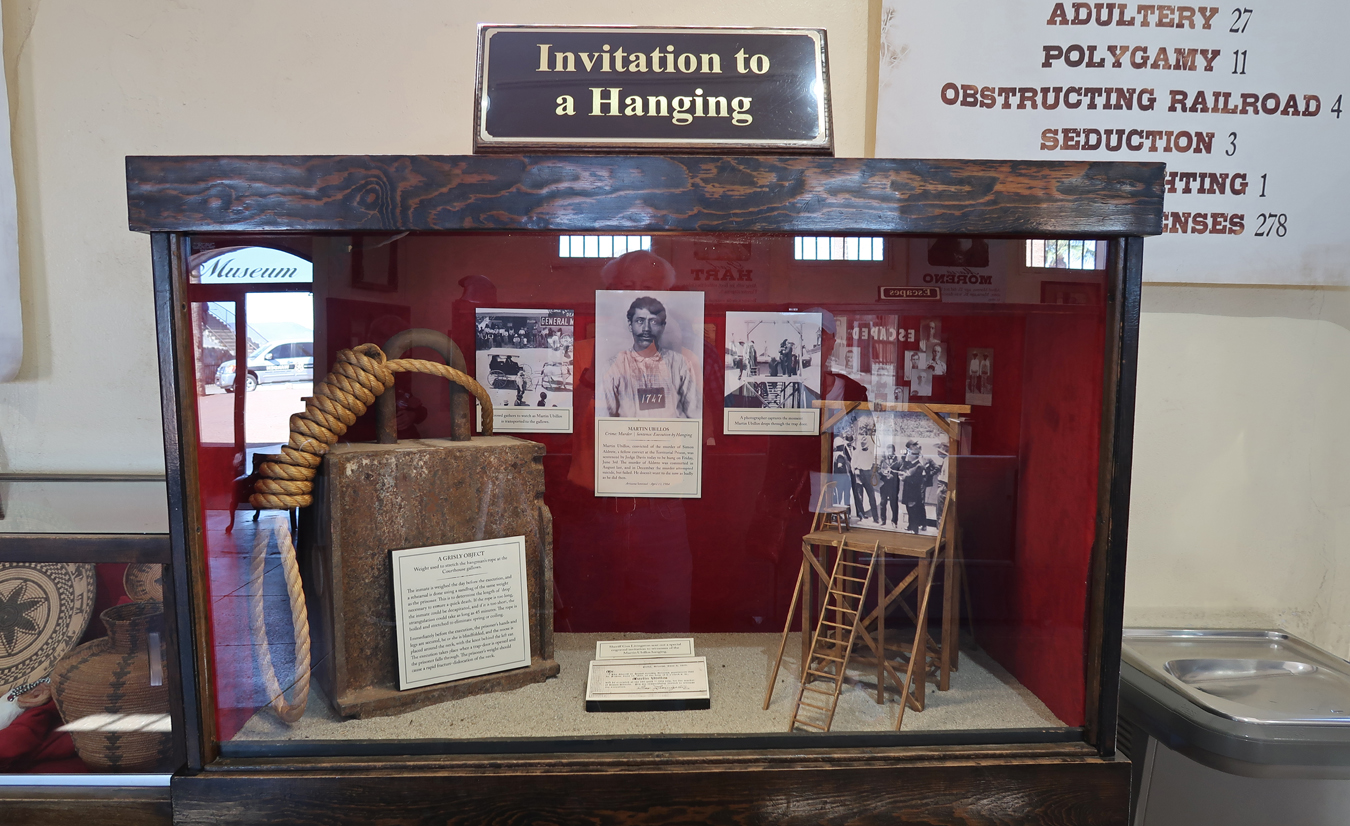

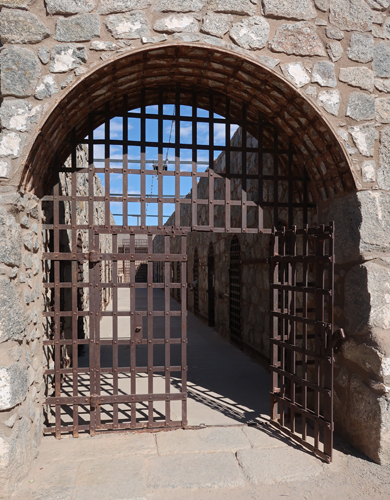

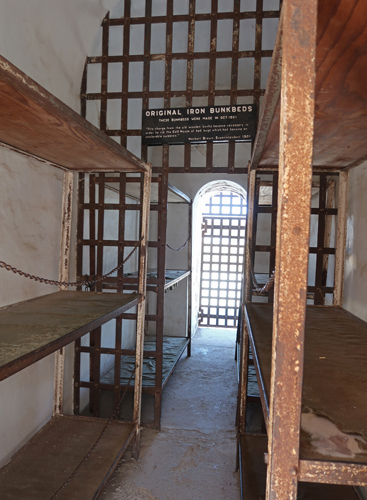
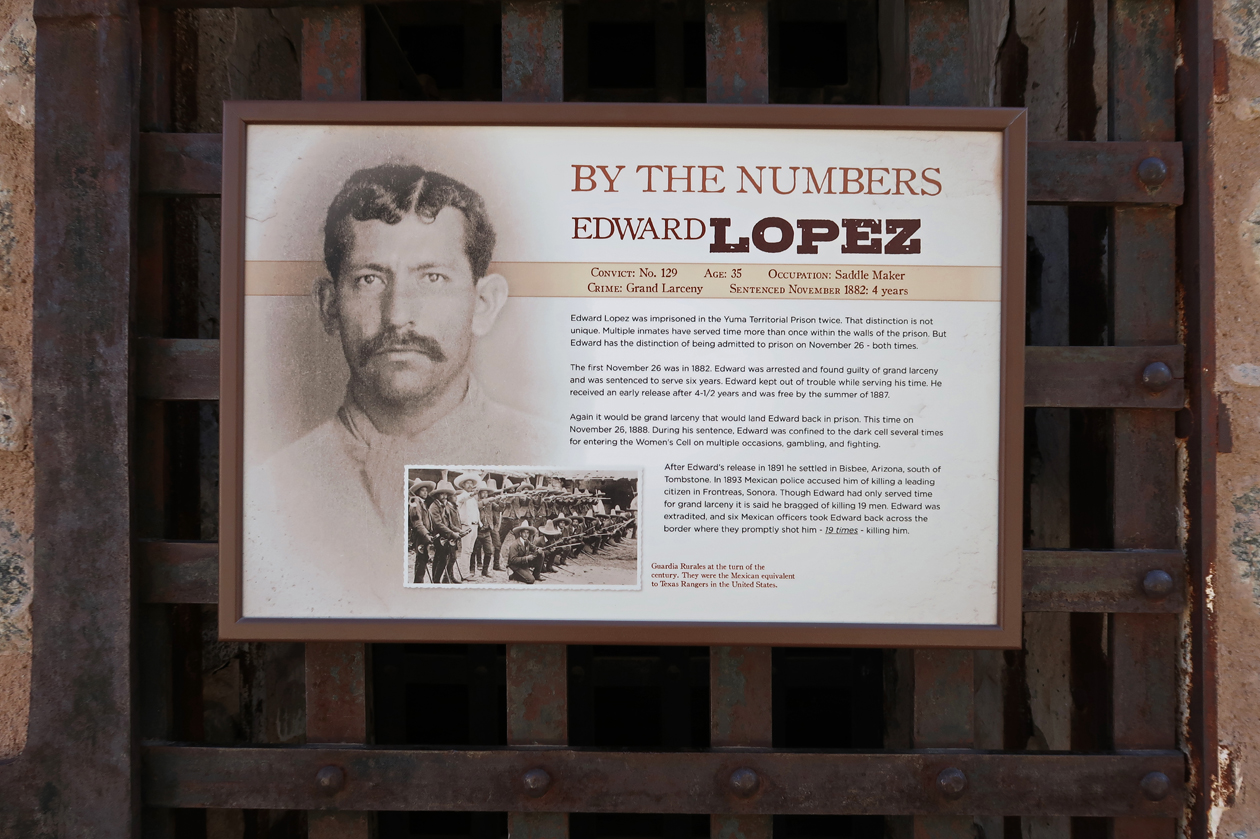

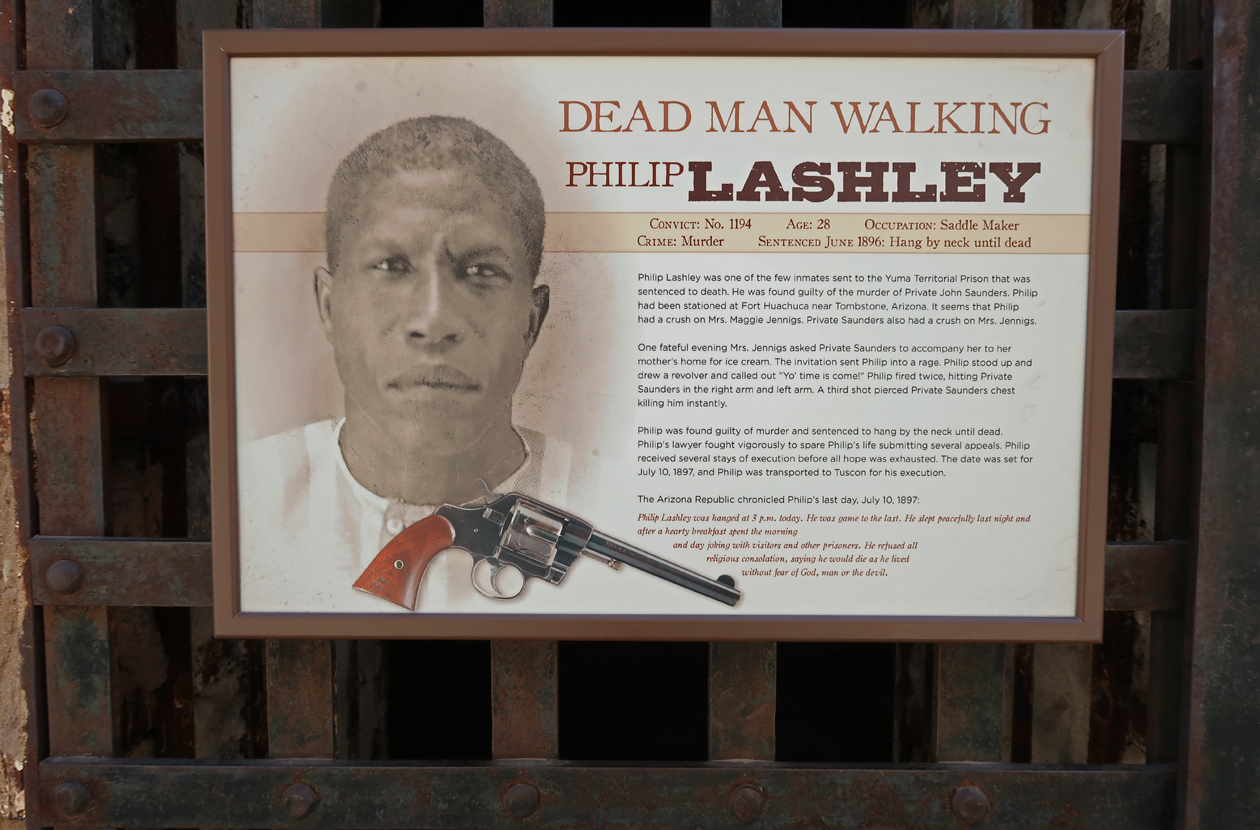


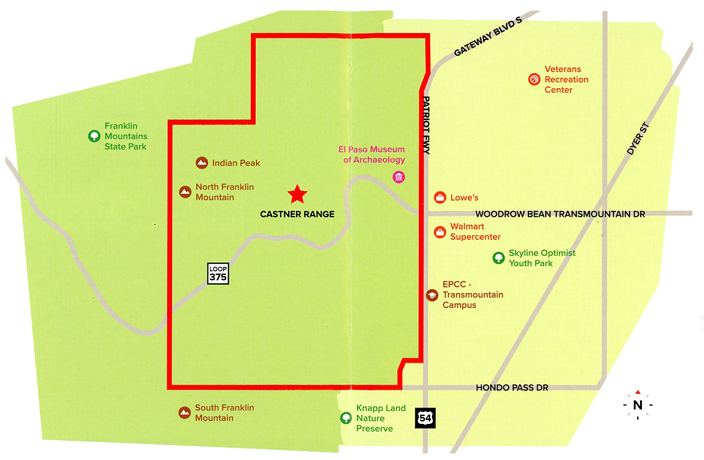

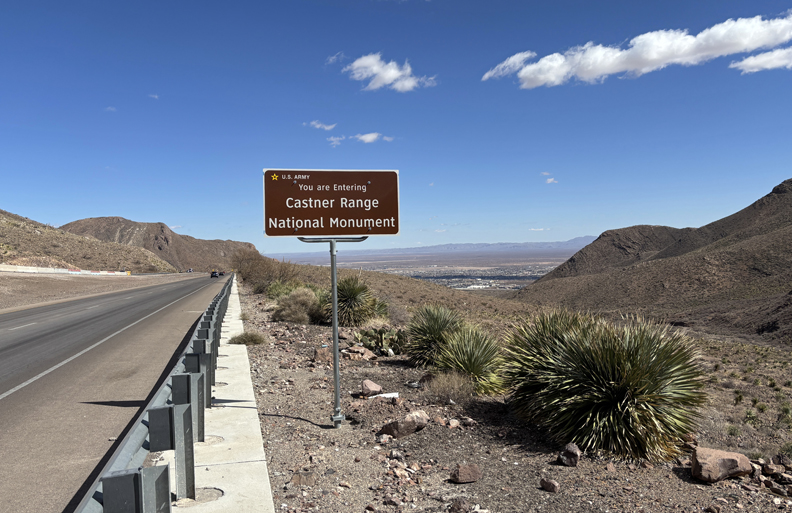


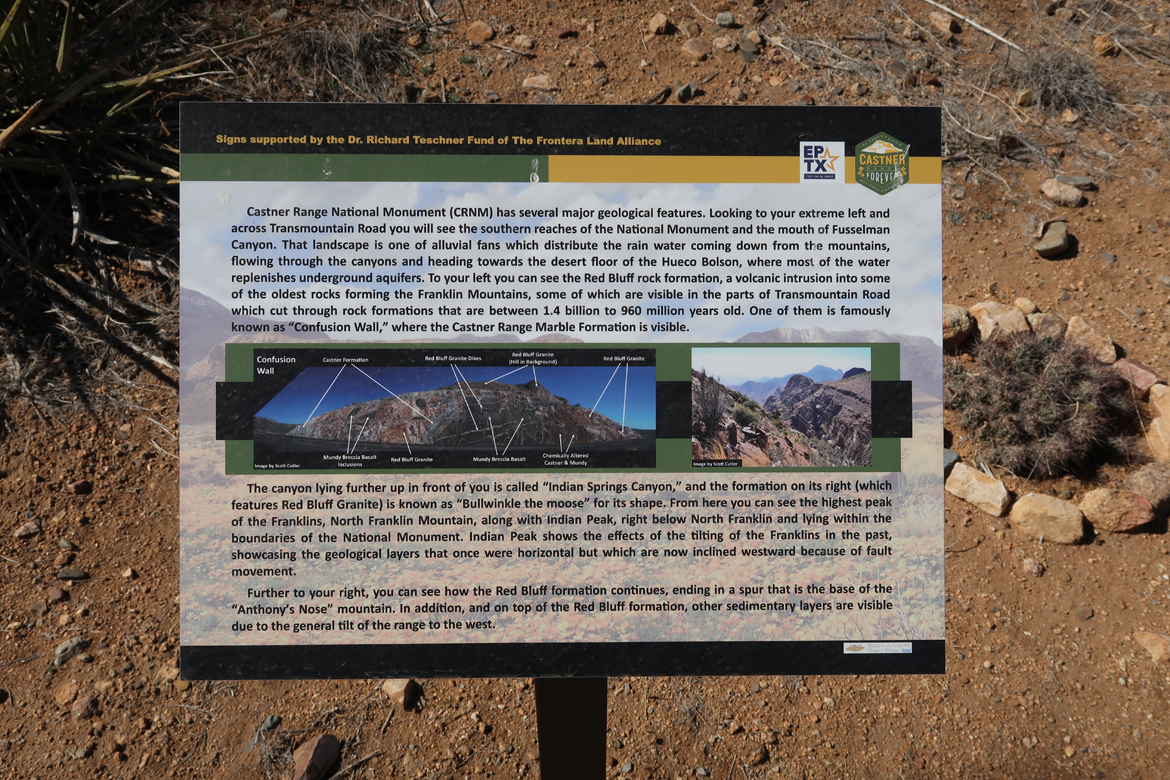
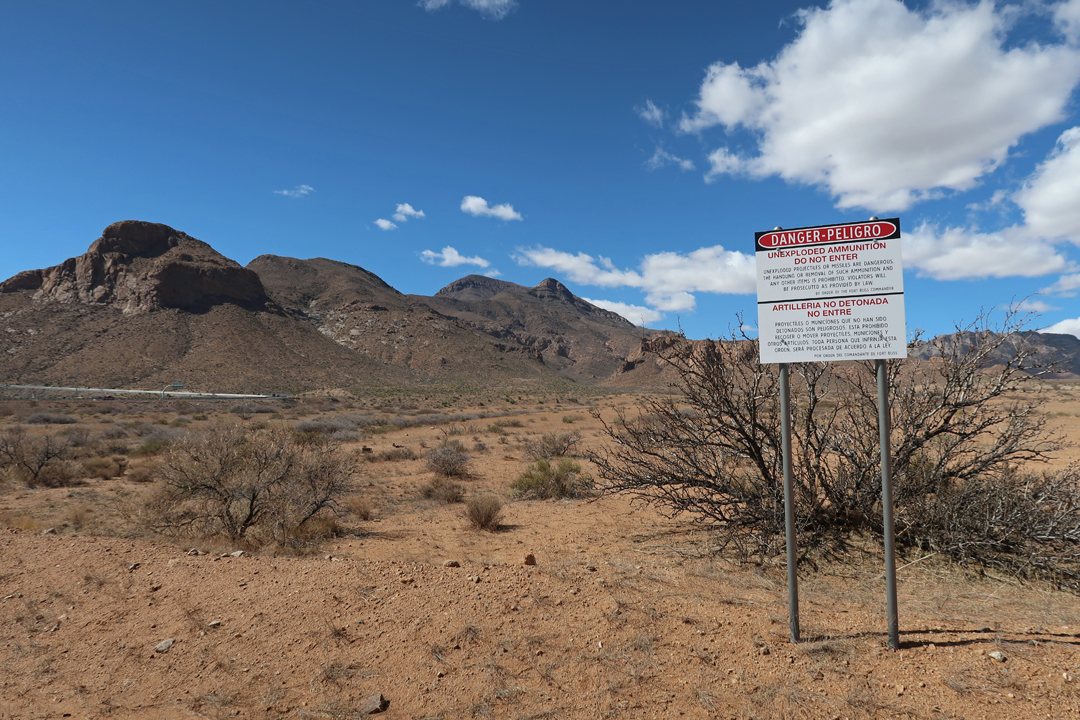
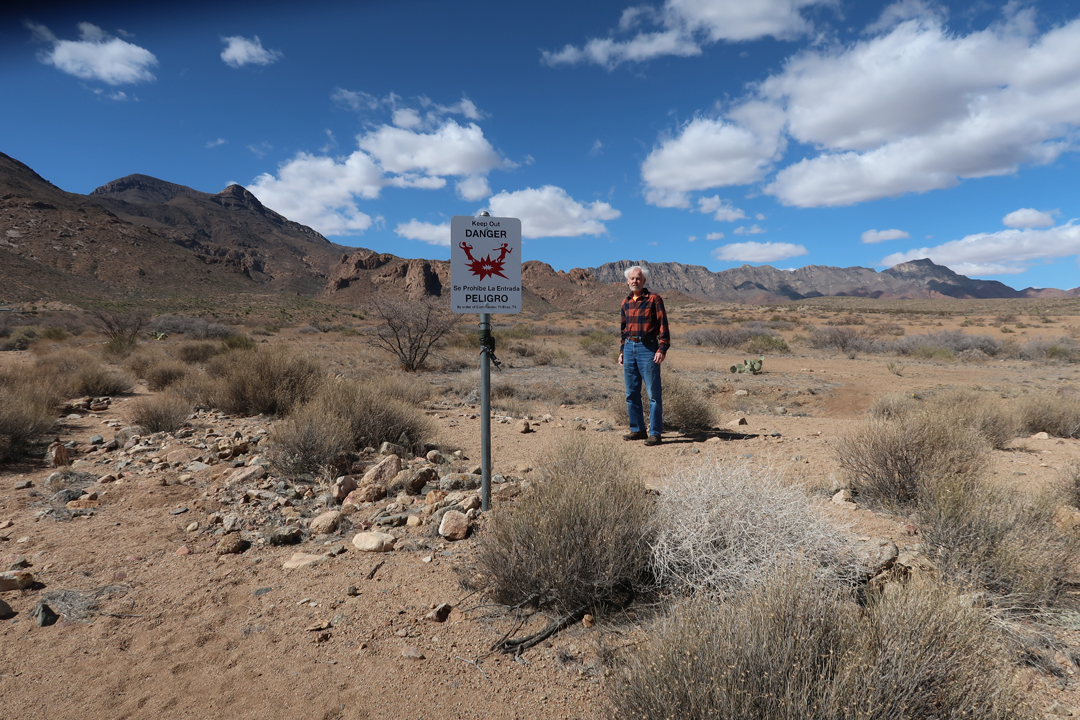


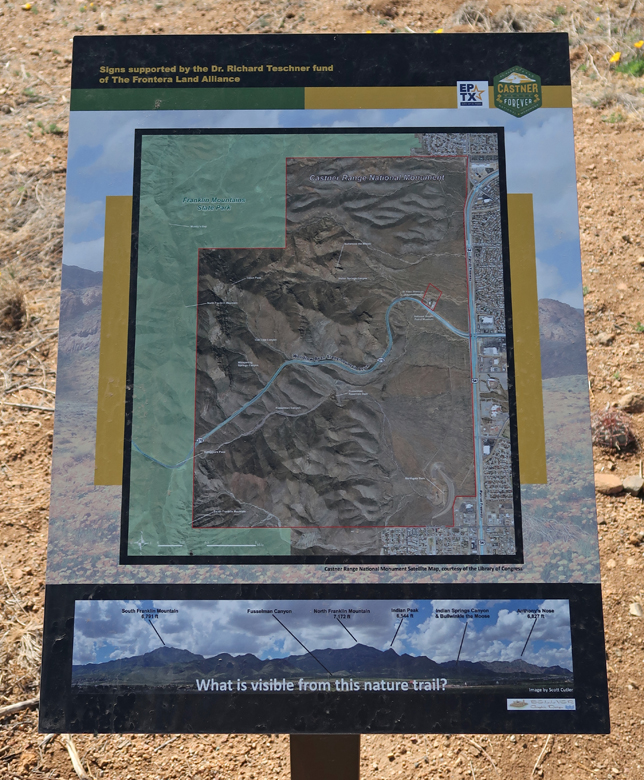
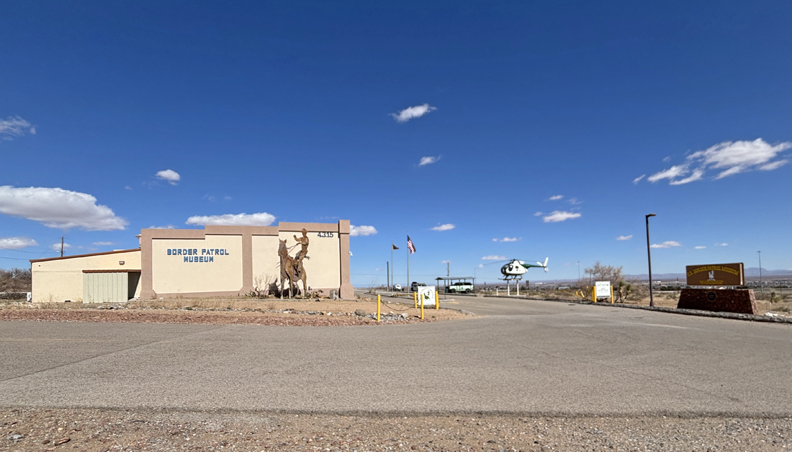

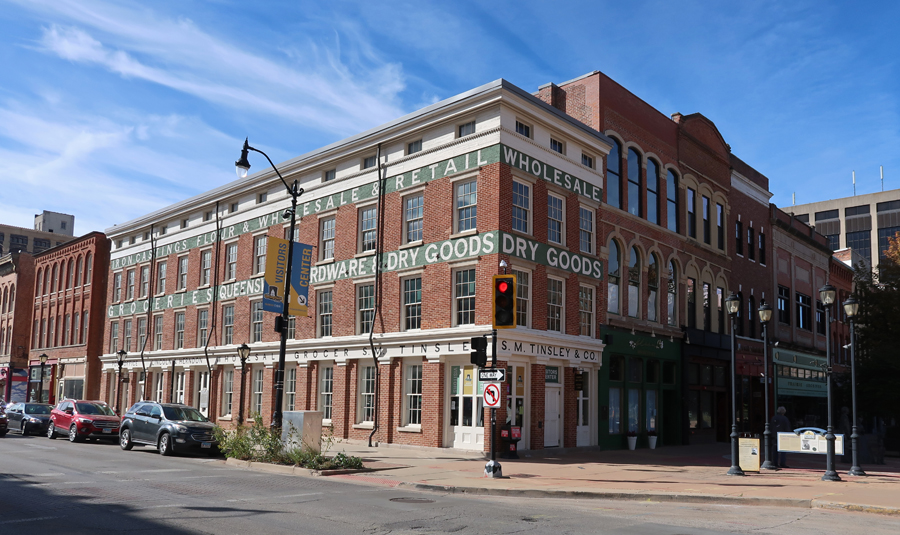
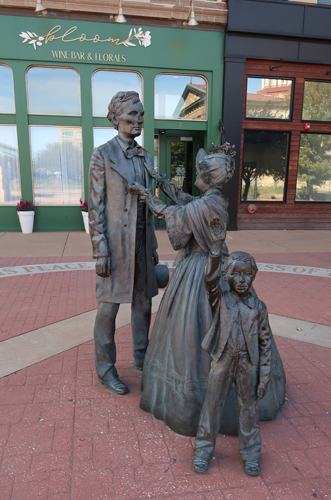


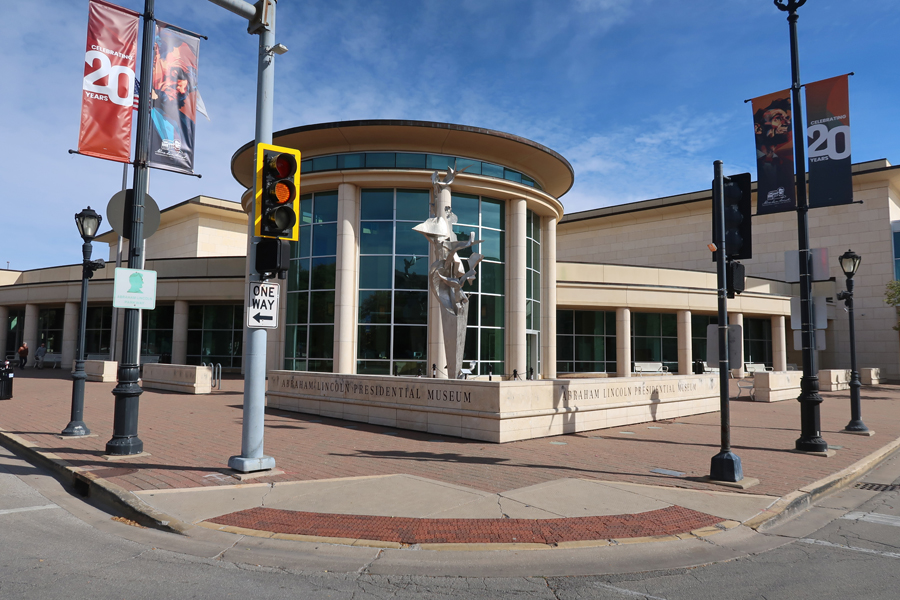

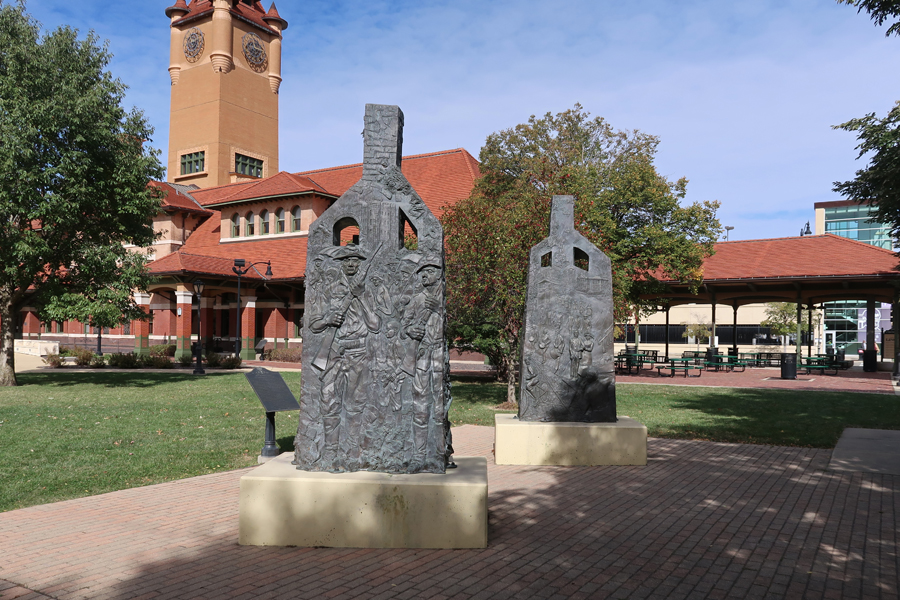
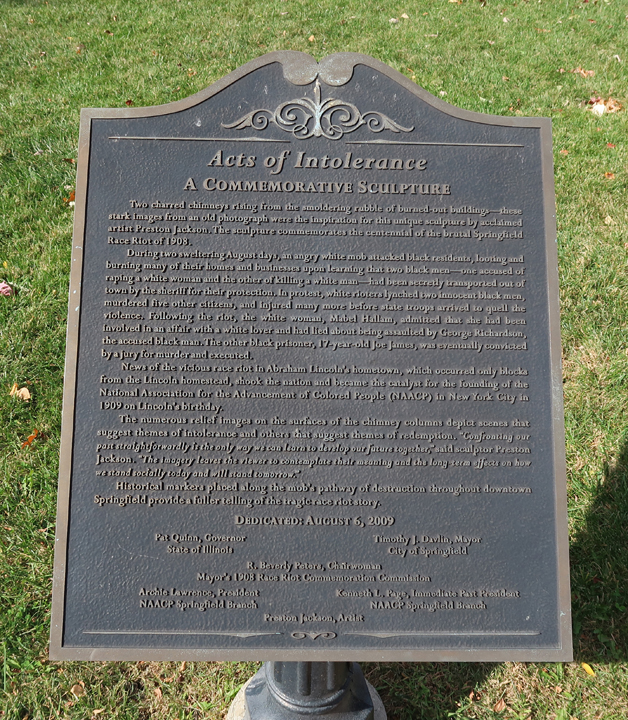


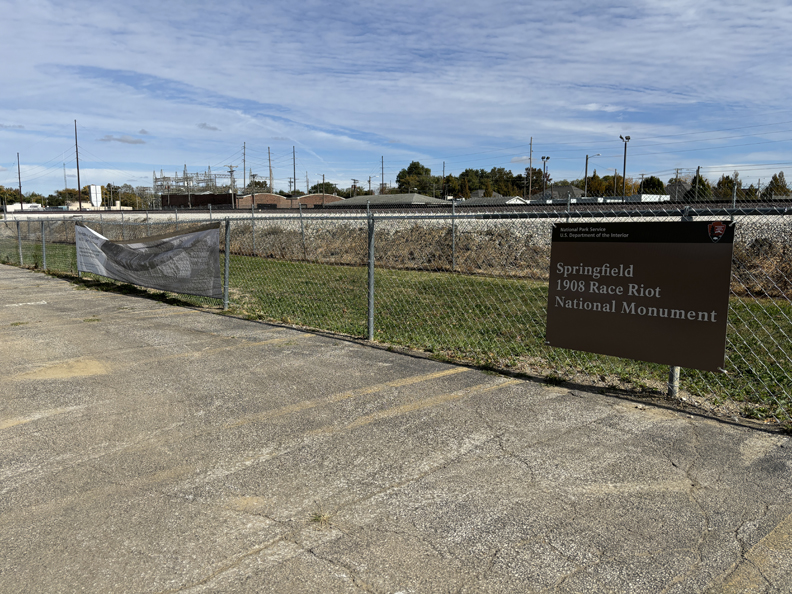
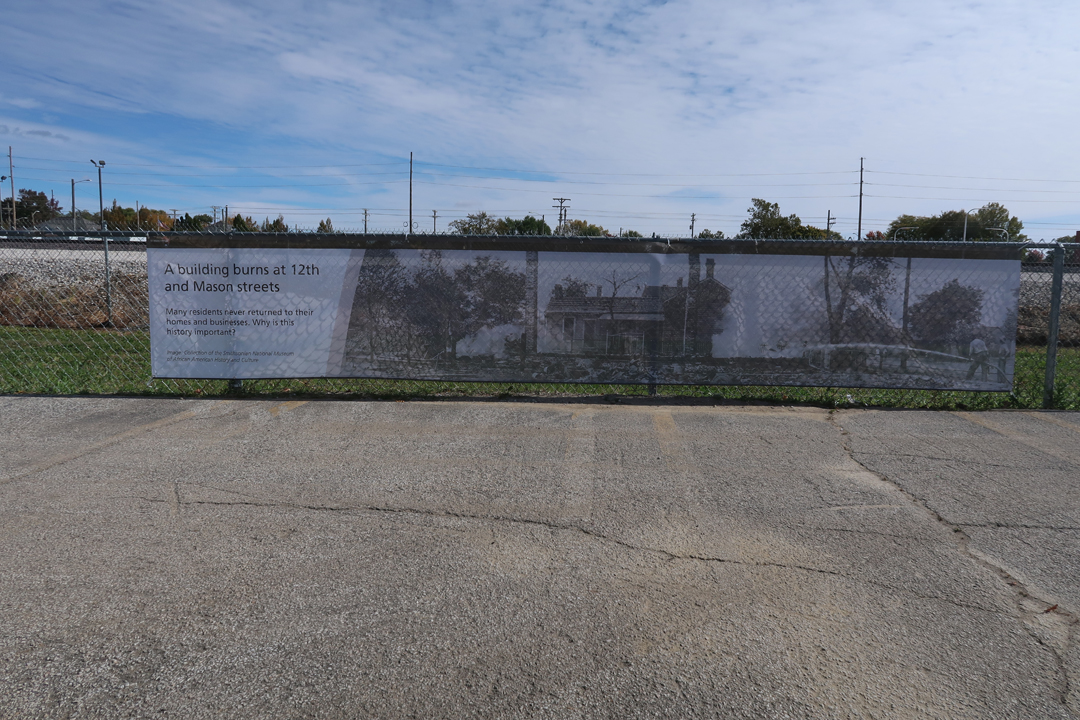
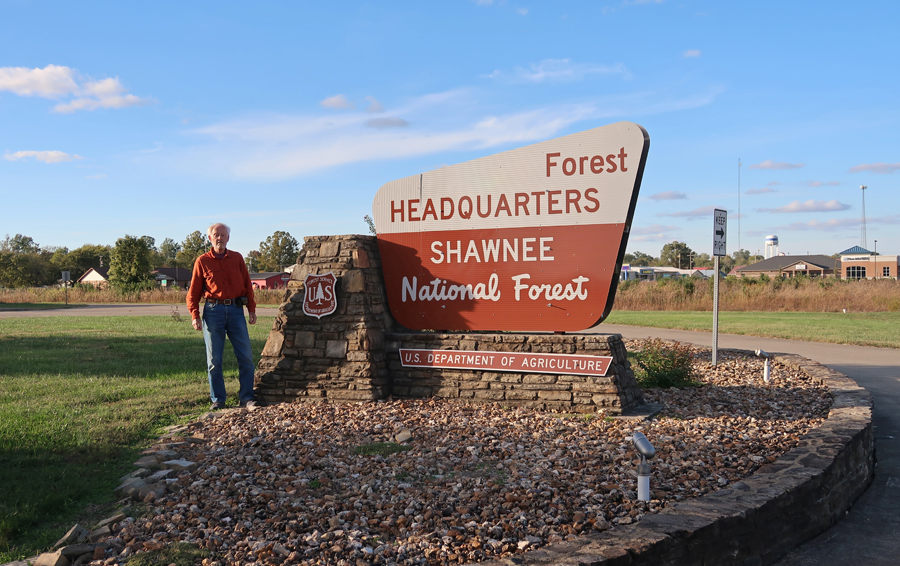
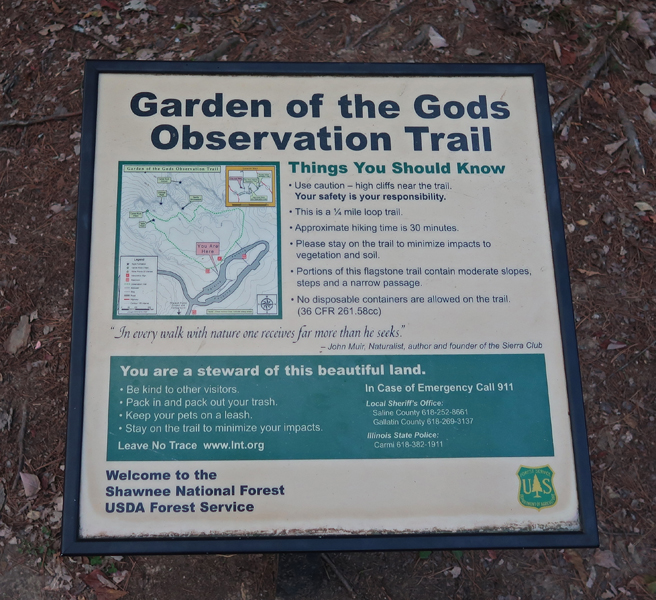

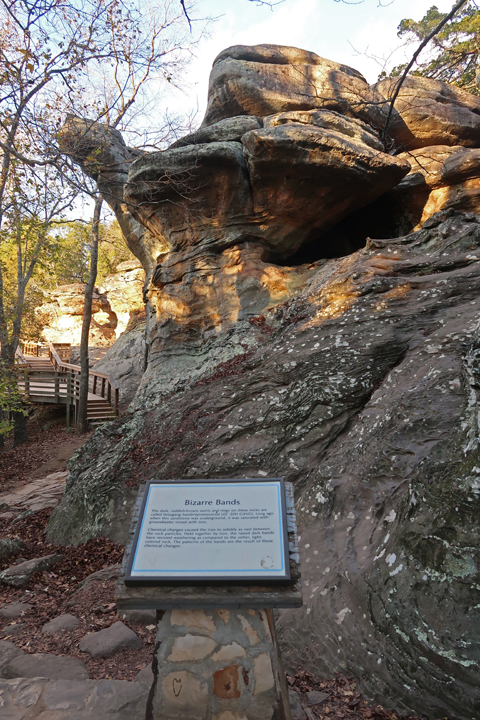

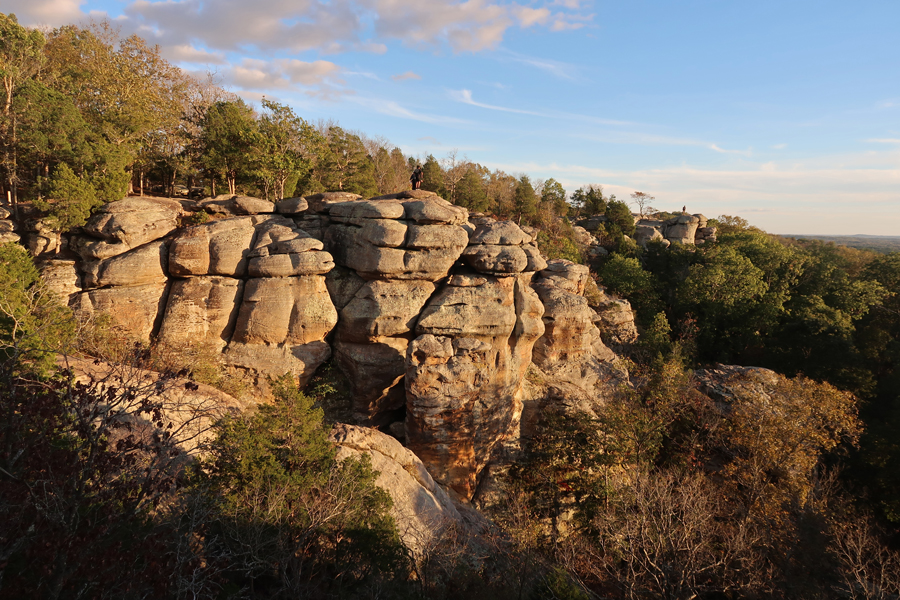

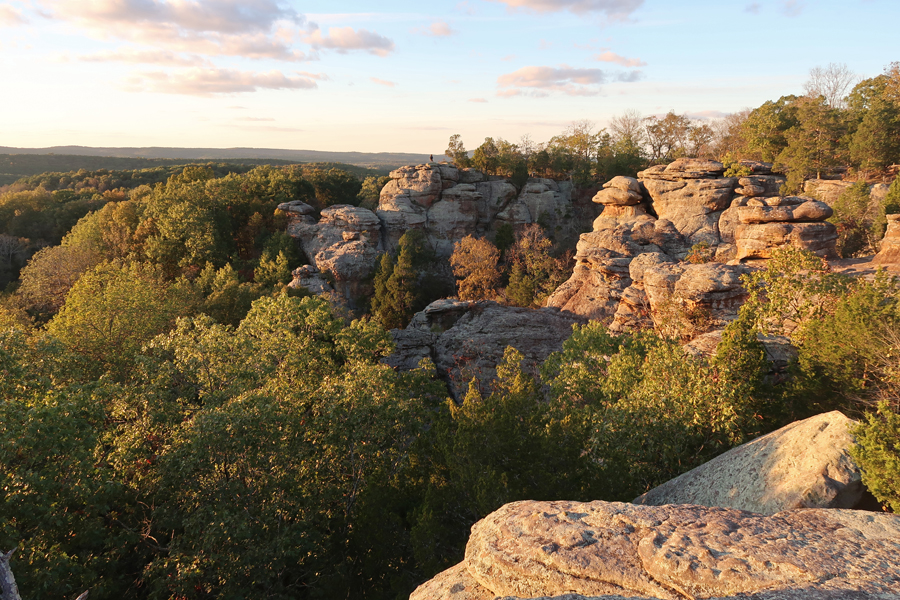
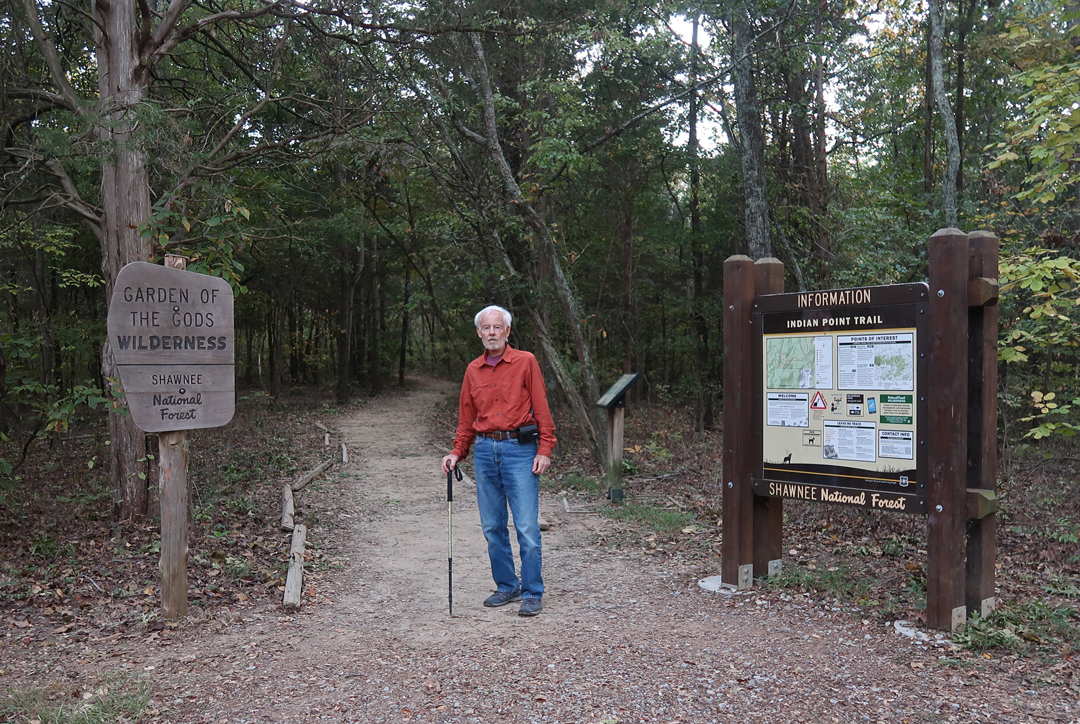

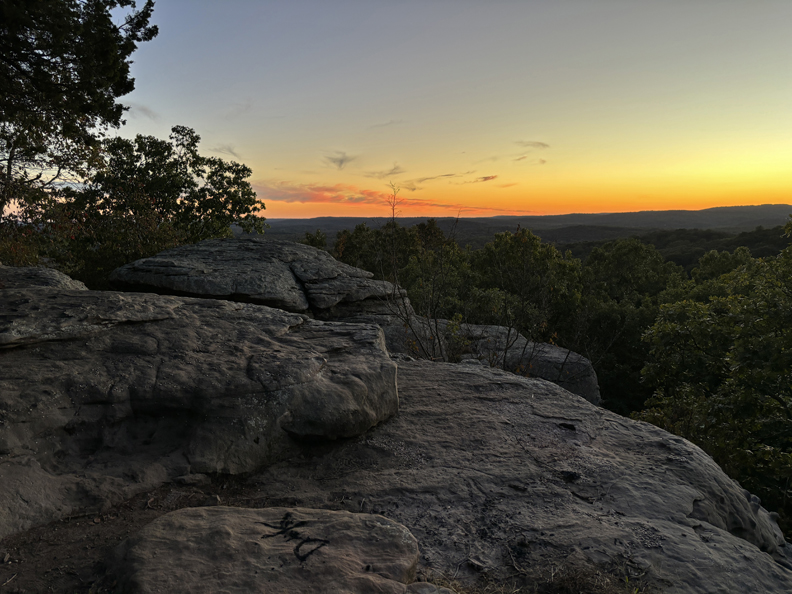
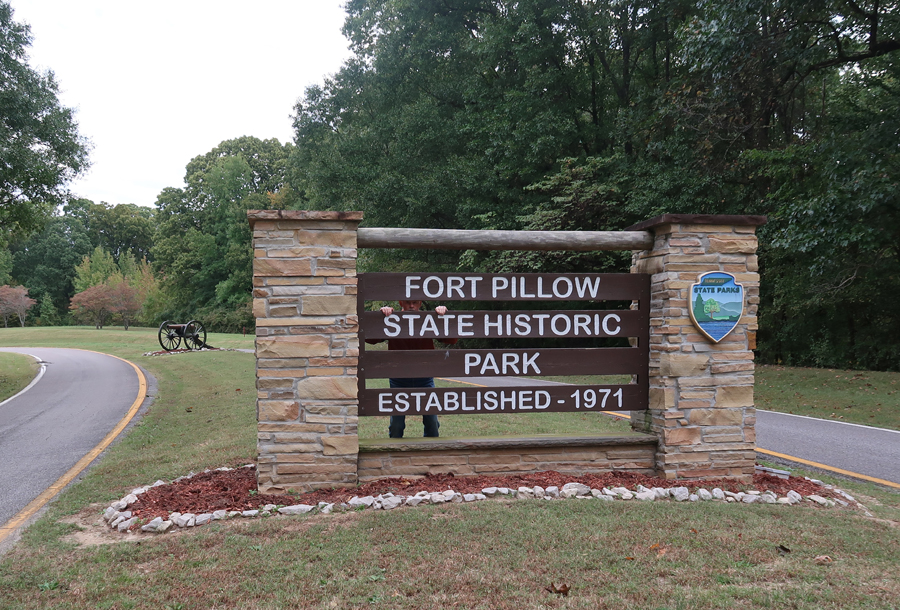

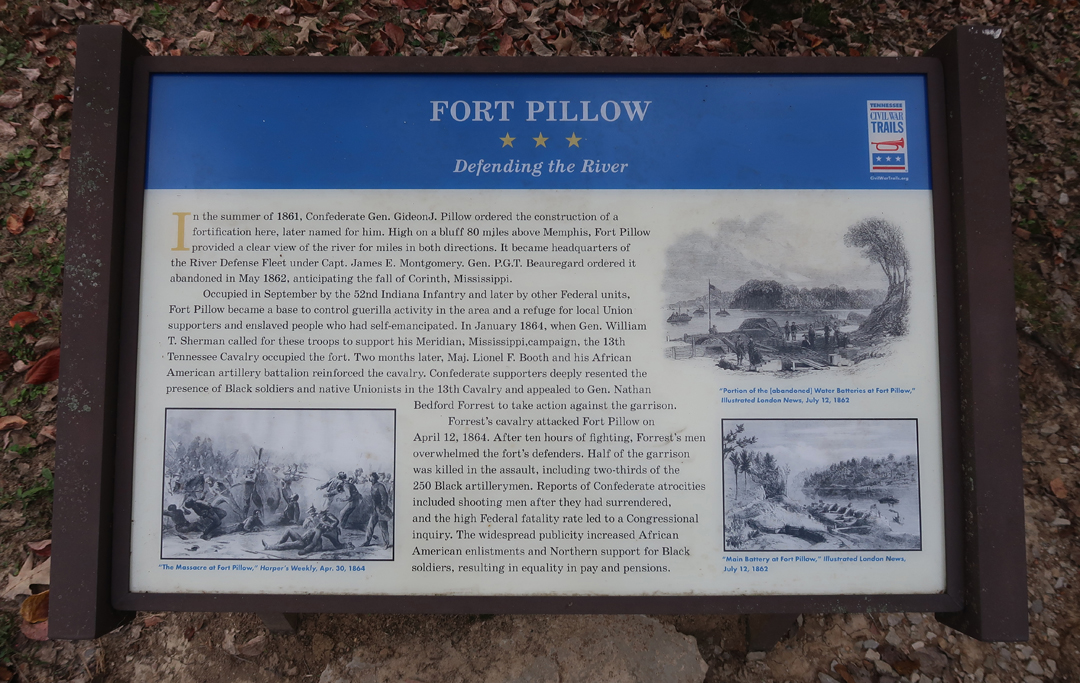
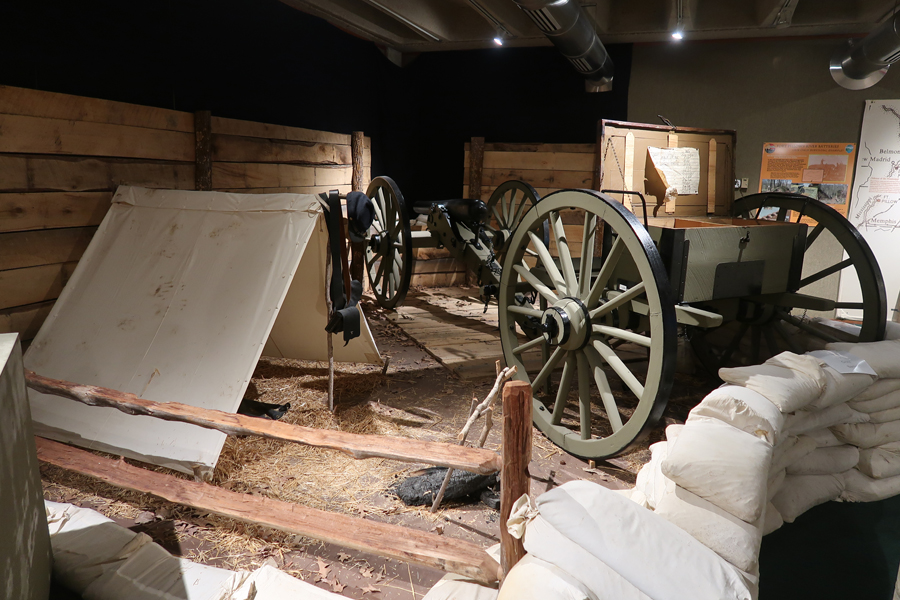


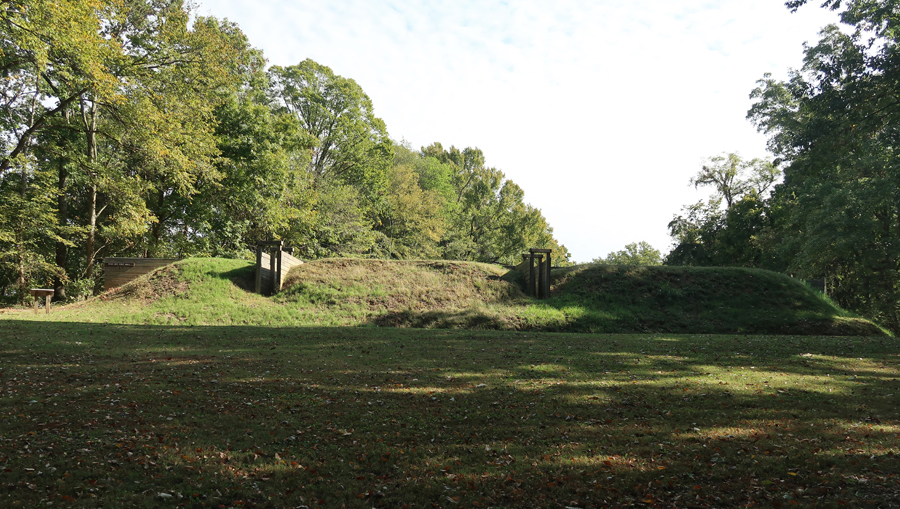
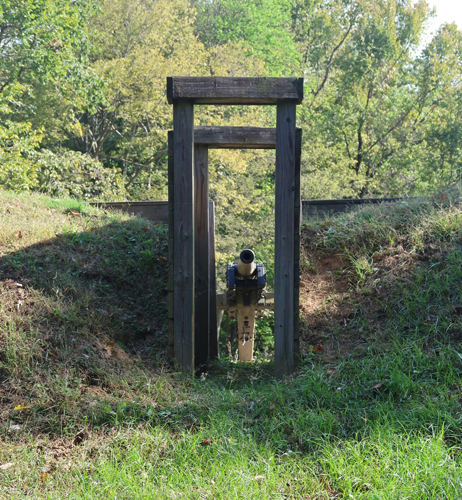
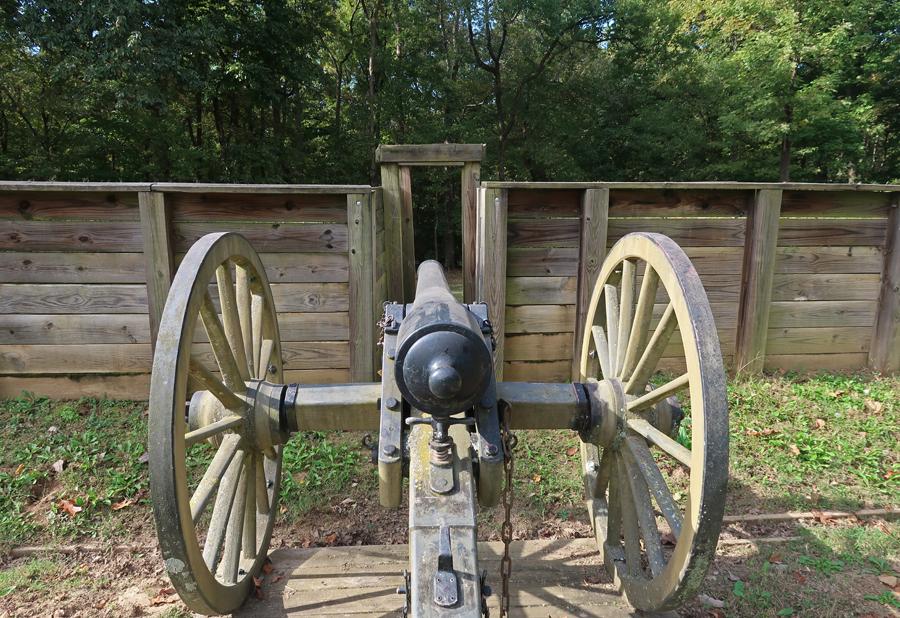


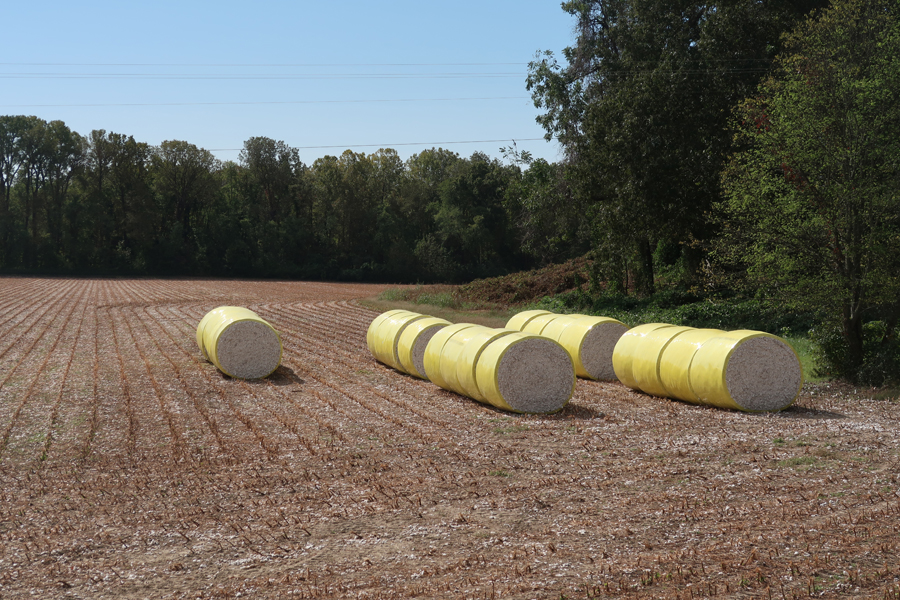
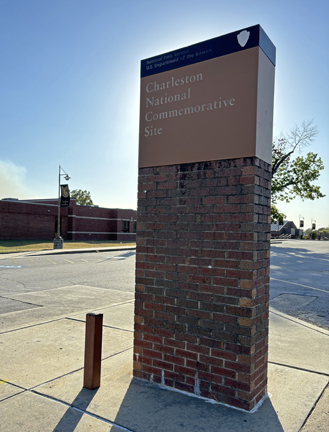
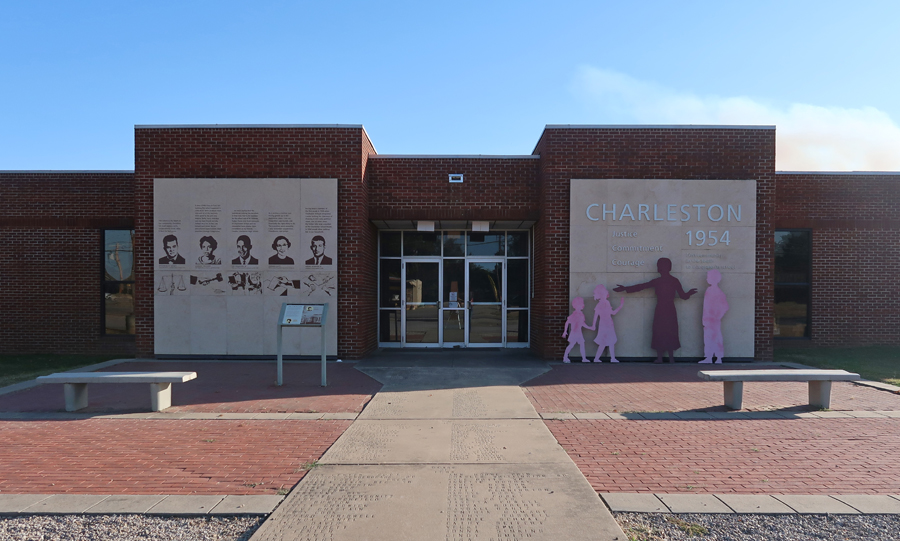
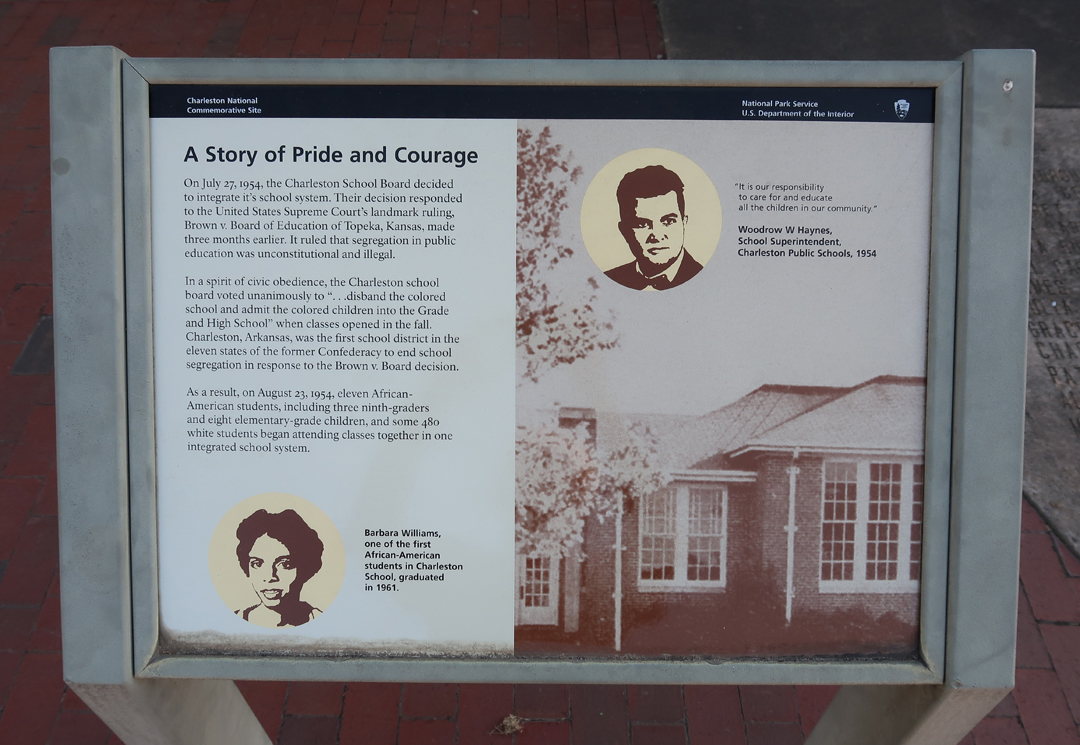
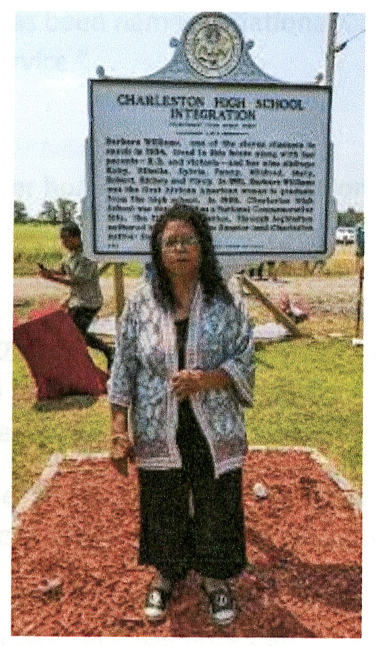

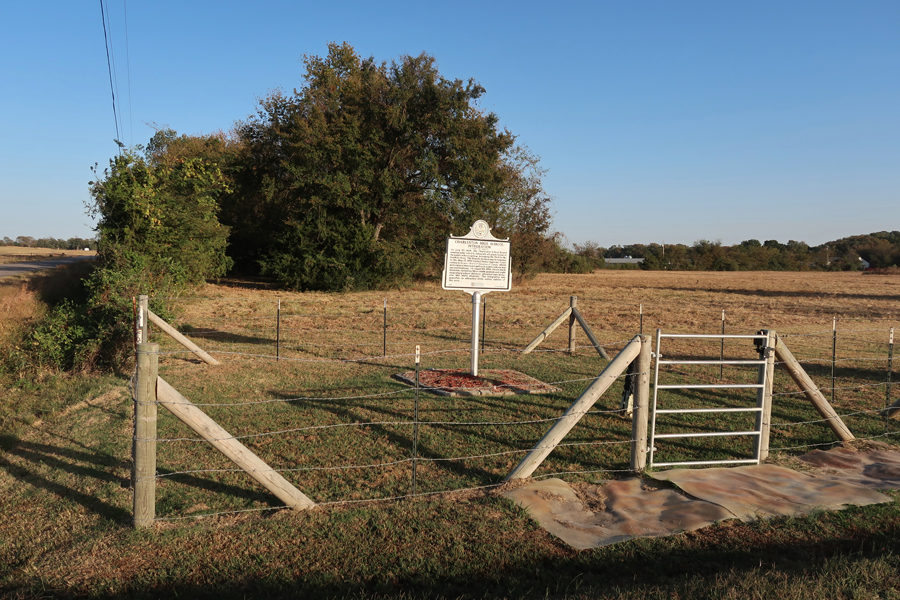

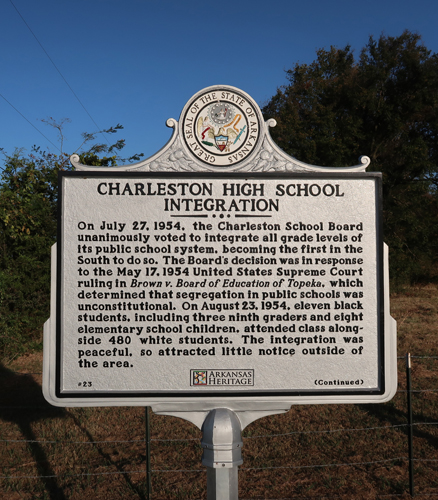

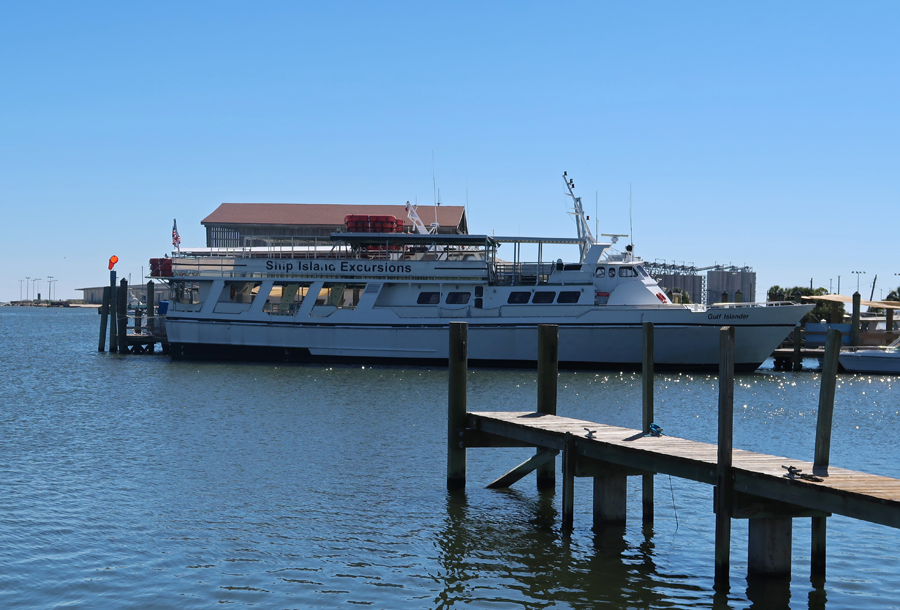


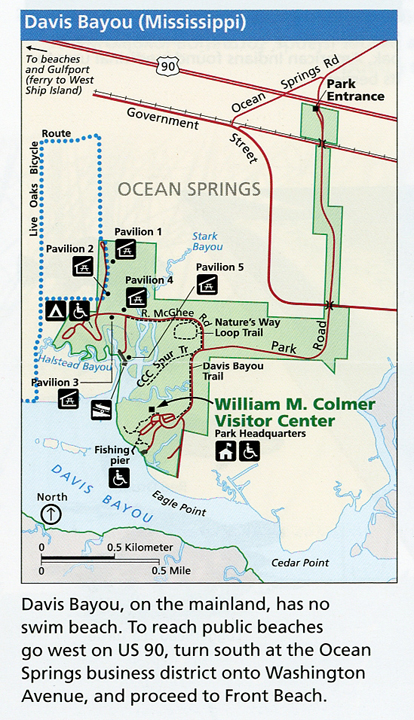
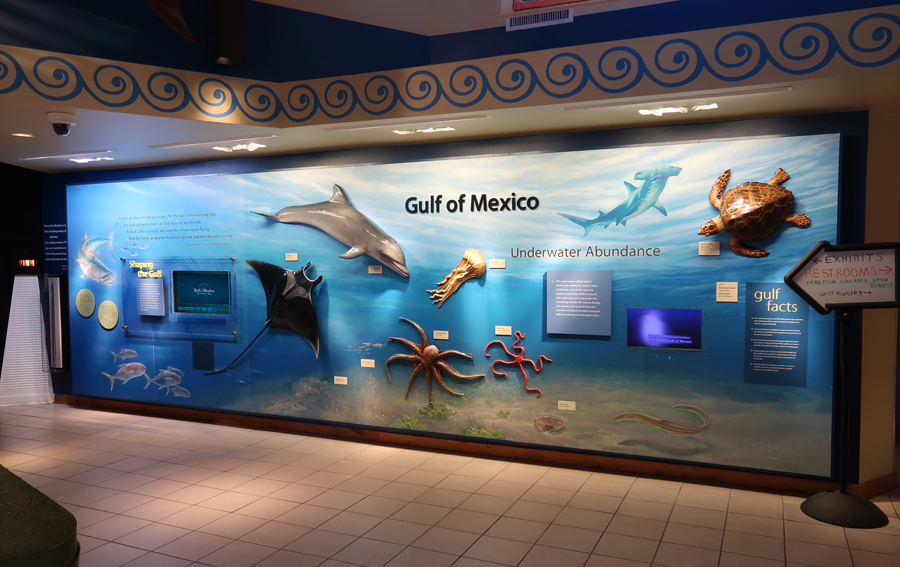
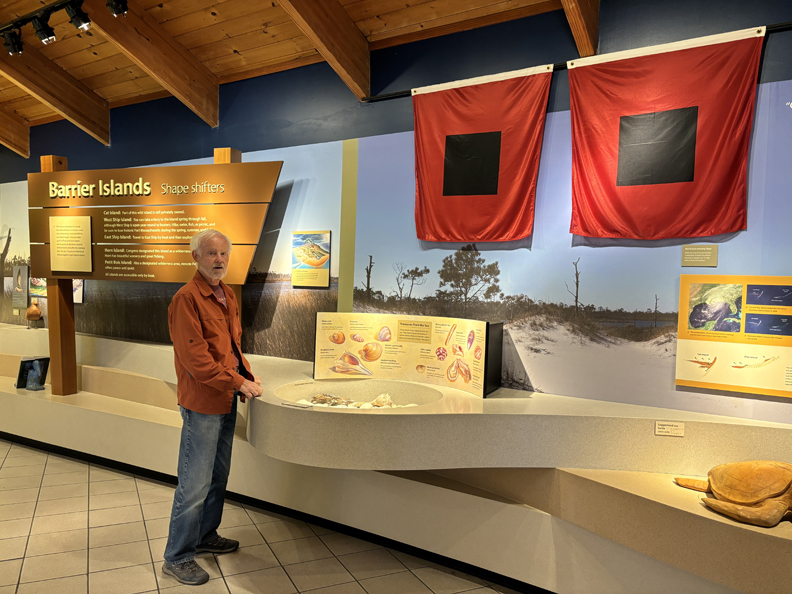

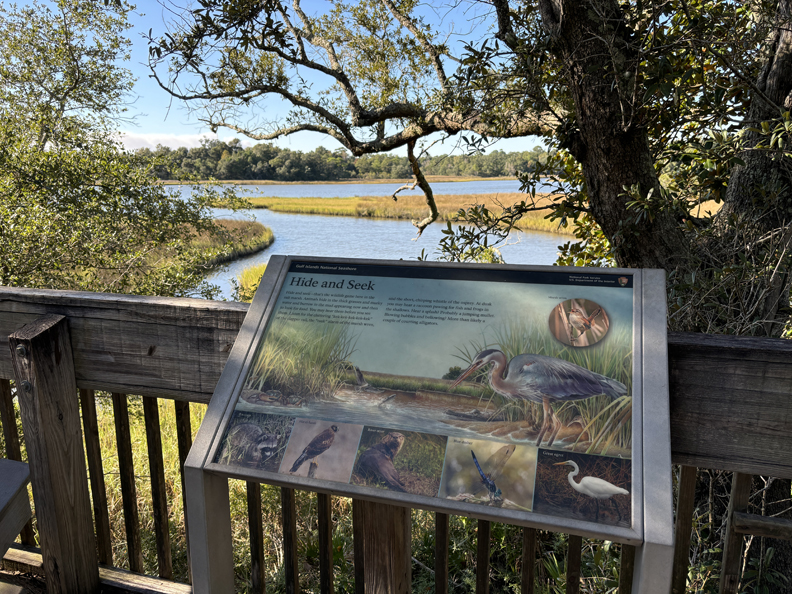


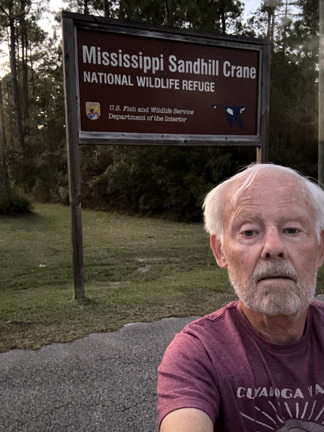

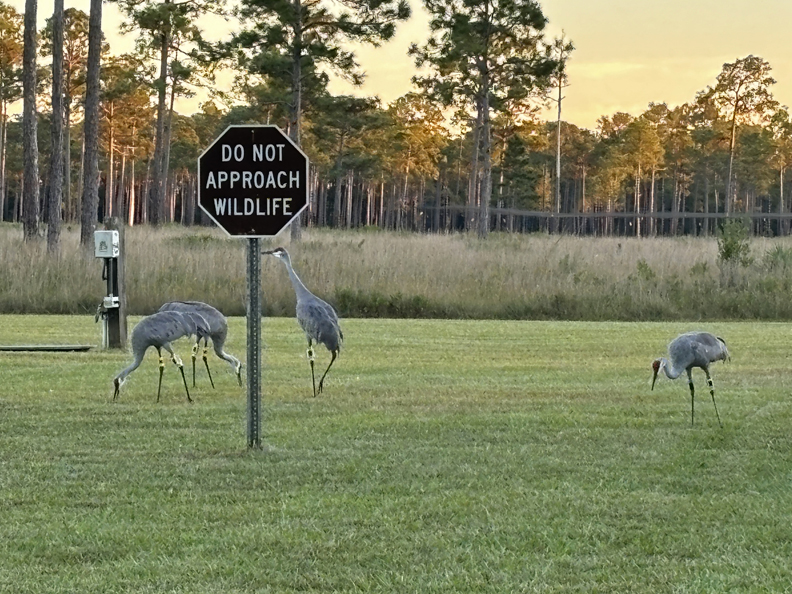
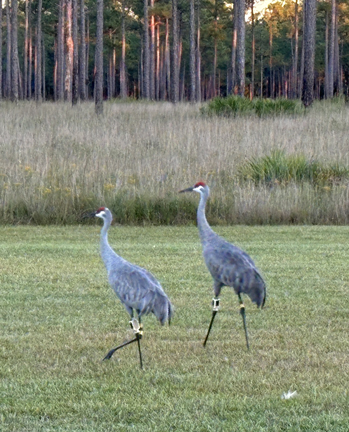

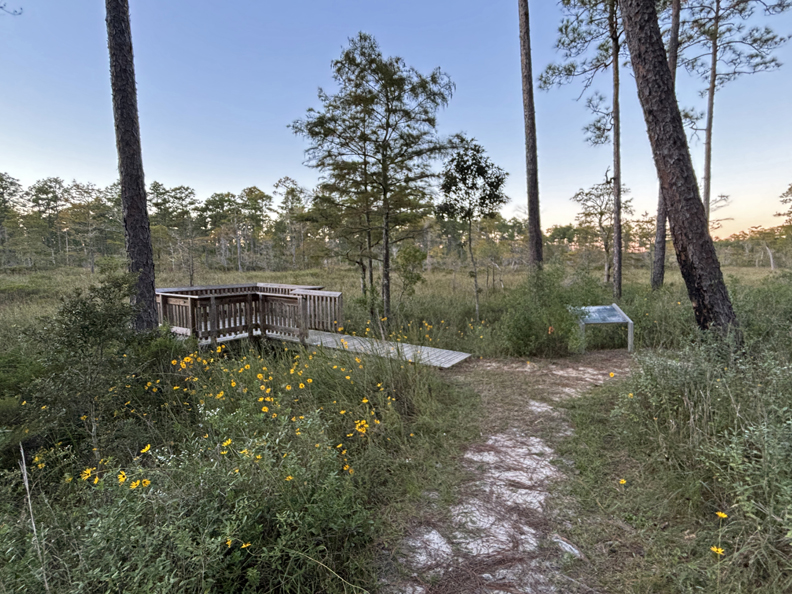
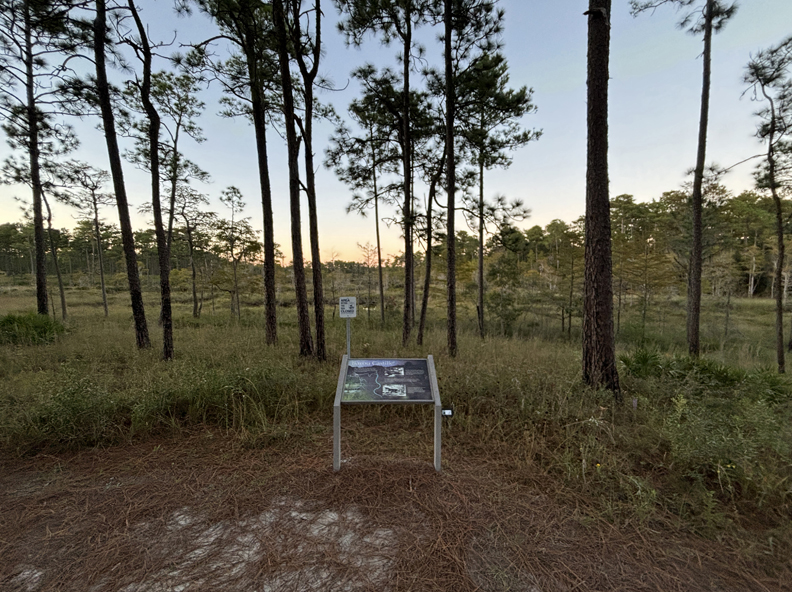
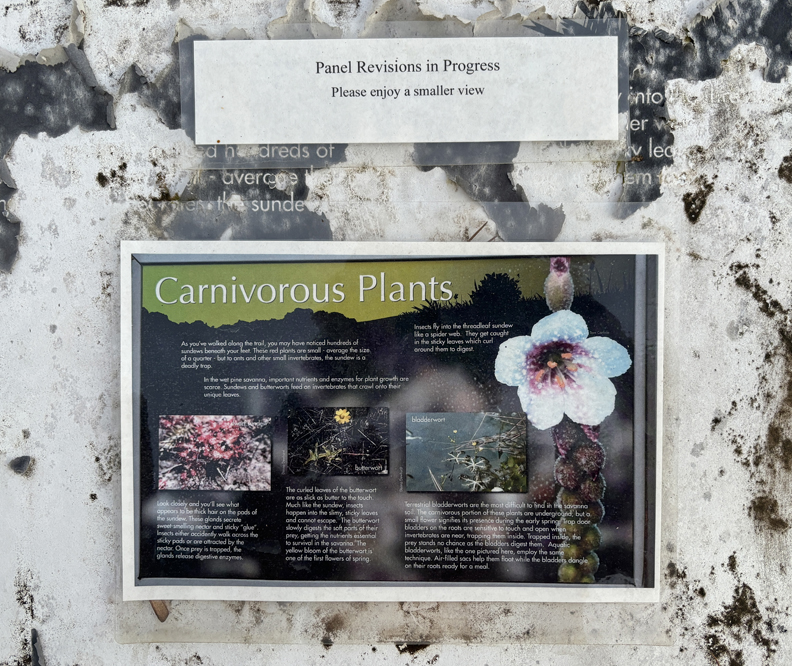
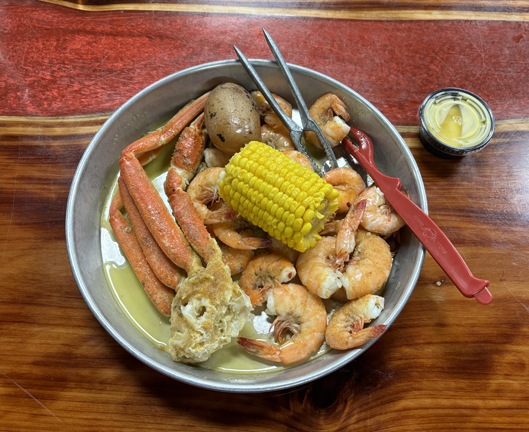
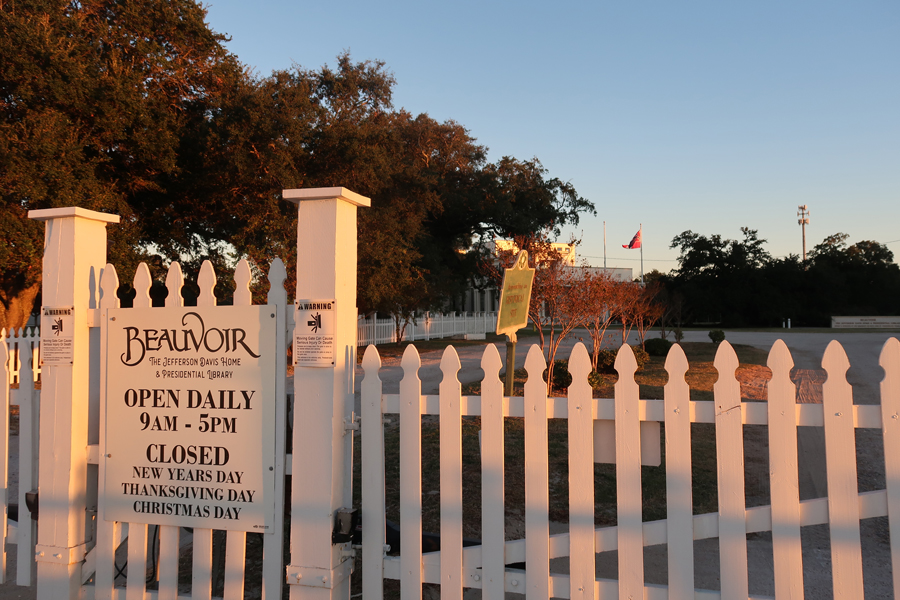
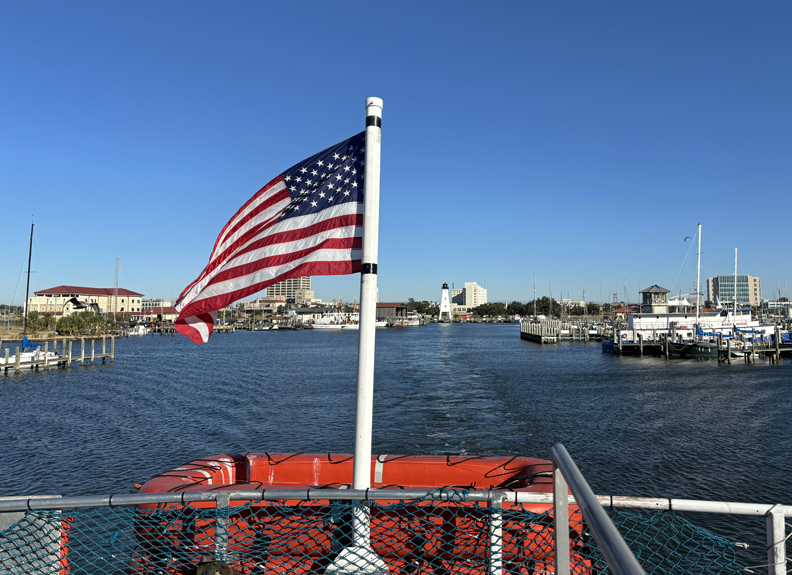
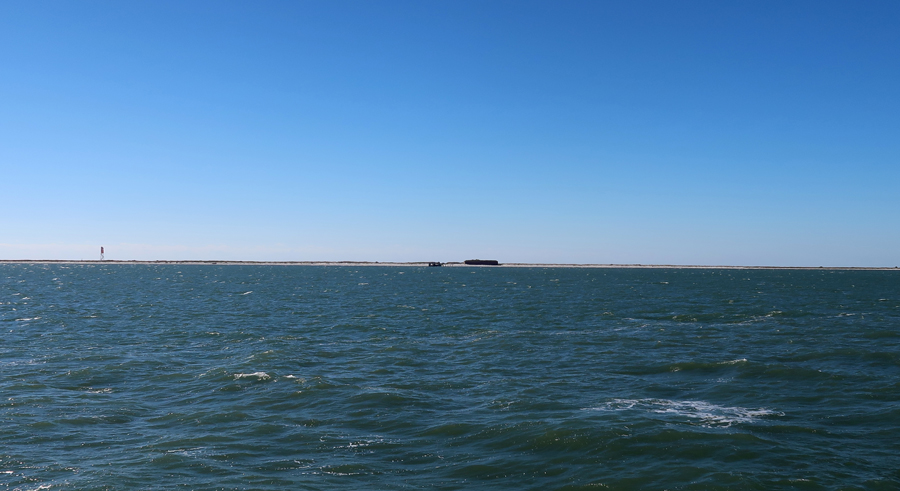
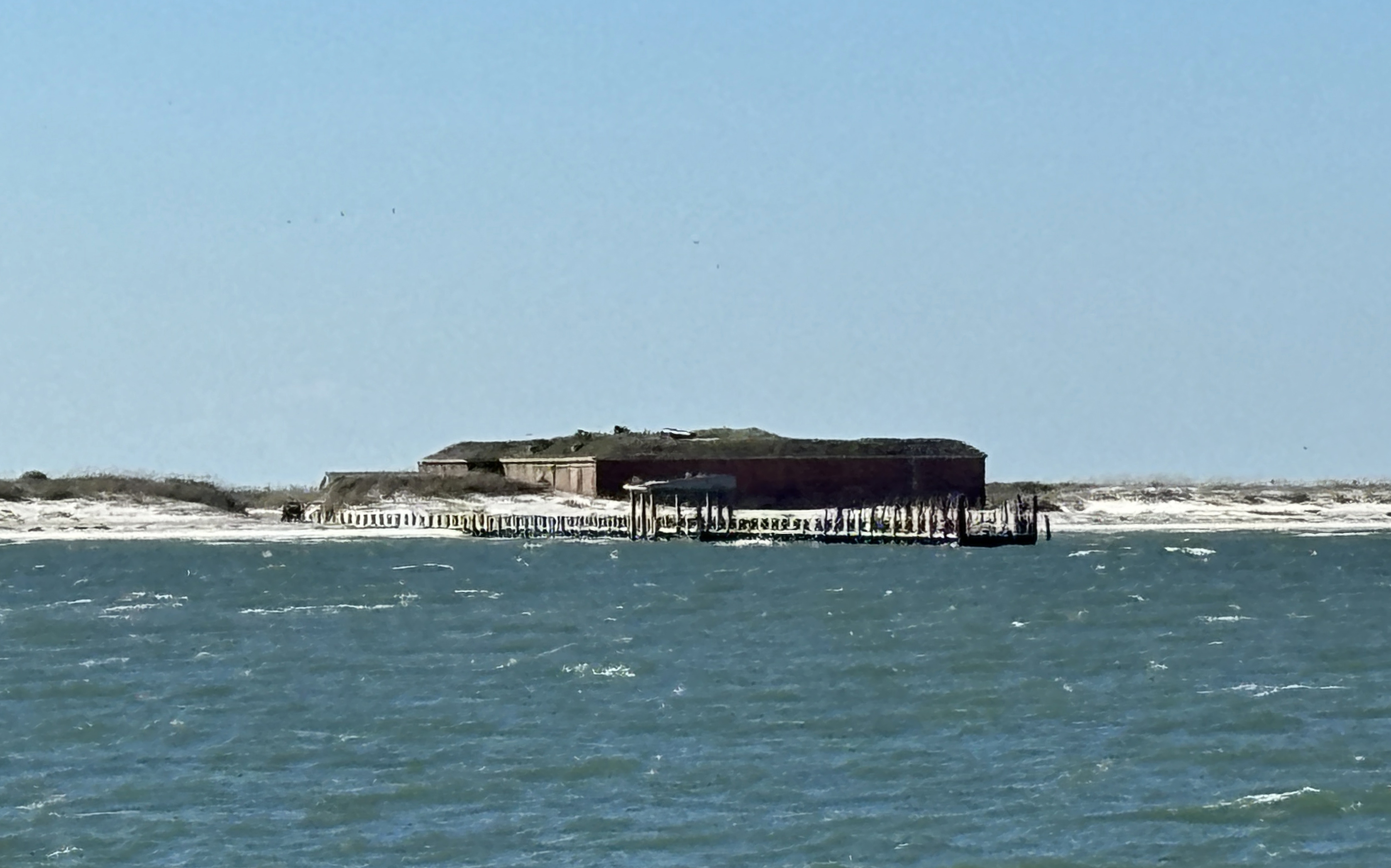


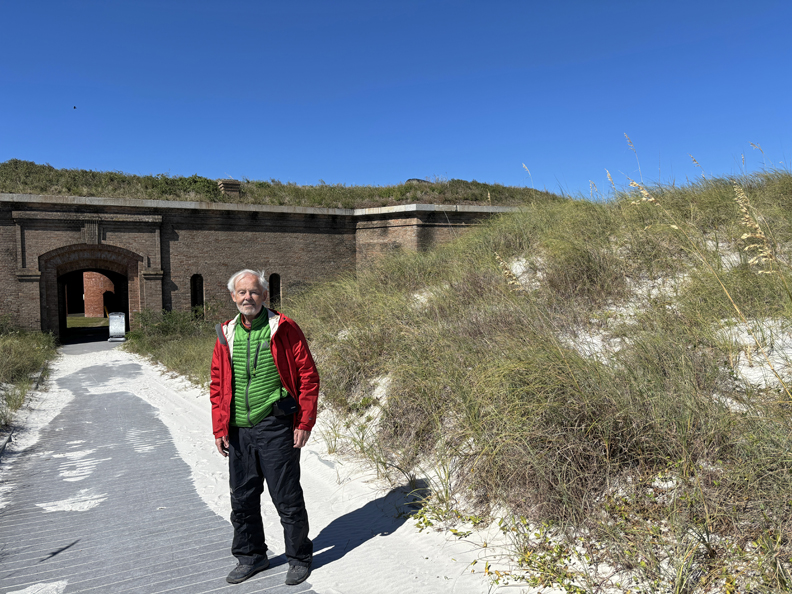
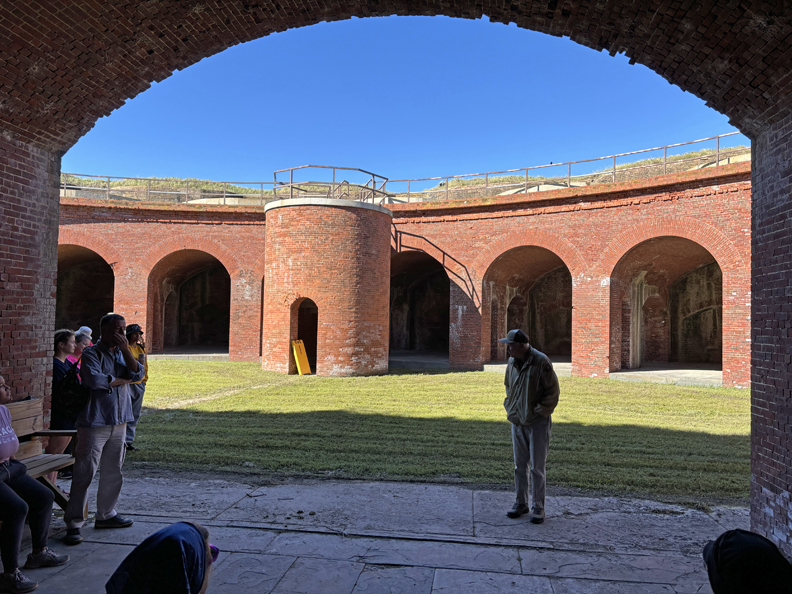
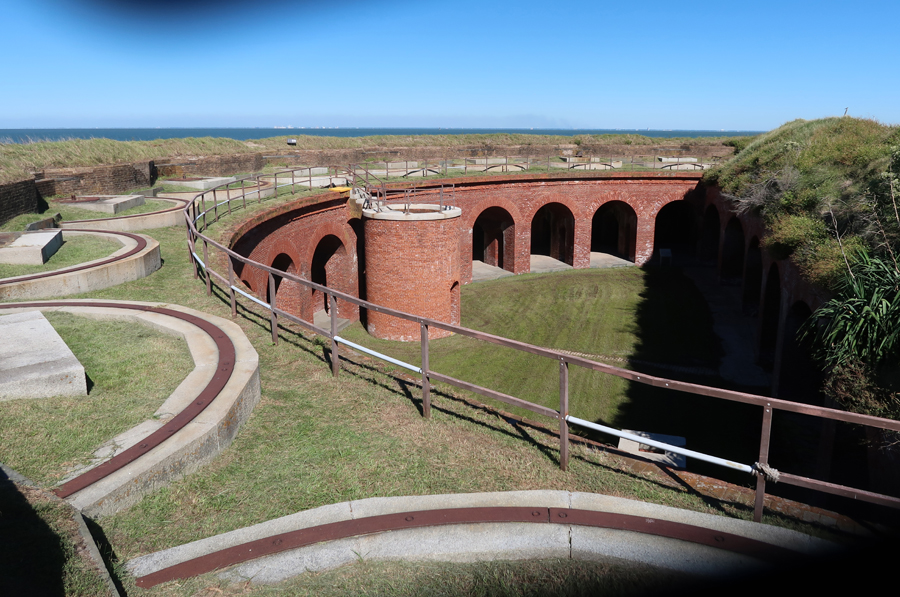


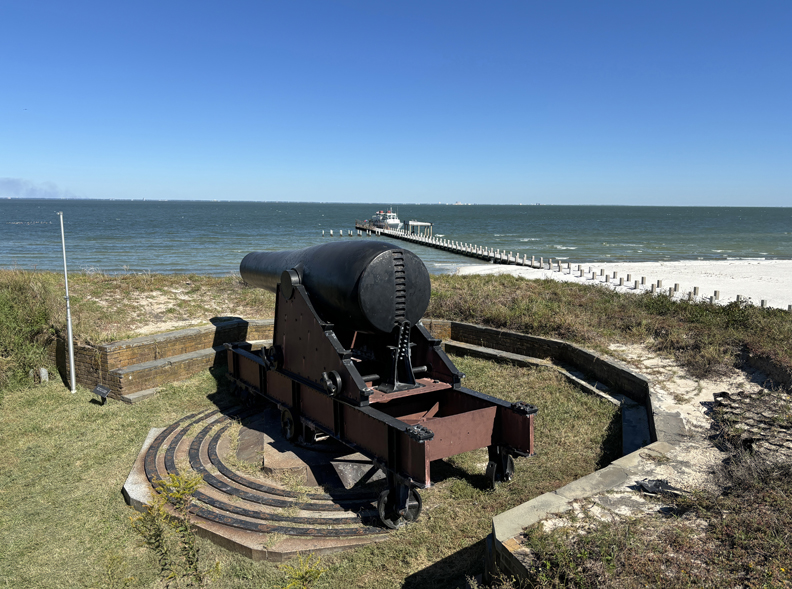


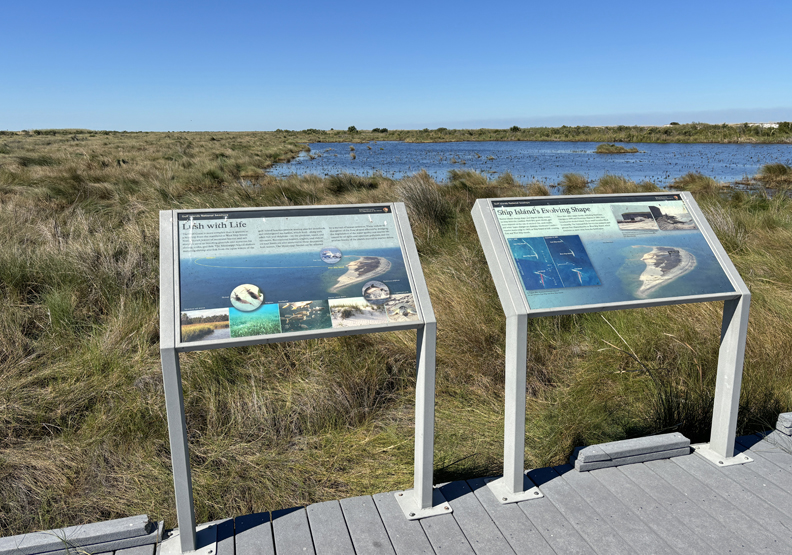
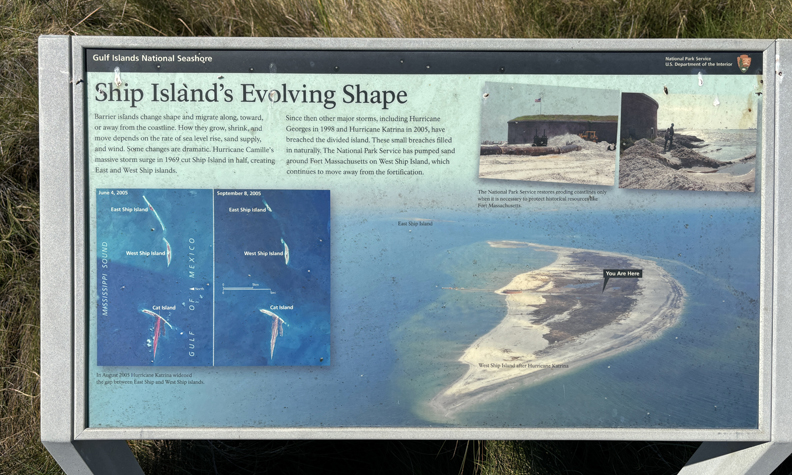
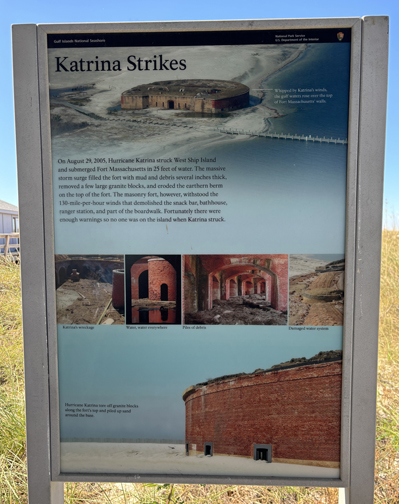
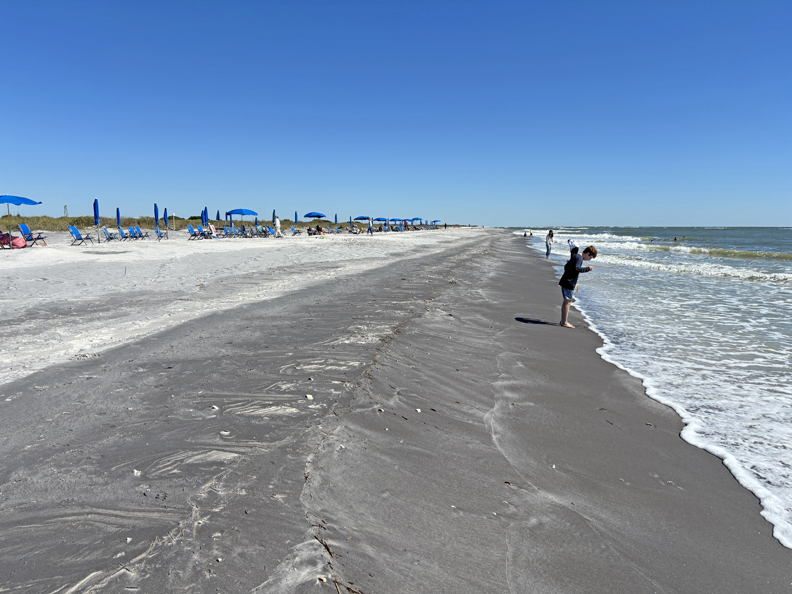
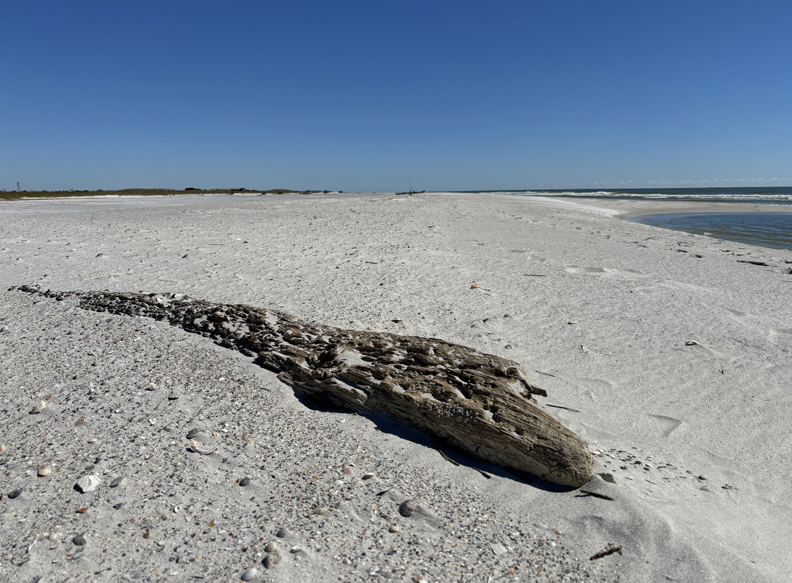

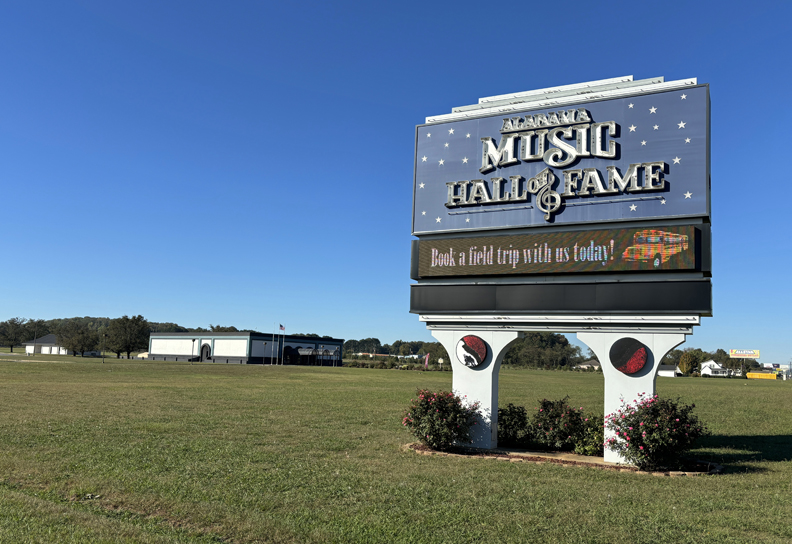
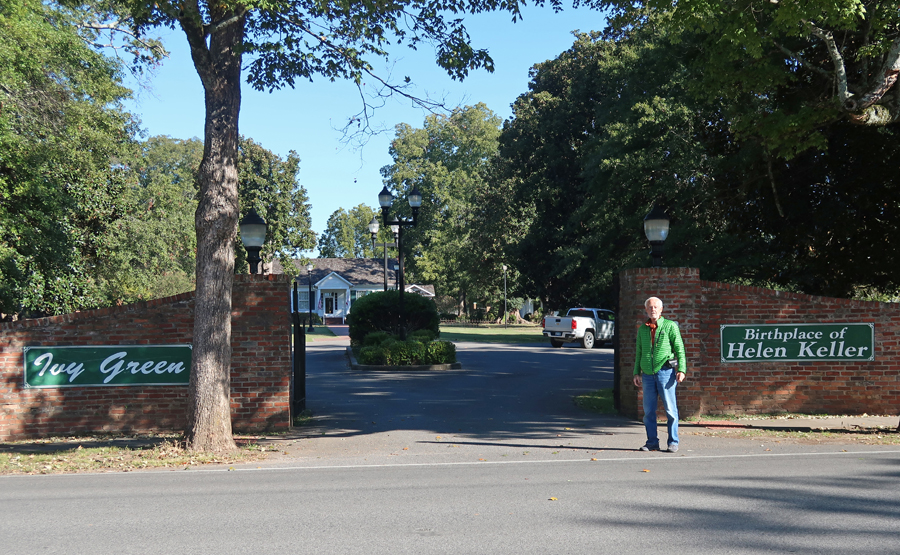
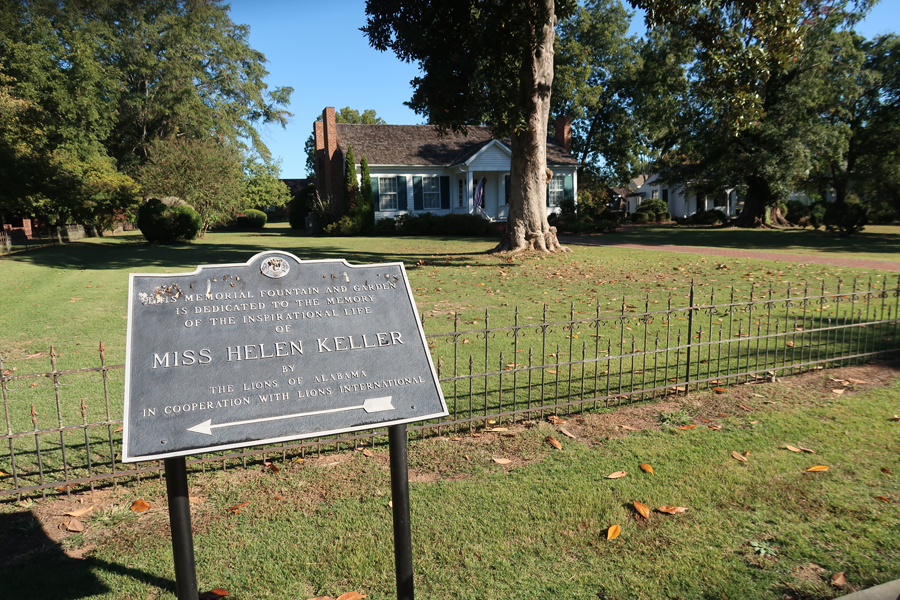

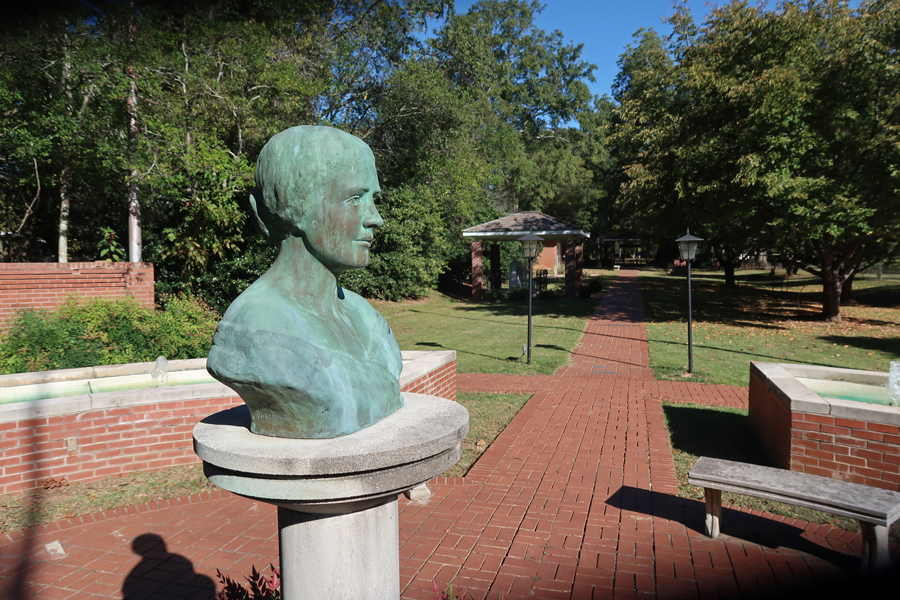
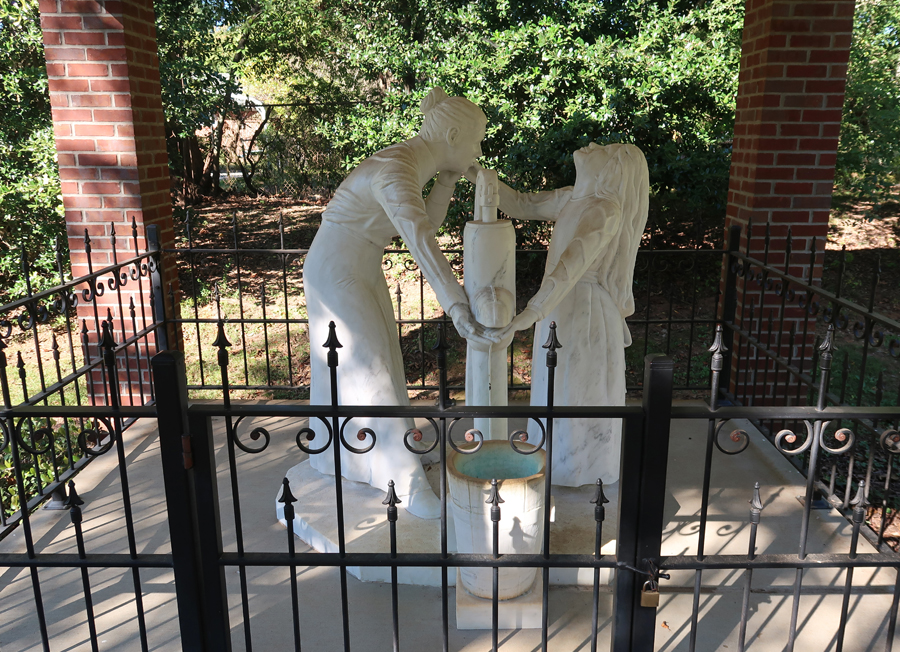
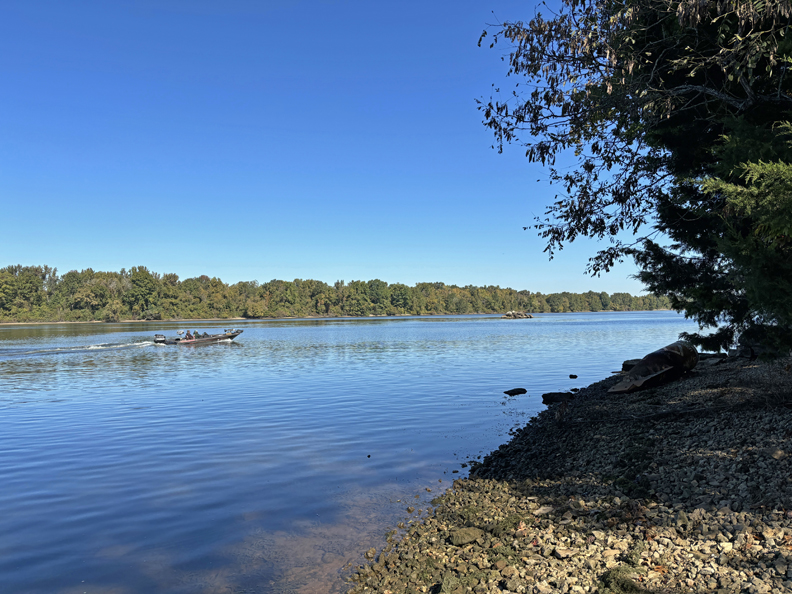
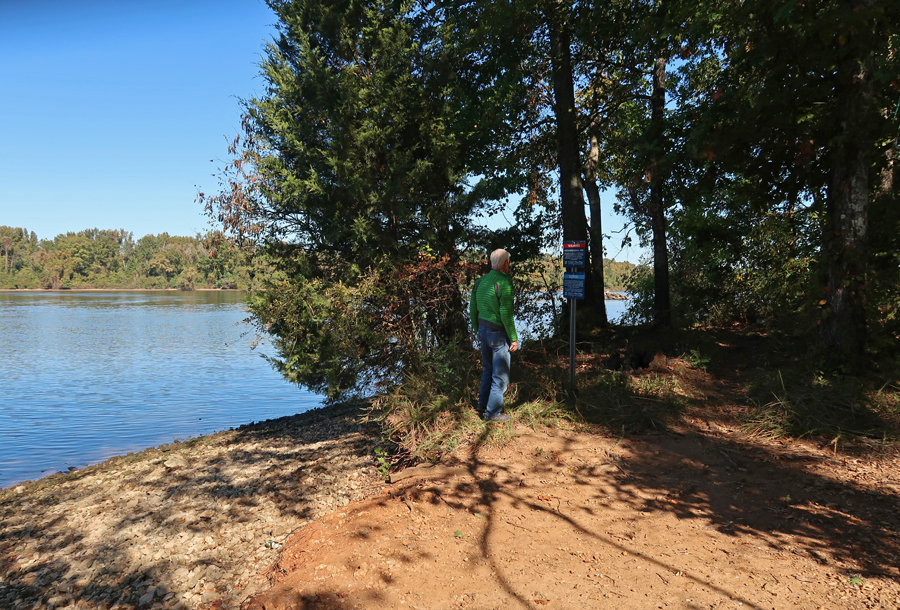
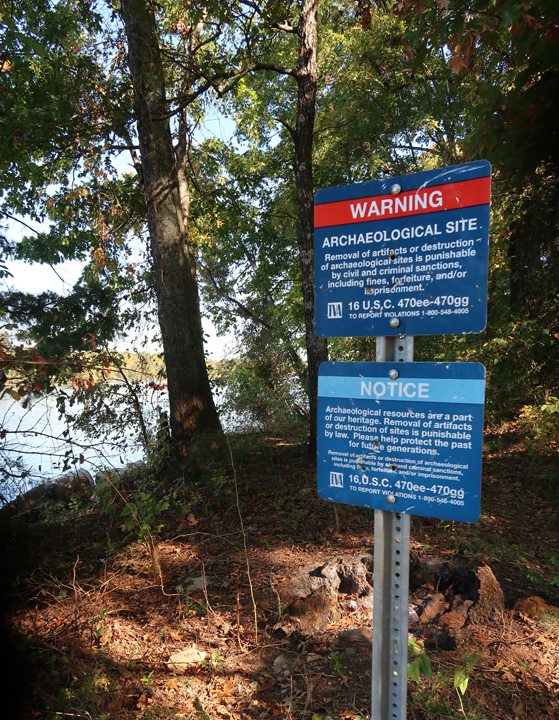

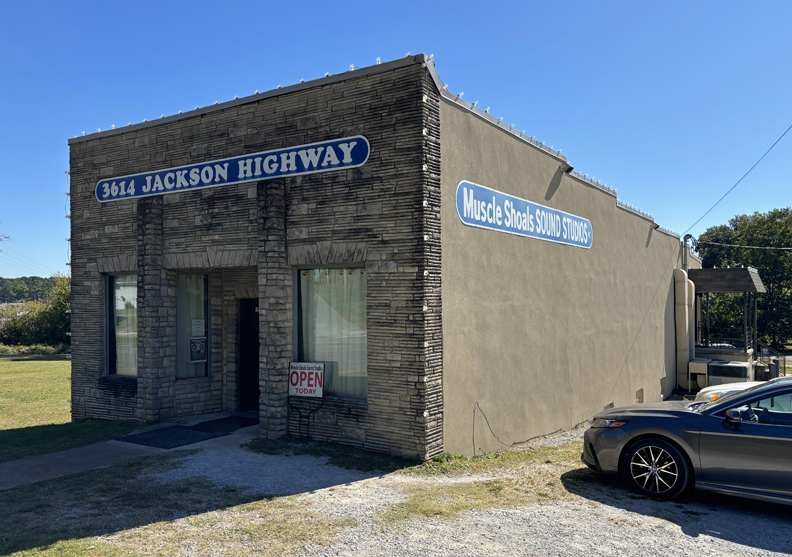

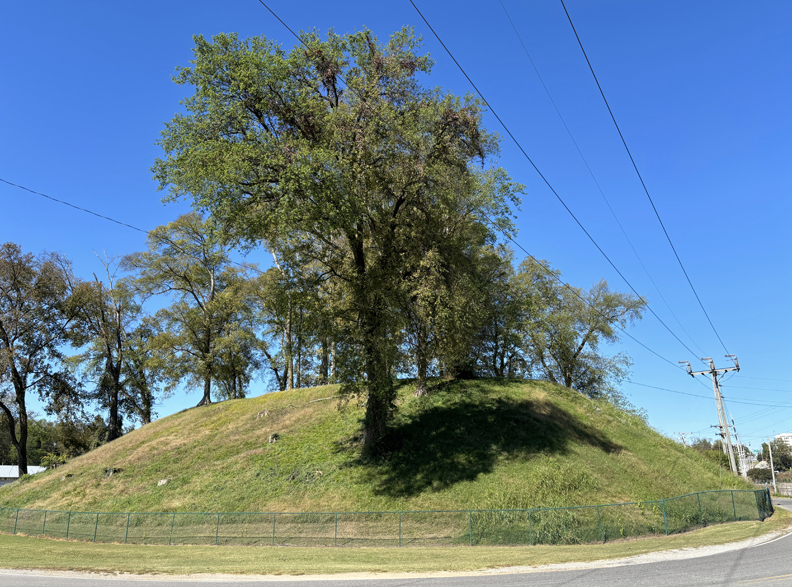
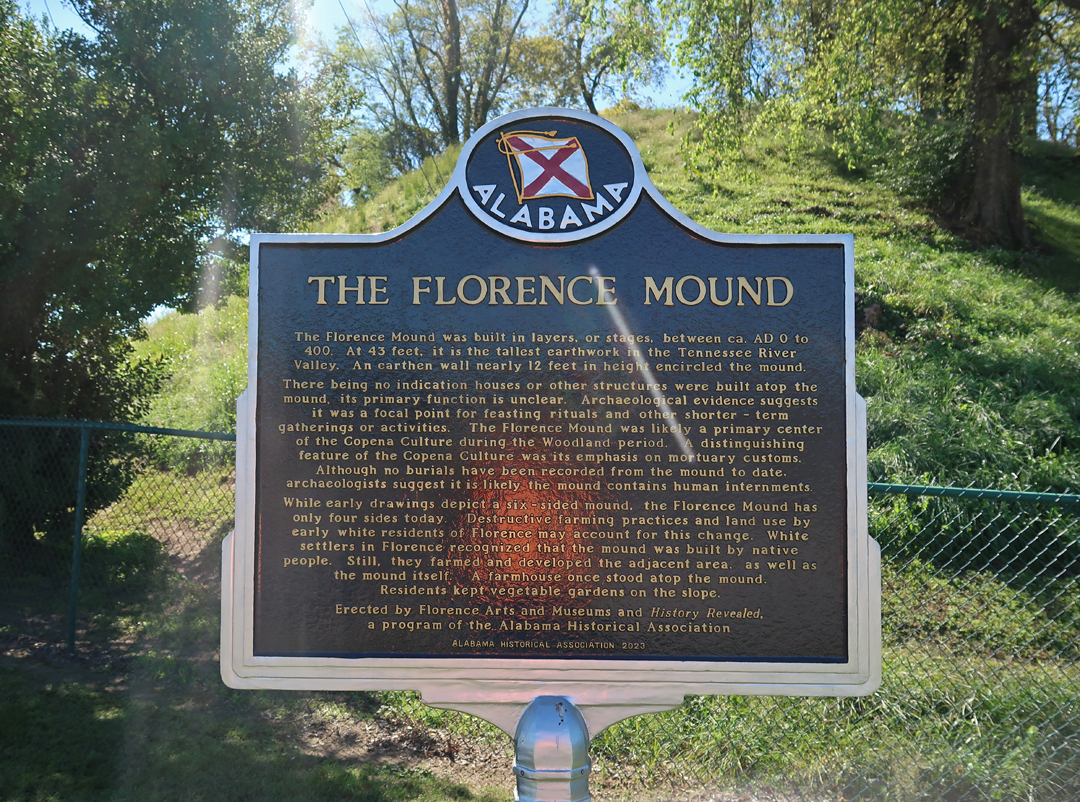
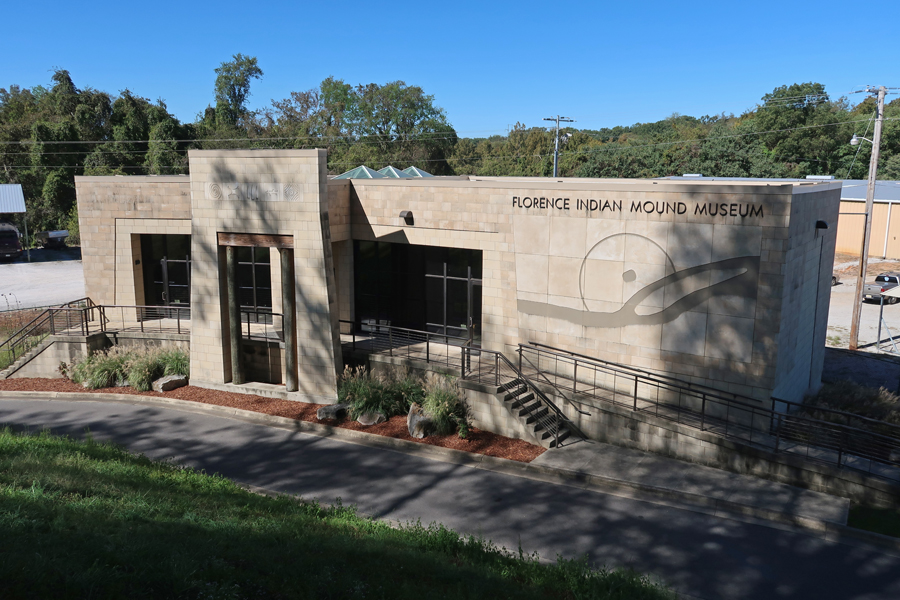

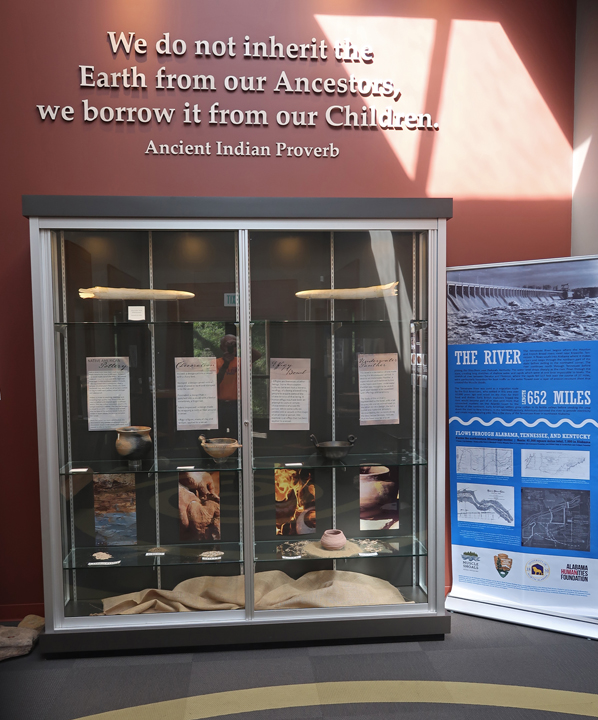

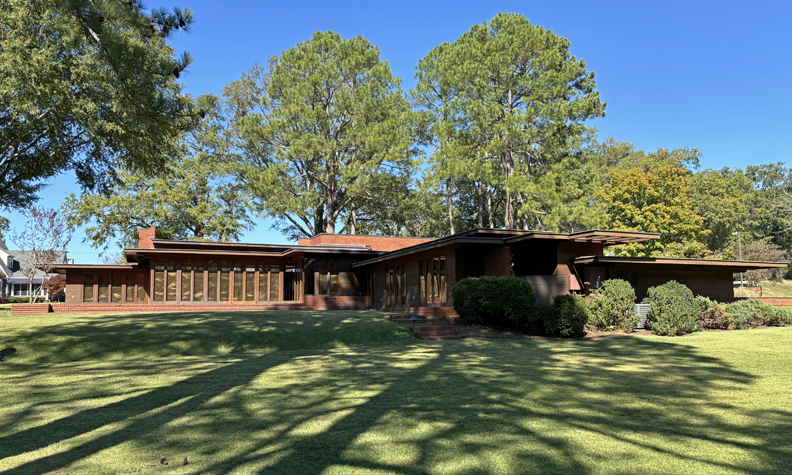
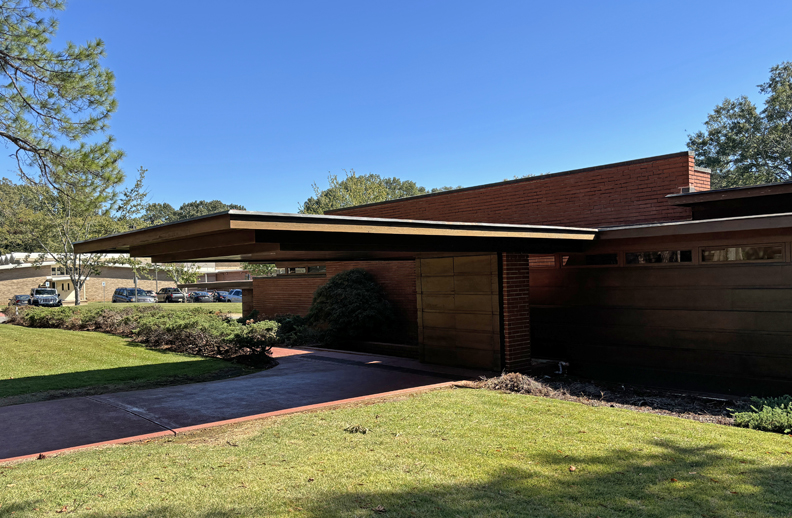


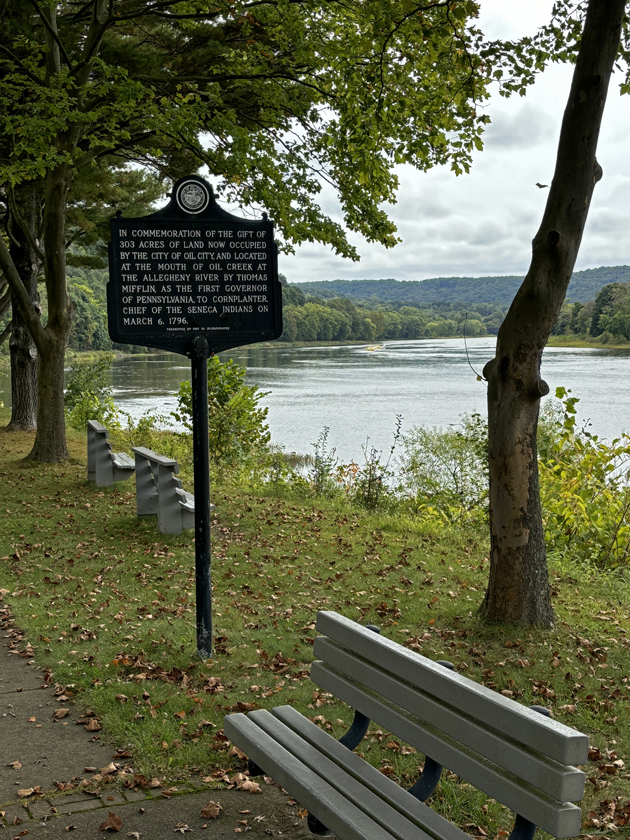
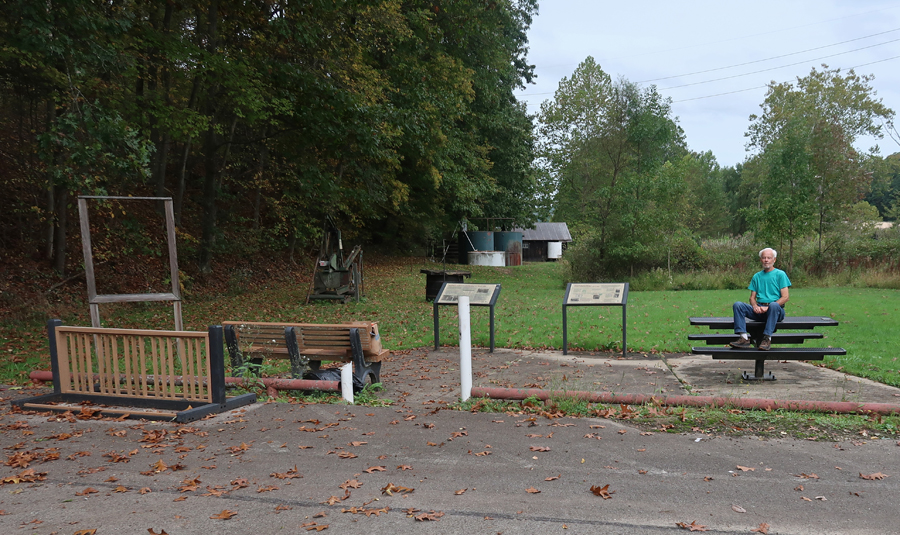

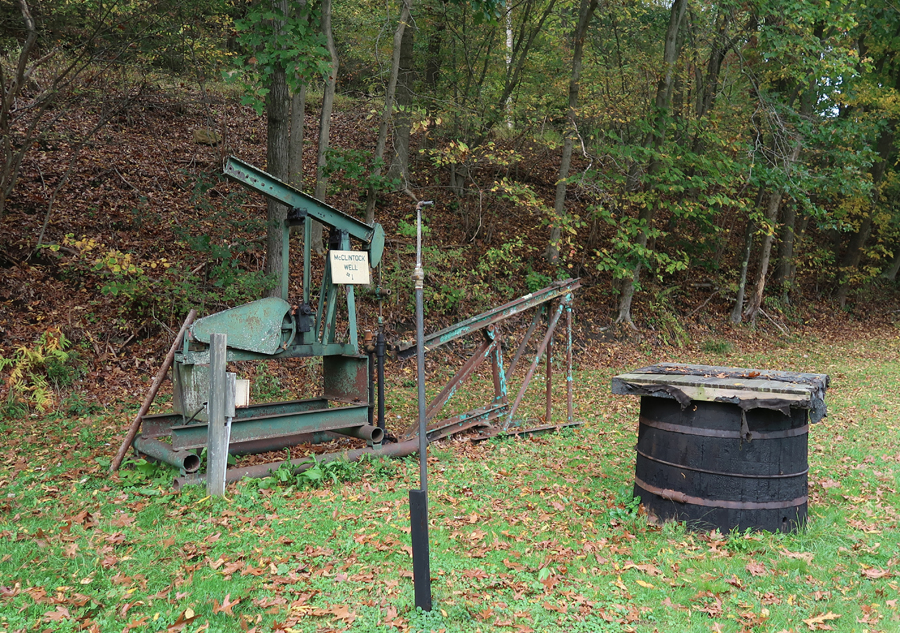
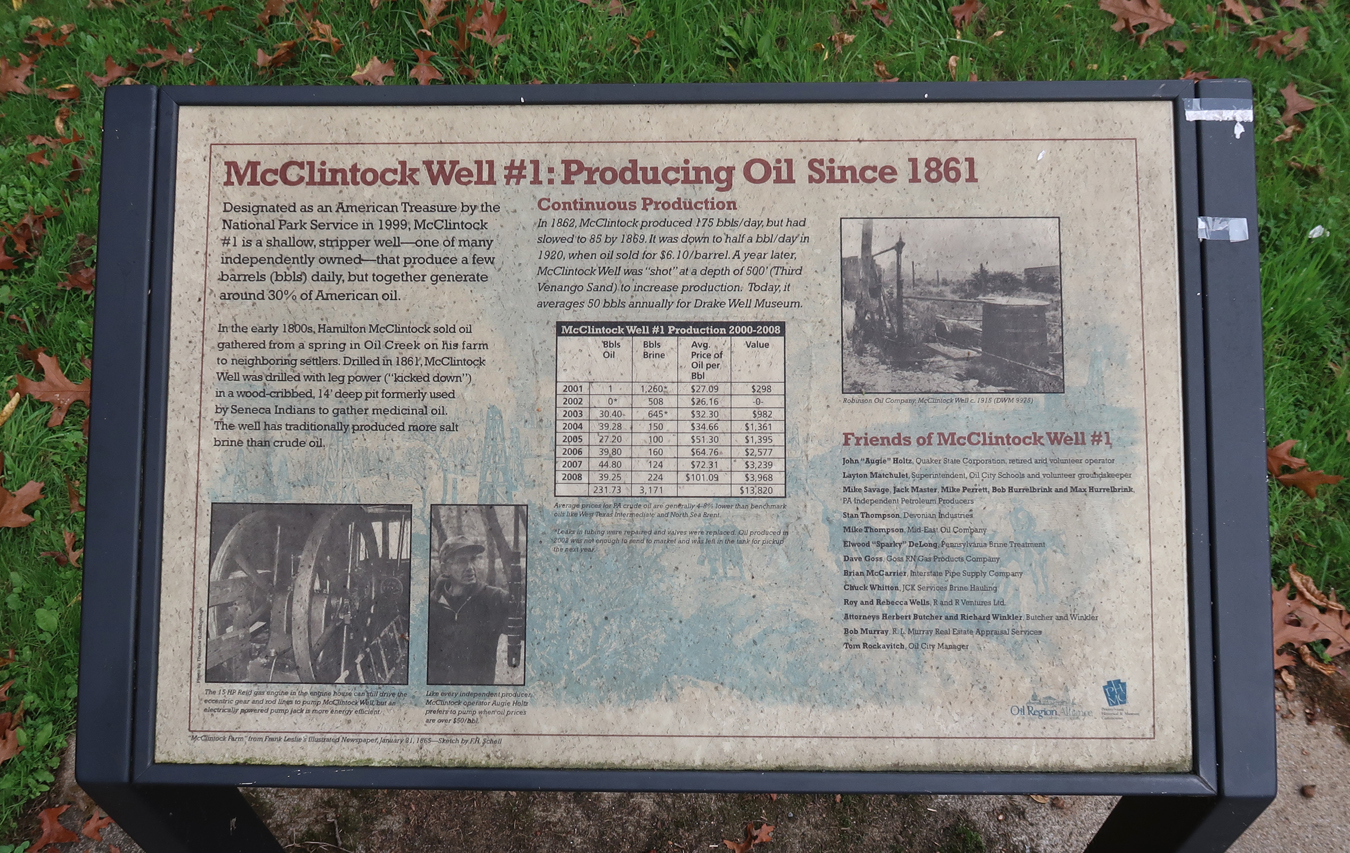
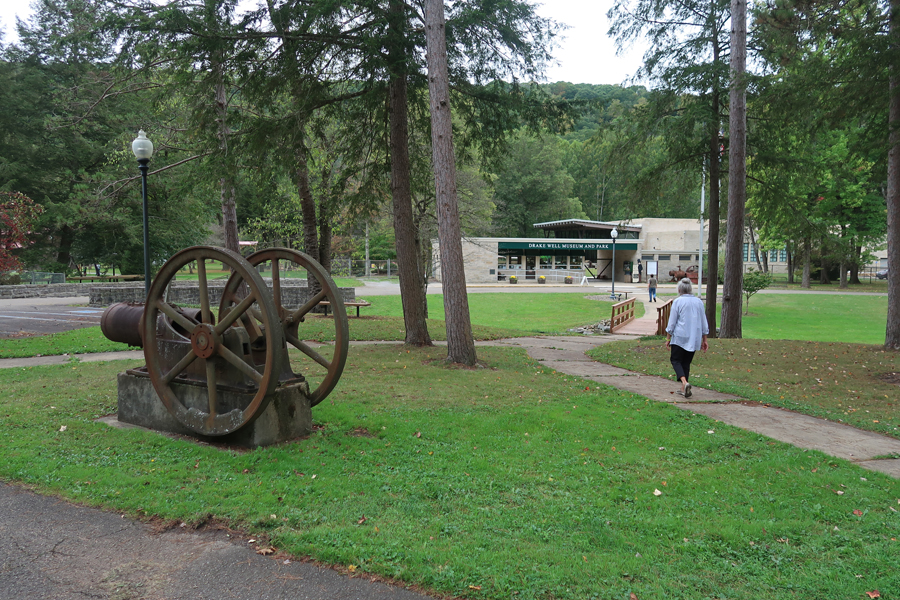
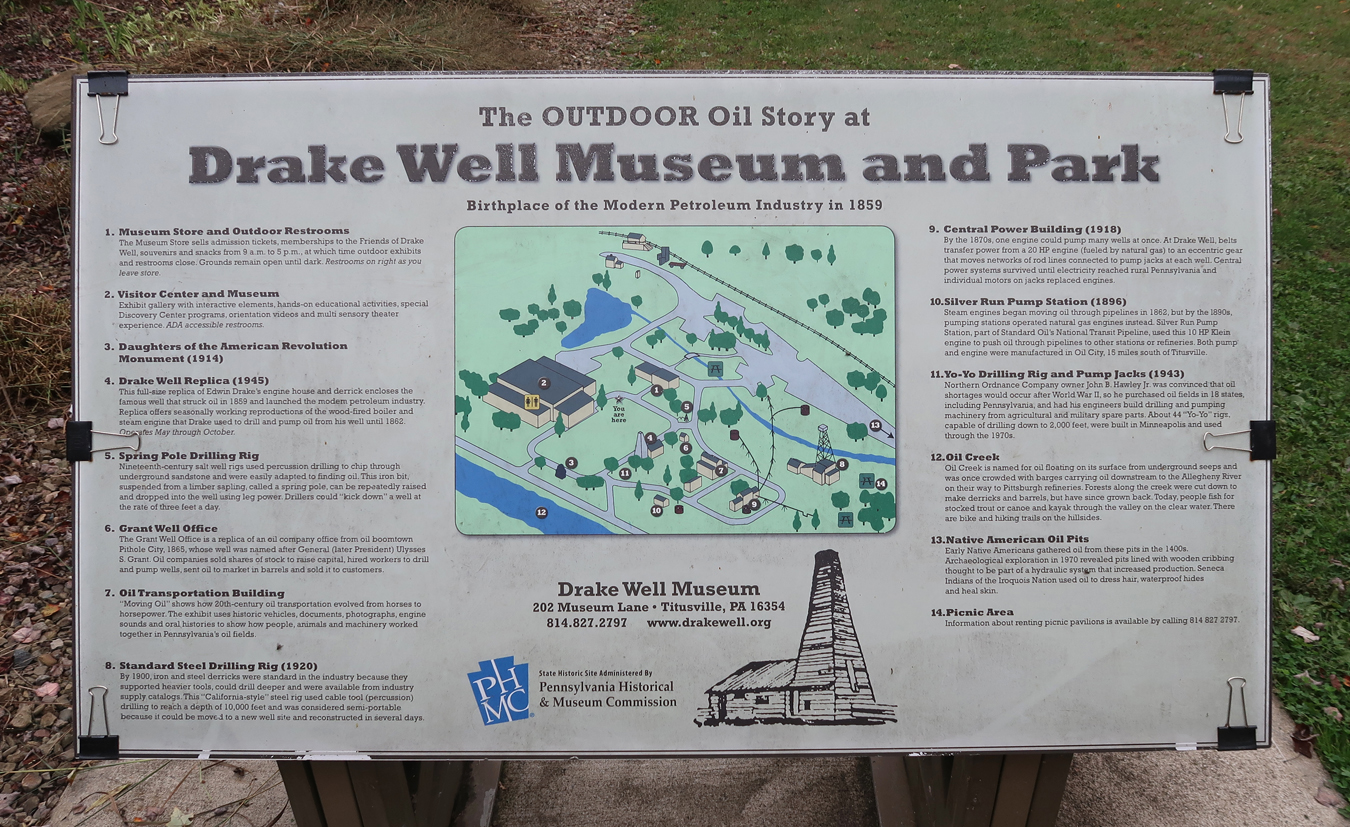


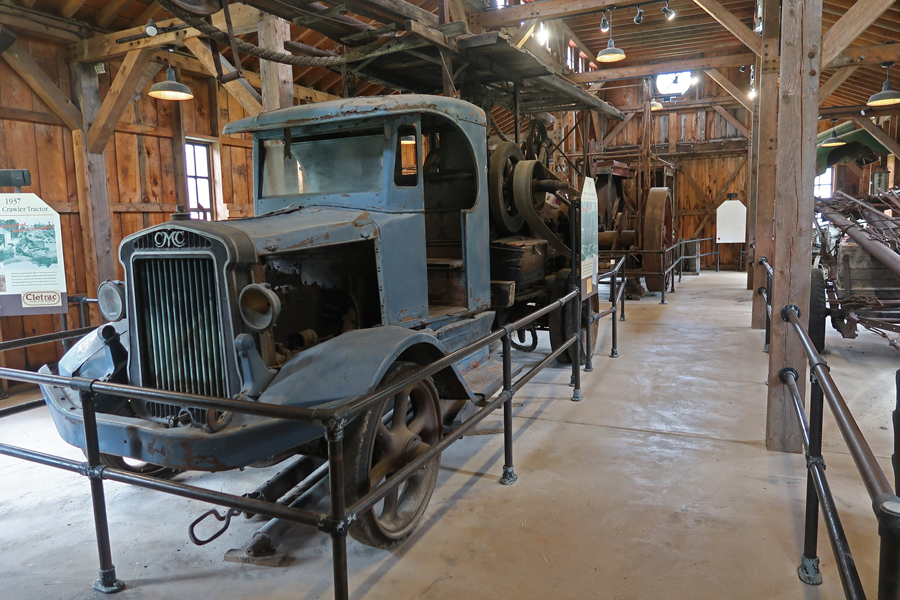
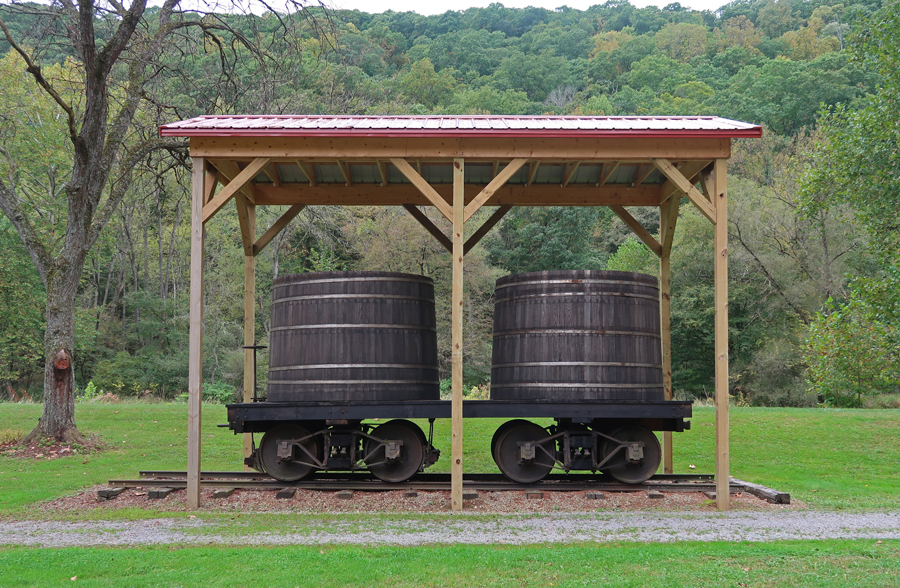
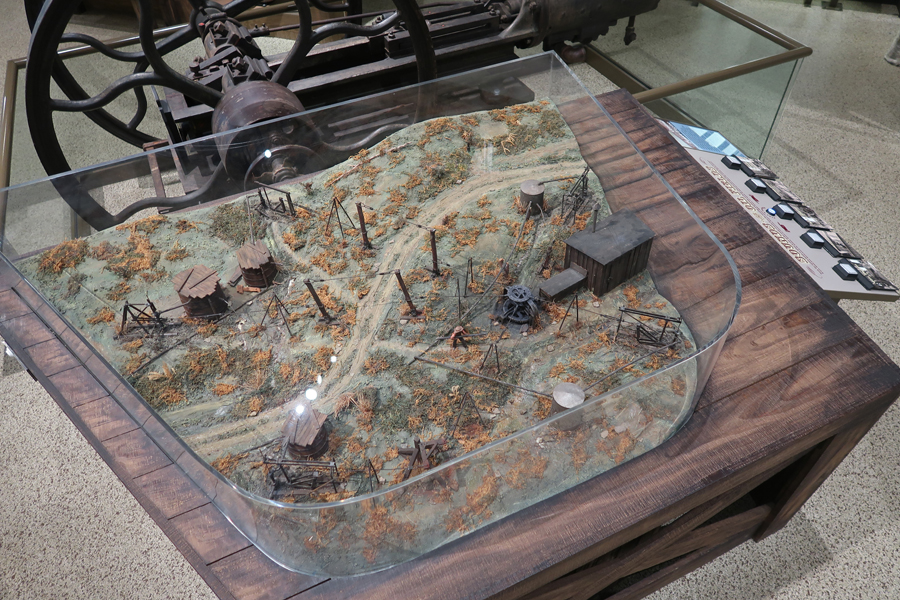
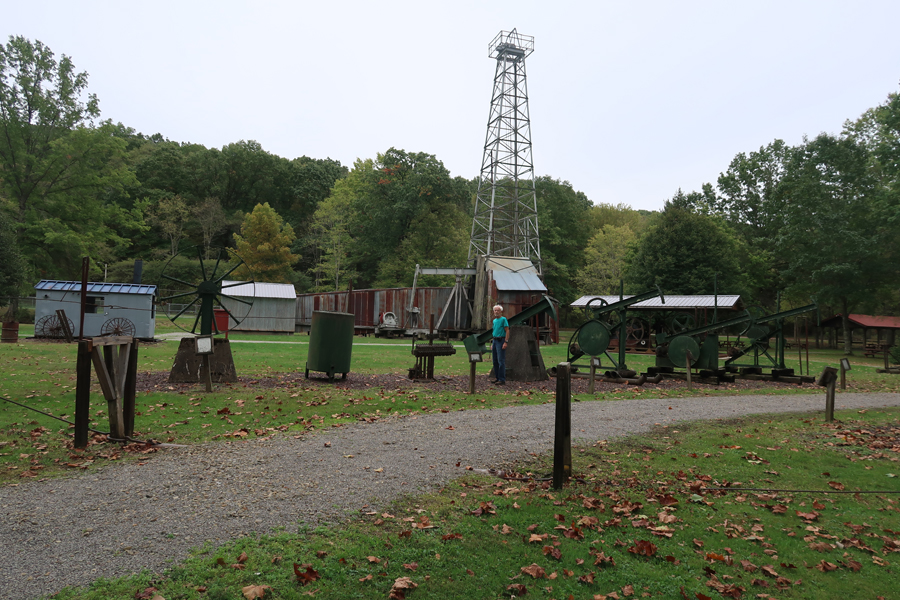


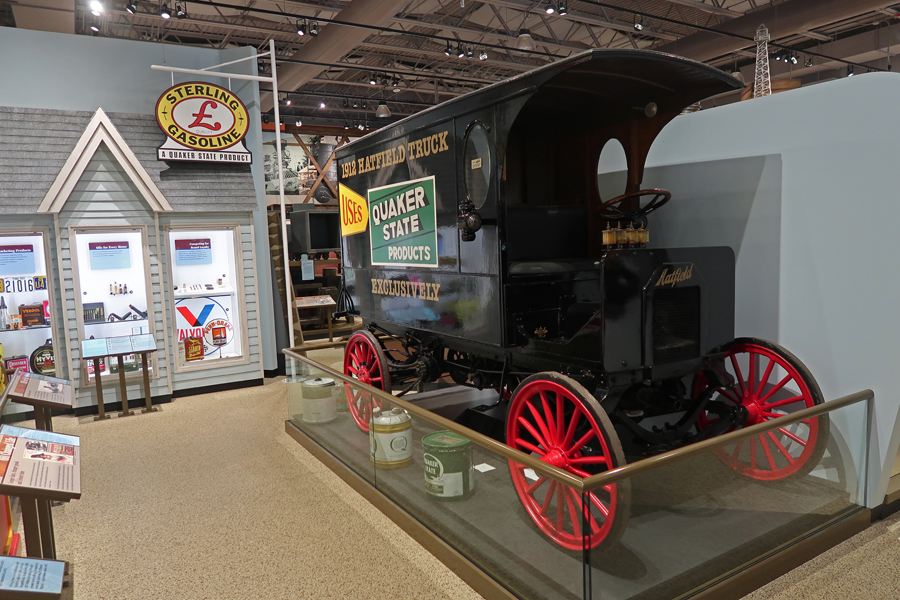
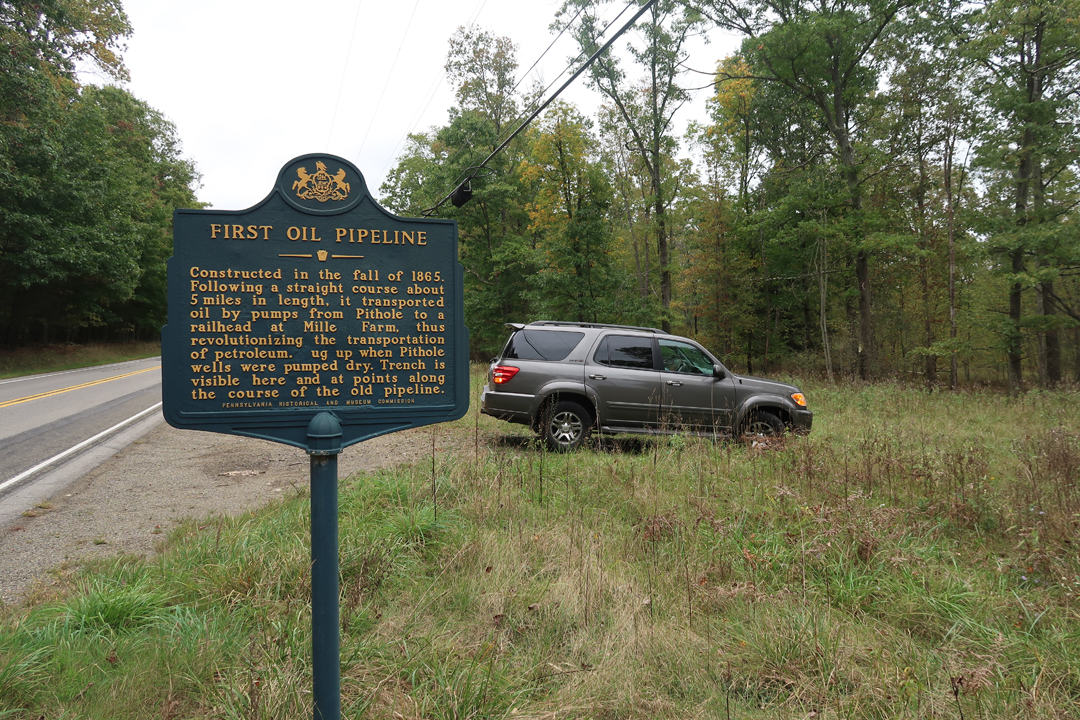

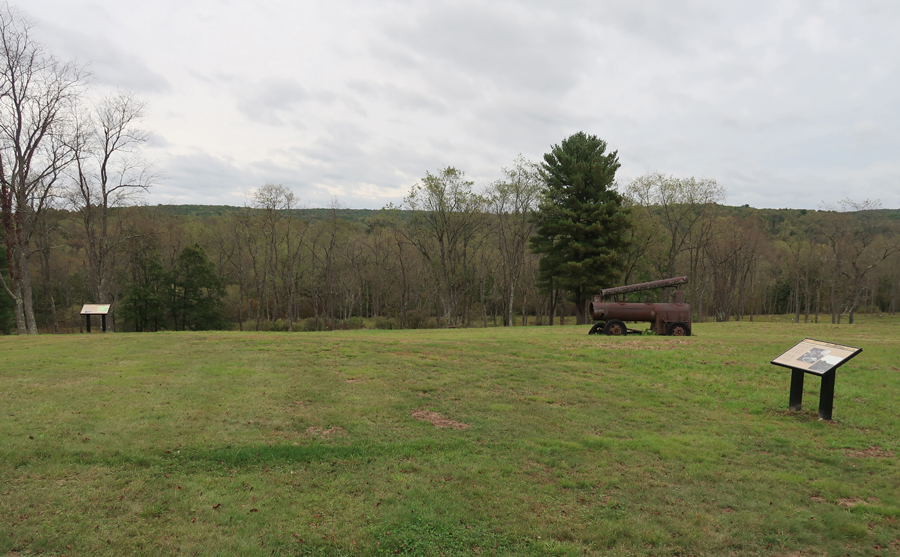


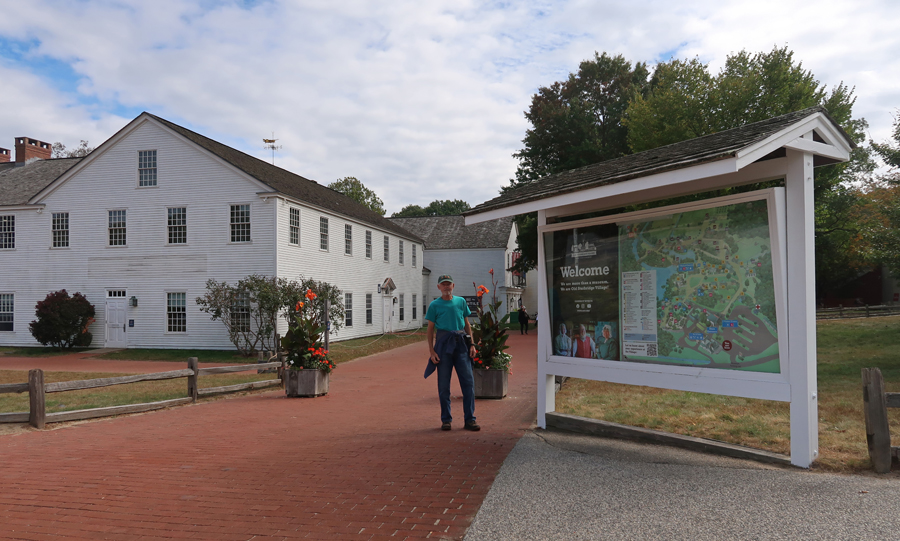

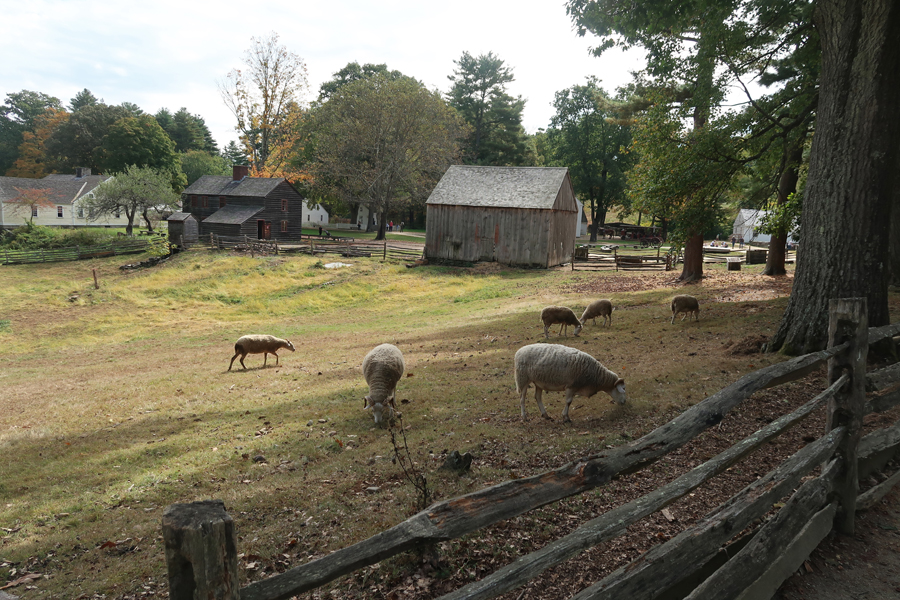
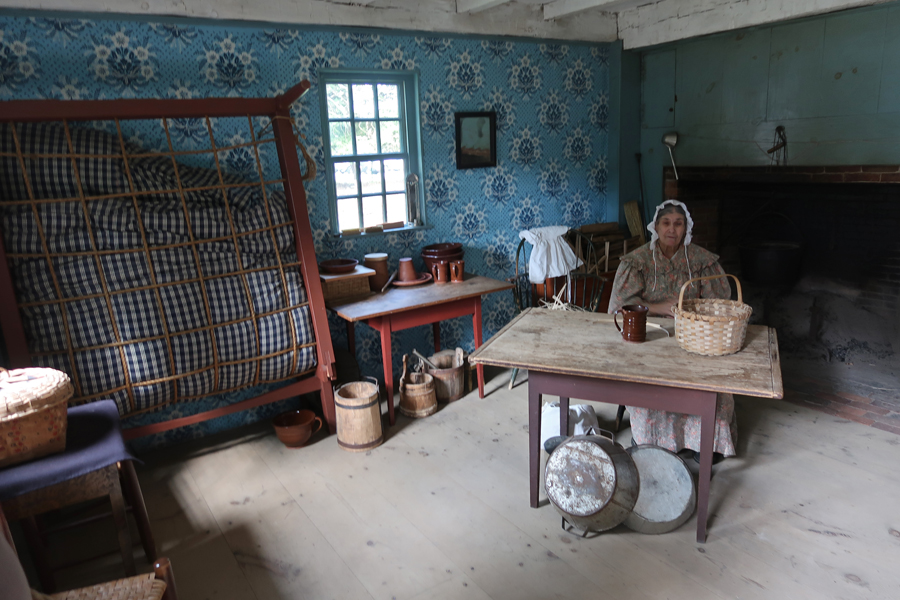
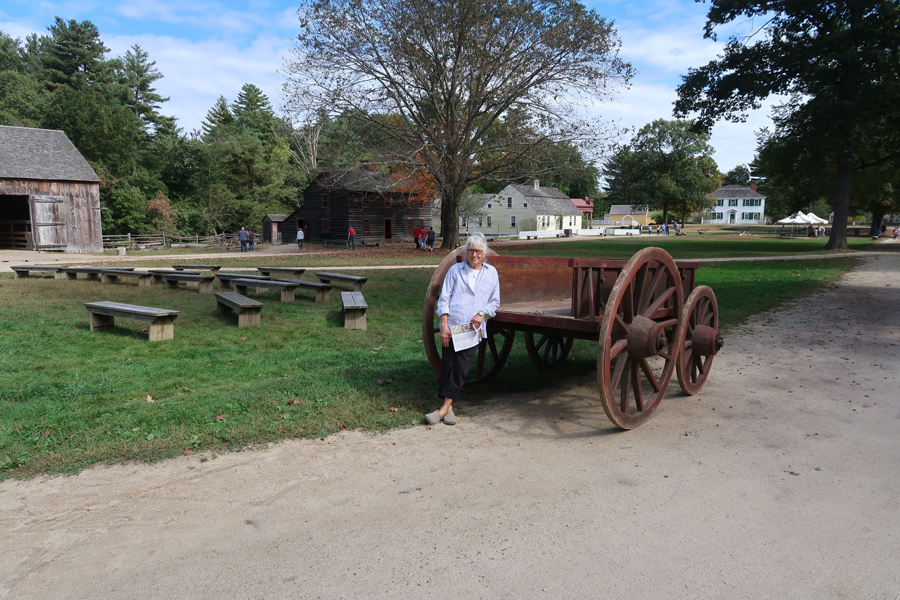

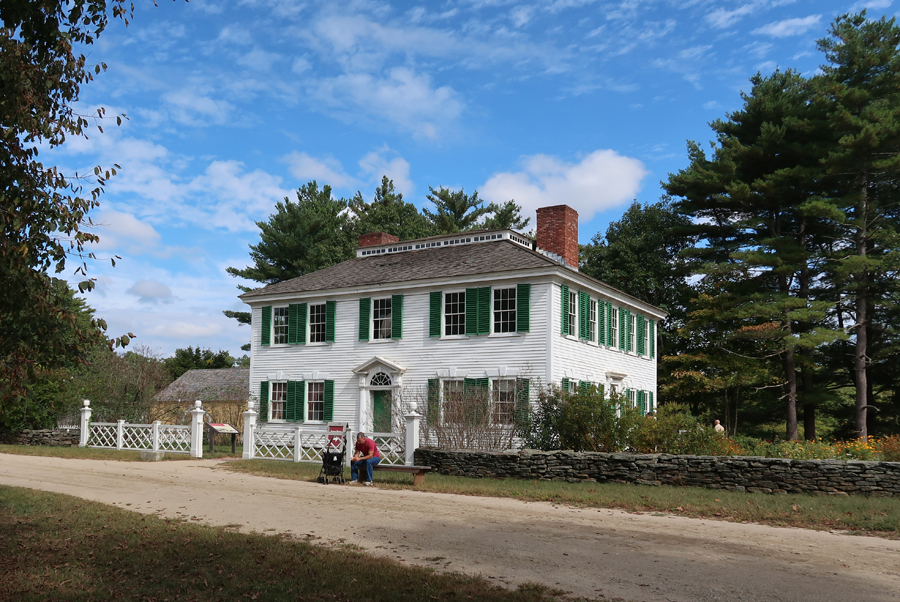
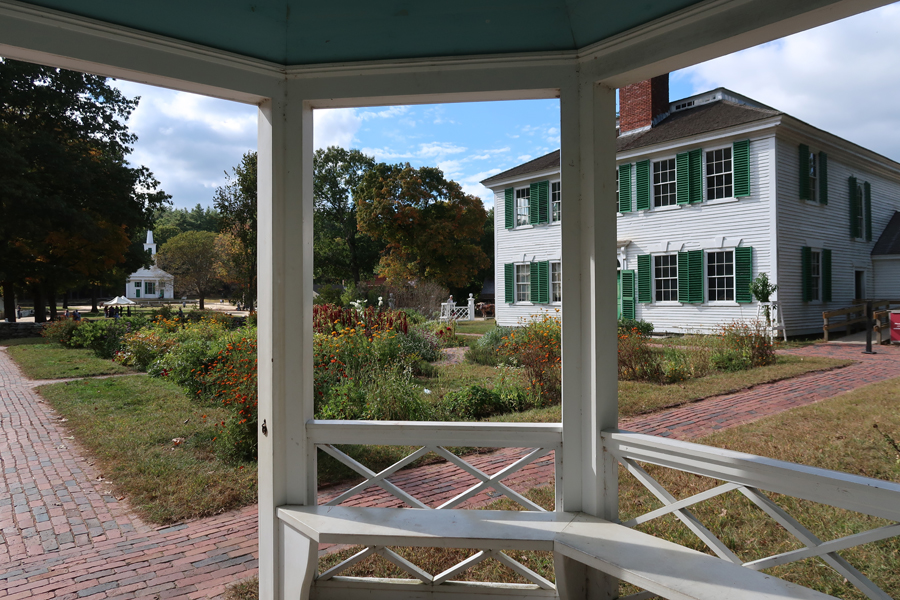
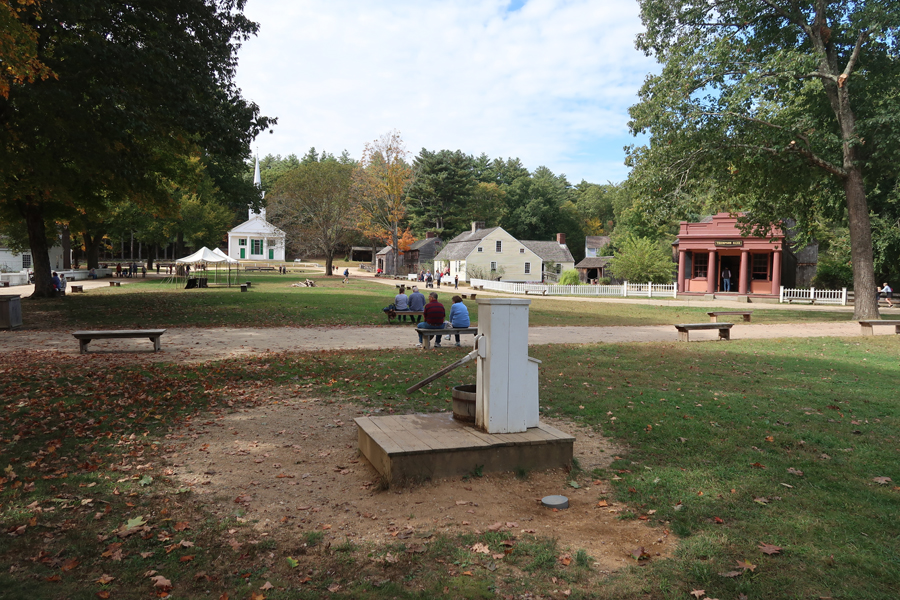
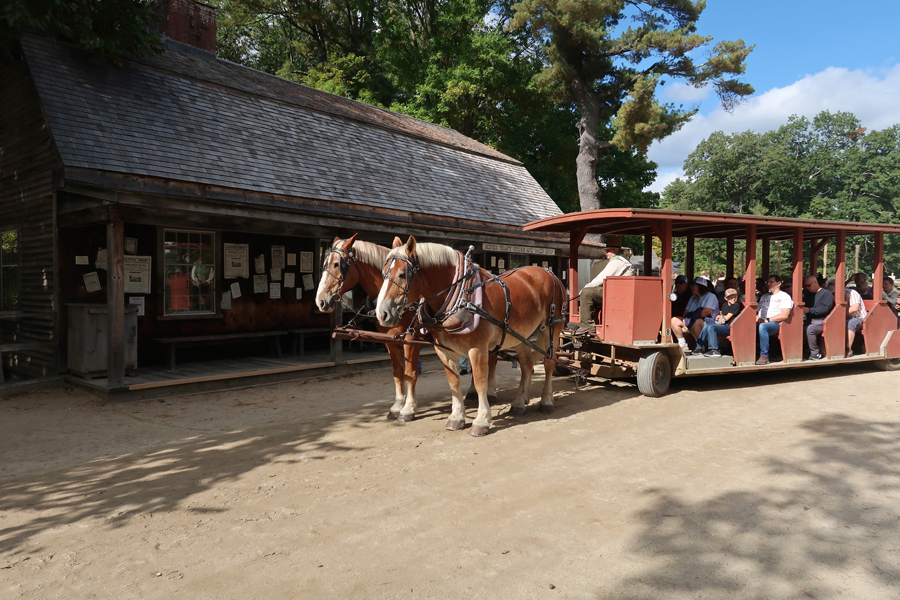

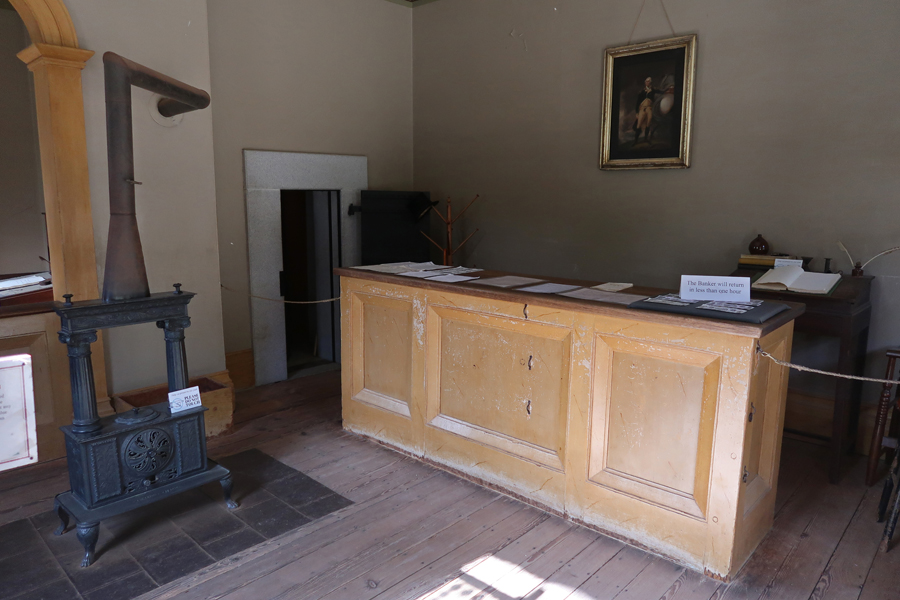


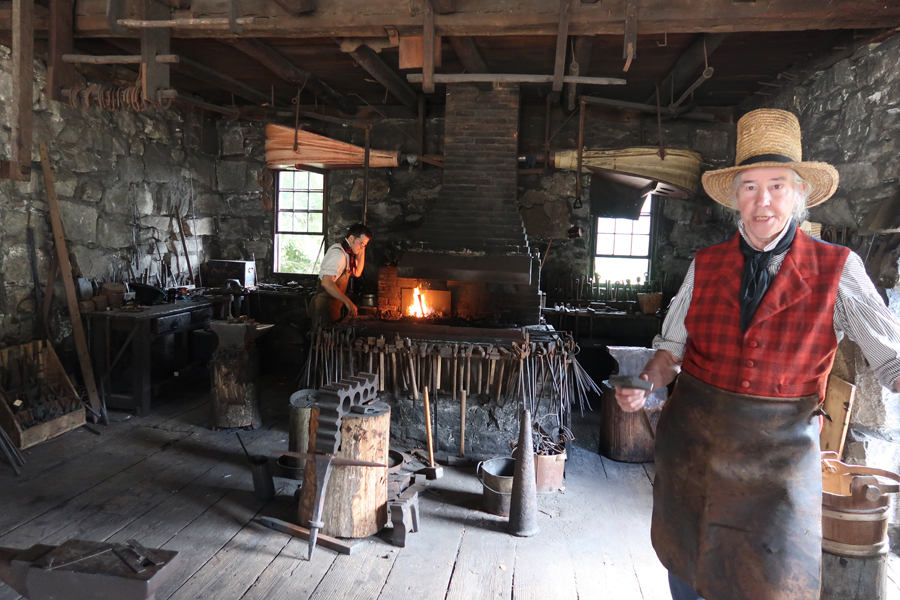
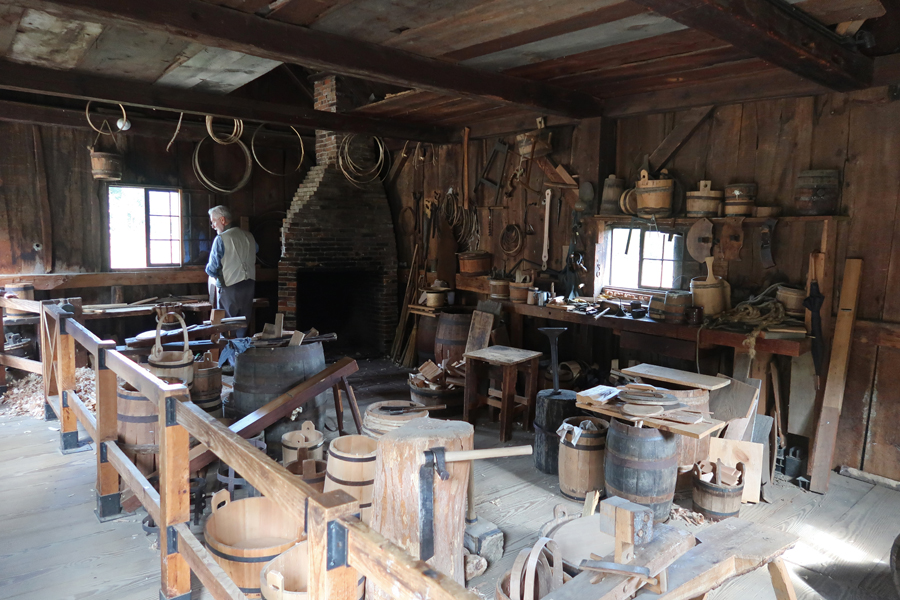


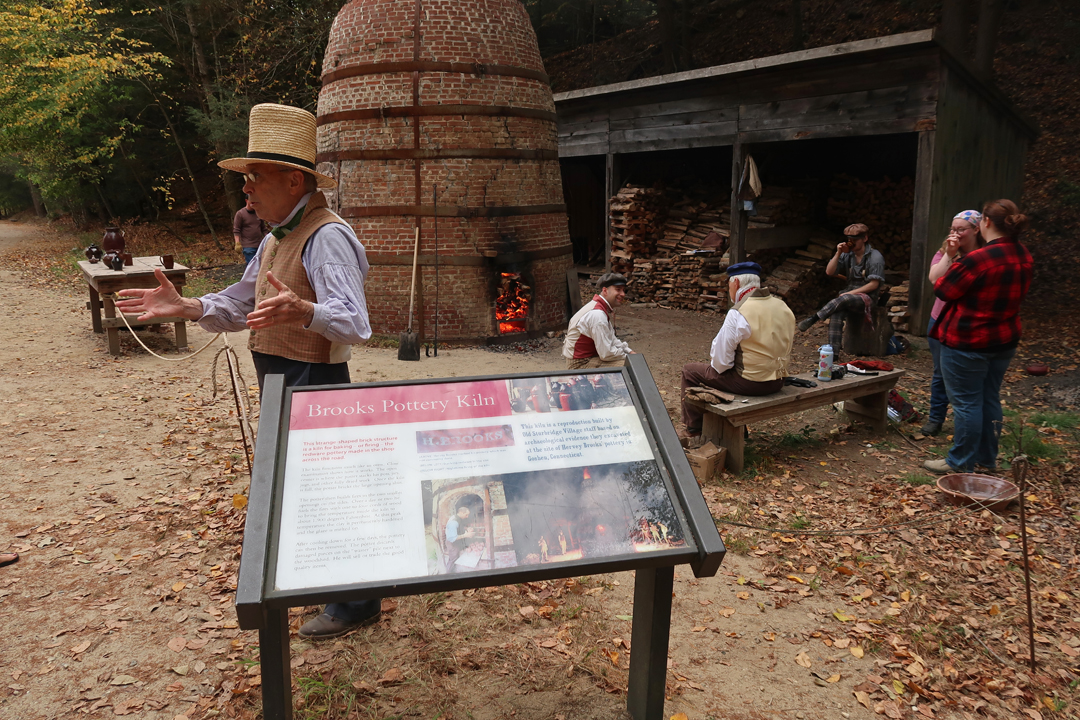
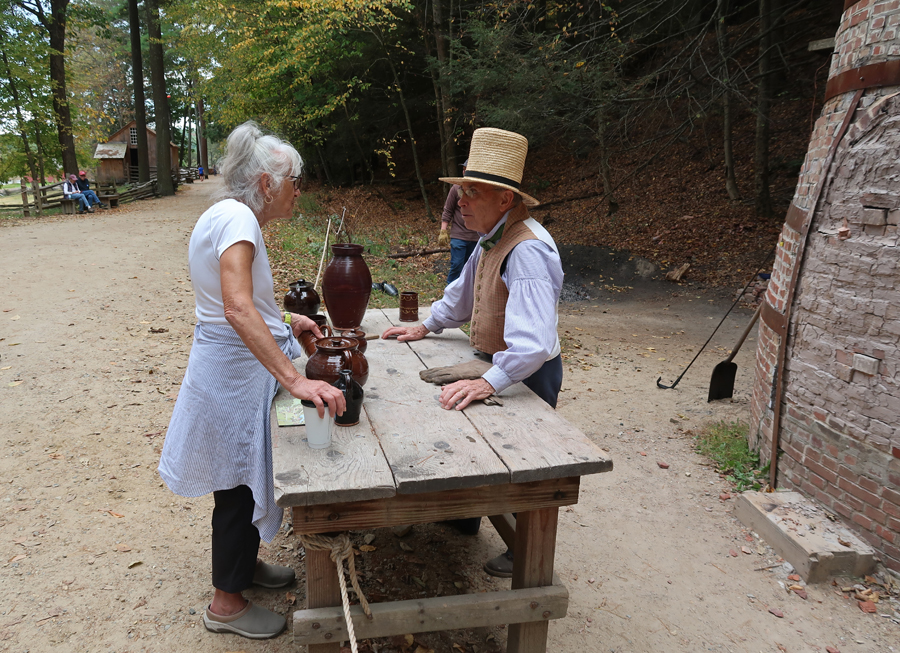


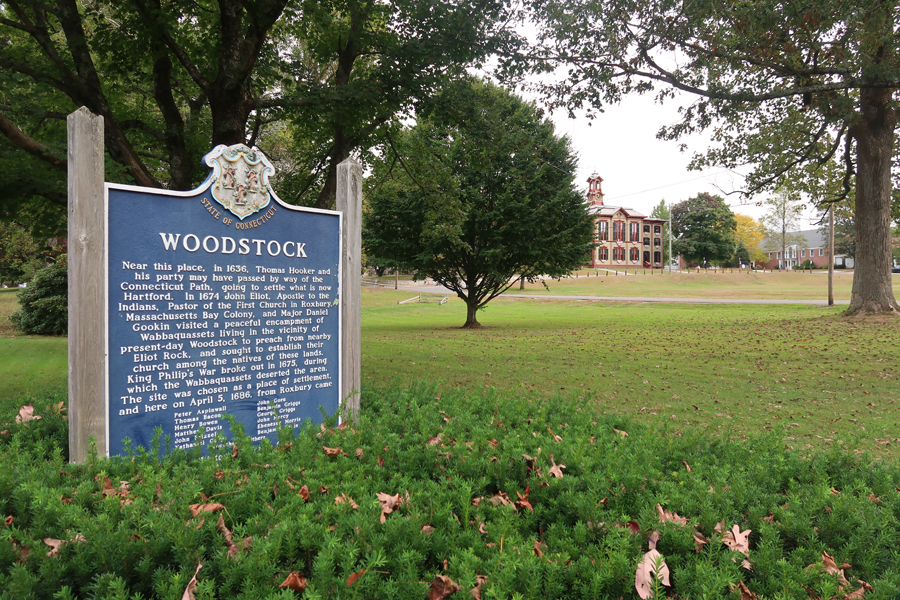

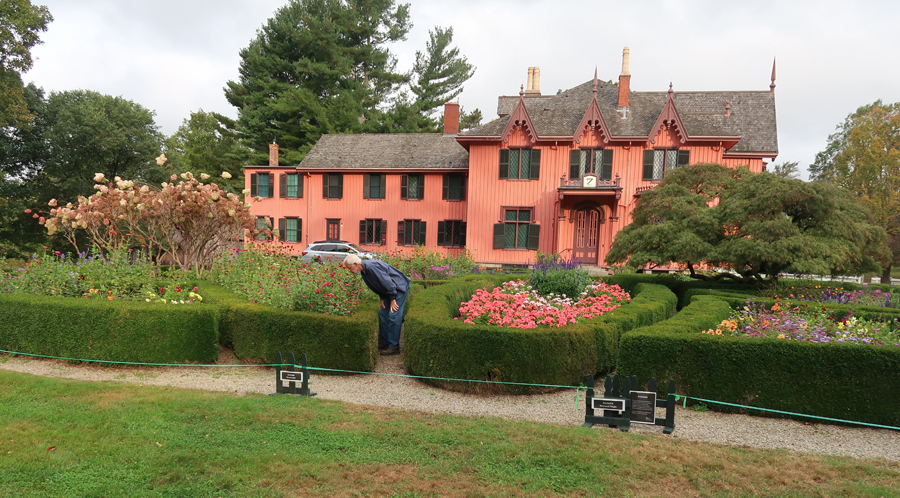
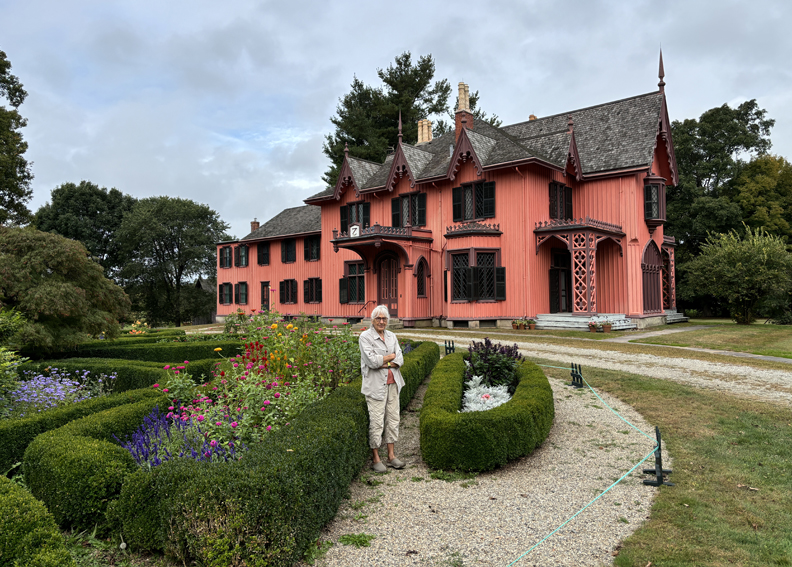


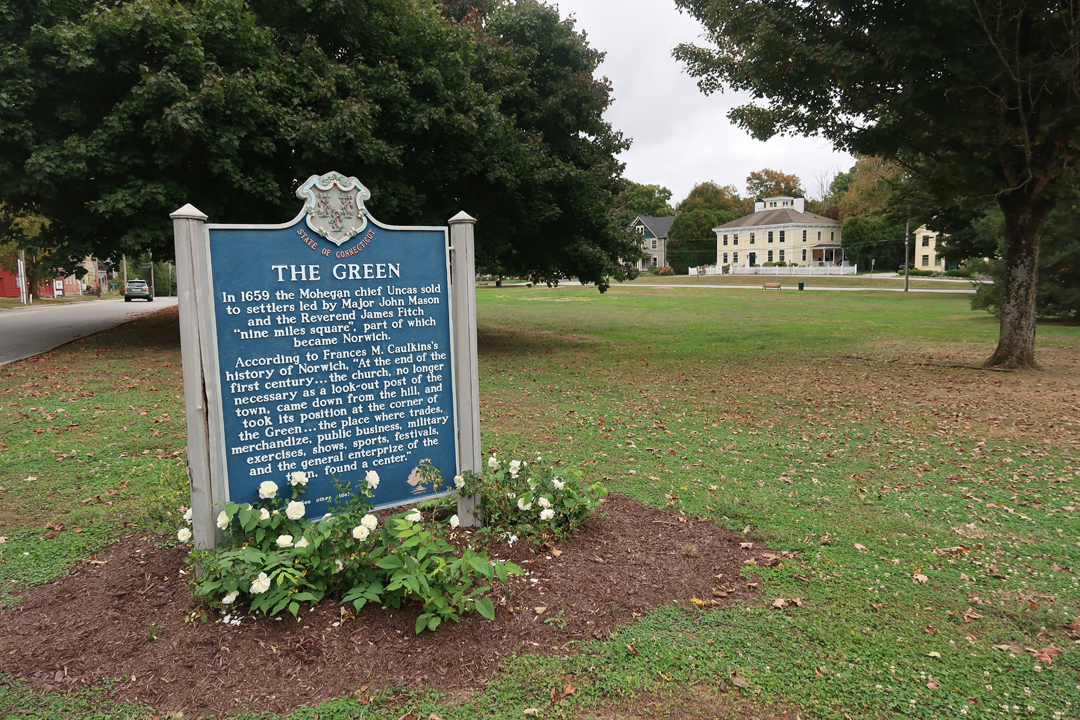


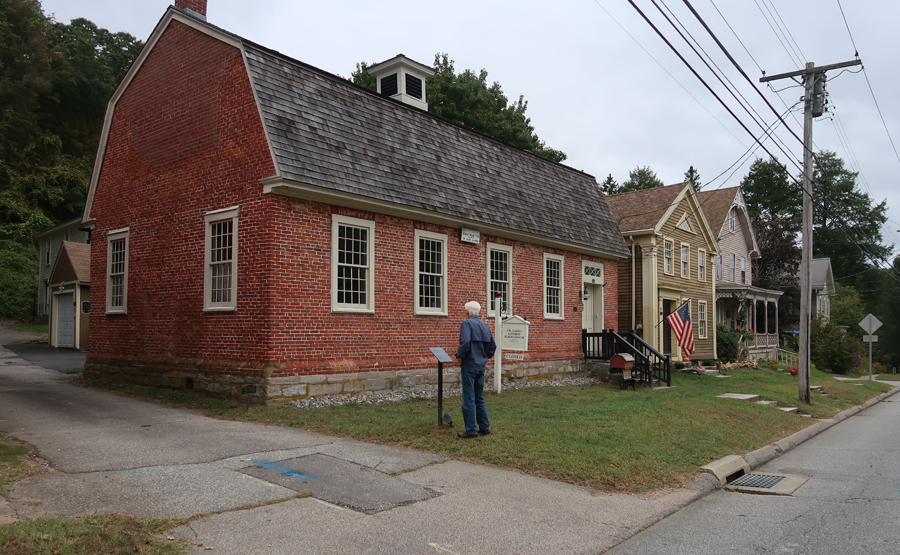
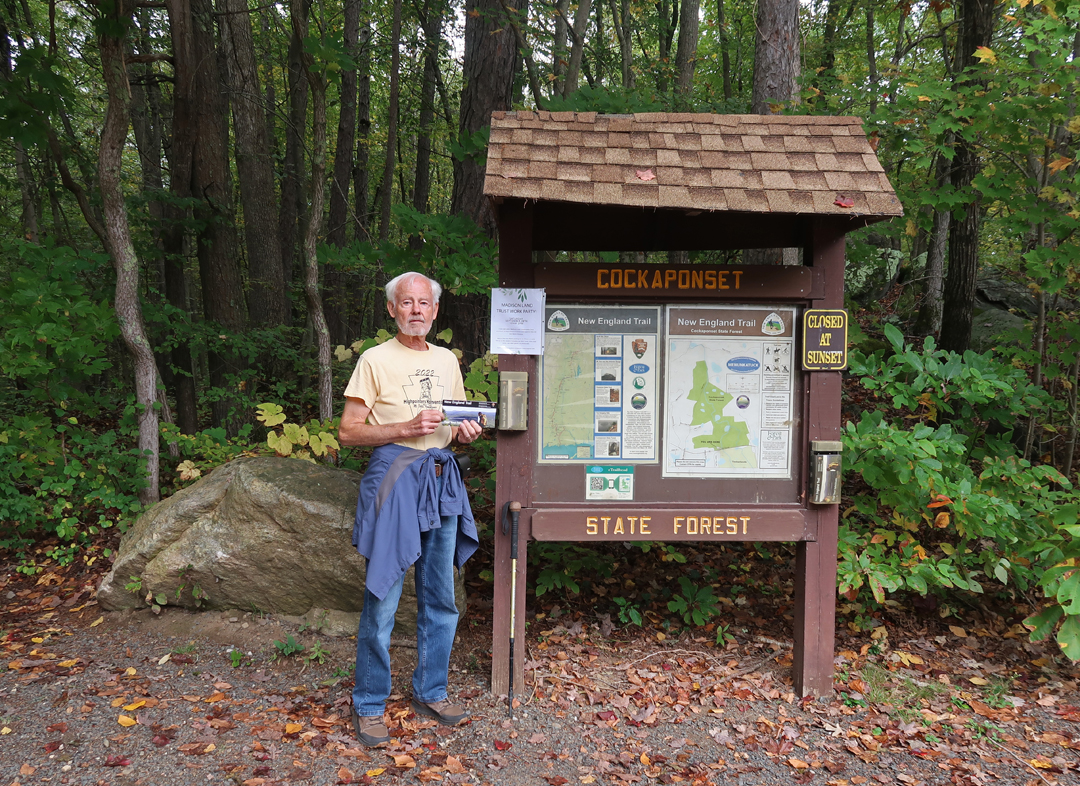
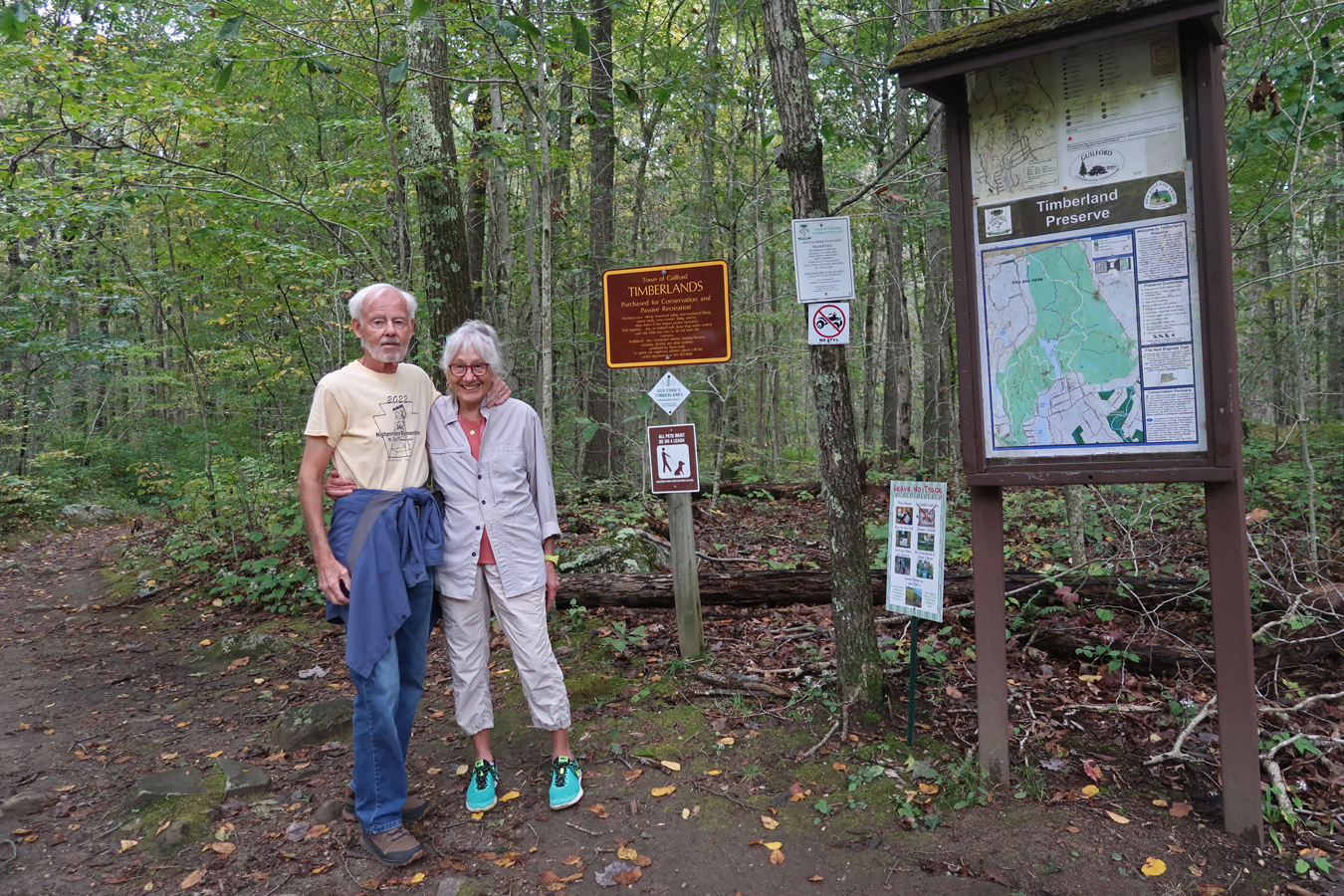



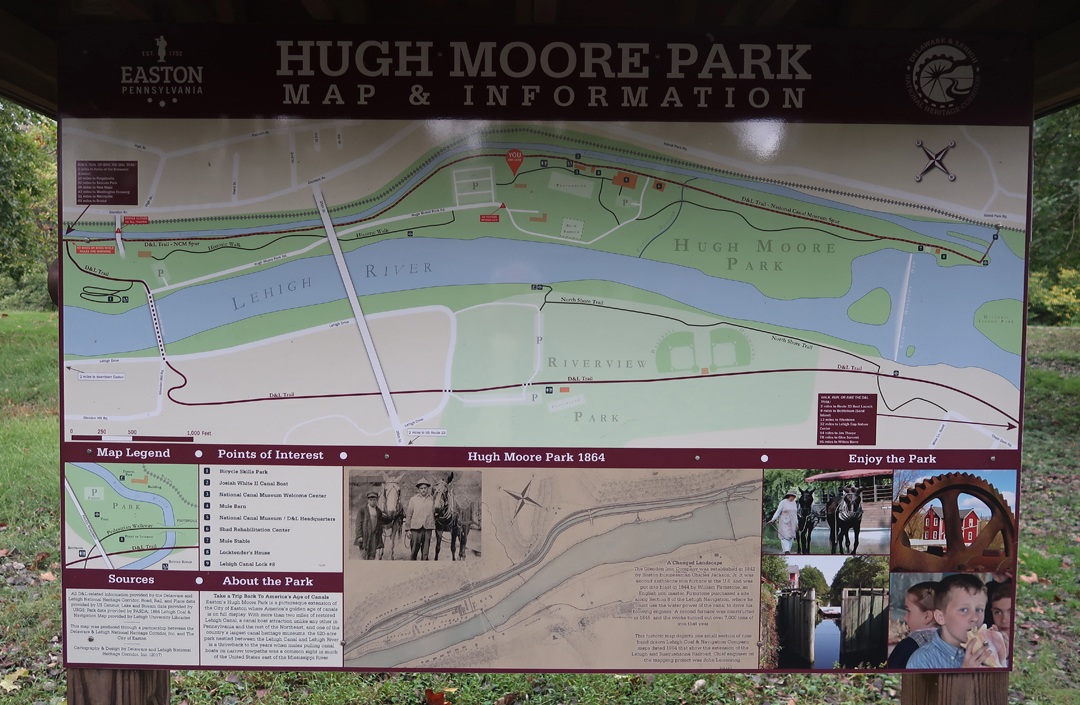



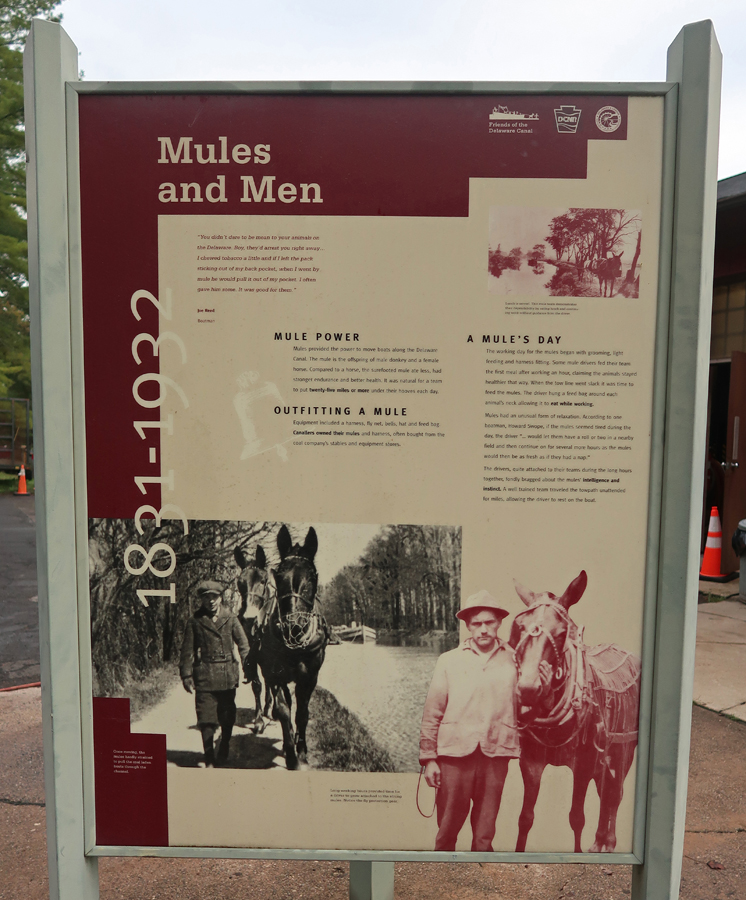
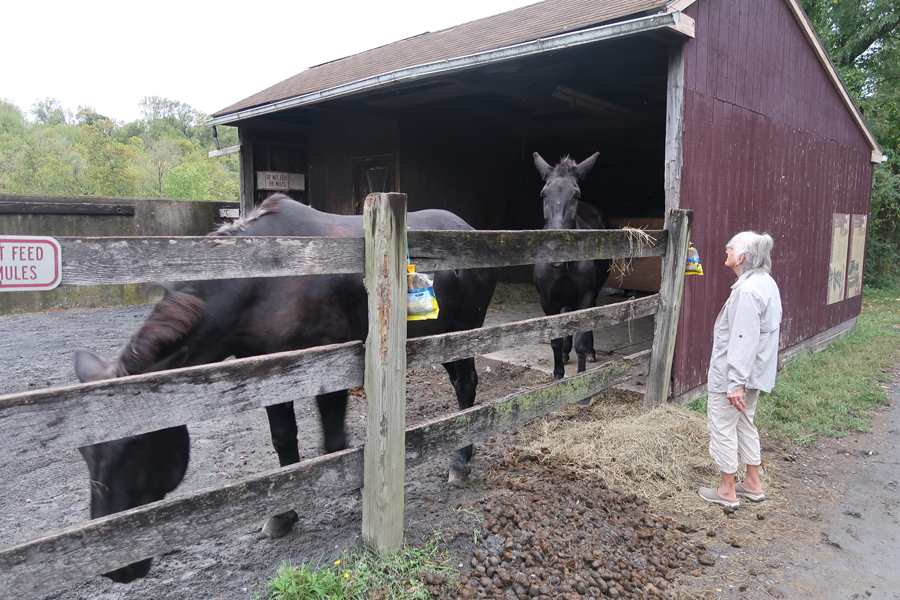
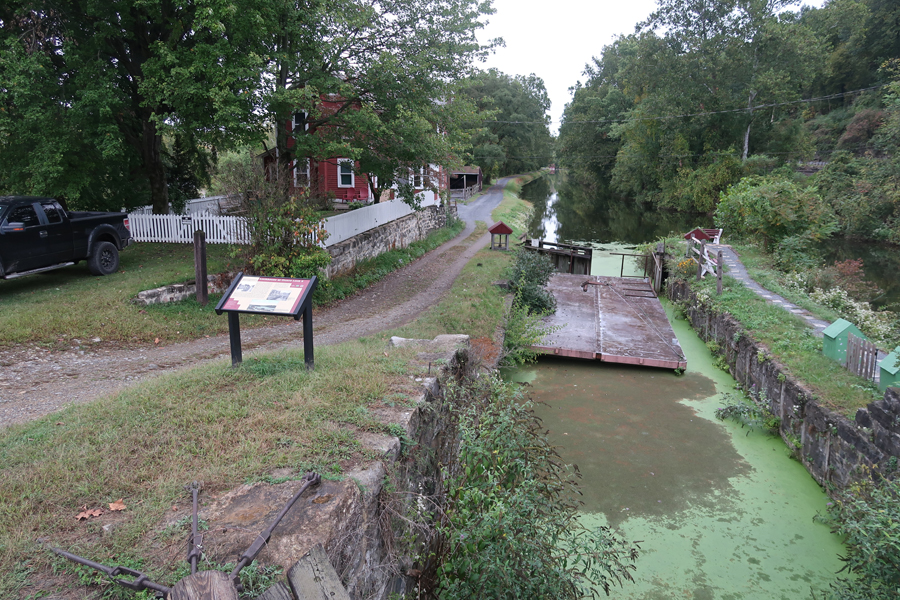




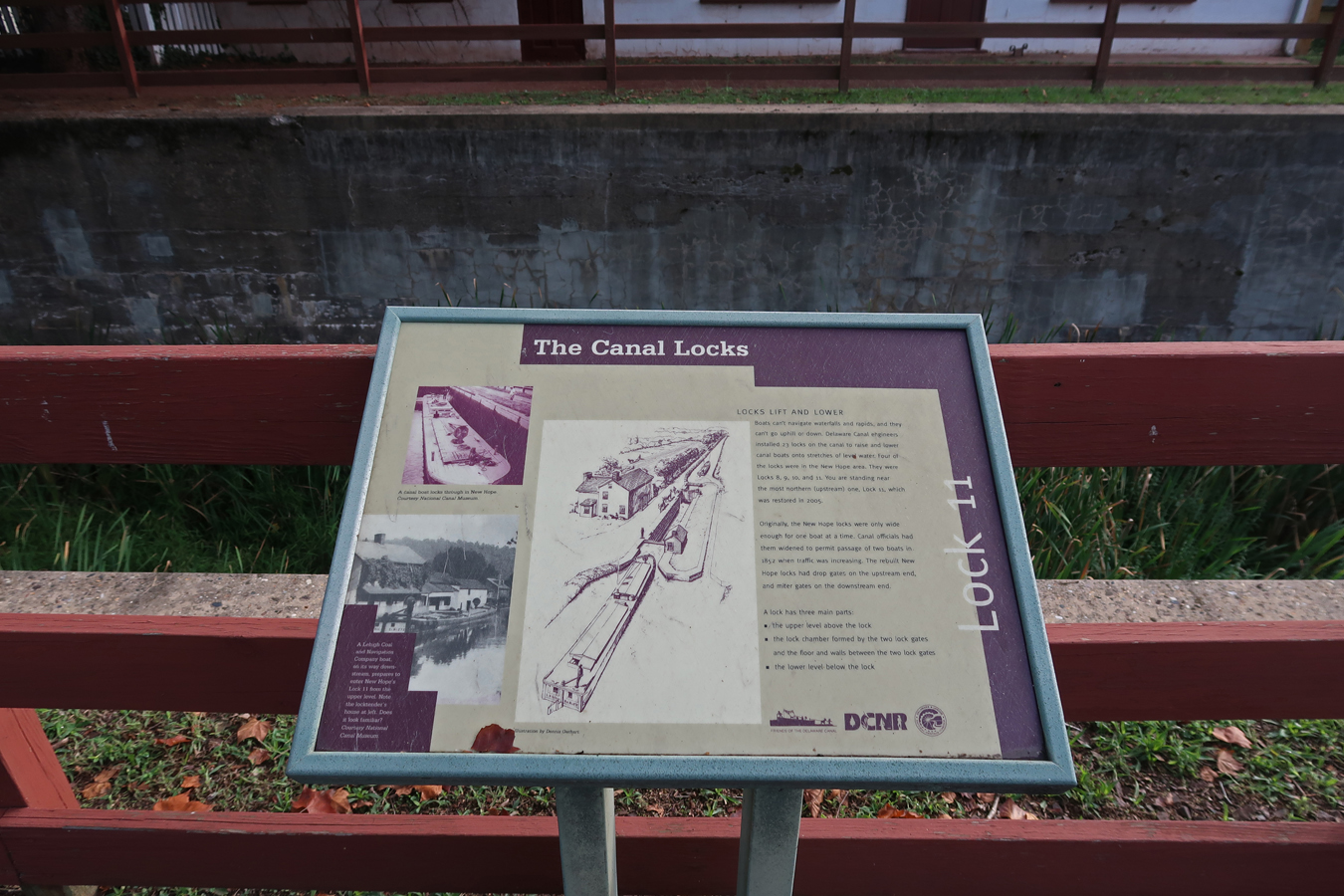

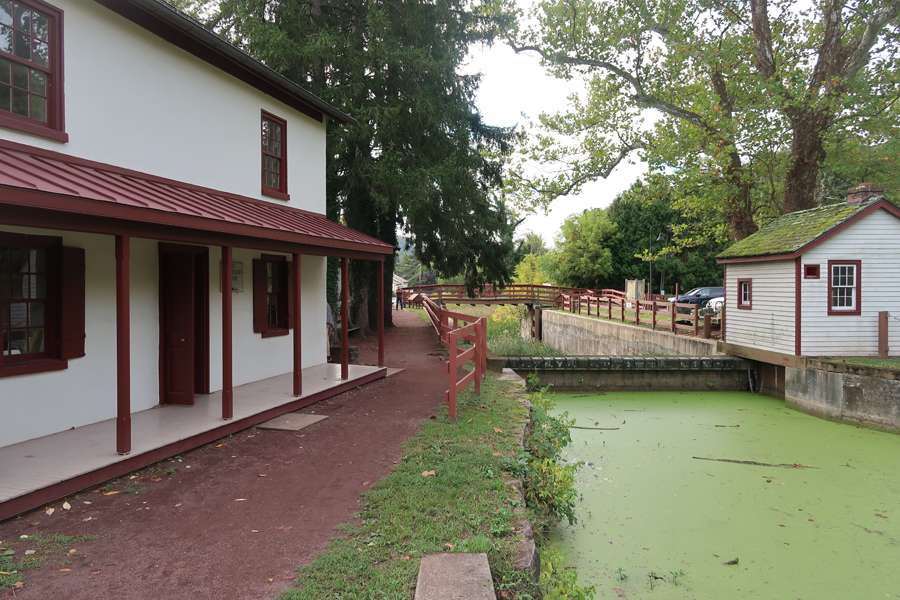
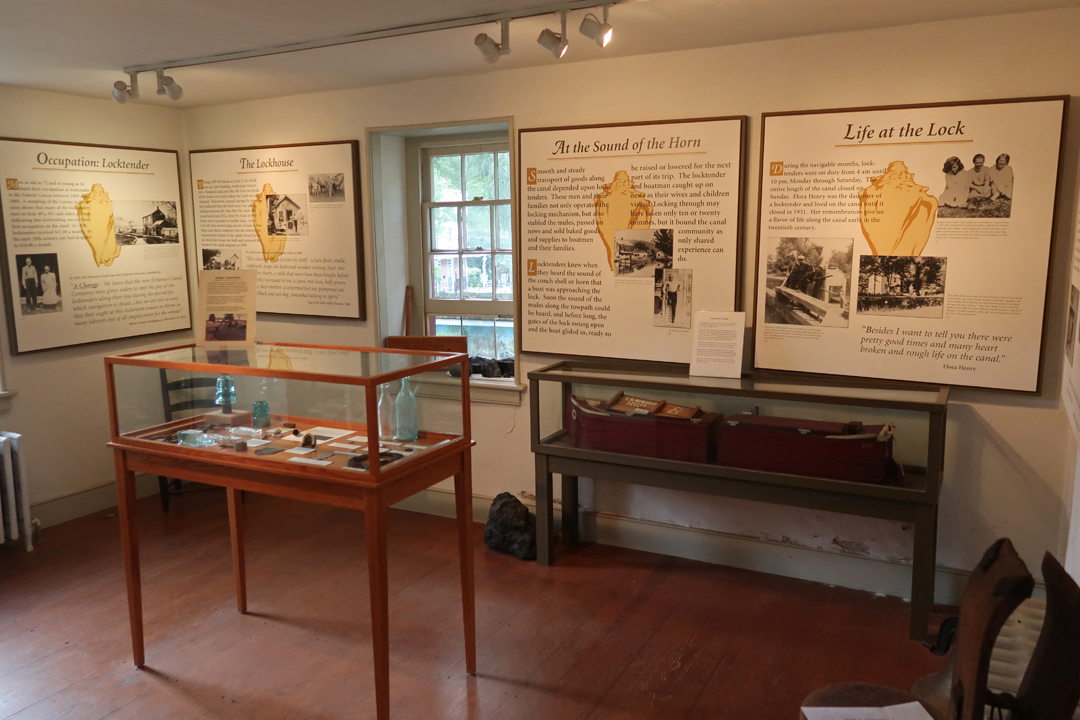




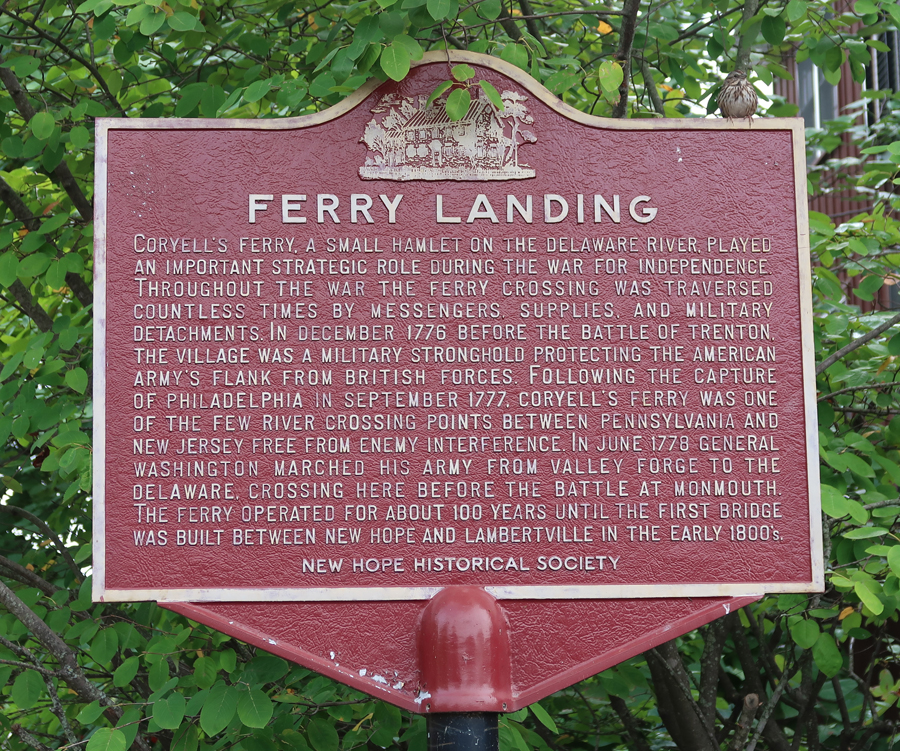


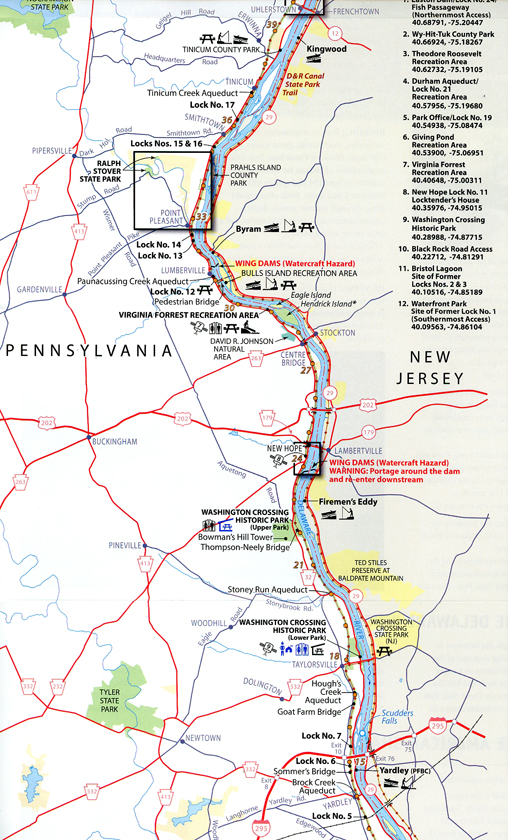



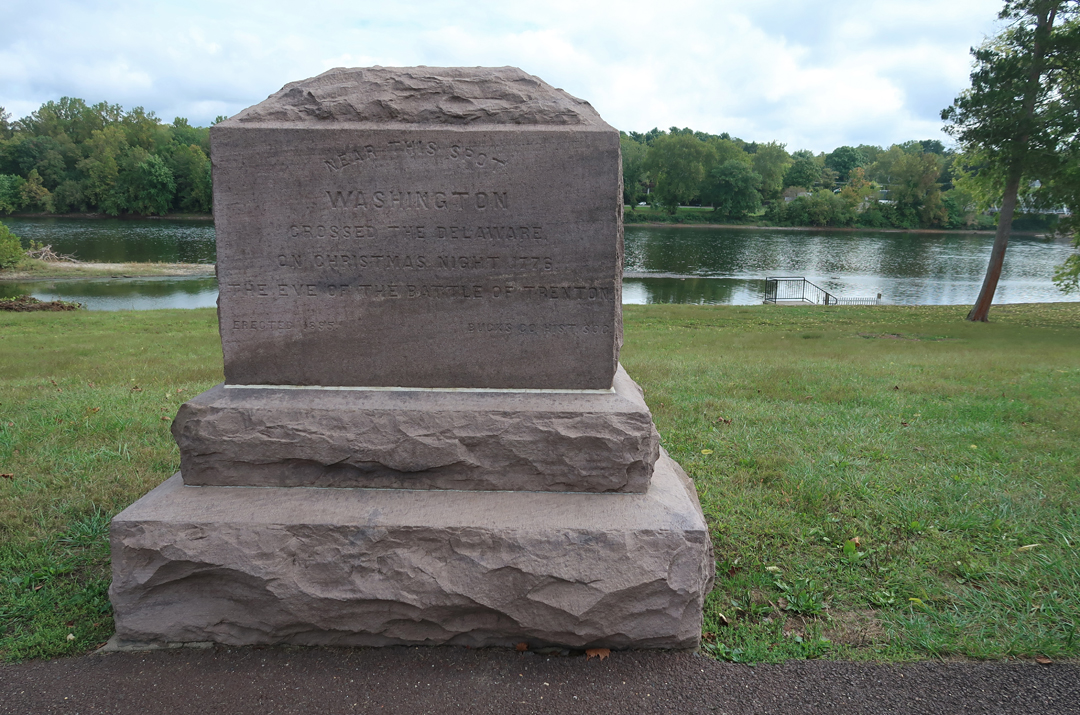

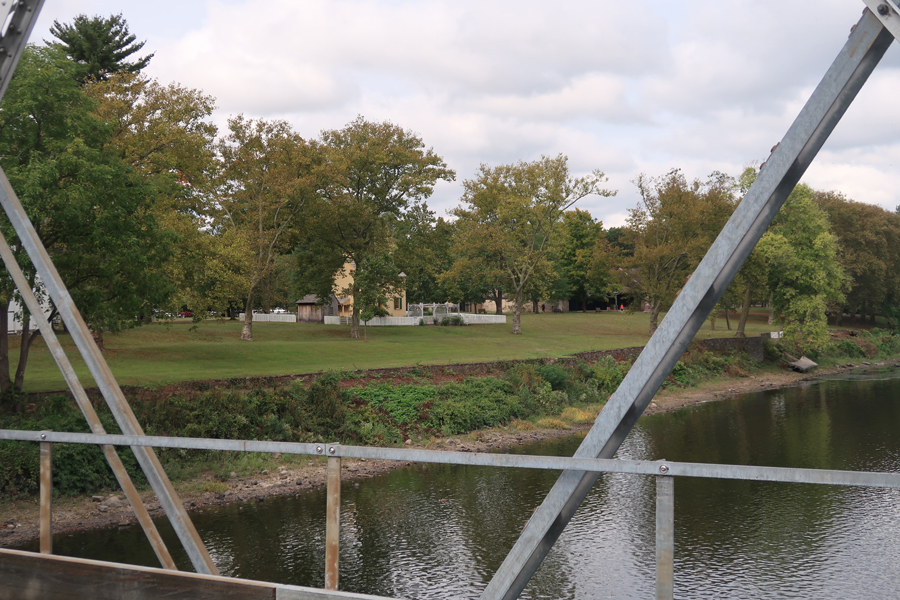
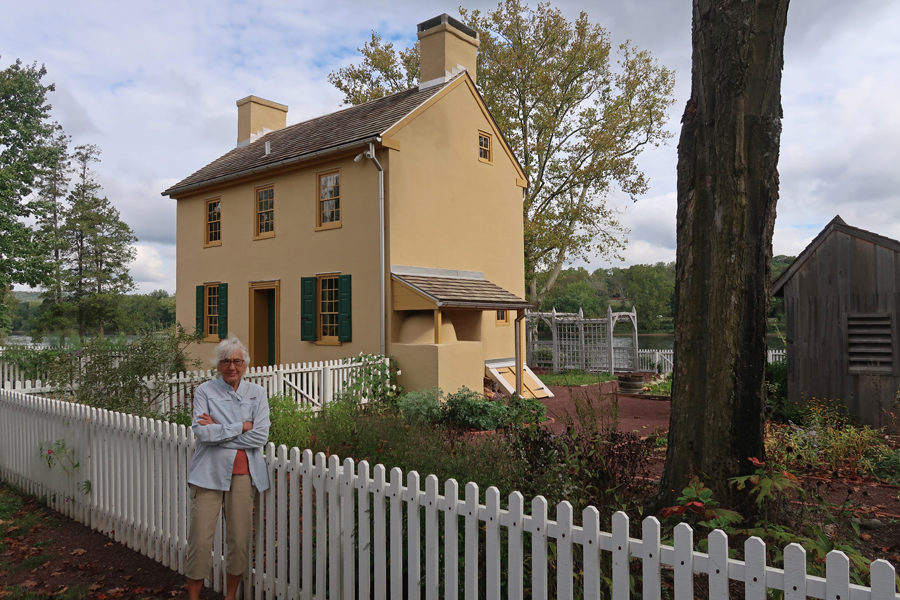
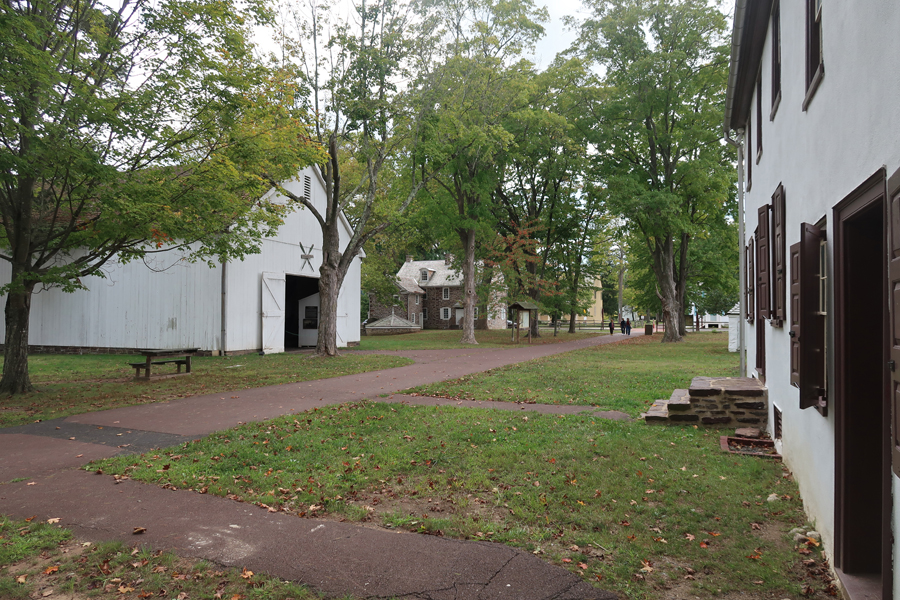


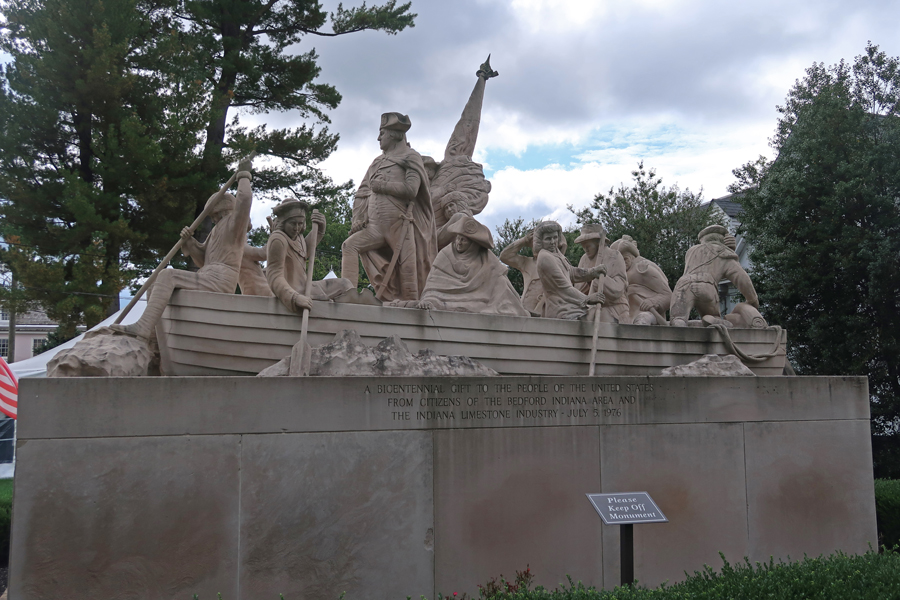
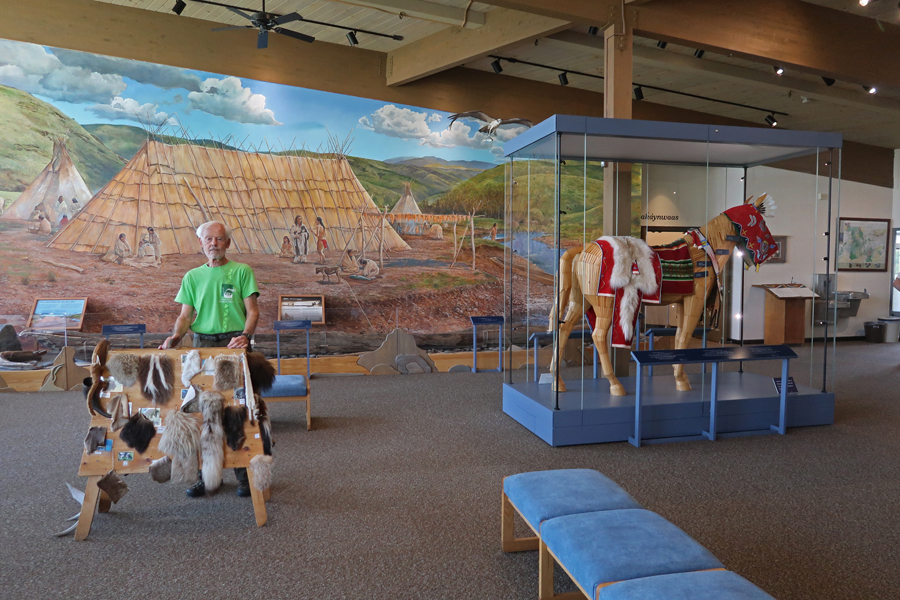

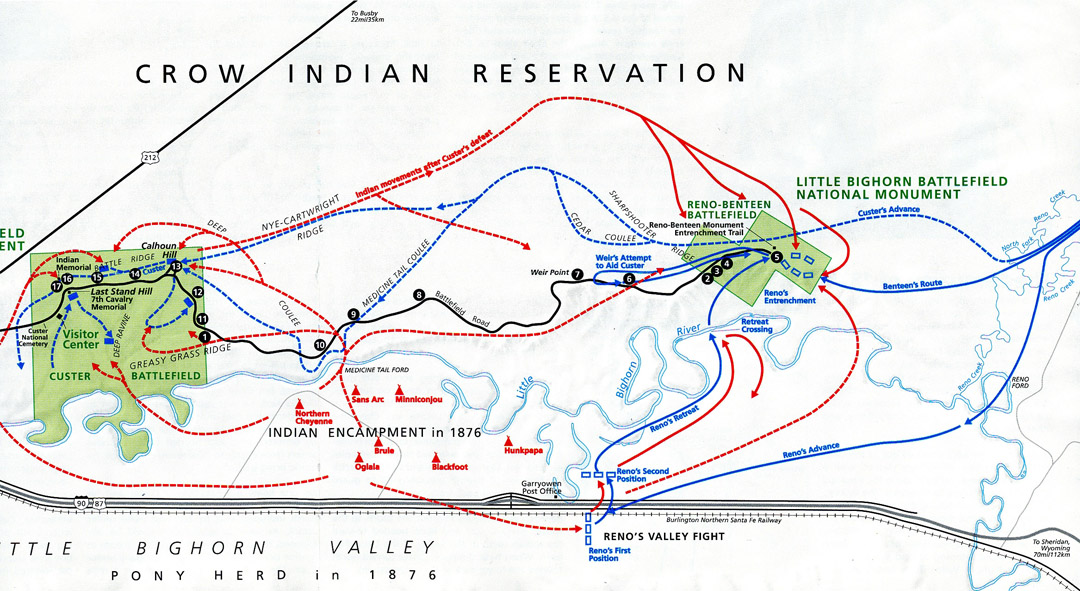

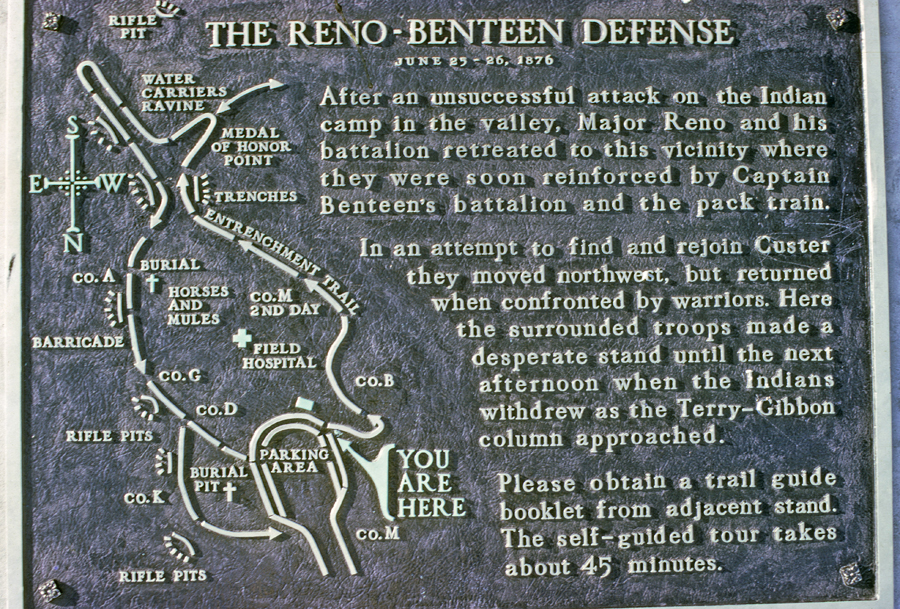
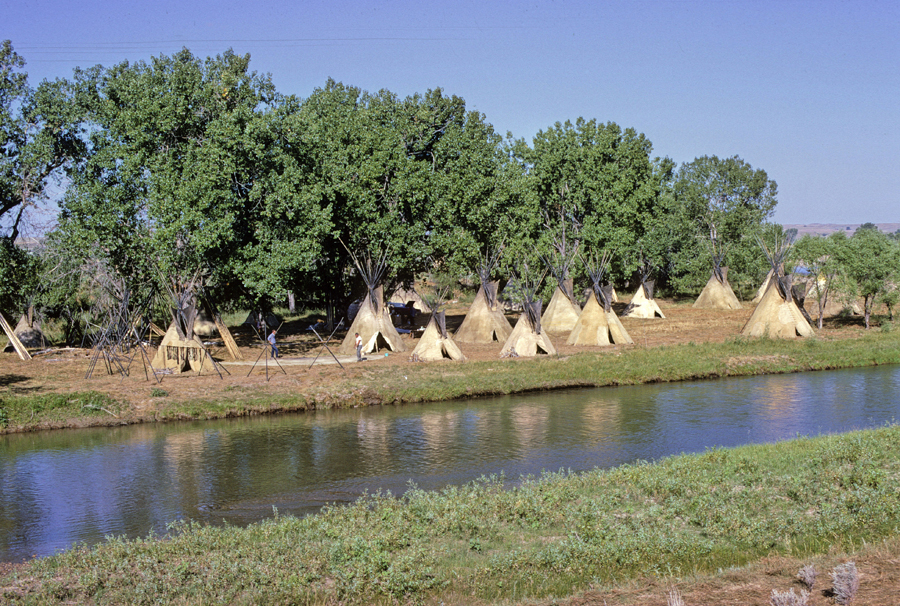
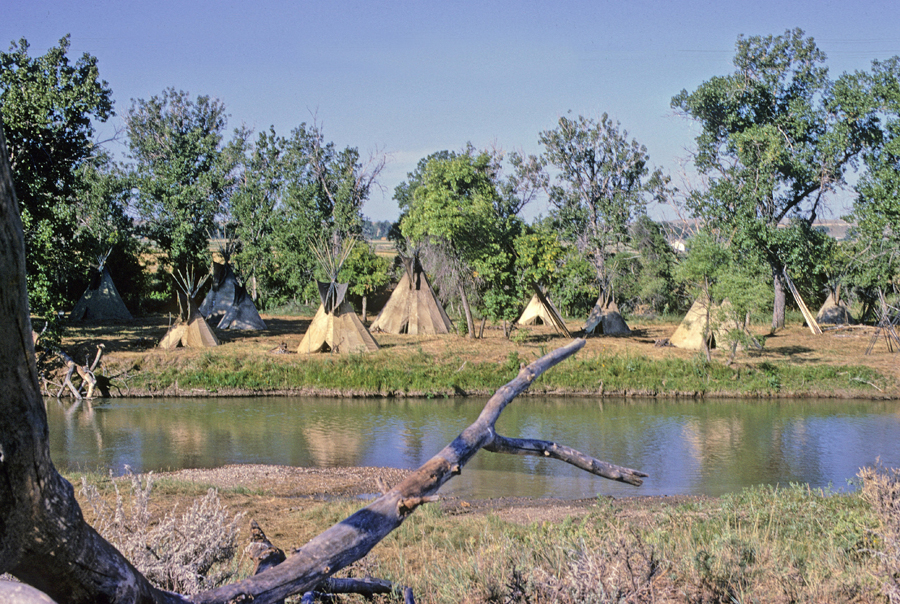
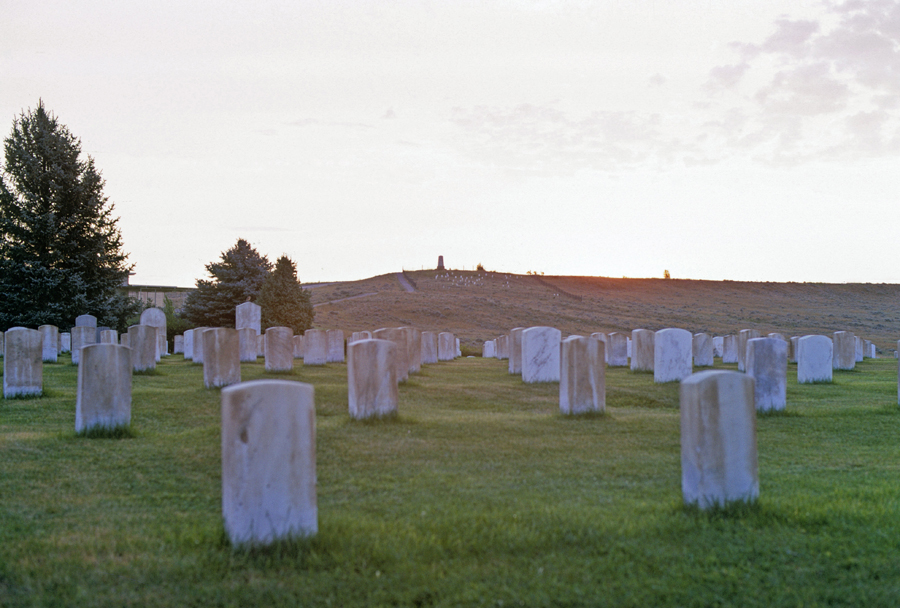

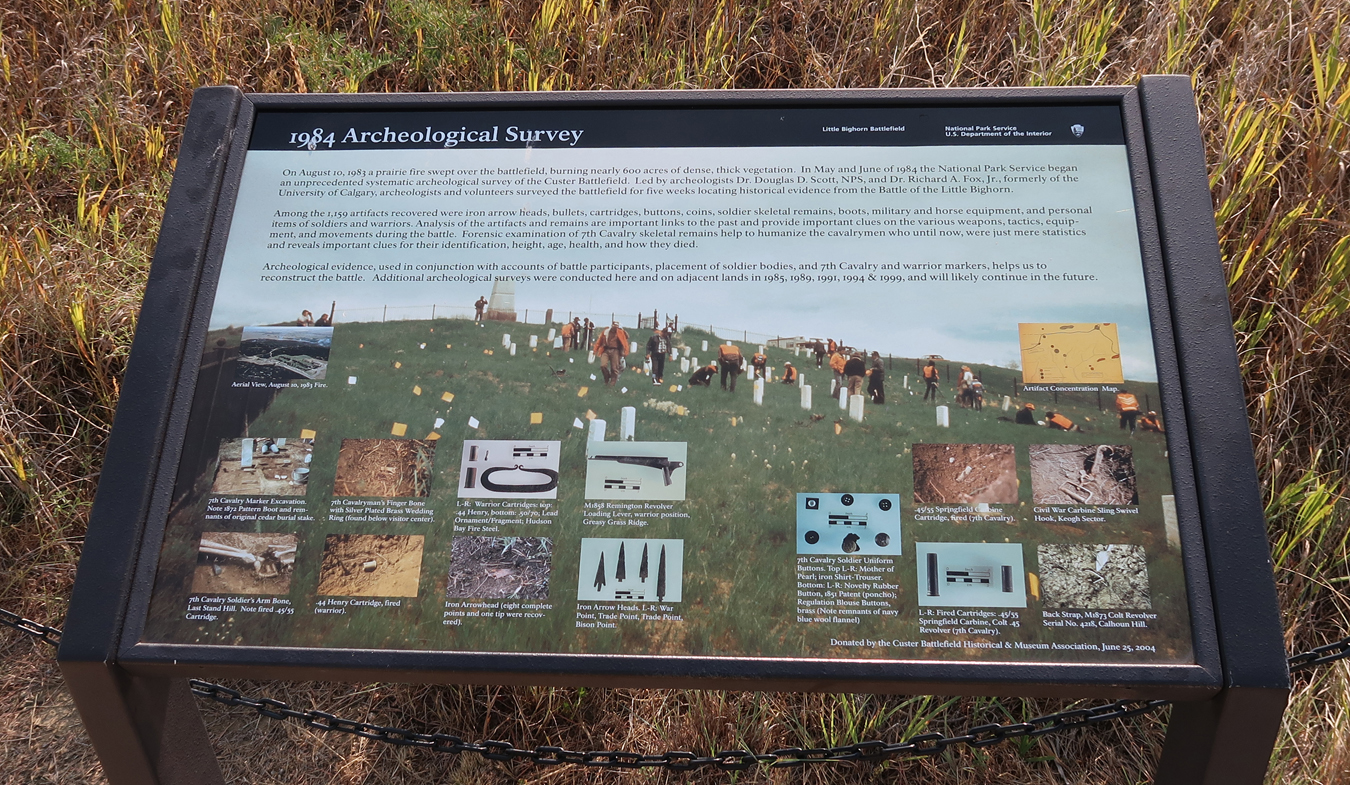



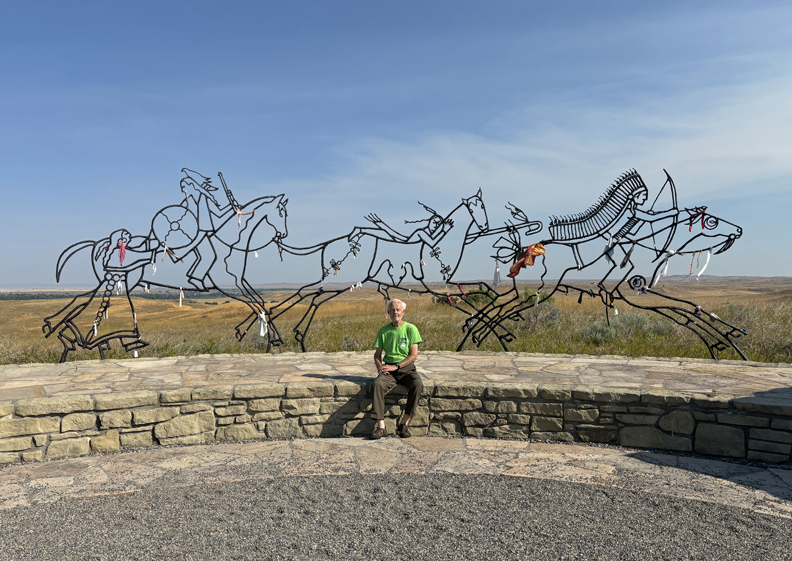
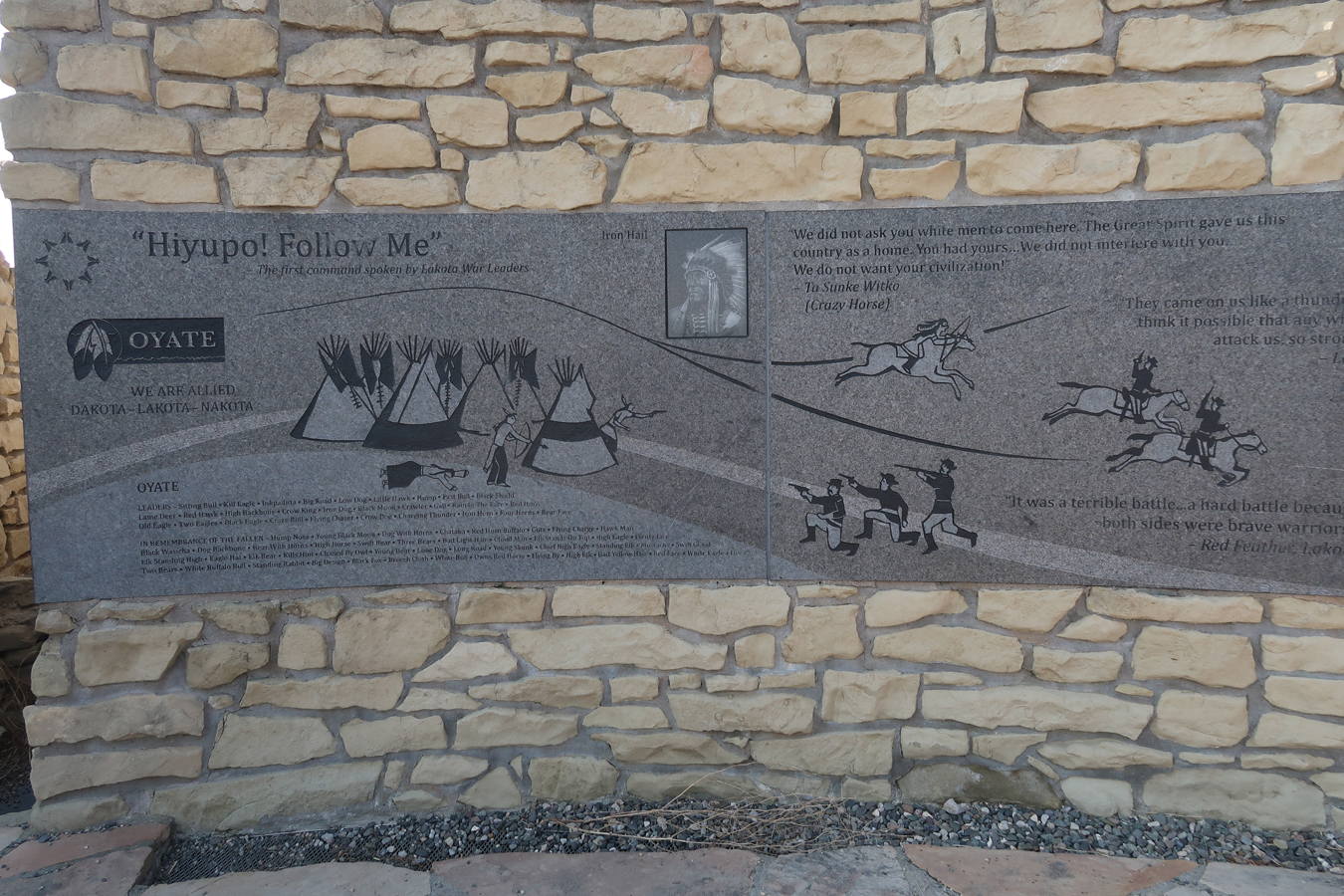


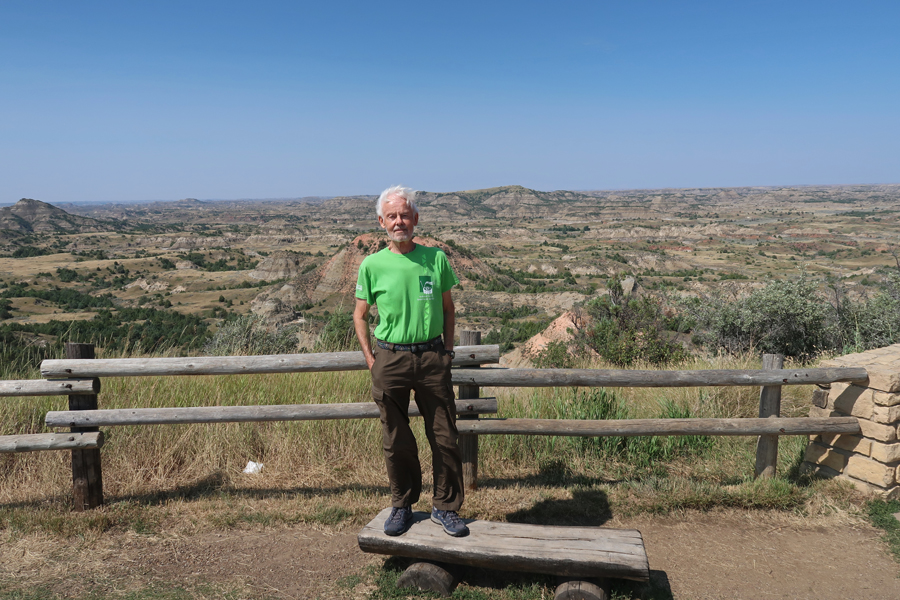
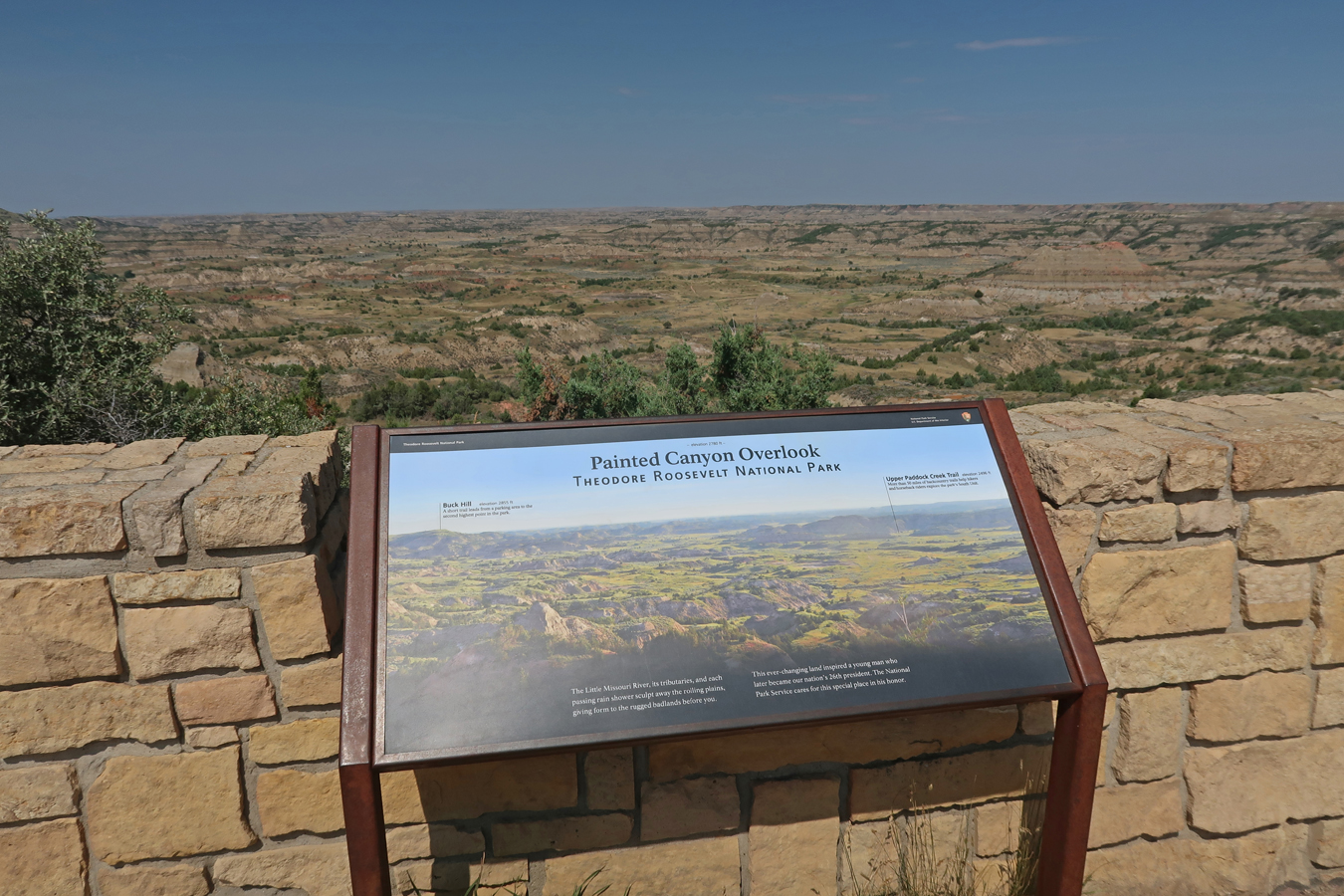


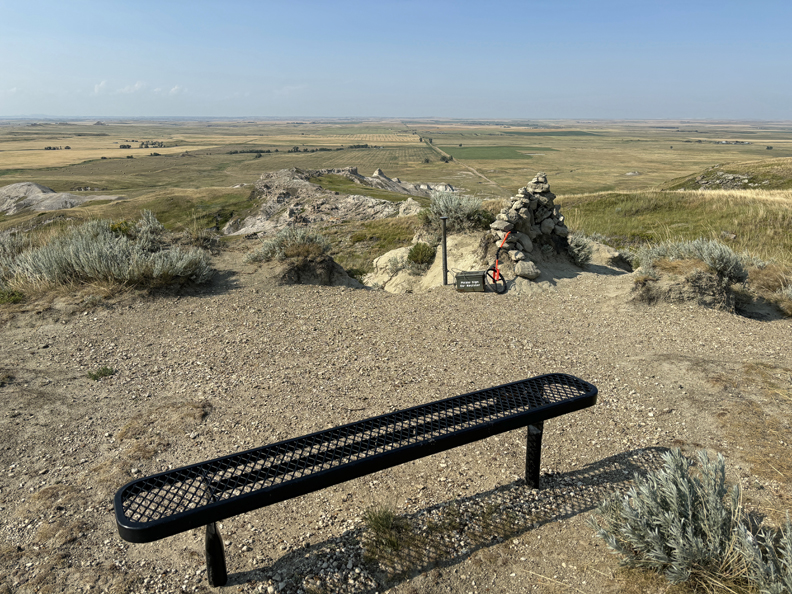

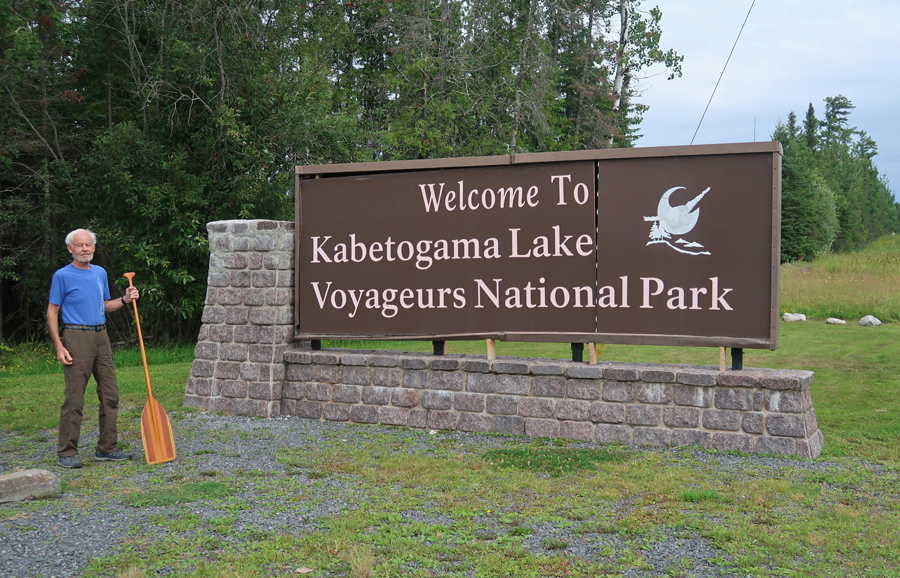


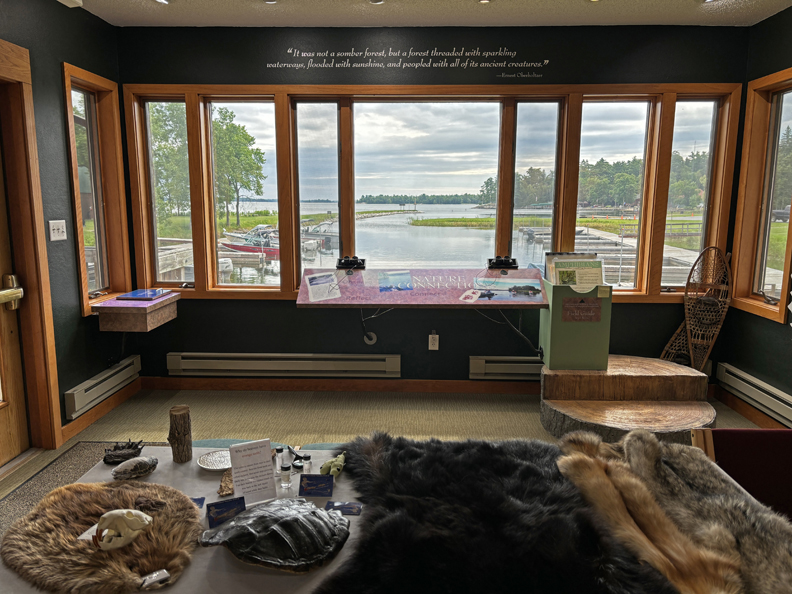
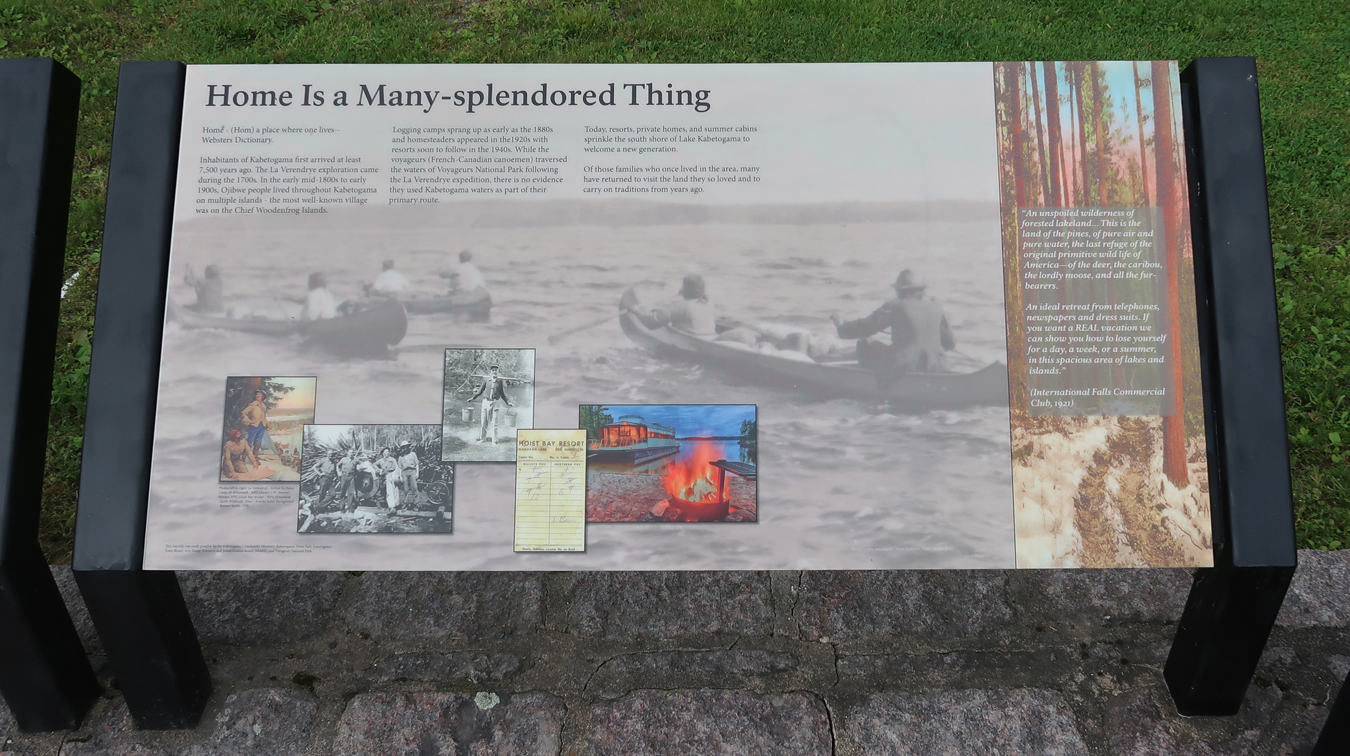
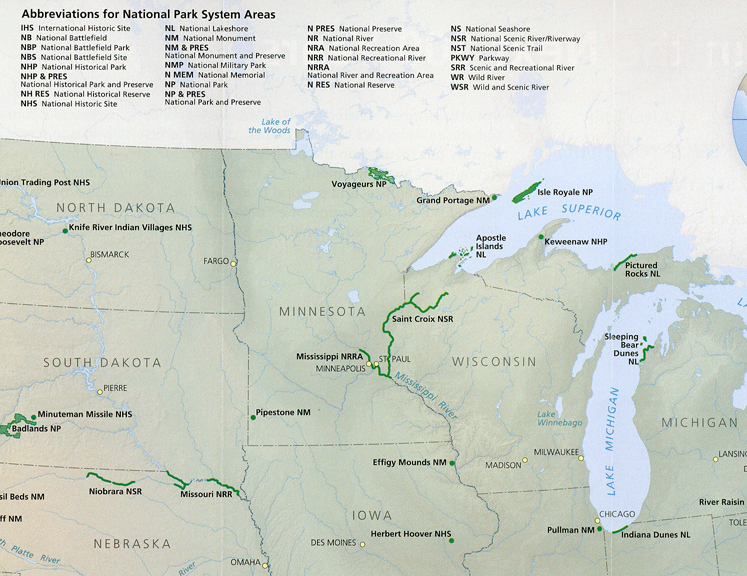
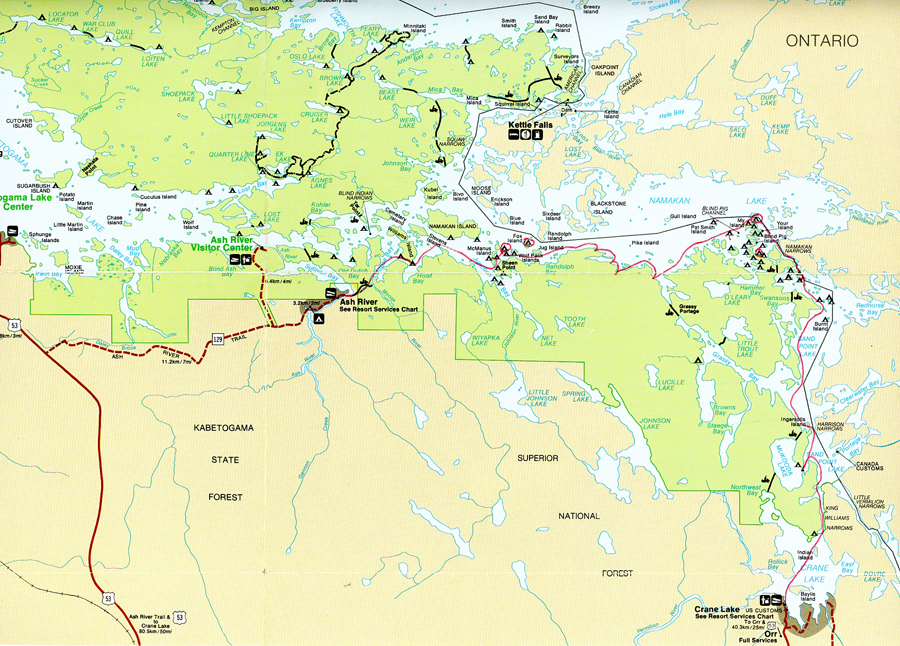






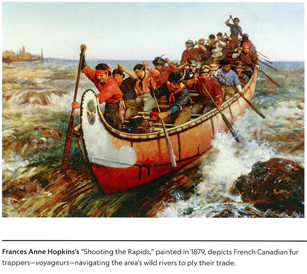

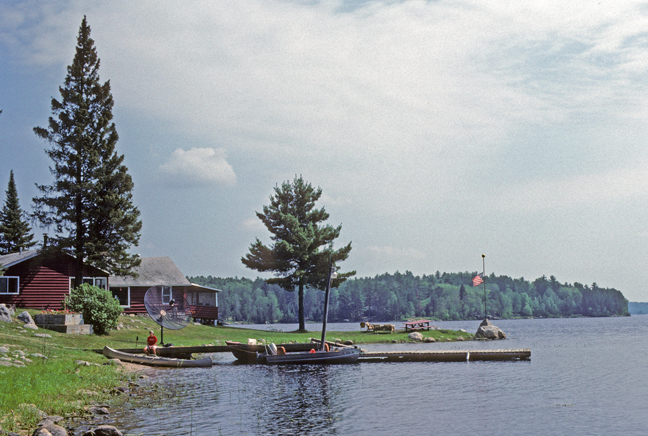

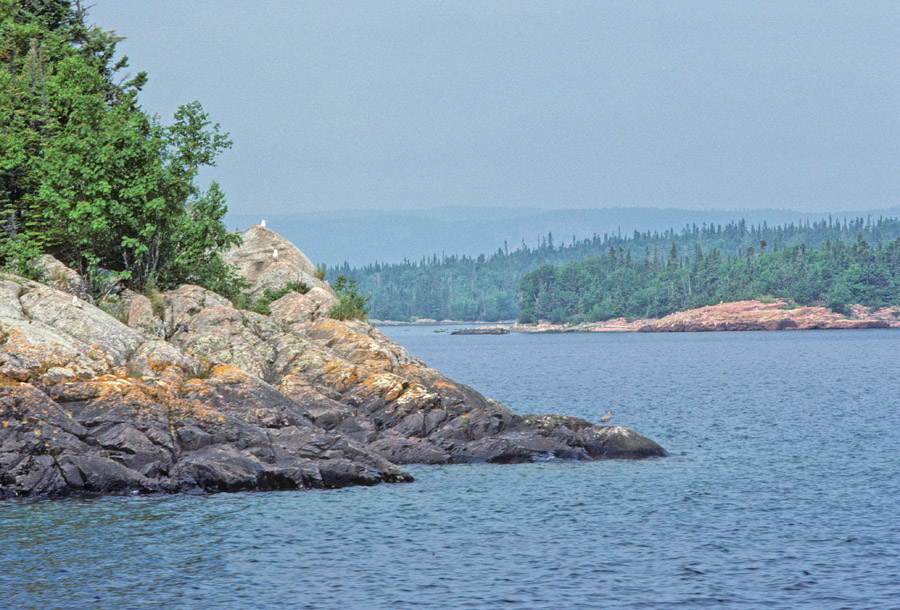
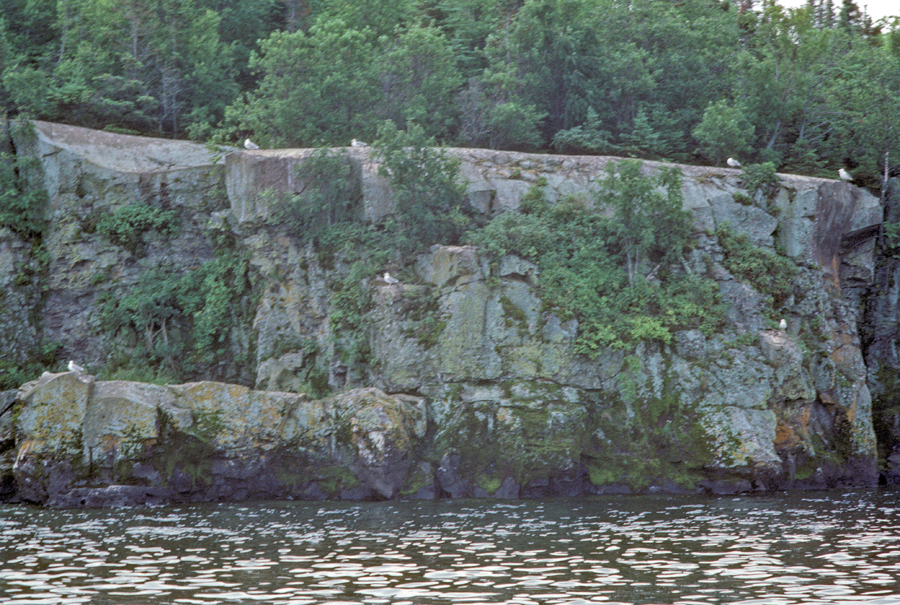
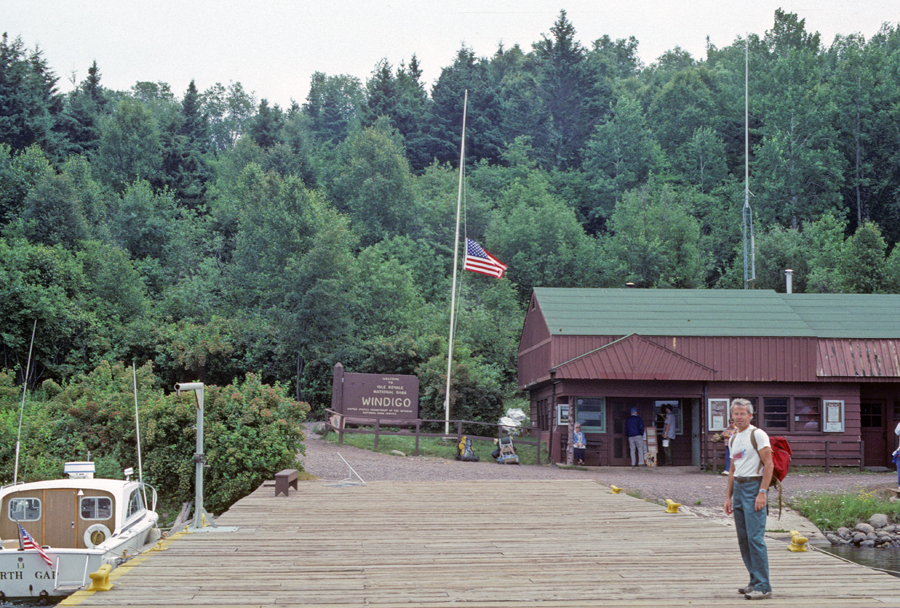

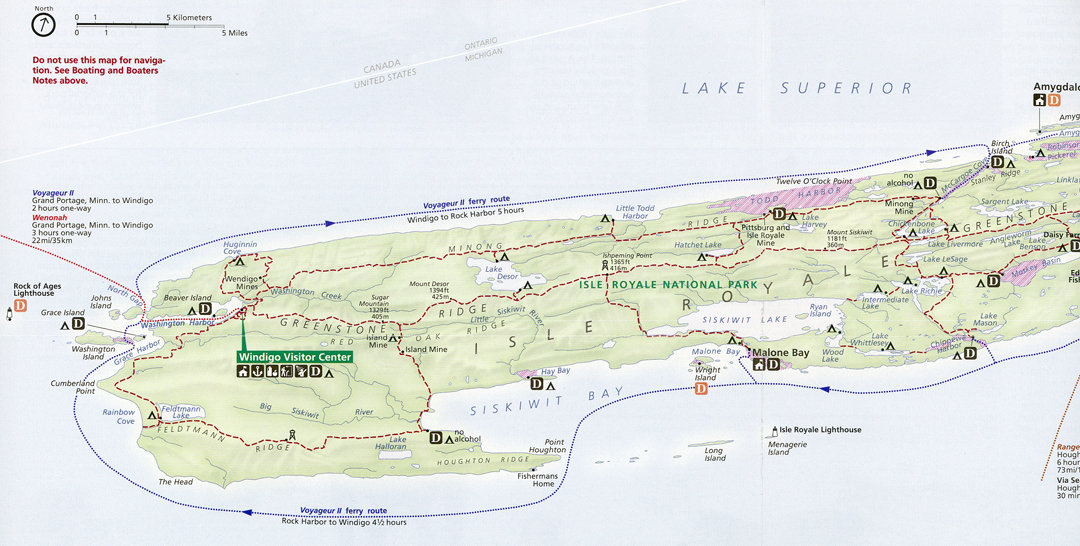
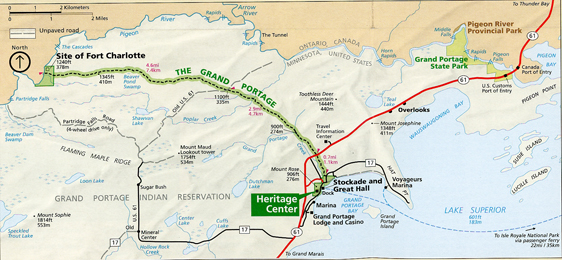
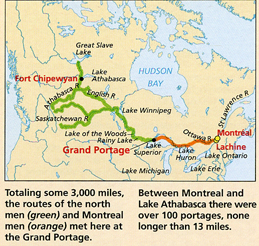

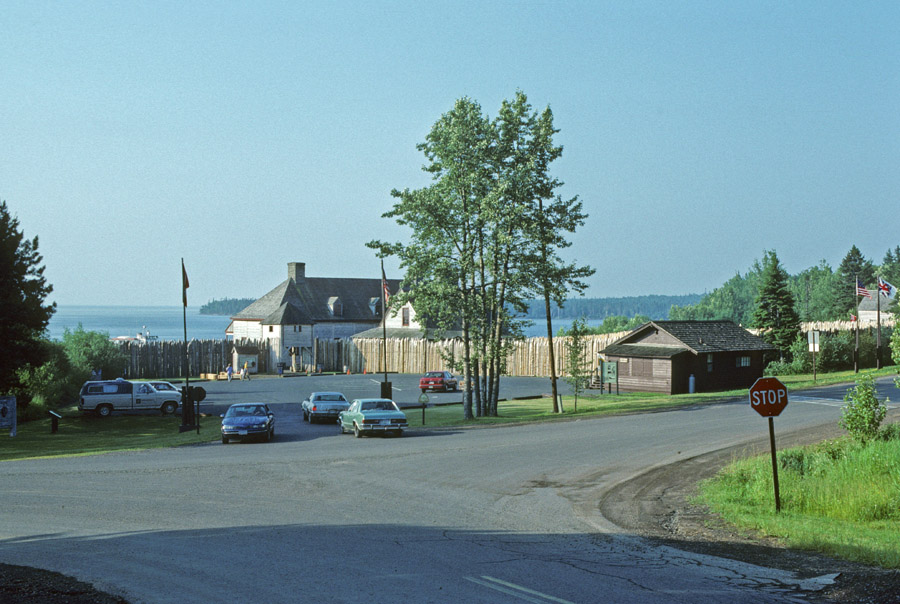

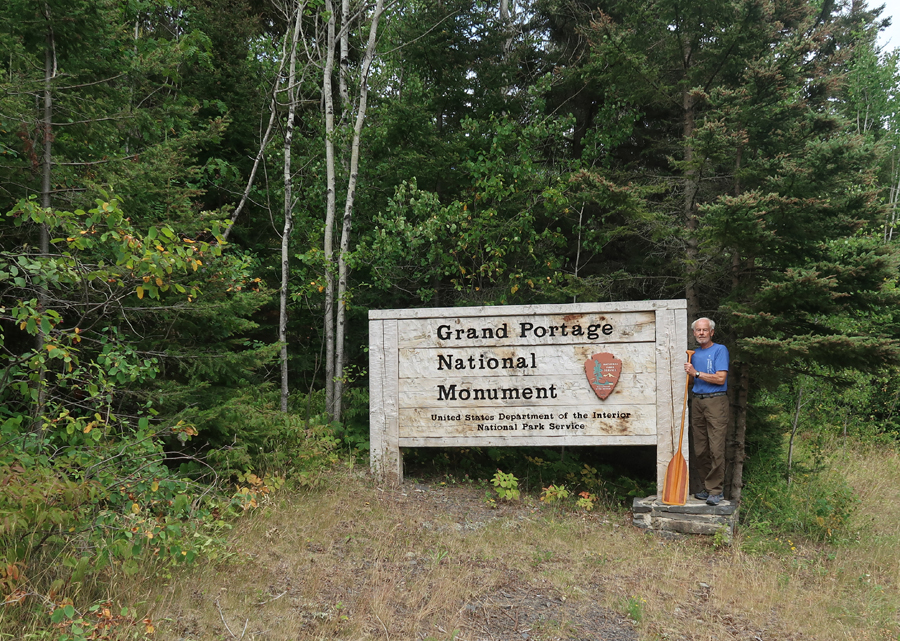

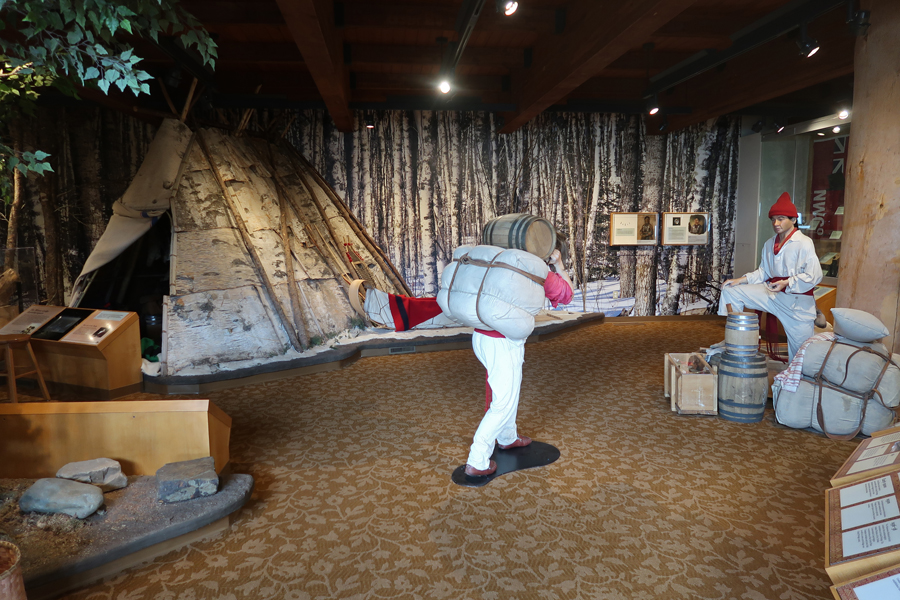


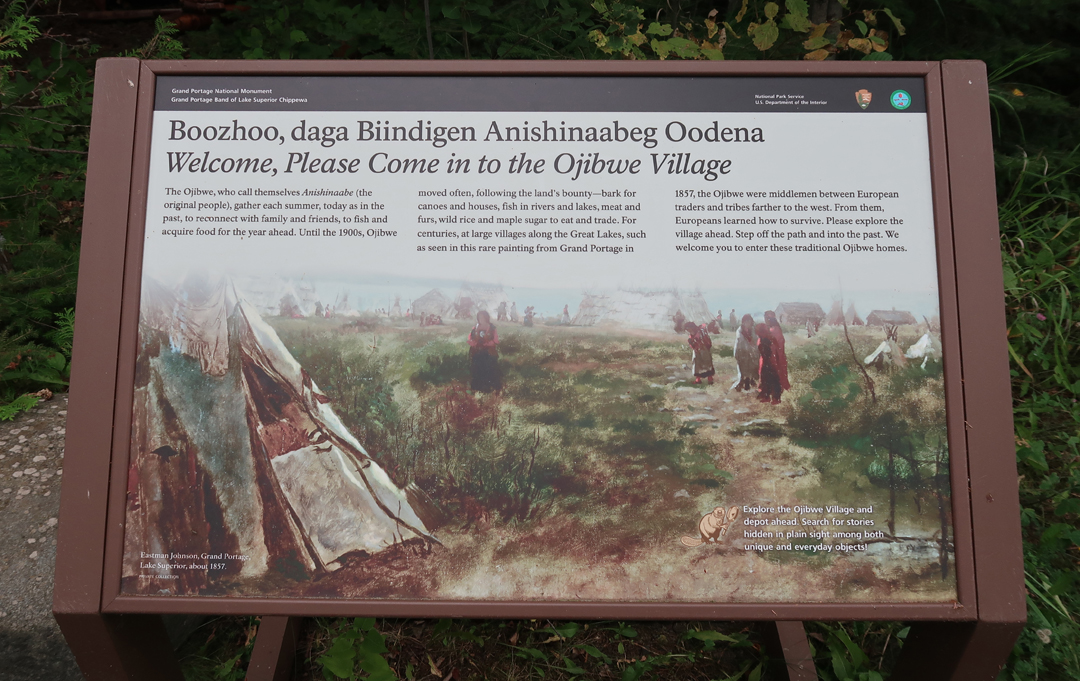


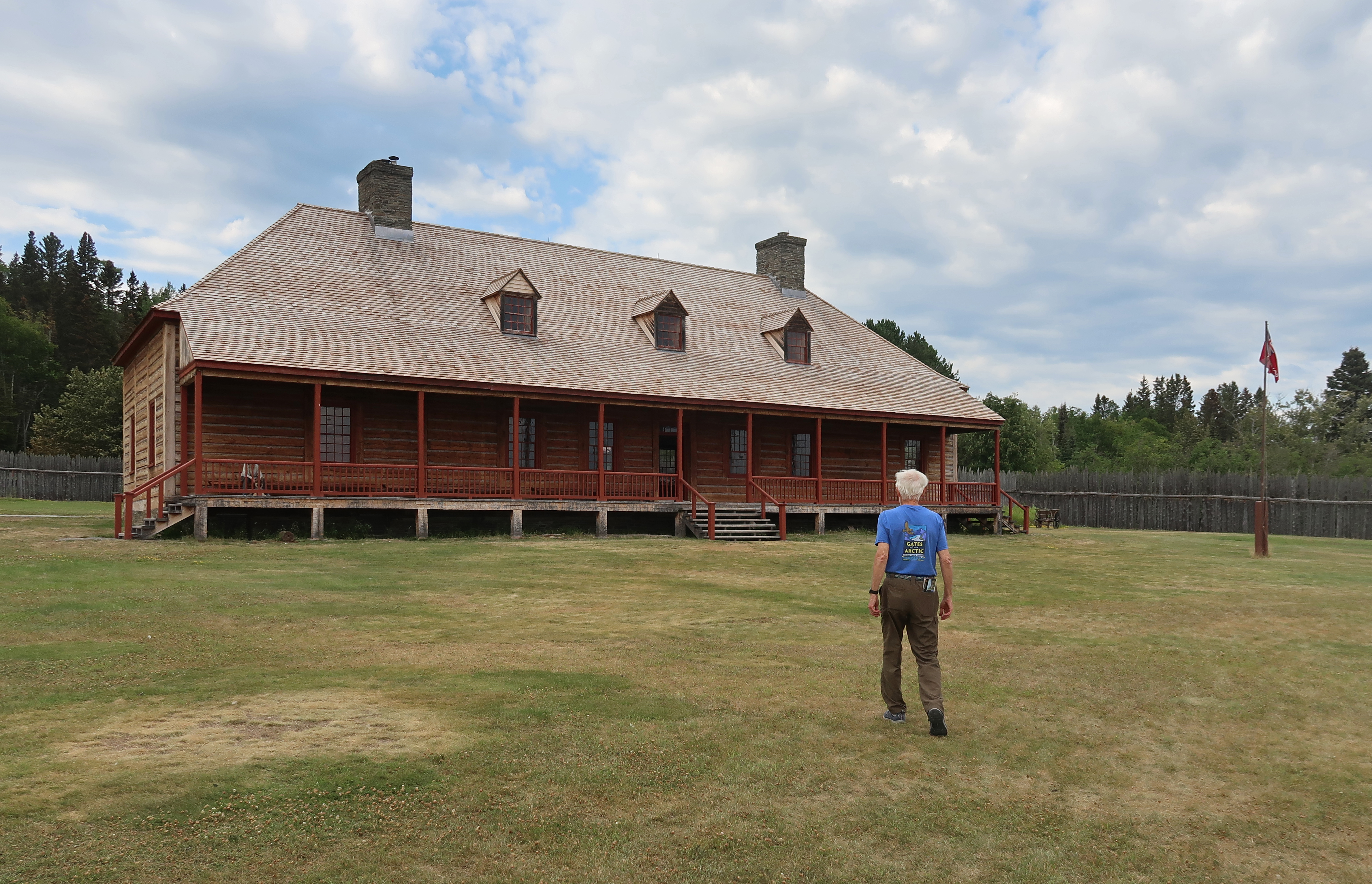

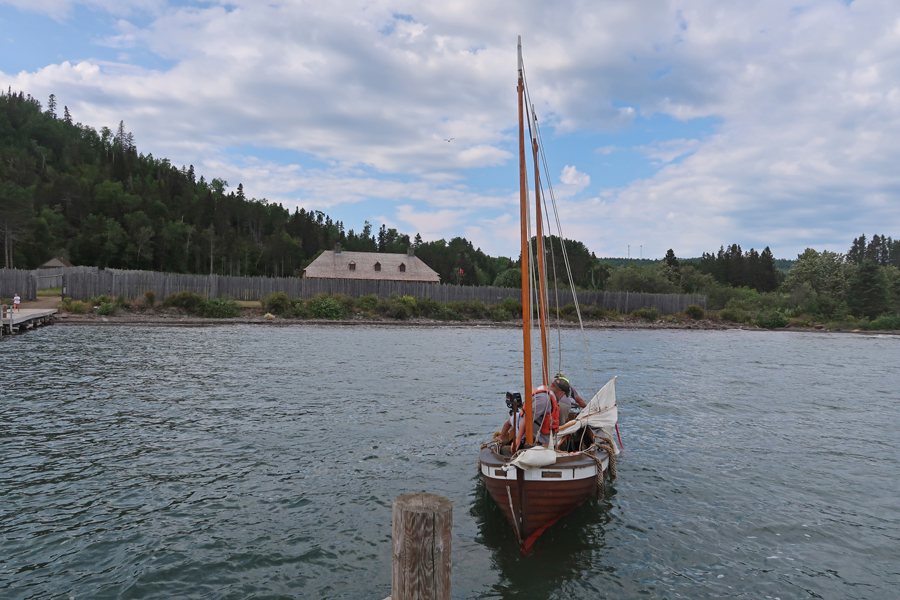


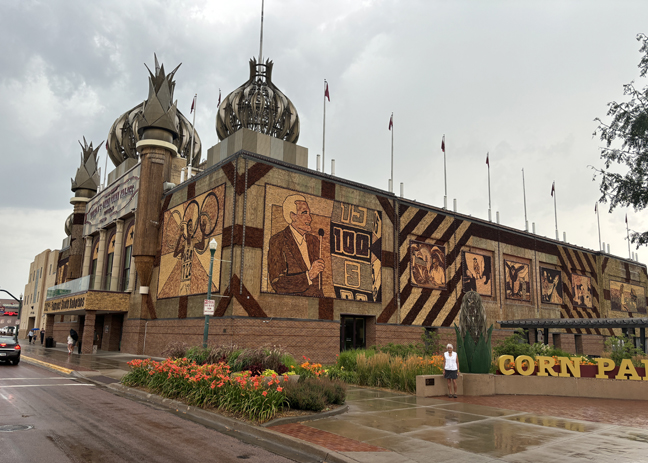
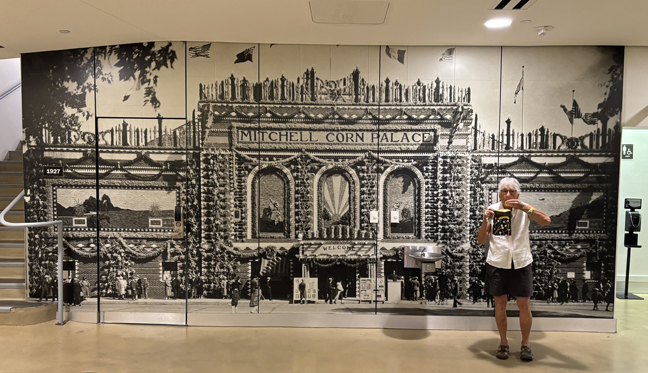
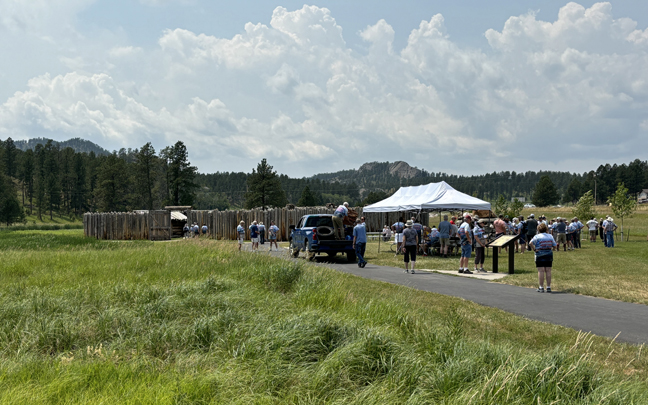
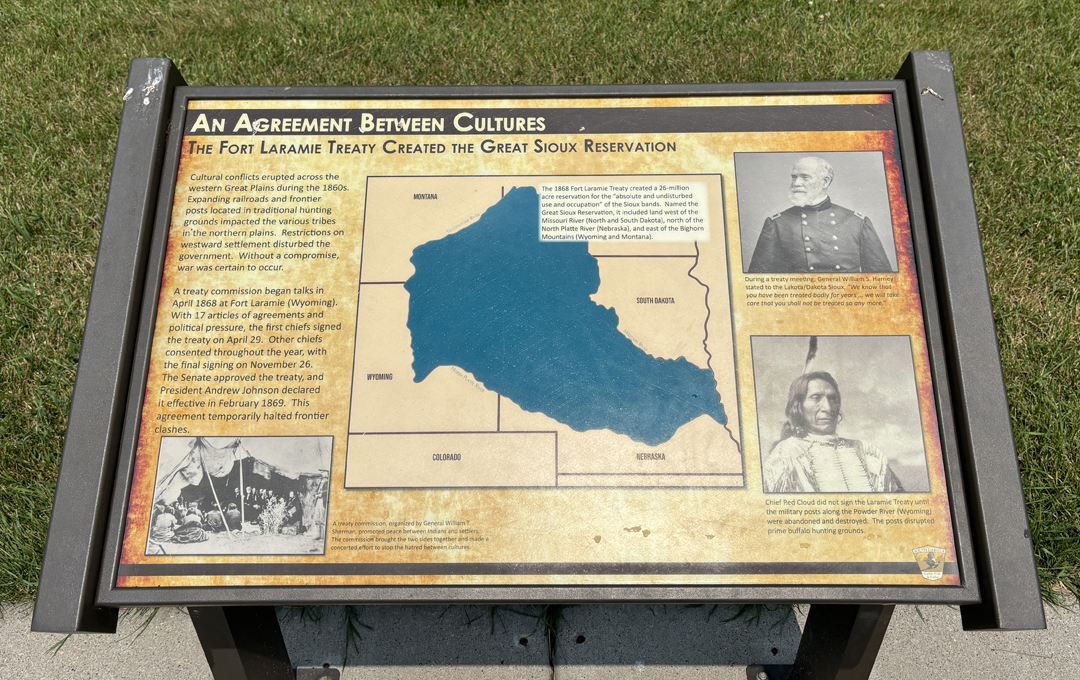
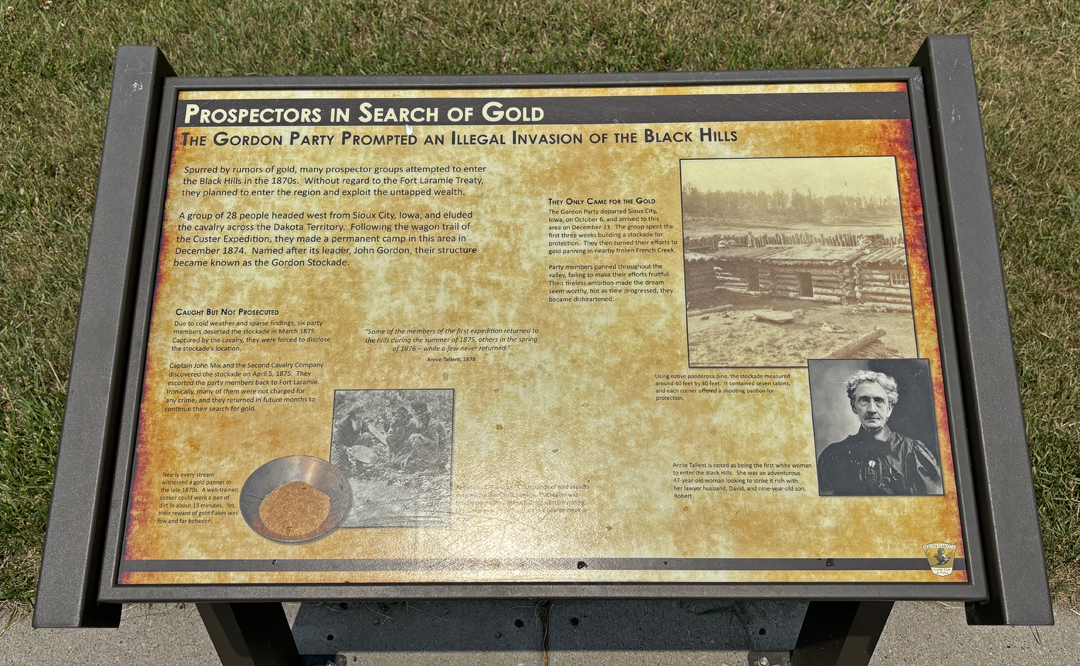



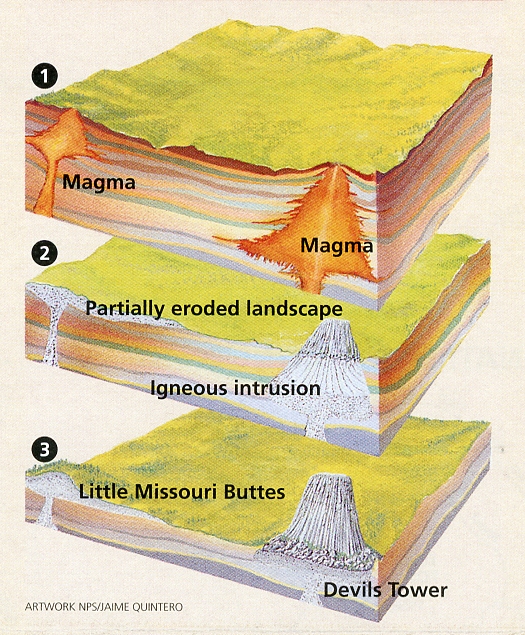


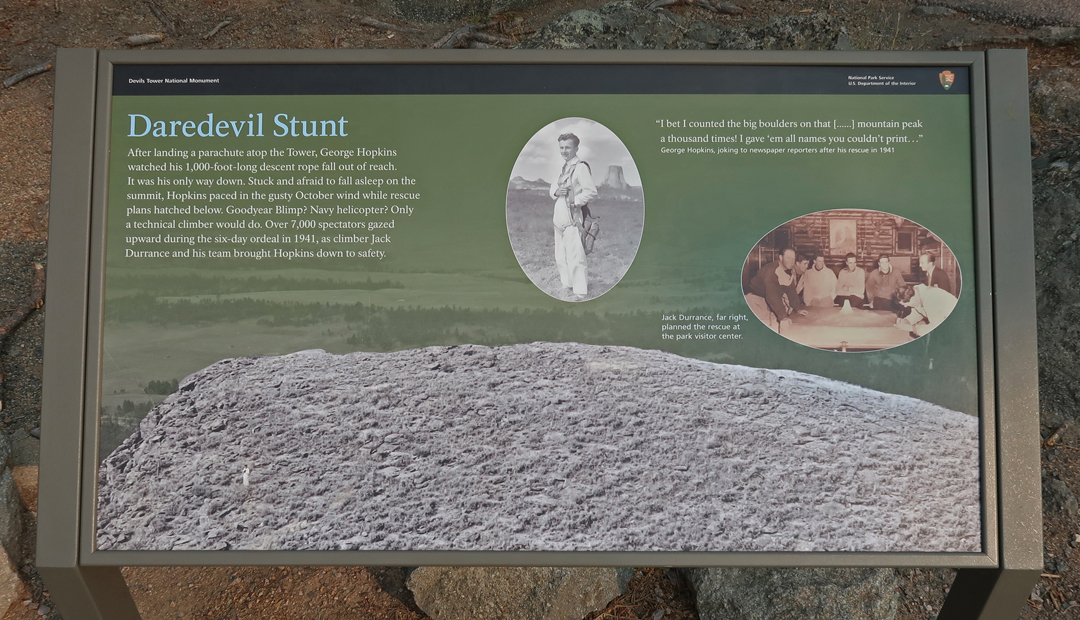
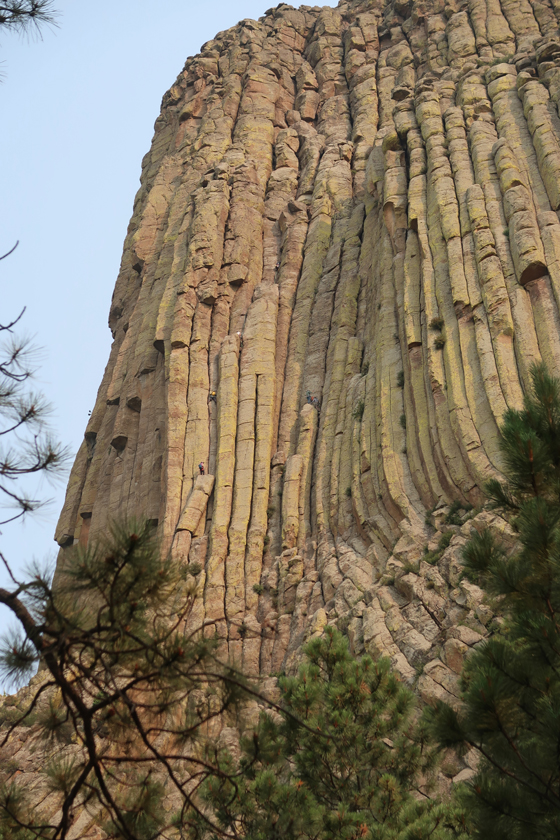
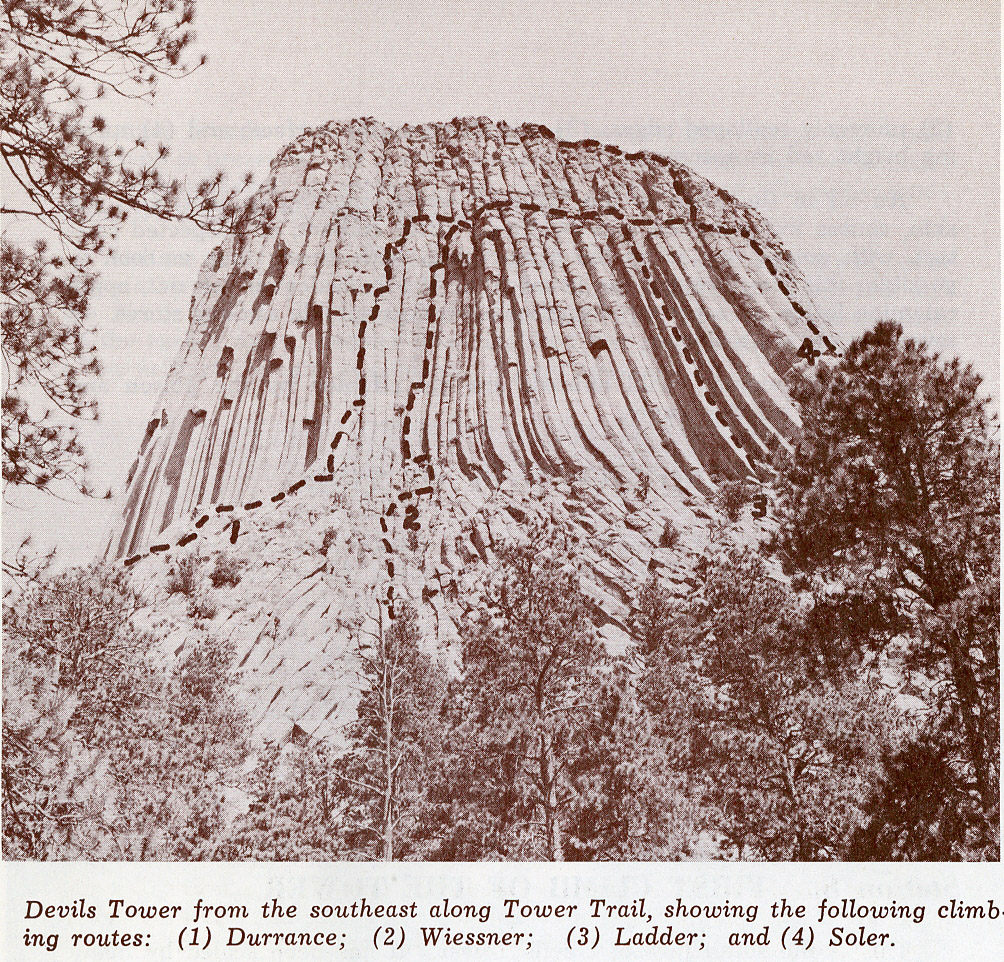
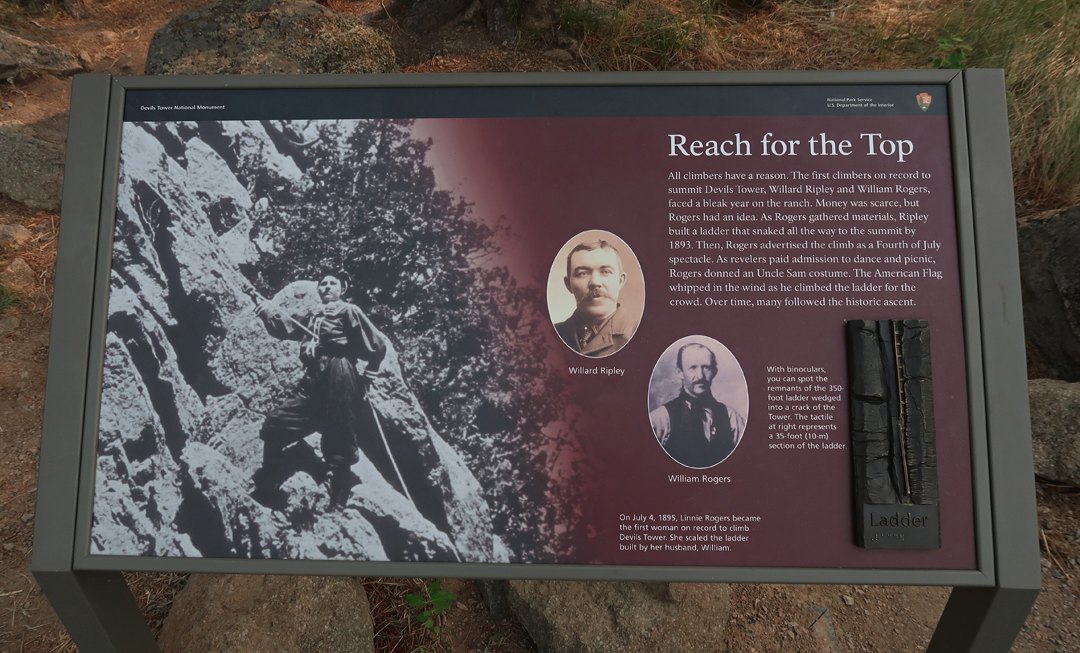

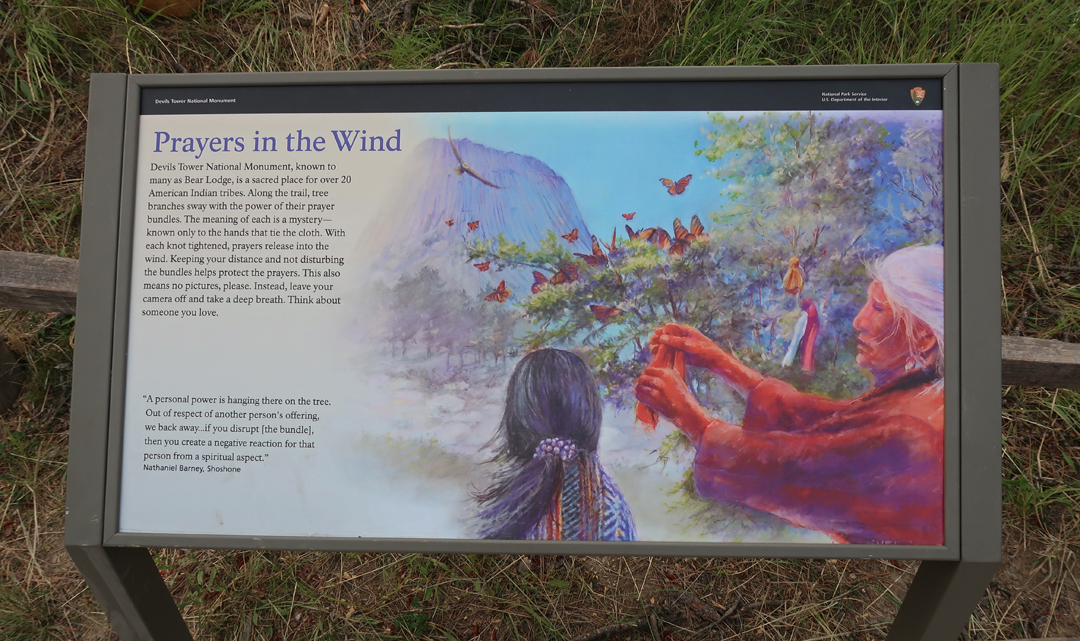
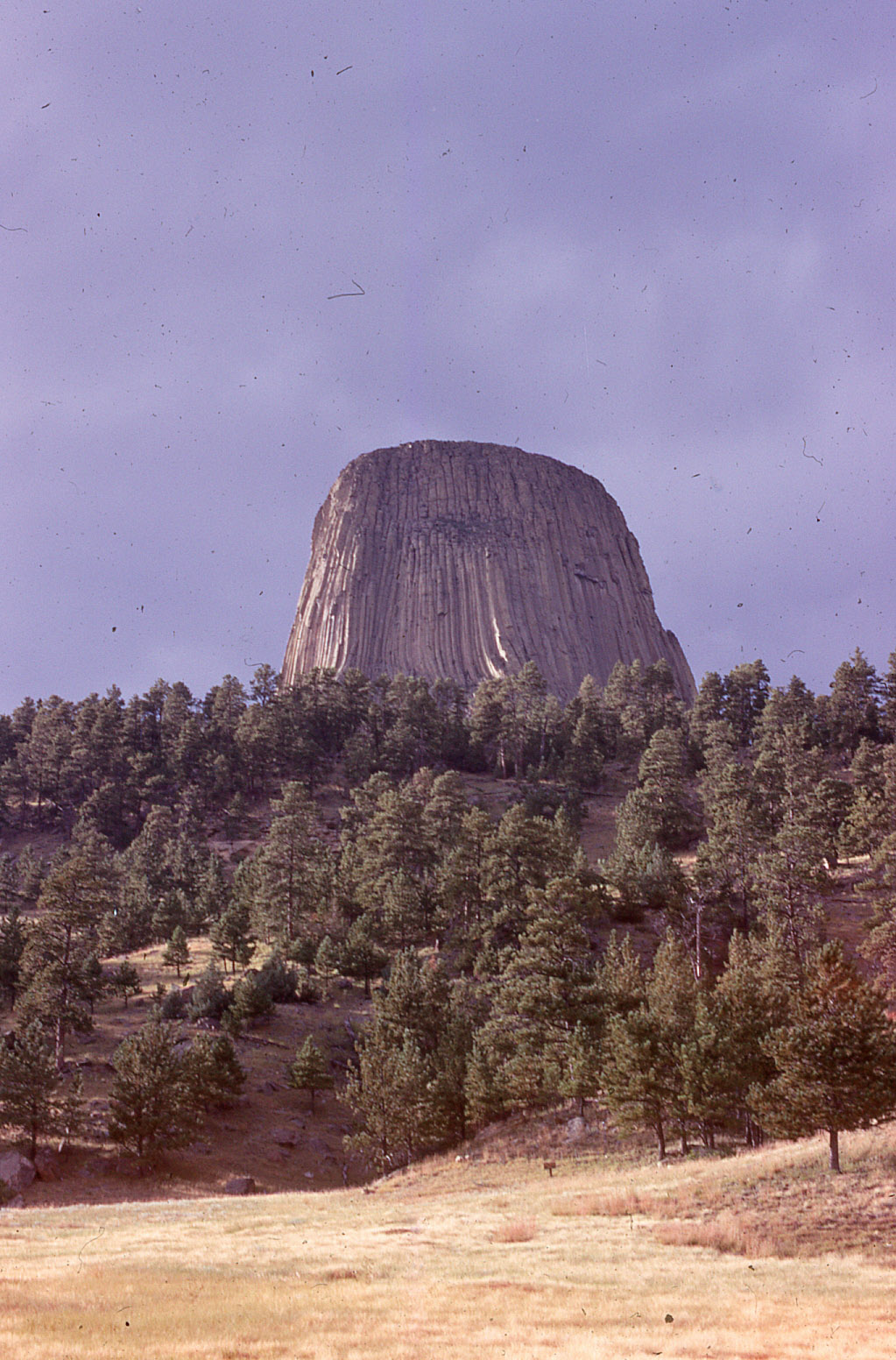

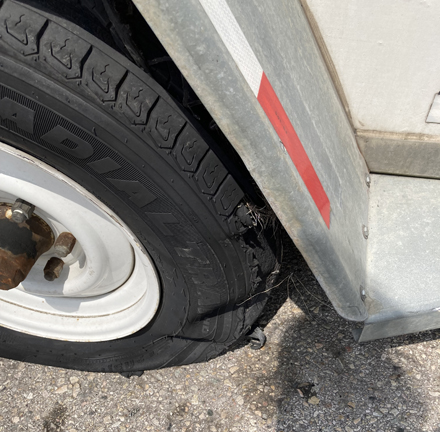
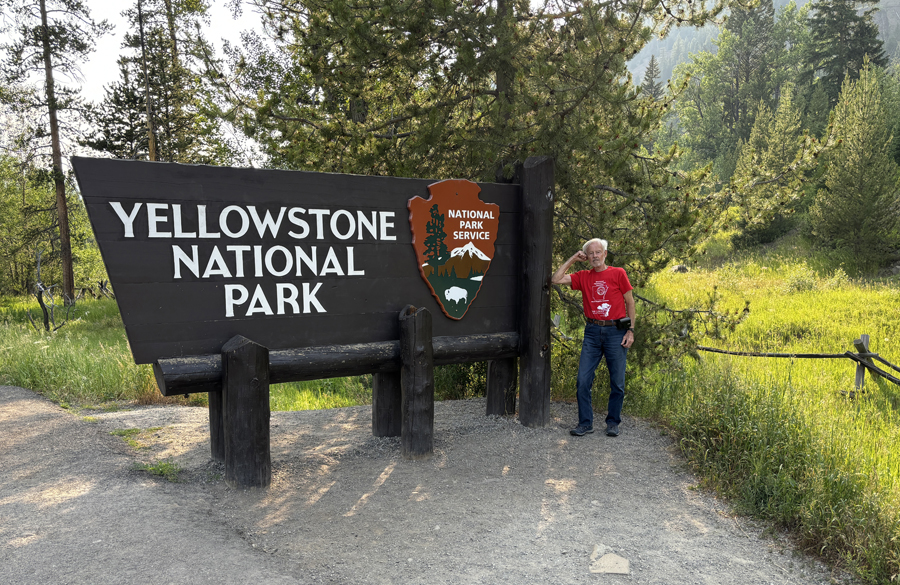

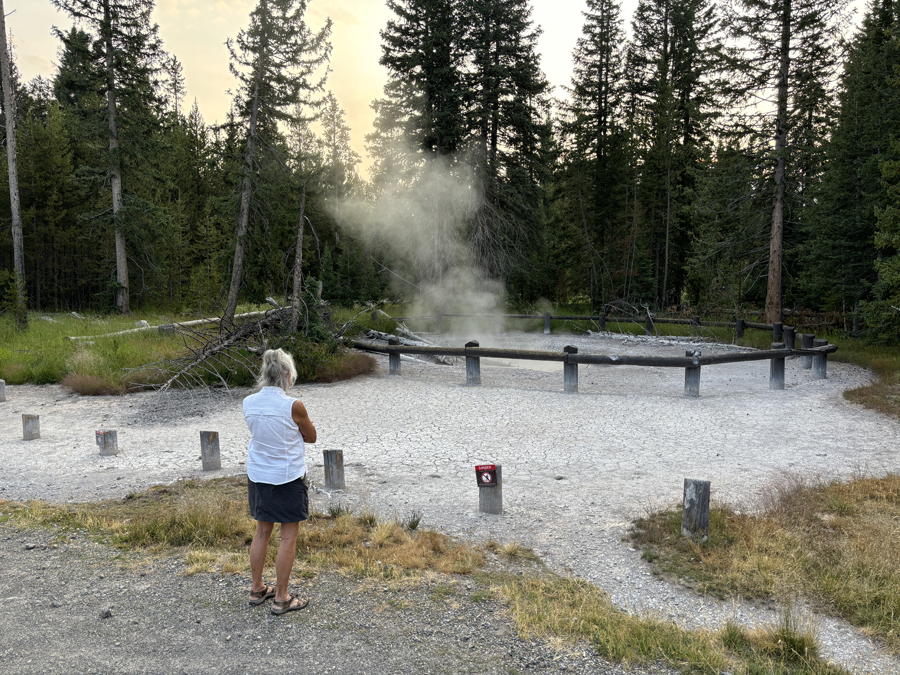
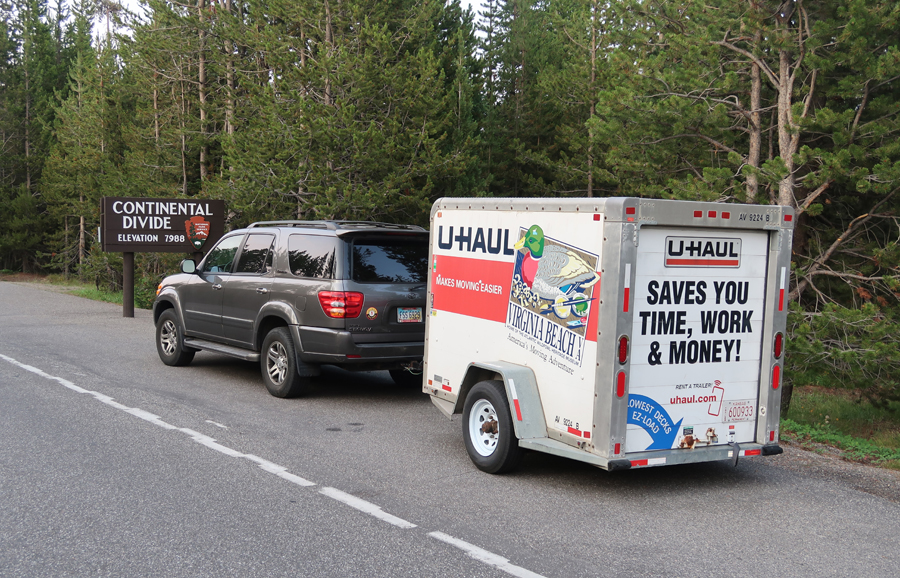

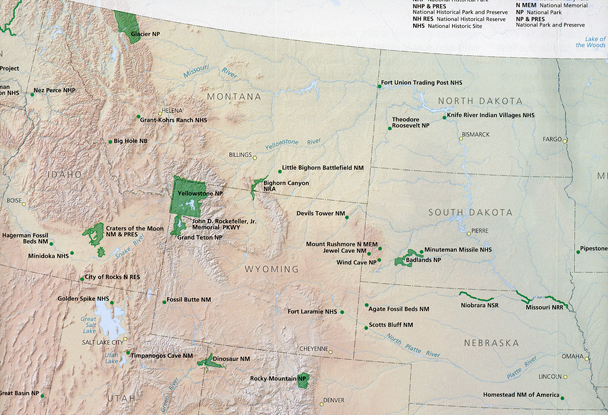





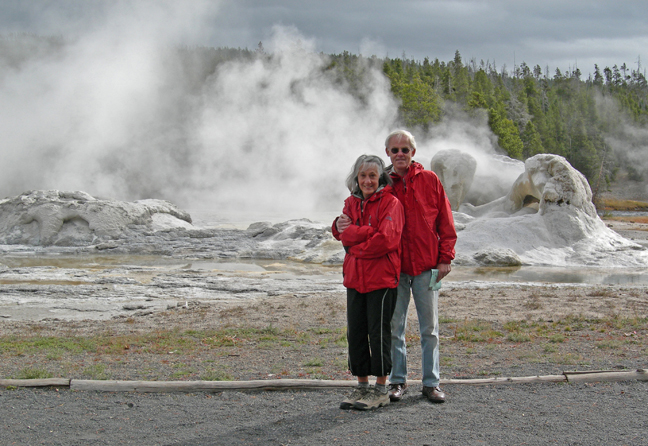
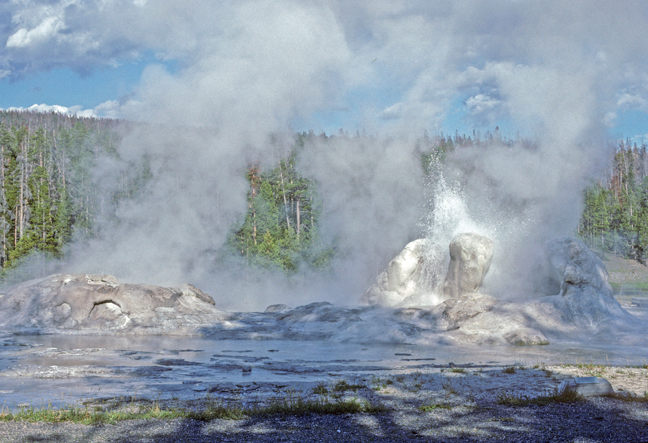
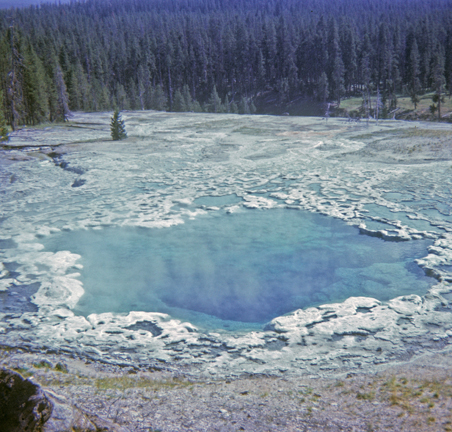


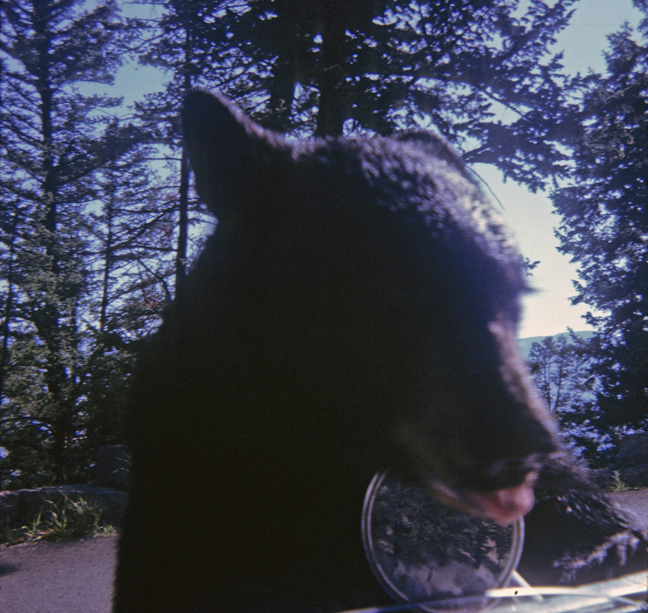

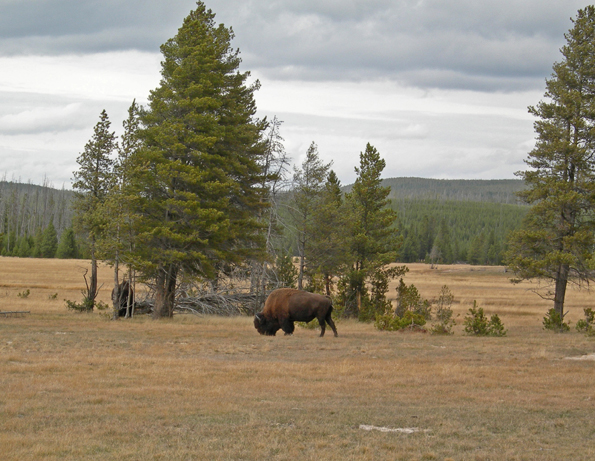
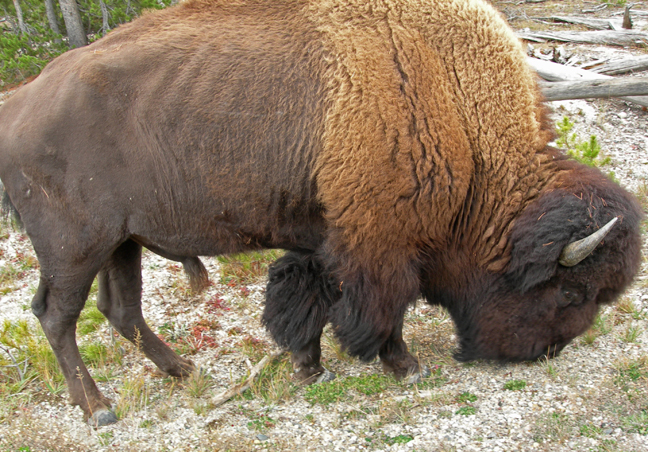


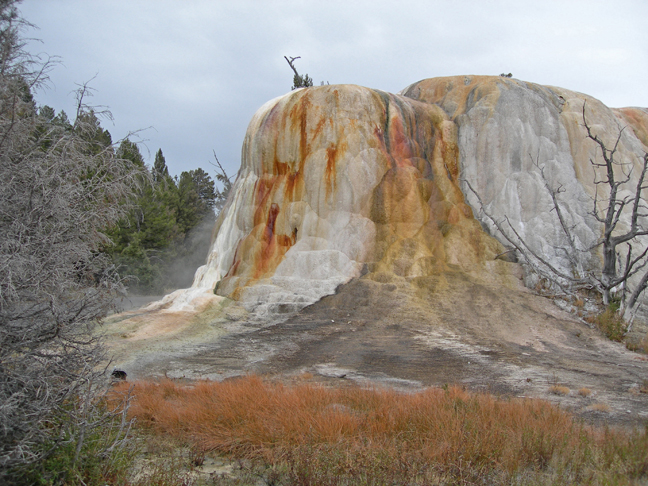
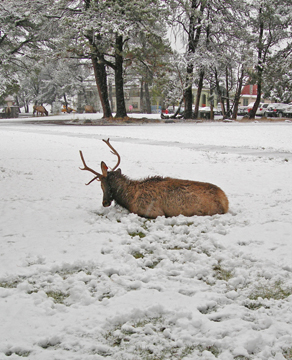
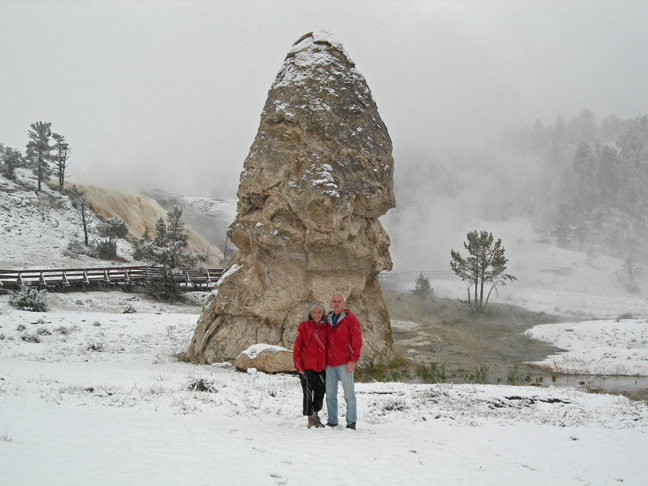


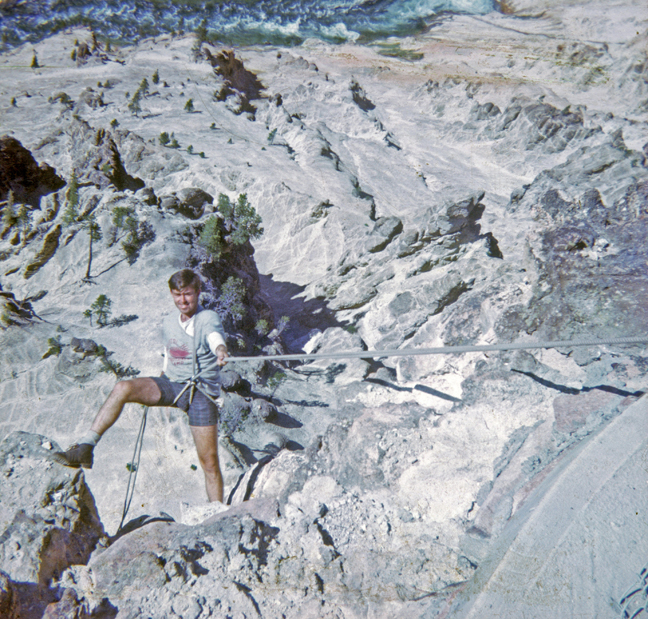

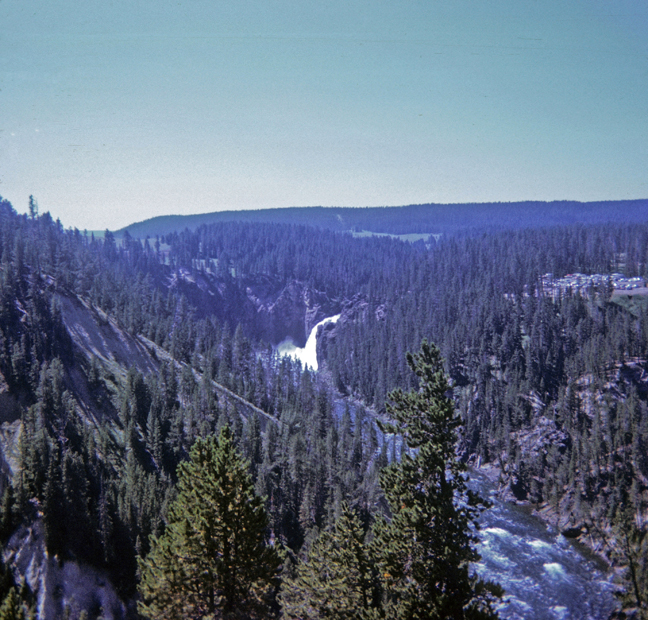
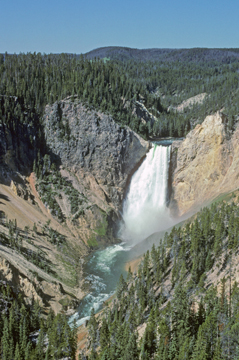
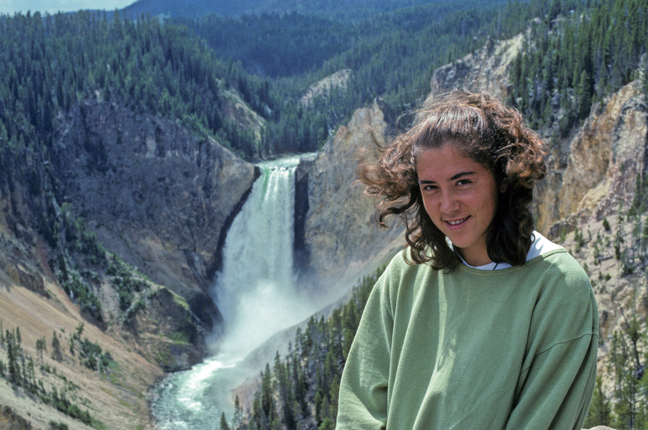


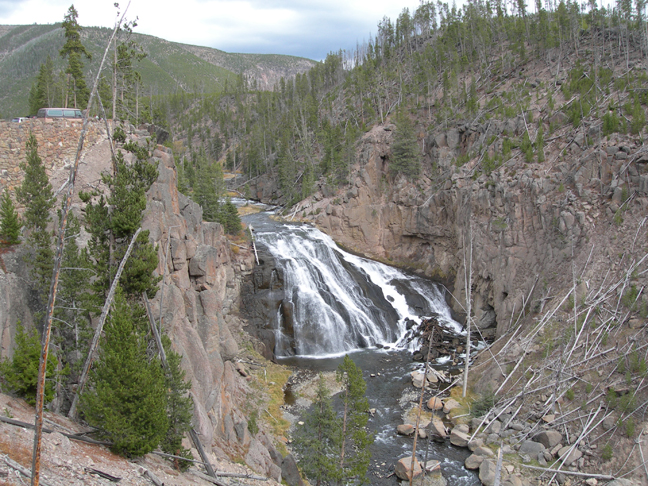
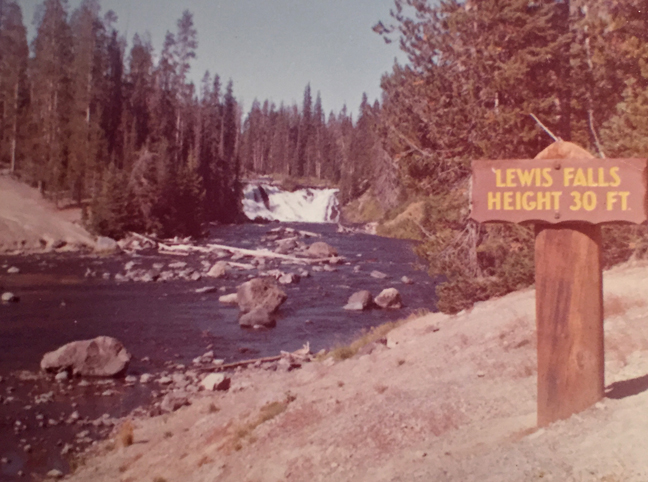
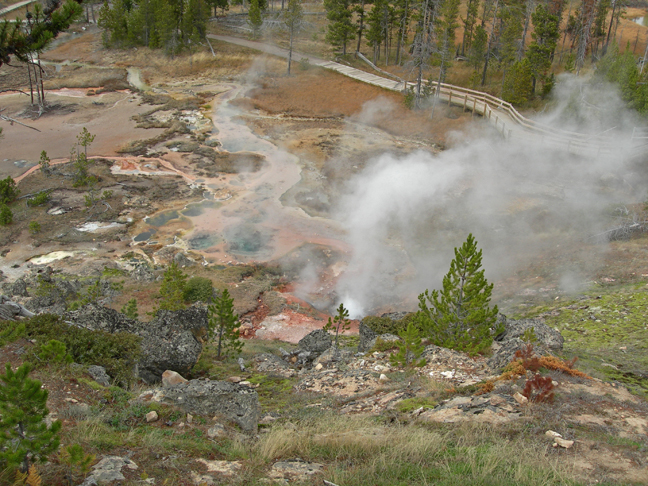

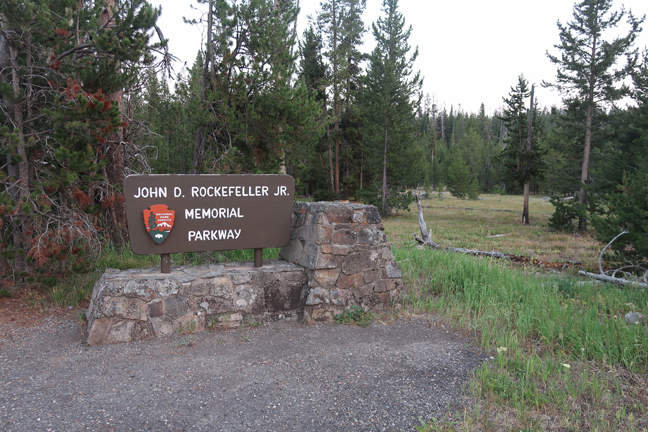
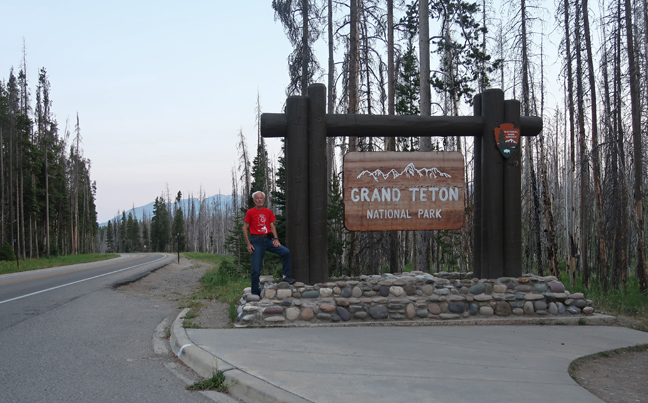


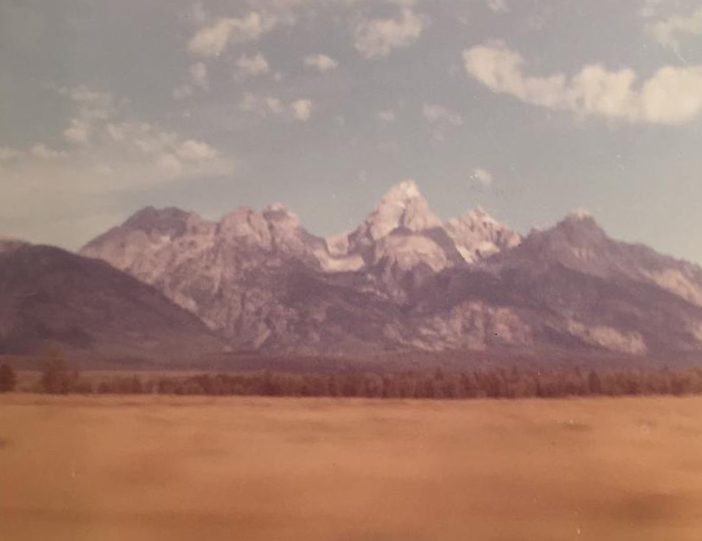



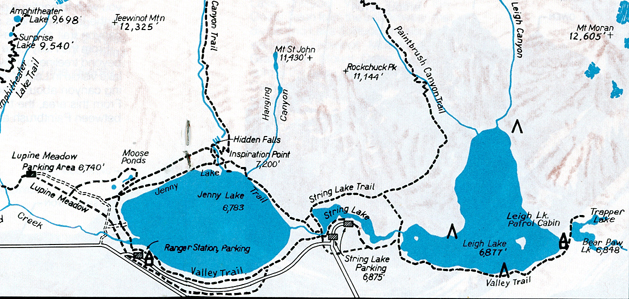
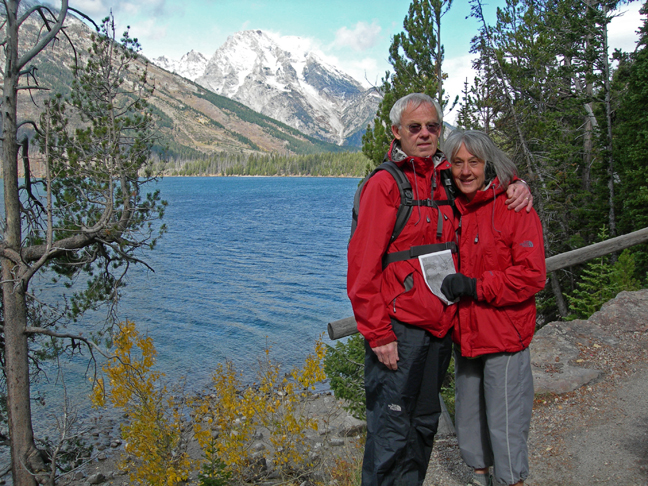
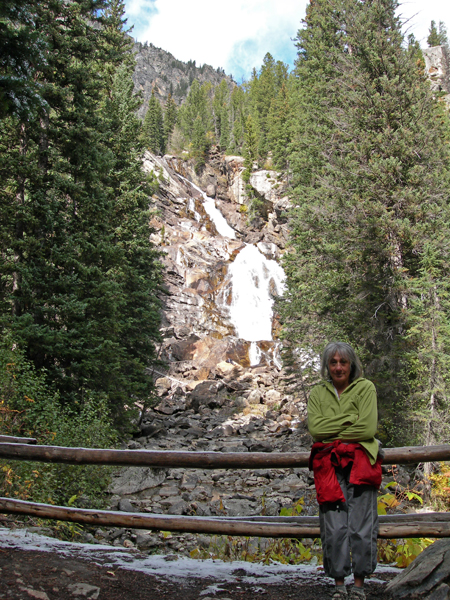

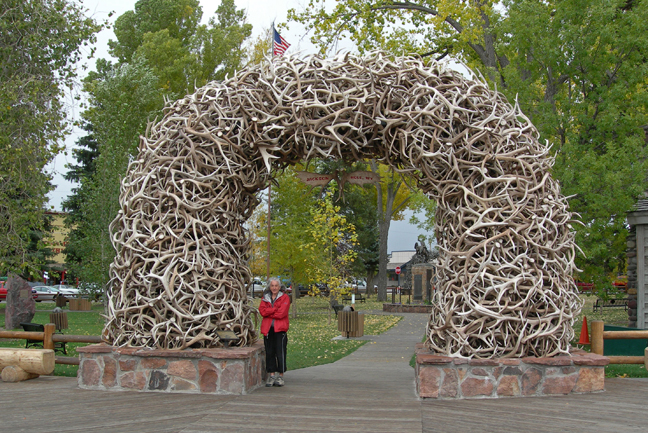
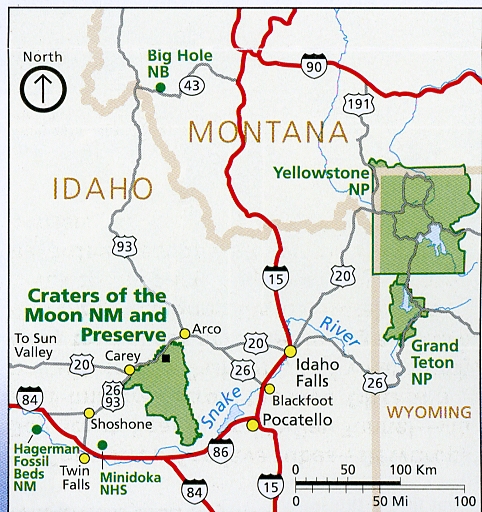

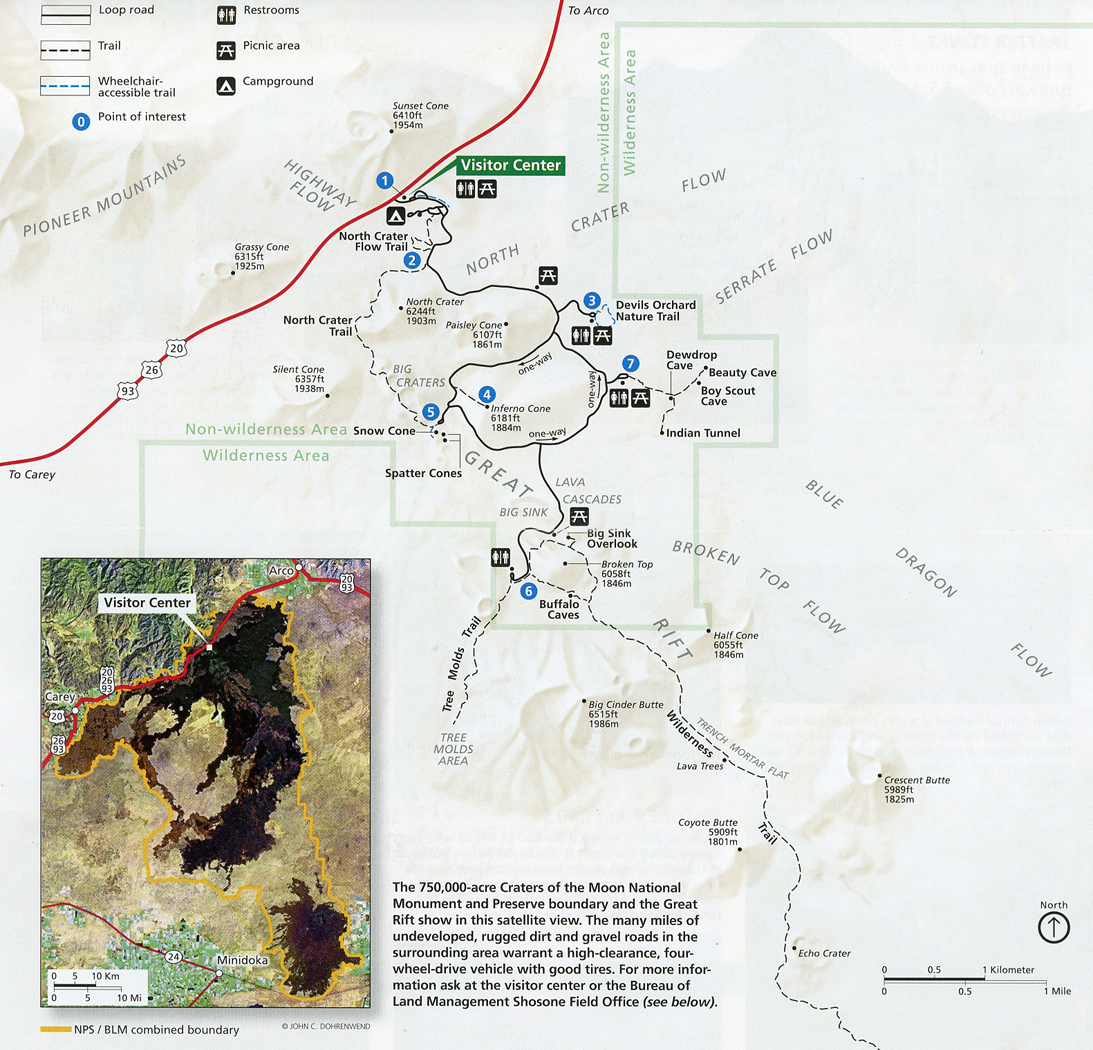


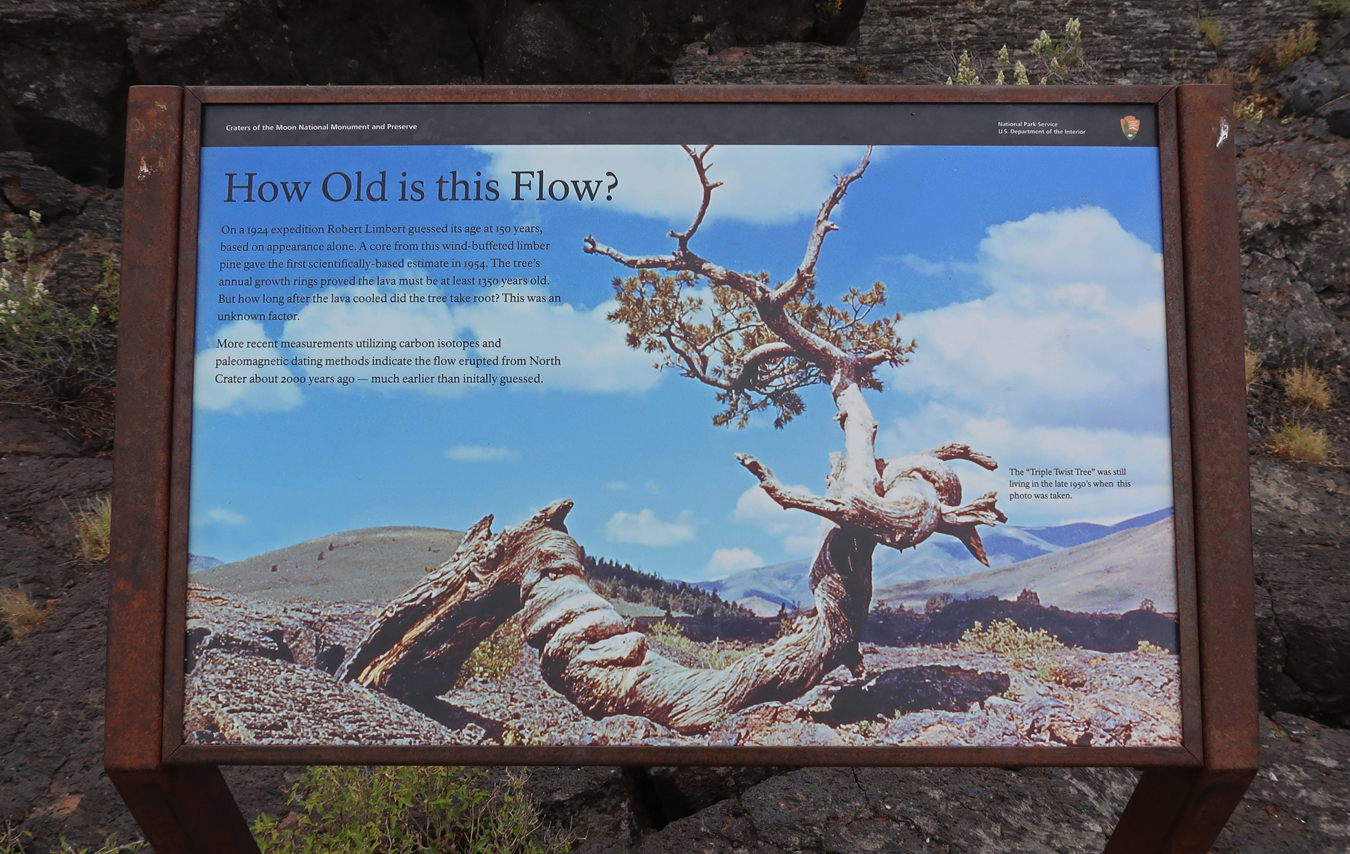


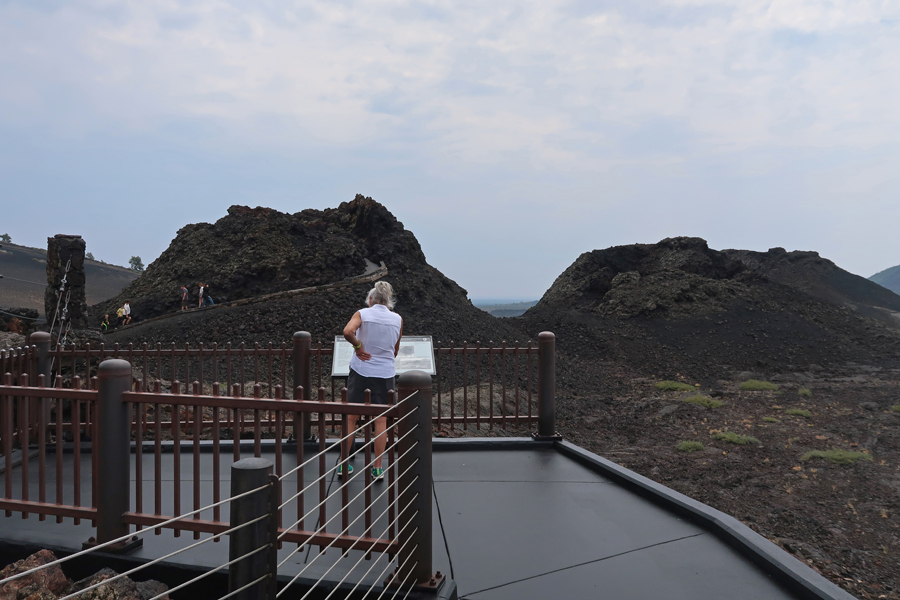
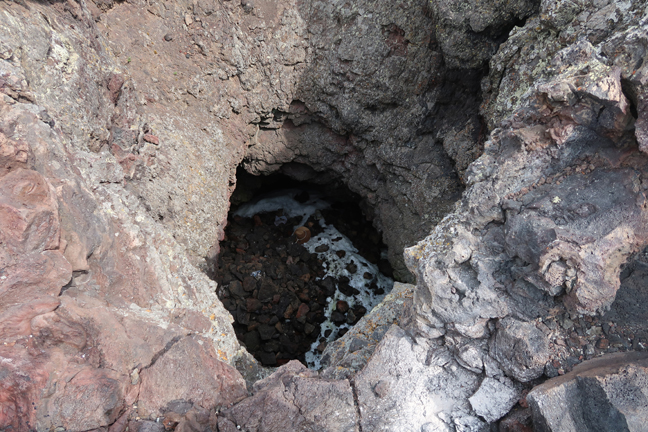
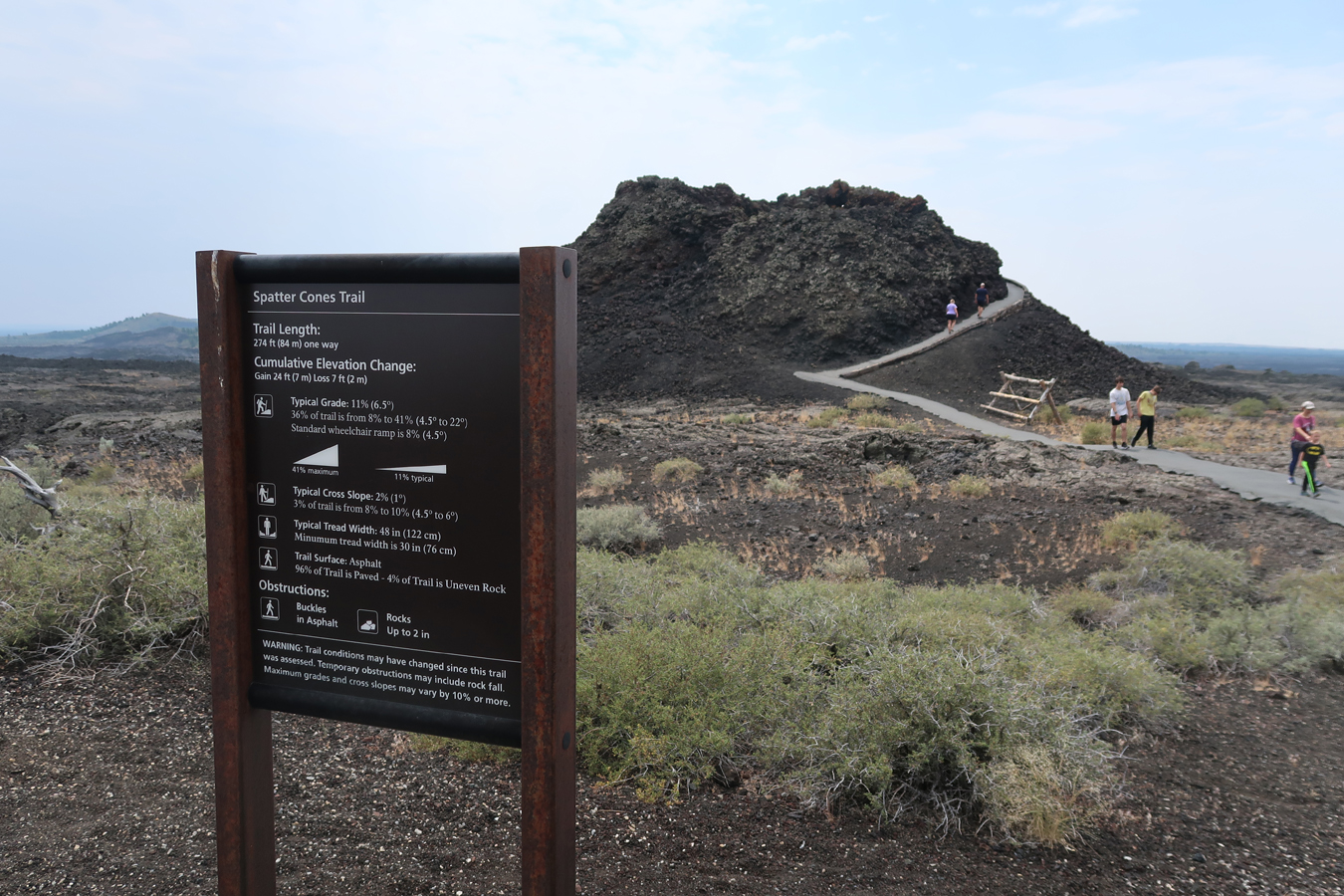
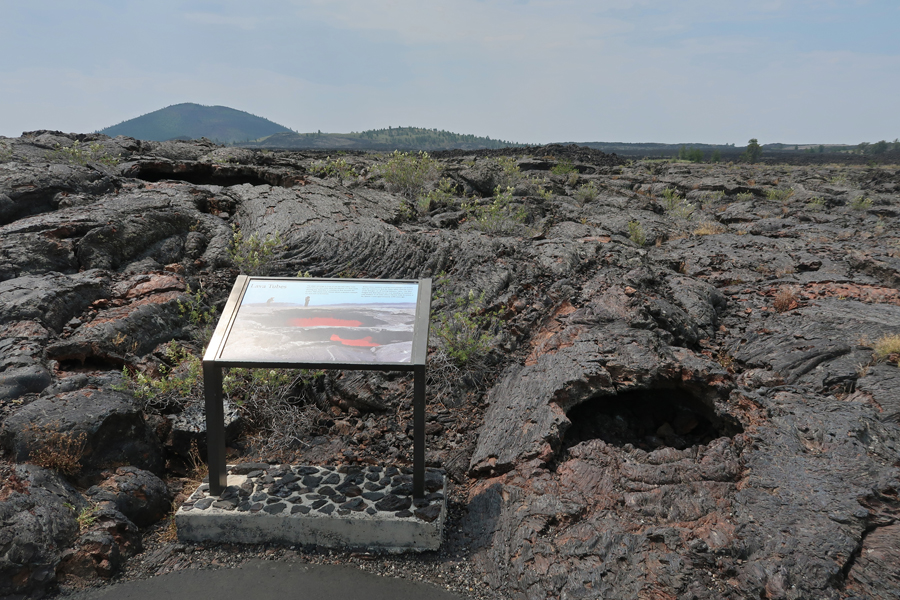


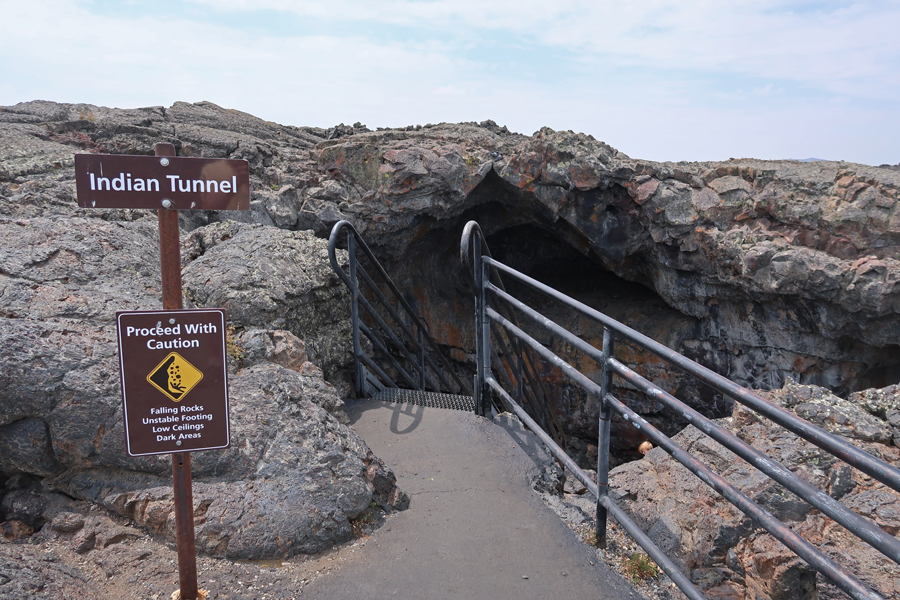
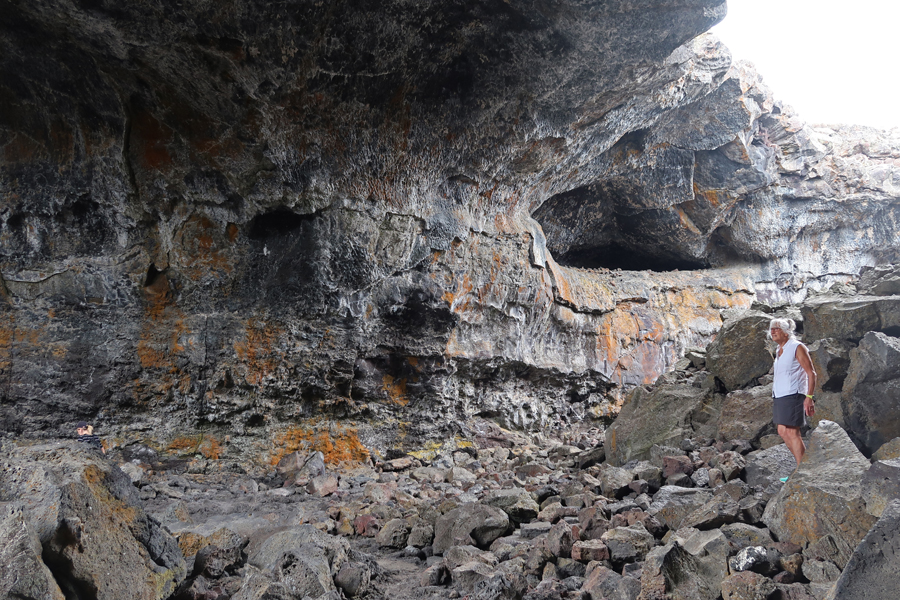


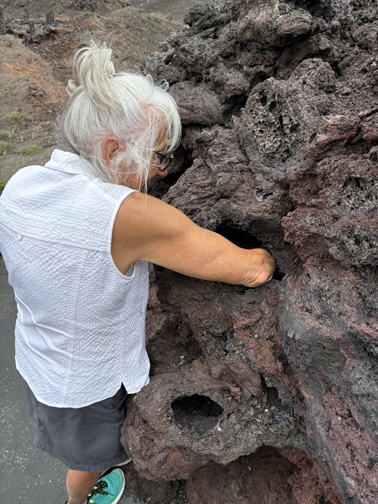
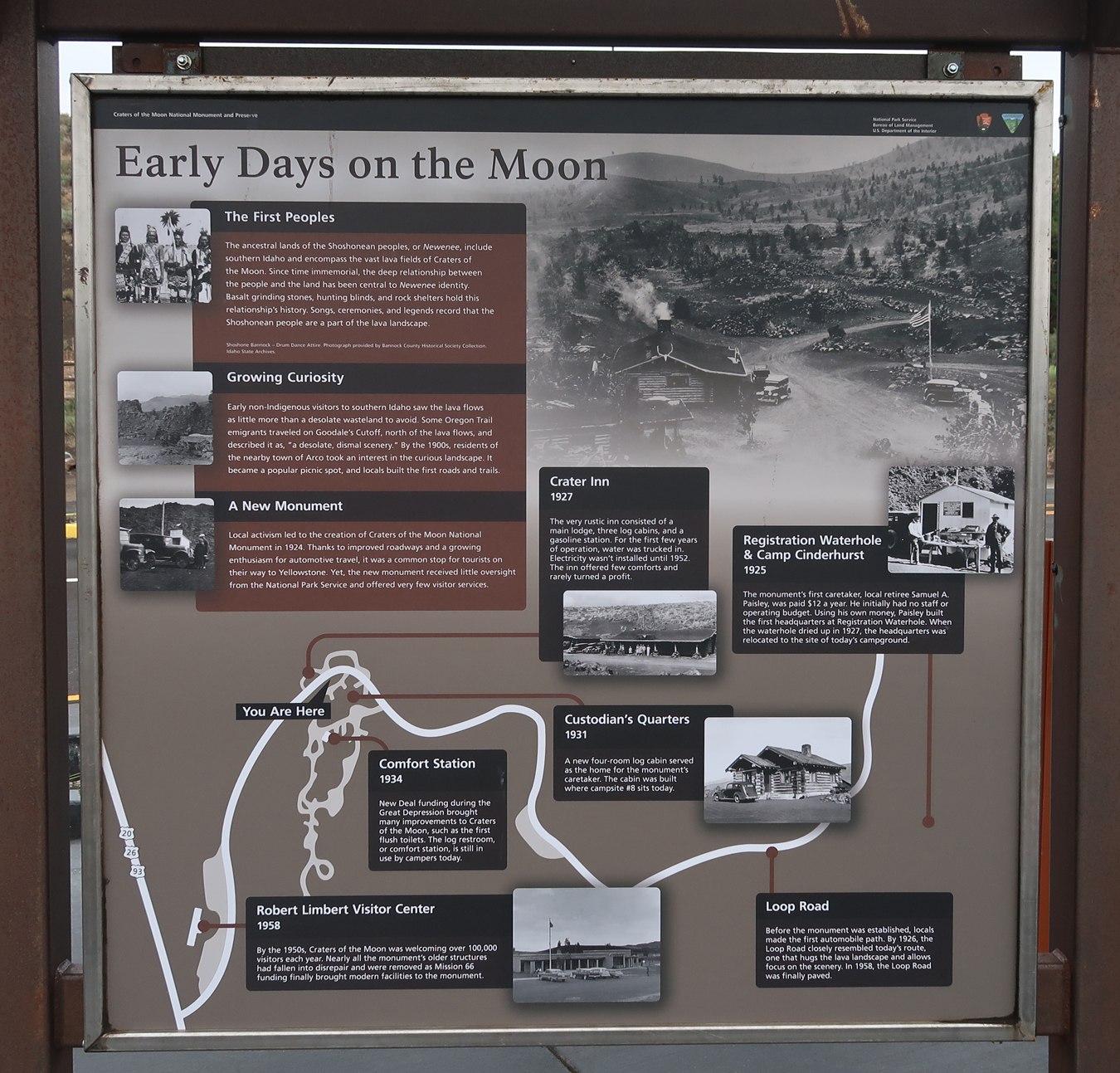

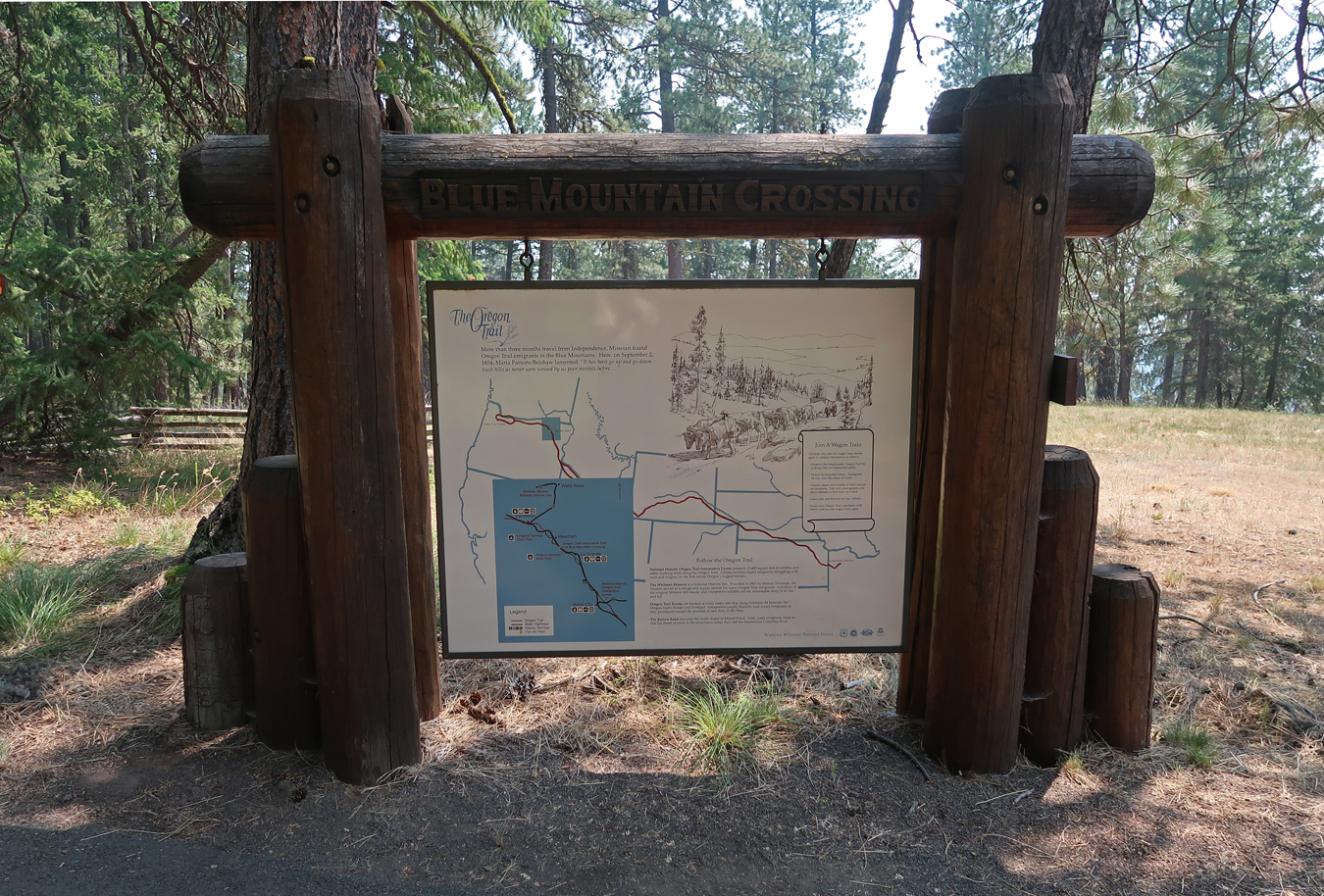



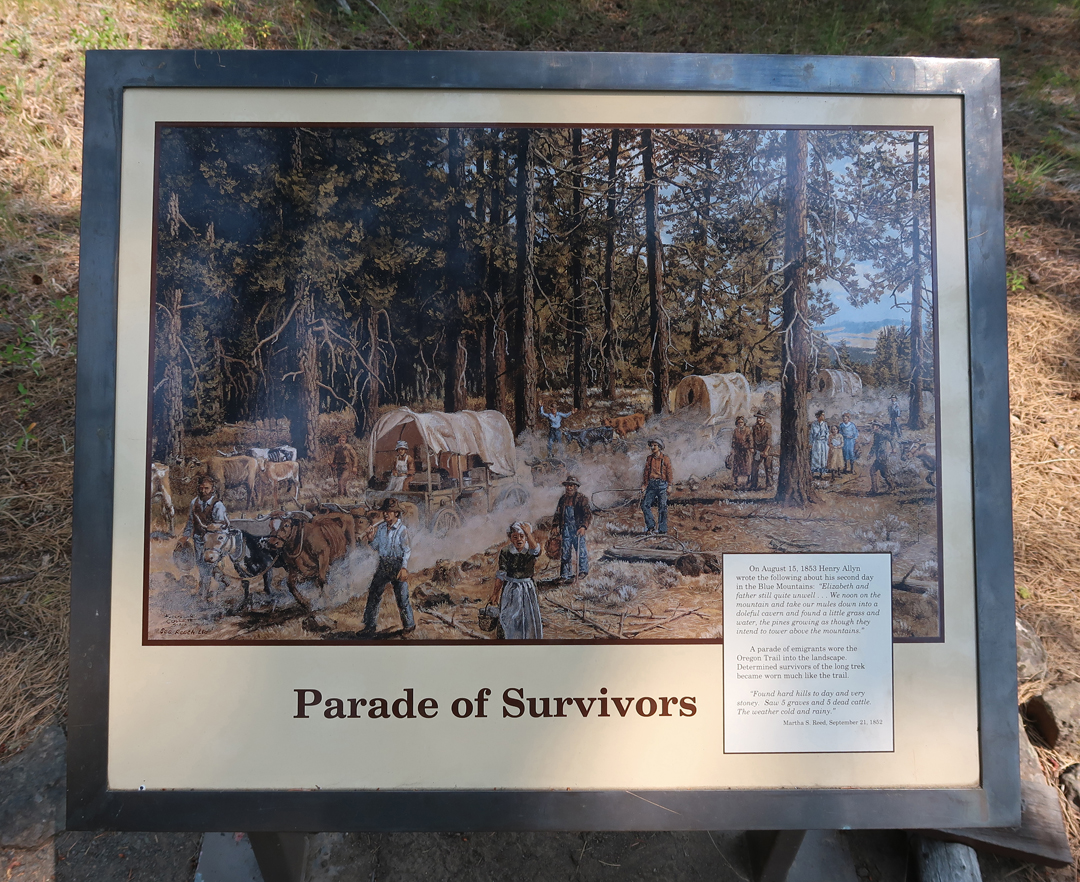
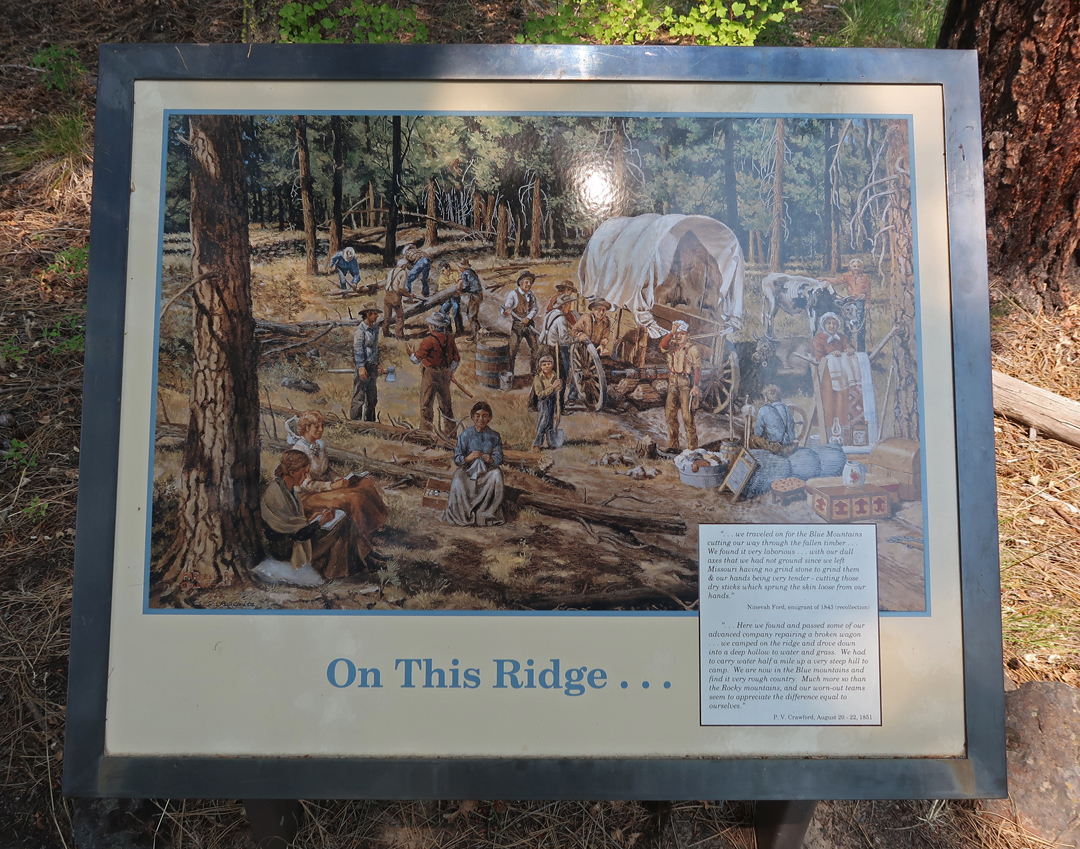

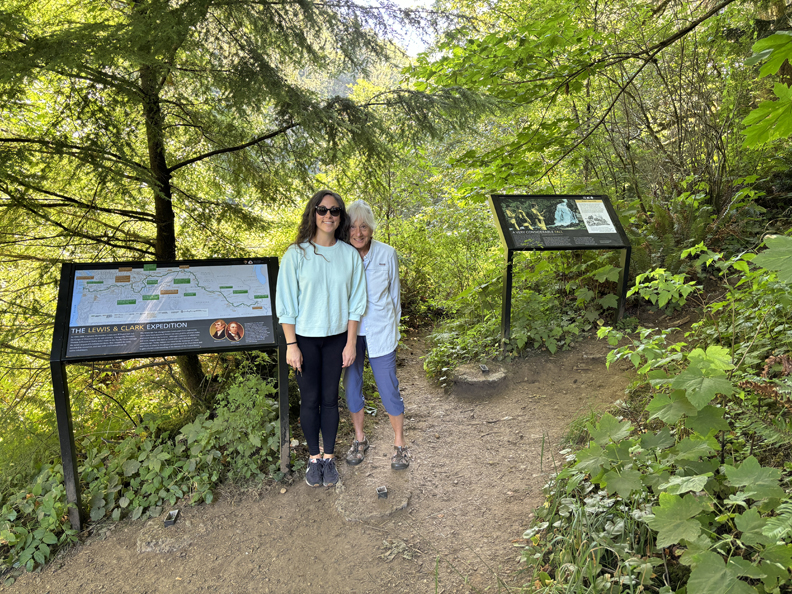
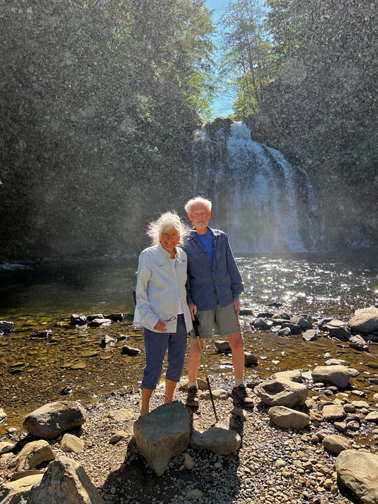
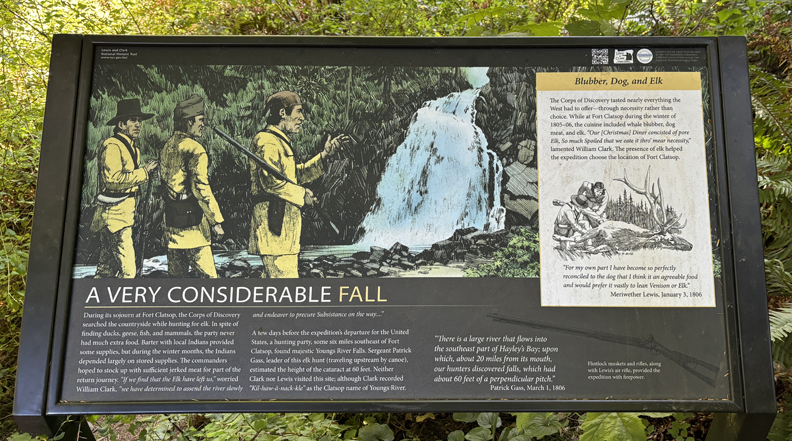
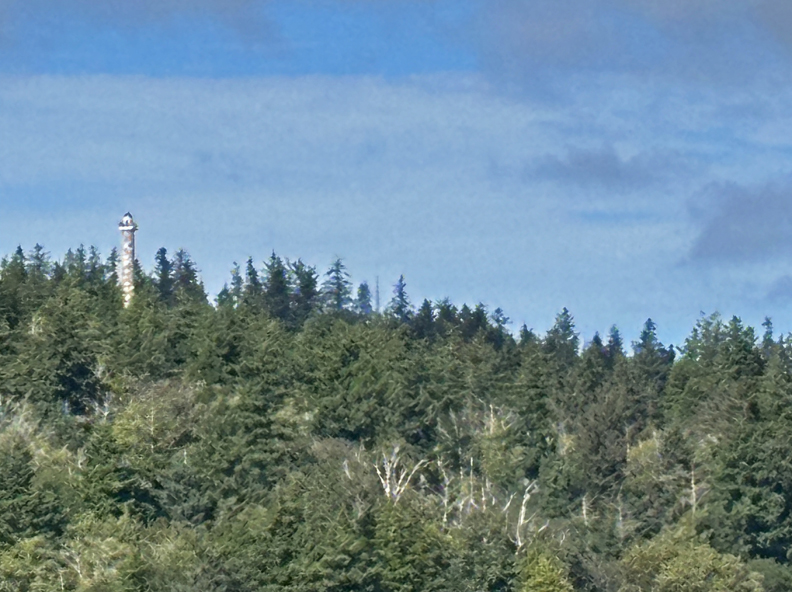

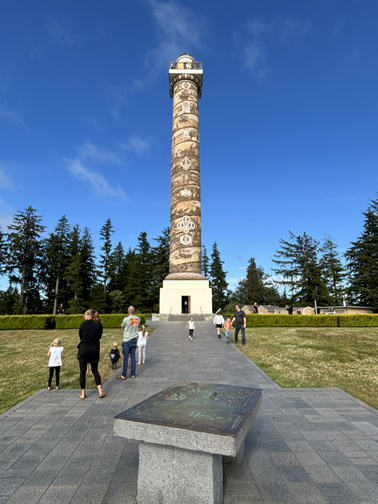
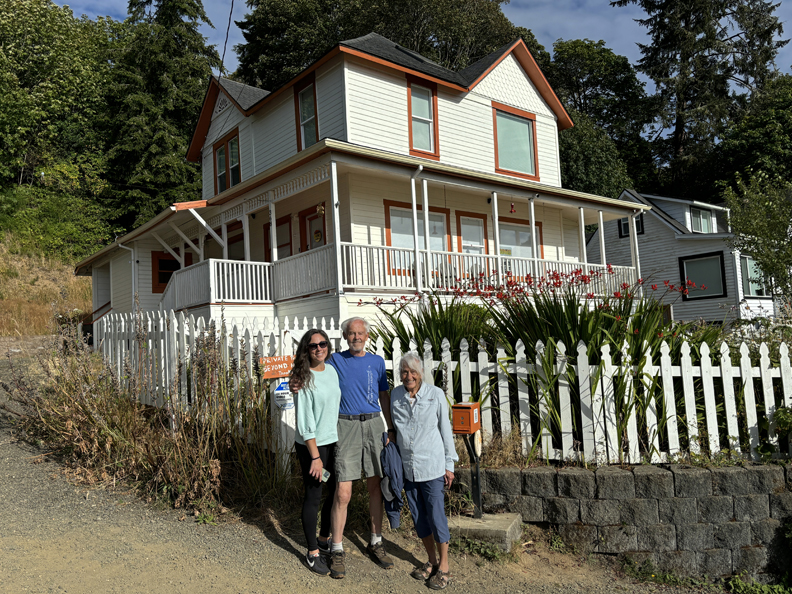
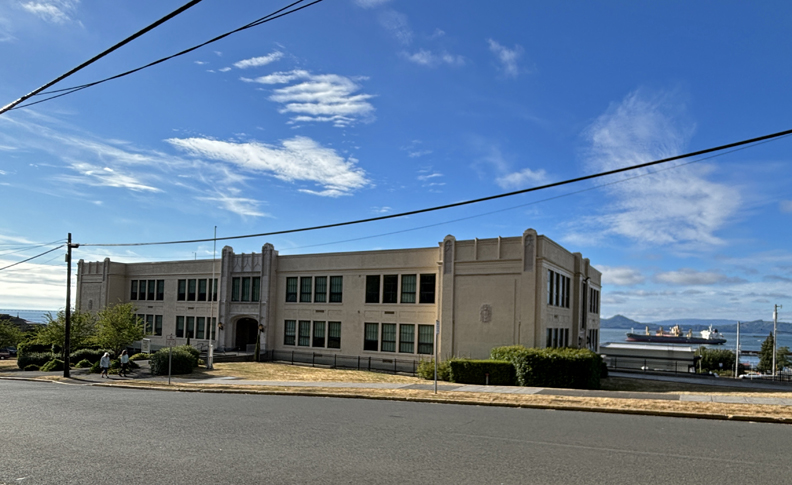

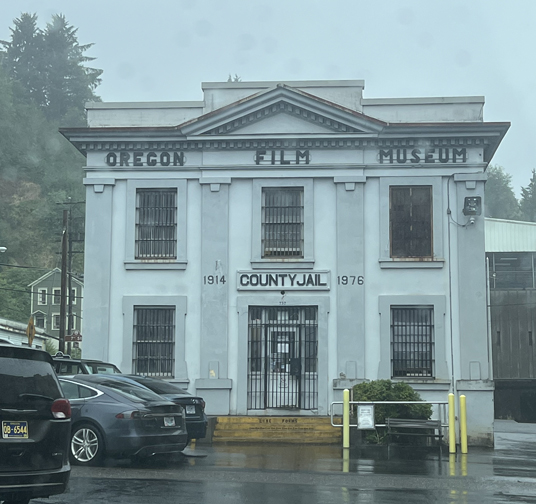
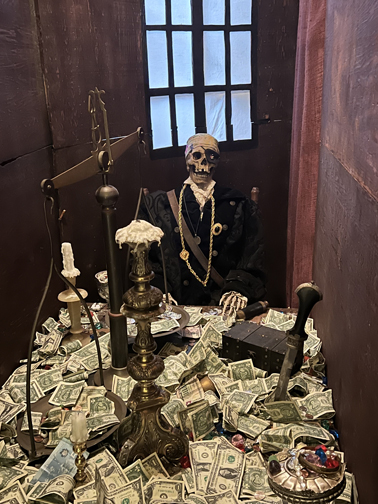
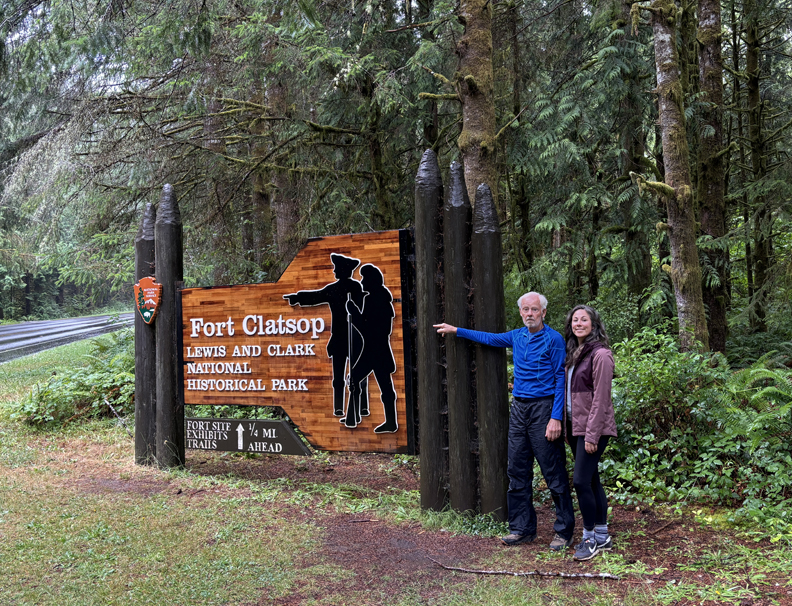
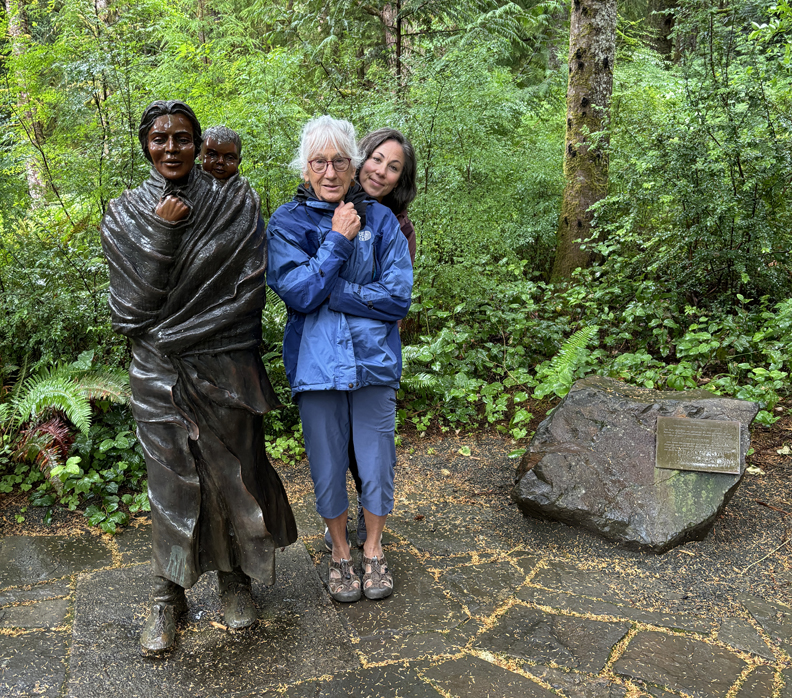
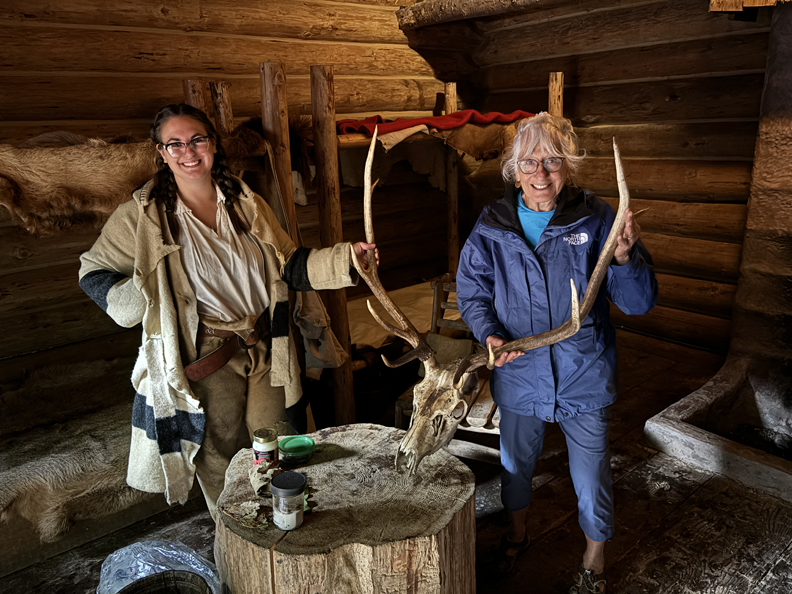
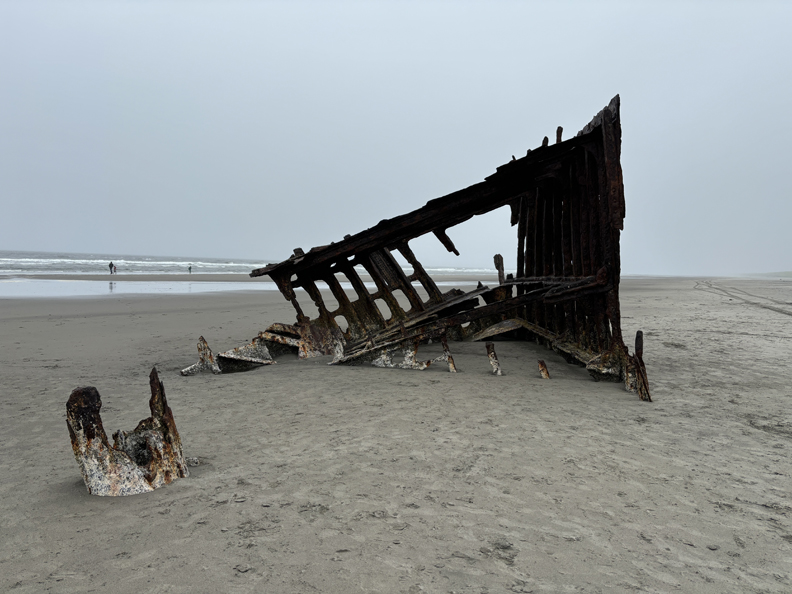


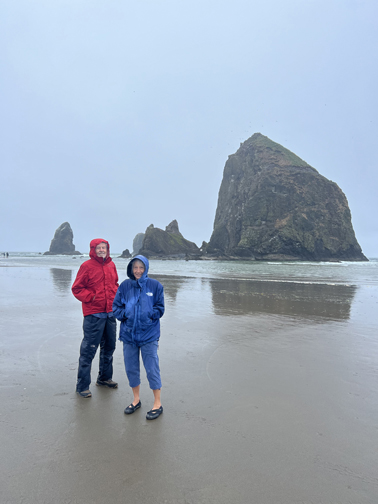

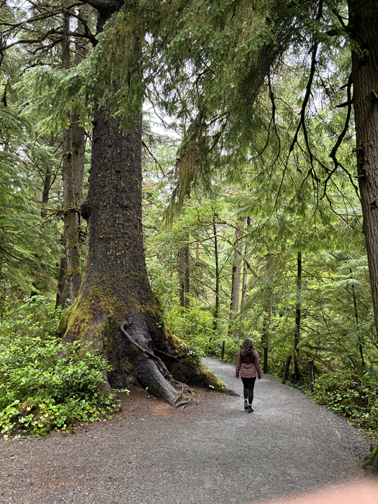

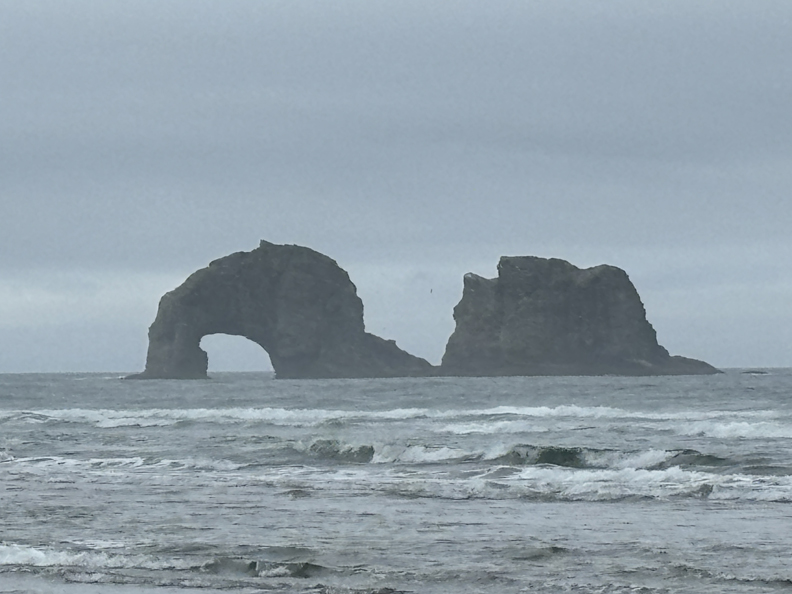
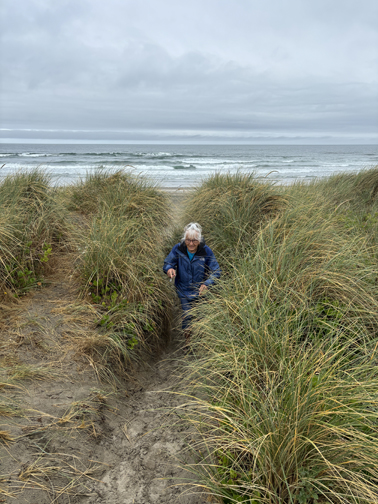

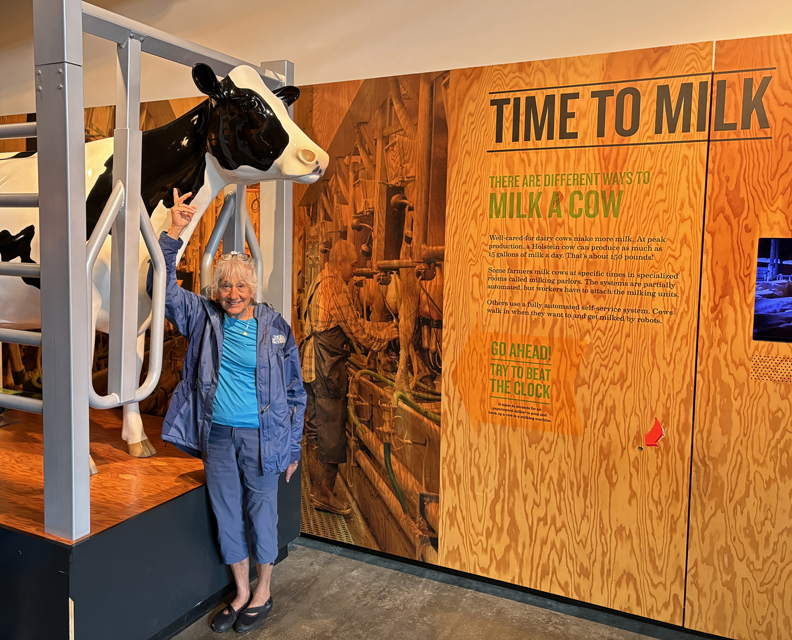








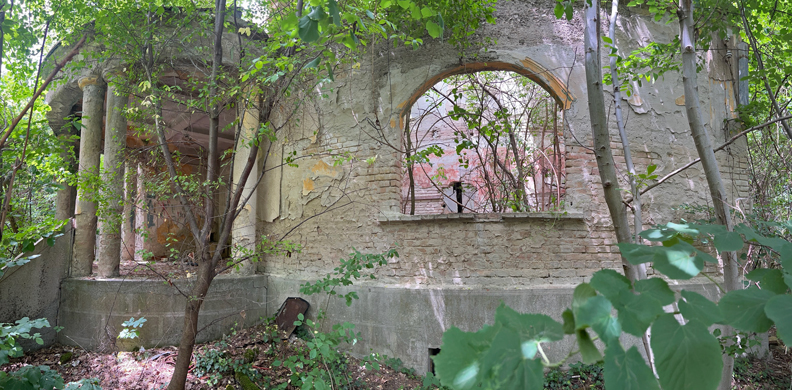






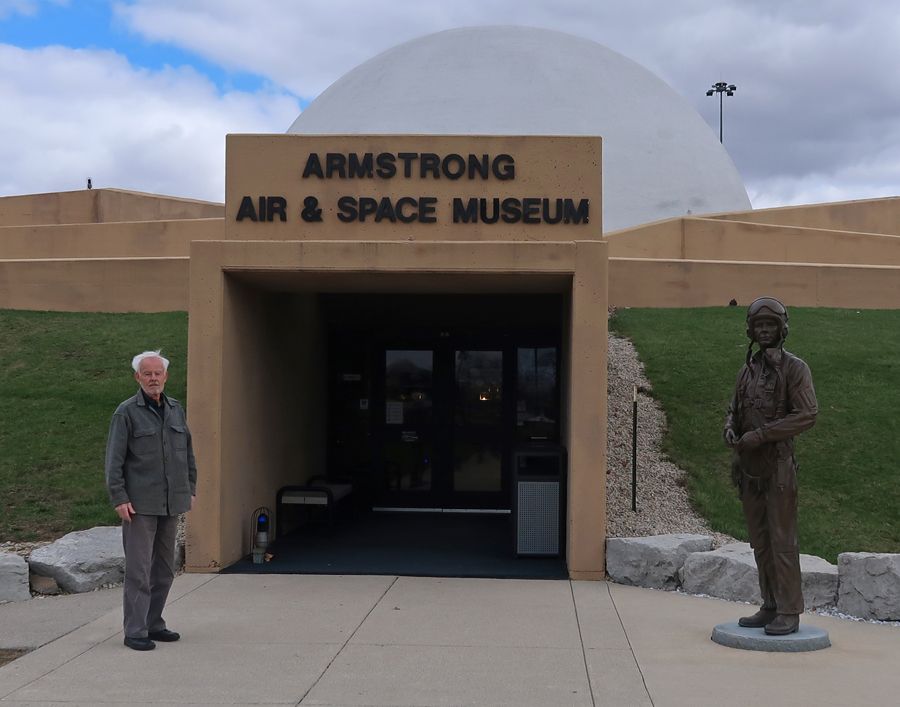

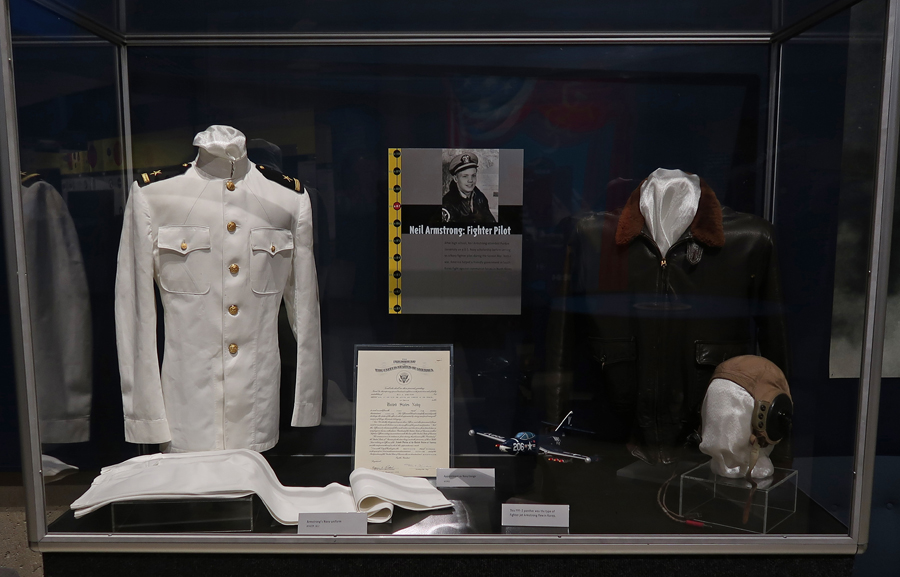

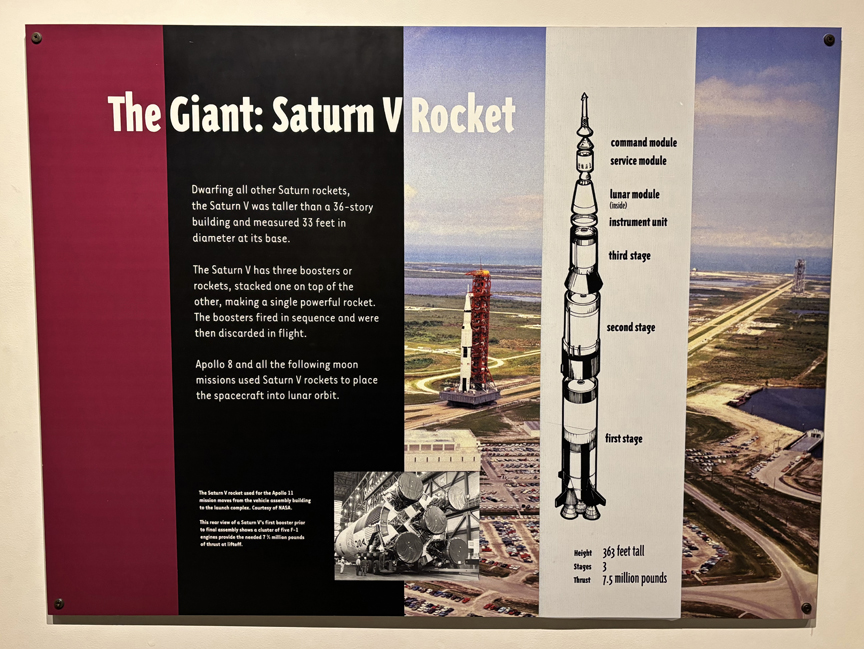










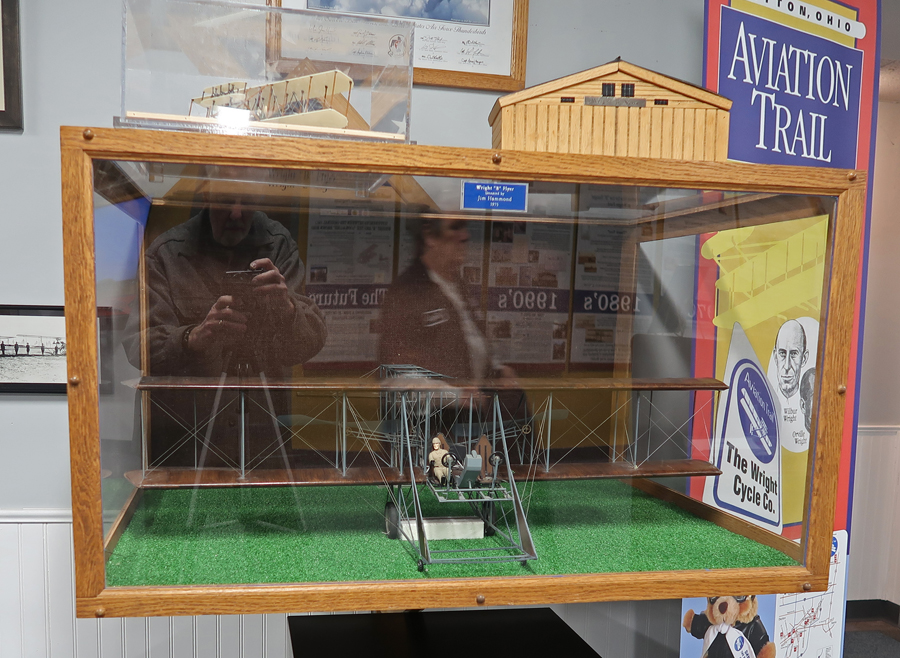
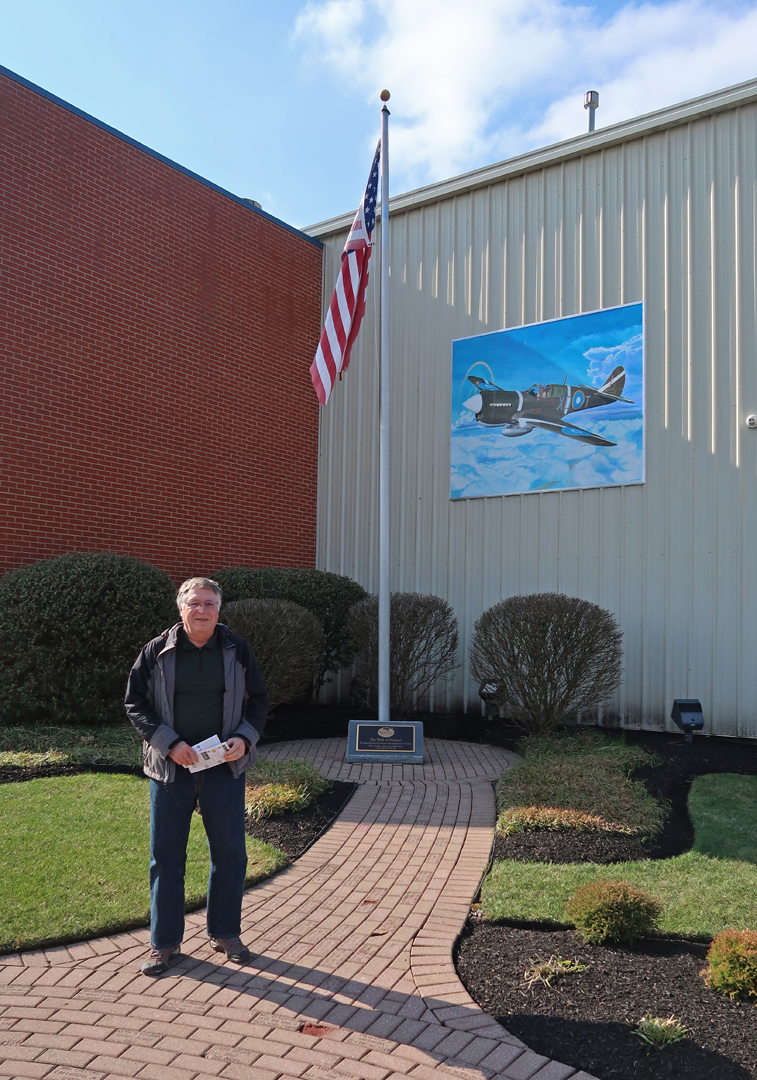
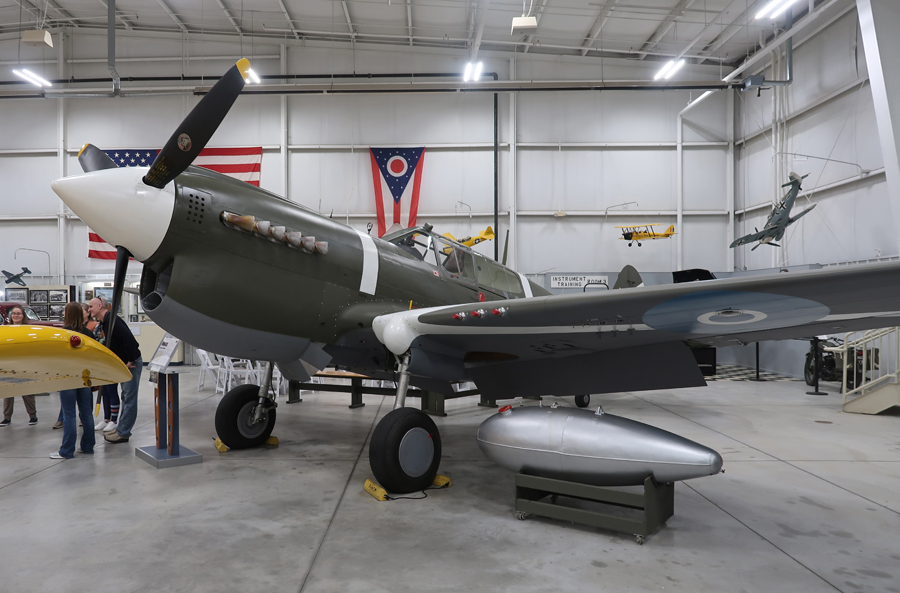
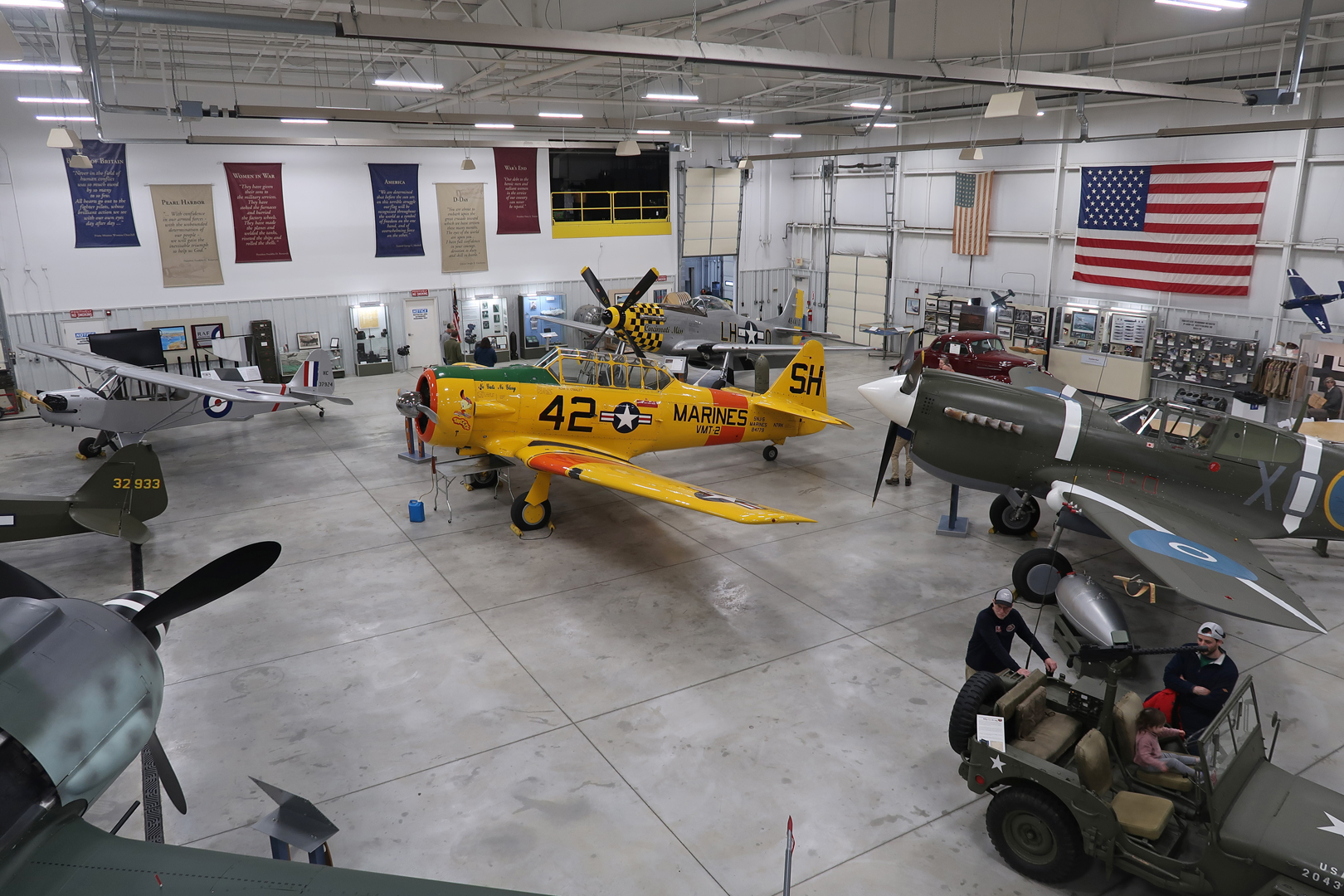

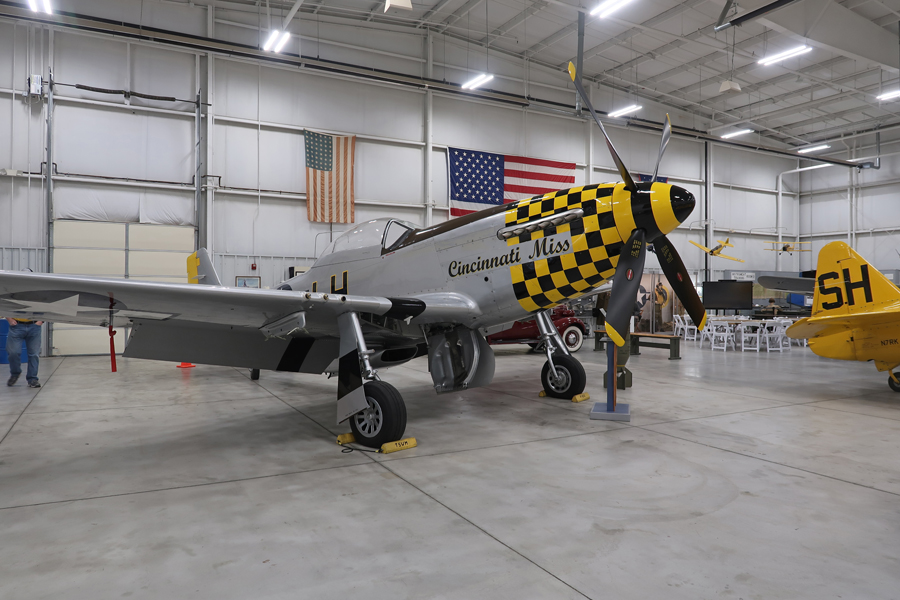
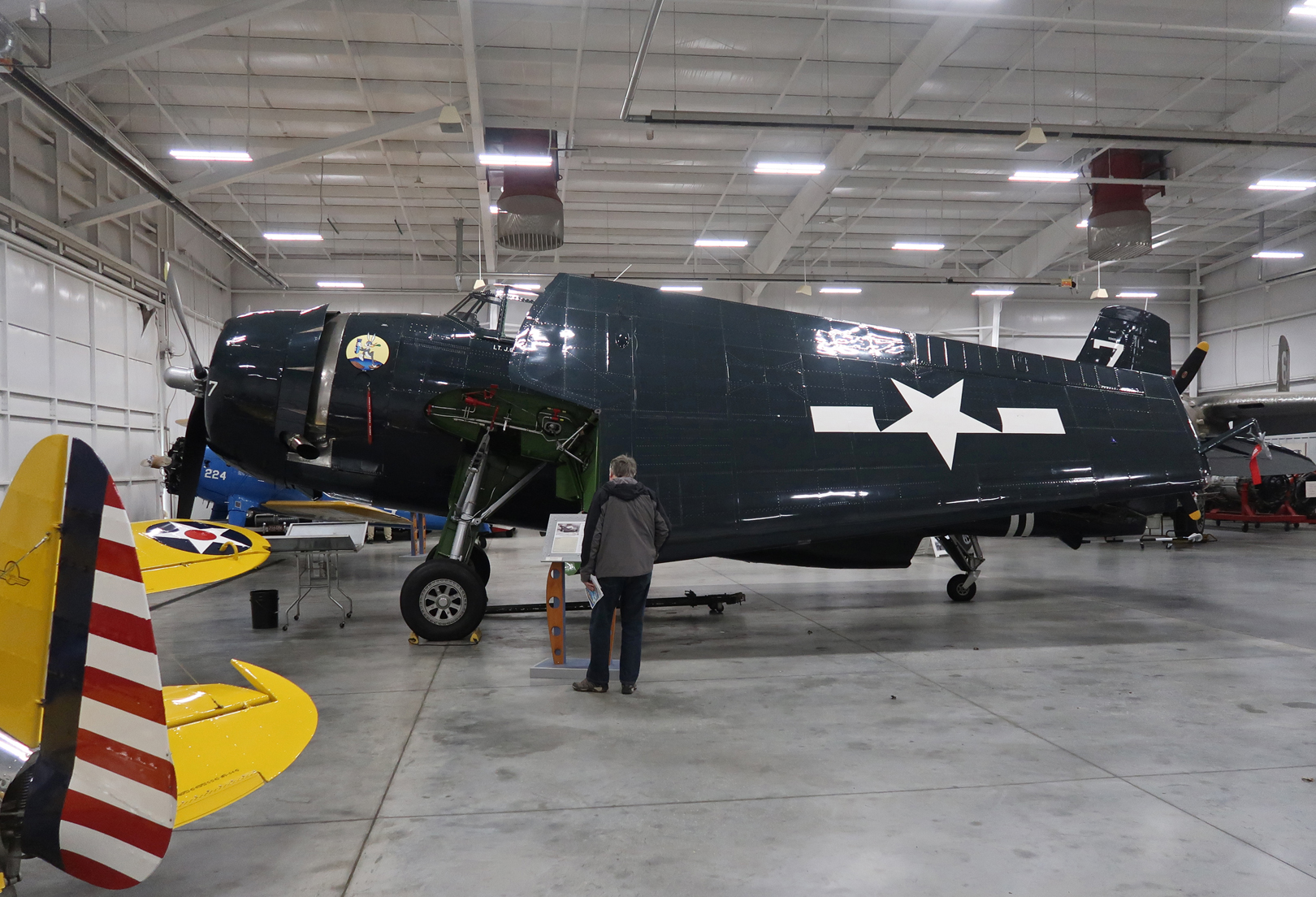

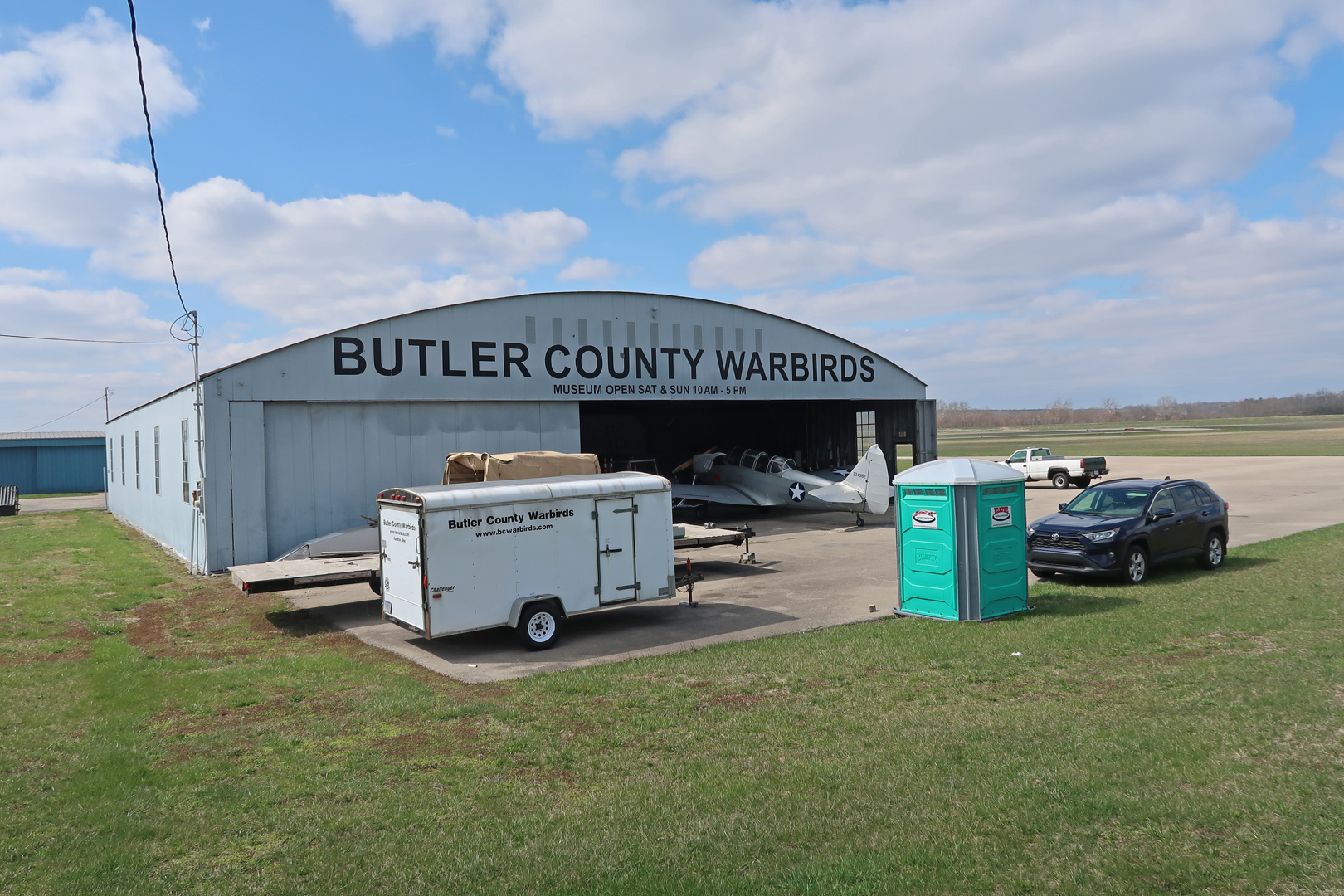

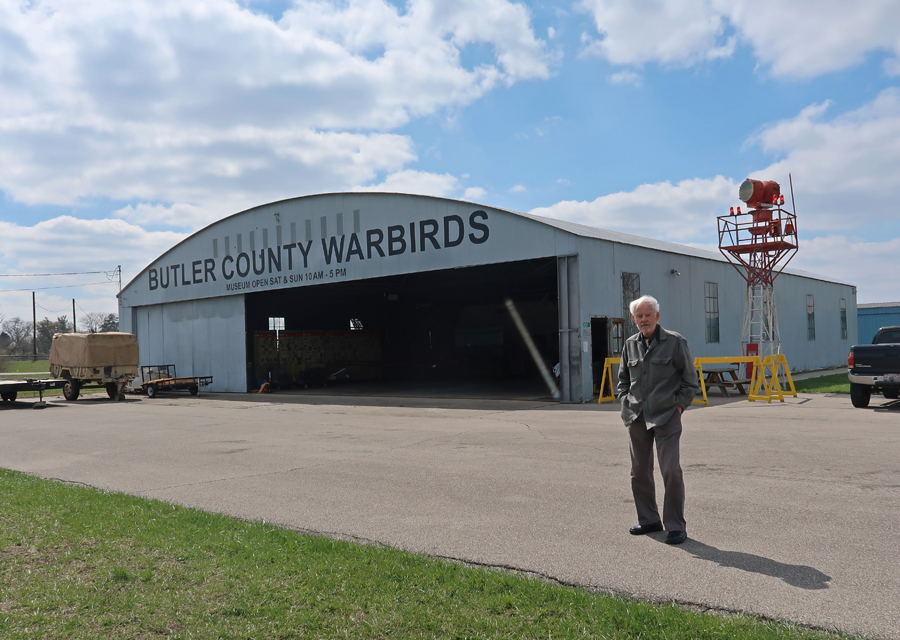

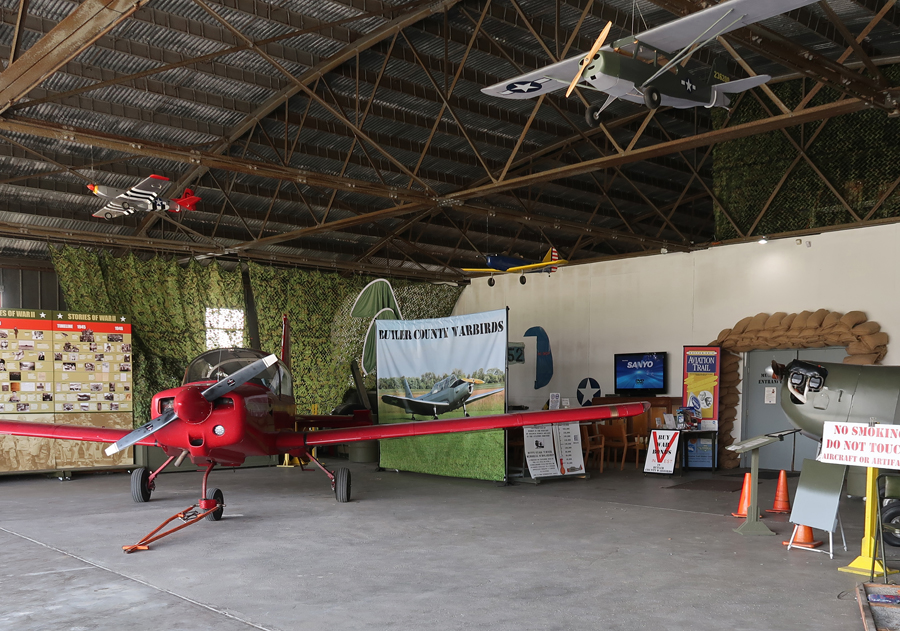


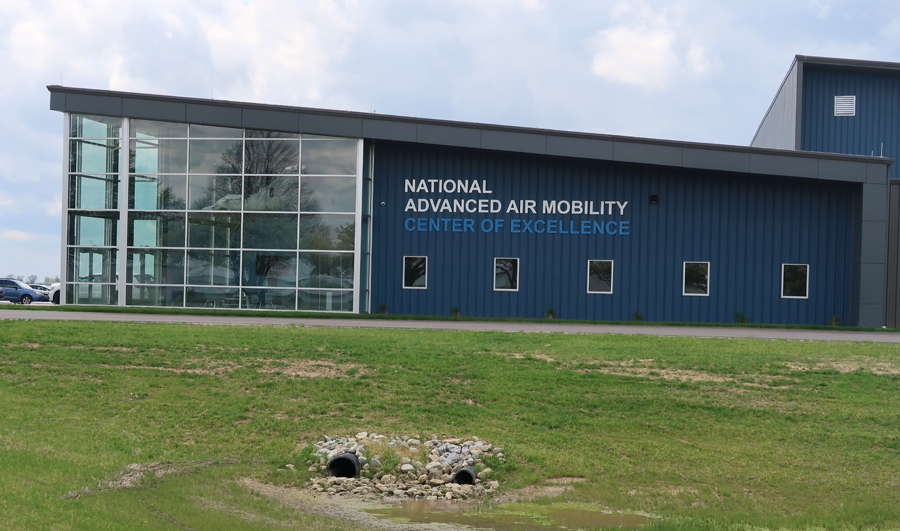
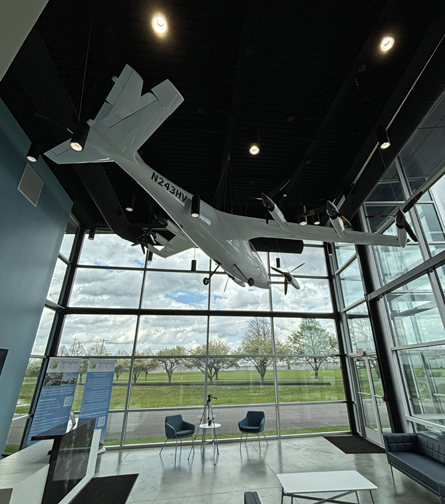






 The Martin's Blog