Archive for the ‘Tom’ Category

h1

Fallen Timbers and Fort Miamis National Historic Sites – OH

December 20, 2014

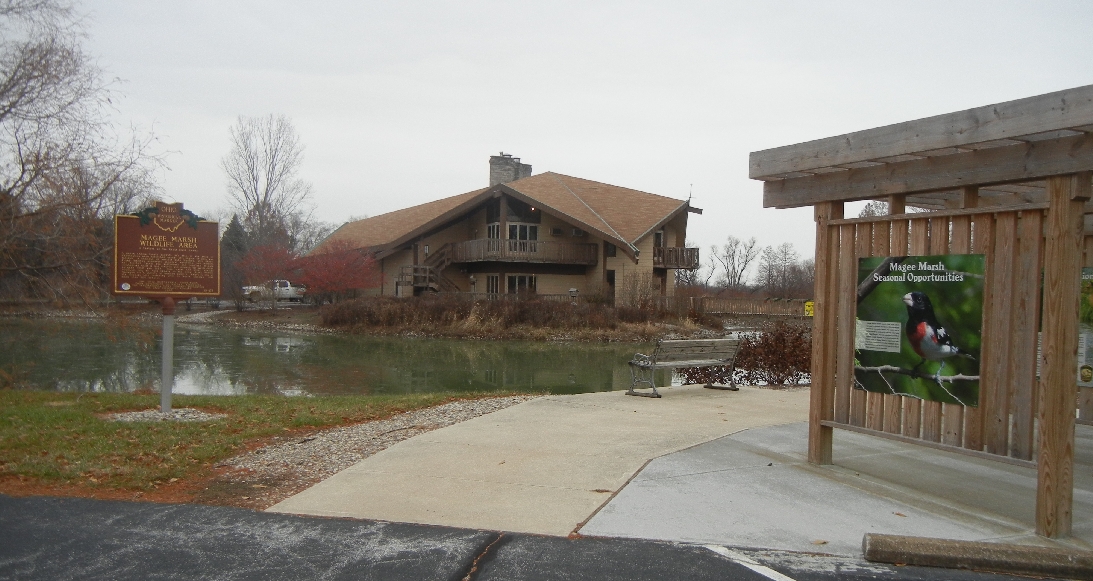
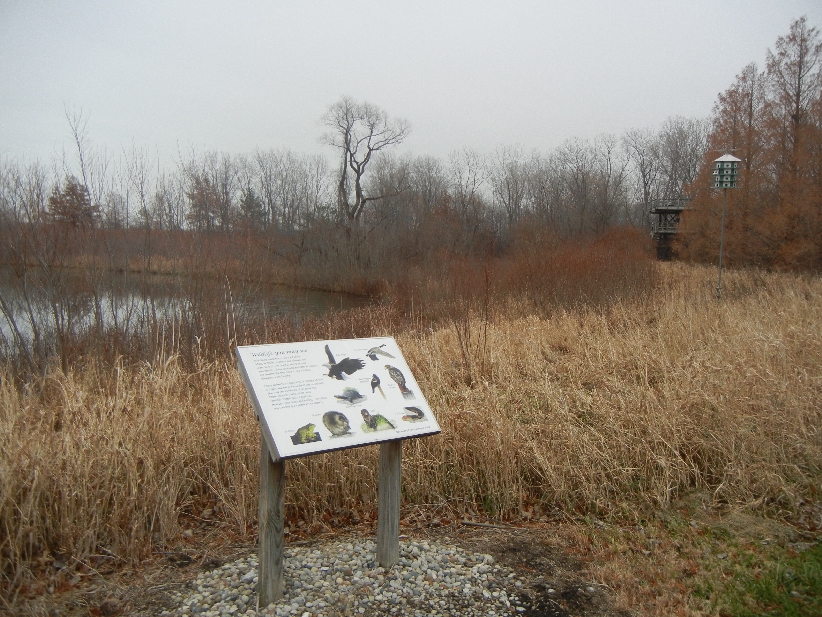
12/5/2014 – After attending the OAHPERD convention at Kalahari Resorts in Sandusky OH, I drove west along Lake Erie first stopping at Magee Marsh Wildlife Area (ODNR)

DSCN3249

DSCN3256

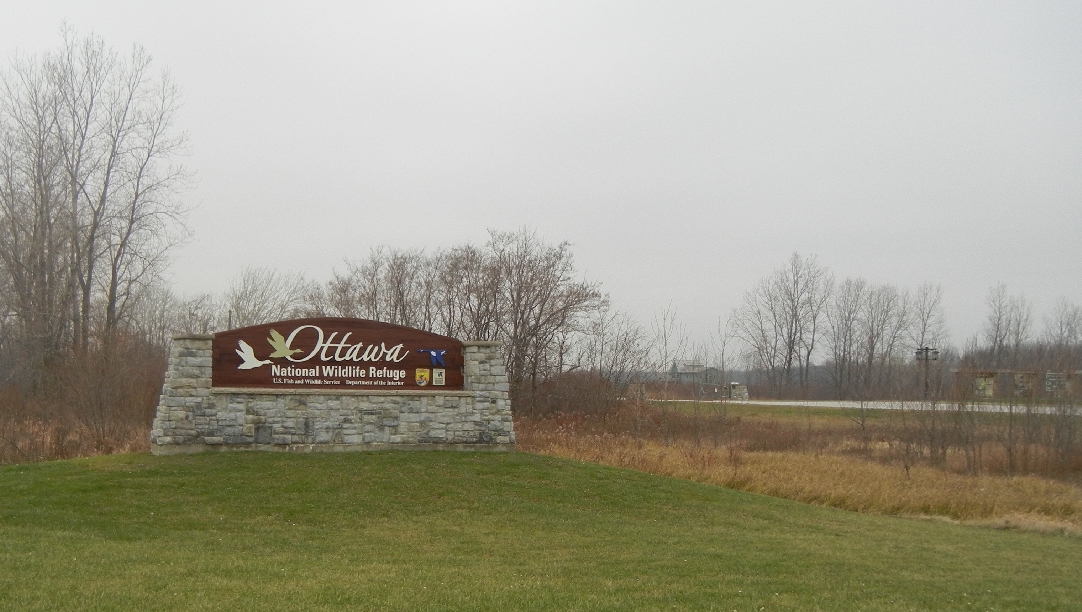
and then Ottawa National Wildlife Refuge where I took short hikes and toured the Visitor Centers.

DSCN3257

DSCN3258

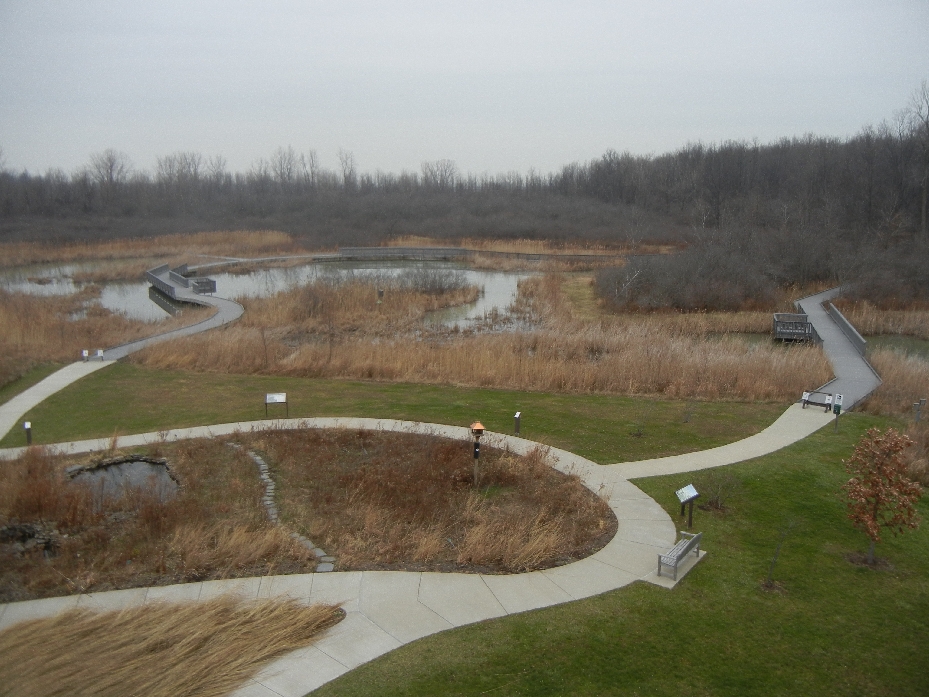
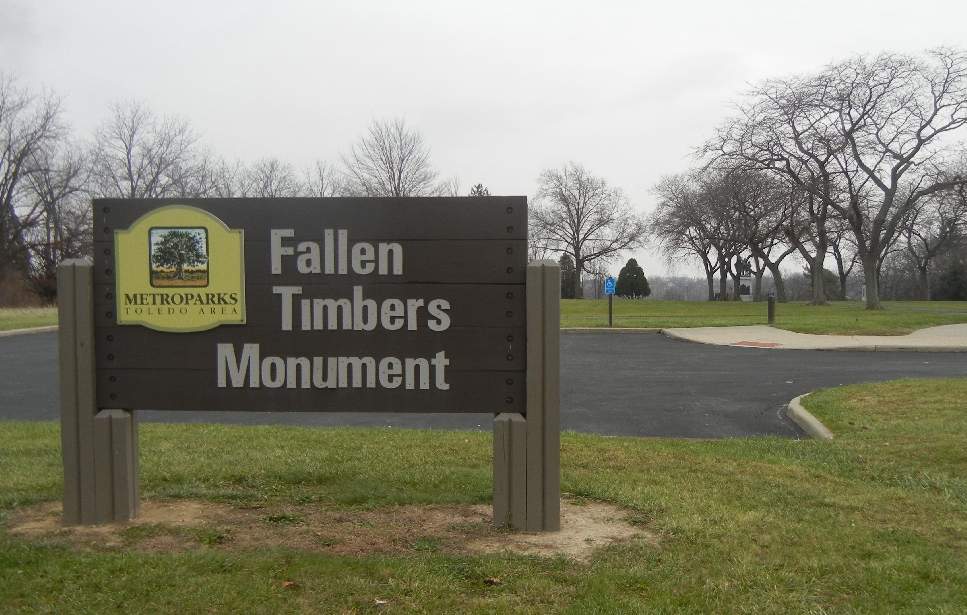
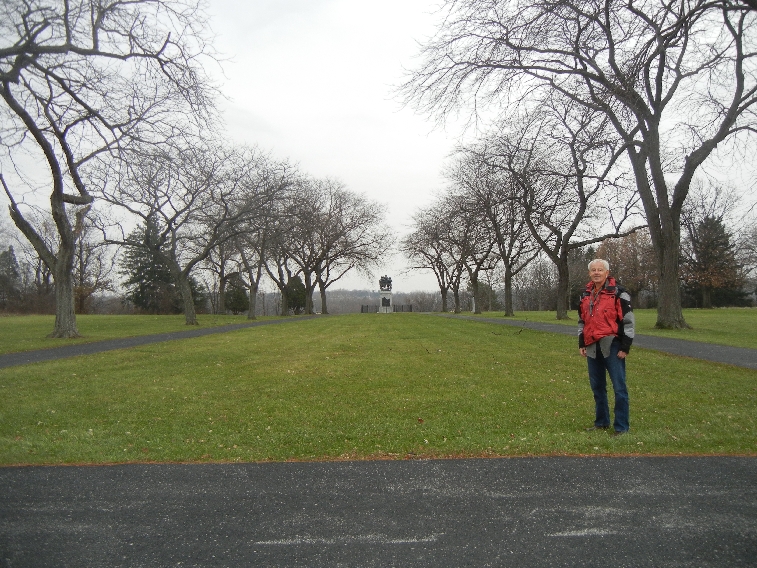
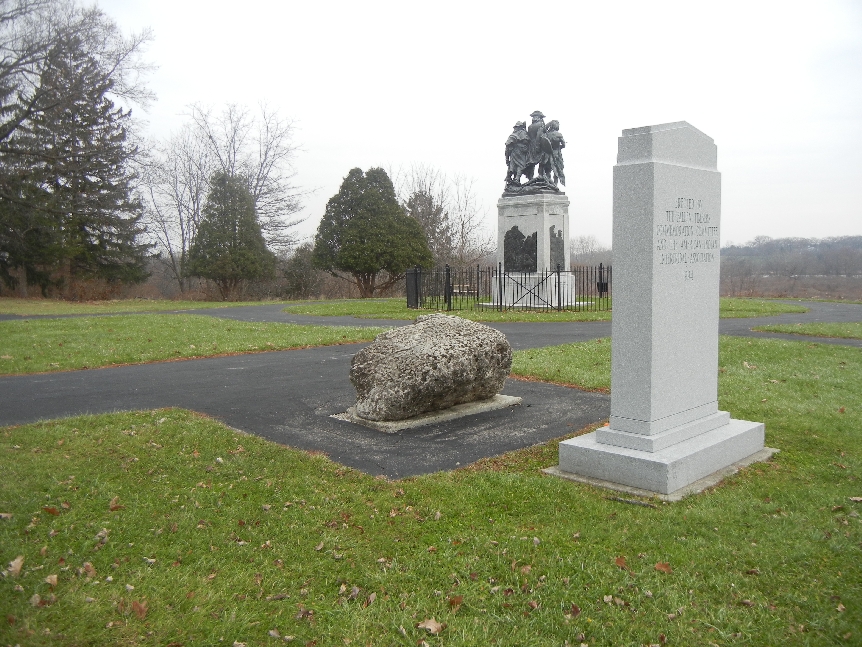
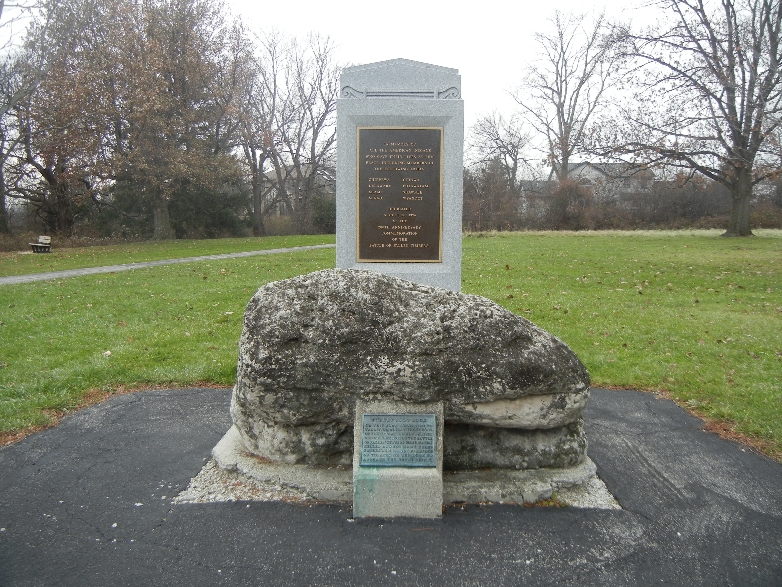
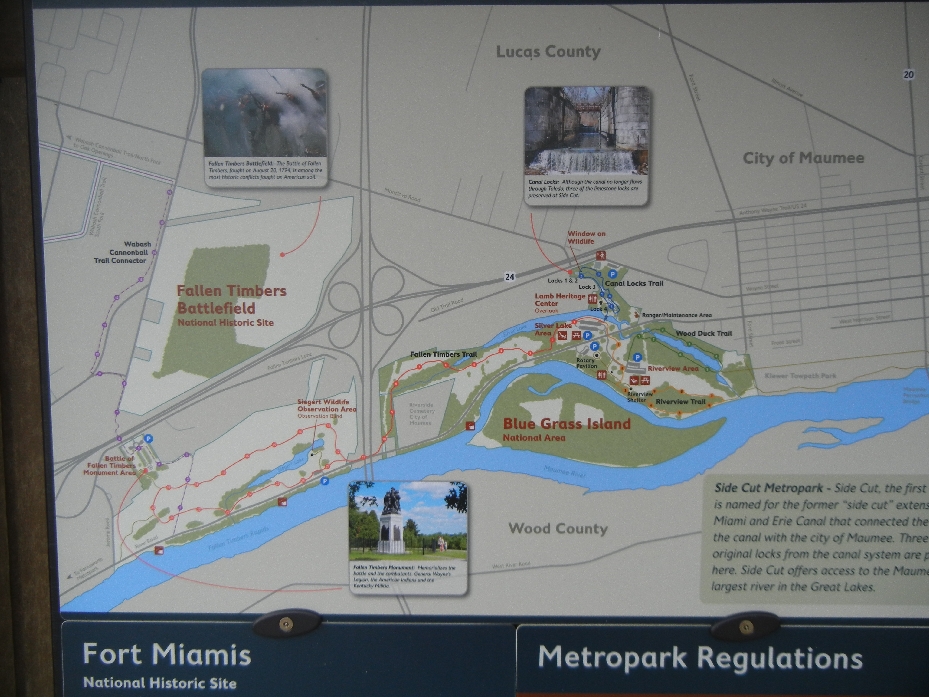
I then continued to Toledo to visit Fallen Timbers and Fort Miamis National Historic Sites in Toledo’s Side Cut Metropark.

After the Revolutionary War and the Treaty of Paris (1783), the U.S. received the Northwest Territory (eventually becoming OH, MI, IN, IL, WI and part of MN).  However, the Native Americans of the area were not part of the treaty and the British did not withdraw from the Northwest Territory.  As U.S. settlers moved west, the Indian Western Confederacy (supported by the British) resisted their expansion.  Indian leaders included Chiefs little Turtle (Miami) and Blue Jacket (Shawnee).  The U.S. suffered early losses against the Indians in 1790 and 1791.  As a result, in 1792 President Washington and Congress commissioned General “Mad Anthony” Wayne to train an American Legion (Army) to secure the Northwest Territory.

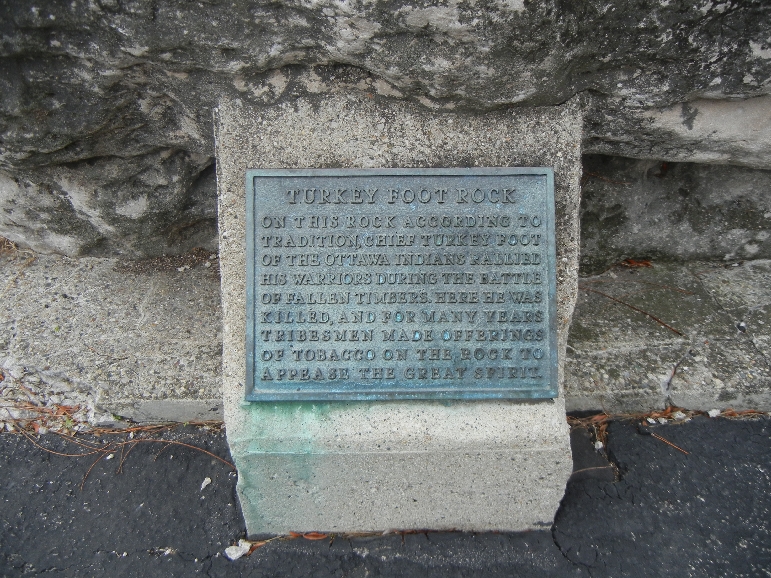
In 1793, Wayne marched north from Cincinnati with about 1,500 men and spent the winter at Fort Greeneville.  He then continued to the banks of the Maumee River and met the Indians (about 1,100) for battle on August 20, 1794.  The battle lasted about two hours with the Indians taking shelter around trees that had been felled by a tornado a few years before – hence the “Battle of Fallen Timbers.”

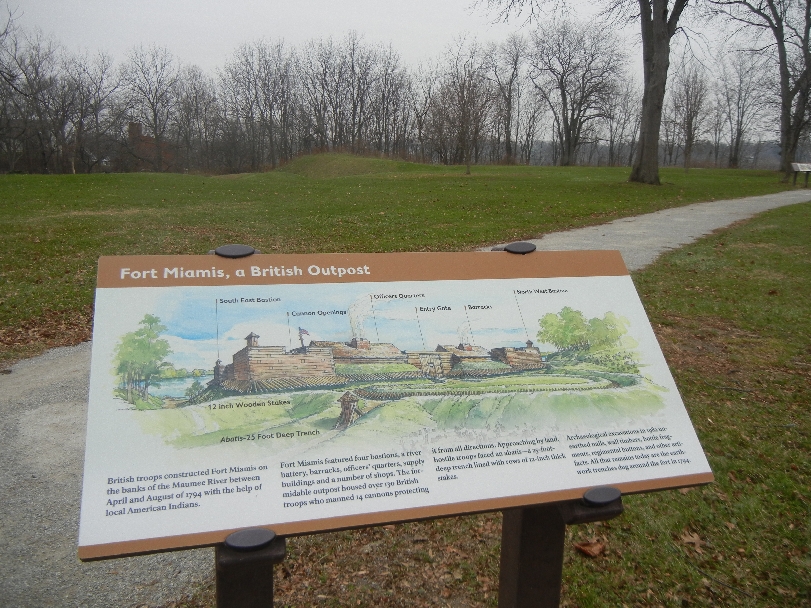
The Indians retreated five miles north to Fort Miamis (on the Maumee River), which was held by a strong British force.  Interestingly, the British would not let the Indians (their allies) in and the warriors continued their retreat!  General Wayne had orders not to attack Fort Miamis and returned to camp.

DSCN3260

DSCN3280

DSCN3278

DSCN3263

DSCN3265

DSCN3267

DSCN3277

DSCN3269

DSCN3270

Fort Miamis was built by the British to prevent Wayne from attacking Fort Detroit.  The fort was turned over to the Americans in 1796, but was abandoned in 1798 and not used again until the War of 1812.  In 1813 General William Henry Harrison had Fort Meigs constructed on the south bank of the Maumee River, at present day Perrysburg OH.  Later in the spring, the British landed again at the Fort Miamis site as a base of operations and were joined by the Shawnee chief Tecumseh.  They attacked Fort Meigs but were not successful.  In October of 1813 Harrison went on the offensive and attacked the English and Indian army at the “Battle of the Thames.”  It was a victory and Tecumseh was killed in the battle.  The Americans had now secured the Northwest Territory.

DSCN3282

DSCN3283


DSCN3285

DSCN3284

DSCN3290

DSCN3293

h1

Smoky Mountains

November 17, 2014

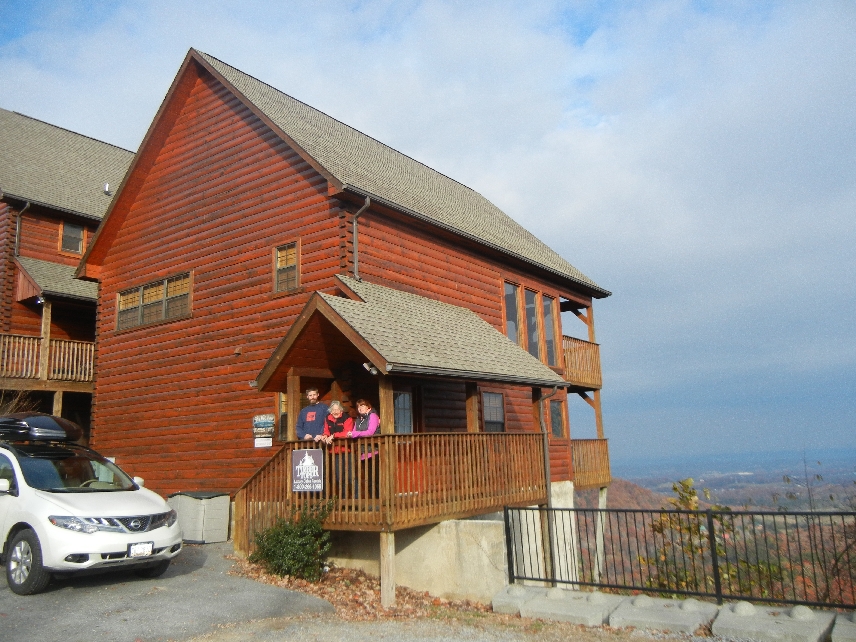
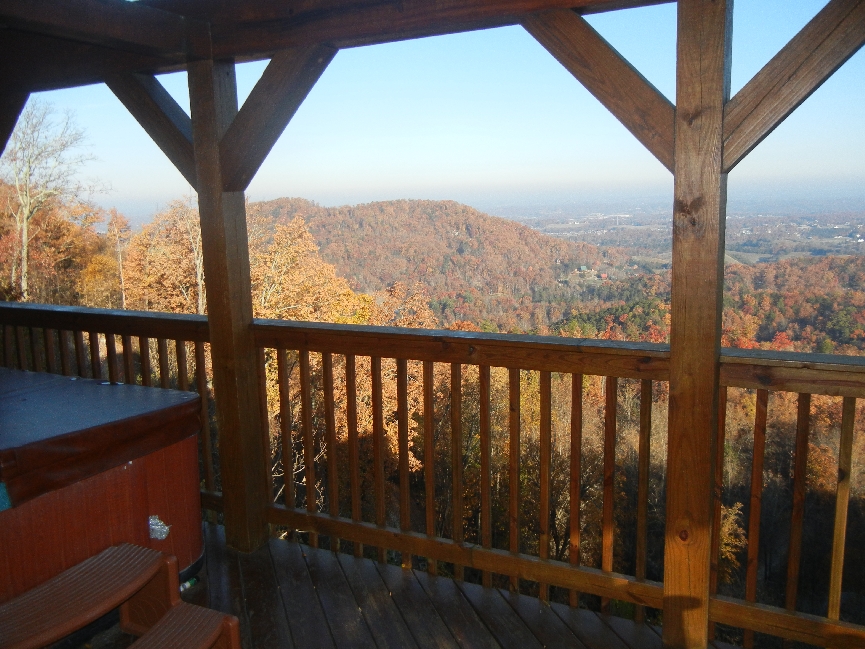
11/14/2014 – 2013 Christmas Gift! – Peter and Heather had given us a gift of a weekend stay in the Smoky Mountains for Christmas 2013.  We tried for ten months to get dates that would work for all four of us.  Peter’s new car top carrier made it possible for all of us, two large dogs, food/drinks and clothing bags to travel together to our Timber Tops Luxury Cabin Rental named “Fifty Mile View” outside of Gatlinburg TN.

DSCN3227

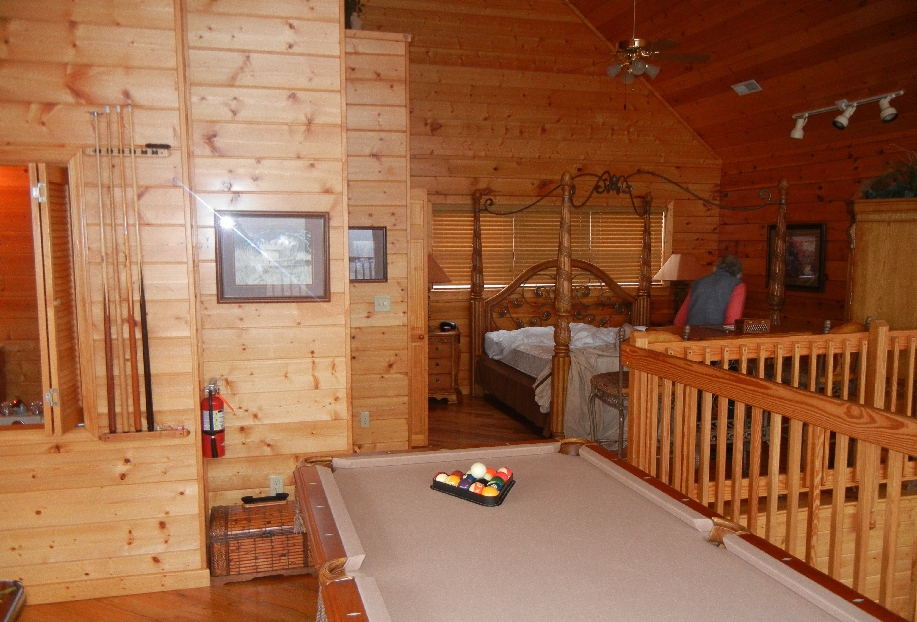
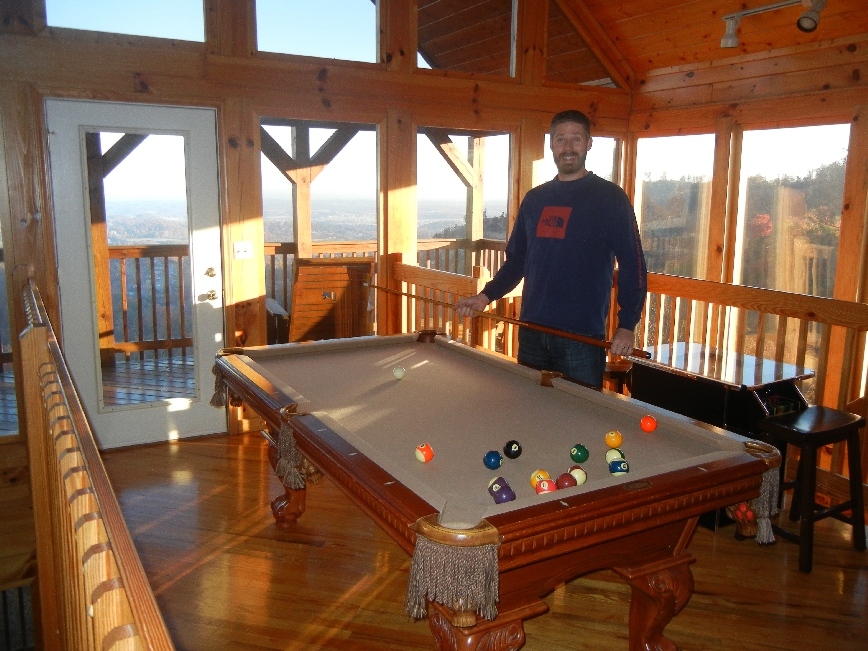
Peter and Heather slept in a bedroom on the first floor while we were given the loft with king size bed, TV, pool table, video game counsel and hot tub.

DSCN3225

DSCN3226

DSCN3209

DSCN3211

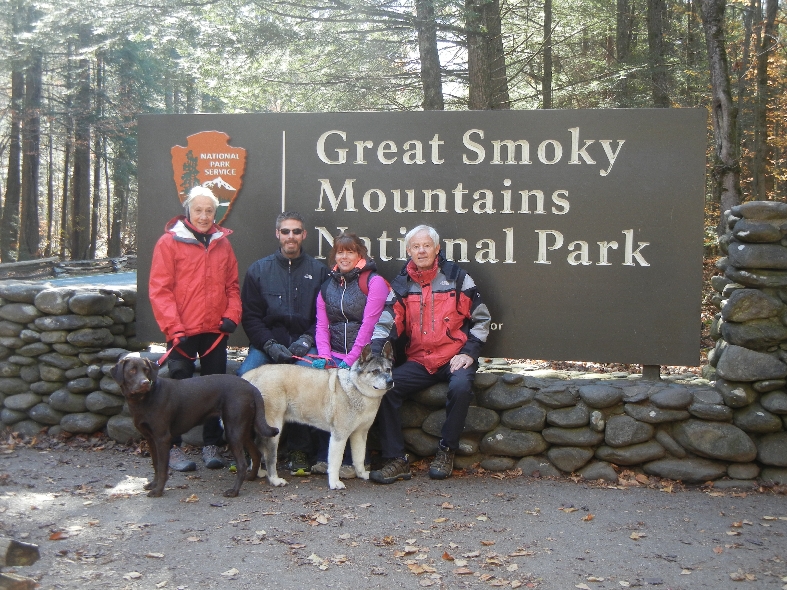
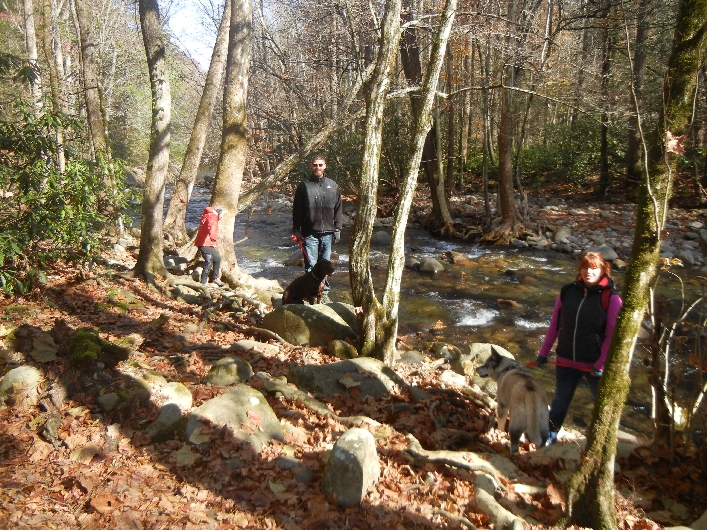
11/15/2014 – Great Smoky Mountains National Park – It was 18 degrees when woke but the arctic blast moving down with us from Ohio had brought us a clear blue sky.  After breakfast (Heather prepared excellent meals for our entire stay), we drove into Gatlinburg to take the Gatlinburg Trail to Sugarlands Visitor Center.  It is one of only two “dog friendly” trails in the park.

DSCN3224

DSCN3213

DSCN3214

We walked a total of about 5 miles, mostly along the Little Pigeon River.


DSCN3216

DSCN3215

DSCN3221

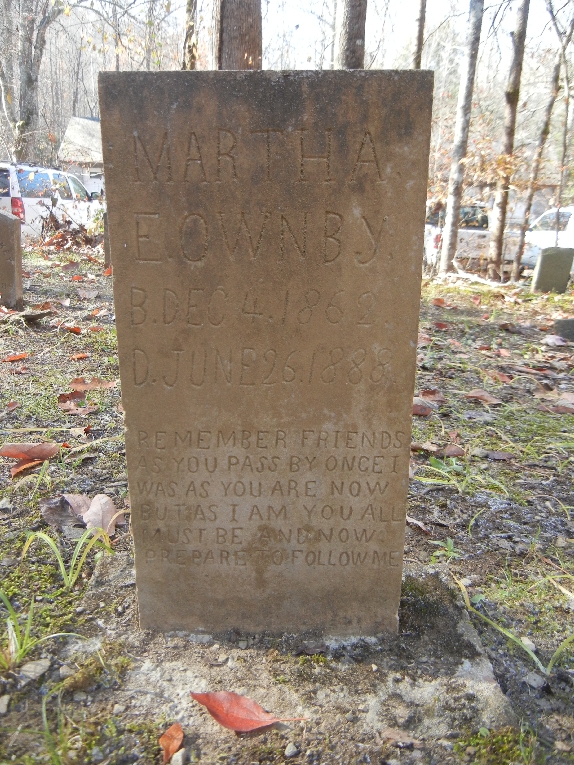
There was an old cemetery near the Visitor Center – I believe Martha was speaking to us from the grave –


DSCN3219

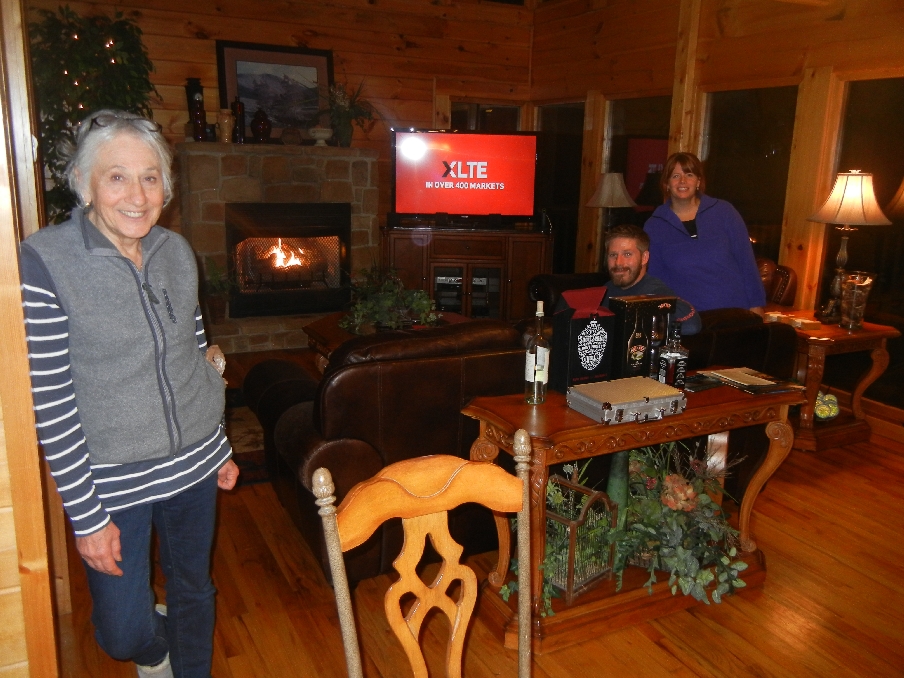
We returned to the cabin to watch football while we ate/drank, played pool, video games and euchre.


DSCN3206

We returned home (7hr drive) on Sunday just before a 5 inch snow fall.  It was a wonderful weekend!


h1

Cuyahoga Valley NP – OH

October 16, 2014

Cuyahoga Valley National Park – OH

October 15, 2014 – Arrived at the Inn at Brandywine Falls about 5pm to check-in.  The house was built in 1848 by James Wallace who owned the mills (now gone) at the falls.

DSCN3118

It was a short walk from the B & B to Brandywine Falls – note Helen at the gate

DSCN3117

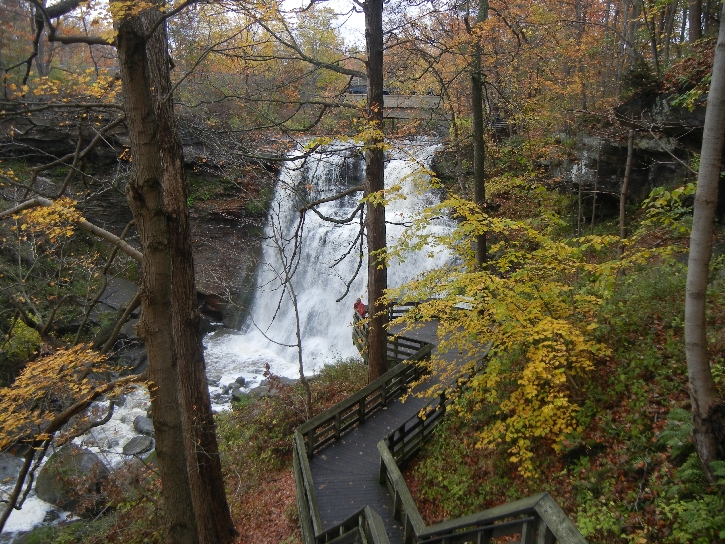
Brandywine Falls – 67 ft

DSCN3109

October 16, 2014 – 9am candlelight breakfast – the Inn at Brandywine Falls was one of the best B & B’s we have stayed at

005

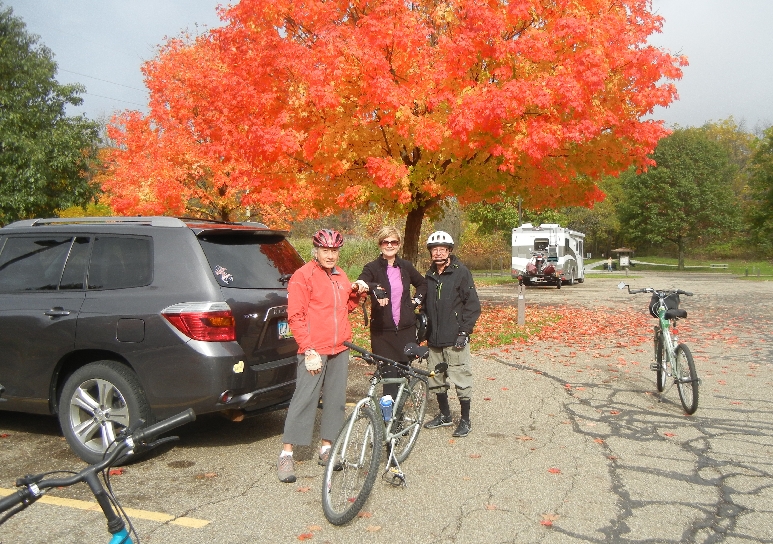
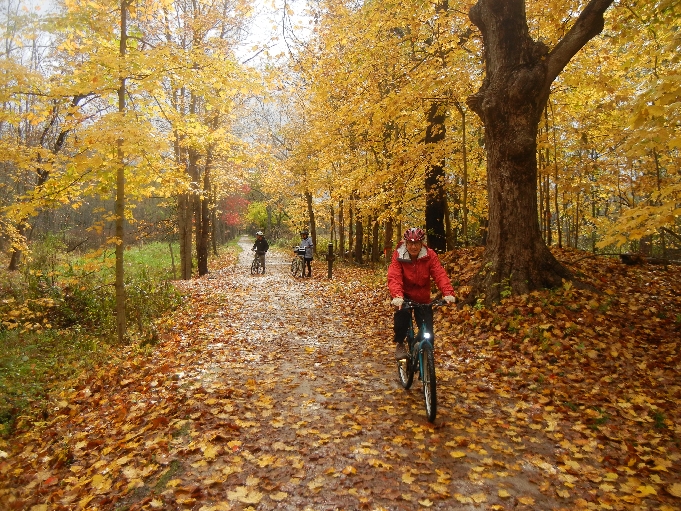
We met Dick and Jan at the Botzum RR Station parking lot to start our 20 mile bike ride.  We chose to ride north on the trail from Botzum Station to Rockside Station because it is generally downhill!  The Cuyahoga River empties into Lake Erie.

DSCN3122

In 1974 Congress created Cuyahoga Valley National Recreation Area as an urban park.  It became a National Park in 2000

DSCN3123

Though we had some light rain, overall, it was a beautiful Fall day

DSCN3130

“Ka-ih-oogh-ha” is the Indian word for crooked – the river runs 90 miles from Akron to Cleveland where it enters Lake Erie but the distance is only 30 miles as the crow flies.

DSCN3132

Many interesting stops along the way

DSCN3133

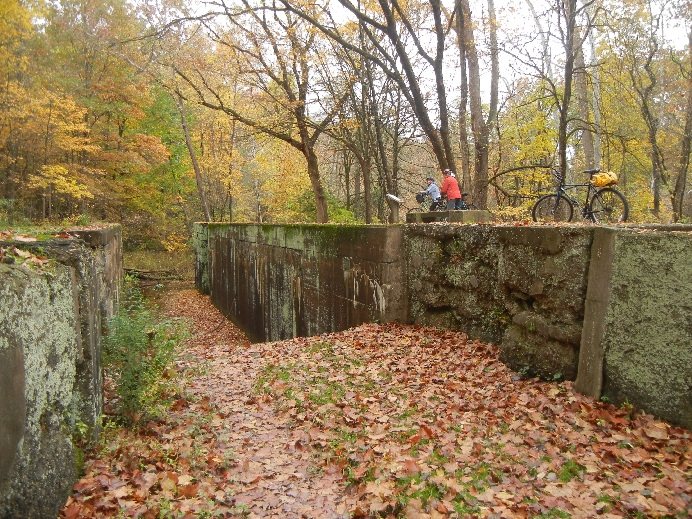
Much of the trail is along the Ohio and Erie Canal Towpath – this location is Deep Lock Quarry

DSCN3141

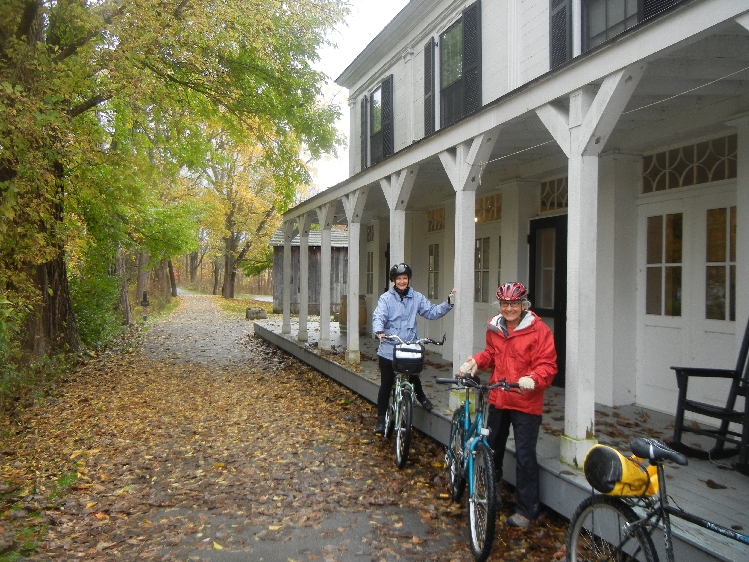
We stopped at the Boston Store National Park Visitor Center

DSCN3169

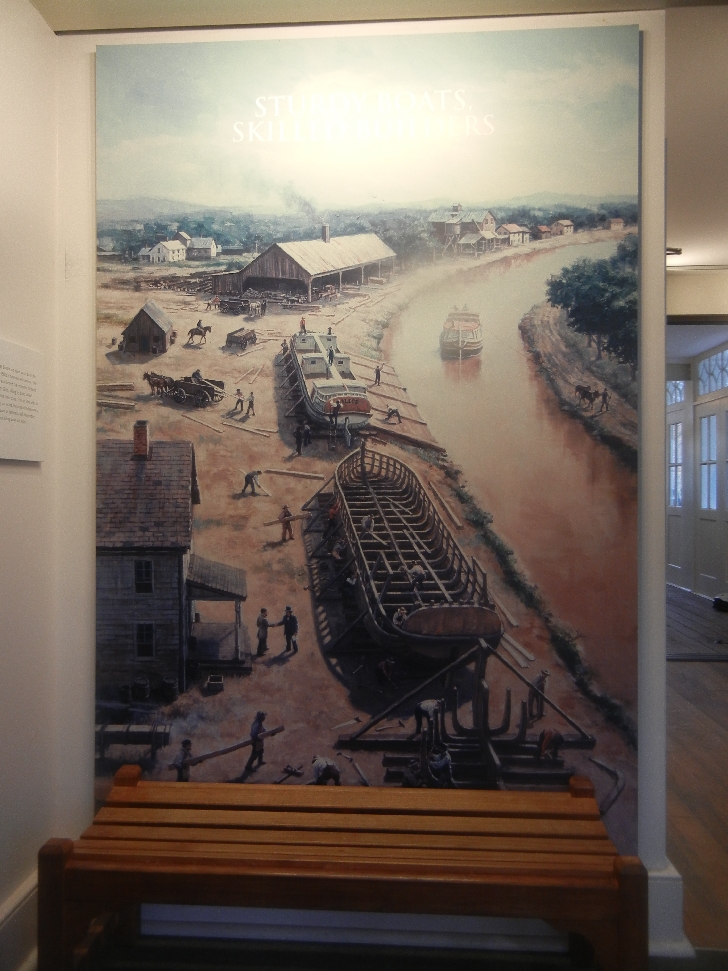
Museum view of canal at this point

DSCN3167

Canal boats were made here as well

DSCN3168

“On the Trail Again”

DSCN3170

Beautiful Fall colors!

DSCN3171

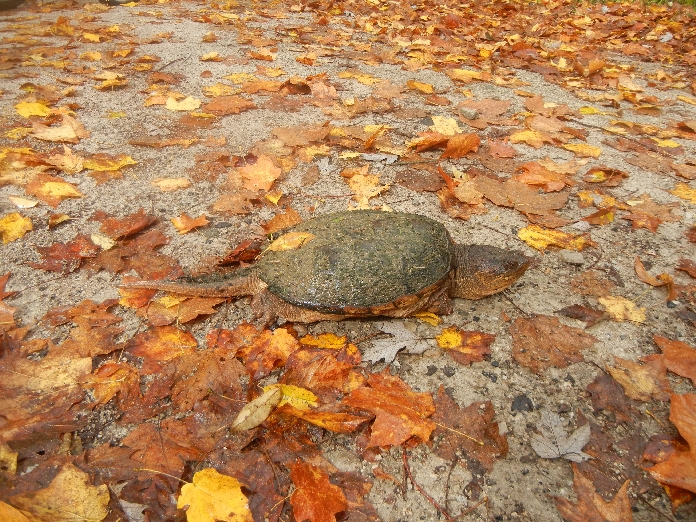
Snapping turtle

DSCN3172

Great Blue Heron

DSCN3179

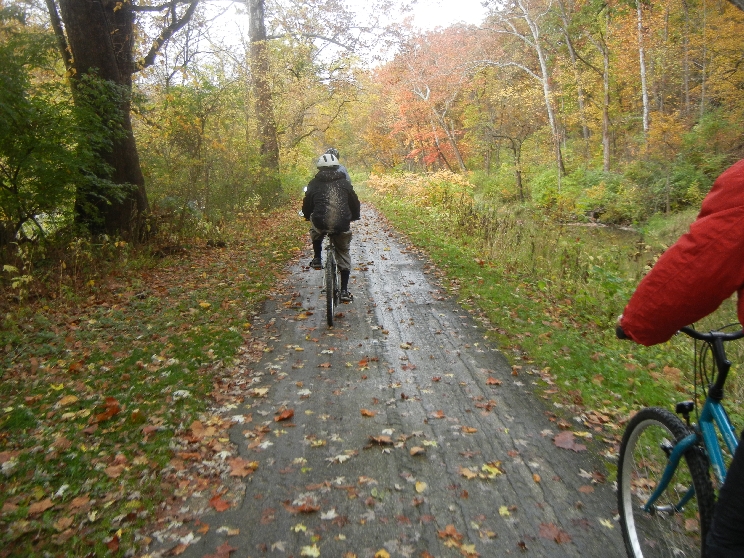
Most of the trail was crushed stone and very smooth.  However, it did rain a bit so we had some puddles to contend with resulting in water being tossed up on bikes and clothes – see Dick’s back.  This is an example of one of the asphalt sections of the trail, which were OK but tended to be bumpier than the crushed stone sections.

DSCN3182

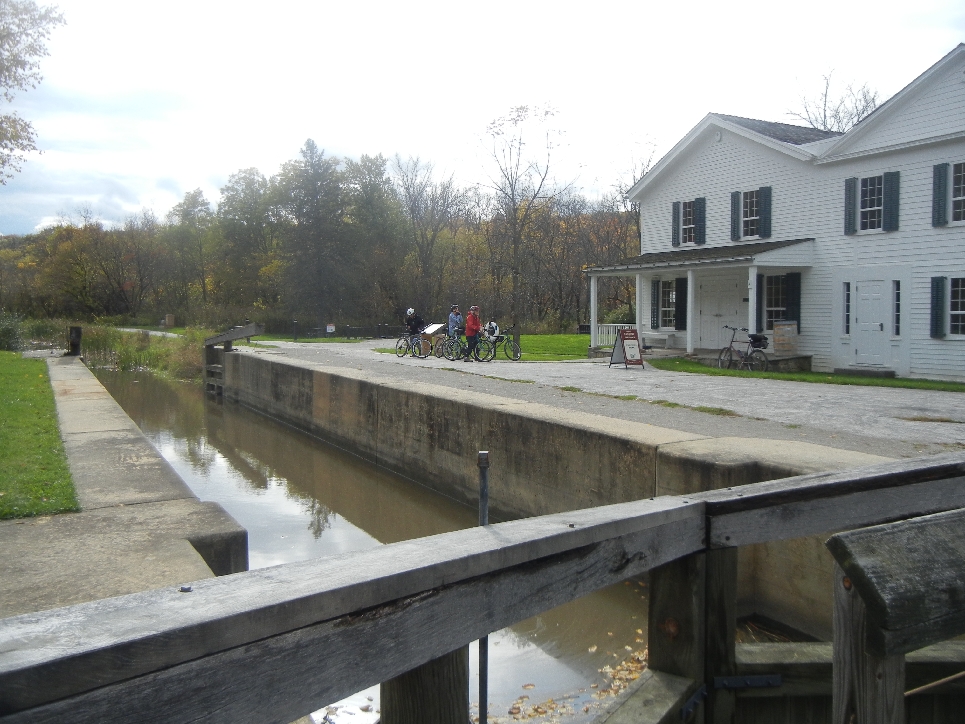
Canal Visitor Center – they sometimes demonstrate lock operation here

DSCN3184

DSCN3185

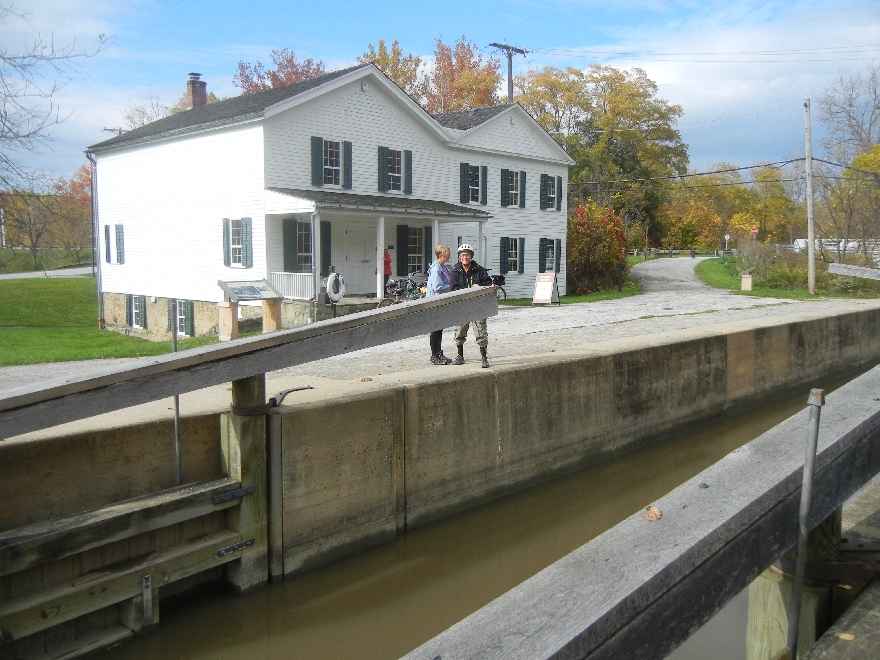
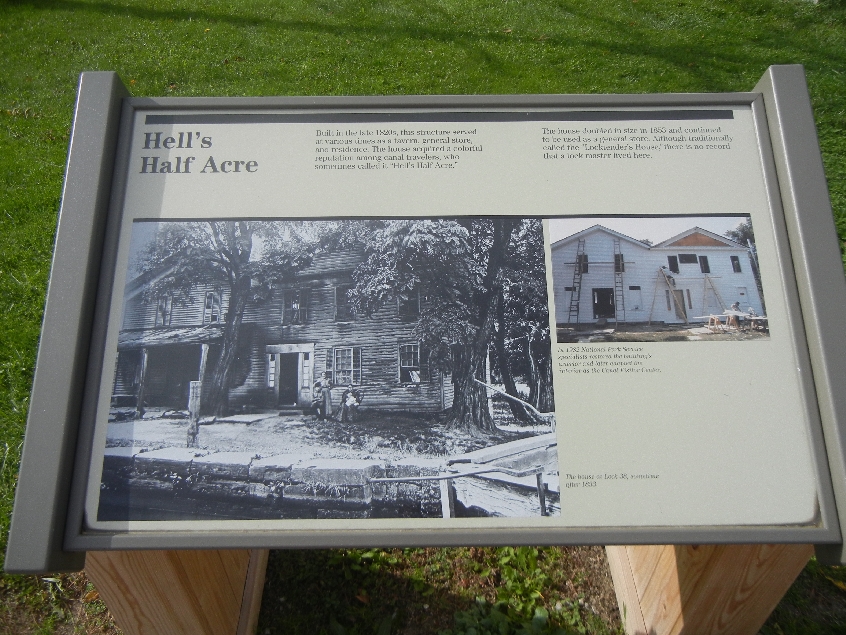
“Hell’s Half Acre” – this structure, at Lock 38, was built in the 1820’s and served at various times as a tavern, general store and residence.  It obviously acquired a colorful reputation among canal travelers.

DSCN3186

This shows the 308 mile path of the canal from Cleveland to Portsmouth on the Ohio River

DSCN3188

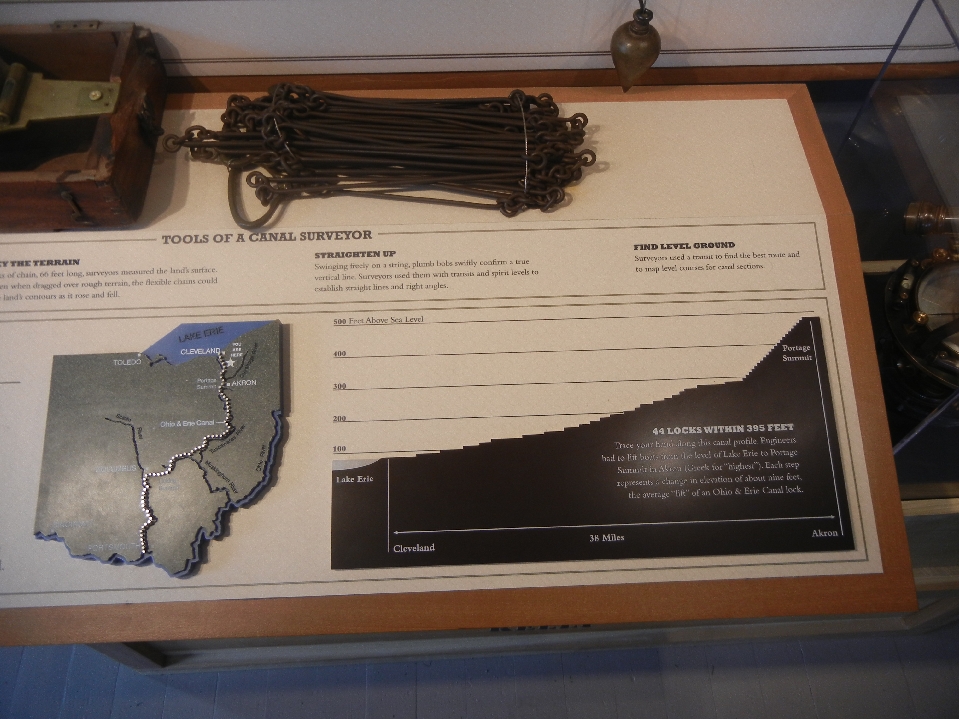
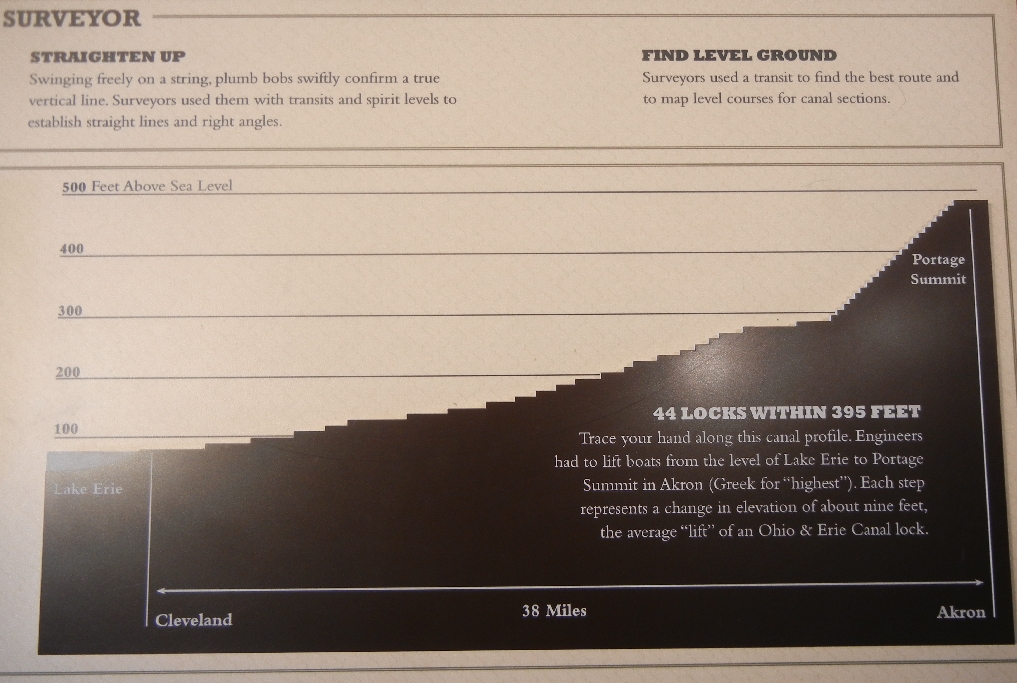
Boats were raised 395 vertical feet by 44 locks between Cleveland and Akron

DSCN3189

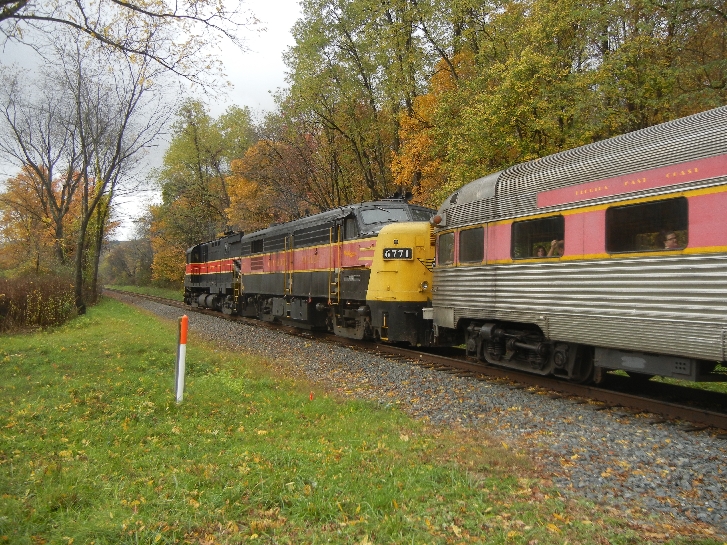
The National Park has a great cooperative program with the Cuyahoga Valley Scenic Railroad which runs from Summit County Metro Parks in Akron, to Rockside Station in the northern end of the National Park.

DSCN3126

There are a total of eight stations along the route.

DSCN3127


DSCN3129

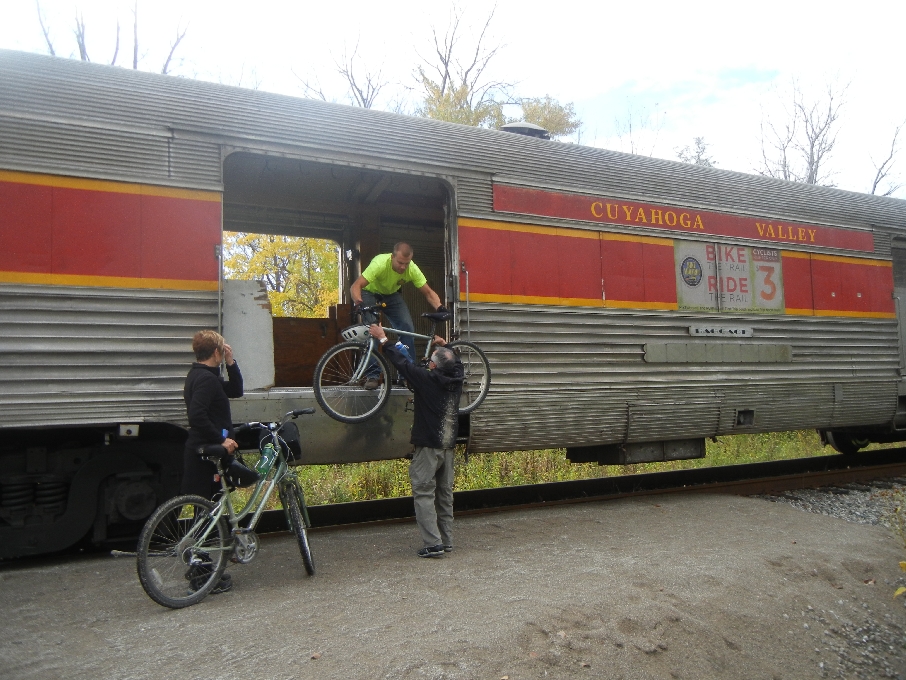
Bicyclists can get on at any stop with their bikes and ride the train as long as they like in one direction for only $3!

DSCN3193

We rode our bikes from Botzum Station to Rockside Station (20miles) along the Canal Towpath Trail and then took the train back

DSCN3197


h1

6 National Historic Sites and Fort Stanwix National Monument

August 20, 2014

August 11, 2014 – Theodore Roosevelt Inaugural National Historic Site, Buffalo NY 

President William McKinley was shot by an anarchist on 9/6/1901 while attending the Pan American Exposition in Buffalo NY.  He died on 9/13/1901 and Theodore Roosevelt was sworn in as the 26th President of the United States that afternoon at the home of Ansley Wilcox a local attorney.

DSCN2898

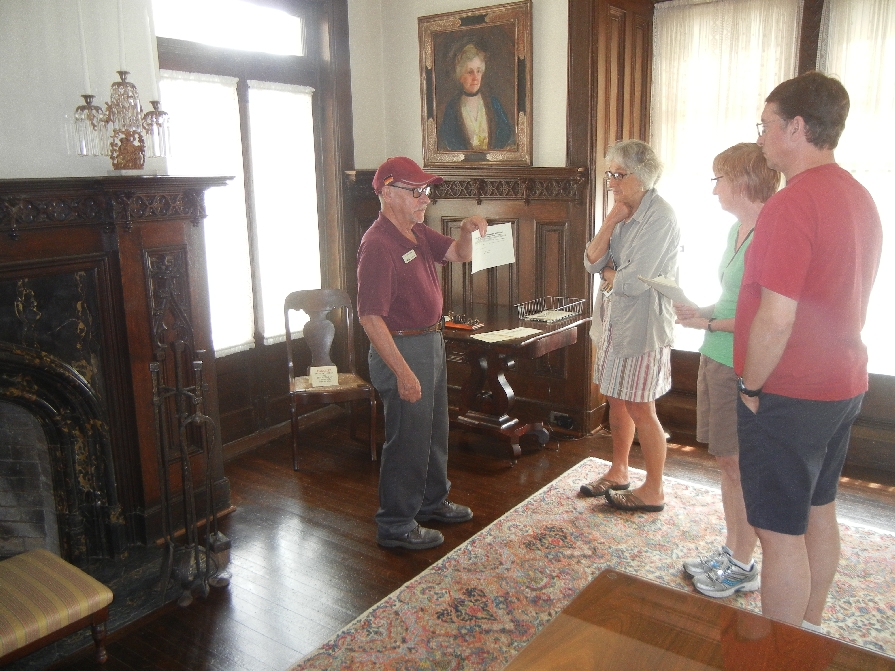
Parlor –  inauguration room

DSCN2883

Tour guide showing telegraph

DSCN2888

Clever display

DSCN2893

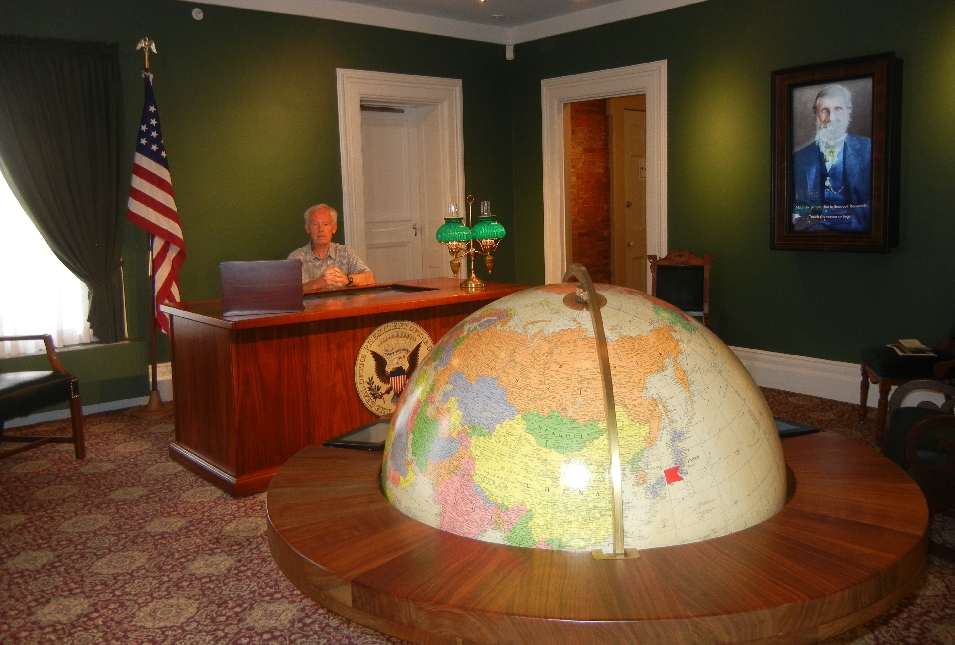
Reproduction of Roosevelt’s office in the new west wing of the White House in Washington DC

DSCN2896

Overnight at Nancy’s home in Pittsford NY

DSCN2902


August 12, 2014 – I was on the road at 4:30am and Helen and Nancy left for two days of flea marketing around Hamilton NY (Colgate University)

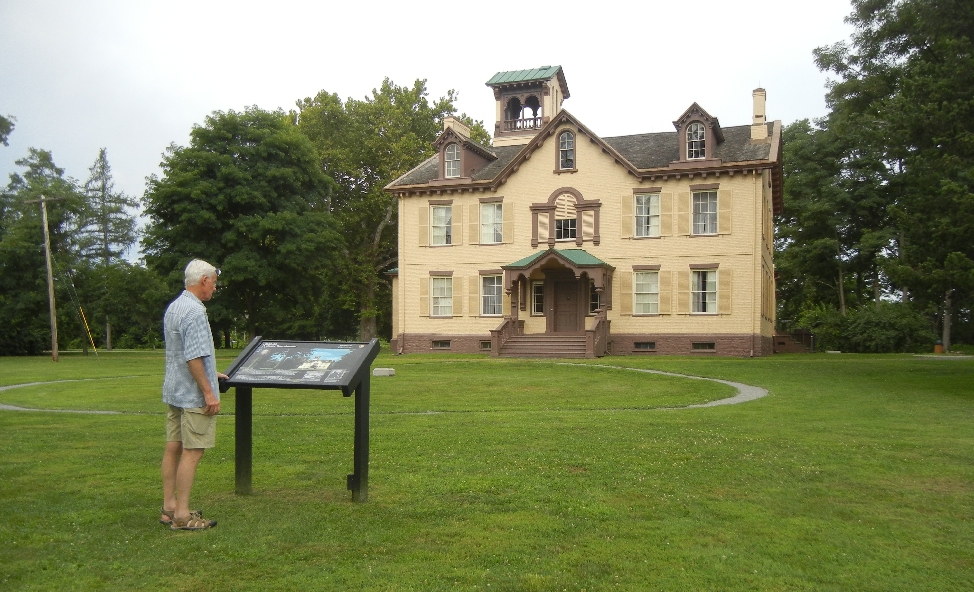
Martin Van Buren National Historic Site – Martin Van Buren helped form the Democratic party and was the 8th President of the United States.  The historic site includes his home and part of his farm called Lindenwald in Kinderhook NY

DSCN2908

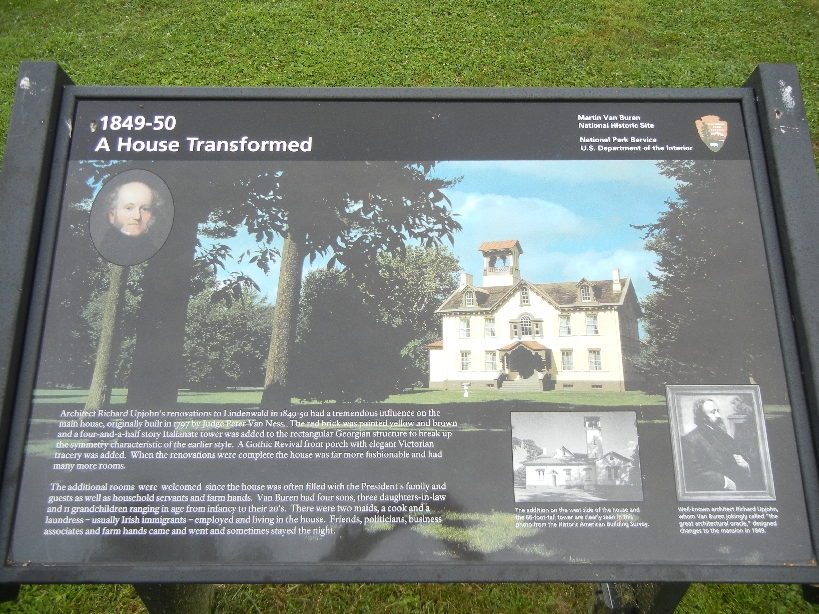
The original house was built in 1797 and Van Buren purchased it in 1839.

DSCN2919

Major renovations were made between 1849 – 1850

DSCN2906

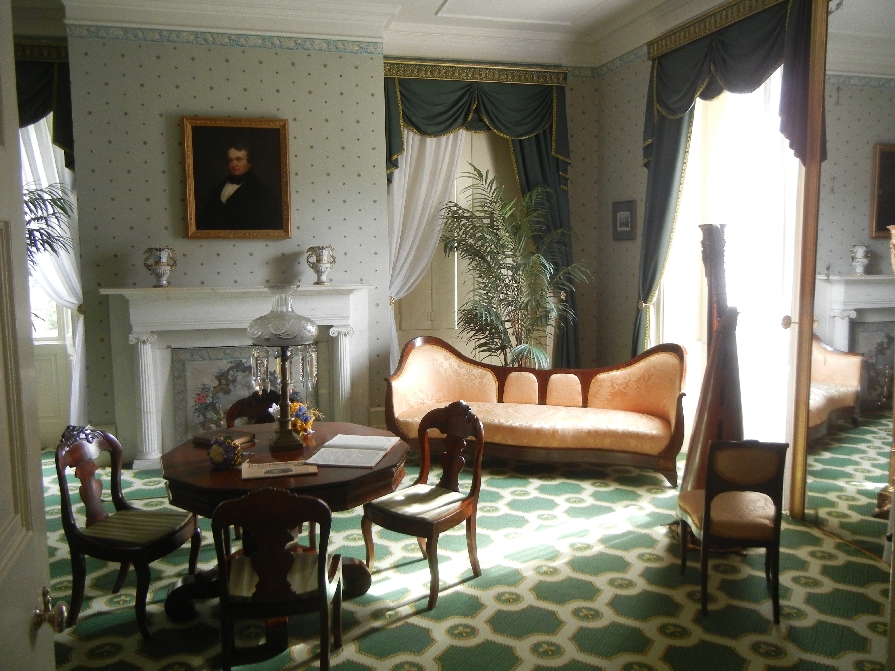
Parlor

DSCN2910

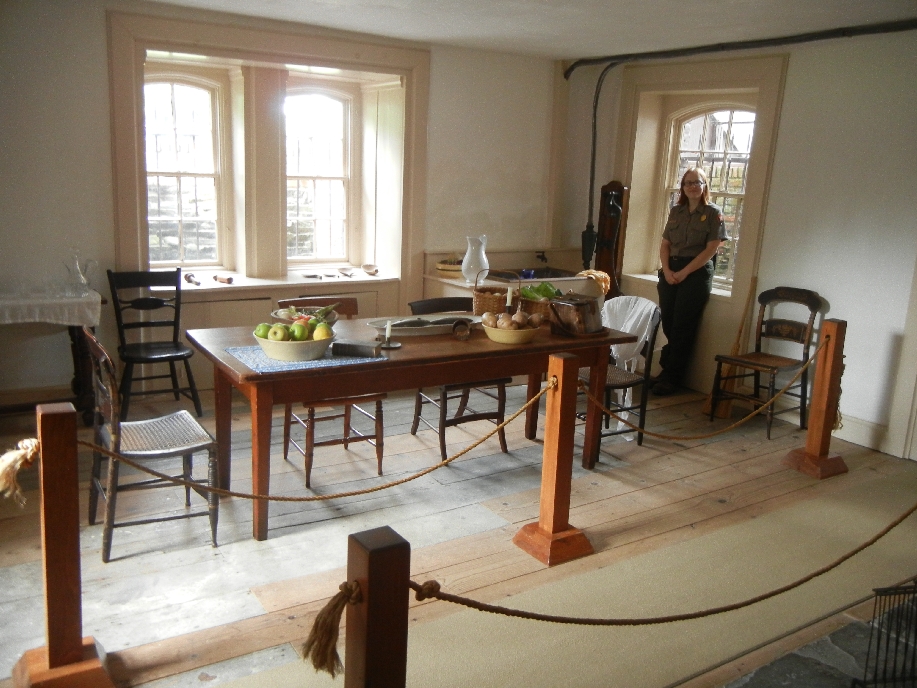
I was the only one on the 9am ranger tour

DSCN2913

Library with bust of Van Buren, another sits in the Red Room of the White House

DSCN2914


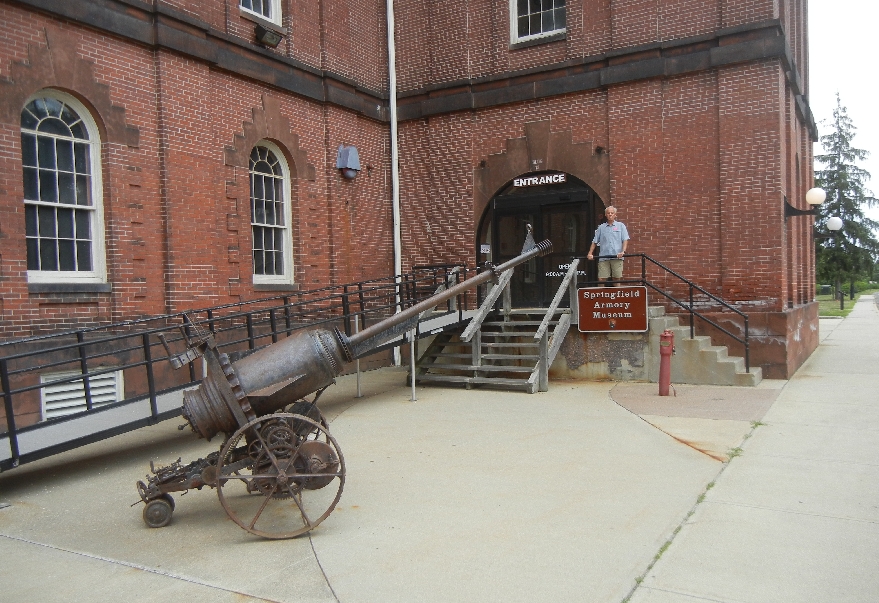
Springfield Armory National Historic Site Massachusetts

The Springfield Armory was a major arsenal during the Revolutionary War and in 1794 the new federal government decided to manufacture its own muskets so that the nation would not be dependent on foreign arms.  President George Washington selected two sites for national armories – Springfield MA and Harper’s Ferry VA.  The Harper’s Ferry Armory was destroyed by the North at the beginning of the Civil War.

DSCN2920

Why is that gun pointed at me?!

DSCN2921

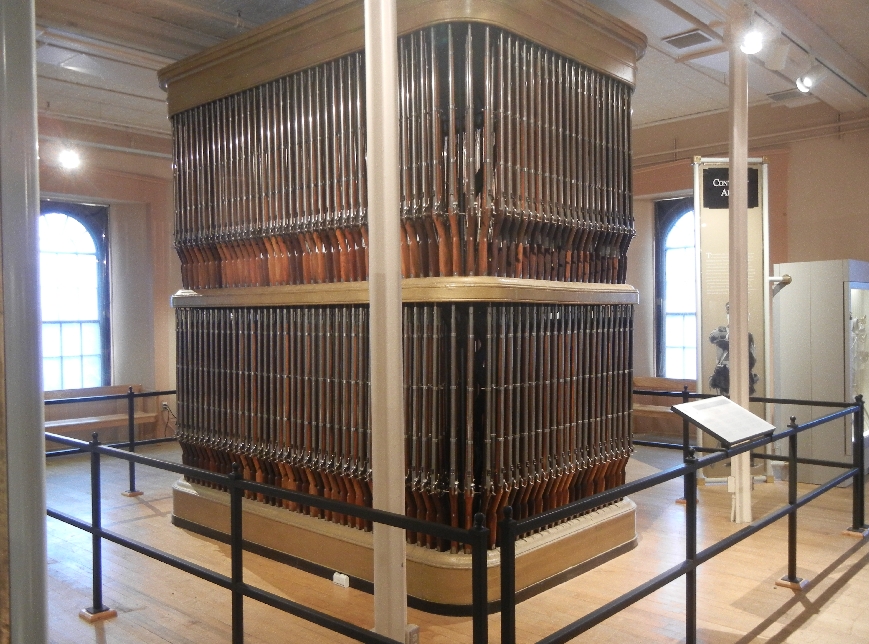
Organ of muskets

DSCN2924

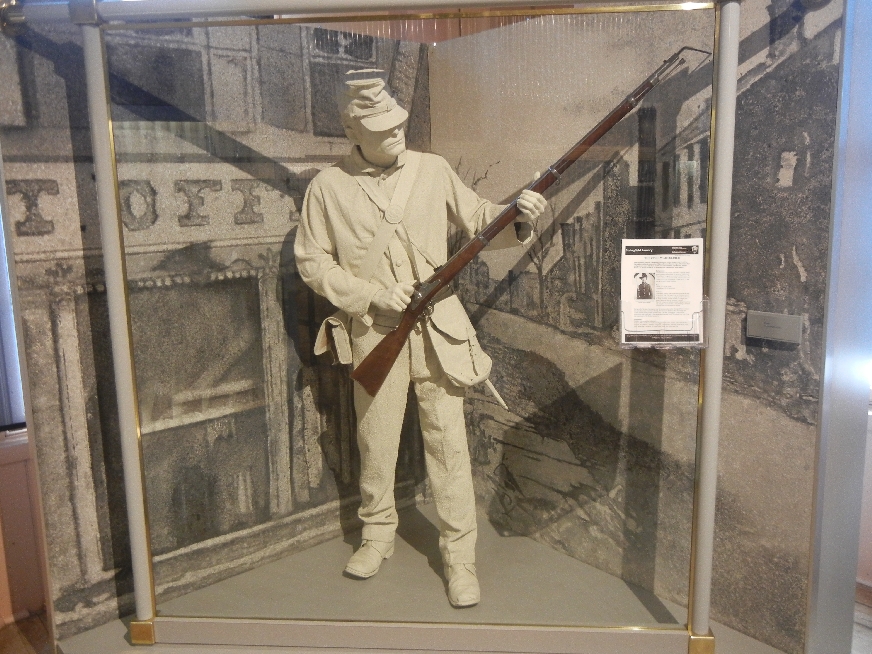
Civil War musket

DSCN2923

Magazine rifle – Indian Wars

DSCN2925

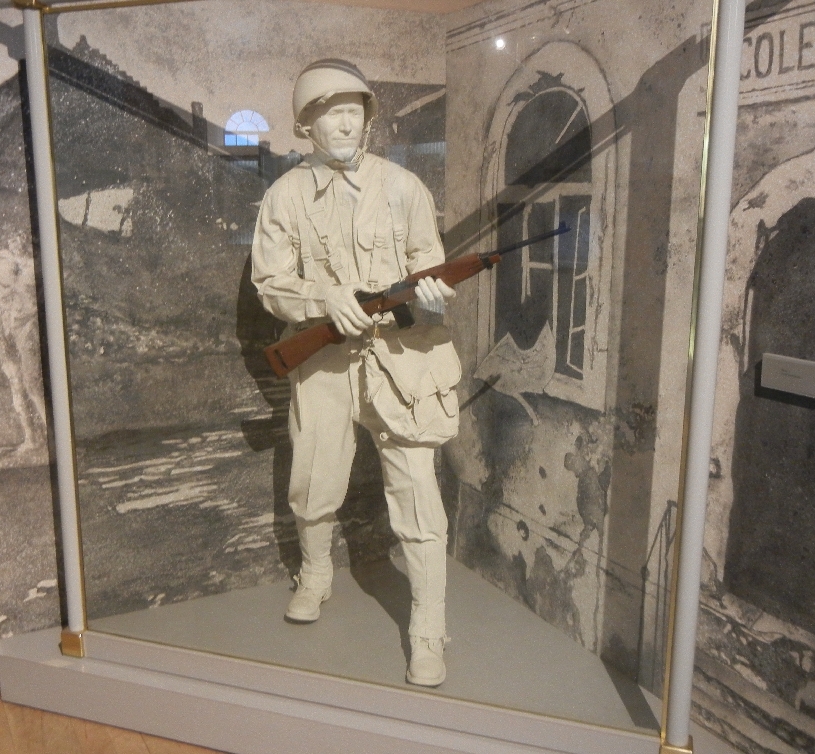
M14 (1957) – last rifle produced at the armory

DSCN2922

Display shows progression of the rifles manufactured at the armory from 1794 to 1968.

DSCN2927

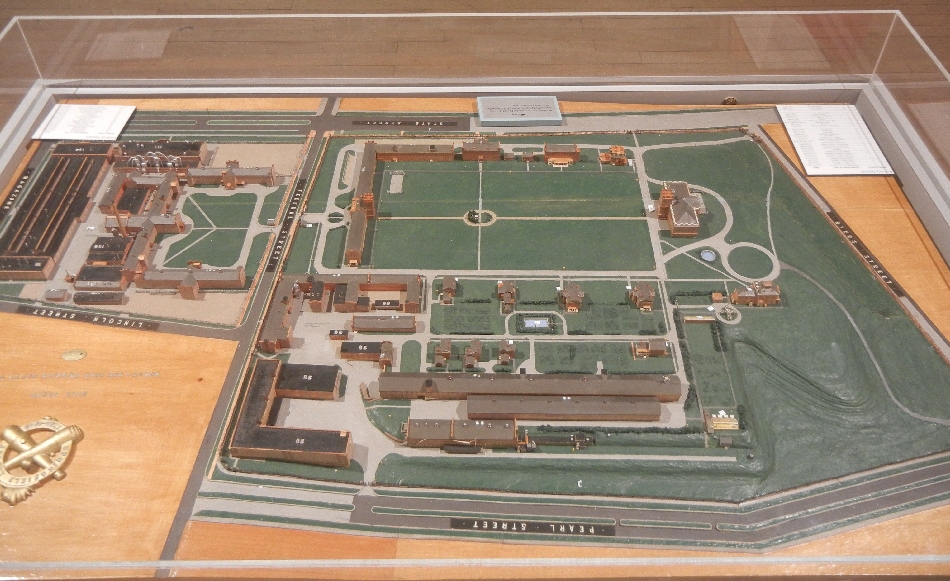
Model showing the extent of the armory grounds.  All U.S. arms are now privately manufactured.

DSCN2926


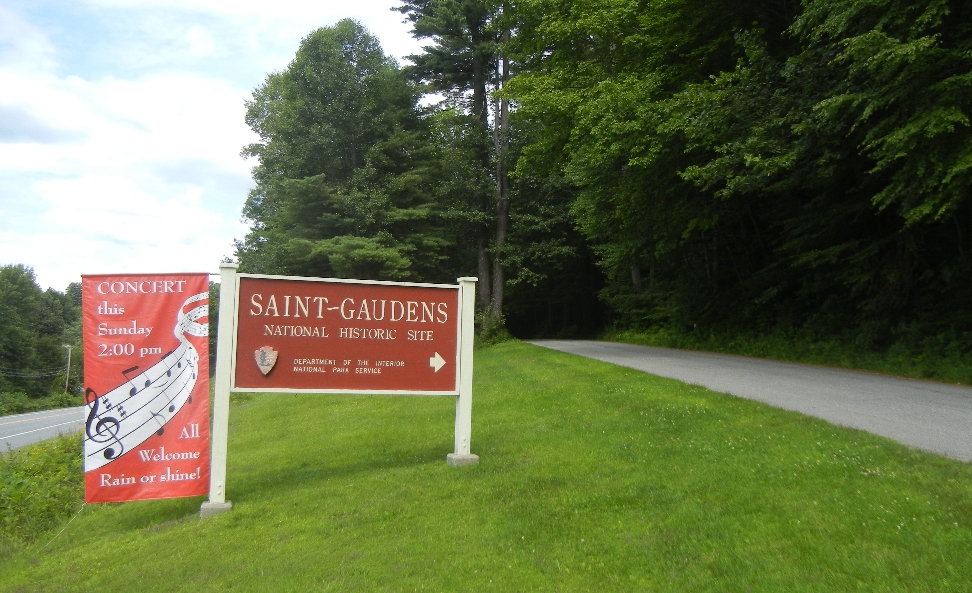
Saint-Gaudens National Historic Site in Cornish New Hampshire

DSCN2928

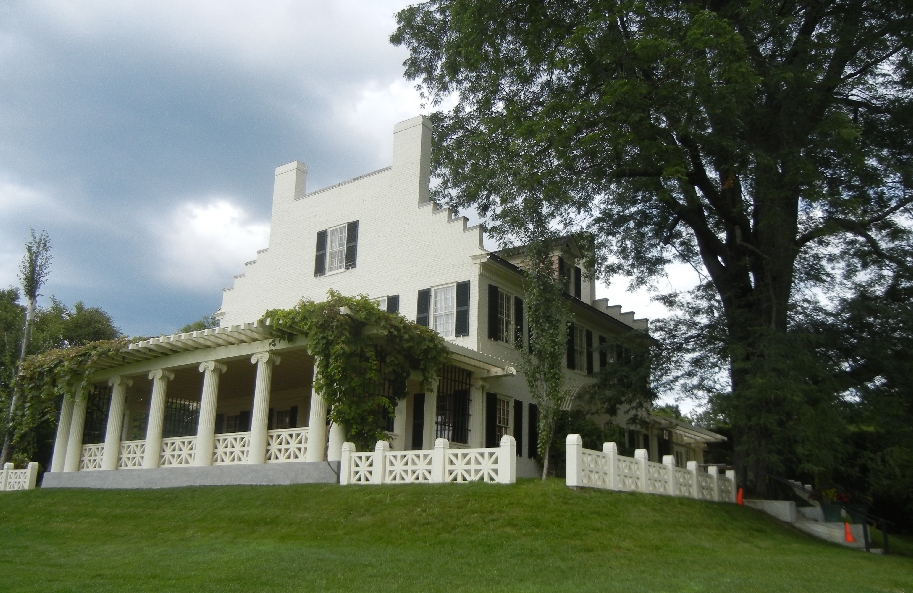
Augustus Saint-Gaudens is recognized as one of America’s greatest sculptors.  The historic site includes his home, which he called Aspet, along with studios, galleries, gardens and memorials.

DSCN2955

Back of house

DSCN2952

Atrium and pool, New Gallery

DSCN2933

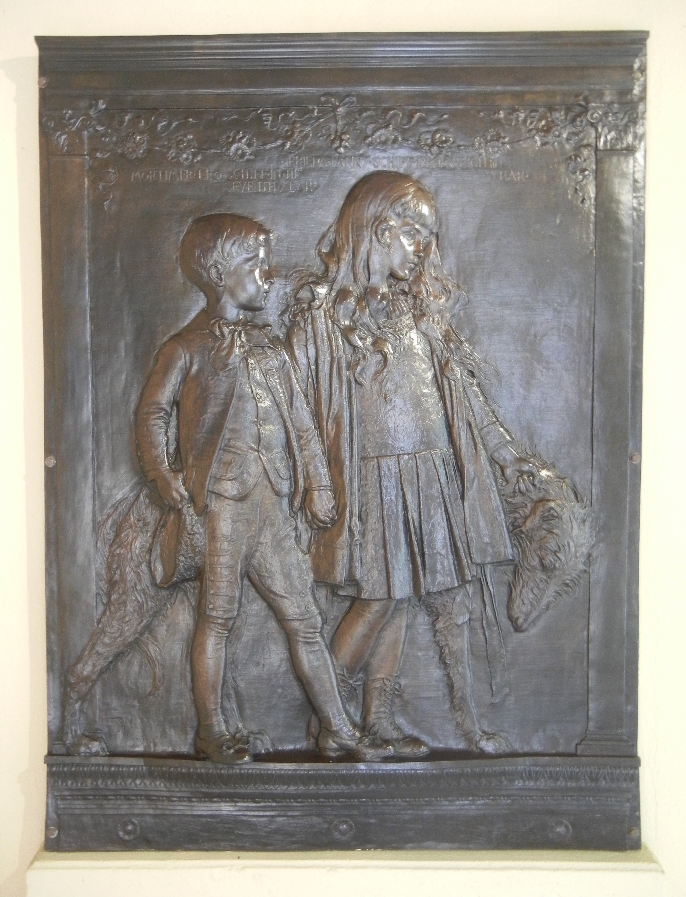
He is known for his low and high portrait reliefs.

DSCN2930

DSCN2934

Robert Louis Stevenson, 1888

DSCN2938

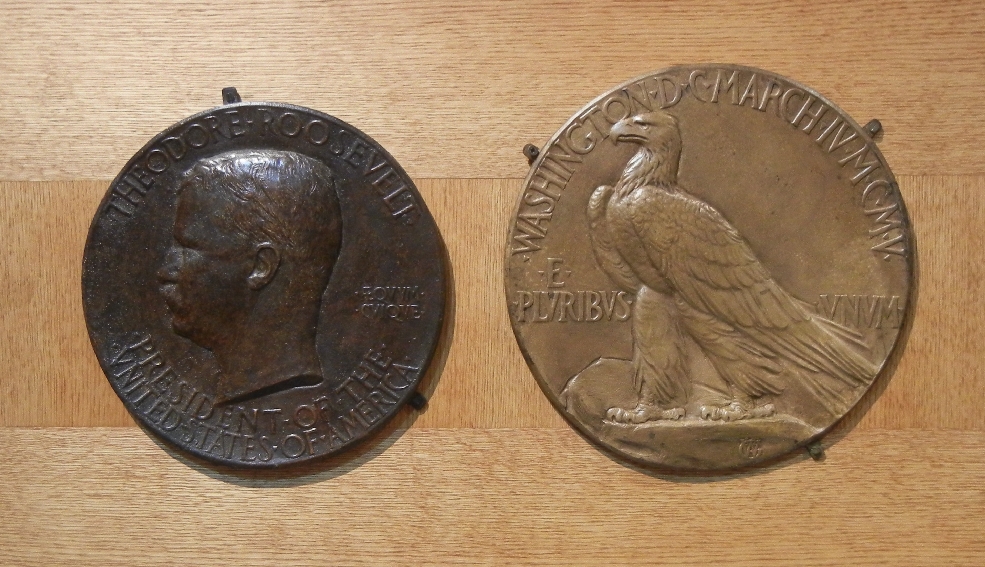
Theodore Roosevelt Special Inaugural medal, 1905

DSCN2941-1

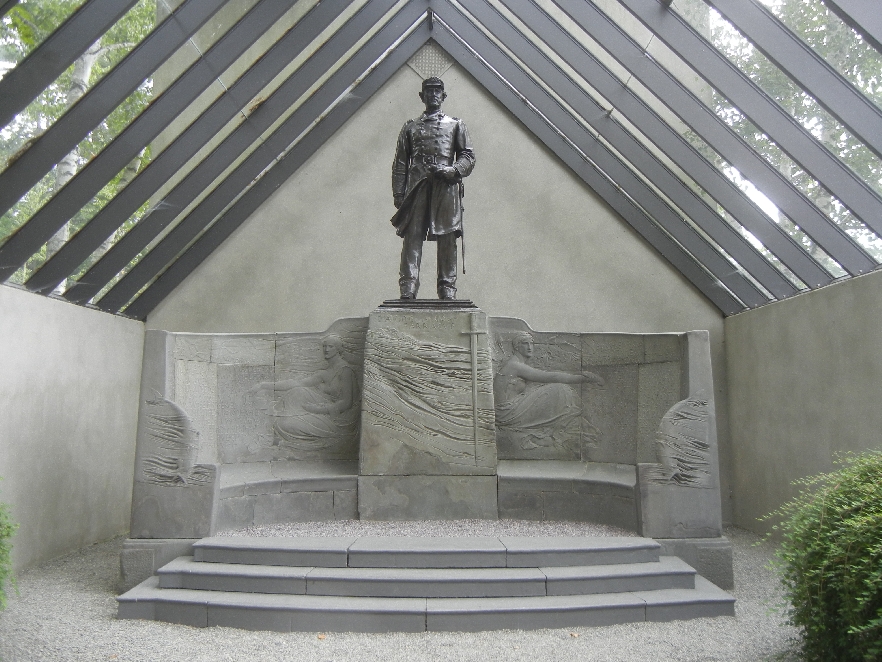
His public monuments are perhaps his greatest legacy.  This is the Farragut Monument –

DSCN2931

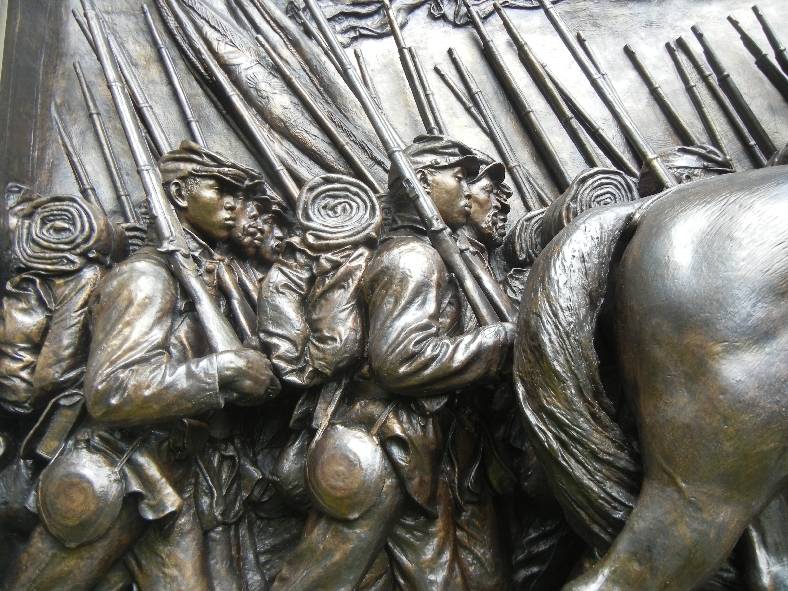
Shaw Memorial – monument to the Civil War service of the Massachusetts 54th Regiment of African American Volunteers in Boston

DSCN2947

DSCN2948

DSCN2949

He did many Lincoln monuments

DSCN2936

DSCN2939

Little Studio

DSCN2953

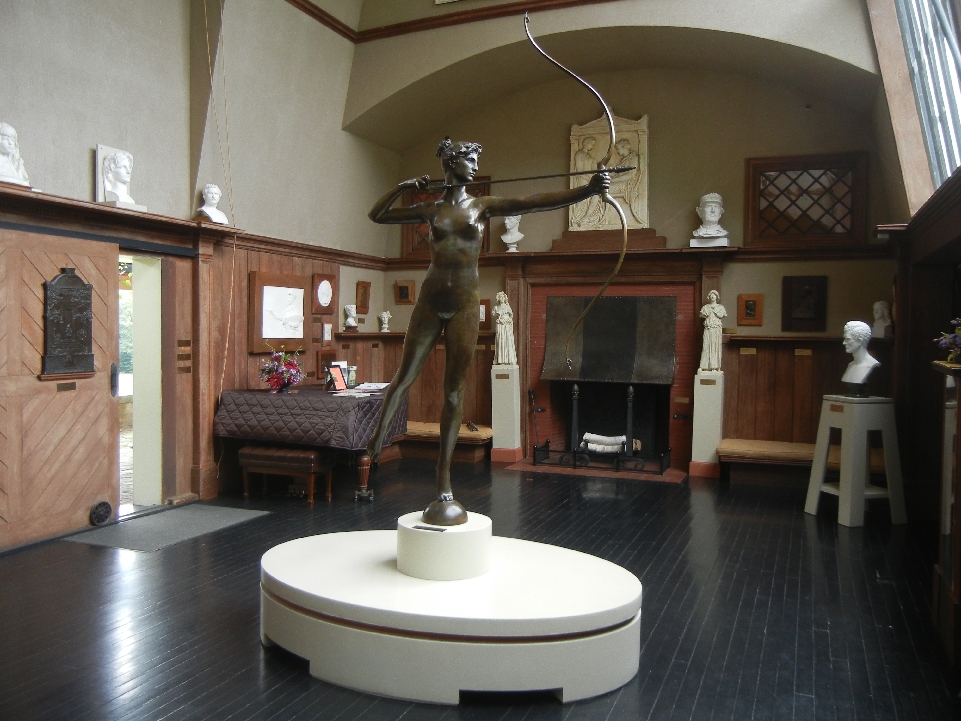
One of his few female pieces, Diana

DSCN2954


 Marsh-Billings-Rockefeller National Historical Park, Woodstock VT

After the American Revolution, settlers poured into Vermont and by the mid-1800s most of Vermont’s forests had been cut down, causing severe erosion and flooding.  George Marsh, who grew up on his family farm in Woodstock in the early 1800’s, was a keen observer of nature.  After serving in Congress he became a diplomat in Italy and traveled around the Mediterranean.  He found that human actions had “brought the earth to a desolation almost as complete as that of the moon.”  Marsh distilled his observations into a classic book, Man and Nature (1864).  His careful analysis of the human impact on nature and his eloquent plea for responsible land stewardship made this book one of the founding texts of the environmental movement.

In 1869 the Marsh farm was purchased by Frederick Billings, a Vermont native who had made his fortune as an attorney in San Francisco during the California Gold Rush.  Returning to Vermont he found barren hills, silted rivers and a devastated countryside.  Billings set out to build a farm that would serve future generations as a model of wise stewardship.  After his death in 1890, Billing’s plan was sustained by his wife and daughters and then his granddaughter, Mary French.

Mary French married Laurance Rockefeller in 1934 and brought together two families with a strong commitment to conservation.  The Rockefeller family had generously created or enhanced over 20 national parks and helped make conservation and outdoor recreation an essential part of the national agenda.  Laurance and Mary made the gift that established Marsh-Billings-Rockefeller Nationalk Historical Park as Vermont’s first national park.

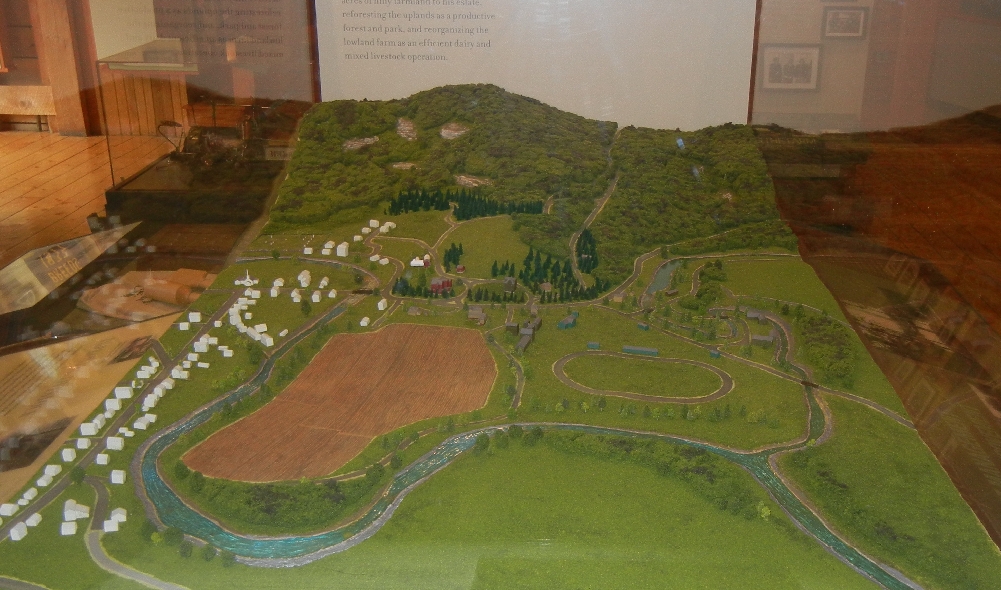
I first toured the visitor center at the Billings farm.  This model shows the farm and Mount Tom.  The park continues past Mt Tom to the west including reforested hills, pastures, carriage roads, trails and the Pogue, a pond tucked in the cleft of the mountain.

DSCN2956

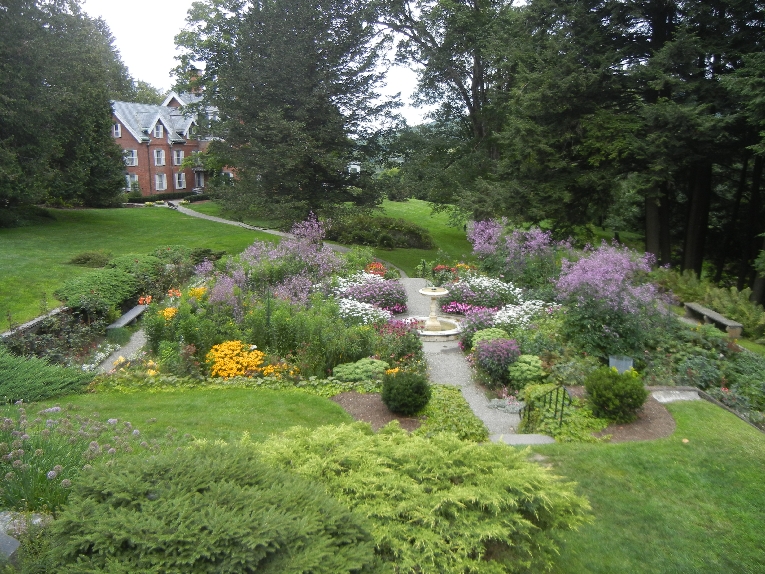
The Marsh mansion was built in 1805-07 and has been kept in the 1800s Queen Anne style of architecture.

DSCN2960

“Passing the Torch,” a Tiffany window in the Mansion, symbolizes an intergenerational commitment to conservation.

DSCN2961

Terrace gardens

DSCN2964

DSCN2965

DSCN2966

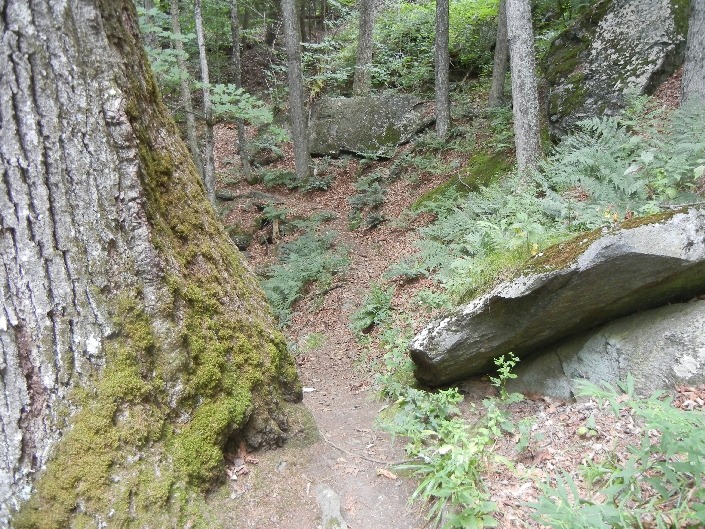
After touring the mansion grounds, I was off for a 5 mile hike.  I started on the Precipice Trail to the top of Mt Tom.

DSCN2968

DSCN2971

Woodstock from the top of Mt Tom

DSCN2975

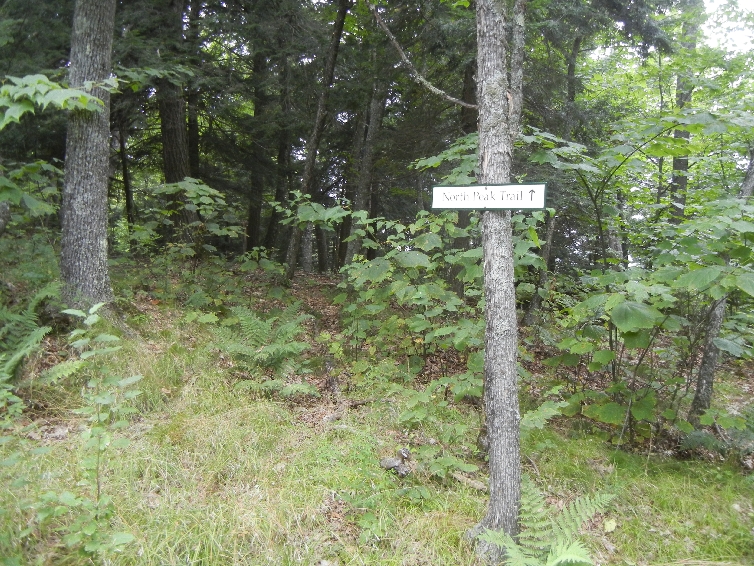
I then did the North Peak Trail.

DSCN2976

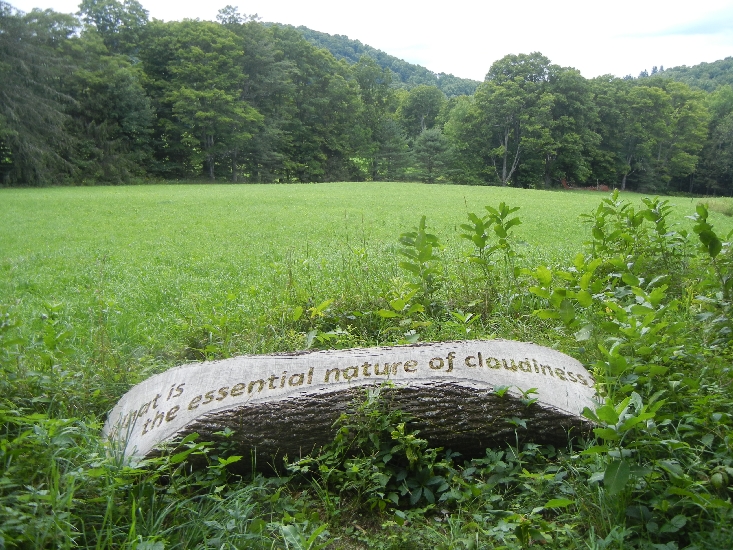
the Mount Tom Road passed this pasture,

DSCN2977

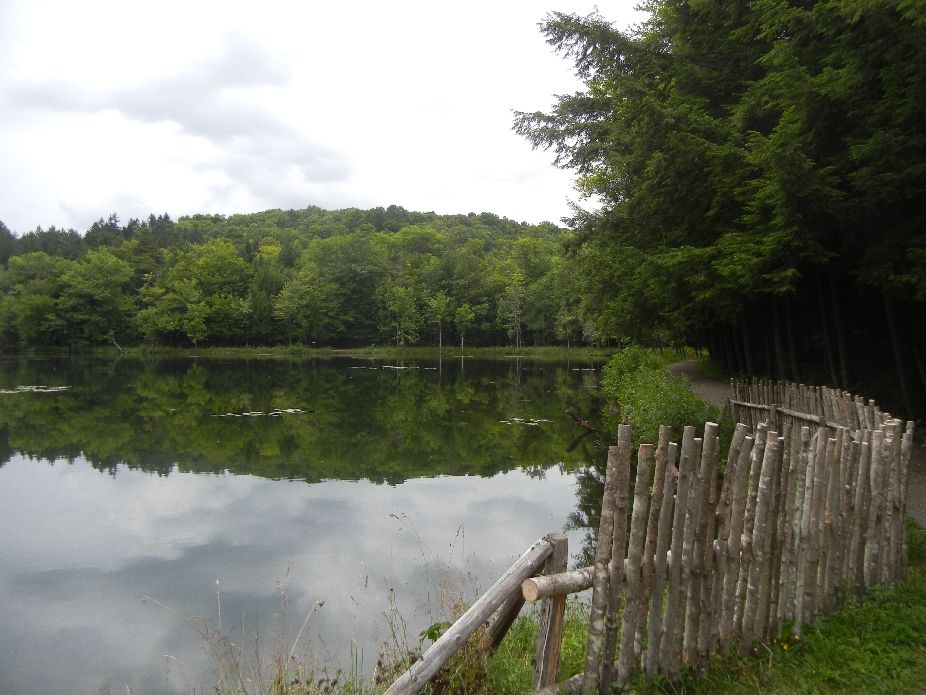
then proceeded around the Pogue Loop

DSCN2979

DSCN2982

and returned to the Billings farm by way of the Mountain Road

DSCN2984

I then visited the First Congregational Church (1808) and had dinner at Bentley’s in Woodstock.

DSCN2985

After dinner I drove to Moreau Lake SP in New York to camp.  However, I got there at 10:10pm and was told that I could not enter because camping registrations ended at 10!  I drove down the road to a boat dealer lot and slept in the Sequoia.


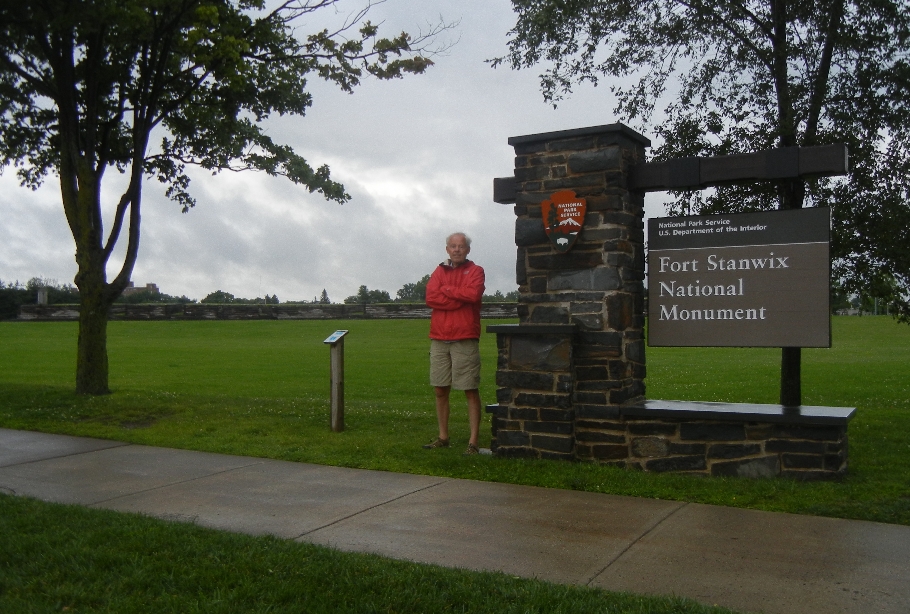
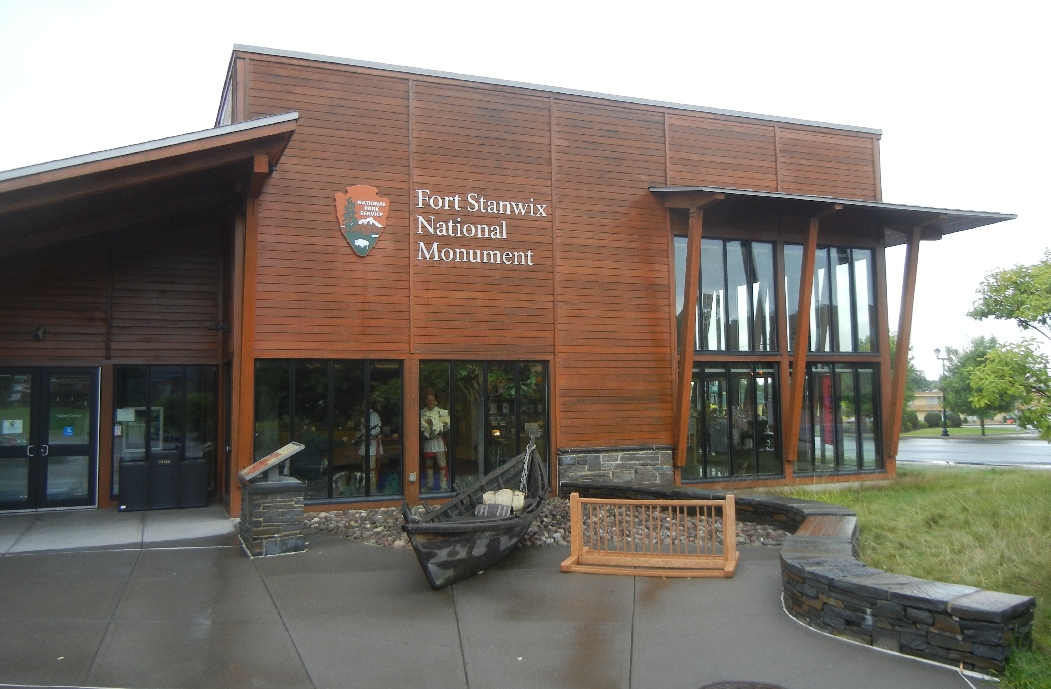
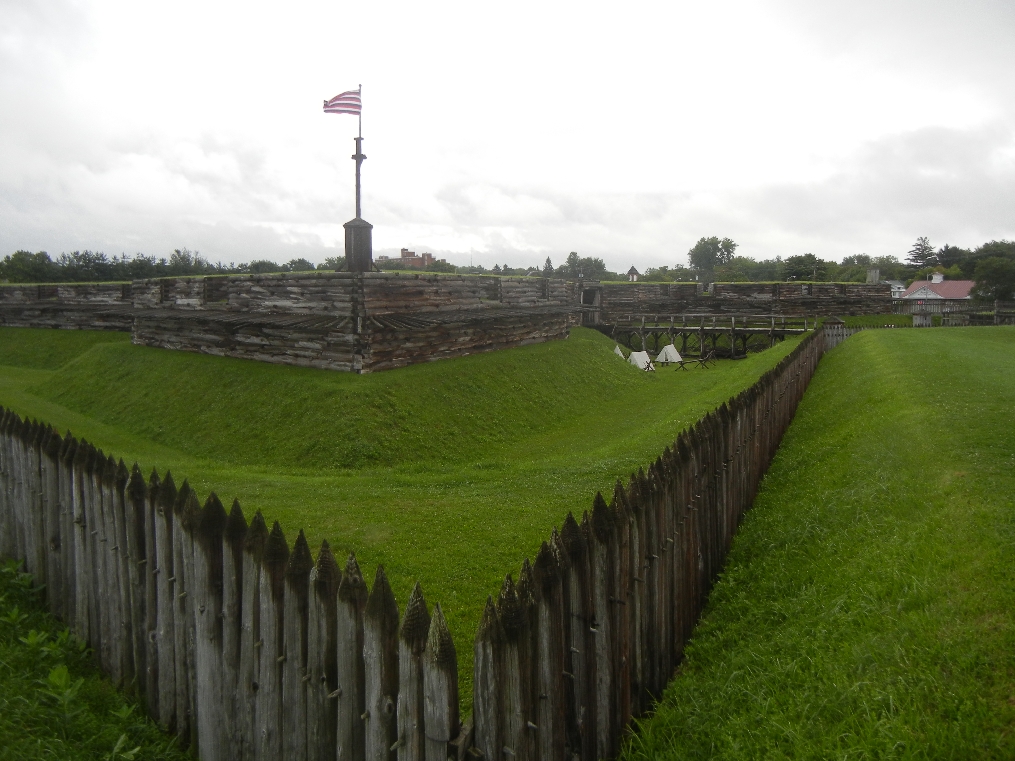
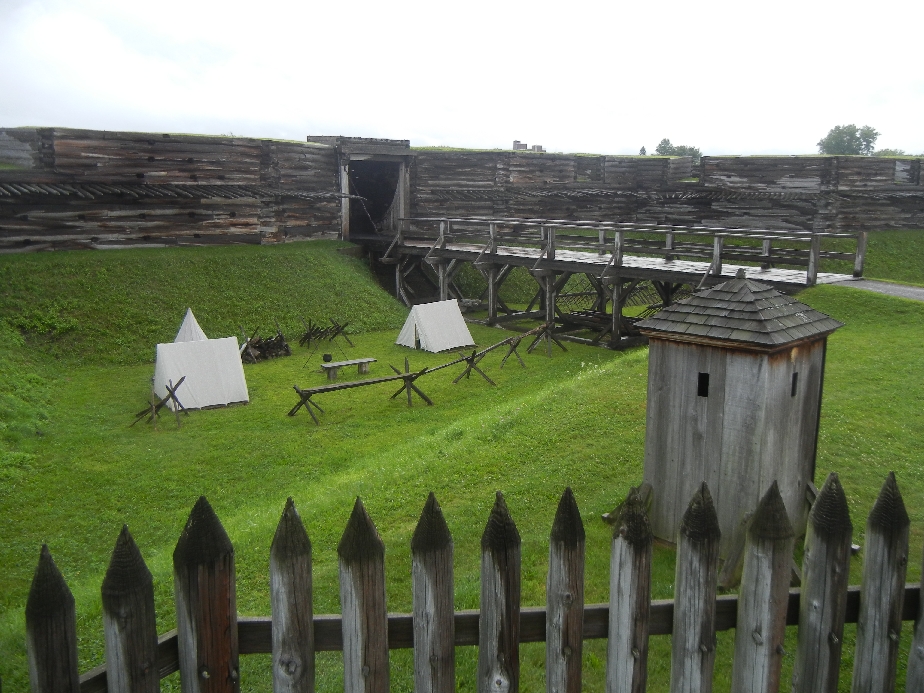
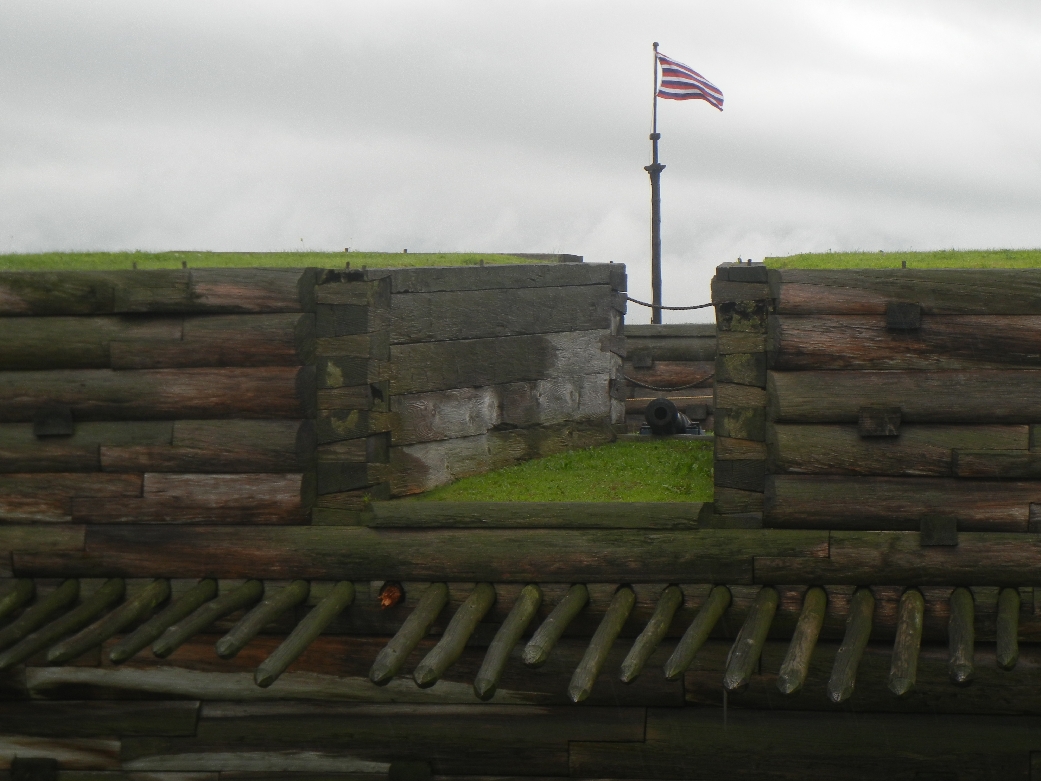
August 13, 2014 – Fort Stanwix National Monument, Rome NY

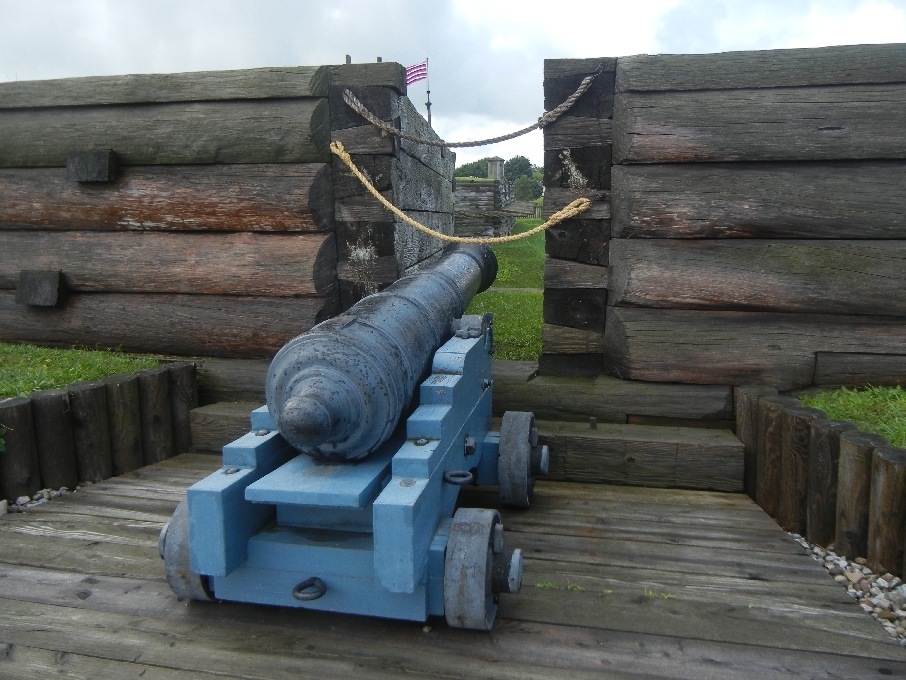
Fort Stanwix was one of five forts that were located at different times at the Oneida Carrying Place.  The Oneida Carrying Place was a portage that was used for thousands of years to carry goods from the Atlantic Ocean to Lake Ontario and the Great Lakes and vice versa.  Goods moved both east and west.  For example, goods would be brought into New York harbor, move up the Hudson and then Mohawk Rivers to the Oneida Carrying Place and then portaged 6 miles to Wolf Creek.  Boats (e.g. canoes) would then be loaded and paddled to Lake Oneida and onward to Lake Ontario at what is now Oswego NY.  Furs etc. would be carried in the opposite direction.  This was a critically strategic location before, during and after the Revolutionary War.

DSCN2988

DSCN2989


DSCN3006

It was a rainy morning but made for some good pictures

DSCN2995


DSCN2994

DSCN2992

DSCN3009

DSCN2998

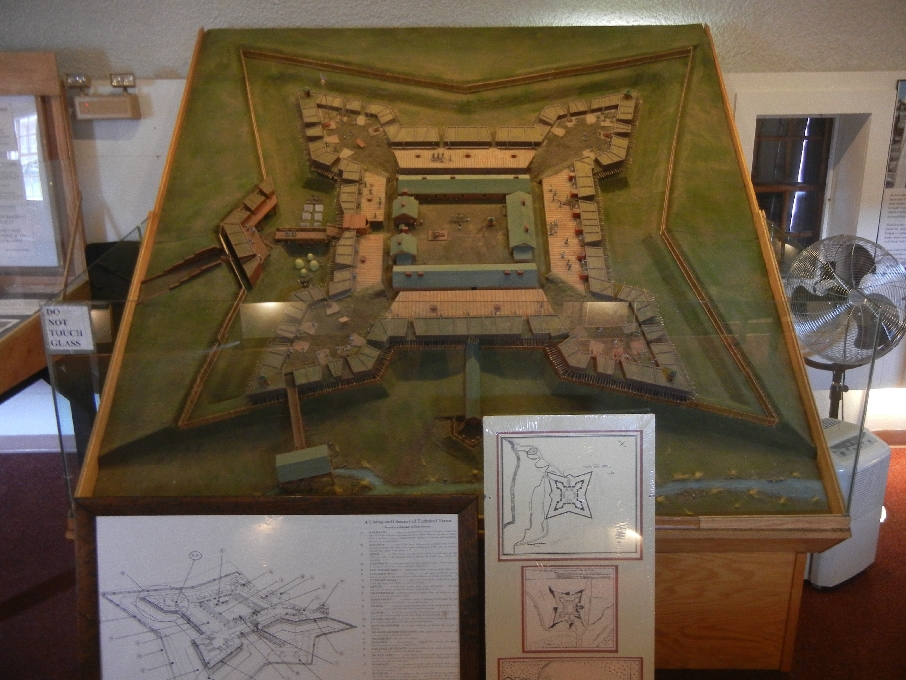
Model of Fort Stanwix

DSCN3012

Inside the fort

DSCN3016

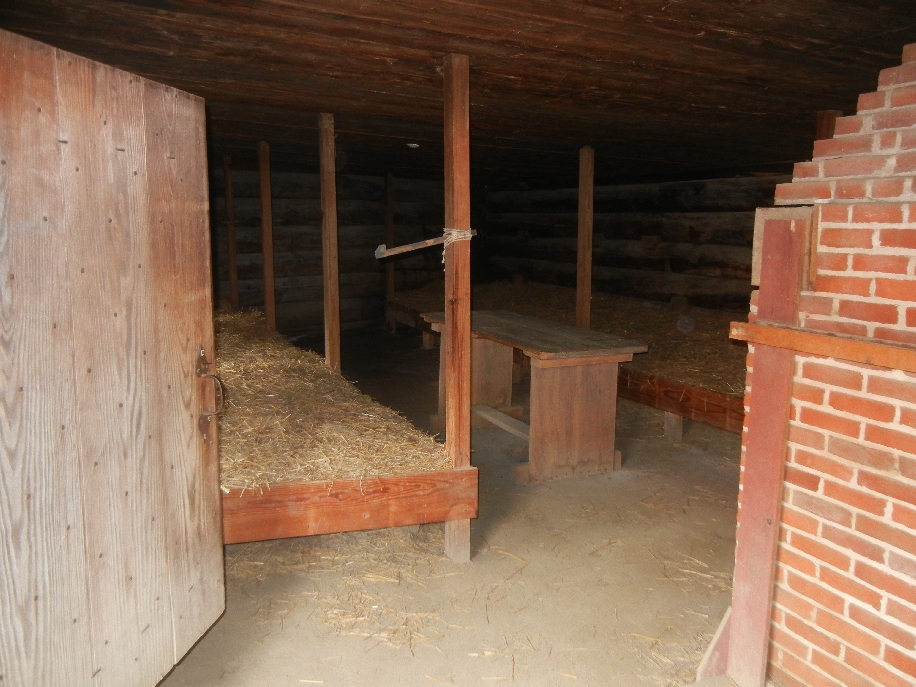
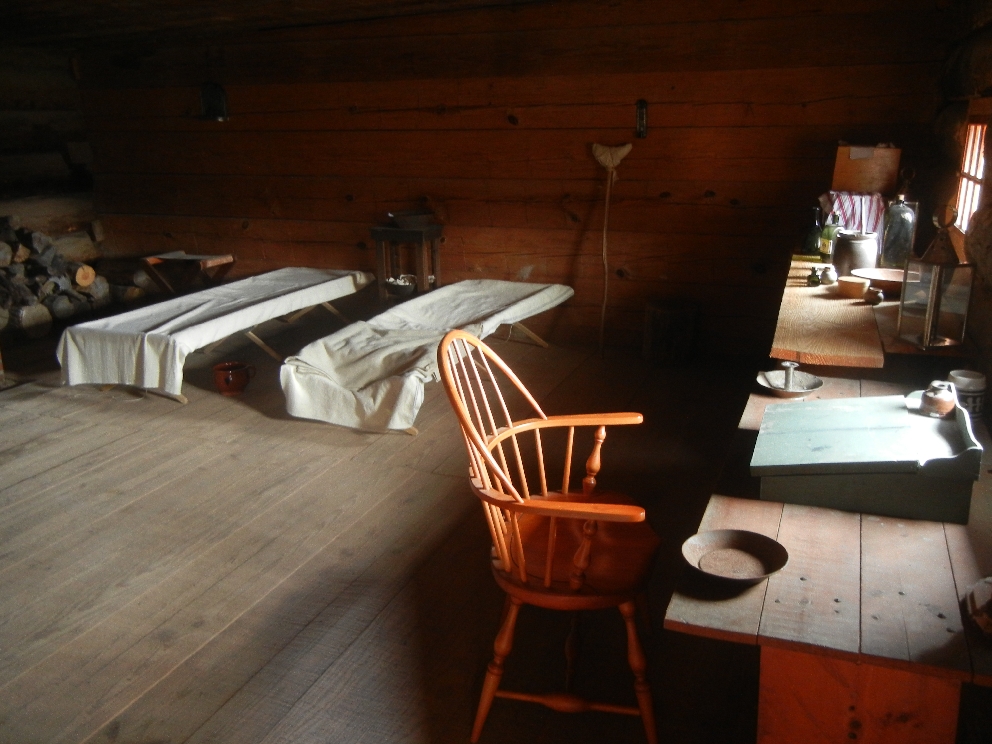
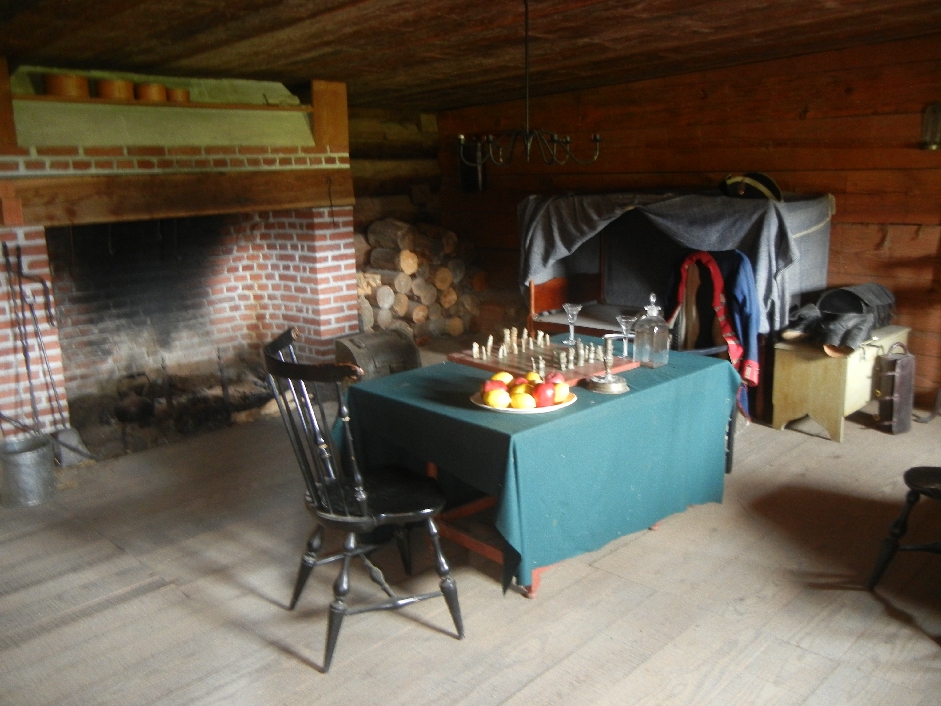
The following pictures show accommodations in the fort according to rank, from privates to commander.

DSCN3010

DSCN3013

DSCN3015

DSCN3014

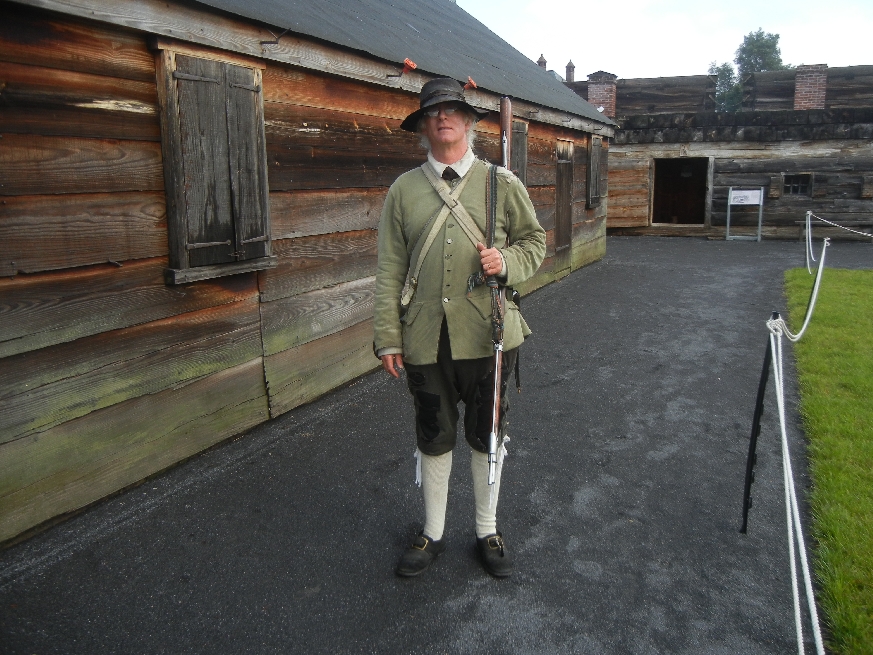
Continental soldier 1777

DSCN3017


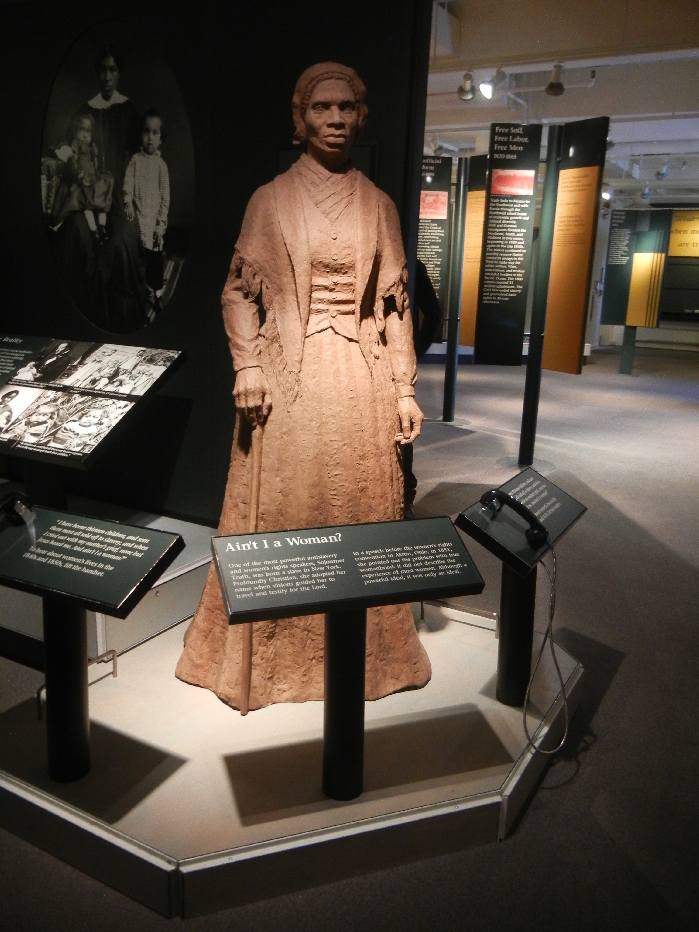
Women’s Rights National Historical Park, Seneca Falls NY

This historical park highlights an 1848 convention called by reformers in Seneca Falls NY – “A Convention to discuss the social, civil, and religious condition and rights of Women.”  This area of upstate NY was a hotbed of Quaker and abolitionist sentiment and activity.

In the 1840’s, by law or custom, women did not vote, speak in public, hold office, attend college, or earn a living other than as a teacher, seamstress, domestic or mill worker.  In addition, a married woman could not make contracts, sue in court, divorce her husband, gain custody of her children, or own property, even the clothes she wore.

Several women were involved in organizing the 1848 convention, some of the prime movers were Lucretia Mott, Martha Wright, Jane Hunt, Mary Ann M’Clintock and Elizabeth Cady Stanton.

The M’Clintock house is in Waterloo and was rented from the Hunts

DSCN3018

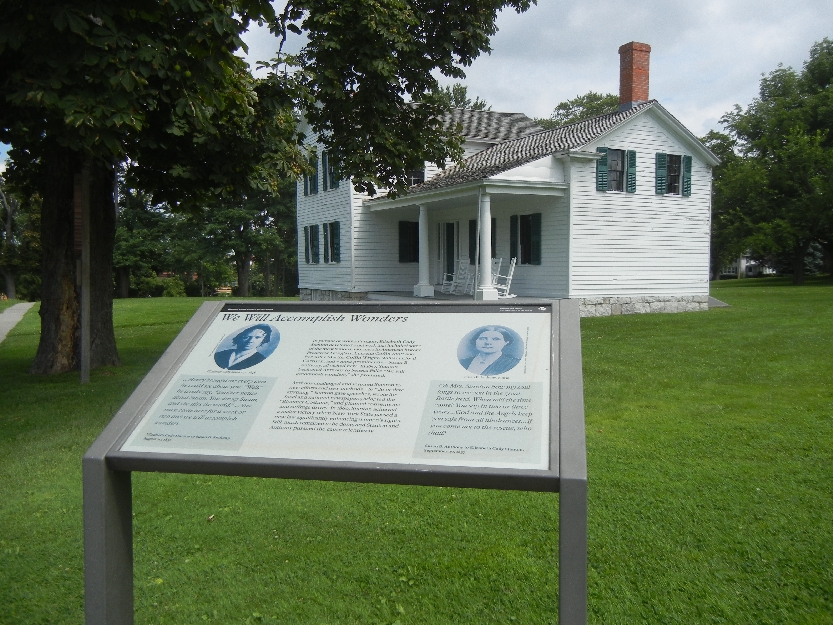
The Elizabeth Cady Stanton House is located across the Seneca River (Erie Canal) from downtown

DSCN3022

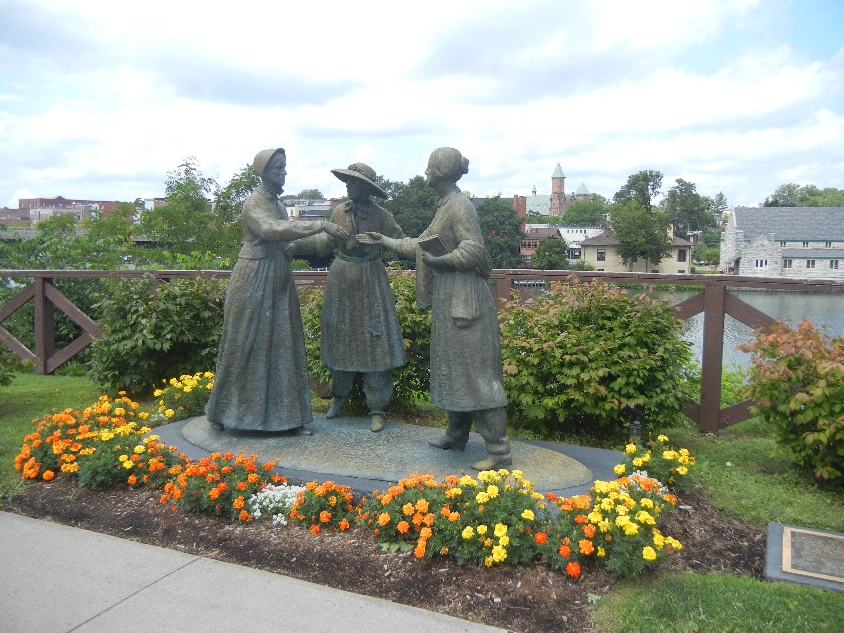
Statues on the south side of the canal overlooking downtown depicting the introduction of Elizabeth Cady Stanton to Susan B. Anthony in 1851.  The Susan B. Anthony home is located in Rochester NY.

DSCN3036

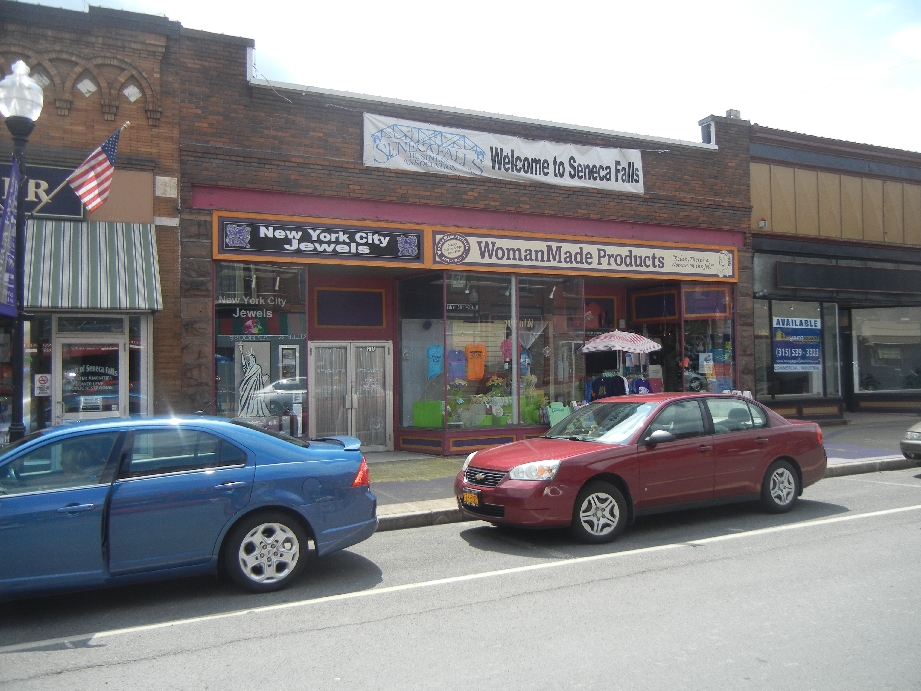
I like the juxtaposition of the Woman Made Products store and New York City Jewelers!

DSCN3037

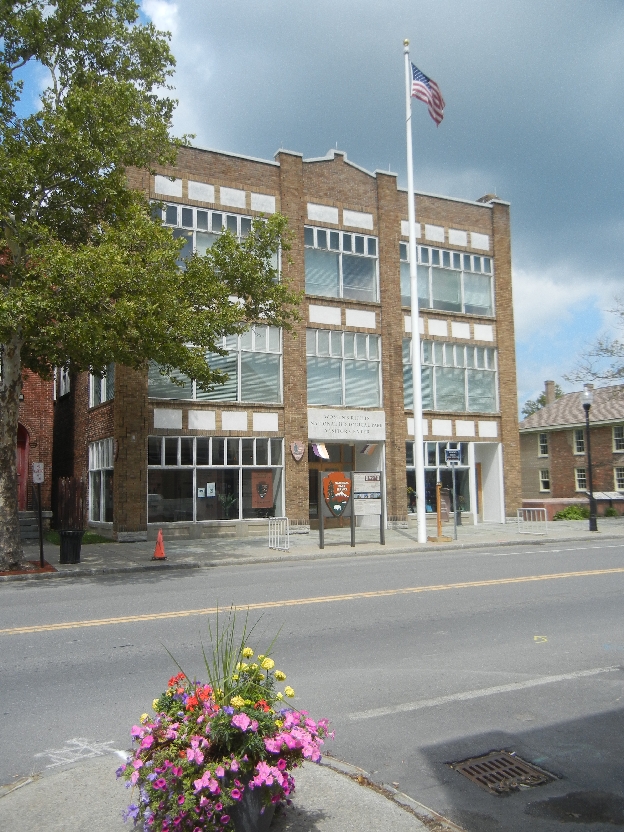
Women’s Rights National Historical Park Visitor Center

DSCN3040

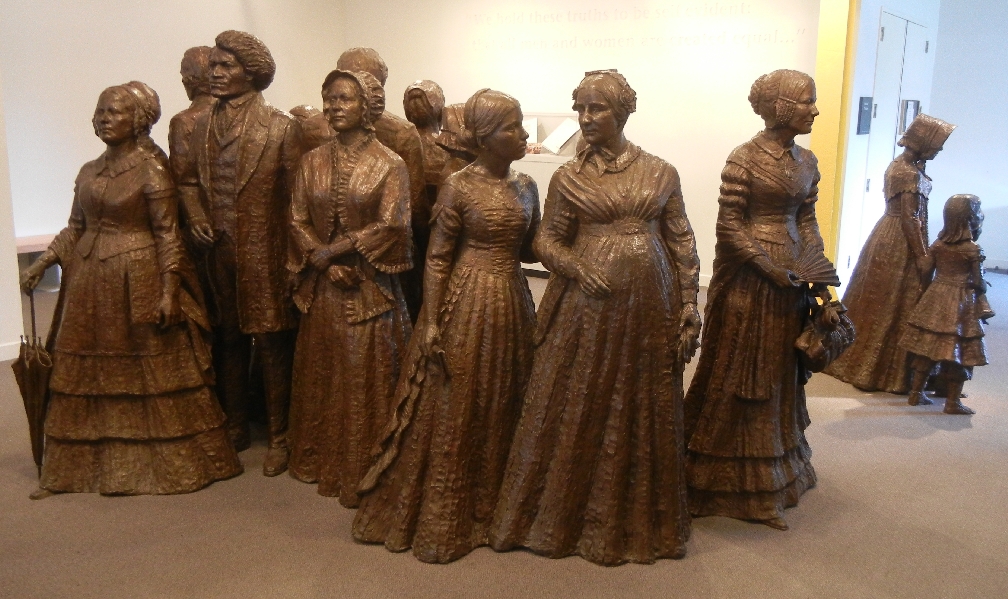
The “First Wave” sculpture group

DSCN3045

DSCN3043

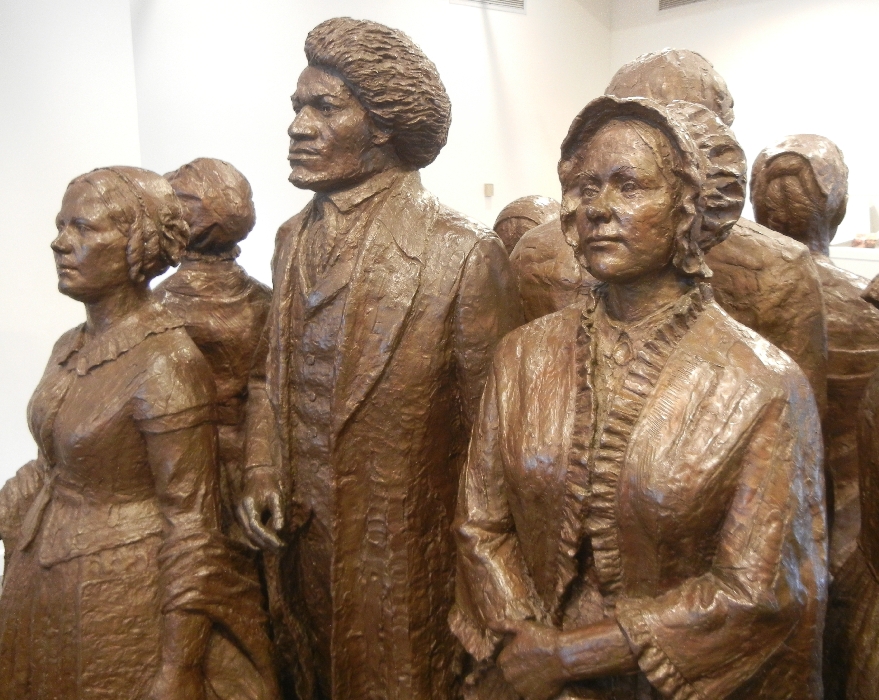
Woman on left is Elizabeth Cady Stanton, male is Frederick Douglass

DSCN3046

DSCN3047

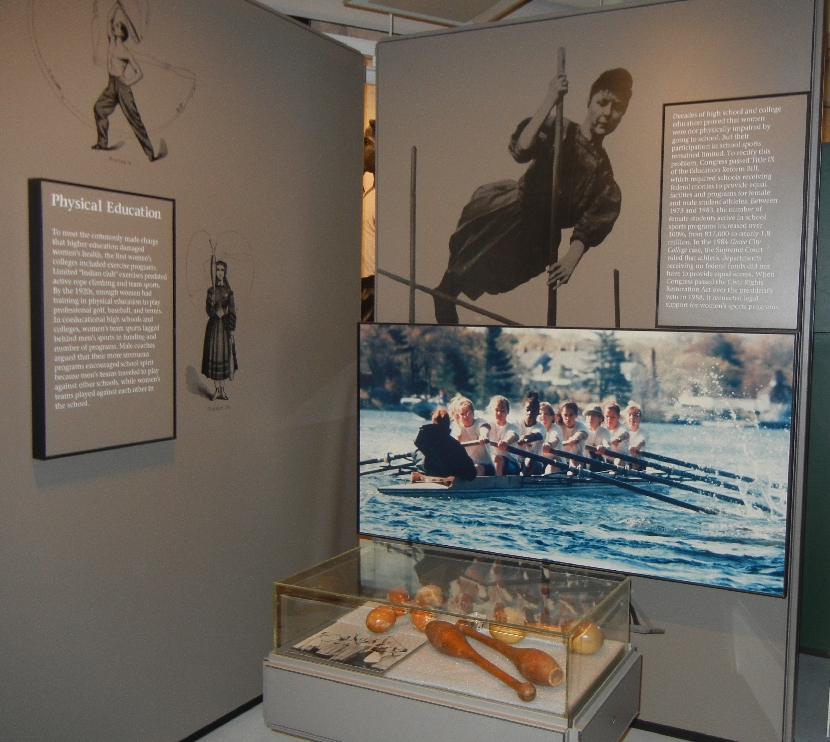
Many interesting displays on the second floor

DSCN3052

Physical Education

DSCN3055

DSCN3057

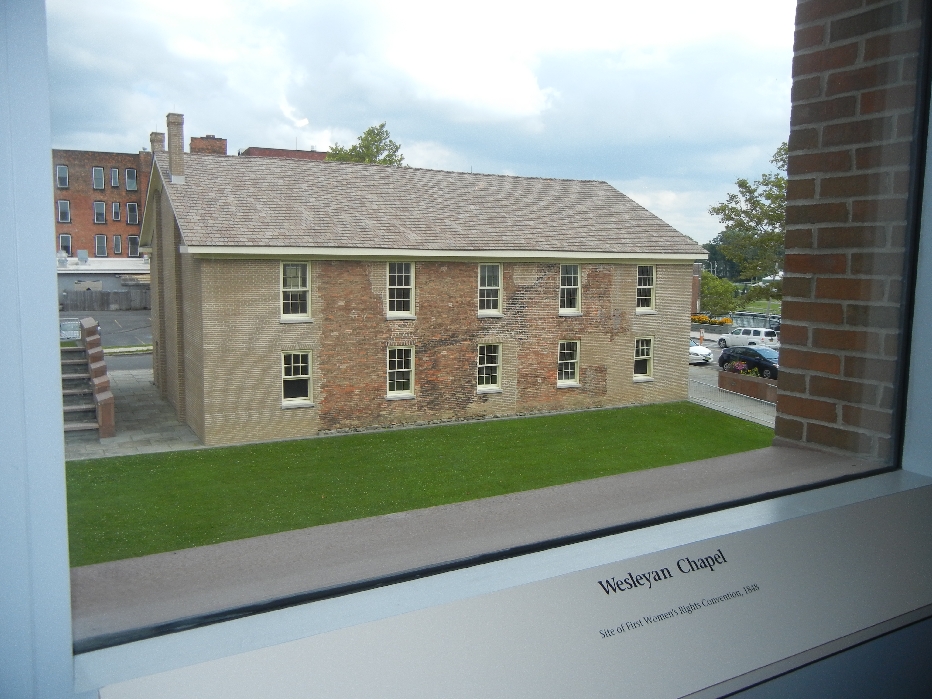
Wesleyan Chapel, site of the 1848 “Women’s Rights” Convention that resulted in a formal “Declaration of Sentiments” based on the Declaration of Independence

DSCN3054

DSCN3059


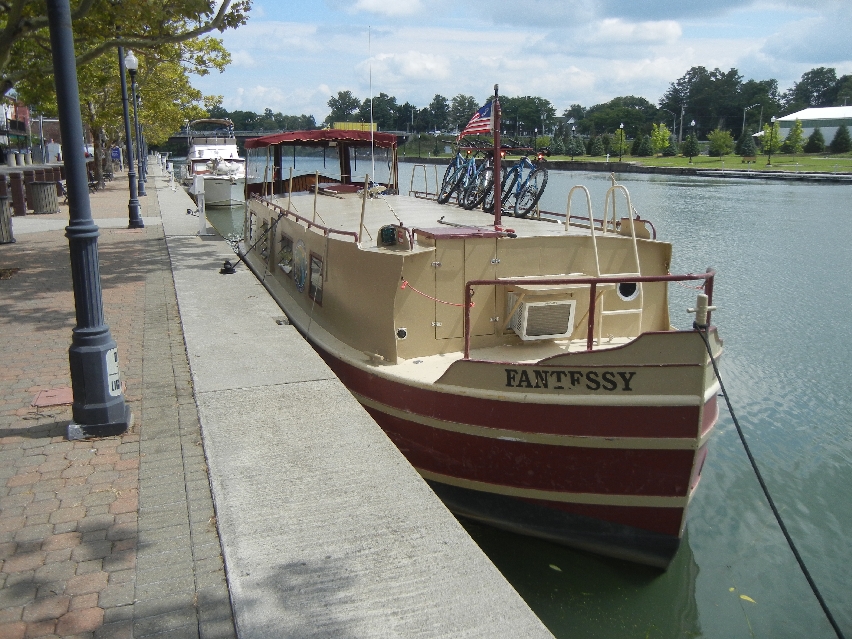
The Erie Canalway National Heritage Corridor runs 363 miles from Albany (Hudson River) to Buffalo (Lake Erie).  Here is a “packet boat” at Seneca Falls

DSCN3038

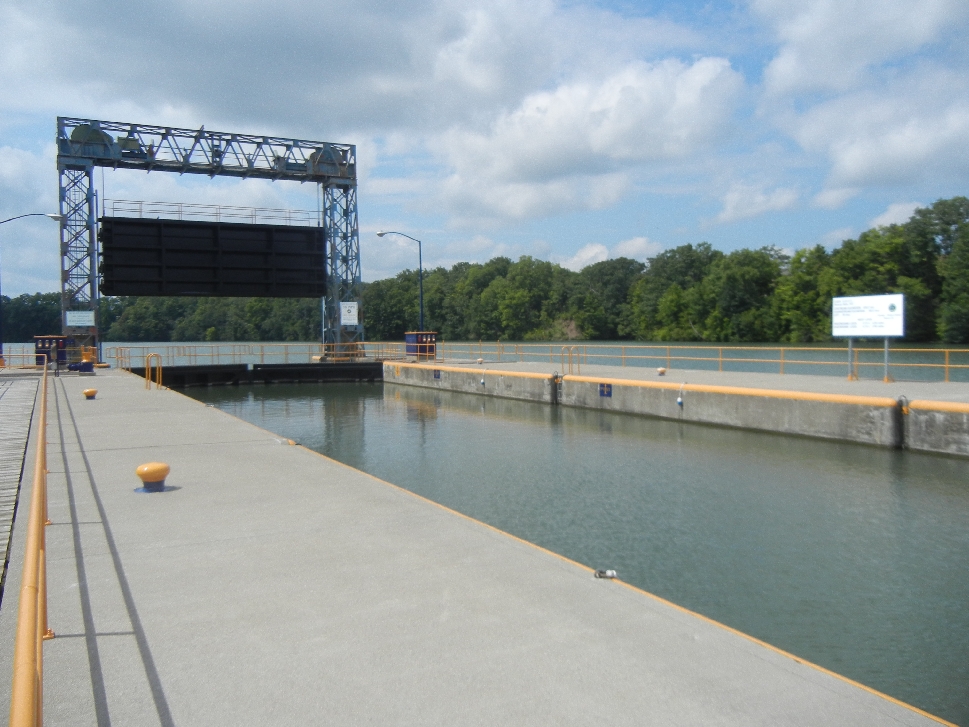
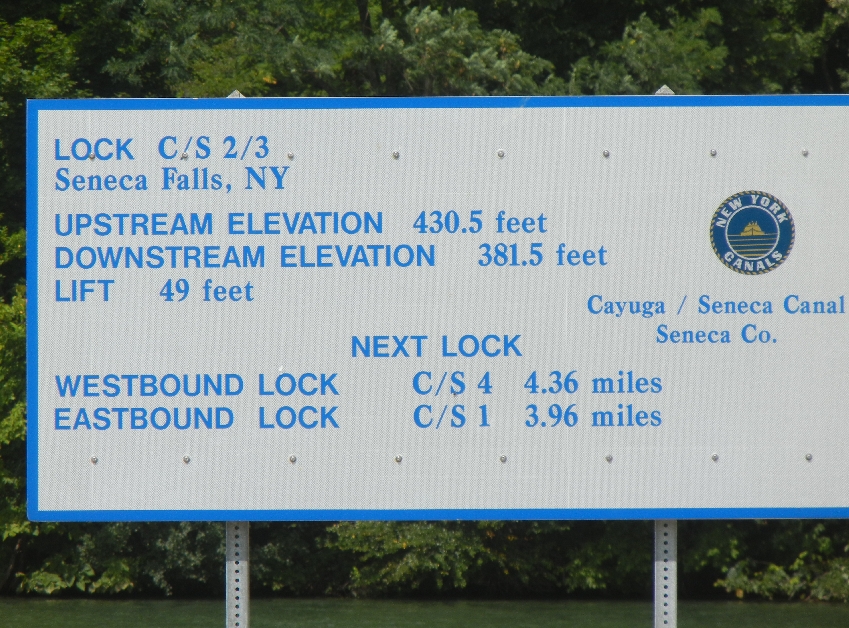
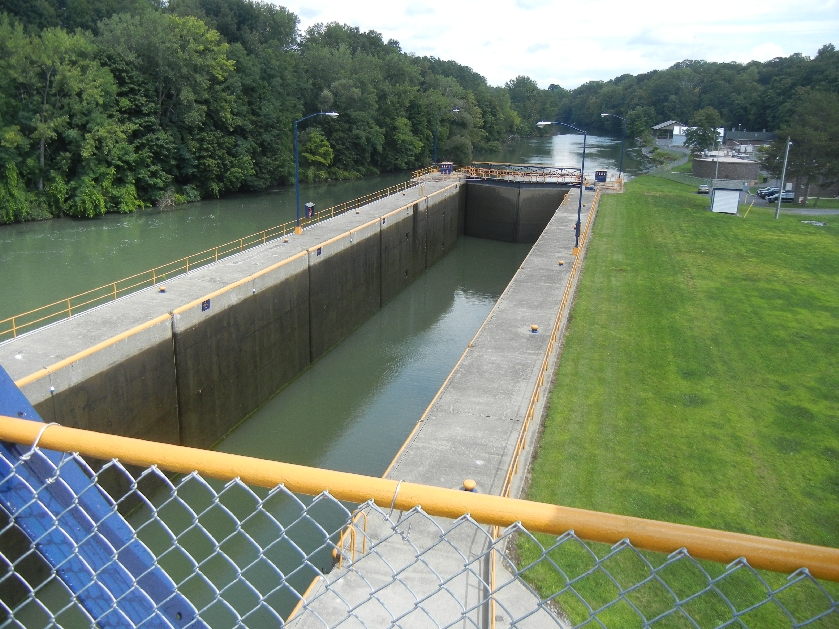
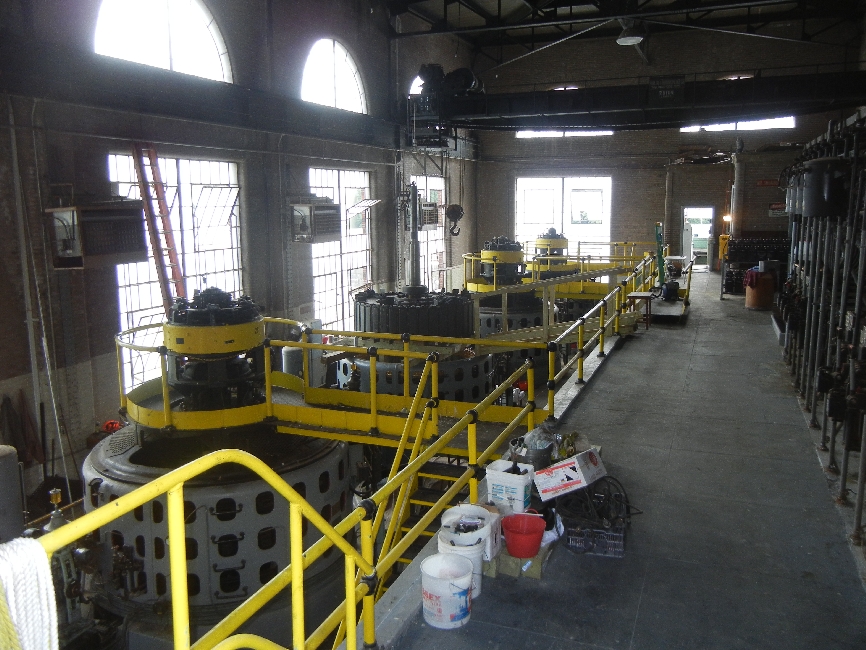
Most recently called the “Barge Canal,” the Erie Canal is now mainly used by pleasure craft.  Several bikeway trail segments are located along the canal.  A double lock structure (C/S locks 2 and 3) and a power plant are located at Seneca Falls.  The following views are looking west at lock 3 –

DSCN3032

DSCN3033

DSCN3027

DSCN3030

Looking east at lock 2

DSCN3026

Power plant

DSCN3028

DSCN3029

Looking west at lock 2, power plant is on the right

DSCN3034


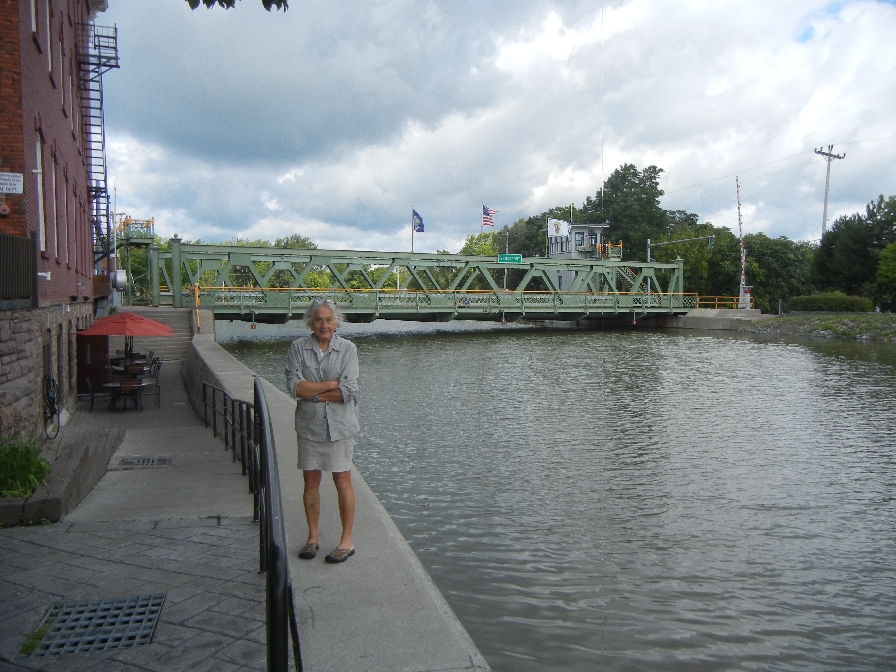
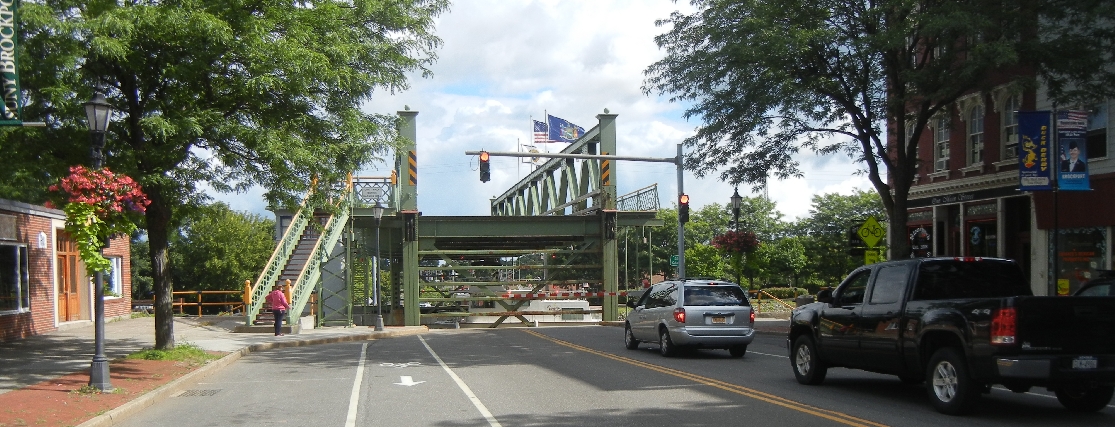
August 14, 2014 – We stopped in Brockport NY where we lived between 1971 and 1980, except for a year and a half in Iran and a half year in Finland.  Brockport is/was a stop on the Erie Canal.   Do you remember the Erie Canal song Chorus?

“Low bridge, everybody down
Low bridge cause we’re coming to a town
And you’ll always know your neighbor
And you’ll always know your pal
If you’ve ever navigated on the Erie Canal”

DSCN3061

This is the low bridge going up to allow for passage of a pleasure boat

DSCN3064

Remember the Ivory Soap commercials?

DSCN3062

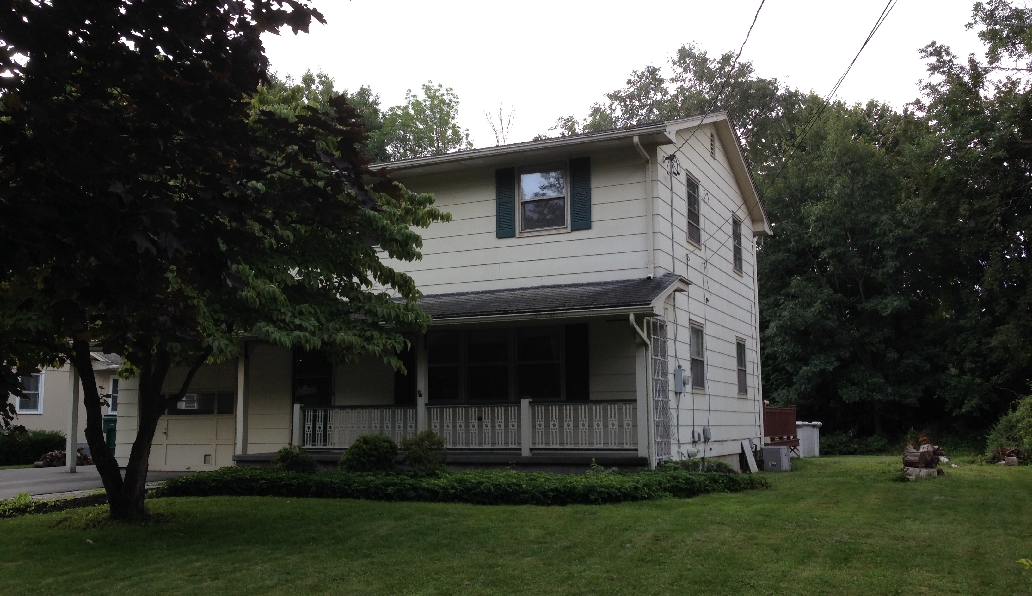
This was our first home 1971 to 1977.  Stacy was born soon after we moved in.  It was depressing to go back because the houses we lived in have deteriorated.

009

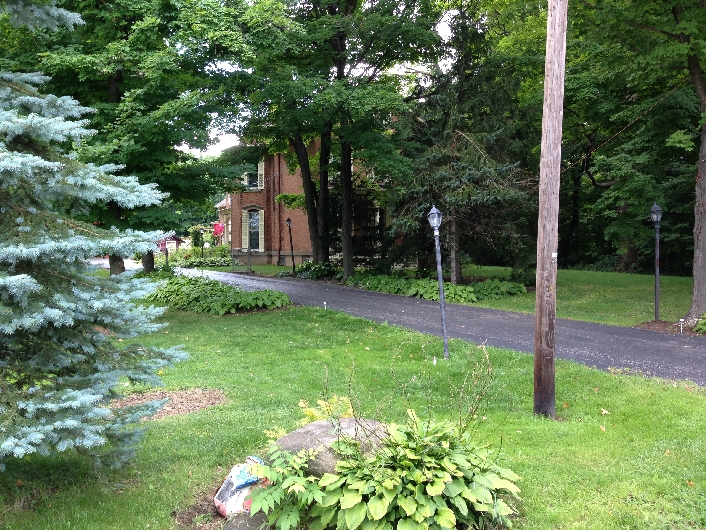
We bought a historical home (1845) and barn on 3.5 acres six weeks before we went to Iran

016

We lived in two rooms and slept on the floor in sleeping bags for six weeks as we put on a new roof and gutters, new septic system, new chimneys, repaired plumbing and electric, cleaned the place up, etc.  That way we were able to rent it while we were gone.  The 20 x 40 pool is behind the small “dairy” building in the middle and there was an apple orchard behind that.

015

The owner was very kind and gave us a tour inside and out.  This view is looking out of the barn.  At the very back of the house on the left was an attached three seater “out-house” so you didn’t have to go outside!  There was also a secret room and two other secret areas that were used to hide slaves moving north on the underground railway.

011


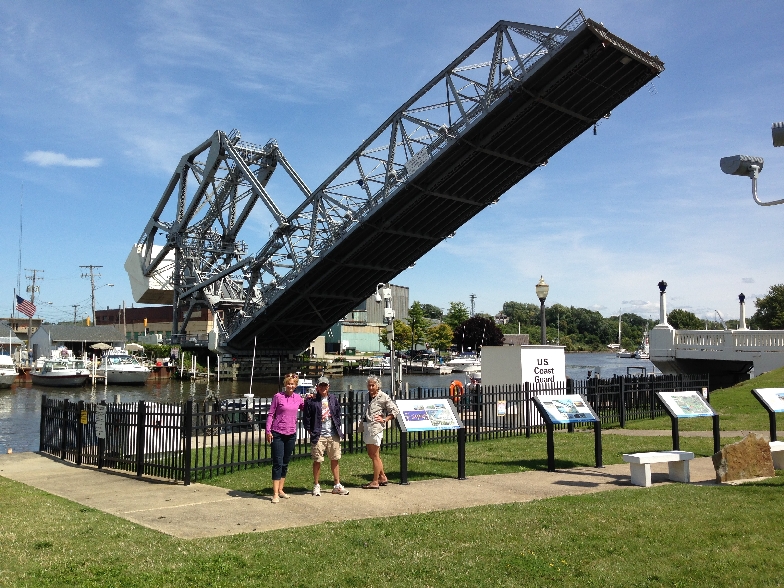
August 15, 2014 – visited Ashtabula in the very corner of northeast OH with Dick and Jan.  During the late 19th century, boats brought iron ore here.   It was loaded on rail cars and taken to Youngstown and Pittsburgh’s steel mills.  At that time it was the busiest port on the Great Lakes.  Now some coal is being moved in the opposite direction and there are efforts to “clean-up” the river and Bridge Street area with an  emphasis on tourism and recreation.  This is a picture of the Ashtabula Lift Bridge.

018

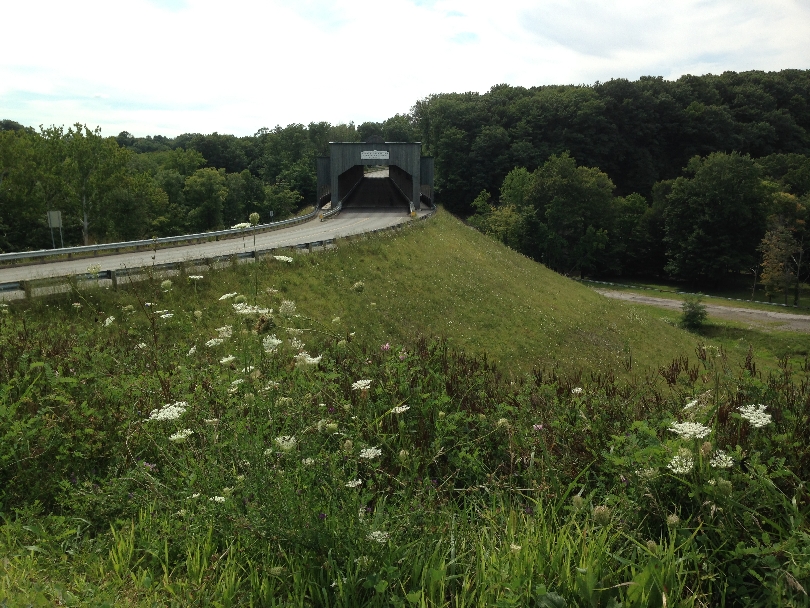
There are 17 covered bridges in Ashtabula County!  Here are some pictures of the Smolen-Gulf Bridge

022

At 613 feet it is billed as the “Longest Covered Bridge in the U.S.”

028

It was built in 2008 at a cost of 7.8 million dollars

036

Does that detract from it’s tourist appeal?

031

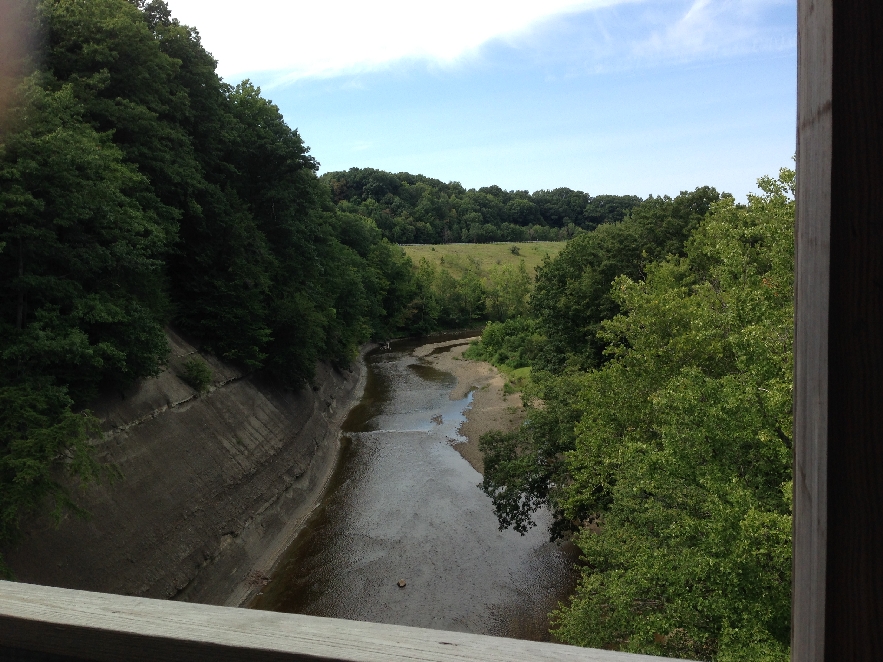
The bridge crosses the Ashtabula River

033

Where we had great fun skipping stones!

025


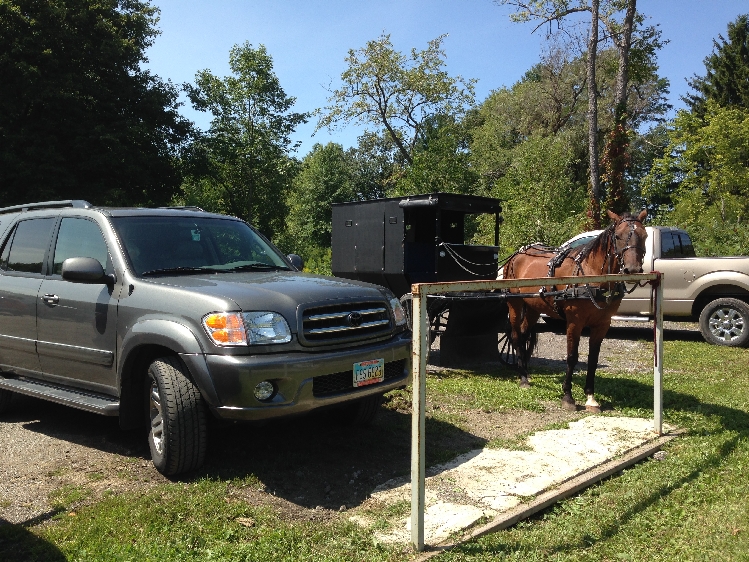
August 16, 2014 – Driving back home, we stopped at an Amish thrift store that sold primarily outdated and damaged food and drink items.  That didn’t stop Helen from buying $70 worth!

Opps!  I parked in the buggy area and got horse poop all over my front tires!

038

h1

St Raphael Restoration

August 8, 2014

August 8, 2014

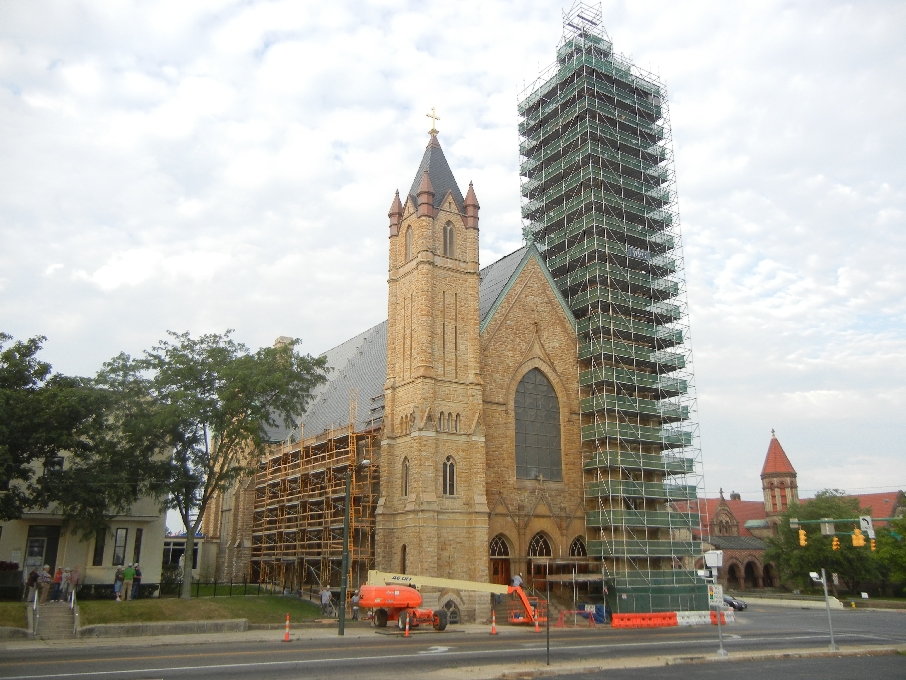
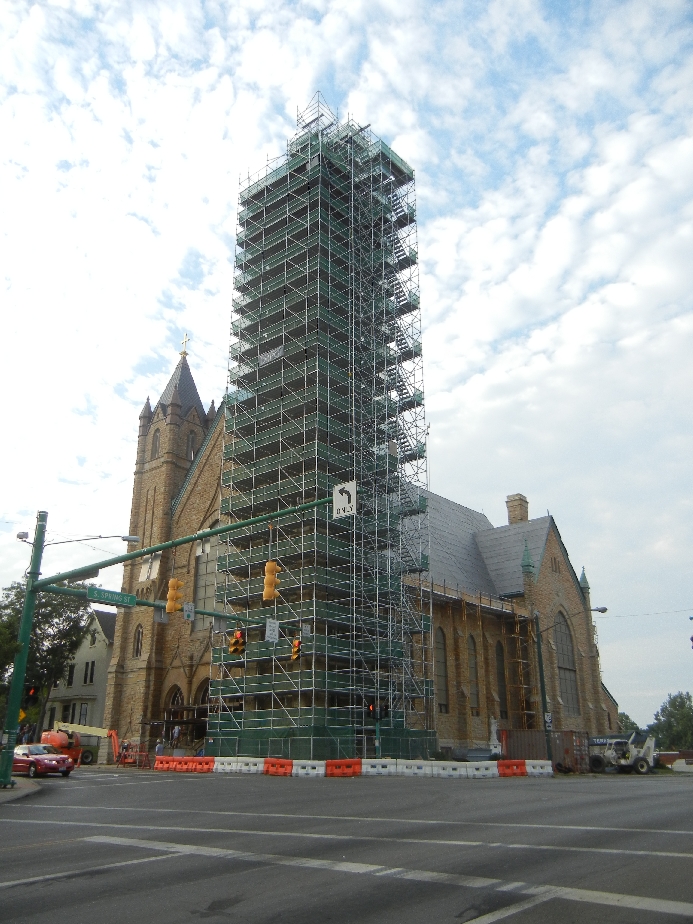
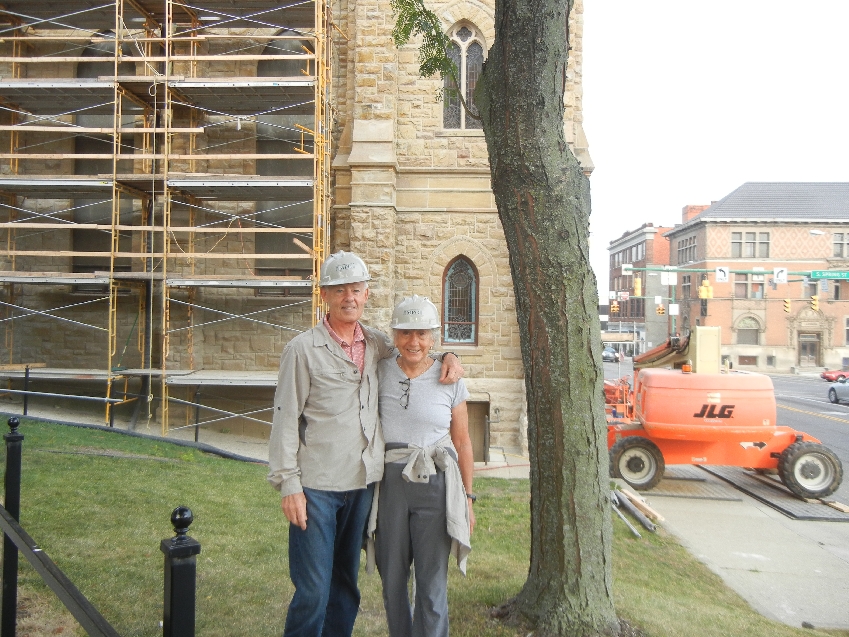
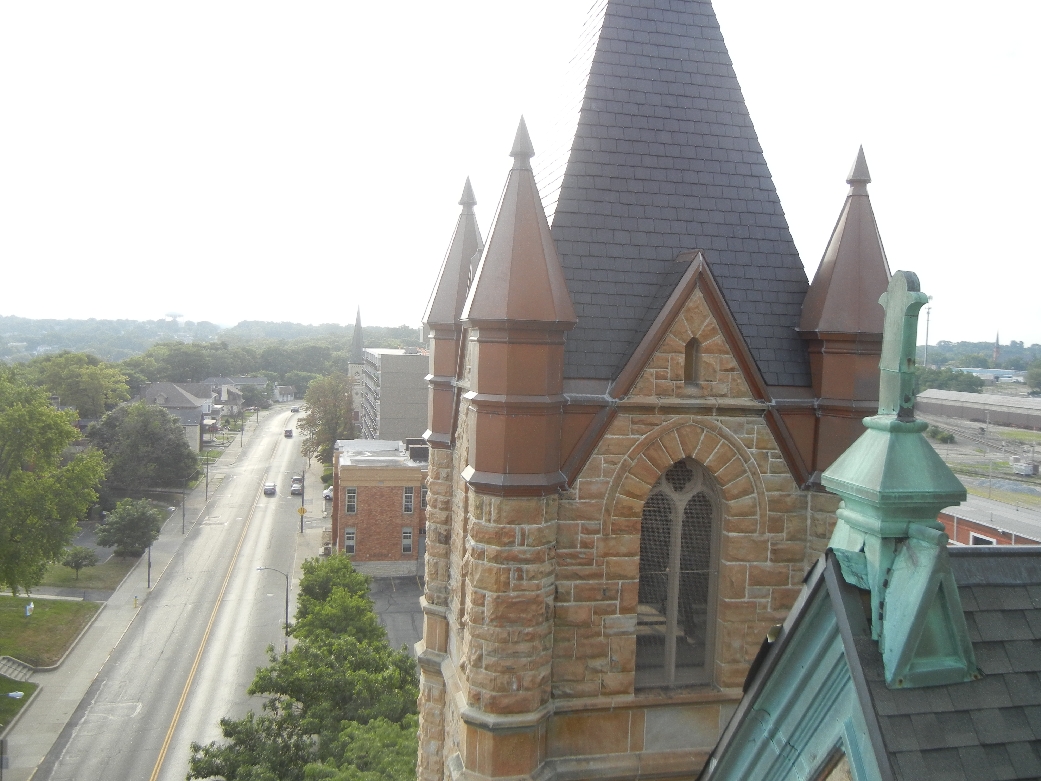
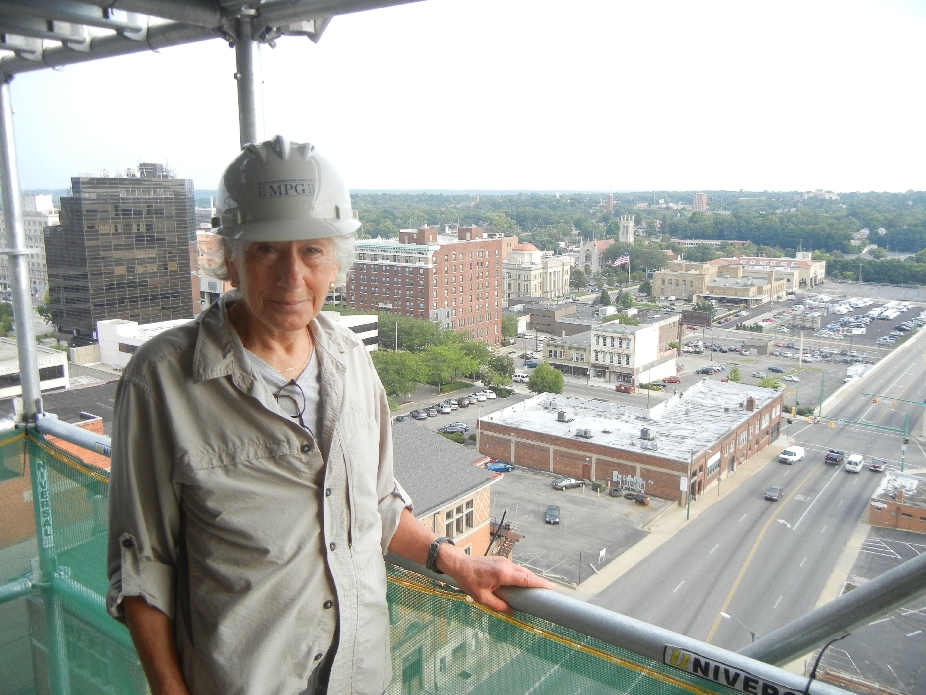
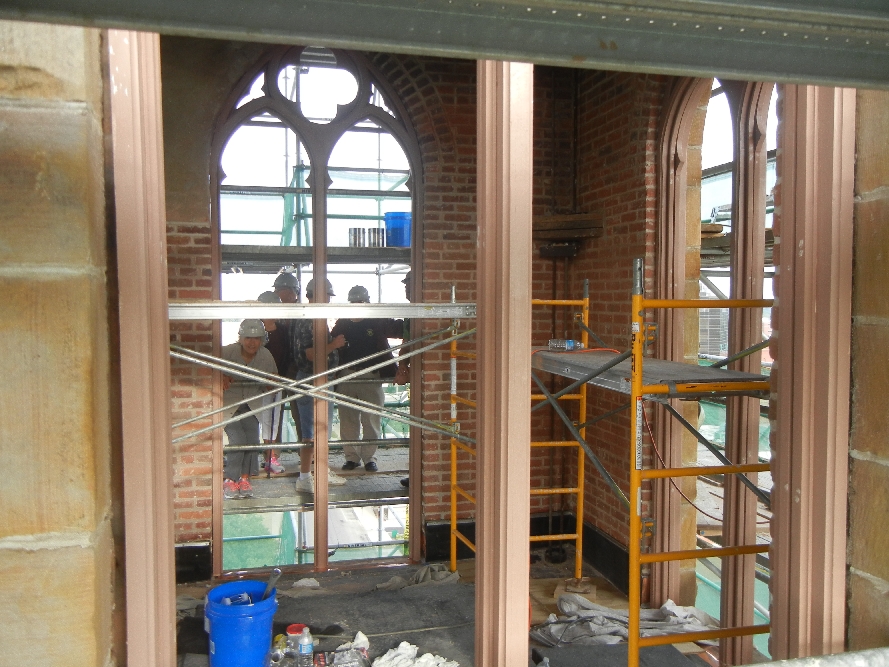
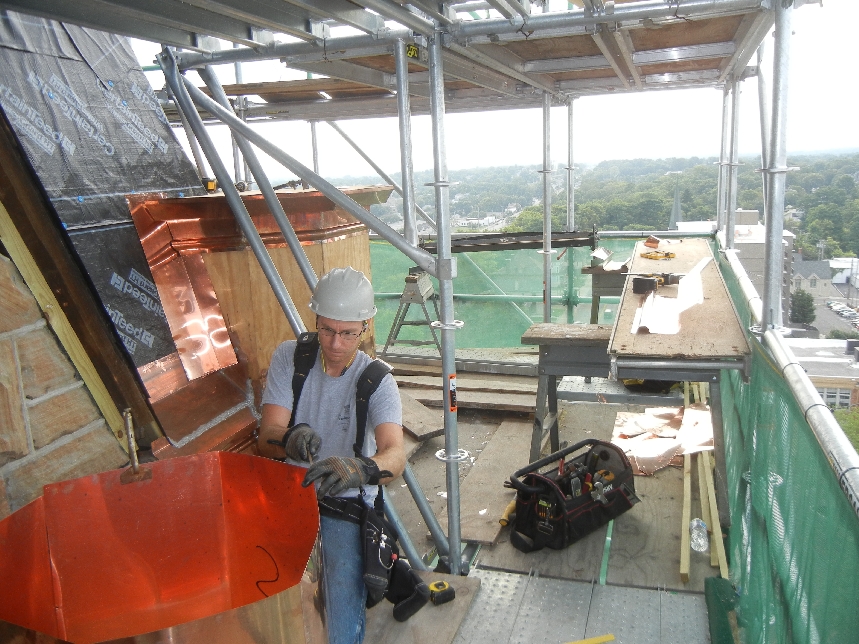
We had a great tour of the exterior restoration of St Raphael and were able to climb the scaffolding to the top of the tall tower (170 ft), perhaps the highest point in Springfield.

DSCN2843

DSCN2844

DSCN2845

DSCN2852

DSCN2856

DSCN2859

DSCN2862

DSCN2876

012

h1

46th Anniversary – Memphis TN

June 12, 2014

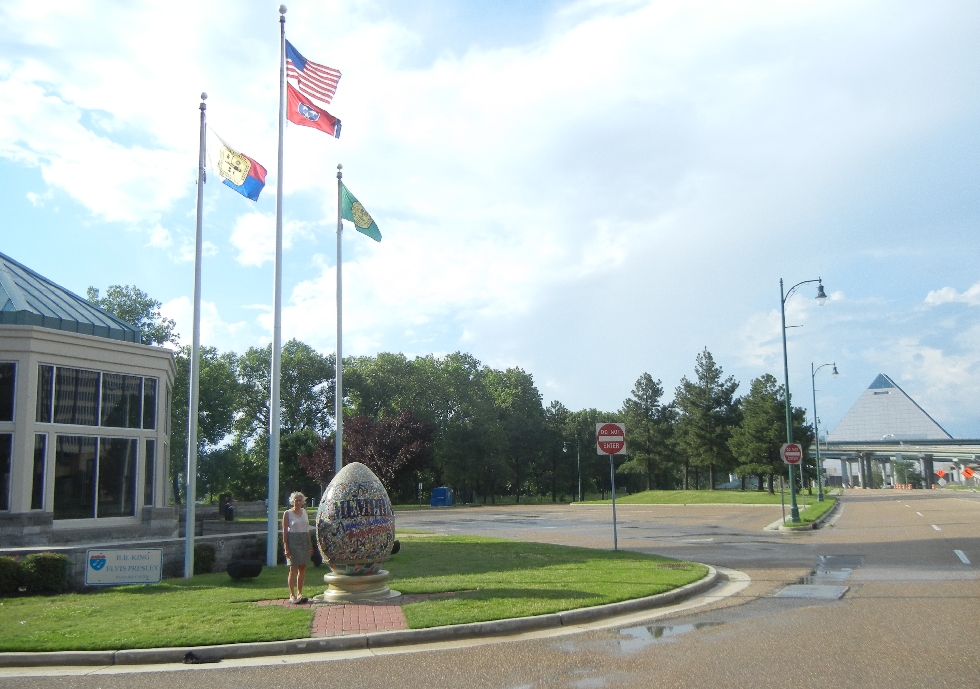
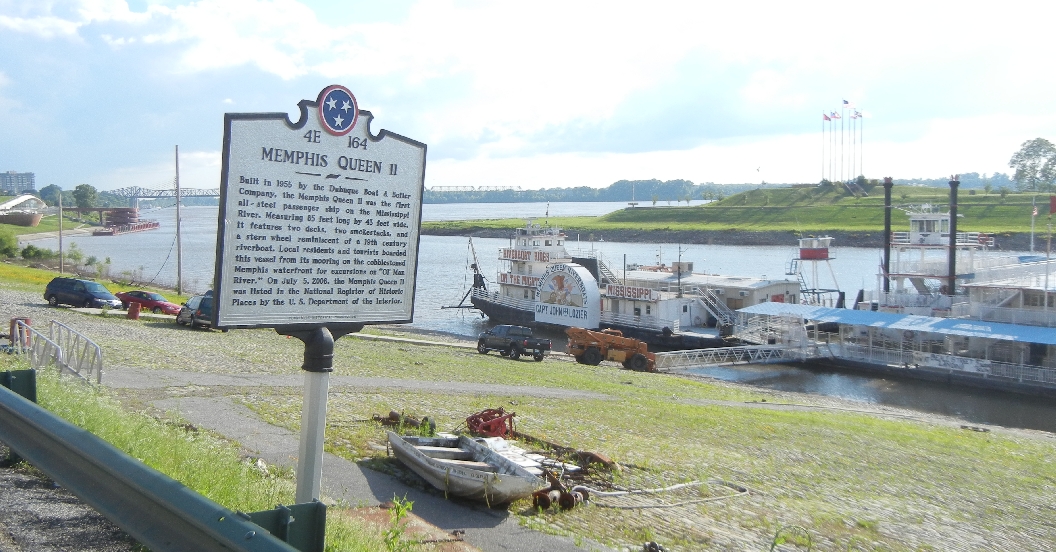
June 1, 2014 – Our “real” anniversary is on June 8th but we decided to celebrate in Memphis TN on our trip back from Katy TX to OH.  After a 9 hour drive, we arrived in Memphis about 4pm and went to the TN Welcome Center on the Mississippi River and then did the River Walk.

DSCN2726

DSCN2727

DSCN2728

Unfortunately, Mud Island and its Mississippi River museum were closed.  Flags are on south end of island.

DSCN2730

We had “Soul” Burgers for dinner at Earnestine & Hazel’s, a former brothel, then danced to the juke box

DSCN2732

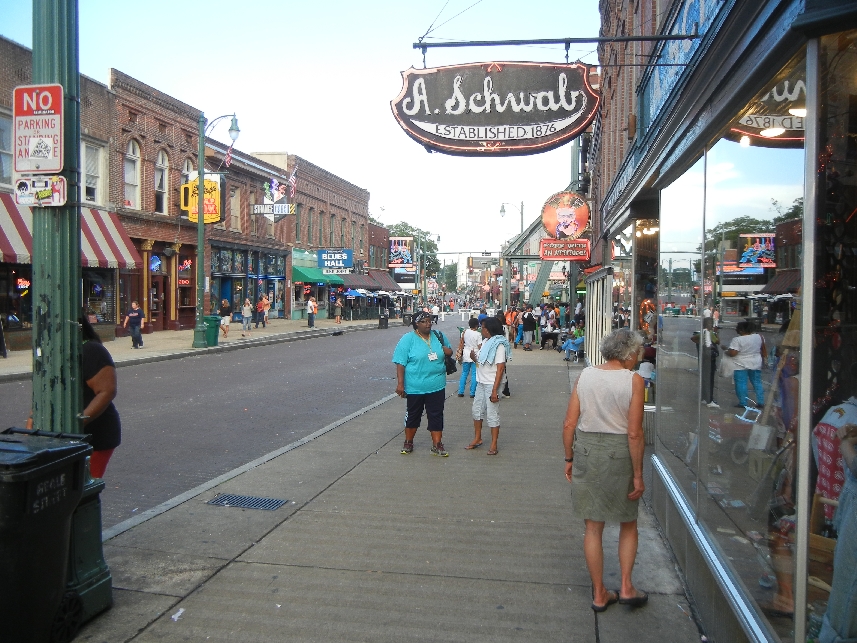
We then drove to Beale Street – home of the “Blues”

DSCN2733

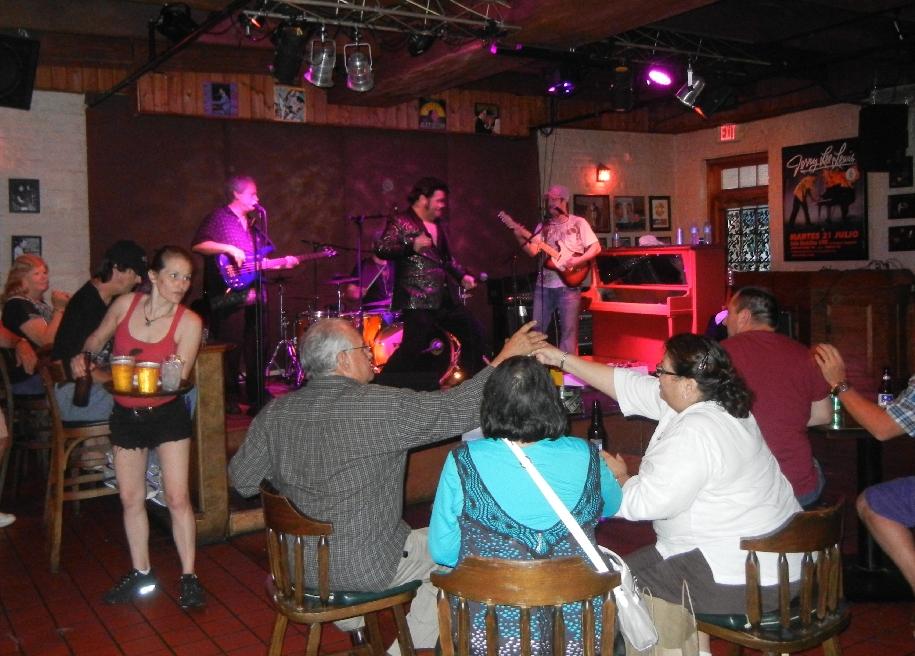
Had a drink at Jerry Lee Lewis’s club where we were entertained by an Elvis impersonator

DSCN2736

We stayed the night at a nice Days Inn right next to Graceland

DSCN2738

June 2, 2014 – started the day with a tour of Graceland.  It is an audio tour and you only get to see the inside of the first floor.

DSCN2757

Living room

DSCN2740

Jungle room

DSCN2741

Music room

DSCN2742

Pool room

DSCN2744

Paintings on display

DSCN2750

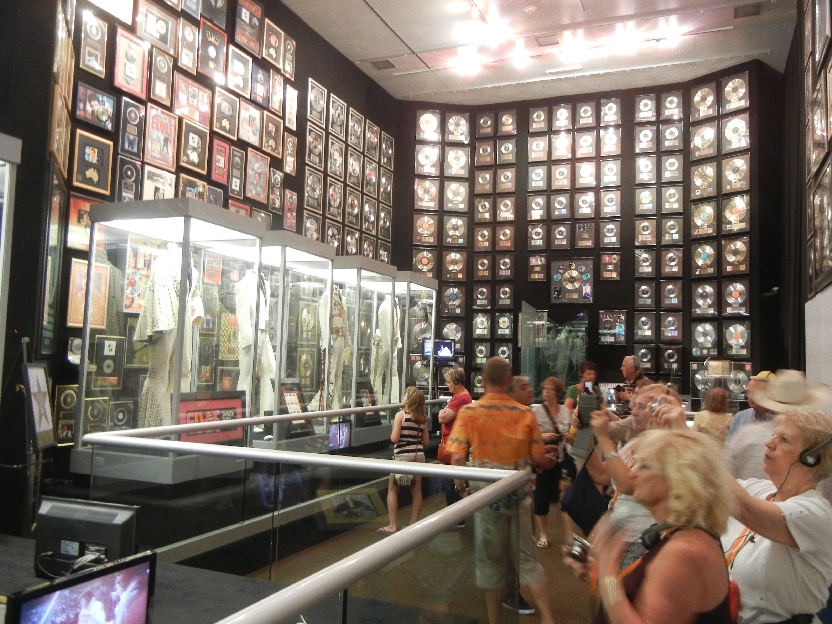
His racquetball/fitness center has been converted for a nice display of record awards and costumes

DSCN2751

DSCN2752

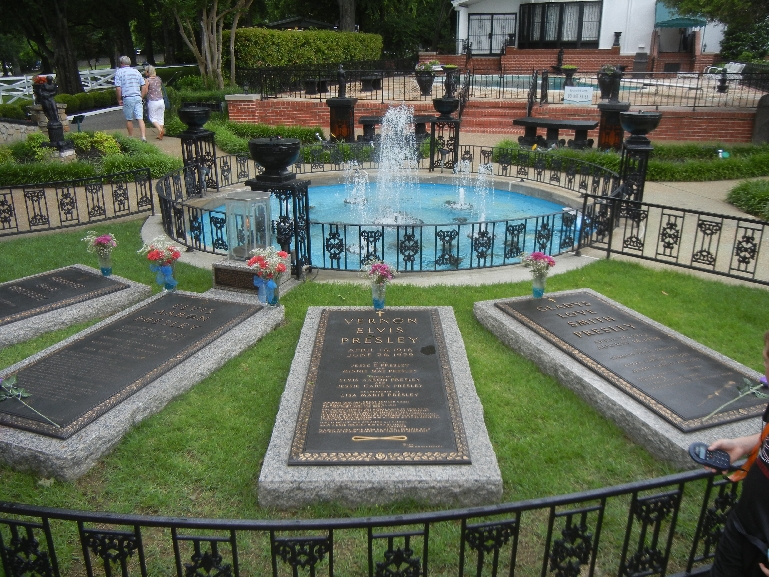
Meditation Garden

DSCN2753

DSCN2754

DSCN2756

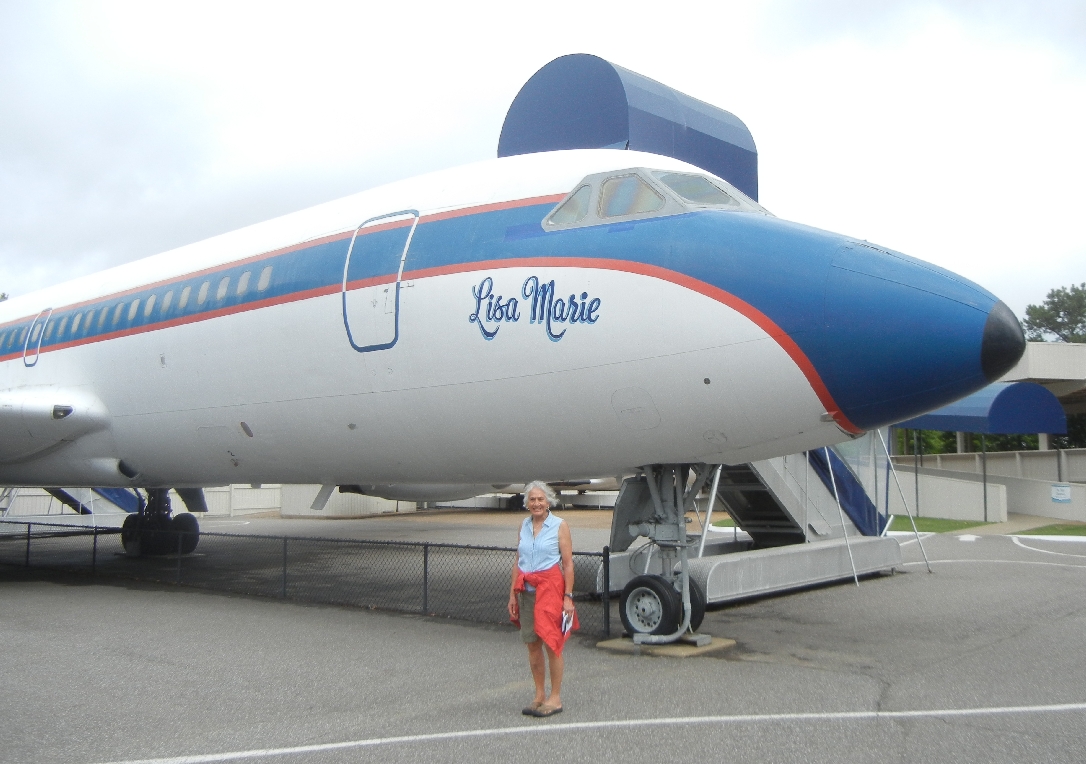
Plane named after Elvis Presley’s daughter

DSCN2758

1973 Stutz Blackhawk in Elvis’s auto museum – my favorite and the one he drove the day he died, August 16, 1977 at 42

DSCN2761

Helen’s favorite

DSCN2763

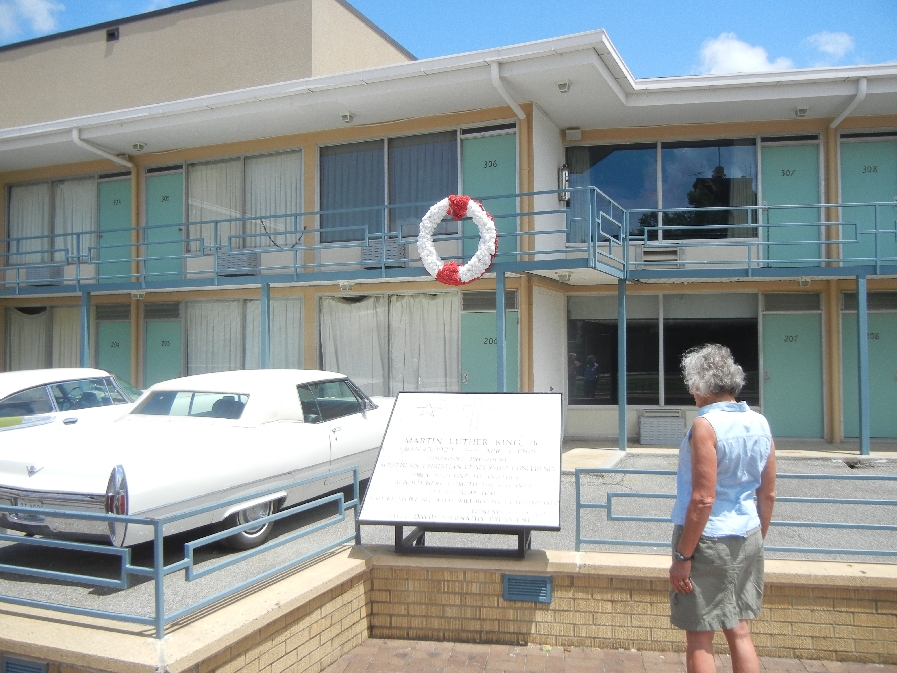
In the afternoon we went to the National Civil Rights Museum, which is located adjacent to the Lorraine Motel where Martin Luther King was assassinated

DSCN2764

DSCN2765

DSCN2766

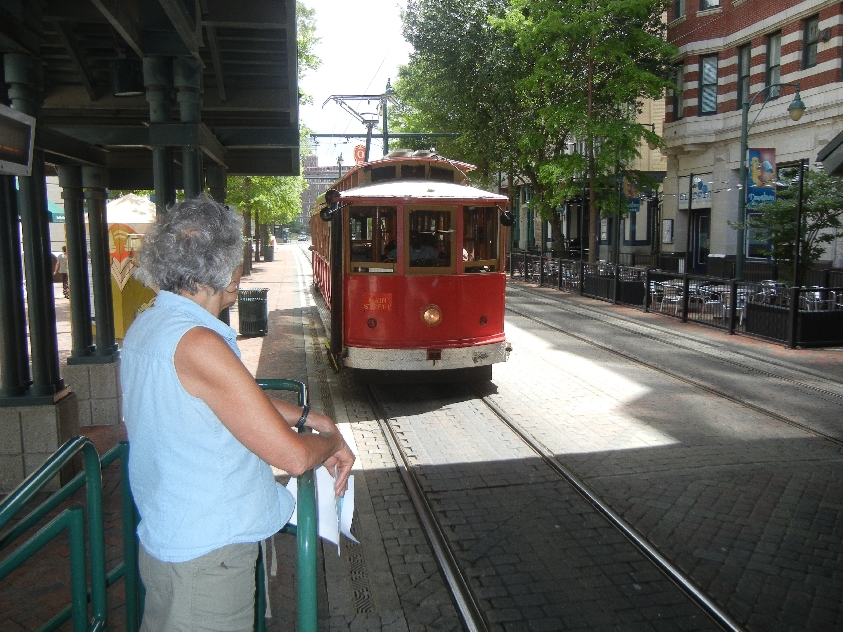
We then did the half hour trolley loop of downtown Memphis, riding on two different trolleys

DSCN2767

DSCN2771

DSCN2770

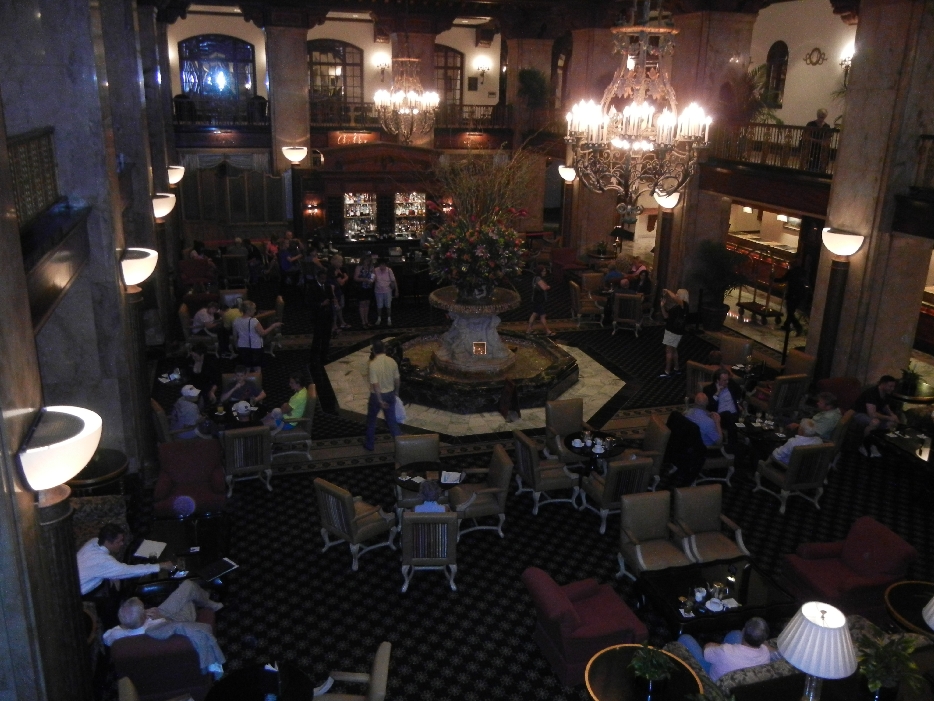
We arrived at the Peabody Hotel about 4pm and relaxed with a drink by the fountain as we waited for the “march of the famous Peabody ducks.”

DSCN2773

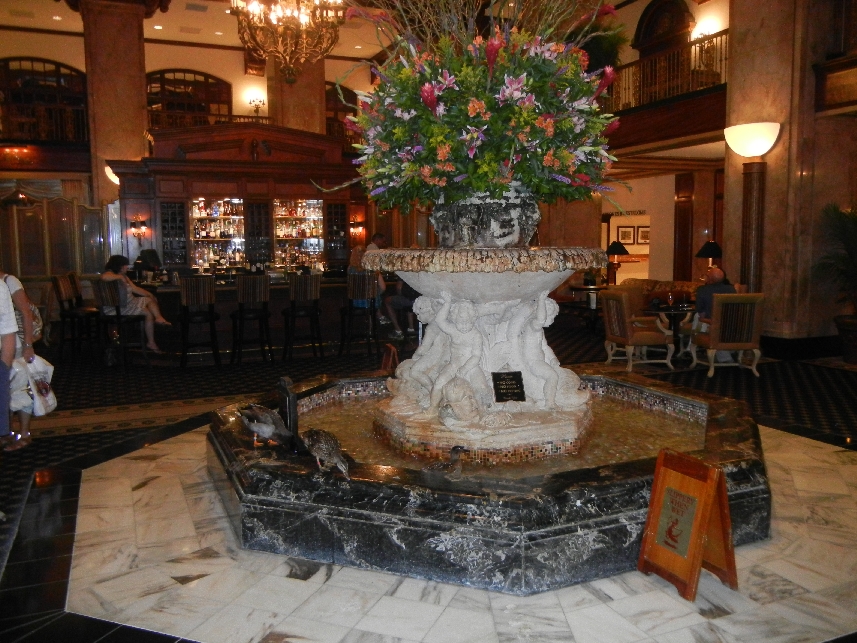
The ducks live in a penthouse on the roof, come down the elevator at 11am sharp and spend the day in the fountain

DSCN2772

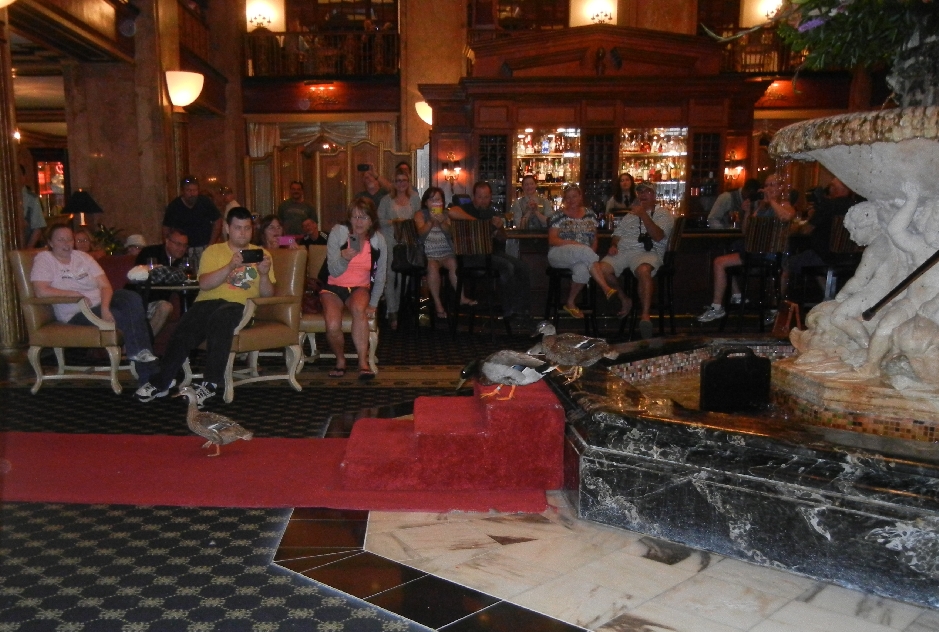
At 5pm sharp they march back to the elevator on a red carpet to the music of the “King Cotton March”

DSCN2775

This is what you call frivolous nonsensical tourism!  Note the Duck Master following the ducks

DSCN2776

Catfish and ribs dinner at the Blues City Café on Beale St.  Our waitress was Serbian and her Serbian friend who worked in the gift shop was from the same small town where Helen was born – Ub, Serbia.  She called Helen last weekend and relayed information from her parents about the condition of Helen’s grandfather’s house and estate.  It is indeed a “small world”!

DSCN2778

We then had a drink and danced to a band in the Blues City Café Club, again walked Beale St listening to music and people watching and ended at B. B. King’s Blues Club

BB Kings -cropped

Helen is telling people she slept with Elvis – this next picture is proof – it was in our motel room!

DSCN2781

It was another memorable anniversary celebration!!!


h1

Hot Springs NP, Padre Island NS, and Palo Alto NHP

May 30, 2014

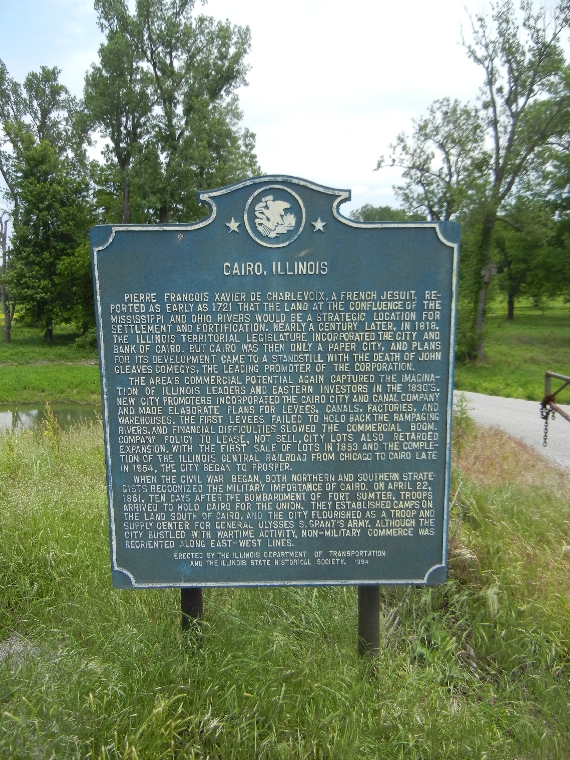
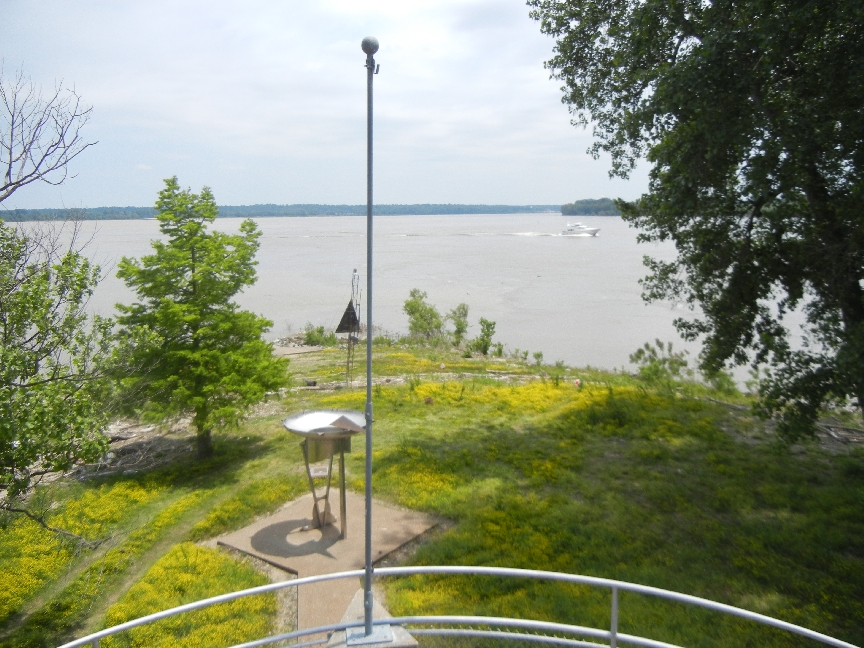
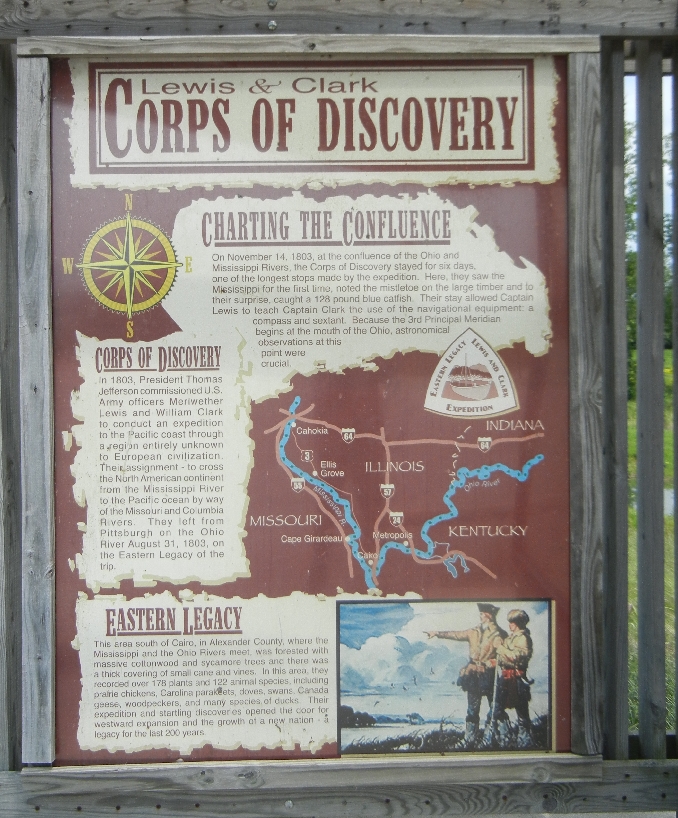
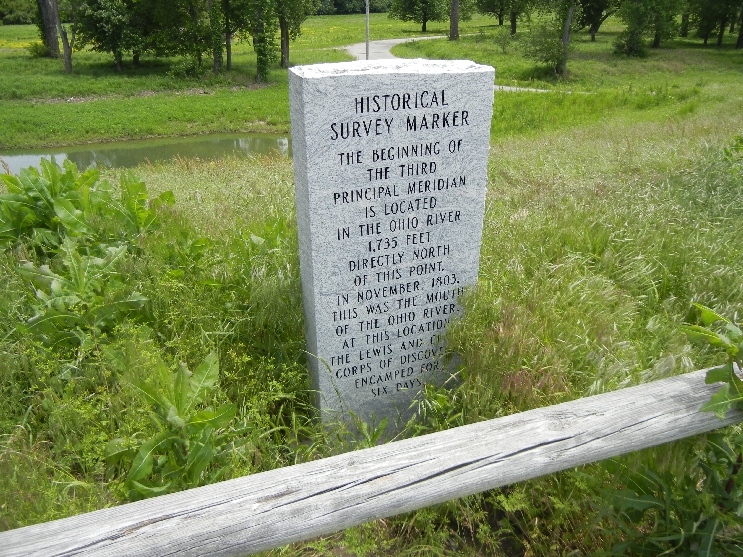
May 19, 2014 – Left Springfield the Monday after Wittenberg’s graduation for our trip to TX.  Made a brief stop in Cairo Illinois, the southernmost tip of Illinois, where the Ohio and Mississippi Rivers meet.

DSCN2584

DSCN2588

DSCN2590

DSCN2587

DSCN2585

The Tri-state point IL-KY-MO is also located in the water off this point.  We arrived in Hot Springs Arkansas after a 12 hour drive and stayed downtown in the Springs Hotel & Spa.

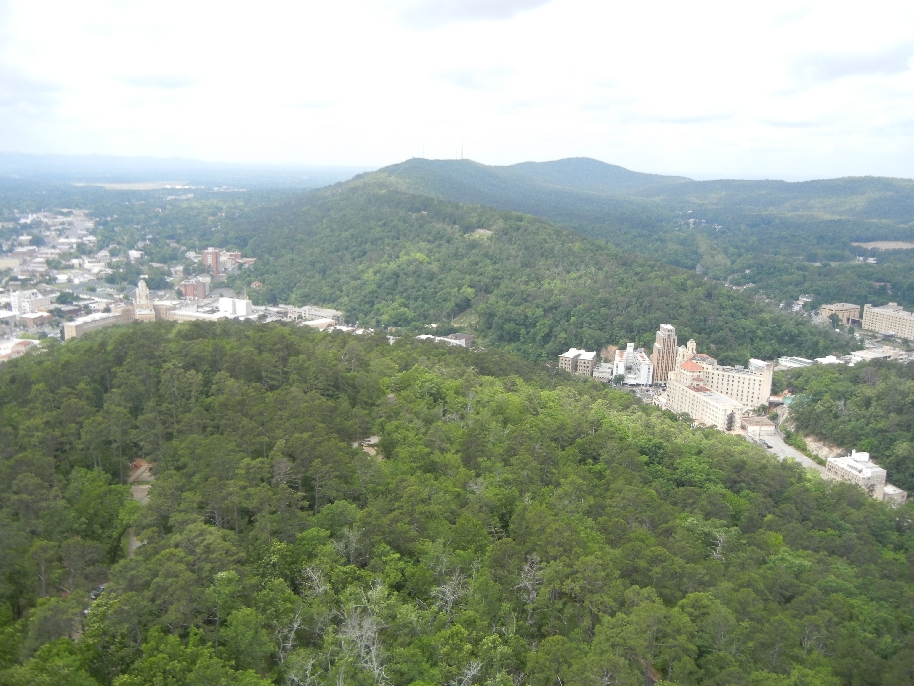
May 20, 2014 – Started the day with a hike to the top of Hot Springs Mountain (1 mile roundtrip)

DSCN2618

Observation Tower on top

DSCN2619

View from Mountain Tower

DSCN2620

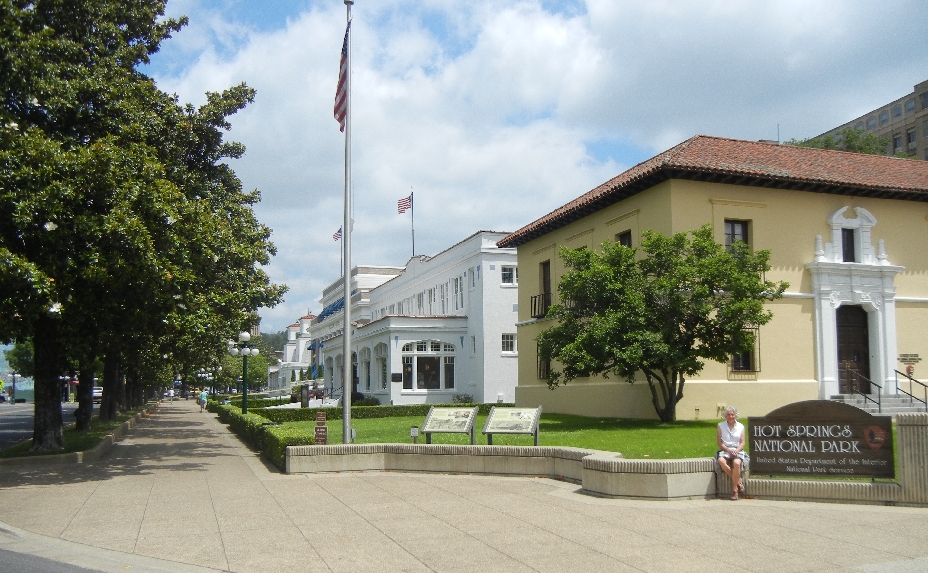
We then visited Bath House Row

DSCN2625

DSCN2626

Quapaw Bath House

DSCN2598

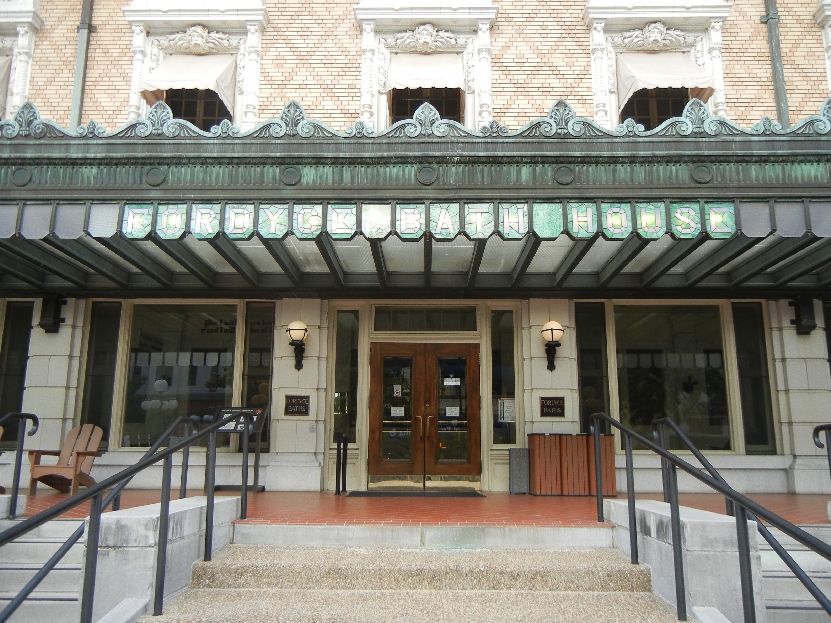
Fordyce Bath House – National Park Visitors Center

DSCN2633

DSCN2597

Undress – Wrap in Towel

DSCN2607

Beautiful Stain Glass Ceiling of Changing Room

DSCN2608

Tub for disabled individual (e.g. FDR)

DSCN2609

Steam Cabinets

DSCN2604

DSCN2605

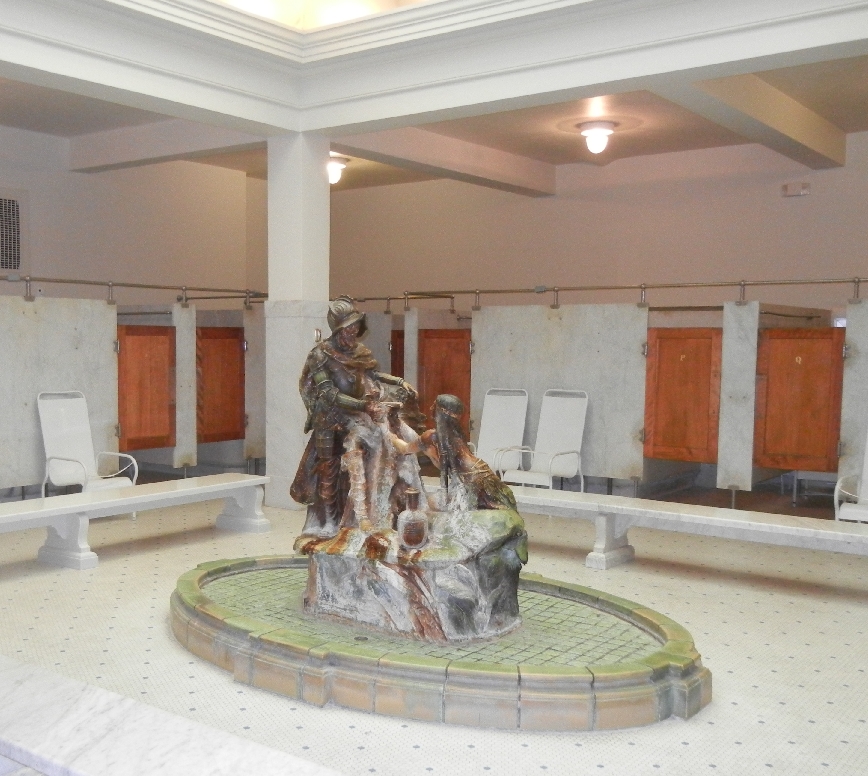
Bath Routine: Tub on right for 20 minute soak in 105 degree mineral springs water, followed by attendant rubbing you down with a luffa bath mitt, then a Sitz bath sitting in 110 degree water (center right), then a steam cabinet for 5 minutes (left foreground), then hot packs for specific joints (table right) and finally a pinpoint shower from all directions.

DSCN2603

Pre-Post Activities in Gymnasium

DSCN2611

After the visitors center, we went to the Buckstaff Baths and did the traditional Bath Routine!

DSCN2600

Hot Springs Fountain

DSCN2623

Yes, we’re from OHIO

DSCN2631

May 21, 2014 – President William Jefferson Clinton Birthplace Home National Historic Site in Hope Arkansas.  This was actually his grandparents home where he lived until four years old.

DSCN2636

DSCN2635

 May 22, 2014 – Katy, TX – Chad’s Birthday.  It started with a call from Kate who was in China!

DSCN2642

DSCN2640

DSCN2638

DSCN2650

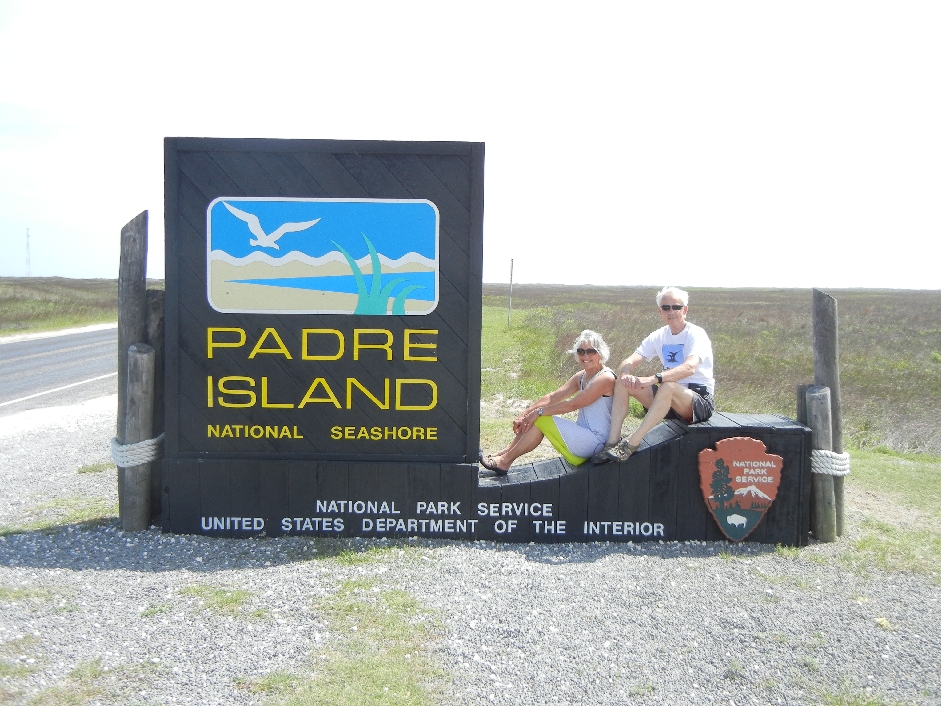
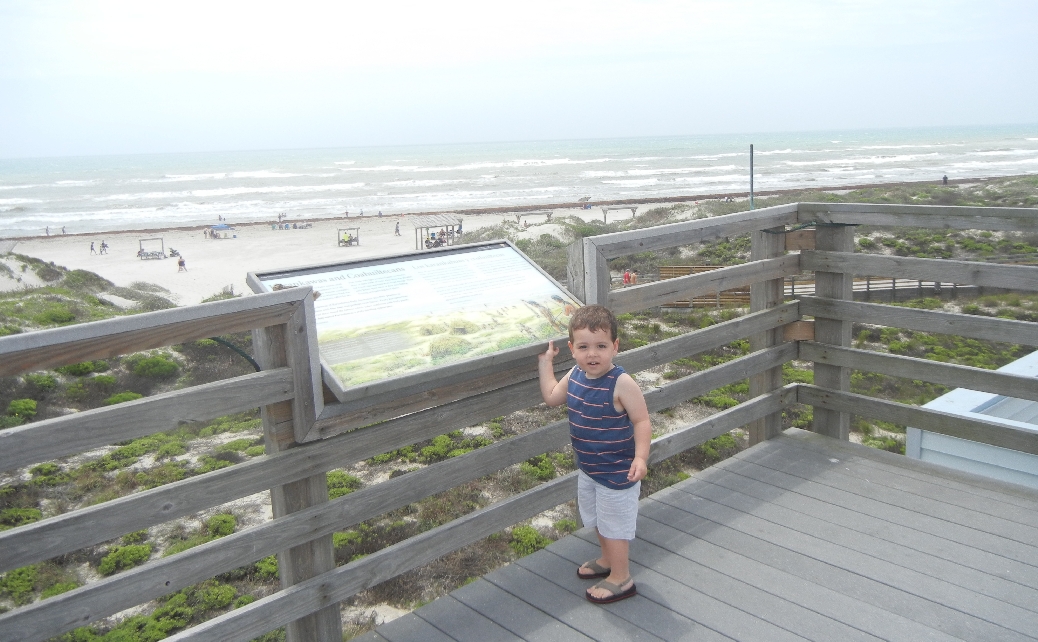
May 23-26, 2014 – Padre Island National Seashore TX.  We stayed in Corpus Christi and drove to Malaquite Beach each morning.

DSCN2652

View from Malaquite Visitors Center

DSCN2723

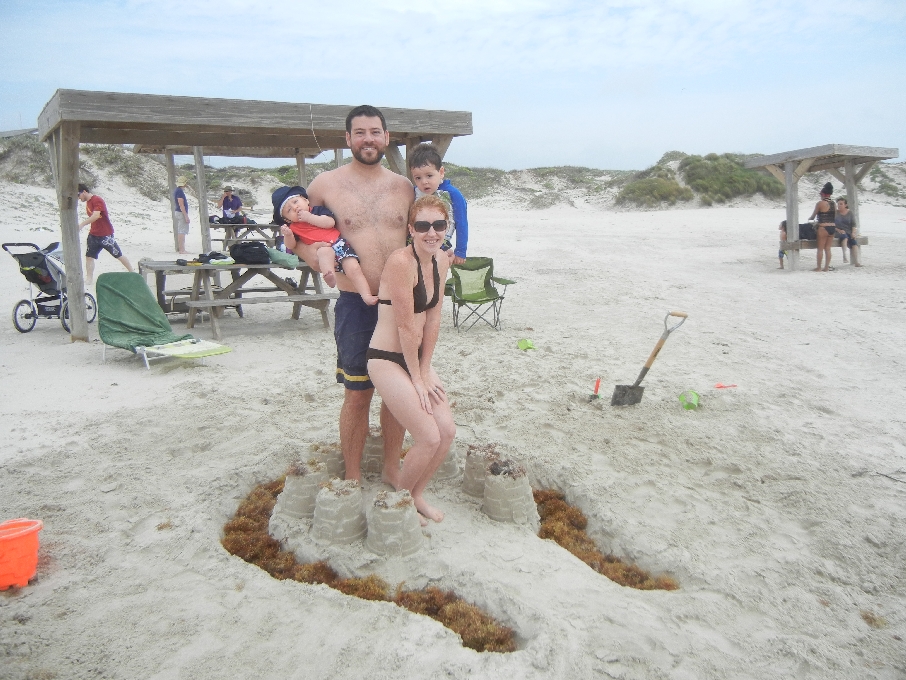
We were there early and able to get a shelter each day

DSCN2665

DSCN2721

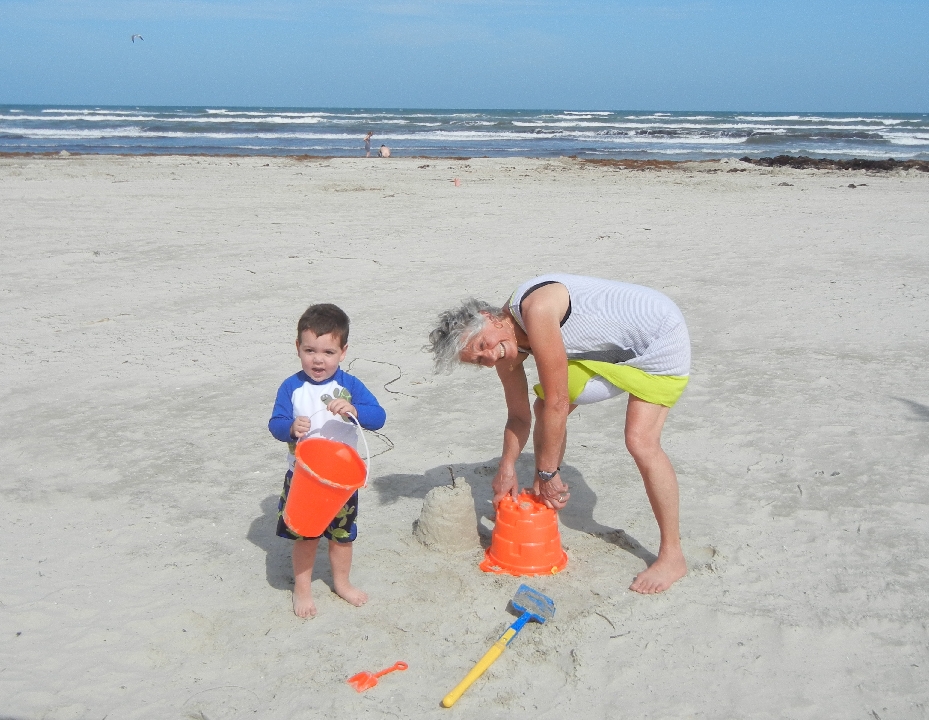
Fun Beach Activities

DSCN2655

DSCN2670

DSCN2676

DSCN2711

DSCN2712

If conditions permit, you can 4 wheel drive to Mile Post 60.  I only went as far as Mile Post 5.  Don’t get stuck!

DSCN2710

DSCN2709

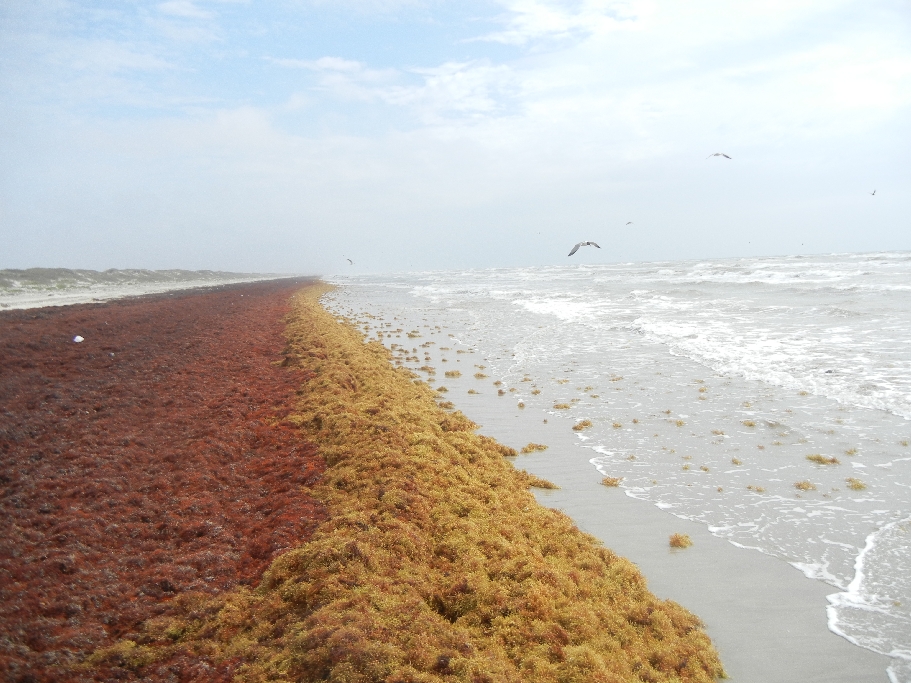
Seasonal Seaweed was washed up 10-30 feet deep on beach

DSCN2714

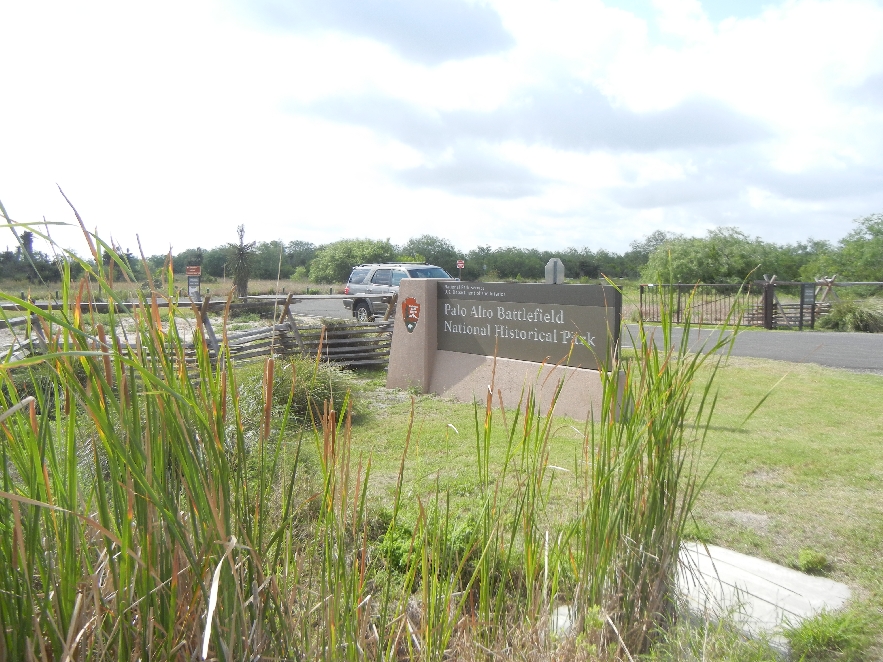
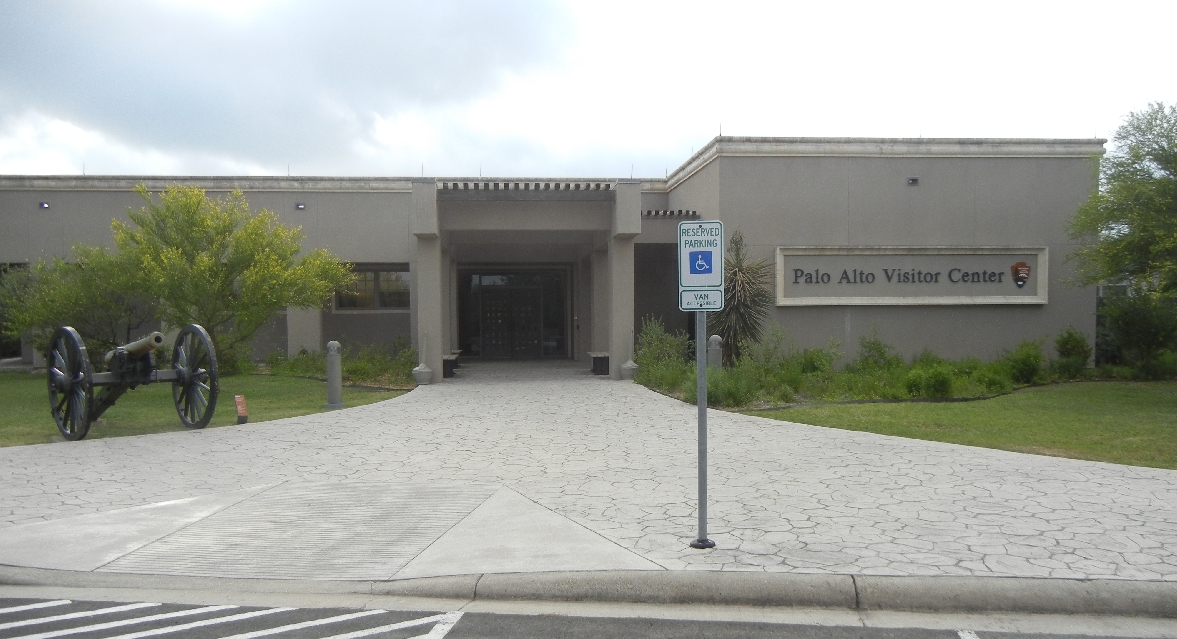
I took one morning to drive to and tour Palo Alto Battlefield National Historical Park just north of Brownsville TX

DSCN2700

DSCN2680

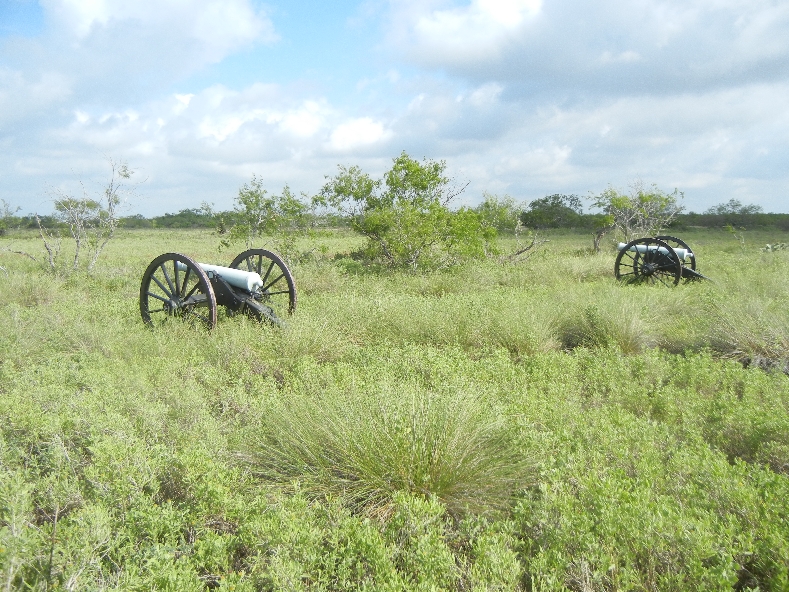
This was the first battle of the Mexican-American War, May 8, 1846

DSCN2695

DSCN2699

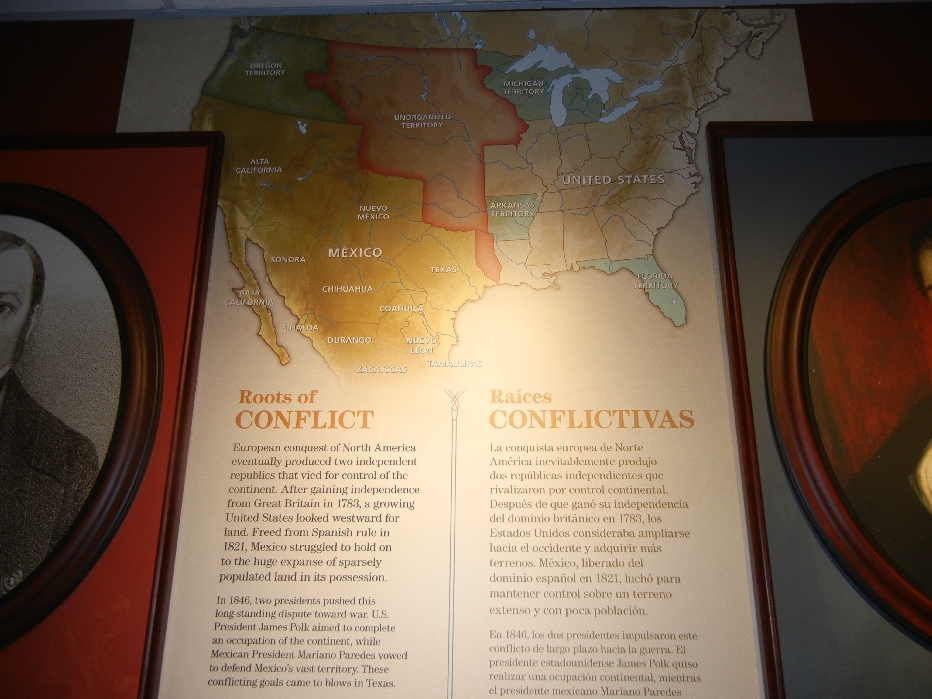
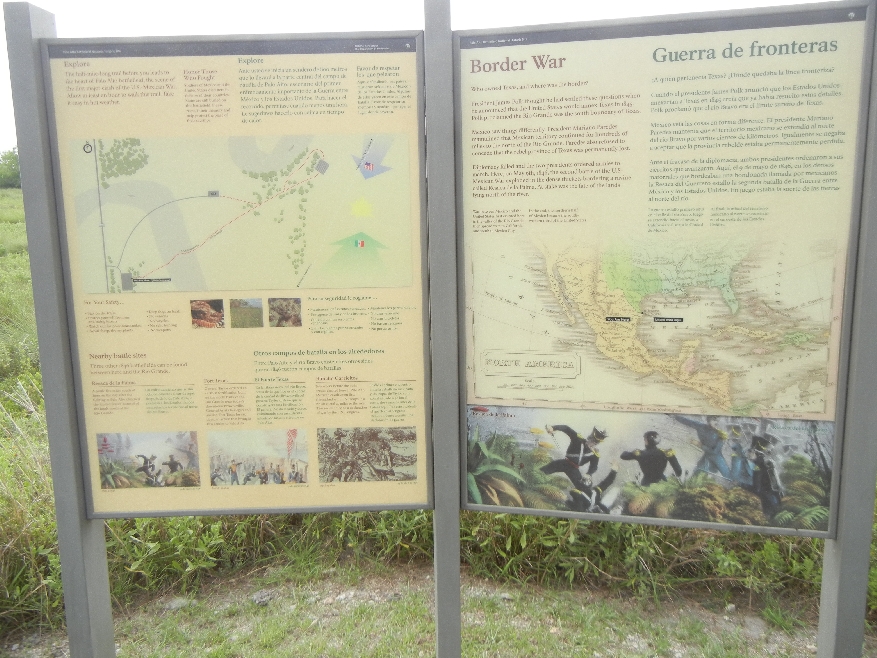
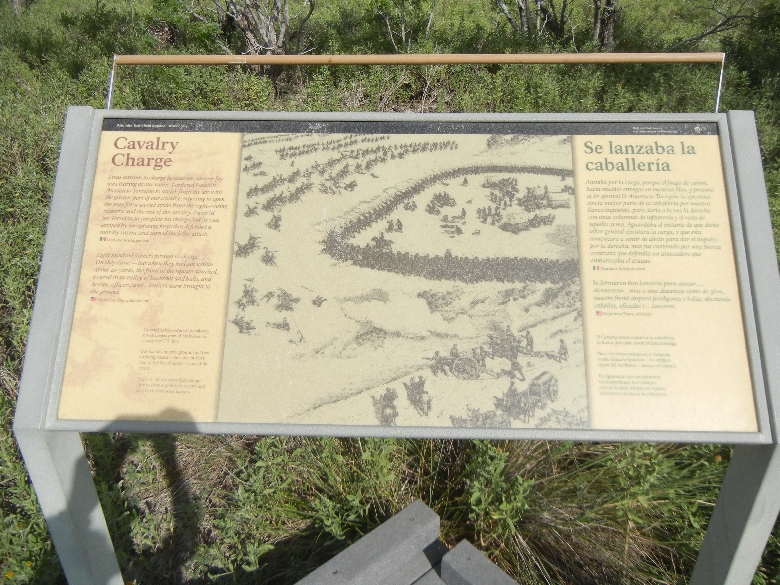
The Republic of Texas had severed ties with Mexico in 1836 (Alamo, etc.).  In 1845 President Polk moved to annex Texas as the 28th state with a southern boundary of the Rio Grande River.  Many Mexicans believed Texas was still a part of Mexico and the Mexican government opposed the annexation.  Polk sent General Zachary Taylor and a 4,000 man army to Texas to secure the border.  The President of Mexico sent General Arista to the Rio Grande to oppose Taylor.  After laying siege to Fort Texas on the Rio Grande River, Arista positioned 4,000 troops across the plain at Palo Alto.  At that time Taylor was resupplying his troops at Port Isabel.  Taylor marched his 2,300 U.S. troops to Palo Alto and attacked the Mexican line.  After this battle and the battle of Resaca de la Palma, the Mexicans were driven back across the Rio Grande River.  The War continued for two years until an American army landed at Vera Cruz and took Mexico City.  The Treaty of Guadalupe Hidalgo (1848) established the Rio Grande as the boundary with Texas and also resulted in Mexico selling the New Mexico and California territories.  This amounted to a huge expansion of the U.S. to the Rio Grande River and Pacific Ocean.

DSCN2683

DSCN2681

DSCN2690

DSCN2691

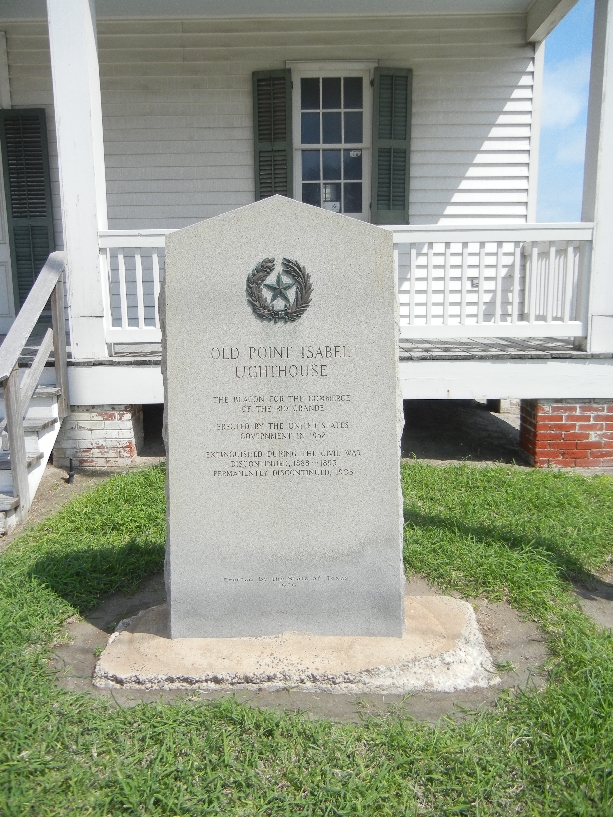
On the way back to Corpus Christi I stopped in Point Isabel and South Padre Island

DSCN2704

DSCN2703

DSCN2705

h1

Spring Break – Central CA

March 22, 2014

March 7 – Mosaic Staircase in San Francisco

DSCN2137

DSCN2138

DSCN2141

March 8 – Yosemite National Park

DSCN2142

Tunnel View Yosemite Valley

IMG_2380

Bridalveil Falls

DSCN2145

El Capitan

DSCN2151

Upper and Lower Yosemite Falls

IMG_2452

Merced River and Half Dome

IMG_2434

Kate and Tom

DSCN2150

Lower and Upper Yosemite Falls

DSCN2157

Recreated Indian Village behind Museum

DSCN2162

Round Meeting House

DSCN2164

Tom & John Muir

DSCN2168

Mirror Lake 5 mile Loop Hike

DSCN2169

IMG_2431

Mirror Rocks

DSCN2170

Mirror Trees

DSCN2171

DSCN2173

DSCN2174

DSCN2175

Yosemite Grant – 1st U.S. Government protected land.  President Lincoln signed the bill in 1864!  This was before Yellowstone was made the world’s first National Park in 1872.  We had dinner in the Mountain View restaurant at the Yellowstone Lodge, went to an evening program on the geological formation of the Yosemite Valley, and then spent the night in Curry Village.
DSCN2177

March 9 – drove to the Badger Pass Ski Area (on the road to Glacier Point) and did a snowshoe hike with Ranger Rick.

DSCN2182

DSCN2186


IMG_2503

IMG_2504

Mole and Weasel on hat and holding white Ermine

DSCN2187

Mariposa Grove of Giant Sequoias – hiked about 5 miles round trip to Wawona Point (6,810 ft) gaining about 1200 ft in elevation.

DSCN2188

IMG_2472

Fallen Monarch

DSCN2190

Bachelor and Three Graces

DSCN2193

 Tree Hugger

IMG_2500

IMG_2501

Grizzly Giant – one of the tallest in the grove, estimated to be 1800 years old!

DSCN2194

California Tunnel Tree

DSCN2197

Sequoias and Snow

DSCN2205

Fallen Tunnel Tree

IMG_2502

Wawona Point Vista

DSCN2207

DSCN2208

Museum was closed

DSCN2212

March 10 – rented a little Fiat from Enterprise and drove to Fort Ord National Monument outside of Monterey CA.  President Obama designated this former Army base as a BLM National Monument in 2012.  We did a 2 mile hike in the eastern part of the park.

DSCN2217

DSCN2219

DSCN2221

DSCN2222

DSCN2223

DSCN2224

Drove south on route 1 to Point Piedras Blancas Light Station.  The beaches just south of there were covered with Elephant Seals.

DSCN2226

DSCN2250

DSCN2232

Mostly elephant seal pups

DSCN2229

DSCN2231

Dead Pup – hundreds don’t make it, though the total population is up to 20,000

DSCN2234

DSCN2237

Approaching Morro Rock and Morro Bay CA

DSCN2292

Morro Bay harbor

DSCN2293

Soupfin Shark, Calamari and Shrimp Special first night and Rockfish Special for dinner the next day

DSCN2240

March 11 8am – Drove to Morro Rock

DSCN2241

Then drove to the entrance to Piedras  Blancas Light Station.  Our little Fiat rental – unsafe at any speed!

DSCN2247

We did a two hour tour of the Light Station with a BLM Ranger

DSCN2244

These tours are offered at 9:45am three days a week during the off-season.  The top of the light station was removed and can be seen in Cambria CA just down route 1.

DSCN2254

DSCN2255

DSCN2249

DSCN2256

DSCN2259

DSCN2261

DSCN2260

DSCN2262

DSCN2265

DSCN2264

Hearst Castle, San Simeon CA – “The Enchanted Hill”

DSCN2225

Start of our tours – after being bused to the castle

DSCN2268

William Randolph Hearst was noted for his Newspaper Empire and eclectic tastes –

DSCN2269

Front of Casa Grande modeled after a Spanish church

DSCN2270

The Assembly Room was the first stop on the Grand Rooms Tour

DSCN2271

Refectory

DSCN2272

Amazing ceilings!

DSCN2273

Billiard Room – billiards and pocket pool

DSCN2275

The Upstairs Suites Tour – started with the Doge’s Suite

DSCN2278

DSCN2279

DSCN2280

Library

DSCN2281

Meeting Room – office in back

DSCN2283

One of numerous bedroom suites

DSCN2285

We then did a Self Tour of the grounds

DSCN2286

Overlooking Pacific Ocean

DSCN2287

DSCN2288

Neptune Pool

DSCN2276

DSCN2289

March 12 – Carrizo Plain National Monument

DSCN2302

Looks like water in Soda Lake

DSCN2303

View from Soda Lake Overlook Hill

DSCN2307

DSCN2308

No Water at this time – just a salt encrusted basin (CA has received only 0.3 of it’s normal rainfall this winter)

DSCN2310

DSCN2311

DSCN2313

DSCN2315

“Salt” Storm – blowing from Soda Lake

DSCN2316

Cover your face!

DSCN2317

Driving across Carrizo Plain – not possible when it rains

DSCN2320

Approaching Temblor Range

DSCN2321

DSCN2335

Wallace Creek Trail – hiked about 2 miles

DSCN2324

DSCN2325

Hiking along the San Andreas Fault

DSCN2326

Very Windy!

DSCN2328

DSCN2329

Earthquake Sensor

DSCN2333

Cesar Chavez National Monument – Declared a national monument by President Obama in 2012.  It commemorates the struggles and accomplishments of the farm worker movement.  The graphic on my T-shirt is the symbol of the movement, strikes and boycotts to establish the country’s first permanent agricultural union.

DSCN2347

Re-creation of Chavez’s office and a migrant worker’s room in Visitor Center

DSCN2340

DSCN2336

Memorial Garden

DSCN2341

DSCN2343

DSCN2342

1927 – 1993 (66) – note rosary on headstone

Tehachapi Loop – one of the 12 Railroad Wonders of the World

DSCN2353

A long train can pass the end of it’s own cars as it circles around the loops

DSCN2351

DSCN2348

March 13 – Drove from our motel in Tehachapi to the south end of Carrizo Plain NM and entered by way of the Elkhorn Grade Road

DSCN2356

DSCN2357

DSCN2358

South entrance on Soda Lake Road

DSCN2360

Erosion Gully

DSCN2361

Former Traver Ranch

DSCN2364

Temblor Mountain Range across plain

DSCN2365

Goodwin Visitor Center

DSCN2318

Arranged for special permit tour of Painted Rock with Ranger Ryan

DSCN2370

Caliente Mountains in background

DSCN2372

About 1.5 mile round trip hike

DSCN2374

DSCN2375

DSCN2376

Remains of Chumash Indian rock art can be seen many places on rocks

DSCN2379

DSCN2380

DSCN2386

DSCN2385

DSCN2388

Looking out from Painted Rock

DSCN2381

South outside of rocks

DSCN2393

DSCN2394

DSCN2395

Rattlesnake – watch your step!

DSCN2377

View from Southwest

DSCN2397

Amir, Helen, Afsaneh, Tom at Negeen Persian restaurant in Campbell CA

DSCN2403

Buffet top arranged for Persian New Year – “Nowruz”

DSCN2400

March 14 – Kate off to work

Kate cropped

Hiked to Corona Heights in afternoon with Casey for a good view of San Francisco

DSCN2413

DSCN2405

DSCN2409

DSCN2411

March 15 – drove to Tomales Bay about an hour north of San Francisco for a picnic

DSCN2425

Tomales Bay Oyster Company

DSCN2427

Bought a dozen Tomales Bay Medium Gold Oysters, a bag of Clams and rented a “shucker” knife

DSCN2428

DSCN2417


DSCN2422

DSCN2419

It was about noon and we were lucky to get one of the last picnic table/grills available.  We shared the table with Josh and Marrisa who came about twenty minutes later and discovered none were available.

IMG_2517

The first oysters and clams were eaten raw

DSCN2431

Then Helen and Kate did their magic on the grill

DSCN2435

All the ingredients for Oysters Rockefeller, potato salad, mango salsa, etc. where prepared the night before

IMG_2521

Delicious!!

DSCN2437

IMG_2522

After filling our bellies, we had a short drive to Point Reyes National Seashore 

DSCN2438

DSCN2439

We did an enjoyable 2 mile stroll along the beach

DSCN2441

Casey loves the water!

DSCN2443

Tidal pool where she pushed sand around with her nose –

DSCN2445

It was a tiring day!  Kate and Casey slept while we watched the final episode of Downton Abby

DSCN2452

h1

Halloween

November 1, 2013

Vera was visiting and we had Stacy & Brad’s children for an overnight and then the day and evening of Halloween while they were doing trail riding in Indiana.  We went to Marmon Valley farms for pony rides in the afternoon and then did trick or treat in the evening.

DSCN1801

DSCN1809

Leva

DSCN1815

DSCN1814

Geert

DSCN1824

Hattie

DSCN1825

Kitten, Horse and Cowboy hat gifts

DSCN1829

Halloween Night

The wicked witch (wind) of the west struck at 11:45pm on Halloween Night.  I was sound asleep and must have jumped a foot out of bed when a huge limb blew off our tulip poplar in the front yard and hit the roof above our bedroom.  Plaster filled the air and I thought one of our windows blew out.  The electricity was out, so I got out my headlamp, flash light and rain jacket to survey the damage.  I checked the attic and discovered one of our chimneys was gone!  The fire department came but was unable to help.  These pictures are from the next morning when a tarp was put over the chimney hole on the main roof.  This is going to be a long term step by step process to get all of this repaired.

DSCN1856

DSCN1849

DSCN1853

DSCN1868

DSCN1864

DSCN1862

h1

Big Thicket N PRES in TX, and Natchez Trace Parkway MS-TN

August 11, 2013

As we were driving to TX on July 23rd we received a call from Chad telling us that Seamus Padraig Martin was born at 11:18am!  He was 7 lbs, 20 in and has red hair!  We drove 13 hours that day (900 miles) and stayed the night in Texarkana.  We drove 6 hours the next day (300 miles) and were at the Martins at 12:30pm.

Seamus

DSCN1636

Liz, Drago, Chad and Seamus

DSCN1631

DSCN1618

Our job was Watching/Walking/Playing with Drago.  Chad and Liz had just won the “Home of the Month” award for their community.

DSCN1609

Drago Man – 21 months

DSCN1647


8/1/2013 – Big Thicket N PRES, Chad and I drove to the Visitor Center and then hiked the Kirby Nature Trail and Sandhill Loop.

We then rented a canoe and paddled from Hwy 327 to Baby Galvez in the Village Creek Corridor Unit, only 2.1 miles. The water was too low, so we decided to take-out at that point and return to Katy.


8/4 – Leaving, the tigress is MaMoe (Drago’s name for Liz’s Mom). She stayed for another week to help out.

Our first stop on the way back to OH was the Natchez National Historical Park Visitor Center in Mississippi.  All of the sites that follow are on or near the Natchez Trace Parkway.

DSCN1670

DSCN1649

We then did a self-tour of the William Johnson House.  William was a mulatto slave named after his owner.  He was given his freedom in 1820 at the age of eleven.  He went on to be a very successful businessman owning 3 barbershops, a bath house, a farm and having other substantial land holdings.  He died in 1851 before the Civil War.
DSCN1662

Interestingly, Johnson purchased slaves and put them to work on his properties

DSCN1650

Melrose – “A Cotton Kingdom Estate,” was our next stop

DSCN1651

Melrose (1849) was an antebellum mansion (meaning before the Civil War)

DSCN1655

We had a great one hour tour from a NP ranger.  Melrose was built by John McMurran , purchased in 1865 by Malin Davis and lived in by his descendants (Kelly family) until 1976, when it was sold to John and Betty Callon.  Public tours began in 1932.  It was acquired by the NP service in 1990.

DSCN1657

Front parlor – note 14k gold leaf

DSCN1659

Dining room with “pukah” (hanging mahogany fan) that was operated by a slave to shoo flies from food

DSCN1660

Master bedroom with day bed, only three families have lived in the home and it has many original furnishings

DSCN1661

Child’s room, Melrose is considered by many to be the finest home in the Natchez region

DSCN1654

There were three sets of slave accommodations.  These are the houses of the slaves that worked the grounds

DSCN1666

We next visited Monmouth (1818), which is now a B & B and restaurant with beautiful gardens

DSCN1664

DSCN1668

Sunset on the Mississippi River

8/5Start of the Natchez Trace Parkway, 444 miles from Natchez MS to Nashville TN

DSCN1673

DSCN1675

The Natchez Trace originated from a series of Indian trails.  The Trace was economically, politically, socially, and militarily (e.g. Andrew Jackson, War of 1812) important to the U.S. during its early development.  Indians, traders, soldiers, postriders, settlers, slaves, circuit-riding-preachers, outlaws and adventurers traveled the Trace.  Also, “Kaintuks,” river boat men, floated the Ohio and Mississippi Rivers to Natchez or New Orleans with their goods and then returned by way of the Trace.

DSCN1676

DSCN1677

Emerald Mound – the second largest temple-ceremonial mound in the U.S.

DSCN1678

Built and used by the “Mississippians” between 1200 and 1730

DSCN1679

Mount Locust Inn and Plantation – one day’s walk from Natchez

DSCN1680

The first stand (Inn) opened at this location in 1801

DSCN1682

The home has been restored to its 1820 appearance

DSCN1684

DSCN1690

Called the “Sunken Trace” because this sandy section was worn down by travelers

DSCN1694

Rocky Springs Town Site

DSCN1700

DSCN1696

Rocky Springs Church and Cemetery – 1837 Methodist church is preserved by former congregation members who hold regular services here and gather at an annual “homecoming’ each spring.

DSCN1698

DSCN1702

Mississippi Mud Cake at the French Camp Academy’s Council House Café

DSCN1715

Brices Cross Roads National Battlefield Site – in the beginning of 1864, President Lincoln made Gen. Ulysses Grant the supreme commander of all Federal forces.  Grant now accompanied the Army of the Potomac and Maj. Gen William Sherman was put in charge of the western armies.  Sherman sent Brig. Gen Samuel Sturgis and 8,100 Federal troops to northern Mississippi in order to protect his supply line, the Nashville & Chattanooga Railroad, from attack by Maj. Gen. Nathan Forrest and his cavalry (3,500 men) as Sherman marched toward Atlanta.  The armies met at Brices Cross Roads on June 10, 1864.

DSCN1716

After fierce fighting, the Federals retreated back to Memphis.  There was a bottleneck when a wagon overturned at Tishomingo Creek Bridge and Forest was able to capture artillery pieces, guns, supplies and over 1,000 Federals.  The loss would have been much greater had it not been for the United States Colored Troops who were in rear guard positions and slowed the Confederate pursuit of the Federal retreat.

DSCN1717

Brices Cross Roads was a Confederate victory.

DSCN1703

Sherman now put Maj. Gen Andrew Smith in charge of the Federals and ordered him to pursue the Confederates.  They marched from Memphis and the armies met and fought in Tupelo Mississippi on July 14-15, 1864.

DSCN1704

Knowing the Federals were coming, the Confederates (Maj. Gen Steven Lee and Maj. Gen Nathan Forest) attacked them five times but were unsuccessful – the battle was considered a draw but it prevented the Confederates from attacking Sherman as he “marched to Atlanta and the sea.”

DSCN1705

You have just read about two battles.  The Civil War has been an interest of mine since I was young.  However, battlefields and cemeteries are not Helen’s favorite places.  Our next stops in Tupelo were not on my bucket list but were of great interest to Helen.  That’s called cooperation.

DSCN1710

Elvis Presley was born on 1/8/1935 in this house, which was built by his father.  He died in Memphis on 8/16/1977.

DSCN1711

DSCN1713

This is a car similar to the one Elvis’s father drove when the family moved to Memphis when he was eleven.

DSCN1708

Ice cream cone at Drive In where Elvis “hungout” – oldest restaurant in Tupelo

DSCN1707

Elvis’s booth

On the way out of town we stopped at the Hardware Store where Elvis’s mother bought him his first guitar.  Helen tells me that Elvis really wanted a gun or a bicycle for his birthday but his mother thought that a gun or bicycle would be too dangerous for him.  Now wasn’t that interesting?

DSCN1723

After leaving Tupelo we continued on the Parkway through the northwest corner of Alabama and on to Collinwood TN.  The info we had stated that there were cabins there.  Well, there was one cabin and it was taken.  We asked about and found a room in the back of the Video/Game/Hardware store.

DSCN1719

DSCN1722

Everything at the local restaurant was fried, so we chose a salad for dinner.  Helen ordered hot tea and the waitress said “Great I just made some, do you want sweet tea or unsweetened?”  Helen said “unsweetened.”   Well, she brought a 16 oz plastic glass with warm unsweetened tea.  Check out the sign!

8/6 – Our first stop back on the Natchez Trace Parkway was Metal Ford of the Buffalo River

DSCN1726

The stone bottom reminded frontier travelers of stone-surfaced “metaled” roads of the day

DSCN1725

Our next stop was the grave of Meriwether Lewis of the famed Lewis and Clark Expedition.

DSCN1731

DSCN1733

Meriwether was only 35 when he was shot or committed suicide (remains a mystery) on October 11, 1809 as he was traveling the Trace back to Washington.

DSCN1730

DSCN1734

Swan Hollow Falls

DSCN1735

The Gordon House (1818) – Gordon was a Captain with Andrew Jackson and served on and off with him from 1812 to 1818. He was able to operate a ferry across Duck River, stand (inn) and trading post at this location by forming a partnership with a Chickasaw Chief.

DSCN1738

Double Arch Bridge near the northern terminus of the Natchez Trace Parkway and Nashville

DSCN1741

Completed in 1994

Stones River National Battlefield Murfreesboro TN, southeast of Nashville

DSCN1742

New entrance for the 150th year anniversary of the battle

The Emancipation Proclamation was to go into effect on January 1, 1863. Lincoln pushed his generals to strike a blow.   In December of 1862 the Army of the Potomac met with disaster at Fredericksburg Virginia and Grant’s Army of the Tennessee was unable to crack defenses north of Vicksburg MS.  Lincoln’s only hope was the Army of the Cumberland in Nashville TN.

DSCN1744

On December 26, 1862 Gen. William Rosencrans led his army of about 43,000 out of Nashville to seek victory against Confederate Gen. Braxton Bragg’s Army (about 38,000) of the Tennessee at Murfreesboro.

DSCN1746

At day break on December 31, 1862 Bragg’s Confederates struck first as the Federals were having breakfast.

DSCN1747

The Federal line gave way except for Hazen’s Brigade in the Round Forest

DSCN1758

DSCN1752

Built in 1863 by Union soldiers, just six months after the battle, the Hazen Monument is the nation’s oldest intact Civil War monument.

DSCN1753

DSCN1748

DSCN1749

Four attacks on Hazen’s position were beat back.  At dusk the fields of Hell’s Half Acre were covered with hundreds of Confederate dead and wounded.

DSCN1743

Fierce fighting took place all day across the battlefield and thousands were killed and wounded.

The next day, New Year’s Day 1863, both armies buried their dead and cared for the wounded.

DSCN1759

On January 2, 1863 the battled resumed with the Confederates again attacking the Federals.  At one point during the battle, 57 Union cannon killed or wounded 1,800 Confederates in a matter of minutes!  At the end of the day Bragg’s forces retreated and this was a major victory for the Union.  In this picture you can see part of the Stones River National Cemetery.  The Battle of Stones River cost 13,249 Union and 10,266 Confederate casualties.  About one third of each force!